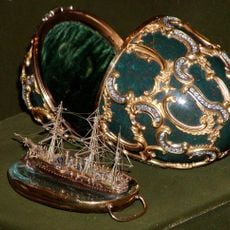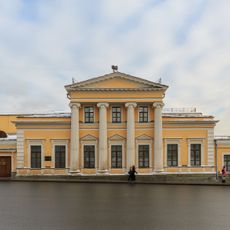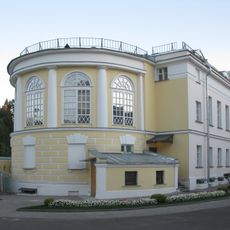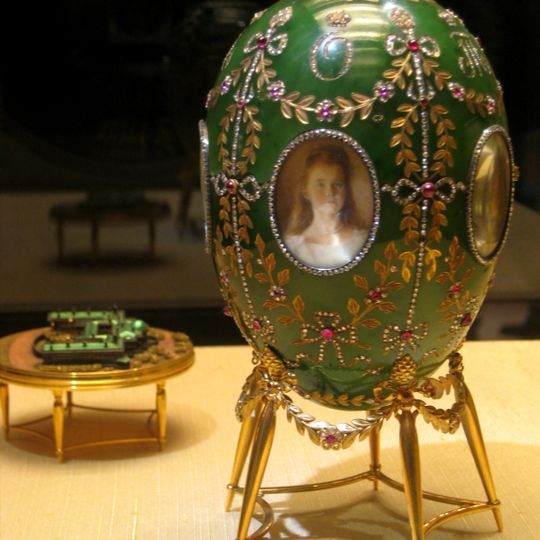
Alexander Palace, Imperial Easter egg at Kremlin Armoury, Russia.
The Alexander Palace egg is a Fabergé creation made from nephrite with five tiny watercolor portraits of the imperial children across its surface. Inside sits a removable miniature replica of the actual palace built from tinted gold and enamel, standing on a five-legged gold table.
The egg was created in 1908 by Henrik Wigström for Tsar Nicholas II, who gave it to his wife Alexandra Fedorovna during Easter. After the Russian Revolution, it remained in Russia as one of the few imperial eggs that was neither sold nor lost abroad.
The egg displays the names and birth dates of the five imperial children in an intimate way across its surface. This personal approach shows how the gift expressed the close family bonds of the royal couple.
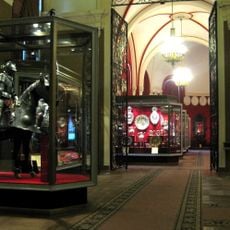
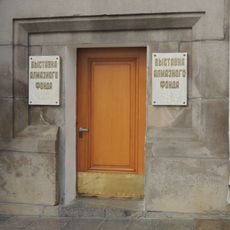
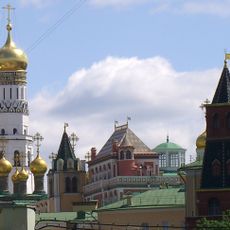
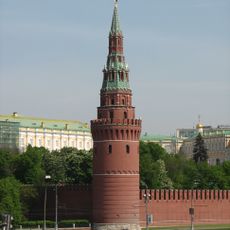
The egg is housed in the Kremlin Armoury and can be viewed as part of the Fabergé egg collection on display. Visitors should note that the delicate interior mechanism can only be appreciated from a safe viewing distance.
This work remained in Alexandra Fedorovna's private dressing room, the Mauve Sitting Room, until 1916 where it could be seen daily. Its story of surviving through the revolutionary upheaval sets it apart from most other imperial eggs that were scattered away.
The community of curious travelers
AroundUs brings together thousands of curated places, local tips, and hidden gems, enriched daily by 90,811 contributors worldwide.