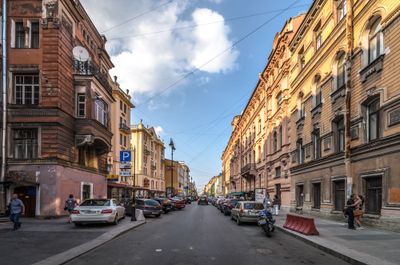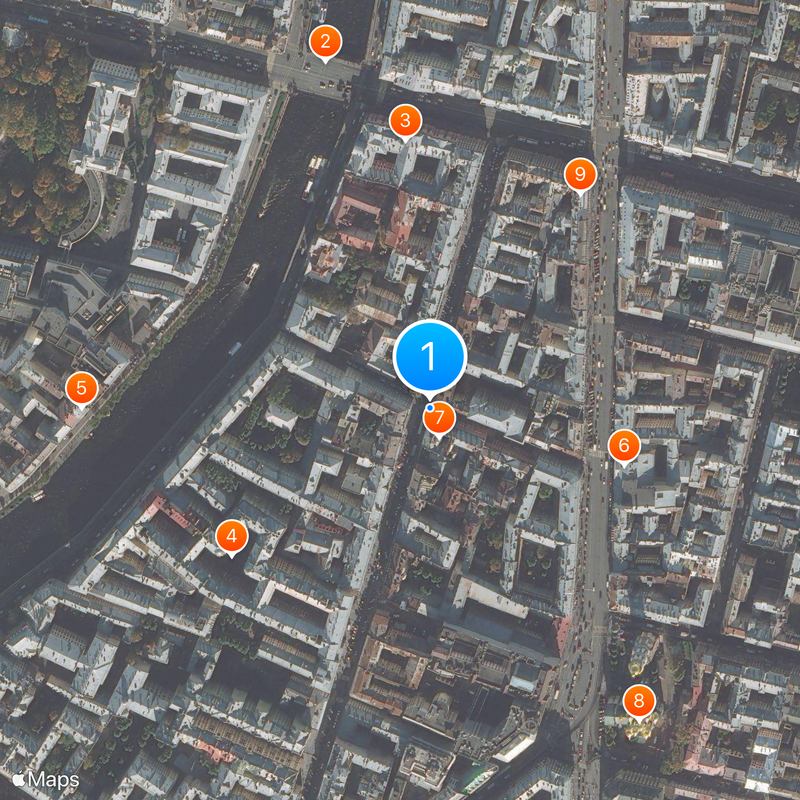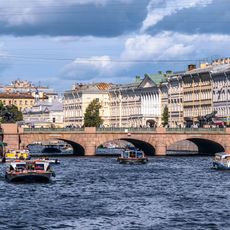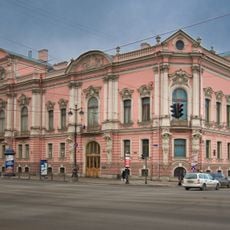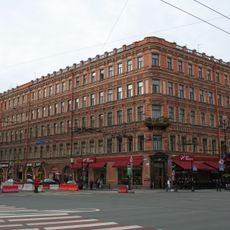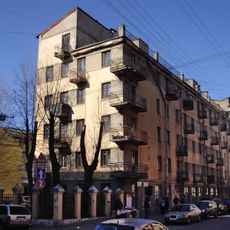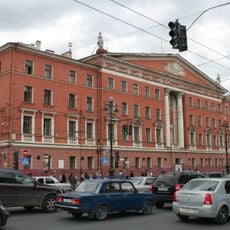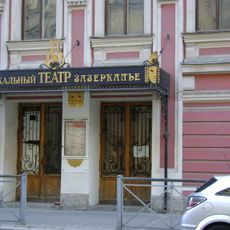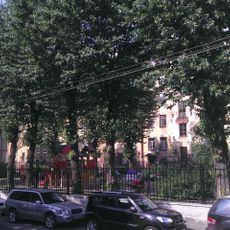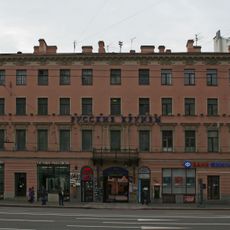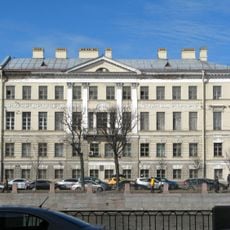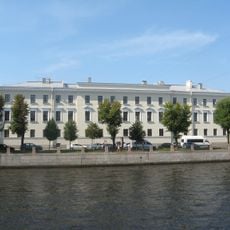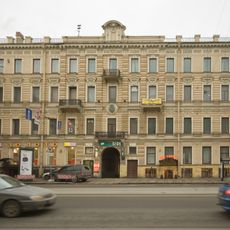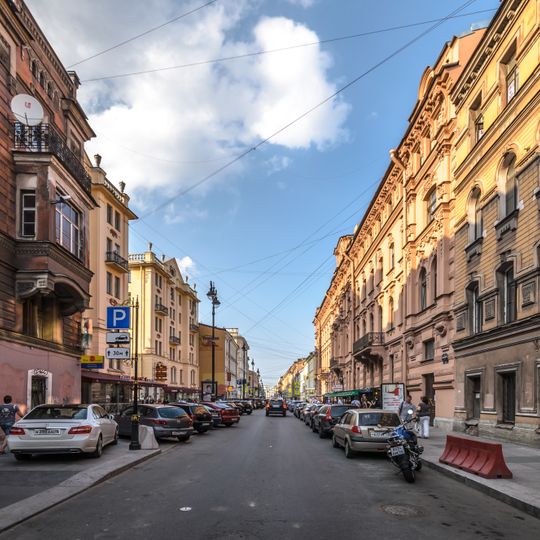
Rubinstein street, Restaurant street in central Saint Petersburg, Russia
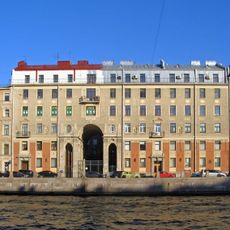
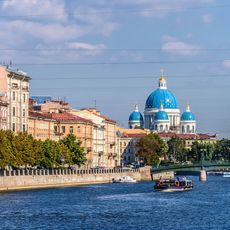
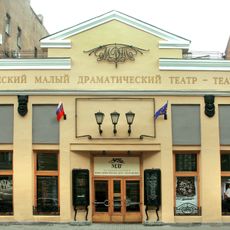
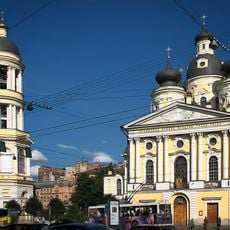
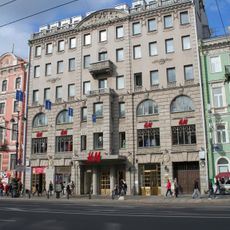
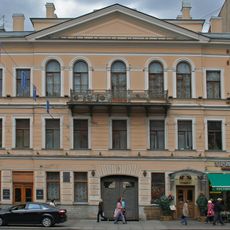
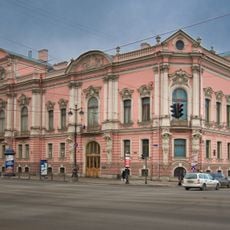
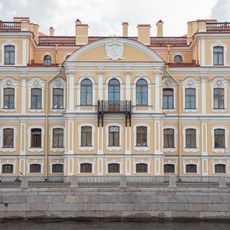
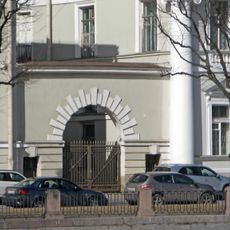
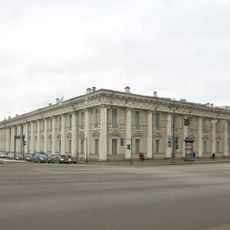
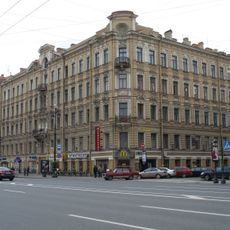
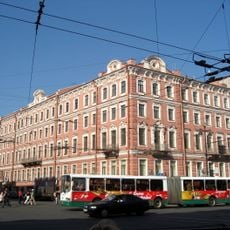
Rubinstein Street connects Nevsky Prospect to Zagorodny Prospect and houses more than 50 restaurants spread across roughly 40 historic buildings. The street features various architectural styles ranging from classical to modern facades that line both sides.
Originally called Golovkin Lane after Chancellor Gavriil Golovkin in the 1740s, the street was renamed in 1929 to honor composer Anton Rubinstein. This change reflected the shifting values during the early Soviet period and transformed the street's public identity.
The Leningrad Rock Club at number 13 has been a gathering place for musicians and artists since 1981 and continues to shape the street's identity as a symbol of Soviet underground culture. Visitors can still sense the traces of this artistic scene that defined the area.
The street lies within walking distance of Vladimirskaya and Dostoyevskaya metro stations, making it easily accessible by public transport. Restaurants along the street open in the morning and stay open late into the evening, offering flexible dining times for visitors.
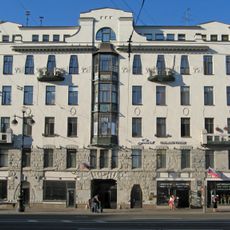
The Tolstoy House at numbers 15-17, designed by Fyodor Lidval, displays a carefully crafted facade with ornamental details from the early 1900s. The buildings along this street preserve layers of history that reflect different eras of the city's development.
The community of curious travelers
AroundUs brings together thousands of curated places, local tips, and hidden gems, enriched daily by 60,000 contributors worldwide.