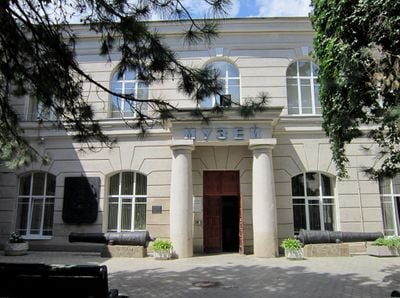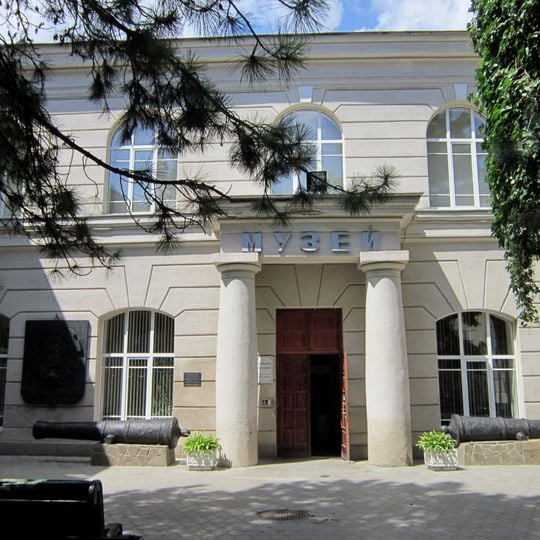
Rostov Regional Museum of Local Lore, Regional local history museum in Rostov-on-Don, Russia
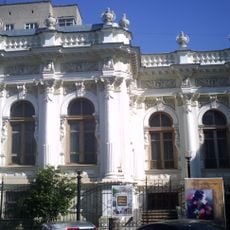
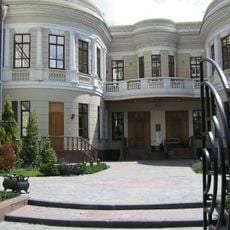
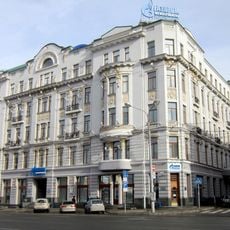
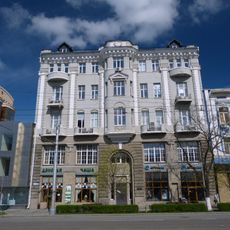
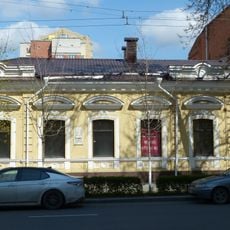
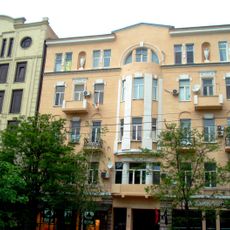
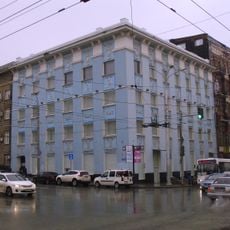
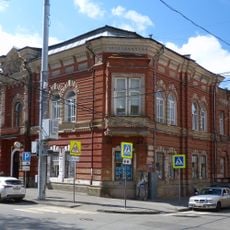
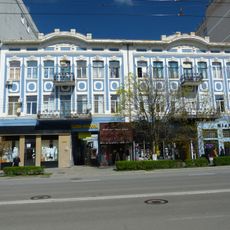
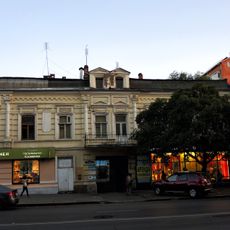
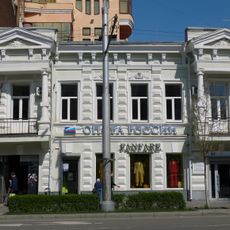
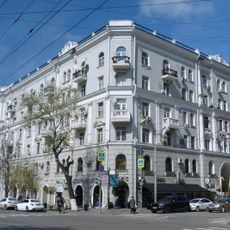
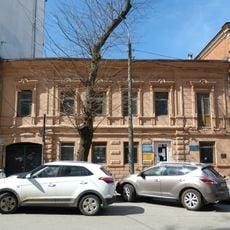
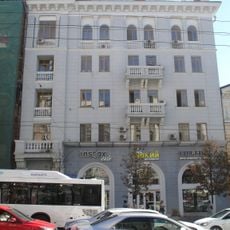
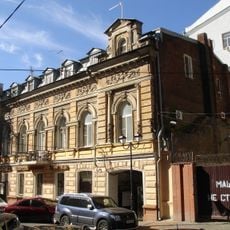
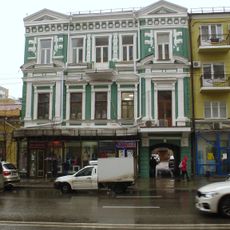
The Rostov Regional Museum of Local Lore occupies a building at 79 Bolshaya Sadovaya Street, constructed in the early 20th century and listed as an architectural monument of regional importance. Its exhibition halls, reorganized from 2002, present the nature, culture and history of the Rostov Region, with the hall "Treasures of the Don Mounds" displaying 2,000 gold and silver objects from the 4th century BC to the 8th century AD.
The museum traces its origin to the Rostov City Museum, opened on 1 May 1910 through the efforts of local patrons and members of the Rostov Society of History, Antiquities and Nature, among them M. Krasnyansky, A. Ilyin and V. Asmolov. From 1920 it was known as the Don Regional Soviet Museum of Arts and Antiquities. The regional museum itself was organized in 1937 on the basis of that museum's exhibits; during the Nazi occupation the building was destroyed and the exhibits looted, and after the 1943 liberation efforts were made to recover what remained. In 1951 it received its present building at 79 Bolshaya Sadovaya Street.
The museum's name reflects its regional focus, and its exhibits trace the nature, culture and history of Rostov Oblast. The most notable display is the hall "Treasures of the Don Mounds", with 2,000 gold and silver objects from the 4th century BC to the 8th century AD. Lectures and events mark dates important to the region and the country.
The museum stands at Bolshaya Sadovaya Street 79, in a building from the early 20th century that is a regional architectural monument. The address is in Rostov-on-Don's city centre, not in Kirovsky District. The displays begin with ancient times and continue to the present, so allow time to move through the chronological halls.
The museum's best-known hall, "Treasures of the Don Mounds", displays about 2,000 gold and silver objects made between the 4th century BC and the 8th century AD. The collection was assembled after 1943, when the retreating occupation forces had looted the museum and its remains were tracked down.
The community of curious travelers
AroundUs brings together thousands of curated places, local tips, and hidden gems, enriched daily by 94,095 contributors worldwide.