See the monuments around you in AROpen chests in the app
Around Us is built for your phone — point your camera at the streets and discover the monuments and places around you in augmented reality.Around Us is built for your phone — chests unlock when you walk, explore and capture nearby places.
Austin stands apart from other Texas cities. Here, music drifts from bars before sunset, food trucks share space with concert halls, and parks reach toward the Colorado River. The city draws students, artists, and travelers seeking the energy found in this place. In its museums, natural swimming pools, and active neighborhoods, Austin can be explored on foot, by bike, or with live music as your soundtrack. From Zilker Park to the Capitol, from South Congress to East Sixth Street, each location reflects the city's independent and creative spirit, blending nature, invention, and the joy of life outdoors.
Zilker Park offers shade under old trees and open lawns where people gather, swim, and rest. Barton Springs Pool is a natural spring-fed swimming area that stays cool throughout the year. Lady Bird Lake provides a path for walking and biking along the water, with views of downtown. Mount Bonnell rewards a short walk with views across the city and surrounding land.
South Congress Avenue buzzes with shops, restaurants, and local galleries. East Sixth Street pulses with live music venues and bars. The Texas State Capitol, Blanton Museum of Art, Bullock Texas State History Museum, and LBJ Presidential Library tell stories of the region's past. The Austin Zoo and Austin Aquarium welcome families. The Paramount Theatre and The Moody Theater host performances and concerts throughout the year.
Austin stands apart from other Texas cities. Here, music drifts from bars before sunset, food trucks share space with concert halls, and parks reach toward the Colorado River. The city draws students, artists, and travelers seeking the energy found in this place. In its museums, natural swimming pools, and active neighborhoods, Austin can be explored on foot, by bike, or with live music as your soundtrack. From Zilker Park to the Capitol, from South Congress to East Sixth Street, each location reflects the city's independent and creative spirit, blending nature, invention, and the joy of life outdoors.
Zilker Park offers shade under old trees and open lawns where people gather, swim, and rest. Barton Springs Pool is a natural spring-fed swimming area that stays cool throughout the year. Lady Bird Lake provides a path for walking and biking along the water, with views of downtown. Mount Bonnell rewards a short walk with views across the city and surrounding land.
South Congress Avenue buzzes with shops, restaurants, and local galleries. East Sixth Street pulses with live music venues and bars. The Texas State Capitol, Blanton Museum of Art, Bullock Texas State History Museum, and LBJ Presidential Library tell stories of the region's past. The Austin Zoo and Austin Aquarium welcome families. The Paramount Theatre and The Moody Theater host performances and concerts throughout the year.
Zilker Metropolitan Park is a large green space in the heart of Austin that brings together sports fields, shaded trails, and a botanical garden. This park embodies the balance between nature and city life that defines Austin. Local residents use the fields for picnics and swimming in the nearby Barton Springs Pool. The park serves as a gathering place where neighbors meet to spend time outdoors, playing a central role in Austin's outdoor-focused way of life.
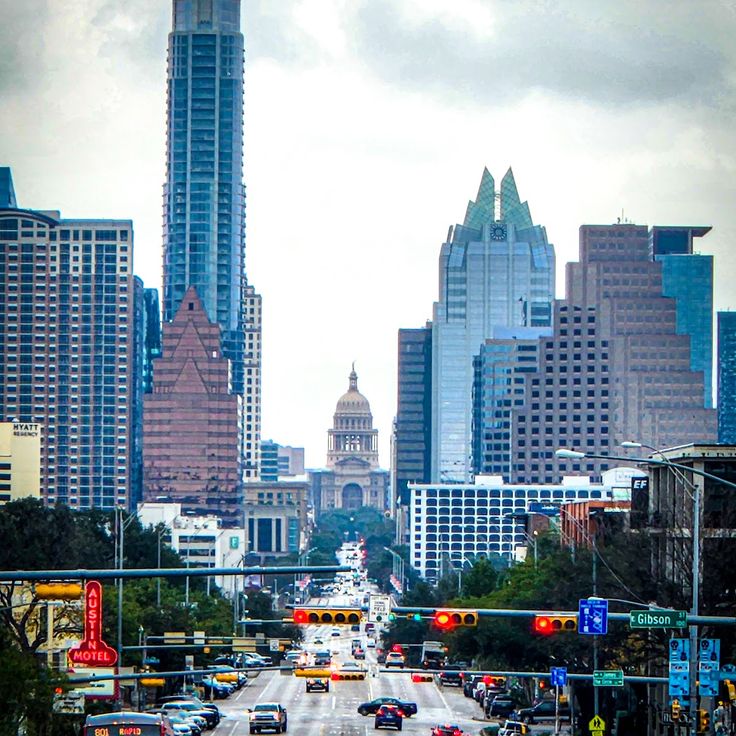
The Texas State Capitol is a symbol of Texan pride. This Capitol Building was built from pink granite and has overlooked the city since 1888. Its corridors still host local government sessions. It fits perfectly into Austin's mix of history and creative energy, where music flows from bars and life happens in parks and on the streets.
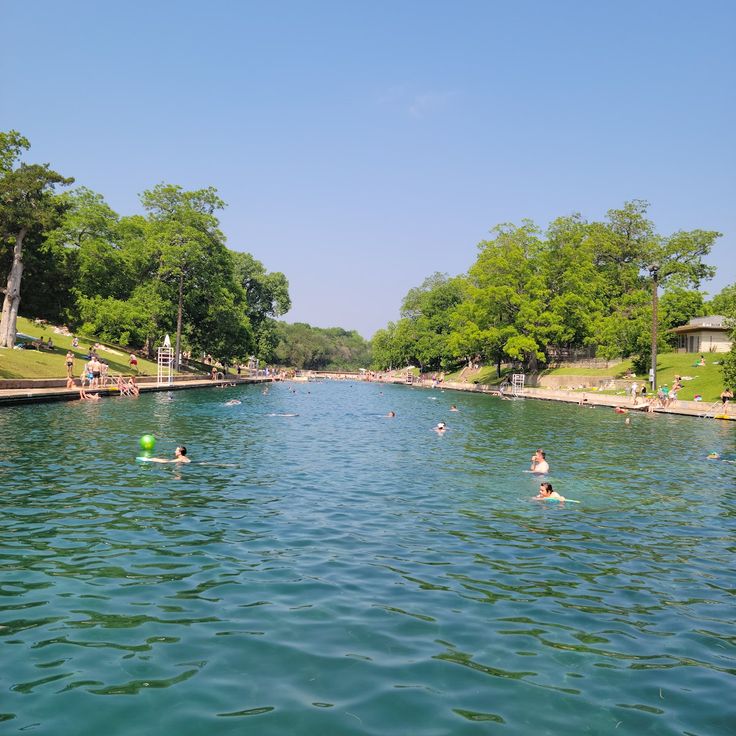
Powered by a natural spring, Barton Springs Pool maintains clear and cool water year-round. As a legendary spot, this pool belongs among Austin's most popular swimming destinations and draws locals regardless of the season. It embodies the city's love of nature and the simple pleasure of outdoor living that defines Austin's culture.
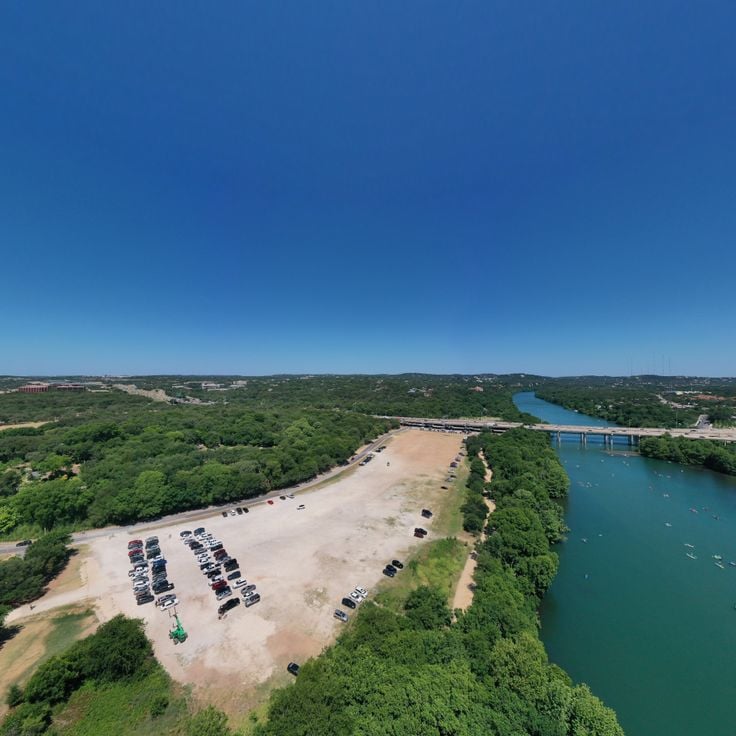
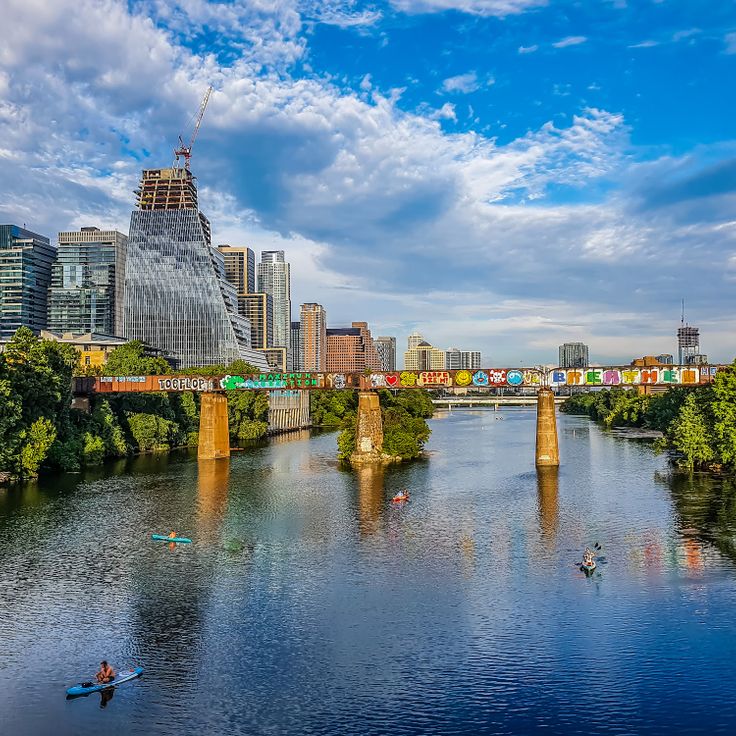
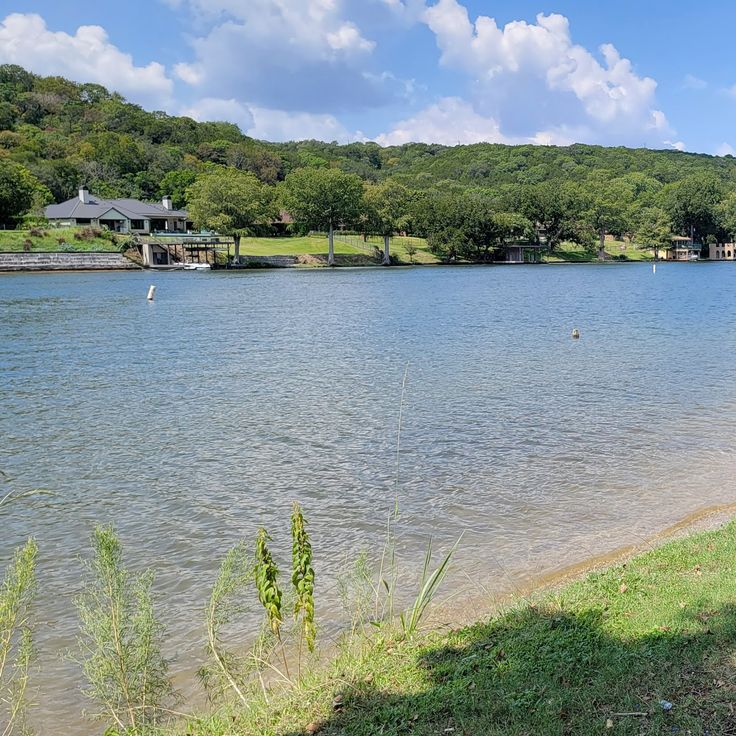
Lady Bird Lake is a reservoir that flows through downtown Austin and plays an important role in the city's outdoor culture. It offers excellent opportunities for kayaking or walking on tree-lined trails along its banks. Sunsets over the skyline here are striking.
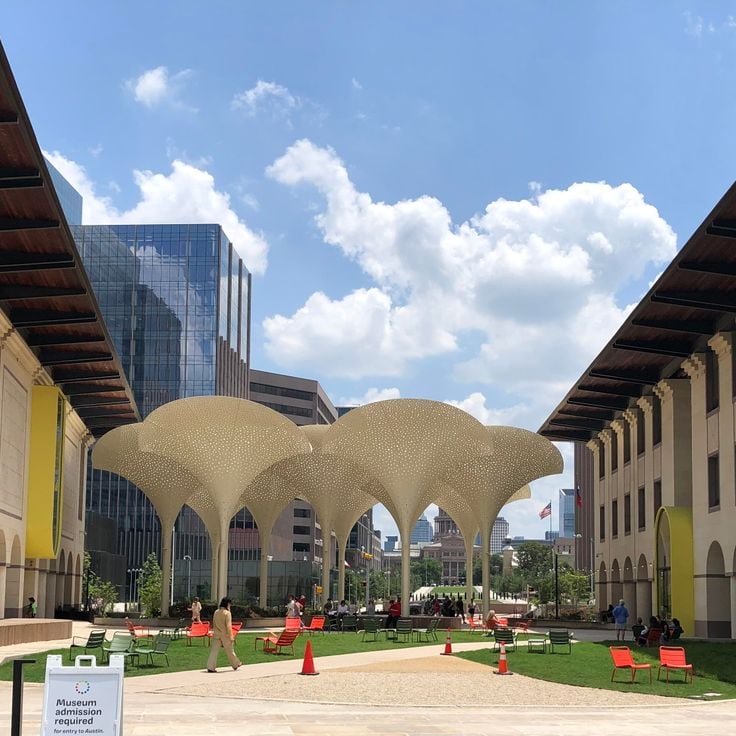
The Blanton Museum of Art in Austin houses over 17,000 artworks spanning from the 14th century to contemporary pieces. This university museum offers a quiet, well-lit space on campus and fits naturally into Austin's creative culture, where artists and visitors gather to experience art across centuries.
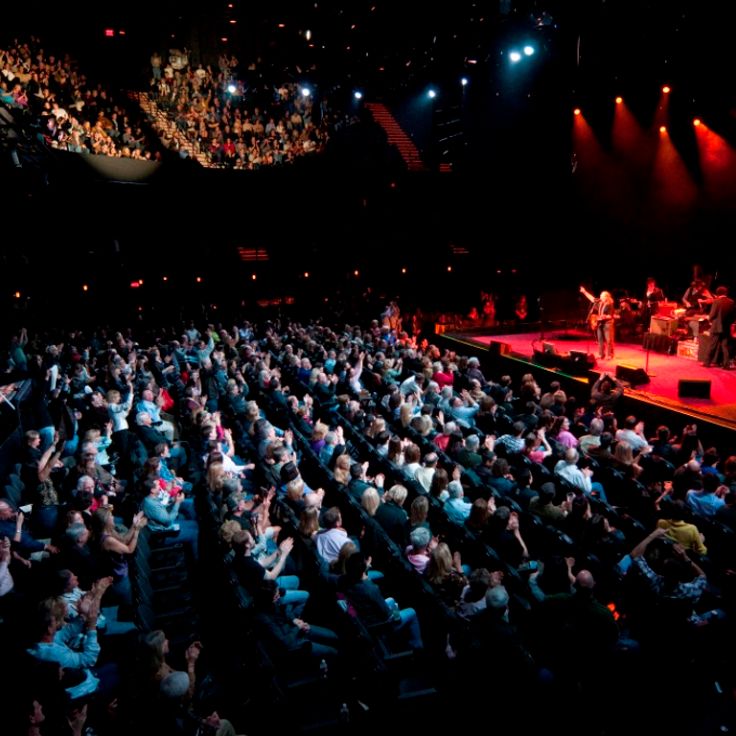
The Moody Theater is a modern venue in Austin with 2,700 seats, known as the home of the show "Austin City Limits". Each week, it brings together local artists and internationally renowned musicians, adding to the city's deep music culture.
South Congress Avenue runs through the heart of Austin's creative scene. This street connects different worlds: vintage shops sit next to modern restaurants, small galleries next to cafes where artists and musicians gather. The avenue breathes Austin's spirit - unconventional, alive, and always changing. Here you experience local culture not in museums but on the street, in the faces of people and shop windows. South Congress Avenue is where you truly understand Austin.
Mount Bonnell is a natural viewpoint rising above the Colorado River. From its summit, you can see across Lake Austin and the surrounding hills. At sunset, this spot captures the outdoor spirit that defines Austin's free and inventive character.
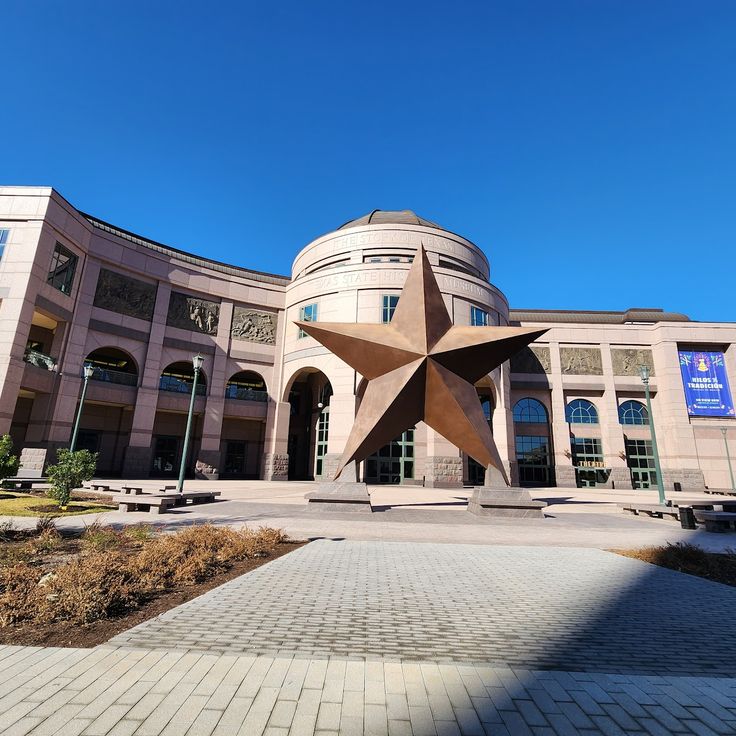
The Bullock Texas State History Museum explores the history and culture of Texas through exhibits and artifacts. Within Austin's creative spirit, this museum connects visitors to the stories that shaped the state and the city's role in Texas culture.
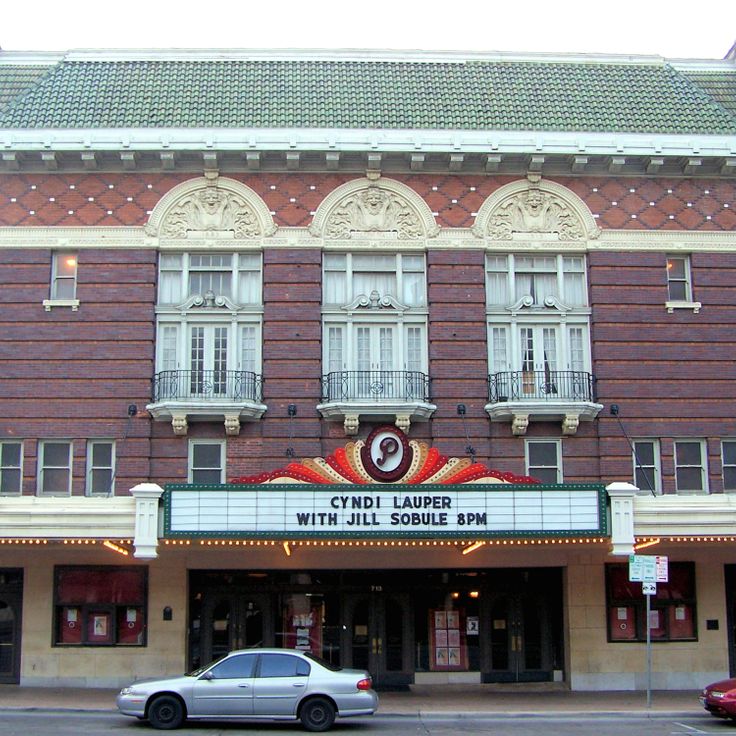
The Paramount Theatre is a historic cinema in the heart of Austin. It shows films, live music, comedy, and performances. The building itself carries history, where artists and visitors gather together. The theater fits perfectly into Austin's culture, where music and creativity are everywhere. Here you can experience anything from classic films to live performances and discover the local arts scene.
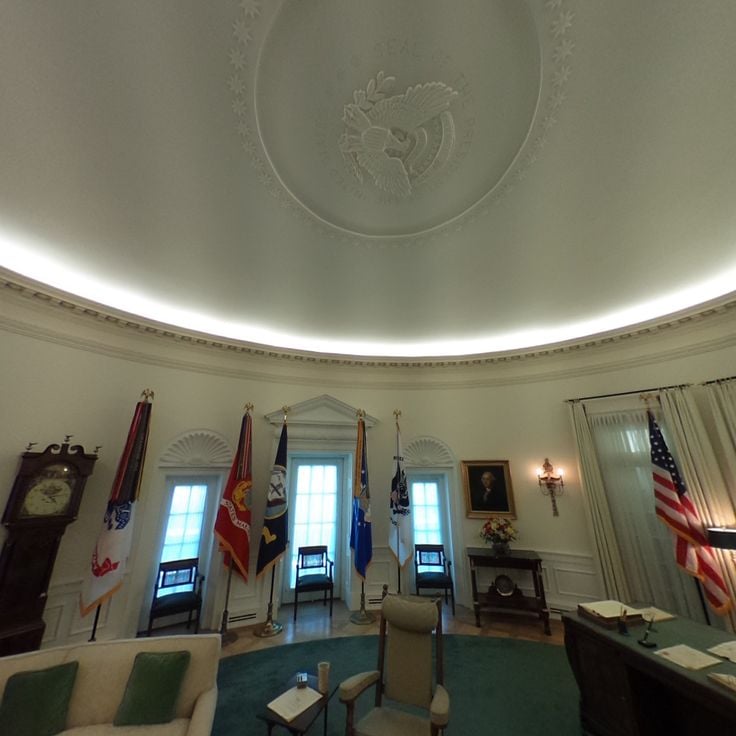
The LBJ Presidential Library documents the life and work of President Lyndon B. Johnson. The building holds archives, personal items, and exhibitions about Johnson's political career and the history of 1960s America. Visitors explore an important chapter of American history and understand the era of the civil rights movement and foreign policy under Johnson. The library offers a place to learn about the complexity of this period.
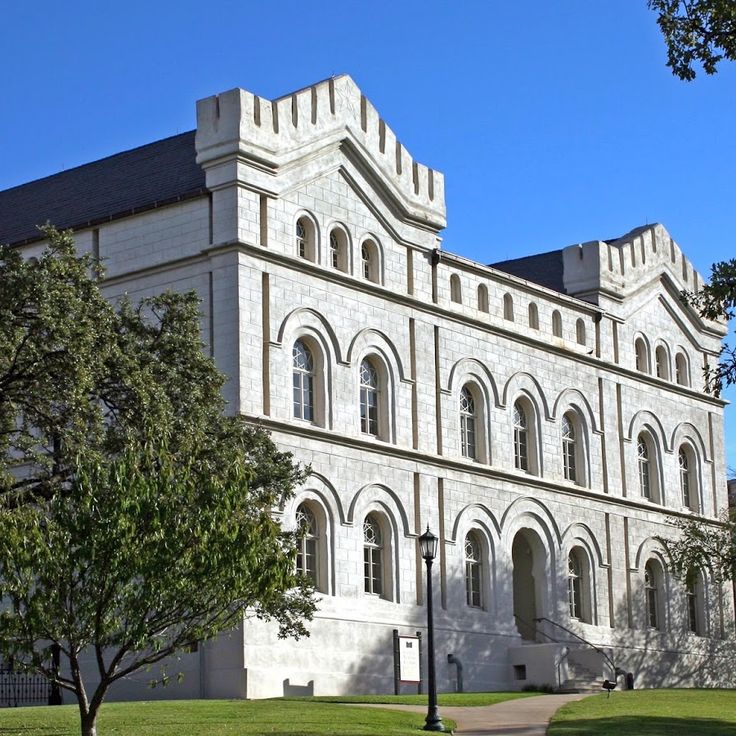
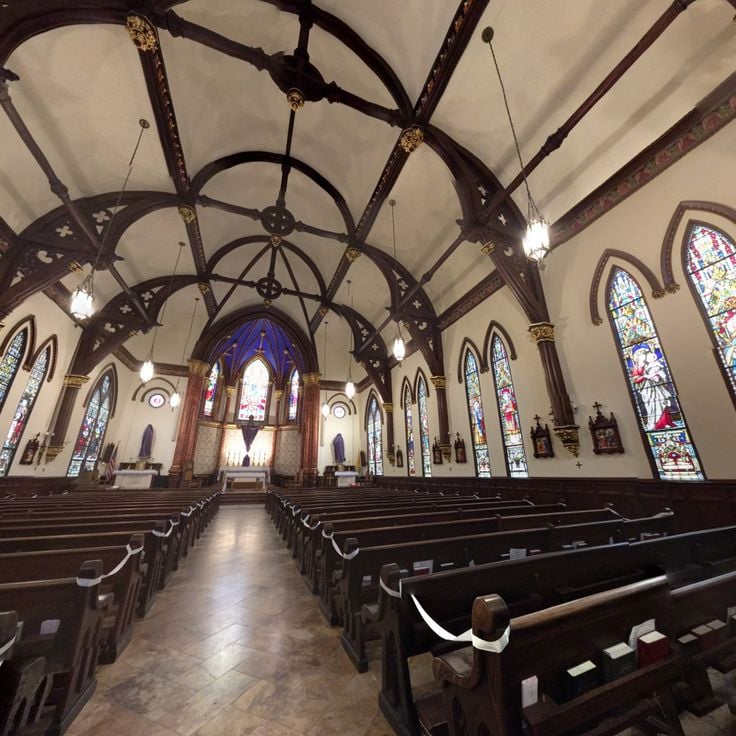
The Cathedral of Saint Mary is a historic Roman Catholic cathedral featuring remarkable Gothic Revival architecture. As part of Austin's cultural fabric, it stands in the heart of the city, offering visitors a space for reflection amid the energy of live music, food trucks, and parks. This cathedral reflects the religious and architectural history of Texas's capital.
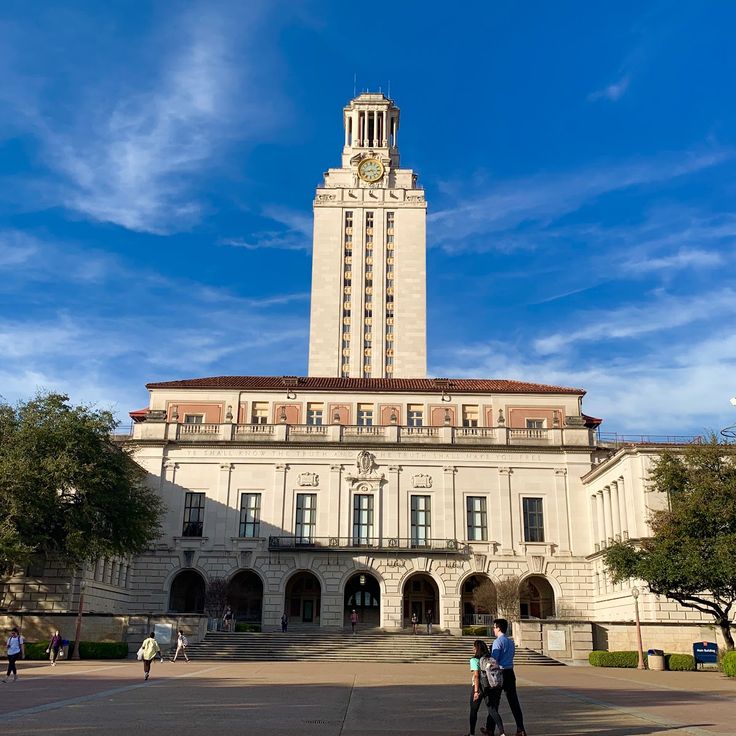
The University of Texas at Austin shapes the cultural life of this city with its museums, sports facilities, and the distinctive 307-foot tall clock tower. This institution draws students and artists, contributing to Austin's creative spirit that shows itself in music, art exhibitions, and public events.
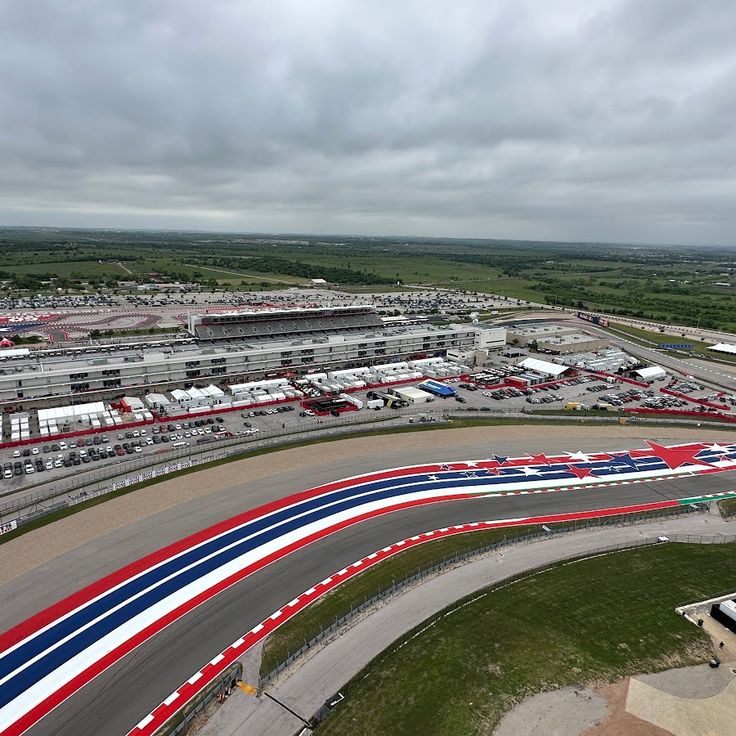
The Circuit of the Americas is a modern racing facility in Austin that hosts Formula 1 events and major concerts. The roar of engines and racing energy contrast sharply with the quiet of nearby parks. This venue fits perfectly into Austin's blend of creativity and outdoor living, showing how the city brings together speed, music, and nature.
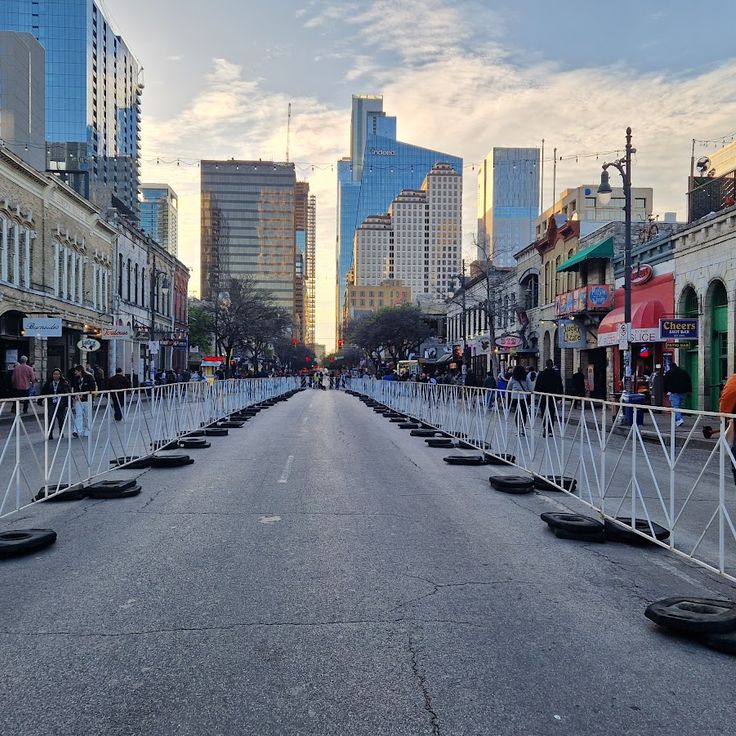
In the evening, this street lights up with neon signs and guitar sounds. East Sixth Street showcases Austin's live music soul with bars, clubs, and concert halls lined one after another. Walking here, you experience the free and inventive energy that defines the city's neighborhoods and connects it to the broader Austin culture of outdoor creativity.
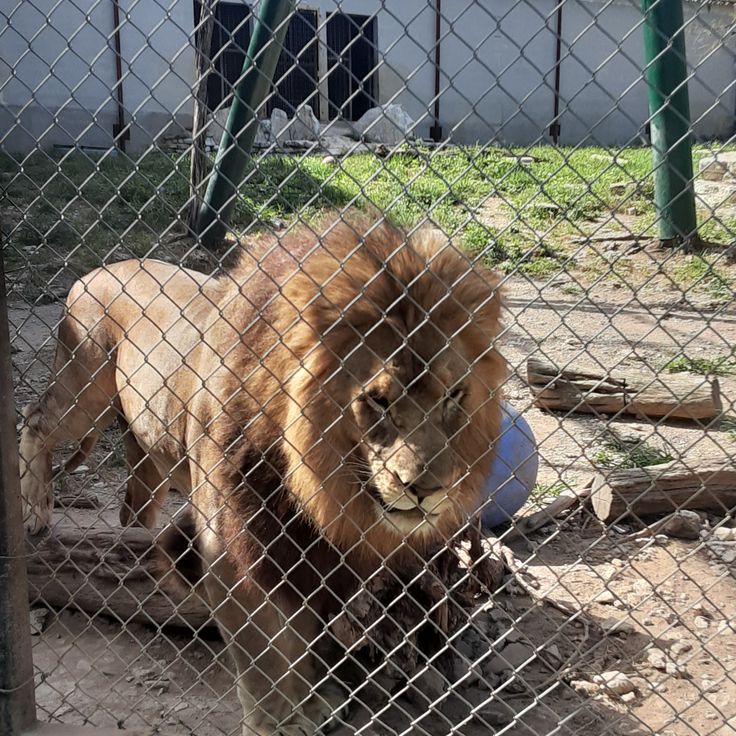
The Austin Zoo is a wildlife sanctuary that houses rescued animals from around the world, fitting naturally into this city's blend of nature and creativity. With guided tours and educational programs focused on conservation, the zoo shows visitors why protecting wildlife matters. Here you can learn about different species while observing them in spacious habitats designed to reflect their natural homes.
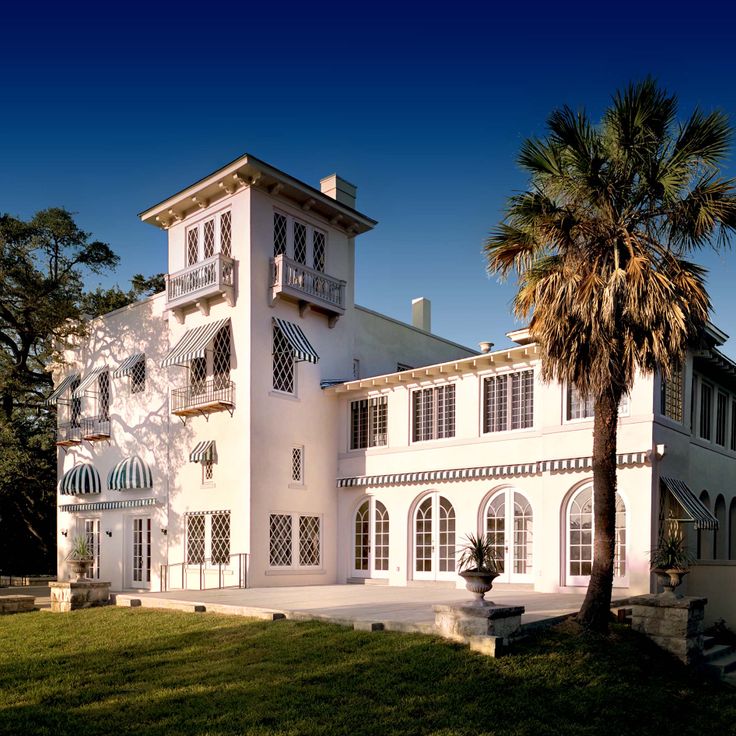
The Contemporary Austin - Laguna Gloria is a modern art museum housed in a 1920s villa set along the shores of Lake Austin. This place embodies the creative spirit that defines Austin, with exhibition spaces and sculpture gardens where visitors move between contemporary art and nature by the water. It reflects the city's balance between artistic expression and outdoor living.
The Umlauf Sculpture Garden & Museum displays bronze sculptures by Charles Umlauf nestled among trees and garden spaces. The artworks blend into their natural surroundings, creating a place to walk and reflect. This garden fits into Austin's commitment to art and outdoor living.
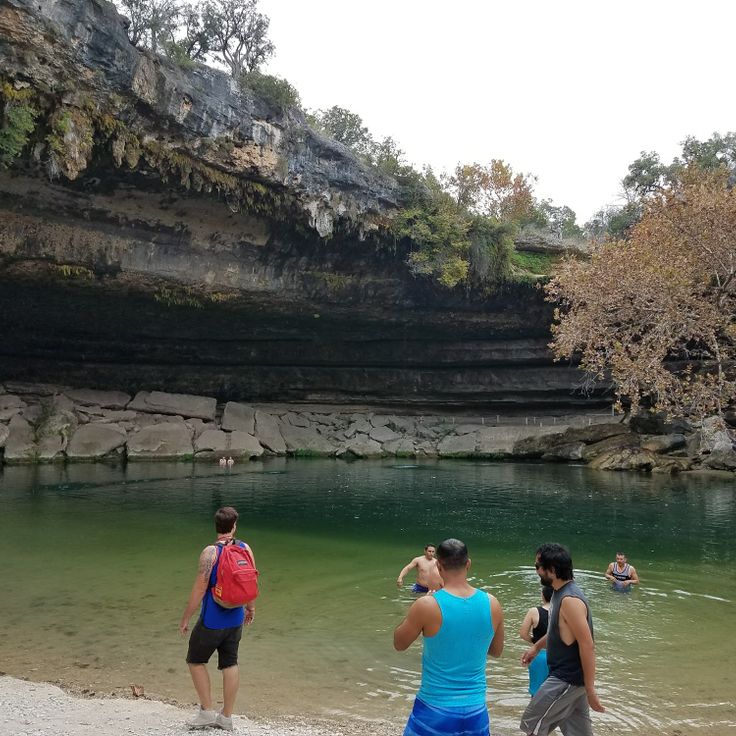
The Hamilton Pool Preserve is a freshwater basin tucked beneath a rock arch, naturally formed when a cave collapsed long ago. This natural preserve fits into Austin's collection of swimming holes and outdoor spaces where residents and visitors connect with the natural landscape that shapes the city's outdoor lifestyle.
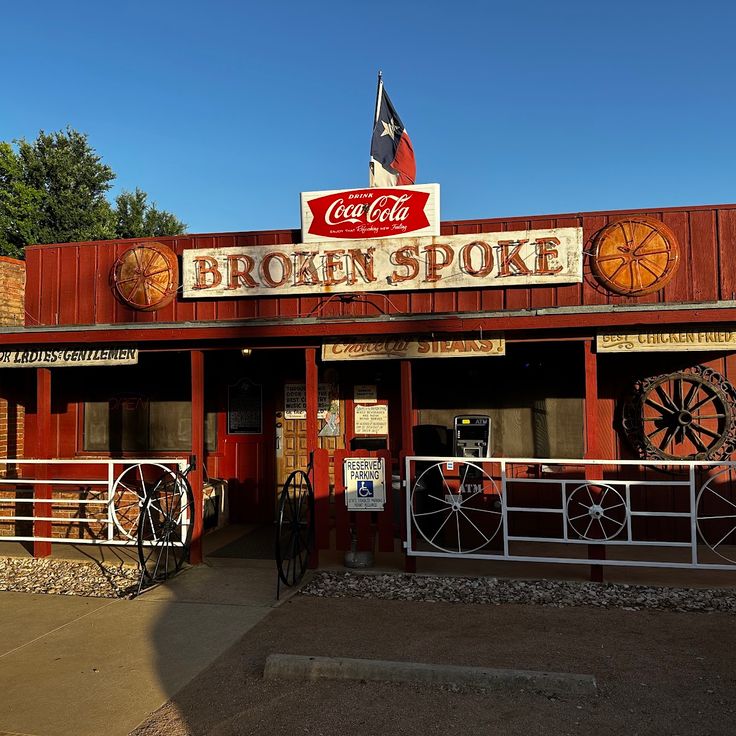
The Broken Spoke has been an Austin landmark since the 1960s, embodying the city's music culture. In this legendary country bar, locals dance the two-step as they have for decades, and live music fills the nights. The place is part of Austin's claim as the live music capital and shows how the city's spirit lives in its bars and concert halls.
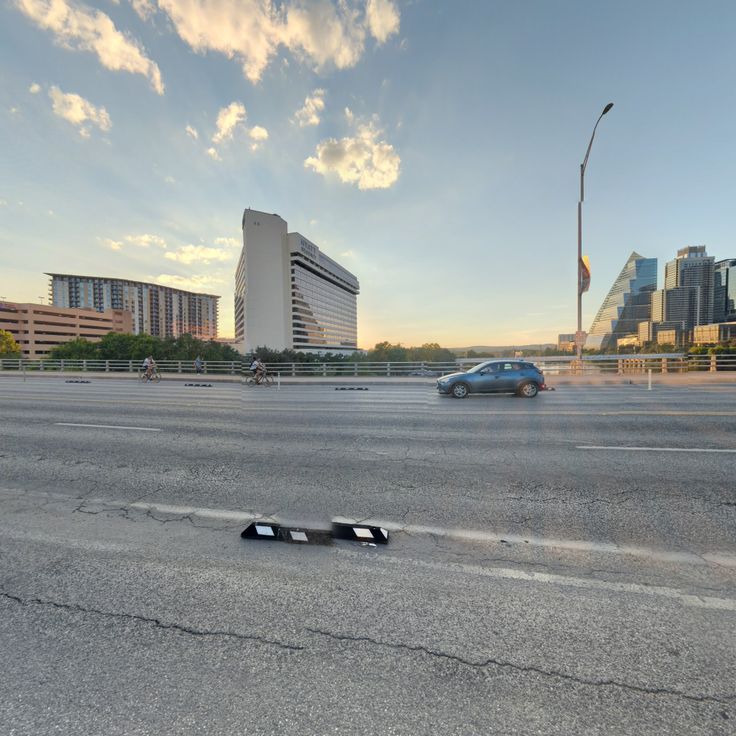
Congress Avenue Bridge is known for the thousands of bats that emerge from beneath its spans every summer evening. This natural event has become a regular part of Austin's life, drawing locals and visitors who gather to watch the daily flight. The bridge connects the city while hosting one of its most memorable wildlife experiences.
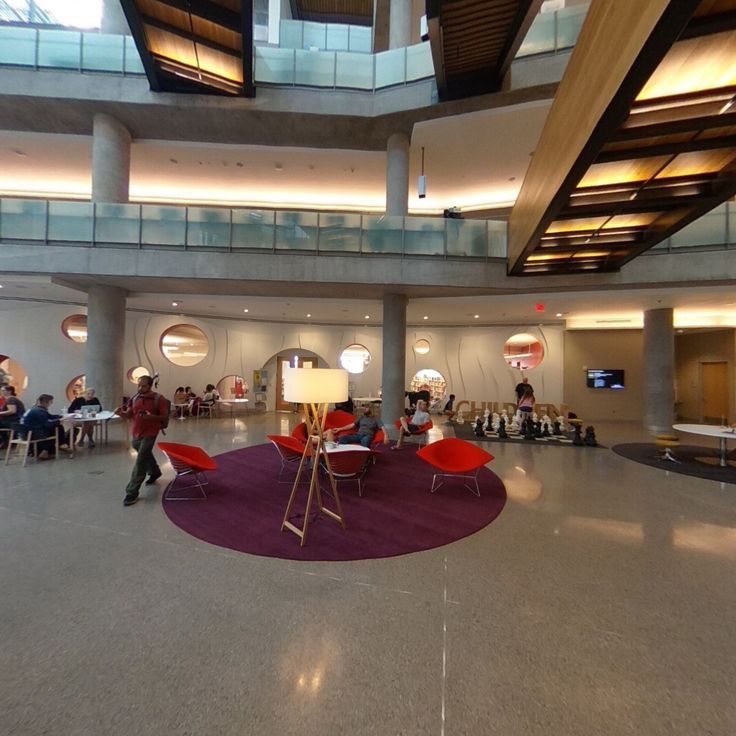
The Austin Central Library is a place where history comes alive. This building houses archives, speeches, and objects from the 1960s, showing an important chapter of American history. Visitors can explore how this era shaped the country and discover the stories preserved within its walls.
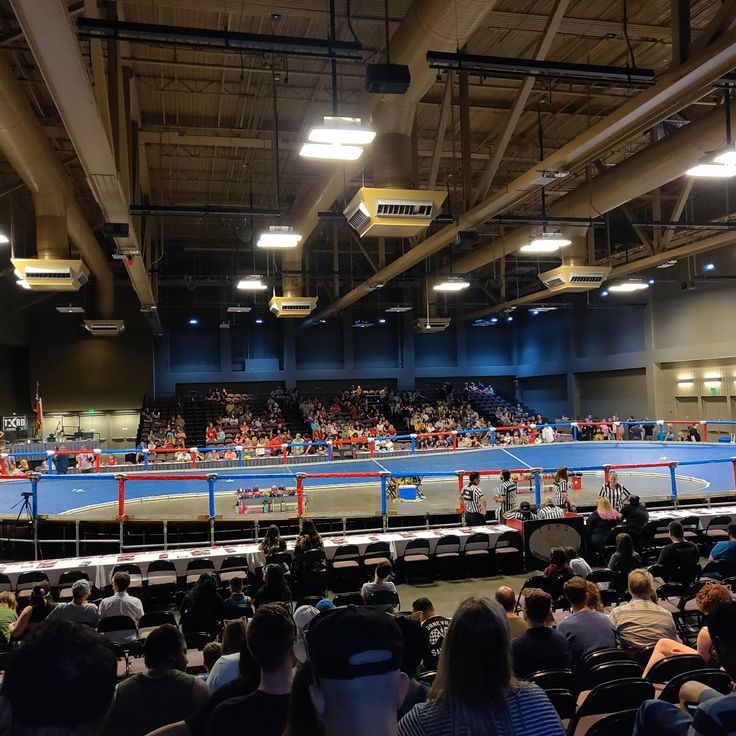
The Palmer Events Center is a multipurpose venue in Austin that hosts conventions, trade shows, and public events. As part of the city's varied event landscape, this space serves as a gathering place where visitors meet, exchange ideas, and discover new things. With its function as a venue for diverse events, the Palmer Events Center contributes to Austin's vibrant cultural scene, where creativity and community are felt throughout the city.
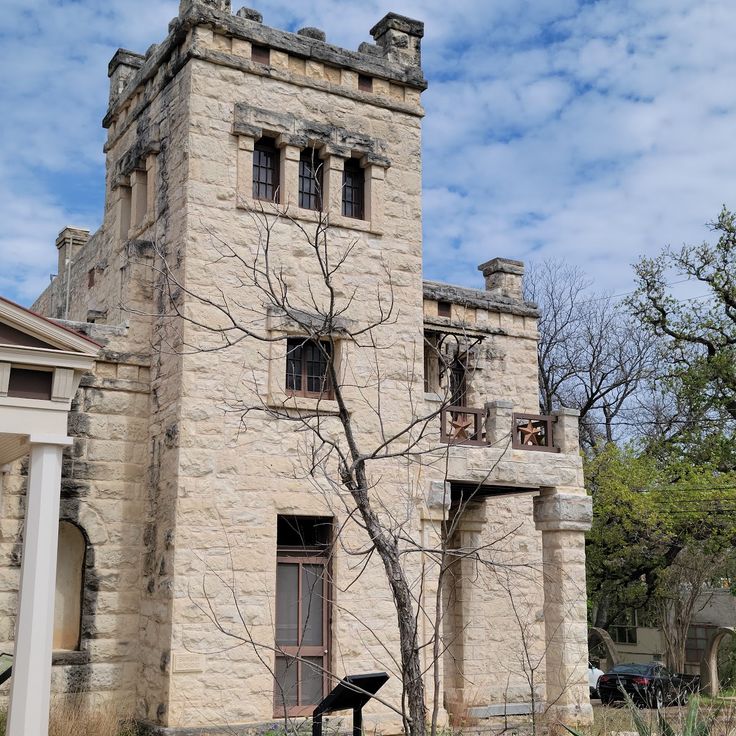
The Elisabet Ney Museum showcases the life and works of sculptor Elisabet Ney. This museum fits naturally into Austin's culture of celebrating artists and creativity. Here you can discover her sculptures and personal belongings, and learn how she shaped the local art scene.
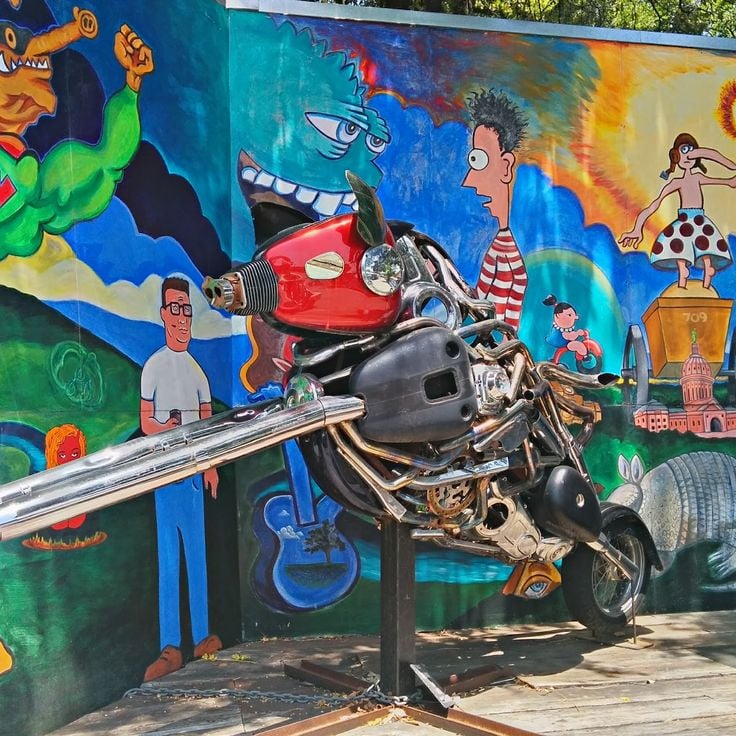
The South Austin Museum of Popular Culture displays art and memorabilia that tell the story of Austin's music heritage. This museum preserves objects and documents that trace how the city became known for its creative spirit and musical traditions. Visitors discover how local musicians and artists shaped the character of Austin over time.
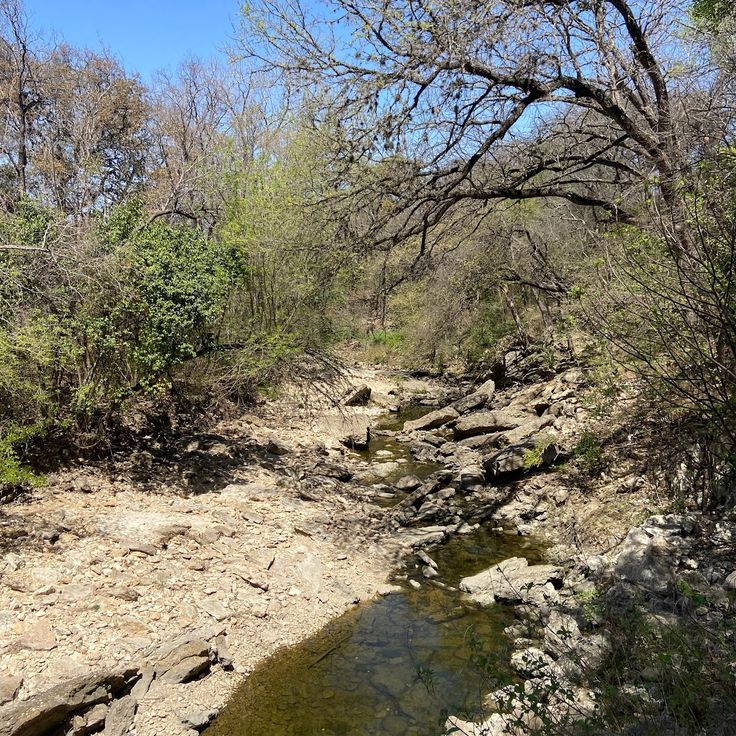
The Shoal Creek Trail is a walking path that winds through downtown Austin, connecting parks and neighborhoods while offering chances to jog and cycle through different parts of the city. This trail fits naturally into Austin's character, where exploring on foot or by bike is part of daily life. The trail brings together the city's love of outdoor living and movement, letting people experience the landscape and communities that make Austin feel different from other Texas cities.
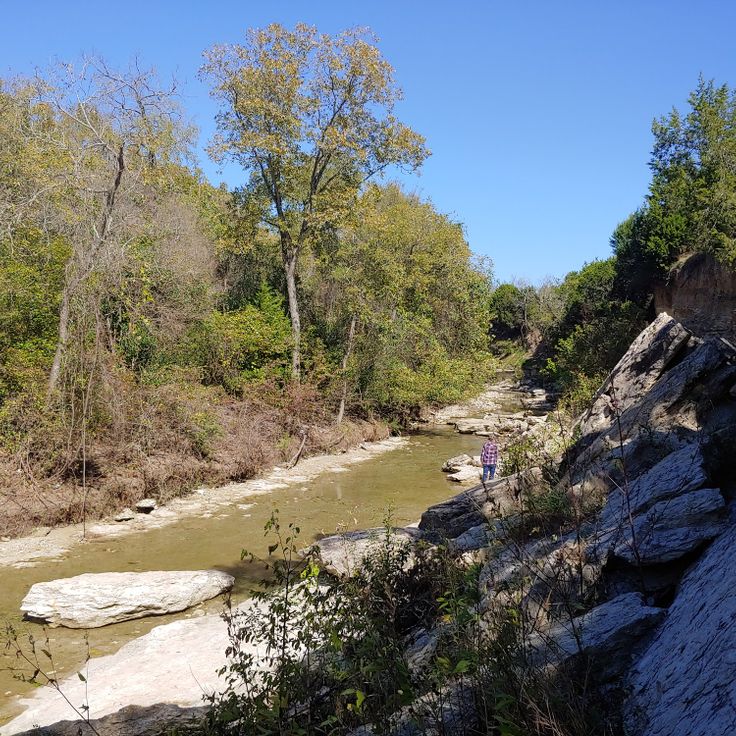
The Emma Long Metropolitan Park is a large recreational area along the Colorado River in Austin where visitors can camp, hike, fish, and enjoy water activities. The park offers spaces for outdoor living and connects visitors to the natural side of the city that balances the vibrant neighborhoods and live music venues Austin is known for. Walking trails wind through the grounds while river access provides opportunities for swimming, boating, and peaceful moments away from downtown.
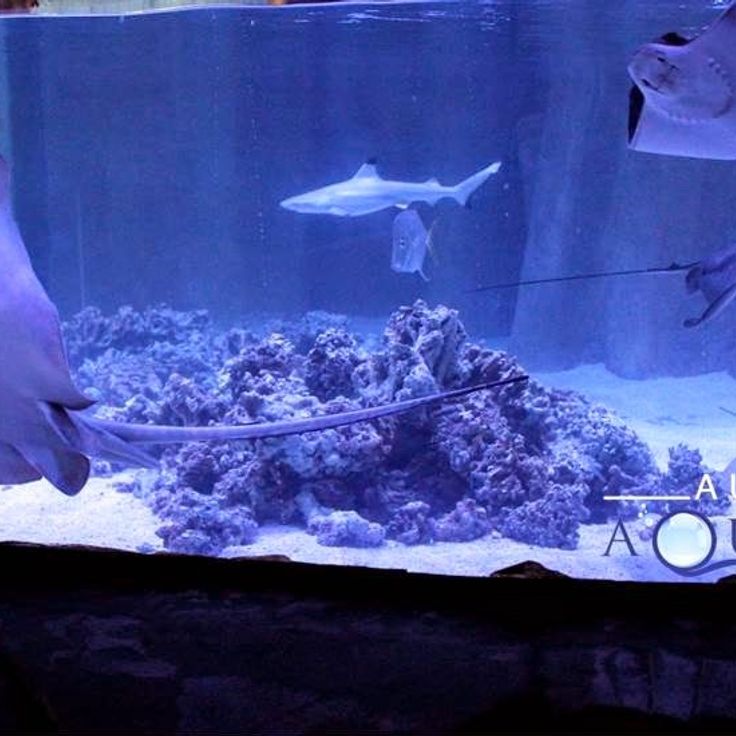
The Austin Aquarium is an interactive aquarium where visitors encounter exotic marine life, rainforest animals, and birds up close. It fits naturally into Austin's collection of museums and attractions that make the city a destination for families and nature lovers seeking to learn about wildlife from around the world.
Zilker Metropolitan Park is a large green space in the heart of Austin that brings together sports fields, shaded trails, and a botanical garden. This park embodies the balance between nature and city life that defines Austin. Local residents use the fields for picnics and swimming in the nearby Barton Springs Pool. The park serves as a gathering place where neighbors meet to spend time outdoors, playing a central role in Austin's outdoor-focused way of life.
The Texas State Capitol is a symbol of Texan pride. This Capitol Building was built from pink granite and has overlooked the city since 1888. Its corridors still host local government sessions. It fits perfectly into Austin's mix of history and creative energy, where music flows from bars and life happens in parks and on the streets.
Powered by a natural spring, Barton Springs Pool maintains clear and cool water year-round. As a legendary spot, this pool belongs among Austin's most popular swimming destinations and draws locals regardless of the season. It embodies the city's love of nature and the simple pleasure of outdoor living that defines Austin's culture.
Lady Bird Lake is a reservoir that flows through downtown Austin and plays an important role in the city's outdoor culture. It offers excellent opportunities for kayaking or walking on tree-lined trails along its banks. Sunsets over the skyline here are striking.
The Blanton Museum of Art in Austin houses over 17,000 artworks spanning from the 14th century to contemporary pieces. This university museum offers a quiet, well-lit space on campus and fits naturally into Austin's creative culture, where artists and visitors gather to experience art across centuries.
The Moody Theater is a modern venue in Austin with 2,700 seats, known as the home of the show "Austin City Limits". Each week, it brings together local artists and internationally renowned musicians, adding to the city's deep music culture.
South Congress Avenue runs through the heart of Austin's creative scene. This street connects different worlds: vintage shops sit next to modern restaurants, small galleries next to cafes where artists and musicians gather. The avenue breathes Austin's spirit - unconventional, alive, and always changing. Here you experience local culture not in museums but on the street, in the faces of people and shop windows. South Congress Avenue is where you truly understand Austin.
Mount Bonnell is a natural viewpoint rising above the Colorado River. From its summit, you can see across Lake Austin and the surrounding hills. At sunset, this spot captures the outdoor spirit that defines Austin's free and inventive character.
The Bullock Texas State History Museum explores the history and culture of Texas through exhibits and artifacts. Within Austin's creative spirit, this museum connects visitors to the stories that shaped the state and the city's role in Texas culture.
The Paramount Theatre is a historic cinema in the heart of Austin. It shows films, live music, comedy, and performances. The building itself carries history, where artists and visitors gather together. The theater fits perfectly into Austin's culture, where music and creativity are everywhere. Here you can experience anything from classic films to live performances and discover the local arts scene.
The LBJ Presidential Library documents the life and work of President Lyndon B. Johnson. The building holds archives, personal items, and exhibitions about Johnson's political career and the history of 1960s America. Visitors explore an important chapter of American history and understand the era of the civil rights movement and foreign policy under Johnson. The library offers a place to learn about the complexity of this period.
The Cathedral of Saint Mary is a historic Roman Catholic cathedral featuring remarkable Gothic Revival architecture. As part of Austin's cultural fabric, it stands in the heart of the city, offering visitors a space for reflection amid the energy of live music, food trucks, and parks. This cathedral reflects the religious and architectural history of Texas's capital.
The University of Texas at Austin shapes the cultural life of this city with its museums, sports facilities, and the distinctive 307-foot tall clock tower. This institution draws students and artists, contributing to Austin's creative spirit that shows itself in music, art exhibitions, and public events.
The Circuit of the Americas is a modern racing facility in Austin that hosts Formula 1 events and major concerts. The roar of engines and racing energy contrast sharply with the quiet of nearby parks. This venue fits perfectly into Austin's blend of creativity and outdoor living, showing how the city brings together speed, music, and nature.
In the evening, this street lights up with neon signs and guitar sounds. East Sixth Street showcases Austin's live music soul with bars, clubs, and concert halls lined one after another. Walking here, you experience the free and inventive energy that defines the city's neighborhoods and connects it to the broader Austin culture of outdoor creativity.
The Austin Zoo is a wildlife sanctuary that houses rescued animals from around the world, fitting naturally into this city's blend of nature and creativity. With guided tours and educational programs focused on conservation, the zoo shows visitors why protecting wildlife matters. Here you can learn about different species while observing them in spacious habitats designed to reflect their natural homes.
The Contemporary Austin - Laguna Gloria is a modern art museum housed in a 1920s villa set along the shores of Lake Austin. This place embodies the creative spirit that defines Austin, with exhibition spaces and sculpture gardens where visitors move between contemporary art and nature by the water. It reflects the city's balance between artistic expression and outdoor living.
The Umlauf Sculpture Garden & Museum displays bronze sculptures by Charles Umlauf nestled among trees and garden spaces. The artworks blend into their natural surroundings, creating a place to walk and reflect. This garden fits into Austin's commitment to art and outdoor living.
The Hamilton Pool Preserve is a freshwater basin tucked beneath a rock arch, naturally formed when a cave collapsed long ago. This natural preserve fits into Austin's collection of swimming holes and outdoor spaces where residents and visitors connect with the natural landscape that shapes the city's outdoor lifestyle.
The Broken Spoke has been an Austin landmark since the 1960s, embodying the city's music culture. In this legendary country bar, locals dance the two-step as they have for decades, and live music fills the nights. The place is part of Austin's claim as the live music capital and shows how the city's spirit lives in its bars and concert halls.
Congress Avenue Bridge is known for the thousands of bats that emerge from beneath its spans every summer evening. This natural event has become a regular part of Austin's life, drawing locals and visitors who gather to watch the daily flight. The bridge connects the city while hosting one of its most memorable wildlife experiences.
The Austin Central Library is a place where history comes alive. This building houses archives, speeches, and objects from the 1960s, showing an important chapter of American history. Visitors can explore how this era shaped the country and discover the stories preserved within its walls.
The Palmer Events Center is a multipurpose venue in Austin that hosts conventions, trade shows, and public events. As part of the city's varied event landscape, this space serves as a gathering place where visitors meet, exchange ideas, and discover new things. With its function as a venue for diverse events, the Palmer Events Center contributes to Austin's vibrant cultural scene, where creativity and community are felt throughout the city.
The Elisabet Ney Museum showcases the life and works of sculptor Elisabet Ney. This museum fits naturally into Austin's culture of celebrating artists and creativity. Here you can discover her sculptures and personal belongings, and learn how she shaped the local art scene.
The South Austin Museum of Popular Culture displays art and memorabilia that tell the story of Austin's music heritage. This museum preserves objects and documents that trace how the city became known for its creative spirit and musical traditions. Visitors discover how local musicians and artists shaped the character of Austin over time.
The Shoal Creek Trail is a walking path that winds through downtown Austin, connecting parks and neighborhoods while offering chances to jog and cycle through different parts of the city. This trail fits naturally into Austin's character, where exploring on foot or by bike is part of daily life. The trail brings together the city's love of outdoor living and movement, letting people experience the landscape and communities that make Austin feel different from other Texas cities.
The Emma Long Metropolitan Park is a large recreational area along the Colorado River in Austin where visitors can camp, hike, fish, and enjoy water activities. The park offers spaces for outdoor living and connects visitors to the natural side of the city that balances the vibrant neighborhoods and live music venues Austin is known for. Walking trails wind through the grounds while river access provides opportunities for swimming, boating, and peaceful moments away from downtown.
The Austin Aquarium is an interactive aquarium where visitors encounter exotic marine life, rainforest animals, and birds up close. It fits naturally into Austin's collection of museums and attractions that make the city a destination for families and nature lovers seeking to learn about wildlife from around the world.
Zilker Metropolitan Park is a large green space in the heart of Austin that brings together sports fields, shaded trails, and a botanical garden. This park embodies the balance between nature and city life that defines Austin. Local residents use the fields for picnics and swimming in the nearby Barton Springs Pool. The park serves as a gathering place where neighbors meet to spend time outdoors, playing a central role in Austin's outdoor-focused way of life.
The Texas State Capitol is a symbol of Texan pride. This Capitol Building was built from pink granite and has overlooked the city since 1888. Its corridors still host local government sessions. It fits perfectly into Austin's mix of history and creative energy, where music flows from bars and life happens in parks and on the streets.
Powered by a natural spring, Barton Springs Pool maintains clear and cool water year-round. As a legendary spot, this pool belongs among Austin's most popular swimming destinations and draws locals regardless of the season. It embodies the city's love of nature and the simple pleasure of outdoor living that defines Austin's culture.
Lady Bird Lake is a reservoir that flows through downtown Austin and plays an important role in the city's outdoor culture. It offers excellent opportunities for kayaking or walking on tree-lined trails along its banks. Sunsets over the skyline here are striking.
The Blanton Museum of Art in Austin houses over 17,000 artworks spanning from the 14th century to contemporary pieces. This university museum offers a quiet, well-lit space on campus and fits naturally into Austin's creative culture, where artists and visitors gather to experience art across centuries.
The Moody Theater is a modern venue in Austin with 2,700 seats, known as the home of the show "Austin City Limits". Each week, it brings together local artists and internationally renowned musicians, adding to the city's deep music culture.
South Congress Avenue runs through the heart of Austin's creative scene. This street connects different worlds: vintage shops sit next to modern restaurants, small galleries next to cafes where artists and musicians gather. The avenue breathes Austin's spirit - unconventional, alive, and always changing. Here you experience local culture not in museums but on the street, in the faces of people and shop windows. South Congress Avenue is where you truly understand Austin.
Mount Bonnell is a natural viewpoint rising above the Colorado River. From its summit, you can see across Lake Austin and the surrounding hills. At sunset, this spot captures the outdoor spirit that defines Austin's free and inventive character.
The Bullock Texas State History Museum explores the history and culture of Texas through exhibits and artifacts. Within Austin's creative spirit, this museum connects visitors to the stories that shaped the state and the city's role in Texas culture.
The Paramount Theatre is a historic cinema in the heart of Austin. It shows films, live music, comedy, and performances. The building itself carries history, where artists and visitors gather together. The theater fits perfectly into Austin's culture, where music and creativity are everywhere. Here you can experience anything from classic films to live performances and discover the local arts scene.
The LBJ Presidential Library documents the life and work of President Lyndon B. Johnson. The building holds archives, personal items, and exhibitions about Johnson's political career and the history of 1960s America. Visitors explore an important chapter of American history and understand the era of the civil rights movement and foreign policy under Johnson. The library offers a place to learn about the complexity of this period.
The Cathedral of Saint Mary is a historic Roman Catholic cathedral featuring remarkable Gothic Revival architecture. As part of Austin's cultural fabric, it stands in the heart of the city, offering visitors a space for reflection amid the energy of live music, food trucks, and parks. This cathedral reflects the religious and architectural history of Texas's capital.
The University of Texas at Austin shapes the cultural life of this city with its museums, sports facilities, and the distinctive 307-foot tall clock tower. This institution draws students and artists, contributing to Austin's creative spirit that shows itself in music, art exhibitions, and public events.
The Circuit of the Americas is a modern racing facility in Austin that hosts Formula 1 events and major concerts. The roar of engines and racing energy contrast sharply with the quiet of nearby parks. This venue fits perfectly into Austin's blend of creativity and outdoor living, showing how the city brings together speed, music, and nature.
In the evening, this street lights up with neon signs and guitar sounds. East Sixth Street showcases Austin's live music soul with bars, clubs, and concert halls lined one after another. Walking here, you experience the free and inventive energy that defines the city's neighborhoods and connects it to the broader Austin culture of outdoor creativity.
The Austin Zoo is a wildlife sanctuary that houses rescued animals from around the world, fitting naturally into this city's blend of nature and creativity. With guided tours and educational programs focused on conservation, the zoo shows visitors why protecting wildlife matters. Here you can learn about different species while observing them in spacious habitats designed to reflect their natural homes.
The Contemporary Austin - Laguna Gloria is a modern art museum housed in a 1920s villa set along the shores of Lake Austin. This place embodies the creative spirit that defines Austin, with exhibition spaces and sculpture gardens where visitors move between contemporary art and nature by the water. It reflects the city's balance between artistic expression and outdoor living.
The Umlauf Sculpture Garden & Museum displays bronze sculptures by Charles Umlauf nestled among trees and garden spaces. The artworks blend into their natural surroundings, creating a place to walk and reflect. This garden fits into Austin's commitment to art and outdoor living.
The Hamilton Pool Preserve is a freshwater basin tucked beneath a rock arch, naturally formed when a cave collapsed long ago. This natural preserve fits into Austin's collection of swimming holes and outdoor spaces where residents and visitors connect with the natural landscape that shapes the city's outdoor lifestyle.
The Broken Spoke has been an Austin landmark since the 1960s, embodying the city's music culture. In this legendary country bar, locals dance the two-step as they have for decades, and live music fills the nights. The place is part of Austin's claim as the live music capital and shows how the city's spirit lives in its bars and concert halls.
Congress Avenue Bridge is known for the thousands of bats that emerge from beneath its spans every summer evening. This natural event has become a regular part of Austin's life, drawing locals and visitors who gather to watch the daily flight. The bridge connects the city while hosting one of its most memorable wildlife experiences.
The Austin Central Library is a place where history comes alive. This building houses archives, speeches, and objects from the 1960s, showing an important chapter of American history. Visitors can explore how this era shaped the country and discover the stories preserved within its walls.
The Palmer Events Center is a multipurpose venue in Austin that hosts conventions, trade shows, and public events. As part of the city's varied event landscape, this space serves as a gathering place where visitors meet, exchange ideas, and discover new things. With its function as a venue for diverse events, the Palmer Events Center contributes to Austin's vibrant cultural scene, where creativity and community are felt throughout the city.
The Elisabet Ney Museum showcases the life and works of sculptor Elisabet Ney. This museum fits naturally into Austin's culture of celebrating artists and creativity. Here you can discover her sculptures and personal belongings, and learn how she shaped the local art scene.
The South Austin Museum of Popular Culture displays art and memorabilia that tell the story of Austin's music heritage. This museum preserves objects and documents that trace how the city became known for its creative spirit and musical traditions. Visitors discover how local musicians and artists shaped the character of Austin over time.
The Shoal Creek Trail is a walking path that winds through downtown Austin, connecting parks and neighborhoods while offering chances to jog and cycle through different parts of the city. This trail fits naturally into Austin's character, where exploring on foot or by bike is part of daily life. The trail brings together the city's love of outdoor living and movement, letting people experience the landscape and communities that make Austin feel different from other Texas cities.
The Emma Long Metropolitan Park is a large recreational area along the Colorado River in Austin where visitors can camp, hike, fish, and enjoy water activities. The park offers spaces for outdoor living and connects visitors to the natural side of the city that balances the vibrant neighborhoods and live music venues Austin is known for. Walking trails wind through the grounds while river access provides opportunities for swimming, boating, and peaceful moments away from downtown.
The Austin Aquarium is an interactive aquarium where visitors encounter exotic marine life, rainforest animals, and birds up close. It fits naturally into Austin's collection of museums and attractions that make the city a destination for families and nature lovers seeking to learn about wildlife from around the world.