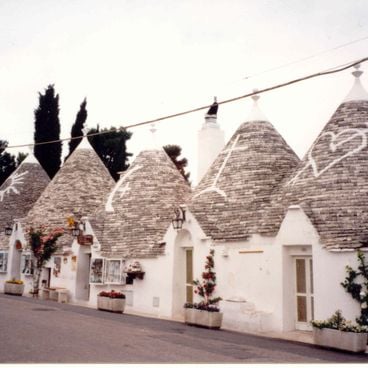
Houses in Italy: karst formations, archaeological sites, and marine cavities
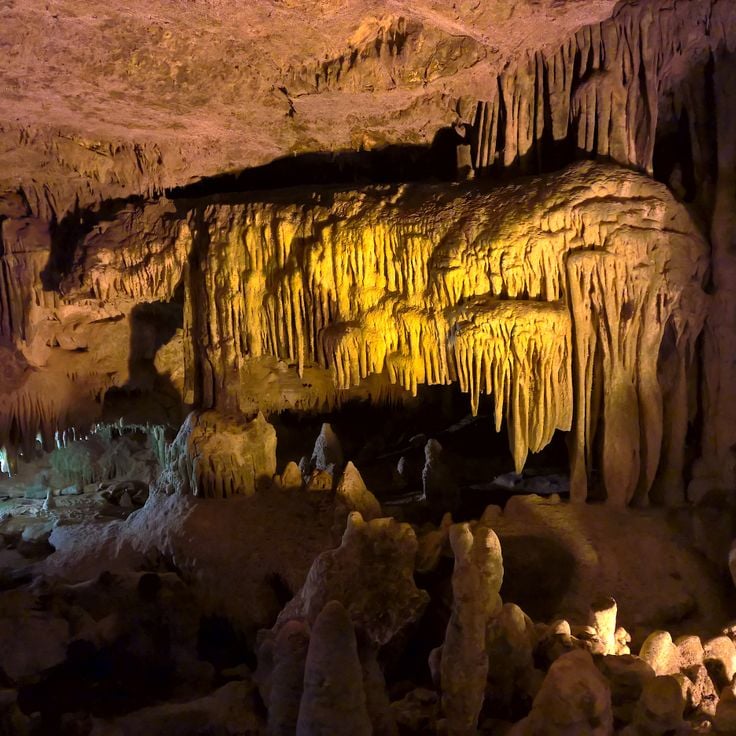
Castellana Grotte, Italy
These karst caves extend three kilometers beneath the town. They contain large chambers with limestone formations and underground lakes.
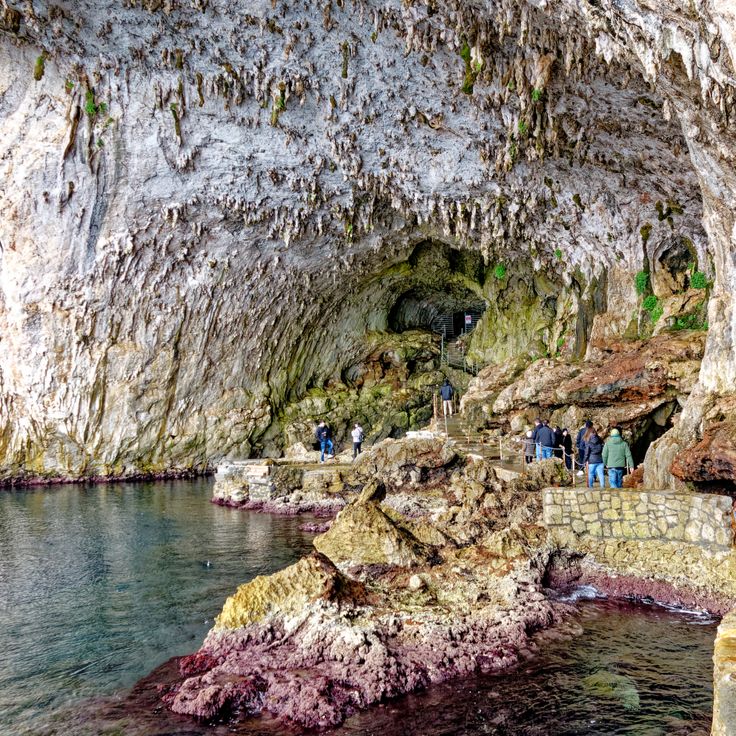
Castro, Italy
This marine cave opens directly to the Adriatic Sea. Limestone formations extend from ceiling and floor while salt water covers the bottom.
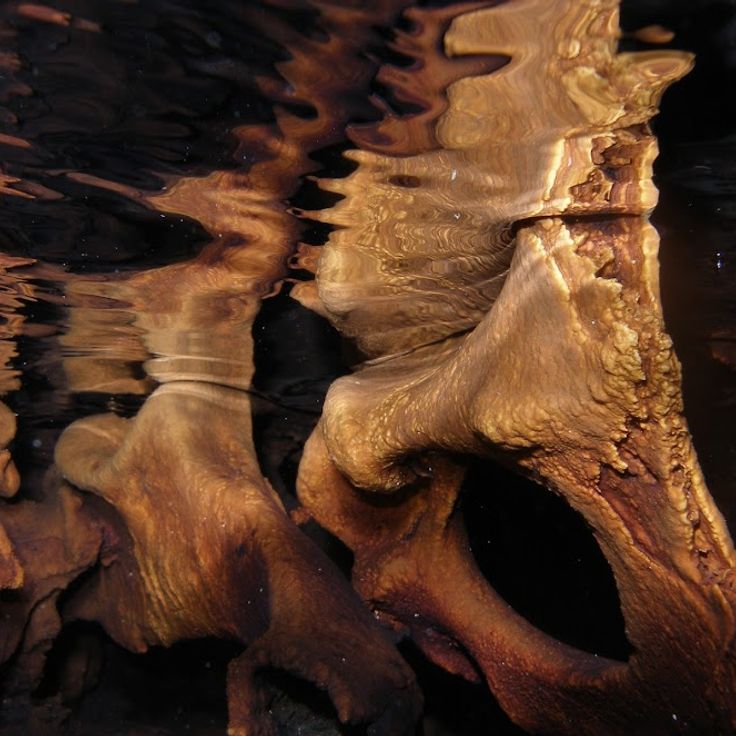
Porto Badisco, Italy
The walls of this cave display neolithic paintings of humans and animals. The drawings were made using ochre and guano.
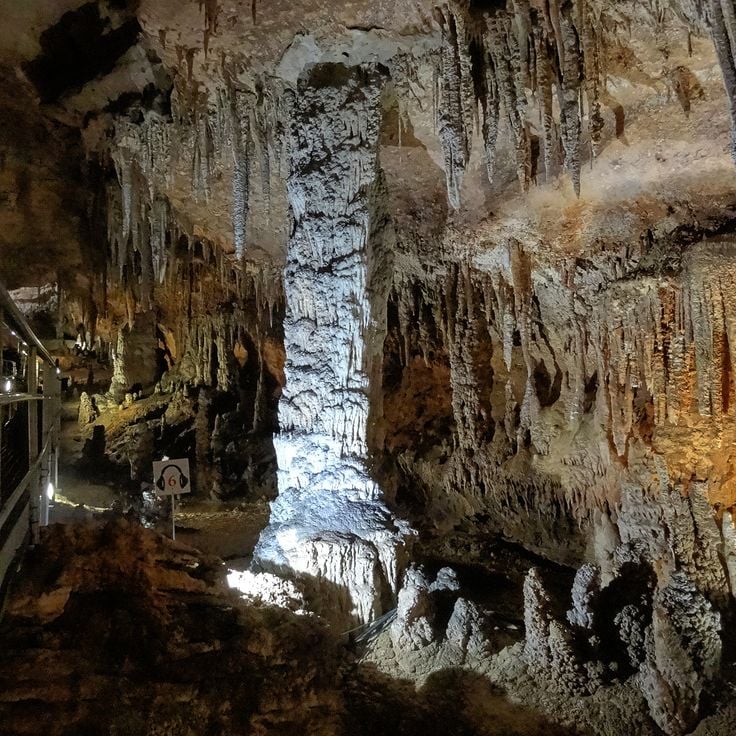
Baunei, Italy
The cave has two entrances: one by land and one by sea. Inside there are freshwater lakes and speleothem formations.
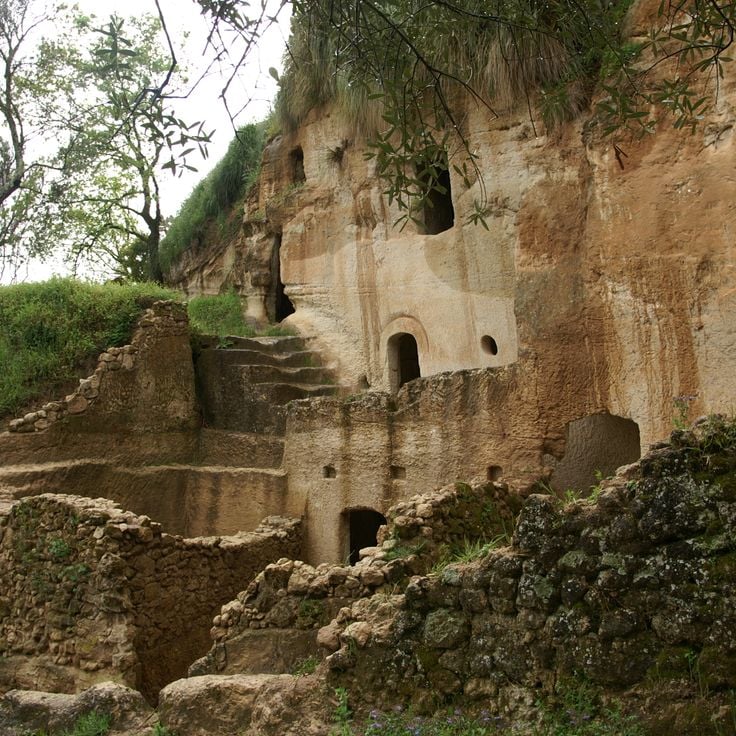
Scorrano, Italy
This rock settlement consists of dwellings and structures carved into the stone, used by past communities in the Scorrano area.
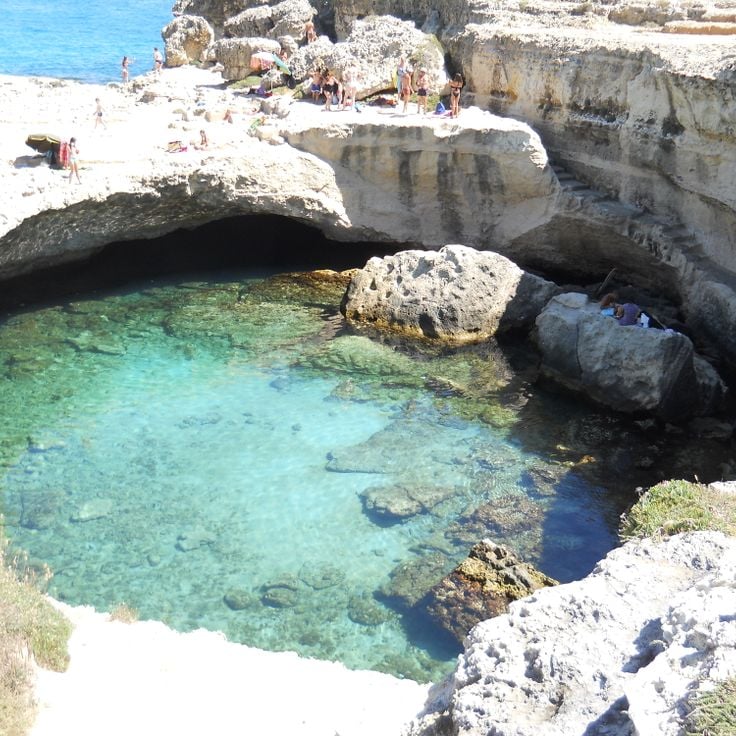
Roca Vecchia, Italy
The Grotta della Poesia is a karst cave on the Adriatic coast formed by the collapse of an underground cavity ceiling, now creating a natural pool filled with turquoise seawater.
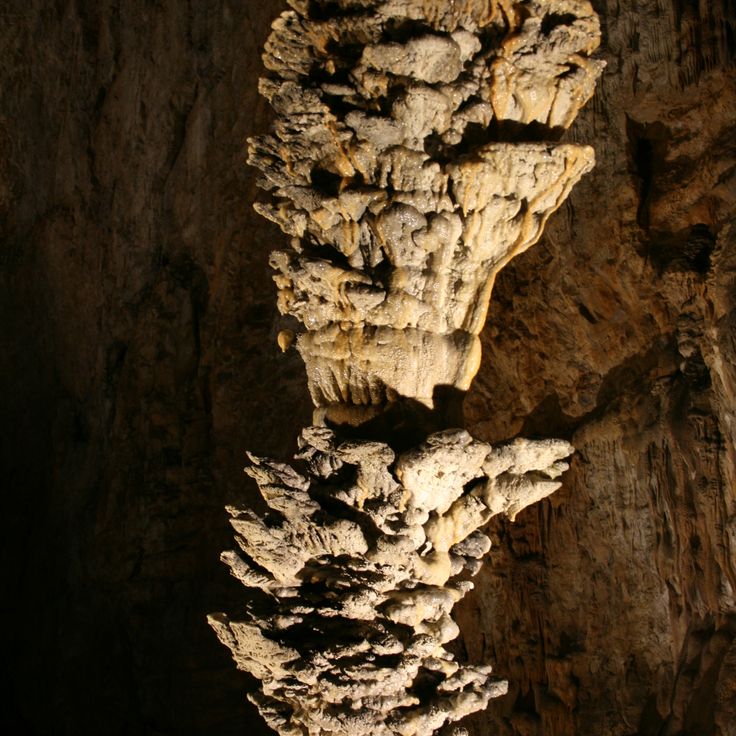
Trieste, Italy
The Grotta Gigante is one of the largest show caves in the world, situated in the karst region near Trieste. Its main chamber reaches over 100 meters in height.
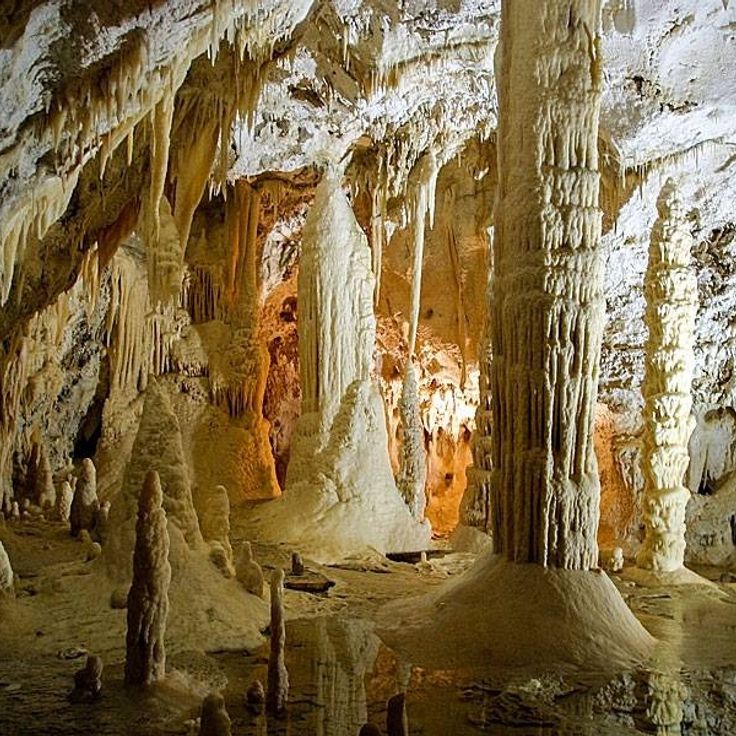
Genga, Italy
These caves extend over several kilometers and contain large chambers with stalactites, stalagmites and underground lakes.
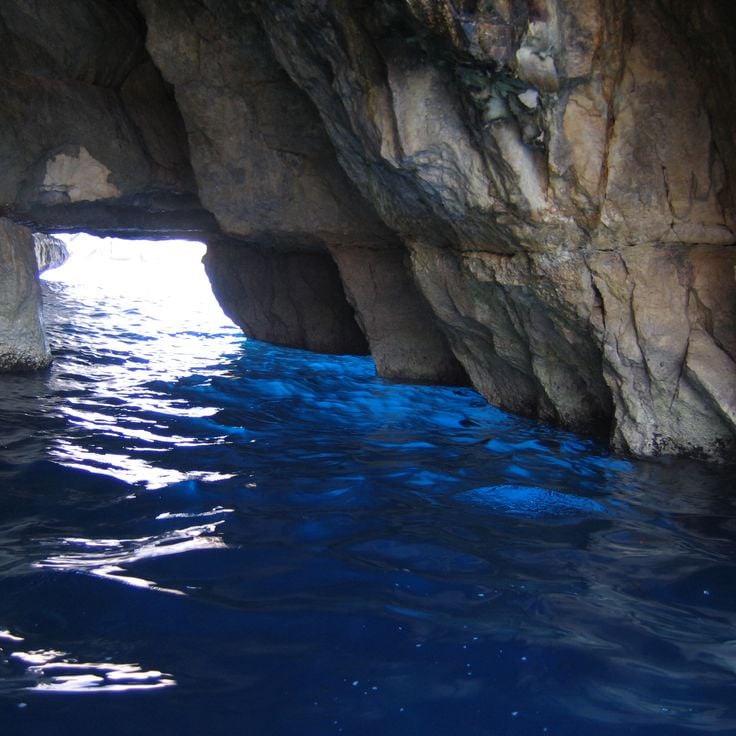
Capri, Italy
This sea cave opens at the base of a cliff. Sunlight enters through the water, creating blue reflections in the cavern.
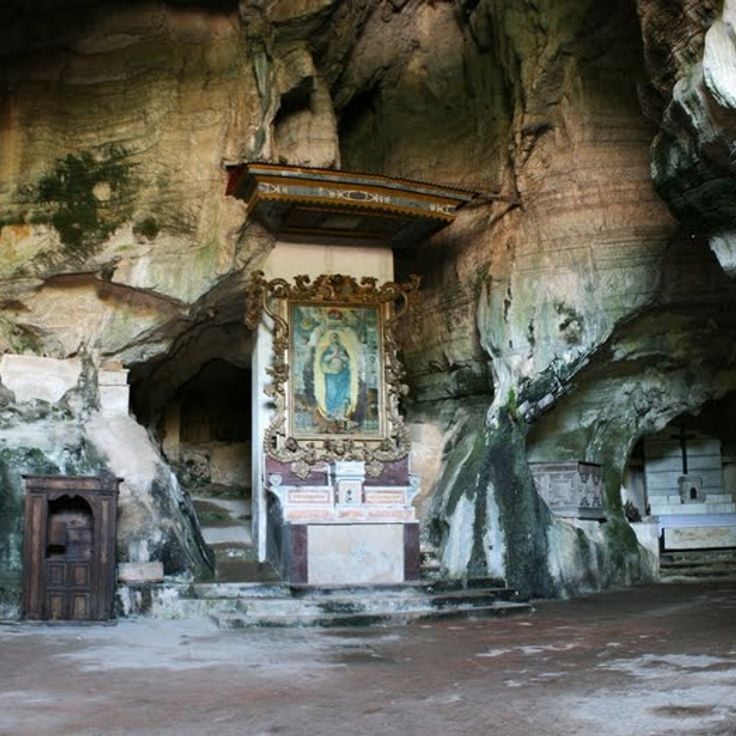
Pertosa, Italy
The Negro River flows through this karst cave. The visit includes boat navigation on the underground water course.
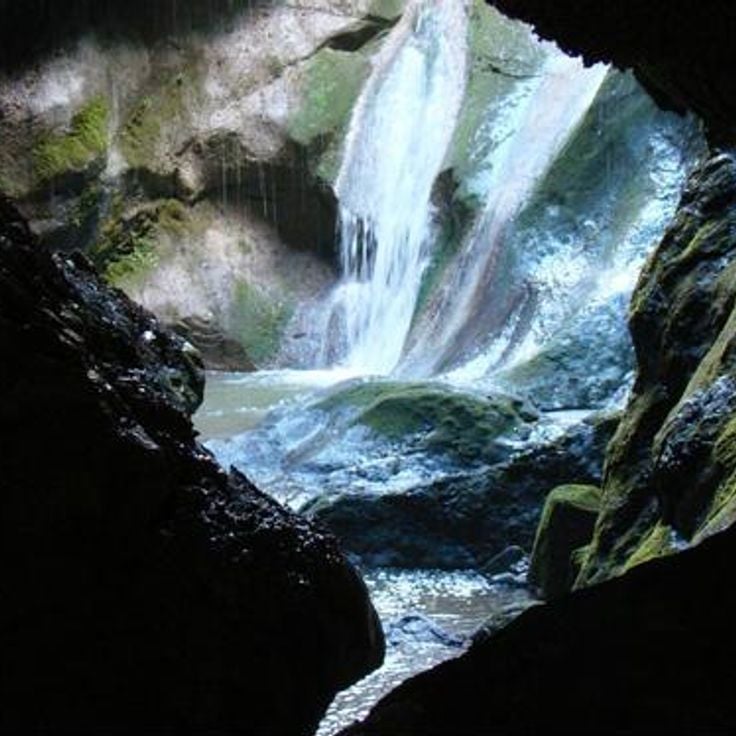
Fregona, Italy
A system of natural and artificial caves in sandstone. The quarries have been used for construction material since the 16th century.
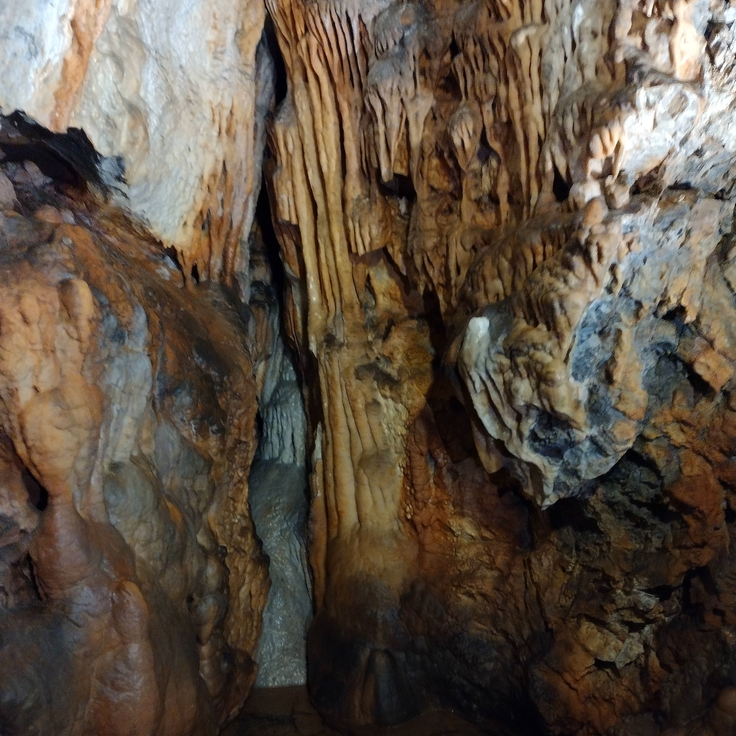
Villanova Mondovì, Italy
The Grotte dei Dossi consist of several chambers with mineral deposits in different color tones and are located in a wooded area.
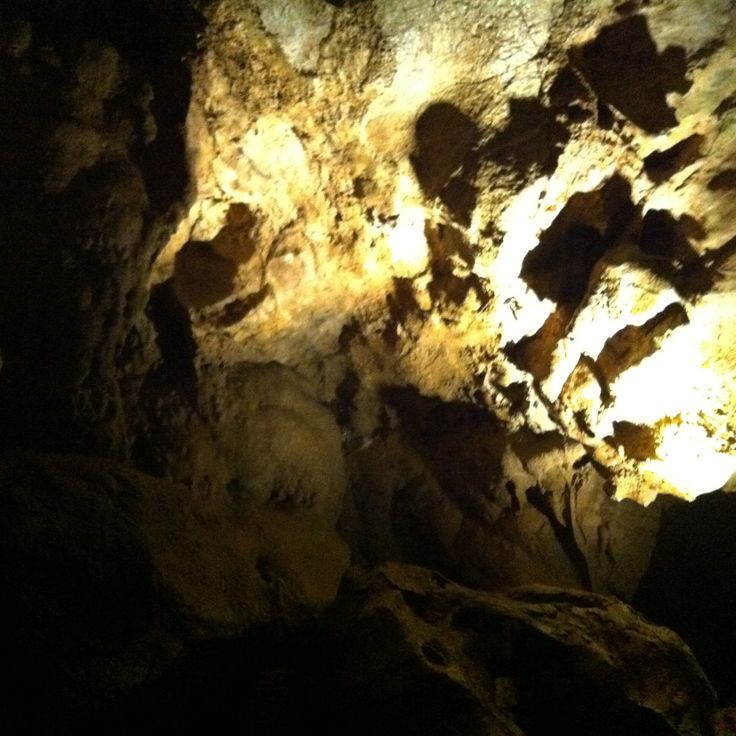
Pastena, Italy
A cave system with underground lakes and geological formations containing Bronze Age archaeological findings.
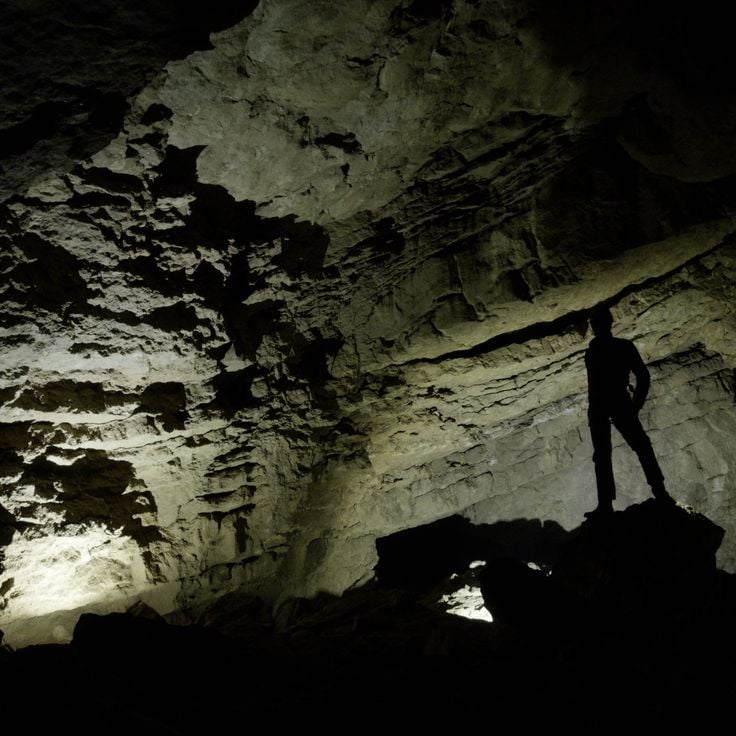
Monte di Malo, Italy
This cave extends over 27 kilometers of mapped passages through limestone and contains underground water courses formed by karst processes in the Venetian Prealps.
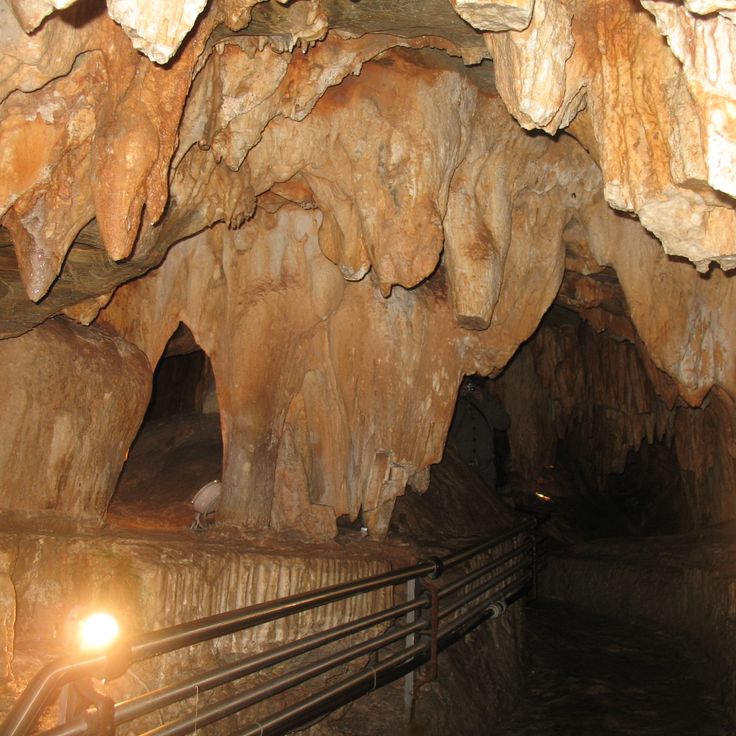
Toirano, Italy
A complex of karst caves with limestone formations, traces of prehistoric humans and remains of Pleistocene cave bears.
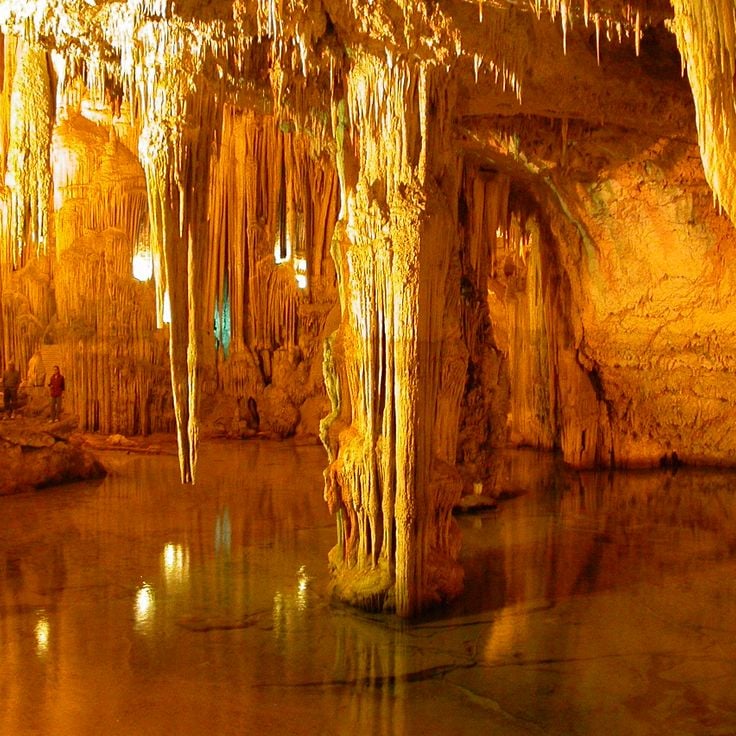
Alghero, Italy
This sea cave on the northwest coast of Sardinia presents limestone formations with columns and stalactites. Access is by boat or via a staircase with 654 steps carved into the cliff.
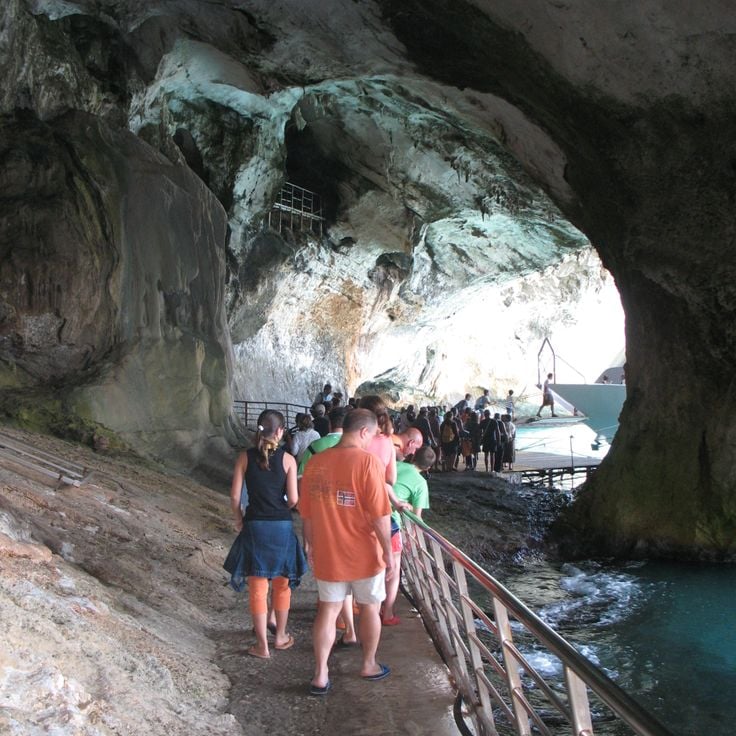
Dorgali, Italy
This karst cave extends 15 kilometers underground. It contains Neolithic wall paintings and was habitat to Mediterranean monk seals.
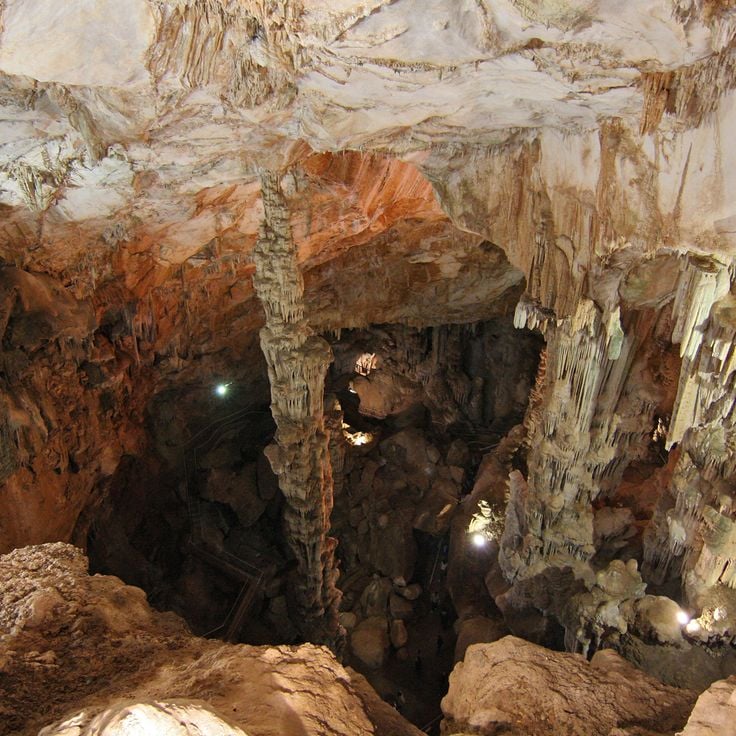
Ispinigoli, Italy
This cave contains a 38-meter high calcite column. The main shaft reaches a depth of 280 meters underground.
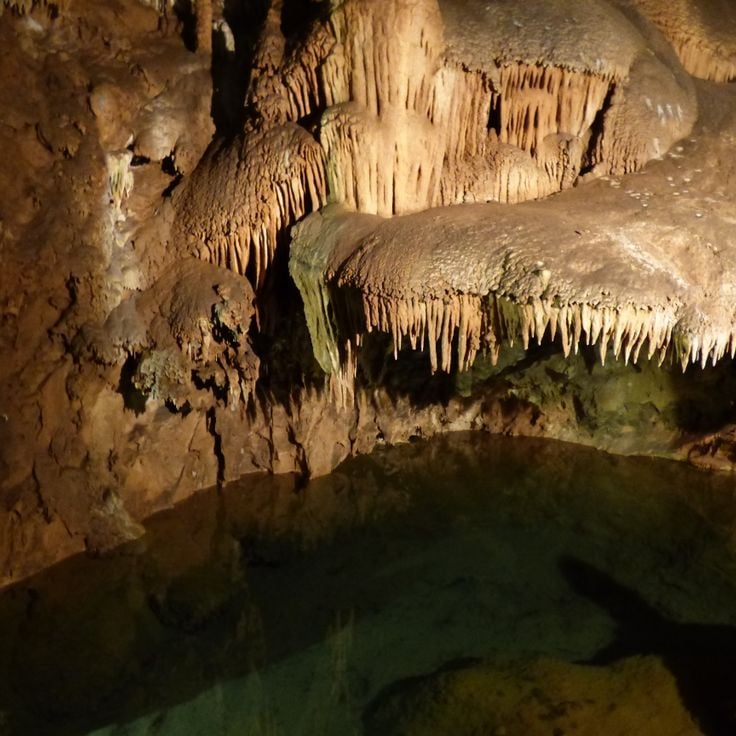
Fluminimaggiore, Italy
This karst cave contains multiple chambers with stalactites and stalagmites. An underground river runs through the entire cave system.