See the monuments around you in AROpen chests in the app
Around Us is built for your phone — point your camera at the streets and discover the monuments and places around you in augmented reality.Around Us is built for your phone — chests unlock when you walk, explore and capture nearby places.
Around the world, winter traditions come to life in holy places, old markets, and lit-up neighborhoods.
This selection gathers places that show Christmas traditions all over the world. It looks at winter celebrations from the Arctic circle to historic parts of Europe, as well as big cities in America. Each place offers its own way of celebrating the holidays.
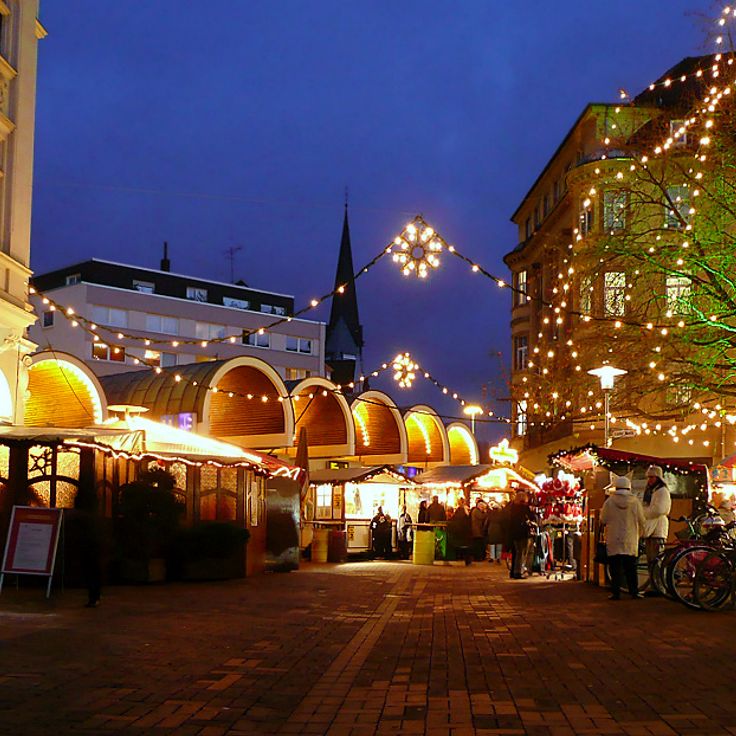
There are old markets like the one in Strasbourg, with three hundred little stalls in the city of Alsace, and the market in Nuremberg with two hundred stands in the medieval old town. Santa Claus Village in Rovaniemi is right on the polar circle, where visitors can go. New York has the bright Christmas tree at Rockefeller Center and the Santaland display at Macy's. Places like Bethlehem, which is important for Christians, have festive lights, as do many Brooklyn neighborhoods in December.
Around the world, winter traditions come to life in holy places, old markets, and lit-up neighborhoods.
This selection gathers places that show Christmas traditions all over the world. It looks at winter celebrations from the Arctic circle to historic parts of Europe, as well as big cities in America. Each place offers its own way of celebrating the holidays.
There are old markets like the one in Strasbourg, with three hundred little stalls in the city of Alsace, and the market in Nuremberg with two hundred stands in the medieval old town. Santa Claus Village in Rovaniemi is right on the polar circle, where visitors can go. New York has the bright Christmas tree at Rockefeller Center and the Santaland display at Macy's. Places like Bethlehem, which is important for Christians, have festive lights, as do many Brooklyn neighborhoods in December.
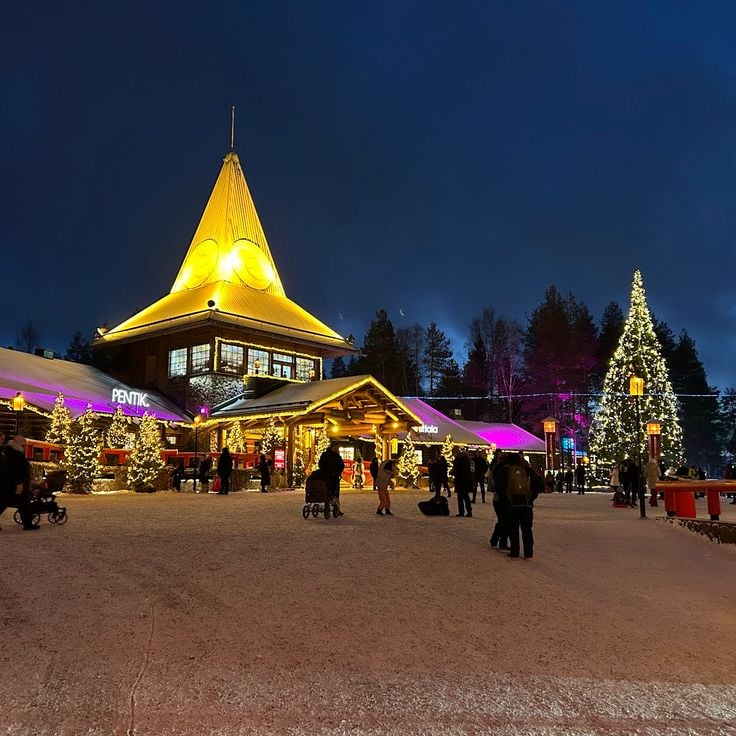
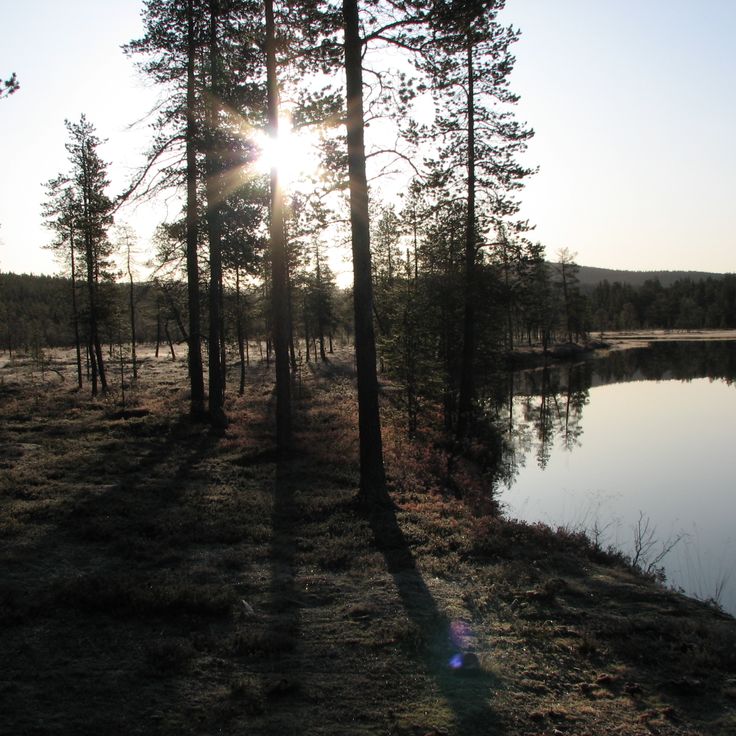
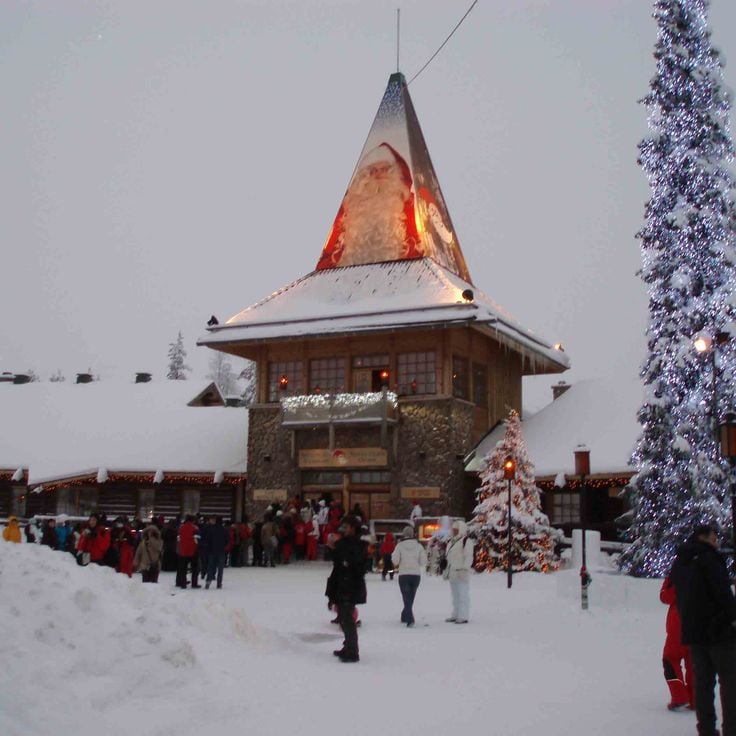
The Christmas Village in Rovaniemi sits directly on the Arctic Circle and represents Finnish Christmas tradition in the polar landscape. The theme park includes a post office that processes letters from around the world, various workshops, cafes, restaurants, and accommodations. The facility welcomes visitors throughout the year and offers activities that showcase northern winter culture. Its location on the Arctic Circle makes this destination a geographically distinctive part of the Christmas traditions featured in this collection of international year-end celebrations.
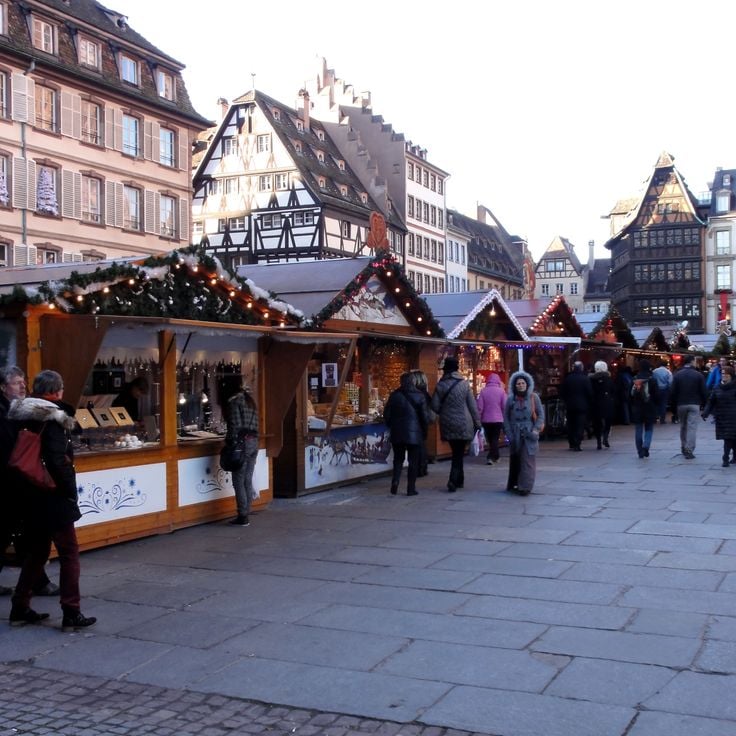
The Strasbourg Christmas Market is one of the oldest in Europe and takes over the historic center of the city every December. Around 300 wooden stalls spread around the cathedral and the nearby squares, offering handcrafted goods, Christmas decorations, and Alsatian food. Visitors walk through streets lined with lit-up facades, stopping for a cup of mulled wine, a slice of flammekueche, or a bag of bredele cookies. The whole area takes on a different feel during the holiday season.
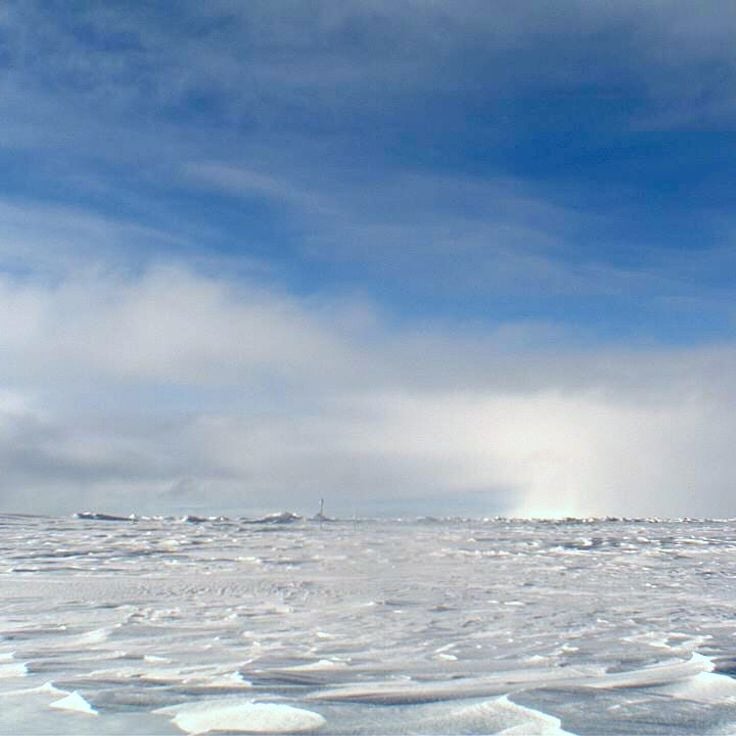
The geographic North Pole lies in the Arctic Ocean and marks the northernmost point on Earth. Winter temperatures here drop to an average of minus 58 degrees Fahrenheit (minus 45 degrees Celsius). This location stands at the center of global Christmas mythology, as numerous narratives place it as the residence of Santa Claus. The region consists of drifting sea ice that moves continuously and permits no permanent human settlement. The Pole itself has no fixed geographic structure and represents a mathematical point where all lines of longitude converge.
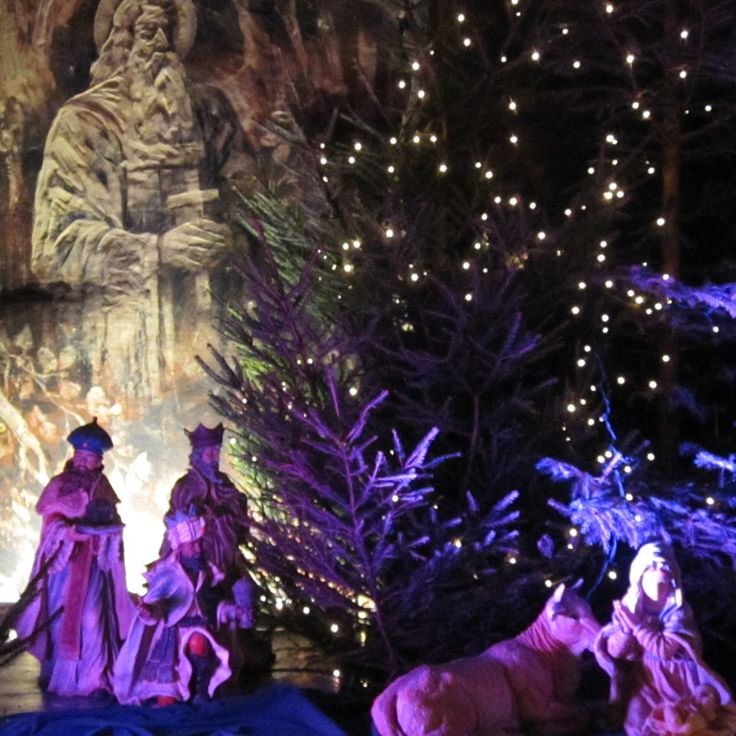
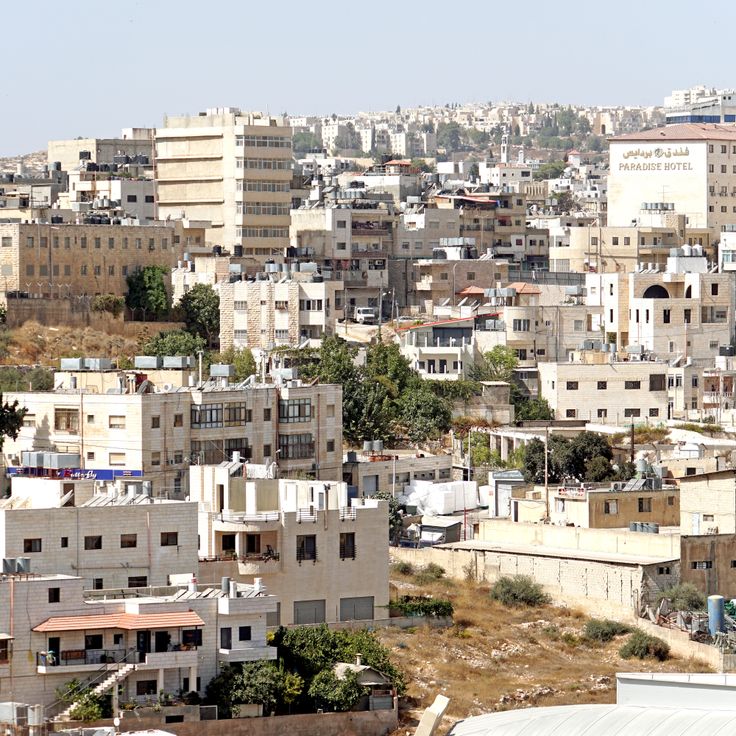
This city of 25,000 residents lies in the West Bank south of Jerusalem. The Church of the Nativity marks the birthplace of Jesus Christ according to Christian tradition. Manger Square in front of the church serves as a central gathering place during the Christmas season, when pilgrims from around the world arrive for midnight mass on December 24. The 6th-century basilica, a UNESCO World Heritage site, stands above a grotto venerated since the early centuries of Christianity. Bethlehem combines religious significance with the tradition of Christmas celebrations in the Holy Land.
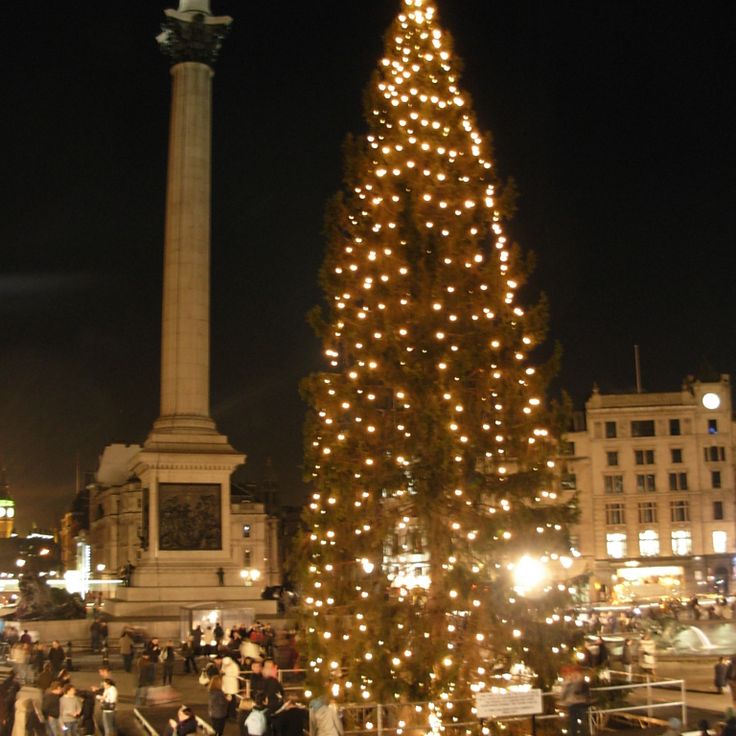
This large pine tree from the forests of Norway stands every year in Trafalgar Square in London and represents the Christmas traditions of the British capital during international celebrations. The tree, about 20 meters tall, has been a gift from Norway since 1947 as a symbol of friendship between the two nations. It marks the start of the festive season in one of London's main public spaces. This custom is part of the many Christmas celebrations around the world, from old European markets to modern city festivals in North America.
The Rockefeller Center Christmas tree stands in the middle of Manhattan from November to January and is one of New York's most recognized symbols during the holiday season. The tree is about 25 meters tall and is decorated with 50,000 LED lights and a star made of Swarovski crystals at the top. The lighting ceremony at the end of November marks the start of the festive season and attracts visitors from around the world. The tree is the main point of winter celebrations at Rockefeller Plaza, where the ice rink is also located. After the holidays, the wood from the tree is donated for charity.
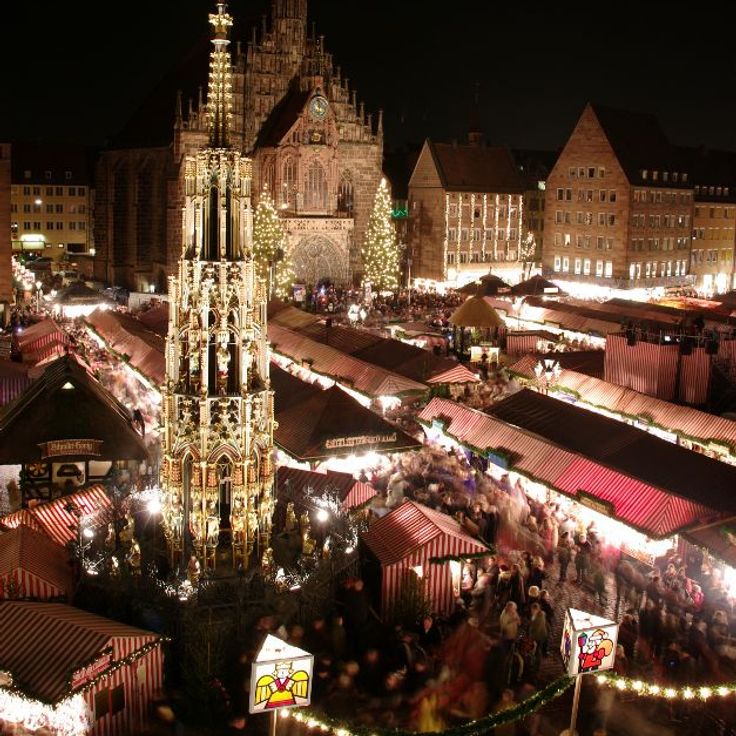
The Nuremberg Christmas Market occupies the historic Main Market Square in the old town. This market brings together about two hundred wooden stalls selling traditional gingerbread, mulled wine, handcrafted toys, and regional decorations. The stands are arranged against a backdrop of Gothic buildings and the Church of Our Lady. Visitors find Franconian specialties such as Nuremberg grilled sausages (Nürnberger Rostbratwürste) alongside regional handcrafted goods.
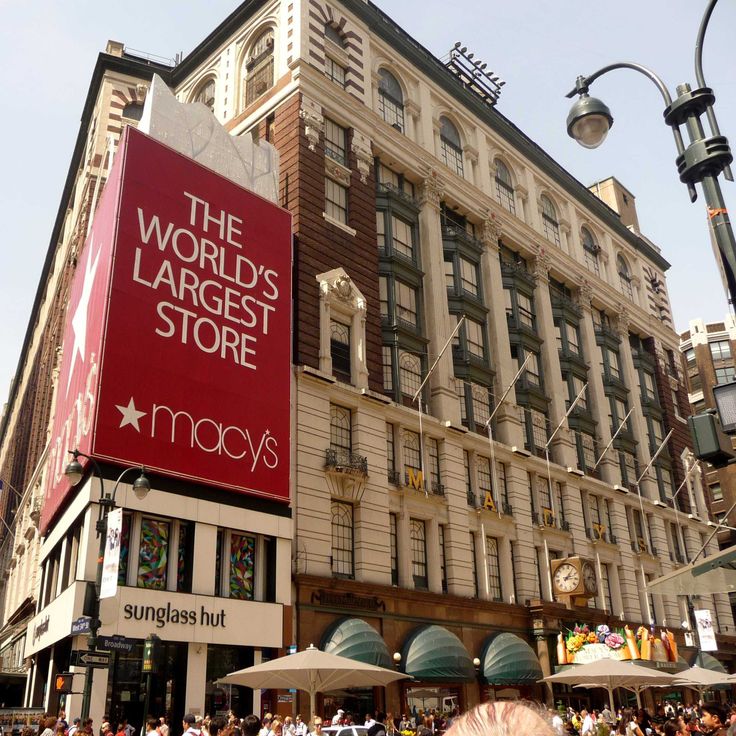
This Christmas display at Macy's department store covers 1300 square meters and shows a scene with train, elves, and a North Pole area. Santaland lets families walk through different themed sections and meet Santa Claus. The setup is built each year during Advent on the ninth floor of the main store in Herald Square. It has been part of the holiday traditions in New York for many years. The display combines hands-on activities with classic holiday decorations and attracts visitors from all around the city and beyond during the season.
The Expérience de Noël Ascot transforms into a winter village with reindeer, elf workshops, and an ice skating rink between November and December. This event caters to families and offers various activities centered on Christmas traditions, allowing visitors to engage with the holiday season. The winter village in Ascot contributes to the British interpretation of Christmas celebrations and complements the European Christmas markets in this collection through hands-on activities for children and adults.
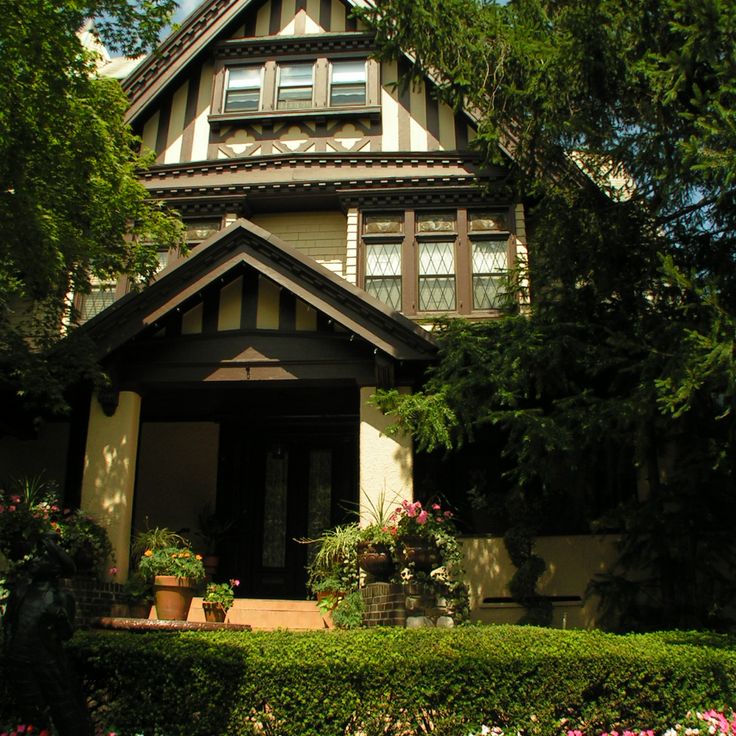
These Christmas lights in Brooklyn transform the residential neighborhoods of the New York City borough into a living display of holiday traditions. Hundreds of homes in Dyker Heights and surrounding areas showcase elaborate light installations, mechanical figures, and Christmas motifs that illuminate the streets each December. Residents compete with displays that can encompass several thousand lights, while some properties present life-size nativity scenes, reindeer, and Santa Claus figures. This tradition draws visitors from across all five boroughs of New York City and beyond, representing an American interpretation of Christmas celebrations through private decoration of public spaces.
Santa Claus Park features an underground theme area near the Arctic Circle with the Christmas Man's post office, an elf school, and a gallery of ice sculptures. The facility opened in 1998 and spans several subterranean rooms in Rovaniemi. Visitors can walk through the workshops where craftspeople demonstrate the traditions of the Christmas season. The ice gallery displays sculptures of Nordic motifs and the gingerbread shop presents traditional Finnish pastries. The grounds lie about 5 miles (8 kilometers) from the city center and receive annual visitors from various countries who come to experience Arctic Christmas customs.
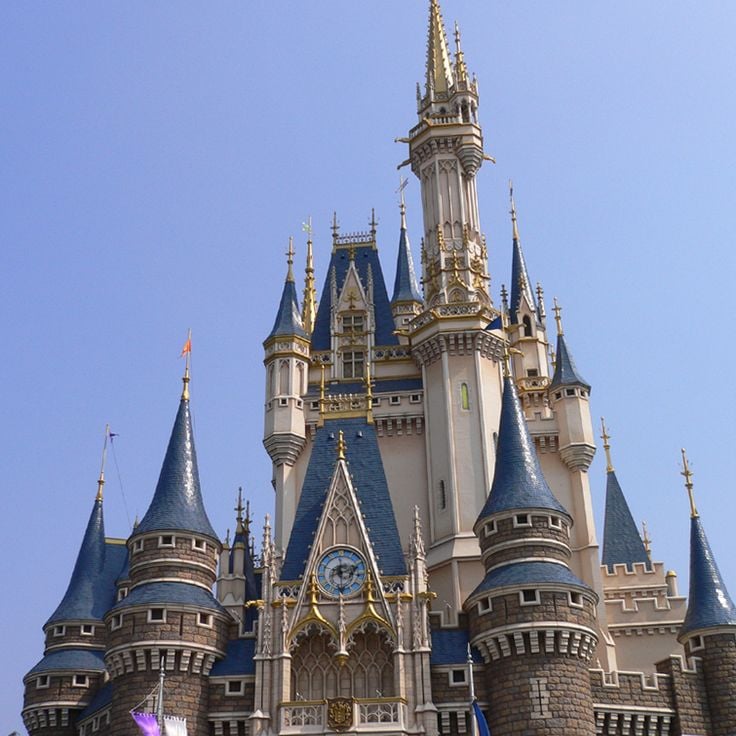
Tokyo Disneyland presents Christmas parades, light shows, themed decorations, and special winter menus from November through December during its seasonal celebration. This Japanese interpretation of holiday traditions combines American entertainment concepts with local festive customs. The park adapts its attractions and dining offerings for the Christmas season, presenting a form of year-end celebration that differs from the European Christmas markets and Nordic traditions featured in the collection. The events run for approximately two months and attract both domestic and international visitors to experience this fusion of cultural celebrations.
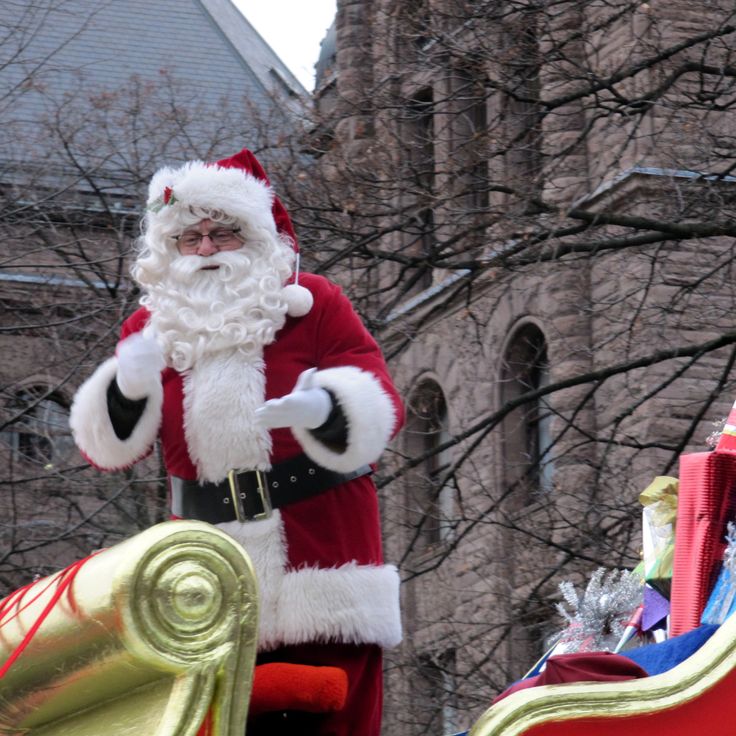
The parade has taken place in Toronto since 1905 and follows a route through downtown spanning approximately 3.5 miles (5.6 kilometers). The event features twenty-five floats that move along the established course. This parade represents one of the Christmas traditions in the Canadian city and brings festive elements to the urban setting. The annual event draws visitors from the region who observe the spectacle along the streets. The parade combines historical continuity with contemporary celebrations in the city.
This tree stands in the President's Park and lights up each December during a ceremony with the President. The National Christmas Tree is part of the American Christmas tradition in the capital and attracts visitors who wish to participate in the festive celebrations. The lighting ceremony marks the beginning of the Christmas season in Washington D.C. and is accompanied by musical performances and public events.
This post office located on the Arctic Circle processes more than 500000 letters from children around the world each year. The office is directly on the geographic line at 66 degrees 33 minutes north latitude in Rovaniemi. Visitors can have a special Arctic Circle stamp affixed to their Christmas mail. The office handles correspondence in several languages and sends replies to children on behalf of Santa Claus. It combines the role of a regular post office with its part in Finnish Christmas tourism.
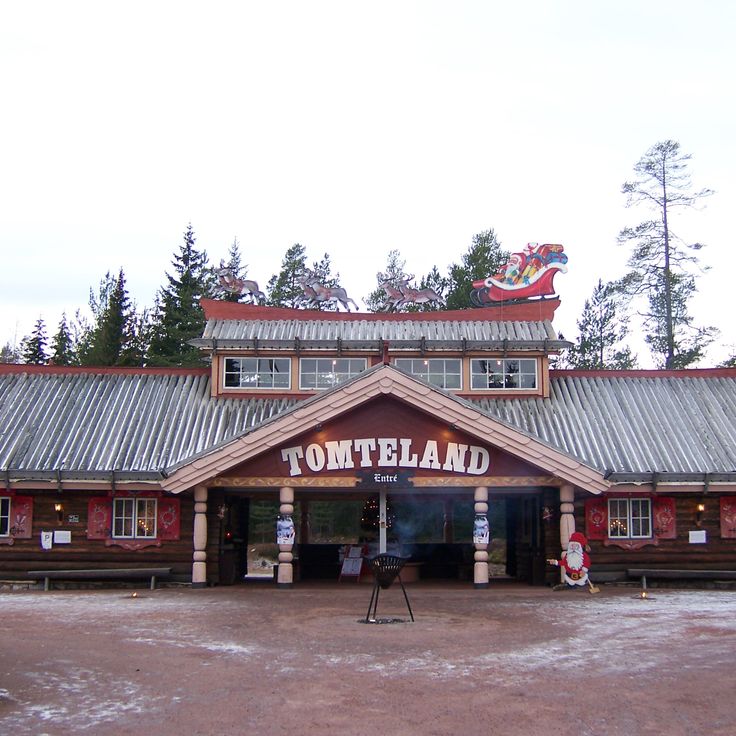
Tomteland presents Scandinavian Christmas traditions in central Sweden, featuring reindeer, craft workshops, and traditional winter celebrations throughout the holiday season. The park is located in Mora, a town on Lake Siljan in Dalarna province, known for its historic wooden structures and folk customs. The facility introduces visitors to Swedish holiday traditions through encounters with the tomtar, Nordic Christmas figures, and showcases regional winter activities.
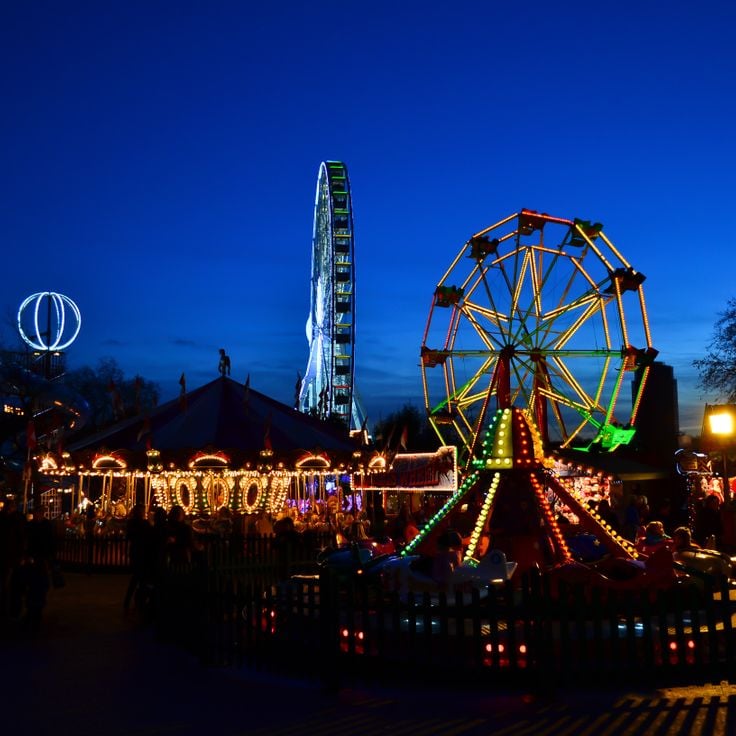
Hyde Park Winter Wonderland transforms the historic park in central London into a winter festival with more than 100 rides and a 17,000 square foot (1,600 square meter) ice rink. The festival features circus performances and stalls serving German cuisine. This temporary installation ranks among the large-scale Christmas celebrations that mark the winter season in European capitals.
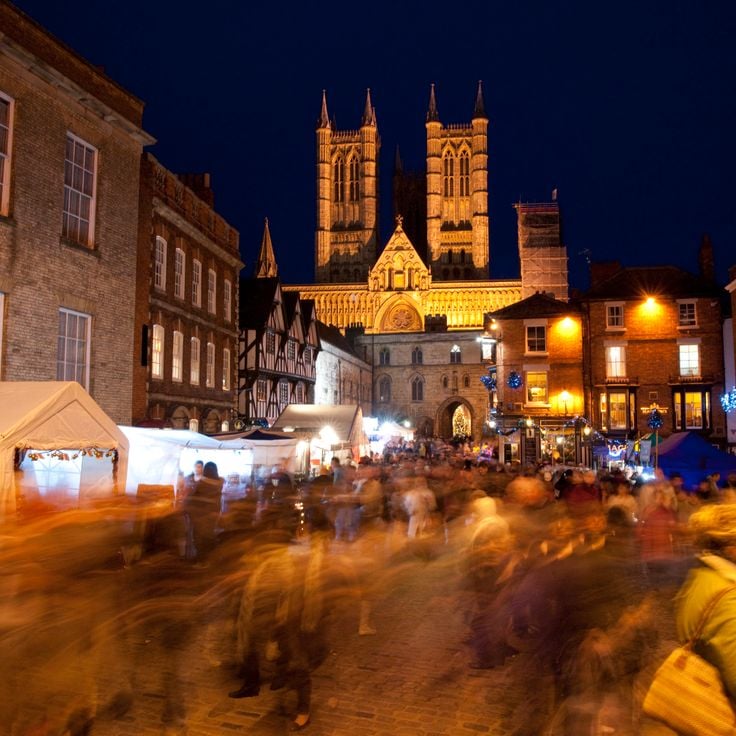
This market takes place in the historic quarter near Lincoln Cathedral. Around 280 vendors offer regional foods, handmade items and seasonal decorations in December. The Christmas market is part of British holiday traditions in the East Midlands city.
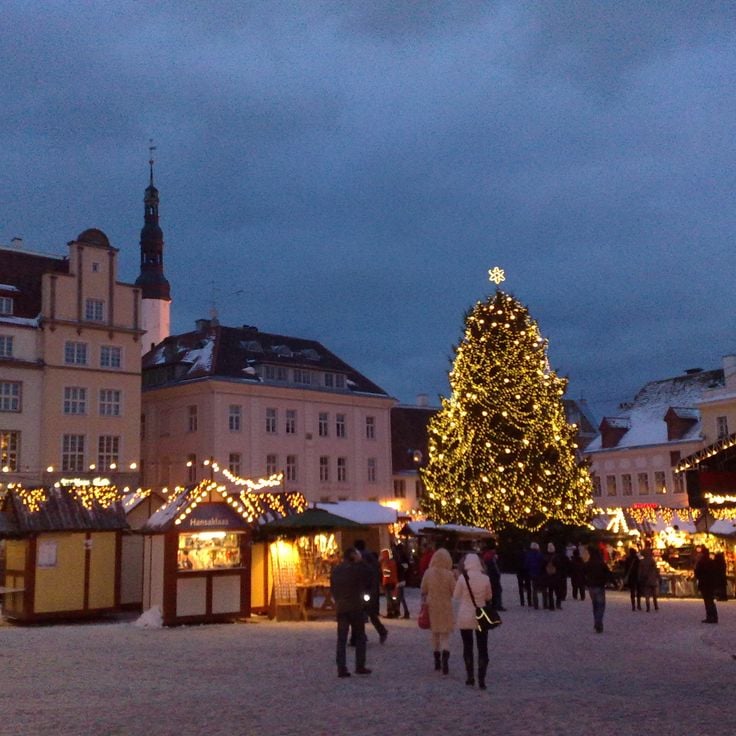
On Tallinn's Town Hall Square, this Christmas market showcases Estonian craftsmanship, local foods, and warm beverages around a central Christmas tree. The market combines the medieval architecture of the Old Town with festive traditions, offering handcrafted textiles, woodwork, and regional specialties. The historic backdrop of the 13th-century Town Hall frames the vendor stalls, while visitors sample Estonian glögg variations and traditional gingerbread. As one of the northernmost Christmas markets in Europe, it complements the collection of winter celebration destinations spanning from the Arctic Circle to European cities.
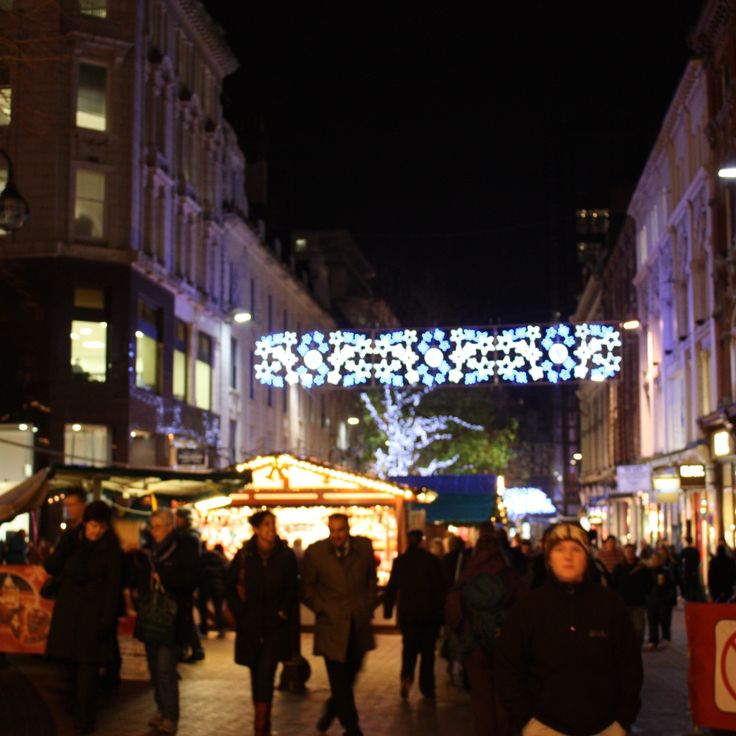
The Birmingham Christmas Market brings German Christmas traditions to England through about 80 wooden huts spread across Victoria Square. This market features handcrafted decorations, toys, and jewelry along with German bratwurst, gingerbread, and mulled wine. Operating since the early 2000s, the event has grown into one of the largest German Christmas markets outside Germany and Austria, drawing visitors from across the United Kingdom during the weeks leading to Christmas.
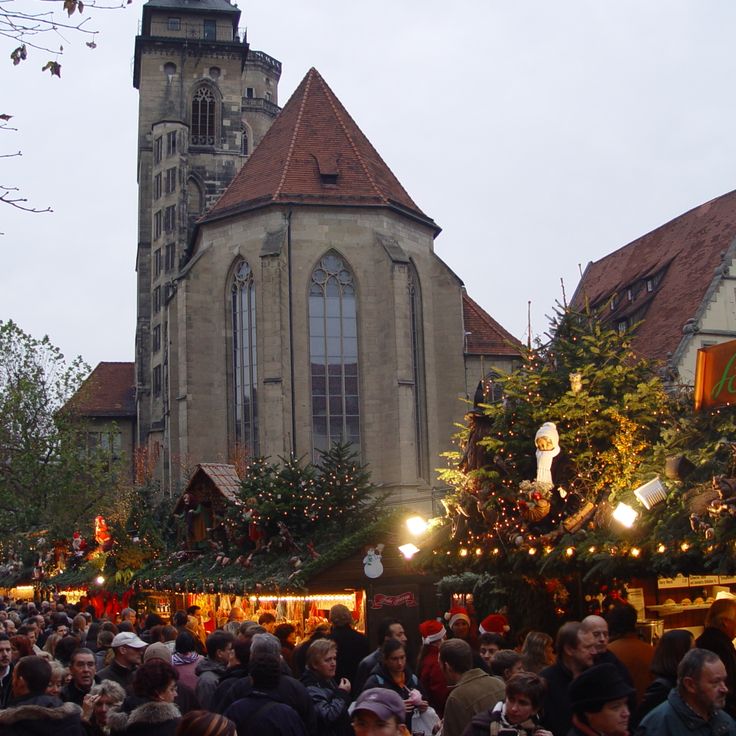
This Christmas market extends across several squares in Stuttgart with 280 stalls. Vendors offer regional specialties, decorations, and handcrafted items in this tradition dating back to 1692. The market ranks among the oldest and largest of its kind in Germany and contributes to the festive character of the capital of Baden-Württemberg.
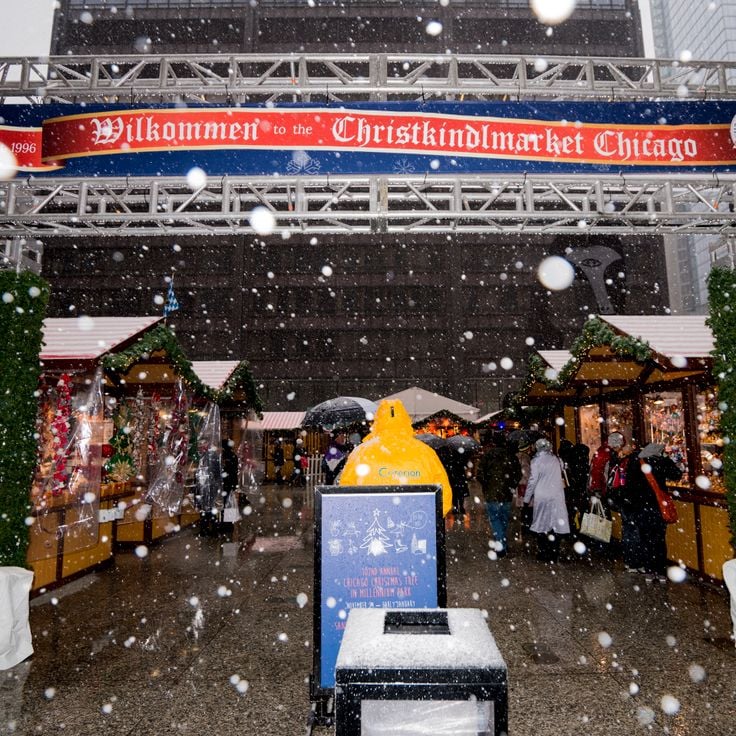
The Christkindlmarket in Chicago operates from November through December in the downtown area, bringing German traditions to the American metropolis. The wooden stalls offer handicrafts from Germany, glass ornaments, cuckoo clocks, and traditional foods. This event contributes to the collection of Christmas markets through its transatlantic perspective on Central European winter festivities, connecting German-speaking traditions with the American holiday season.
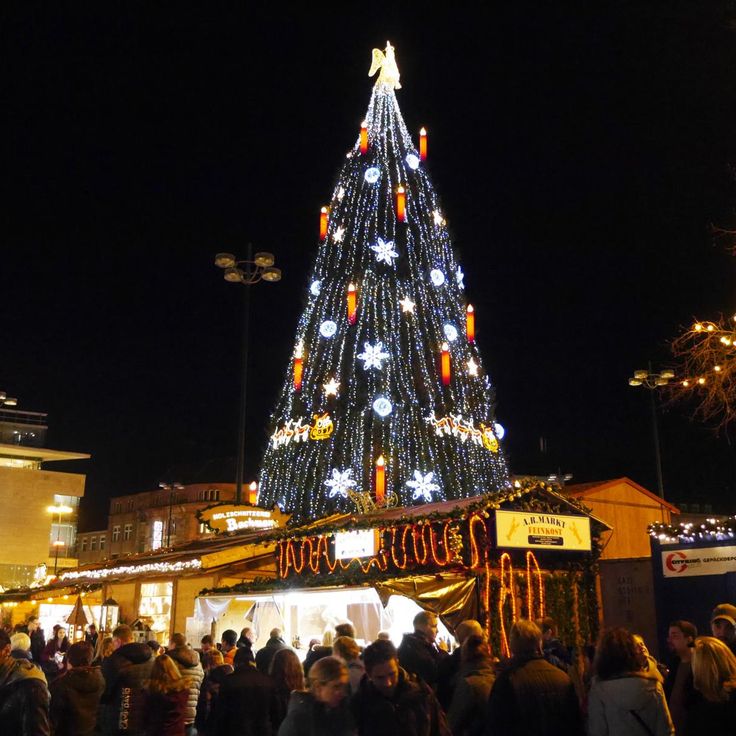
The Christmas market of Dortmund spreads across multiple areas of the city center and uses historic limestone tunnels beneath the city. Around three hundred wooden stalls offer crafts, Christmas decorations, and regional specialties. This Advent market tradition connects Dortmund's commercial history with winter festivities and complements the collection of German Christmas markets alongside Nuremberg and Strasbourg.
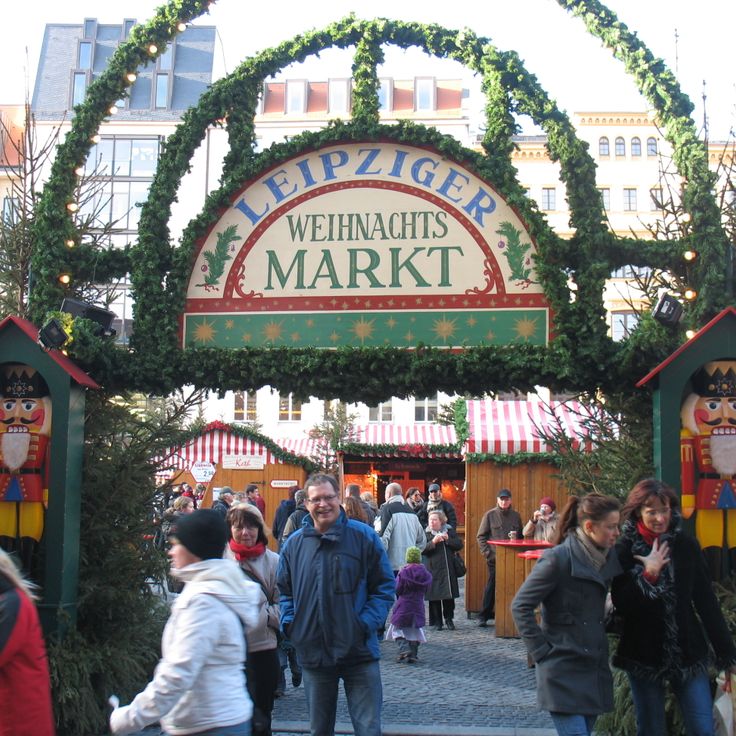
This Christmas market, operating since 1458, features around 250 stalls spread across six locations in downtown Leipzig, offering handcrafted items, regional foods, and seasonal decorations. The event represents one of Germany's historic advent markets and contributes to the Central European holiday tradition documented in this collection.
The market in old Hannover extends through the medieval quarter with wooden stands offering regional specialties, handmade products, and seasonal decorations from November to December 24. The market is among Germany's traditional Christmas markets and contributes to the city's festive period during Advent. Visitors find local crafts and foods throughout the historic district.
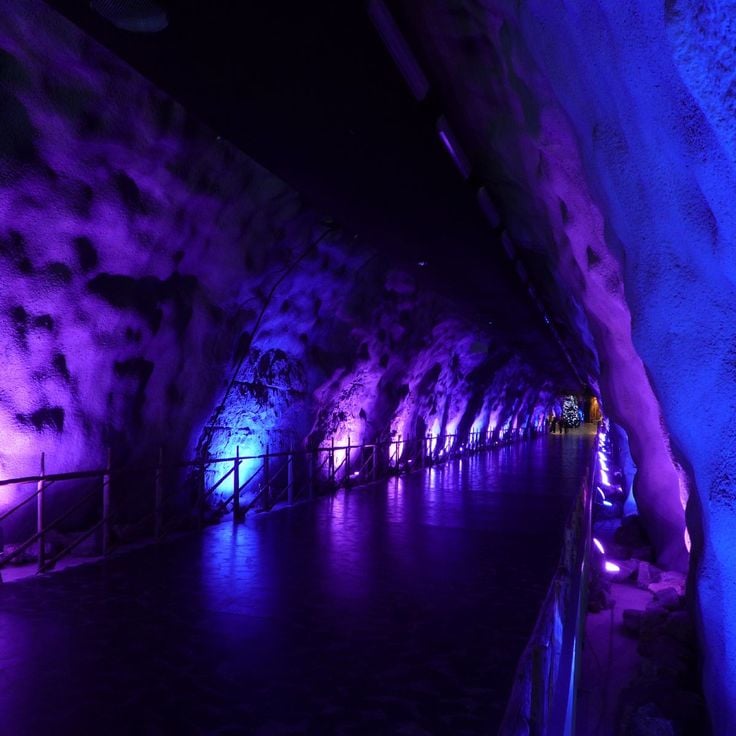
The Christmas market in the Gemeentegrot occupies underground limestone galleries dating from the 13th century that extend across multiple levels beneath Valkenburg. Vendor stalls line the tunnels, offering handcrafted products, Christmas decorations, and traditional Dutch specialties. The constant temperature of approximately 50 degrees Fahrenheit (10 degrees Celsius) within the caves creates a distinctive environment during the Advent season, while the historic stone walls are illuminated with lights.
The Christmas Village in Rovaniemi sits directly on the Arctic Circle and represents Finnish Christmas tradition in the polar landscape. The theme park includes a post office that processes letters from around the world, various workshops, cafes, restaurants, and accommodations. The facility welcomes visitors throughout the year and offers activities that showcase northern winter culture. Its location on the Arctic Circle makes this destination a geographically distinctive part of the Christmas traditions featured in this collection of international year-end celebrations.
The Strasbourg Christmas Market is one of the oldest in Europe and takes over the historic center of the city every December. Around 300 wooden stalls spread around the cathedral and the nearby squares, offering handcrafted goods, Christmas decorations, and Alsatian food. Visitors walk through streets lined with lit-up facades, stopping for a cup of mulled wine, a slice of flammekueche, or a bag of bredele cookies. The whole area takes on a different feel during the holiday season.
The geographic North Pole lies in the Arctic Ocean and marks the northernmost point on Earth. Winter temperatures here drop to an average of minus 58 degrees Fahrenheit (minus 45 degrees Celsius). This location stands at the center of global Christmas mythology, as numerous narratives place it as the residence of Santa Claus. The region consists of drifting sea ice that moves continuously and permits no permanent human settlement. The Pole itself has no fixed geographic structure and represents a mathematical point where all lines of longitude converge.
This city of 25,000 residents lies in the West Bank south of Jerusalem. The Church of the Nativity marks the birthplace of Jesus Christ according to Christian tradition. Manger Square in front of the church serves as a central gathering place during the Christmas season, when pilgrims from around the world arrive for midnight mass on December 24. The 6th-century basilica, a UNESCO World Heritage site, stands above a grotto venerated since the early centuries of Christianity. Bethlehem combines religious significance with the tradition of Christmas celebrations in the Holy Land.
This large pine tree from the forests of Norway stands every year in Trafalgar Square in London and represents the Christmas traditions of the British capital during international celebrations. The tree, about 20 meters tall, has been a gift from Norway since 1947 as a symbol of friendship between the two nations. It marks the start of the festive season in one of London's main public spaces. This custom is part of the many Christmas celebrations around the world, from old European markets to modern city festivals in North America.
The Rockefeller Center Christmas tree stands in the middle of Manhattan from November to January and is one of New York's most recognized symbols during the holiday season. The tree is about 25 meters tall and is decorated with 50,000 LED lights and a star made of Swarovski crystals at the top. The lighting ceremony at the end of November marks the start of the festive season and attracts visitors from around the world. The tree is the main point of winter celebrations at Rockefeller Plaza, where the ice rink is also located. After the holidays, the wood from the tree is donated for charity.
The Nuremberg Christmas Market occupies the historic Main Market Square in the old town. This market brings together about two hundred wooden stalls selling traditional gingerbread, mulled wine, handcrafted toys, and regional decorations. The stands are arranged against a backdrop of Gothic buildings and the Church of Our Lady. Visitors find Franconian specialties such as Nuremberg grilled sausages (Nürnberger Rostbratwürste) alongside regional handcrafted goods.
This Christmas display at Macy's department store covers 1300 square meters and shows a scene with train, elves, and a North Pole area. Santaland lets families walk through different themed sections and meet Santa Claus. The setup is built each year during Advent on the ninth floor of the main store in Herald Square. It has been part of the holiday traditions in New York for many years. The display combines hands-on activities with classic holiday decorations and attracts visitors from all around the city and beyond during the season.
The Expérience de Noël Ascot transforms into a winter village with reindeer, elf workshops, and an ice skating rink between November and December. This event caters to families and offers various activities centered on Christmas traditions, allowing visitors to engage with the holiday season. The winter village in Ascot contributes to the British interpretation of Christmas celebrations and complements the European Christmas markets in this collection through hands-on activities for children and adults.
These Christmas lights in Brooklyn transform the residential neighborhoods of the New York City borough into a living display of holiday traditions. Hundreds of homes in Dyker Heights and surrounding areas showcase elaborate light installations, mechanical figures, and Christmas motifs that illuminate the streets each December. Residents compete with displays that can encompass several thousand lights, while some properties present life-size nativity scenes, reindeer, and Santa Claus figures. This tradition draws visitors from across all five boroughs of New York City and beyond, representing an American interpretation of Christmas celebrations through private decoration of public spaces.
Santa Claus Park features an underground theme area near the Arctic Circle with the Christmas Man's post office, an elf school, and a gallery of ice sculptures. The facility opened in 1998 and spans several subterranean rooms in Rovaniemi. Visitors can walk through the workshops where craftspeople demonstrate the traditions of the Christmas season. The ice gallery displays sculptures of Nordic motifs and the gingerbread shop presents traditional Finnish pastries. The grounds lie about 5 miles (8 kilometers) from the city center and receive annual visitors from various countries who come to experience Arctic Christmas customs.
Tokyo Disneyland presents Christmas parades, light shows, themed decorations, and special winter menus from November through December during its seasonal celebration. This Japanese interpretation of holiday traditions combines American entertainment concepts with local festive customs. The park adapts its attractions and dining offerings for the Christmas season, presenting a form of year-end celebration that differs from the European Christmas markets and Nordic traditions featured in the collection. The events run for approximately two months and attract both domestic and international visitors to experience this fusion of cultural celebrations.
The parade has taken place in Toronto since 1905 and follows a route through downtown spanning approximately 3.5 miles (5.6 kilometers). The event features twenty-five floats that move along the established course. This parade represents one of the Christmas traditions in the Canadian city and brings festive elements to the urban setting. The annual event draws visitors from the region who observe the spectacle along the streets. The parade combines historical continuity with contemporary celebrations in the city.
This tree stands in the President's Park and lights up each December during a ceremony with the President. The National Christmas Tree is part of the American Christmas tradition in the capital and attracts visitors who wish to participate in the festive celebrations. The lighting ceremony marks the beginning of the Christmas season in Washington D.C. and is accompanied by musical performances and public events.
This post office located on the Arctic Circle processes more than 500000 letters from children around the world each year. The office is directly on the geographic line at 66 degrees 33 minutes north latitude in Rovaniemi. Visitors can have a special Arctic Circle stamp affixed to their Christmas mail. The office handles correspondence in several languages and sends replies to children on behalf of Santa Claus. It combines the role of a regular post office with its part in Finnish Christmas tourism.
Tomteland presents Scandinavian Christmas traditions in central Sweden, featuring reindeer, craft workshops, and traditional winter celebrations throughout the holiday season. The park is located in Mora, a town on Lake Siljan in Dalarna province, known for its historic wooden structures and folk customs. The facility introduces visitors to Swedish holiday traditions through encounters with the tomtar, Nordic Christmas figures, and showcases regional winter activities.
Hyde Park Winter Wonderland transforms the historic park in central London into a winter festival with more than 100 rides and a 17,000 square foot (1,600 square meter) ice rink. The festival features circus performances and stalls serving German cuisine. This temporary installation ranks among the large-scale Christmas celebrations that mark the winter season in European capitals.
This market takes place in the historic quarter near Lincoln Cathedral. Around 280 vendors offer regional foods, handmade items and seasonal decorations in December. The Christmas market is part of British holiday traditions in the East Midlands city.
On Tallinn's Town Hall Square, this Christmas market showcases Estonian craftsmanship, local foods, and warm beverages around a central Christmas tree. The market combines the medieval architecture of the Old Town with festive traditions, offering handcrafted textiles, woodwork, and regional specialties. The historic backdrop of the 13th-century Town Hall frames the vendor stalls, while visitors sample Estonian glögg variations and traditional gingerbread. As one of the northernmost Christmas markets in Europe, it complements the collection of winter celebration destinations spanning from the Arctic Circle to European cities.
The Birmingham Christmas Market brings German Christmas traditions to England through about 80 wooden huts spread across Victoria Square. This market features handcrafted decorations, toys, and jewelry along with German bratwurst, gingerbread, and mulled wine. Operating since the early 2000s, the event has grown into one of the largest German Christmas markets outside Germany and Austria, drawing visitors from across the United Kingdom during the weeks leading to Christmas.
This Christmas market extends across several squares in Stuttgart with 280 stalls. Vendors offer regional specialties, decorations, and handcrafted items in this tradition dating back to 1692. The market ranks among the oldest and largest of its kind in Germany and contributes to the festive character of the capital of Baden-Württemberg.
The Christkindlmarket in Chicago operates from November through December in the downtown area, bringing German traditions to the American metropolis. The wooden stalls offer handicrafts from Germany, glass ornaments, cuckoo clocks, and traditional foods. This event contributes to the collection of Christmas markets through its transatlantic perspective on Central European winter festivities, connecting German-speaking traditions with the American holiday season.
The Christmas market of Dortmund spreads across multiple areas of the city center and uses historic limestone tunnels beneath the city. Around three hundred wooden stalls offer crafts, Christmas decorations, and regional specialties. This Advent market tradition connects Dortmund's commercial history with winter festivities and complements the collection of German Christmas markets alongside Nuremberg and Strasbourg.
This Christmas market, operating since 1458, features around 250 stalls spread across six locations in downtown Leipzig, offering handcrafted items, regional foods, and seasonal decorations. The event represents one of Germany's historic advent markets and contributes to the Central European holiday tradition documented in this collection.
The market in old Hannover extends through the medieval quarter with wooden stands offering regional specialties, handmade products, and seasonal decorations from November to December 24. The market is among Germany's traditional Christmas markets and contributes to the city's festive period during Advent. Visitors find local crafts and foods throughout the historic district.
The Christmas market in the Gemeentegrot occupies underground limestone galleries dating from the 13th century that extend across multiple levels beneath Valkenburg. Vendor stalls line the tunnels, offering handcrafted products, Christmas decorations, and traditional Dutch specialties. The constant temperature of approximately 50 degrees Fahrenheit (10 degrees Celsius) within the caves creates a distinctive environment during the Advent season, while the historic stone walls are illuminated with lights.
The Christmas Village in Rovaniemi sits directly on the Arctic Circle and represents Finnish Christmas tradition in the polar landscape. The theme park includes a post office that processes letters from around the world, various workshops, cafes, restaurants, and accommodations. The facility welcomes visitors throughout the year and offers activities that showcase northern winter culture. Its location on the Arctic Circle makes this destination a geographically distinctive part of the Christmas traditions featured in this collection of international year-end celebrations.
The Strasbourg Christmas Market is one of the oldest in Europe and takes over the historic center of the city every December. Around 300 wooden stalls spread around the cathedral and the nearby squares, offering handcrafted goods, Christmas decorations, and Alsatian food. Visitors walk through streets lined with lit-up facades, stopping for a cup of mulled wine, a slice of flammekueche, or a bag of bredele cookies. The whole area takes on a different feel during the holiday season.
The geographic North Pole lies in the Arctic Ocean and marks the northernmost point on Earth. Winter temperatures here drop to an average of minus 58 degrees Fahrenheit (minus 45 degrees Celsius). This location stands at the center of global Christmas mythology, as numerous narratives place it as the residence of Santa Claus. The region consists of drifting sea ice that moves continuously and permits no permanent human settlement. The Pole itself has no fixed geographic structure and represents a mathematical point where all lines of longitude converge.
This city of 25,000 residents lies in the West Bank south of Jerusalem. The Church of the Nativity marks the birthplace of Jesus Christ according to Christian tradition. Manger Square in front of the church serves as a central gathering place during the Christmas season, when pilgrims from around the world arrive for midnight mass on December 24. The 6th-century basilica, a UNESCO World Heritage site, stands above a grotto venerated since the early centuries of Christianity. Bethlehem combines religious significance with the tradition of Christmas celebrations in the Holy Land.
This large pine tree from the forests of Norway stands every year in Trafalgar Square in London and represents the Christmas traditions of the British capital during international celebrations. The tree, about 20 meters tall, has been a gift from Norway since 1947 as a symbol of friendship between the two nations. It marks the start of the festive season in one of London's main public spaces. This custom is part of the many Christmas celebrations around the world, from old European markets to modern city festivals in North America.
The Rockefeller Center Christmas tree stands in the middle of Manhattan from November to January and is one of New York's most recognized symbols during the holiday season. The tree is about 25 meters tall and is decorated with 50,000 LED lights and a star made of Swarovski crystals at the top. The lighting ceremony at the end of November marks the start of the festive season and attracts visitors from around the world. The tree is the main point of winter celebrations at Rockefeller Plaza, where the ice rink is also located. After the holidays, the wood from the tree is donated for charity.
The Nuremberg Christmas Market occupies the historic Main Market Square in the old town. This market brings together about two hundred wooden stalls selling traditional gingerbread, mulled wine, handcrafted toys, and regional decorations. The stands are arranged against a backdrop of Gothic buildings and the Church of Our Lady. Visitors find Franconian specialties such as Nuremberg grilled sausages (Nürnberger Rostbratwürste) alongside regional handcrafted goods.
This Christmas display at Macy's department store covers 1300 square meters and shows a scene with train, elves, and a North Pole area. Santaland lets families walk through different themed sections and meet Santa Claus. The setup is built each year during Advent on the ninth floor of the main store in Herald Square. It has been part of the holiday traditions in New York for many years. The display combines hands-on activities with classic holiday decorations and attracts visitors from all around the city and beyond during the season.
The Expérience de Noël Ascot transforms into a winter village with reindeer, elf workshops, and an ice skating rink between November and December. This event caters to families and offers various activities centered on Christmas traditions, allowing visitors to engage with the holiday season. The winter village in Ascot contributes to the British interpretation of Christmas celebrations and complements the European Christmas markets in this collection through hands-on activities for children and adults.
These Christmas lights in Brooklyn transform the residential neighborhoods of the New York City borough into a living display of holiday traditions. Hundreds of homes in Dyker Heights and surrounding areas showcase elaborate light installations, mechanical figures, and Christmas motifs that illuminate the streets each December. Residents compete with displays that can encompass several thousand lights, while some properties present life-size nativity scenes, reindeer, and Santa Claus figures. This tradition draws visitors from across all five boroughs of New York City and beyond, representing an American interpretation of Christmas celebrations through private decoration of public spaces.
Santa Claus Park features an underground theme area near the Arctic Circle with the Christmas Man's post office, an elf school, and a gallery of ice sculptures. The facility opened in 1998 and spans several subterranean rooms in Rovaniemi. Visitors can walk through the workshops where craftspeople demonstrate the traditions of the Christmas season. The ice gallery displays sculptures of Nordic motifs and the gingerbread shop presents traditional Finnish pastries. The grounds lie about 5 miles (8 kilometers) from the city center and receive annual visitors from various countries who come to experience Arctic Christmas customs.
Tokyo Disneyland presents Christmas parades, light shows, themed decorations, and special winter menus from November through December during its seasonal celebration. This Japanese interpretation of holiday traditions combines American entertainment concepts with local festive customs. The park adapts its attractions and dining offerings for the Christmas season, presenting a form of year-end celebration that differs from the European Christmas markets and Nordic traditions featured in the collection. The events run for approximately two months and attract both domestic and international visitors to experience this fusion of cultural celebrations.
The parade has taken place in Toronto since 1905 and follows a route through downtown spanning approximately 3.5 miles (5.6 kilometers). The event features twenty-five floats that move along the established course. This parade represents one of the Christmas traditions in the Canadian city and brings festive elements to the urban setting. The annual event draws visitors from the region who observe the spectacle along the streets. The parade combines historical continuity with contemporary celebrations in the city.
This tree stands in the President's Park and lights up each December during a ceremony with the President. The National Christmas Tree is part of the American Christmas tradition in the capital and attracts visitors who wish to participate in the festive celebrations. The lighting ceremony marks the beginning of the Christmas season in Washington D.C. and is accompanied by musical performances and public events.
This post office located on the Arctic Circle processes more than 500000 letters from children around the world each year. The office is directly on the geographic line at 66 degrees 33 minutes north latitude in Rovaniemi. Visitors can have a special Arctic Circle stamp affixed to their Christmas mail. The office handles correspondence in several languages and sends replies to children on behalf of Santa Claus. It combines the role of a regular post office with its part in Finnish Christmas tourism.
Tomteland presents Scandinavian Christmas traditions in central Sweden, featuring reindeer, craft workshops, and traditional winter celebrations throughout the holiday season. The park is located in Mora, a town on Lake Siljan in Dalarna province, known for its historic wooden structures and folk customs. The facility introduces visitors to Swedish holiday traditions through encounters with the tomtar, Nordic Christmas figures, and showcases regional winter activities.
Hyde Park Winter Wonderland transforms the historic park in central London into a winter festival with more than 100 rides and a 17,000 square foot (1,600 square meter) ice rink. The festival features circus performances and stalls serving German cuisine. This temporary installation ranks among the large-scale Christmas celebrations that mark the winter season in European capitals.
This market takes place in the historic quarter near Lincoln Cathedral. Around 280 vendors offer regional foods, handmade items and seasonal decorations in December. The Christmas market is part of British holiday traditions in the East Midlands city.
On Tallinn's Town Hall Square, this Christmas market showcases Estonian craftsmanship, local foods, and warm beverages around a central Christmas tree. The market combines the medieval architecture of the Old Town with festive traditions, offering handcrafted textiles, woodwork, and regional specialties. The historic backdrop of the 13th-century Town Hall frames the vendor stalls, while visitors sample Estonian glögg variations and traditional gingerbread. As one of the northernmost Christmas markets in Europe, it complements the collection of winter celebration destinations spanning from the Arctic Circle to European cities.
The Birmingham Christmas Market brings German Christmas traditions to England through about 80 wooden huts spread across Victoria Square. This market features handcrafted decorations, toys, and jewelry along with German bratwurst, gingerbread, and mulled wine. Operating since the early 2000s, the event has grown into one of the largest German Christmas markets outside Germany and Austria, drawing visitors from across the United Kingdom during the weeks leading to Christmas.
This Christmas market extends across several squares in Stuttgart with 280 stalls. Vendors offer regional specialties, decorations, and handcrafted items in this tradition dating back to 1692. The market ranks among the oldest and largest of its kind in Germany and contributes to the festive character of the capital of Baden-Württemberg.
The Christkindlmarket in Chicago operates from November through December in the downtown area, bringing German traditions to the American metropolis. The wooden stalls offer handicrafts from Germany, glass ornaments, cuckoo clocks, and traditional foods. This event contributes to the collection of Christmas markets through its transatlantic perspective on Central European winter festivities, connecting German-speaking traditions with the American holiday season.
The Christmas market of Dortmund spreads across multiple areas of the city center and uses historic limestone tunnels beneath the city. Around three hundred wooden stalls offer crafts, Christmas decorations, and regional specialties. This Advent market tradition connects Dortmund's commercial history with winter festivities and complements the collection of German Christmas markets alongside Nuremberg and Strasbourg.
This Christmas market, operating since 1458, features around 250 stalls spread across six locations in downtown Leipzig, offering handcrafted items, regional foods, and seasonal decorations. The event represents one of Germany's historic advent markets and contributes to the Central European holiday tradition documented in this collection.
The market in old Hannover extends through the medieval quarter with wooden stands offering regional specialties, handmade products, and seasonal decorations from November to December 24. The market is among Germany's traditional Christmas markets and contributes to the city's festive period during Advent. Visitors find local crafts and foods throughout the historic district.
The Christmas market in the Gemeentegrot occupies underground limestone galleries dating from the 13th century that extend across multiple levels beneath Valkenburg. Vendor stalls line the tunnels, offering handcrafted products, Christmas decorations, and traditional Dutch specialties. The constant temperature of approximately 50 degrees Fahrenheit (10 degrees Celsius) within the caves creates a distinctive environment during the Advent season, while the historic stone walls are illuminated with lights.
If you plan to visit these places during the holidays, expect crowds. European markets and attractions in New York attract millions of visitors from November to December. Book your accommodations early and plan your trips early in the morning to enjoy each place fully.