Spain ranks among the leading golf destinations in Europe with more than 400 courses spread across different climate zones and landscapes. The southern coast features the Costa del Sol facilities, including Real Club Valderrama in Cádiz and Finca Cortesín in Málaga. The area around Marbella and San Roque offers a concentration of courses with different designs. In the north, Real Golf de Pedreña in Cantabria and Real Club Golf San Sebastián in Guipúzcoa present courses set in green surroundings with temperate climate. Spanish golf courses differ in design and vegetation. Along the Mediterranean coast, facilities like Parador de El Saler near Valencia or Club de Golf Alcanada in Mallorca feature sea views. Inland, courses such as Club de Campo Villa de Madrid or Real Club de Golf La Herrería near San Lorenzo de El Escorial offer woodland landscapes with oaks and pines. In Catalonia, PGA Catalunya Stadium in Girona combines technical holes with Mediterranean vegetation, while Empordà Links in the same area presents a links design. In the Canary Islands, Costa Adeje Golf in Santa Cruz de Tenerife enables playing in mild temperatures throughout the year.
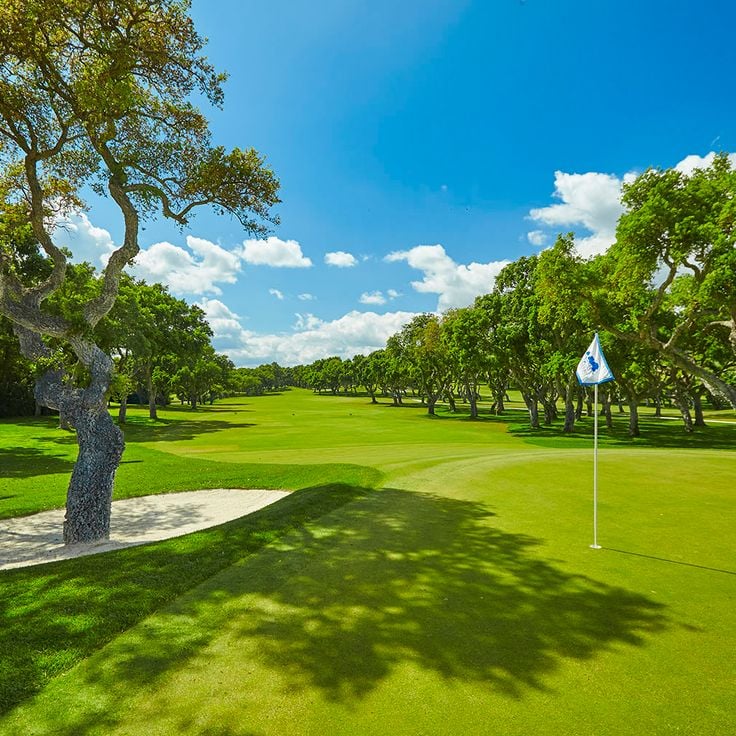
Cádiz, Spain
Real Club Valderrama presents itself as one of Spain's most technically demanding golf courses, with narrow fairways lined by old cork oak trees. The course requires precision on every shot, as strategically placed bunkers accompany the playing holes. This golf course is known for its manicured greens and Mediterranean vegetation, making the game both challenging and varied.
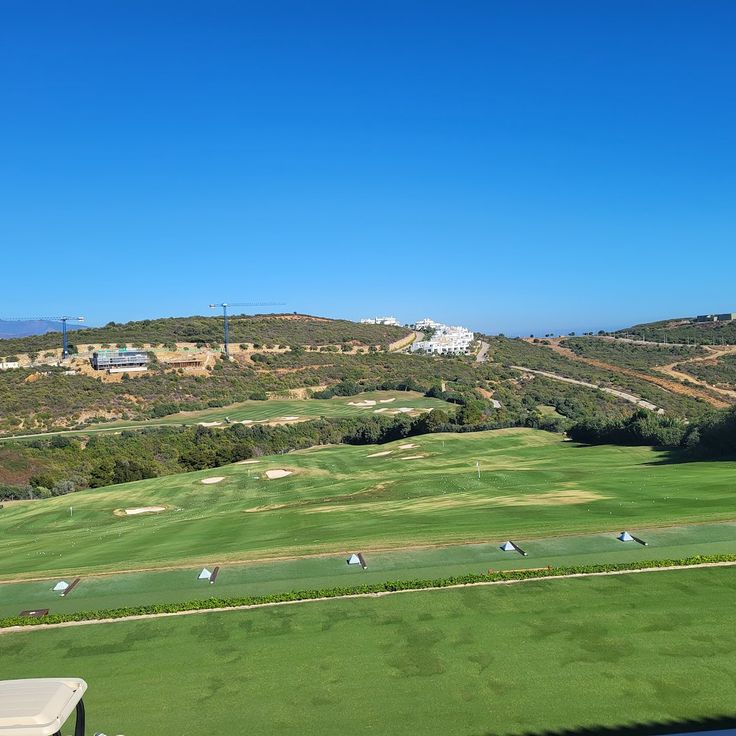
Málaga, Spain
The Finca Cortesín Golf Club sits among Mediterranean vegetation with cork oaks and olive trees, offering a playing surface of 7,450 yards (6,800 meters). This course ranks among Spain's significant golf facilities, combining technical demands with the natural character of the terrain. The holes wind through gentle hills and present varied playing requirements. The facility was designed for international tournaments and includes appropriate infrastructure.
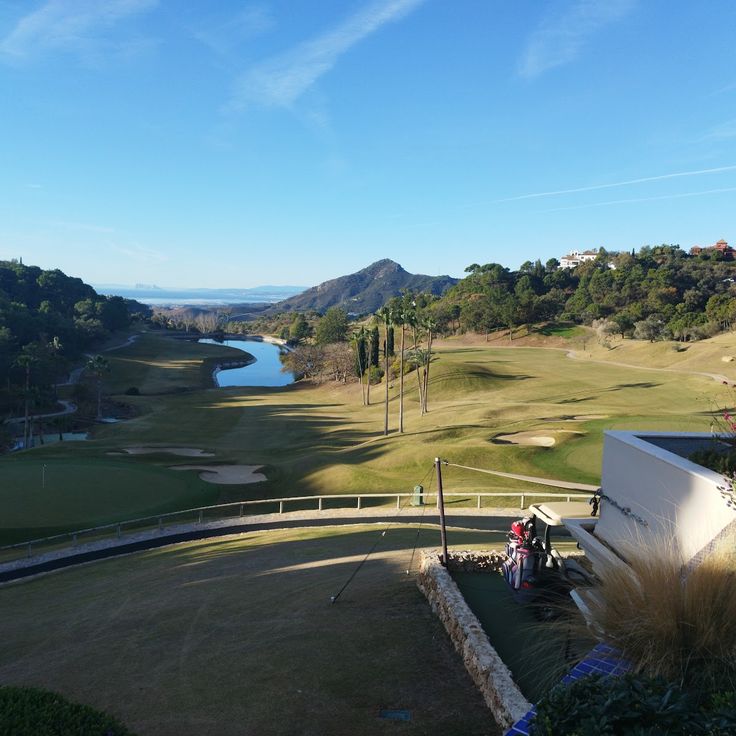
Málaga, Spain
This private golf course extends across hilly terrain with pine trees and cork oaks and ranks among the most demanding facilities in the Málaga region. The 18 holes at La Zagaleta run through natural terrain with elevation changes and narrow fairways. Several tee boxes sit in elevated positions and offer views of the Mediterranean Sea and surrounding mountains. The playing holes require precise shots due to the vegetation and terrain features. The course is accessible exclusively to members and their guests.
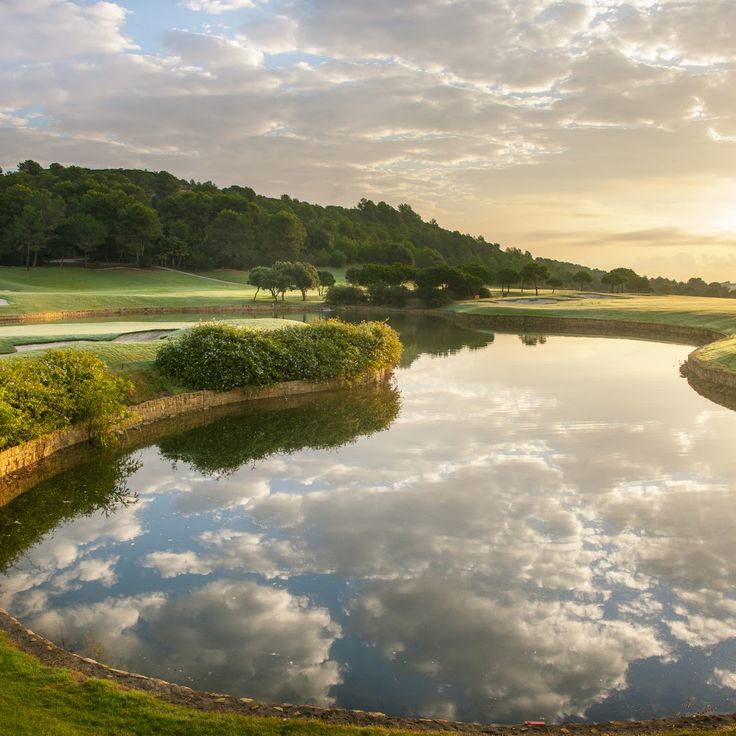
Cádiz, Spain
La Reserva Club Sotogrande sits in the hills of Sotogrande and offers an 18-hole golf course with views of the Mediterranean Sea and the Gibraltar coastline. The course opened in 2003 and extends across 180 acres (72 hectares), utilizing the natural topography of the terrain. The holes wind through cork oak trees and Mediterranean vegetation with elevation changes up to 330 feet (100 meters). The par-72 course measures 7,100 yards (6,500 meters) from the back tees and combines technical shots with strategically placed hazards. The club features practice facilities and a clubhouse.
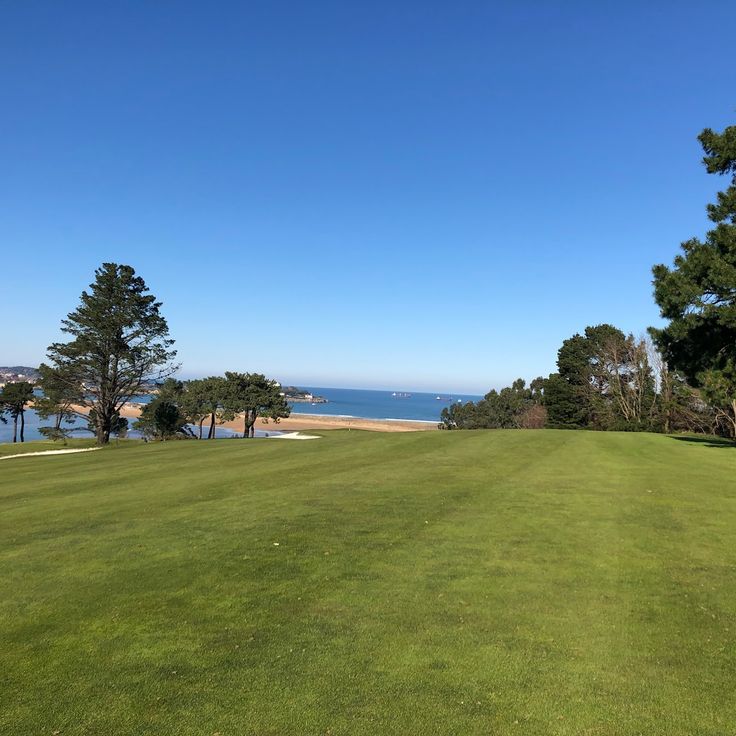
Cantabria, Spain
Real Golf de Pedreña occupies hilly terrain on the Cantabrian coast and offers views of the Bay of Santander. The 18 holes of this course, founded in 1928, feature narrow fairways that demand precise play. Strategically placed bunkers and the undulating terrain define the playing conditions. As one of Spain's historic golf courses, the facility combines technical challenges with the Mediterranean vegetation of the region.
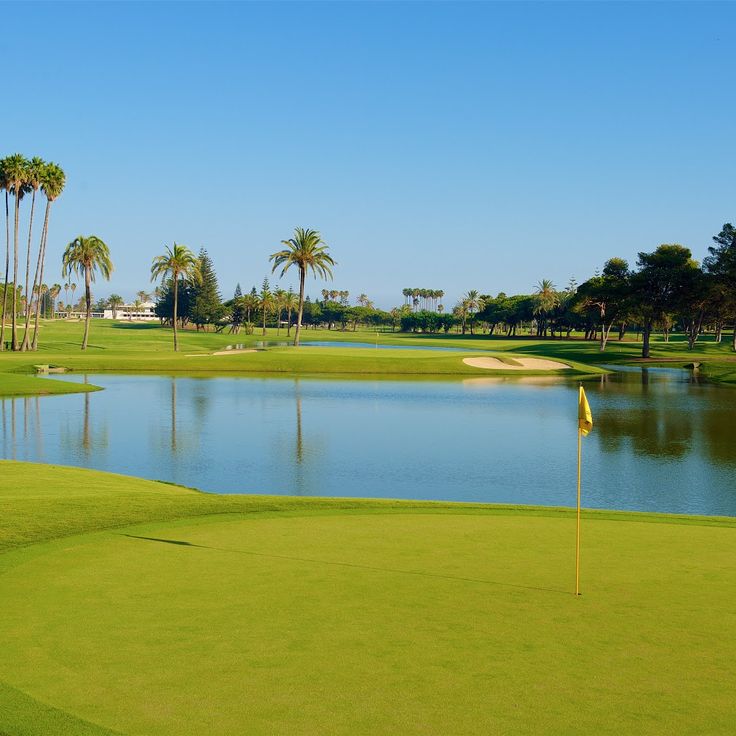
Cádiz, Spain
Real Club de Golf Sotogrande was opened in 1964 and is located among cork oaks and pine trees in the province of Cádiz. This golf course combines the features of Spanish golf landscapes with 18 holes that demand technical precision. The facility extends across terrain with several water hazards and sand bunkers. The fairways run through Mediterranean vegetation, with the natural topography creating varying levels of difficulty.
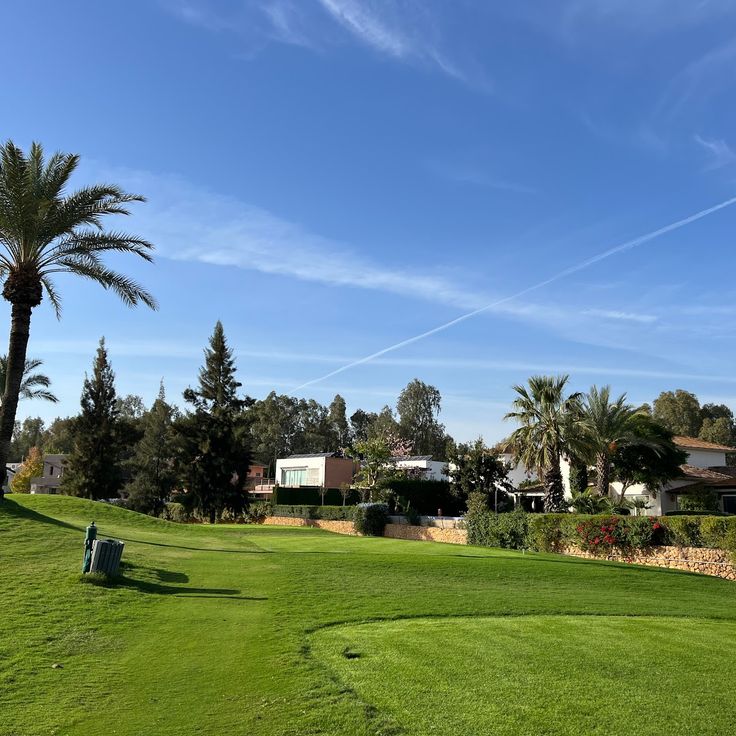
Seville, Spain
Real Club Sevilla Golf was designed by José María Olazábal and features 18 holes. The course is located in the province of Seville and offers various challenges through its layout. The holes run through Mediterranean terrain with characteristic vegetation. The club regularly hosts national and international tournaments. The facility combines technical requirements with the typical landscape of the region and presents both experienced and less practiced players with different tasks on the fairways and greens.
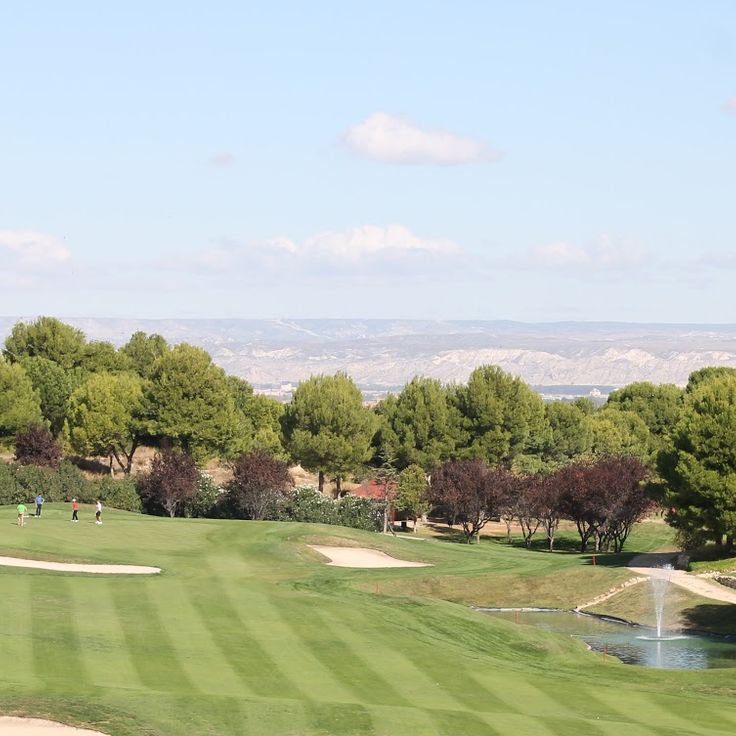
Zaragoza, Spain
Founded in 1948, this golf course ranks among the established facilities in Spain and covers 160 acres (65 hectares) with 18 holes. Real Club de Golf La Peñaza runs through olive groves and features several water hazards that require strategic play. The holes offer varying degrees of difficulty and integrate the region's natural vegetation. The course combines technical demands with the characteristic landscape of Aragon and fits into the Mediterranean environment with native tree stands.
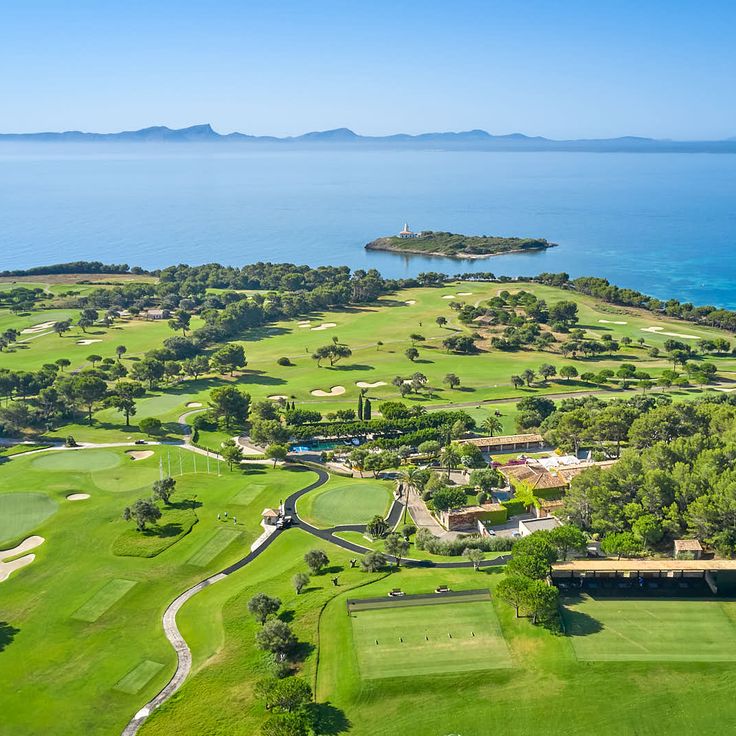
Mallorca, Spain
Club de Golf Alcanada sits on Mallorca's northern coast and features 18 holes designed by Robert Trent Jones Jr. The course stretches along the coastline with direct views of Alcudia Bay and the Mediterranean Sea. The holes integrate with the natural Mediterranean vegetation, and the design respects existing landforms and plant life. This par-72 course measures approximately 6,693 yards (6,100 meters) and includes fairways of varying width along with strategically positioned bunkers and water hazards.
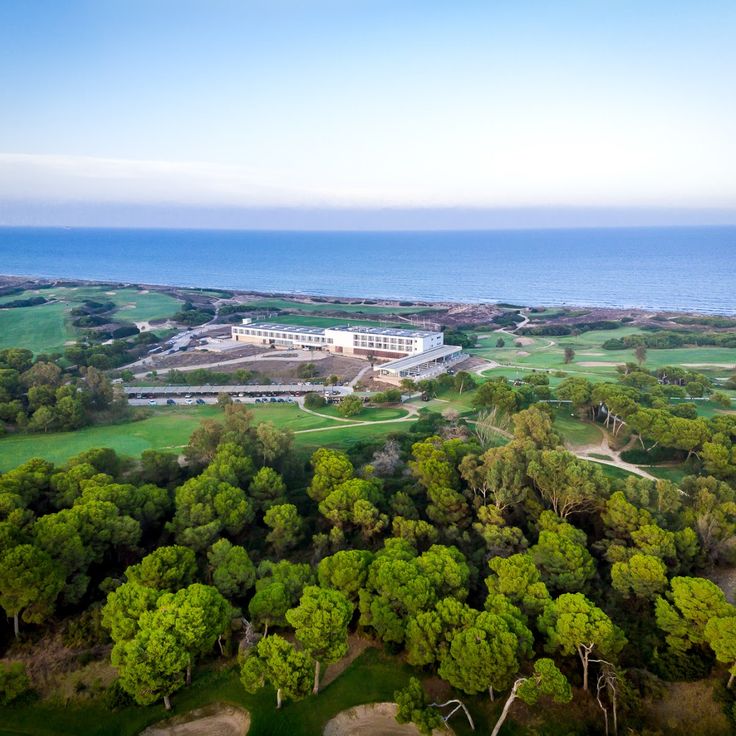
Valencia, Spain
This golf course is located in La Albufera Natural Park south of Valencia and was designed by Javier Arana in 1968. The 18-hole layout stretches 6,600 yards (6,022 meters) at par 72 between pine forests, dunes, and the Mediterranean coastline. Parador de El Saler features holes running through dense pine groves on the front nine, while the back nine follows the shoreline. The course alternates between technical woodland passages and open areas overlooking the Mediterranean Sea. The facility ranks among Spain's leading golf courses and has hosted several international tournaments.

Álava, Spain
Izki Golf Club was designed by Severiano Ballesteros in the hills of Álava province. The facility uses the natural topography of the Basque landscape with elevation changes and shifting wind conditions. The 18 holes extend across gentle slopes and require accurate play when approaching the greens. The course combines technical demands with the vegetation of the northern Spanish region, where oaks and native plants characterize the terrain.
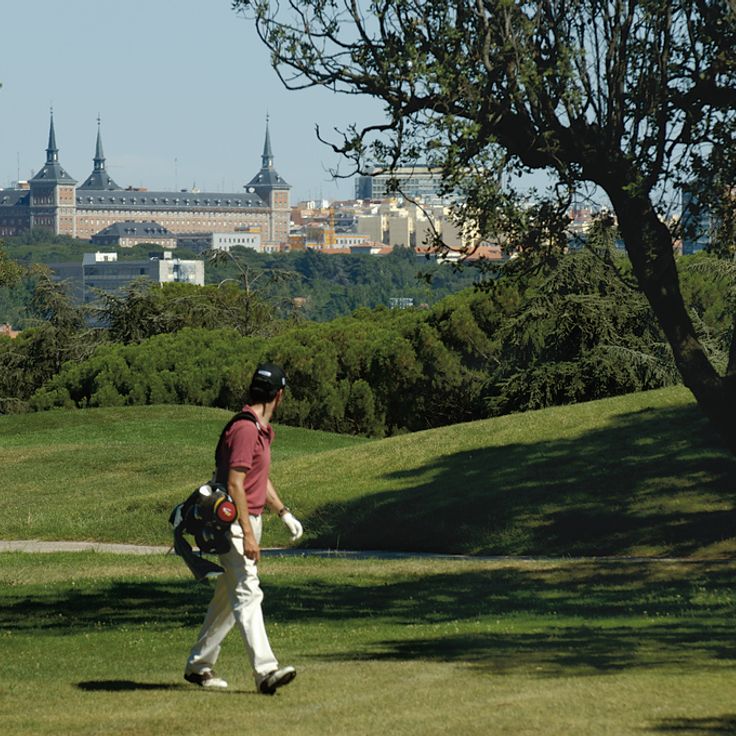
Madrid, Spain
Club de Campo Villa de Madrid ranks among Spain's most established golf facilities and features several courses for different skill levels. The complex extends across an expansive area with fairways bordered by pine trees and Mediterranean vegetation. This course has hosted multiple international tournaments and offers technically demanding holes with water hazards and bunkers. The vegetation consists of pine trees that provide natural boundaries to the fairways. The club combines sporting requirements with infrastructure for training opportunities.
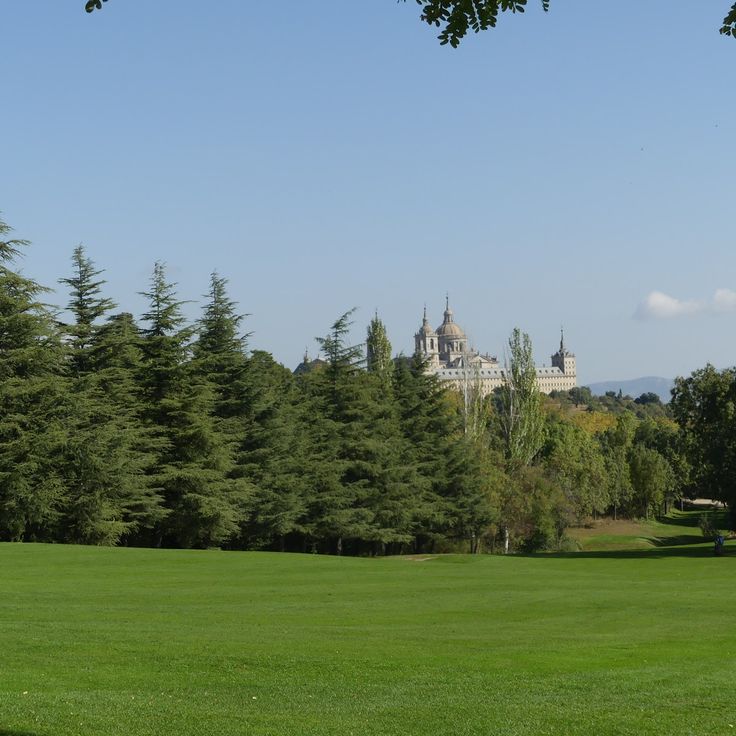
San Lorenzo de El Escorial, Spain
This golf course spreads across wooded terrain in the Sierra de Guadarrama and offers 18 holes that run between holm oaks and pine trees. The facility was founded in 1966 and combines technically demanding holes with natural elevation changes. The course sits next to El Escorial monastery and features a historic clubhouse. The fairways wind through dense vegetation, while several water hazards influence playing strategy. With a total length exceeding 6,100 meters (about 6,670 yards), the course demands accurate shots.
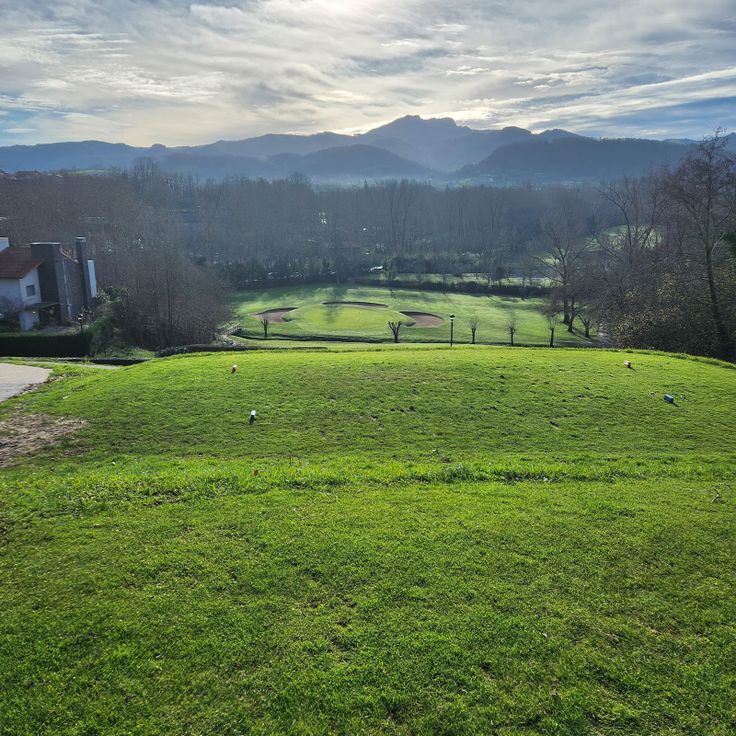
Hondarribia, Spain
Real Club Golf San Sebastián is an 18-hole golf course on the Cantabrian coast with views of the sea and the Pyrenees. The layout has been integrated into the existing landscape of beech and oak trees, utilizing the natural elevation changes of the terrain. The fairways alternate between open sections and wooded areas. Technical requirements vary from hole to hole through different slopes and natural hazards.
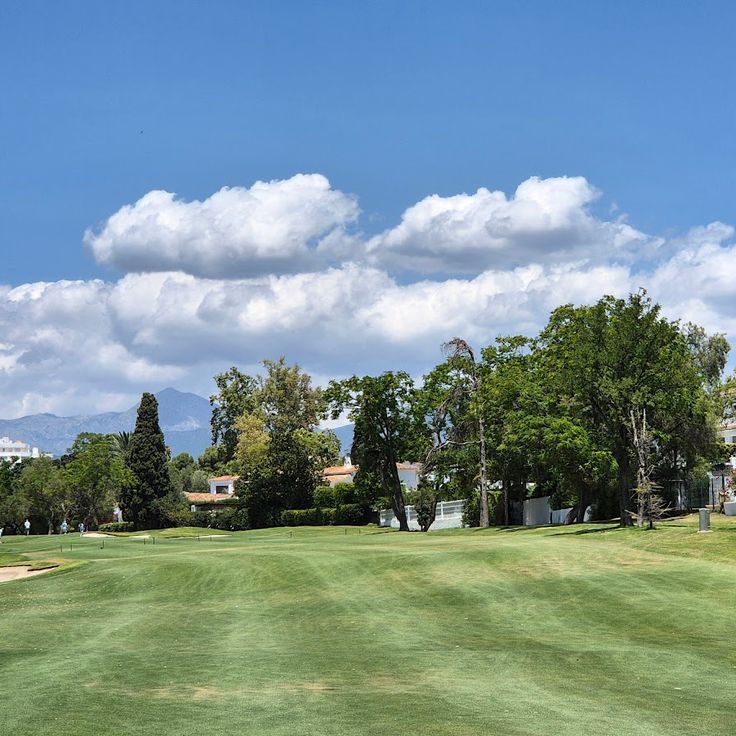
Marbella, Spain
This golf course on the Costa del Sol features two 18-hole courses that present different technical requirements. The South Course opened in 1959 and runs near the coast, while the North Course from 1973 passes through denser vegetation with Mediterranean tree species. The fairways offer varying difficulty levels with flat sections and technical passages. The location between sea and hinterland shows typical characteristics of Andalusian golf courses with cork oaks, pines, and olive trees along the playing holes.
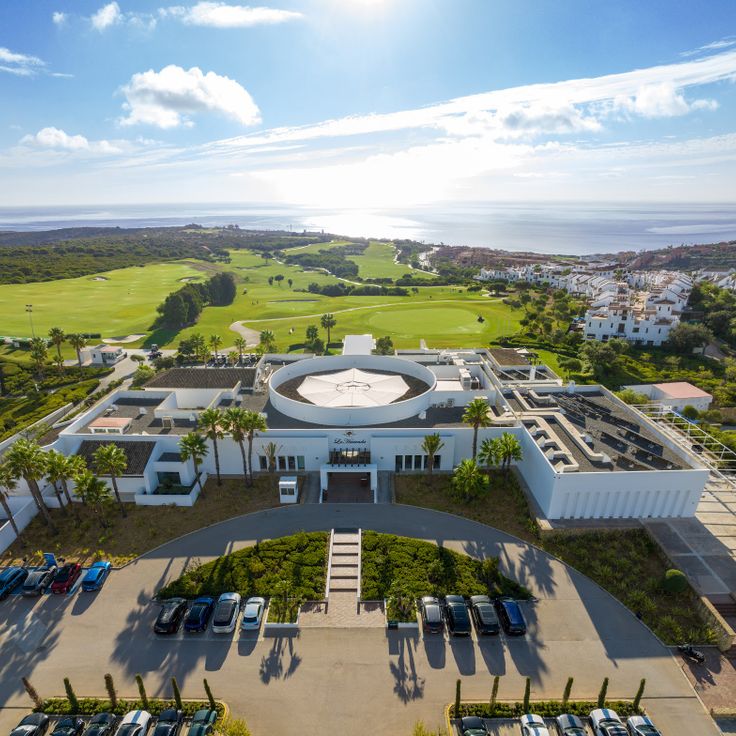
San Roque, Spain
La Hacienda Alcaidesa features two 18-hole courses on Spain's southern coast between the Mediterranean Sea and Gibraltar. The Links Course stretches 6,989 yards (6,373 meters, par 72) with wide fairways and strategically placed bunkers. The Heritage Course measures 6,821 yards (6,227 meters, par 72) and runs through gently rolling terrain with cork oaks and olive trees. Both courses offer views of the coastline and the Rock of Gibraltar. The facility sits within Mediterranean vegetation including pine forests and accommodates players of varying skill levels through different tee positions.
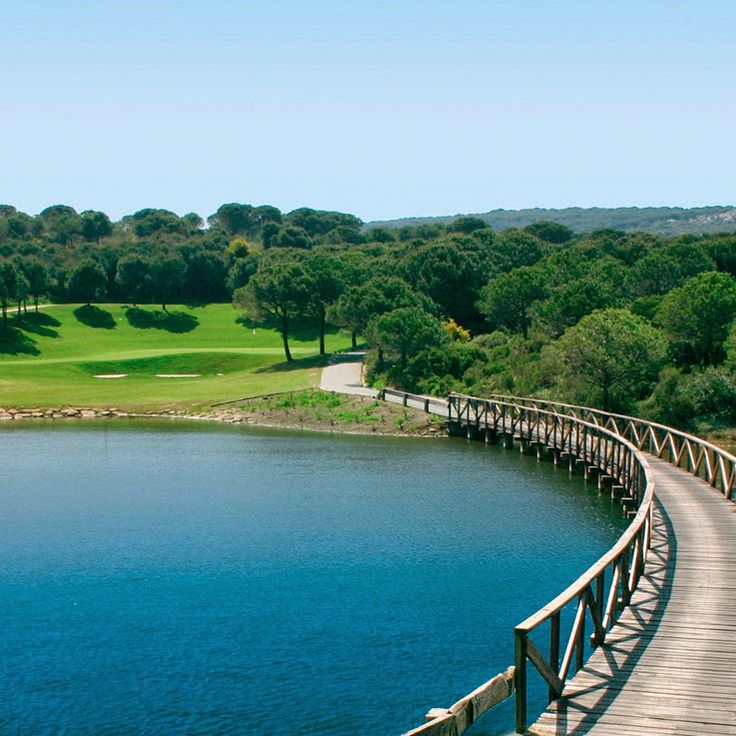
Cádiz, Spain
Almenara Golf comprises three nine-hole loops that offer varying difficulty levels for golfers of all abilities. The facility is set within a landscape of cork oak forests and Mediterranean vegetation in Cádiz province. Each of the three loops presents distinct technical requirements, ranging from open fairways to tighter, tree-lined playing corridors. The natural environment with native plant species shapes the character of this golf course in southern Spain.
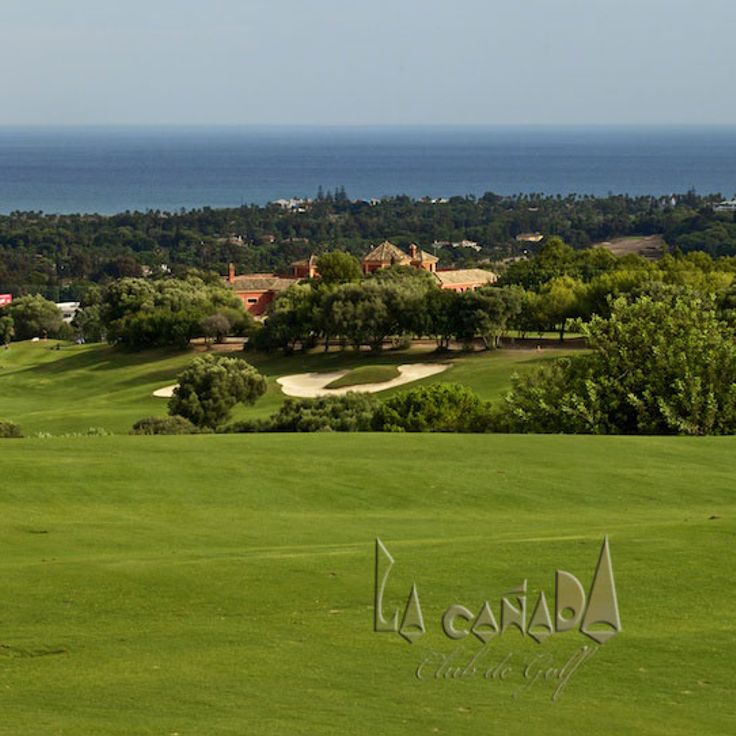
Cádiz, Spain
La Cañada Golf is an 18-hole course set on hilly terrain in southern Spain. The course spreads across varied landscape that presents different challenges to players. The holes wind through Mediterranean vegetation featuring cork oaks and pine trees. From several points on the course, views extend toward the Andalusian mountains and the Mediterranean Sea. The facility combines technical demands with landscape variety and integrates into the natural environment of the region.

Málaga, Spain
This golf course designed by Seve Ballesteros follows the natural elevation changes of the terrain and presents technical challenges through its topography. The 18 holes extend over hilly terrain with views of the Mediterranean Sea and Sierra Blanca. Strategically placed bunkers and water hazards require precise shots on the sometimes narrow fairways. The facility sits between the coast and the mountains above Marbella, surrounded by Mediterranean vegetation with pine trees and native plants.
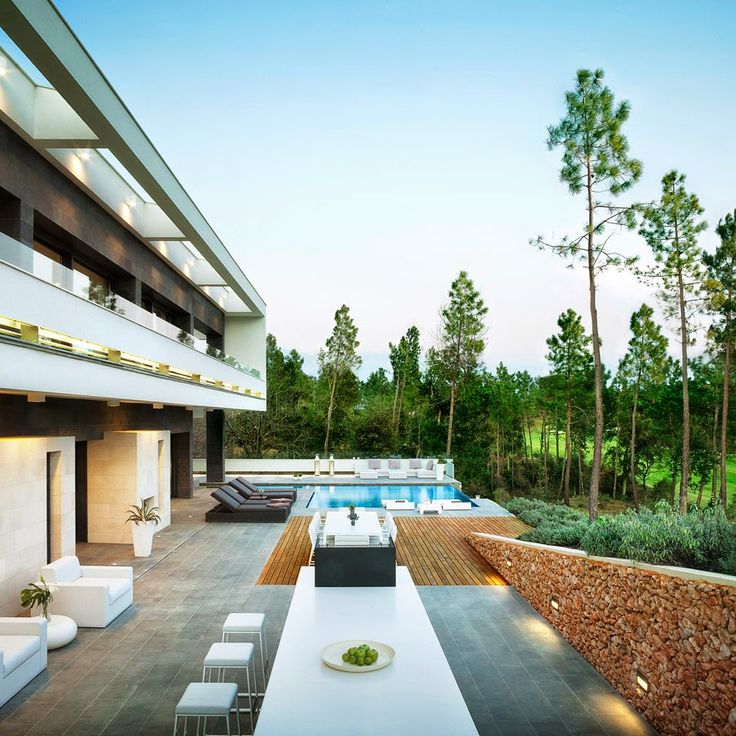
Girona, Spain
The PGA Catalunya Stadium is a championship course in the province of Girona that has hosted European Tour events on multiple occasions. The 18 holes wind through Mediterranean pine forests and feature strategically placed water hazards. The facility offers different tee positions for varying skill levels and demands both accurate play on the fairways and precise approaches to the greens. The course is set in a landscape with typical Catalan vegetation.
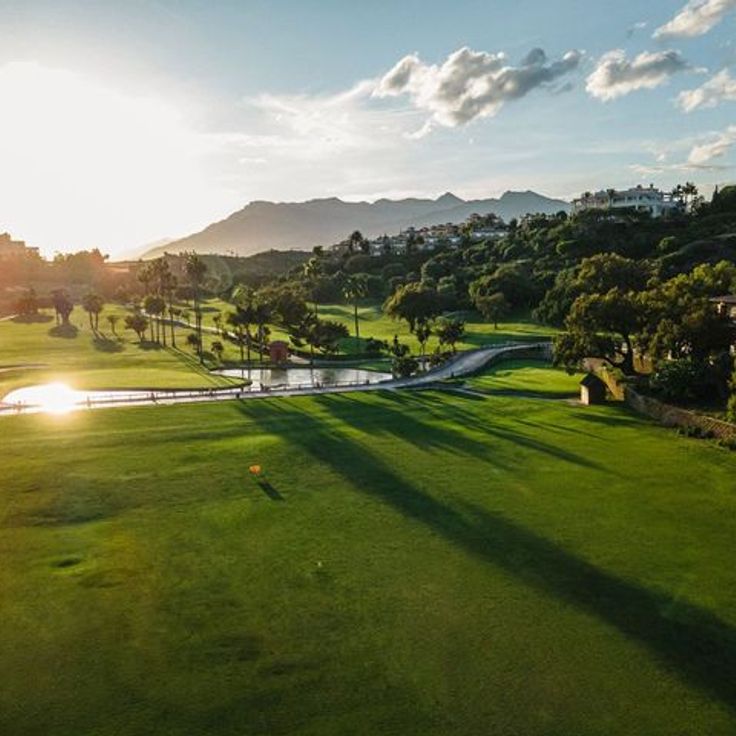
Málaga, Spain
The Santa Clara Golf Marbella golf course features 18 holes characterized by wide fairways and Mediterranean vegetation including cork oaks, olive trees, and pine trees. The facility presents strategically placed bunkers and natural water hazards that offer technical challenges of varying difficulty levels. The holes run through wooded sections and open areas that reflect the character of the Andalusian coastal landscape. Santa Clara Golf Marbella belongs to the Spanish golf courses that appeal to different skill levels and integrate typical features of the region.
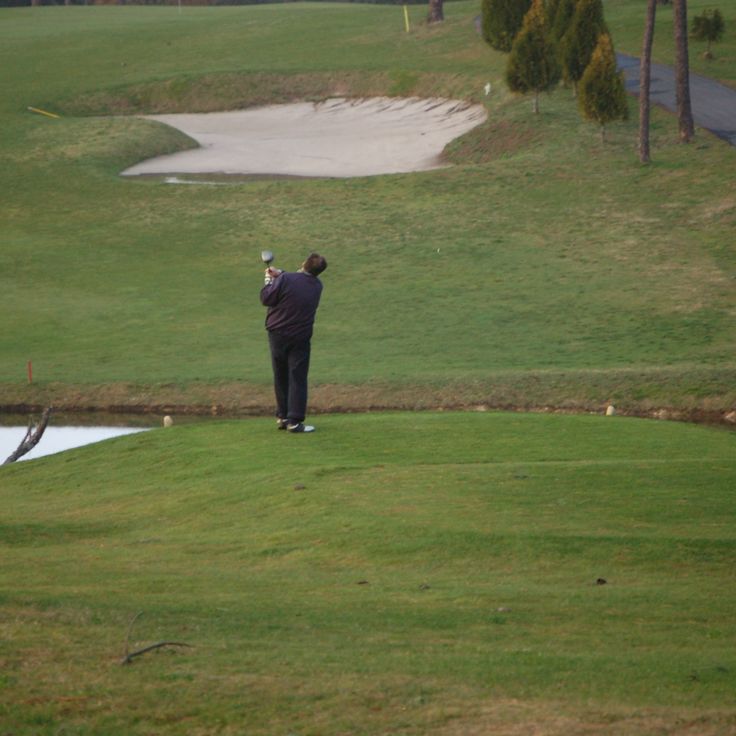
Pontevedra, Spain
This golf course in Meis offers play amid Galician vegetation with pines lining the fairways. The facility presents natural obstacles and sits near the coast with views of the Atlantic. The public course combines technical challenges with the characteristic features of Spanish golf facilities on the northwest coast.
Valencia, Spain
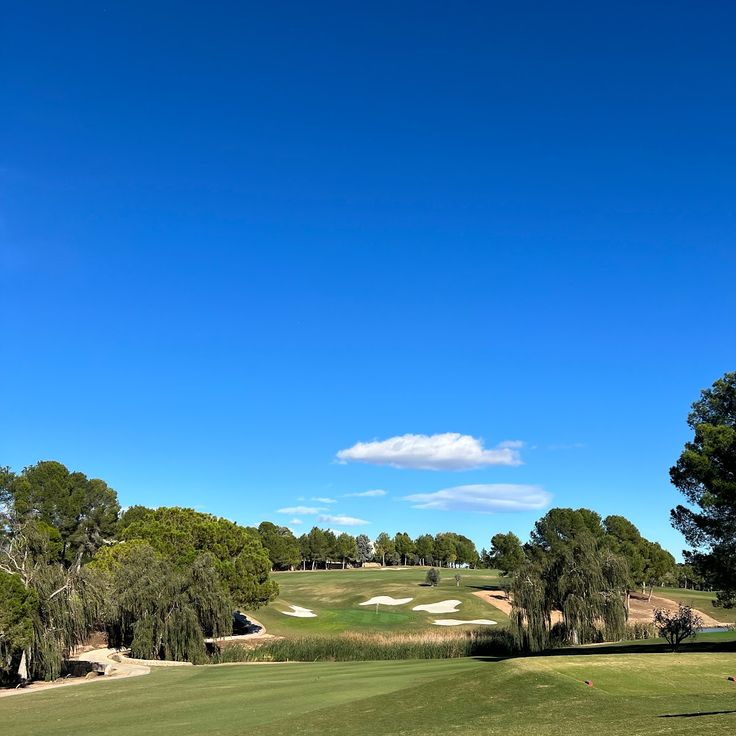
El Bosque Golf is located in the Valencia region and belongs to the golf courses in Spain that feature varied terrain structures. The course extends across hilly terrain with elevation changes of 130 feet (40 meters), where the topography creates different playing requirements. The facility has technically demanding holes with strategic bunker placements. The fairways run through Mediterranean vegetation with cork oaks, olive trees, and pine trees. The layout follows the natural terrain features and requires precise shots as well as tactical considerations for course management.
Alicante, Spain
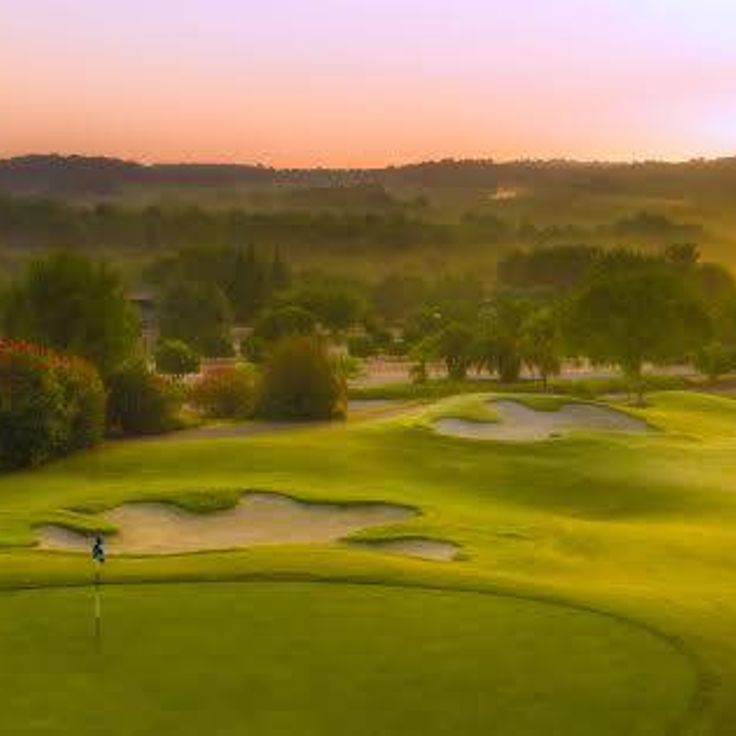
This golf course ranks among the most technically challenging facilities in Spain and was designed by Cabell Robinson. The layout uses the natural elevation changes of the landscape and integrates several water features and ravines as strategic elements. The 18 holes wind through Mediterranean vegetation with pine and olive trees. The fairways vary in width, with some holes requiring precise shots. The greens feature various slopes and are protected by bunkers.
Girona, Spain
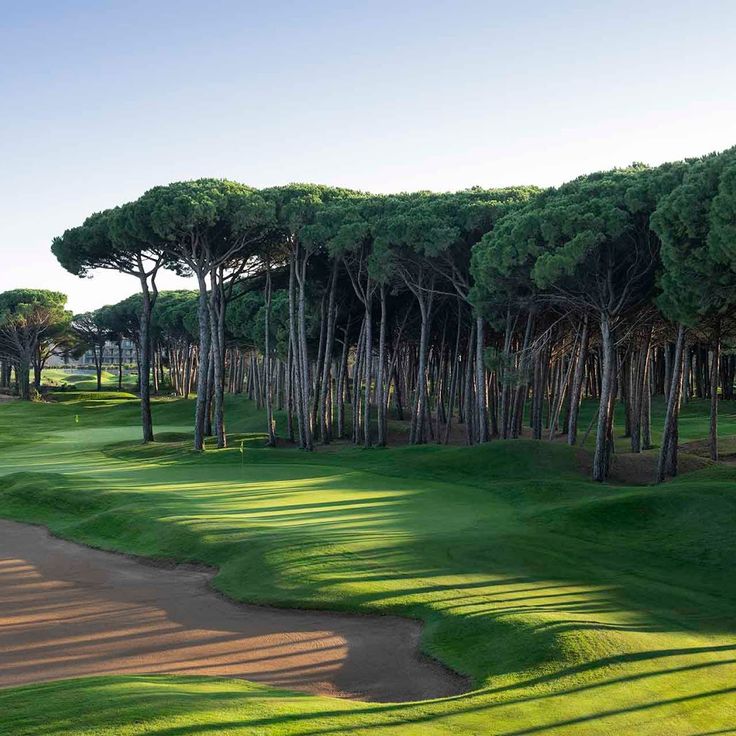
Empordà Links combines natural dune terrain with technical challenges, forming a representative example of Spanish golf courses. The 18-hole course runs through rolling terrain with Mediterranean vegetation including pines and shrubs. Several water hazards define the play and require precise shots across the fairways. The facility is located near the Mediterranean coast and uses the natural topography of the region for varied playing situations.
Santa Cruz de Tenerife, Spain
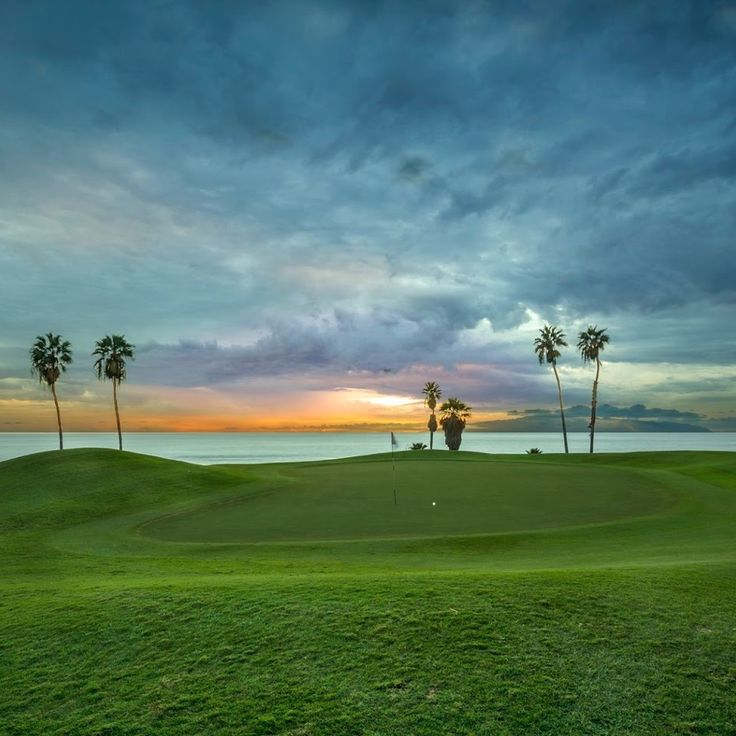
Costa Adeje Golf sits on a hillside overlooking the Atlantic and ranks among Spain's most varied golf courses. The holes are integrated into former banana plantations and offer technical challenges through the terrain. The course combines a coastal setting with Mediterranean vegetation and allows golfing in close proximity to the ocean. The fairways run through different elevations and require precise shots.
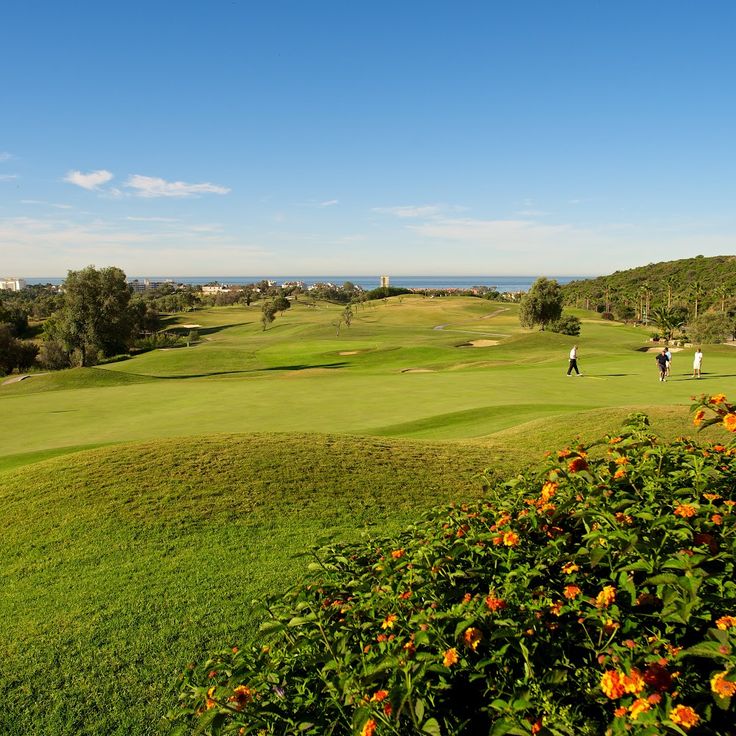
Málaga, Spain
The Marbella Golf & Country Club is a course designed by Robert Trent Jones on the Costa del Sol that embodies the diversity of Spanish golf facilities. The 18 holes run across hilly terrain with views of the Mediterranean Sea and surrounding mountains. The fairways wind through Mediterranean vegetation including pine and olive trees. The course combines technical challenges with varying elevations and presents itself as a demanding facility in Málaga Province with the characteristic features of a coastal golf course.

Madrid, Spain
The Centro Nacional de Golf combines multiple playing courses with practice facilities for golfers of all skill levels. The course sits within Mediterranean vegetation and uses recycled water for irrigating fairways and greens. Native plants shape the landscaping between holes. The facility offers extensive training opportunities with different areas for short game and long shots. The golf course blends the characteristics of Spanish golf facilities with modern resource management standards.