See the monuments around you in AROpen chests in the app
Around Us is built for your phone — point your camera at the streets and discover the monuments and places around you in augmented reality.Around Us is built for your phone — chests unlock when you walk, explore and capture nearby places.
Dallas offers a wide range of museums, parks, and cultural spaces for visitors with different interests. The city features specialized museums such as the Sixth Floor Museum at Dealey Plaza, which documents important historical events, and Dallas World Aquarium, where you can observe marine life. Art lovers will find plenty to explore at the Dallas Museum of Art and the Perot Museum of Nature and Science. The George W. Bush Presidential Library and Museum examines recent history, while the Dallas Holocaust and Human Rights Museum addresses significant human stories. Each venue provides a different perspective on the city and its place in broader narratives.
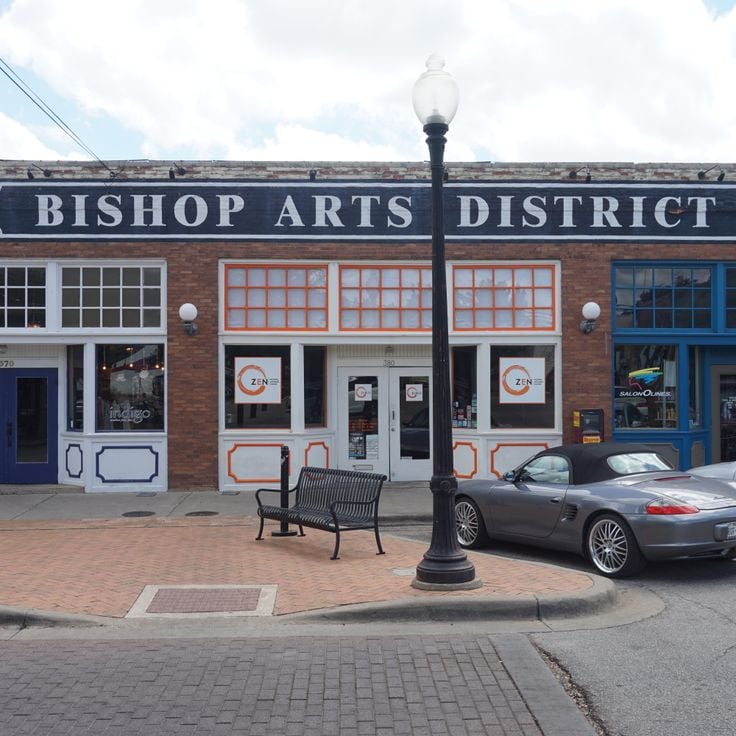
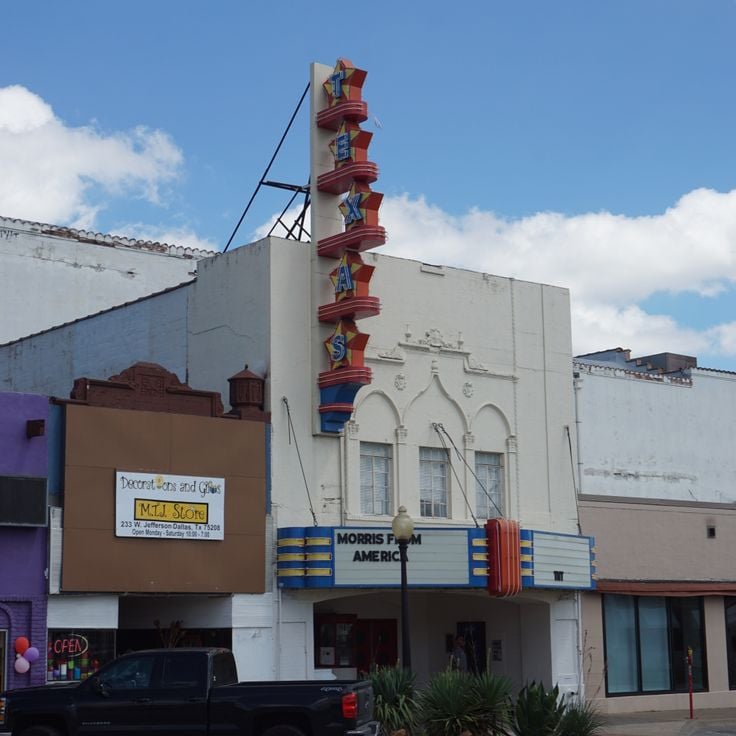
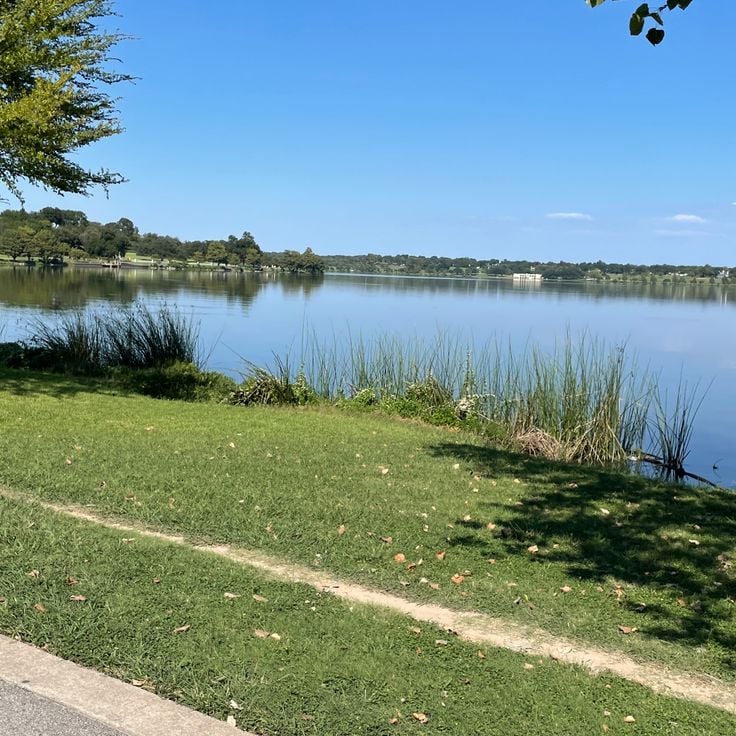
Outdoors, visitors can enjoy Klyde Warren Park and White Rock Lake Park, which offer space for walking and relaxing. The Trinity River Audubon Center provides encounters with nature, and the Dallas Zoo displays animals from around the world. The Botanical Garden invites quiet strolls among plants and flowers. Culturally curious visitors should explore the Bishop Arts District with its galleries and creative spaces or visit the historic Texas Theatre. The McKinney Avenue Trolley offers a ride through the city's neighborhoods.
The city has architecturally interesting places too: the Swiss Avenue Historic District shows beautiful older homes, City Hall is a modern structure, and Fair Park is a historic venue for events. The Dallas Farmers Market is a lively spot for shopping and eating. Visitors exploring the broader area might also visit the nearby Fort Worth Stockyards, where Wild West history comes alive. NorthPark Center is a large shopping destination, and the Bank of America Plaza is a recognizable addition to the city's skyline.
Dallas offers a wide range of museums, parks, and cultural spaces for visitors with different interests. The city features specialized museums such as the Sixth Floor Museum at Dealey Plaza, which documents important historical events, and Dallas World Aquarium, where you can observe marine life. Art lovers will find plenty to explore at the Dallas Museum of Art and the Perot Museum of Nature and Science. The George W. Bush Presidential Library and Museum examines recent history, while the Dallas Holocaust and Human Rights Museum addresses significant human stories. Each venue provides a different perspective on the city and its place in broader narratives.
Outdoors, visitors can enjoy Klyde Warren Park and White Rock Lake Park, which offer space for walking and relaxing. The Trinity River Audubon Center provides encounters with nature, and the Dallas Zoo displays animals from around the world. The Botanical Garden invites quiet strolls among plants and flowers. Culturally curious visitors should explore the Bishop Arts District with its galleries and creative spaces or visit the historic Texas Theatre. The McKinney Avenue Trolley offers a ride through the city's neighborhoods.
The city has architecturally interesting places too: the Swiss Avenue Historic District shows beautiful older homes, City Hall is a modern structure, and Fair Park is a historic venue for events. The Dallas Farmers Market is a lively spot for shopping and eating. Visitors exploring the broader area might also visit the nearby Fort Worth Stockyards, where Wild West history comes alive. NorthPark Center is a large shopping destination, and the Bank of America Plaza is a recognizable addition to the city's skyline.
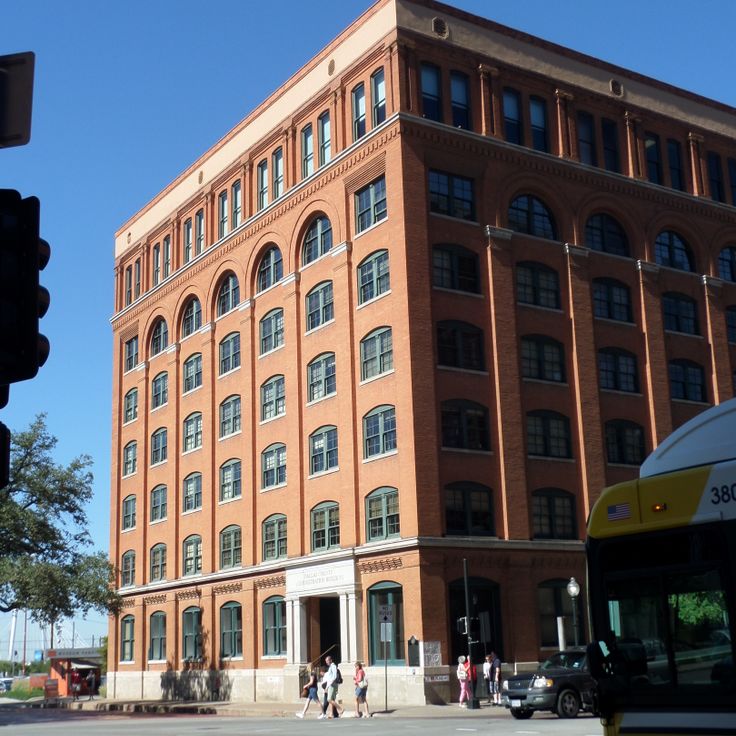
The Sixth Floor Museum displays documents, photographs and artifacts related to President Kennedy's assassination in 1963. It is part of Dallas' cultural offerings alongside museums, parks and venues that draw visitors to the city.
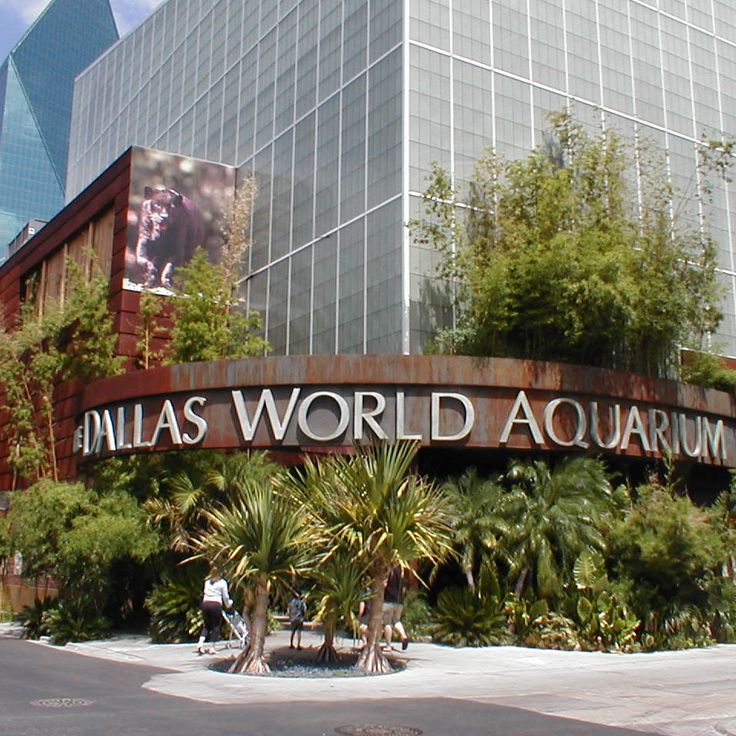
The Dallas World Aquarium is an aquarium in this collection of cultural locations throughout Dallas. It houses marine animals from different climate zones and provides insights into underwater ecosystems. The aquarium adds to the variety of museums, parks and cultural venues in the city, where visitors can also explore historical exhibitions, art museums and botanical gardens.
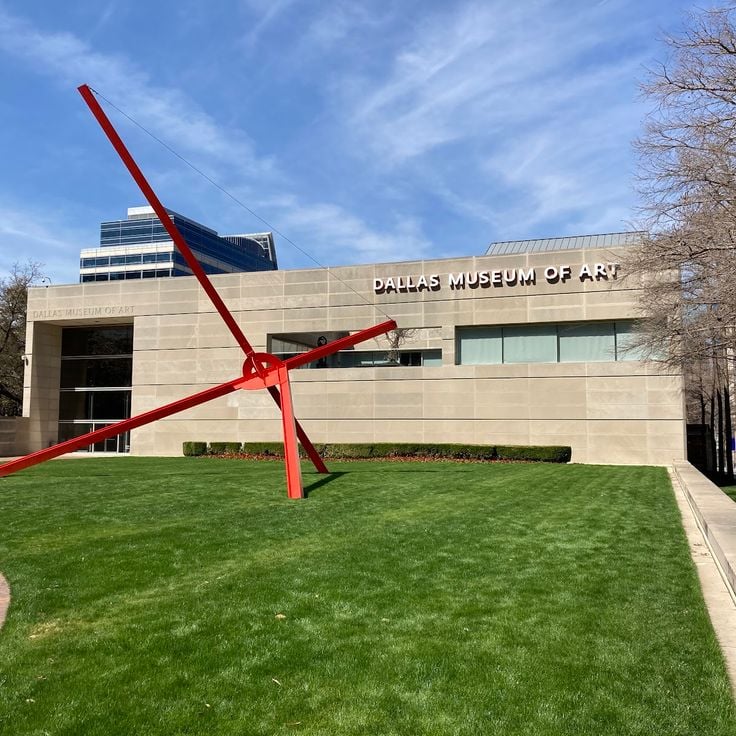
The Dallas Museum of Art presents over 24,000 artworks spanning from antiquity to the present day, drawn from all continents. This museum fits into Dallas's cultural landscape, where museums, parks and venues shape the city's offerings. Visitors encounter works from different periods and cultures that tell the story of art across time.
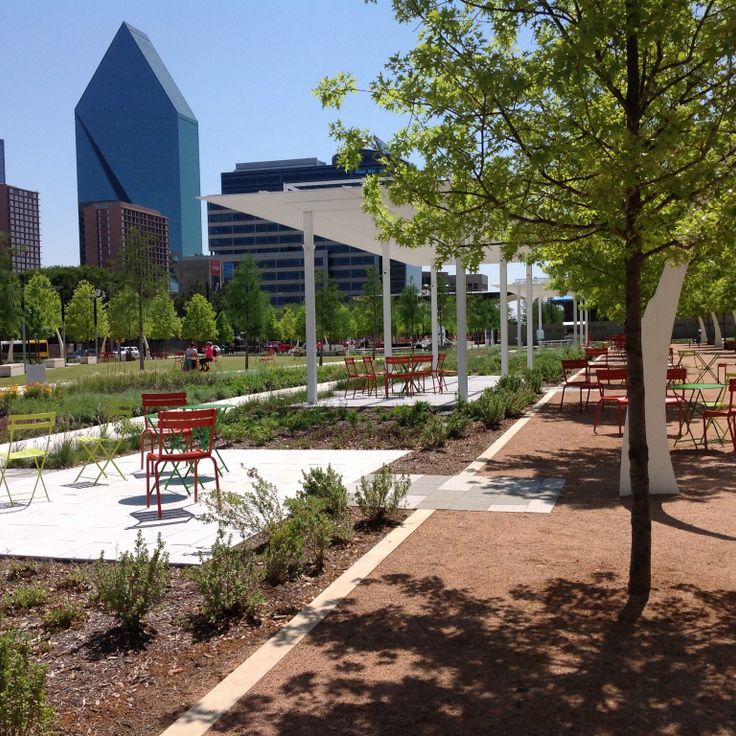
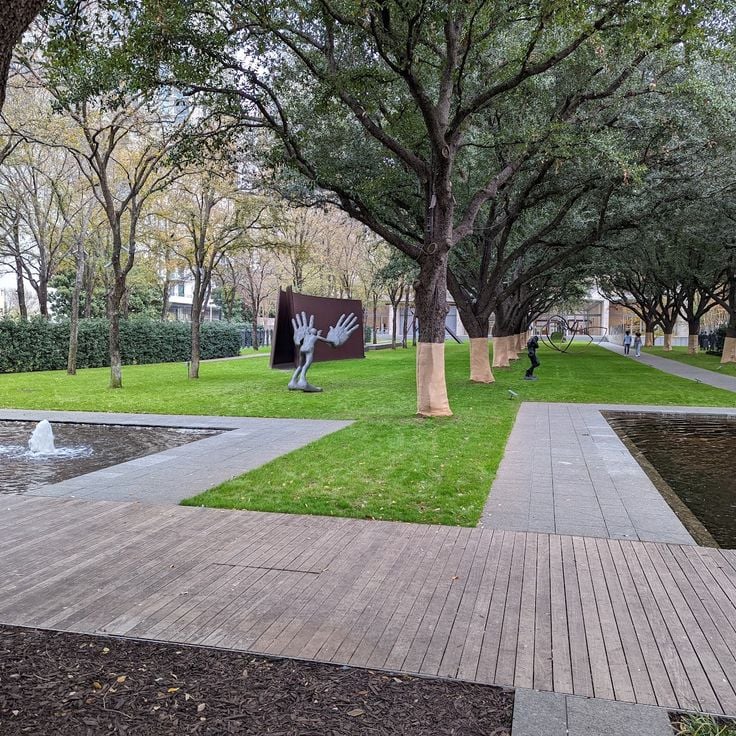
Klyde Warren Park in Dallas sits above the Woodall Rodgers Freeway, creating an open space where the city meets nature. The park hosts gatherings and activities throughout the year, with areas for walking, playing, and sitting. You will find places for children to explore, green spaces to enjoy, and regular events that bring neighbors together. It serves as a bridge between different parts of the city.
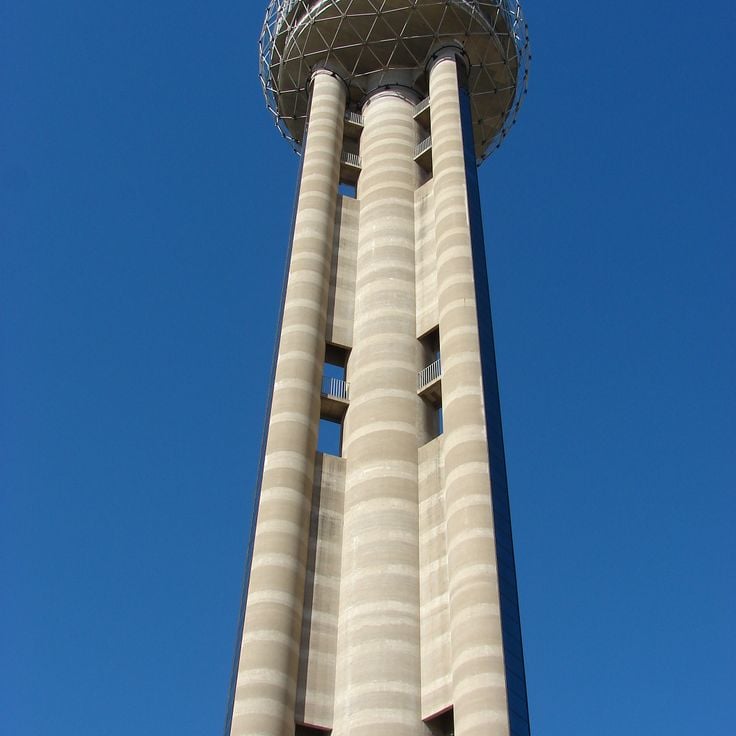
The Observation Tower in Dallas is a tall structure that rises above the city. It features a rotating platform with restaurants and viewing areas on the 50th floor. From the top, visitors can see the skyline and the surrounding landscape of Dallas. The tower is part of the city's cultural offerings, which also include museums, parks and other venues.
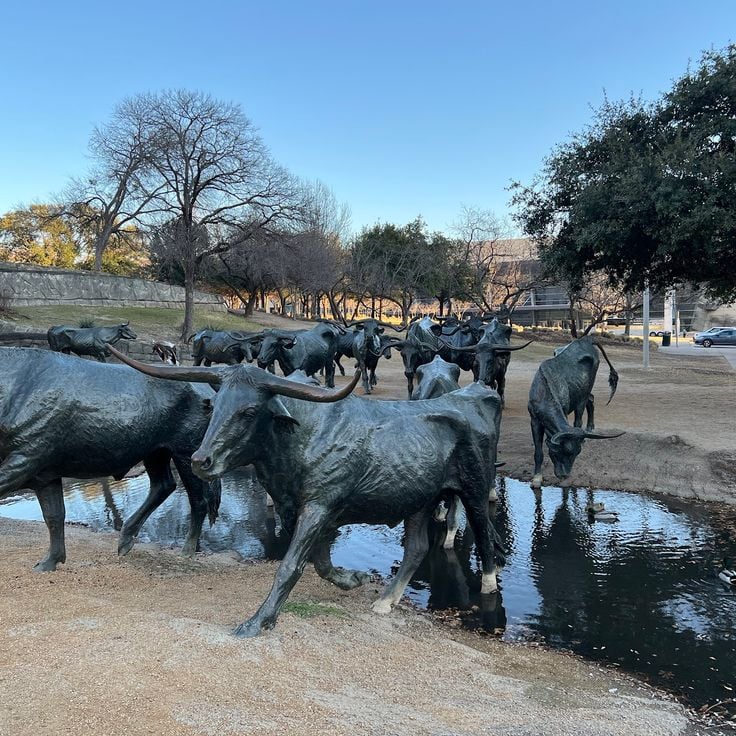
The Historical Park in Dallas is a park dedicated to showcasing 19th-century Texas cattle drives. It features 49 bronze buffalo sculptures and three mounted cowboy figures. These artworks tell the story of an important period in Texas history and connect with the museums, parks and cultural venues that define Dallas.
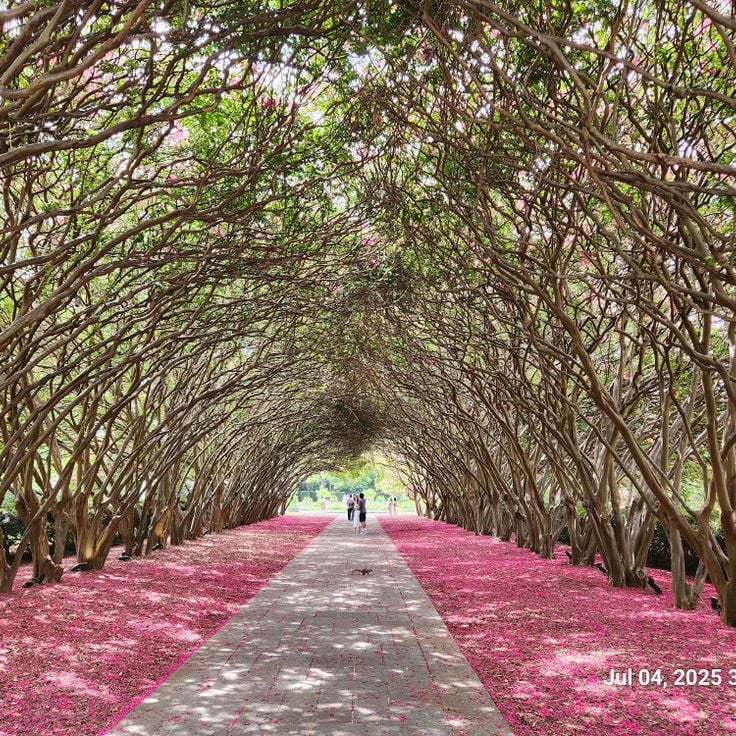
The Botanical Garden in Dallas spreads across 66 acres with 19 distinct gardens, water features, and a collection of over 2,400 plant species. This garden fits naturally among Dallas's other attractions, including museums, parks, and cultural venues that draw visitors interested in art and nature. You can walk through different garden areas and experience the range of plants and flowers on display.
The Sculpture Museum in Dallas displays over 300 sculptures by international artists across indoor galleries and a garden space. As part of the city's cultural offerings alongside museums, parks, and venues like the Sixth Floor Museum, Dallas World Aquarium, and Reunion Tower, this museum allows visitors to explore modern and contemporary works. The collection represents artists from around the world working in various sculptural styles and media.
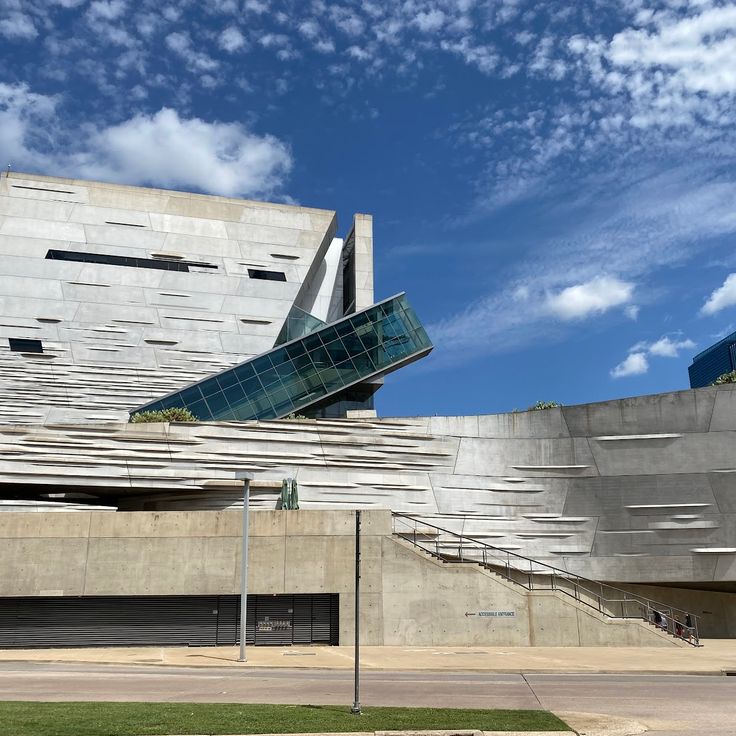
The Perot Museum of Nature and Science in Dallas is a five-story building with exhibits on earth science, biology, energy and space. Visitors can participate in hands-on experiments and explore different scientific topics. The museum adds to the city's cultural offerings alongside other museums, parks and attractions like the Sixth Floor Museum and botanical gardens.
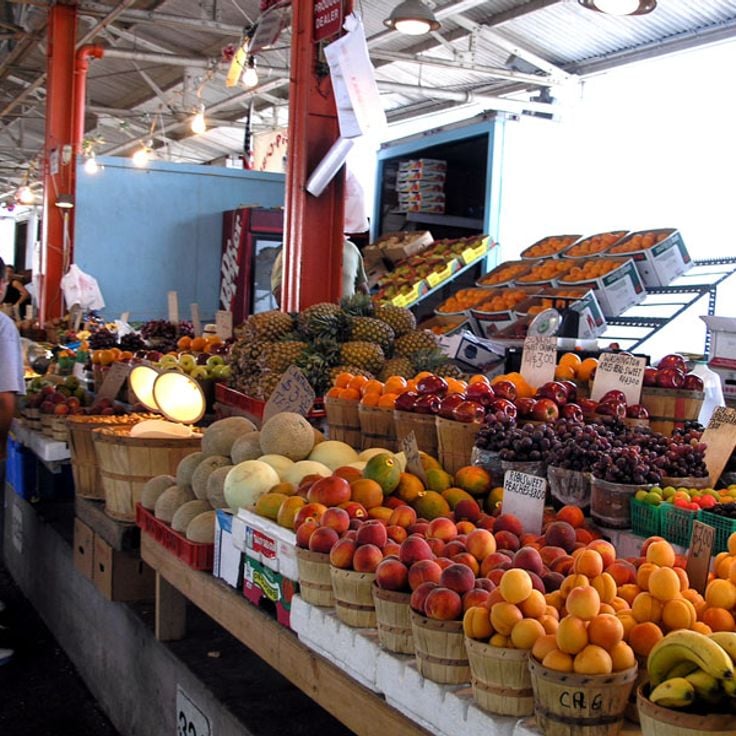
The Dallas Farmers Market is a market in Dallas with stands from local vendors selling regional food, handmade goods and multiple dining options. This location complements the city's cultural offerings such as museums, parks and venues, providing visitors with a place to discover regional products and local crafts.
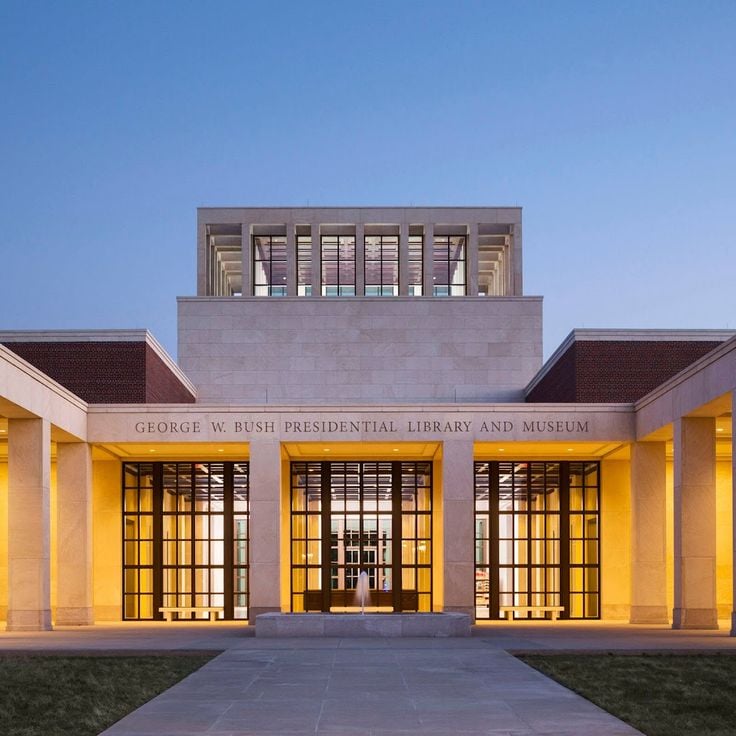
The George W. Bush Presidential Library and Museum is an institution in Dallas that documents George W. Bush's presidency from 2001 to 2009. As part of Dallas's diverse offerings in museums and cultural venues, this institution houses documents, photographs and artifacts from those years. The museum allows visitors to explore this period of American history through firsthand materials and displays. You can walk through collections that show both significant political moments and daily aspects of the administration.
The Bishop Arts District is a neighborhood in Dallas with over 60 independent boutiques, restaurants, cafes, galleries and theaters located in restored buildings. It sits among the city's cultural venues, which include art museums, parks such as Klyde Warren and White Rock Lake, and the observation deck at Reunion Tower.
The Texas Theatre is a cinema building from the 1930s located in Dallas that serves as part of the city's cultural landscape. It screens independent films and hosts cultural events on stage throughout the year. The theatre complements the range of museums, parks and cultural venues that make Dallas a destination for history and the arts.
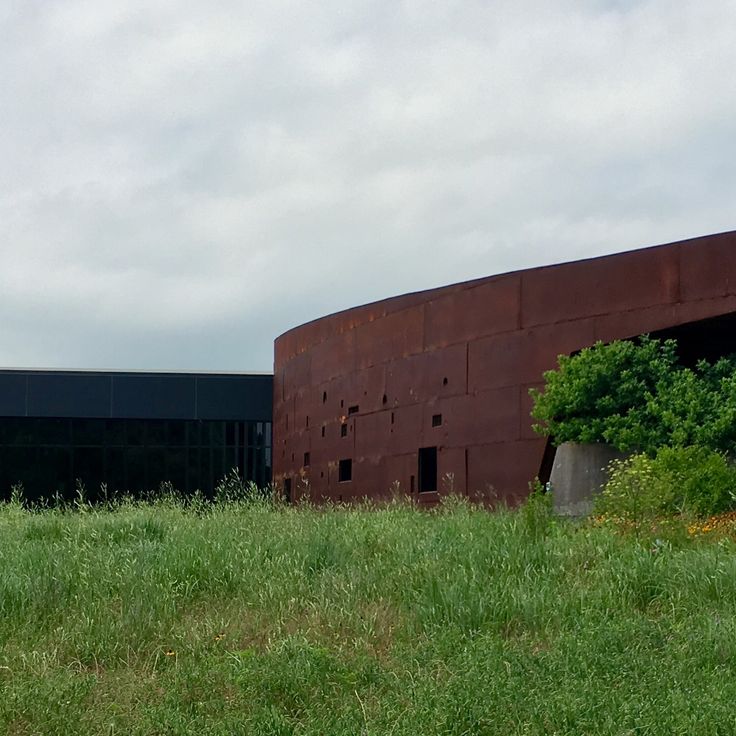
The Trinity River Audubon Center is a nature center in Dallas that fits among the city's cultural and outdoor venues. Visitors can walk on about 5 miles of trails that pass through different Texas habitats. Along the way, there are observation stations where people can watch native bird species. The center offers a chance to learn about nature and discover the local wildlife.
White Rock Lake Park is a large park in Dallas built around a lake where visitors can swim, boat and fish. A trail loops around the lake and is popular with walkers and joggers. The park has grassy areas and picnic spots where people gather to spend time outdoors.
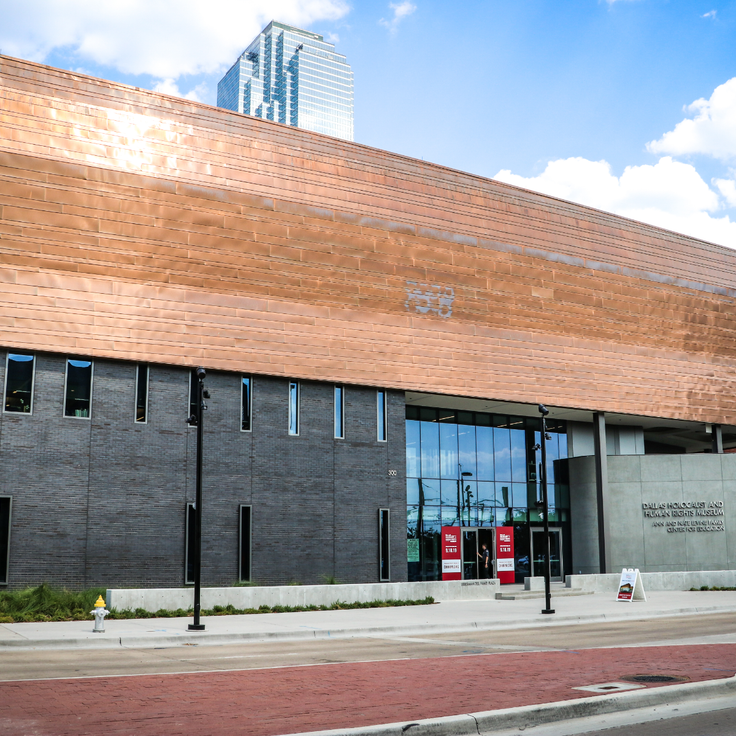
The Dallas Holocaust and Human Rights Museum is an educational center in Dallas dedicated to preserving and sharing the history of the Holocaust and human rights struggles. The museum houses artifacts, documents and personal testimonies that bring these historical events to life. Located within a city that offers diverse cultural experiences from art museums to botanical gardens, this museum serves as an important space for learning and reflection. Visitors encounter real objects and stories that help them understand this pivotal period in human history.
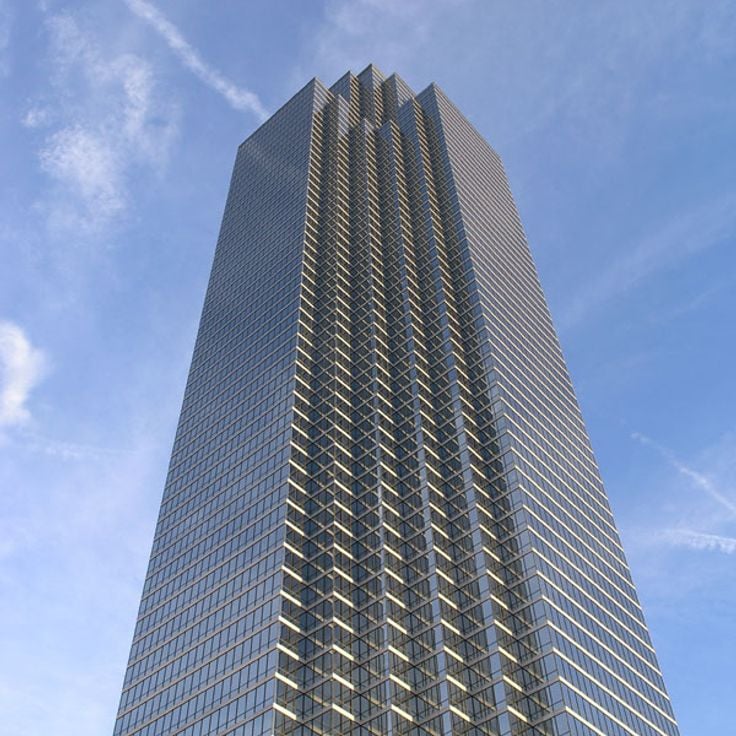
Bank of America Plaza is a 281-meter, 72-story tower built in the 1980s and the tallest structure in Dallas. This building stands among the city's notable locations, which include museums, parks, and cultural venues that shape the urban landscape.
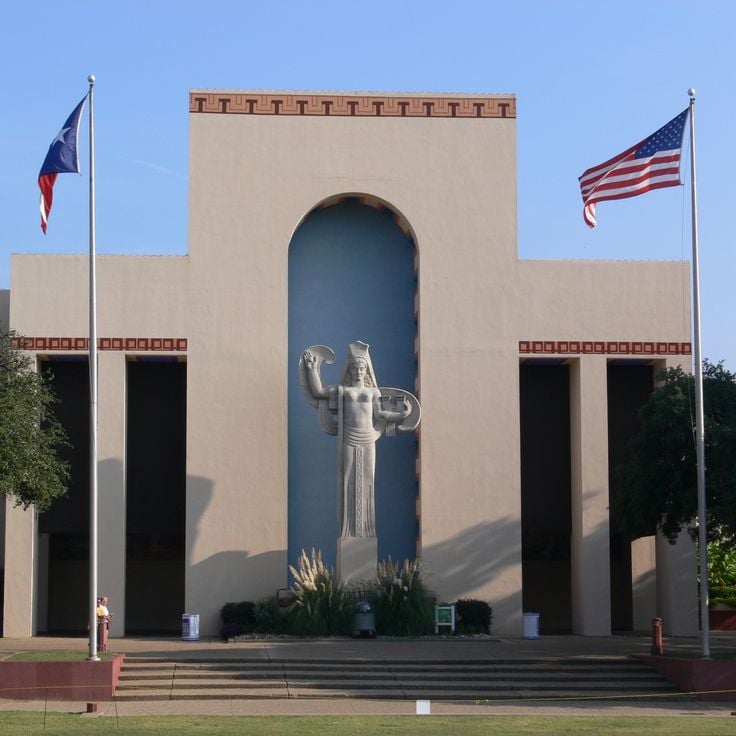
Fair Park is a large green space in Dallas that brings together several museums, an aquarium, a concert hall, and the Cotton Bowl stadium, which seats 92,000. As one of Dallas's cultural venues, this park offers visitors the chance to explore history, nature, and entertainment all in one location.
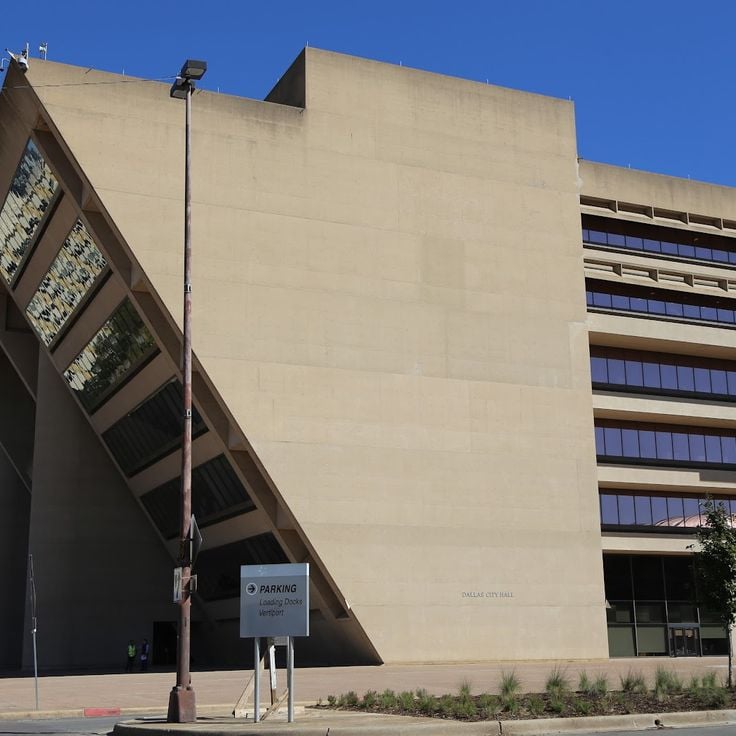
City Hall is a municipal building in Dallas constructed in 1978. It features an inverted pyramid shape with seven floors, each three meters wider than the one below. This structure is part of Dallas's collection of cultural and public venues, alongside museums, parks, botanical gardens, and observation towers.
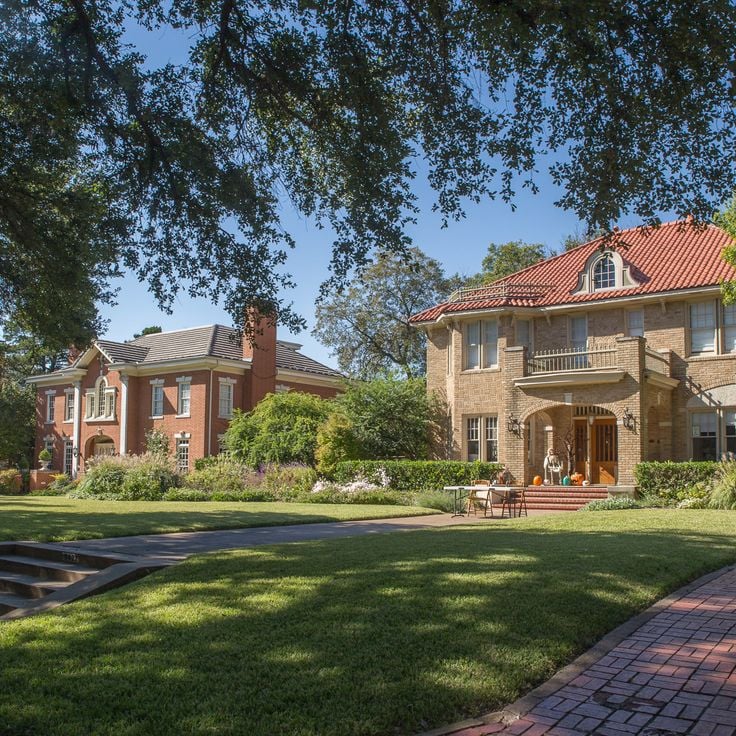
The Swiss Avenue Historic District in Dallas is a neighborhood where history comes alive through restored homes representing many architectural styles. Since 1974, these 200 houses have held the status of historic landmarks, preserving the neighborhood's character and development. Walking through these streets, visitors can observe the different building periods and design approaches that shaped this part of Dallas. The careful restoration work shows how the community values its past.
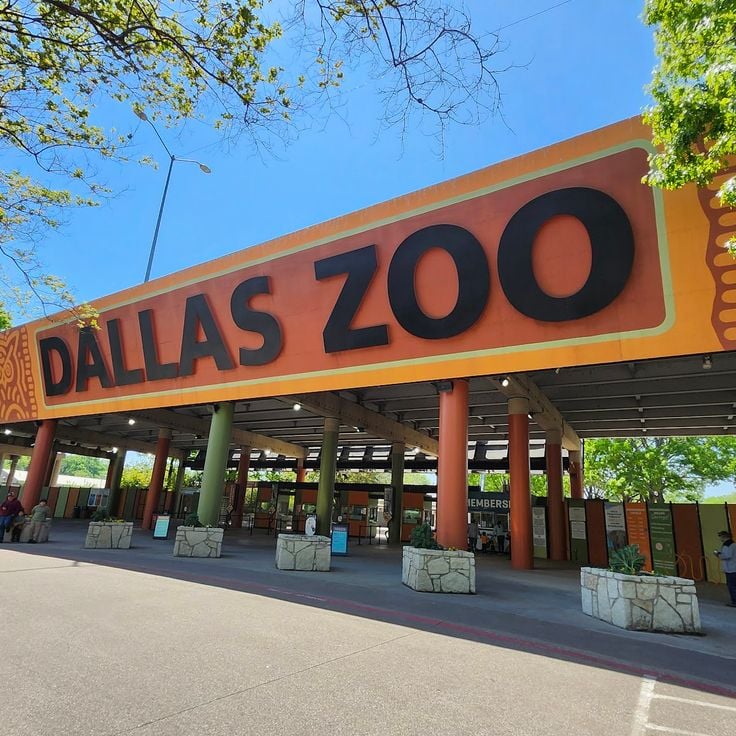
The Dallas Zoo is the largest and oldest zoo in Texas, offering visitors close encounters with wildlife. As part of Dallas's collection of cultural attractions alongside museums, parks and observation decks, the zoo provides interactive experiences such as giraffe feeding. The zoo draws families and nature enthusiasts who come to observe animals from around the world. It serves as a destination for outdoor learning and recreation.
The Deep Ellum Neighborhood is a cultural district in Dallas with colorful murals, concert halls, independent shops, and restaurants along Main Street and Elm Street. This area represents the artistic side of the city alongside the museums and cultural venues that define Dallas. Walking through the streets, you find art on nearly every wall and discover locals gathering in small shops, galleries, and eateries.
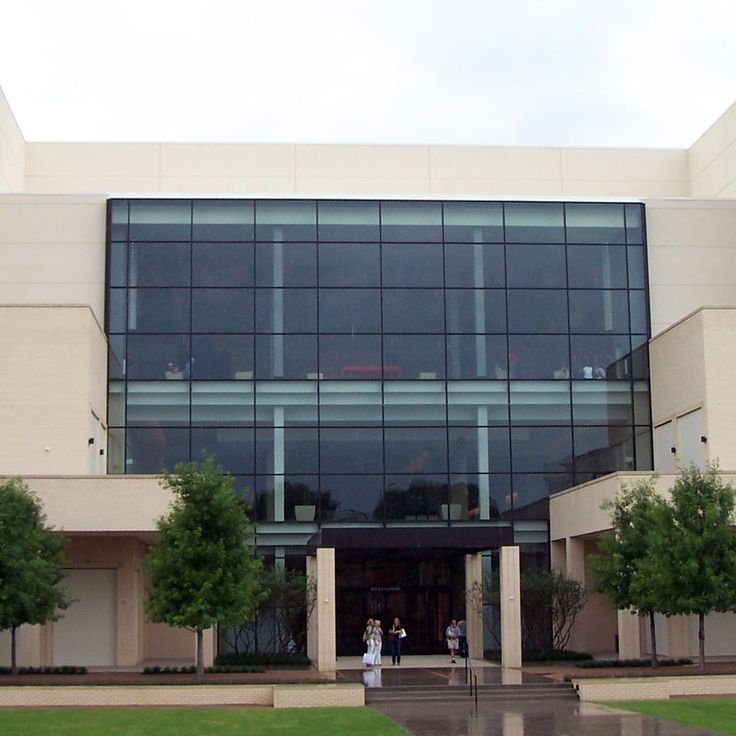
NorthPark Center is a shopping destination in Dallas that brings together luxury retail and contemporary art. As part of the city's diverse cultural offerings alongside museums, parks and cultural venues, this center offers visitors more than just shopping. You will find high-end stores displaying international brands, and the spaces regularly feature rotating art exhibitions that turn shopping into a cultural experience. Walking through NorthPark Center, you encounter both retail and creative expression woven into the same location.
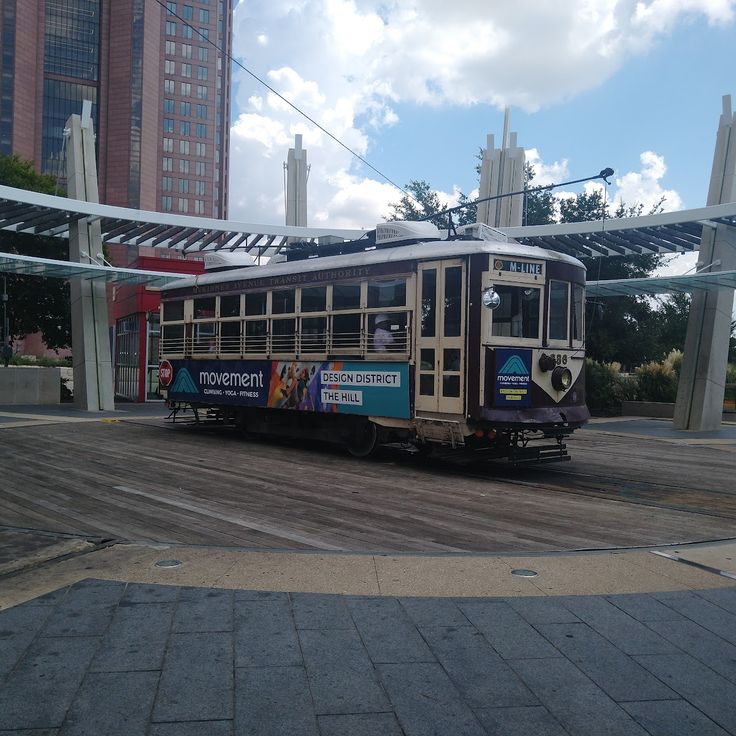
The McKinney Avenue Trolley is a historic free trolley line that connects downtown Dallas tourist areas. As part of the city's offerings alongside museums, parks and cultural venues, this trolley provides visitors with a nostalgic way to explore and move between attractions in the urban core.
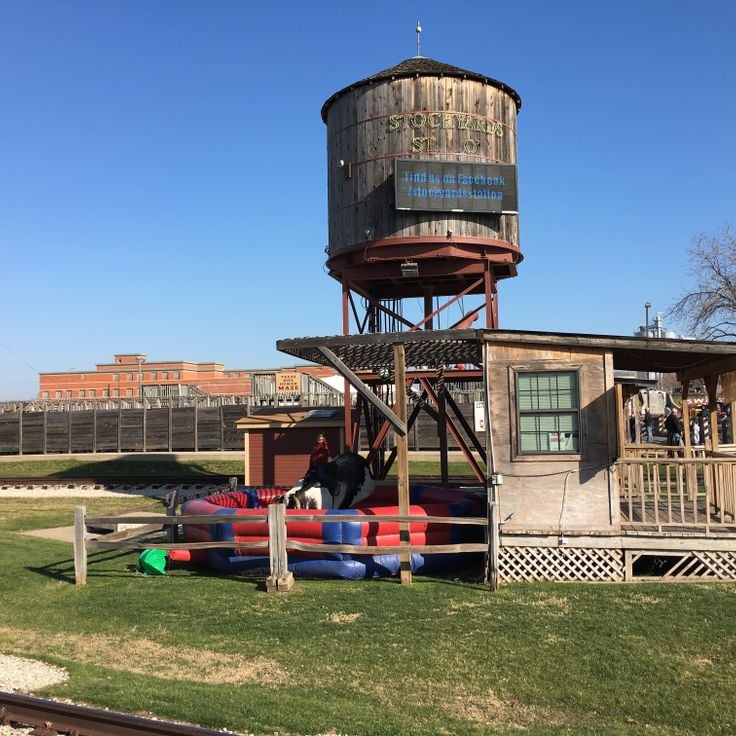
Fort Worth Stockyards is a former livestock market that has become a historic district. Cattle drives happen regularly here, with herds moving through the streets as they once did. Western shops, restaurants, and saloons fill the area, showing what life was like in cattle country. As part of the museums, parks, and cultural venues found in Dallas and its surroundings, this location tells the story of the cattle industry and the heritage of the American West.
The Sixth Floor Museum displays documents, photographs and artifacts related to President Kennedy's assassination in 1963. It is part of Dallas' cultural offerings alongside museums, parks and venues that draw visitors to the city.
The Dallas World Aquarium is an aquarium in this collection of cultural locations throughout Dallas. It houses marine animals from different climate zones and provides insights into underwater ecosystems. The aquarium adds to the variety of museums, parks and cultural venues in the city, where visitors can also explore historical exhibitions, art museums and botanical gardens.
The Dallas Museum of Art presents over 24,000 artworks spanning from antiquity to the present day, drawn from all continents. This museum fits into Dallas's cultural landscape, where museums, parks and venues shape the city's offerings. Visitors encounter works from different periods and cultures that tell the story of art across time.
Klyde Warren Park in Dallas sits above the Woodall Rodgers Freeway, creating an open space where the city meets nature. The park hosts gatherings and activities throughout the year, with areas for walking, playing, and sitting. You will find places for children to explore, green spaces to enjoy, and regular events that bring neighbors together. It serves as a bridge between different parts of the city.
The Observation Tower in Dallas is a tall structure that rises above the city. It features a rotating platform with restaurants and viewing areas on the 50th floor. From the top, visitors can see the skyline and the surrounding landscape of Dallas. The tower is part of the city's cultural offerings, which also include museums, parks and other venues.
The Historical Park in Dallas is a park dedicated to showcasing 19th-century Texas cattle drives. It features 49 bronze buffalo sculptures and three mounted cowboy figures. These artworks tell the story of an important period in Texas history and connect with the museums, parks and cultural venues that define Dallas.
The Botanical Garden in Dallas spreads across 66 acres with 19 distinct gardens, water features, and a collection of over 2,400 plant species. This garden fits naturally among Dallas's other attractions, including museums, parks, and cultural venues that draw visitors interested in art and nature. You can walk through different garden areas and experience the range of plants and flowers on display.
The Sculpture Museum in Dallas displays over 300 sculptures by international artists across indoor galleries and a garden space. As part of the city's cultural offerings alongside museums, parks, and venues like the Sixth Floor Museum, Dallas World Aquarium, and Reunion Tower, this museum allows visitors to explore modern and contemporary works. The collection represents artists from around the world working in various sculptural styles and media.
The Perot Museum of Nature and Science in Dallas is a five-story building with exhibits on earth science, biology, energy and space. Visitors can participate in hands-on experiments and explore different scientific topics. The museum adds to the city's cultural offerings alongside other museums, parks and attractions like the Sixth Floor Museum and botanical gardens.
The Dallas Farmers Market is a market in Dallas with stands from local vendors selling regional food, handmade goods and multiple dining options. This location complements the city's cultural offerings such as museums, parks and venues, providing visitors with a place to discover regional products and local crafts.
The George W. Bush Presidential Library and Museum is an institution in Dallas that documents George W. Bush's presidency from 2001 to 2009. As part of Dallas's diverse offerings in museums and cultural venues, this institution houses documents, photographs and artifacts from those years. The museum allows visitors to explore this period of American history through firsthand materials and displays. You can walk through collections that show both significant political moments and daily aspects of the administration.
The Bishop Arts District is a neighborhood in Dallas with over 60 independent boutiques, restaurants, cafes, galleries and theaters located in restored buildings. It sits among the city's cultural venues, which include art museums, parks such as Klyde Warren and White Rock Lake, and the observation deck at Reunion Tower.
The Texas Theatre is a cinema building from the 1930s located in Dallas that serves as part of the city's cultural landscape. It screens independent films and hosts cultural events on stage throughout the year. The theatre complements the range of museums, parks and cultural venues that make Dallas a destination for history and the arts.
The Trinity River Audubon Center is a nature center in Dallas that fits among the city's cultural and outdoor venues. Visitors can walk on about 5 miles of trails that pass through different Texas habitats. Along the way, there are observation stations where people can watch native bird species. The center offers a chance to learn about nature and discover the local wildlife.
White Rock Lake Park is a large park in Dallas built around a lake where visitors can swim, boat and fish. A trail loops around the lake and is popular with walkers and joggers. The park has grassy areas and picnic spots where people gather to spend time outdoors.
The Dallas Holocaust and Human Rights Museum is an educational center in Dallas dedicated to preserving and sharing the history of the Holocaust and human rights struggles. The museum houses artifacts, documents and personal testimonies that bring these historical events to life. Located within a city that offers diverse cultural experiences from art museums to botanical gardens, this museum serves as an important space for learning and reflection. Visitors encounter real objects and stories that help them understand this pivotal period in human history.
Bank of America Plaza is a 281-meter, 72-story tower built in the 1980s and the tallest structure in Dallas. This building stands among the city's notable locations, which include museums, parks, and cultural venues that shape the urban landscape.
Fair Park is a large green space in Dallas that brings together several museums, an aquarium, a concert hall, and the Cotton Bowl stadium, which seats 92,000. As one of Dallas's cultural venues, this park offers visitors the chance to explore history, nature, and entertainment all in one location.
City Hall is a municipal building in Dallas constructed in 1978. It features an inverted pyramid shape with seven floors, each three meters wider than the one below. This structure is part of Dallas's collection of cultural and public venues, alongside museums, parks, botanical gardens, and observation towers.
The Swiss Avenue Historic District in Dallas is a neighborhood where history comes alive through restored homes representing many architectural styles. Since 1974, these 200 houses have held the status of historic landmarks, preserving the neighborhood's character and development. Walking through these streets, visitors can observe the different building periods and design approaches that shaped this part of Dallas. The careful restoration work shows how the community values its past.
The Dallas Zoo is the largest and oldest zoo in Texas, offering visitors close encounters with wildlife. As part of Dallas's collection of cultural attractions alongside museums, parks and observation decks, the zoo provides interactive experiences such as giraffe feeding. The zoo draws families and nature enthusiasts who come to observe animals from around the world. It serves as a destination for outdoor learning and recreation.
The Deep Ellum Neighborhood is a cultural district in Dallas with colorful murals, concert halls, independent shops, and restaurants along Main Street and Elm Street. This area represents the artistic side of the city alongside the museums and cultural venues that define Dallas. Walking through the streets, you find art on nearly every wall and discover locals gathering in small shops, galleries, and eateries.
NorthPark Center is a shopping destination in Dallas that brings together luxury retail and contemporary art. As part of the city's diverse cultural offerings alongside museums, parks and cultural venues, this center offers visitors more than just shopping. You will find high-end stores displaying international brands, and the spaces regularly feature rotating art exhibitions that turn shopping into a cultural experience. Walking through NorthPark Center, you encounter both retail and creative expression woven into the same location.
The McKinney Avenue Trolley is a historic free trolley line that connects downtown Dallas tourist areas. As part of the city's offerings alongside museums, parks and cultural venues, this trolley provides visitors with a nostalgic way to explore and move between attractions in the urban core.
Fort Worth Stockyards is a former livestock market that has become a historic district. Cattle drives happen regularly here, with herds moving through the streets as they once did. Western shops, restaurants, and saloons fill the area, showing what life was like in cattle country. As part of the museums, parks, and cultural venues found in Dallas and its surroundings, this location tells the story of the cattle industry and the heritage of the American West.
The Sixth Floor Museum displays documents, photographs and artifacts related to President Kennedy's assassination in 1963. It is part of Dallas' cultural offerings alongside museums, parks and venues that draw visitors to the city.
The Dallas World Aquarium is an aquarium in this collection of cultural locations throughout Dallas. It houses marine animals from different climate zones and provides insights into underwater ecosystems. The aquarium adds to the variety of museums, parks and cultural venues in the city, where visitors can also explore historical exhibitions, art museums and botanical gardens.
The Dallas Museum of Art presents over 24,000 artworks spanning from antiquity to the present day, drawn from all continents. This museum fits into Dallas's cultural landscape, where museums, parks and venues shape the city's offerings. Visitors encounter works from different periods and cultures that tell the story of art across time.
Klyde Warren Park in Dallas sits above the Woodall Rodgers Freeway, creating an open space where the city meets nature. The park hosts gatherings and activities throughout the year, with areas for walking, playing, and sitting. You will find places for children to explore, green spaces to enjoy, and regular events that bring neighbors together. It serves as a bridge between different parts of the city.
The Observation Tower in Dallas is a tall structure that rises above the city. It features a rotating platform with restaurants and viewing areas on the 50th floor. From the top, visitors can see the skyline and the surrounding landscape of Dallas. The tower is part of the city's cultural offerings, which also include museums, parks and other venues.
The Historical Park in Dallas is a park dedicated to showcasing 19th-century Texas cattle drives. It features 49 bronze buffalo sculptures and three mounted cowboy figures. These artworks tell the story of an important period in Texas history and connect with the museums, parks and cultural venues that define Dallas.
The Botanical Garden in Dallas spreads across 66 acres with 19 distinct gardens, water features, and a collection of over 2,400 plant species. This garden fits naturally among Dallas's other attractions, including museums, parks, and cultural venues that draw visitors interested in art and nature. You can walk through different garden areas and experience the range of plants and flowers on display.
The Sculpture Museum in Dallas displays over 300 sculptures by international artists across indoor galleries and a garden space. As part of the city's cultural offerings alongside museums, parks, and venues like the Sixth Floor Museum, Dallas World Aquarium, and Reunion Tower, this museum allows visitors to explore modern and contemporary works. The collection represents artists from around the world working in various sculptural styles and media.
The Perot Museum of Nature and Science in Dallas is a five-story building with exhibits on earth science, biology, energy and space. Visitors can participate in hands-on experiments and explore different scientific topics. The museum adds to the city's cultural offerings alongside other museums, parks and attractions like the Sixth Floor Museum and botanical gardens.
The Dallas Farmers Market is a market in Dallas with stands from local vendors selling regional food, handmade goods and multiple dining options. This location complements the city's cultural offerings such as museums, parks and venues, providing visitors with a place to discover regional products and local crafts.
The George W. Bush Presidential Library and Museum is an institution in Dallas that documents George W. Bush's presidency from 2001 to 2009. As part of Dallas's diverse offerings in museums and cultural venues, this institution houses documents, photographs and artifacts from those years. The museum allows visitors to explore this period of American history through firsthand materials and displays. You can walk through collections that show both significant political moments and daily aspects of the administration.
The Bishop Arts District is a neighborhood in Dallas with over 60 independent boutiques, restaurants, cafes, galleries and theaters located in restored buildings. It sits among the city's cultural venues, which include art museums, parks such as Klyde Warren and White Rock Lake, and the observation deck at Reunion Tower.
The Texas Theatre is a cinema building from the 1930s located in Dallas that serves as part of the city's cultural landscape. It screens independent films and hosts cultural events on stage throughout the year. The theatre complements the range of museums, parks and cultural venues that make Dallas a destination for history and the arts.
The Trinity River Audubon Center is a nature center in Dallas that fits among the city's cultural and outdoor venues. Visitors can walk on about 5 miles of trails that pass through different Texas habitats. Along the way, there are observation stations where people can watch native bird species. The center offers a chance to learn about nature and discover the local wildlife.
White Rock Lake Park is a large park in Dallas built around a lake where visitors can swim, boat and fish. A trail loops around the lake and is popular with walkers and joggers. The park has grassy areas and picnic spots where people gather to spend time outdoors.
The Dallas Holocaust and Human Rights Museum is an educational center in Dallas dedicated to preserving and sharing the history of the Holocaust and human rights struggles. The museum houses artifacts, documents and personal testimonies that bring these historical events to life. Located within a city that offers diverse cultural experiences from art museums to botanical gardens, this museum serves as an important space for learning and reflection. Visitors encounter real objects and stories that help them understand this pivotal period in human history.
Bank of America Plaza is a 281-meter, 72-story tower built in the 1980s and the tallest structure in Dallas. This building stands among the city's notable locations, which include museums, parks, and cultural venues that shape the urban landscape.
Fair Park is a large green space in Dallas that brings together several museums, an aquarium, a concert hall, and the Cotton Bowl stadium, which seats 92,000. As one of Dallas's cultural venues, this park offers visitors the chance to explore history, nature, and entertainment all in one location.
City Hall is a municipal building in Dallas constructed in 1978. It features an inverted pyramid shape with seven floors, each three meters wider than the one below. This structure is part of Dallas's collection of cultural and public venues, alongside museums, parks, botanical gardens, and observation towers.
The Swiss Avenue Historic District in Dallas is a neighborhood where history comes alive through restored homes representing many architectural styles. Since 1974, these 200 houses have held the status of historic landmarks, preserving the neighborhood's character and development. Walking through these streets, visitors can observe the different building periods and design approaches that shaped this part of Dallas. The careful restoration work shows how the community values its past.
The Dallas Zoo is the largest and oldest zoo in Texas, offering visitors close encounters with wildlife. As part of Dallas's collection of cultural attractions alongside museums, parks and observation decks, the zoo provides interactive experiences such as giraffe feeding. The zoo draws families and nature enthusiasts who come to observe animals from around the world. It serves as a destination for outdoor learning and recreation.
The Deep Ellum Neighborhood is a cultural district in Dallas with colorful murals, concert halls, independent shops, and restaurants along Main Street and Elm Street. This area represents the artistic side of the city alongside the museums and cultural venues that define Dallas. Walking through the streets, you find art on nearly every wall and discover locals gathering in small shops, galleries, and eateries.
NorthPark Center is a shopping destination in Dallas that brings together luxury retail and contemporary art. As part of the city's diverse cultural offerings alongside museums, parks and cultural venues, this center offers visitors more than just shopping. You will find high-end stores displaying international brands, and the spaces regularly feature rotating art exhibitions that turn shopping into a cultural experience. Walking through NorthPark Center, you encounter both retail and creative expression woven into the same location.
The McKinney Avenue Trolley is a historic free trolley line that connects downtown Dallas tourist areas. As part of the city's offerings alongside museums, parks and cultural venues, this trolley provides visitors with a nostalgic way to explore and move between attractions in the urban core.
Fort Worth Stockyards is a former livestock market that has become a historic district. Cattle drives happen regularly here, with herds moving through the streets as they once did. Western shops, restaurants, and saloons fill the area, showing what life was like in cattle country. As part of the museums, parks, and cultural venues found in Dallas and its surroundings, this location tells the story of the cattle industry and the heritage of the American West.