See the monuments around you in AROpen chests in the app
Around Us is built for your phone — point your camera at the streets and discover the monuments and places around you in augmented reality.Around Us is built for your phone — chests unlock when you walk, explore and capture nearby places.
Valladolid sits in Castile and León and shows buildings from 12 centuries, spanning from Romanesque to modern times. The city holds Renaissance palaces, Gothic churches, and specialized museums. The National Museum of Sculpture displays religious works inside a former college. Plaza Mayor is the historic center, surrounded by arcade buildings. Green spaces like Campo Grande offer gardens and fountains. Cultural institutions include a university founded in the 13th century and museums dedicated to Cervantes and Zorrilla.
Walking through Valladolid, you see Renaissance facades, stone church doorways, and wide plazas with trees. Patio Herreriano shows modern art in historic rooms. The Columbus Museum tells stories from the age of exploration. Churches like San Pablo and Santa María la Antigua show how faith and art connect here. Pasaje Gutiérrez has shops under glass ceilings. Del Val Market shows how locals shop and eat together.
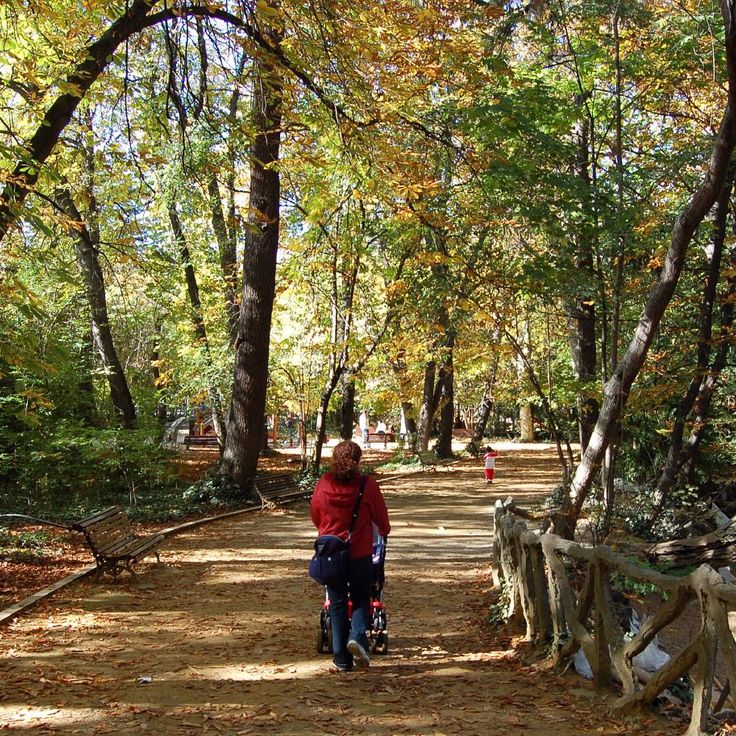
Campo Grande is a place to sit and watch the city. The Cathedral stands as a landmark from many centuries of building. Smaller palaces and museums line the streets, each holding pieces of the city's past. Visiting Valladolid means walking through layers of time while seeing how the city lives today.
Valladolid sits in Castile and León and shows buildings from 12 centuries, spanning from Romanesque to modern times. The city holds Renaissance palaces, Gothic churches, and specialized museums. The National Museum of Sculpture displays religious works inside a former college. Plaza Mayor is the historic center, surrounded by arcade buildings. Green spaces like Campo Grande offer gardens and fountains. Cultural institutions include a university founded in the 13th century and museums dedicated to Cervantes and Zorrilla.
Walking through Valladolid, you see Renaissance facades, stone church doorways, and wide plazas with trees. Patio Herreriano shows modern art in historic rooms. The Columbus Museum tells stories from the age of exploration. Churches like San Pablo and Santa María la Antigua show how faith and art connect here. Pasaje Gutiérrez has shops under glass ceilings. Del Val Market shows how locals shop and eat together.
Campo Grande is a place to sit and watch the city. The Cathedral stands as a landmark from many centuries of building. Smaller palaces and museums line the streets, each holding pieces of the city's past. Visiting Valladolid means walking through layers of time while seeing how the city lives today.
The National Museum of Sculpture in Valladolid houses the largest collection of Spanish religious wooden sculptures. Located in a restored college building, it displays around 3,000 works from the 13th to the 18th centuries. This museum contributes to the city's rich cultural heritage, alongside Renaissance palaces, Gothic churches, and important historical sites like the Plaza Mayor.
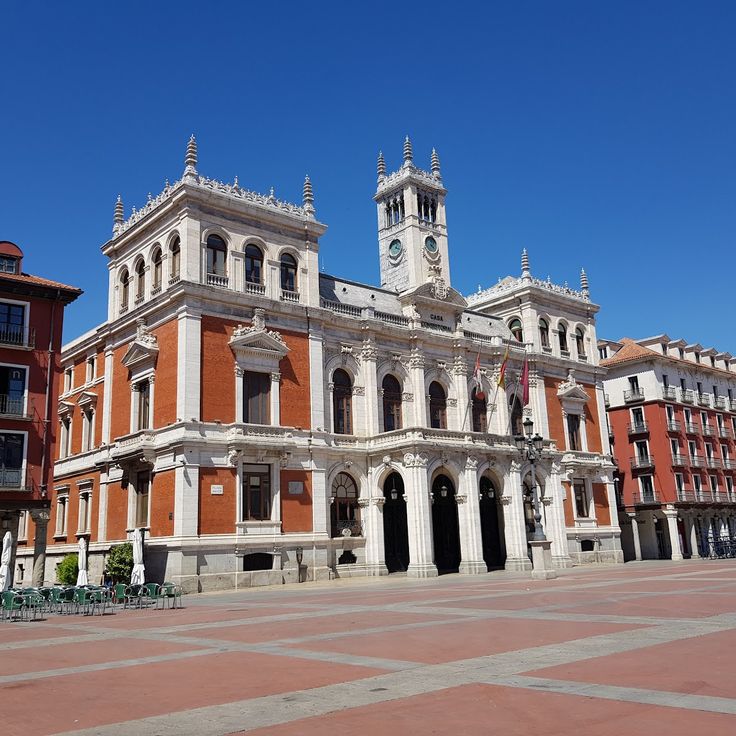
The Plaza Mayor of Valladolid serves as the historical center of this city in Castile and León, anchoring the must-see sites that define the city's character. Built in the 16th century, this central square is surrounded by uniform arcade buildings that frame its open space. From its origins, the plaza has hosted markets and public events, functioning as the gathering place where daily life unfolds.
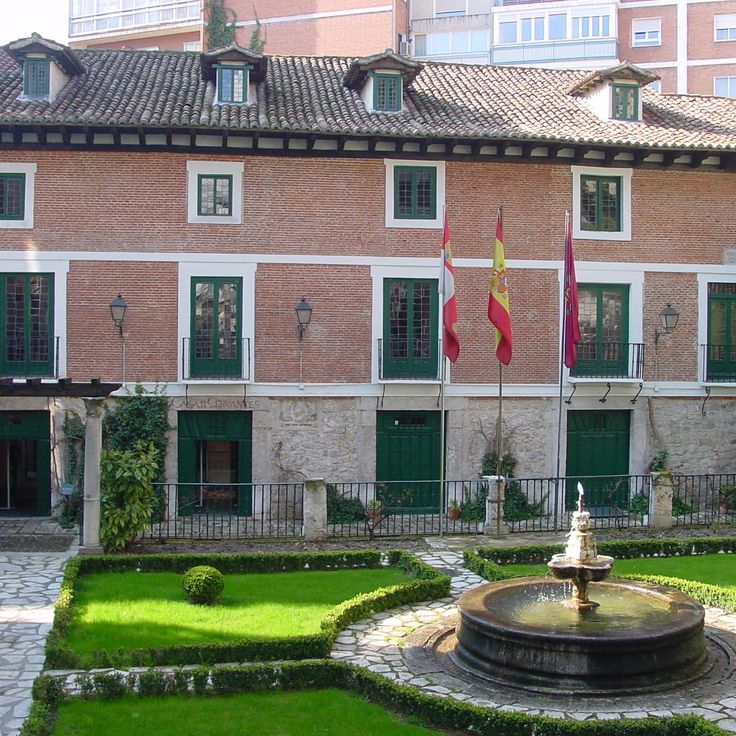
The Casa de Cervantes is the former residence where writer Miguel de Cervantes lived from 1604 to 1606. Today it operates as a museum displaying 17th-century furniture and archives. This house is part of Valladolid's collection of important sites, a city in Castile and León known for its architectural heritage spanning from the 12th to the 19th centuries. Visitors can experience how one of Spain's greatest authors lived during this period.
Campo Grande Park is a large green space in the heart of Valladolid and complements the city's rich heritage of museums, palaces, and churches. Created in the 19th century, this park offers visitors ornamental gardens, decorative ponds, and tree-lined avenues. It serves as a place to walk, rest, and enjoy nature away from the surrounding streets.
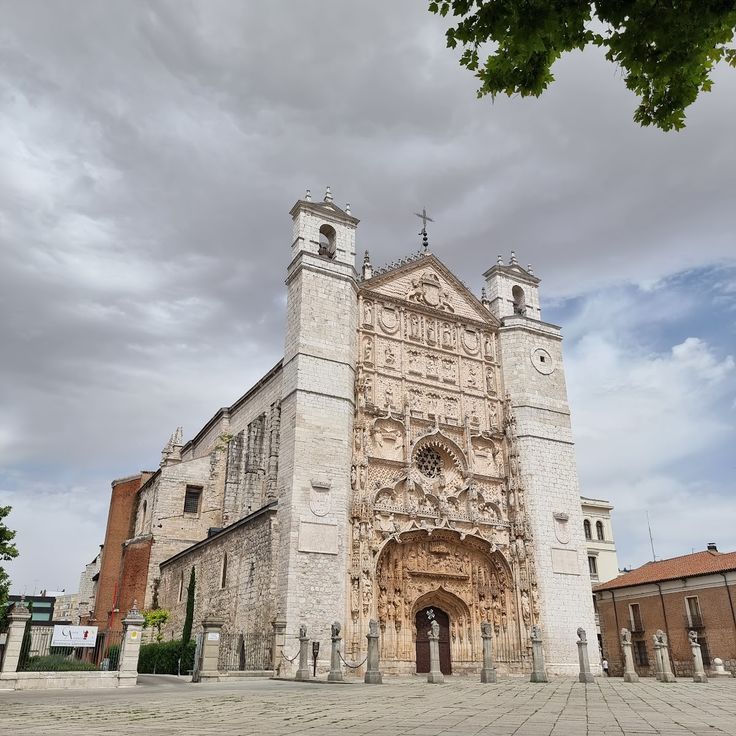
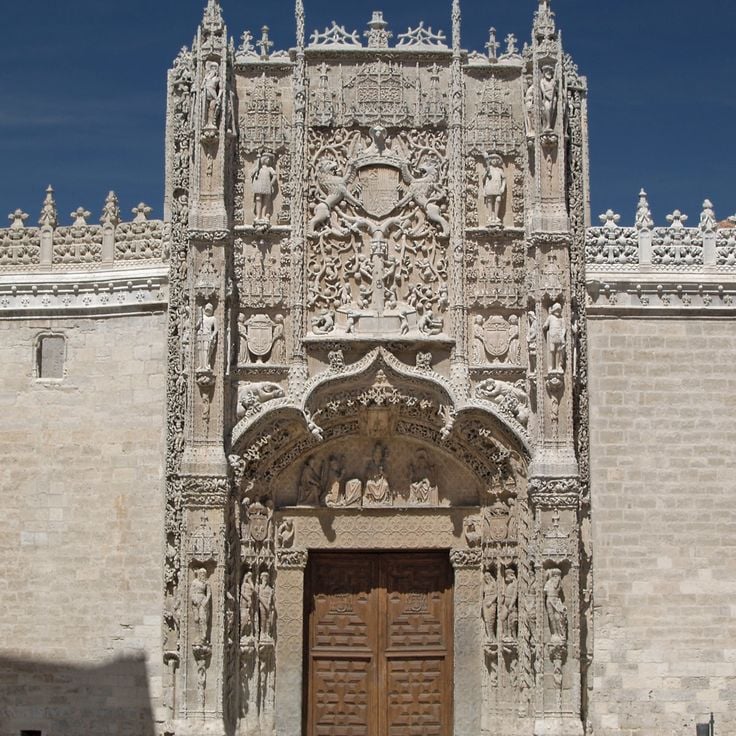
The Church of San Pablo is a 15th-century religious building in Valladolid's collection of architectural heritage. Its Gothic facade features sculpted decorations, while the interior reflects Renaissance design. The carved ornaments on the exterior and walls showcase the craftsmanship of the period.
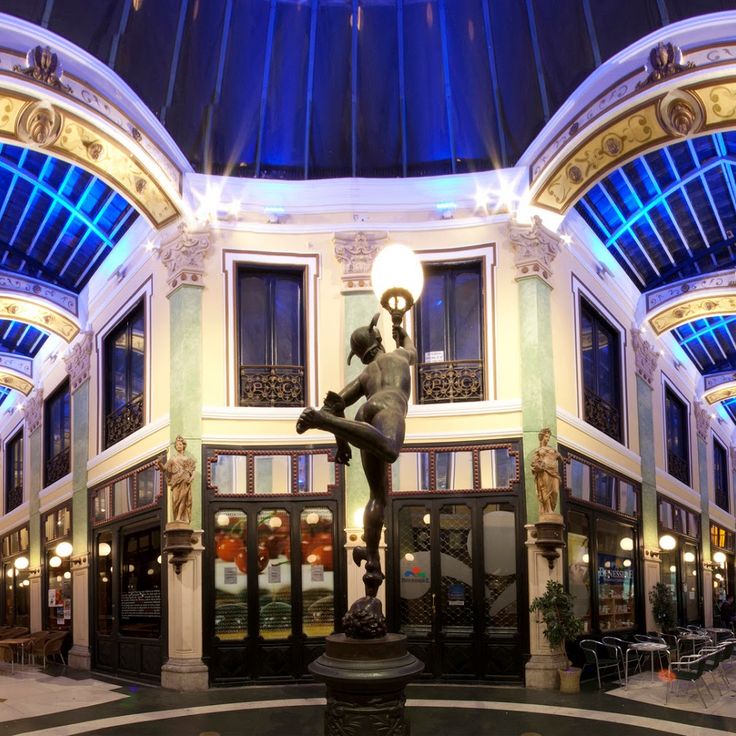
The Pasaje Gutiérrez is a covered shopping arcade built in 1886 and stands as an architectural landmark in Valladolid's collection of heritage sites. This gallery features a metal frame and glass roof designed after 19th-century Parisian passages. It represents the commercial architecture of its era and shows how European cities were developing their urban shopping spaces during the late 1800s.
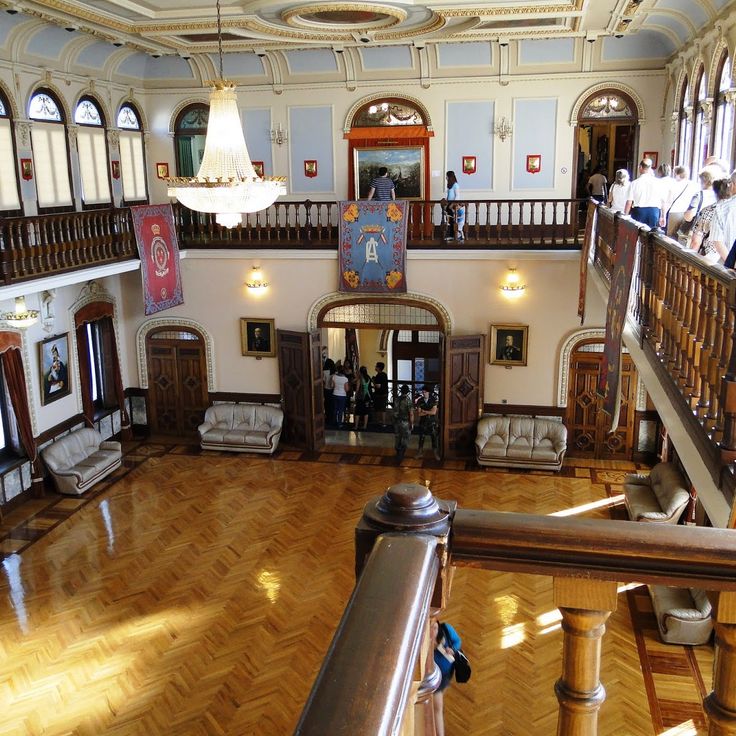
The Academy of Cavalry was established in 1852 as a military training center in Valladolid, which features architectural heritage spanning from the 12th to the 19th centuries. The institution's museum displays uniforms, weapons, and historical archives that document the development and traditions of Spanish cavalry forces.
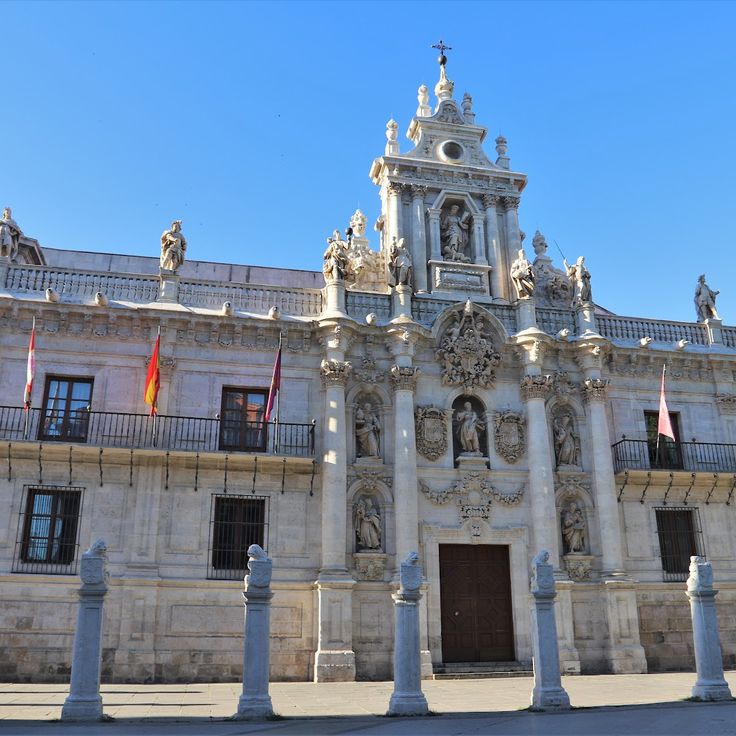
The University of Valladolid is an educational institution founded in the 13th century and represents one of the city's major cultural landmarks. Its baroque-style building houses a library containing medieval and modern manuscripts. The university has shaped the intellectual life of Valladolid and continues to be central to the city's identity as a hub of learning and scholarship.
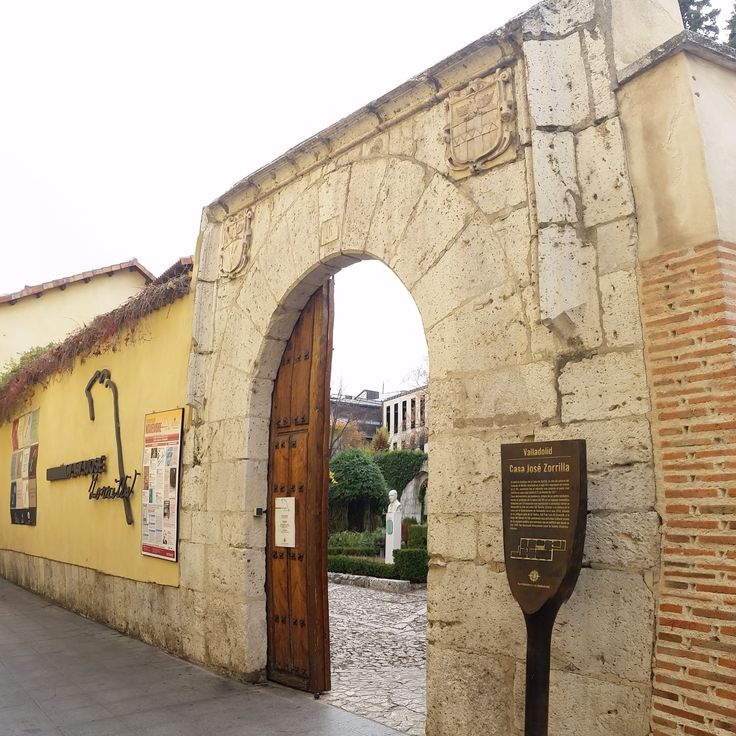
The Zorrilla Museum in Valladolid displays the personal belongings, archives, and manuscripts of poet José Zorrilla. This restored house allows visitors to explore his literary world and life within the city's architectural heritage spanning from the 12th to the 19th centuries.
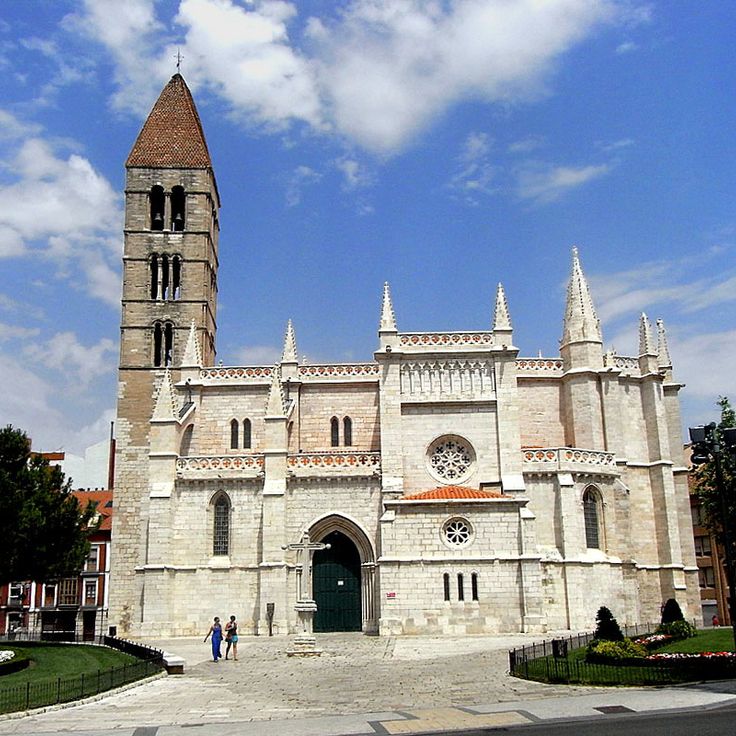
The Church of Santa María la Antigua is a Gothic building from the 12th century in Valladolid, part of the city's architectural heritage spanning from medieval times through the 19th century. This church features decorated side chapels, tombs of noble families, and a collection of religious statues. It stands in the historical center where Renaissance palaces, Gothic churches, and cultural institutions shape the character of the city.
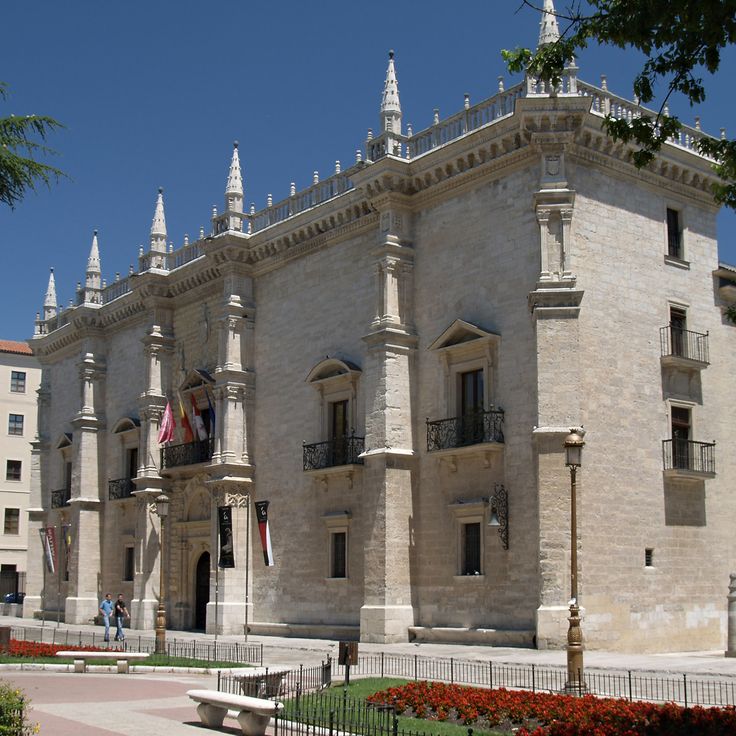
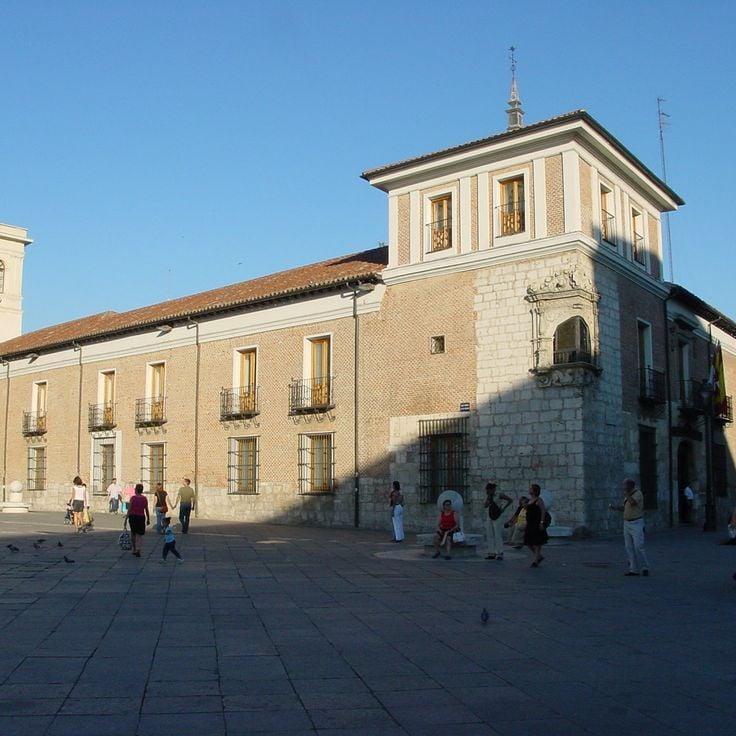
The Palace of Santa Cruz in Valladolid is part of the city's architectural heritage spanning the 12th to 19th centuries. This 1491 building represents the first example of Renaissance architecture in Spain. It features a central courtyard and retains Gothic elements on its facade.
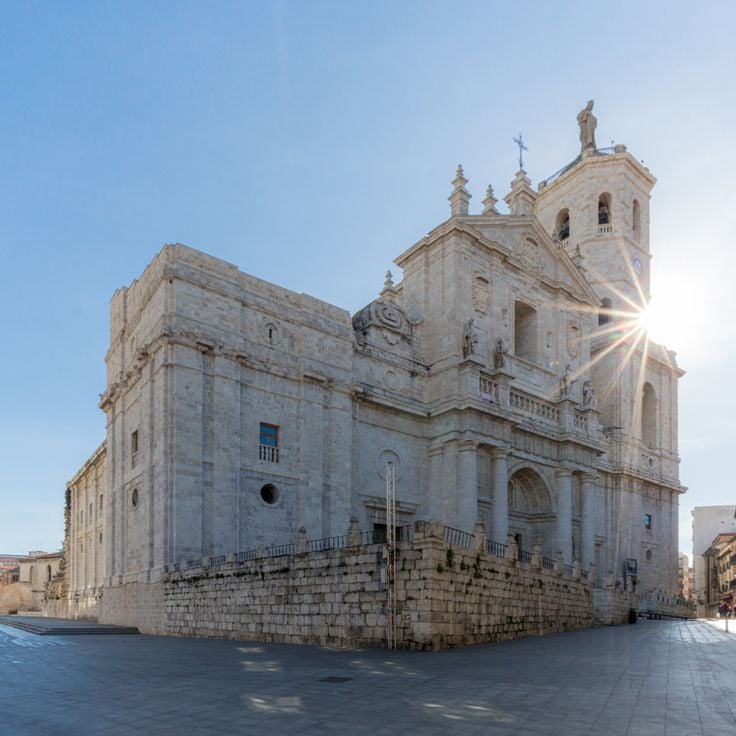
The Cathedral of Valladolid is a monumental structure from the 16th century and stands as one of the most important architectural sites in the city. Left unfinished, it still reflects the ambitious plans of designer Juan de Herrera. The cathedral now houses a museum displaying sacred art pieces, contributing to the rich collection of Renaissance palaces, Gothic churches, and cultural institutions that define this historic Castilian city.
The Oriental Museum, housed in the former College of Augustinians, displays Asian objects from the 17th to 20th centuries. The collection includes ceramics, clothing, sculptures, and manuscripts from China, Japan, and the Philippines. This museum is part of Valladolid's cultural offerings and contributes to the city's story as a center with architectural heritage spanning from the 12th to the 19th centuries.
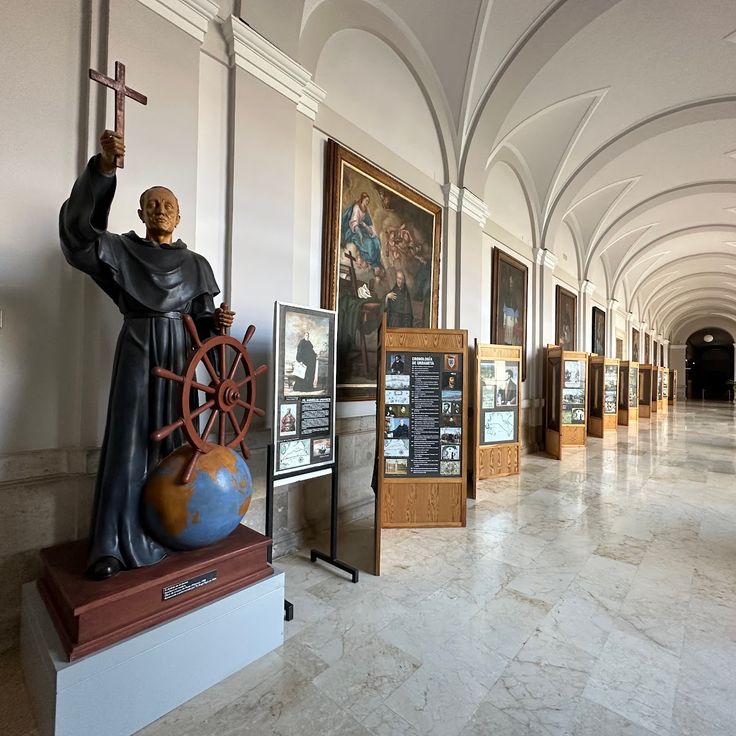
This museum occupies a 15th-century residence where Christopher Columbus lived. The house displays maritime maps, navigation instruments, and period furnishings connected to the navigator's voyages. It is part of Valladolid's historical heritage, a city with Renaissance palaces and Gothic churches spanning from the 12th to the 19th centuries. The museum offers insight into the explorer's life and the age of discovery.
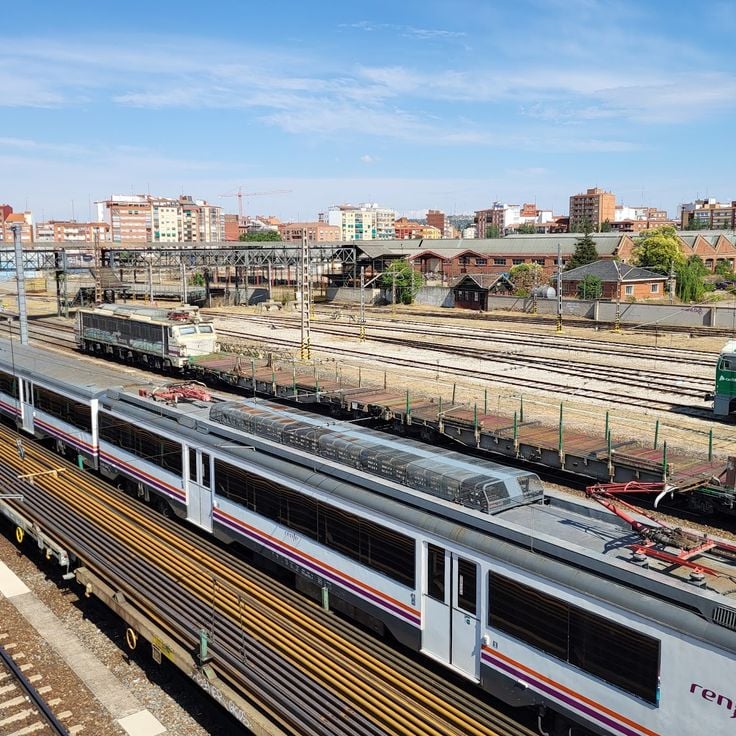
Valladolid Campo Grande is a railway station built in 1890 with stone and metal construction that serves as a central transportation hub. The station connects the city with high-speed trains to Madrid and regional trains heading to northern Spain. This transport node is essential to the historical city's modern connectivity and allows visitors to reach Valladolid from across the country.
This Gothic palace from 1490 is part of Valladolid's architectural heritage spanning the 12th to 19th centuries. The residence features stone carvings decorating its central courtyard and facade. It is the birthplace of Spanish King Philip II and represents the grandeur of the Renaissance palaces that define the city's historical center.
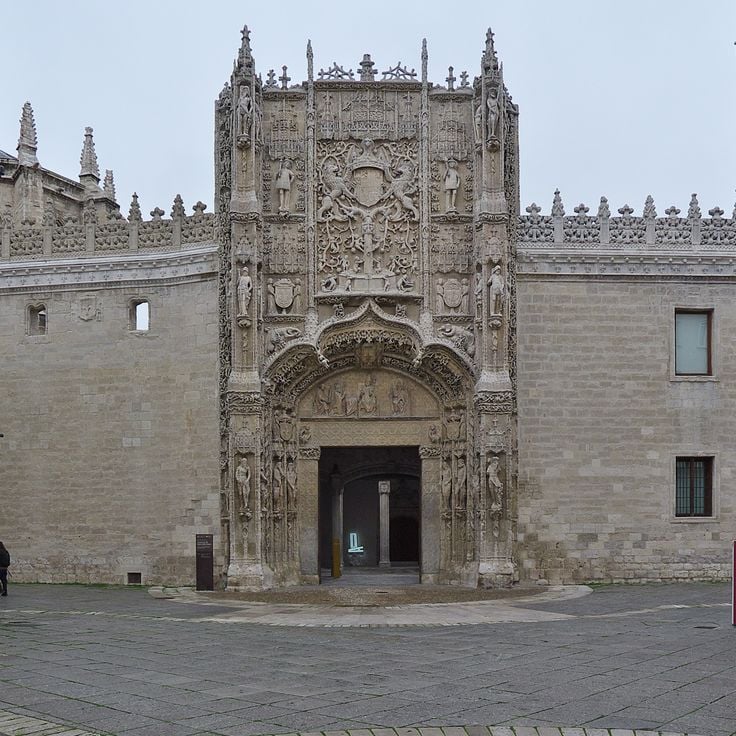
San Gregorio College is a Gothic building from 1496 in Valladolid that now houses the National Museum of Sculpture. As part of the city's architectural heritage, this former college displays Spanish religious works spanning from the 12th to 17th centuries and contributes to Valladolid's cultural importance, known for its Renaissance palaces, Gothic churches, and specialized museums.
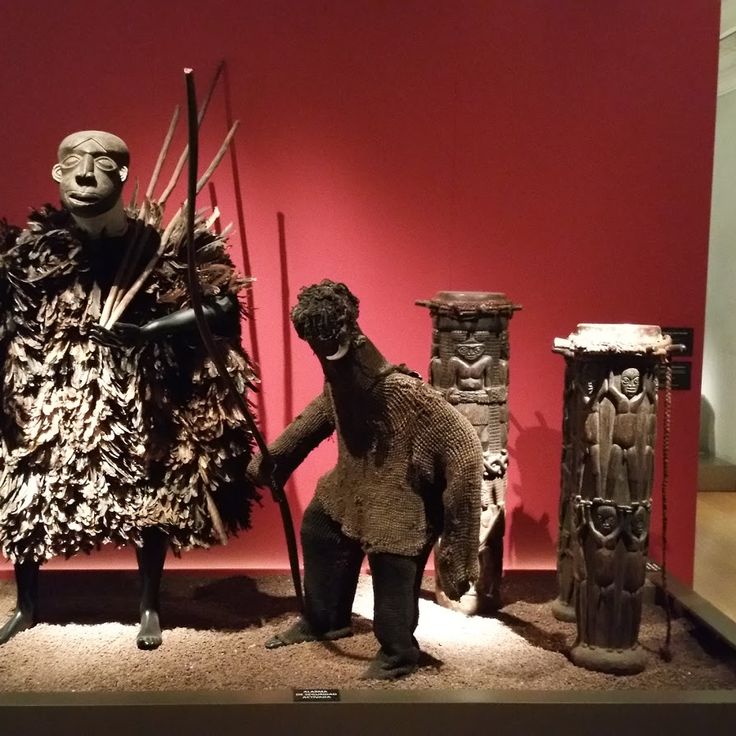
The Alberto Jimenez-Arellano Alonso Foundation displays African and Asian art from a private collection in this museum set within the Santa Cruz Palace. The permanent exhibitions feature ceremonial masks and ritual objects that reflect the artistic traditions of these regions. This collection adds to Valladolid's cultural offerings, a city known for its art institutions spanning from the 12th to the 19th centuries.
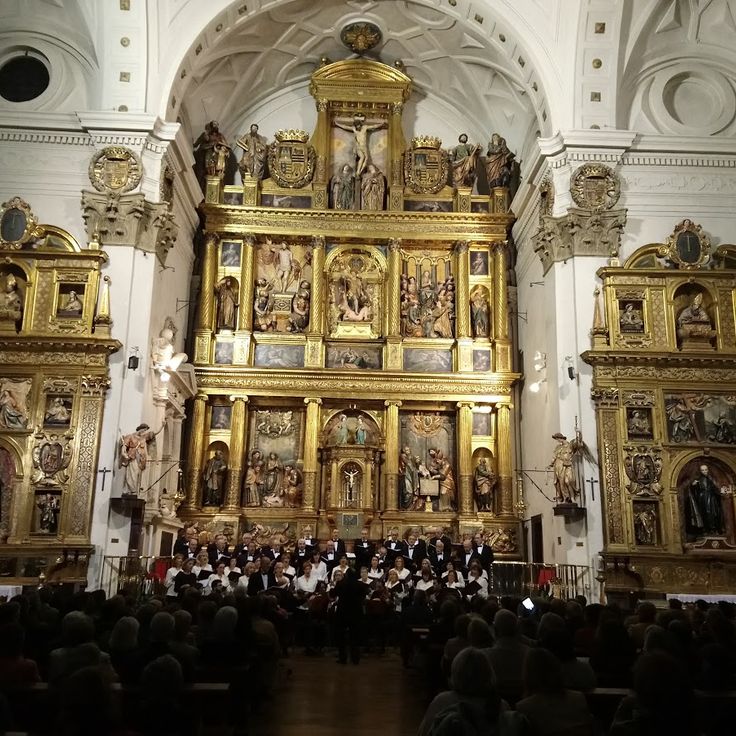
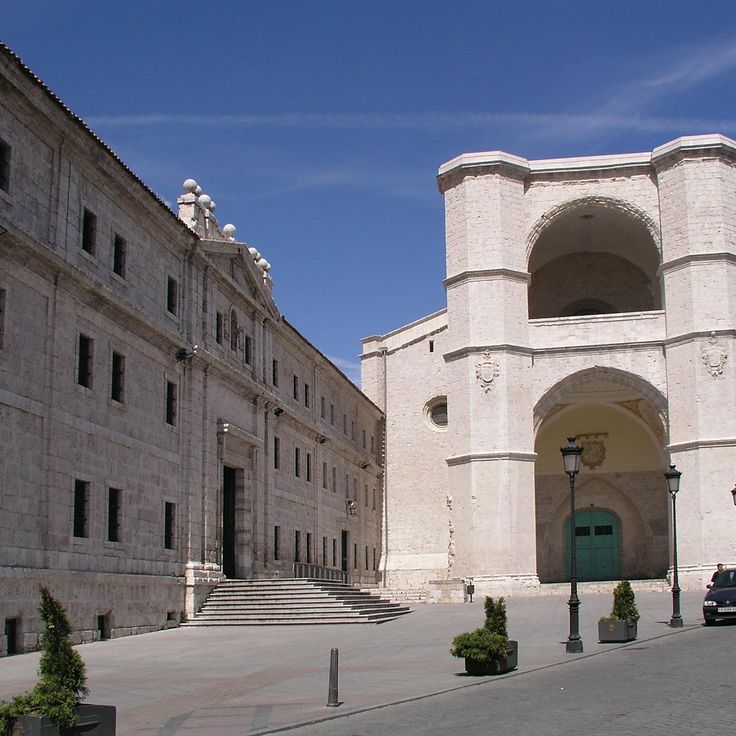
The Church of San Benito El Real is a 15th-century church with Gothic architecture and features a notable main altarpiece. This building was constructed around a Benedictine monastery. As one of the architectural landmarks that define Valladolid's religious character, it represents the city's heritage spanning from the 12th to the 19th centuries, alongside other significant churches and cultural institutions.
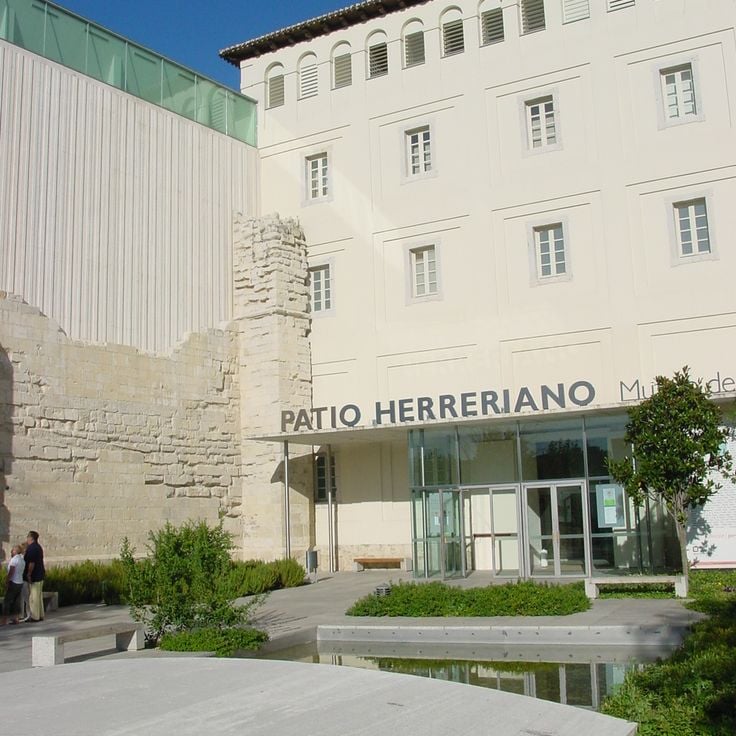
The Patio Herreriano Museum displays contemporary Spanish art housed in a 15th-century monastery. The collection includes permanent and temporary exhibitions that showcase modern and recent artistic developments in Spain. This museum forms part of Valladolid's cultural institutions alongside the university and other specialized collections.
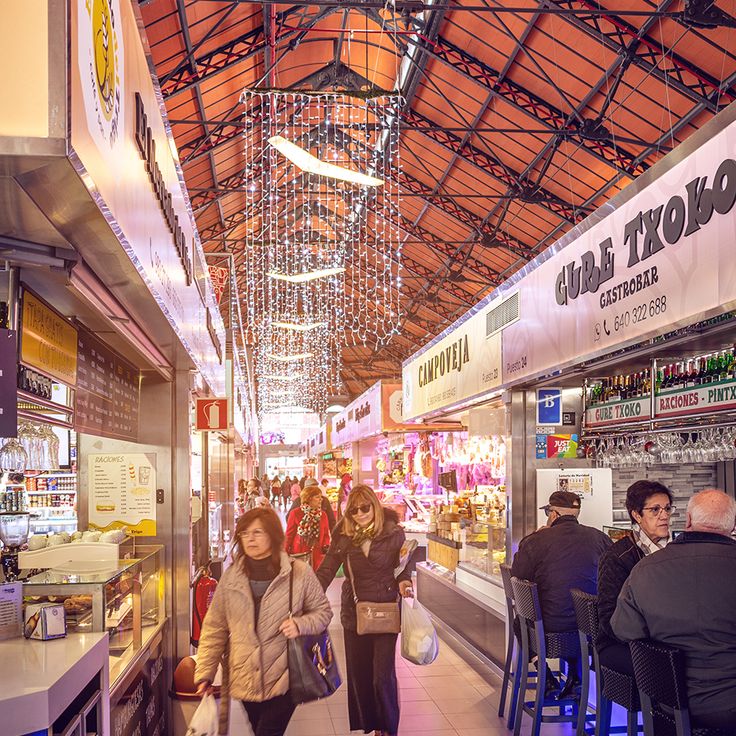
The Del Val Market represents a piece of daily life in this collection of significant sites in Valladolid. Built as a covered market in the 19th century with a metal structure, it continues to serve the city as a place where local residents shop for regional products. The market reflects the working traditions and commercial habits that have sustained the community through different centuries of the city's history.
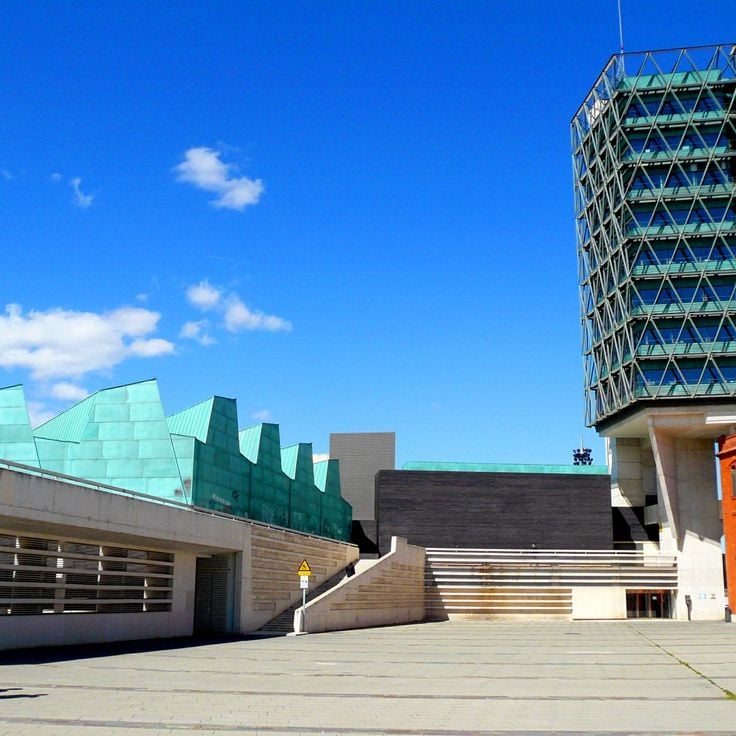
The Museum of Science in Valladolid is an interactive center with a planetarium and exhibitions on natural sciences and technology. It complements the city's cultural offerings, which also include Renaissance palaces, Gothic churches, and specialized museums like the National Museum of Sculpture. The venue invites visitors to explore scientific concepts through hands-on activities.
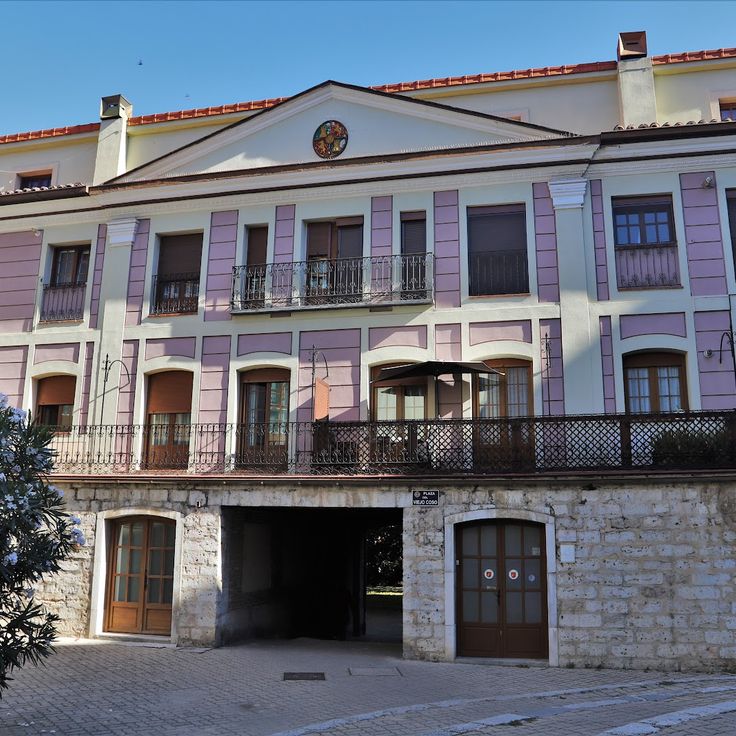
Plaza Viejo Coso was an important site in Valladolid's architectural heritage. This octagonal square from the 18th century once served as a bullring and remains surrounded by residential buildings. It is part of the city's historical landmarks that span from the 12th to 19th centuries, alongside Renaissance palaces, Gothic churches, and cultural museums.
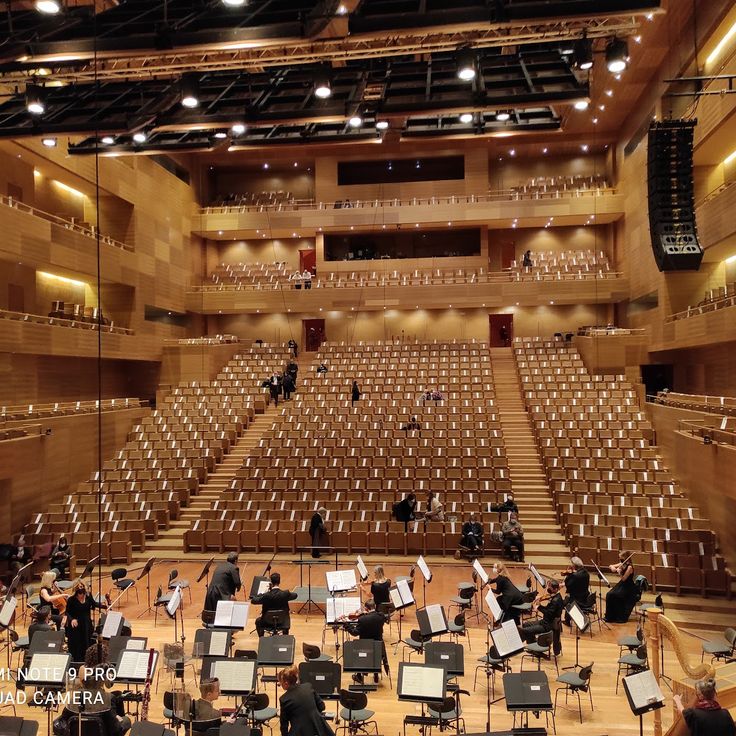
The Miguel Delibes Auditorium is a modern concert hall in Valladolid designed for musical performances and cultural events. It complements the city's architectural heritage that spans from the Renaissance through the 19th century. The auditorium contributes to the cultural scene that includes museums, historical squares, and green spaces like Campo Grande that define Valladolid's character.
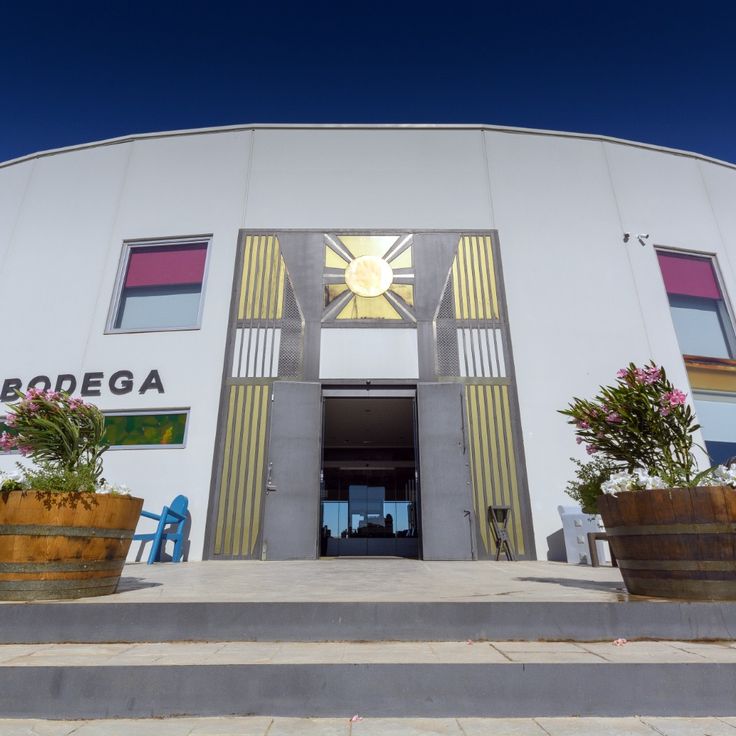
Copaboca Winery is a wine producer in Valladolid that reflects the regional wine-making traditions of this city in Castile and León. The winery offers tours of its cellars and tastings of regional wines, allowing visitors to experience how wines are made locally and understand the flavors that characterize the area.
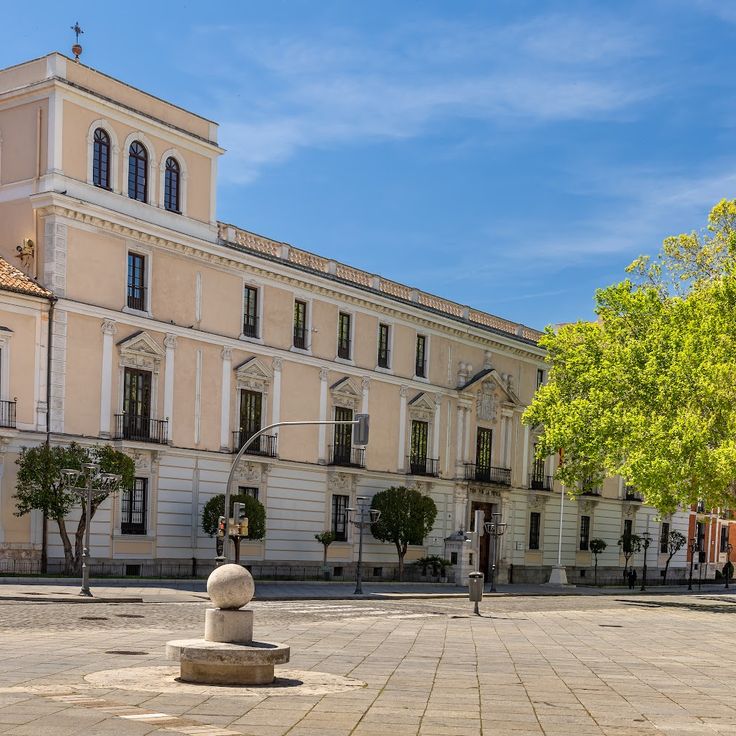
The Royal Palace stands in the heart of Valladolid as a centerpiece of the city's architectural heritage from the 16th century. Built as a residence for Spanish monarchs, this palace reflects the artistic ambitions and craftsmanship of the Renaissance. Its rooms and facade show how royal power and cultural prosperity shaped the look of Castilian cities during this important historical period.
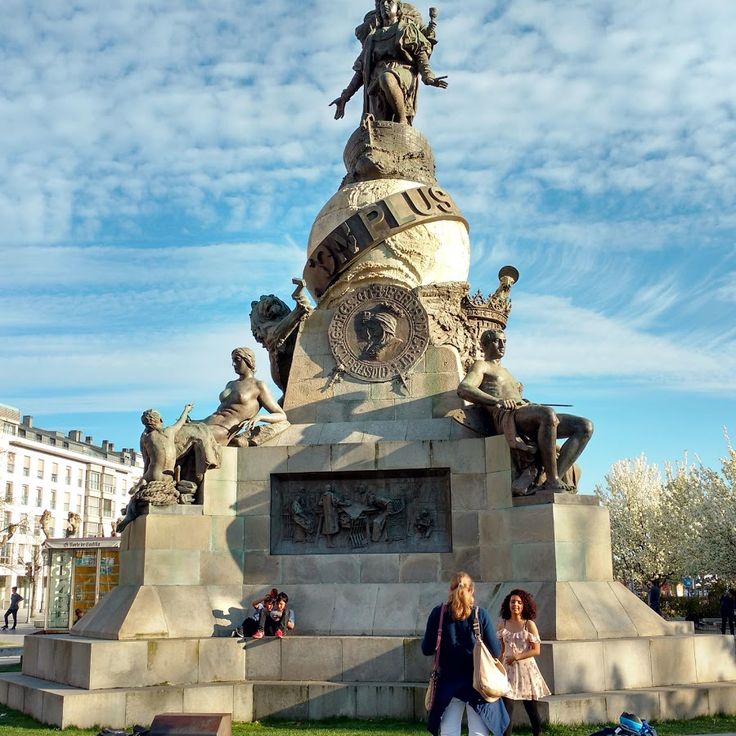
This monument in Valladolid honors Christopher Columbus and his role in discovering the New World. The design features lions breaking through with the motto Plus Ultra, symbolizing courage and the spirit of exploration. It stands in the heart of the city, surrounded by centuries of architectural heritage from the Renaissance to the 19th century. The monument connects to Valladolid's rich history and its role as a center of culture and learning.
The Church of San Miguel and San Julian is a former Jesuit sanctuary located in Valladolid, part of this city's architectural heritage spanning from the 12th to the 19th centuries. Built in the 16th century, this church displays the architectural characteristics favored by the Jesuit order. Today it serves as a parish church, continuing its role as a religious center in this historic city.
The National Museum of Sculpture in Valladolid houses the largest collection of Spanish religious wooden sculptures. Located in a restored college building, it displays around 3,000 works from the 13th to the 18th centuries. This museum contributes to the city's rich cultural heritage, alongside Renaissance palaces, Gothic churches, and important historical sites like the Plaza Mayor.
The Plaza Mayor of Valladolid serves as the historical center of this city in Castile and León, anchoring the must-see sites that define the city's character. Built in the 16th century, this central square is surrounded by uniform arcade buildings that frame its open space. From its origins, the plaza has hosted markets and public events, functioning as the gathering place where daily life unfolds.
The Casa de Cervantes is the former residence where writer Miguel de Cervantes lived from 1604 to 1606. Today it operates as a museum displaying 17th-century furniture and archives. This house is part of Valladolid's collection of important sites, a city in Castile and León known for its architectural heritage spanning from the 12th to the 19th centuries. Visitors can experience how one of Spain's greatest authors lived during this period.
Campo Grande Park is a large green space in the heart of Valladolid and complements the city's rich heritage of museums, palaces, and churches. Created in the 19th century, this park offers visitors ornamental gardens, decorative ponds, and tree-lined avenues. It serves as a place to walk, rest, and enjoy nature away from the surrounding streets.
The Church of San Pablo is a 15th-century religious building in Valladolid's collection of architectural heritage. Its Gothic facade features sculpted decorations, while the interior reflects Renaissance design. The carved ornaments on the exterior and walls showcase the craftsmanship of the period.
The Pasaje Gutiérrez is a covered shopping arcade built in 1886 and stands as an architectural landmark in Valladolid's collection of heritage sites. This gallery features a metal frame and glass roof designed after 19th-century Parisian passages. It represents the commercial architecture of its era and shows how European cities were developing their urban shopping spaces during the late 1800s.
The Academy of Cavalry was established in 1852 as a military training center in Valladolid, which features architectural heritage spanning from the 12th to the 19th centuries. The institution's museum displays uniforms, weapons, and historical archives that document the development and traditions of Spanish cavalry forces.
The University of Valladolid is an educational institution founded in the 13th century and represents one of the city's major cultural landmarks. Its baroque-style building houses a library containing medieval and modern manuscripts. The university has shaped the intellectual life of Valladolid and continues to be central to the city's identity as a hub of learning and scholarship.
The Zorrilla Museum in Valladolid displays the personal belongings, archives, and manuscripts of poet José Zorrilla. This restored house allows visitors to explore his literary world and life within the city's architectural heritage spanning from the 12th to the 19th centuries.
The Church of Santa María la Antigua is a Gothic building from the 12th century in Valladolid, part of the city's architectural heritage spanning from medieval times through the 19th century. This church features decorated side chapels, tombs of noble families, and a collection of religious statues. It stands in the historical center where Renaissance palaces, Gothic churches, and cultural institutions shape the character of the city.
The Palace of Santa Cruz in Valladolid is part of the city's architectural heritage spanning the 12th to 19th centuries. This 1491 building represents the first example of Renaissance architecture in Spain. It features a central courtyard and retains Gothic elements on its facade.
The Cathedral of Valladolid is a monumental structure from the 16th century and stands as one of the most important architectural sites in the city. Left unfinished, it still reflects the ambitious plans of designer Juan de Herrera. The cathedral now houses a museum displaying sacred art pieces, contributing to the rich collection of Renaissance palaces, Gothic churches, and cultural institutions that define this historic Castilian city.
The Oriental Museum, housed in the former College of Augustinians, displays Asian objects from the 17th to 20th centuries. The collection includes ceramics, clothing, sculptures, and manuscripts from China, Japan, and the Philippines. This museum is part of Valladolid's cultural offerings and contributes to the city's story as a center with architectural heritage spanning from the 12th to the 19th centuries.
This museum occupies a 15th-century residence where Christopher Columbus lived. The house displays maritime maps, navigation instruments, and period furnishings connected to the navigator's voyages. It is part of Valladolid's historical heritage, a city with Renaissance palaces and Gothic churches spanning from the 12th to the 19th centuries. The museum offers insight into the explorer's life and the age of discovery.
Valladolid Campo Grande is a railway station built in 1890 with stone and metal construction that serves as a central transportation hub. The station connects the city with high-speed trains to Madrid and regional trains heading to northern Spain. This transport node is essential to the historical city's modern connectivity and allows visitors to reach Valladolid from across the country.
This Gothic palace from 1490 is part of Valladolid's architectural heritage spanning the 12th to 19th centuries. The residence features stone carvings decorating its central courtyard and facade. It is the birthplace of Spanish King Philip II and represents the grandeur of the Renaissance palaces that define the city's historical center.
San Gregorio College is a Gothic building from 1496 in Valladolid that now houses the National Museum of Sculpture. As part of the city's architectural heritage, this former college displays Spanish religious works spanning from the 12th to 17th centuries and contributes to Valladolid's cultural importance, known for its Renaissance palaces, Gothic churches, and specialized museums.
The Alberto Jimenez-Arellano Alonso Foundation displays African and Asian art from a private collection in this museum set within the Santa Cruz Palace. The permanent exhibitions feature ceremonial masks and ritual objects that reflect the artistic traditions of these regions. This collection adds to Valladolid's cultural offerings, a city known for its art institutions spanning from the 12th to the 19th centuries.
The Church of San Benito El Real is a 15th-century church with Gothic architecture and features a notable main altarpiece. This building was constructed around a Benedictine monastery. As one of the architectural landmarks that define Valladolid's religious character, it represents the city's heritage spanning from the 12th to the 19th centuries, alongside other significant churches and cultural institutions.
The Patio Herreriano Museum displays contemporary Spanish art housed in a 15th-century monastery. The collection includes permanent and temporary exhibitions that showcase modern and recent artistic developments in Spain. This museum forms part of Valladolid's cultural institutions alongside the university and other specialized collections.
The Del Val Market represents a piece of daily life in this collection of significant sites in Valladolid. Built as a covered market in the 19th century with a metal structure, it continues to serve the city as a place where local residents shop for regional products. The market reflects the working traditions and commercial habits that have sustained the community through different centuries of the city's history.
The Museum of Science in Valladolid is an interactive center with a planetarium and exhibitions on natural sciences and technology. It complements the city's cultural offerings, which also include Renaissance palaces, Gothic churches, and specialized museums like the National Museum of Sculpture. The venue invites visitors to explore scientific concepts through hands-on activities.
Plaza Viejo Coso was an important site in Valladolid's architectural heritage. This octagonal square from the 18th century once served as a bullring and remains surrounded by residential buildings. It is part of the city's historical landmarks that span from the 12th to 19th centuries, alongside Renaissance palaces, Gothic churches, and cultural museums.
The Miguel Delibes Auditorium is a modern concert hall in Valladolid designed for musical performances and cultural events. It complements the city's architectural heritage that spans from the Renaissance through the 19th century. The auditorium contributes to the cultural scene that includes museums, historical squares, and green spaces like Campo Grande that define Valladolid's character.
Copaboca Winery is a wine producer in Valladolid that reflects the regional wine-making traditions of this city in Castile and León. The winery offers tours of its cellars and tastings of regional wines, allowing visitors to experience how wines are made locally and understand the flavors that characterize the area.
The Royal Palace stands in the heart of Valladolid as a centerpiece of the city's architectural heritage from the 16th century. Built as a residence for Spanish monarchs, this palace reflects the artistic ambitions and craftsmanship of the Renaissance. Its rooms and facade show how royal power and cultural prosperity shaped the look of Castilian cities during this important historical period.
This monument in Valladolid honors Christopher Columbus and his role in discovering the New World. The design features lions breaking through with the motto Plus Ultra, symbolizing courage and the spirit of exploration. It stands in the heart of the city, surrounded by centuries of architectural heritage from the Renaissance to the 19th century. The monument connects to Valladolid's rich history and its role as a center of culture and learning.
The Church of San Miguel and San Julian is a former Jesuit sanctuary located in Valladolid, part of this city's architectural heritage spanning from the 12th to the 19th centuries. Built in the 16th century, this church displays the architectural characteristics favored by the Jesuit order. Today it serves as a parish church, continuing its role as a religious center in this historic city.
The National Museum of Sculpture in Valladolid houses the largest collection of Spanish religious wooden sculptures. Located in a restored college building, it displays around 3,000 works from the 13th to the 18th centuries. This museum contributes to the city's rich cultural heritage, alongside Renaissance palaces, Gothic churches, and important historical sites like the Plaza Mayor.
The Plaza Mayor of Valladolid serves as the historical center of this city in Castile and León, anchoring the must-see sites that define the city's character. Built in the 16th century, this central square is surrounded by uniform arcade buildings that frame its open space. From its origins, the plaza has hosted markets and public events, functioning as the gathering place where daily life unfolds.
The Casa de Cervantes is the former residence where writer Miguel de Cervantes lived from 1604 to 1606. Today it operates as a museum displaying 17th-century furniture and archives. This house is part of Valladolid's collection of important sites, a city in Castile and León known for its architectural heritage spanning from the 12th to the 19th centuries. Visitors can experience how one of Spain's greatest authors lived during this period.
Campo Grande Park is a large green space in the heart of Valladolid and complements the city's rich heritage of museums, palaces, and churches. Created in the 19th century, this park offers visitors ornamental gardens, decorative ponds, and tree-lined avenues. It serves as a place to walk, rest, and enjoy nature away from the surrounding streets.
The Church of San Pablo is a 15th-century religious building in Valladolid's collection of architectural heritage. Its Gothic facade features sculpted decorations, while the interior reflects Renaissance design. The carved ornaments on the exterior and walls showcase the craftsmanship of the period.
The Pasaje Gutiérrez is a covered shopping arcade built in 1886 and stands as an architectural landmark in Valladolid's collection of heritage sites. This gallery features a metal frame and glass roof designed after 19th-century Parisian passages. It represents the commercial architecture of its era and shows how European cities were developing their urban shopping spaces during the late 1800s.
The Academy of Cavalry was established in 1852 as a military training center in Valladolid, which features architectural heritage spanning from the 12th to the 19th centuries. The institution's museum displays uniforms, weapons, and historical archives that document the development and traditions of Spanish cavalry forces.
The University of Valladolid is an educational institution founded in the 13th century and represents one of the city's major cultural landmarks. Its baroque-style building houses a library containing medieval and modern manuscripts. The university has shaped the intellectual life of Valladolid and continues to be central to the city's identity as a hub of learning and scholarship.
The Zorrilla Museum in Valladolid displays the personal belongings, archives, and manuscripts of poet José Zorrilla. This restored house allows visitors to explore his literary world and life within the city's architectural heritage spanning from the 12th to the 19th centuries.
The Church of Santa María la Antigua is a Gothic building from the 12th century in Valladolid, part of the city's architectural heritage spanning from medieval times through the 19th century. This church features decorated side chapels, tombs of noble families, and a collection of religious statues. It stands in the historical center where Renaissance palaces, Gothic churches, and cultural institutions shape the character of the city.
The Palace of Santa Cruz in Valladolid is part of the city's architectural heritage spanning the 12th to 19th centuries. This 1491 building represents the first example of Renaissance architecture in Spain. It features a central courtyard and retains Gothic elements on its facade.
The Cathedral of Valladolid is a monumental structure from the 16th century and stands as one of the most important architectural sites in the city. Left unfinished, it still reflects the ambitious plans of designer Juan de Herrera. The cathedral now houses a museum displaying sacred art pieces, contributing to the rich collection of Renaissance palaces, Gothic churches, and cultural institutions that define this historic Castilian city.
The Oriental Museum, housed in the former College of Augustinians, displays Asian objects from the 17th to 20th centuries. The collection includes ceramics, clothing, sculptures, and manuscripts from China, Japan, and the Philippines. This museum is part of Valladolid's cultural offerings and contributes to the city's story as a center with architectural heritage spanning from the 12th to the 19th centuries.
This museum occupies a 15th-century residence where Christopher Columbus lived. The house displays maritime maps, navigation instruments, and period furnishings connected to the navigator's voyages. It is part of Valladolid's historical heritage, a city with Renaissance palaces and Gothic churches spanning from the 12th to the 19th centuries. The museum offers insight into the explorer's life and the age of discovery.
Valladolid Campo Grande is a railway station built in 1890 with stone and metal construction that serves as a central transportation hub. The station connects the city with high-speed trains to Madrid and regional trains heading to northern Spain. This transport node is essential to the historical city's modern connectivity and allows visitors to reach Valladolid from across the country.
This Gothic palace from 1490 is part of Valladolid's architectural heritage spanning the 12th to 19th centuries. The residence features stone carvings decorating its central courtyard and facade. It is the birthplace of Spanish King Philip II and represents the grandeur of the Renaissance palaces that define the city's historical center.
San Gregorio College is a Gothic building from 1496 in Valladolid that now houses the National Museum of Sculpture. As part of the city's architectural heritage, this former college displays Spanish religious works spanning from the 12th to 17th centuries and contributes to Valladolid's cultural importance, known for its Renaissance palaces, Gothic churches, and specialized museums.
The Alberto Jimenez-Arellano Alonso Foundation displays African and Asian art from a private collection in this museum set within the Santa Cruz Palace. The permanent exhibitions feature ceremonial masks and ritual objects that reflect the artistic traditions of these regions. This collection adds to Valladolid's cultural offerings, a city known for its art institutions spanning from the 12th to the 19th centuries.
The Church of San Benito El Real is a 15th-century church with Gothic architecture and features a notable main altarpiece. This building was constructed around a Benedictine monastery. As one of the architectural landmarks that define Valladolid's religious character, it represents the city's heritage spanning from the 12th to the 19th centuries, alongside other significant churches and cultural institutions.
The Patio Herreriano Museum displays contemporary Spanish art housed in a 15th-century monastery. The collection includes permanent and temporary exhibitions that showcase modern and recent artistic developments in Spain. This museum forms part of Valladolid's cultural institutions alongside the university and other specialized collections.
The Del Val Market represents a piece of daily life in this collection of significant sites in Valladolid. Built as a covered market in the 19th century with a metal structure, it continues to serve the city as a place where local residents shop for regional products. The market reflects the working traditions and commercial habits that have sustained the community through different centuries of the city's history.
The Museum of Science in Valladolid is an interactive center with a planetarium and exhibitions on natural sciences and technology. It complements the city's cultural offerings, which also include Renaissance palaces, Gothic churches, and specialized museums like the National Museum of Sculpture. The venue invites visitors to explore scientific concepts through hands-on activities.
Plaza Viejo Coso was an important site in Valladolid's architectural heritage. This octagonal square from the 18th century once served as a bullring and remains surrounded by residential buildings. It is part of the city's historical landmarks that span from the 12th to 19th centuries, alongside Renaissance palaces, Gothic churches, and cultural museums.
The Miguel Delibes Auditorium is a modern concert hall in Valladolid designed for musical performances and cultural events. It complements the city's architectural heritage that spans from the Renaissance through the 19th century. The auditorium contributes to the cultural scene that includes museums, historical squares, and green spaces like Campo Grande that define Valladolid's character.
Copaboca Winery is a wine producer in Valladolid that reflects the regional wine-making traditions of this city in Castile and León. The winery offers tours of its cellars and tastings of regional wines, allowing visitors to experience how wines are made locally and understand the flavors that characterize the area.
The Royal Palace stands in the heart of Valladolid as a centerpiece of the city's architectural heritage from the 16th century. Built as a residence for Spanish monarchs, this palace reflects the artistic ambitions and craftsmanship of the Renaissance. Its rooms and facade show how royal power and cultural prosperity shaped the look of Castilian cities during this important historical period.
This monument in Valladolid honors Christopher Columbus and his role in discovering the New World. The design features lions breaking through with the motto Plus Ultra, symbolizing courage and the spirit of exploration. It stands in the heart of the city, surrounded by centuries of architectural heritage from the Renaissance to the 19th century. The monument connects to Valladolid's rich history and its role as a center of culture and learning.
The Church of San Miguel and San Julian is a former Jesuit sanctuary located in Valladolid, part of this city's architectural heritage spanning from the 12th to the 19th centuries. Built in the 16th century, this church displays the architectural characteristics favored by the Jesuit order. Today it serves as a parish church, continuing its role as a religious center in this historic city.