See the monuments around you in AROpen chests in the app
Around Us is built for your phone — point your camera at the streets and discover the monuments and places around you in augmented reality.Around Us is built for your phone — chests unlock when you walk, explore and capture nearby places.
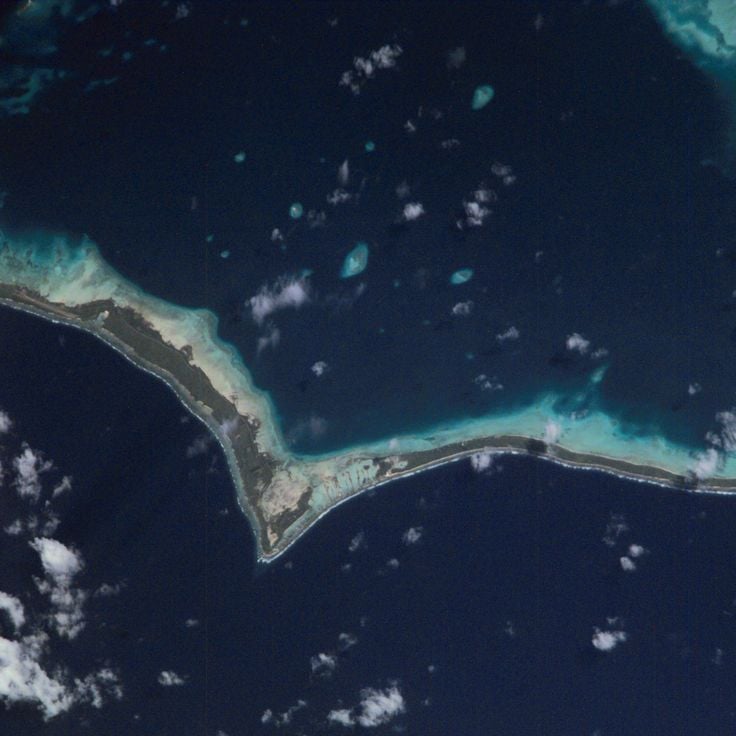
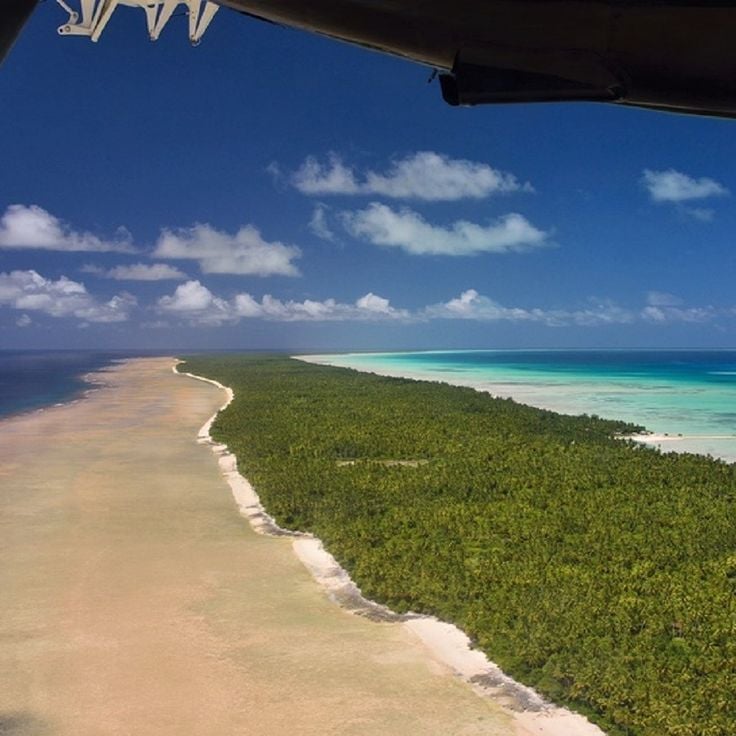
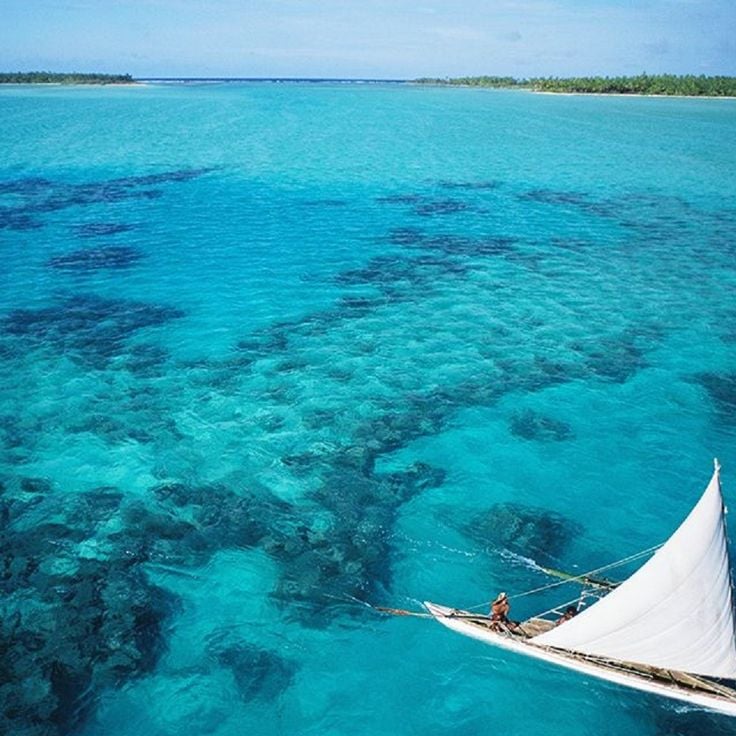
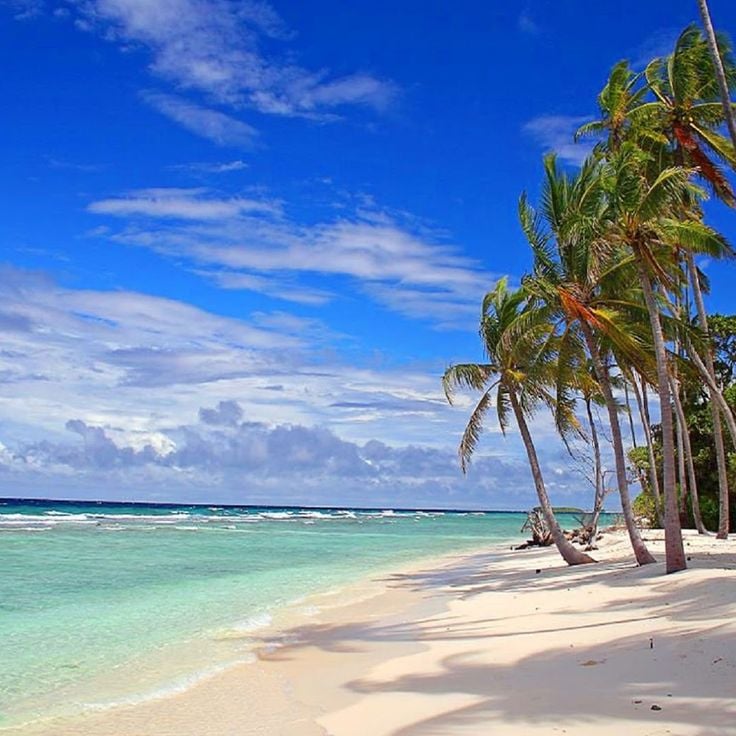
The Kiribati Islands are scattered across the Pacific Ocean, offering visitors a mix of natural beauty and history. At these islands, you will find white sand beaches, traditional fishing villages, and thriving coral reefs that support an incredible variety of marine life. Several islands still bear the marks of World War II, with old military installations, cannons, and naval battle sites from 1943 visible as reminders of the past. The Phoenix Islands Protected Area covers vast stretches of ocean and is one of the world's largest marine reserves, protecting a rich ecosystem that few people ever see.
When you visit Kiribati, you can explore islands like Tarawa Atoll, Abaiang Atoll, and Butaritari Atoll, each with its own character and story. Local communities have preserved their maritime traditions and continue fishing methods that have been passed down through generations. You can see local crafts and historical objects in cultural venues that tell the story of the Gilbert Islands and their people. Whether you are interested in snorkeling among coral gardens, walking through quiet fishing villages, or learning about the islands' role in World War II, Kiribati offers experiences that connect you to both nature and history in a remote corner of the world.
The Kiribati Islands are scattered across the Pacific Ocean, offering visitors a mix of natural beauty and history. At these islands, you will find white sand beaches, traditional fishing villages, and thriving coral reefs that support an incredible variety of marine life. Several islands still bear the marks of World War II, with old military installations, cannons, and naval battle sites from 1943 visible as reminders of the past. The Phoenix Islands Protected Area covers vast stretches of ocean and is one of the world's largest marine reserves, protecting a rich ecosystem that few people ever see.
When you visit Kiribati, you can explore islands like Tarawa Atoll, Abaiang Atoll, and Butaritari Atoll, each with its own character and story. Local communities have preserved their maritime traditions and continue fishing methods that have been passed down through generations. You can see local crafts and historical objects in cultural venues that tell the story of the Gilbert Islands and their people. Whether you are interested in snorkeling among coral gardens, walking through quiet fishing villages, or learning about the islands' role in World War II, Kiribati offers experiences that connect you to both nature and history in a remote corner of the world.
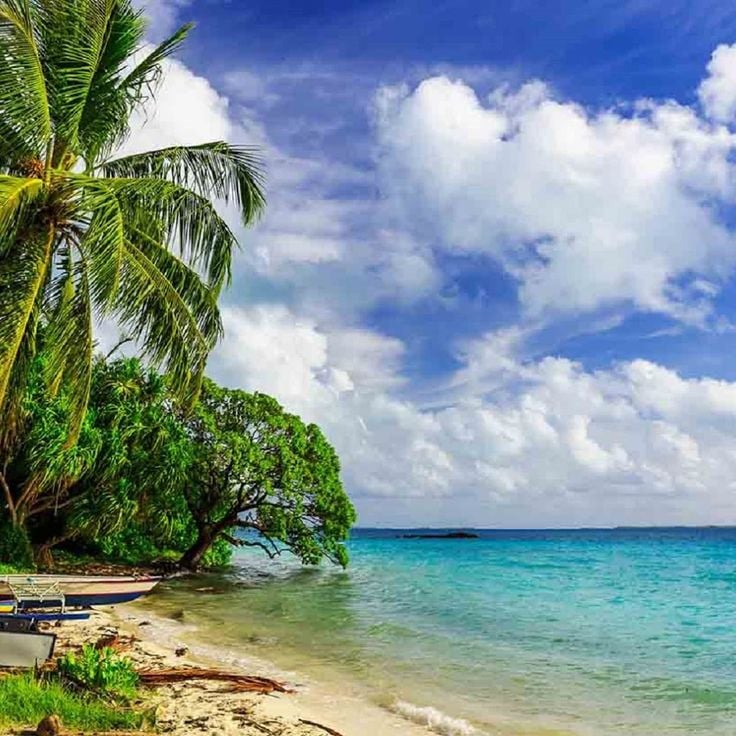
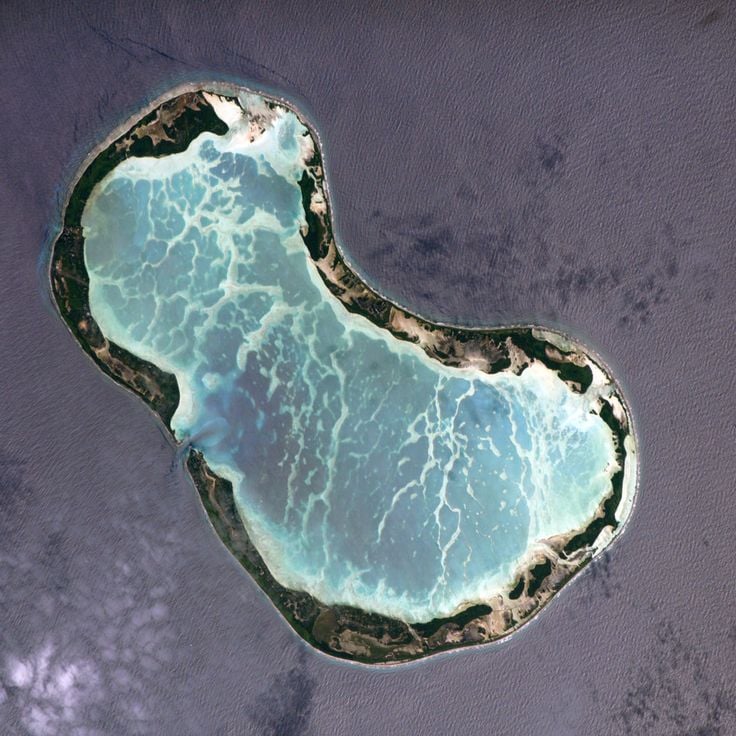
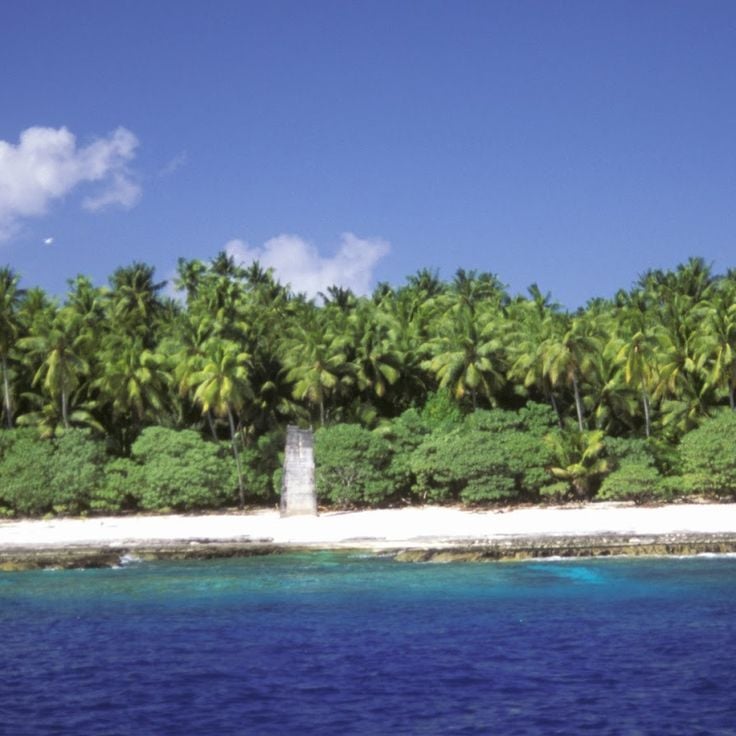
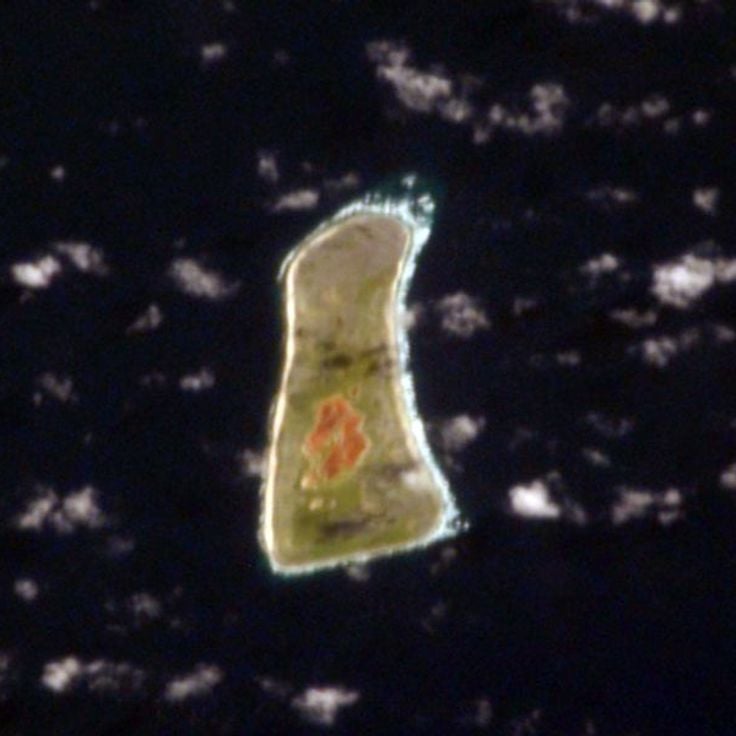
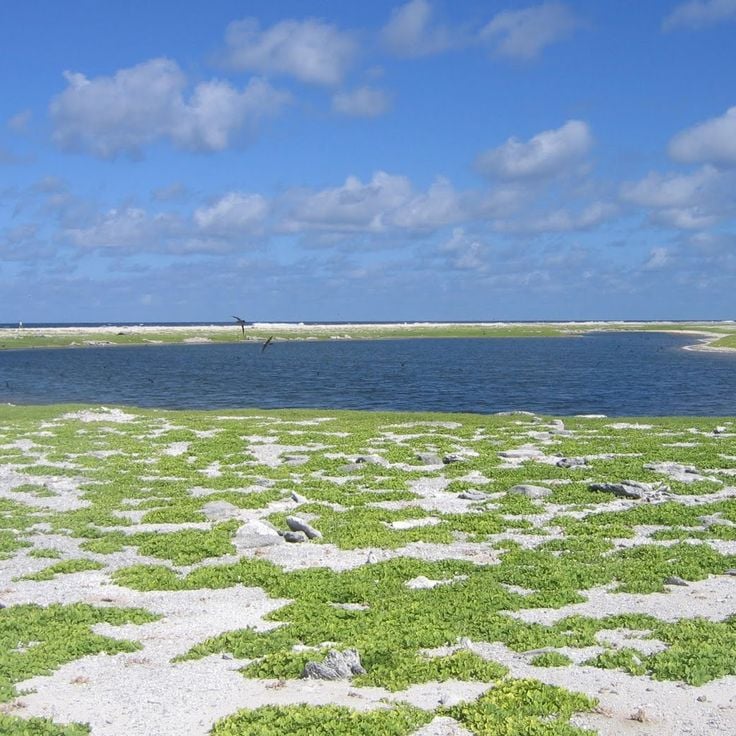
Millennium Island is a coral island in the South Pacific with no permanent residents, showing the natural beauty found throughout the Kiribati Islands. The island is surrounded by white sandy beaches where seabirds nest and breed. This remote location displays the unspoiled landscapes and rich wildlife that define the region. Visitors can explore the coastal vegetation and learn about the marine ecosystems typical of the Kiribati Islands. The island is part of a system of islands shaped by generations of fishermen and their traditional practices that continue today.
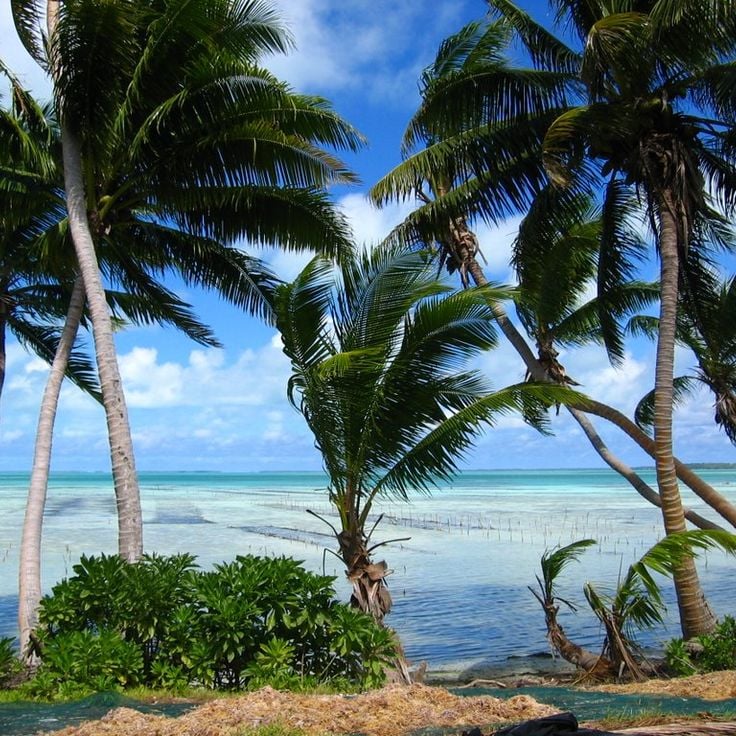
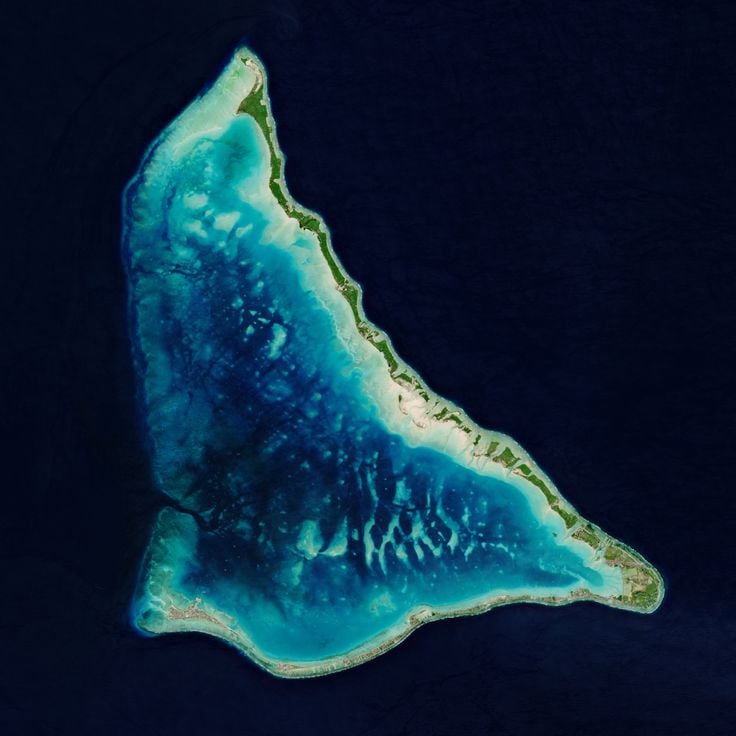
Abaiang Atoll is part of the Kiribati Islands and consists of 17 coral islets with white sand beaches and coconut trees. The villages sit along the lagoon, and locals practice traditional fishing methods passed down through generations. Here you can observe daily life in a fishing community and explore the natural beauty of the lagoon while connecting with the maritime culture of the Gilbert Islands.
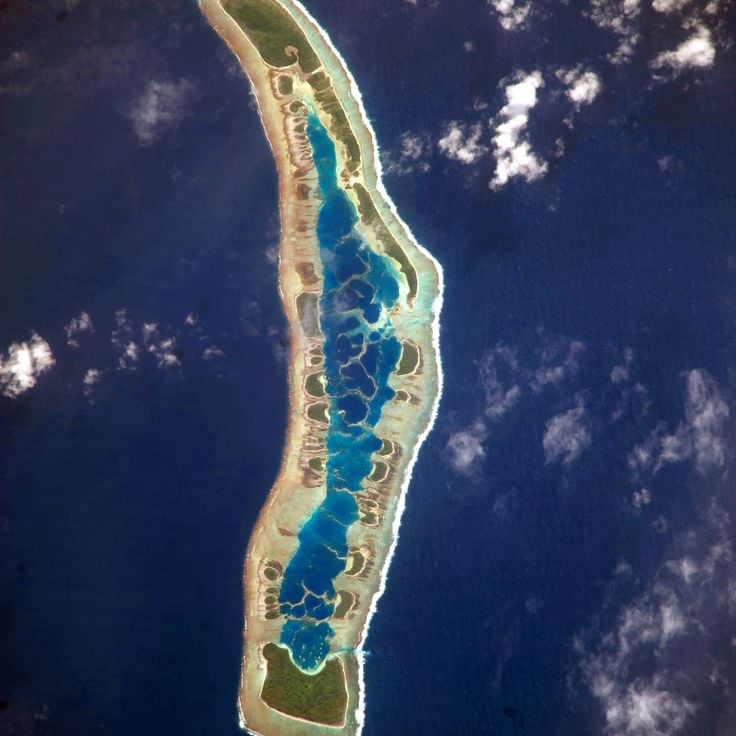
Aranuka Island in this island collection is a coral atoll with a central lagoon and wide white sandy beaches. Here, local fishermen practice traditional fishing methods in the shallow waters of the reef, reflecting the maritime traditions that have been passed down through generations across Kiribati.
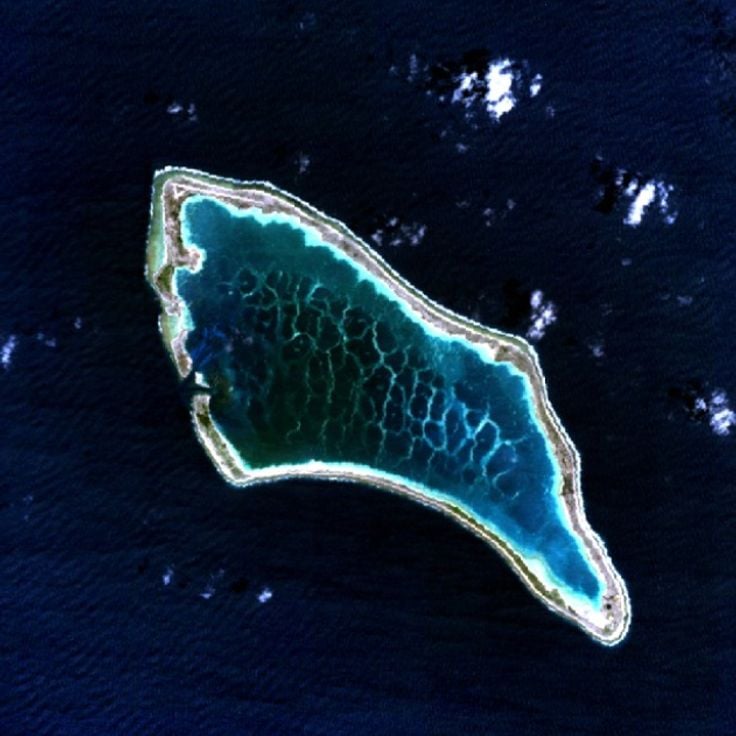
Fanning Island is a circular atoll with a central lagoon and coral reefs. As part of the top sites in Kiribati Islands, it offers visitors white sandy beaches and dense tropical vegetation. You can explore the coral reefs, walk through fishing villages, or learn about the islands' maritime traditions. Fanning Island connects you to both the natural beauty and the living culture of these remote Pacific islands.
Butaritari Atoll lies in the Gilbert Islands archipelago as part of Kiribati's islands scattered across the Pacific Ocean. The atoll is covered with coconut and pandanus trees that create a tropical landscape. The nutrient-rich soil supports taro production, a staple food for local communities. Remnants of Japanese military bunkers from World War II remain visible on the atoll, offering a window into the islands' wartime history. Visitors can walk through traditional fishing villages where residents continue fishing methods passed down through generations and explore the local way of life connected to the ocean.
Christmas Island in Kiribati is a coral atoll made up of 24 islets spread across a large area. The island is known for its colorful reefs within the lagoon, where visitors can snorkel and discover the variety of marine life. Seabird colonies nest along the beaches, giving the island special importance for bird watching. This atoll displays the natural beauty of the Kiribati Islands and offers insights into the maritime traditions of local communities.
Washington Island is an inhabited coral island in the central Pacific Ocean, located north of the Line Islands. This island shows how people live and work in this remote part of the world. On Washington Island, you will find white beaches and coconut groves that shape the island's character. The island is part of the Kiribati Islands, where traditional fishing communities have kept their way of life for generations. Here you can learn about how local residents live daily and experience the natural beauty of a true Pacific island.
Tarawa Atoll is the capital of the Kiribati Islands and a key site of Pacific War history. The atoll contains bunkers, cannons, and remains from the naval battles of 1943. Visitors can see traces of this military past and learn about the islands' role in World War II. At the same time, Tarawa Atoll offers traditional fishing villages, white sand beaches, and coral reefs that support diverse marine life. The atoll connects history and natural beauty, giving visitors the chance to experience the maritime culture and heritage of the Kiribati Islands.
Enderbury is an uninhabited coral atoll featured among Kiribati's top sites, preserving important traces of the past. The atoll displays remains of American military structures built during World War II, allowing visitors to understand the role these remote islands played in a global conflict. With its small size and visible historical structures, Enderbury offers insight into the region's military history and how the war affected these Pacific islands.
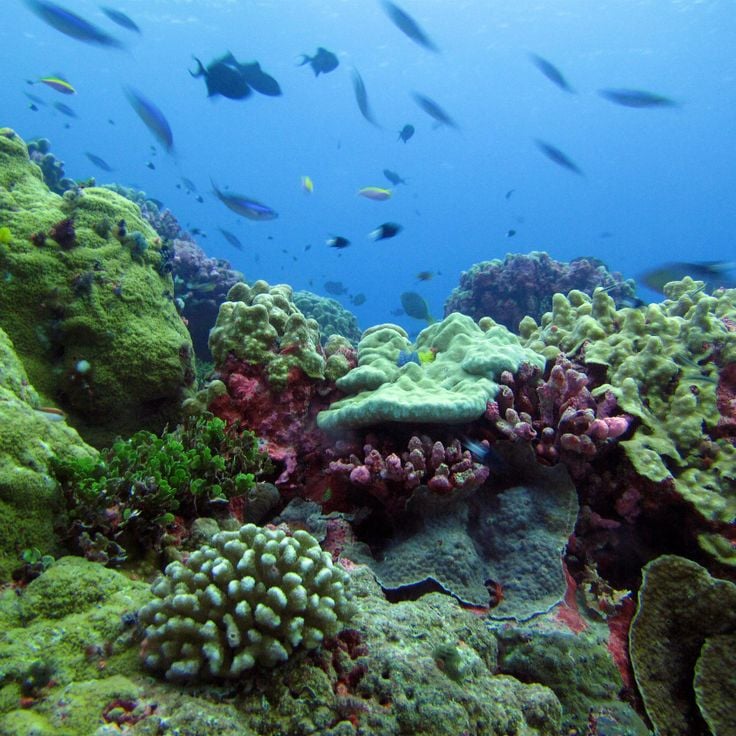
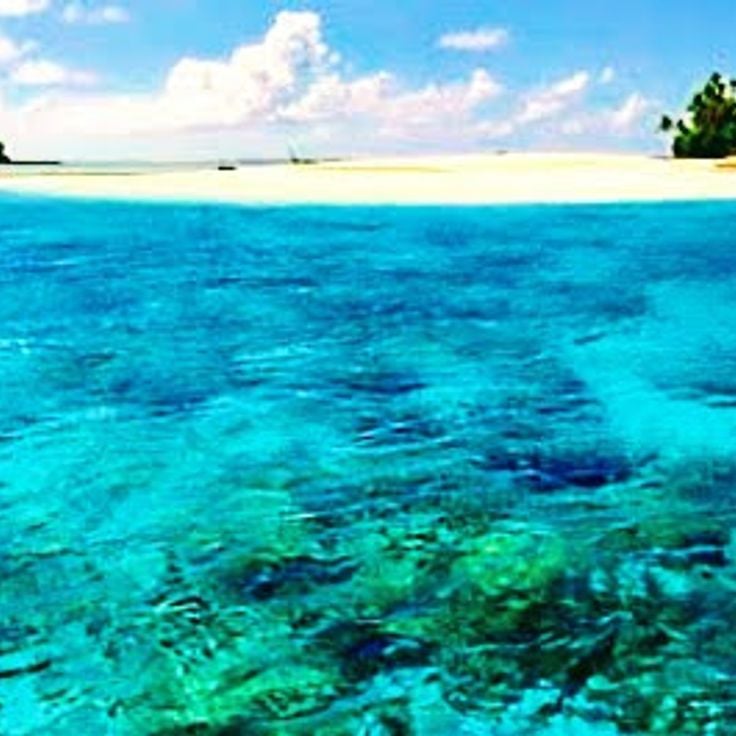
The Phoenix Islands Protected Area is one of the world's largest marine reserves, stretching across vast expanses of the Pacific Ocean. This protected area consists of eight coral atolls and two submerged reefs that together create a rich ecosystem rarely seen by visitors. The waters host numerous species of tropical fish and represent an important part of Kiribati's natural heritage. Visiting this area connects you to the underwater world and the natural history of the region.
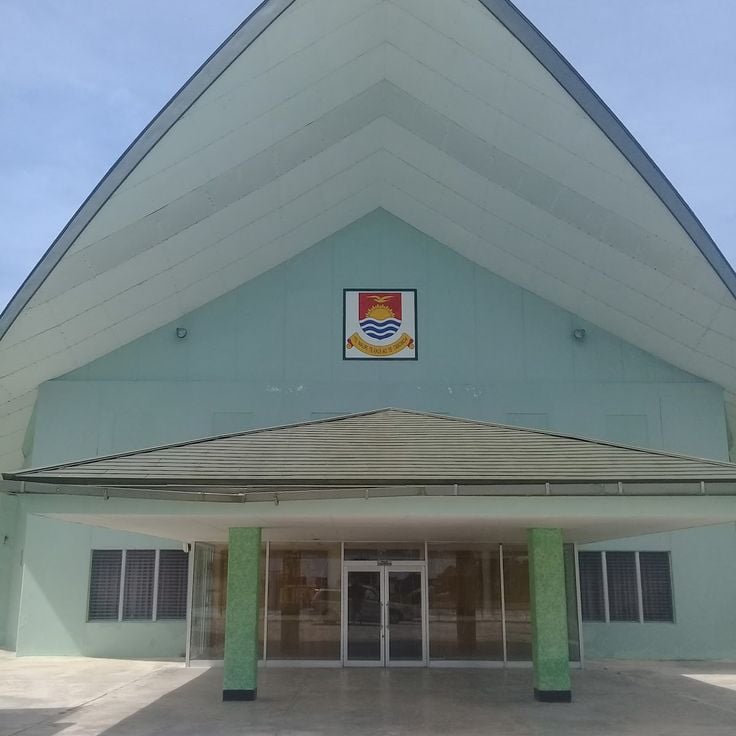
The Parliament of Kiribati in Bairiki showcases modern architecture inspired by the sail shape of outrigger canoes used in the Gilbert Islands. As the institutional center of this island nation, it embodies the self-governance of Kiribati and was inaugurated at the start of the millennium. The building blends contemporary design with cultural references to the maritime traditions that define these remote Pacific islands.
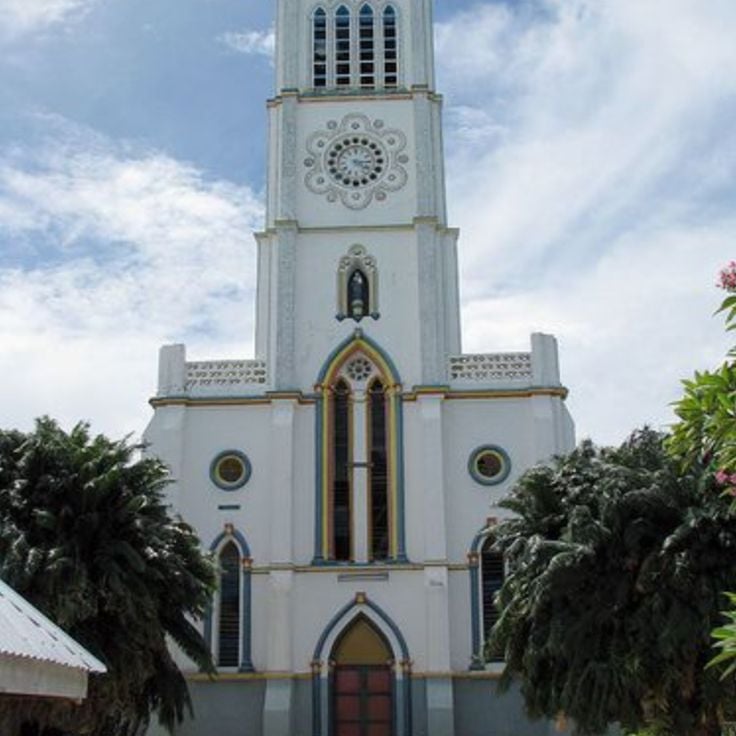
The Sacred Heart Cathedral in Tarawa is part of the top sites across the Kiribati Islands, where visitors find a blend of natural beauty and history. Built in the 1960s, this cathedral serves as the main worship site for the Catholic community and houses the administrative seat of the diocese. It stands as a spiritual center alongside the islands' maritime traditions, coral reefs, and reminders of World War II heritage.
Ambo Island in Kiribati is a coral island in the central Pacific surrounded by reefs. The island fits within Kiribati's landscape of natural beauty and traditional ways of life. Coconut palms and pandanus trees cover the land and provide shelter for the inhabitants. Here, local people practice fishing using methods that have been passed down through generations. Ambo Island shows how communities have preserved their maritime traditions and what daily life looks like on these remote Pacific islands.
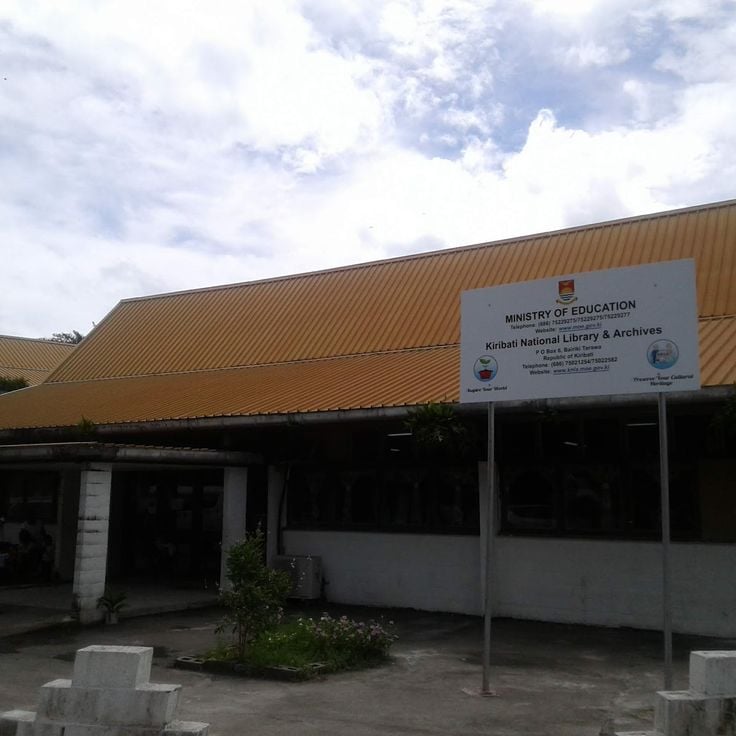
The National Library of Kiribati preserves thousands of documents, books, and official archives that tell the story of the country. It houses government publications and hosts temporary exhibitions focused on local culture and traditions. For visitors interested in learning about the islands' past and how communities have maintained their heritage through generations, this library offers a window into the history and everyday life of Kiribati's people.
Makin Island is one of the top sites in Kiribati, situated in the central Pacific Ocean. The island features a long, linear coastline and is surrounded by coral reefs that support rich marine life. Freshwater and brackish ponds dot the interior, creating a varied landscape. Like much of Kiribati, the island carries marks from World War II and offers visitors a connection to both natural environments and the region's historical past.
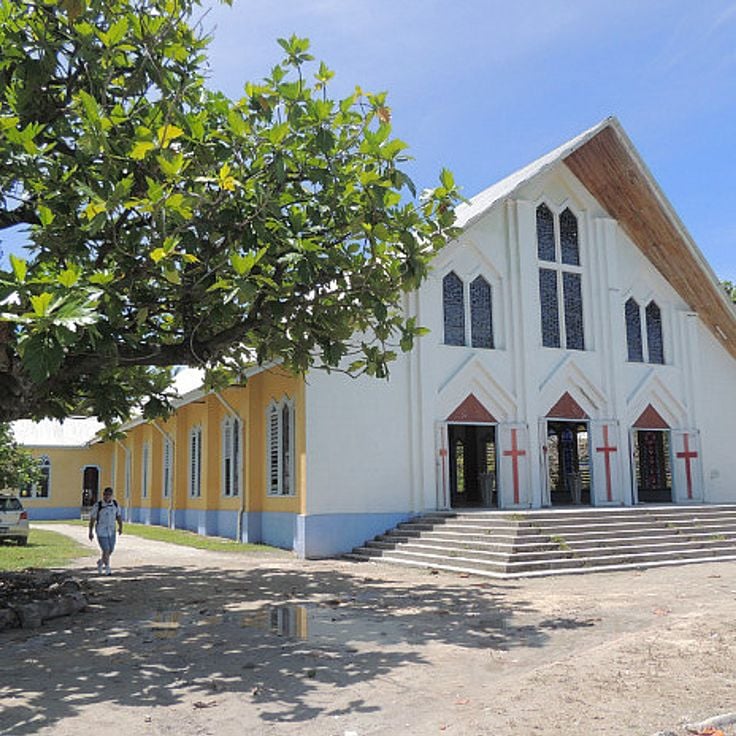
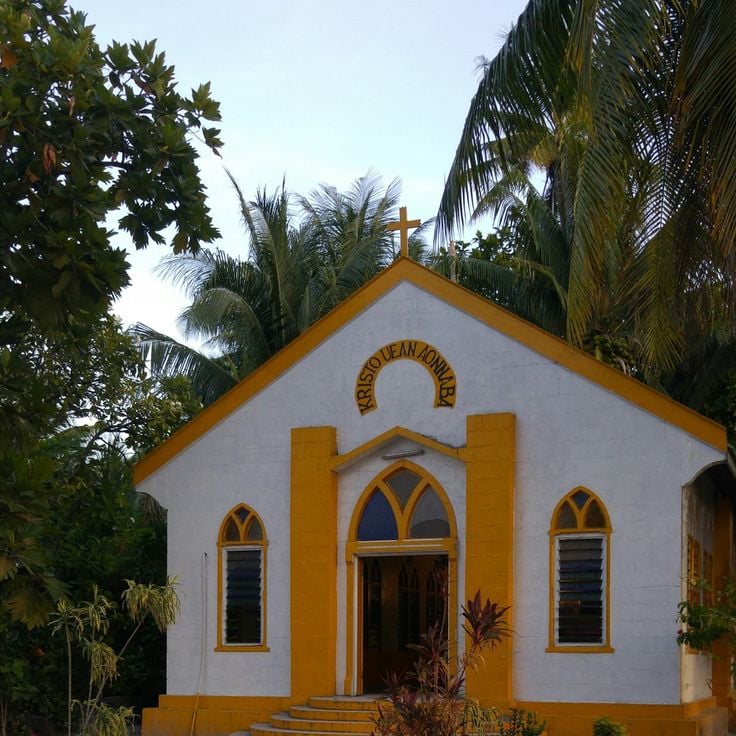
This cathedral was built in the 1990s and serves as the seat of the Diocese of Tarawa and Nauru. The central building features a large roof with open sides. It stands on the Kiribati Islands, where faith and local traditions are closely connected. The cathedral is part of the religious history of these remote island communities in the Pacific.
The Banaba Islands are a group of coral islands in Kiribati that showcase abandoned military facilities and remnants of aircraft and ships from World War II. These islands offer visitors a chance to experience history firsthand. The white sand beaches and living coral reefs display the natural beauty of this remote location. Scattered across the landscape are remnants of war equipment and structures that mark the events of 1943. Here you can explore traditional fishing villages and learn about the lives of local people who have kept their maritime traditions alive through generations. The Banaba Islands connect history and nature in one place.
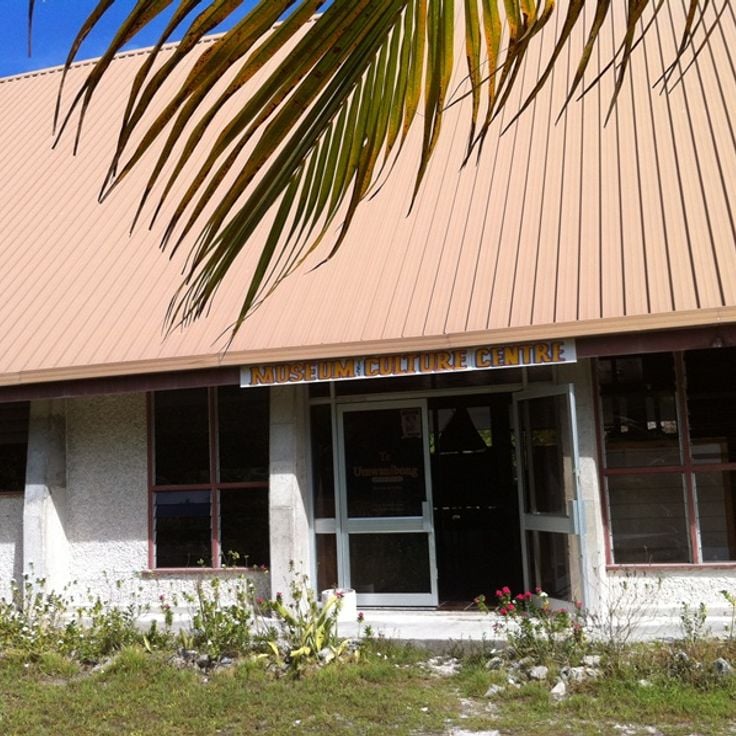
The National Museum of Kiribati holds a collection of historical artifacts, costumes, and tools that tell the story of the Gilbert Islands and their people. Permanent exhibitions cover the islands' role in World War II and the nation's path to independence. This museum helps visitors understand the maritime traditions and cultural practices that continue to shape life on these remote Pacific islands.
Banaba Island is a former phosphate mining island located west of the Gilbert Islands, part of the Kiribati Islands scattered across the Pacific Ocean. The island's small size contrasts with its significant mining history, leaving visible marks on the landscape. Limestone cliffs and coral reefs frame the coast, creating habitats for marine life. Visitors to this island discover how resource extraction shaped the land while natural features like the reefs continue to support diverse ocean ecosystems. The island offers a window into both the economic past and present natural character of the region.
Abemama Island is a coral atoll of the Gilbert Islands featured among the top sites in Kiribati Islands. The island displays the natural beauty of the region with white sand beaches bordering the lagoon and healthy coral reefs that support diverse marine life. The inhabitants of Abemama Island preserve their maritime traditions and practice traditional fishing methods and copra cultivation that have been passed down through generations. Visitors can experience daily life in an authentic fishing village, learn about traditional crafts, and connect with the rich heritage of the Gilbert Islands that has shaped the lives of island communities.
Tabiteuea Island appears in this collection as a 25-kilometer-long coral atoll in the Gilbert Islands archipelago. Villages sit scattered across several islets and are connected by natural water passages. Here you can watch local fishing practices that have been passed down through generations and experience the maritime traditions that define life in Kiribati.
Maiana Island is a coral island in the central Pacific Ocean, located 44 kilometers south of Tarawa. As part of Kiribati's top sites, this island shows the mix of natural beauty and traditional life that defines the region. The inhabitants mainly earn their living from fishing and copra cultivation. The waters here are clear and surrounded by coral reefs that provide a habitat for many marine creatures. You can observe everyday life in a fishing village where generations-old craftsmanship and fishing traditions continue to thrive.
Canton Island is a coral atoll in the central Pacific that stands as one of the top sites in the Kiribati Islands. The island features an abandoned airstrip and a former maritime port that mark its historical importance. Today you can walk through the village of Kanton and see how the local community lives, working with traditional fishing methods passed down through generations. The island offers a glimpse into how people adapt and thrive in this remote corner of the world.
Bikenibeu is an exhibition center in these islands that showcases traditional maritime techniques, cultural dances, local crafts, and the daily life of communities across the archipelago. The center offers insight into the fishing methods and handcrafts that have been passed down through generations and continue to define life on these remote islands.
Millennium Island is a coral island in the South Pacific with no permanent residents, showing the natural beauty found throughout the Kiribati Islands. The island is surrounded by white sandy beaches where seabirds nest and breed. This remote location displays the unspoiled landscapes and rich wildlife that define the region. Visitors can explore the coastal vegetation and learn about the marine ecosystems typical of the Kiribati Islands. The island is part of a system of islands shaped by generations of fishermen and their traditional practices that continue today.
Abaiang Atoll is part of the Kiribati Islands and consists of 17 coral islets with white sand beaches and coconut trees. The villages sit along the lagoon, and locals practice traditional fishing methods passed down through generations. Here you can observe daily life in a fishing community and explore the natural beauty of the lagoon while connecting with the maritime culture of the Gilbert Islands.
Aranuka Island in this island collection is a coral atoll with a central lagoon and wide white sandy beaches. Here, local fishermen practice traditional fishing methods in the shallow waters of the reef, reflecting the maritime traditions that have been passed down through generations across Kiribati.
Fanning Island is a circular atoll with a central lagoon and coral reefs. As part of the top sites in Kiribati Islands, it offers visitors white sandy beaches and dense tropical vegetation. You can explore the coral reefs, walk through fishing villages, or learn about the islands' maritime traditions. Fanning Island connects you to both the natural beauty and the living culture of these remote Pacific islands.
Butaritari Atoll lies in the Gilbert Islands archipelago as part of Kiribati's islands scattered across the Pacific Ocean. The atoll is covered with coconut and pandanus trees that create a tropical landscape. The nutrient-rich soil supports taro production, a staple food for local communities. Remnants of Japanese military bunkers from World War II remain visible on the atoll, offering a window into the islands' wartime history. Visitors can walk through traditional fishing villages where residents continue fishing methods passed down through generations and explore the local way of life connected to the ocean.
Christmas Island in Kiribati is a coral atoll made up of 24 islets spread across a large area. The island is known for its colorful reefs within the lagoon, where visitors can snorkel and discover the variety of marine life. Seabird colonies nest along the beaches, giving the island special importance for bird watching. This atoll displays the natural beauty of the Kiribati Islands and offers insights into the maritime traditions of local communities.
Washington Island is an inhabited coral island in the central Pacific Ocean, located north of the Line Islands. This island shows how people live and work in this remote part of the world. On Washington Island, you will find white beaches and coconut groves that shape the island's character. The island is part of the Kiribati Islands, where traditional fishing communities have kept their way of life for generations. Here you can learn about how local residents live daily and experience the natural beauty of a true Pacific island.
Tarawa Atoll is the capital of the Kiribati Islands and a key site of Pacific War history. The atoll contains bunkers, cannons, and remains from the naval battles of 1943. Visitors can see traces of this military past and learn about the islands' role in World War II. At the same time, Tarawa Atoll offers traditional fishing villages, white sand beaches, and coral reefs that support diverse marine life. The atoll connects history and natural beauty, giving visitors the chance to experience the maritime culture and heritage of the Kiribati Islands.
Enderbury is an uninhabited coral atoll featured among Kiribati's top sites, preserving important traces of the past. The atoll displays remains of American military structures built during World War II, allowing visitors to understand the role these remote islands played in a global conflict. With its small size and visible historical structures, Enderbury offers insight into the region's military history and how the war affected these Pacific islands.
The Phoenix Islands Protected Area is one of the world's largest marine reserves, stretching across vast expanses of the Pacific Ocean. This protected area consists of eight coral atolls and two submerged reefs that together create a rich ecosystem rarely seen by visitors. The waters host numerous species of tropical fish and represent an important part of Kiribati's natural heritage. Visiting this area connects you to the underwater world and the natural history of the region.
The Parliament of Kiribati in Bairiki showcases modern architecture inspired by the sail shape of outrigger canoes used in the Gilbert Islands. As the institutional center of this island nation, it embodies the self-governance of Kiribati and was inaugurated at the start of the millennium. The building blends contemporary design with cultural references to the maritime traditions that define these remote Pacific islands.
The Sacred Heart Cathedral in Tarawa is part of the top sites across the Kiribati Islands, where visitors find a blend of natural beauty and history. Built in the 1960s, this cathedral serves as the main worship site for the Catholic community and houses the administrative seat of the diocese. It stands as a spiritual center alongside the islands' maritime traditions, coral reefs, and reminders of World War II heritage.
Ambo Island in Kiribati is a coral island in the central Pacific surrounded by reefs. The island fits within Kiribati's landscape of natural beauty and traditional ways of life. Coconut palms and pandanus trees cover the land and provide shelter for the inhabitants. Here, local people practice fishing using methods that have been passed down through generations. Ambo Island shows how communities have preserved their maritime traditions and what daily life looks like on these remote Pacific islands.
The National Library of Kiribati preserves thousands of documents, books, and official archives that tell the story of the country. It houses government publications and hosts temporary exhibitions focused on local culture and traditions. For visitors interested in learning about the islands' past and how communities have maintained their heritage through generations, this library offers a window into the history and everyday life of Kiribati's people.
Makin Island is one of the top sites in Kiribati, situated in the central Pacific Ocean. The island features a long, linear coastline and is surrounded by coral reefs that support rich marine life. Freshwater and brackish ponds dot the interior, creating a varied landscape. Like much of Kiribati, the island carries marks from World War II and offers visitors a connection to both natural environments and the region's historical past.
This cathedral was built in the 1990s and serves as the seat of the Diocese of Tarawa and Nauru. The central building features a large roof with open sides. It stands on the Kiribati Islands, where faith and local traditions are closely connected. The cathedral is part of the religious history of these remote island communities in the Pacific.
The Banaba Islands are a group of coral islands in Kiribati that showcase abandoned military facilities and remnants of aircraft and ships from World War II. These islands offer visitors a chance to experience history firsthand. The white sand beaches and living coral reefs display the natural beauty of this remote location. Scattered across the landscape are remnants of war equipment and structures that mark the events of 1943. Here you can explore traditional fishing villages and learn about the lives of local people who have kept their maritime traditions alive through generations. The Banaba Islands connect history and nature in one place.
The National Museum of Kiribati holds a collection of historical artifacts, costumes, and tools that tell the story of the Gilbert Islands and their people. Permanent exhibitions cover the islands' role in World War II and the nation's path to independence. This museum helps visitors understand the maritime traditions and cultural practices that continue to shape life on these remote Pacific islands.
Banaba Island is a former phosphate mining island located west of the Gilbert Islands, part of the Kiribati Islands scattered across the Pacific Ocean. The island's small size contrasts with its significant mining history, leaving visible marks on the landscape. Limestone cliffs and coral reefs frame the coast, creating habitats for marine life. Visitors to this island discover how resource extraction shaped the land while natural features like the reefs continue to support diverse ocean ecosystems. The island offers a window into both the economic past and present natural character of the region.
Abemama Island is a coral atoll of the Gilbert Islands featured among the top sites in Kiribati Islands. The island displays the natural beauty of the region with white sand beaches bordering the lagoon and healthy coral reefs that support diverse marine life. The inhabitants of Abemama Island preserve their maritime traditions and practice traditional fishing methods and copra cultivation that have been passed down through generations. Visitors can experience daily life in an authentic fishing village, learn about traditional crafts, and connect with the rich heritage of the Gilbert Islands that has shaped the lives of island communities.
Tabiteuea Island appears in this collection as a 25-kilometer-long coral atoll in the Gilbert Islands archipelago. Villages sit scattered across several islets and are connected by natural water passages. Here you can watch local fishing practices that have been passed down through generations and experience the maritime traditions that define life in Kiribati.
Maiana Island is a coral island in the central Pacific Ocean, located 44 kilometers south of Tarawa. As part of Kiribati's top sites, this island shows the mix of natural beauty and traditional life that defines the region. The inhabitants mainly earn their living from fishing and copra cultivation. The waters here are clear and surrounded by coral reefs that provide a habitat for many marine creatures. You can observe everyday life in a fishing village where generations-old craftsmanship and fishing traditions continue to thrive.
Canton Island is a coral atoll in the central Pacific that stands as one of the top sites in the Kiribati Islands. The island features an abandoned airstrip and a former maritime port that mark its historical importance. Today you can walk through the village of Kanton and see how the local community lives, working with traditional fishing methods passed down through generations. The island offers a glimpse into how people adapt and thrive in this remote corner of the world.
Bikenibeu is an exhibition center in these islands that showcases traditional maritime techniques, cultural dances, local crafts, and the daily life of communities across the archipelago. The center offers insight into the fishing methods and handcrafts that have been passed down through generations and continue to define life on these remote islands.
Millennium Island is a coral island in the South Pacific with no permanent residents, showing the natural beauty found throughout the Kiribati Islands. The island is surrounded by white sandy beaches where seabirds nest and breed. This remote location displays the unspoiled landscapes and rich wildlife that define the region. Visitors can explore the coastal vegetation and learn about the marine ecosystems typical of the Kiribati Islands. The island is part of a system of islands shaped by generations of fishermen and their traditional practices that continue today.
Abaiang Atoll is part of the Kiribati Islands and consists of 17 coral islets with white sand beaches and coconut trees. The villages sit along the lagoon, and locals practice traditional fishing methods passed down through generations. Here you can observe daily life in a fishing community and explore the natural beauty of the lagoon while connecting with the maritime culture of the Gilbert Islands.
Aranuka Island in this island collection is a coral atoll with a central lagoon and wide white sandy beaches. Here, local fishermen practice traditional fishing methods in the shallow waters of the reef, reflecting the maritime traditions that have been passed down through generations across Kiribati.
Fanning Island is a circular atoll with a central lagoon and coral reefs. As part of the top sites in Kiribati Islands, it offers visitors white sandy beaches and dense tropical vegetation. You can explore the coral reefs, walk through fishing villages, or learn about the islands' maritime traditions. Fanning Island connects you to both the natural beauty and the living culture of these remote Pacific islands.
Butaritari Atoll lies in the Gilbert Islands archipelago as part of Kiribati's islands scattered across the Pacific Ocean. The atoll is covered with coconut and pandanus trees that create a tropical landscape. The nutrient-rich soil supports taro production, a staple food for local communities. Remnants of Japanese military bunkers from World War II remain visible on the atoll, offering a window into the islands' wartime history. Visitors can walk through traditional fishing villages where residents continue fishing methods passed down through generations and explore the local way of life connected to the ocean.
Christmas Island in Kiribati is a coral atoll made up of 24 islets spread across a large area. The island is known for its colorful reefs within the lagoon, where visitors can snorkel and discover the variety of marine life. Seabird colonies nest along the beaches, giving the island special importance for bird watching. This atoll displays the natural beauty of the Kiribati Islands and offers insights into the maritime traditions of local communities.
Washington Island is an inhabited coral island in the central Pacific Ocean, located north of the Line Islands. This island shows how people live and work in this remote part of the world. On Washington Island, you will find white beaches and coconut groves that shape the island's character. The island is part of the Kiribati Islands, where traditional fishing communities have kept their way of life for generations. Here you can learn about how local residents live daily and experience the natural beauty of a true Pacific island.
Tarawa Atoll is the capital of the Kiribati Islands and a key site of Pacific War history. The atoll contains bunkers, cannons, and remains from the naval battles of 1943. Visitors can see traces of this military past and learn about the islands' role in World War II. At the same time, Tarawa Atoll offers traditional fishing villages, white sand beaches, and coral reefs that support diverse marine life. The atoll connects history and natural beauty, giving visitors the chance to experience the maritime culture and heritage of the Kiribati Islands.
Enderbury is an uninhabited coral atoll featured among Kiribati's top sites, preserving important traces of the past. The atoll displays remains of American military structures built during World War II, allowing visitors to understand the role these remote islands played in a global conflict. With its small size and visible historical structures, Enderbury offers insight into the region's military history and how the war affected these Pacific islands.
The Phoenix Islands Protected Area is one of the world's largest marine reserves, stretching across vast expanses of the Pacific Ocean. This protected area consists of eight coral atolls and two submerged reefs that together create a rich ecosystem rarely seen by visitors. The waters host numerous species of tropical fish and represent an important part of Kiribati's natural heritage. Visiting this area connects you to the underwater world and the natural history of the region.
The Parliament of Kiribati in Bairiki showcases modern architecture inspired by the sail shape of outrigger canoes used in the Gilbert Islands. As the institutional center of this island nation, it embodies the self-governance of Kiribati and was inaugurated at the start of the millennium. The building blends contemporary design with cultural references to the maritime traditions that define these remote Pacific islands.
The Sacred Heart Cathedral in Tarawa is part of the top sites across the Kiribati Islands, where visitors find a blend of natural beauty and history. Built in the 1960s, this cathedral serves as the main worship site for the Catholic community and houses the administrative seat of the diocese. It stands as a spiritual center alongside the islands' maritime traditions, coral reefs, and reminders of World War II heritage.
Ambo Island in Kiribati is a coral island in the central Pacific surrounded by reefs. The island fits within Kiribati's landscape of natural beauty and traditional ways of life. Coconut palms and pandanus trees cover the land and provide shelter for the inhabitants. Here, local people practice fishing using methods that have been passed down through generations. Ambo Island shows how communities have preserved their maritime traditions and what daily life looks like on these remote Pacific islands.
The National Library of Kiribati preserves thousands of documents, books, and official archives that tell the story of the country. It houses government publications and hosts temporary exhibitions focused on local culture and traditions. For visitors interested in learning about the islands' past and how communities have maintained their heritage through generations, this library offers a window into the history and everyday life of Kiribati's people.
Makin Island is one of the top sites in Kiribati, situated in the central Pacific Ocean. The island features a long, linear coastline and is surrounded by coral reefs that support rich marine life. Freshwater and brackish ponds dot the interior, creating a varied landscape. Like much of Kiribati, the island carries marks from World War II and offers visitors a connection to both natural environments and the region's historical past.
This cathedral was built in the 1990s and serves as the seat of the Diocese of Tarawa and Nauru. The central building features a large roof with open sides. It stands on the Kiribati Islands, where faith and local traditions are closely connected. The cathedral is part of the religious history of these remote island communities in the Pacific.
The Banaba Islands are a group of coral islands in Kiribati that showcase abandoned military facilities and remnants of aircraft and ships from World War II. These islands offer visitors a chance to experience history firsthand. The white sand beaches and living coral reefs display the natural beauty of this remote location. Scattered across the landscape are remnants of war equipment and structures that mark the events of 1943. Here you can explore traditional fishing villages and learn about the lives of local people who have kept their maritime traditions alive through generations. The Banaba Islands connect history and nature in one place.
The National Museum of Kiribati holds a collection of historical artifacts, costumes, and tools that tell the story of the Gilbert Islands and their people. Permanent exhibitions cover the islands' role in World War II and the nation's path to independence. This museum helps visitors understand the maritime traditions and cultural practices that continue to shape life on these remote Pacific islands.
Banaba Island is a former phosphate mining island located west of the Gilbert Islands, part of the Kiribati Islands scattered across the Pacific Ocean. The island's small size contrasts with its significant mining history, leaving visible marks on the landscape. Limestone cliffs and coral reefs frame the coast, creating habitats for marine life. Visitors to this island discover how resource extraction shaped the land while natural features like the reefs continue to support diverse ocean ecosystems. The island offers a window into both the economic past and present natural character of the region.
Abemama Island is a coral atoll of the Gilbert Islands featured among the top sites in Kiribati Islands. The island displays the natural beauty of the region with white sand beaches bordering the lagoon and healthy coral reefs that support diverse marine life. The inhabitants of Abemama Island preserve their maritime traditions and practice traditional fishing methods and copra cultivation that have been passed down through generations. Visitors can experience daily life in an authentic fishing village, learn about traditional crafts, and connect with the rich heritage of the Gilbert Islands that has shaped the lives of island communities.
Tabiteuea Island appears in this collection as a 25-kilometer-long coral atoll in the Gilbert Islands archipelago. Villages sit scattered across several islets and are connected by natural water passages. Here you can watch local fishing practices that have been passed down through generations and experience the maritime traditions that define life in Kiribati.
Maiana Island is a coral island in the central Pacific Ocean, located 44 kilometers south of Tarawa. As part of Kiribati's top sites, this island shows the mix of natural beauty and traditional life that defines the region. The inhabitants mainly earn their living from fishing and copra cultivation. The waters here are clear and surrounded by coral reefs that provide a habitat for many marine creatures. You can observe everyday life in a fishing village where generations-old craftsmanship and fishing traditions continue to thrive.
Canton Island is a coral atoll in the central Pacific that stands as one of the top sites in the Kiribati Islands. The island features an abandoned airstrip and a former maritime port that mark its historical importance. Today you can walk through the village of Kanton and see how the local community lives, working with traditional fishing methods passed down through generations. The island offers a glimpse into how people adapt and thrive in this remote corner of the world.
Bikenibeu is an exhibition center in these islands that showcases traditional maritime techniques, cultural dances, local crafts, and the daily life of communities across the archipelago. The center offers insight into the fishing methods and handcrafts that have been passed down through generations and continue to define life on these remote islands.