See the monuments around you in AROpen chests in the app
Around Us is built for your phone — point your camera at the streets and discover the monuments and places around you in augmented reality.Around Us is built for your phone — chests unlock when you walk, explore and capture nearby places.
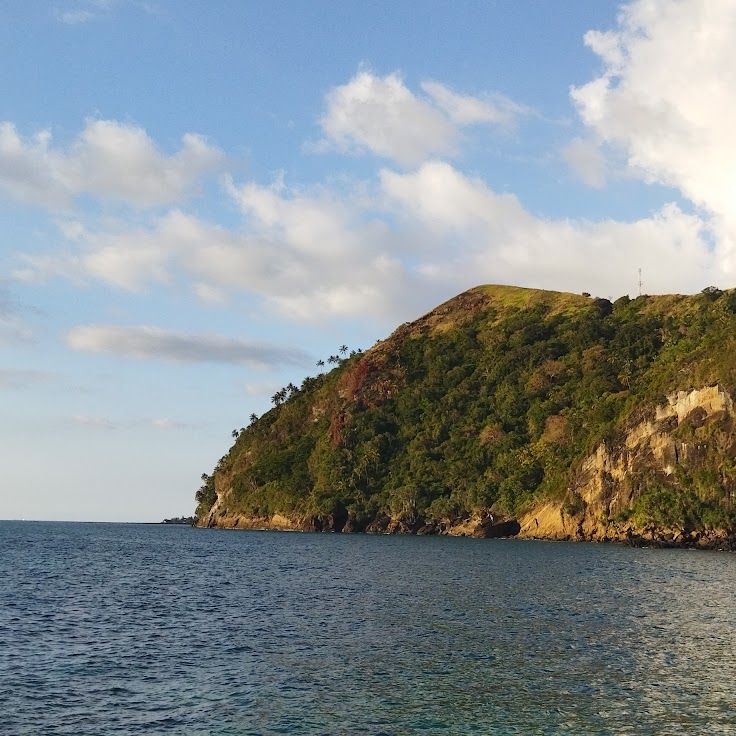
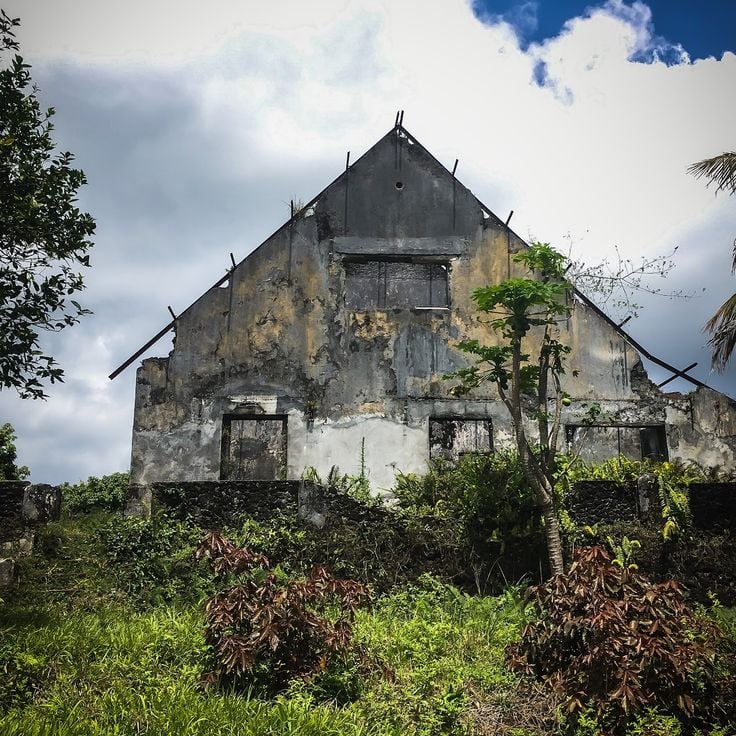
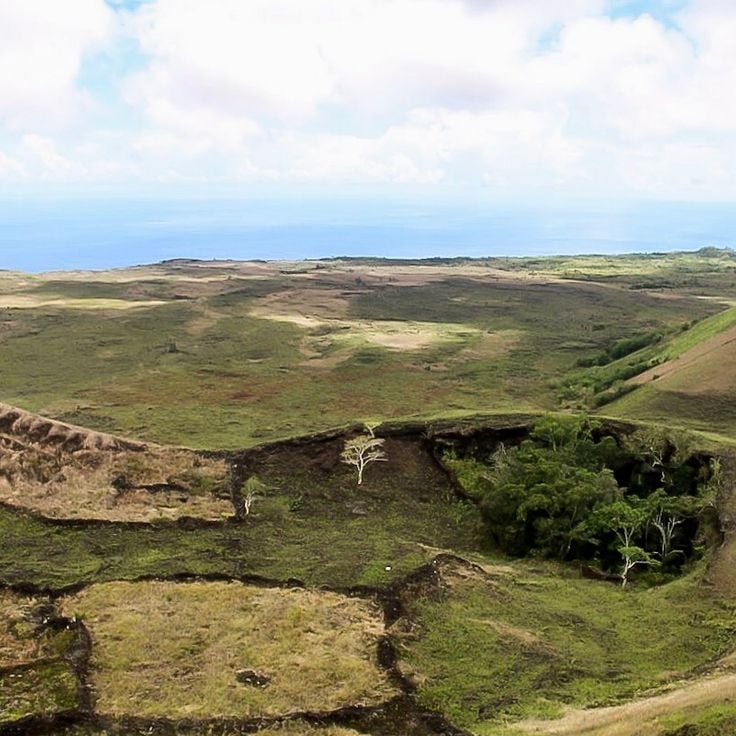
The Comoros archipelago offers a rich mix of natural wonders and cultural sites scattered across its islands. This collection brings together the places that give these islands their character: sandy beaches where the ocean stretches endlessly, mountains that rise from the landscape, sacred religious buildings that anchor communities, and museums that hold the islands' stories. Whether you come for the raw beauty of the volcanic peaks or to understand the history and faith that shape daily life here, these destinations show what makes Comoros a place worth exploring.
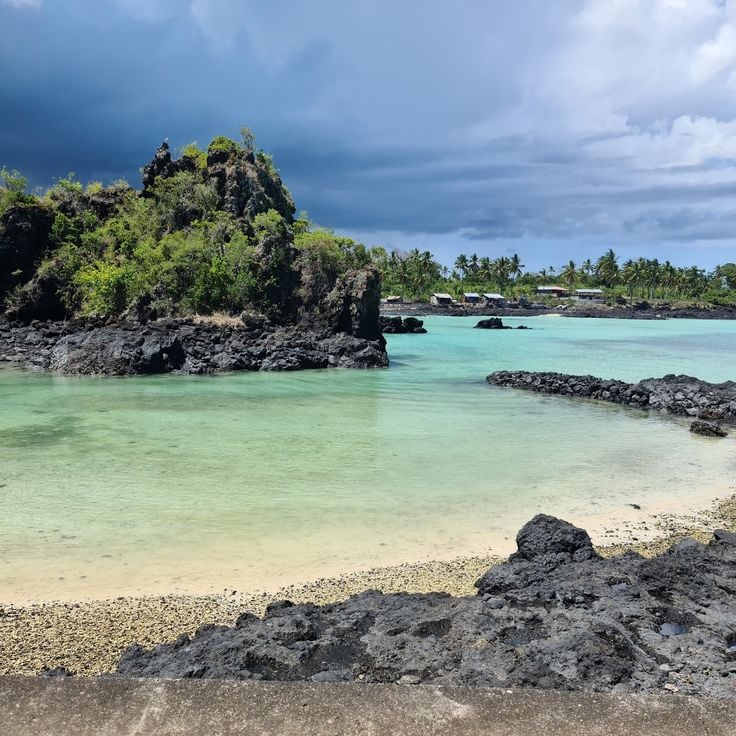
You will find beaches that invite you to walk along the water, from the quiet shores of Moya to the popular stretches at Chomoni, where locals gather and the rhythm of island life unfolds. The islands also hold natural features that attract visitors seeking something different: underground pools, salt lakes, and volcanic mountains that have shaped the land for centuries. Mount Karthala dominates the largest island with its presence, while smaller peaks like Mount Ntingui offer their own rewards to those who dare to climb them.
Cultural landmarks tell the story of the people who live here. The Great Friday Mosque in the capital stands as a center of faith and community, while the Sultan's Palace recalls the islands' royal history. The National Museum preserves artifacts and objects that help explain how people have lived here over time. Beyond these major sites, Mohéli Marine Park protects the waters and wildlife that surround the islands, offering a glimpse into the natural systems that sustain this region. Together, these places create a portrait of an archipelago where nature and human culture remain deeply connected.
The Comoros archipelago offers a rich mix of natural wonders and cultural sites scattered across its islands. This collection brings together the places that give these islands their character: sandy beaches where the ocean stretches endlessly, mountains that rise from the landscape, sacred religious buildings that anchor communities, and museums that hold the islands' stories. Whether you come for the raw beauty of the volcanic peaks or to understand the history and faith that shape daily life here, these destinations show what makes Comoros a place worth exploring.
You will find beaches that invite you to walk along the water, from the quiet shores of Moya to the popular stretches at Chomoni, where locals gather and the rhythm of island life unfolds. The islands also hold natural features that attract visitors seeking something different: underground pools, salt lakes, and volcanic mountains that have shaped the land for centuries. Mount Karthala dominates the largest island with its presence, while smaller peaks like Mount Ntingui offer their own rewards to those who dare to climb them.
Cultural landmarks tell the story of the people who live here. The Great Friday Mosque in the capital stands as a center of faith and community, while the Sultan's Palace recalls the islands' royal history. The National Museum preserves artifacts and objects that help explain how people have lived here over time. Beyond these major sites, Mohéli Marine Park protects the waters and wildlife that surround the islands, offering a glimpse into the natural systems that sustain this region. Together, these places create a portrait of an archipelago where nature and human culture remain deeply connected.
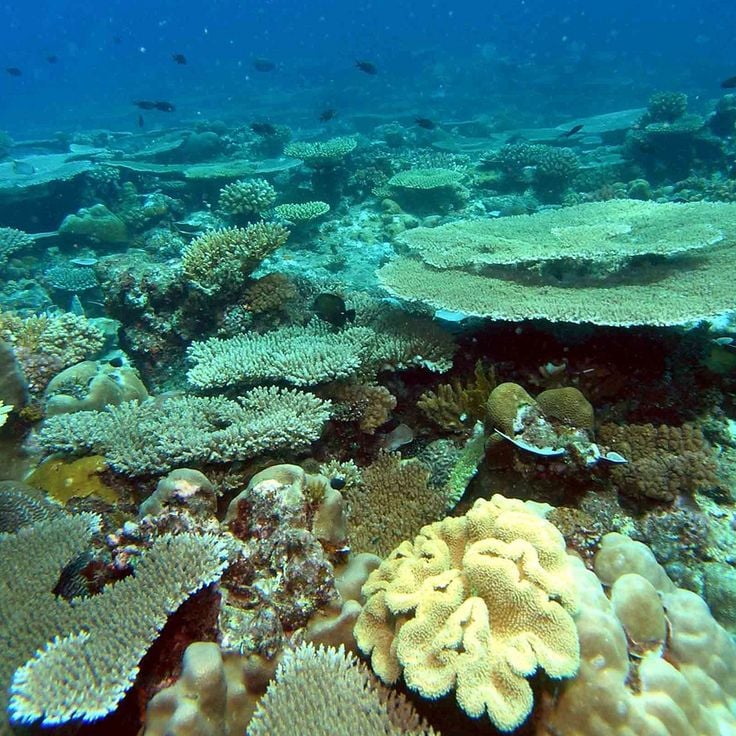
Mohéli Marine Park is a protected water reserve established in 2001 that safeguards the marine life surrounding this island. The park shelters coral reefs, sea turtles, and dolphins that depend on these waters to survive. It offers visitors a chance to witness the natural systems that sustain the region and understand the connection between the ocean and island life. This park represents how the Comoros archipelago works to preserve the waters and wildlife that have shaped its landscape and communities for generations.
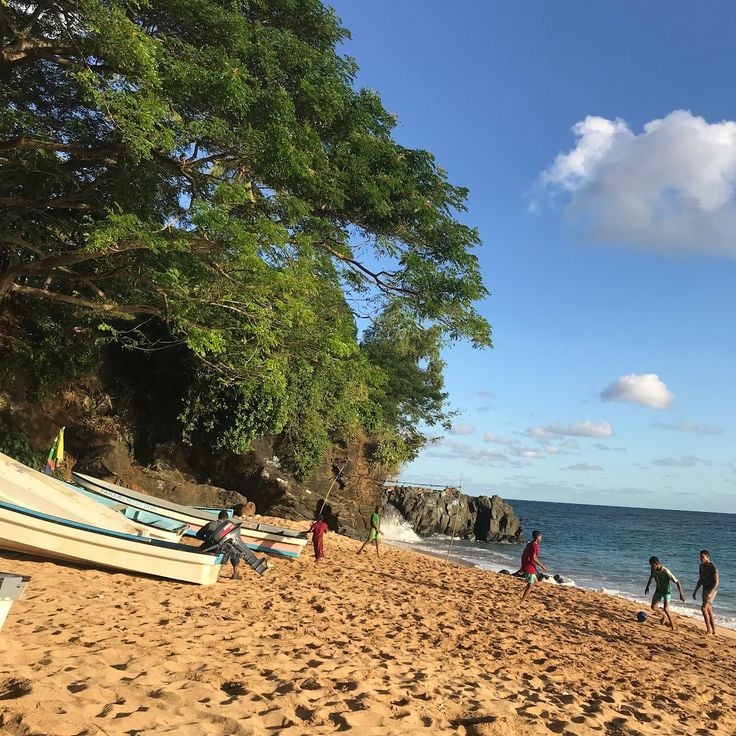
Chomoni Beach is part of Comoros' natural and cultural sites and features a black sand beach ringed by palm and banana trees. The waters here are suited for swimming and diving, making this one of the popular stretches where locals gather and the rhythm of island life unfolds.
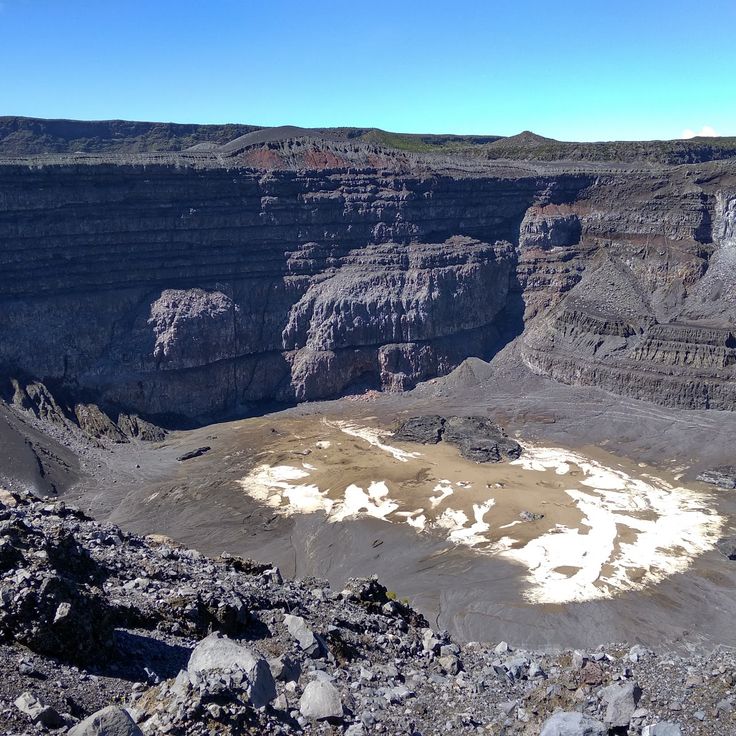
Mount Karthala is an active volcano that rises above Grande Comore island, dominating the landscape at 2361 meters in height. Its crater measures 3 kilometers in diameter and contains fumaroles that show the mountain still has life and energy. This mountain is a landmark that shapes the geological story of Comoros, attracting visitors who want to experience the raw power of nature. Its presence influences daily life on the island and reminds people of the volcanic forces beneath their feet.
Trou du Prophète is a coastal geological formation with a natural cavity in volcanic rock where waves create marine geysers. This feature shows the volcanic history of Grande Comore island and offers a place to experience the ocean's power directly. It is an example of the raw natural forces that have shaped the landscape of this archipelago.
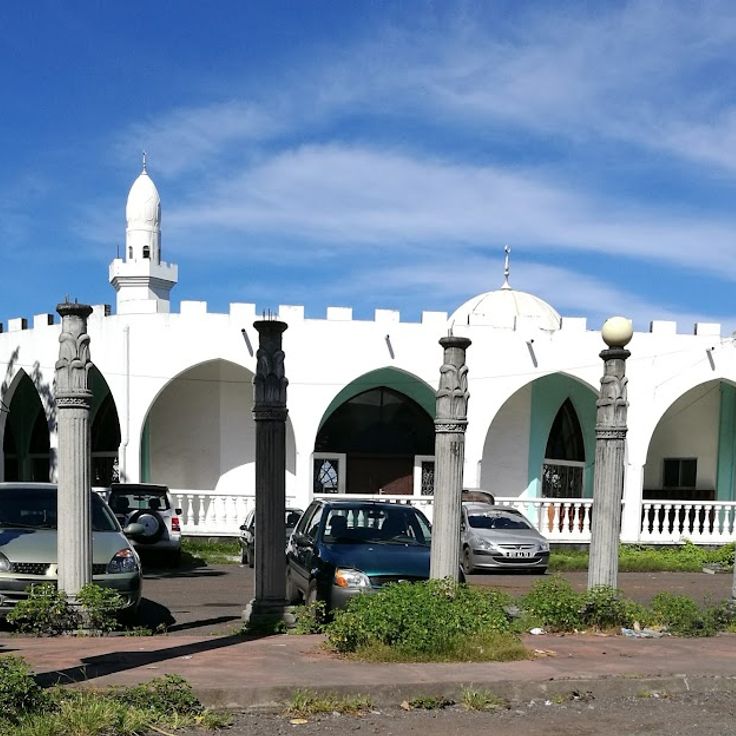
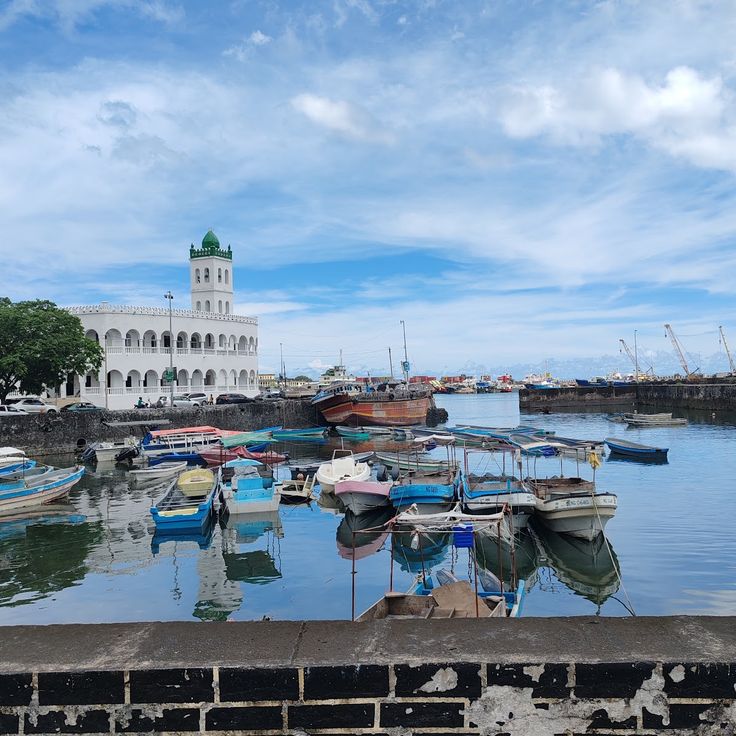
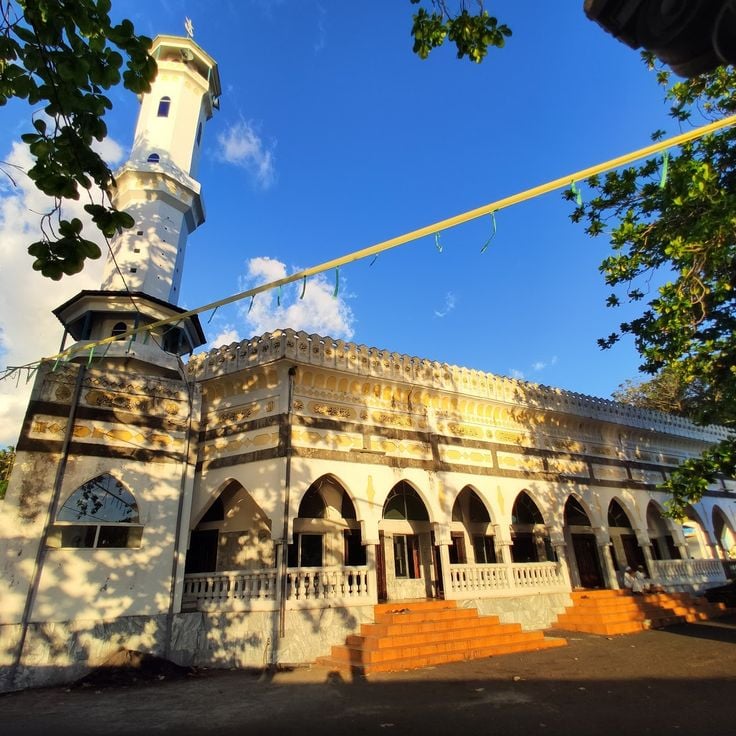
The Great Friday Mosque in Moroni is the largest mosque in Comoros and a central gathering place for the Muslim community across the archipelago. This 20th century structure features a striking white minaret and graceful arches that overlook the Indian Ocean. The mosque embodies the religious and cultural identity of the islands, reflecting how faith shapes daily life throughout Comoros.
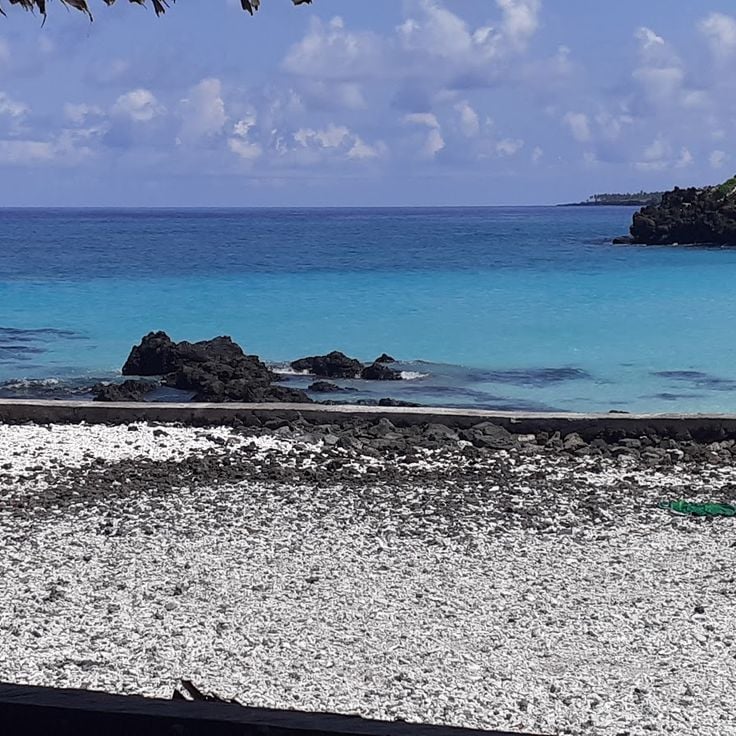
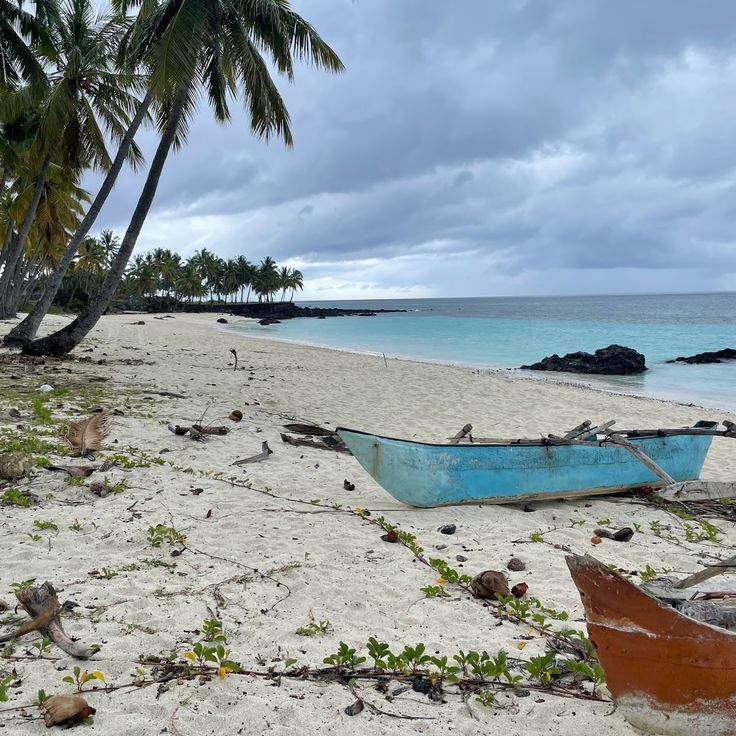
Moya Beach in this collection of natural and cultural sites demonstrates the quiet coastal landscapes that define the Comoros Islands. The beach stretches as a wide band of white sand framed by coconut palms that provide shade and shape the shoreline's character. Tidal movements throughout the day create natural pools that gather water and form small protected areas. This shore represents the calmer beaches where locals walk and visitors can experience the rhythm of island life without crowds.
Mount Ntingui is a volcanic peak on Anjouan that rises 1595 meters above the landscape. The mountain is covered with rainforest and offers wide views across the entire island from its summit. In this collection of natural and cultural sites of the Comoros archipelago, Mount Ntingui represents the raw beauty of the volcanic mountains that shape these islands and draw visitors seeking something different.
Sultan's Palace is a historic residence that preserves the royal past of the Comoros. Built in the 19th century, this palace showcases Swahili-influenced architecture and walls made of coral stone. The structure stands as a testament to the sultanates that once governed the islands. For visitors seeking to understand how the islands were shaped by their rulers and traditions, this palace offers insight into the political history of the Comoros. The building represents the cultural connections between the people who lived here and the land they inhabited.
The Salt Lake is a natural body of water set in a volcanic rock formation on Anjouan, part of the natural wonders that define the Comoros archipelago. The high salt content creates an unusual appearance and feel distinct from other island water bodies. You can reach it by walking along a footpath from the coast. This site demonstrates how the volcanic origins of these islands continue to shape the land, offering visitors a glimpse into the different natural features that make Comoros worth exploring.
The National Museum of Comoros stands in the capital as a key place for understanding the islands' history. This museum displays traditional objects, historical documents, and archaeological finds that explain how people have lived here over time. It plays an important role in the collection of sites that reveal the deep connection between nature and culture throughout the archipelago.
Bouni Beach in Ali-Foundi on Grande Comore is one of the natural sites that define the archipelago. The beach spreads across fine sand and is lined with palm trees. The water is inviting for swimming, and fishers use these waters and shores as part of their daily life. This beach shows how nature and human activity blend together on the islands.
Mitsoudjé Market is a lively marketplace on Grande Comore where local artisans and producers sell their goods. Here you find handcrafted items, spices, textiles, and food products. The market reflects the daily rhythm of island life and shows how people trade and share what they create and grow.
Lake Hantsogoma is a natural water body located within the Karthala massif on Grande Comore. Sitting at approximately 1070 meters in elevation, this lake is reached by hiking through the mountain terrain. As part of Comoros' natural and cultural sites, this lake demonstrates the geological features that define the archipelago. It offers visitors a chance to experience the landscape that has shaped the islands' character and understand how the islands' natural systems have evolved over time.
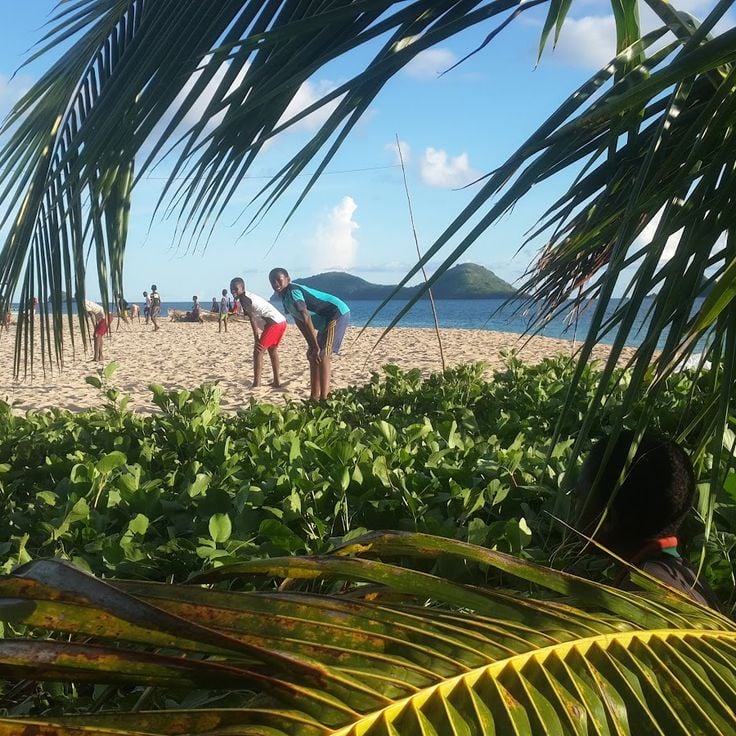
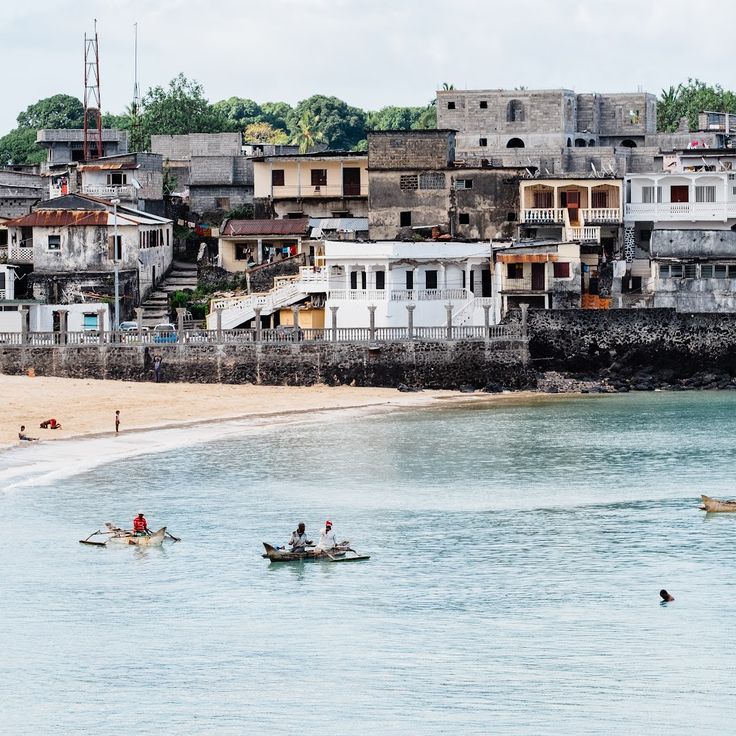
Nioumachoua Beach on Mohéli is a coastal area that divides into public and private sections, where local fishermen and residents from the nearby village gather daily. The beach shows how island life unfolds along the shore, where people work and spend time around the water. This place reflects the simple beauty of the coast and the central role the ocean plays in the community's daily rhythms and livelihood.
Volovolo Market is an open-air trading center where vendors in this collection of natural and cultural sites in Comoros sell local agricultural produce, spices, clothing, and crafts. The market shows how island life works and connects people with goods that come directly from local farms and craftspeople. Visitors can experience the trading activity here and discover the raw materials and goods that shape daily life on the islands.
Itsandra Beach is a white sand coastline in this collection of natural wonders and cultural sites of Comoros. The beach stretches as a strip of light sand bordered by a row of palm trees. Located near Moroni city center, it invites you to walk along the water where the rhythm of island life unfolds.
The House of Life in Moroni is a cultural center that hosts exhibitions, theatrical performances, and musical shows to promote Comorian arts. As part of the natural and cultural sites of Comoros, this center helps keep the islands' history and creative traditions alive, offering both locals and visitors a place to experience the art and culture that shape daily life in the archipelago.
The Mvouni Caves form a network of underground caverns created by ancient lava tunnels. Stalactites hang from the ceilings while volcanic rock formations cover the walls and floors. These caves reveal the geological history of Grande Comore, showing how the island was shaped by volcanic activity over centuries. Walking through them offers a direct encounter with the natural forces that built this landscape.
Galawa Beach is a long stretch of white sand on Grande Comore that faces the Indian Ocean. Palm trees line the shore, offering shade and creating the tropical setting that defines these islands. The water stays warm year-round, making it easy to swim or dive whenever you visit. This beach shows why beaches matter to the Comoros - they are places where people come to enjoy the ocean, where the rhythm of island life includes time by the water.
The Medina of Itsandra is a historic district on Grande Comore that preserves the past of this archipelago. Sultans lived here in their palaces, and mosques shape the streetscape. Remains of fortifications and traditional buildings made from coral stone tell stories of the region's maritime history and show how people have lived here over generations.
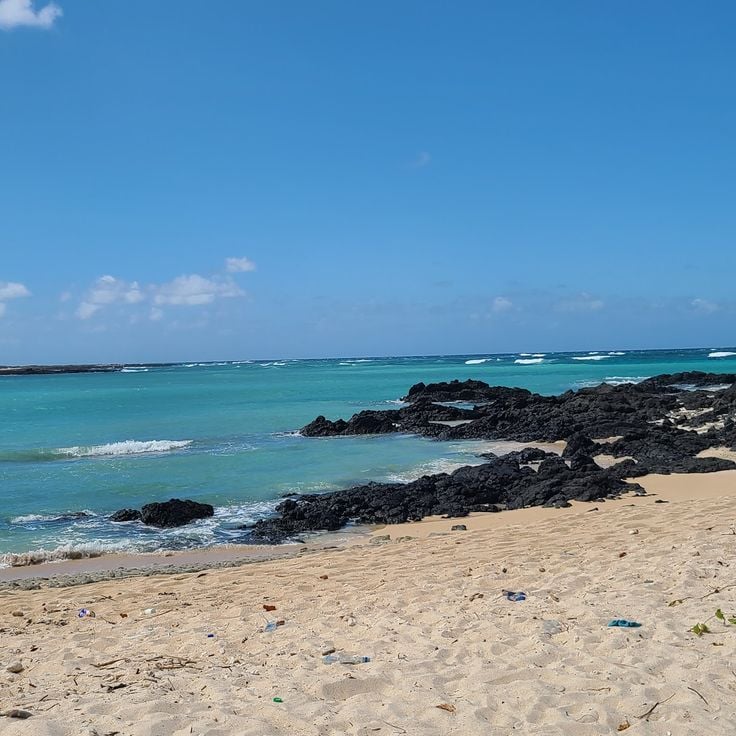
Chindini Beach is a stretch of black volcanic sand along the southern coast of Grande Comore. Powerful waves crash against the dark shore, and rock formations rise from the water and sand. The beach displays the geological story of the island, shaped by volcanic activity over centuries. Visitors find a wilder, more natural setting here than at other beaches in the archipelago - a place where the force of the ocean is clearly felt.
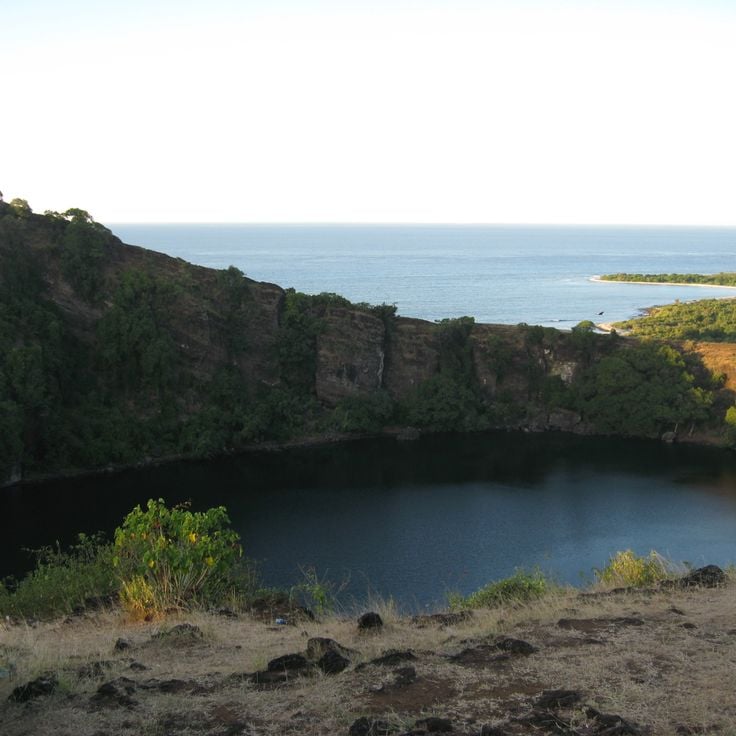
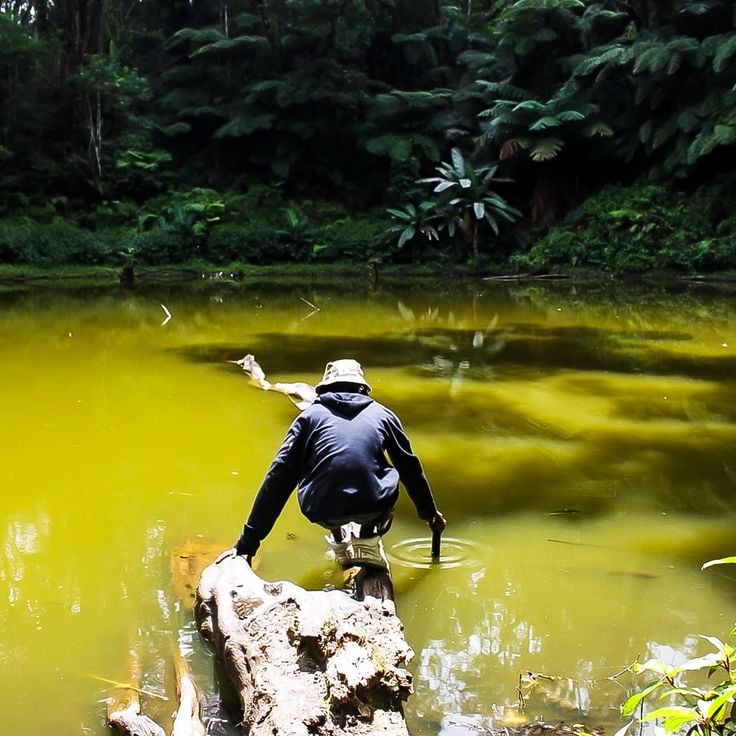
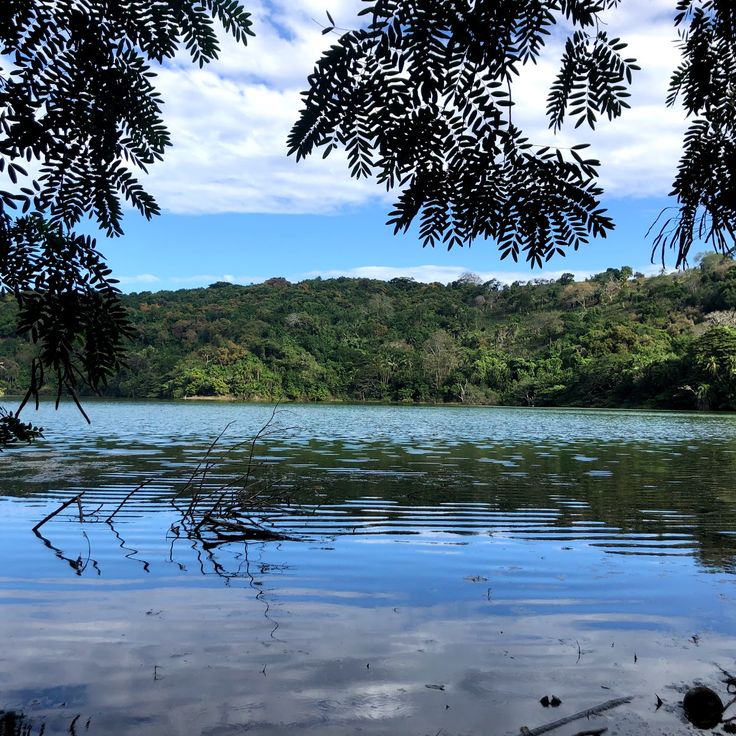
Lake Dziani Boundouni is a crater lake surrounded by steep volcanic walls on the island of Anjouan. This water sits within the natural and cultural collection of Comoros, offering a glimpse into the geological forces that shaped the islands. Forest surrounds the lake, home to species found nowhere else. Migratory birds rely on this site as a refuge during their journeys.
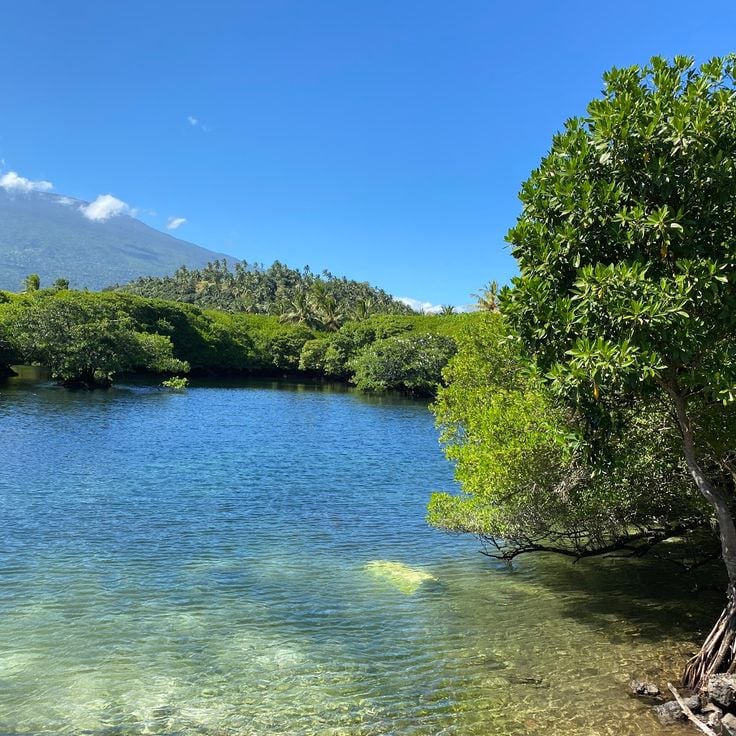
The Iconi Mangrove is part of the natural wonders scattered across the Comoros archipelago and shows how the coasts of these islands function. This coastal wetland, where mangroves create a natural habitat for crabs, fish, and birds, demonstrates the interconnection between nature and the landscape. The aerial roots filter the water and protect the shoreline from erosion.
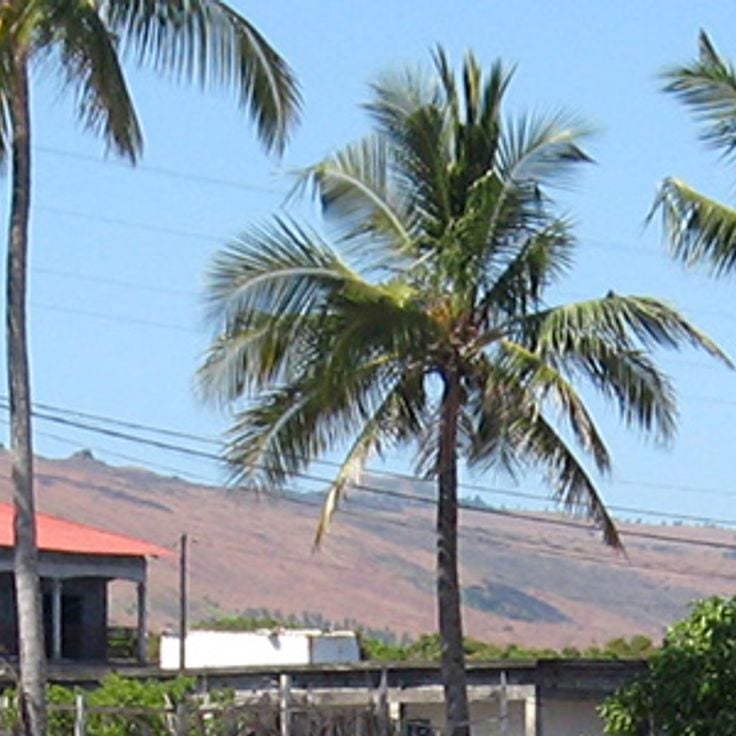
The Mouandzaza Crater is a volcanic formation on Grande Comore island. A hiking trail ascends from the crater's base, passing telecommunications facilities situated at higher elevations. As you climb, views open across the surrounding landscape and toward the ocean. The crater reflects the volcanic history that has shaped these islands, and the walk offers visitors a way to experience the geology and natural character of Comoros directly.
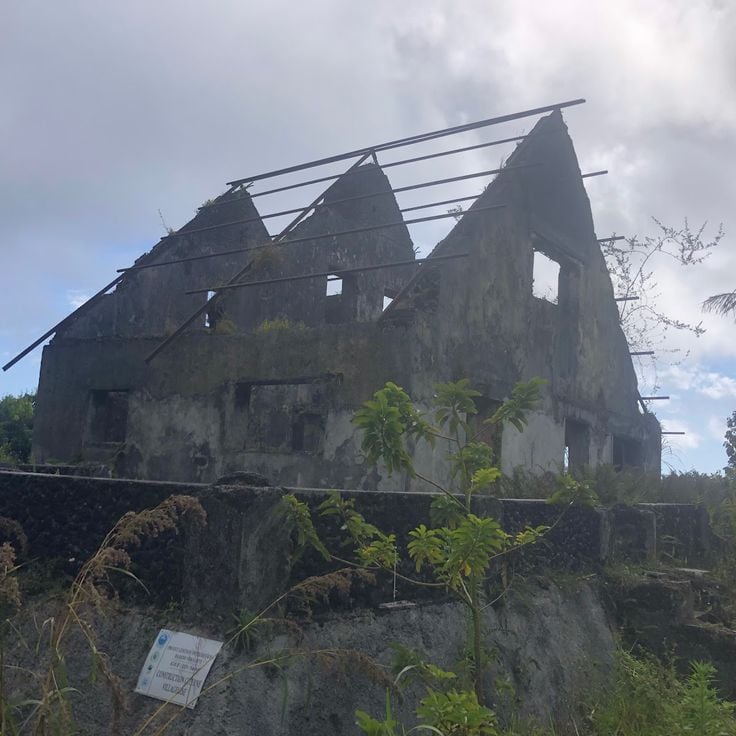
The Mvouni Overlook is a colonial structure situated on high ground as part of Comoros' collection of natural and cultural sites. From this vantage point, you look out over Moroni, the capital city, and the historic district of Iconi spread below. This building stands where you can understand how the city relates to its landscape. It brings together the architectural history of the islands with their geography, showing how people have positioned themselves and their settlements within the land.
The Diboini Plateau on Grande Comore displays the volcanic origin of the Comoros islands. Its elevation creates its own climate where plants thrive that grow nowhere else on the archipelago. When you climb up to this plateau, you see the landscape from a new angle and understand how geology has shaped the islands.
The Medina of Moroni is an old district that holds the stories of this island capital. Narrow alleys wind through streets lined with houses built from coral stone, their walls shaped by centuries of salt air and sun. The carved wooden doors are the work of local craftspeople, each one showing skill and tradition passed down through families. Walking through the Medina, you see how people have lived here for generations, and it stands as a key landmark in understanding the cultural life of Comoros.
Mohéli Marine Park is a protected water reserve established in 2001 that safeguards the marine life surrounding this island. The park shelters coral reefs, sea turtles, and dolphins that depend on these waters to survive. It offers visitors a chance to witness the natural systems that sustain the region and understand the connection between the ocean and island life. This park represents how the Comoros archipelago works to preserve the waters and wildlife that have shaped its landscape and communities for generations.
Chomoni Beach is part of Comoros' natural and cultural sites and features a black sand beach ringed by palm and banana trees. The waters here are suited for swimming and diving, making this one of the popular stretches where locals gather and the rhythm of island life unfolds.
Mount Karthala is an active volcano that rises above Grande Comore island, dominating the landscape at 2361 meters in height. Its crater measures 3 kilometers in diameter and contains fumaroles that show the mountain still has life and energy. This mountain is a landmark that shapes the geological story of Comoros, attracting visitors who want to experience the raw power of nature. Its presence influences daily life on the island and reminds people of the volcanic forces beneath their feet.
Trou du Prophète is a coastal geological formation with a natural cavity in volcanic rock where waves create marine geysers. This feature shows the volcanic history of Grande Comore island and offers a place to experience the ocean's power directly. It is an example of the raw natural forces that have shaped the landscape of this archipelago.
The Great Friday Mosque in Moroni is the largest mosque in Comoros and a central gathering place for the Muslim community across the archipelago. This 20th century structure features a striking white minaret and graceful arches that overlook the Indian Ocean. The mosque embodies the religious and cultural identity of the islands, reflecting how faith shapes daily life throughout Comoros.
Moya Beach in this collection of natural and cultural sites demonstrates the quiet coastal landscapes that define the Comoros Islands. The beach stretches as a wide band of white sand framed by coconut palms that provide shade and shape the shoreline's character. Tidal movements throughout the day create natural pools that gather water and form small protected areas. This shore represents the calmer beaches where locals walk and visitors can experience the rhythm of island life without crowds.
Mount Ntingui is a volcanic peak on Anjouan that rises 1595 meters above the landscape. The mountain is covered with rainforest and offers wide views across the entire island from its summit. In this collection of natural and cultural sites of the Comoros archipelago, Mount Ntingui represents the raw beauty of the volcanic mountains that shape these islands and draw visitors seeking something different.
Sultan's Palace is a historic residence that preserves the royal past of the Comoros. Built in the 19th century, this palace showcases Swahili-influenced architecture and walls made of coral stone. The structure stands as a testament to the sultanates that once governed the islands. For visitors seeking to understand how the islands were shaped by their rulers and traditions, this palace offers insight into the political history of the Comoros. The building represents the cultural connections between the people who lived here and the land they inhabited.
The Salt Lake is a natural body of water set in a volcanic rock formation on Anjouan, part of the natural wonders that define the Comoros archipelago. The high salt content creates an unusual appearance and feel distinct from other island water bodies. You can reach it by walking along a footpath from the coast. This site demonstrates how the volcanic origins of these islands continue to shape the land, offering visitors a glimpse into the different natural features that make Comoros worth exploring.
The National Museum of Comoros stands in the capital as a key place for understanding the islands' history. This museum displays traditional objects, historical documents, and archaeological finds that explain how people have lived here over time. It plays an important role in the collection of sites that reveal the deep connection between nature and culture throughout the archipelago.
Bouni Beach in Ali-Foundi on Grande Comore is one of the natural sites that define the archipelago. The beach spreads across fine sand and is lined with palm trees. The water is inviting for swimming, and fishers use these waters and shores as part of their daily life. This beach shows how nature and human activity blend together on the islands.
Mitsoudjé Market is a lively marketplace on Grande Comore where local artisans and producers sell their goods. Here you find handcrafted items, spices, textiles, and food products. The market reflects the daily rhythm of island life and shows how people trade and share what they create and grow.
Lake Hantsogoma is a natural water body located within the Karthala massif on Grande Comore. Sitting at approximately 1070 meters in elevation, this lake is reached by hiking through the mountain terrain. As part of Comoros' natural and cultural sites, this lake demonstrates the geological features that define the archipelago. It offers visitors a chance to experience the landscape that has shaped the islands' character and understand how the islands' natural systems have evolved over time.
Nioumachoua Beach on Mohéli is a coastal area that divides into public and private sections, where local fishermen and residents from the nearby village gather daily. The beach shows how island life unfolds along the shore, where people work and spend time around the water. This place reflects the simple beauty of the coast and the central role the ocean plays in the community's daily rhythms and livelihood.
Volovolo Market is an open-air trading center where vendors in this collection of natural and cultural sites in Comoros sell local agricultural produce, spices, clothing, and crafts. The market shows how island life works and connects people with goods that come directly from local farms and craftspeople. Visitors can experience the trading activity here and discover the raw materials and goods that shape daily life on the islands.
Itsandra Beach is a white sand coastline in this collection of natural wonders and cultural sites of Comoros. The beach stretches as a strip of light sand bordered by a row of palm trees. Located near Moroni city center, it invites you to walk along the water where the rhythm of island life unfolds.
The House of Life in Moroni is a cultural center that hosts exhibitions, theatrical performances, and musical shows to promote Comorian arts. As part of the natural and cultural sites of Comoros, this center helps keep the islands' history and creative traditions alive, offering both locals and visitors a place to experience the art and culture that shape daily life in the archipelago.
The Mvouni Caves form a network of underground caverns created by ancient lava tunnels. Stalactites hang from the ceilings while volcanic rock formations cover the walls and floors. These caves reveal the geological history of Grande Comore, showing how the island was shaped by volcanic activity over centuries. Walking through them offers a direct encounter with the natural forces that built this landscape.
Galawa Beach is a long stretch of white sand on Grande Comore that faces the Indian Ocean. Palm trees line the shore, offering shade and creating the tropical setting that defines these islands. The water stays warm year-round, making it easy to swim or dive whenever you visit. This beach shows why beaches matter to the Comoros - they are places where people come to enjoy the ocean, where the rhythm of island life includes time by the water.
The Medina of Itsandra is a historic district on Grande Comore that preserves the past of this archipelago. Sultans lived here in their palaces, and mosques shape the streetscape. Remains of fortifications and traditional buildings made from coral stone tell stories of the region's maritime history and show how people have lived here over generations.
Chindini Beach is a stretch of black volcanic sand along the southern coast of Grande Comore. Powerful waves crash against the dark shore, and rock formations rise from the water and sand. The beach displays the geological story of the island, shaped by volcanic activity over centuries. Visitors find a wilder, more natural setting here than at other beaches in the archipelago - a place where the force of the ocean is clearly felt.
Lake Dziani Boundouni is a crater lake surrounded by steep volcanic walls on the island of Anjouan. This water sits within the natural and cultural collection of Comoros, offering a glimpse into the geological forces that shaped the islands. Forest surrounds the lake, home to species found nowhere else. Migratory birds rely on this site as a refuge during their journeys.
The Iconi Mangrove is part of the natural wonders scattered across the Comoros archipelago and shows how the coasts of these islands function. This coastal wetland, where mangroves create a natural habitat for crabs, fish, and birds, demonstrates the interconnection between nature and the landscape. The aerial roots filter the water and protect the shoreline from erosion.
The Mouandzaza Crater is a volcanic formation on Grande Comore island. A hiking trail ascends from the crater's base, passing telecommunications facilities situated at higher elevations. As you climb, views open across the surrounding landscape and toward the ocean. The crater reflects the volcanic history that has shaped these islands, and the walk offers visitors a way to experience the geology and natural character of Comoros directly.
The Mvouni Overlook is a colonial structure situated on high ground as part of Comoros' collection of natural and cultural sites. From this vantage point, you look out over Moroni, the capital city, and the historic district of Iconi spread below. This building stands where you can understand how the city relates to its landscape. It brings together the architectural history of the islands with their geography, showing how people have positioned themselves and their settlements within the land.
The Diboini Plateau on Grande Comore displays the volcanic origin of the Comoros islands. Its elevation creates its own climate where plants thrive that grow nowhere else on the archipelago. When you climb up to this plateau, you see the landscape from a new angle and understand how geology has shaped the islands.
The Medina of Moroni is an old district that holds the stories of this island capital. Narrow alleys wind through streets lined with houses built from coral stone, their walls shaped by centuries of salt air and sun. The carved wooden doors are the work of local craftspeople, each one showing skill and tradition passed down through families. Walking through the Medina, you see how people have lived here for generations, and it stands as a key landmark in understanding the cultural life of Comoros.
Mohéli Marine Park is a protected water reserve established in 2001 that safeguards the marine life surrounding this island. The park shelters coral reefs, sea turtles, and dolphins that depend on these waters to survive. It offers visitors a chance to witness the natural systems that sustain the region and understand the connection between the ocean and island life. This park represents how the Comoros archipelago works to preserve the waters and wildlife that have shaped its landscape and communities for generations.
Chomoni Beach is part of Comoros' natural and cultural sites and features a black sand beach ringed by palm and banana trees. The waters here are suited for swimming and diving, making this one of the popular stretches where locals gather and the rhythm of island life unfolds.
Mount Karthala is an active volcano that rises above Grande Comore island, dominating the landscape at 2361 meters in height. Its crater measures 3 kilometers in diameter and contains fumaroles that show the mountain still has life and energy. This mountain is a landmark that shapes the geological story of Comoros, attracting visitors who want to experience the raw power of nature. Its presence influences daily life on the island and reminds people of the volcanic forces beneath their feet.
Trou du Prophète is a coastal geological formation with a natural cavity in volcanic rock where waves create marine geysers. This feature shows the volcanic history of Grande Comore island and offers a place to experience the ocean's power directly. It is an example of the raw natural forces that have shaped the landscape of this archipelago.
The Great Friday Mosque in Moroni is the largest mosque in Comoros and a central gathering place for the Muslim community across the archipelago. This 20th century structure features a striking white minaret and graceful arches that overlook the Indian Ocean. The mosque embodies the religious and cultural identity of the islands, reflecting how faith shapes daily life throughout Comoros.
Moya Beach in this collection of natural and cultural sites demonstrates the quiet coastal landscapes that define the Comoros Islands. The beach stretches as a wide band of white sand framed by coconut palms that provide shade and shape the shoreline's character. Tidal movements throughout the day create natural pools that gather water and form small protected areas. This shore represents the calmer beaches where locals walk and visitors can experience the rhythm of island life without crowds.
Mount Ntingui is a volcanic peak on Anjouan that rises 1595 meters above the landscape. The mountain is covered with rainforest and offers wide views across the entire island from its summit. In this collection of natural and cultural sites of the Comoros archipelago, Mount Ntingui represents the raw beauty of the volcanic mountains that shape these islands and draw visitors seeking something different.
Sultan's Palace is a historic residence that preserves the royal past of the Comoros. Built in the 19th century, this palace showcases Swahili-influenced architecture and walls made of coral stone. The structure stands as a testament to the sultanates that once governed the islands. For visitors seeking to understand how the islands were shaped by their rulers and traditions, this palace offers insight into the political history of the Comoros. The building represents the cultural connections between the people who lived here and the land they inhabited.
The Salt Lake is a natural body of water set in a volcanic rock formation on Anjouan, part of the natural wonders that define the Comoros archipelago. The high salt content creates an unusual appearance and feel distinct from other island water bodies. You can reach it by walking along a footpath from the coast. This site demonstrates how the volcanic origins of these islands continue to shape the land, offering visitors a glimpse into the different natural features that make Comoros worth exploring.
The National Museum of Comoros stands in the capital as a key place for understanding the islands' history. This museum displays traditional objects, historical documents, and archaeological finds that explain how people have lived here over time. It plays an important role in the collection of sites that reveal the deep connection between nature and culture throughout the archipelago.
Bouni Beach in Ali-Foundi on Grande Comore is one of the natural sites that define the archipelago. The beach spreads across fine sand and is lined with palm trees. The water is inviting for swimming, and fishers use these waters and shores as part of their daily life. This beach shows how nature and human activity blend together on the islands.
Mitsoudjé Market is a lively marketplace on Grande Comore where local artisans and producers sell their goods. Here you find handcrafted items, spices, textiles, and food products. The market reflects the daily rhythm of island life and shows how people trade and share what they create and grow.
Lake Hantsogoma is a natural water body located within the Karthala massif on Grande Comore. Sitting at approximately 1070 meters in elevation, this lake is reached by hiking through the mountain terrain. As part of Comoros' natural and cultural sites, this lake demonstrates the geological features that define the archipelago. It offers visitors a chance to experience the landscape that has shaped the islands' character and understand how the islands' natural systems have evolved over time.
Nioumachoua Beach on Mohéli is a coastal area that divides into public and private sections, where local fishermen and residents from the nearby village gather daily. The beach shows how island life unfolds along the shore, where people work and spend time around the water. This place reflects the simple beauty of the coast and the central role the ocean plays in the community's daily rhythms and livelihood.
Volovolo Market is an open-air trading center where vendors in this collection of natural and cultural sites in Comoros sell local agricultural produce, spices, clothing, and crafts. The market shows how island life works and connects people with goods that come directly from local farms and craftspeople. Visitors can experience the trading activity here and discover the raw materials and goods that shape daily life on the islands.
Itsandra Beach is a white sand coastline in this collection of natural wonders and cultural sites of Comoros. The beach stretches as a strip of light sand bordered by a row of palm trees. Located near Moroni city center, it invites you to walk along the water where the rhythm of island life unfolds.
The House of Life in Moroni is a cultural center that hosts exhibitions, theatrical performances, and musical shows to promote Comorian arts. As part of the natural and cultural sites of Comoros, this center helps keep the islands' history and creative traditions alive, offering both locals and visitors a place to experience the art and culture that shape daily life in the archipelago.
The Mvouni Caves form a network of underground caverns created by ancient lava tunnels. Stalactites hang from the ceilings while volcanic rock formations cover the walls and floors. These caves reveal the geological history of Grande Comore, showing how the island was shaped by volcanic activity over centuries. Walking through them offers a direct encounter with the natural forces that built this landscape.
Galawa Beach is a long stretch of white sand on Grande Comore that faces the Indian Ocean. Palm trees line the shore, offering shade and creating the tropical setting that defines these islands. The water stays warm year-round, making it easy to swim or dive whenever you visit. This beach shows why beaches matter to the Comoros - they are places where people come to enjoy the ocean, where the rhythm of island life includes time by the water.
The Medina of Itsandra is a historic district on Grande Comore that preserves the past of this archipelago. Sultans lived here in their palaces, and mosques shape the streetscape. Remains of fortifications and traditional buildings made from coral stone tell stories of the region's maritime history and show how people have lived here over generations.
Chindini Beach is a stretch of black volcanic sand along the southern coast of Grande Comore. Powerful waves crash against the dark shore, and rock formations rise from the water and sand. The beach displays the geological story of the island, shaped by volcanic activity over centuries. Visitors find a wilder, more natural setting here than at other beaches in the archipelago - a place where the force of the ocean is clearly felt.
Lake Dziani Boundouni is a crater lake surrounded by steep volcanic walls on the island of Anjouan. This water sits within the natural and cultural collection of Comoros, offering a glimpse into the geological forces that shaped the islands. Forest surrounds the lake, home to species found nowhere else. Migratory birds rely on this site as a refuge during their journeys.
The Iconi Mangrove is part of the natural wonders scattered across the Comoros archipelago and shows how the coasts of these islands function. This coastal wetland, where mangroves create a natural habitat for crabs, fish, and birds, demonstrates the interconnection between nature and the landscape. The aerial roots filter the water and protect the shoreline from erosion.
The Mouandzaza Crater is a volcanic formation on Grande Comore island. A hiking trail ascends from the crater's base, passing telecommunications facilities situated at higher elevations. As you climb, views open across the surrounding landscape and toward the ocean. The crater reflects the volcanic history that has shaped these islands, and the walk offers visitors a way to experience the geology and natural character of Comoros directly.
The Mvouni Overlook is a colonial structure situated on high ground as part of Comoros' collection of natural and cultural sites. From this vantage point, you look out over Moroni, the capital city, and the historic district of Iconi spread below. This building stands where you can understand how the city relates to its landscape. It brings together the architectural history of the islands with their geography, showing how people have positioned themselves and their settlements within the land.
The Diboini Plateau on Grande Comore displays the volcanic origin of the Comoros islands. Its elevation creates its own climate where plants thrive that grow nowhere else on the archipelago. When you climb up to this plateau, you see the landscape from a new angle and understand how geology has shaped the islands.
The Medina of Moroni is an old district that holds the stories of this island capital. Narrow alleys wind through streets lined with houses built from coral stone, their walls shaped by centuries of salt air and sun. The carved wooden doors are the work of local craftspeople, each one showing skill and tradition passed down through families. Walking through the Medina, you see how people have lived here for generations, and it stands as a key landmark in understanding the cultural life of Comoros.