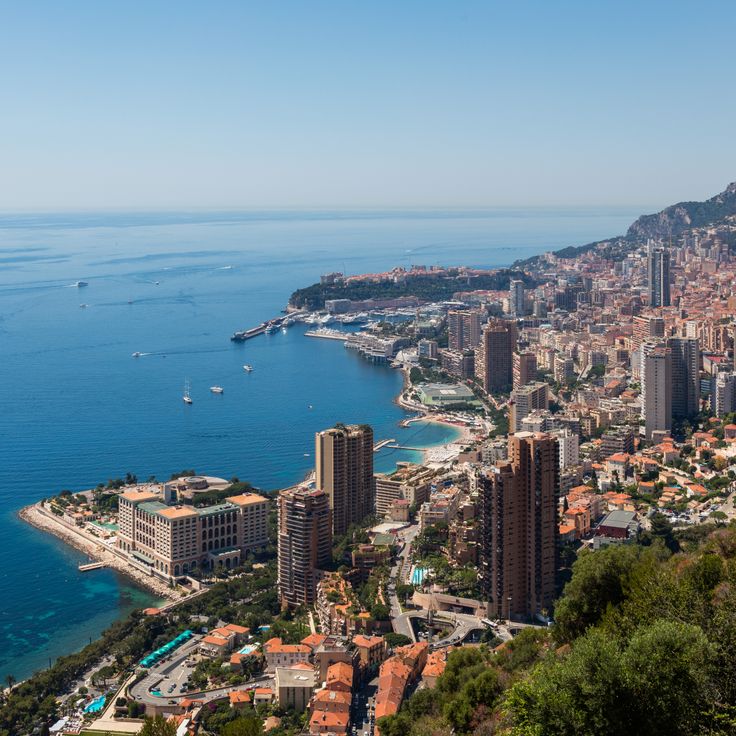
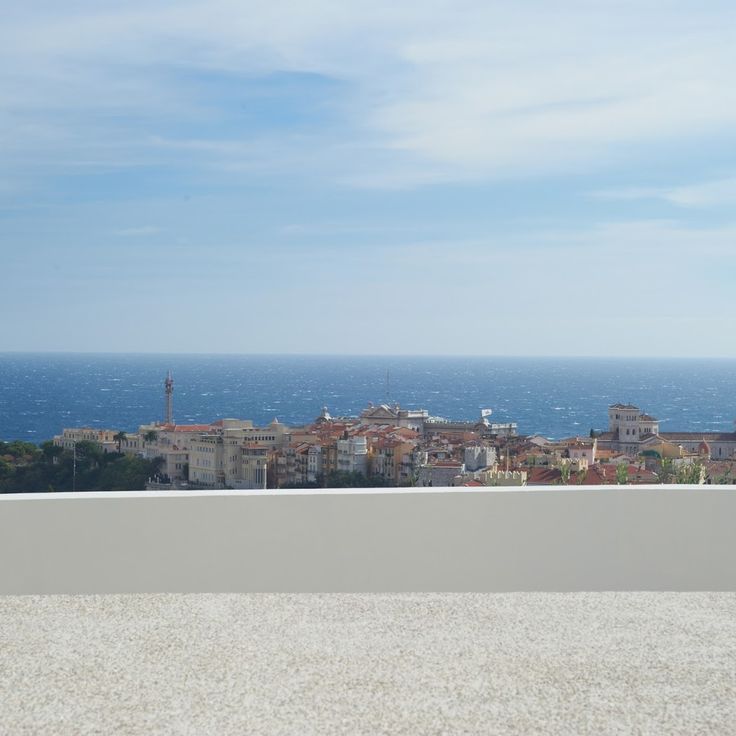
Monaco has fascinated people for many years. It is known for money, luxury, the Formula 1 race, and the royal family in the news. But Monaco is more than just these stories. It has natural views, well-kept gardens, and famous buildings. There are many surprises when you walk through it.
The principality also offers natural areas and places focused on science. The Oceanographic Museum has aquariums filled with sea creatures from around the world. The Exotic Garden is on a cliff and has been collecting succulents and cacti from different continents since 1933. By the sea, the marina is the lively center of Monaco, and the beaches are perfect for relaxing facing the Mediterranean.
Walking through the principality, you will also see car museums, religious buildings, archaeological sites, and botanical gardens. Each place tells a part of Monaco's story, whether from the past or recent times. Monaco is easy to explore on foot, making it simple to go from one monument to another without difficulty.
Monaco has fascinated people for many years. It is known for money, luxury, the Formula 1 race, and the royal family in the news. But Monaco is more than just these stories. It has natural views, well-kept gardens, and famous buildings. There are many surprises when you walk through it.
The principality also offers natural areas and places focused on science. The Oceanographic Museum has aquariums filled with sea creatures from around the world. The Exotic Garden is on a cliff and has been collecting succulents and cacti from different continents since 1933. By the sea, the marina is the lively center of Monaco, and the beaches are perfect for relaxing facing the Mediterranean.
Walking through the principality, you will also see car museums, religious buildings, archaeological sites, and botanical gardens. Each place tells a part of Monaco's story, whether from the past or recent times. Monaco is easy to explore on foot, making it simple to go from one monument to another without difficulty.
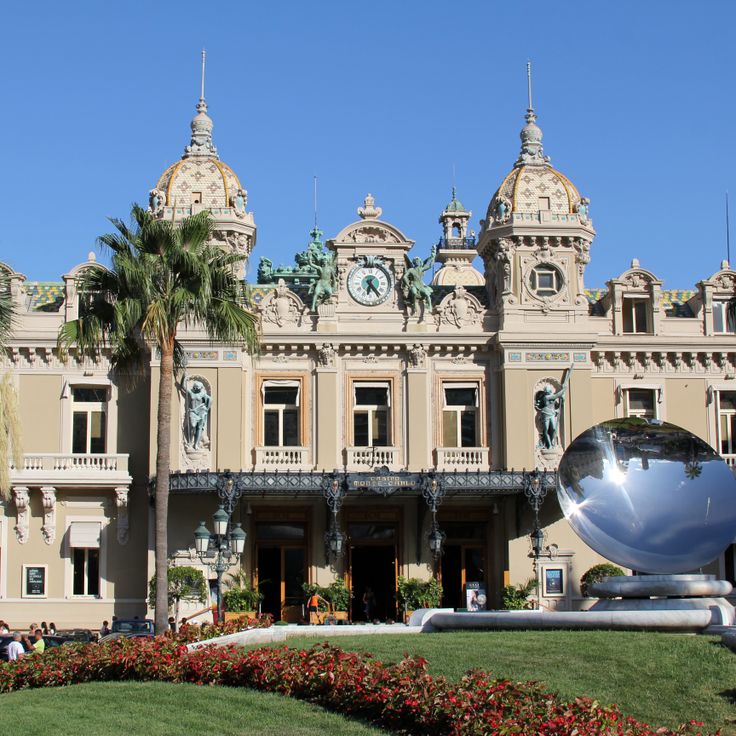
The Casino of Monte-Carlo opened in 1863 and stands as a representation of Belle Époque architecture. Its halls are adorned with marble and gold, creating an impression of grandeur and elegance. This gambling establishment represents the glamorous past of the Principality and attracts visitors interested in the luxurious heritage of Monaco. Walking through its rooms, you experience the refinement that has defined this place since its founding.
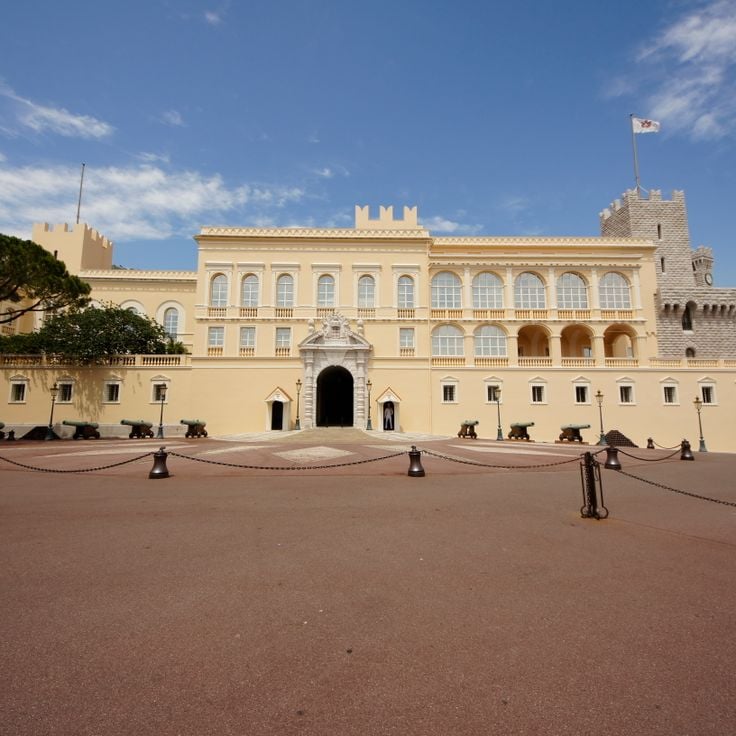
The Prince's Palace in Monaco is a fortress built in the thirteenth century and later transformed into a Renaissance palace. The State apartments are open to visitors during the summer months. The palace shows the history of the ruling family and how architecture evolved over centuries. From outside, the building appears strong with its stone walls and details that reflect different periods. Inside, visitors can discover grand rooms filled with valuable furniture and artworks. The palace stands as a key part of Monaco's story and development.
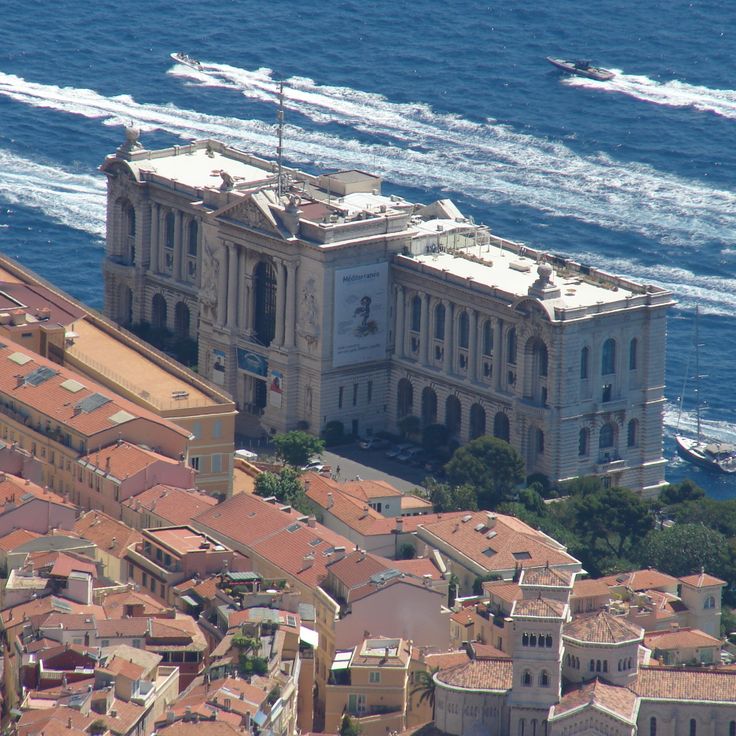
The Oceanographic Museum in Monaco is a marine research institute with laboratory spaces and exhibition halls. Visitors can explore aquariums housing more than 6000 specimens from Mediterranean and tropical waters. This museum displays the diversity of ocean life and showcases the scientific work conducted there. Those interested in marine biology will learn about ecosystems from around the world.
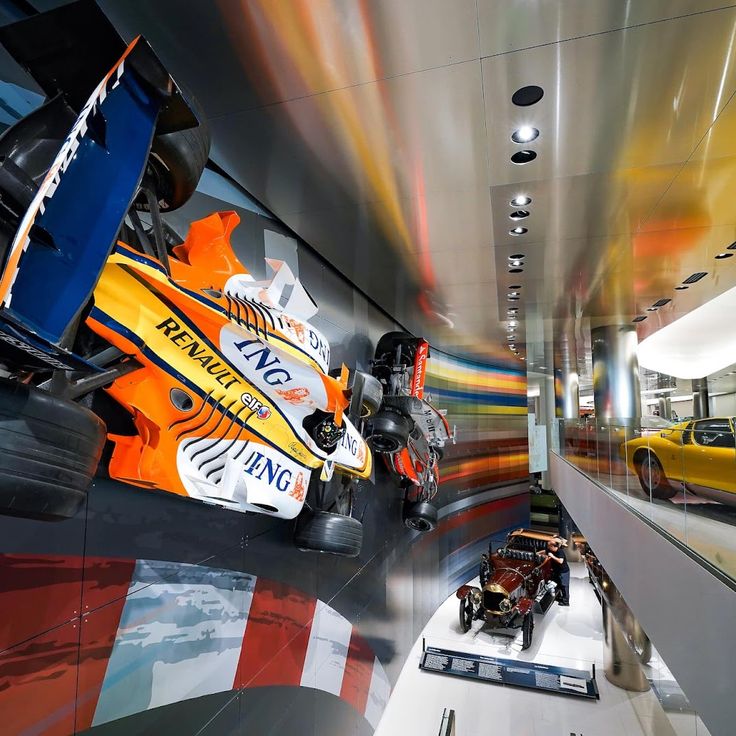
The Vintage Car Collection in Monaco displays about a hundred historic vehicles from different periods. European and American models sit alongside sports cars and luxury automobiles. The exhibition tells the story of automotive history through its cars. Visitors can follow how vehicle technology and design changed over the decades. Each car has its own story and shows how transportation evolved.
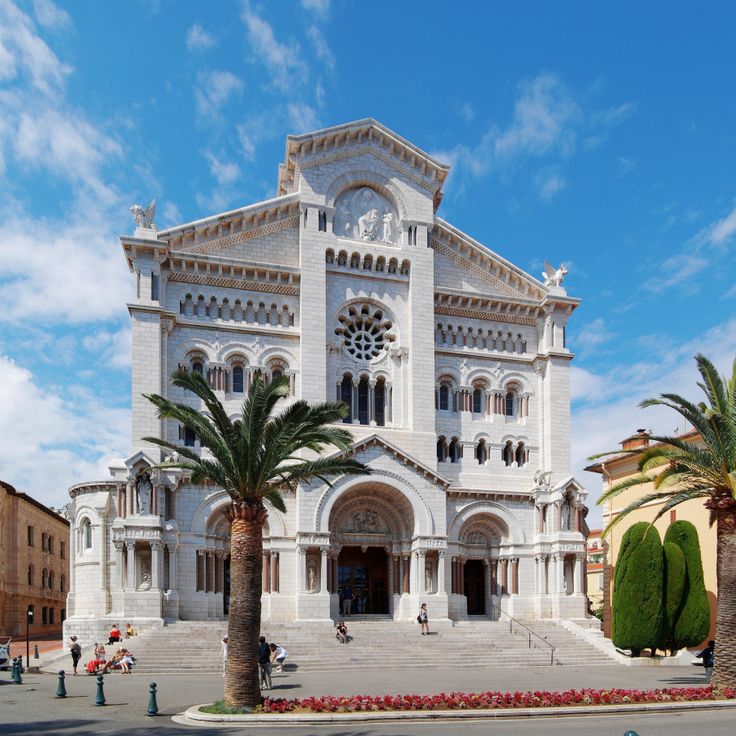
Monaco Cathedral is a religious building made of white stone from La Turbie, constructed between 1875 and 1884. It houses the burial places of Monaco's rulers, including Princess Grace Kelly. The cathedral's bright facade shapes Monaco's skyline and tells the story of the princely family. When you enter, you notice the simply designed but dignified interior spaces. The cathedral is a place where history and faith meet, and where you can feel the connection of Monaco's people to their ruling family.
Casino Square sits at the heart of Monte-Carlo, showcasing buildings from the Belle Époque period. The square is defined by ornately designed facades that reflect the architecture of the late 1800s. The Casino itself is a grand structure, surrounded by the legendary Hotel de Paris and the Café de Paris. These places tell of an era when the Riviera was a meeting point for travelers from around the world. The square shows how Monaco developed from a small principality into a respected resort destination. Visitors can trace the footsteps of this storied period by walking through the square.
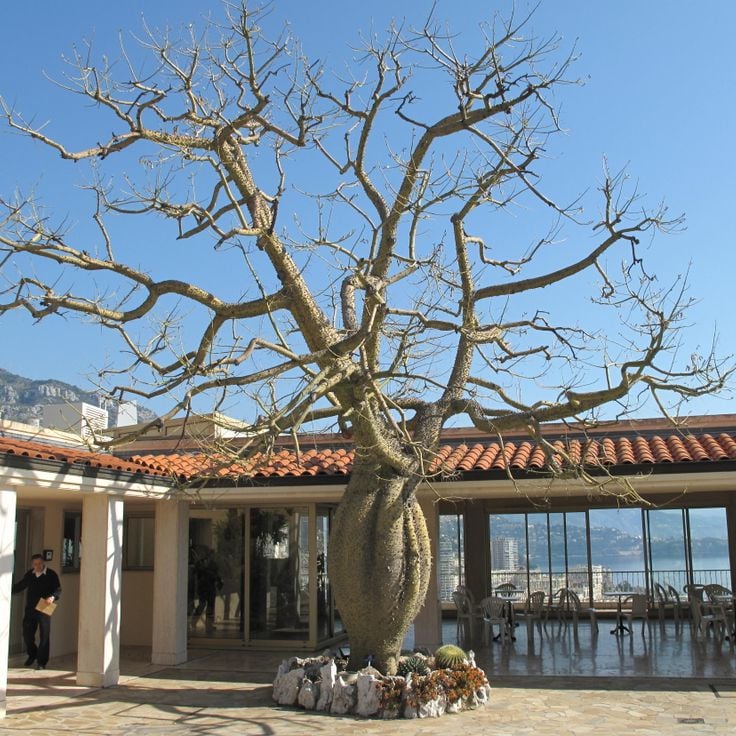
The Exotic Garden sits on a clifftop and has housed over 1000 succulents and cacti from around the world since 1933. The plants come from different continents and thrive in this special setting. The garden offers views of the sea and showcases the variety of plant life. Visitors can walk among the different species and experience nature directly.
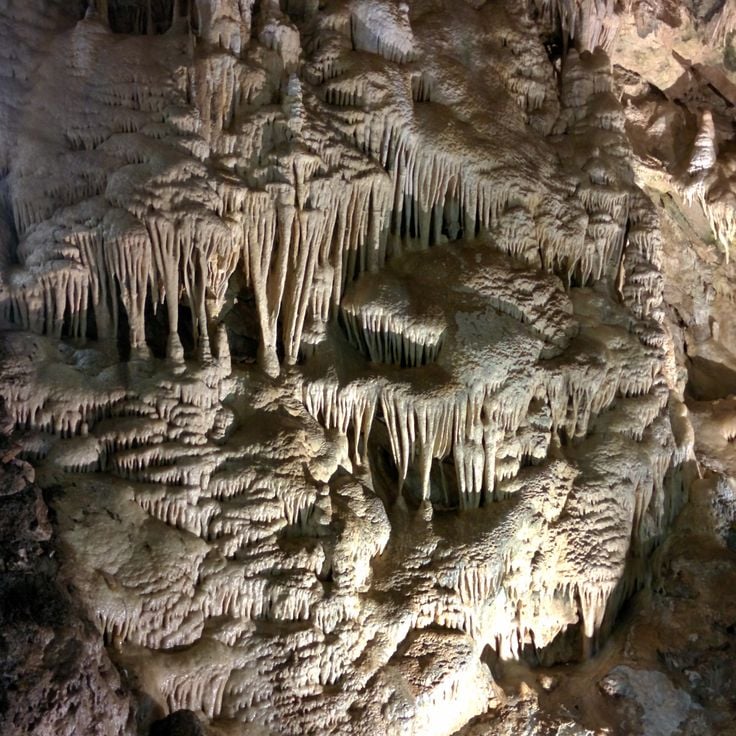
This cave in Monaco is a prehistoric site showing traces of human settlement from the Stone Age. The natural cavern displays stalactites, stalagmites, and various limestone deposits formed over thousands of years. You can explore the geological layers here and understand how people lived in this region long ago.
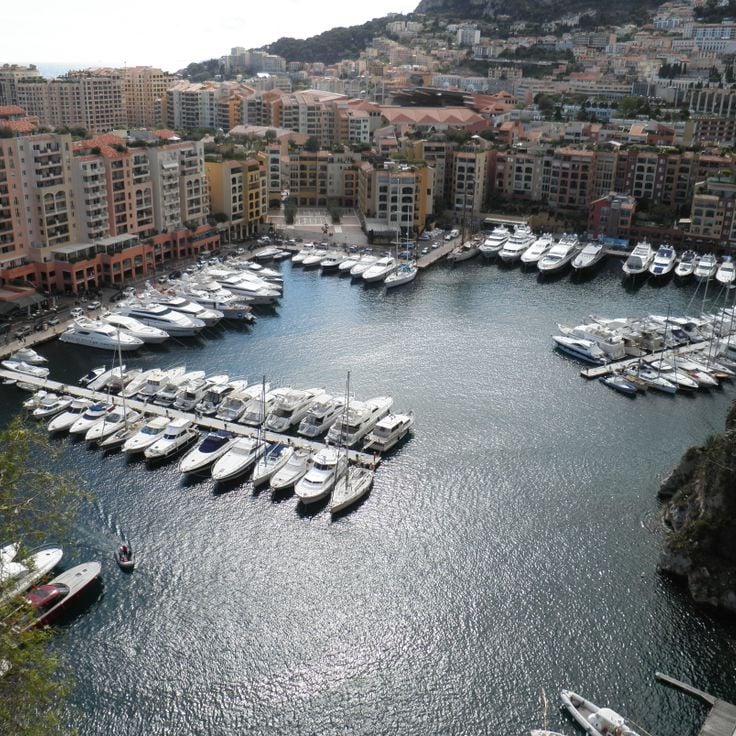
The Port of Monte-Carlo is Monaco's main harbor, accommodating around 700 boats. This busy port area contains restaurants, shops, and maritime services. The harbor forms the living heart of the Principality and connects the city to the sea. You can walk here, watch the boats, and enjoy the activity along the water.
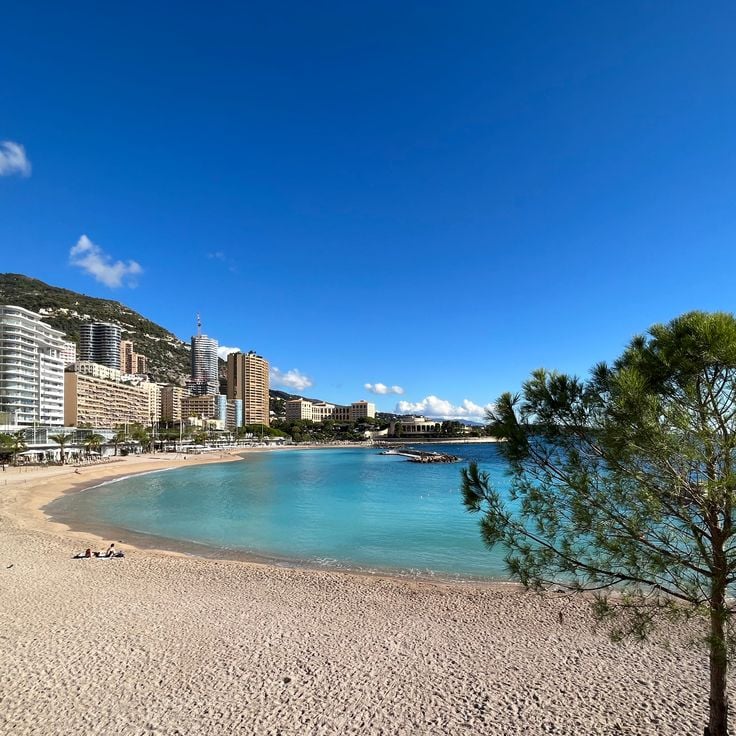
Larvotto Beach is Monaco's public beach, lined with pebbles along the Mediterranean coast. Restaurants and beach clubs border the shoreline, offering dining and social spaces. This beach provides a place to relax and enjoy the sea after exploring Monaco's historical palaces, casinos, and museums. Visitors can walk here easily from other nearby attractions.
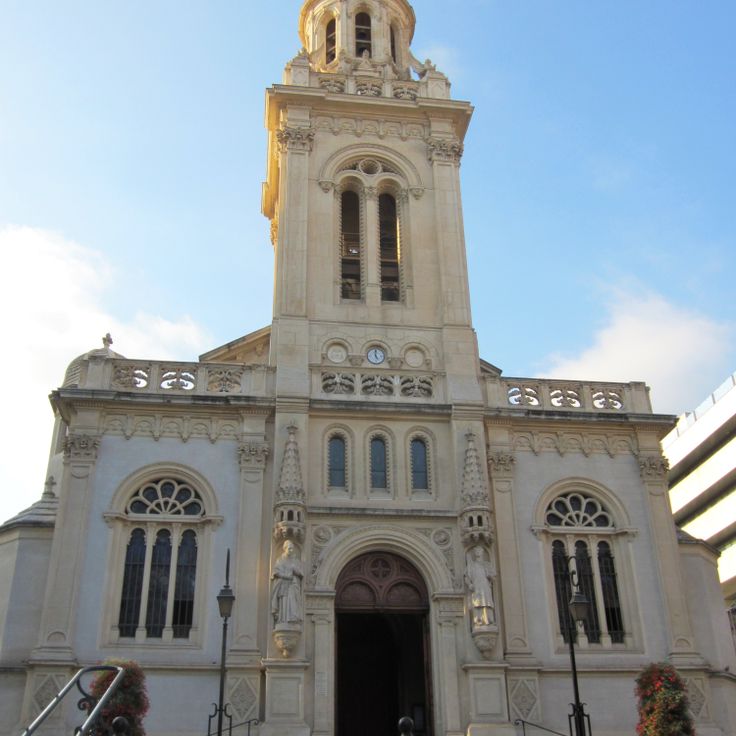
The Church of Saint-Charles stands in Monte-Carlo and was built in 1883. It displays a facade in the Renaissance style with colorful stained-glass windows. This house of worship is part of Monaco's religious buildings and belongs to the places that tell the history of the Principality. Visitors can admire the architecture of that era and learn more about Monaco's religious past.
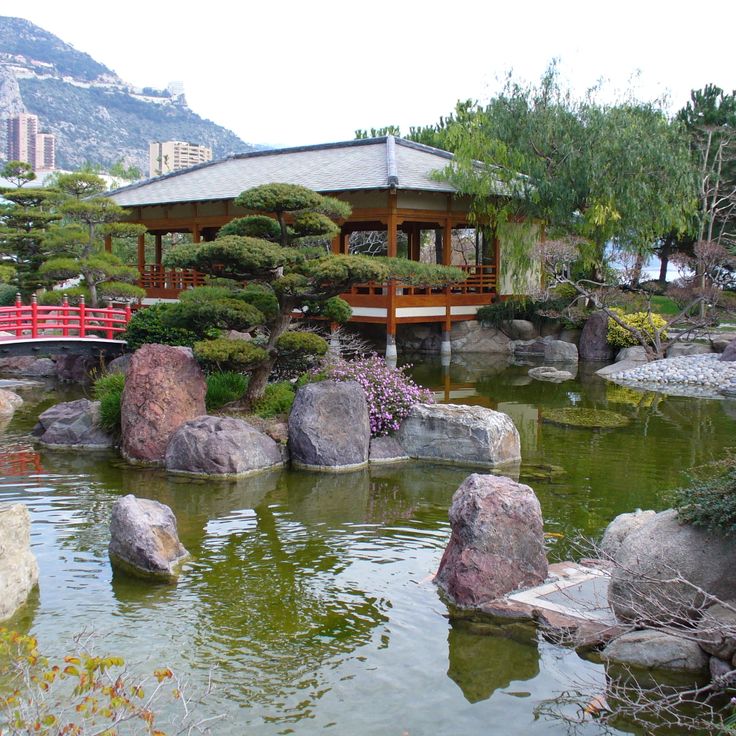
The Japanese Garden in Monaco covers 7000 square meters and follows the design principles of Zen gardens. It features ponds, waterfalls, a red bridge, a tea house, and vegetation from Asia. This garden offers a space to experience a different approach to nature, complementing Monaco's Western architecture. You can walk through carefully arranged landscapes and observe how water, stone, and plants work together. The tea house provides an authentic setting to learn about Japanese traditions and the philosophy behind this type of garden design.
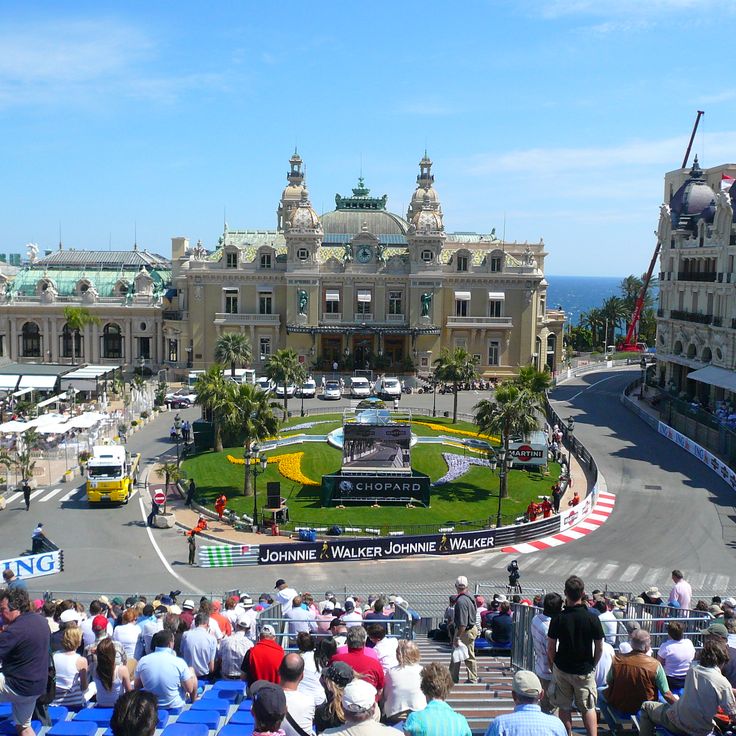
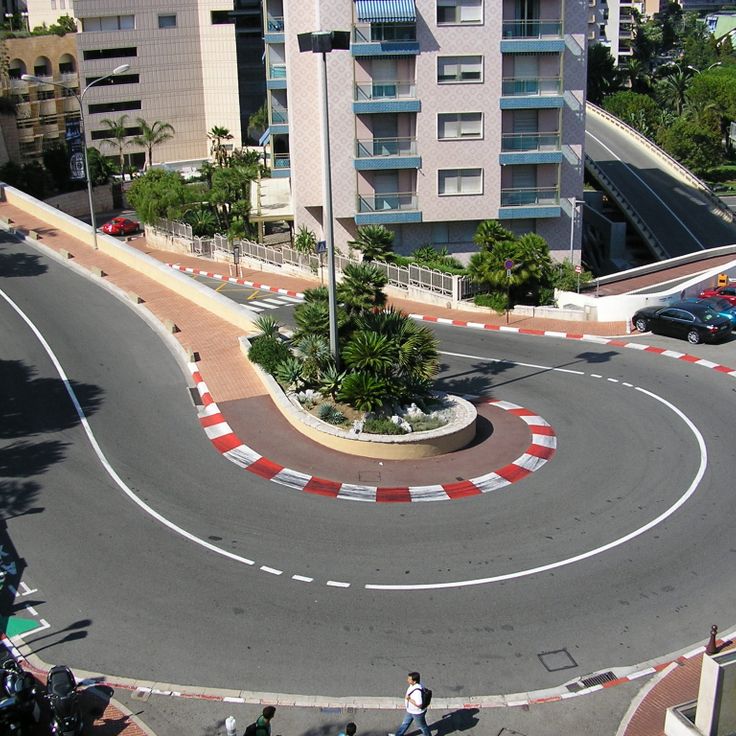
The Monaco Circuit is an urban racetrack that winds through the streets of Monte-Carlo and La Condamine. Since 1929, it has hosted Formula 1 racing events. This track is part of the Principality's history and shows how Monaco became an international center for motorsport. When you walk through the streets, you can see the tight turns and special features that made this place famous. The Circuit is closely tied to Monaco's modern development and attracts racing fans from around the world.
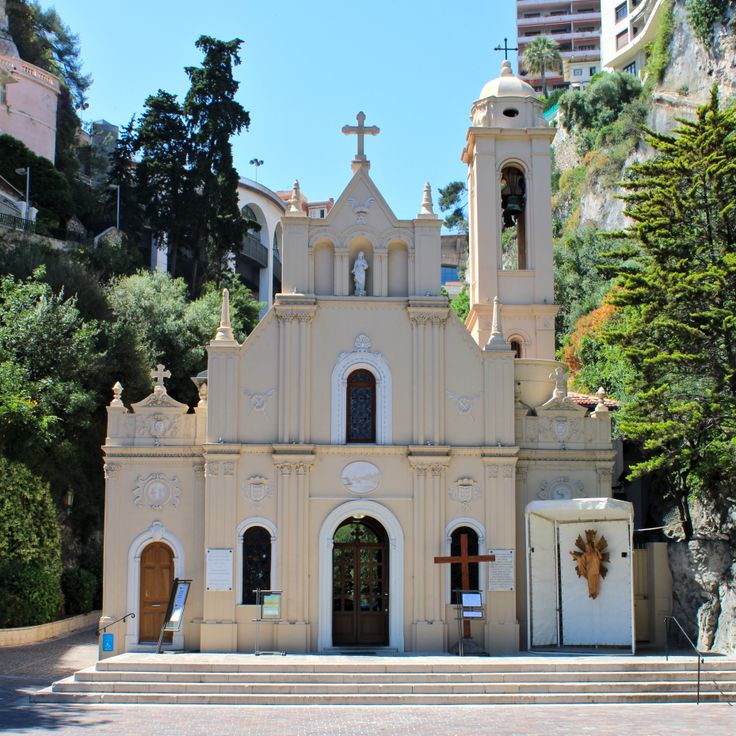
The Church of Sainte-Dévote sits in a gorge beside Monaco's harbor and was built in the 11th century. It has held the relics of Saint Devota since 1070 and holds an important place in the Principality's history. This small place of worship displays Romanesque architecture and features a distinctive white facade. Inside, religious artworks tell the story of the saint's veneration. The church is centrally located and makes for an easy stop while exploring Monaco on foot.
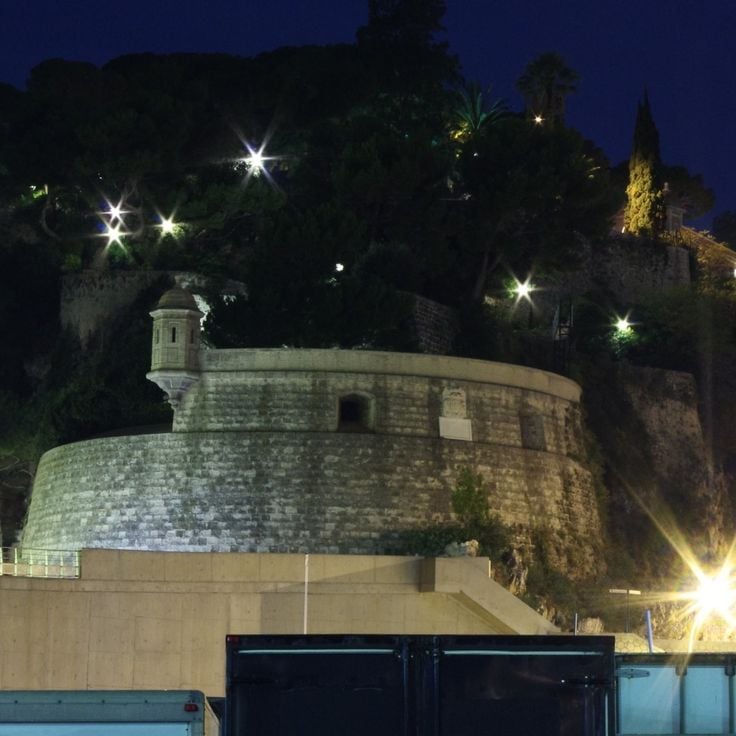
Fort Antoine is a former military fortress from the 18th century that sits on a rocky headland and was transformed into an open-air theater with 350 seats in 1953. This building in Monaco shows how the Principality converted its defensive structures into cultural spaces. The fort stands on a cliff overlooking the Mediterranean. Today, visitors come here to watch outdoor performances and experience the history of the place.
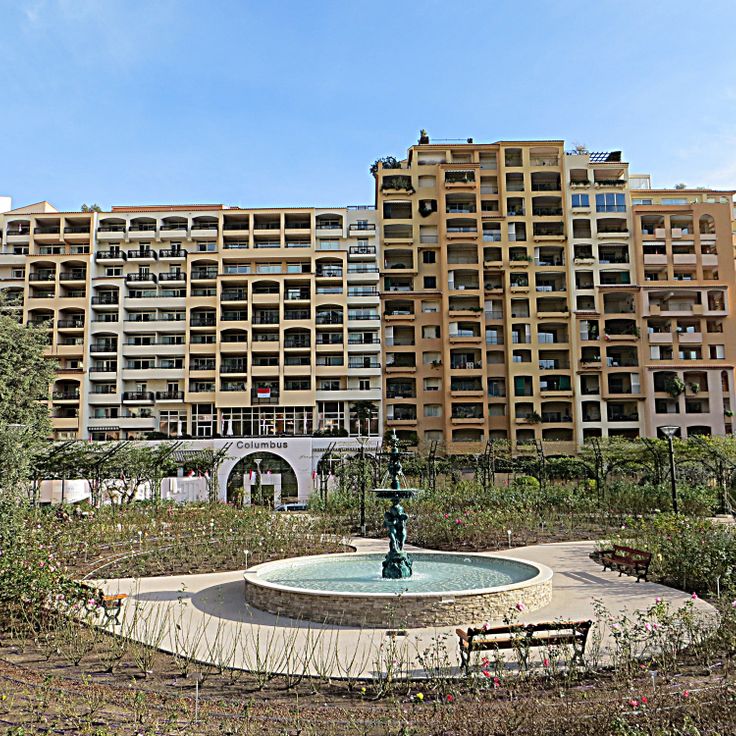
The Roseraie Princesse Grace is a botanical garden in Monaco created in 1984. Spread across 4000 square meters, it displays more than 300 varieties of roses planted in beds and trained on pergolas. The garden showcases these flowers in many colors and shapes, offering visitors a place to walk among blooms at different seasons. It was named in honor of Princess Grace and sits among Monaco's other green spaces, including the Exotic Garden and various botanical collections. The garden provides a quieter retreat from the busier parts of the Principality.
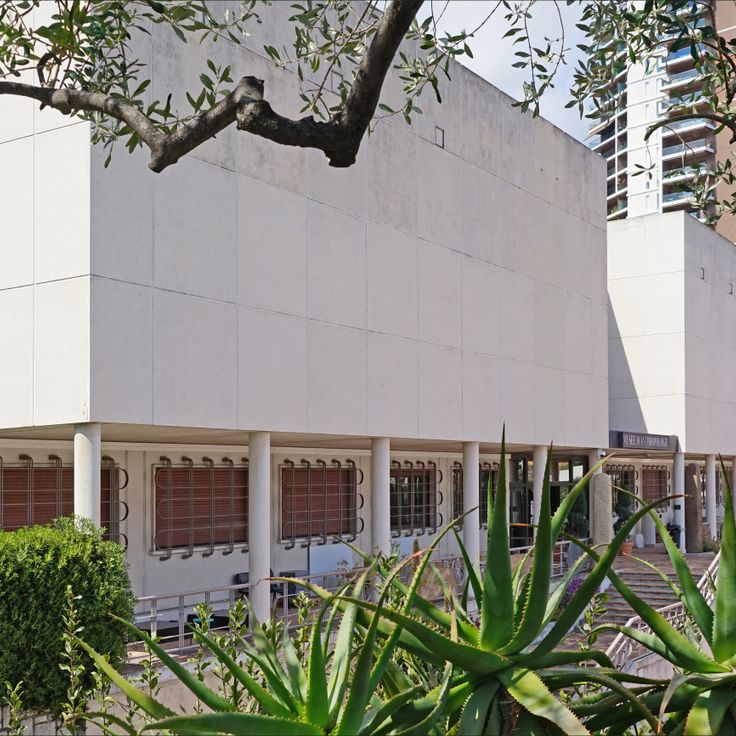
The Museum of Prehistoric Anthropology is a scientific institution established in 1902. It displays human fossils and stone tools discovered in caves throughout the Mediterranean region. The museum helps visitors understand the history of early humans in this area. The collections tell the story of human civilization's development over thousands of years. A visit offers insight into the lives and skills of people who lived here long before modern times.
Villa Sauber is a house built in the late 19th century that now serves as a home for the New National Museum of Monaco. The museum displays works by contemporary artists through rotating exhibitions. Visitors can explore current artistic practices and see what artists are creating today. The building itself is part of Monaco's history and brings together the past with the contemporary art scene.
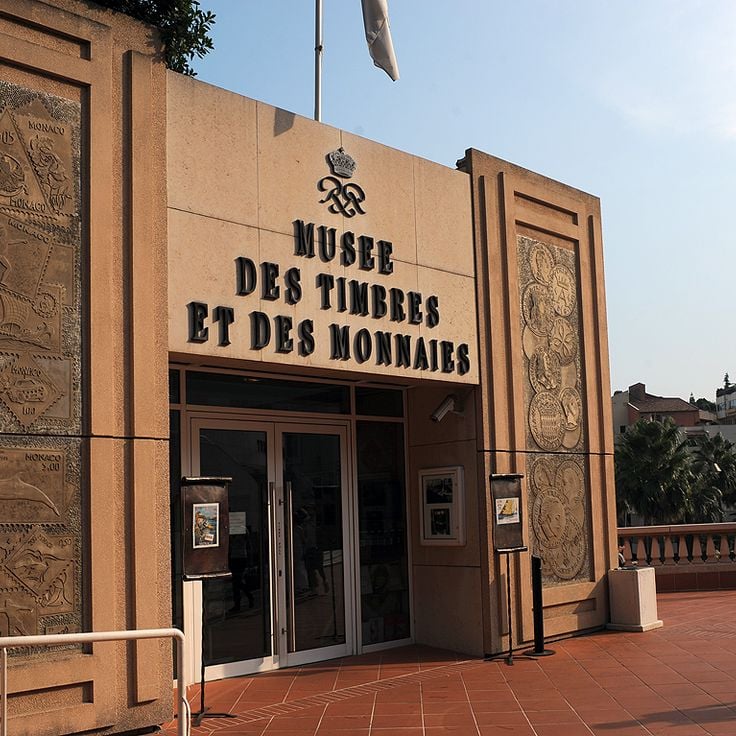
The Musée des Timbres et des Monnaies in Monaco holds the national collection of postage stamps issued since 1885 and coins minted by Monaco's princes since the 17th century. This museum showcases how stamp designs and coins have evolved over time, reflecting the principality's history through these everyday objects. Visitors can examine the artistic details and craftsmanship that went into creating these pieces. The collection provides a direct window into Monaco's past, showing how the nation has represented itself on these small but significant items. Those interested in history, art, and numismatics will find the museum a worthwhile stop.
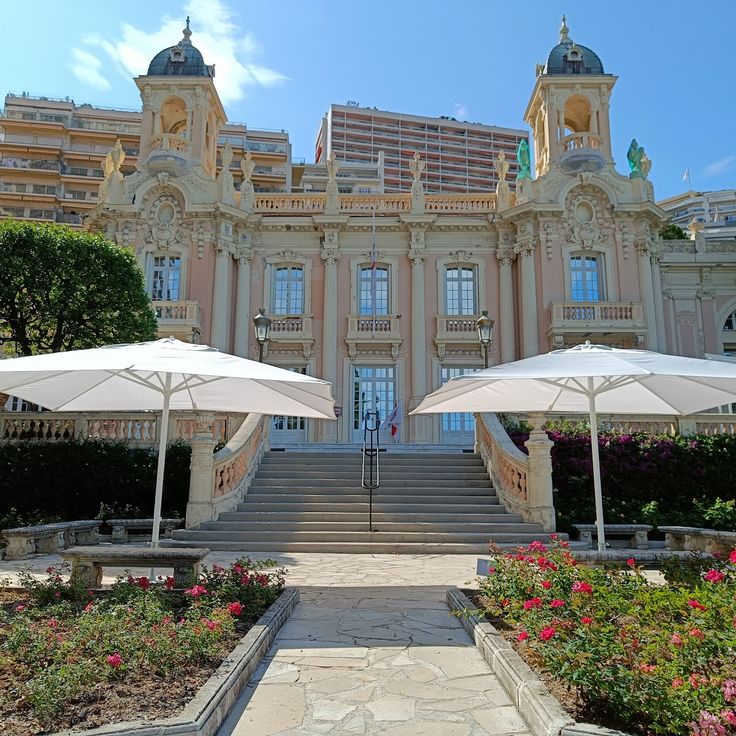
Villa Paloma is a Belle Époque building that became a branch of Monaco's National Museum in 2009, hosting rotating exhibitions of contemporary art. The villa allows visitors to experience modern artistic creations within a historic setting. This building represents how Monaco connects its architectural heritage with active contemporary cultural life.
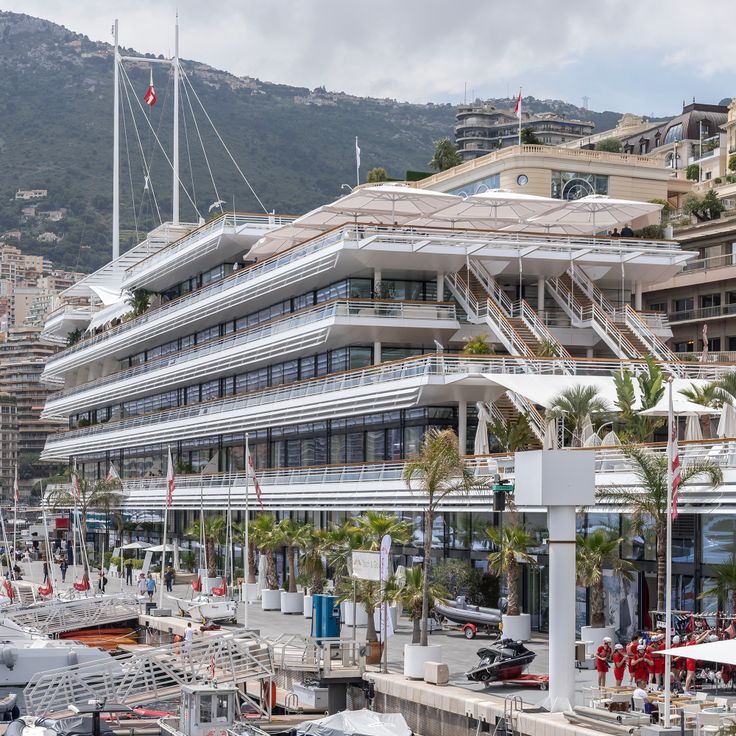
The Yacht Club of this Principality was founded in 1953 and serves as a hub for sailing enthusiasts and water sports lovers. Located at Port Hercule, it offers modern facilities for its members. The current building dates from 2014 and combines contemporary design with sailing traditions. From here, you can watch the harbor's activities and experience the maritime life of Monaco.
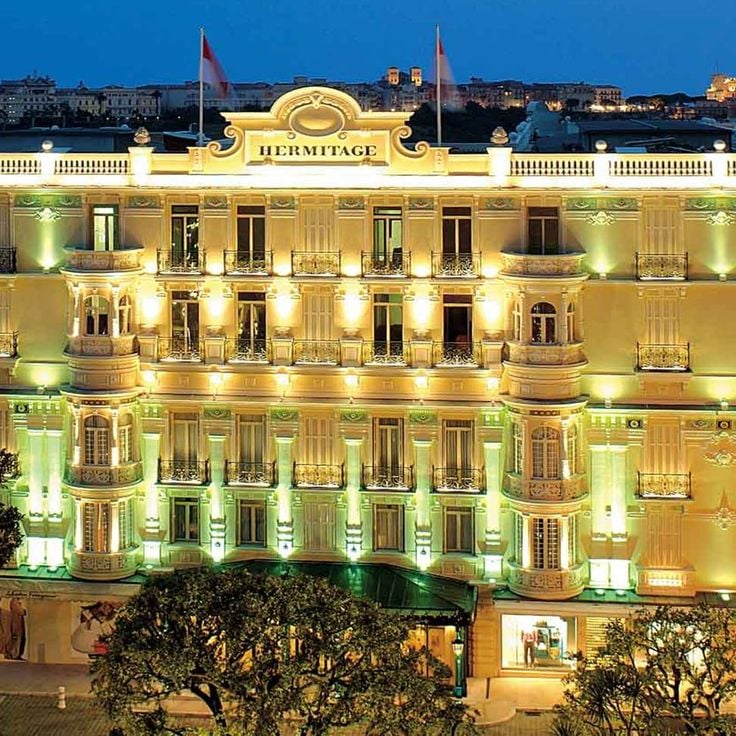
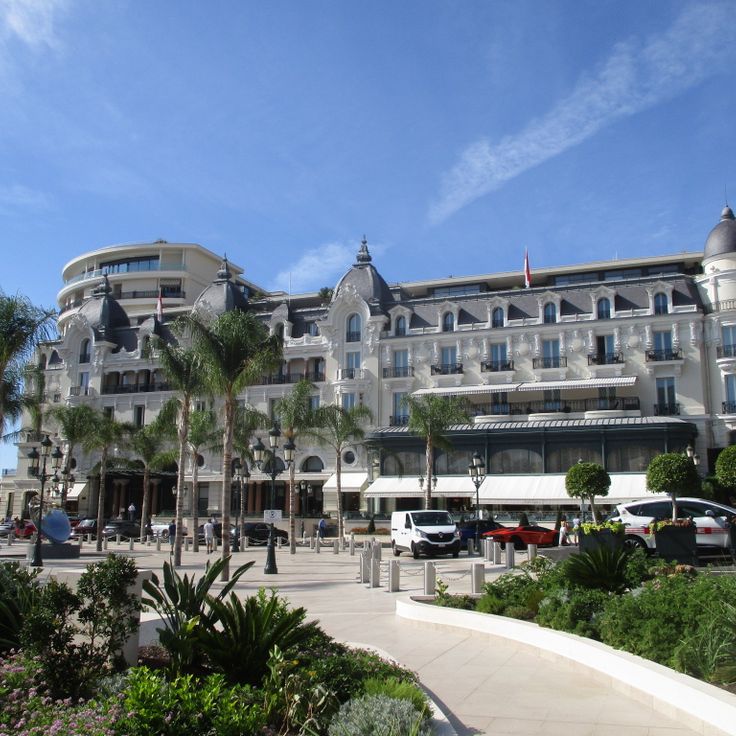
The Hermitage Hotel was built in 1890 by architect Jean Marquet and stands as a testament to Monaco's architectural heritage. The building features a glass structure and reception hall designed in the Belle Epoque style. This hotel represents the design excellence that emerged as the Principality developed into an exclusive destination. Located near other landmarks such as the Monte-Carlo Casino and the Prince's Palace, it shows how the city shaped its built environment during this flourishing period.
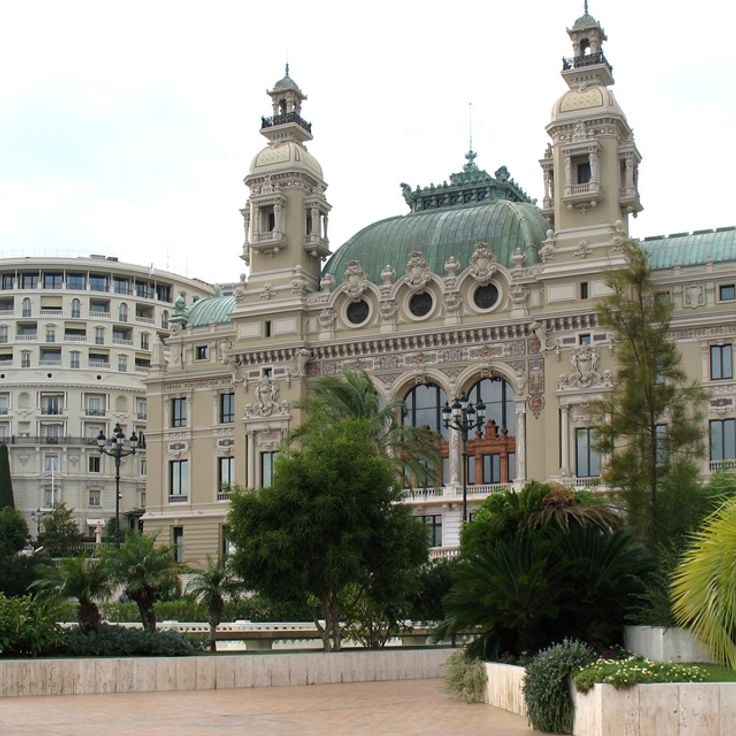
The Opéra de Monte-Carlo sits at the heart of Monaco and opened in 1879. The building follows the style of the Paris Opera and impresses with its lavish interior spaces. Marble, gold, and red velvet appear throughout. The hall holds around 500 seats and served as an important venue for opera performances and concerts. Visitors interested in the Belle Époque and the history of the arts in the region will find here an example of the refined building style of that era.
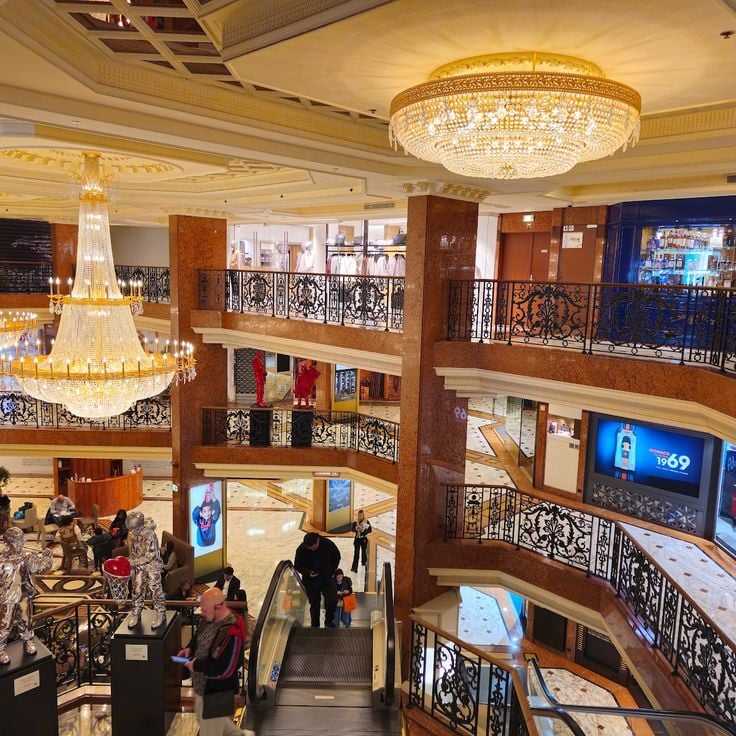
Metropole Shopping Monte-Carlo is a shopping center located near the Casino in Monaco. It houses approximately 80 fashion boutiques and restaurants spread across several levels within a building designed in Belle Époque style. The venue combines shopping and dining in a historical setting, allowing visitors to browse elegant stores and enjoy meals without stepping outside.
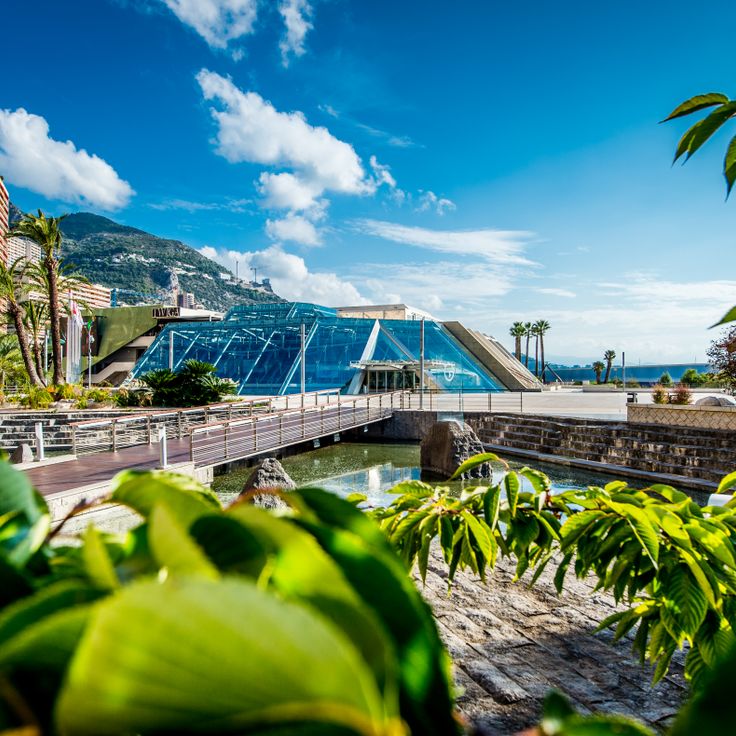
The Grimaldi Forum is a cultural center and congress facility on Monaco's Mediterranean coastline, built in 2000. The venue features three auditoriums and multiple exhibition spaces. It regularly hosts exhibitions, conferences, and cultural events for visitors and locals alike. Located right by the sea, the building plays an important role in the principality's cultural life.
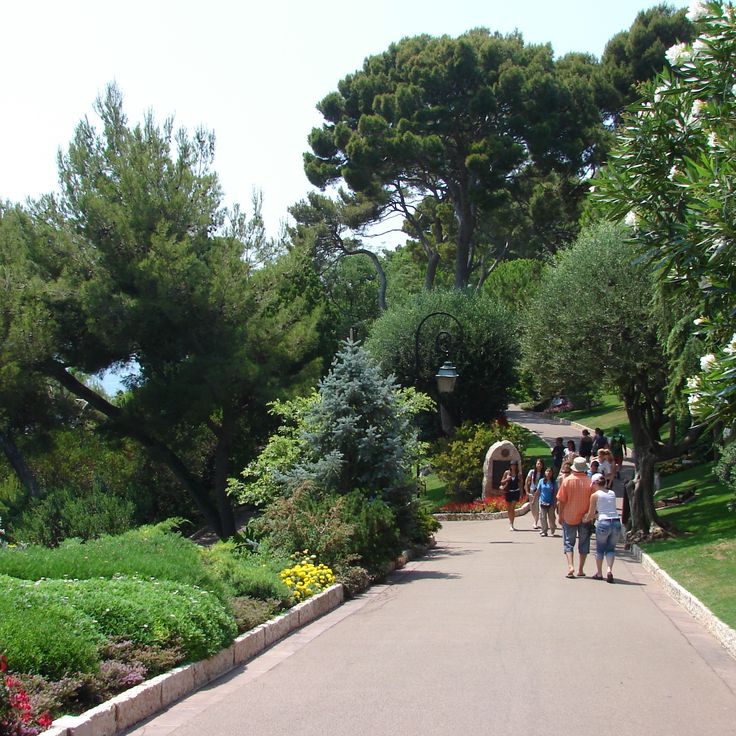
The Saint Martin and Sainte Barbe Gardens in Monaco sit on the Rock of Monaco and feature walkways lined with Mediterranean plants. A bronze statue of Prince Albert I overlooks the sea. These public gardens show the connection between history and nature that defines the Principality. The location invites you to stroll and offers views of the Mediterranean.
Hotel de Paris is a historical building that opened in 1864 in the Monte-Carlo area and shaped Monaco's development as a luxury destination. After a complete renovation in 2014, the hotel offers elegant rooms, reception halls, and several restaurants. The building stands near the Monte-Carlo Casino and reflects Belle-Époque architecture. When walking through Monaco's streets, you encounter this hotel as a significant landmark in the Principality's hospitality history.
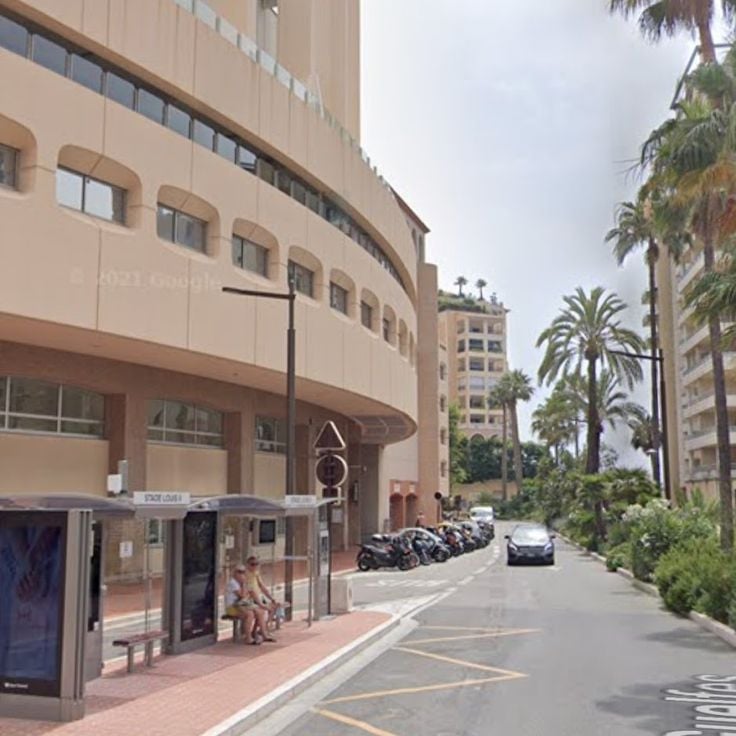
The Stade Louis II is Monaco's sports facility built on the sea and serves as home to AS Monaco. The facility houses a football pitch, an athletics track, a multi-sport hall, and a water sports center. You can visit the stadium to discover the modern sports infrastructure of the Principality and feel the energy of football in this unique seaside location.
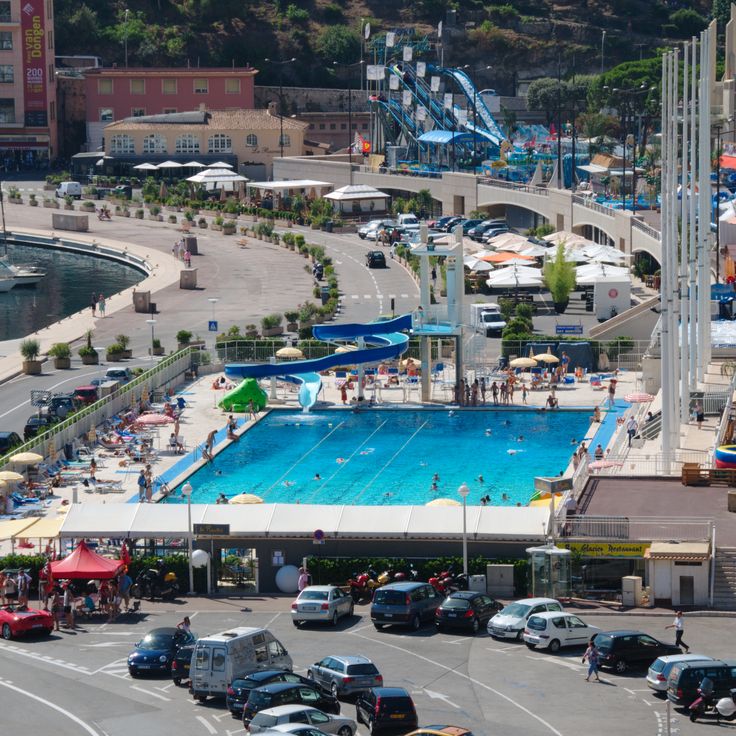
The Stade Nautique Rainier III sits at Port Hercule and serves as a water sports center in Monaco. It features a 50-meter Olympic pool filled with seawater. In winter, the facility transforms into an ice skating rink. The Stade Nautique Rainier III demonstrates how the Principality uses its modern facilities to offer different activities year-round, engaging both residents and visitors.
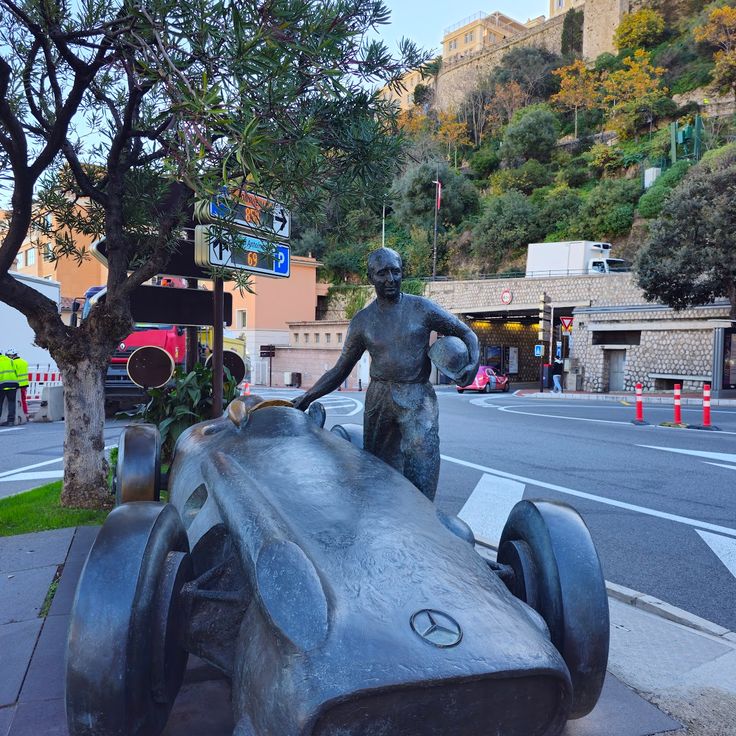
The Fangio Memorial is a life-sized bronze sculpture depicting the legendary Formula 1 driver Juan Manuel Fangio. Located in Monaco near the curve named after him during the Grand Prix, this monument honors one of motorsport's greatest drivers. His remarkable achievements are celebrated through this sculpture, which stands as a tribute to his skill and determination. Visitors and racing enthusiasts gather here to connect with the racing history of the Principality.
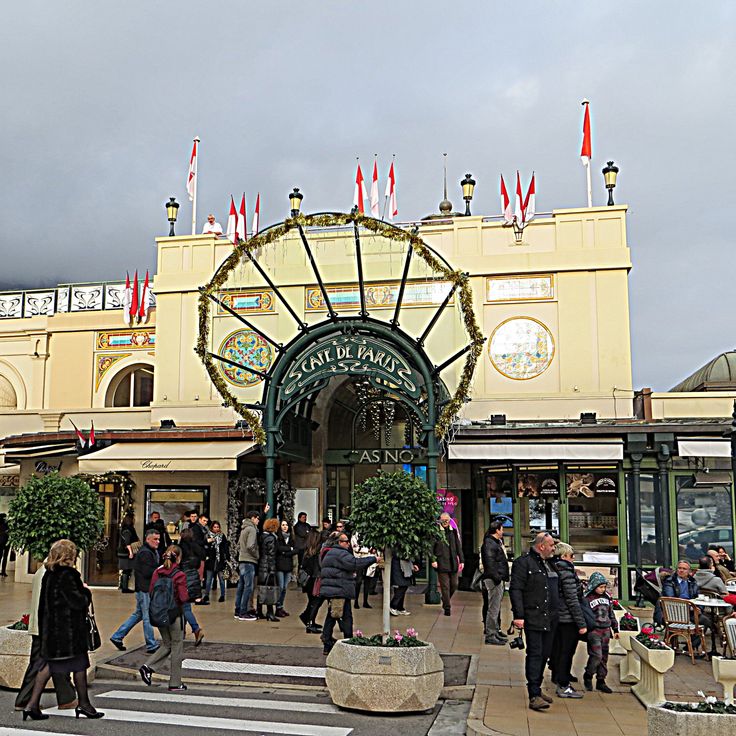
The Cafe de Paris sits on the plaza in front of the Monte-Carlo Casino, a place where Monaco's history comes alive. The restaurant was renovated in 1988 and features rooms decorated in Belle Epoque style. The terraces offer a spot to watch life unfold while you dine. The Cafe de Paris tells the story of when Monaco became a destination for wealthy travelers.
The Odéon Tower is a luxury residential building completed in 2014 by architect Alexandre Giraldi and stands at Monaco's highest point. This contemporary structure rises above the Principality and shapes the skyline of the coastal city. The tower represents modern architecture and residential living in Monaco, where history and present-day development intersect.
The Casino of Monte-Carlo opened in 1863 and stands as a representation of Belle Époque architecture. Its halls are adorned with marble and gold, creating an impression of grandeur and elegance. This gambling establishment represents the glamorous past of the Principality and attracts visitors interested in the luxurious heritage of Monaco. Walking through its rooms, you experience the refinement that has defined this place since its founding.
The Prince's Palace in Monaco is a fortress built in the thirteenth century and later transformed into a Renaissance palace. The State apartments are open to visitors during the summer months. The palace shows the history of the ruling family and how architecture evolved over centuries. From outside, the building appears strong with its stone walls and details that reflect different periods. Inside, visitors can discover grand rooms filled with valuable furniture and artworks. The palace stands as a key part of Monaco's story and development.
The Oceanographic Museum in Monaco is a marine research institute with laboratory spaces and exhibition halls. Visitors can explore aquariums housing more than 6000 specimens from Mediterranean and tropical waters. This museum displays the diversity of ocean life and showcases the scientific work conducted there. Those interested in marine biology will learn about ecosystems from around the world.
The Vintage Car Collection in Monaco displays about a hundred historic vehicles from different periods. European and American models sit alongside sports cars and luxury automobiles. The exhibition tells the story of automotive history through its cars. Visitors can follow how vehicle technology and design changed over the decades. Each car has its own story and shows how transportation evolved.
Monaco Cathedral is a religious building made of white stone from La Turbie, constructed between 1875 and 1884. It houses the burial places of Monaco's rulers, including Princess Grace Kelly. The cathedral's bright facade shapes Monaco's skyline and tells the story of the princely family. When you enter, you notice the simply designed but dignified interior spaces. The cathedral is a place where history and faith meet, and where you can feel the connection of Monaco's people to their ruling family.
Casino Square sits at the heart of Monte-Carlo, showcasing buildings from the Belle Époque period. The square is defined by ornately designed facades that reflect the architecture of the late 1800s. The Casino itself is a grand structure, surrounded by the legendary Hotel de Paris and the Café de Paris. These places tell of an era when the Riviera was a meeting point for travelers from around the world. The square shows how Monaco developed from a small principality into a respected resort destination. Visitors can trace the footsteps of this storied period by walking through the square.
The Exotic Garden sits on a clifftop and has housed over 1000 succulents and cacti from around the world since 1933. The plants come from different continents and thrive in this special setting. The garden offers views of the sea and showcases the variety of plant life. Visitors can walk among the different species and experience nature directly.
This cave in Monaco is a prehistoric site showing traces of human settlement from the Stone Age. The natural cavern displays stalactites, stalagmites, and various limestone deposits formed over thousands of years. You can explore the geological layers here and understand how people lived in this region long ago.
The Port of Monte-Carlo is Monaco's main harbor, accommodating around 700 boats. This busy port area contains restaurants, shops, and maritime services. The harbor forms the living heart of the Principality and connects the city to the sea. You can walk here, watch the boats, and enjoy the activity along the water.
Larvotto Beach is Monaco's public beach, lined with pebbles along the Mediterranean coast. Restaurants and beach clubs border the shoreline, offering dining and social spaces. This beach provides a place to relax and enjoy the sea after exploring Monaco's historical palaces, casinos, and museums. Visitors can walk here easily from other nearby attractions.
The Church of Saint-Charles stands in Monte-Carlo and was built in 1883. It displays a facade in the Renaissance style with colorful stained-glass windows. This house of worship is part of Monaco's religious buildings and belongs to the places that tell the history of the Principality. Visitors can admire the architecture of that era and learn more about Monaco's religious past.
The Japanese Garden in Monaco covers 7000 square meters and follows the design principles of Zen gardens. It features ponds, waterfalls, a red bridge, a tea house, and vegetation from Asia. This garden offers a space to experience a different approach to nature, complementing Monaco's Western architecture. You can walk through carefully arranged landscapes and observe how water, stone, and plants work together. The tea house provides an authentic setting to learn about Japanese traditions and the philosophy behind this type of garden design.
The Monaco Circuit is an urban racetrack that winds through the streets of Monte-Carlo and La Condamine. Since 1929, it has hosted Formula 1 racing events. This track is part of the Principality's history and shows how Monaco became an international center for motorsport. When you walk through the streets, you can see the tight turns and special features that made this place famous. The Circuit is closely tied to Monaco's modern development and attracts racing fans from around the world.
The Church of Sainte-Dévote sits in a gorge beside Monaco's harbor and was built in the 11th century. It has held the relics of Saint Devota since 1070 and holds an important place in the Principality's history. This small place of worship displays Romanesque architecture and features a distinctive white facade. Inside, religious artworks tell the story of the saint's veneration. The church is centrally located and makes for an easy stop while exploring Monaco on foot.
Fort Antoine is a former military fortress from the 18th century that sits on a rocky headland and was transformed into an open-air theater with 350 seats in 1953. This building in Monaco shows how the Principality converted its defensive structures into cultural spaces. The fort stands on a cliff overlooking the Mediterranean. Today, visitors come here to watch outdoor performances and experience the history of the place.
The Roseraie Princesse Grace is a botanical garden in Monaco created in 1984. Spread across 4000 square meters, it displays more than 300 varieties of roses planted in beds and trained on pergolas. The garden showcases these flowers in many colors and shapes, offering visitors a place to walk among blooms at different seasons. It was named in honor of Princess Grace and sits among Monaco's other green spaces, including the Exotic Garden and various botanical collections. The garden provides a quieter retreat from the busier parts of the Principality.
The Museum of Prehistoric Anthropology is a scientific institution established in 1902. It displays human fossils and stone tools discovered in caves throughout the Mediterranean region. The museum helps visitors understand the history of early humans in this area. The collections tell the story of human civilization's development over thousands of years. A visit offers insight into the lives and skills of people who lived here long before modern times.
Villa Sauber is a house built in the late 19th century that now serves as a home for the New National Museum of Monaco. The museum displays works by contemporary artists through rotating exhibitions. Visitors can explore current artistic practices and see what artists are creating today. The building itself is part of Monaco's history and brings together the past with the contemporary art scene.
The Musée des Timbres et des Monnaies in Monaco holds the national collection of postage stamps issued since 1885 and coins minted by Monaco's princes since the 17th century. This museum showcases how stamp designs and coins have evolved over time, reflecting the principality's history through these everyday objects. Visitors can examine the artistic details and craftsmanship that went into creating these pieces. The collection provides a direct window into Monaco's past, showing how the nation has represented itself on these small but significant items. Those interested in history, art, and numismatics will find the museum a worthwhile stop.
Villa Paloma is a Belle Époque building that became a branch of Monaco's National Museum in 2009, hosting rotating exhibitions of contemporary art. The villa allows visitors to experience modern artistic creations within a historic setting. This building represents how Monaco connects its architectural heritage with active contemporary cultural life.
The Yacht Club of this Principality was founded in 1953 and serves as a hub for sailing enthusiasts and water sports lovers. Located at Port Hercule, it offers modern facilities for its members. The current building dates from 2014 and combines contemporary design with sailing traditions. From here, you can watch the harbor's activities and experience the maritime life of Monaco.
The Hermitage Hotel was built in 1890 by architect Jean Marquet and stands as a testament to Monaco's architectural heritage. The building features a glass structure and reception hall designed in the Belle Epoque style. This hotel represents the design excellence that emerged as the Principality developed into an exclusive destination. Located near other landmarks such as the Monte-Carlo Casino and the Prince's Palace, it shows how the city shaped its built environment during this flourishing period.
The Opéra de Monte-Carlo sits at the heart of Monaco and opened in 1879. The building follows the style of the Paris Opera and impresses with its lavish interior spaces. Marble, gold, and red velvet appear throughout. The hall holds around 500 seats and served as an important venue for opera performances and concerts. Visitors interested in the Belle Époque and the history of the arts in the region will find here an example of the refined building style of that era.
Metropole Shopping Monte-Carlo is a shopping center located near the Casino in Monaco. It houses approximately 80 fashion boutiques and restaurants spread across several levels within a building designed in Belle Époque style. The venue combines shopping and dining in a historical setting, allowing visitors to browse elegant stores and enjoy meals without stepping outside.
The Grimaldi Forum is a cultural center and congress facility on Monaco's Mediterranean coastline, built in 2000. The venue features three auditoriums and multiple exhibition spaces. It regularly hosts exhibitions, conferences, and cultural events for visitors and locals alike. Located right by the sea, the building plays an important role in the principality's cultural life.
The Saint Martin and Sainte Barbe Gardens in Monaco sit on the Rock of Monaco and feature walkways lined with Mediterranean plants. A bronze statue of Prince Albert I overlooks the sea. These public gardens show the connection between history and nature that defines the Principality. The location invites you to stroll and offers views of the Mediterranean.
Hotel de Paris is a historical building that opened in 1864 in the Monte-Carlo area and shaped Monaco's development as a luxury destination. After a complete renovation in 2014, the hotel offers elegant rooms, reception halls, and several restaurants. The building stands near the Monte-Carlo Casino and reflects Belle-Époque architecture. When walking through Monaco's streets, you encounter this hotel as a significant landmark in the Principality's hospitality history.
The Stade Louis II is Monaco's sports facility built on the sea and serves as home to AS Monaco. The facility houses a football pitch, an athletics track, a multi-sport hall, and a water sports center. You can visit the stadium to discover the modern sports infrastructure of the Principality and feel the energy of football in this unique seaside location.
The Stade Nautique Rainier III sits at Port Hercule and serves as a water sports center in Monaco. It features a 50-meter Olympic pool filled with seawater. In winter, the facility transforms into an ice skating rink. The Stade Nautique Rainier III demonstrates how the Principality uses its modern facilities to offer different activities year-round, engaging both residents and visitors.
The Fangio Memorial is a life-sized bronze sculpture depicting the legendary Formula 1 driver Juan Manuel Fangio. Located in Monaco near the curve named after him during the Grand Prix, this monument honors one of motorsport's greatest drivers. His remarkable achievements are celebrated through this sculpture, which stands as a tribute to his skill and determination. Visitors and racing enthusiasts gather here to connect with the racing history of the Principality.
The Cafe de Paris sits on the plaza in front of the Monte-Carlo Casino, a place where Monaco's history comes alive. The restaurant was renovated in 1988 and features rooms decorated in Belle Epoque style. The terraces offer a spot to watch life unfold while you dine. The Cafe de Paris tells the story of when Monaco became a destination for wealthy travelers.
The Odéon Tower is a luxury residential building completed in 2014 by architect Alexandre Giraldi and stands at Monaco's highest point. This contemporary structure rises above the Principality and shapes the skyline of the coastal city. The tower represents modern architecture and residential living in Monaco, where history and present-day development intersect.
The Casino of Monte-Carlo opened in 1863 and stands as a representation of Belle Époque architecture. Its halls are adorned with marble and gold, creating an impression of grandeur and elegance. This gambling establishment represents the glamorous past of the Principality and attracts visitors interested in the luxurious heritage of Monaco. Walking through its rooms, you experience the refinement that has defined this place since its founding.
The Prince's Palace in Monaco is a fortress built in the thirteenth century and later transformed into a Renaissance palace. The State apartments are open to visitors during the summer months. The palace shows the history of the ruling family and how architecture evolved over centuries. From outside, the building appears strong with its stone walls and details that reflect different periods. Inside, visitors can discover grand rooms filled with valuable furniture and artworks. The palace stands as a key part of Monaco's story and development.
The Oceanographic Museum in Monaco is a marine research institute with laboratory spaces and exhibition halls. Visitors can explore aquariums housing more than 6000 specimens from Mediterranean and tropical waters. This museum displays the diversity of ocean life and showcases the scientific work conducted there. Those interested in marine biology will learn about ecosystems from around the world.
The Vintage Car Collection in Monaco displays about a hundred historic vehicles from different periods. European and American models sit alongside sports cars and luxury automobiles. The exhibition tells the story of automotive history through its cars. Visitors can follow how vehicle technology and design changed over the decades. Each car has its own story and shows how transportation evolved.
Monaco Cathedral is a religious building made of white stone from La Turbie, constructed between 1875 and 1884. It houses the burial places of Monaco's rulers, including Princess Grace Kelly. The cathedral's bright facade shapes Monaco's skyline and tells the story of the princely family. When you enter, you notice the simply designed but dignified interior spaces. The cathedral is a place where history and faith meet, and where you can feel the connection of Monaco's people to their ruling family.
Casino Square sits at the heart of Monte-Carlo, showcasing buildings from the Belle Époque period. The square is defined by ornately designed facades that reflect the architecture of the late 1800s. The Casino itself is a grand structure, surrounded by the legendary Hotel de Paris and the Café de Paris. These places tell of an era when the Riviera was a meeting point for travelers from around the world. The square shows how Monaco developed from a small principality into a respected resort destination. Visitors can trace the footsteps of this storied period by walking through the square.
The Exotic Garden sits on a clifftop and has housed over 1000 succulents and cacti from around the world since 1933. The plants come from different continents and thrive in this special setting. The garden offers views of the sea and showcases the variety of plant life. Visitors can walk among the different species and experience nature directly.
This cave in Monaco is a prehistoric site showing traces of human settlement from the Stone Age. The natural cavern displays stalactites, stalagmites, and various limestone deposits formed over thousands of years. You can explore the geological layers here and understand how people lived in this region long ago.
The Port of Monte-Carlo is Monaco's main harbor, accommodating around 700 boats. This busy port area contains restaurants, shops, and maritime services. The harbor forms the living heart of the Principality and connects the city to the sea. You can walk here, watch the boats, and enjoy the activity along the water.
Larvotto Beach is Monaco's public beach, lined with pebbles along the Mediterranean coast. Restaurants and beach clubs border the shoreline, offering dining and social spaces. This beach provides a place to relax and enjoy the sea after exploring Monaco's historical palaces, casinos, and museums. Visitors can walk here easily from other nearby attractions.
The Church of Saint-Charles stands in Monte-Carlo and was built in 1883. It displays a facade in the Renaissance style with colorful stained-glass windows. This house of worship is part of Monaco's religious buildings and belongs to the places that tell the history of the Principality. Visitors can admire the architecture of that era and learn more about Monaco's religious past.
The Japanese Garden in Monaco covers 7000 square meters and follows the design principles of Zen gardens. It features ponds, waterfalls, a red bridge, a tea house, and vegetation from Asia. This garden offers a space to experience a different approach to nature, complementing Monaco's Western architecture. You can walk through carefully arranged landscapes and observe how water, stone, and plants work together. The tea house provides an authentic setting to learn about Japanese traditions and the philosophy behind this type of garden design.
The Monaco Circuit is an urban racetrack that winds through the streets of Monte-Carlo and La Condamine. Since 1929, it has hosted Formula 1 racing events. This track is part of the Principality's history and shows how Monaco became an international center for motorsport. When you walk through the streets, you can see the tight turns and special features that made this place famous. The Circuit is closely tied to Monaco's modern development and attracts racing fans from around the world.
The Church of Sainte-Dévote sits in a gorge beside Monaco's harbor and was built in the 11th century. It has held the relics of Saint Devota since 1070 and holds an important place in the Principality's history. This small place of worship displays Romanesque architecture and features a distinctive white facade. Inside, religious artworks tell the story of the saint's veneration. The church is centrally located and makes for an easy stop while exploring Monaco on foot.
Fort Antoine is a former military fortress from the 18th century that sits on a rocky headland and was transformed into an open-air theater with 350 seats in 1953. This building in Monaco shows how the Principality converted its defensive structures into cultural spaces. The fort stands on a cliff overlooking the Mediterranean. Today, visitors come here to watch outdoor performances and experience the history of the place.
The Roseraie Princesse Grace is a botanical garden in Monaco created in 1984. Spread across 4000 square meters, it displays more than 300 varieties of roses planted in beds and trained on pergolas. The garden showcases these flowers in many colors and shapes, offering visitors a place to walk among blooms at different seasons. It was named in honor of Princess Grace and sits among Monaco's other green spaces, including the Exotic Garden and various botanical collections. The garden provides a quieter retreat from the busier parts of the Principality.
The Museum of Prehistoric Anthropology is a scientific institution established in 1902. It displays human fossils and stone tools discovered in caves throughout the Mediterranean region. The museum helps visitors understand the history of early humans in this area. The collections tell the story of human civilization's development over thousands of years. A visit offers insight into the lives and skills of people who lived here long before modern times.
Villa Sauber is a house built in the late 19th century that now serves as a home for the New National Museum of Monaco. The museum displays works by contemporary artists through rotating exhibitions. Visitors can explore current artistic practices and see what artists are creating today. The building itself is part of Monaco's history and brings together the past with the contemporary art scene.
The Musée des Timbres et des Monnaies in Monaco holds the national collection of postage stamps issued since 1885 and coins minted by Monaco's princes since the 17th century. This museum showcases how stamp designs and coins have evolved over time, reflecting the principality's history through these everyday objects. Visitors can examine the artistic details and craftsmanship that went into creating these pieces. The collection provides a direct window into Monaco's past, showing how the nation has represented itself on these small but significant items. Those interested in history, art, and numismatics will find the museum a worthwhile stop.
Villa Paloma is a Belle Époque building that became a branch of Monaco's National Museum in 2009, hosting rotating exhibitions of contemporary art. The villa allows visitors to experience modern artistic creations within a historic setting. This building represents how Monaco connects its architectural heritage with active contemporary cultural life.
The Yacht Club of this Principality was founded in 1953 and serves as a hub for sailing enthusiasts and water sports lovers. Located at Port Hercule, it offers modern facilities for its members. The current building dates from 2014 and combines contemporary design with sailing traditions. From here, you can watch the harbor's activities and experience the maritime life of Monaco.
The Hermitage Hotel was built in 1890 by architect Jean Marquet and stands as a testament to Monaco's architectural heritage. The building features a glass structure and reception hall designed in the Belle Epoque style. This hotel represents the design excellence that emerged as the Principality developed into an exclusive destination. Located near other landmarks such as the Monte-Carlo Casino and the Prince's Palace, it shows how the city shaped its built environment during this flourishing period.
The Opéra de Monte-Carlo sits at the heart of Monaco and opened in 1879. The building follows the style of the Paris Opera and impresses with its lavish interior spaces. Marble, gold, and red velvet appear throughout. The hall holds around 500 seats and served as an important venue for opera performances and concerts. Visitors interested in the Belle Époque and the history of the arts in the region will find here an example of the refined building style of that era.
Metropole Shopping Monte-Carlo is a shopping center located near the Casino in Monaco. It houses approximately 80 fashion boutiques and restaurants spread across several levels within a building designed in Belle Époque style. The venue combines shopping and dining in a historical setting, allowing visitors to browse elegant stores and enjoy meals without stepping outside.
The Grimaldi Forum is a cultural center and congress facility on Monaco's Mediterranean coastline, built in 2000. The venue features three auditoriums and multiple exhibition spaces. It regularly hosts exhibitions, conferences, and cultural events for visitors and locals alike. Located right by the sea, the building plays an important role in the principality's cultural life.
The Saint Martin and Sainte Barbe Gardens in Monaco sit on the Rock of Monaco and feature walkways lined with Mediterranean plants. A bronze statue of Prince Albert I overlooks the sea. These public gardens show the connection between history and nature that defines the Principality. The location invites you to stroll and offers views of the Mediterranean.
Hotel de Paris is a historical building that opened in 1864 in the Monte-Carlo area and shaped Monaco's development as a luxury destination. After a complete renovation in 2014, the hotel offers elegant rooms, reception halls, and several restaurants. The building stands near the Monte-Carlo Casino and reflects Belle-Époque architecture. When walking through Monaco's streets, you encounter this hotel as a significant landmark in the Principality's hospitality history.
The Stade Louis II is Monaco's sports facility built on the sea and serves as home to AS Monaco. The facility houses a football pitch, an athletics track, a multi-sport hall, and a water sports center. You can visit the stadium to discover the modern sports infrastructure of the Principality and feel the energy of football in this unique seaside location.
The Stade Nautique Rainier III sits at Port Hercule and serves as a water sports center in Monaco. It features a 50-meter Olympic pool filled with seawater. In winter, the facility transforms into an ice skating rink. The Stade Nautique Rainier III demonstrates how the Principality uses its modern facilities to offer different activities year-round, engaging both residents and visitors.
The Fangio Memorial is a life-sized bronze sculpture depicting the legendary Formula 1 driver Juan Manuel Fangio. Located in Monaco near the curve named after him during the Grand Prix, this monument honors one of motorsport's greatest drivers. His remarkable achievements are celebrated through this sculpture, which stands as a tribute to his skill and determination. Visitors and racing enthusiasts gather here to connect with the racing history of the Principality.
The Cafe de Paris sits on the plaza in front of the Monte-Carlo Casino, a place where Monaco's history comes alive. The restaurant was renovated in 1988 and features rooms decorated in Belle Epoque style. The terraces offer a spot to watch life unfold while you dine. The Cafe de Paris tells the story of when Monaco became a destination for wealthy travelers.
The Odéon Tower is a luxury residential building completed in 2014 by architect Alexandre Giraldi and stands at Monaco's highest point. This contemporary structure rises above the Principality and shapes the skyline of the coastal city. The tower represents modern architecture and residential living in Monaco, where history and present-day development intersect.
A visit to the principality is worth it because beyond the show, this place has a lot of charm.