See the monuments around you in AROpen chests in the app
Around Us is built for your phone — point your camera at the streets and discover the monuments and places around you in augmented reality.Around Us is built for your phone — chests unlock when you walk, explore and capture nearby places.
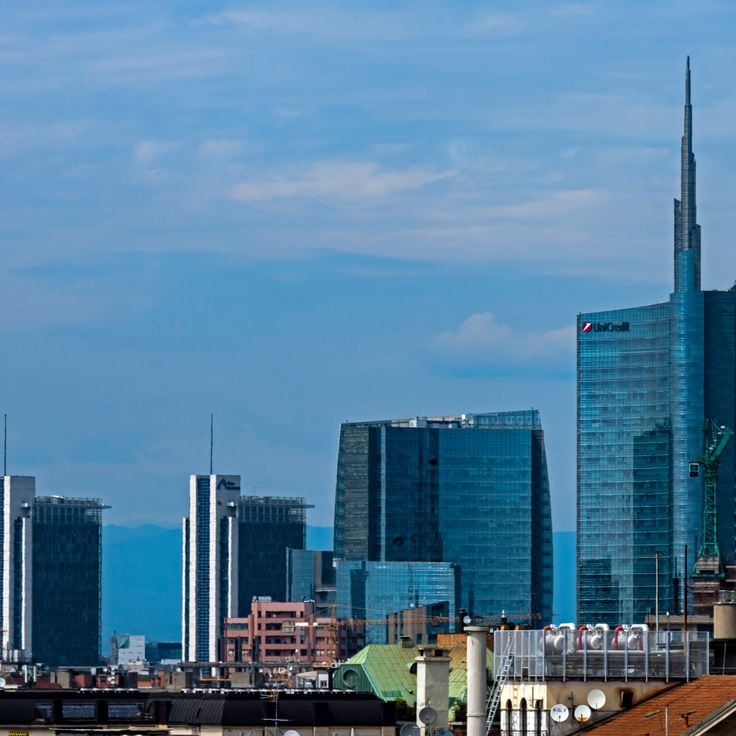
Milan's skyline shows skyscrapers from different eras, telling the story of a city that keeps reinventing itself through design and innovation. The Pirelli Tower from the 1950s stands as a historical landmark, while the UniCredit Tower represents the latest generation of tall buildings. Between them lies a collection of buildings that each brought something new to the city: the Bosco Verticale with its plant-covered balconies, the Diamond Tower with its sharp geometric lines, and structures like Palazzo Lombardia and the Generali Tower that reshape how people move through the city.
Walking through Milan's newer districts around Porta Nuova and Porta Garibaldi, you see how these towers create the rhythm of modern urban life. The buildings are not just individual structures but together form spaces where people work, shop, and gather. This collection of towers shows how Milan treats architecture as both practical and artistic. From the Velasca Tower to the Allianz Tower, each building reflects a different approach to what a modern city can look like. Visiting these areas gives you a sense of how Milan moves forward while respecting what came before.
Milan's skyline shows skyscrapers from different eras, telling the story of a city that keeps reinventing itself through design and innovation. The Pirelli Tower from the 1950s stands as a historical landmark, while the UniCredit Tower represents the latest generation of tall buildings. Between them lies a collection of buildings that each brought something new to the city: the Bosco Verticale with its plant-covered balconies, the Diamond Tower with its sharp geometric lines, and structures like Palazzo Lombardia and the Generali Tower that reshape how people move through the city.
Walking through Milan's newer districts around Porta Nuova and Porta Garibaldi, you see how these towers create the rhythm of modern urban life. The buildings are not just individual structures but together form spaces where people work, shop, and gather. This collection of towers shows how Milan treats architecture as both practical and artistic. From the Velasca Tower to the Allianz Tower, each building reflects a different approach to what a modern city can look like. Visiting these areas gives you a sense of how Milan moves forward while respecting what came before.
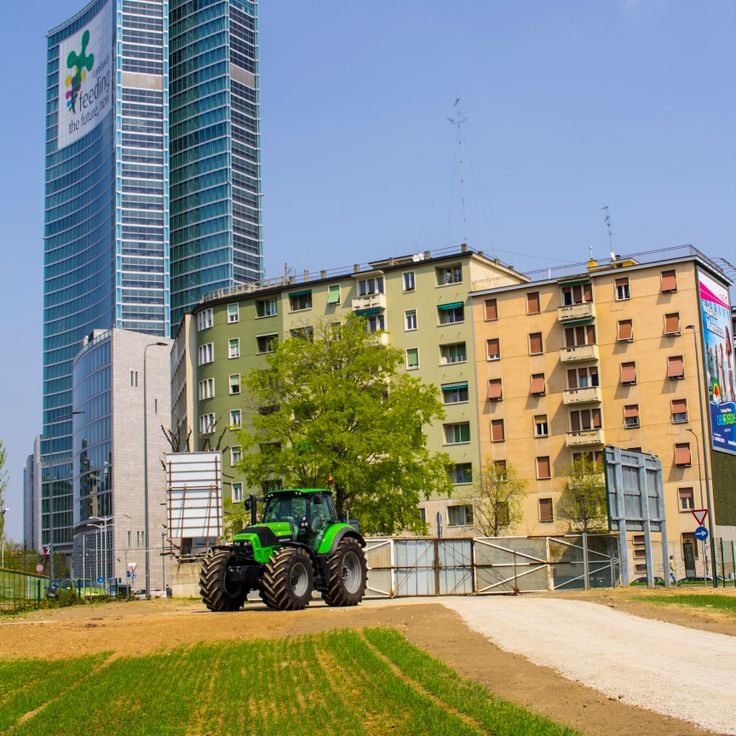
The UniCredit Tower shapes Milan's skyline as a modern skyscraper. Standing at 231 meters, this building houses the headquarters of UniCredit Bank. A spiral spire crowns the structure at its peak. Within the collection of Milan's modern towers and skyscrapers, this tower demonstrates how contemporary architecture combines technical innovation with Italian design.
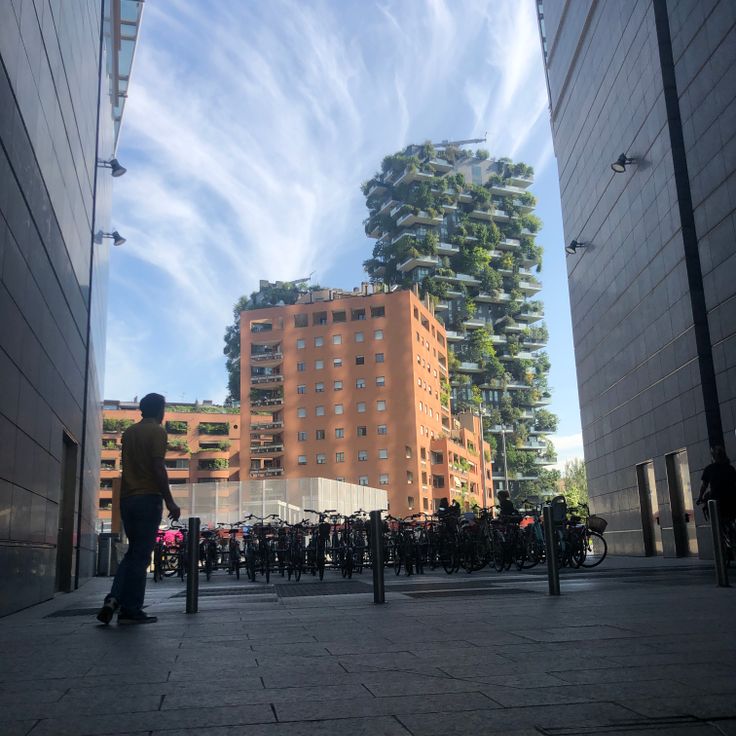
Bosco Verticale demonstrates how Milan's skyline combines architecture with nature. These two towers host over 900 trees and 20000 plants on their balconies, showing how technical innovation and Italian design can work together as part of the city's modern building landscape.
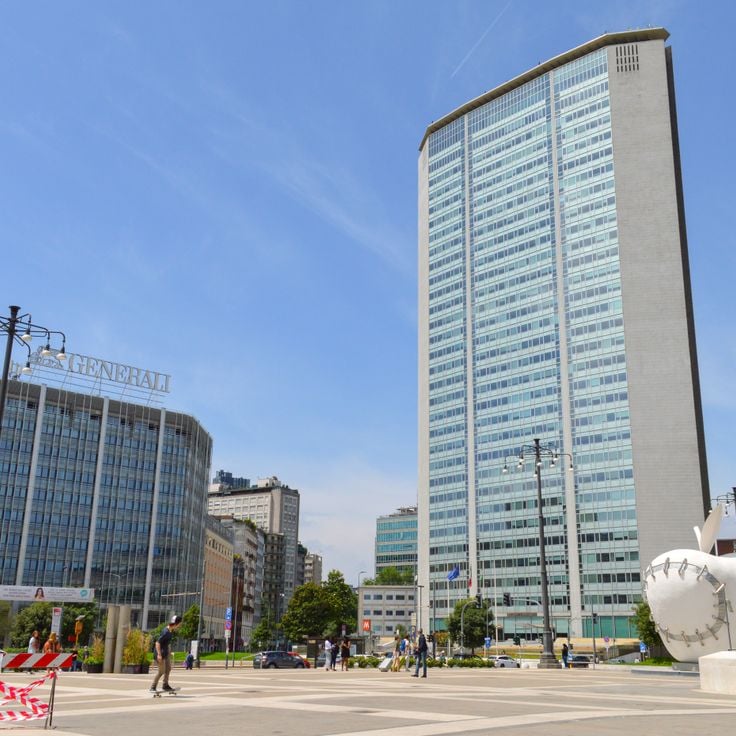
The Pirelli Tower stands as a key building in Milan's skyline and shows how the city brings together skyscrapers from different periods. This 127-meter tower was completed in 1960 and represents modernist architecture with a distinctive hexagonal form. The building shows technical innovation combined with Italian design, much like the plant-covered Bosco Verticale or the geometric Diamond Tower that shape Milan's reputation as an architectural center.
Palazzo Lombardia is a modern building in Milan that houses the Lombardy Regional Government. Standing at 161 meters tall, it is part of the city's contemporary skyline. The building combines modern design with functional spaces and shows how Milan continues to evolve. A large plaza within the building complex provides an open area for visitors and makes the building accessible.
The Diamond Tower is part of Milan's skyline of modern skyscrapers spanning different architectural periods. This 140-meter tower in the Porta Nuova district stands out for its facade with diagonal lines and reflective glass surfaces. The building demonstrates how technical innovation merges with Italian design, fitting into Milan's role as an architectural center.
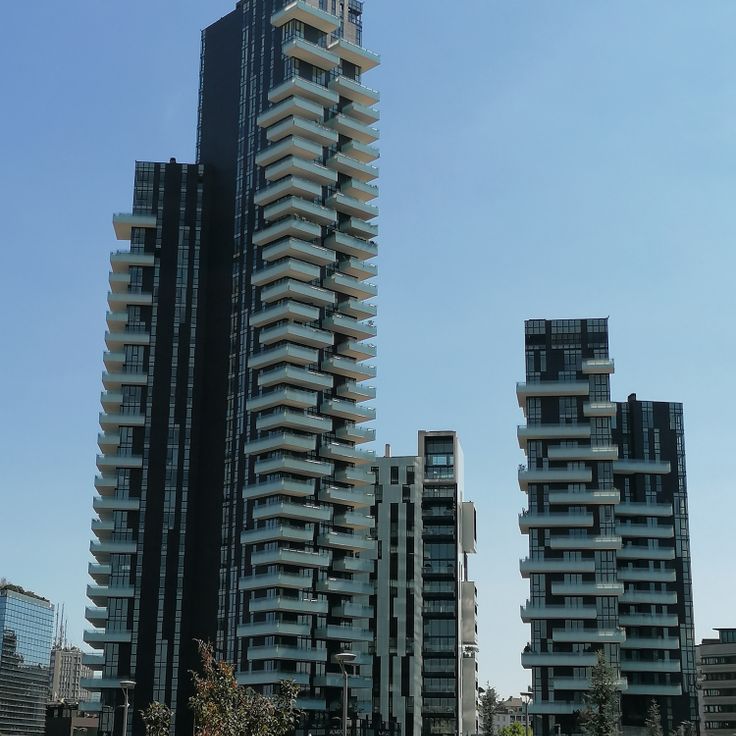
The Solaria Tower is a modern building that fits into Milan's skyline and shows how contemporary architecture shapes the city. With its 34 floors housing apartments and penthouses, this 143-meter-tall building presents itself through glass facades and terraces as part of Milan's architectural range, from historic structures to innovative designs.
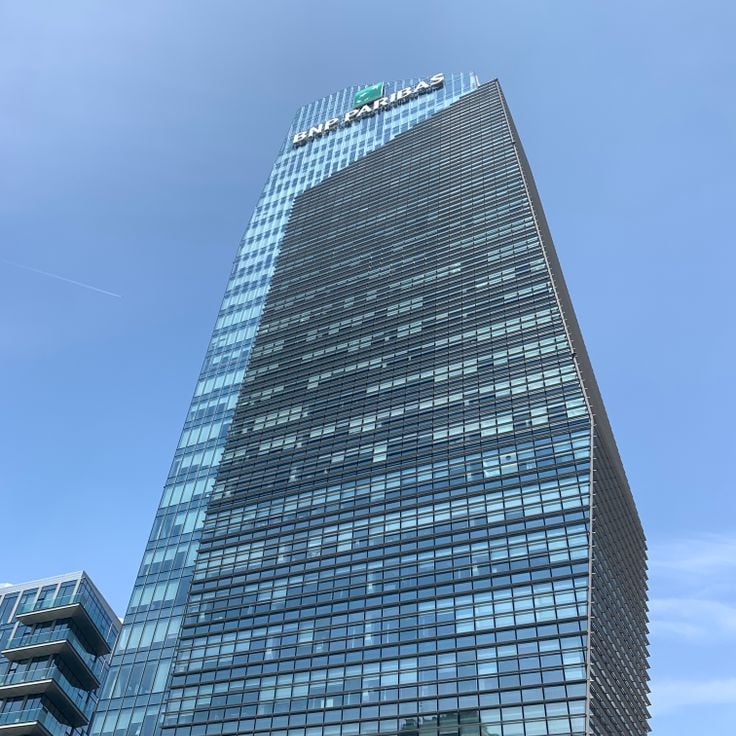
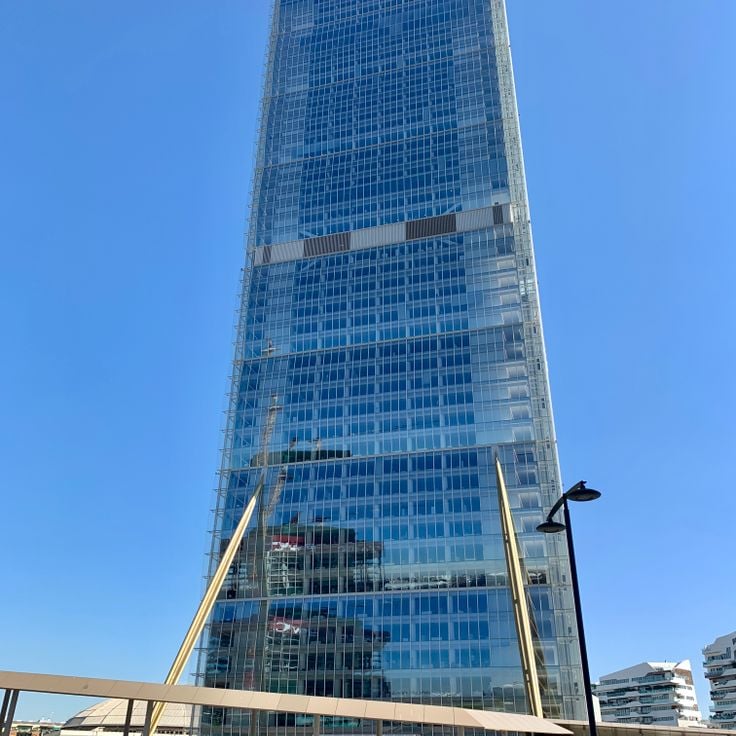
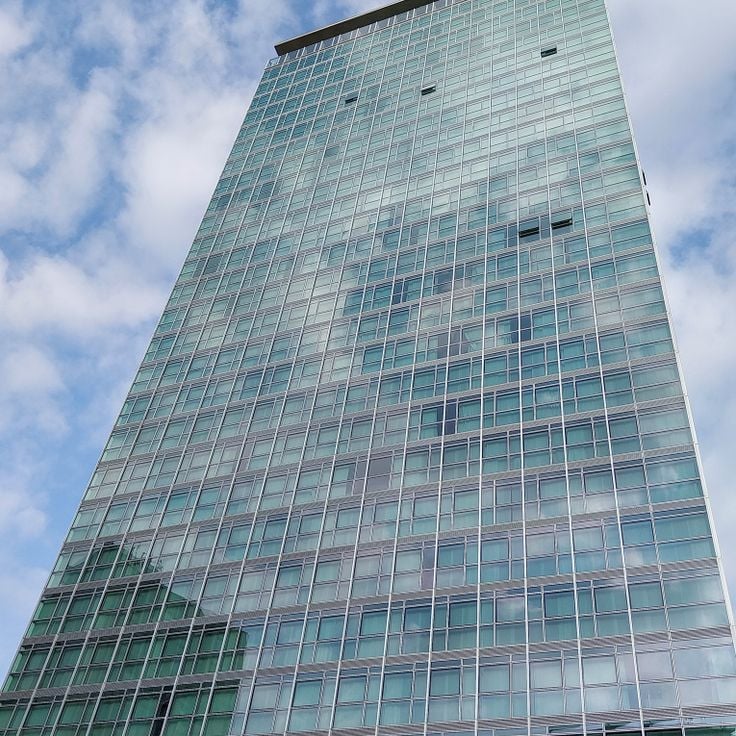
The Allianz Tower stands in the CityLife district and demonstrates how modern Milan combines technical innovation with Italian design. This office building reaches 209 meters in height and was completed in 2015. Its smooth glass facade fits into Milan's skyline, which spans from historical structures like the Pirelli Tower to newer buildings such as the UniCredit Tower and the plant-covered Bosco Verticale.
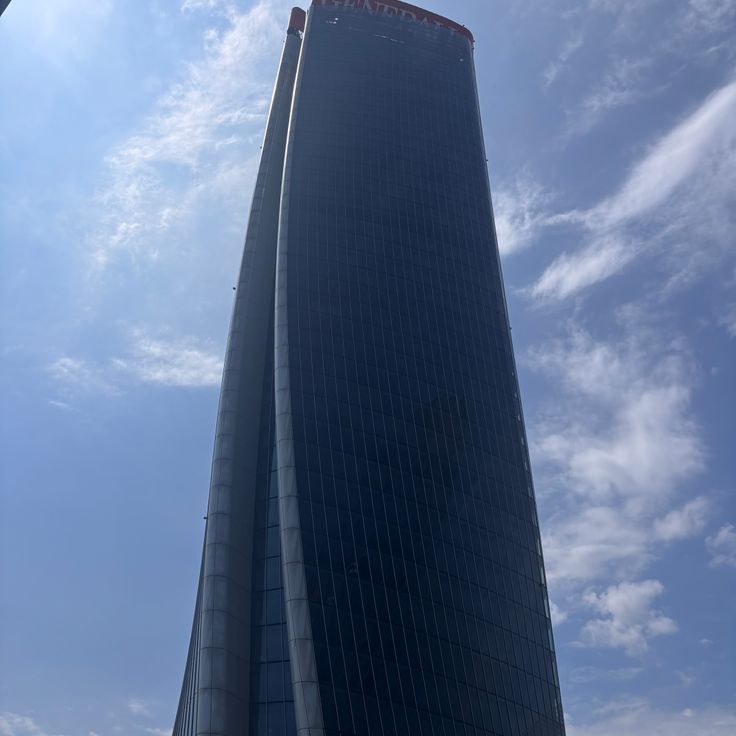
The Generali Tower is a distinctive building in Milan's skyline that demonstrates the city's range of architectural styles. Rising 177 meters with 44 floors, this tower combines technical innovation with modern design. Its twisted form was designed by architect Zaha Hadid and serves primarily as an office building. This structure reflects Milan's position as a center for contemporary architecture.
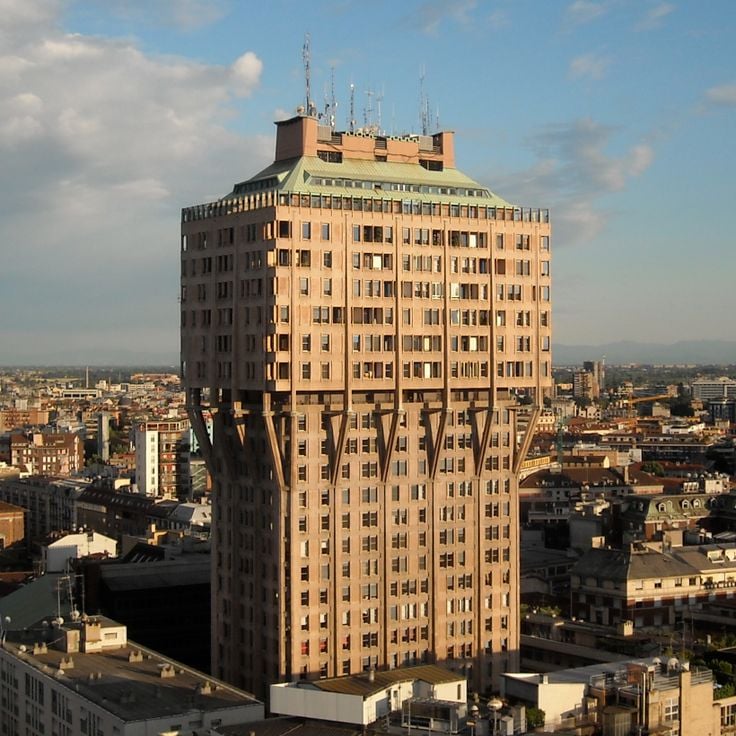
The Velasca Tower stands as a notable example in Milan's collection of modern towers and skyscrapers, representing the architectural innovation of its era. Completed in 1958, this 26-floor concrete structure showcases brutalist design through its distinctive mushroom-shaped profile. The building demonstrates how postwar architects merged technical advancement with Italian design principles.
The Galfa Tower is an office building constructed in 1959 in Milan that represents 1950s architecture through its aluminum facade. Within Milan's skyline, this 109-meter tower demonstrates how the city brings together different building periods, from historical structures like the Pirelli Tower to contemporary works such as the UniCredit Tower and the plant-covered Bosco Verticale.
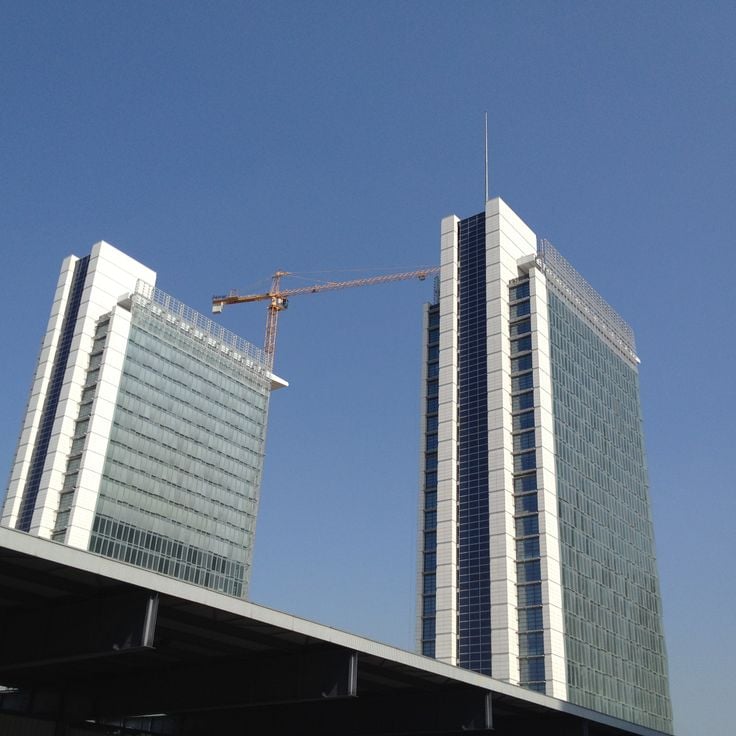
The Garibaldi Towers are two 100-meter office buildings completed in 1992 in Milan's Porta Garibaldi district. They fit into the evolution of the Milan skyline, which showcases modern structures that blend technical innovation with Italian design. These towers demonstrate how Milan positions itself as an architectural center, where form and function come together in contemporary buildings.
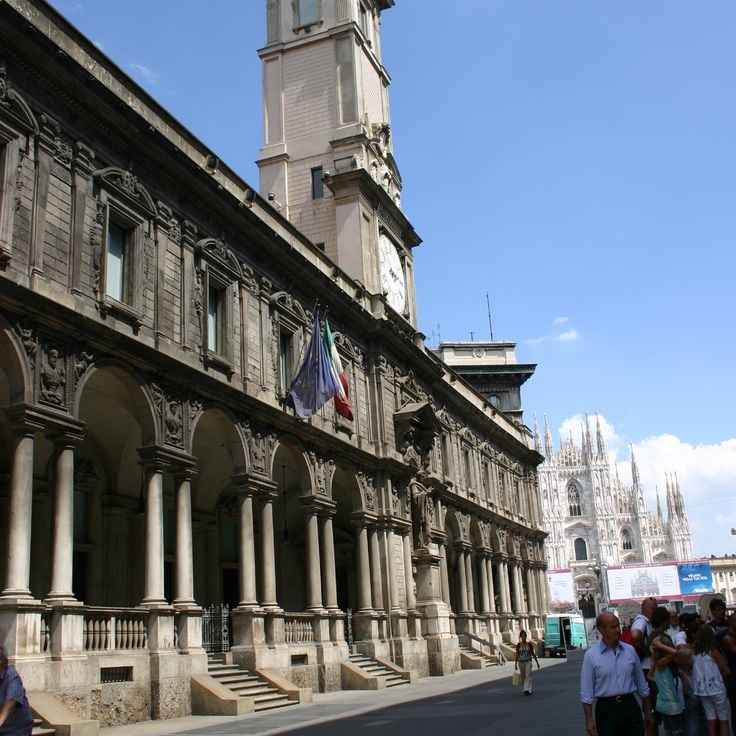
Built in 1562, the Palazzo dei Giureconsulti displays neoclassical architectural elements and serves as the headquarters of the Chamber of Commerce. With its bell tower, this building represents the historical layer of Milan's architecture. While modern skyscrapers like the Pirelli Tower and the new UniCredit Tower showcase technical innovation and contemporary design, this palazzo demonstrates how Milan has evolved through different architectural periods, blending heritage with progressive urban development.
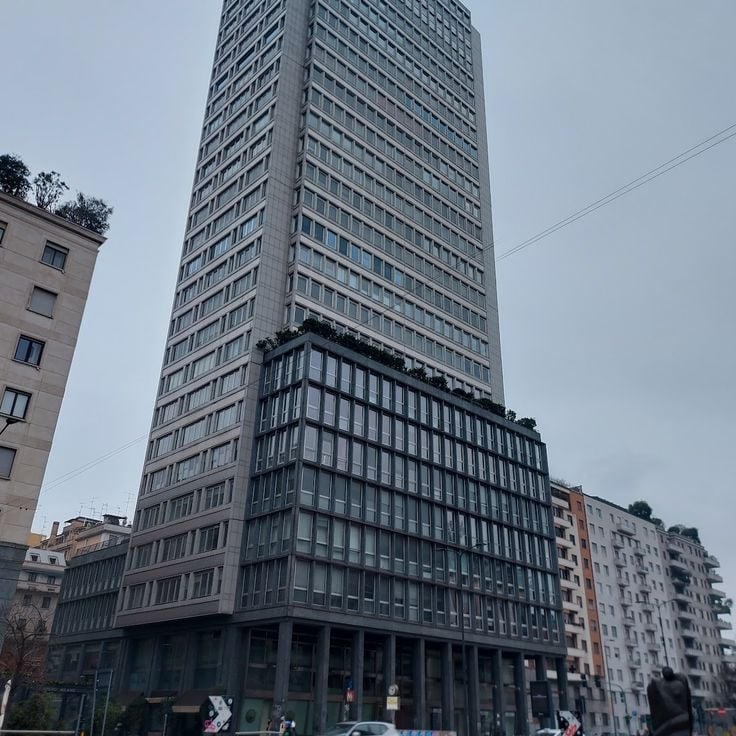
The Torre Tirrena is an office tower built in 1957 that represents Milan's modernization and economic growth during the post-war period. This building is part of Milan's skyline, which displays skyscrapers from different eras. From the historical Pirelli Tower to the new UniCredit Tower, Milan presents itself as a center of architecture. The buildings combine technical innovation with Italian design, as shown by the plant-covered Bosco Verticale and the geometric Diamond Tower.
The Breda Tower is an important example of the early days of modern high-rise architecture in Italy. Completed in 1954 with 30 stories, this building shows the technical abilities of its time and contributes to Milan's varied skyline. Together with other towers like the Pirelli Tower and the new UniCredit Tower, the Breda Tower shapes the image of a city that brings engineering skill together with Italian design.
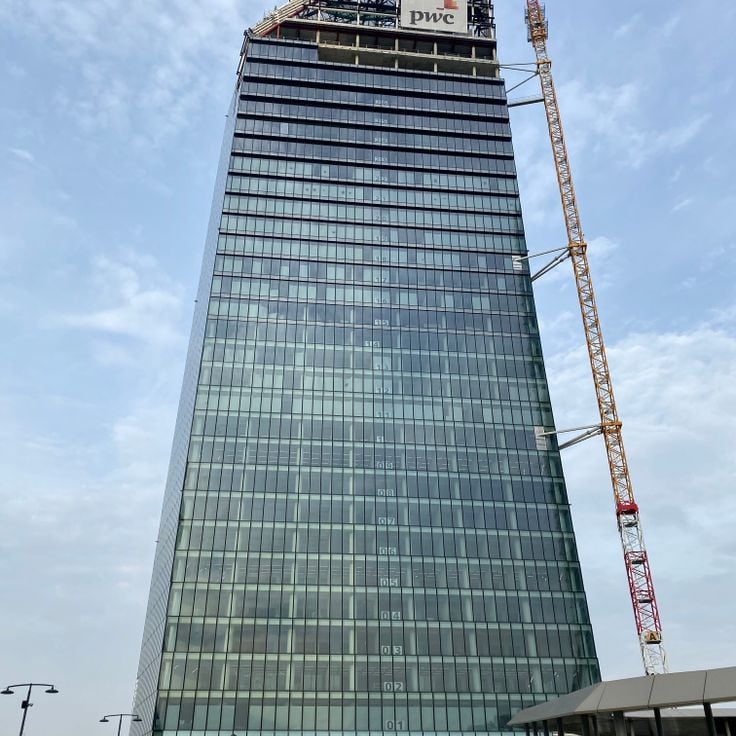
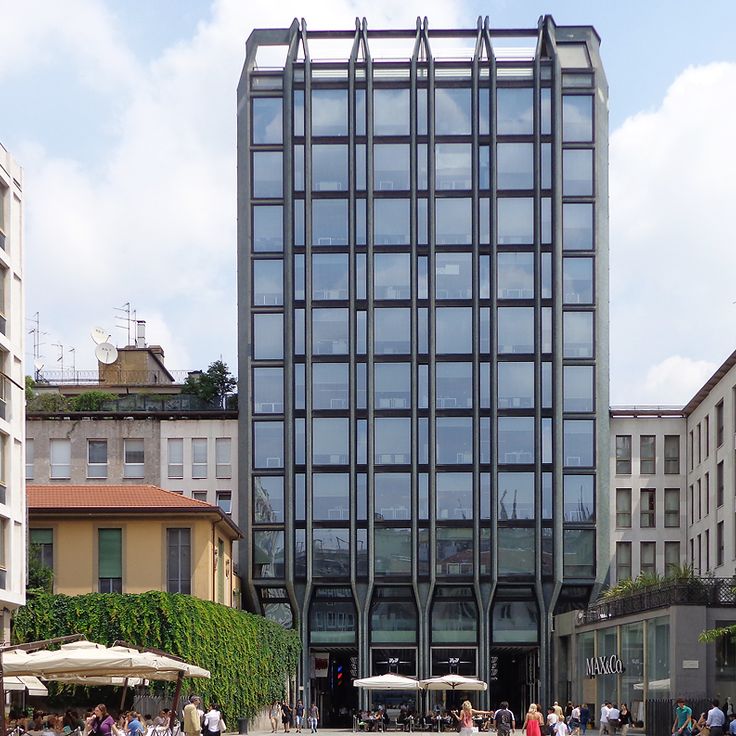
The 175-meter office tower Torre PWC stands within the Liberty Place complex and defines Milan's new business center. This building fits into Milan's development of modern skyscrapers, which showcase the city from the historical Pirelli Tower to the new UniCredit Tower as a center of architecture. The towers combine technical innovation with Italian design, as shown by the plant-covered Bosco Verticale and the geometrically designed Diamond Tower.
The UniCredit Tower shapes Milan's skyline as a modern skyscraper. Standing at 231 meters, this building houses the headquarters of UniCredit Bank. A spiral spire crowns the structure at its peak. Within the collection of Milan's modern towers and skyscrapers, this tower demonstrates how contemporary architecture combines technical innovation with Italian design.
Bosco Verticale demonstrates how Milan's skyline combines architecture with nature. These two towers host over 900 trees and 20000 plants on their balconies, showing how technical innovation and Italian design can work together as part of the city's modern building landscape.
The Pirelli Tower stands as a key building in Milan's skyline and shows how the city brings together skyscrapers from different periods. This 127-meter tower was completed in 1960 and represents modernist architecture with a distinctive hexagonal form. The building shows technical innovation combined with Italian design, much like the plant-covered Bosco Verticale or the geometric Diamond Tower that shape Milan's reputation as an architectural center.
Palazzo Lombardia is a modern building in Milan that houses the Lombardy Regional Government. Standing at 161 meters tall, it is part of the city's contemporary skyline. The building combines modern design with functional spaces and shows how Milan continues to evolve. A large plaza within the building complex provides an open area for visitors and makes the building accessible.
The Diamond Tower is part of Milan's skyline of modern skyscrapers spanning different architectural periods. This 140-meter tower in the Porta Nuova district stands out for its facade with diagonal lines and reflective glass surfaces. The building demonstrates how technical innovation merges with Italian design, fitting into Milan's role as an architectural center.
The Solaria Tower is a modern building that fits into Milan's skyline and shows how contemporary architecture shapes the city. With its 34 floors housing apartments and penthouses, this 143-meter-tall building presents itself through glass facades and terraces as part of Milan's architectural range, from historic structures to innovative designs.
The Allianz Tower stands in the CityLife district and demonstrates how modern Milan combines technical innovation with Italian design. This office building reaches 209 meters in height and was completed in 2015. Its smooth glass facade fits into Milan's skyline, which spans from historical structures like the Pirelli Tower to newer buildings such as the UniCredit Tower and the plant-covered Bosco Verticale.
The Generali Tower is a distinctive building in Milan's skyline that demonstrates the city's range of architectural styles. Rising 177 meters with 44 floors, this tower combines technical innovation with modern design. Its twisted form was designed by architect Zaha Hadid and serves primarily as an office building. This structure reflects Milan's position as a center for contemporary architecture.
The Velasca Tower stands as a notable example in Milan's collection of modern towers and skyscrapers, representing the architectural innovation of its era. Completed in 1958, this 26-floor concrete structure showcases brutalist design through its distinctive mushroom-shaped profile. The building demonstrates how postwar architects merged technical advancement with Italian design principles.
The Galfa Tower is an office building constructed in 1959 in Milan that represents 1950s architecture through its aluminum facade. Within Milan's skyline, this 109-meter tower demonstrates how the city brings together different building periods, from historical structures like the Pirelli Tower to contemporary works such as the UniCredit Tower and the plant-covered Bosco Verticale.
The Garibaldi Towers are two 100-meter office buildings completed in 1992 in Milan's Porta Garibaldi district. They fit into the evolution of the Milan skyline, which showcases modern structures that blend technical innovation with Italian design. These towers demonstrate how Milan positions itself as an architectural center, where form and function come together in contemporary buildings.
Built in 1562, the Palazzo dei Giureconsulti displays neoclassical architectural elements and serves as the headquarters of the Chamber of Commerce. With its bell tower, this building represents the historical layer of Milan's architecture. While modern skyscrapers like the Pirelli Tower and the new UniCredit Tower showcase technical innovation and contemporary design, this palazzo demonstrates how Milan has evolved through different architectural periods, blending heritage with progressive urban development.
The Torre Tirrena is an office tower built in 1957 that represents Milan's modernization and economic growth during the post-war period. This building is part of Milan's skyline, which displays skyscrapers from different eras. From the historical Pirelli Tower to the new UniCredit Tower, Milan presents itself as a center of architecture. The buildings combine technical innovation with Italian design, as shown by the plant-covered Bosco Verticale and the geometric Diamond Tower.
The Breda Tower is an important example of the early days of modern high-rise architecture in Italy. Completed in 1954 with 30 stories, this building shows the technical abilities of its time and contributes to Milan's varied skyline. Together with other towers like the Pirelli Tower and the new UniCredit Tower, the Breda Tower shapes the image of a city that brings engineering skill together with Italian design.
The 175-meter office tower Torre PWC stands within the Liberty Place complex and defines Milan's new business center. This building fits into Milan's development of modern skyscrapers, which showcase the city from the historical Pirelli Tower to the new UniCredit Tower as a center of architecture. The towers combine technical innovation with Italian design, as shown by the plant-covered Bosco Verticale and the geometrically designed Diamond Tower.
The UniCredit Tower shapes Milan's skyline as a modern skyscraper. Standing at 231 meters, this building houses the headquarters of UniCredit Bank. A spiral spire crowns the structure at its peak. Within the collection of Milan's modern towers and skyscrapers, this tower demonstrates how contemporary architecture combines technical innovation with Italian design.
Bosco Verticale demonstrates how Milan's skyline combines architecture with nature. These two towers host over 900 trees and 20000 plants on their balconies, showing how technical innovation and Italian design can work together as part of the city's modern building landscape.
The Pirelli Tower stands as a key building in Milan's skyline and shows how the city brings together skyscrapers from different periods. This 127-meter tower was completed in 1960 and represents modernist architecture with a distinctive hexagonal form. The building shows technical innovation combined with Italian design, much like the plant-covered Bosco Verticale or the geometric Diamond Tower that shape Milan's reputation as an architectural center.
Palazzo Lombardia is a modern building in Milan that houses the Lombardy Regional Government. Standing at 161 meters tall, it is part of the city's contemporary skyline. The building combines modern design with functional spaces and shows how Milan continues to evolve. A large plaza within the building complex provides an open area for visitors and makes the building accessible.
The Diamond Tower is part of Milan's skyline of modern skyscrapers spanning different architectural periods. This 140-meter tower in the Porta Nuova district stands out for its facade with diagonal lines and reflective glass surfaces. The building demonstrates how technical innovation merges with Italian design, fitting into Milan's role as an architectural center.
The Solaria Tower is a modern building that fits into Milan's skyline and shows how contemporary architecture shapes the city. With its 34 floors housing apartments and penthouses, this 143-meter-tall building presents itself through glass facades and terraces as part of Milan's architectural range, from historic structures to innovative designs.
The Allianz Tower stands in the CityLife district and demonstrates how modern Milan combines technical innovation with Italian design. This office building reaches 209 meters in height and was completed in 2015. Its smooth glass facade fits into Milan's skyline, which spans from historical structures like the Pirelli Tower to newer buildings such as the UniCredit Tower and the plant-covered Bosco Verticale.
The Generali Tower is a distinctive building in Milan's skyline that demonstrates the city's range of architectural styles. Rising 177 meters with 44 floors, this tower combines technical innovation with modern design. Its twisted form was designed by architect Zaha Hadid and serves primarily as an office building. This structure reflects Milan's position as a center for contemporary architecture.
The Velasca Tower stands as a notable example in Milan's collection of modern towers and skyscrapers, representing the architectural innovation of its era. Completed in 1958, this 26-floor concrete structure showcases brutalist design through its distinctive mushroom-shaped profile. The building demonstrates how postwar architects merged technical advancement with Italian design principles.
The Galfa Tower is an office building constructed in 1959 in Milan that represents 1950s architecture through its aluminum facade. Within Milan's skyline, this 109-meter tower demonstrates how the city brings together different building periods, from historical structures like the Pirelli Tower to contemporary works such as the UniCredit Tower and the plant-covered Bosco Verticale.
The Garibaldi Towers are two 100-meter office buildings completed in 1992 in Milan's Porta Garibaldi district. They fit into the evolution of the Milan skyline, which showcases modern structures that blend technical innovation with Italian design. These towers demonstrate how Milan positions itself as an architectural center, where form and function come together in contemporary buildings.
Built in 1562, the Palazzo dei Giureconsulti displays neoclassical architectural elements and serves as the headquarters of the Chamber of Commerce. With its bell tower, this building represents the historical layer of Milan's architecture. While modern skyscrapers like the Pirelli Tower and the new UniCredit Tower showcase technical innovation and contemporary design, this palazzo demonstrates how Milan has evolved through different architectural periods, blending heritage with progressive urban development.
The Torre Tirrena is an office tower built in 1957 that represents Milan's modernization and economic growth during the post-war period. This building is part of Milan's skyline, which displays skyscrapers from different eras. From the historical Pirelli Tower to the new UniCredit Tower, Milan presents itself as a center of architecture. The buildings combine technical innovation with Italian design, as shown by the plant-covered Bosco Verticale and the geometric Diamond Tower.
The Breda Tower is an important example of the early days of modern high-rise architecture in Italy. Completed in 1954 with 30 stories, this building shows the technical abilities of its time and contributes to Milan's varied skyline. Together with other towers like the Pirelli Tower and the new UniCredit Tower, the Breda Tower shapes the image of a city that brings engineering skill together with Italian design.
The 175-meter office tower Torre PWC stands within the Liberty Place complex and defines Milan's new business center. This building fits into Milan's development of modern skyscrapers, which showcase the city from the historical Pirelli Tower to the new UniCredit Tower as a center of architecture. The towers combine technical innovation with Italian design, as shown by the plant-covered Bosco Verticale and the geometrically designed Diamond Tower.