See the monuments around you in AROpen chests in the app
Around Us is built for your phone — point your camera at the streets and discover the monuments and places around you in augmented reality.Around Us is built for your phone — chests unlock when you walk, explore and capture nearby places.
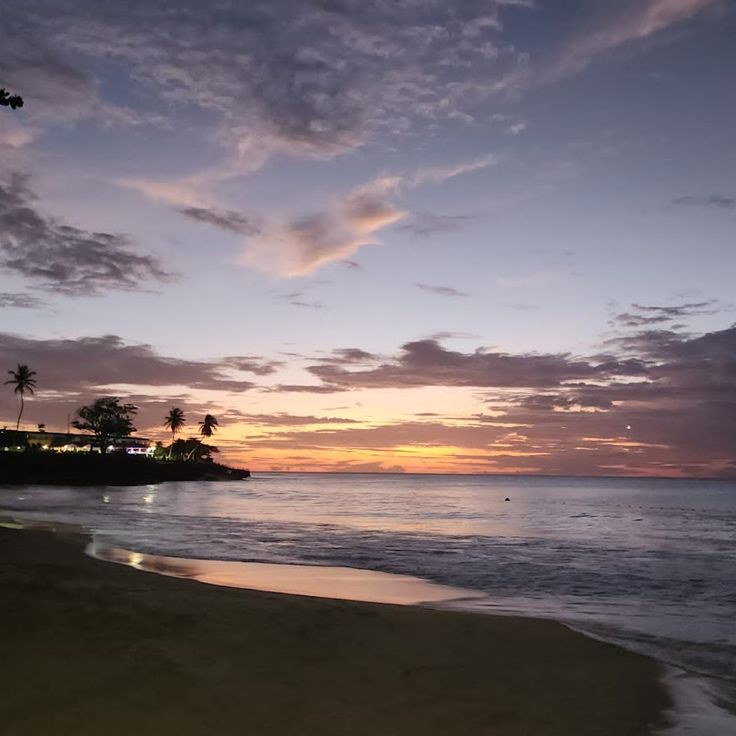
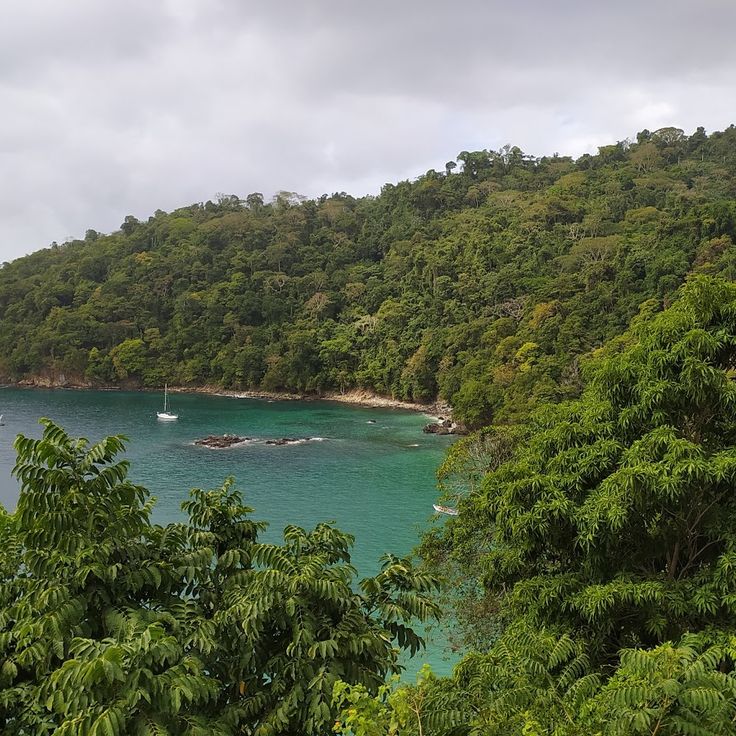
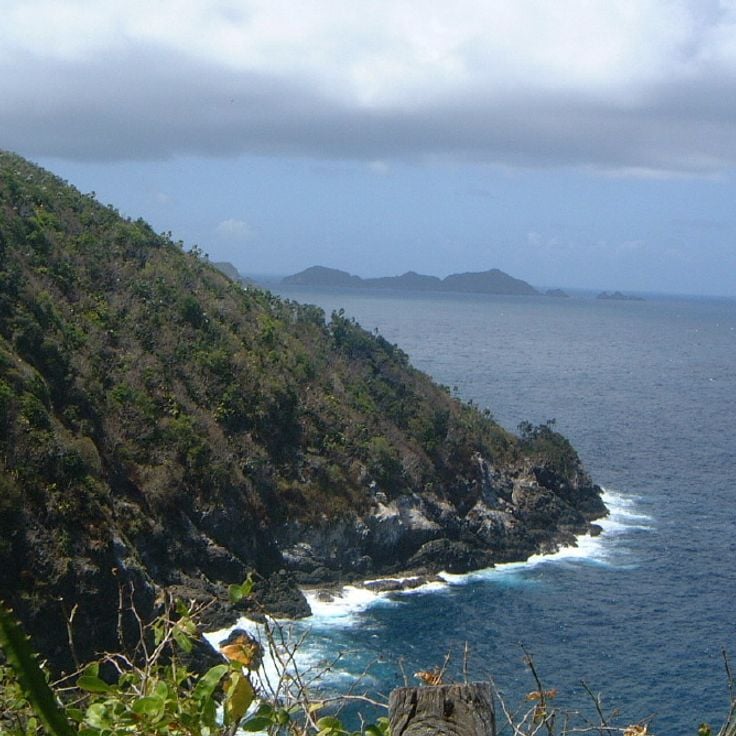
Trinidad and Tobago offer a combination of coastal landscapes, nature reserves and historic colonial sites. The two islands lie off the northern coast of Venezuela and include diverse habitats ranging from mangrove swamps to rainforests and coral reefs. Attractions include the Caroni Swamp with its scarlet ibis colony, the Asa Wright Nature Centre in the Arima Valley and the natural asphalt deposit at La Brea Pitch Lake in southwestern Trinidad.
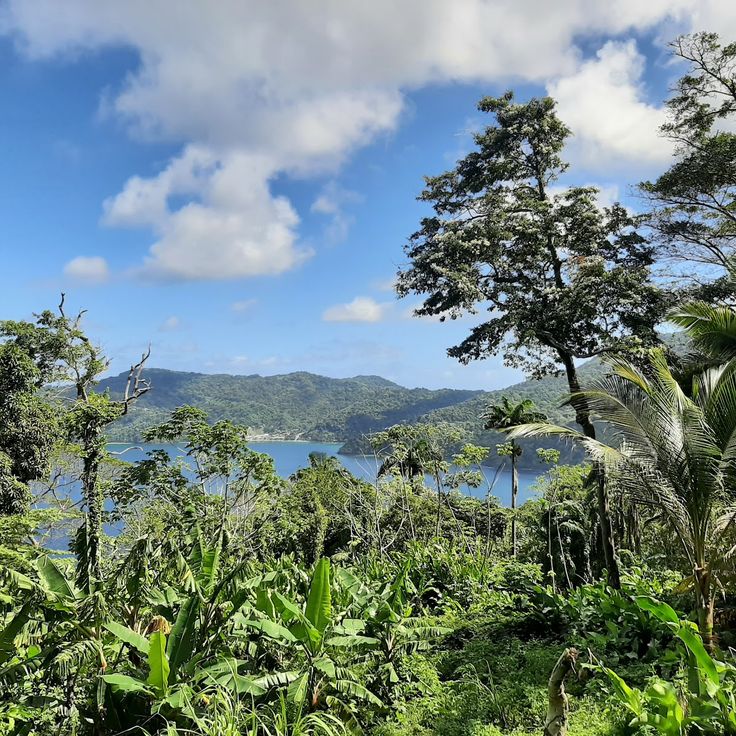
The capital Port of Spain features colonial architecture including the Magnificent Seven along Western Main Road, the Red House parliament building and the Royal Botanic Gardens. Tobago provides beaches such as Pigeon Point Beach, Store Bay and Englishman's Bay, plus Fort King George above Scarborough. The Tobago Forest Reserve protects one of the oldest protected rainforest areas in the Western Hemisphere, while Little Tobago Island serves as a bird sanctuary.
The Buccoo Reef Marine Area and Nylon Pool off Tobago's west coast offer access for snorkelers and divers. Religious sites like Dattatreya Temple and Mount St. Benedict Monastery reflect the country's cultural diversity. Additional natural attractions include Argyle Waterfalls, Adventure Farm and Nature Reserve, and the Yerette hummingbird sanctuary in Trinidad's Northern Range mountains.
Trinidad and Tobago offer a combination of coastal landscapes, nature reserves and historic colonial sites. The two islands lie off the northern coast of Venezuela and include diverse habitats ranging from mangrove swamps to rainforests and coral reefs. Attractions include the Caroni Swamp with its scarlet ibis colony, the Asa Wright Nature Centre in the Arima Valley and the natural asphalt deposit at La Brea Pitch Lake in southwestern Trinidad.
The capital Port of Spain features colonial architecture including the Magnificent Seven along Western Main Road, the Red House parliament building and the Royal Botanic Gardens. Tobago provides beaches such as Pigeon Point Beach, Store Bay and Englishman's Bay, plus Fort King George above Scarborough. The Tobago Forest Reserve protects one of the oldest protected rainforest areas in the Western Hemisphere, while Little Tobago Island serves as a bird sanctuary.
The Buccoo Reef Marine Area and Nylon Pool off Tobago's west coast offer access for snorkelers and divers. Religious sites like Dattatreya Temple and Mount St. Benedict Monastery reflect the country's cultural diversity. Additional natural attractions include Argyle Waterfalls, Adventure Farm and Nature Reserve, and the Yerette hummingbird sanctuary in Trinidad's Northern Range mountains.
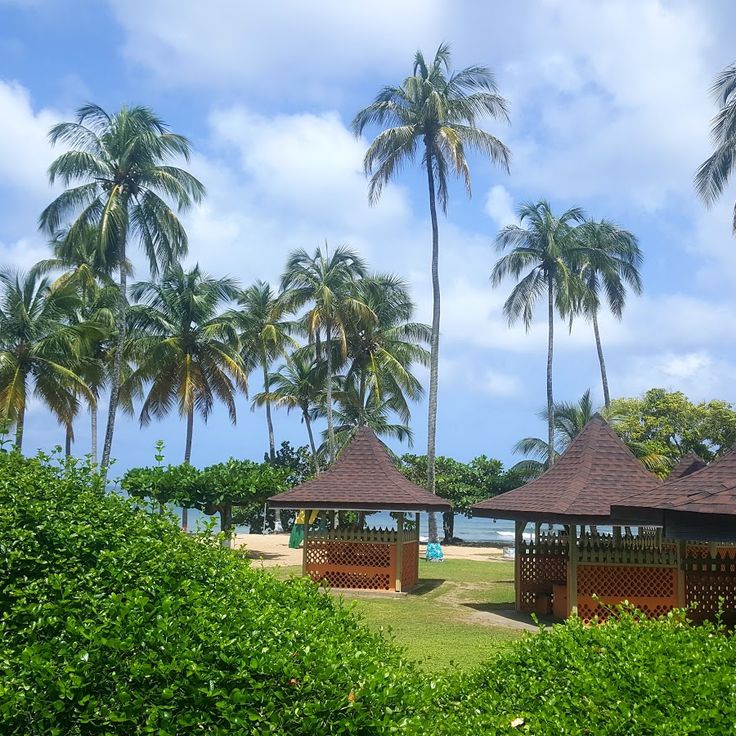
Pigeon Point Beach stretches several hundred feet along the southwestern coast of Tobago and ranks among the island's most visited beaches. The bay features a 130-foot (40-meter) wooden jetty extending into the turquoise water, serving as a recognized landmark. Rental stands along the beach offer kayaks, snorkeling gear and jet skis, while an activities center organizes diving excursions and boat tours. Thatched-roof pavillions provide shade along the shoreline, and several beach bars serve local food and drinks.
This row of houses comprises seven Victorian mansions from the 19th century that stand along the western edge of Queen's Park Savannah. The buildings represent various colonial architectural styles, including French Second Empire, Scottish Baronial, and Moorish-inspired elements. Each house was built for wealthy merchants and planters and displays elaborate woodwork, turrets, wrought-iron detailing, and decorative facades. The row extends roughly 0.6 miles (1 kilometer) along Maraval Road and serves today as a visual reference for Port of Spain's architectural development during the late colonial era.
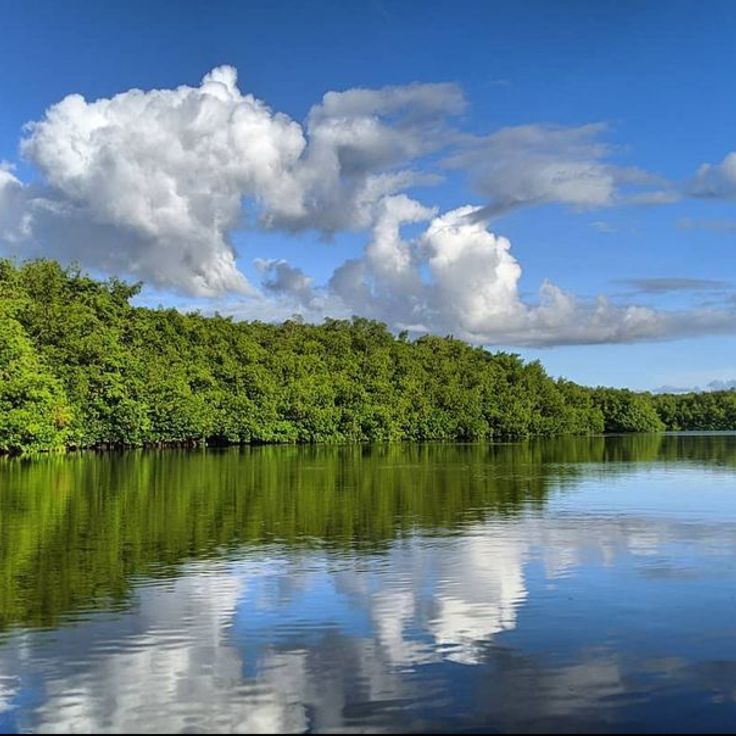
The Caroni Swamp covers a mangrove wetland about 5 miles (8 km) south of Port of Spain, where thousands of scarlet ibises gather at sunset to roost. This protected area spans roughly 22 square miles (56 km²) and supports over 160 bird species along with herons, caimans and raccoons. A visitor center stands at the entrance to the reserve and arranges guided boat tours through the waterways, which last about two hours and depart at low tide. The boats navigate narrow channels between mangrove stands before reaching the roosting sites where the ibises settle for the night.
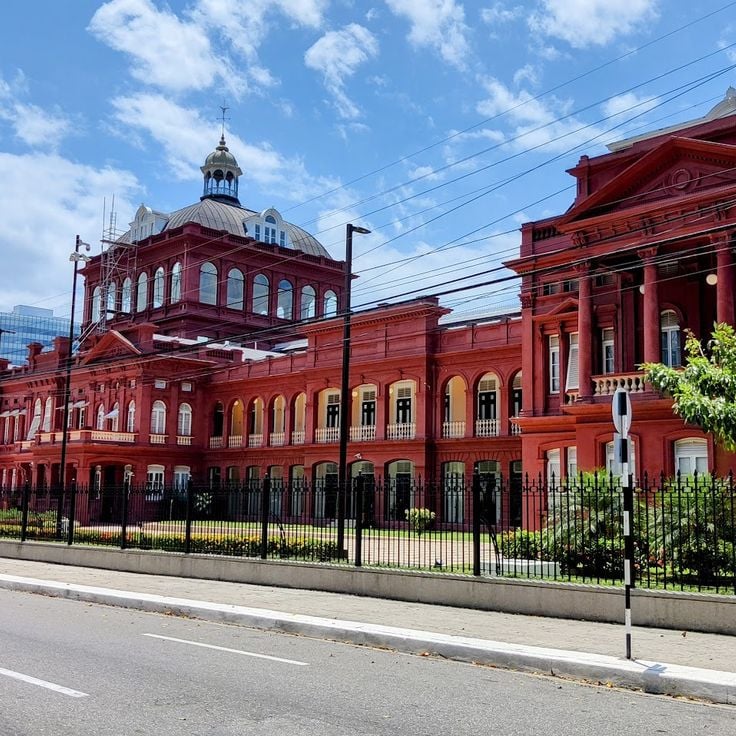
The Red House Parliament was built in 1907 using red brick and serves as the seat of the legislature of Trinidad and Tobago. The facade features Corinthian columns and a central clock tower. The building stands in the heart of Port of Spain and represents early 1900s colonial architecture. Visitors can view the exterior and understand the historical role of the parliament in the country's political development.
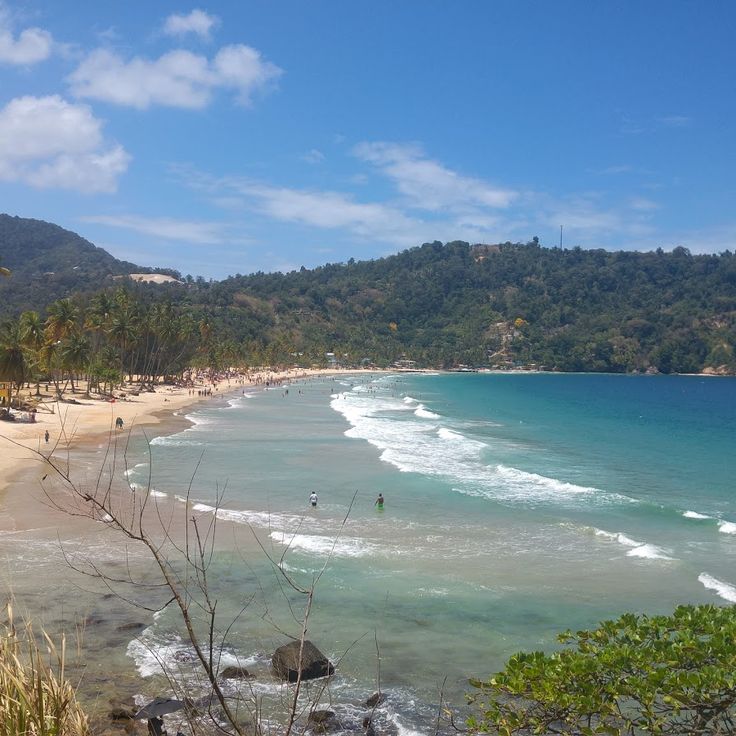
Maracas Bay is a 2-mile (3.2-kilometer) sand beach on Trinidad's north coast, lined with coconut palms. The beach is popular with locals and visitors and known for its vendors selling bake and shark, a fried fish sandwich specialty. The bay has changing facilities, showers, lifeguards and parking. Waves are suitable for swimming but can be strong at times. The beach is well attended on weekends and public holidays.
This nature reserve covers 12 acres (5 hectares) on Tobago and provides habitat for hummingbirds, parrots and other tropical bird species. Several walking trails wind through the property, allowing visitors to observe local fauna in their natural environment. The farm combines conservation efforts with controlled public access for those interested in learning about the island's ecosystem. Information boards along the paths provide details about the various animal and plant species found within the reserve.
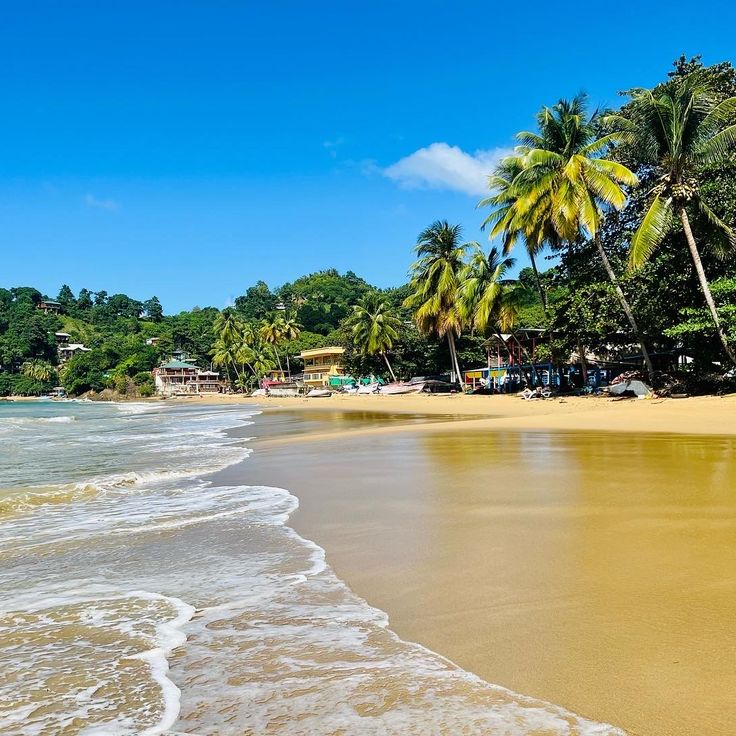
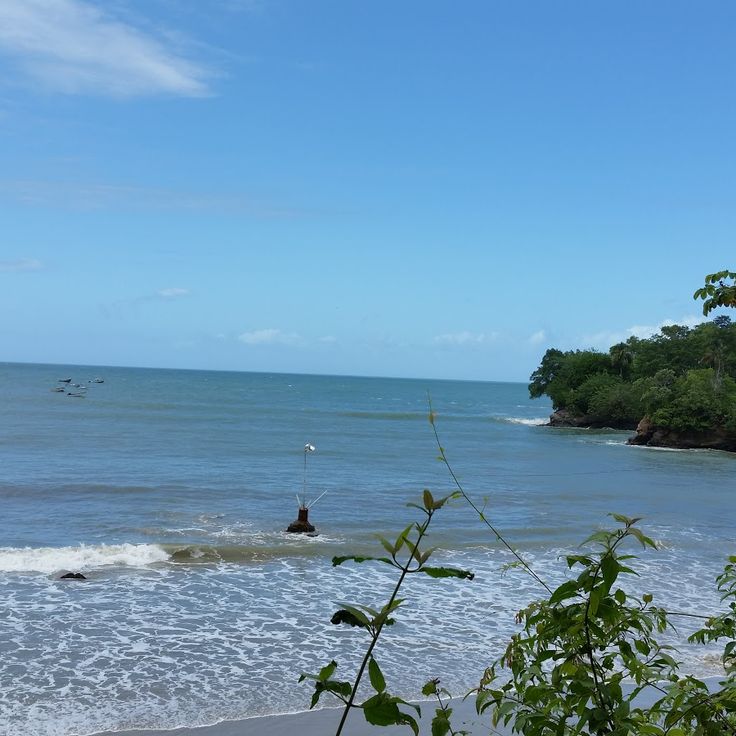
This secluded bay on Tobago draws fishermen who sell their daily catch directly on the beach. The calm waters make Castara a practical spot for swimming and snorkeling among coral formations near the shore. Cliffs frame both ends of the bay and provide shade in the late afternoon. Small guesthouses and restaurants line the road behind the beach. The bay remains a working fishing village where local boats come and go daily.
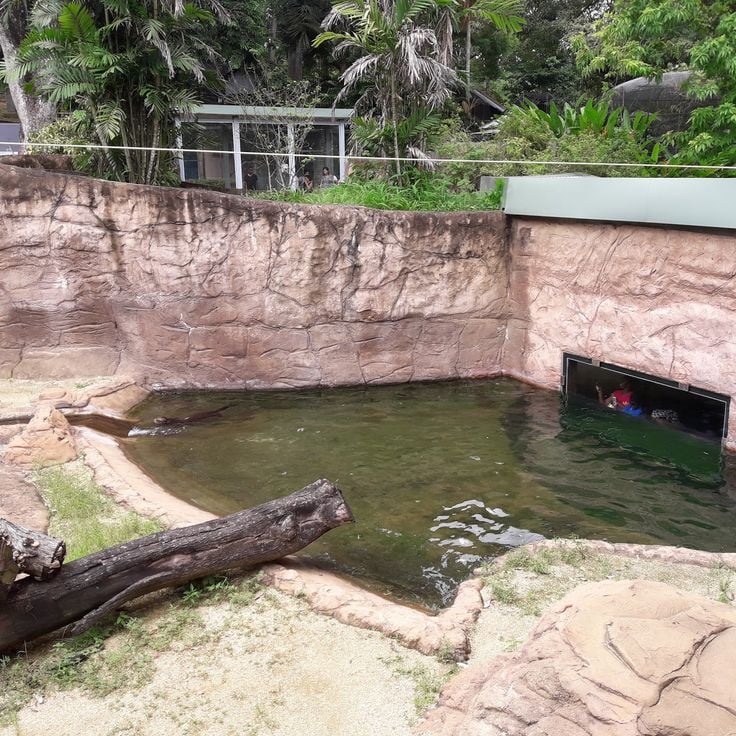
Emperor Valley Zoo covers 8 acres (3 hectares) and houses 200 animals including jaguars, monkeys and snakes. This zoo was established in 1952 within the Royal Botanic Gardens. The facility focuses on Caribbean and tropical species and provides educational programs for visitors interested in learning about regional wildlife.
The Asa Wright Nature Centre occupies a former colonial estate now functioning as a nature preserve in the Northern Range mountains. The facility protects 1,500 acres (607 hectares) of tropical rainforest and shelters over 400 bird species including the oilbird, along with various mammals and reptiles. The centre maintains several trails through the rainforest, guided tours for wildlife viewing and observation platforms. The main veranda of the 19th century manor house serves as a prime viewing point where visitors can spot more than 100 bird species directly from the building.
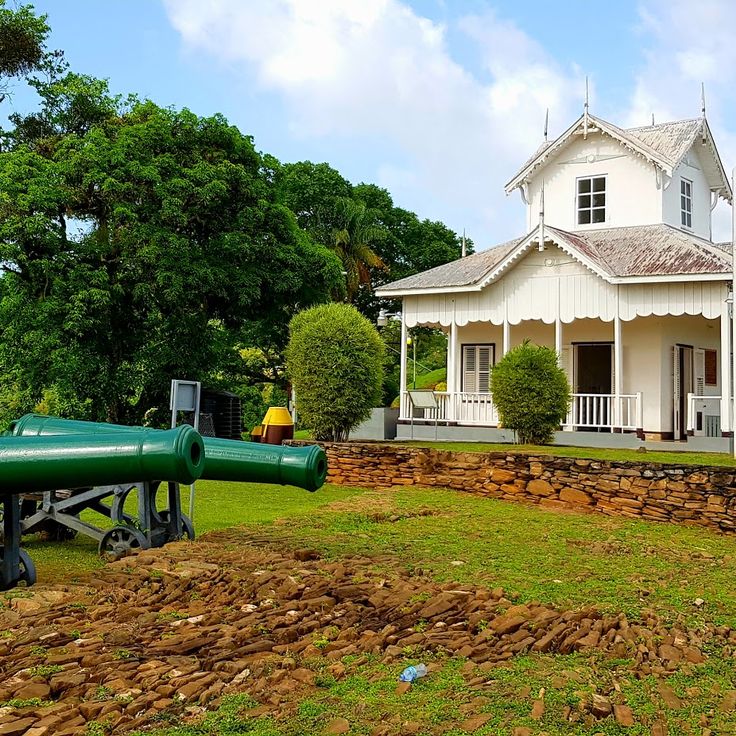
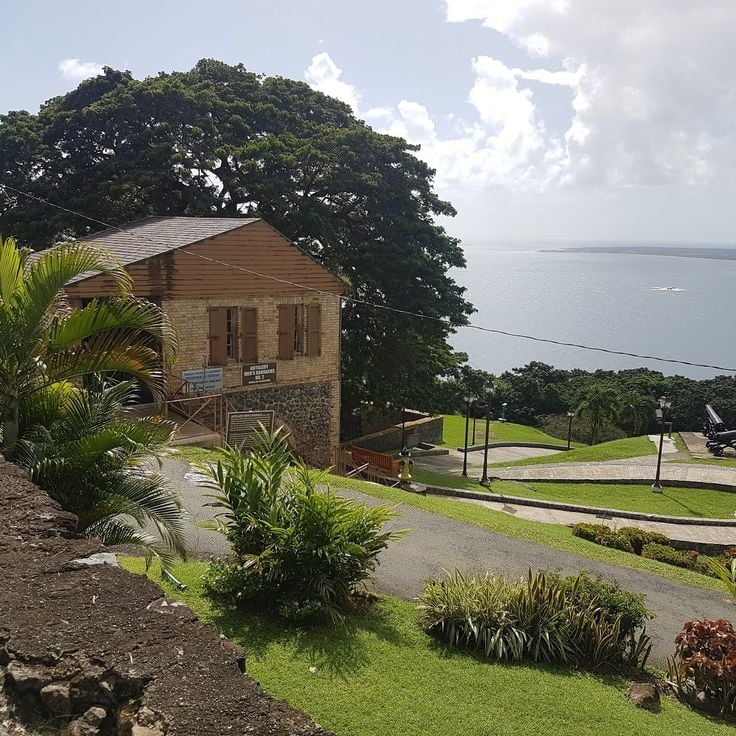
This fort dates from the 1770s and sits above Scarborough on Tobago. The British military installation includes preserved barracks, powder magazines and gun emplacements with period cannons. Fort King George houses a museum covering Tobago's colonial history with artifacts from the era of European settlement. Views extend across Scarborough and the coastline from the fortifications. The site documents 18th-century military architecture in the Caribbean.
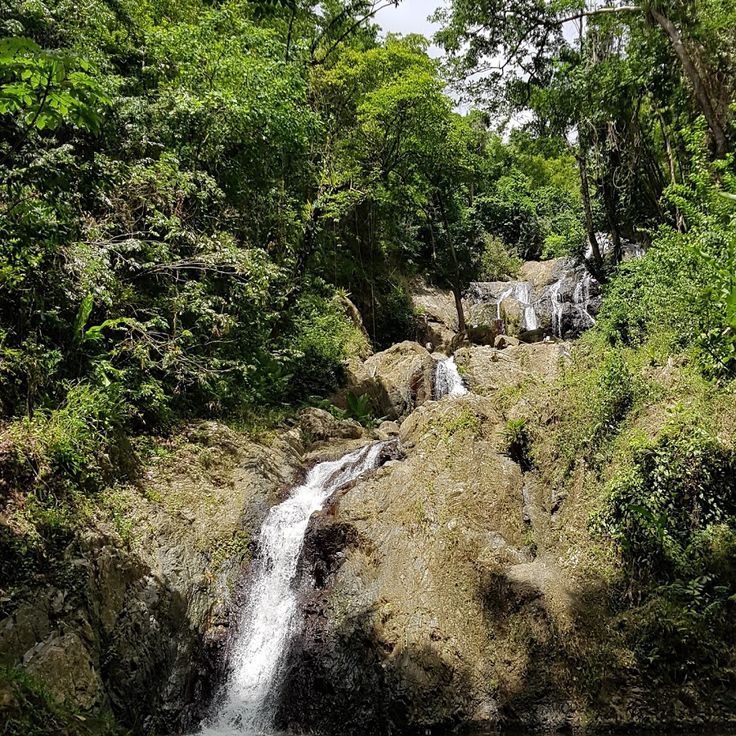
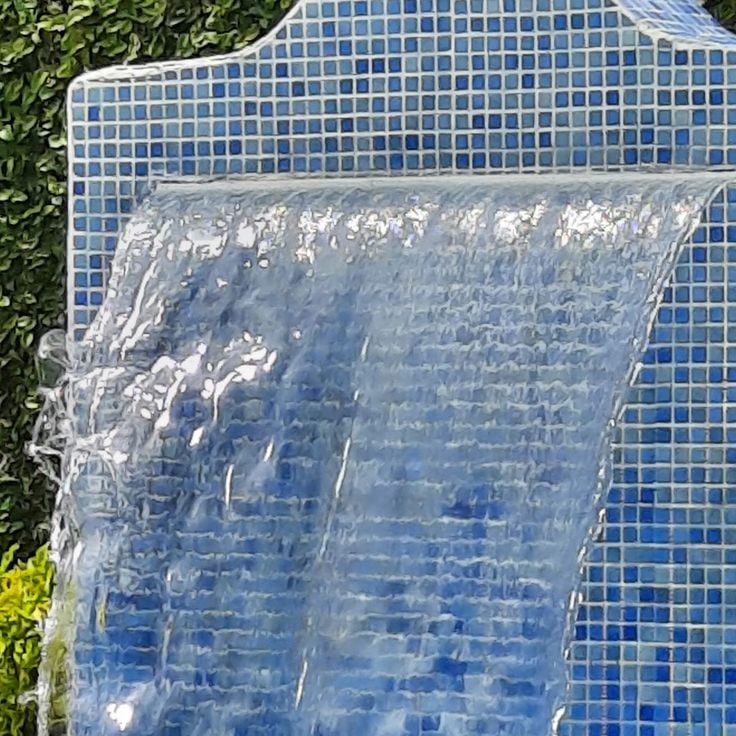
These falls drop 174 feet (54 meters) and form natural pools suitable for swimming. A forest trail leads through tropical rainforest to the cascade. The path requires sturdy footwear and takes about 15 to 20 minutes. Visitors can swim in the clear water of the pools and observe the surrounding vegetation. Local guides offer tours that provide information about the region's flora and fauna.
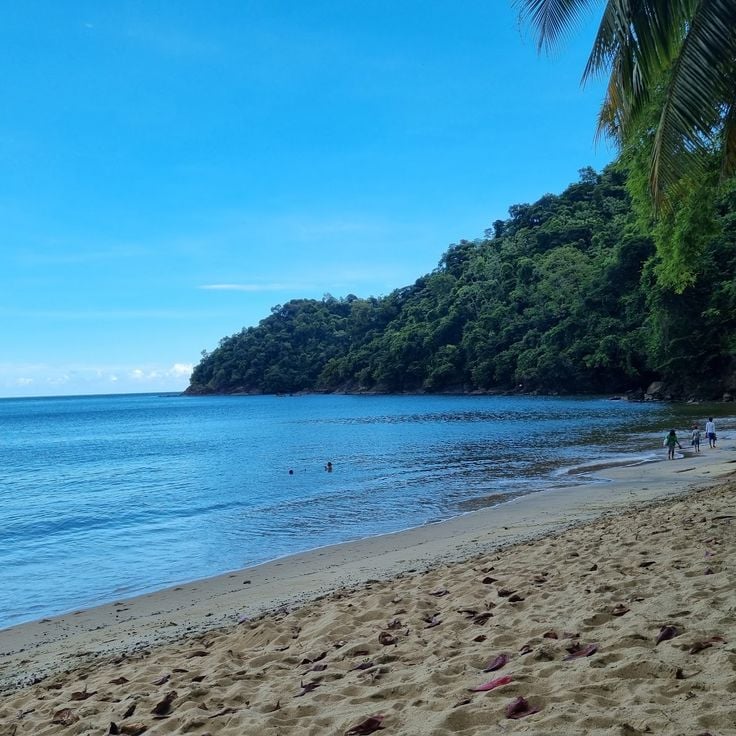
This sheltered cove on Tobago's north coast is surrounded by rainforest and features a narrow beach of dark volcanic sand. Englishman's Bay attracts swimmers and snorkelers who find clear water and relatively calm conditions. The bay sits away from major settlements and is reached by a road through dense forest. A small facility at the beach provides refreshments. The natural setting contributes to the quiet character of the site.
Store Bay is a beach on the southwestern coast of Tobago, located minutes from Crown Point International Airport. The clear water provides access to nearby coral reefs suitable for snorkeling. Local food stalls along the beachfront sell fried fish, curry dishes and other regional cuisine. The beach has changing facilities, restrooms and showers. Glass-bottom boats offer trips to the Buccoo Reef and Nylon Pool areas. The bay sits in a sheltered position with calm water for swimming.
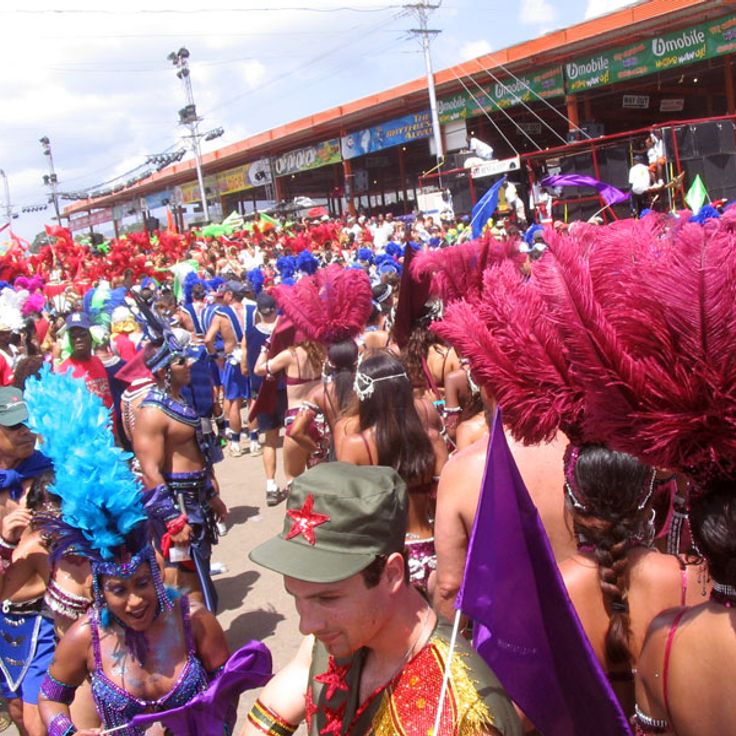
This park covers 260 acres (105 hectares) in central Port of Spain and is lined with Victorian-era houses known as the Magnificent Seven. Parco Savannah features sports facilities, jogging paths and a central open field used for public events. Food vendors along the perimeter offer local dishes. The park serves as a venue for Carnival activities and regular cultural events, with several historic buildings located within walking distance along its northern edge.
Pirate's Bay is a secluded beach in Tobago reached via a 157-step coastal trail from Charlotteville. The area provides calm water for swimming and snorkeling, with coral formations near the shore. This beach sits within a protected cove surrounded by rainforest along the island's north coast. Facilities are limited, so visitors should bring food and water. The path descends through dense vegetation and offers views of the coastline along the way.
The Riserva Forestale di Tobago was established as a protected area in 1776 and ranks among the oldest forest reserves in the Western Hemisphere. The reserve covers roughly 14,000 acres of tropical rainforest with hiking trails that wind through dense vegetation to several waterfalls. The forests support over 200 bird species, including hummingbirds, toucans and the Trinidad motmot. Visitors can follow marked paths ranging from short walks to multi-hour treks through mountainous terrain.
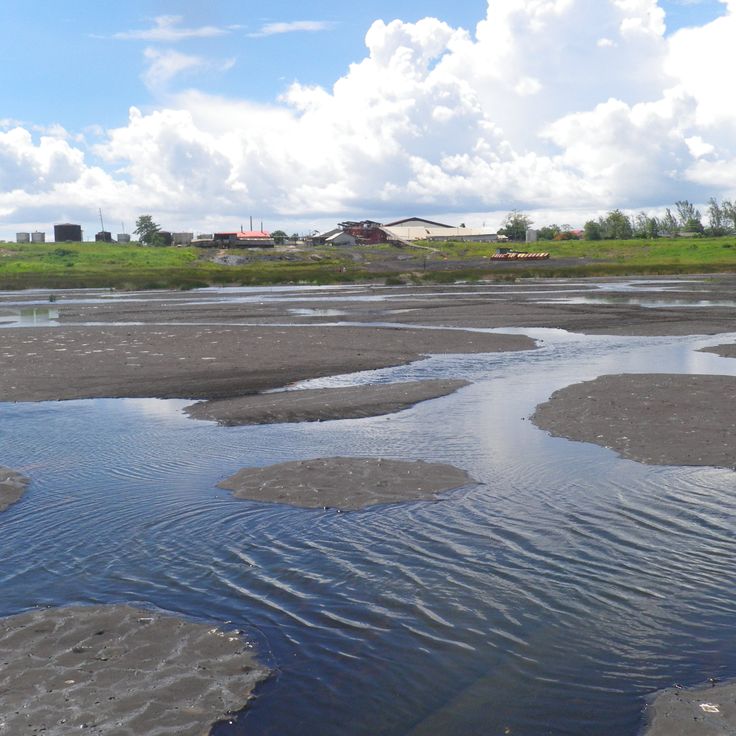
La Brea Pitch Lake covers 40 hectares (99 acres) and reaches a depth of 260 feet (80 meters). The natural asphalt deposit formed through tectonic activity that brings petroleum from underground reserves to the surface, where lighter components evaporate and leave behind asphalt. Researchers study the geological processes and microbial life forms that exist in this extreme environment. Visitors can walk on the semi-solid surface and observe fresh asphalt emerging at various points.
Yerette is a bird watching center set within a tropical garden in Trinidad. Thirteen hummingbird species are drawn to dedicated feeding stations throughout the grounds. Visitors can observe the birds at close range as they hover and feed at nectar dispensers. The center serves as a resource for those interested in learning about native bird species. Its location amid tropical vegetation provides suitable habitat for these small birds.
Las Cuevas Beach extends roughly one mile (1.6 kilometers) along Trinidad's northern coast, bordered by palms and limestone formations. Natural grottoes dot the surrounding rocks, which gave the beach its name. The area offers facilities including changing rooms, lifeguards and picnic areas that attract local families on weekends.
This protected area in the coral reef off Tobago forms a natural pool with turquoise water over a white sand bottom. The shallow water, typically between three and five feet deep, allows direct viewing of tropical fish and corals. Boat trips from the northwest coast reach this spot, located about a mile offshore. Snorkelers can observe parrotfish, sergeant majors and small reef inhabitants.
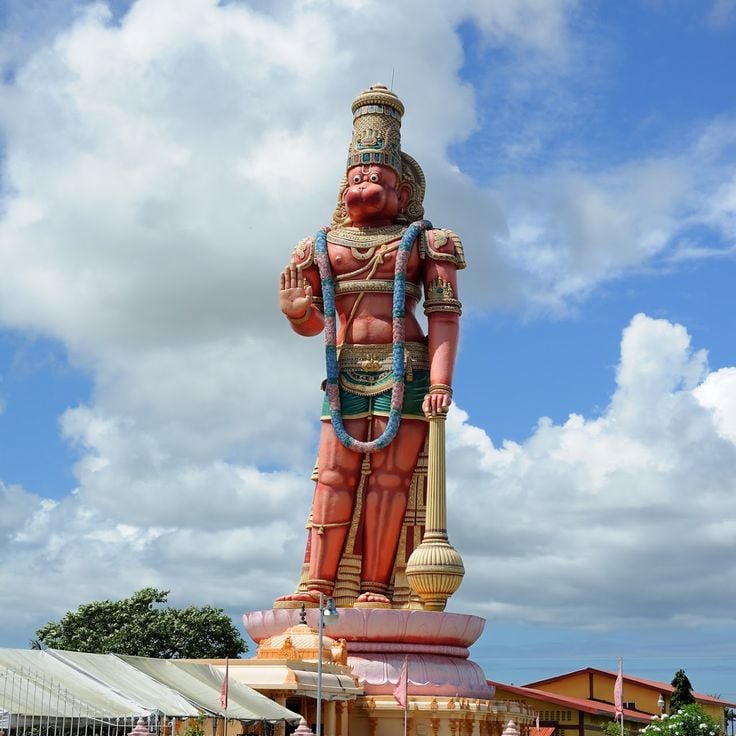
The Dattatreya Temple is a Hindu place of worship built in 2003 that features an 85-foot (26-meter) statue of Hanuman, multiple shrines and landscaped garden grounds. The compound in Trinidad combines religious ceremonies with traditional Indian architectural elements and serves as an active site for prayer and Hindu festivals. Visitors can view the shrines dedicated to various deities and walk through the outdoor grounds. The temple reflects the significance of the Indo-Trinidadian community on the island.
Little Tobago Island is a 247-acre (100-hectare) uninhabited nature reserve located off the coast of Tobago. The protected area shelters colonies of tropical seabirds and offers hiking trails through dense forest. Visitors reach the island by boat and can observe birdlife along marked paths. The island ranks among the country's important bird sanctuaries and is managed by the forestry division. The crossing takes approximately 20 minutes from Speyside.
Buccoo Reef covers 7 square miles and protects coral formations, seagrass beds and a shallow lagoon off the coast of Tobago. This marine reserve sits in the southwestern part of the island and supports various coral species and tropical fish. Visitors reach the reef aboard glass-bottom boats that provide views of the underwater environment, or explore it while snorkeling. The lagoon maintains shallow depths suitable for swimmers of different experience levels.
This 800-yard sandy beach on Tobago's west coast stretches between coconut palms and benefits from protection by an offshore reef. The shore provides suitable swimming conditions when calm and develops rideable waves for surfers during northeast trade wind periods and winter swells. Changing facilities, restrooms and a restaurant operate on site. Parking is available at the beach entrance, and lounge chairs can be rented from local vendors.
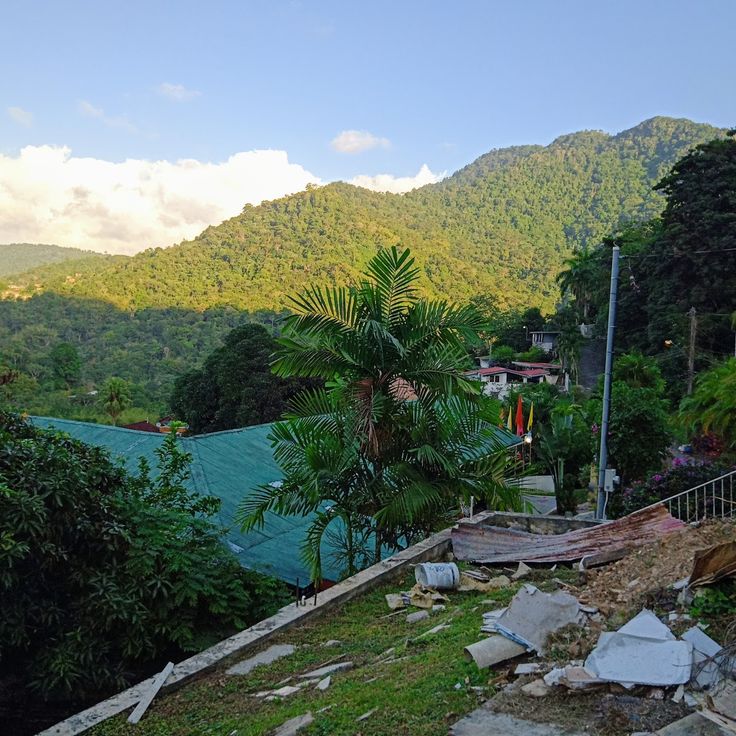
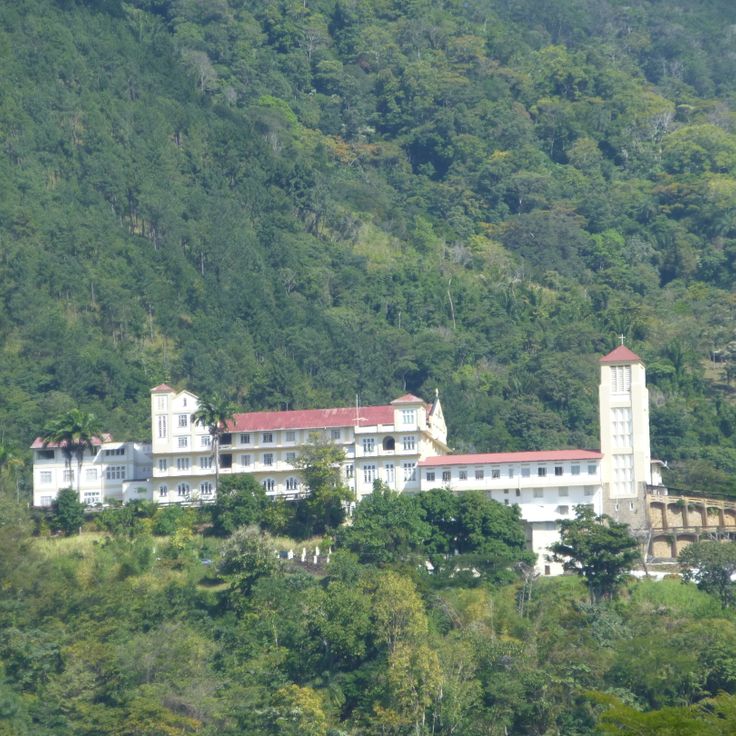
The Monte San Benedetto Monastery sits in the northern hills of Trinidad and has housed a community of Benedictine monks since 1912. The monks produce yogurt and honey, which they sell on the premises. The monastery includes a chapel and offers visitors the opportunity to tour the religious buildings and learn about monastic life. From the hillside location, views extend across the surrounding landscape and the Caribbean coast. The site functions both as an active monastery and a destination for visitors interested in Catholic traditions and locally made artisanal products.
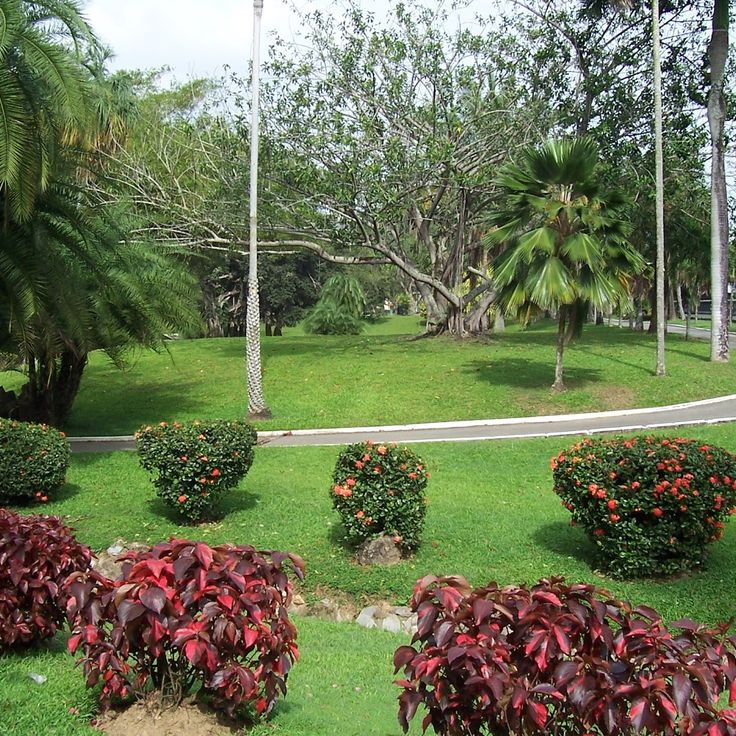
These gardens cover 25 hectares (62 acres) in Port of Spain and were established in 1818. The grounds contain collections of orchids, palms and tropical trees arranged in thematic sections. Visitors will find numerous native and exotic plant species along shaded pathways that wind through different garden areas. The site serves both recreational and scientific purposes.
The National Museum was founded in 1892 and displays archaeological finds, historical documents and artworks by local artists. The collections document the history of Trinidad and Tobago from pre-Columbian times to the present day. Visitors will find exhibits on the colonial past, the cultural development of the country and the natural environment of the islands. The museum is located in central Port of Spain and provides insights into the social and political history of both islands.
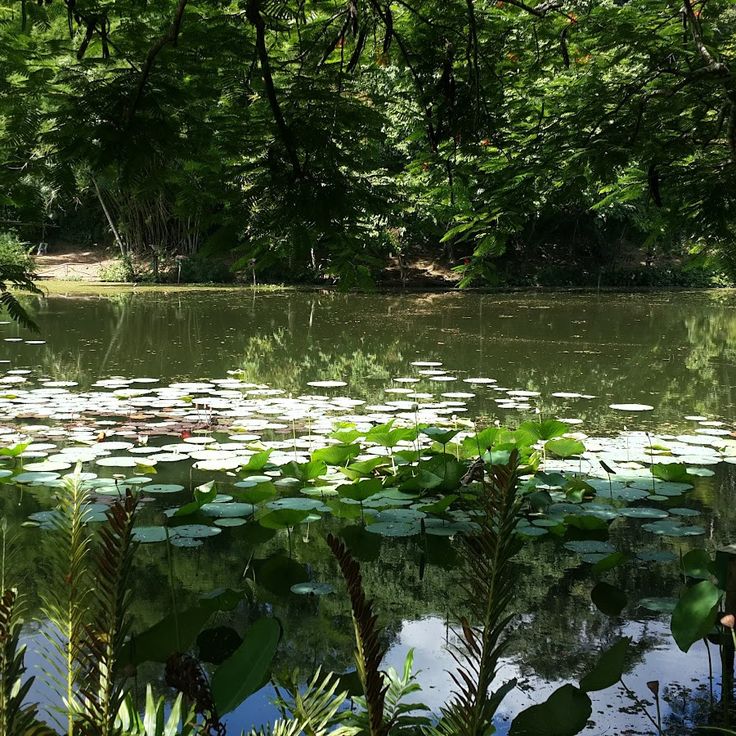
The Pointe-à-Pierre Wild Fowl Trust is a nature reserve dedicated to protecting waterfowl, with trails winding around several artificial lakes. The facility covers approximately 27 acres (11 hectares) within an industrial zone and provides habitat for scarlet ibis, various heron species and ducks. Established in 1966, this reserve serves both as a breeding ground for endangered species and an environmental education center. Visitors can observe different bird species along the paths and learn about conservation efforts. The grounds include ponds, wetland areas and wooded sections.
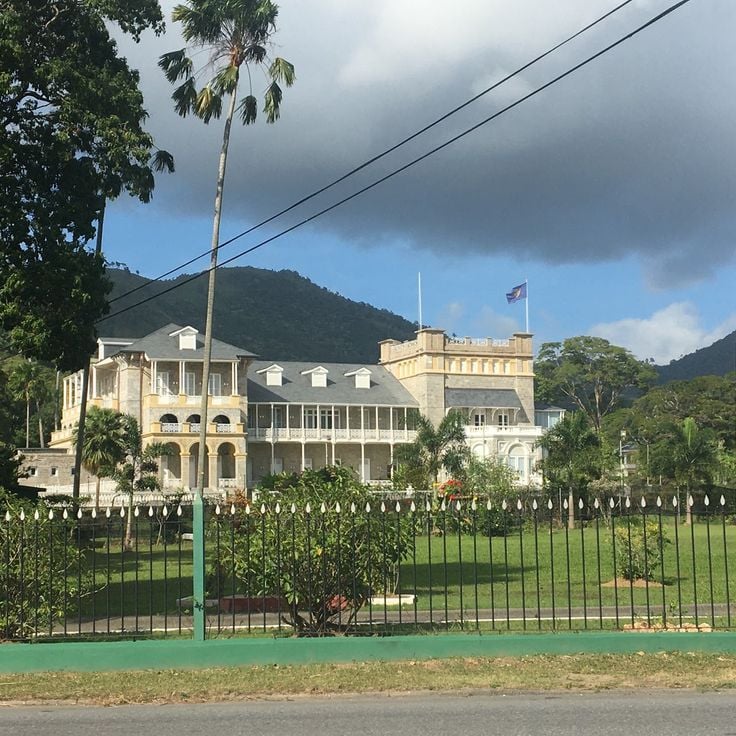
The President's House is a white colonial building in Victorian style dating from 1876, serving as the official residence of the head of state. The structure sits on a four-acre (1.6-hectare) wooded property in Port of Spain and represents Trinidad and Tobago's colonial architectural heritage. The compound combines administrative function with historical building fabric from the British colonial era and displays the typical architectural features of Victorian government buildings in the Caribbean.
Stonehaven Bay sits on the northern coast of Tobago and offers a gray sand beach beneath palm trees. Coral reefs offshore keep waves at bay and provide calmer water in the bay. The beach attracts visitors seeking a less frequented destination. Natural vegetation extends down to the sand. The bay is suitable for swimming and beach time in a setting without major infrastructure.
Pigeon Point Beach stretches several hundred feet along the southwestern coast of Tobago and ranks among the island's most visited beaches. The bay features a 130-foot (40-meter) wooden jetty extending into the turquoise water, serving as a recognized landmark. Rental stands along the beach offer kayaks, snorkeling gear and jet skis, while an activities center organizes diving excursions and boat tours. Thatched-roof pavillions provide shade along the shoreline, and several beach bars serve local food and drinks.
This row of houses comprises seven Victorian mansions from the 19th century that stand along the western edge of Queen's Park Savannah. The buildings represent various colonial architectural styles, including French Second Empire, Scottish Baronial, and Moorish-inspired elements. Each house was built for wealthy merchants and planters and displays elaborate woodwork, turrets, wrought-iron detailing, and decorative facades. The row extends roughly 0.6 miles (1 kilometer) along Maraval Road and serves today as a visual reference for Port of Spain's architectural development during the late colonial era.
The Caroni Swamp covers a mangrove wetland about 5 miles (8 km) south of Port of Spain, where thousands of scarlet ibises gather at sunset to roost. This protected area spans roughly 22 square miles (56 km²) and supports over 160 bird species along with herons, caimans and raccoons. A visitor center stands at the entrance to the reserve and arranges guided boat tours through the waterways, which last about two hours and depart at low tide. The boats navigate narrow channels between mangrove stands before reaching the roosting sites where the ibises settle for the night.
The Red House Parliament was built in 1907 using red brick and serves as the seat of the legislature of Trinidad and Tobago. The facade features Corinthian columns and a central clock tower. The building stands in the heart of Port of Spain and represents early 1900s colonial architecture. Visitors can view the exterior and understand the historical role of the parliament in the country's political development.
Maracas Bay is a 2-mile (3.2-kilometer) sand beach on Trinidad's north coast, lined with coconut palms. The beach is popular with locals and visitors and known for its vendors selling bake and shark, a fried fish sandwich specialty. The bay has changing facilities, showers, lifeguards and parking. Waves are suitable for swimming but can be strong at times. The beach is well attended on weekends and public holidays.
This nature reserve covers 12 acres (5 hectares) on Tobago and provides habitat for hummingbirds, parrots and other tropical bird species. Several walking trails wind through the property, allowing visitors to observe local fauna in their natural environment. The farm combines conservation efforts with controlled public access for those interested in learning about the island's ecosystem. Information boards along the paths provide details about the various animal and plant species found within the reserve.
This secluded bay on Tobago draws fishermen who sell their daily catch directly on the beach. The calm waters make Castara a practical spot for swimming and snorkeling among coral formations near the shore. Cliffs frame both ends of the bay and provide shade in the late afternoon. Small guesthouses and restaurants line the road behind the beach. The bay remains a working fishing village where local boats come and go daily.
Emperor Valley Zoo covers 8 acres (3 hectares) and houses 200 animals including jaguars, monkeys and snakes. This zoo was established in 1952 within the Royal Botanic Gardens. The facility focuses on Caribbean and tropical species and provides educational programs for visitors interested in learning about regional wildlife.
The Asa Wright Nature Centre occupies a former colonial estate now functioning as a nature preserve in the Northern Range mountains. The facility protects 1,500 acres (607 hectares) of tropical rainforest and shelters over 400 bird species including the oilbird, along with various mammals and reptiles. The centre maintains several trails through the rainforest, guided tours for wildlife viewing and observation platforms. The main veranda of the 19th century manor house serves as a prime viewing point where visitors can spot more than 100 bird species directly from the building.
This fort dates from the 1770s and sits above Scarborough on Tobago. The British military installation includes preserved barracks, powder magazines and gun emplacements with period cannons. Fort King George houses a museum covering Tobago's colonial history with artifacts from the era of European settlement. Views extend across Scarborough and the coastline from the fortifications. The site documents 18th-century military architecture in the Caribbean.
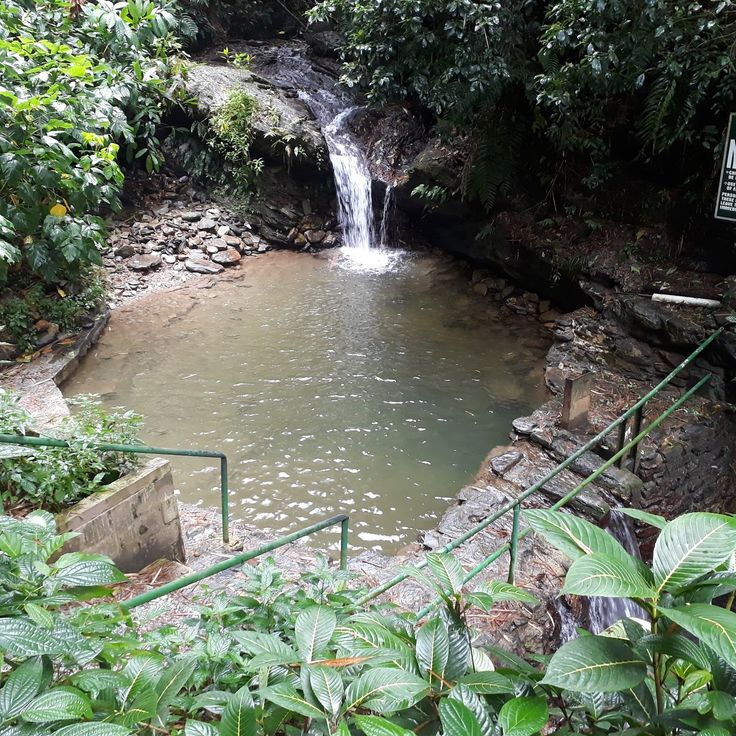
These falls drop 174 feet (54 meters) and form natural pools suitable for swimming. A forest trail leads through tropical rainforest to the cascade. The path requires sturdy footwear and takes about 15 to 20 minutes. Visitors can swim in the clear water of the pools and observe the surrounding vegetation. Local guides offer tours that provide information about the region's flora and fauna.
This sheltered cove on Tobago's north coast is surrounded by rainforest and features a narrow beach of dark volcanic sand. Englishman's Bay attracts swimmers and snorkelers who find clear water and relatively calm conditions. The bay sits away from major settlements and is reached by a road through dense forest. A small facility at the beach provides refreshments. The natural setting contributes to the quiet character of the site.
Store Bay is a beach on the southwestern coast of Tobago, located minutes from Crown Point International Airport. The clear water provides access to nearby coral reefs suitable for snorkeling. Local food stalls along the beachfront sell fried fish, curry dishes and other regional cuisine. The beach has changing facilities, restrooms and showers. Glass-bottom boats offer trips to the Buccoo Reef and Nylon Pool areas. The bay sits in a sheltered position with calm water for swimming.
This park covers 260 acres (105 hectares) in central Port of Spain and is lined with Victorian-era houses known as the Magnificent Seven. Parco Savannah features sports facilities, jogging paths and a central open field used for public events. Food vendors along the perimeter offer local dishes. The park serves as a venue for Carnival activities and regular cultural events, with several historic buildings located within walking distance along its northern edge.
Pirate's Bay is a secluded beach in Tobago reached via a 157-step coastal trail from Charlotteville. The area provides calm water for swimming and snorkeling, with coral formations near the shore. This beach sits within a protected cove surrounded by rainforest along the island's north coast. Facilities are limited, so visitors should bring food and water. The path descends through dense vegetation and offers views of the coastline along the way.
The Riserva Forestale di Tobago was established as a protected area in 1776 and ranks among the oldest forest reserves in the Western Hemisphere. The reserve covers roughly 14,000 acres of tropical rainforest with hiking trails that wind through dense vegetation to several waterfalls. The forests support over 200 bird species, including hummingbirds, toucans and the Trinidad motmot. Visitors can follow marked paths ranging from short walks to multi-hour treks through mountainous terrain.
La Brea Pitch Lake covers 40 hectares (99 acres) and reaches a depth of 260 feet (80 meters). The natural asphalt deposit formed through tectonic activity that brings petroleum from underground reserves to the surface, where lighter components evaporate and leave behind asphalt. Researchers study the geological processes and microbial life forms that exist in this extreme environment. Visitors can walk on the semi-solid surface and observe fresh asphalt emerging at various points.
Yerette is a bird watching center set within a tropical garden in Trinidad. Thirteen hummingbird species are drawn to dedicated feeding stations throughout the grounds. Visitors can observe the birds at close range as they hover and feed at nectar dispensers. The center serves as a resource for those interested in learning about native bird species. Its location amid tropical vegetation provides suitable habitat for these small birds.
Las Cuevas Beach extends roughly one mile (1.6 kilometers) along Trinidad's northern coast, bordered by palms and limestone formations. Natural grottoes dot the surrounding rocks, which gave the beach its name. The area offers facilities including changing rooms, lifeguards and picnic areas that attract local families on weekends.
This protected area in the coral reef off Tobago forms a natural pool with turquoise water over a white sand bottom. The shallow water, typically between three and five feet deep, allows direct viewing of tropical fish and corals. Boat trips from the northwest coast reach this spot, located about a mile offshore. Snorkelers can observe parrotfish, sergeant majors and small reef inhabitants.
The Dattatreya Temple is a Hindu place of worship built in 2003 that features an 85-foot (26-meter) statue of Hanuman, multiple shrines and landscaped garden grounds. The compound in Trinidad combines religious ceremonies with traditional Indian architectural elements and serves as an active site for prayer and Hindu festivals. Visitors can view the shrines dedicated to various deities and walk through the outdoor grounds. The temple reflects the significance of the Indo-Trinidadian community on the island.
Little Tobago Island is a 247-acre (100-hectare) uninhabited nature reserve located off the coast of Tobago. The protected area shelters colonies of tropical seabirds and offers hiking trails through dense forest. Visitors reach the island by boat and can observe birdlife along marked paths. The island ranks among the country's important bird sanctuaries and is managed by the forestry division. The crossing takes approximately 20 minutes from Speyside.
Buccoo Reef covers 7 square miles and protects coral formations, seagrass beds and a shallow lagoon off the coast of Tobago. This marine reserve sits in the southwestern part of the island and supports various coral species and tropical fish. Visitors reach the reef aboard glass-bottom boats that provide views of the underwater environment, or explore it while snorkeling. The lagoon maintains shallow depths suitable for swimmers of different experience levels.
This 800-yard sandy beach on Tobago's west coast stretches between coconut palms and benefits from protection by an offshore reef. The shore provides suitable swimming conditions when calm and develops rideable waves for surfers during northeast trade wind periods and winter swells. Changing facilities, restrooms and a restaurant operate on site. Parking is available at the beach entrance, and lounge chairs can be rented from local vendors.
The Monte San Benedetto Monastery sits in the northern hills of Trinidad and has housed a community of Benedictine monks since 1912. The monks produce yogurt and honey, which they sell on the premises. The monastery includes a chapel and offers visitors the opportunity to tour the religious buildings and learn about monastic life. From the hillside location, views extend across the surrounding landscape and the Caribbean coast. The site functions both as an active monastery and a destination for visitors interested in Catholic traditions and locally made artisanal products.
These gardens cover 25 hectares (62 acres) in Port of Spain and were established in 1818. The grounds contain collections of orchids, palms and tropical trees arranged in thematic sections. Visitors will find numerous native and exotic plant species along shaded pathways that wind through different garden areas. The site serves both recreational and scientific purposes.
The National Museum was founded in 1892 and displays archaeological finds, historical documents and artworks by local artists. The collections document the history of Trinidad and Tobago from pre-Columbian times to the present day. Visitors will find exhibits on the colonial past, the cultural development of the country and the natural environment of the islands. The museum is located in central Port of Spain and provides insights into the social and political history of both islands.
The Pointe-à-Pierre Wild Fowl Trust is a nature reserve dedicated to protecting waterfowl, with trails winding around several artificial lakes. The facility covers approximately 27 acres (11 hectares) within an industrial zone and provides habitat for scarlet ibis, various heron species and ducks. Established in 1966, this reserve serves both as a breeding ground for endangered species and an environmental education center. Visitors can observe different bird species along the paths and learn about conservation efforts. The grounds include ponds, wetland areas and wooded sections.
The President's House is a white colonial building in Victorian style dating from 1876, serving as the official residence of the head of state. The structure sits on a four-acre (1.6-hectare) wooded property in Port of Spain and represents Trinidad and Tobago's colonial architectural heritage. The compound combines administrative function with historical building fabric from the British colonial era and displays the typical architectural features of Victorian government buildings in the Caribbean.
Stonehaven Bay sits on the northern coast of Tobago and offers a gray sand beach beneath palm trees. Coral reefs offshore keep waves at bay and provide calmer water in the bay. The beach attracts visitors seeking a less frequented destination. Natural vegetation extends down to the sand. The bay is suitable for swimming and beach time in a setting without major infrastructure.
Pigeon Point Beach stretches several hundred feet along the southwestern coast of Tobago and ranks among the island's most visited beaches. The bay features a 130-foot (40-meter) wooden jetty extending into the turquoise water, serving as a recognized landmark. Rental stands along the beach offer kayaks, snorkeling gear and jet skis, while an activities center organizes diving excursions and boat tours. Thatched-roof pavillions provide shade along the shoreline, and several beach bars serve local food and drinks.
This row of houses comprises seven Victorian mansions from the 19th century that stand along the western edge of Queen's Park Savannah. The buildings represent various colonial architectural styles, including French Second Empire, Scottish Baronial, and Moorish-inspired elements. Each house was built for wealthy merchants and planters and displays elaborate woodwork, turrets, wrought-iron detailing, and decorative facades. The row extends roughly 0.6 miles (1 kilometer) along Maraval Road and serves today as a visual reference for Port of Spain's architectural development during the late colonial era.
The Caroni Swamp covers a mangrove wetland about 5 miles (8 km) south of Port of Spain, where thousands of scarlet ibises gather at sunset to roost. This protected area spans roughly 22 square miles (56 km²) and supports over 160 bird species along with herons, caimans and raccoons. A visitor center stands at the entrance to the reserve and arranges guided boat tours through the waterways, which last about two hours and depart at low tide. The boats navigate narrow channels between mangrove stands before reaching the roosting sites where the ibises settle for the night.
The Red House Parliament was built in 1907 using red brick and serves as the seat of the legislature of Trinidad and Tobago. The facade features Corinthian columns and a central clock tower. The building stands in the heart of Port of Spain and represents early 1900s colonial architecture. Visitors can view the exterior and understand the historical role of the parliament in the country's political development.
Maracas Bay is a 2-mile (3.2-kilometer) sand beach on Trinidad's north coast, lined with coconut palms. The beach is popular with locals and visitors and known for its vendors selling bake and shark, a fried fish sandwich specialty. The bay has changing facilities, showers, lifeguards and parking. Waves are suitable for swimming but can be strong at times. The beach is well attended on weekends and public holidays.
This nature reserve covers 12 acres (5 hectares) on Tobago and provides habitat for hummingbirds, parrots and other tropical bird species. Several walking trails wind through the property, allowing visitors to observe local fauna in their natural environment. The farm combines conservation efforts with controlled public access for those interested in learning about the island's ecosystem. Information boards along the paths provide details about the various animal and plant species found within the reserve.
This secluded bay on Tobago draws fishermen who sell their daily catch directly on the beach. The calm waters make Castara a practical spot for swimming and snorkeling among coral formations near the shore. Cliffs frame both ends of the bay and provide shade in the late afternoon. Small guesthouses and restaurants line the road behind the beach. The bay remains a working fishing village where local boats come and go daily.
Emperor Valley Zoo covers 8 acres (3 hectares) and houses 200 animals including jaguars, monkeys and snakes. This zoo was established in 1952 within the Royal Botanic Gardens. The facility focuses on Caribbean and tropical species and provides educational programs for visitors interested in learning about regional wildlife.
The Asa Wright Nature Centre occupies a former colonial estate now functioning as a nature preserve in the Northern Range mountains. The facility protects 1,500 acres (607 hectares) of tropical rainforest and shelters over 400 bird species including the oilbird, along with various mammals and reptiles. The centre maintains several trails through the rainforest, guided tours for wildlife viewing and observation platforms. The main veranda of the 19th century manor house serves as a prime viewing point where visitors can spot more than 100 bird species directly from the building.
This fort dates from the 1770s and sits above Scarborough on Tobago. The British military installation includes preserved barracks, powder magazines and gun emplacements with period cannons. Fort King George houses a museum covering Tobago's colonial history with artifacts from the era of European settlement. Views extend across Scarborough and the coastline from the fortifications. The site documents 18th-century military architecture in the Caribbean.
These falls drop 174 feet (54 meters) and form natural pools suitable for swimming. A forest trail leads through tropical rainforest to the cascade. The path requires sturdy footwear and takes about 15 to 20 minutes. Visitors can swim in the clear water of the pools and observe the surrounding vegetation. Local guides offer tours that provide information about the region's flora and fauna.
This sheltered cove on Tobago's north coast is surrounded by rainforest and features a narrow beach of dark volcanic sand. Englishman's Bay attracts swimmers and snorkelers who find clear water and relatively calm conditions. The bay sits away from major settlements and is reached by a road through dense forest. A small facility at the beach provides refreshments. The natural setting contributes to the quiet character of the site.
Store Bay is a beach on the southwestern coast of Tobago, located minutes from Crown Point International Airport. The clear water provides access to nearby coral reefs suitable for snorkeling. Local food stalls along the beachfront sell fried fish, curry dishes and other regional cuisine. The beach has changing facilities, restrooms and showers. Glass-bottom boats offer trips to the Buccoo Reef and Nylon Pool areas. The bay sits in a sheltered position with calm water for swimming.
This park covers 260 acres (105 hectares) in central Port of Spain and is lined with Victorian-era houses known as the Magnificent Seven. Parco Savannah features sports facilities, jogging paths and a central open field used for public events. Food vendors along the perimeter offer local dishes. The park serves as a venue for Carnival activities and regular cultural events, with several historic buildings located within walking distance along its northern edge.
Pirate's Bay is a secluded beach in Tobago reached via a 157-step coastal trail from Charlotteville. The area provides calm water for swimming and snorkeling, with coral formations near the shore. This beach sits within a protected cove surrounded by rainforest along the island's north coast. Facilities are limited, so visitors should bring food and water. The path descends through dense vegetation and offers views of the coastline along the way.
The Riserva Forestale di Tobago was established as a protected area in 1776 and ranks among the oldest forest reserves in the Western Hemisphere. The reserve covers roughly 14,000 acres of tropical rainforest with hiking trails that wind through dense vegetation to several waterfalls. The forests support over 200 bird species, including hummingbirds, toucans and the Trinidad motmot. Visitors can follow marked paths ranging from short walks to multi-hour treks through mountainous terrain.
La Brea Pitch Lake covers 40 hectares (99 acres) and reaches a depth of 260 feet (80 meters). The natural asphalt deposit formed through tectonic activity that brings petroleum from underground reserves to the surface, where lighter components evaporate and leave behind asphalt. Researchers study the geological processes and microbial life forms that exist in this extreme environment. Visitors can walk on the semi-solid surface and observe fresh asphalt emerging at various points.
Yerette is a bird watching center set within a tropical garden in Trinidad. Thirteen hummingbird species are drawn to dedicated feeding stations throughout the grounds. Visitors can observe the birds at close range as they hover and feed at nectar dispensers. The center serves as a resource for those interested in learning about native bird species. Its location amid tropical vegetation provides suitable habitat for these small birds.
Las Cuevas Beach extends roughly one mile (1.6 kilometers) along Trinidad's northern coast, bordered by palms and limestone formations. Natural grottoes dot the surrounding rocks, which gave the beach its name. The area offers facilities including changing rooms, lifeguards and picnic areas that attract local families on weekends.
This protected area in the coral reef off Tobago forms a natural pool with turquoise water over a white sand bottom. The shallow water, typically between three and five feet deep, allows direct viewing of tropical fish and corals. Boat trips from the northwest coast reach this spot, located about a mile offshore. Snorkelers can observe parrotfish, sergeant majors and small reef inhabitants.
The Dattatreya Temple is a Hindu place of worship built in 2003 that features an 85-foot (26-meter) statue of Hanuman, multiple shrines and landscaped garden grounds. The compound in Trinidad combines religious ceremonies with traditional Indian architectural elements and serves as an active site for prayer and Hindu festivals. Visitors can view the shrines dedicated to various deities and walk through the outdoor grounds. The temple reflects the significance of the Indo-Trinidadian community on the island.
Little Tobago Island is a 247-acre (100-hectare) uninhabited nature reserve located off the coast of Tobago. The protected area shelters colonies of tropical seabirds and offers hiking trails through dense forest. Visitors reach the island by boat and can observe birdlife along marked paths. The island ranks among the country's important bird sanctuaries and is managed by the forestry division. The crossing takes approximately 20 minutes from Speyside.
Buccoo Reef covers 7 square miles and protects coral formations, seagrass beds and a shallow lagoon off the coast of Tobago. This marine reserve sits in the southwestern part of the island and supports various coral species and tropical fish. Visitors reach the reef aboard glass-bottom boats that provide views of the underwater environment, or explore it while snorkeling. The lagoon maintains shallow depths suitable for swimmers of different experience levels.
This 800-yard sandy beach on Tobago's west coast stretches between coconut palms and benefits from protection by an offshore reef. The shore provides suitable swimming conditions when calm and develops rideable waves for surfers during northeast trade wind periods and winter swells. Changing facilities, restrooms and a restaurant operate on site. Parking is available at the beach entrance, and lounge chairs can be rented from local vendors.
The Monte San Benedetto Monastery sits in the northern hills of Trinidad and has housed a community of Benedictine monks since 1912. The monks produce yogurt and honey, which they sell on the premises. The monastery includes a chapel and offers visitors the opportunity to tour the religious buildings and learn about monastic life. From the hillside location, views extend across the surrounding landscape and the Caribbean coast. The site functions both as an active monastery and a destination for visitors interested in Catholic traditions and locally made artisanal products.
These gardens cover 25 hectares (62 acres) in Port of Spain and were established in 1818. The grounds contain collections of orchids, palms and tropical trees arranged in thematic sections. Visitors will find numerous native and exotic plant species along shaded pathways that wind through different garden areas. The site serves both recreational and scientific purposes.
The National Museum was founded in 1892 and displays archaeological finds, historical documents and artworks by local artists. The collections document the history of Trinidad and Tobago from pre-Columbian times to the present day. Visitors will find exhibits on the colonial past, the cultural development of the country and the natural environment of the islands. The museum is located in central Port of Spain and provides insights into the social and political history of both islands.
The Pointe-à-Pierre Wild Fowl Trust is a nature reserve dedicated to protecting waterfowl, with trails winding around several artificial lakes. The facility covers approximately 27 acres (11 hectares) within an industrial zone and provides habitat for scarlet ibis, various heron species and ducks. Established in 1966, this reserve serves both as a breeding ground for endangered species and an environmental education center. Visitors can observe different bird species along the paths and learn about conservation efforts. The grounds include ponds, wetland areas and wooded sections.
The President's House is a white colonial building in Victorian style dating from 1876, serving as the official residence of the head of state. The structure sits on a four-acre (1.6-hectare) wooded property in Port of Spain and represents Trinidad and Tobago's colonial architectural heritage. The compound combines administrative function with historical building fabric from the British colonial era and displays the typical architectural features of Victorian government buildings in the Caribbean.
Stonehaven Bay sits on the northern coast of Tobago and offers a gray sand beach beneath palm trees. Coral reefs offshore keep waves at bay and provide calmer water in the bay. The beach attracts visitors seeking a less frequented destination. Natural vegetation extends down to the sand. The bay is suitable for swimming and beach time in a setting without major infrastructure.