See the monuments around you in AROpen chests in the app
Around Us is built for your phone — point your camera at the streets and discover the monuments and places around you in augmented reality.Around Us is built for your phone — chests unlock when you walk, explore and capture nearby places.
Burkina Faso holds a wealth of places that reveal both the land itself and the people who call it home. You can explore ancient stone ruins dating back centuries, walk through forests and wildlife reserves, discover villages where traditional building methods and crafts remain part of daily life, and visit mosques, museums, and markets in the country's main cities. These sites show how communities have adapted to their surroundings and created lasting traditions.
In the west, near Bobo-Dioulasso, the Great Mosque rises with its distinctive earthen walls and twin towers, a structure completed in 1880 that still serves as a gathering place for worship and community life. Nearby, Sindou Peaks thrust up from a high plateau, their sandstone cliffs creating a dramatic landscape where local guides can lead you through paths with views across the region. The Karfiguéla Waterfalls flow along the Comoé River, surrounded by thick vegetation and natural swimming holes where water cools the air. At Tiébélé, the Royal Court preserves traditional Kasséna dwellings with their hand-painted earthen walls decorated in geometric designs that have been passed down through generations.
The country's protected areas offer chances to see wildlife and different types of vegetation. Arly National Park covers forested land in the east along the border with Benin, where animals roam without hunting pressure. Nazinga Reserve sprawls across vast savanna in the south, home to elephants, antelope, and countless birds. The Bala Hippopotamus Pond shelters hippos and crocodiles among water birds and reeds. In Gaoua, the Poni Museum holds masks, instruments, and objects that tell stories of the Lobi people, displayed in a building that itself dates back over a century. These places together give a full picture of Burkina Faso—a country where nature, history, and living traditions meet.
Burkina Faso holds a wealth of places that reveal both the land itself and the people who call it home. You can explore ancient stone ruins dating back centuries, walk through forests and wildlife reserves, discover villages where traditional building methods and crafts remain part of daily life, and visit mosques, museums, and markets in the country's main cities. These sites show how communities have adapted to their surroundings and created lasting traditions.
In the west, near Bobo-Dioulasso, the Great Mosque rises with its distinctive earthen walls and twin towers, a structure completed in 1880 that still serves as a gathering place for worship and community life. Nearby, Sindou Peaks thrust up from a high plateau, their sandstone cliffs creating a dramatic landscape where local guides can lead you through paths with views across the region. The Karfiguéla Waterfalls flow along the Comoé River, surrounded by thick vegetation and natural swimming holes where water cools the air. At Tiébélé, the Royal Court preserves traditional Kasséna dwellings with their hand-painted earthen walls decorated in geometric designs that have been passed down through generations.
The country's protected areas offer chances to see wildlife and different types of vegetation. Arly National Park covers forested land in the east along the border with Benin, where animals roam without hunting pressure. Nazinga Reserve sprawls across vast savanna in the south, home to elephants, antelope, and countless birds. The Bala Hippopotamus Pond shelters hippos and crocodiles among water birds and reeds. In Gaoua, the Poni Museum holds masks, instruments, and objects that tell stories of the Lobi people, displayed in a building that itself dates back over a century. These places together give a full picture of Burkina Faso—a country where nature, history, and living traditions meet.
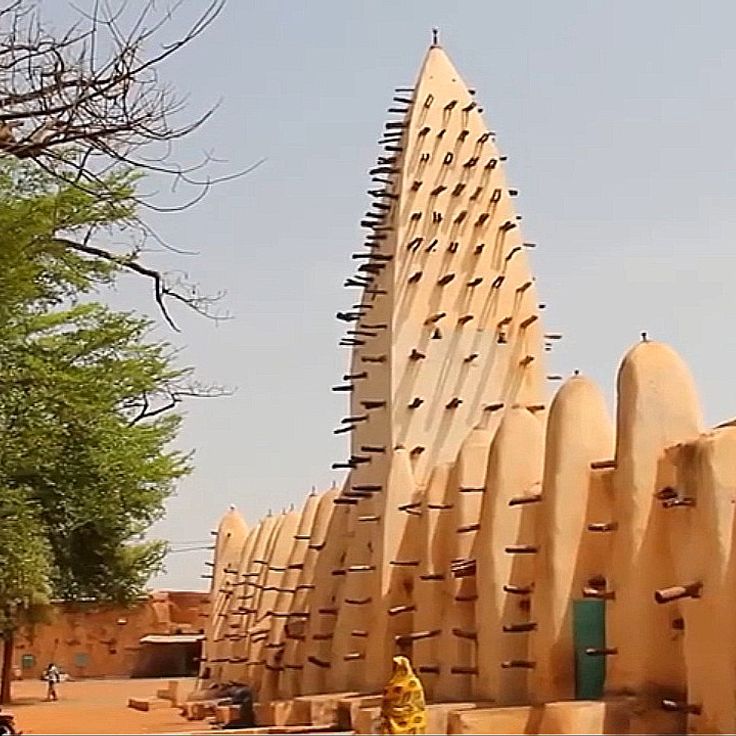
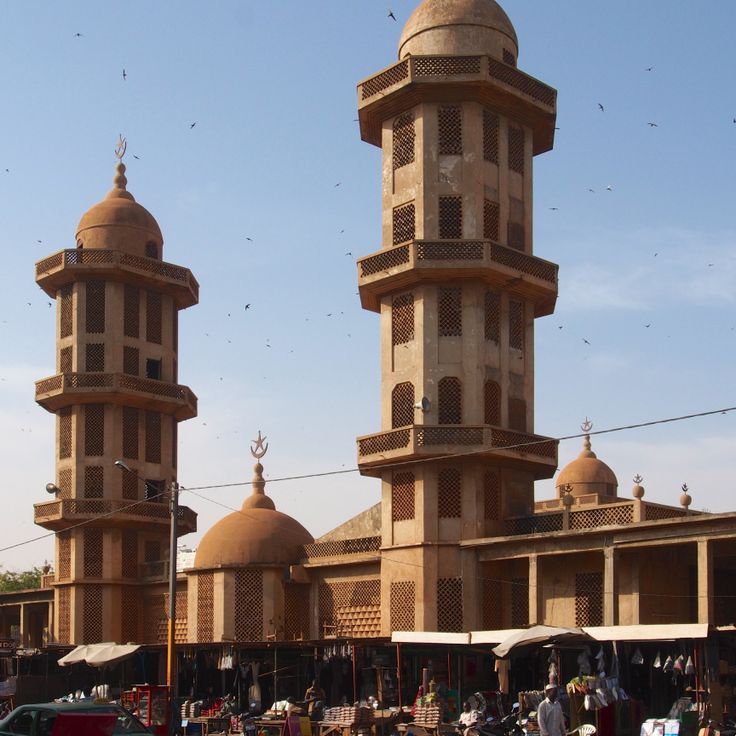
The Great Mosque of Dioulasso-Bâ is a religious monument in Bobo-Dioulasso and a key site in this collection of Burkina Faso's natural and cultural places. Built in 1880 from mud bricks, this mosque displays Sudanese architecture with its two minarets and spacious prayer hall. It reflects the region's religious traditions and craftsmanship.
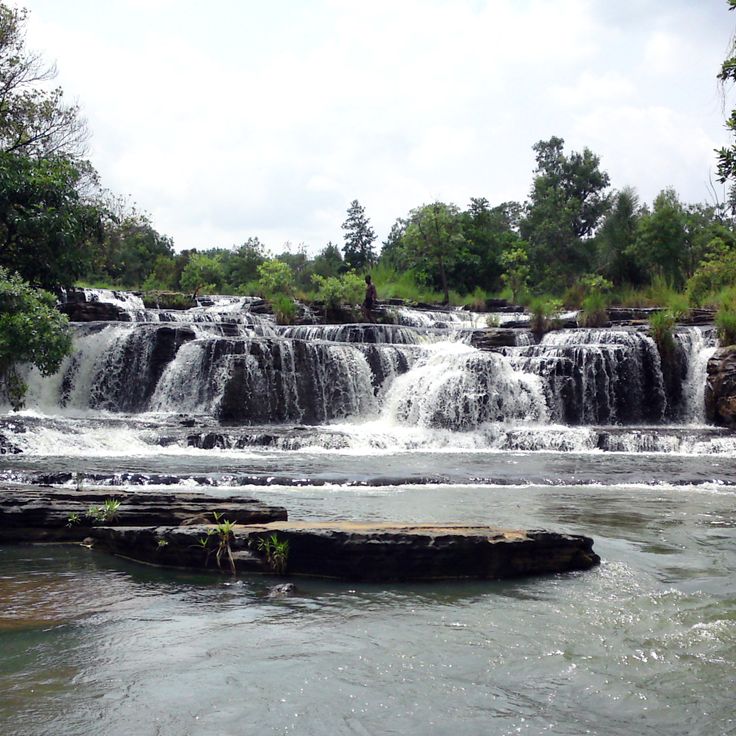
The Karfiguéla Waterfalls are part of Burkina Faso's natural and cultural sites, showcasing the country's landscape alongside historical landmarks like the Great Mosque of Dioulasso-Bâ built in 1880 and the Sindou Peaks rock formations. These waterfalls form a series of natural cascades on the Comoé River, surrounded by dense vegetation, creating natural pools where water gathers.
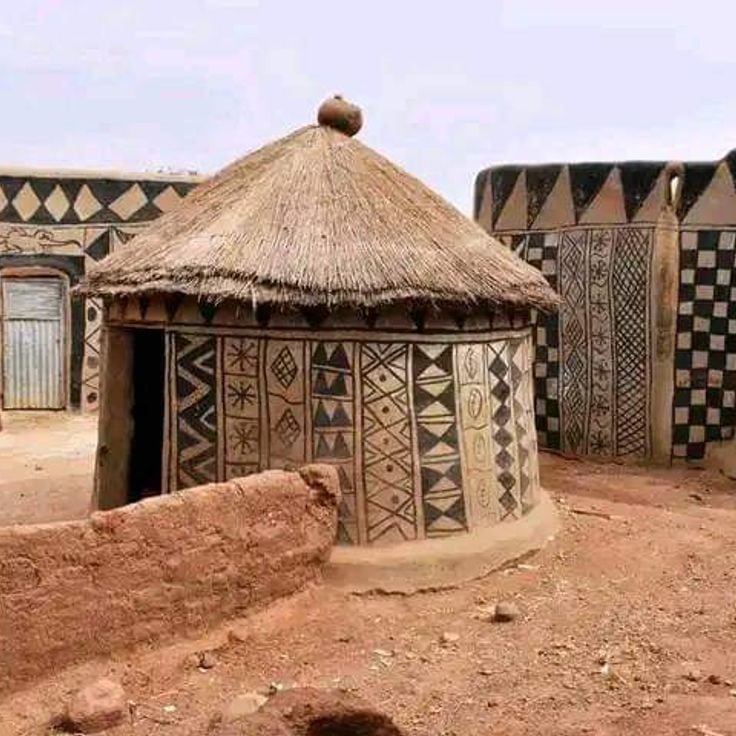
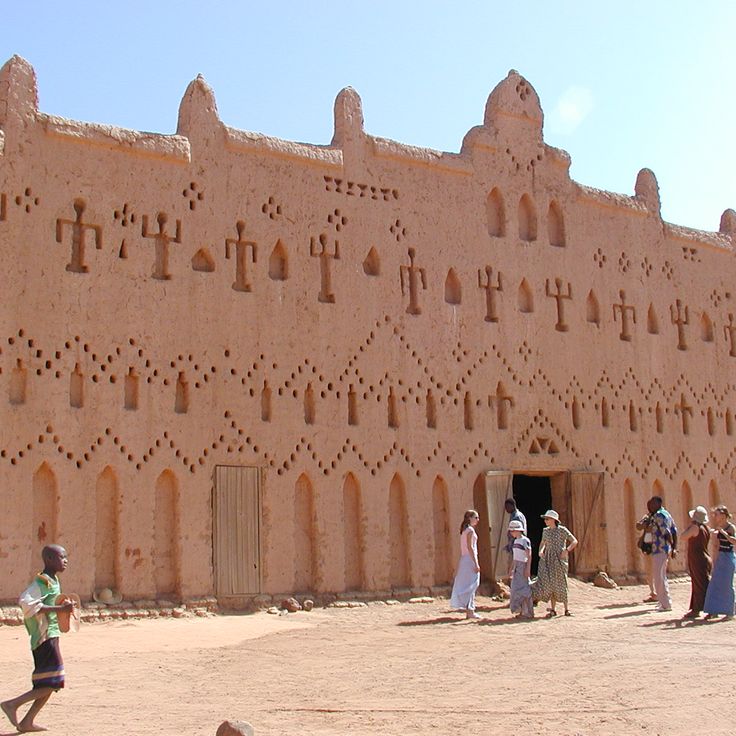
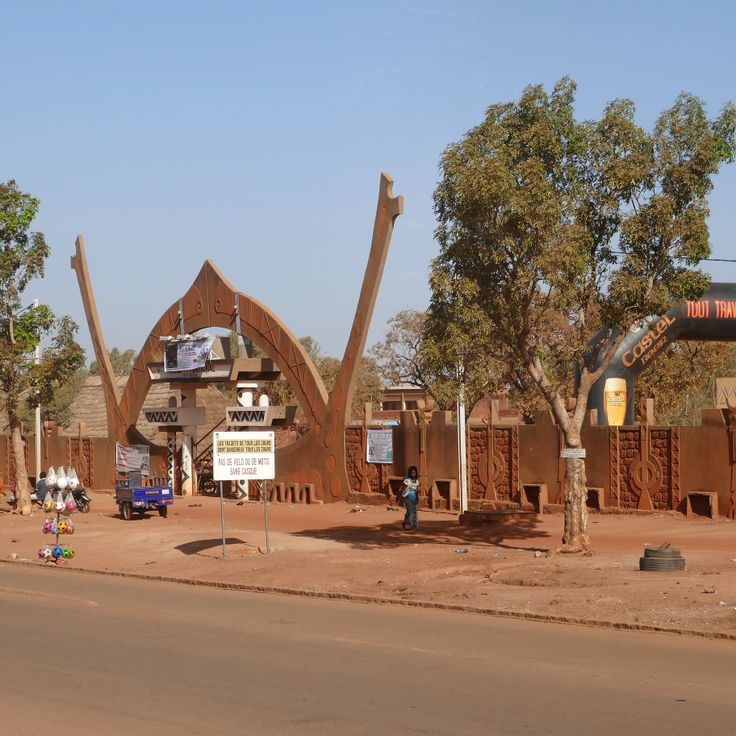
The Royal Court of Tiébélé is a complex of traditional dwellings built by the Kasséna people, featuring earthen walls decorated with hand-painted geometric patterns. This site represents the cultural heritage of Burkina Faso and demonstrates the building techniques and artistic traditions of the region.
Arly National Park is located in the east of Burkina Faso along the border with Benin and is part of the country's natural and cultural sites. This forested area is a protected place where hunting is prohibited and nature is preserved. The park allows visitors to explore the plants and animals of the region and serves as an important location for protecting the wild spaces of West Africa.
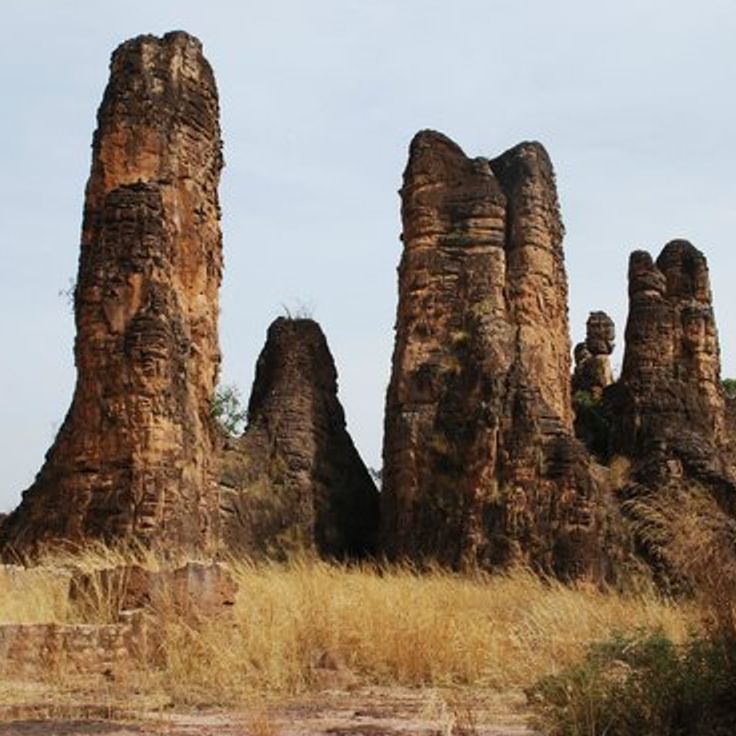
The Sindou Peaks are a natural rock formation of sandstone that rises between 300 and 400 meters above the surrounding landscape. This group of peaks sits on a plateau about 3 kilometers long and represents one of the natural sites explored in this collection of Burkina Faso's notable places. The formation draws visitors who want to experience the geological character of the region and enjoy views across the plateau.
Nazinga Reserve is a wildlife protection area in southern Burkina Faso, established in 1979 across 97,000 hectares. It is one of the country's important protected spaces and provides habitat for various animal species. The reserve plays a key role in preserving the natural environment and wildlife of this region.
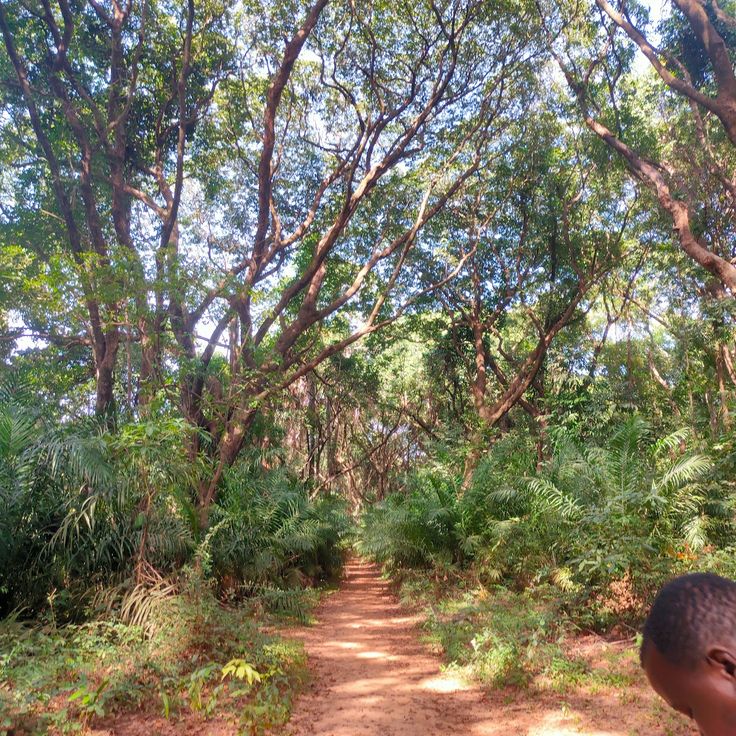
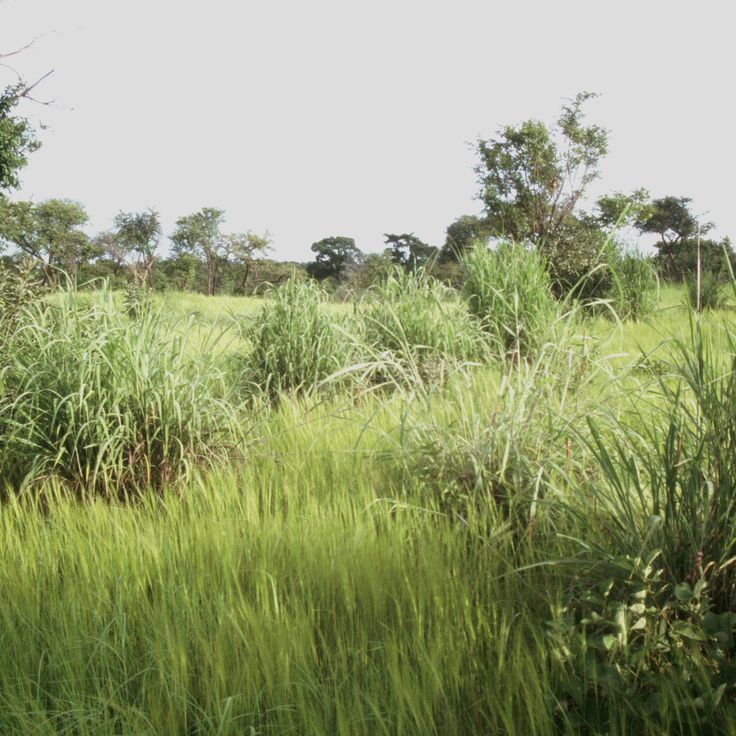
Kou Forest is a natural area near Bobo-Dioulasso that showcases the diverse landscapes of Burkina Faso. This woodland features dense forest patches, open forest areas, and savanna, creating different habitats within its boundaries. Visitors can walk through the various vegetation zones and observe the local plants and animals that make this place their home. The forest offers a chance to experience the natural side of the region away from the city.
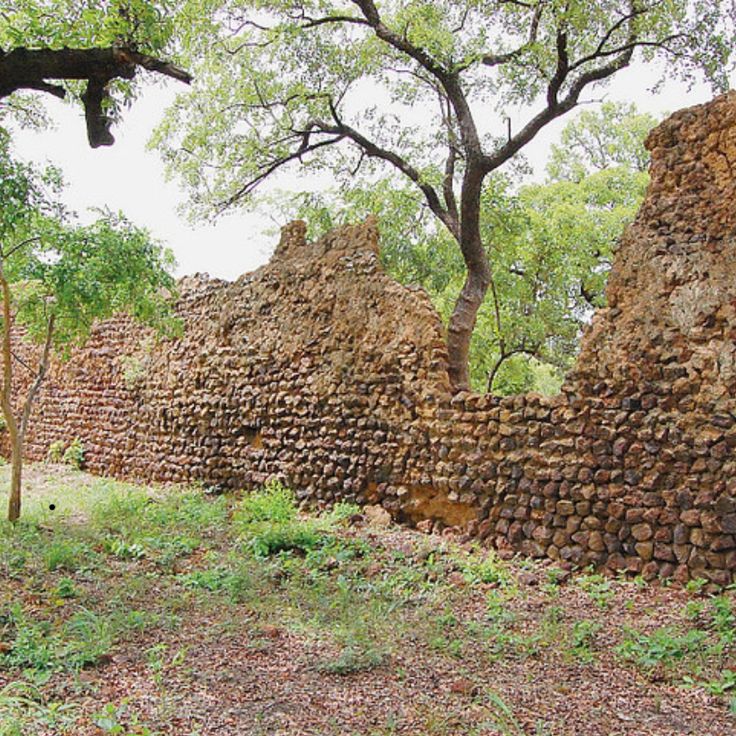
The Loropéni Ruins are an 11th-century fortification that stands among the natural and cultural sites of Burkina Faso. This archaeological location features ancient stone walls and foundations spread across a large area, offering insight into the region's past. Visitors can walk through the remains to understand how people built and lived in this part of West Africa centuries ago.
The Poni Museum in Gaoua displays ritual objects, masks, and musical instruments of the Lobi people in a colonial building from 1920. As part of your exploration of Burkina Faso's natural and cultural sites, this museum offers a window into traditional Lobi life and complements visits to historical locations like the Royal Court of Tiébélé and the country's traditional villages.
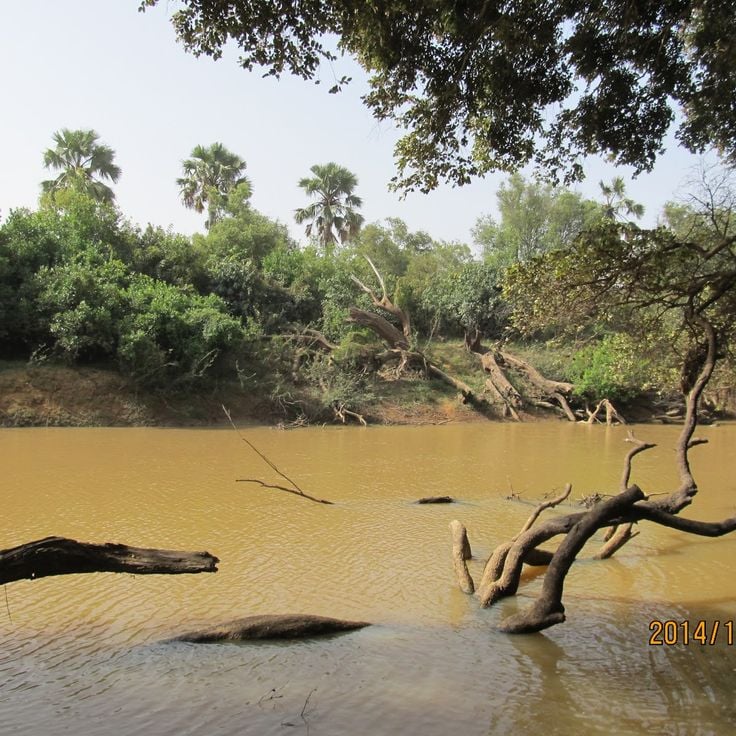
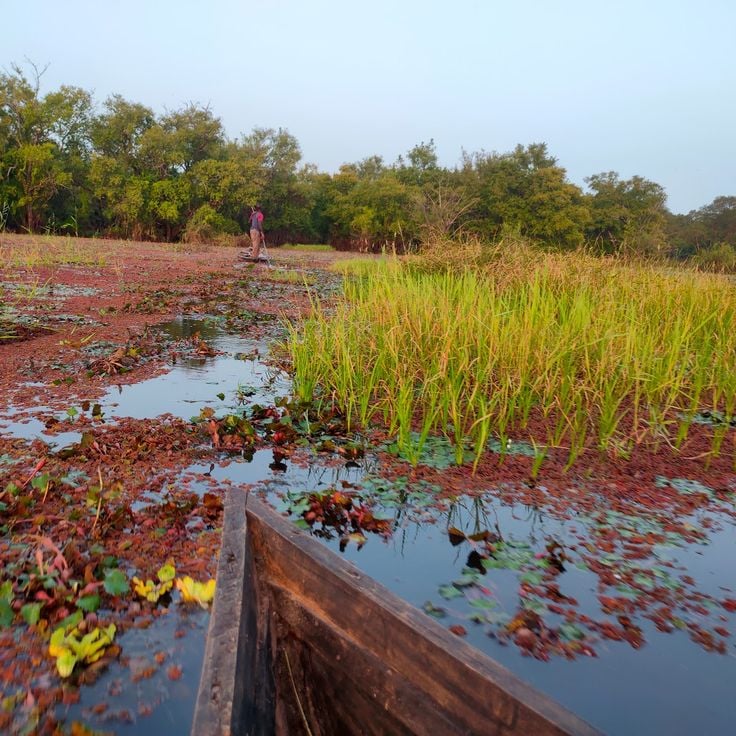
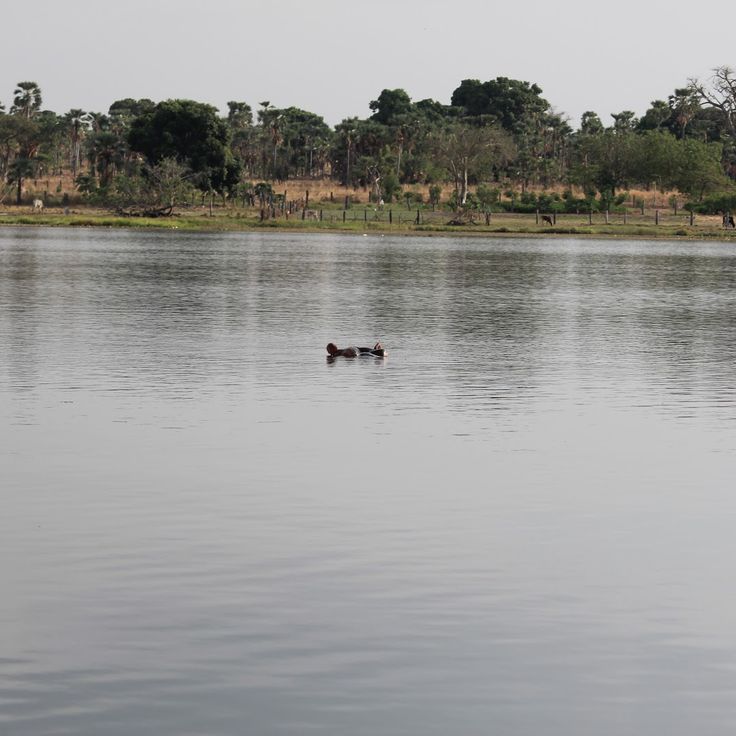
The Bala Hippopotamus Pond is a natural body of water that represents one of Burkina Faso's natural treasures. Covering 660 hectares, this pond provides habitat for hippopotamuses, crocodiles, and many species of aquatic birds. Visitors can observe wildlife in its natural setting and experience the landscape as part of the country's network of protected natural sites.
Laongo Symposium is an open-air gallery created in 1989 that displays more than 50 monumental sculptures carved directly into granite rocks. As part of Burkina Faso's cultural sites, it represents a place where art and landscape merge together. The stone carvings come from different artists who have contributed their works over time. This location offers visitors a chance to walk through outdoor art and experience creativity set within natural rock formations.
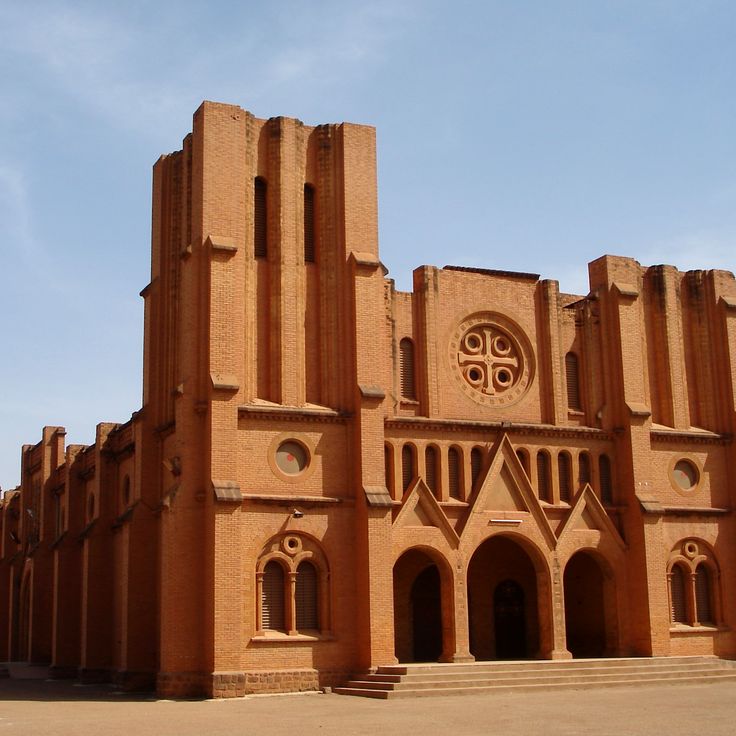
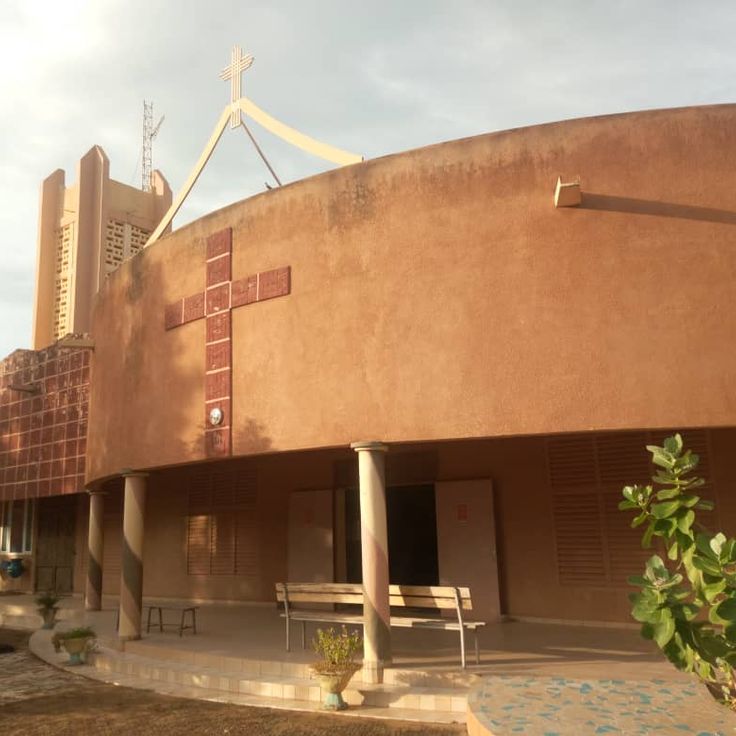
Ouagadougou Cathedral is a Catholic church built in neo-Romanesque style, featuring two towers and a central nave. Located in Burkina Faso's capital, it serves as a place for religious services and cultural events. The building stands among the country's significant religious structures, which alongside museums and traditional markets shape the cultural life of the city.
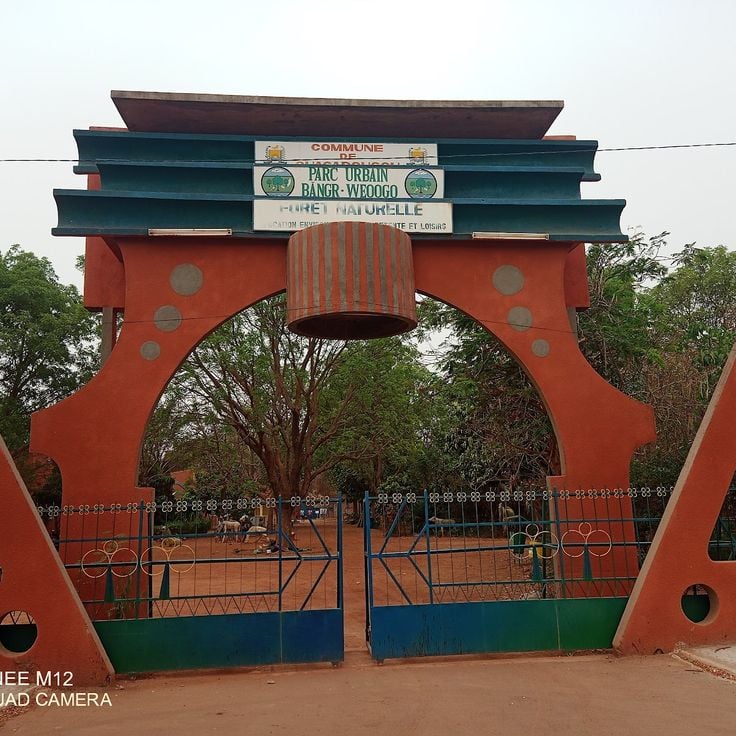
This park is a 240-hectare green space in the heart of Ouagadougou and part of the natural and cultural sites that define Burkina Faso. The park holds local trees, walking trails for exploring nature, and a botanical research center where visitors can learn about the plants of the region.
The Great Mosque of Bani is one of the religious buildings that represent the natural and cultural sites of Burkina Faso. Built from mudbrick in Sudanese style, the structure features thick walls and buttresses that reflect the traditional building methods of the region.
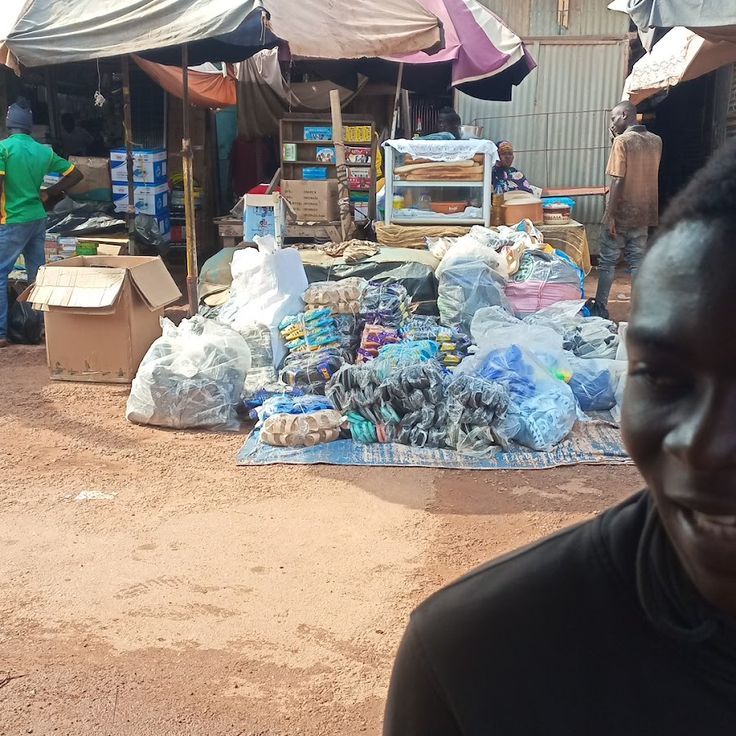
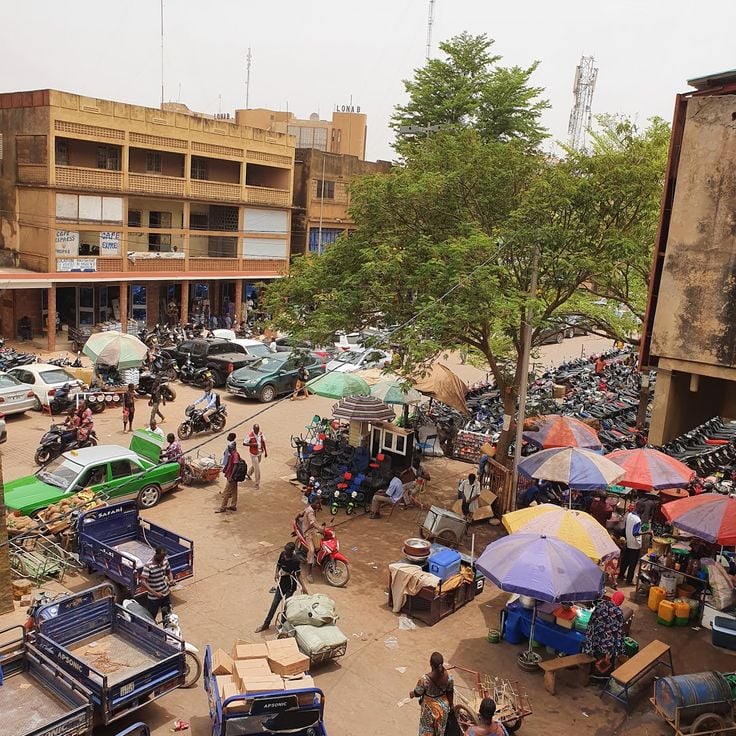
Sankariaré Market in Ouagadougou is an open commercial center that forms part of Burkina Faso's network of markets, museums, and traditional places. Vendors here sell local food products, textiles, and crafts. The market reflects the everyday life of the capital and offers visitors a chance to explore regional goods and local trading culture.
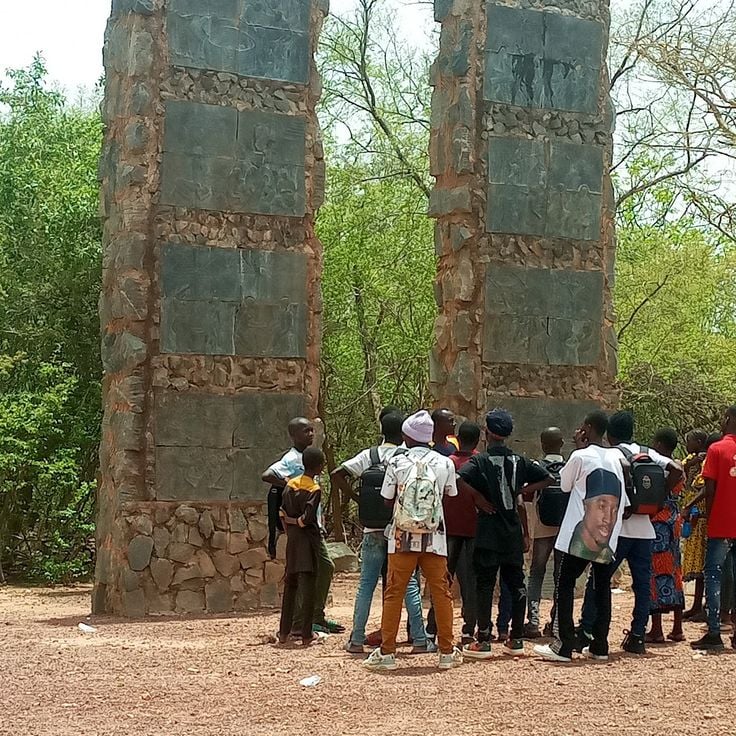
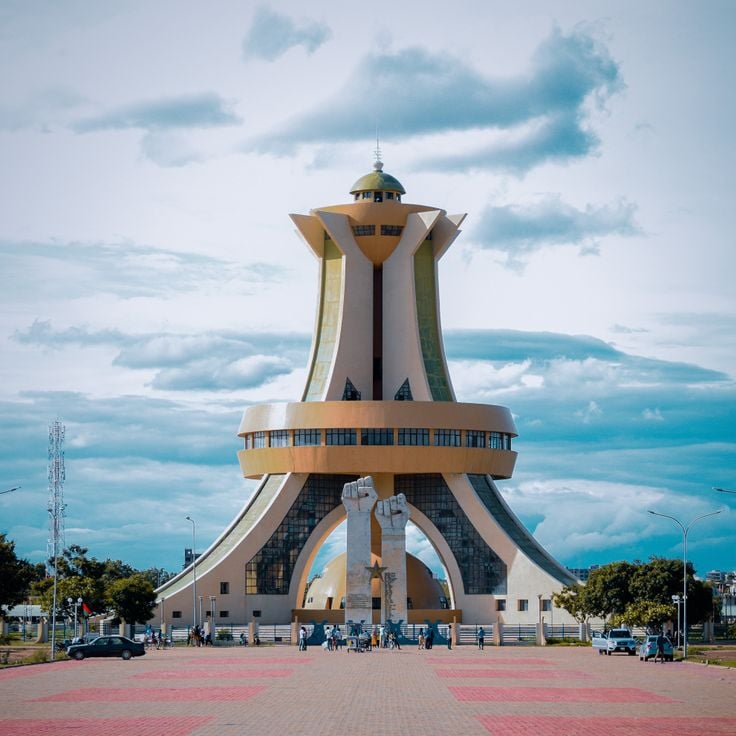
The National Heroes Memorial is a monument made of bronze and granite built in 1984 to honor historical figures of Burkina Faso. As part of the country's natural and cultural sites, it stands alongside other notable places such as the Great Mosque of Dioulasso-Bâ, the Sindou Peaks rock formations, and the Royal Court of Tiébélé. The memorial features a plaza and gardens where visitors can reflect on the nation's history and heritage.
The Great Mosque of Ouagadougou is a central religious building in the capital, constructed in 1962. Its design brings together Sudanese building traditions with modern architectural elements. As part of Burkina Faso's natural and cultural sites, this mosque stands alongside other religious buildings like Ouagadougou Cathedral and traditional village settlements throughout the country.
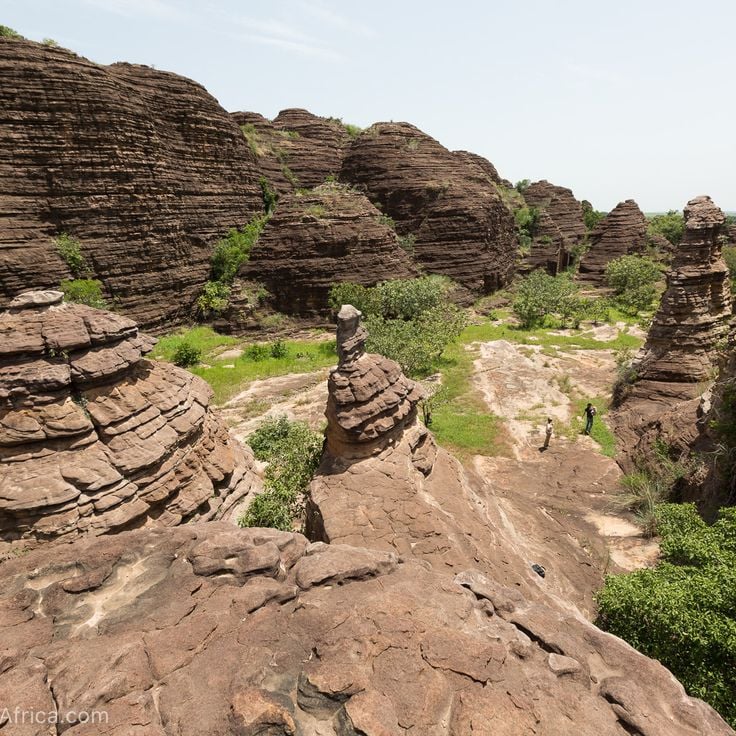
The Domes of Fabédougou are sandstone formations that date back 2 billion years and sit near Banfora. These geological structures show natural erosion patterns shaped over vast stretches of time. They are part of the natural sites of Burkina Faso that visitors can explore, offering insight into the region's geological history and the power of natural forces.
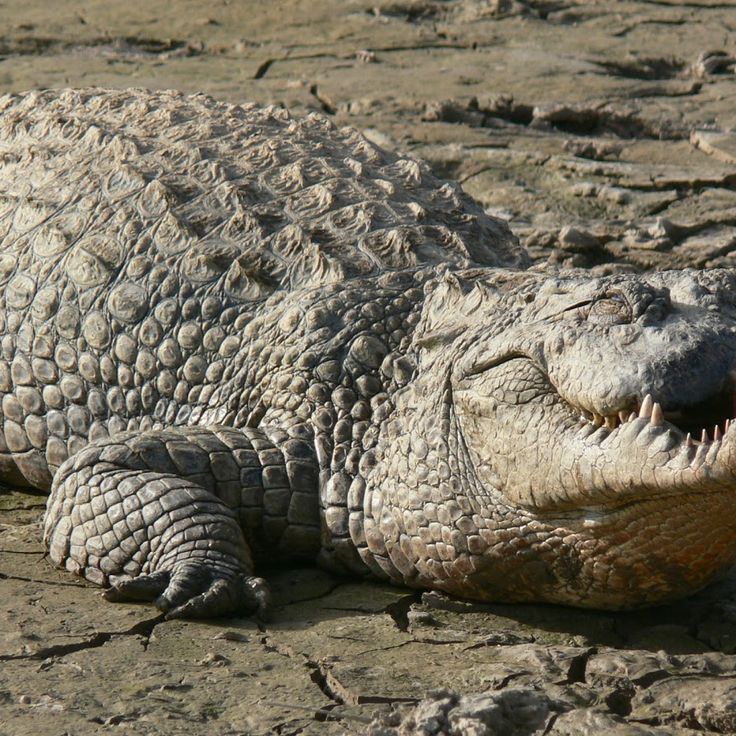
The Bazoulé Crocodile Park is a protected area near a natural lake and forms part of Burkina Faso's natural and cultural sites. The park is home to sacred crocodiles that hold deep meaning for local people. Visitors can observe these animals from a safe distance and learn about their importance to the community.
The Ouagadougou Markets are part of the natural and cultural sites of Burkina Faso. They form a network of urban markets scattered across different sectors of the city. Each market is equipped with infrastructure that meets safety standards. Here visitors can find local products, crafts, and everyday goods alongside the country's historical sites and traditional villages.
The Issouka Museum in Koudougou displays objects and documents that trace the development of the city through different historical periods. As part of Burkina Faso's cultural institutions, this museum preserves the local history and offers visitors insight into the past of this important city in the region.
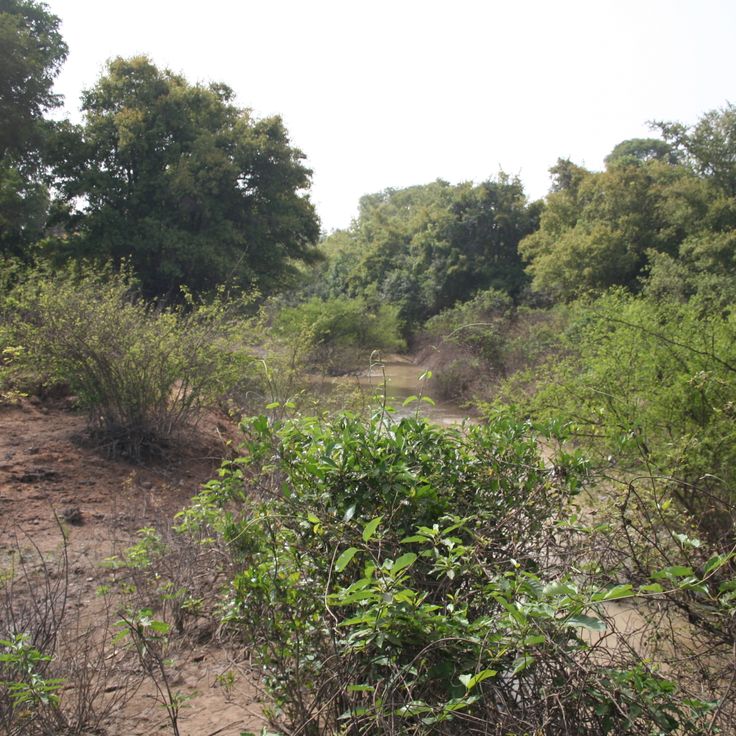
Kaboré Tambi National Park is a natural reserve in Burkina Faso that protects mammals like hippos and crocodiles in their natural habitat. The park is crossed by the Nazinon River. It represents one of the country's network of natural and cultural sites that includes national parks, nature reserves, traditional villages, and historical landmarks alongside other protected areas such as Arly Park, Nazinga Reserve, and the UNESCO-listed W National Park.
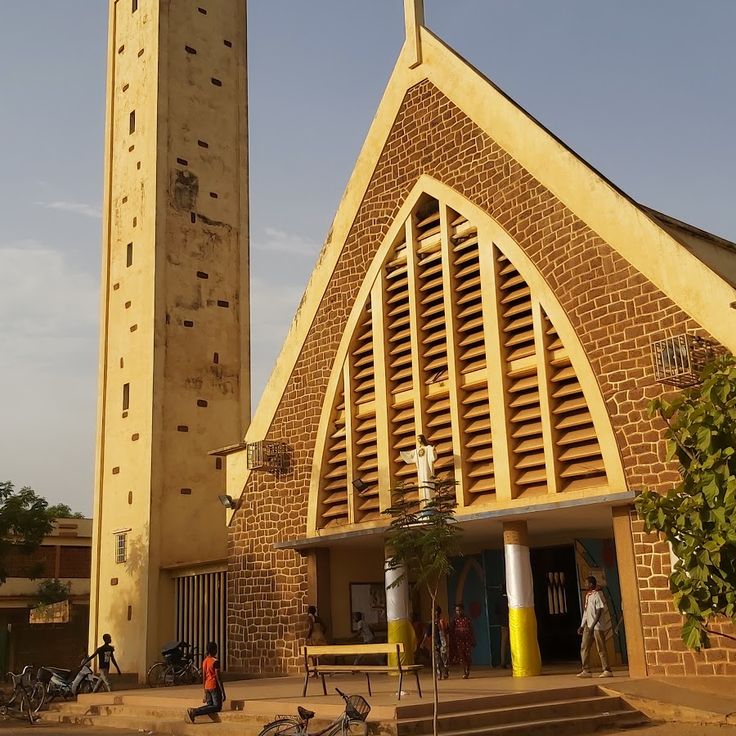
Notre-Dame de Lourdes Cathedral in Bobo-Dioulasso is a Catholic religious building built in the 1950s using modern concrete architecture. Two bell towers rise 75 meters high above the structure. The cathedral reflects the religious history of the city and its development during the 20th century. It represents the kind of religious buildings that shape the cultural and spiritual landscape of Burkina Faso's towns and villages.
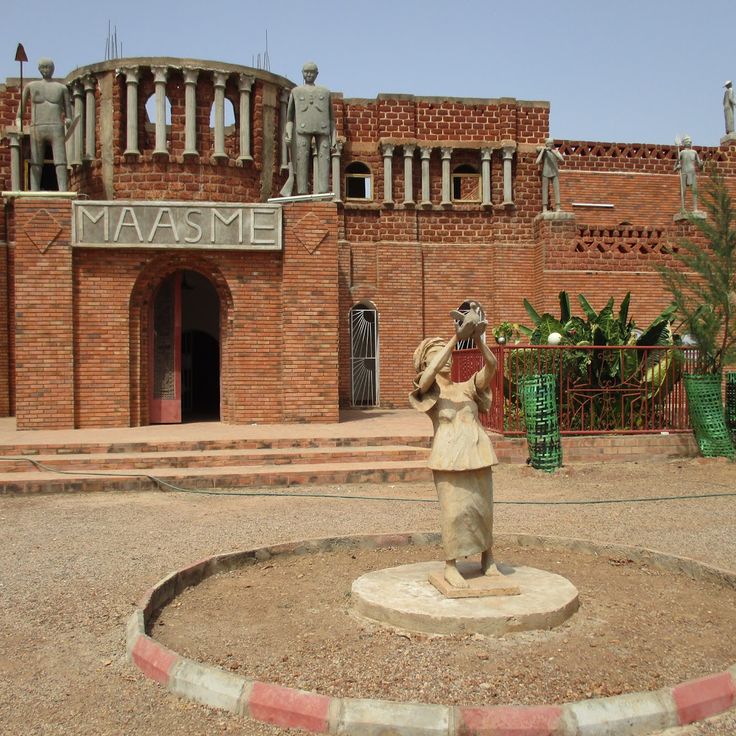
The National Museum of Burkina Faso serves as the country's central institution for preserving and displaying collections of ethnographic, historical, and artisanal objects from across its various regions. It documents the diverse cultures and traditional practices of the people and enriches the exploration of Burkina Faso's natural and cultural sites.
Dapoya Church sits in the old quarter of Ouagadougou and was built in the 1930s. It serves as an active place for regular religious services and ceremonies. Within this collection of natural reserves, traditional villages, and historical sites across Burkina Faso, this church stands alongside other religious buildings such as Ouagadougou Cathedral as a place where people gather for worship and community.
Pama Reserve is a natural conservation area in Burkina Faso established in 1955 that protects local wildlife and includes controlled hunting zones. As part of the country's natural and cultural sites, it complements other protected areas such as national parks, nature reserves, traditional villages, and historical locations that showcase Burkina Faso's diverse landscapes and heritage.
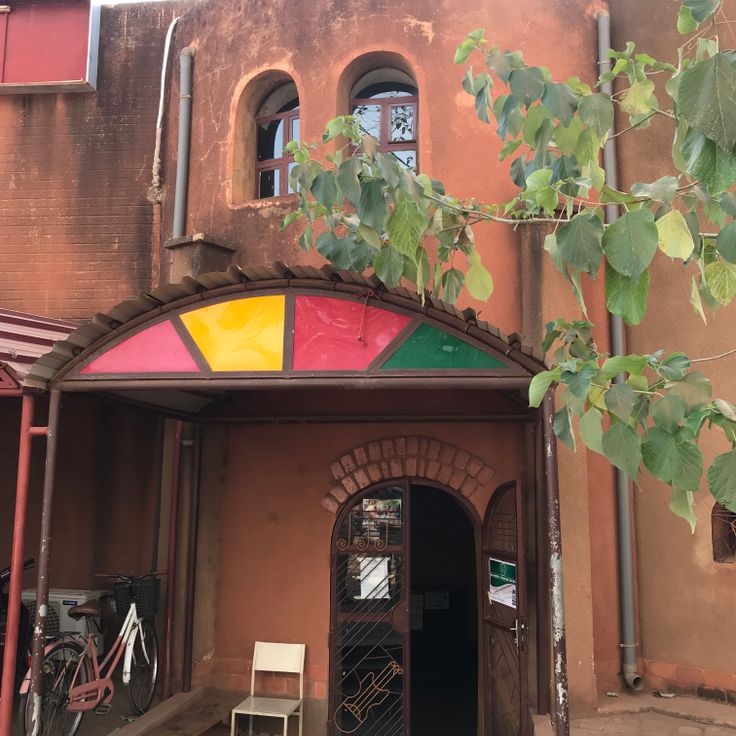
The Music Museum holds a permanent collection of traditional African instruments from Burkina Faso. Visitors can watch demonstrations of rhythms and dances that are part of the country's musical heritage. The museum regularly organizes performances that showcase the living music traditions of the region.
W National Park is a protected area located between Burkina Faso, Niger, and Benin. The park is part of the natural sites collection in Burkina Faso and allows visitors to observe elephants, lions, buffaloes, and antelopes in their natural savannah habitat.
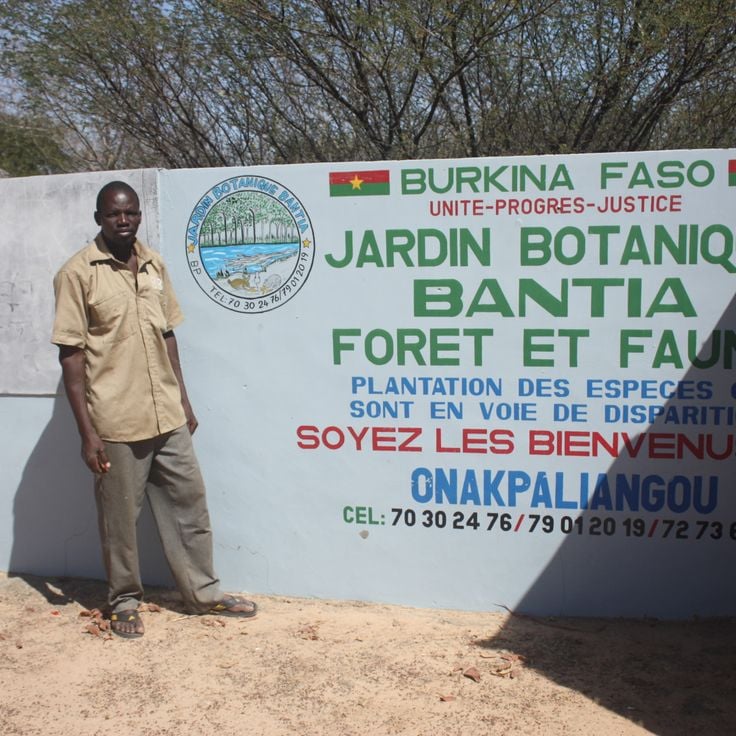
Bantia Botanical Garden is a private conservation center in Burkina Faso dedicated to protecting local plant species. The garden plays a key role in preserving the country's plant diversity and complements the natural and cultural sites found throughout Burkina Faso, including national parks, nature reserves, and traditional villages.
Two Balés National Park is one of the natural protected areas in Burkina Faso established in 1937. The park protects Sudan-Zambesian savannas and serves as home to a population of elephants. As part of the country's network of natural sites, it complements other protected areas like Arly Park, Nazinga Reserve, and W National Park, alongside cultural attractions such as traditional villages and the Great Mosque of Dioulasso-Bâ.
Wedbila Farm is an agricultural property south of Ouagadougou and shows how rural communities work the land in Burkina Faso. The farm grows food crops and raises local livestock that graze across the property. It represents traditional farming practices and how people in this region sustain their livelihoods through agriculture.
Tingrela Pond is a natural body of water near Banfora where hippos live in their original habitat. This site is part of the natural attractions found throughout Burkina Faso, offering visitors a chance to observe wildlife in a setting shaped by nature itself. The water and surrounding landscape provide a home for these large animals.
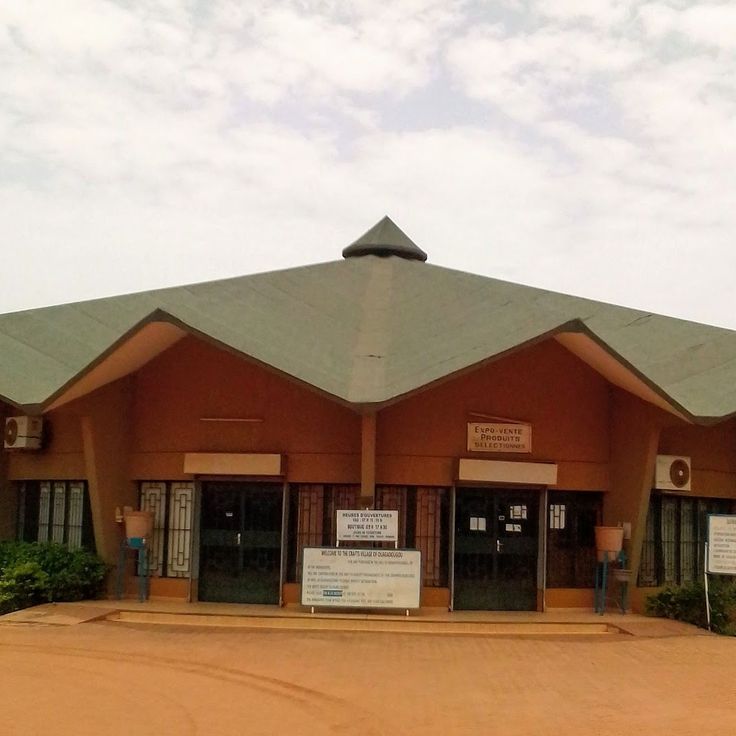
The Artisan Village of Ouagadougou is a production and sales center where local craftspeople create and sell their work. As part of Burkina Faso's cultural sites, this village showcases the living craft traditions of the region. Visitors can watch artisans at work and purchase locally made creations directly from those who make them.
The Great Mosque of Dioulasso-Bâ is a religious monument in Bobo-Dioulasso and a key site in this collection of Burkina Faso's natural and cultural places. Built in 1880 from mud bricks, this mosque displays Sudanese architecture with its two minarets and spacious prayer hall. It reflects the region's religious traditions and craftsmanship.
The Karfiguéla Waterfalls are part of Burkina Faso's natural and cultural sites, showcasing the country's landscape alongside historical landmarks like the Great Mosque of Dioulasso-Bâ built in 1880 and the Sindou Peaks rock formations. These waterfalls form a series of natural cascades on the Comoé River, surrounded by dense vegetation, creating natural pools where water gathers.
The Royal Court of Tiébélé is a complex of traditional dwellings built by the Kasséna people, featuring earthen walls decorated with hand-painted geometric patterns. This site represents the cultural heritage of Burkina Faso and demonstrates the building techniques and artistic traditions of the region.
Arly National Park is located in the east of Burkina Faso along the border with Benin and is part of the country's natural and cultural sites. This forested area is a protected place where hunting is prohibited and nature is preserved. The park allows visitors to explore the plants and animals of the region and serves as an important location for protecting the wild spaces of West Africa.
The Sindou Peaks are a natural rock formation of sandstone that rises between 300 and 400 meters above the surrounding landscape. This group of peaks sits on a plateau about 3 kilometers long and represents one of the natural sites explored in this collection of Burkina Faso's notable places. The formation draws visitors who want to experience the geological character of the region and enjoy views across the plateau.
Nazinga Reserve is a wildlife protection area in southern Burkina Faso, established in 1979 across 97,000 hectares. It is one of the country's important protected spaces and provides habitat for various animal species. The reserve plays a key role in preserving the natural environment and wildlife of this region.
Kou Forest is a natural area near Bobo-Dioulasso that showcases the diverse landscapes of Burkina Faso. This woodland features dense forest patches, open forest areas, and savanna, creating different habitats within its boundaries. Visitors can walk through the various vegetation zones and observe the local plants and animals that make this place their home. The forest offers a chance to experience the natural side of the region away from the city.
The Loropéni Ruins are an 11th-century fortification that stands among the natural and cultural sites of Burkina Faso. This archaeological location features ancient stone walls and foundations spread across a large area, offering insight into the region's past. Visitors can walk through the remains to understand how people built and lived in this part of West Africa centuries ago.
The Poni Museum in Gaoua displays ritual objects, masks, and musical instruments of the Lobi people in a colonial building from 1920. As part of your exploration of Burkina Faso's natural and cultural sites, this museum offers a window into traditional Lobi life and complements visits to historical locations like the Royal Court of Tiébélé and the country's traditional villages.
The Bala Hippopotamus Pond is a natural body of water that represents one of Burkina Faso's natural treasures. Covering 660 hectares, this pond provides habitat for hippopotamuses, crocodiles, and many species of aquatic birds. Visitors can observe wildlife in its natural setting and experience the landscape as part of the country's network of protected natural sites.
Laongo Symposium is an open-air gallery created in 1989 that displays more than 50 monumental sculptures carved directly into granite rocks. As part of Burkina Faso's cultural sites, it represents a place where art and landscape merge together. The stone carvings come from different artists who have contributed their works over time. This location offers visitors a chance to walk through outdoor art and experience creativity set within natural rock formations.
Ouagadougou Cathedral is a Catholic church built in neo-Romanesque style, featuring two towers and a central nave. Located in Burkina Faso's capital, it serves as a place for religious services and cultural events. The building stands among the country's significant religious structures, which alongside museums and traditional markets shape the cultural life of the city.
This park is a 240-hectare green space in the heart of Ouagadougou and part of the natural and cultural sites that define Burkina Faso. The park holds local trees, walking trails for exploring nature, and a botanical research center where visitors can learn about the plants of the region.
The Great Mosque of Bani is one of the religious buildings that represent the natural and cultural sites of Burkina Faso. Built from mudbrick in Sudanese style, the structure features thick walls and buttresses that reflect the traditional building methods of the region.
Sankariaré Market in Ouagadougou is an open commercial center that forms part of Burkina Faso's network of markets, museums, and traditional places. Vendors here sell local food products, textiles, and crafts. The market reflects the everyday life of the capital and offers visitors a chance to explore regional goods and local trading culture.
The National Heroes Memorial is a monument made of bronze and granite built in 1984 to honor historical figures of Burkina Faso. As part of the country's natural and cultural sites, it stands alongside other notable places such as the Great Mosque of Dioulasso-Bâ, the Sindou Peaks rock formations, and the Royal Court of Tiébélé. The memorial features a plaza and gardens where visitors can reflect on the nation's history and heritage.
The Great Mosque of Ouagadougou is a central religious building in the capital, constructed in 1962. Its design brings together Sudanese building traditions with modern architectural elements. As part of Burkina Faso's natural and cultural sites, this mosque stands alongside other religious buildings like Ouagadougou Cathedral and traditional village settlements throughout the country.
The Domes of Fabédougou are sandstone formations that date back 2 billion years and sit near Banfora. These geological structures show natural erosion patterns shaped over vast stretches of time. They are part of the natural sites of Burkina Faso that visitors can explore, offering insight into the region's geological history and the power of natural forces.
The Bazoulé Crocodile Park is a protected area near a natural lake and forms part of Burkina Faso's natural and cultural sites. The park is home to sacred crocodiles that hold deep meaning for local people. Visitors can observe these animals from a safe distance and learn about their importance to the community.
The Ouagadougou Markets are part of the natural and cultural sites of Burkina Faso. They form a network of urban markets scattered across different sectors of the city. Each market is equipped with infrastructure that meets safety standards. Here visitors can find local products, crafts, and everyday goods alongside the country's historical sites and traditional villages.
The Issouka Museum in Koudougou displays objects and documents that trace the development of the city through different historical periods. As part of Burkina Faso's cultural institutions, this museum preserves the local history and offers visitors insight into the past of this important city in the region.
Kaboré Tambi National Park is a natural reserve in Burkina Faso that protects mammals like hippos and crocodiles in their natural habitat. The park is crossed by the Nazinon River. It represents one of the country's network of natural and cultural sites that includes national parks, nature reserves, traditional villages, and historical landmarks alongside other protected areas such as Arly Park, Nazinga Reserve, and the UNESCO-listed W National Park.
Notre-Dame de Lourdes Cathedral in Bobo-Dioulasso is a Catholic religious building built in the 1950s using modern concrete architecture. Two bell towers rise 75 meters high above the structure. The cathedral reflects the religious history of the city and its development during the 20th century. It represents the kind of religious buildings that shape the cultural and spiritual landscape of Burkina Faso's towns and villages.
The National Museum of Burkina Faso serves as the country's central institution for preserving and displaying collections of ethnographic, historical, and artisanal objects from across its various regions. It documents the diverse cultures and traditional practices of the people and enriches the exploration of Burkina Faso's natural and cultural sites.
Dapoya Church sits in the old quarter of Ouagadougou and was built in the 1930s. It serves as an active place for regular religious services and ceremonies. Within this collection of natural reserves, traditional villages, and historical sites across Burkina Faso, this church stands alongside other religious buildings such as Ouagadougou Cathedral as a place where people gather for worship and community.
Pama Reserve is a natural conservation area in Burkina Faso established in 1955 that protects local wildlife and includes controlled hunting zones. As part of the country's natural and cultural sites, it complements other protected areas such as national parks, nature reserves, traditional villages, and historical locations that showcase Burkina Faso's diverse landscapes and heritage.
The Music Museum holds a permanent collection of traditional African instruments from Burkina Faso. Visitors can watch demonstrations of rhythms and dances that are part of the country's musical heritage. The museum regularly organizes performances that showcase the living music traditions of the region.
W National Park is a protected area located between Burkina Faso, Niger, and Benin. The park is part of the natural sites collection in Burkina Faso and allows visitors to observe elephants, lions, buffaloes, and antelopes in their natural savannah habitat.
Bantia Botanical Garden is a private conservation center in Burkina Faso dedicated to protecting local plant species. The garden plays a key role in preserving the country's plant diversity and complements the natural and cultural sites found throughout Burkina Faso, including national parks, nature reserves, and traditional villages.
Two Balés National Park is one of the natural protected areas in Burkina Faso established in 1937. The park protects Sudan-Zambesian savannas and serves as home to a population of elephants. As part of the country's network of natural sites, it complements other protected areas like Arly Park, Nazinga Reserve, and W National Park, alongside cultural attractions such as traditional villages and the Great Mosque of Dioulasso-Bâ.
Wedbila Farm is an agricultural property south of Ouagadougou and shows how rural communities work the land in Burkina Faso. The farm grows food crops and raises local livestock that graze across the property. It represents traditional farming practices and how people in this region sustain their livelihoods through agriculture.
Tingrela Pond is a natural body of water near Banfora where hippos live in their original habitat. This site is part of the natural attractions found throughout Burkina Faso, offering visitors a chance to observe wildlife in a setting shaped by nature itself. The water and surrounding landscape provide a home for these large animals.
The Artisan Village of Ouagadougou is a production and sales center where local craftspeople create and sell their work. As part of Burkina Faso's cultural sites, this village showcases the living craft traditions of the region. Visitors can watch artisans at work and purchase locally made creations directly from those who make them.
The Great Mosque of Dioulasso-Bâ is a religious monument in Bobo-Dioulasso and a key site in this collection of Burkina Faso's natural and cultural places. Built in 1880 from mud bricks, this mosque displays Sudanese architecture with its two minarets and spacious prayer hall. It reflects the region's religious traditions and craftsmanship.
The Karfiguéla Waterfalls are part of Burkina Faso's natural and cultural sites, showcasing the country's landscape alongside historical landmarks like the Great Mosque of Dioulasso-Bâ built in 1880 and the Sindou Peaks rock formations. These waterfalls form a series of natural cascades on the Comoé River, surrounded by dense vegetation, creating natural pools where water gathers.
The Royal Court of Tiébélé is a complex of traditional dwellings built by the Kasséna people, featuring earthen walls decorated with hand-painted geometric patterns. This site represents the cultural heritage of Burkina Faso and demonstrates the building techniques and artistic traditions of the region.
Arly National Park is located in the east of Burkina Faso along the border with Benin and is part of the country's natural and cultural sites. This forested area is a protected place where hunting is prohibited and nature is preserved. The park allows visitors to explore the plants and animals of the region and serves as an important location for protecting the wild spaces of West Africa.
The Sindou Peaks are a natural rock formation of sandstone that rises between 300 and 400 meters above the surrounding landscape. This group of peaks sits on a plateau about 3 kilometers long and represents one of the natural sites explored in this collection of Burkina Faso's notable places. The formation draws visitors who want to experience the geological character of the region and enjoy views across the plateau.
Nazinga Reserve is a wildlife protection area in southern Burkina Faso, established in 1979 across 97,000 hectares. It is one of the country's important protected spaces and provides habitat for various animal species. The reserve plays a key role in preserving the natural environment and wildlife of this region.
Kou Forest is a natural area near Bobo-Dioulasso that showcases the diverse landscapes of Burkina Faso. This woodland features dense forest patches, open forest areas, and savanna, creating different habitats within its boundaries. Visitors can walk through the various vegetation zones and observe the local plants and animals that make this place their home. The forest offers a chance to experience the natural side of the region away from the city.
The Loropéni Ruins are an 11th-century fortification that stands among the natural and cultural sites of Burkina Faso. This archaeological location features ancient stone walls and foundations spread across a large area, offering insight into the region's past. Visitors can walk through the remains to understand how people built and lived in this part of West Africa centuries ago.
The Poni Museum in Gaoua displays ritual objects, masks, and musical instruments of the Lobi people in a colonial building from 1920. As part of your exploration of Burkina Faso's natural and cultural sites, this museum offers a window into traditional Lobi life and complements visits to historical locations like the Royal Court of Tiébélé and the country's traditional villages.
The Bala Hippopotamus Pond is a natural body of water that represents one of Burkina Faso's natural treasures. Covering 660 hectares, this pond provides habitat for hippopotamuses, crocodiles, and many species of aquatic birds. Visitors can observe wildlife in its natural setting and experience the landscape as part of the country's network of protected natural sites.
Laongo Symposium is an open-air gallery created in 1989 that displays more than 50 monumental sculptures carved directly into granite rocks. As part of Burkina Faso's cultural sites, it represents a place where art and landscape merge together. The stone carvings come from different artists who have contributed their works over time. This location offers visitors a chance to walk through outdoor art and experience creativity set within natural rock formations.
Ouagadougou Cathedral is a Catholic church built in neo-Romanesque style, featuring two towers and a central nave. Located in Burkina Faso's capital, it serves as a place for religious services and cultural events. The building stands among the country's significant religious structures, which alongside museums and traditional markets shape the cultural life of the city.
This park is a 240-hectare green space in the heart of Ouagadougou and part of the natural and cultural sites that define Burkina Faso. The park holds local trees, walking trails for exploring nature, and a botanical research center where visitors can learn about the plants of the region.
The Great Mosque of Bani is one of the religious buildings that represent the natural and cultural sites of Burkina Faso. Built from mudbrick in Sudanese style, the structure features thick walls and buttresses that reflect the traditional building methods of the region.
Sankariaré Market in Ouagadougou is an open commercial center that forms part of Burkina Faso's network of markets, museums, and traditional places. Vendors here sell local food products, textiles, and crafts. The market reflects the everyday life of the capital and offers visitors a chance to explore regional goods and local trading culture.
The National Heroes Memorial is a monument made of bronze and granite built in 1984 to honor historical figures of Burkina Faso. As part of the country's natural and cultural sites, it stands alongside other notable places such as the Great Mosque of Dioulasso-Bâ, the Sindou Peaks rock formations, and the Royal Court of Tiébélé. The memorial features a plaza and gardens where visitors can reflect on the nation's history and heritage.
The Great Mosque of Ouagadougou is a central religious building in the capital, constructed in 1962. Its design brings together Sudanese building traditions with modern architectural elements. As part of Burkina Faso's natural and cultural sites, this mosque stands alongside other religious buildings like Ouagadougou Cathedral and traditional village settlements throughout the country.
The Domes of Fabédougou are sandstone formations that date back 2 billion years and sit near Banfora. These geological structures show natural erosion patterns shaped over vast stretches of time. They are part of the natural sites of Burkina Faso that visitors can explore, offering insight into the region's geological history and the power of natural forces.
The Bazoulé Crocodile Park is a protected area near a natural lake and forms part of Burkina Faso's natural and cultural sites. The park is home to sacred crocodiles that hold deep meaning for local people. Visitors can observe these animals from a safe distance and learn about their importance to the community.
The Ouagadougou Markets are part of the natural and cultural sites of Burkina Faso. They form a network of urban markets scattered across different sectors of the city. Each market is equipped with infrastructure that meets safety standards. Here visitors can find local products, crafts, and everyday goods alongside the country's historical sites and traditional villages.
The Issouka Museum in Koudougou displays objects and documents that trace the development of the city through different historical periods. As part of Burkina Faso's cultural institutions, this museum preserves the local history and offers visitors insight into the past of this important city in the region.
Kaboré Tambi National Park is a natural reserve in Burkina Faso that protects mammals like hippos and crocodiles in their natural habitat. The park is crossed by the Nazinon River. It represents one of the country's network of natural and cultural sites that includes national parks, nature reserves, traditional villages, and historical landmarks alongside other protected areas such as Arly Park, Nazinga Reserve, and the UNESCO-listed W National Park.
Notre-Dame de Lourdes Cathedral in Bobo-Dioulasso is a Catholic religious building built in the 1950s using modern concrete architecture. Two bell towers rise 75 meters high above the structure. The cathedral reflects the religious history of the city and its development during the 20th century. It represents the kind of religious buildings that shape the cultural and spiritual landscape of Burkina Faso's towns and villages.
The National Museum of Burkina Faso serves as the country's central institution for preserving and displaying collections of ethnographic, historical, and artisanal objects from across its various regions. It documents the diverse cultures and traditional practices of the people and enriches the exploration of Burkina Faso's natural and cultural sites.
Dapoya Church sits in the old quarter of Ouagadougou and was built in the 1930s. It serves as an active place for regular religious services and ceremonies. Within this collection of natural reserves, traditional villages, and historical sites across Burkina Faso, this church stands alongside other religious buildings such as Ouagadougou Cathedral as a place where people gather for worship and community.
Pama Reserve is a natural conservation area in Burkina Faso established in 1955 that protects local wildlife and includes controlled hunting zones. As part of the country's natural and cultural sites, it complements other protected areas such as national parks, nature reserves, traditional villages, and historical locations that showcase Burkina Faso's diverse landscapes and heritage.
The Music Museum holds a permanent collection of traditional African instruments from Burkina Faso. Visitors can watch demonstrations of rhythms and dances that are part of the country's musical heritage. The museum regularly organizes performances that showcase the living music traditions of the region.
W National Park is a protected area located between Burkina Faso, Niger, and Benin. The park is part of the natural sites collection in Burkina Faso and allows visitors to observe elephants, lions, buffaloes, and antelopes in their natural savannah habitat.
Bantia Botanical Garden is a private conservation center in Burkina Faso dedicated to protecting local plant species. The garden plays a key role in preserving the country's plant diversity and complements the natural and cultural sites found throughout Burkina Faso, including national parks, nature reserves, and traditional villages.
Two Balés National Park is one of the natural protected areas in Burkina Faso established in 1937. The park protects Sudan-Zambesian savannas and serves as home to a population of elephants. As part of the country's network of natural sites, it complements other protected areas like Arly Park, Nazinga Reserve, and W National Park, alongside cultural attractions such as traditional villages and the Great Mosque of Dioulasso-Bâ.
Wedbila Farm is an agricultural property south of Ouagadougou and shows how rural communities work the land in Burkina Faso. The farm grows food crops and raises local livestock that graze across the property. It represents traditional farming practices and how people in this region sustain their livelihoods through agriculture.
Tingrela Pond is a natural body of water near Banfora where hippos live in their original habitat. This site is part of the natural attractions found throughout Burkina Faso, offering visitors a chance to observe wildlife in a setting shaped by nature itself. The water and surrounding landscape provide a home for these large animals.
The Artisan Village of Ouagadougou is a production and sales center where local craftspeople create and sell their work. As part of Burkina Faso's cultural sites, this village showcases the living craft traditions of the region. Visitors can watch artisans at work and purchase locally made creations directly from those who make them.