Between modern Baku and the valleys of the Caucasus, Azerbaijan tells the story of a land where old and new live side by side naturally.
Azerbaijan offers a striking contrast between old and new. In Baku, you'll find gleaming towers standing near medieval fortifications, creating a landscape where centuries seem to exist side by side. Beyond the capital, the Caucasus Mountains frame traditional villages and modern ski facilities. The country's natural wonders are equally compelling: mud volcanoes bubble across the landscape in Gobustan, and at Yanar Dag, flames dance across hillsides fed by underground gases that have burned for hundreds of years. Along the Caspian Sea coast, you can explore historical buildings, museums, and places of worship that tell the story of different periods and cultures that have shaped this region.
When you visit, you'll encounter places that reveal how people actually live and work. High in the mountains, villages like Khinalug have been home to communities for thousands of years, their residents speaking a language found nowhere else. Shaki sits along ancient trade routes and holds an 18th-century palace with intricate frescoes and colored glass windows. Quba draws visitors with its carpet-making tradition and orchards, while its Jewish quarter contains historical synagogues. These towns show how daily life, craftsmanship, and tradition continue alongside modern developments.
The physical landmarks themselves make for remarkable encounters. Mount Shahdag rises nearly 4,200 meters, its slopes covered in eternal snow and surrounded by forests. In Baku, the Heydar Aliyev Cultural Center displays flowing curves that seem to defy angles, while the Flame Towers light up the night sky. The Maiden Tower, an ancient stone structure, once guided sailors and protected the city. Gobustan holds more than 6,000 rock engravings from prehistoric times, along with Roman ruins and hundreds of active mud volcanoes, making it a place where you can walk through multiple layers of human history.
Between modern Baku and the valleys of the Caucasus, Azerbaijan tells the story of a land where old and new live side by side naturally.
Azerbaijan offers a striking contrast between old and new. In Baku, you'll find gleaming towers standing near medieval fortifications, creating a landscape where centuries seem to exist side by side. Beyond the capital, the Caucasus Mountains frame traditional villages and modern ski facilities. The country's natural wonders are equally compelling: mud volcanoes bubble across the landscape in Gobustan, and at Yanar Dag, flames dance across hillsides fed by underground gases that have burned for hundreds of years. Along the Caspian Sea coast, you can explore historical buildings, museums, and places of worship that tell the story of different periods and cultures that have shaped this region.
When you visit, you'll encounter places that reveal how people actually live and work. High in the mountains, villages like Khinalug have been home to communities for thousands of years, their residents speaking a language found nowhere else. Shaki sits along ancient trade routes and holds an 18th-century palace with intricate frescoes and colored glass windows. Quba draws visitors with its carpet-making tradition and orchards, while its Jewish quarter contains historical synagogues. These towns show how daily life, craftsmanship, and tradition continue alongside modern developments.
The physical landmarks themselves make for remarkable encounters. Mount Shahdag rises nearly 4,200 meters, its slopes covered in eternal snow and surrounded by forests. In Baku, the Heydar Aliyev Cultural Center displays flowing curves that seem to defy angles, while the Flame Towers light up the night sky. The Maiden Tower, an ancient stone structure, once guided sailors and protected the city. Gobustan holds more than 6,000 rock engravings from prehistoric times, along with Roman ruins and hundreds of active mud volcanoes, making it a place where you can walk through multiple layers of human history.
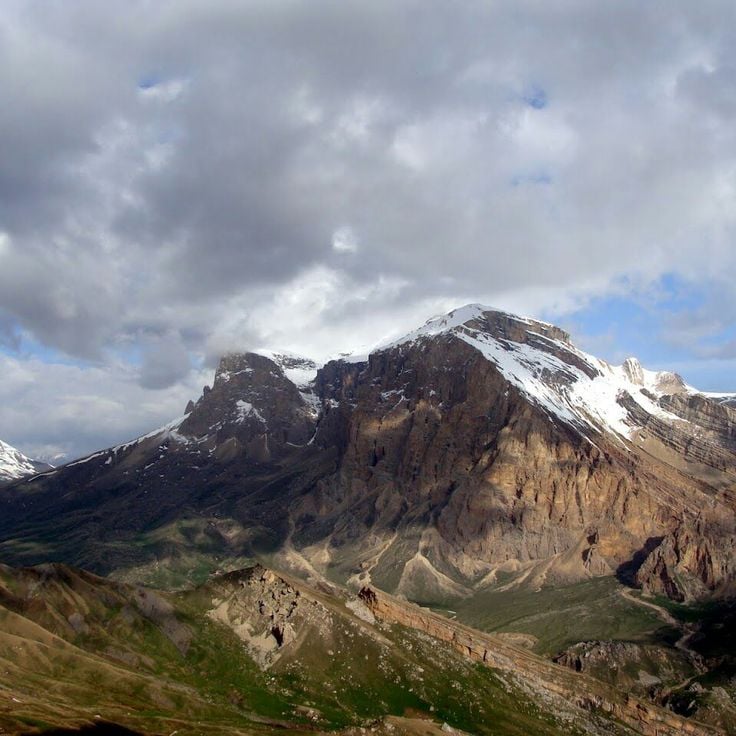
Mount Shahdag stands in this collection as the country's highest peak in the Greater Caucasus range. Rising to 4243 meters, it carries eternal snow on its slopes throughout the year. Alpine forests surround the mountain, creating layers of vegetation that frame the white-capped heights. From here, travelers can observe the landscape that embodies Azerbaijan's contrast between modern development and untouched natural spaces.
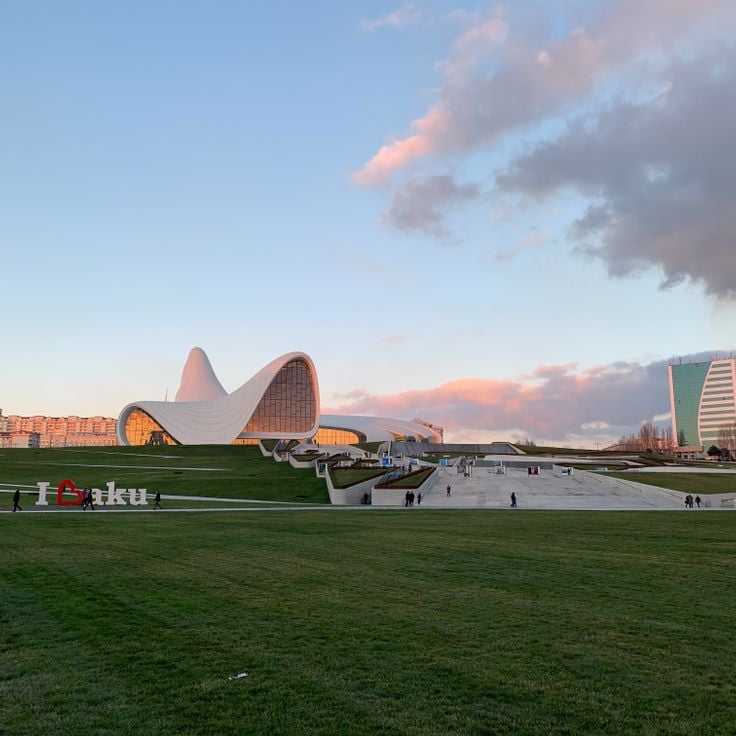
The Heydar Aliyev Cultural Center in Baku demonstrates how modern architecture shapes this city as you travel through Azerbaijan. This 57-meter high white building stands out for its flowing, curved lines that have no right angles. Architect Zaha Hadid created this structure in 2012. It sits alongside medieval fortifications, showing how old and new coexist in Baku. Inside and around the building, you can explore exhibitions that reflect the country's history and contemporary culture.
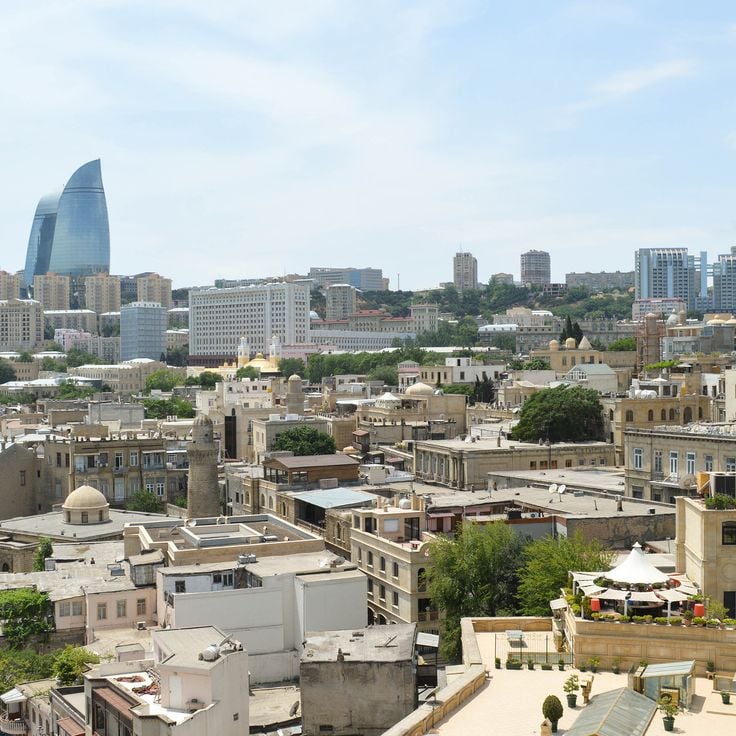
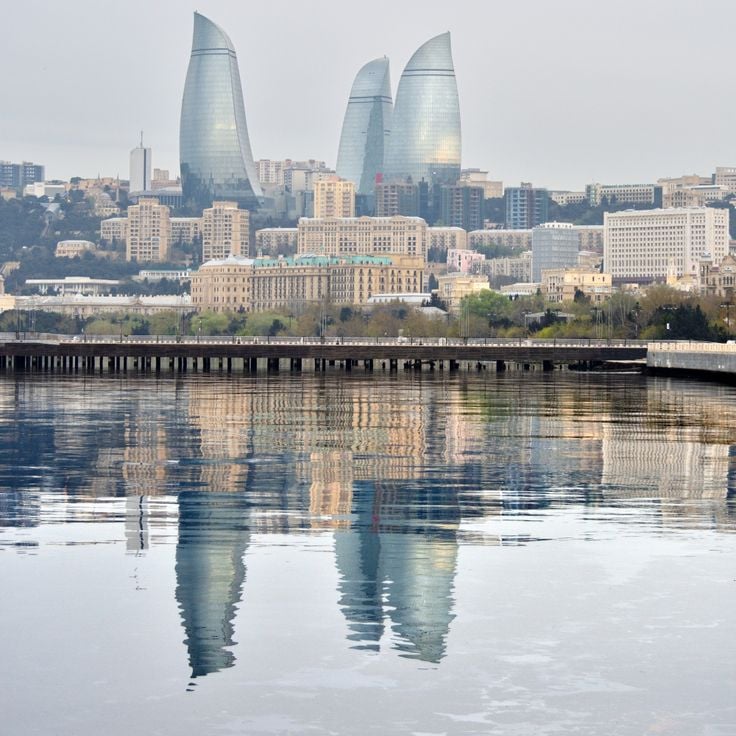
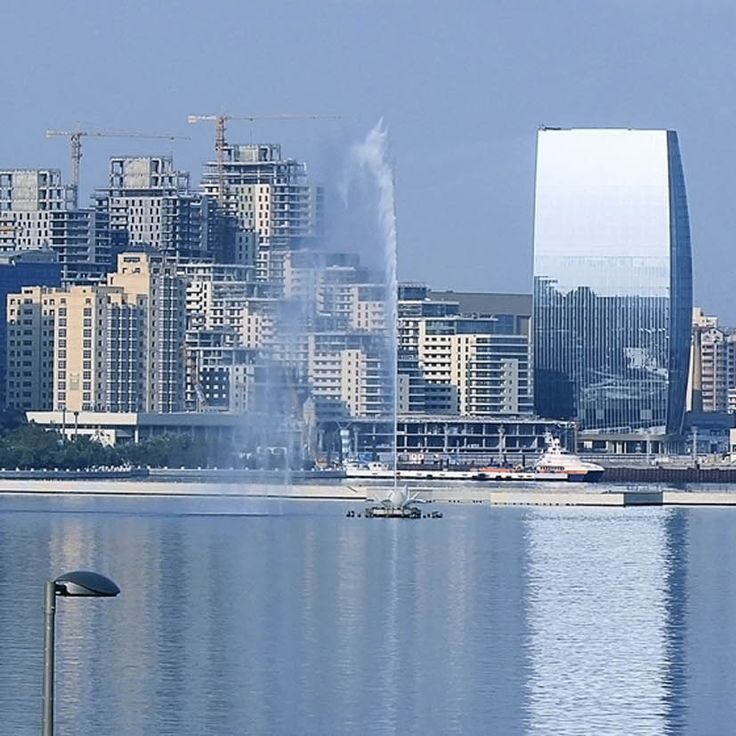
The Flame Towers of Baku consist of three tall towers, each rising 182 meters high, built in 2012. LED lights illuminate the towers at night in warm colors that resemble dancing flames. These towers shape Baku's skyline and show how modern architecture stands alongside the city's medieval structures and historic buildings. They are visible from many parts of the city and have become a defining feature of Baku's landscape.
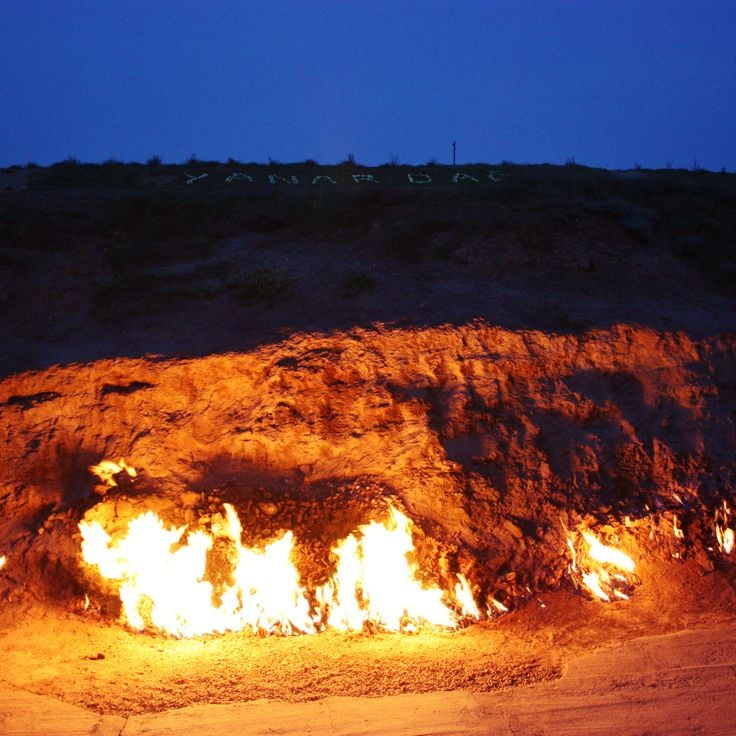
Yanar Dag is a natural hill in Baku where underground gases fuel flames that burn continuously across the hillside. This place shows how Azerbaijan's landscape contains forces that have captured people's attention for centuries. The flames rise from fissures in the slope, fed by gas emissions that never stop. Standing here, you can experience the raw geological activity that shapes this region.
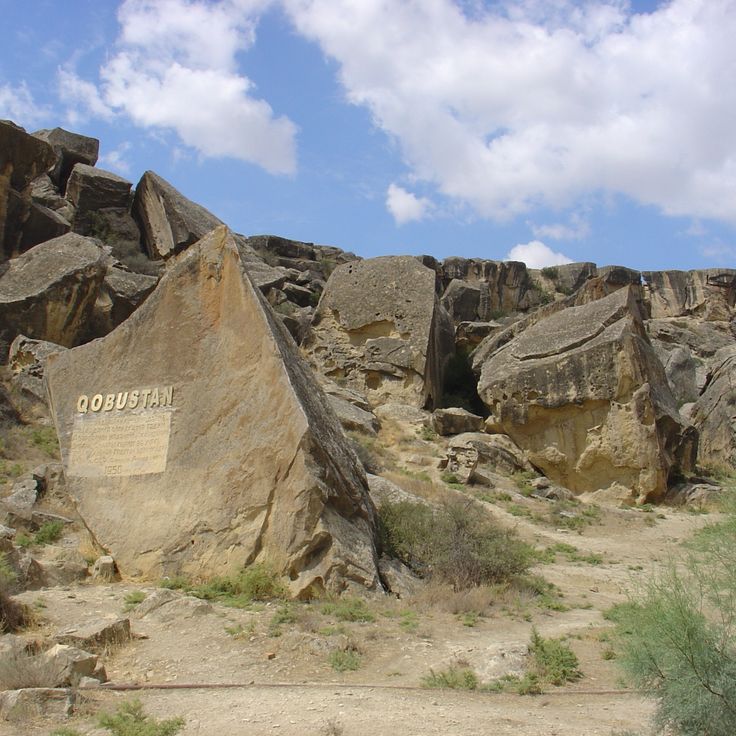
Gobustan is a natural reserve within Azerbaijan's landscape that documents how people lived across thousands of years. You'll find more than 6,000 rock engravings from the Stone Age, carved by hunters and herders who recorded their daily lives in stone. Roman ruins scattered throughout the site tell of later periods, while around 400 active mud volcanoes bubble and shift across the terrain. Walking through Gobustan, you move through layers of human history etched into the earth.
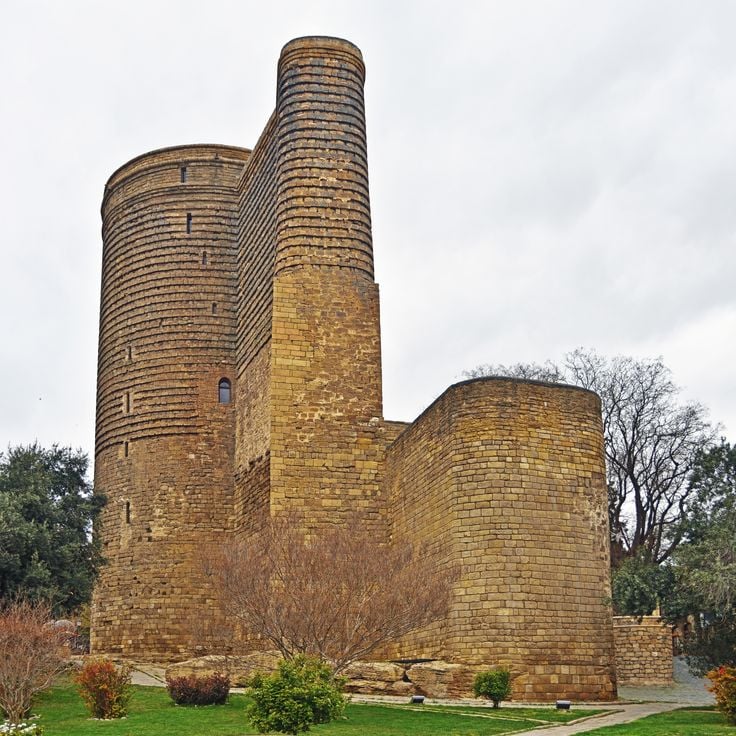
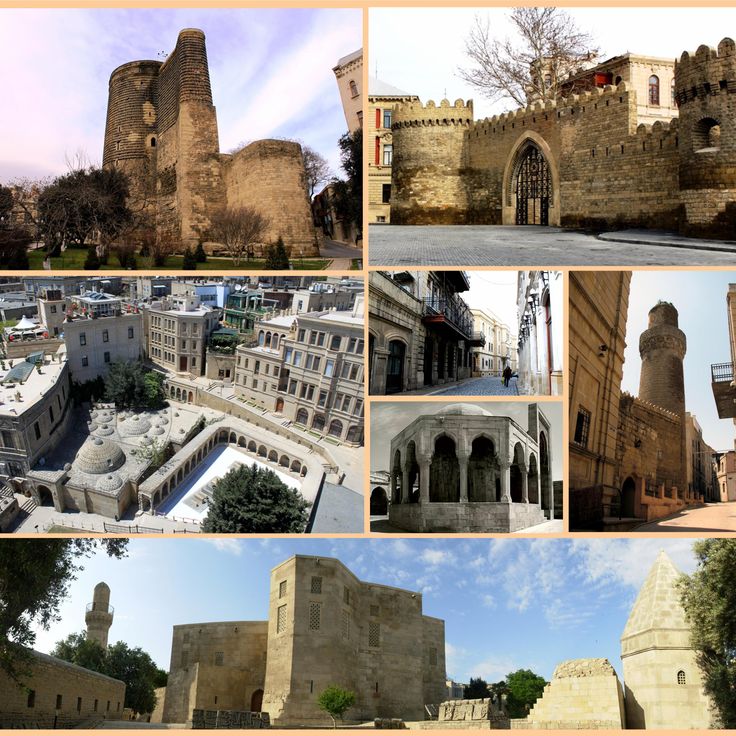
The Maiden Tower is a stone cylindrical tower standing in Baku's old city that dates back to medieval times. Rising about 29 meters high, this tower once guided ships arriving at the Caspian Sea and protected the city from invaders. As you travel through Azerbaijan, this landmark tells you how people built structures to serve both practical and defensive purposes, and how such ancient buildings still stand among the modern skyscrapers that fill the capital today.
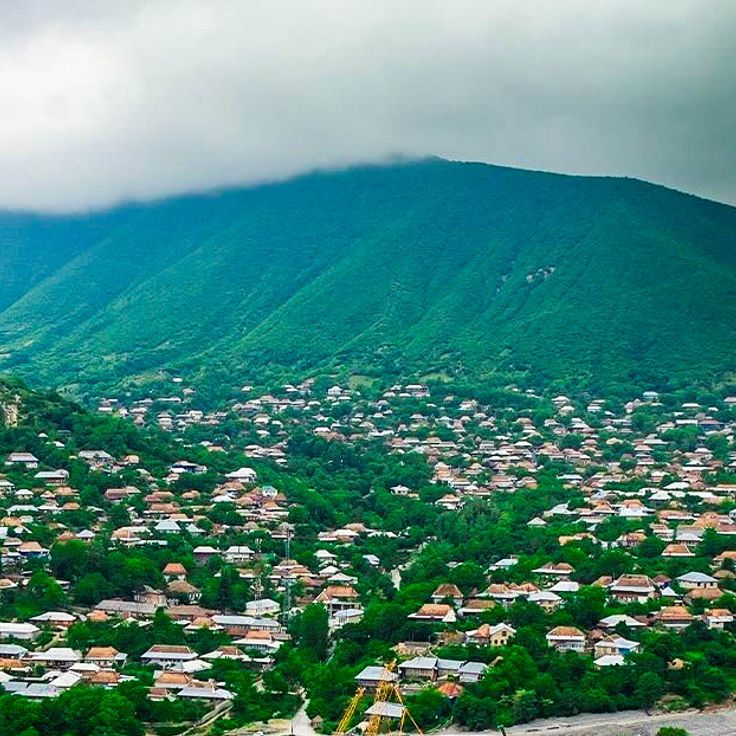
Shaki is a key place in this journey through Azerbaijan, showing how ancient trade routes and traditional craftsmanship have shaped a living city. The 18th-century palace with its frescoes and colored stained glass windows stands at the heart of Shaki, revealing how merchants and artisans once moved through these streets. Walking through the town, you encounter buildings and spaces that reflect centuries of human activity and daily life.
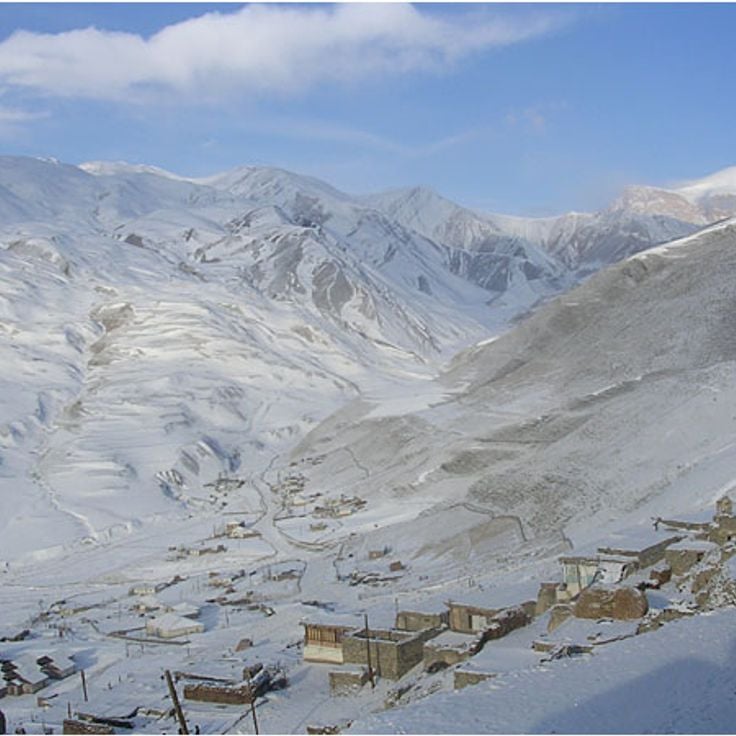
Khinalug is a village in this collection set high at 2350 meters in the Caucasus Mountains, where people have made their home for over 5000 years. The residents speak a language that exists nowhere else in the world. This settlement demonstrates how communities have lived in these mountains across millennia, maintaining their way of life and traditions to the present day.
Baku is the capital of Azerbaijan and sits on the coast of the Caspian Sea. The city shows how old and new exist side by side. Medieval stone fortifications stand next to modern glass towers that light up in colors at night. The Heydar Aliyev Cultural Center has flowing curves that look unusual. The Maiden Tower is an old stone structure that once helped sailors find their way. Throughout Baku you'll find museums, places of worship, and historical buildings that tell the story of the different cultures that have shaped this region.
Quba is a northern Azerbaijani town where traditional carpet weaving remains central to daily life and the local economy. The town's orchards and gardens shape the landscape and provide fruit throughout the region. Quba's Jewish quarter contains several historical synagogues that reflect the different cultures and faiths that have coexisted here over centuries. The town sits along ancient trade routes and shows how craftsmanship, agriculture, and cultural traditions continue to define community life.
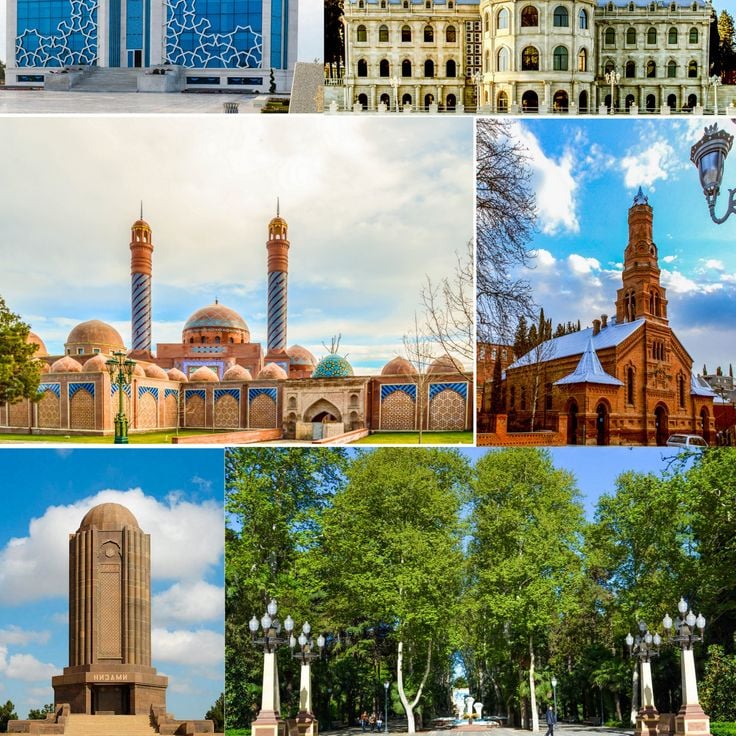
Ganja is an important cultural and industrial center in Azerbaijan. The city holds several medieval structures, including the mausoleum of Nizami Ganjavi, a Persian poet. Like other places in this collection, Ganja shows how history and modern life exist side by side. The old buildings and monuments tell stories of the past, while the city functions today as a living economic hub.
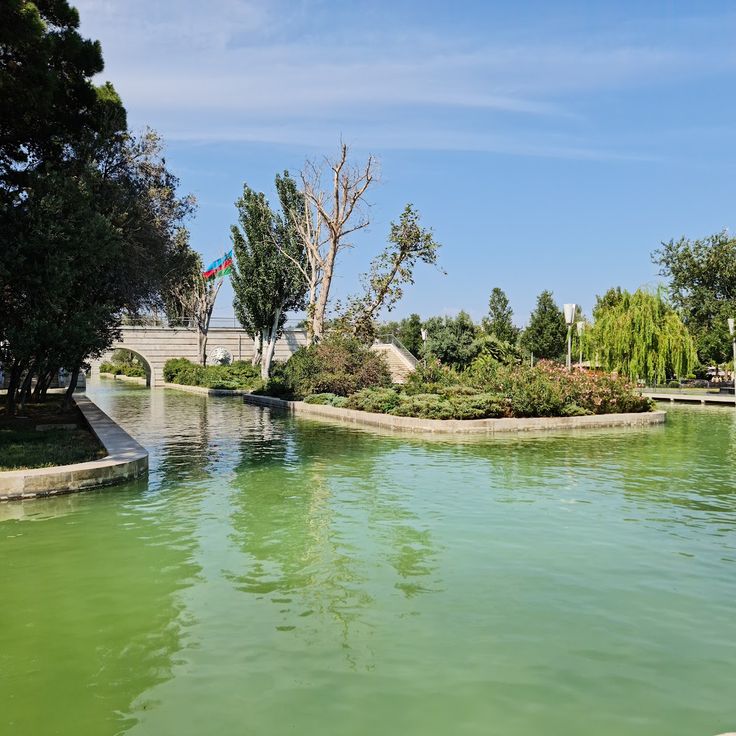
The Baku Boulevard is part of traveling through Azerbaijan and shows how the capital brings together old and new. This 3.5-kilometer promenade runs along the Caspian Sea with palm trees, gardens, and terrace cafes. Here, people walk, rest, and watch the water. The boulevard connects different parts of the city and lets visitors experience the coastline and urban life as it unfolds day and evening. The space reveals how residents and travelers use the waterfront to spend time together and enjoy the surroundings.
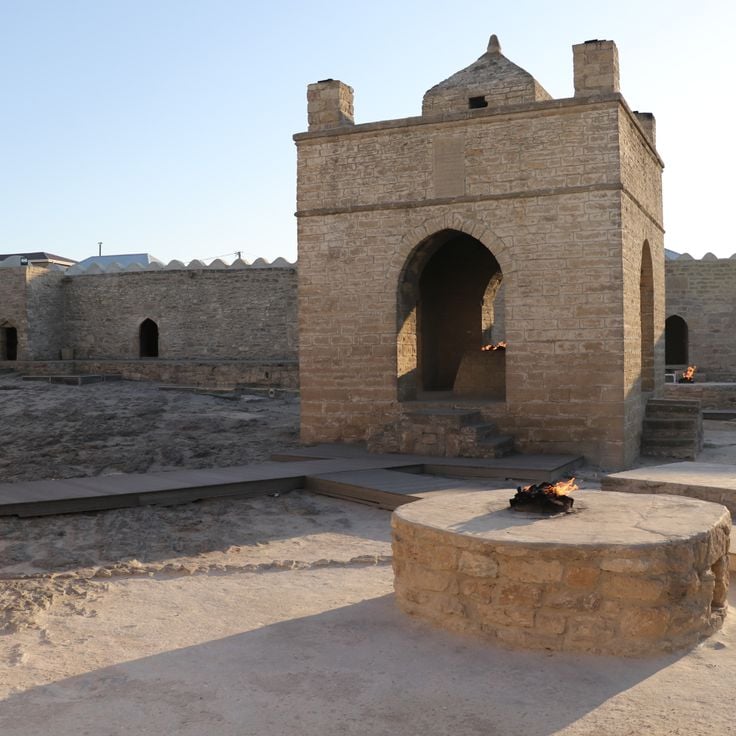
The Ateshgah Fire Temple in Baku is a stone structure built in the 17th century. It housed a central altar where a fire burned continuously, fed by natural gas from beneath the earth. This temple shows how nature and worship came together in this region. It stands as a reminder of Azerbaijan's connection to the flames that have burned for centuries across the landscape, from Yanar Dag to Gobustan.
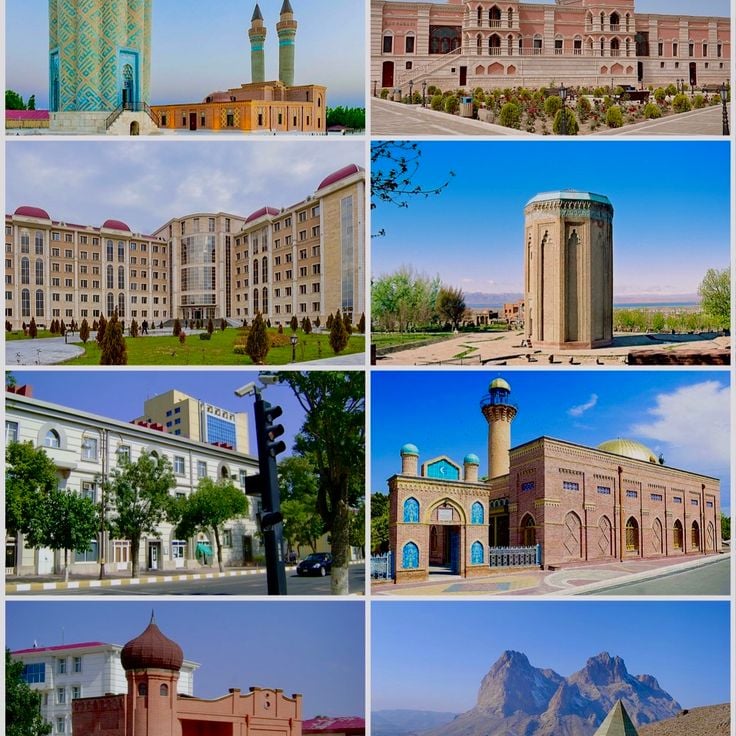
Nakhchivan is a city situated in an enclave between Armenia and Iran, serving as a regional administrative center. It reveals itself as a place where Islamic architecture from the 12th and 14th centuries shapes the urban landscape. The historical monuments tell the story of different periods and cultures that have influenced this region. Walking through Nakhchivan, you encounter how tradition and modern life exist alongside each other. This city shows how people in this border region work and live while preserving their cultural identity.
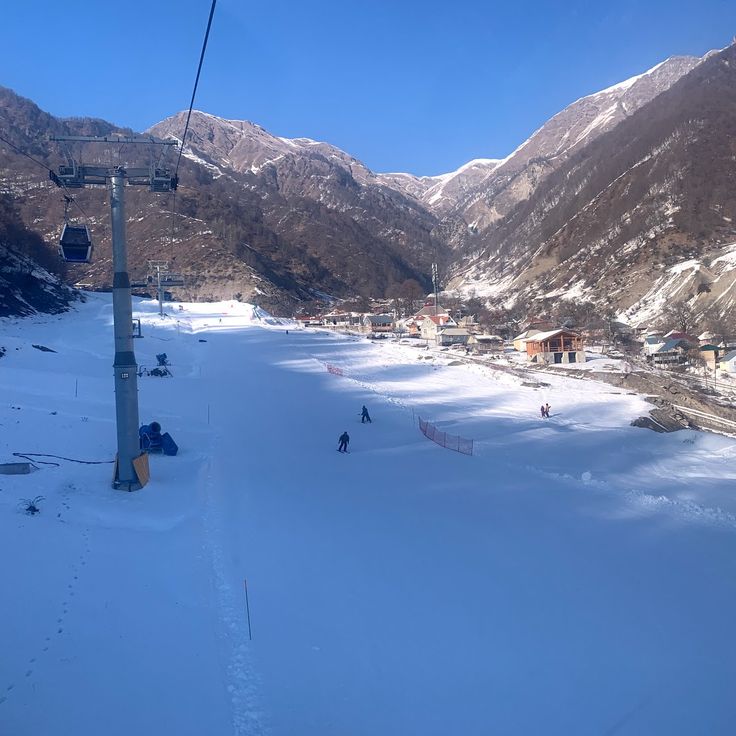
Tufandag is a winter sports center high in the Caucasus Mountains that shows how modern recreation has developed in Azerbaijan's mountain landscape. Visitors come here to ski on slopes set against snow-covered peaks and surrounding forests. The facility reveals the contrast found throughout the country between traditional mountain communities and contemporary amenities. High altitude skiing at Tufandag represents how contemporary leisure activities have taken root in areas where villages like Khinalug have existed for thousands of years, creating a place where different eras of human activity coexist.
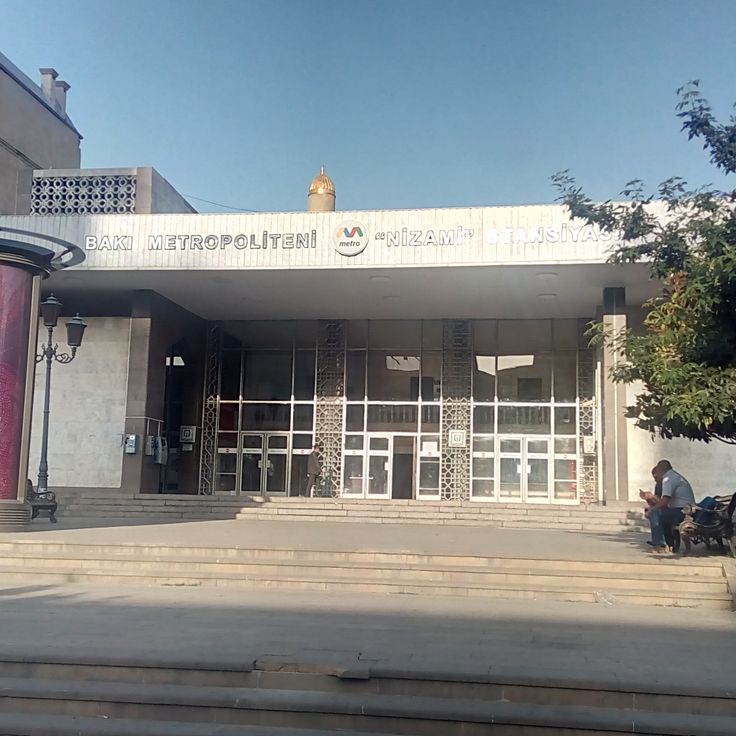
Nizami Street is a 19th-century commercial street in Baku that shows how the city developed into a modern trading hub. The street is lined with European-style buildings that now house shops, cafes, and restaurants. It recalls the time when Baku was an important place for commerce and exchange, connecting the city's past with its present-day rhythm.
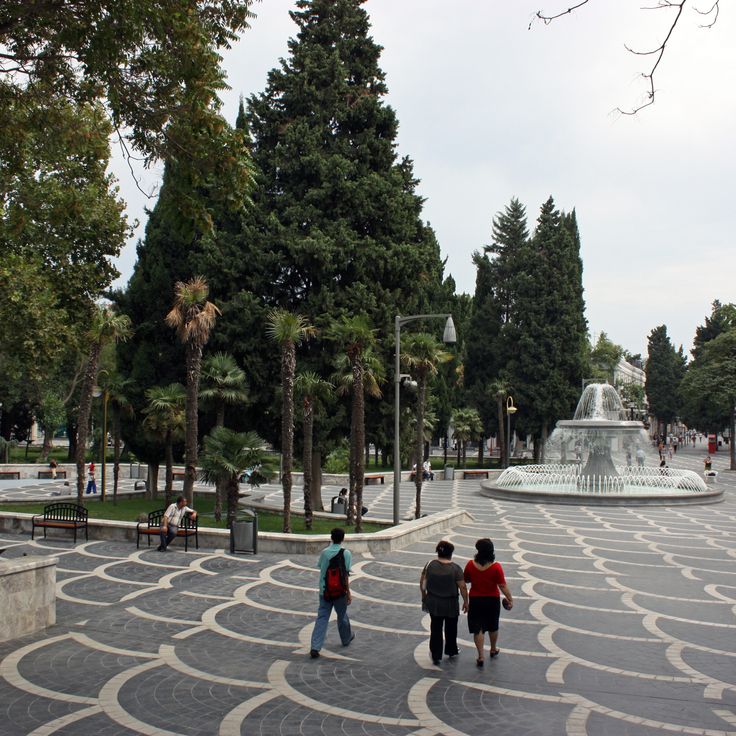
Fountains Square is a large open area in central Baku that shows how the city brings together old and new. The square sits surrounded by shops and cafés, with several fountains featuring lighting systems and water displays. People gather here to relax and watch the water and lights play, making it a place where daily life unfolds. The square captures Baku's character as a city where contemporary design meets history.
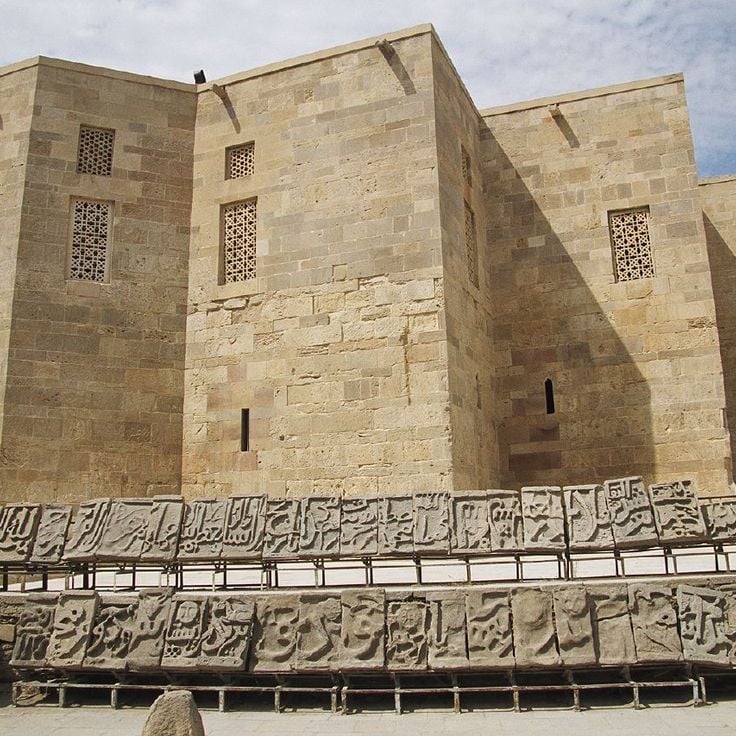
The Palace of the Shirvanshahs stands as a medieval complex from the 15th century that reflects the power of its ruling dynasty. This palace consists of several buildings: a mosque with geometric decorations, a mausoleum for the rulers, and a bathhouse. These structures show the craftsmanship and architectural styles from a time when Baku was an important trading center. The walls and arches of this palace tell the story of the city's past.
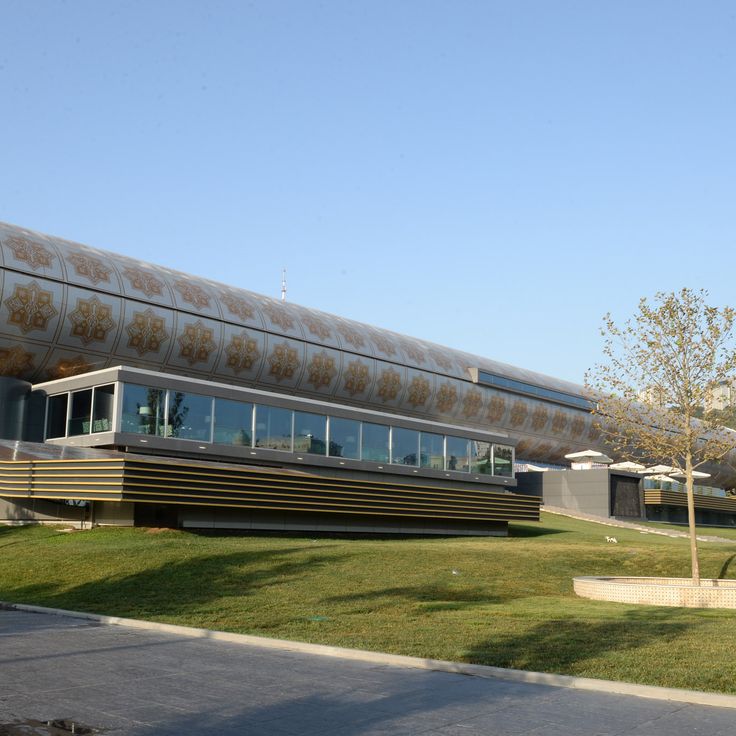
This museum houses the heritage of Azerbaijani carpet-making. More than 10,000 carpets and textile items from different periods are on display. The building itself is shaped like a rolled-up carpet and opened in 2014. The collection tells the story of the craftsmanship tradition that has been alive in this country for hundreds of years. Here you can understand how carpets are not just objects, but part of Azerbaijan's culture and history.
Port Baku is a modern real estate complex on Baku Boulevard that combines commercial and residential spaces in contemporary architecture. As part of a journey through Azerbaijan, this development shows how Baku transforms between medieval fortifications and gleaming towers. Port Baku represents the city's new face, demonstrating how the capital grows and modernizes while ancient structures stand nearby.
The Old City of Baku is a historical district surrounded by medieval walls that houses monuments, cobblestone streets, and traditional shops. Walking through its narrow lanes, you encounter buildings that span centuries and reflect the different cultures that shaped this region. The district tells the story of Baku through its architecture, courtyards, and the way people continue to live and work within these ancient streets.
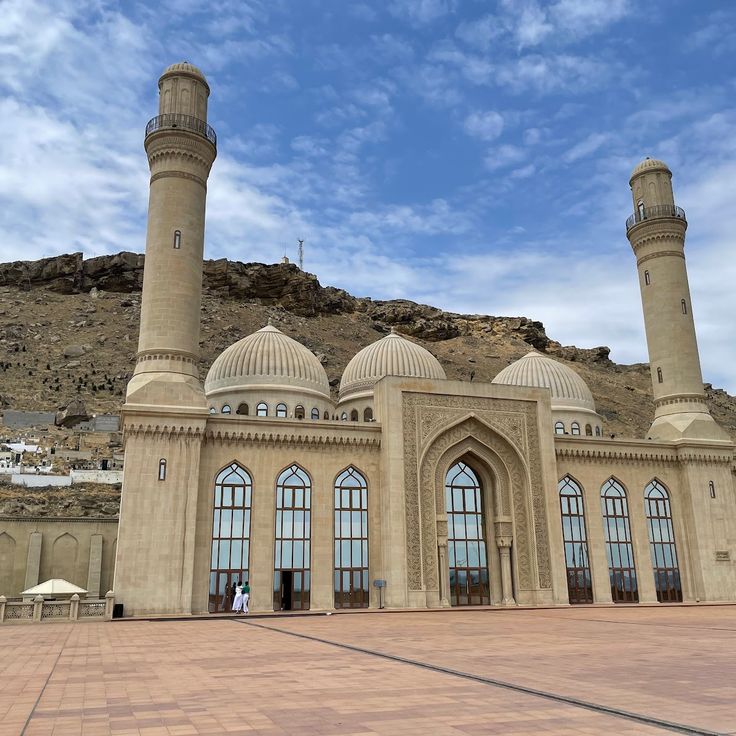
Bibi-Heybat Mosque in Baku is a place of worship that was rebuilt in 1998. The original sanctuary was destroyed in 1936. Today, twin minarets define the mosque's profile. Inside the prayer rooms, geometric patterns reflect skilled craftsmanship. Located on the Caspian Sea shore, the mosque represents the merging of historical loss and modern reconstruction in the city.
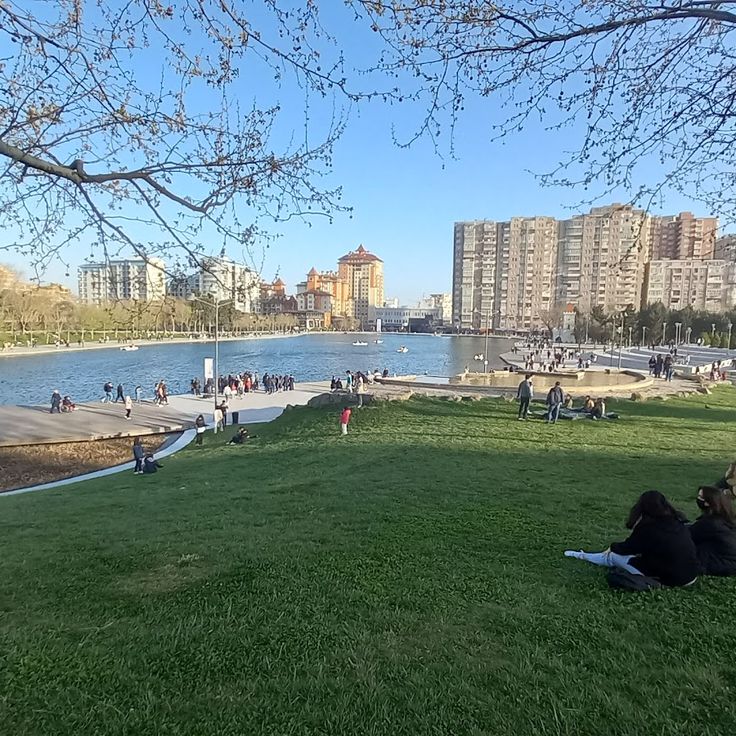
Upland Park in Baku demonstrates Azerbaijan's blend of old and new. This public garden sits on a hillside overlooking the Caspian Sea, offering views of the capital's skyline where gleaming towers stand alongside medieval fortifications. The park is a place where locals and visitors pause to observe how the city has grown and changed. From here, you can see how the modern and historical parts of Baku exist together, and you get a sense of the city's connection to the sea that has shaped its character for centuries.
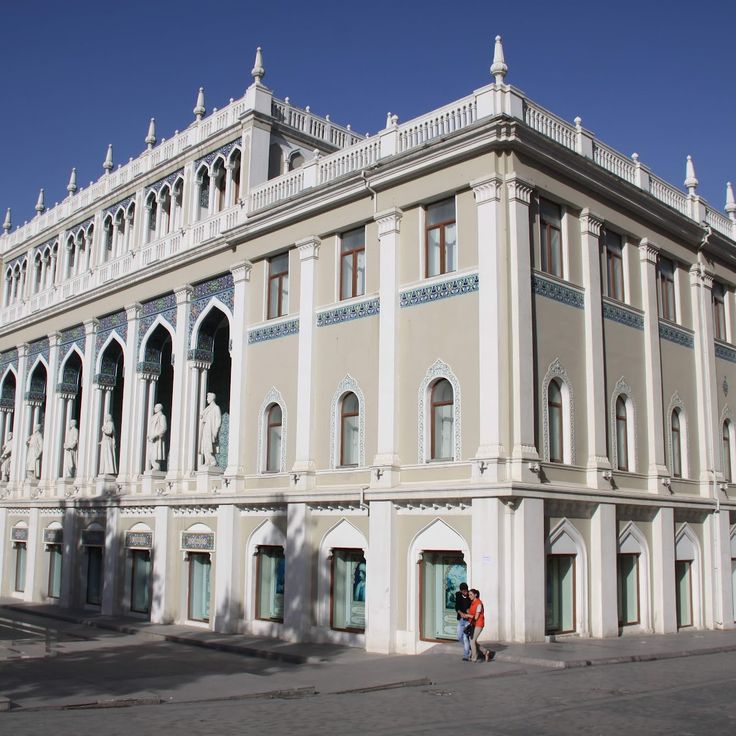
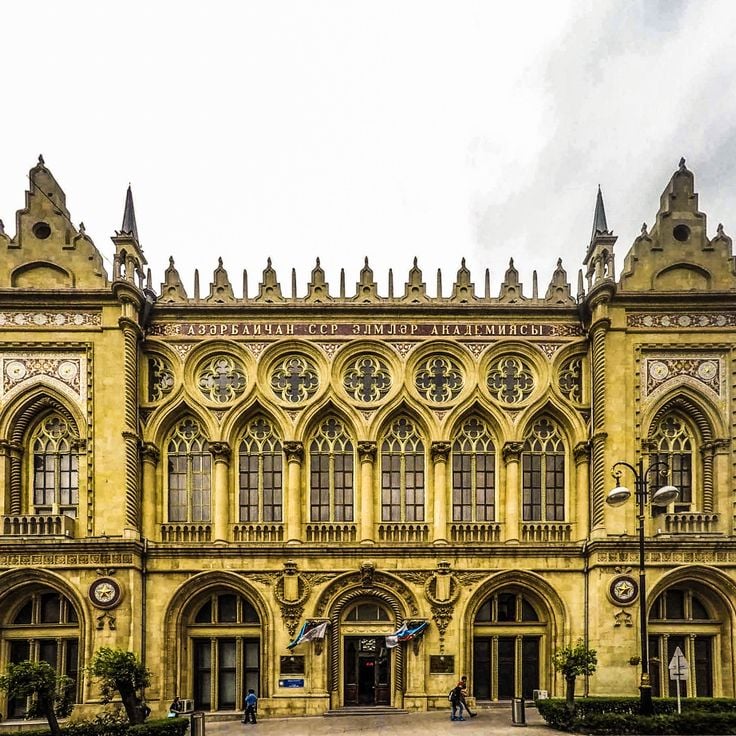
The Ismailiyya Palace in Baku represents an era when oil wealth transformed the city's architecture. Designed by Polish architect Iosif Ploshko in the early 20th century, this building housed the Muslim Philanthropic Society during a time of rapid growth. The palace stands as a reminder of how economic prosperity brought new styles and ideas to the city, blending European design with local traditions. It shows how different cultures shaped Baku as the city developed.
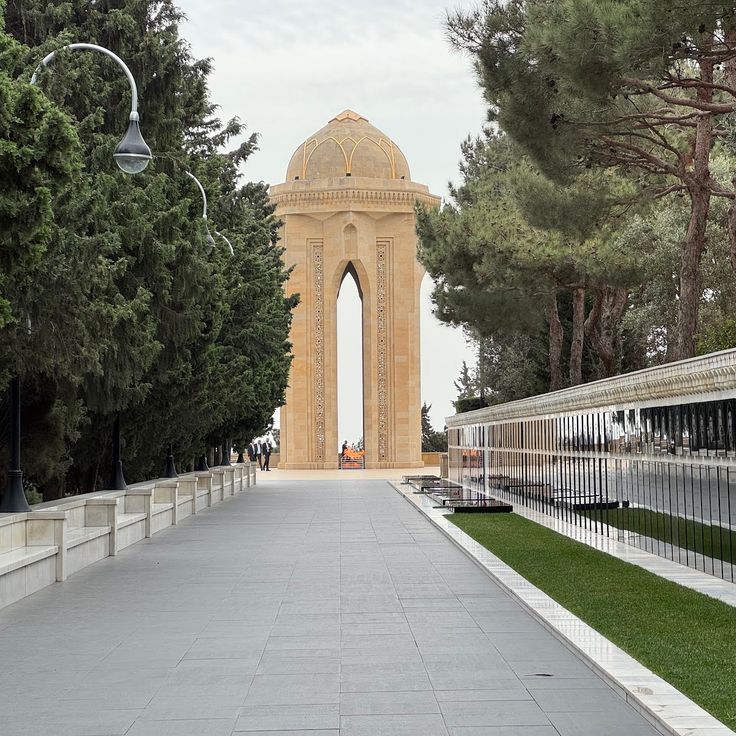
Martyrs' Alley in Baku honors Azerbaijani soldiers and civilians who died during the January 1990 events and the Nagorno-Karabakh War. Positioned on a hillside overlooking the Caspian Sea, this memorial features walls where names and photographs are displayed, creating a space for remembrance and reflection. Walking through the rows of tributes, you gain a sense of the human cost behind these conflicts and how deeply these events shaped the nation. The location draws both local visitors paying respects to loved ones and travelers seeking to understand a crucial chapter of Azerbaijan's recent past.
The Institute of Manuscripts in Baku was originally a girls' boarding school funded by oil magnate Zeynalabdin Taghiyev. Today, this building serves as a repository for historical manuscripts and demonstrates how Baku transforms spaces between old and new purposes. Within this journey through Azerbaijan, the Institute reveals how the city preserves its past while moving forward.
Mount Shahdag stands in this collection as the country's highest peak in the Greater Caucasus range. Rising to 4243 meters, it carries eternal snow on its slopes throughout the year. Alpine forests surround the mountain, creating layers of vegetation that frame the white-capped heights. From here, travelers can observe the landscape that embodies Azerbaijan's contrast between modern development and untouched natural spaces.
The Heydar Aliyev Cultural Center in Baku demonstrates how modern architecture shapes this city as you travel through Azerbaijan. This 57-meter high white building stands out for its flowing, curved lines that have no right angles. Architect Zaha Hadid created this structure in 2012. It sits alongside medieval fortifications, showing how old and new coexist in Baku. Inside and around the building, you can explore exhibitions that reflect the country's history and contemporary culture.
The Flame Towers of Baku consist of three tall towers, each rising 182 meters high, built in 2012. LED lights illuminate the towers at night in warm colors that resemble dancing flames. These towers shape Baku's skyline and show how modern architecture stands alongside the city's medieval structures and historic buildings. They are visible from many parts of the city and have become a defining feature of Baku's landscape.
Yanar Dag is a natural hill in Baku where underground gases fuel flames that burn continuously across the hillside. This place shows how Azerbaijan's landscape contains forces that have captured people's attention for centuries. The flames rise from fissures in the slope, fed by gas emissions that never stop. Standing here, you can experience the raw geological activity that shapes this region.
Gobustan is a natural reserve within Azerbaijan's landscape that documents how people lived across thousands of years. You'll find more than 6,000 rock engravings from the Stone Age, carved by hunters and herders who recorded their daily lives in stone. Roman ruins scattered throughout the site tell of later periods, while around 400 active mud volcanoes bubble and shift across the terrain. Walking through Gobustan, you move through layers of human history etched into the earth.
The Maiden Tower is a stone cylindrical tower standing in Baku's old city that dates back to medieval times. Rising about 29 meters high, this tower once guided ships arriving at the Caspian Sea and protected the city from invaders. As you travel through Azerbaijan, this landmark tells you how people built structures to serve both practical and defensive purposes, and how such ancient buildings still stand among the modern skyscrapers that fill the capital today.
Shaki is a key place in this journey through Azerbaijan, showing how ancient trade routes and traditional craftsmanship have shaped a living city. The 18th-century palace with its frescoes and colored stained glass windows stands at the heart of Shaki, revealing how merchants and artisans once moved through these streets. Walking through the town, you encounter buildings and spaces that reflect centuries of human activity and daily life.
Khinalug is a village in this collection set high at 2350 meters in the Caucasus Mountains, where people have made their home for over 5000 years. The residents speak a language that exists nowhere else in the world. This settlement demonstrates how communities have lived in these mountains across millennia, maintaining their way of life and traditions to the present day.
Baku is the capital of Azerbaijan and sits on the coast of the Caspian Sea. The city shows how old and new exist side by side. Medieval stone fortifications stand next to modern glass towers that light up in colors at night. The Heydar Aliyev Cultural Center has flowing curves that look unusual. The Maiden Tower is an old stone structure that once helped sailors find their way. Throughout Baku you'll find museums, places of worship, and historical buildings that tell the story of the different cultures that have shaped this region.
Quba is a northern Azerbaijani town where traditional carpet weaving remains central to daily life and the local economy. The town's orchards and gardens shape the landscape and provide fruit throughout the region. Quba's Jewish quarter contains several historical synagogues that reflect the different cultures and faiths that have coexisted here over centuries. The town sits along ancient trade routes and shows how craftsmanship, agriculture, and cultural traditions continue to define community life.
Ganja is an important cultural and industrial center in Azerbaijan. The city holds several medieval structures, including the mausoleum of Nizami Ganjavi, a Persian poet. Like other places in this collection, Ganja shows how history and modern life exist side by side. The old buildings and monuments tell stories of the past, while the city functions today as a living economic hub.
The Baku Boulevard is part of traveling through Azerbaijan and shows how the capital brings together old and new. This 3.5-kilometer promenade runs along the Caspian Sea with palm trees, gardens, and terrace cafes. Here, people walk, rest, and watch the water. The boulevard connects different parts of the city and lets visitors experience the coastline and urban life as it unfolds day and evening. The space reveals how residents and travelers use the waterfront to spend time together and enjoy the surroundings.
The Ateshgah Fire Temple in Baku is a stone structure built in the 17th century. It housed a central altar where a fire burned continuously, fed by natural gas from beneath the earth. This temple shows how nature and worship came together in this region. It stands as a reminder of Azerbaijan's connection to the flames that have burned for centuries across the landscape, from Yanar Dag to Gobustan.
Nakhchivan is a city situated in an enclave between Armenia and Iran, serving as a regional administrative center. It reveals itself as a place where Islamic architecture from the 12th and 14th centuries shapes the urban landscape. The historical monuments tell the story of different periods and cultures that have influenced this region. Walking through Nakhchivan, you encounter how tradition and modern life exist alongside each other. This city shows how people in this border region work and live while preserving their cultural identity.
Tufandag is a winter sports center high in the Caucasus Mountains that shows how modern recreation has developed in Azerbaijan's mountain landscape. Visitors come here to ski on slopes set against snow-covered peaks and surrounding forests. The facility reveals the contrast found throughout the country between traditional mountain communities and contemporary amenities. High altitude skiing at Tufandag represents how contemporary leisure activities have taken root in areas where villages like Khinalug have existed for thousands of years, creating a place where different eras of human activity coexist.
Nizami Street is a 19th-century commercial street in Baku that shows how the city developed into a modern trading hub. The street is lined with European-style buildings that now house shops, cafes, and restaurants. It recalls the time when Baku was an important place for commerce and exchange, connecting the city's past with its present-day rhythm.
Fountains Square is a large open area in central Baku that shows how the city brings together old and new. The square sits surrounded by shops and cafés, with several fountains featuring lighting systems and water displays. People gather here to relax and watch the water and lights play, making it a place where daily life unfolds. The square captures Baku's character as a city where contemporary design meets history.
The Palace of the Shirvanshahs stands as a medieval complex from the 15th century that reflects the power of its ruling dynasty. This palace consists of several buildings: a mosque with geometric decorations, a mausoleum for the rulers, and a bathhouse. These structures show the craftsmanship and architectural styles from a time when Baku was an important trading center. The walls and arches of this palace tell the story of the city's past.
This museum houses the heritage of Azerbaijani carpet-making. More than 10,000 carpets and textile items from different periods are on display. The building itself is shaped like a rolled-up carpet and opened in 2014. The collection tells the story of the craftsmanship tradition that has been alive in this country for hundreds of years. Here you can understand how carpets are not just objects, but part of Azerbaijan's culture and history.
Port Baku is a modern real estate complex on Baku Boulevard that combines commercial and residential spaces in contemporary architecture. As part of a journey through Azerbaijan, this development shows how Baku transforms between medieval fortifications and gleaming towers. Port Baku represents the city's new face, demonstrating how the capital grows and modernizes while ancient structures stand nearby.
The Old City of Baku is a historical district surrounded by medieval walls that houses monuments, cobblestone streets, and traditional shops. Walking through its narrow lanes, you encounter buildings that span centuries and reflect the different cultures that shaped this region. The district tells the story of Baku through its architecture, courtyards, and the way people continue to live and work within these ancient streets.
Bibi-Heybat Mosque in Baku is a place of worship that was rebuilt in 1998. The original sanctuary was destroyed in 1936. Today, twin minarets define the mosque's profile. Inside the prayer rooms, geometric patterns reflect skilled craftsmanship. Located on the Caspian Sea shore, the mosque represents the merging of historical loss and modern reconstruction in the city.
Upland Park in Baku demonstrates Azerbaijan's blend of old and new. This public garden sits on a hillside overlooking the Caspian Sea, offering views of the capital's skyline where gleaming towers stand alongside medieval fortifications. The park is a place where locals and visitors pause to observe how the city has grown and changed. From here, you can see how the modern and historical parts of Baku exist together, and you get a sense of the city's connection to the sea that has shaped its character for centuries.
The Ismailiyya Palace in Baku represents an era when oil wealth transformed the city's architecture. Designed by Polish architect Iosif Ploshko in the early 20th century, this building housed the Muslim Philanthropic Society during a time of rapid growth. The palace stands as a reminder of how economic prosperity brought new styles and ideas to the city, blending European design with local traditions. It shows how different cultures shaped Baku as the city developed.
Martyrs' Alley in Baku honors Azerbaijani soldiers and civilians who died during the January 1990 events and the Nagorno-Karabakh War. Positioned on a hillside overlooking the Caspian Sea, this memorial features walls where names and photographs are displayed, creating a space for remembrance and reflection. Walking through the rows of tributes, you gain a sense of the human cost behind these conflicts and how deeply these events shaped the nation. The location draws both local visitors paying respects to loved ones and travelers seeking to understand a crucial chapter of Azerbaijan's recent past.
The Institute of Manuscripts in Baku was originally a girls' boarding school funded by oil magnate Zeynalabdin Taghiyev. Today, this building serves as a repository for historical manuscripts and demonstrates how Baku transforms spaces between old and new purposes. Within this journey through Azerbaijan, the Institute reveals how the city preserves its past while moving forward.
Mount Shahdag stands in this collection as the country's highest peak in the Greater Caucasus range. Rising to 4243 meters, it carries eternal snow on its slopes throughout the year. Alpine forests surround the mountain, creating layers of vegetation that frame the white-capped heights. From here, travelers can observe the landscape that embodies Azerbaijan's contrast between modern development and untouched natural spaces.
The Heydar Aliyev Cultural Center in Baku demonstrates how modern architecture shapes this city as you travel through Azerbaijan. This 57-meter high white building stands out for its flowing, curved lines that have no right angles. Architect Zaha Hadid created this structure in 2012. It sits alongside medieval fortifications, showing how old and new coexist in Baku. Inside and around the building, you can explore exhibitions that reflect the country's history and contemporary culture.
The Flame Towers of Baku consist of three tall towers, each rising 182 meters high, built in 2012. LED lights illuminate the towers at night in warm colors that resemble dancing flames. These towers shape Baku's skyline and show how modern architecture stands alongside the city's medieval structures and historic buildings. They are visible from many parts of the city and have become a defining feature of Baku's landscape.
Yanar Dag is a natural hill in Baku where underground gases fuel flames that burn continuously across the hillside. This place shows how Azerbaijan's landscape contains forces that have captured people's attention for centuries. The flames rise from fissures in the slope, fed by gas emissions that never stop. Standing here, you can experience the raw geological activity that shapes this region.
Gobustan is a natural reserve within Azerbaijan's landscape that documents how people lived across thousands of years. You'll find more than 6,000 rock engravings from the Stone Age, carved by hunters and herders who recorded their daily lives in stone. Roman ruins scattered throughout the site tell of later periods, while around 400 active mud volcanoes bubble and shift across the terrain. Walking through Gobustan, you move through layers of human history etched into the earth.
The Maiden Tower is a stone cylindrical tower standing in Baku's old city that dates back to medieval times. Rising about 29 meters high, this tower once guided ships arriving at the Caspian Sea and protected the city from invaders. As you travel through Azerbaijan, this landmark tells you how people built structures to serve both practical and defensive purposes, and how such ancient buildings still stand among the modern skyscrapers that fill the capital today.
Shaki is a key place in this journey through Azerbaijan, showing how ancient trade routes and traditional craftsmanship have shaped a living city. The 18th-century palace with its frescoes and colored stained glass windows stands at the heart of Shaki, revealing how merchants and artisans once moved through these streets. Walking through the town, you encounter buildings and spaces that reflect centuries of human activity and daily life.
Khinalug is a village in this collection set high at 2350 meters in the Caucasus Mountains, where people have made their home for over 5000 years. The residents speak a language that exists nowhere else in the world. This settlement demonstrates how communities have lived in these mountains across millennia, maintaining their way of life and traditions to the present day.
Baku is the capital of Azerbaijan and sits on the coast of the Caspian Sea. The city shows how old and new exist side by side. Medieval stone fortifications stand next to modern glass towers that light up in colors at night. The Heydar Aliyev Cultural Center has flowing curves that look unusual. The Maiden Tower is an old stone structure that once helped sailors find their way. Throughout Baku you'll find museums, places of worship, and historical buildings that tell the story of the different cultures that have shaped this region.
Quba is a northern Azerbaijani town where traditional carpet weaving remains central to daily life and the local economy. The town's orchards and gardens shape the landscape and provide fruit throughout the region. Quba's Jewish quarter contains several historical synagogues that reflect the different cultures and faiths that have coexisted here over centuries. The town sits along ancient trade routes and shows how craftsmanship, agriculture, and cultural traditions continue to define community life.
Ganja is an important cultural and industrial center in Azerbaijan. The city holds several medieval structures, including the mausoleum of Nizami Ganjavi, a Persian poet. Like other places in this collection, Ganja shows how history and modern life exist side by side. The old buildings and monuments tell stories of the past, while the city functions today as a living economic hub.
The Baku Boulevard is part of traveling through Azerbaijan and shows how the capital brings together old and new. This 3.5-kilometer promenade runs along the Caspian Sea with palm trees, gardens, and terrace cafes. Here, people walk, rest, and watch the water. The boulevard connects different parts of the city and lets visitors experience the coastline and urban life as it unfolds day and evening. The space reveals how residents and travelers use the waterfront to spend time together and enjoy the surroundings.
The Ateshgah Fire Temple in Baku is a stone structure built in the 17th century. It housed a central altar where a fire burned continuously, fed by natural gas from beneath the earth. This temple shows how nature and worship came together in this region. It stands as a reminder of Azerbaijan's connection to the flames that have burned for centuries across the landscape, from Yanar Dag to Gobustan.
Nakhchivan is a city situated in an enclave between Armenia and Iran, serving as a regional administrative center. It reveals itself as a place where Islamic architecture from the 12th and 14th centuries shapes the urban landscape. The historical monuments tell the story of different periods and cultures that have influenced this region. Walking through Nakhchivan, you encounter how tradition and modern life exist alongside each other. This city shows how people in this border region work and live while preserving their cultural identity.
Tufandag is a winter sports center high in the Caucasus Mountains that shows how modern recreation has developed in Azerbaijan's mountain landscape. Visitors come here to ski on slopes set against snow-covered peaks and surrounding forests. The facility reveals the contrast found throughout the country between traditional mountain communities and contemporary amenities. High altitude skiing at Tufandag represents how contemporary leisure activities have taken root in areas where villages like Khinalug have existed for thousands of years, creating a place where different eras of human activity coexist.
Nizami Street is a 19th-century commercial street in Baku that shows how the city developed into a modern trading hub. The street is lined with European-style buildings that now house shops, cafes, and restaurants. It recalls the time when Baku was an important place for commerce and exchange, connecting the city's past with its present-day rhythm.
Fountains Square is a large open area in central Baku that shows how the city brings together old and new. The square sits surrounded by shops and cafés, with several fountains featuring lighting systems and water displays. People gather here to relax and watch the water and lights play, making it a place where daily life unfolds. The square captures Baku's character as a city where contemporary design meets history.
The Palace of the Shirvanshahs stands as a medieval complex from the 15th century that reflects the power of its ruling dynasty. This palace consists of several buildings: a mosque with geometric decorations, a mausoleum for the rulers, and a bathhouse. These structures show the craftsmanship and architectural styles from a time when Baku was an important trading center. The walls and arches of this palace tell the story of the city's past.
This museum houses the heritage of Azerbaijani carpet-making. More than 10,000 carpets and textile items from different periods are on display. The building itself is shaped like a rolled-up carpet and opened in 2014. The collection tells the story of the craftsmanship tradition that has been alive in this country for hundreds of years. Here you can understand how carpets are not just objects, but part of Azerbaijan's culture and history.
Port Baku is a modern real estate complex on Baku Boulevard that combines commercial and residential spaces in contemporary architecture. As part of a journey through Azerbaijan, this development shows how Baku transforms between medieval fortifications and gleaming towers. Port Baku represents the city's new face, demonstrating how the capital grows and modernizes while ancient structures stand nearby.
The Old City of Baku is a historical district surrounded by medieval walls that houses monuments, cobblestone streets, and traditional shops. Walking through its narrow lanes, you encounter buildings that span centuries and reflect the different cultures that shaped this region. The district tells the story of Baku through its architecture, courtyards, and the way people continue to live and work within these ancient streets.
Bibi-Heybat Mosque in Baku is a place of worship that was rebuilt in 1998. The original sanctuary was destroyed in 1936. Today, twin minarets define the mosque's profile. Inside the prayer rooms, geometric patterns reflect skilled craftsmanship. Located on the Caspian Sea shore, the mosque represents the merging of historical loss and modern reconstruction in the city.
Upland Park in Baku demonstrates Azerbaijan's blend of old and new. This public garden sits on a hillside overlooking the Caspian Sea, offering views of the capital's skyline where gleaming towers stand alongside medieval fortifications. The park is a place where locals and visitors pause to observe how the city has grown and changed. From here, you can see how the modern and historical parts of Baku exist together, and you get a sense of the city's connection to the sea that has shaped its character for centuries.
The Ismailiyya Palace in Baku represents an era when oil wealth transformed the city's architecture. Designed by Polish architect Iosif Ploshko in the early 20th century, this building housed the Muslim Philanthropic Society during a time of rapid growth. The palace stands as a reminder of how economic prosperity brought new styles and ideas to the city, blending European design with local traditions. It shows how different cultures shaped Baku as the city developed.
Martyrs' Alley in Baku honors Azerbaijani soldiers and civilians who died during the January 1990 events and the Nagorno-Karabakh War. Positioned on a hillside overlooking the Caspian Sea, this memorial features walls where names and photographs are displayed, creating a space for remembrance and reflection. Walking through the rows of tributes, you gain a sense of the human cost behind these conflicts and how deeply these events shaped the nation. The location draws both local visitors paying respects to loved ones and travelers seeking to understand a crucial chapter of Azerbaijan's recent past.
The Institute of Manuscripts in Baku was originally a girls' boarding school funded by oil magnate Zeynalabdin Taghiyev. Today, this building serves as a repository for historical manuscripts and demonstrates how Baku transforms spaces between old and new purposes. Within this journey through Azerbaijan, the Institute reveals how the city preserves its past while moving forward.
This country deserves a slow visit. Instead of checking off major sights, stroll through the small streets of the old town, stop in public gardens, and watch how people live daily. That is how you will see how old and new connect in Azerbaijan.