See the monuments around you in AROpen chests in the app
Around Us is built for your phone — point your camera at the streets and discover the monuments and places around you in augmented reality.Around Us is built for your phone — chests unlock when you walk, explore and capture nearby places.
Visiting Caen: castles and abbeys, museums, medieval history
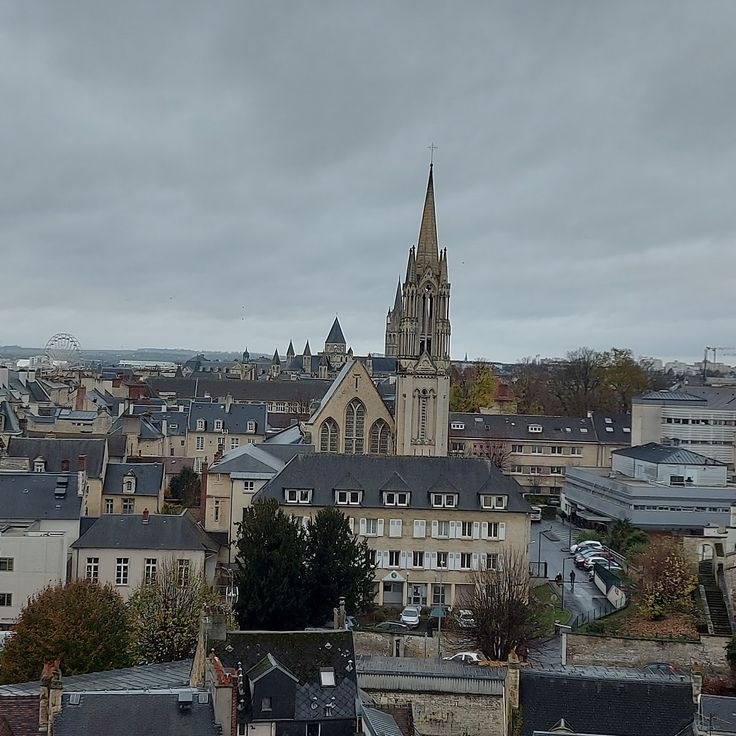
Caen shows everywhere the marks of its past. The castle built by William the Conqueror in the 11th century still rises above the city, while the Abbey of Men and the Abbey of Women reflect the power of the Dukes of Normandy. Saint Pierre Church reaches its Gothic tower to 73 meters, and in the streets of Vaugueux, the wooden houses point toward medieval life. The Caen Memorial documents World War II and the landing of 1944, events that changed the city.
The charm of Caen is also in its green spaces. The Garden of Plants, created in 1848, brings together thousands of plants in its greenhouses and its arboretum. The Hill of the Birds Park covers 17 hectares with themed gardens and terraces that offer views of the city roofs. From the Fine Arts Museum located inside the castle walls to the Leroy Tower on the edge of the Orne, each place tells of a different time. Exploring Caen is crossing centuries of buildings and history that shaped Normandy.
Visiting Caen: castles and abbeys, museums, medieval history
Caen shows everywhere the marks of its past. The castle built by William the Conqueror in the 11th century still rises above the city, while the Abbey of Men and the Abbey of Women reflect the power of the Dukes of Normandy. Saint Pierre Church reaches its Gothic tower to 73 meters, and in the streets of Vaugueux, the wooden houses point toward medieval life. The Caen Memorial documents World War II and the landing of 1944, events that changed the city.
The charm of Caen is also in its green spaces. The Garden of Plants, created in 1848, brings together thousands of plants in its greenhouses and its arboretum. The Hill of the Birds Park covers 17 hectares with themed gardens and terraces that offer views of the city roofs. From the Fine Arts Museum located inside the castle walls to the Leroy Tower on the edge of the Orne, each place tells of a different time. Exploring Caen is crossing centuries of buildings and history that shaped Normandy.
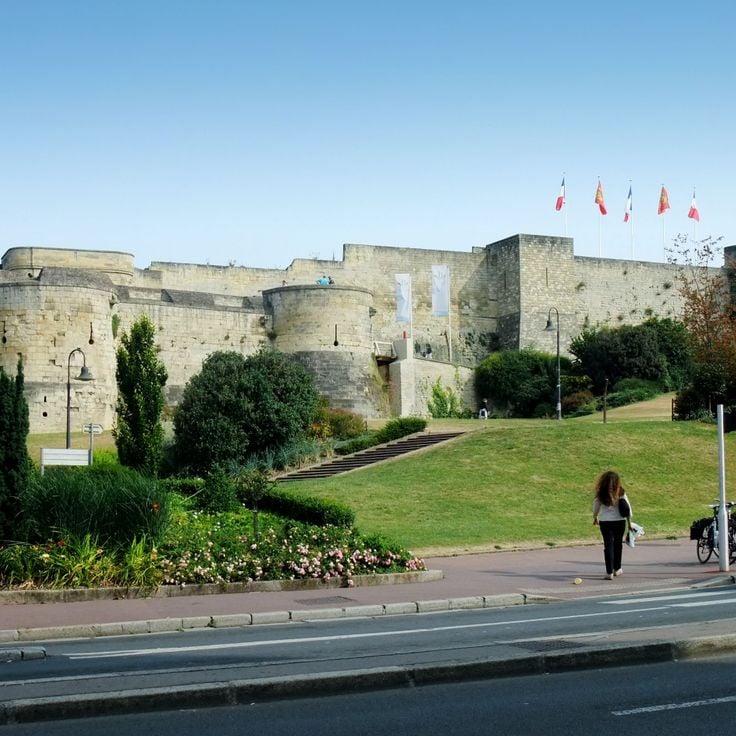
The Castle of Caen was built by William the Conqueror in the 11th century and dominates the city from its hill. It stands as one of the largest fortified complexes in Europe. This Norman fortress is made up of sturdy walls, a keep, and a chapel that speak to ducal power and medieval military architecture. The Castle of Caen tells the story of Normandy through the centuries.
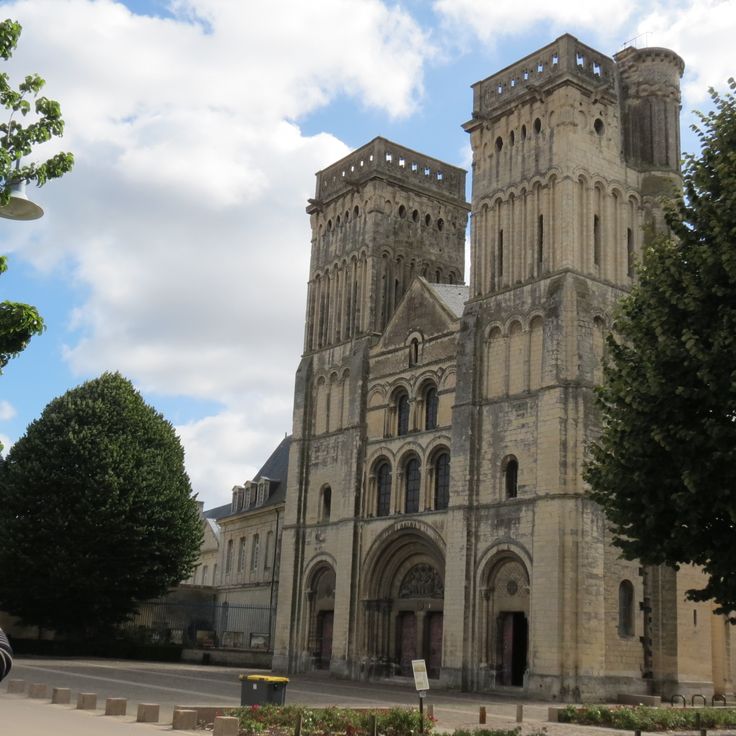
The Abbaye aux Dames in Caen was founded in the 11th century by Queen Mathilda, wife of William the Conqueror. The building displays Norman Romanesque architecture with a three-aisle basilica and a western facade framed by two towers. Today it houses the seat of the Regional Council of Normandy. This abbey speaks to the power of a Norman duchess and her era.
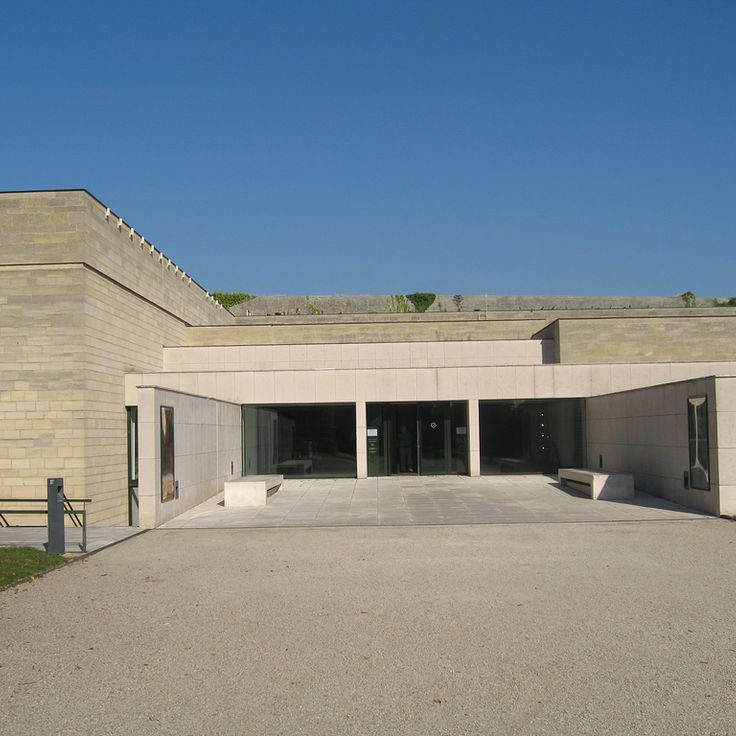
This museum sits within the walls of Caen's castle and shows European art from the Middle Ages to modern times. The collection includes paintings, sculptures, and prints from different periods, displayed in the historic spaces of the fortress. This museum connects art history with the medieval past of the city, as it occupies the walls built by William the Conqueror in the 11th century.
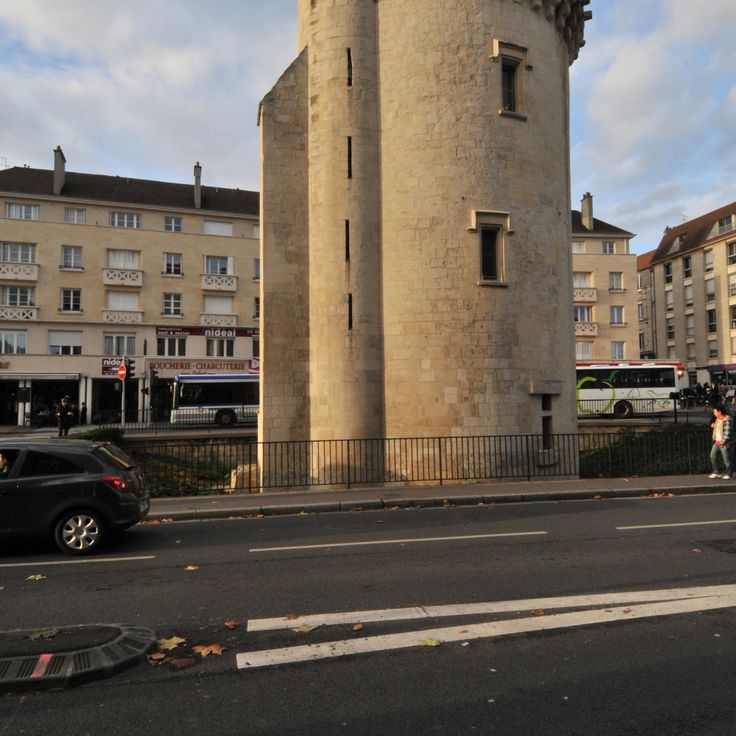
Standing on the banks of the Orne, this 15th-century tower once protected the port and served as a control post for Caen. Its sturdy structure recalls the days when merchants and customs officials watched over river traffic. The tower shows how important water control was to the city's prosperity. Walking past it today, you can still sense the activity and commerce that once centered around this point on the river.
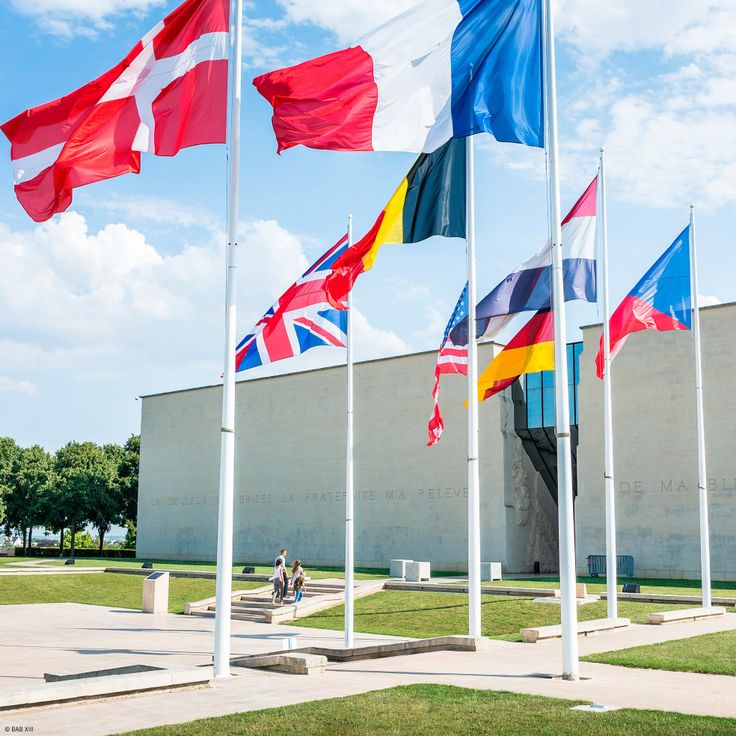
The Mémorial de Caen is a museum dedicated to the history of World War II, peace, and human rights. This institution documents the events of the 20th century and their consequences. A specific section covers the Allied invasion and the Battle of Normandy in 1944, events that transformed this region forever.
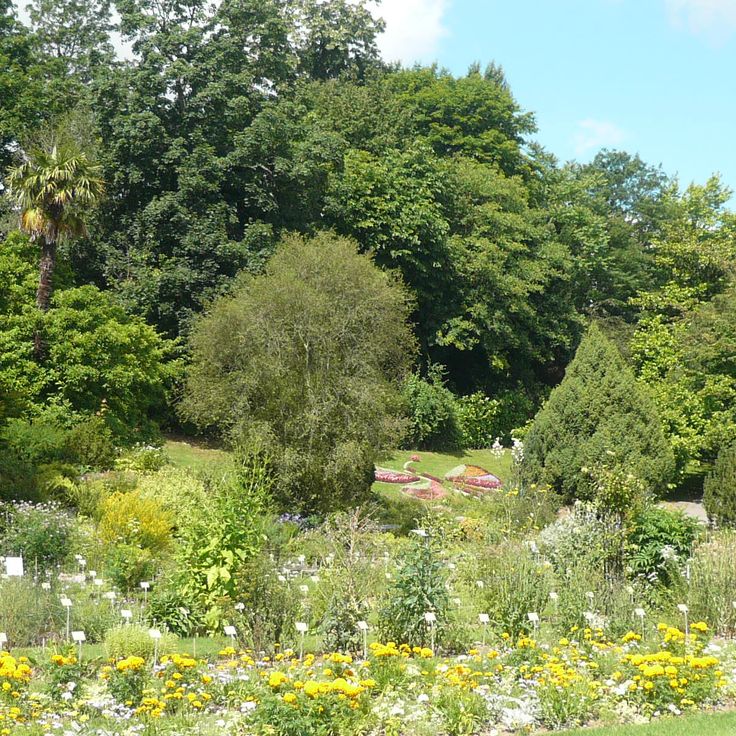
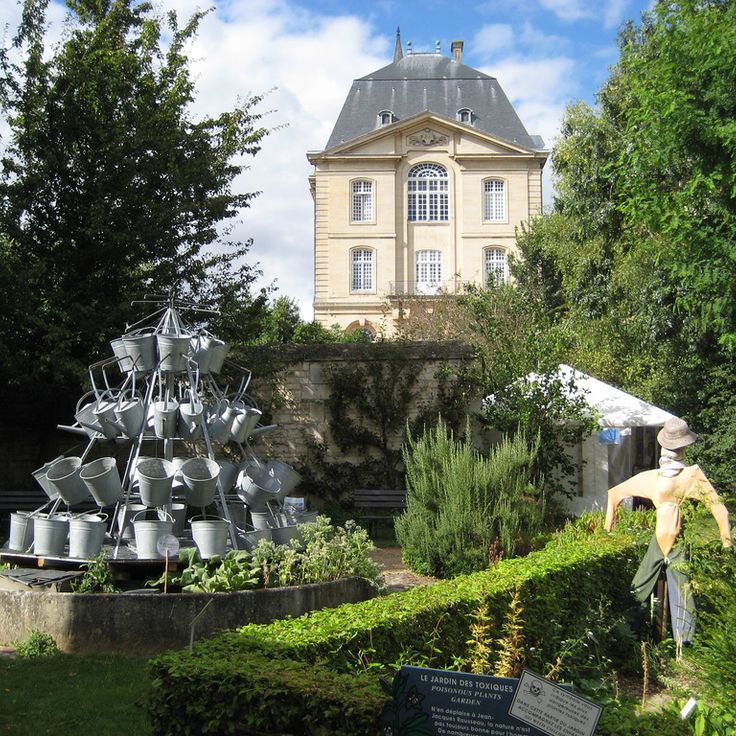
The Jardin des Plantes was established in 1848 and brings together thousands of plant species in its tropical greenhouses and arboretum. This botanical garden provides a peaceful setting within Caen, complementing the medieval architecture and historic monuments that surround it, from the castle built by William the Conqueror to the two abbeys that shaped Normandy. As you walk through the garden, you discover different plant environments and the work of those who have tended these collections over generations.
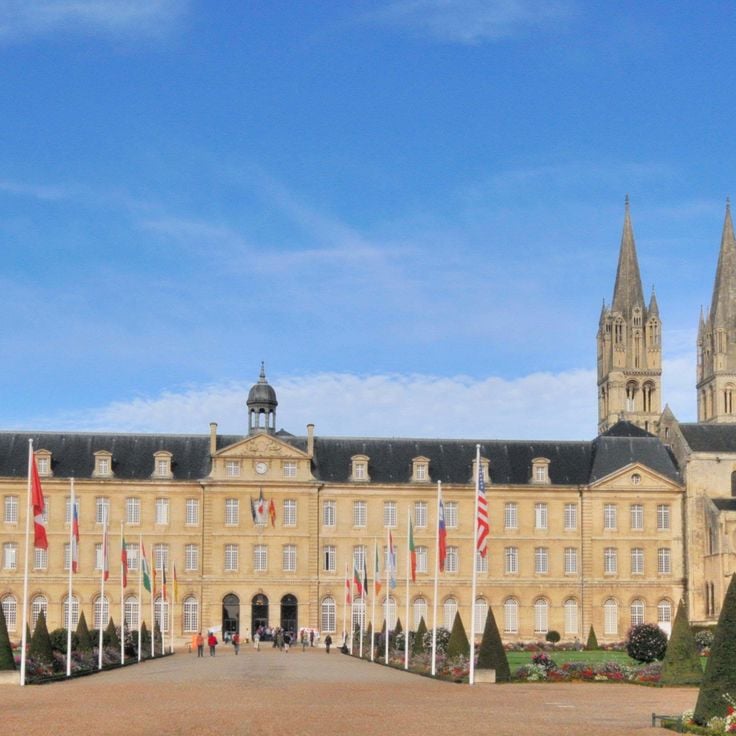
The Abbey of Men was founded in 1063 by William the Conqueror and today houses Caen's town hall. The Romanesque nave is slender and full of light, holding the tomb of the Duke of Normandy who became King of England in 1066. This building shows the power of the Norman Dukes and is an important part of Caen's medieval history.
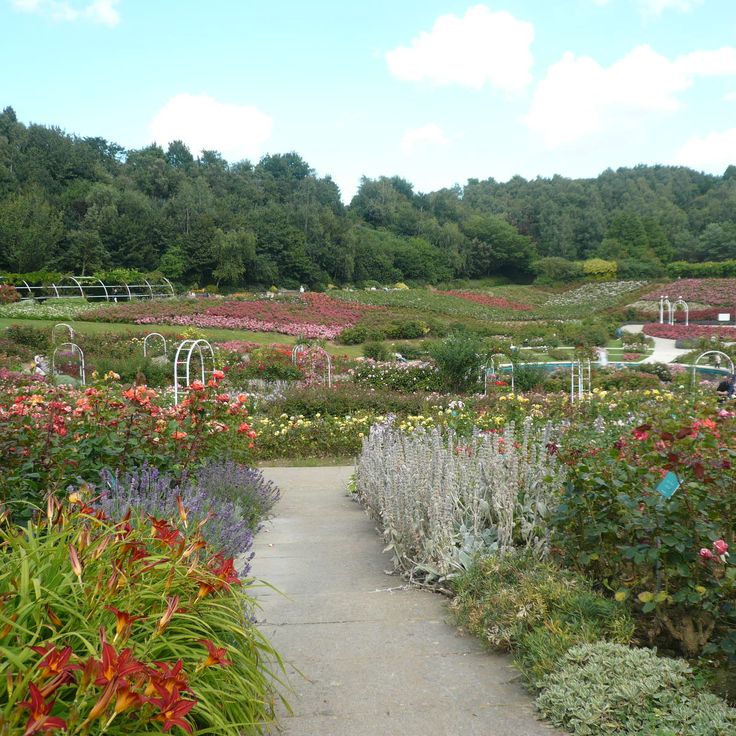
The Parc de la Colline aux Oiseaux covers 17 hectares (42 acres) and was created on the site of a former municipal landfill in Caen. This park features multiple themed gardens, a rose garden with many varieties, a plant maze, and raised viewing platforms that offer views across the city's rooftops. It is a place to walk and discover the range of plants and trees growing here.
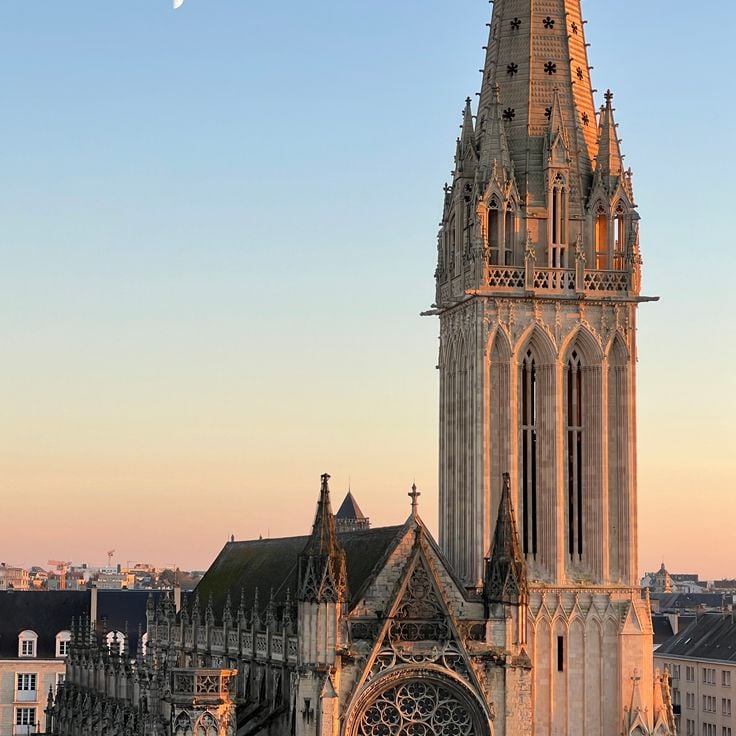
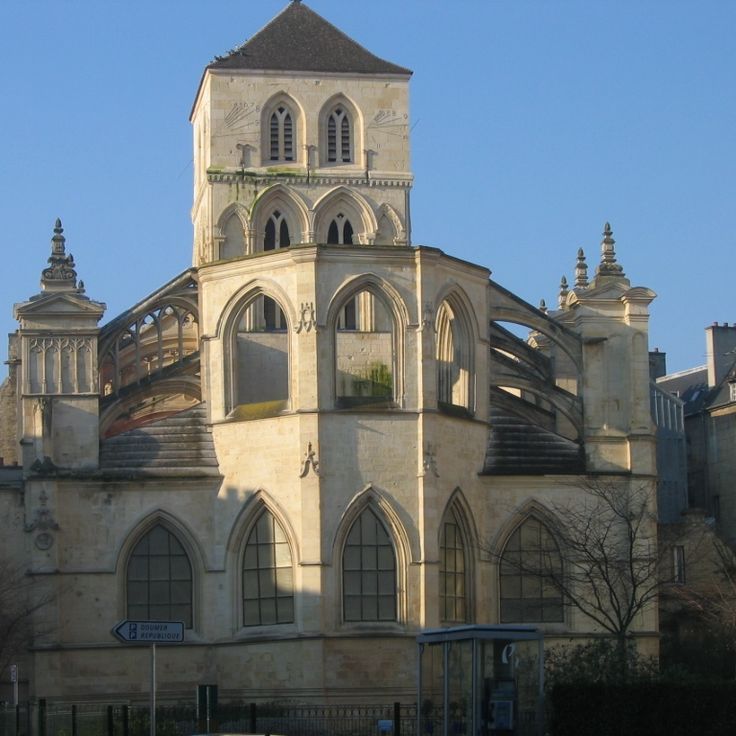
Saint-Pierre Church in Caen was built in the 13th century and displays the flamboyant Gothic style characteristic of that era. Its bell tower reaches 73 meters high and dominates the historic center of Caen. The facade features numerous sculptures with religious depictions from different periods. This church is one of the key buildings that shaped Caen's medieval past, standing alongside the castle built by William the Conqueror and the abbeys that reflect the power of the Norman dukes.
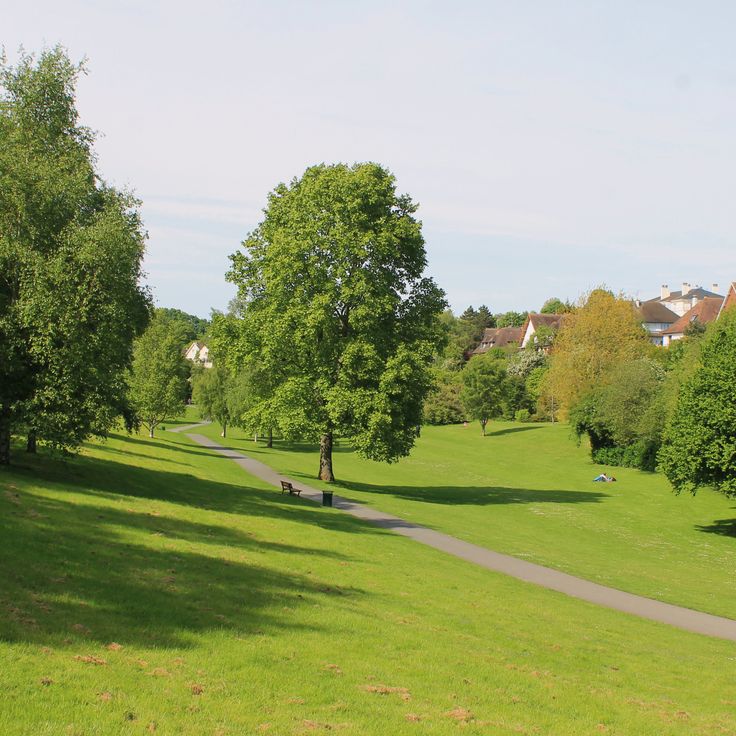
Throughout Caen, traces of the past are everywhere, and the Vallée des Jardins is an important part of this fabric. This park stretches across 11 hectares and holds an arboretum with diverse tree species, several walking paths, natural meadows, and rest areas. Like the Castle built by William the Conqueror and the medieval streets of the Vaugueux district, the Vallée des Jardins tells a story - here it is the story of nature and community life in this historic city.
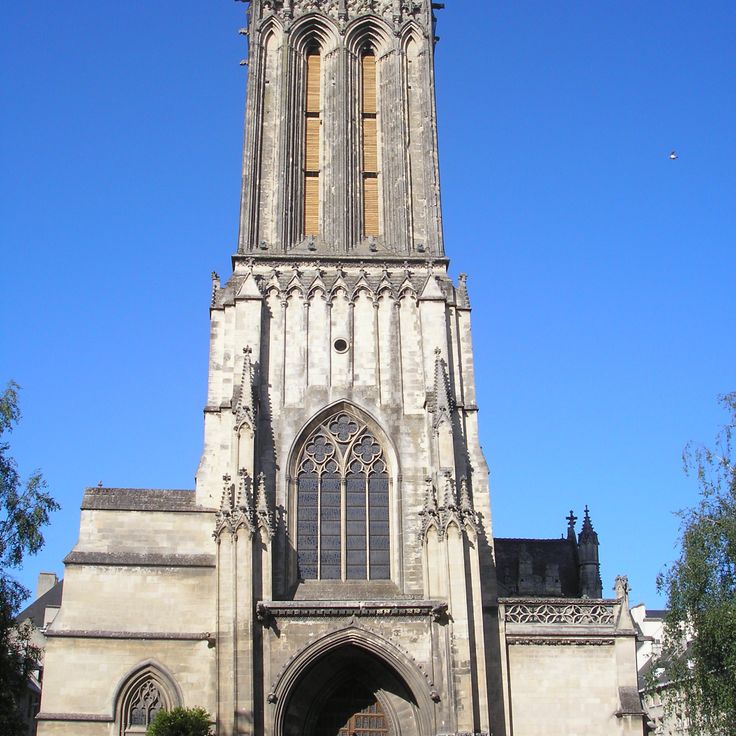
The Église Saint-Jean in Caen dates from the 14th century and displays the religious wealth of the city. Stone vaults rise above the central nave, and medieval stained glass windows tell biblical stories. This church is one of many buildings that define Caen's long history and show how Normandy developed over centuries.
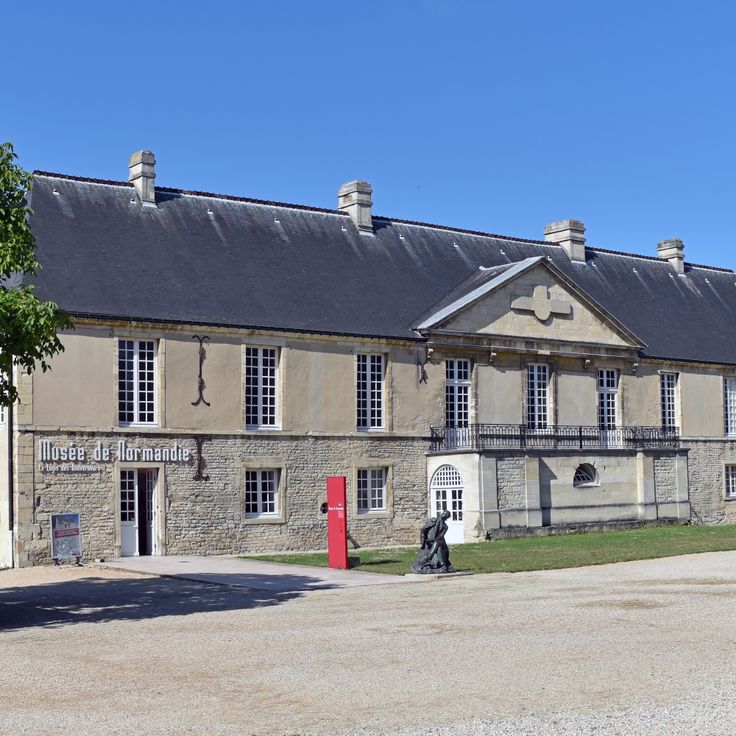
The Museum of Normandy sits within Caen's ducal castle and tells the story of the region from ancient times to the modern era. Its collections show everyday objects, tools, and artworks from different periods. Walking through these galleries, you see how Normandy developed and changed across the centuries through the things people left behind.
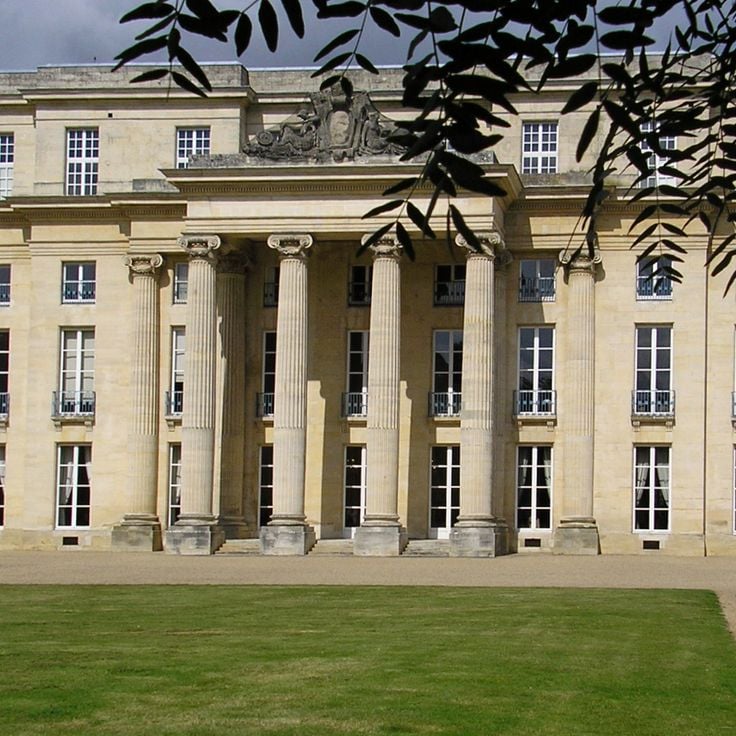
The Château de Bénouville was built in the 18th century by architect Claude Nicolas Ledoux in Normandy. This castle shows neoclassical architecture with clean lines and geometric shapes characteristic of Ledoux's work. Originally built as a residence for an aristocratic family, it represents an important period in French architectural history.
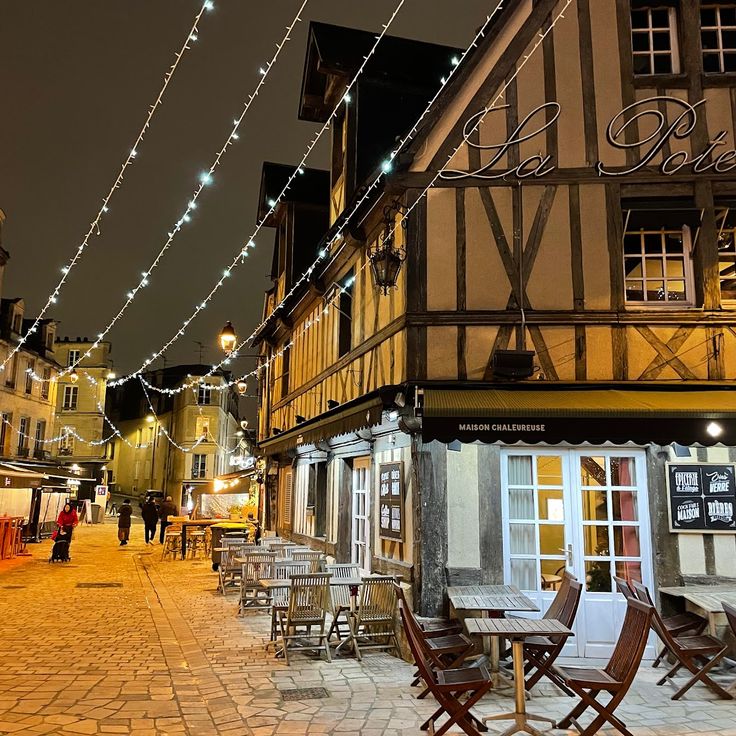
The Vaugueux district is one of the oldest neighborhoods in Caen and preserves its medieval character to this day. Narrow cobblestone streets wind between timber-framed houses from the 15th century that survived the bombing campaigns of World War II. This historic quarter now houses numerous restaurants, cafes, and small shops installed in traditional buildings.
The Parc Michel d'Ornano is a green space designed in the classical French style. The park features flower beds arranged in geometric patterns and a rose garden. Ancient linden trees line the walkways in symmetrical rows. The layout follows the principles of French garden design with ordered axes and structured plantings. This place is part of Caen's character, where alongside the 11th-century castle and the two abbeys, such green spaces have shaped the city's development.
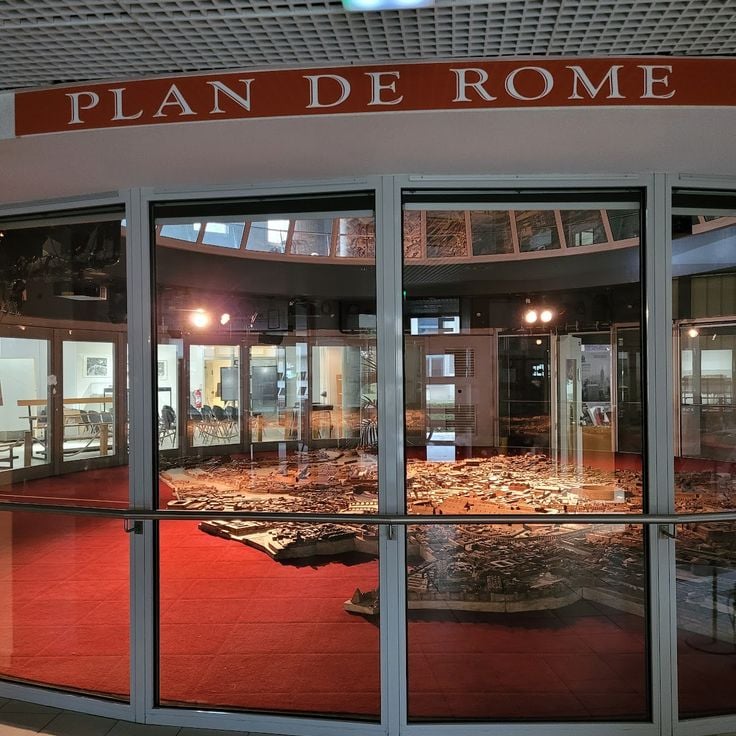
The Plan of Rome in Caen is an architectural model showing the Roman capital in the 4th century. Architect Paul Bigot created this plaster reconstruction on a surface of about 70 square meters. The model displays the urban layout and main monuments of Rome during the time of Constantine the Great. This work helps visitors understand what ancient Rome looked like and how the city was organized in that distant era.
The Museum for Introduction to Nature in Caen displays stuffed animals, insects, and minerals from the region. Visitors discover the wildlife and plant life of Normandy through exhibitions that explain how the local ecosystem works and what makes the area special. The museum sits in a city filled with history, from the castle built by William the Conqueror to abbeys and medieval streets. It is a place to understand the nature right outside the door.
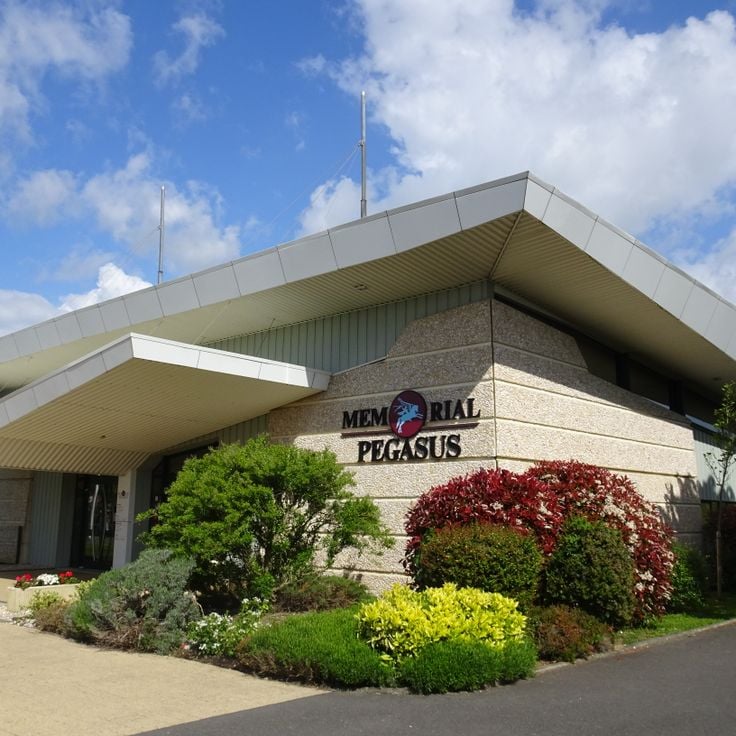
The Pegasus Memorial in Caen presents a significant story from World War II. The museum houses military objects, documents and photographs connected to the Bénouville Bridge. It commemorates the actions of British forces on June 6, 1944, an event that forever changed the city and the Normandy region. The site helps visitors understand the events of the war and their impact on Caen.
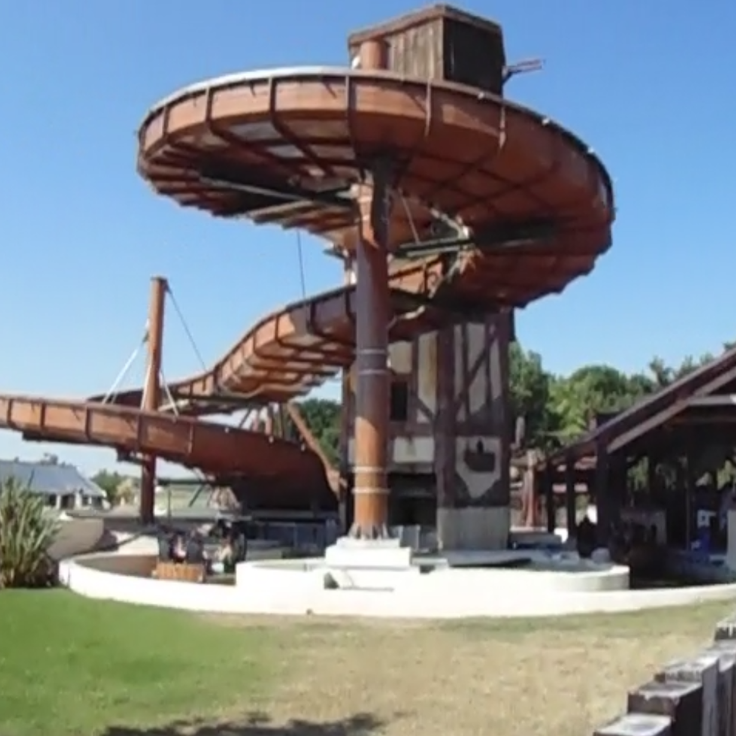
Festyland is Caen's largest amusement park, featuring roller coasters, carousels, and shows for visitors of all ages. The attractions draw inspiration from Norman history and Viking culture. The park invites you to spend a day with family or friends while exploring the legends of the region.
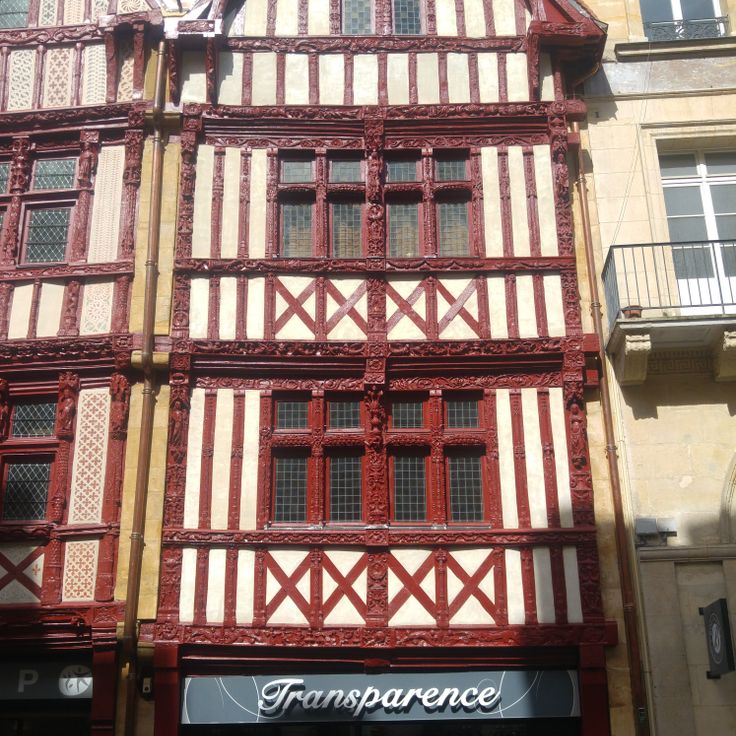
The half-timbered houses of Caen date from the 15th and 16th centuries and showcase traditional Norman architecture. Their exposed wooden facades and projecting upper stories remain striking features of the Vaugueux neighborhood. These houses reflect the daily life and building practices of the Middle Ages and form part of Caen's layered history. Walking through the narrow streets around them, you experience how medieval builders created sturdy, practical homes that have endured for centuries.
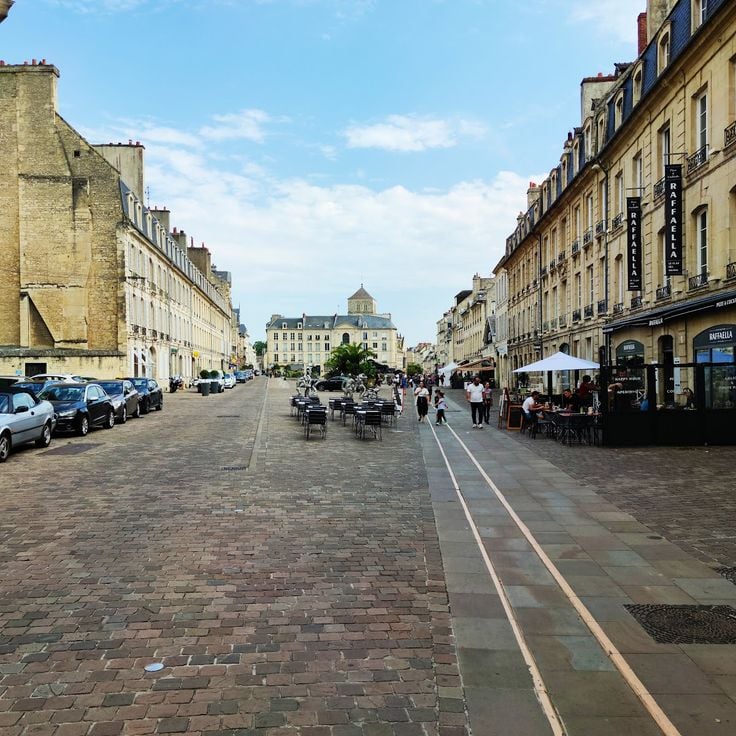
Place Saint-Sauveur is a central square in the heart of Caen where the city's medieval past comes alive. The timber-framed buildings around the square date from the Middle Ages and Renaissance, showcasing the kind of architecture that shaped Caen during its development. A statue of Louis XIV stands at the center. The square is lined with restaurants, cafes, and shops, serving as a gathering place where locals and travelers meet to eat, shop, and experience daily life in the city.
The Church of Vieux Saint-Sauveur in Caen was built in the 14th century and blends Romanesque and Gothic architectural styles. After the French Revolution, this former place of worship transformed into a municipal exhibition space. Today, the building hosts rotating exhibitions organized by the city of Caen, serving as a window into the layered history that defines this Norman town.
The Marché Saint-Pierre is a weekly open-air market held every Friday morning in Caen. Local producers from Normandy sell fresh fruits, vegetables, cheese, and other regional products here. The market is part of daily life in the city and shows how people shop for food and gather together.
The Hôtel d'Escoville is a stone building from the 16th century that shows the wealth of Caen's prosperous merchants during the Renaissance. With its columned gallery, richly carved portal, and hexagonal tower, this house reflects the prosperity and craftsmanship of its time. Its facade fits naturally into Caen's historical landscape alongside castles, abbeys, and medieval streets, telling the story of how this Norman city developed over the centuries.
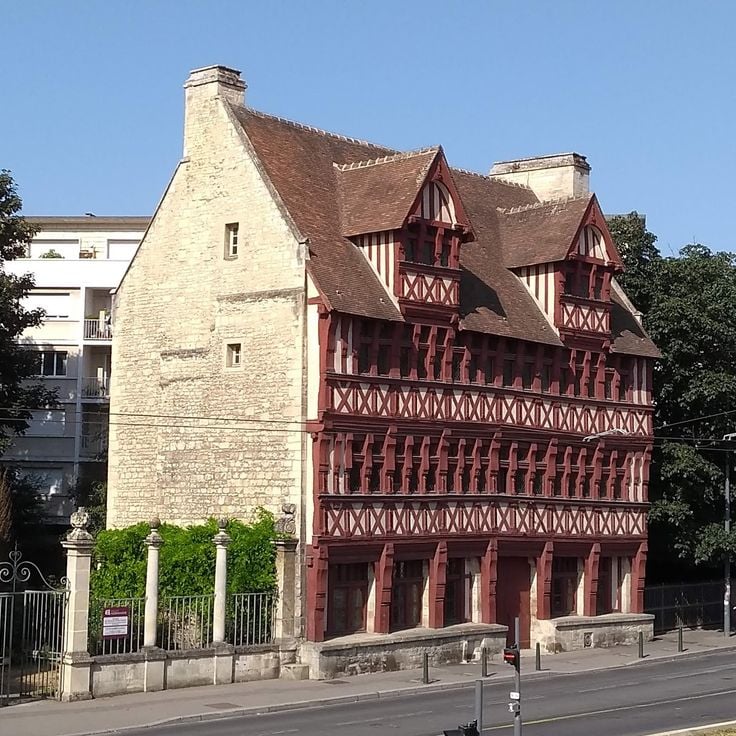
The Maison des Quatrans in Caen was built in 1460 and shows the typical architecture of medieval Normandy. The house has three stories with timber framing and upper floors that project outward. Visible wooden beams and carved decorations display the skilled craftsmanship of 15th-century artisans. The building stands in Caen's historic center and is one of the surviving examples of medieval residential architecture in Normandy.
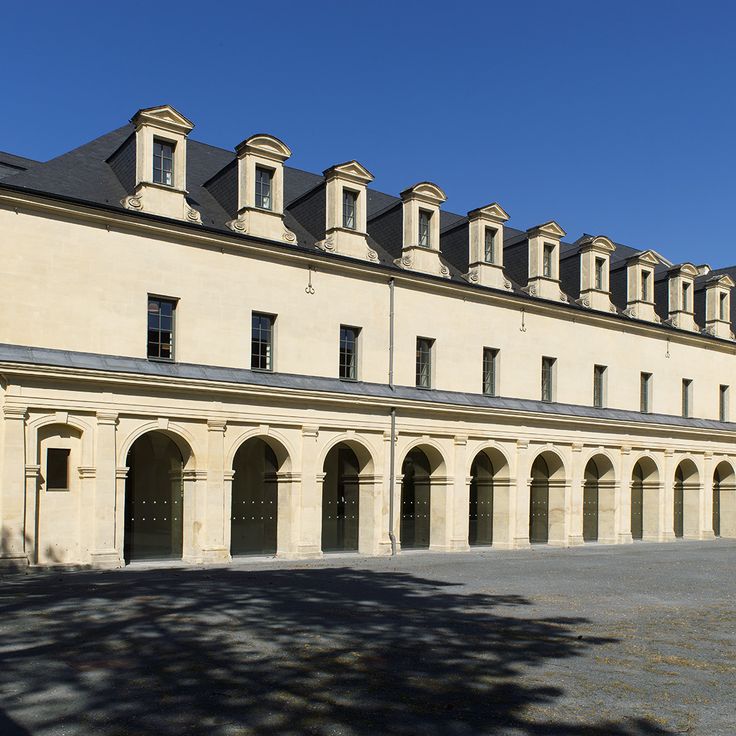
The FRAC Normandie in Caen occupies a 17th-century convent building and displays a significant collection of contemporary art. The institution regularly organizes temporary exhibitions featuring works by French and international artists. The historic spaces of the building provide a particular setting for the presentation of modern artworks. This regional contemporary art center dedicates itself to promoting current artistic practices in Normandy.
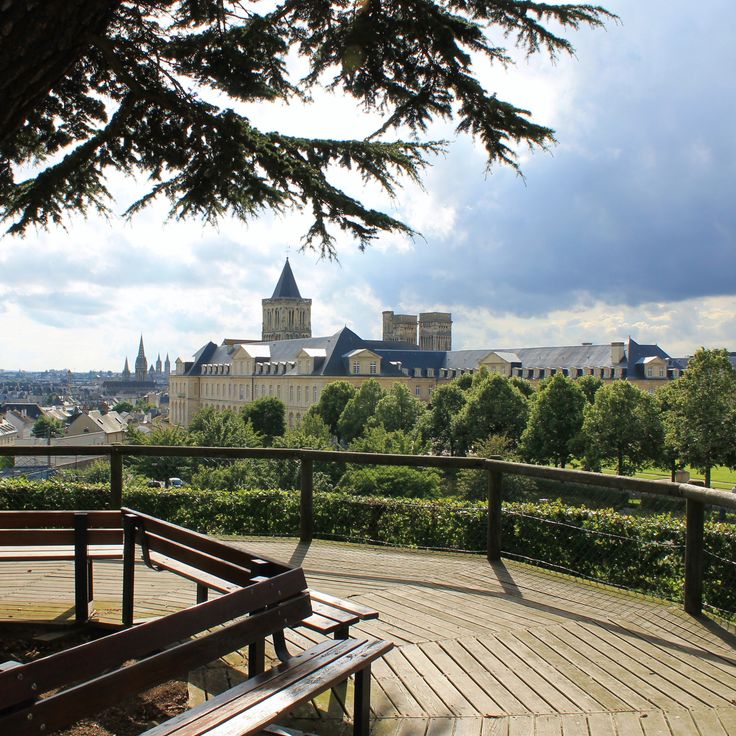
The Artillery Terrace sits on the medieval fortifications of Caen Castle and offers views over the city and its surroundings. This space built into the old defensive structures lets you see how Caen was organized and understand the strategic role of the castle built by William the Conqueror in the 11th century. The terrace is a prime spot to discover the range of Norman architectural heritage, from the abbeys to the historic neighborhoods, and grasp the geography that shaped how the city developed from the 11th century onward.
The Castle of Caen was built by William the Conqueror in the 11th century and dominates the city from its hill. It stands as one of the largest fortified complexes in Europe. This Norman fortress is made up of sturdy walls, a keep, and a chapel that speak to ducal power and medieval military architecture. The Castle of Caen tells the story of Normandy through the centuries.
The Abbaye aux Dames in Caen was founded in the 11th century by Queen Mathilda, wife of William the Conqueror. The building displays Norman Romanesque architecture with a three-aisle basilica and a western facade framed by two towers. Today it houses the seat of the Regional Council of Normandy. This abbey speaks to the power of a Norman duchess and her era.
This museum sits within the walls of Caen's castle and shows European art from the Middle Ages to modern times. The collection includes paintings, sculptures, and prints from different periods, displayed in the historic spaces of the fortress. This museum connects art history with the medieval past of the city, as it occupies the walls built by William the Conqueror in the 11th century.
Standing on the banks of the Orne, this 15th-century tower once protected the port and served as a control post for Caen. Its sturdy structure recalls the days when merchants and customs officials watched over river traffic. The tower shows how important water control was to the city's prosperity. Walking past it today, you can still sense the activity and commerce that once centered around this point on the river.
The Mémorial de Caen is a museum dedicated to the history of World War II, peace, and human rights. This institution documents the events of the 20th century and their consequences. A specific section covers the Allied invasion and the Battle of Normandy in 1944, events that transformed this region forever.
The Jardin des Plantes was established in 1848 and brings together thousands of plant species in its tropical greenhouses and arboretum. This botanical garden provides a peaceful setting within Caen, complementing the medieval architecture and historic monuments that surround it, from the castle built by William the Conqueror to the two abbeys that shaped Normandy. As you walk through the garden, you discover different plant environments and the work of those who have tended these collections over generations.
The Abbey of Men was founded in 1063 by William the Conqueror and today houses Caen's town hall. The Romanesque nave is slender and full of light, holding the tomb of the Duke of Normandy who became King of England in 1066. This building shows the power of the Norman Dukes and is an important part of Caen's medieval history.
The Parc de la Colline aux Oiseaux covers 17 hectares (42 acres) and was created on the site of a former municipal landfill in Caen. This park features multiple themed gardens, a rose garden with many varieties, a plant maze, and raised viewing platforms that offer views across the city's rooftops. It is a place to walk and discover the range of plants and trees growing here.
Saint-Pierre Church in Caen was built in the 13th century and displays the flamboyant Gothic style characteristic of that era. Its bell tower reaches 73 meters high and dominates the historic center of Caen. The facade features numerous sculptures with religious depictions from different periods. This church is one of the key buildings that shaped Caen's medieval past, standing alongside the castle built by William the Conqueror and the abbeys that reflect the power of the Norman dukes.
Throughout Caen, traces of the past are everywhere, and the Vallée des Jardins is an important part of this fabric. This park stretches across 11 hectares and holds an arboretum with diverse tree species, several walking paths, natural meadows, and rest areas. Like the Castle built by William the Conqueror and the medieval streets of the Vaugueux district, the Vallée des Jardins tells a story - here it is the story of nature and community life in this historic city.
The Église Saint-Jean in Caen dates from the 14th century and displays the religious wealth of the city. Stone vaults rise above the central nave, and medieval stained glass windows tell biblical stories. This church is one of many buildings that define Caen's long history and show how Normandy developed over centuries.
The Museum of Normandy sits within Caen's ducal castle and tells the story of the region from ancient times to the modern era. Its collections show everyday objects, tools, and artworks from different periods. Walking through these galleries, you see how Normandy developed and changed across the centuries through the things people left behind.
The Château de Bénouville was built in the 18th century by architect Claude Nicolas Ledoux in Normandy. This castle shows neoclassical architecture with clean lines and geometric shapes characteristic of Ledoux's work. Originally built as a residence for an aristocratic family, it represents an important period in French architectural history.
The Vaugueux district is one of the oldest neighborhoods in Caen and preserves its medieval character to this day. Narrow cobblestone streets wind between timber-framed houses from the 15th century that survived the bombing campaigns of World War II. This historic quarter now houses numerous restaurants, cafes, and small shops installed in traditional buildings.
The Parc Michel d'Ornano is a green space designed in the classical French style. The park features flower beds arranged in geometric patterns and a rose garden. Ancient linden trees line the walkways in symmetrical rows. The layout follows the principles of French garden design with ordered axes and structured plantings. This place is part of Caen's character, where alongside the 11th-century castle and the two abbeys, such green spaces have shaped the city's development.
The Plan of Rome in Caen is an architectural model showing the Roman capital in the 4th century. Architect Paul Bigot created this plaster reconstruction on a surface of about 70 square meters. The model displays the urban layout and main monuments of Rome during the time of Constantine the Great. This work helps visitors understand what ancient Rome looked like and how the city was organized in that distant era.
The Museum for Introduction to Nature in Caen displays stuffed animals, insects, and minerals from the region. Visitors discover the wildlife and plant life of Normandy through exhibitions that explain how the local ecosystem works and what makes the area special. The museum sits in a city filled with history, from the castle built by William the Conqueror to abbeys and medieval streets. It is a place to understand the nature right outside the door.
The Pegasus Memorial in Caen presents a significant story from World War II. The museum houses military objects, documents and photographs connected to the Bénouville Bridge. It commemorates the actions of British forces on June 6, 1944, an event that forever changed the city and the Normandy region. The site helps visitors understand the events of the war and their impact on Caen.
Festyland is Caen's largest amusement park, featuring roller coasters, carousels, and shows for visitors of all ages. The attractions draw inspiration from Norman history and Viking culture. The park invites you to spend a day with family or friends while exploring the legends of the region.
The half-timbered houses of Caen date from the 15th and 16th centuries and showcase traditional Norman architecture. Their exposed wooden facades and projecting upper stories remain striking features of the Vaugueux neighborhood. These houses reflect the daily life and building practices of the Middle Ages and form part of Caen's layered history. Walking through the narrow streets around them, you experience how medieval builders created sturdy, practical homes that have endured for centuries.
Place Saint-Sauveur is a central square in the heart of Caen where the city's medieval past comes alive. The timber-framed buildings around the square date from the Middle Ages and Renaissance, showcasing the kind of architecture that shaped Caen during its development. A statue of Louis XIV stands at the center. The square is lined with restaurants, cafes, and shops, serving as a gathering place where locals and travelers meet to eat, shop, and experience daily life in the city.
The Church of Vieux Saint-Sauveur in Caen was built in the 14th century and blends Romanesque and Gothic architectural styles. After the French Revolution, this former place of worship transformed into a municipal exhibition space. Today, the building hosts rotating exhibitions organized by the city of Caen, serving as a window into the layered history that defines this Norman town.
The Marché Saint-Pierre is a weekly open-air market held every Friday morning in Caen. Local producers from Normandy sell fresh fruits, vegetables, cheese, and other regional products here. The market is part of daily life in the city and shows how people shop for food and gather together.
The Hôtel d'Escoville is a stone building from the 16th century that shows the wealth of Caen's prosperous merchants during the Renaissance. With its columned gallery, richly carved portal, and hexagonal tower, this house reflects the prosperity and craftsmanship of its time. Its facade fits naturally into Caen's historical landscape alongside castles, abbeys, and medieval streets, telling the story of how this Norman city developed over the centuries.
The Maison des Quatrans in Caen was built in 1460 and shows the typical architecture of medieval Normandy. The house has three stories with timber framing and upper floors that project outward. Visible wooden beams and carved decorations display the skilled craftsmanship of 15th-century artisans. The building stands in Caen's historic center and is one of the surviving examples of medieval residential architecture in Normandy.
The FRAC Normandie in Caen occupies a 17th-century convent building and displays a significant collection of contemporary art. The institution regularly organizes temporary exhibitions featuring works by French and international artists. The historic spaces of the building provide a particular setting for the presentation of modern artworks. This regional contemporary art center dedicates itself to promoting current artistic practices in Normandy.
The Artillery Terrace sits on the medieval fortifications of Caen Castle and offers views over the city and its surroundings. This space built into the old defensive structures lets you see how Caen was organized and understand the strategic role of the castle built by William the Conqueror in the 11th century. The terrace is a prime spot to discover the range of Norman architectural heritage, from the abbeys to the historic neighborhoods, and grasp the geography that shaped how the city developed from the 11th century onward.
The Castle of Caen was built by William the Conqueror in the 11th century and dominates the city from its hill. It stands as one of the largest fortified complexes in Europe. This Norman fortress is made up of sturdy walls, a keep, and a chapel that speak to ducal power and medieval military architecture. The Castle of Caen tells the story of Normandy through the centuries.
The Abbaye aux Dames in Caen was founded in the 11th century by Queen Mathilda, wife of William the Conqueror. The building displays Norman Romanesque architecture with a three-aisle basilica and a western facade framed by two towers. Today it houses the seat of the Regional Council of Normandy. This abbey speaks to the power of a Norman duchess and her era.
This museum sits within the walls of Caen's castle and shows European art from the Middle Ages to modern times. The collection includes paintings, sculptures, and prints from different periods, displayed in the historic spaces of the fortress. This museum connects art history with the medieval past of the city, as it occupies the walls built by William the Conqueror in the 11th century.
Standing on the banks of the Orne, this 15th-century tower once protected the port and served as a control post for Caen. Its sturdy structure recalls the days when merchants and customs officials watched over river traffic. The tower shows how important water control was to the city's prosperity. Walking past it today, you can still sense the activity and commerce that once centered around this point on the river.
The Mémorial de Caen is a museum dedicated to the history of World War II, peace, and human rights. This institution documents the events of the 20th century and their consequences. A specific section covers the Allied invasion and the Battle of Normandy in 1944, events that transformed this region forever.
The Jardin des Plantes was established in 1848 and brings together thousands of plant species in its tropical greenhouses and arboretum. This botanical garden provides a peaceful setting within Caen, complementing the medieval architecture and historic monuments that surround it, from the castle built by William the Conqueror to the two abbeys that shaped Normandy. As you walk through the garden, you discover different plant environments and the work of those who have tended these collections over generations.
The Abbey of Men was founded in 1063 by William the Conqueror and today houses Caen's town hall. The Romanesque nave is slender and full of light, holding the tomb of the Duke of Normandy who became King of England in 1066. This building shows the power of the Norman Dukes and is an important part of Caen's medieval history.
The Parc de la Colline aux Oiseaux covers 17 hectares (42 acres) and was created on the site of a former municipal landfill in Caen. This park features multiple themed gardens, a rose garden with many varieties, a plant maze, and raised viewing platforms that offer views across the city's rooftops. It is a place to walk and discover the range of plants and trees growing here.
Saint-Pierre Church in Caen was built in the 13th century and displays the flamboyant Gothic style characteristic of that era. Its bell tower reaches 73 meters high and dominates the historic center of Caen. The facade features numerous sculptures with religious depictions from different periods. This church is one of the key buildings that shaped Caen's medieval past, standing alongside the castle built by William the Conqueror and the abbeys that reflect the power of the Norman dukes.
Throughout Caen, traces of the past are everywhere, and the Vallée des Jardins is an important part of this fabric. This park stretches across 11 hectares and holds an arboretum with diverse tree species, several walking paths, natural meadows, and rest areas. Like the Castle built by William the Conqueror and the medieval streets of the Vaugueux district, the Vallée des Jardins tells a story - here it is the story of nature and community life in this historic city.
The Église Saint-Jean in Caen dates from the 14th century and displays the religious wealth of the city. Stone vaults rise above the central nave, and medieval stained glass windows tell biblical stories. This church is one of many buildings that define Caen's long history and show how Normandy developed over centuries.
The Museum of Normandy sits within Caen's ducal castle and tells the story of the region from ancient times to the modern era. Its collections show everyday objects, tools, and artworks from different periods. Walking through these galleries, you see how Normandy developed and changed across the centuries through the things people left behind.
The Château de Bénouville was built in the 18th century by architect Claude Nicolas Ledoux in Normandy. This castle shows neoclassical architecture with clean lines and geometric shapes characteristic of Ledoux's work. Originally built as a residence for an aristocratic family, it represents an important period in French architectural history.
The Vaugueux district is one of the oldest neighborhoods in Caen and preserves its medieval character to this day. Narrow cobblestone streets wind between timber-framed houses from the 15th century that survived the bombing campaigns of World War II. This historic quarter now houses numerous restaurants, cafes, and small shops installed in traditional buildings.
The Parc Michel d'Ornano is a green space designed in the classical French style. The park features flower beds arranged in geometric patterns and a rose garden. Ancient linden trees line the walkways in symmetrical rows. The layout follows the principles of French garden design with ordered axes and structured plantings. This place is part of Caen's character, where alongside the 11th-century castle and the two abbeys, such green spaces have shaped the city's development.
The Plan of Rome in Caen is an architectural model showing the Roman capital in the 4th century. Architect Paul Bigot created this plaster reconstruction on a surface of about 70 square meters. The model displays the urban layout and main monuments of Rome during the time of Constantine the Great. This work helps visitors understand what ancient Rome looked like and how the city was organized in that distant era.
The Museum for Introduction to Nature in Caen displays stuffed animals, insects, and minerals from the region. Visitors discover the wildlife and plant life of Normandy through exhibitions that explain how the local ecosystem works and what makes the area special. The museum sits in a city filled with history, from the castle built by William the Conqueror to abbeys and medieval streets. It is a place to understand the nature right outside the door.
The Pegasus Memorial in Caen presents a significant story from World War II. The museum houses military objects, documents and photographs connected to the Bénouville Bridge. It commemorates the actions of British forces on June 6, 1944, an event that forever changed the city and the Normandy region. The site helps visitors understand the events of the war and their impact on Caen.
Festyland is Caen's largest amusement park, featuring roller coasters, carousels, and shows for visitors of all ages. The attractions draw inspiration from Norman history and Viking culture. The park invites you to spend a day with family or friends while exploring the legends of the region.
The half-timbered houses of Caen date from the 15th and 16th centuries and showcase traditional Norman architecture. Their exposed wooden facades and projecting upper stories remain striking features of the Vaugueux neighborhood. These houses reflect the daily life and building practices of the Middle Ages and form part of Caen's layered history. Walking through the narrow streets around them, you experience how medieval builders created sturdy, practical homes that have endured for centuries.
Place Saint-Sauveur is a central square in the heart of Caen where the city's medieval past comes alive. The timber-framed buildings around the square date from the Middle Ages and Renaissance, showcasing the kind of architecture that shaped Caen during its development. A statue of Louis XIV stands at the center. The square is lined with restaurants, cafes, and shops, serving as a gathering place where locals and travelers meet to eat, shop, and experience daily life in the city.
The Church of Vieux Saint-Sauveur in Caen was built in the 14th century and blends Romanesque and Gothic architectural styles. After the French Revolution, this former place of worship transformed into a municipal exhibition space. Today, the building hosts rotating exhibitions organized by the city of Caen, serving as a window into the layered history that defines this Norman town.
The Marché Saint-Pierre is a weekly open-air market held every Friday morning in Caen. Local producers from Normandy sell fresh fruits, vegetables, cheese, and other regional products here. The market is part of daily life in the city and shows how people shop for food and gather together.
The Hôtel d'Escoville is a stone building from the 16th century that shows the wealth of Caen's prosperous merchants during the Renaissance. With its columned gallery, richly carved portal, and hexagonal tower, this house reflects the prosperity and craftsmanship of its time. Its facade fits naturally into Caen's historical landscape alongside castles, abbeys, and medieval streets, telling the story of how this Norman city developed over the centuries.
The Maison des Quatrans in Caen was built in 1460 and shows the typical architecture of medieval Normandy. The house has three stories with timber framing and upper floors that project outward. Visible wooden beams and carved decorations display the skilled craftsmanship of 15th-century artisans. The building stands in Caen's historic center and is one of the surviving examples of medieval residential architecture in Normandy.
The FRAC Normandie in Caen occupies a 17th-century convent building and displays a significant collection of contemporary art. The institution regularly organizes temporary exhibitions featuring works by French and international artists. The historic spaces of the building provide a particular setting for the presentation of modern artworks. This regional contemporary art center dedicates itself to promoting current artistic practices in Normandy.
The Artillery Terrace sits on the medieval fortifications of Caen Castle and offers views over the city and its surroundings. This space built into the old defensive structures lets you see how Caen was organized and understand the strategic role of the castle built by William the Conqueror in the 11th century. The terrace is a prime spot to discover the range of Norman architectural heritage, from the abbeys to the historic neighborhoods, and grasp the geography that shaped how the city developed from the 11th century onward.