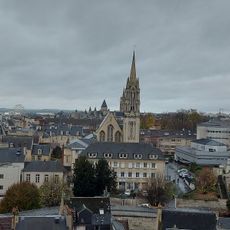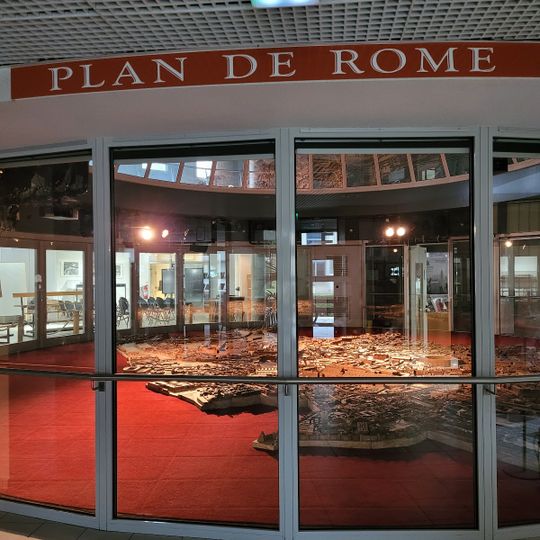
Plan de Rome, Scale model museum at University of Caen, France
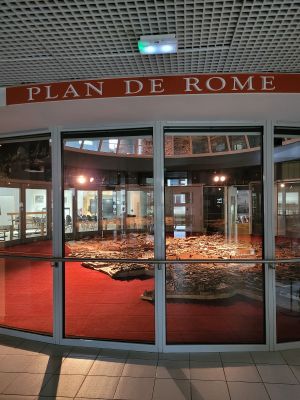
Plan de Rome is a large plaster model of ancient Rome housed at the University of Caen, measuring about 11 meters long and 6 meters wide. The representation shows the city during Constantine's era in the early fourth century and includes thousands of buildings rendered with careful detail.
The model was created by French architect Paul Bigot in the early years of the twentieth century, drawing on his deep knowledge of ancient Roman architecture. Bigot used archaeological findings of his era to reconstruct the city as accurately as possible.
The model reveals how Romans organized their neighborhoods, with temples, homes, and public spaces showing the daily life and work of ancient inhabitants. It demonstrates the building techniques and urban design principles that shaped the ancient city.
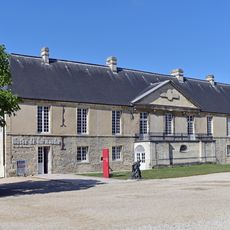
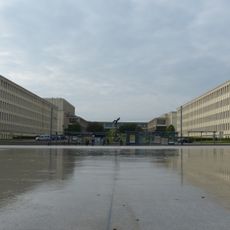
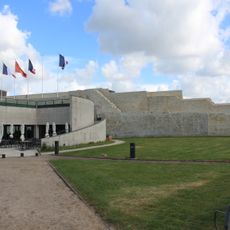
The model is housed in the Maison de la Recherche en Sciences Humaines on the university grounds and can be visited during opening hours. It helps to arrange a guided tour in advance, as understanding the model's details is more rewarding with expert explanation.
The model remained little-known outside academic circles for many decades before gaining broader attention. Today a digital version allows people worldwide to explore the meticulous details from their own homes.
The community of curious travelers
AroundUs brings together thousands of curated places, local tips, and hidden gems, enriched daily by 91,270 contributors worldwide.