See the monuments around you in AROpen chests in the app
Around Us is built for your phone — point your camera at the streets and discover the monuments and places around you in augmented reality.Around Us is built for your phone — chests unlock when you walk, explore and capture nearby places.
In Angoulême, medieval streets meet colorful street art in a city where history and creative expression live side by side.
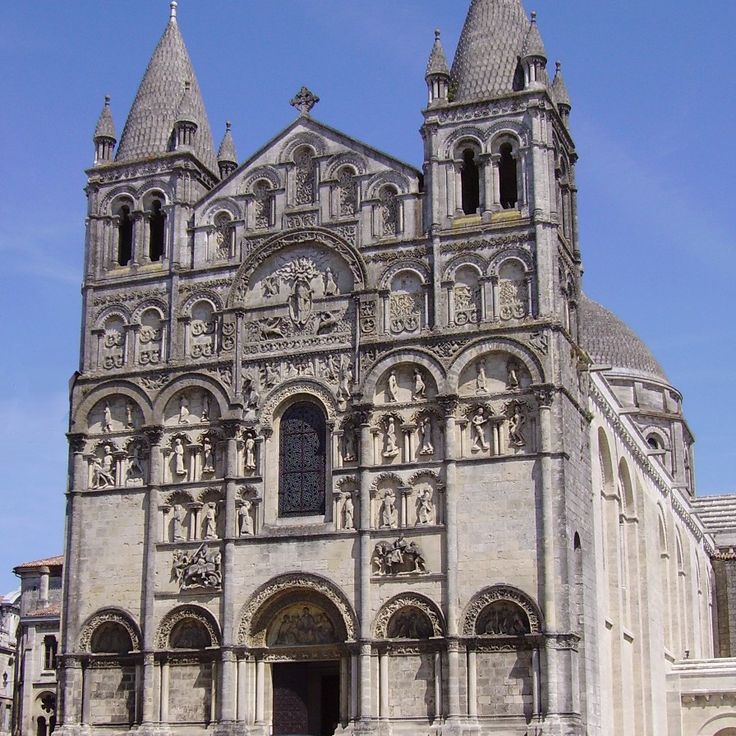
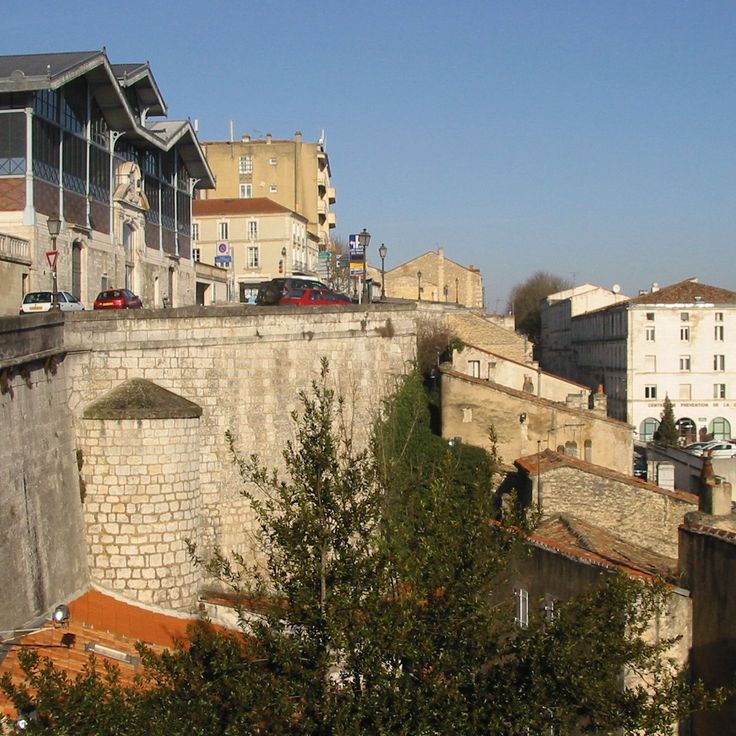
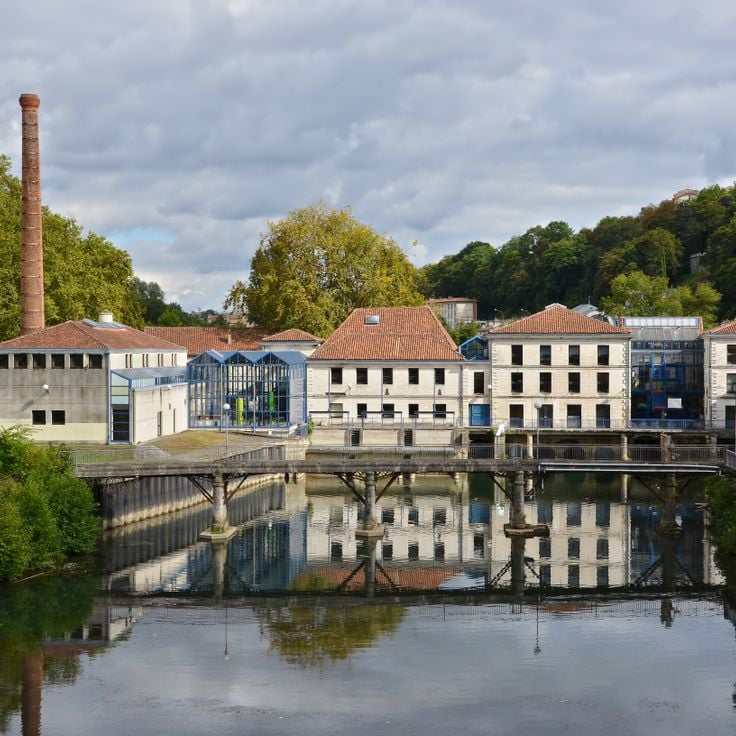
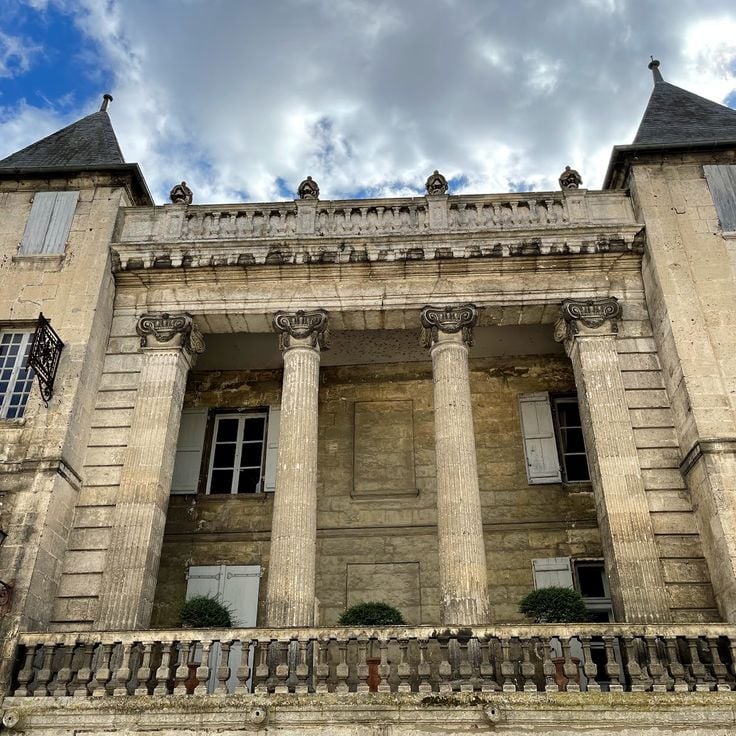
Angoulême is a city full of stories, nestled in the heart of Charente. Its medieval walls surround an old town center where buildings from many centuries stand close together. The Saint-Pierre Cathedral, with its Romanesque style, stands out in the cityscape. Smaller churches are scattered along paved streets, while elegant houses tell of a prosperous past. Along the city walls, which follow the town’s shape, there are gardens and parks where people can relax. Benches are there to sit and watch the valley of the Charente stretch out below.
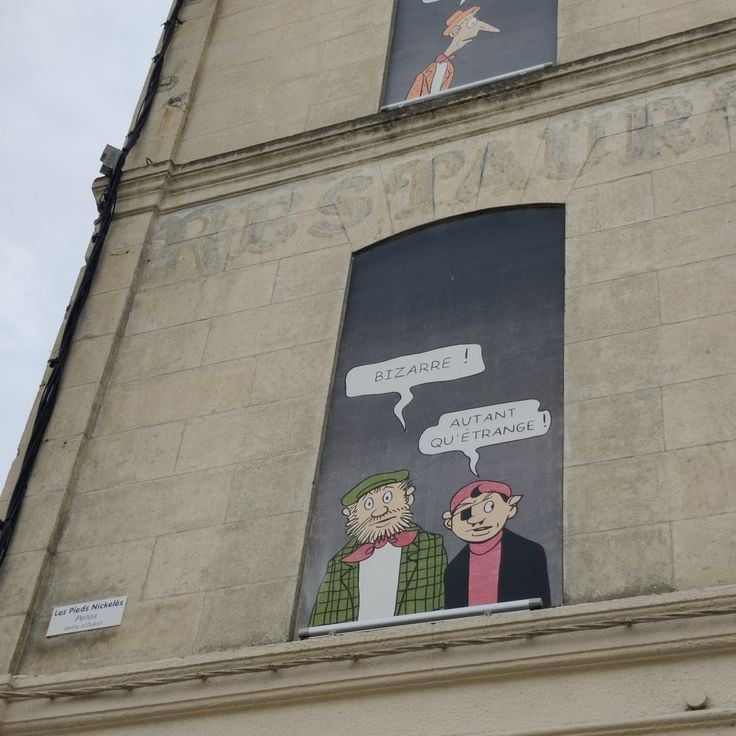
The city puts a lot of emphasis on art and making things. A museum dedicated to comics celebrates this art form closely connected to Angoulême. Colorful murals brighten the building facades, turning the walls into open-air galleries. The town’s museum also has a collection of paintings and sculptures for visitors who like visual art. Shaded squares with cafés and restaurants are perfect spots for a walk and to enjoy the local vibe.
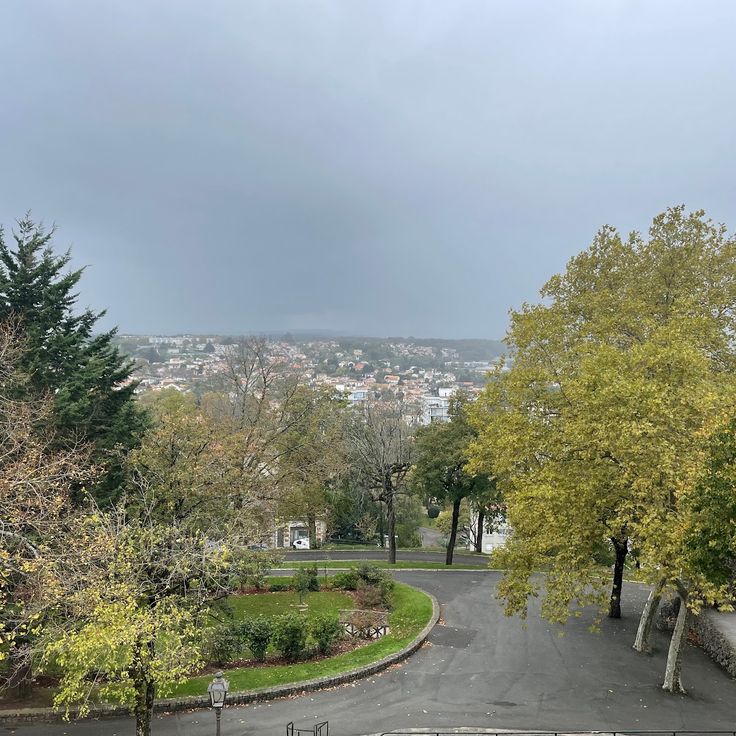
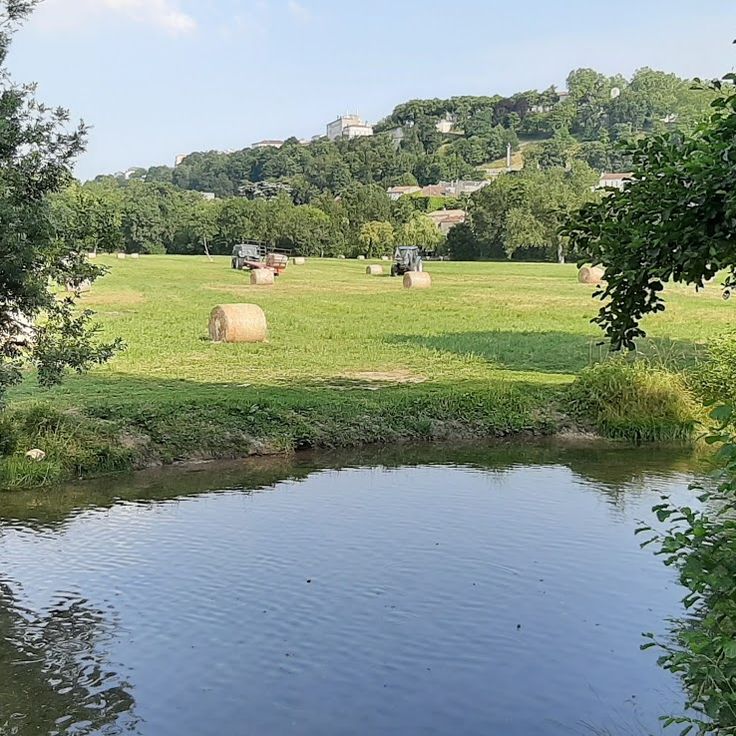
To enjoy nature, there are green spaces within a short walk from the center. A pond allows for swimming and relaxing by the water. Other activities like those at the Nautilis Center offer water sports. From the city walls or the hills around the town, you can see great views of the countryside and the gently sloping valley.
In Angoulême, medieval streets meet colorful street art in a city where history and creative expression live side by side.
Angoulême is a city full of stories, nestled in the heart of Charente. Its medieval walls surround an old town center where buildings from many centuries stand close together. The Saint-Pierre Cathedral, with its Romanesque style, stands out in the cityscape. Smaller churches are scattered along paved streets, while elegant houses tell of a prosperous past. Along the city walls, which follow the town’s shape, there are gardens and parks where people can relax. Benches are there to sit and watch the valley of the Charente stretch out below.
The city puts a lot of emphasis on art and making things. A museum dedicated to comics celebrates this art form closely connected to Angoulême. Colorful murals brighten the building facades, turning the walls into open-air galleries. The town’s museum also has a collection of paintings and sculptures for visitors who like visual art. Shaded squares with cafés and restaurants are perfect spots for a walk and to enjoy the local vibe.
To enjoy nature, there are green spaces within a short walk from the center. A pond allows for swimming and relaxing by the water. Other activities like those at the Nautilis Center offer water sports. From the city walls or the hills around the town, you can see great views of the countryside and the gently sloping valley.
Saint-Pierre Cathedral dates to the 12th century and is one of the finest examples of Romanesque style in the region. Its facade is covered with medieval sculptures that tell stories from centuries past. Inside, colored stained glass windows cast light across the stone walls and side chapels. This cathedral stands at the heart of the old town and is a key place to understand the artistic history of Angoulême.
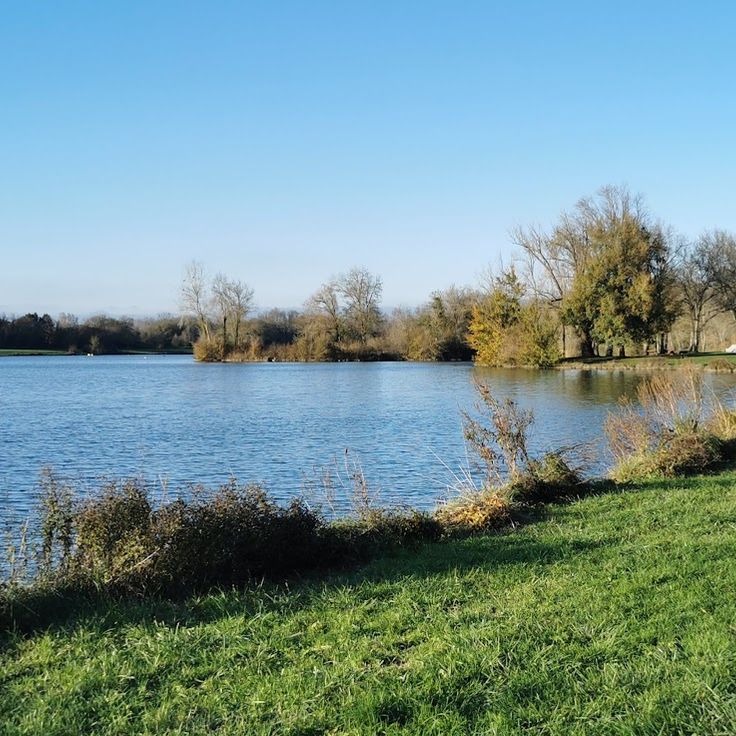
Grande Prairie Lake is a leisure spot on the edge of Angoulême. In summer, a sandy beach opens up alongside supervised swimming areas. Visitors can rent pedal boats or join a fishing lesson. After walking through the old town's streets and murals, this lake offers a relaxed change of pace by the water.
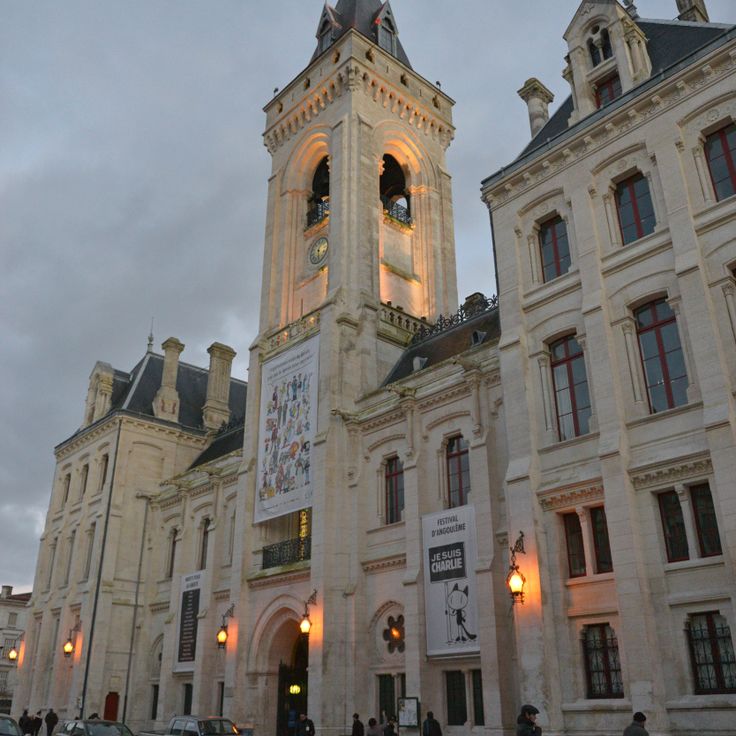
The Town Hall of Angoulême sits at the heart of the old town, surrounded by centuries-old buildings. Dating back to the 12th century, it features medieval towers, reception halls, and a historic inner courtyard. As you walk through the city's painted streets and colorful murals, this building stands as a reminder of how long people have gathered and made decisions in this place.
The Ramparts of Angoulême form a defensive wall built during the Middle Ages. Walking along them gives a clear view over the old town's rooftops and the Charente valley below. This elevated path lets you see how the city's old buildings cluster together, and it places you right at the edge of the countryside that surrounds Angoulême.
The Green Garden is a public park near the center of Angoulême, with old trees, flower beds, and a play area for children. It fits naturally into a walk through the city, which is known for its art, its old town, and its riverside views. Benches are placed along the paths, so you can sit and watch the garden at your own pace.
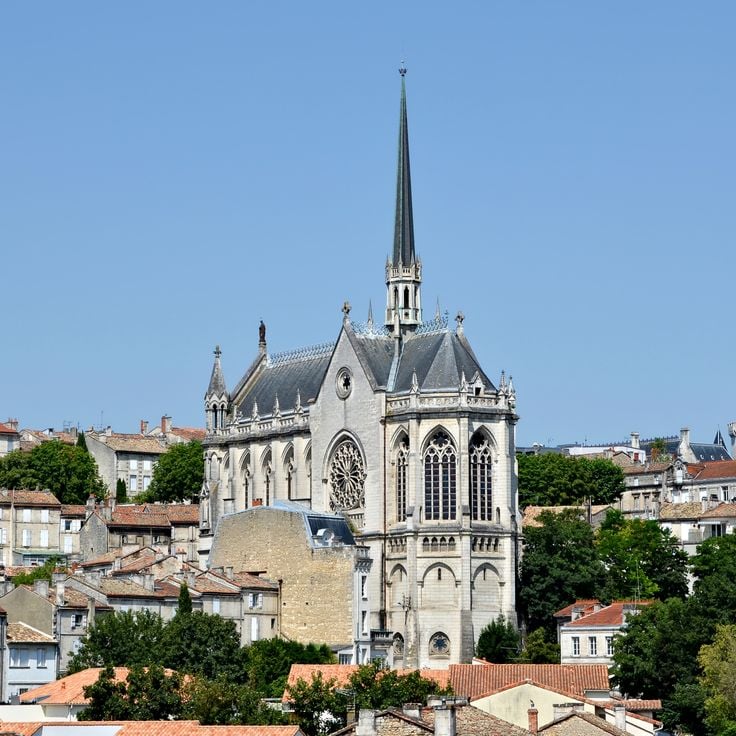
Saint-André Church is one of the oldest buildings in Angoulême, dating back to the 12th century. Inside, the Gothic nave draws the eye upward, while colored stained glass fills the space with soft light. On the main facade, medieval stone carvings show the work of craftsmen from that time. In a city where art appears on nearly every wall and corner, this church is a place where that tradition goes back centuries.
The Comic Strip Museum sits at the heart of Angoulême, a city where comics are part of everyday life. It holds thousands of original boards and a library dedicated to the medium. Rotating exhibitions present works from different periods and creators. Outside, murals painted on building facades carry the same spirit through the streets, making the city itself feel like an open gallery.
The Angoulême Museum sits in the medieval heart of the city, a town already known for its comics museum and painted facades. It holds archaeological finds, artworks from Africa and Oceania, and paintings from the surrounding region. Together, these collections give visitors a clear sense of the history and culture of the Charente and the people who have lived here over the centuries.
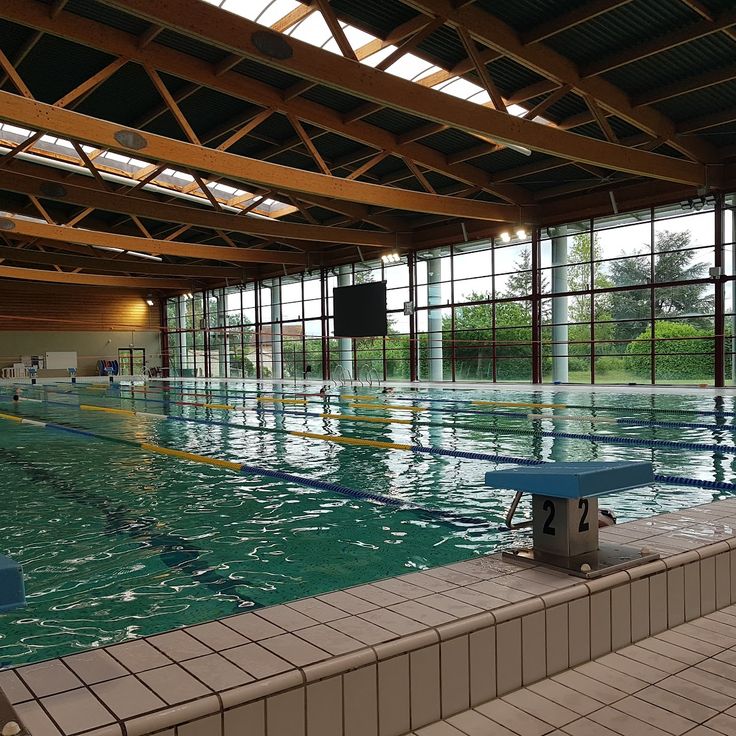
The Nautilis Centre is a water sports facility in Angoulême that sits a short distance from the medieval city center. It has a sports pool, a paddling pool for children, a sauna, a hammam, and a fitness room. For those who enjoy swimming or water activities, this center is a practical stop alongside the other outdoor options the city has to offer.
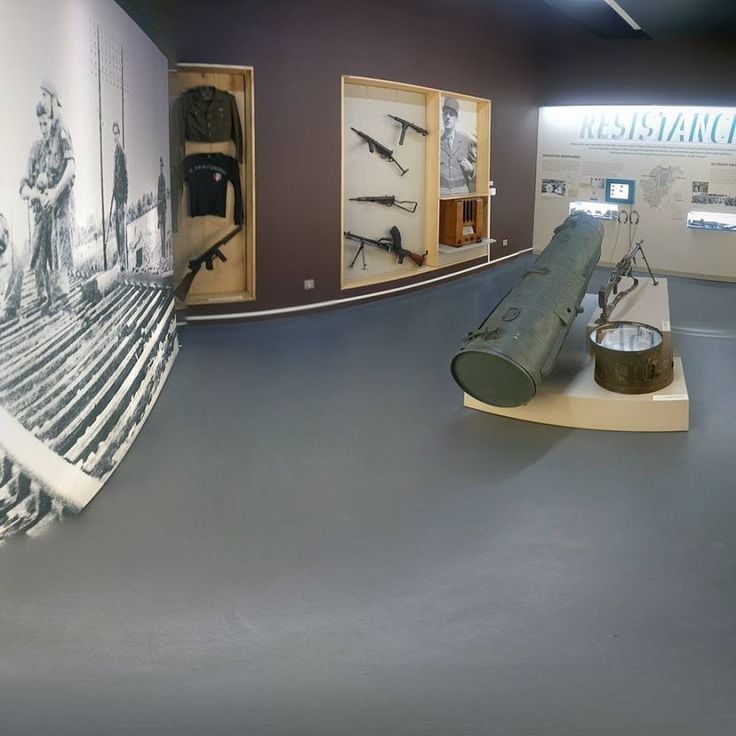
The Resistance Museum in Angoulême tells the story of the people who fought against the German occupation in the Charente region during World War II. The museum displays weapons, uniforms, documents, and photographs from that period. While Angoulême is often associated with comic art and murals, this museum offers a different kind of story, one rooted in the region's lived history during the war.
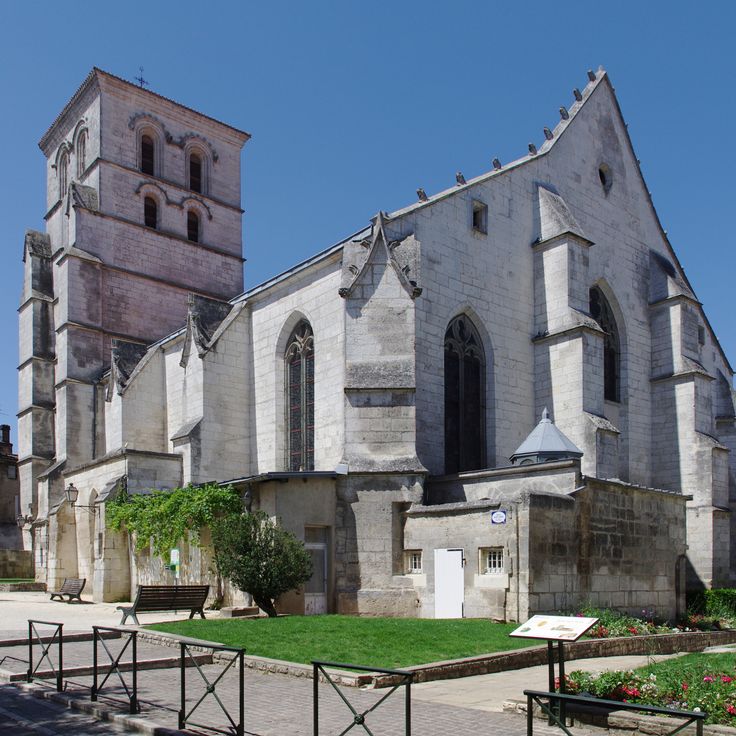
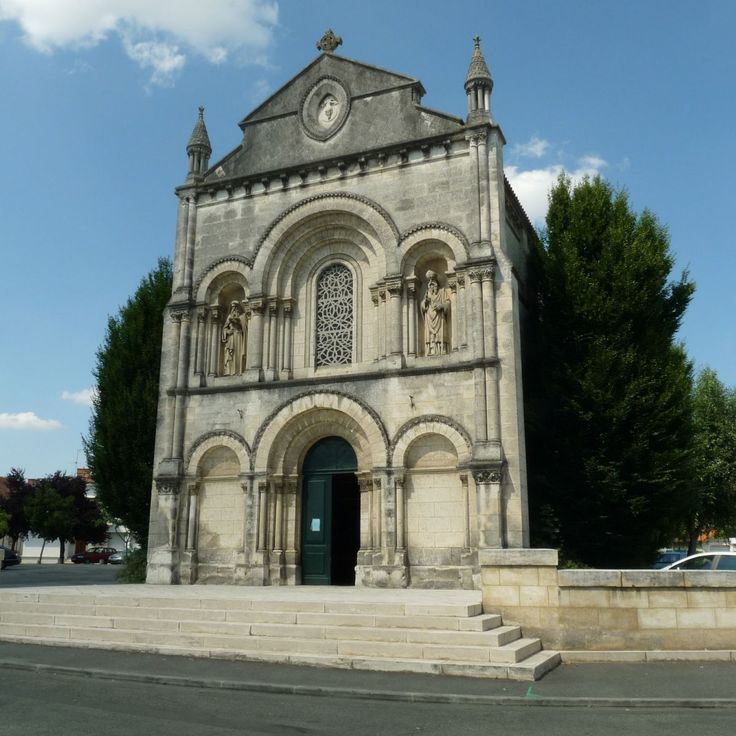
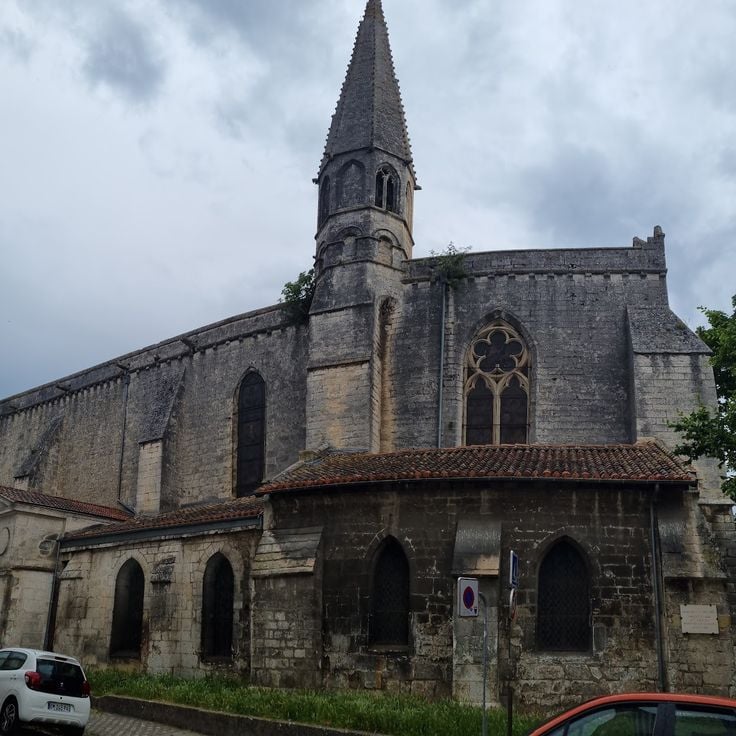
Saint-Cybard Church stands in the old town of Angoulême, where medieval walls and stone streets set the tone for the whole area. Built in the 12th century over a Merovingian crypt, the church was later reworked in the 15th century with Gothic additions. Walking through Angoulême, a city known for its murals and comic art, this church offers a different kind of story, one written in stone over many centuries. The layers of different periods are still visible inside and outside the building.
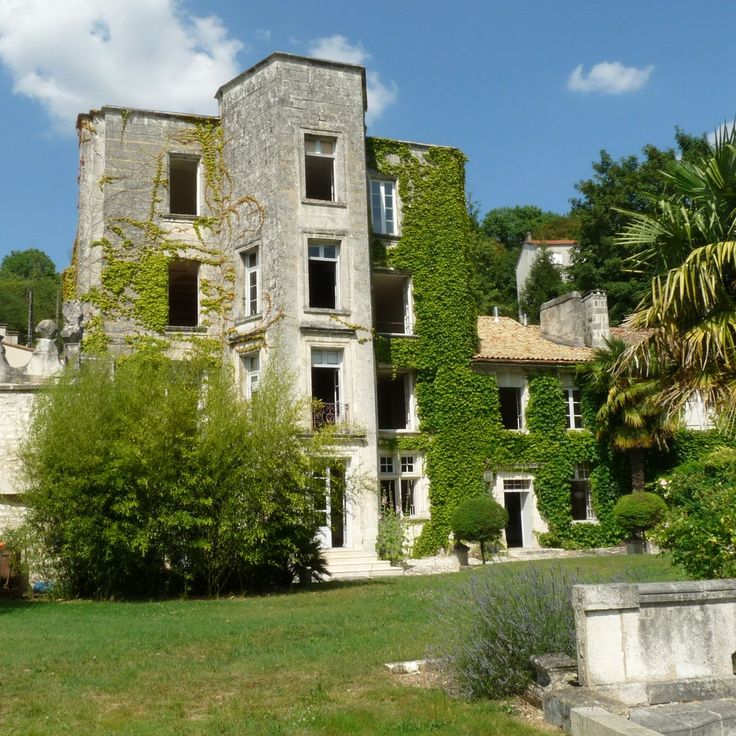
Tourgarnier Manor is a 15th-century building in the historic center of Angoulême. It has a square tower and Renaissance architectural details that stand out among the surrounding streets. This manor sits within a city enclosed by medieval walls, where old houses from many different centuries stand close together. Walking past it gives a sense of how wealthy and active Angoulême once was, long before it became known for its murals and comic art.
Notre-Dame d'Obézine Church dates back to the 12th century and sits in Angoulême, a city where art and history show up on every street. The facade carries stone sculptures, and inside, colored stained glass windows catch the light. The vaults are painted with frescoes that show how carefully craftsmen worked in earlier centuries.
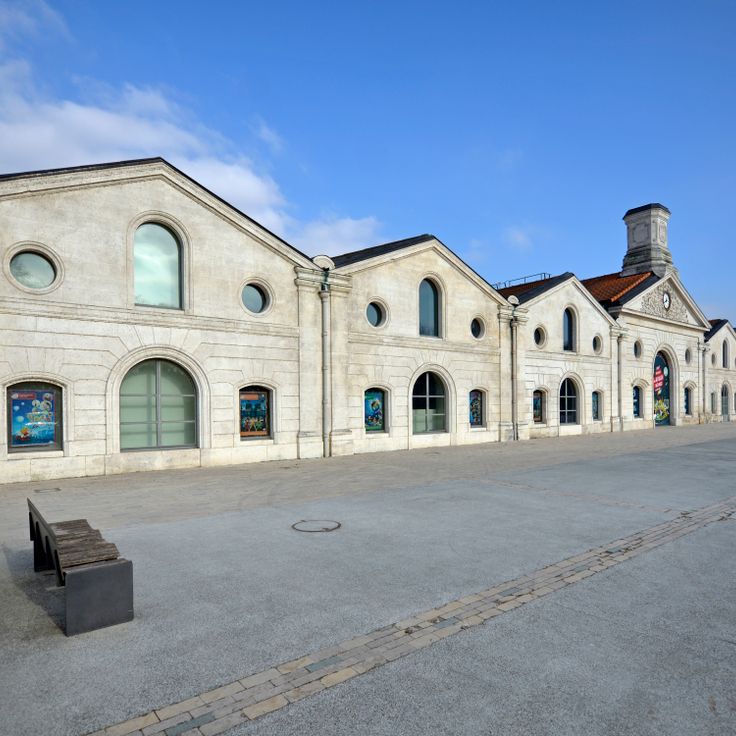
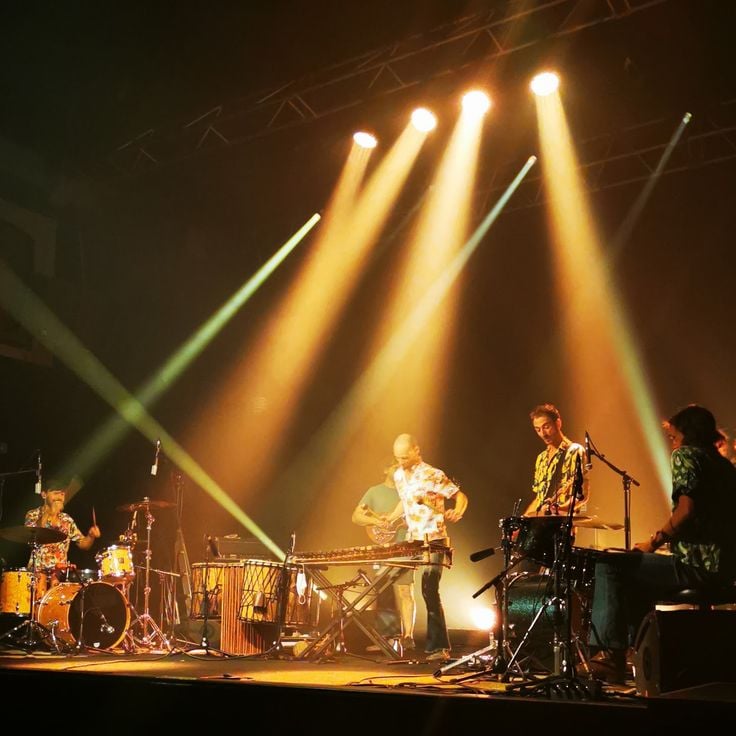
La Nef is a cultural center in Angoulême, housed in a former military powder magazine. The building is now used as a concert hall for amplified music, with room for around 650 people. It fits naturally into a city that has made art and creativity a big part of its identity, from comic murals on building facades to galleries and museums.
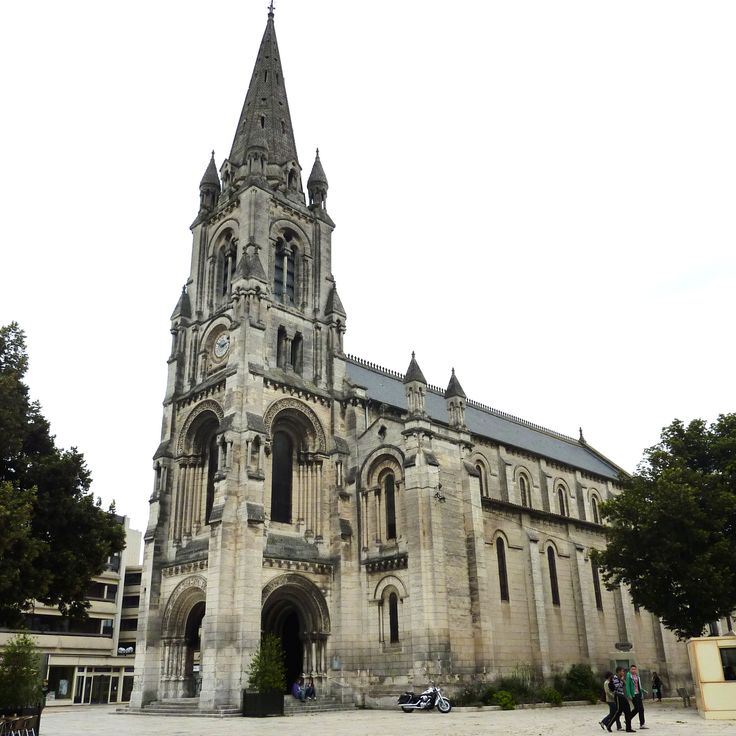
Saint-Martial Church is one of the oldest buildings in Angoulême. Dating back to the 11th century, it stands in the heart of the old town, along streets lined with stone houses and medieval facades. Inside, a central nave runs between two side aisles. The limestone bell tower rises about 115 feet (35 meters) and can be spotted from nearby streets. The carved capitals show plant motifs typical of Romanesque stonework. For anyone walking through Angoulême to see its murals and old churches, this church is a natural stop in the historic neighborhood.
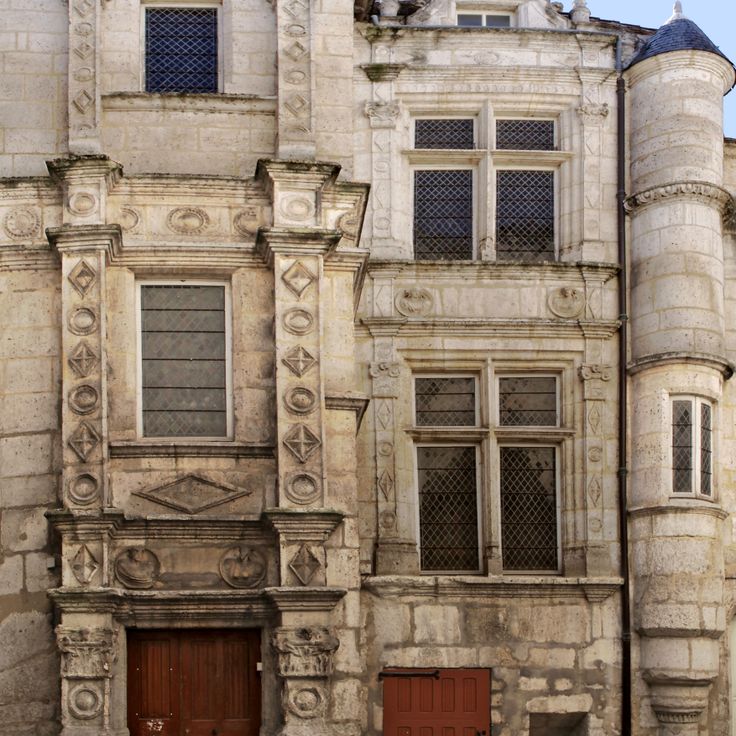
The Saint-Simon House stands in the old town of Angoulême, where buildings from many centuries sit side by side. Built in the 16th century, it shows the Renaissance style that was fashionable at the time: its facade is covered with carved sculptures, and the mullioned windows are a clear sign of the period. The house speaks of a time when Angoulême was a prosperous city, and of the craftsmen who shaped its stone with care.
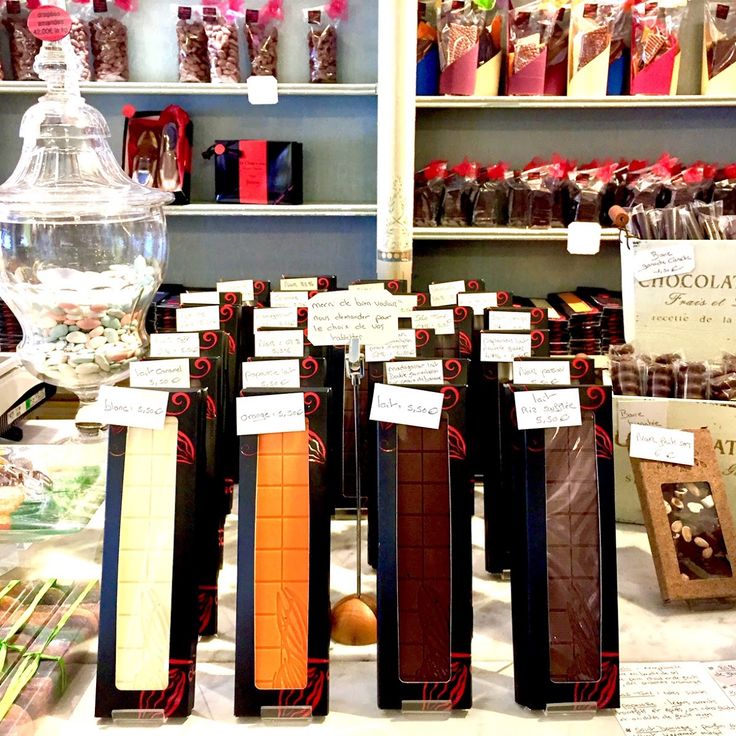
Duceau Chocolatier is a traditional chocolate workshop in Angoulême, housed in a listed building since 1878. Old techniques are still used here, and visitors can watch chocolate being made according to inherited methods. In a city known for its art and craftsmanship, this workshop fits naturally into the life of the old town, close to its museums and galleries.
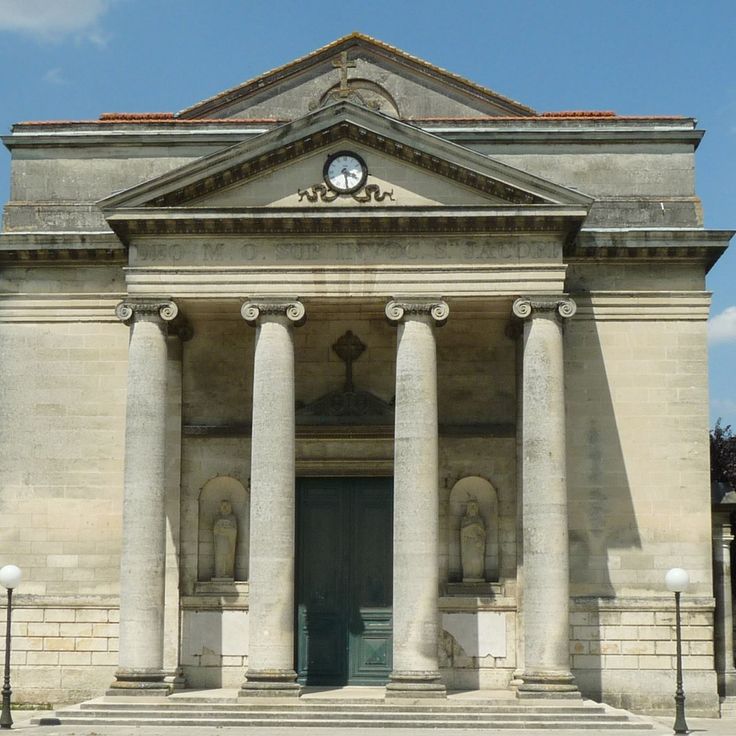
The Saint-Jacques de Lhoumeau Church dates from the 15th century and sits in the L'Houmeau district of Angoulême. Its Gothic portal on the facade draws the eye, and inside, carved wooden altars show the craftsmanship of the period. This church is one of the historic stops worth making as you walk through this city in Charente.
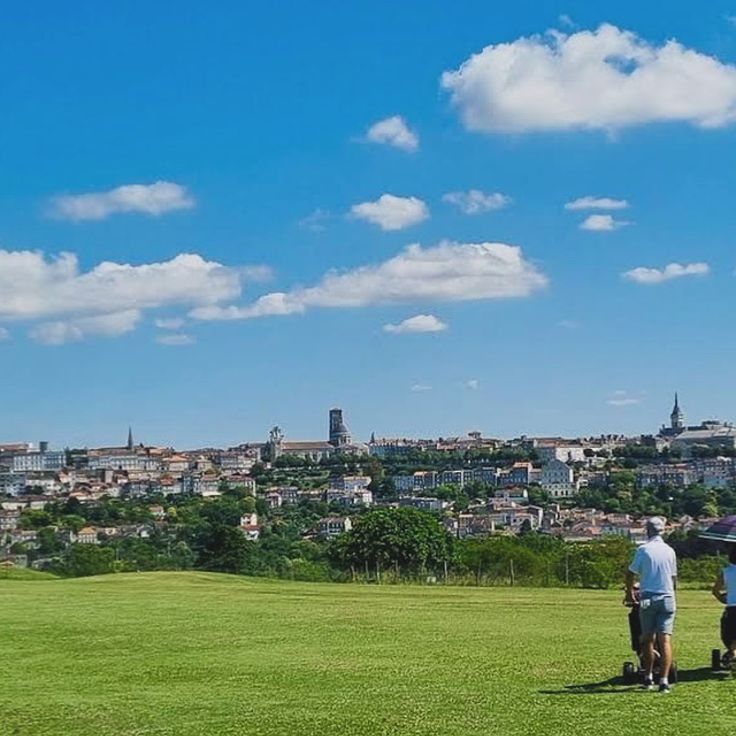
The Angoulême Golf Course sits on the heights above the city, offering a good view over the Charente valley and the surrounding countryside. The 18-hole course is open to beginners and experienced players alike. A golf school and practice areas let visitors learn the game or work on their technique. It is a good place to spend a few hours outdoors while taking in the rolling landscape around Angoulême.
The Bardines Hotel is an 18th-century townhouse in the heart of the old town of Angoulême. The building once belonged to wealthy families and still carries many traces of that era: an inner courtyard, gardens, and rooms with original woodwork and fireplaces. Standing among the historic buildings of the city, this hotel gives a good sense of what daily life looked like for the upper classes of past centuries.
Île Marquet sits on the banks of the Charente River, just a short walk from the center of Angoulême. This natural area is protected under a European conservation program and has a marked trail that takes you through riverside land. A bamboo forest grows here, giving the place an unexpected feel. After exploring the murals and museums of the city, this spot offers a different kind of walk, slow and close to the water.
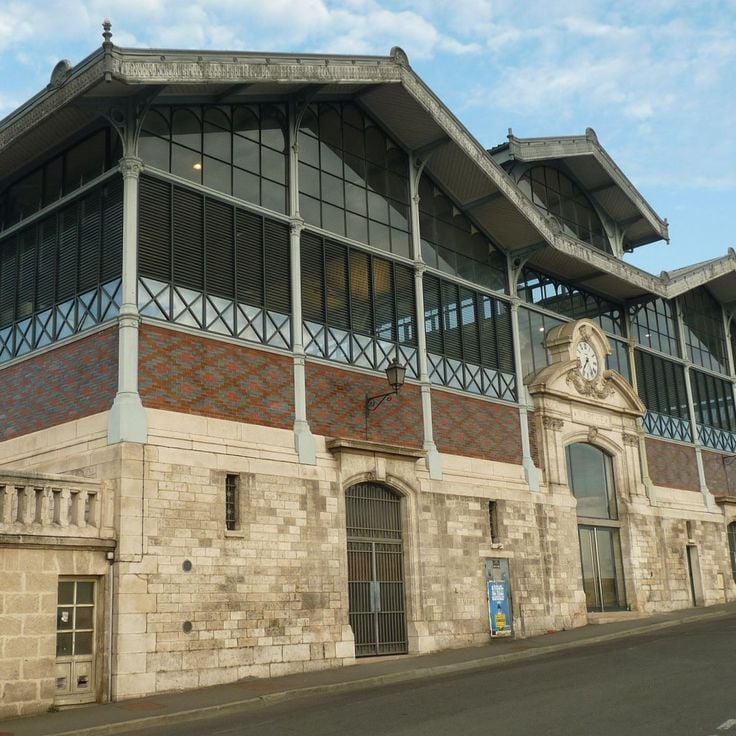
The Market Halls of Angoulême sit at the heart of daily life in this Charente city. The 19th-century building is where local producers bring fresh fruit and vegetables, meat, fish, and regional cheese. What you find depends on the season. Open Tuesday through Sunday, the halls are a good place to talk directly with vendors and get a feel for how people in Angoulême shop and eat every day.
Francis Louvel Square is a paved plaza dating from the 18th century, right in the heart of Angoulême. It sits at the foot of the Courthouse, framed by old mansions that speak of the city's past. Restaurants, cafés, and shops line its edges, making it a natural stop during a walk through the city. This is a place where locals and visitors slow down, sit for a while, and watch daily life go by.
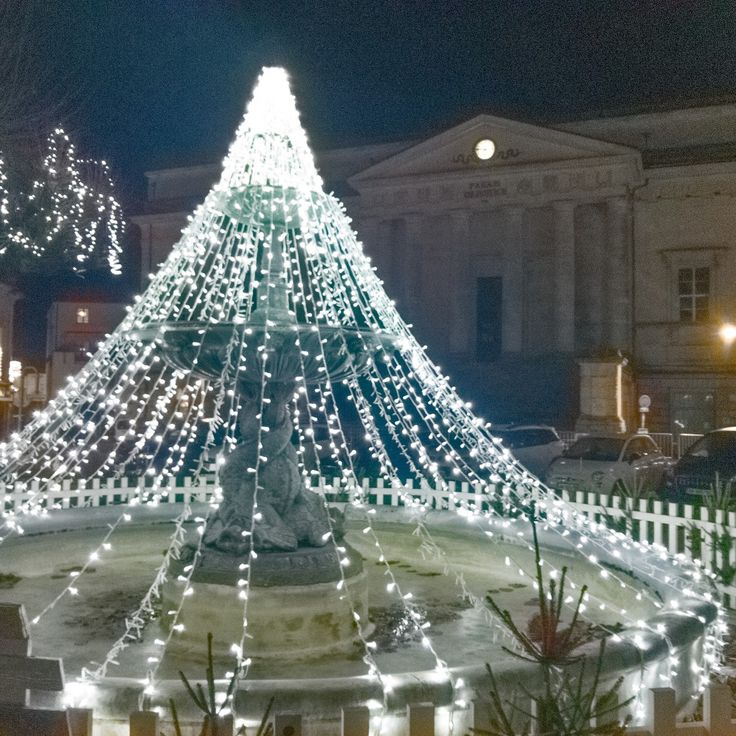
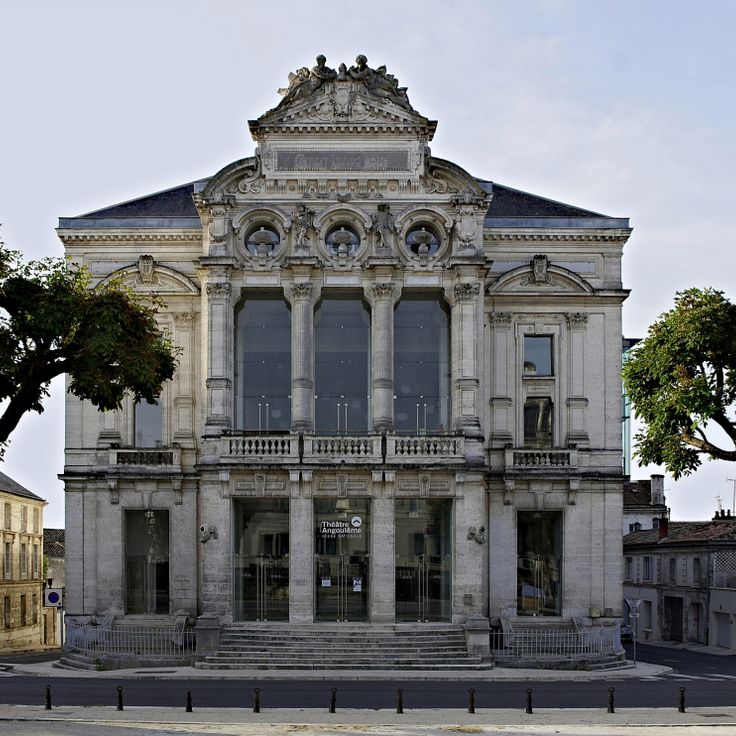
The Angoulême Theater is a building from 1870 with a facade decorated with figures evoking music, poetry, and comedy. It stands in the center of the city, close to the medieval walls and the murals that color the streets. Inside, a hall seats around 700 people and hosts performances throughout the year. The theater fits naturally into the artistic life that runs through Angoulême.
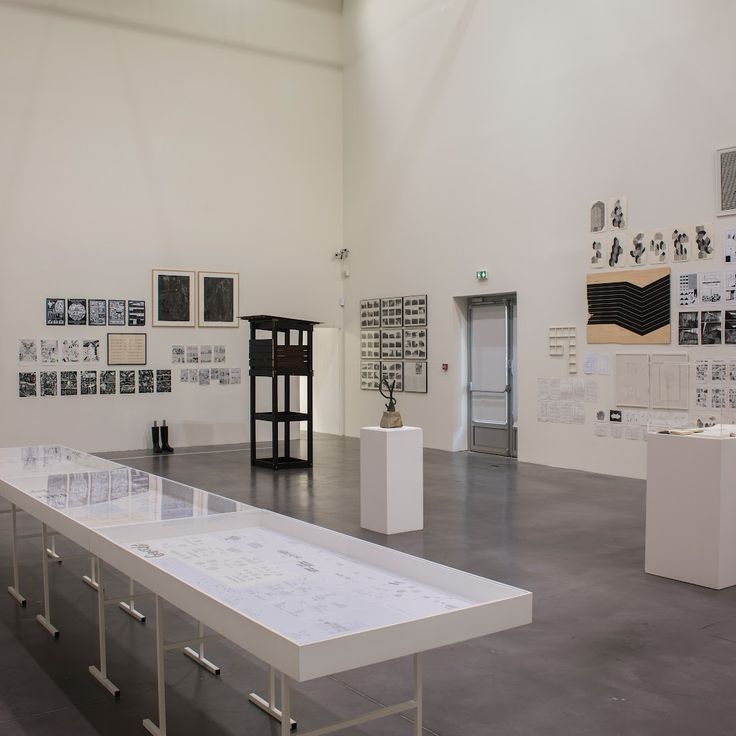
The FRAC Poitou-Charentes is a contemporary art center in Angoulême, housed in a glass and concrete building. Its collection goes back to 1983, and exhibitions rotate throughout the year. The FRAC fits naturally into this city, where art appears on building facades, in museums, and around many corners.
The Cordeliers Chapel in Angoulême is a Gothic building that dates back to the 13th century, when a Franciscan monastery was founded on this site. Inside, cross-ribbed vaults show what Gothic construction looked like in practice. This chapel sits in the heart of the medieval center, making it a natural stop during a walk through streets where old stones and everyday life meet.
The painted walls of Angoulême are large murals made by artists from around the world since 1982. Comic characters appear directly on the city's building facades, along narrow streets and between old stone buildings. Walking through the medieval town center, these works appear at every turn and show how deeply comics are woven into the daily life of this city.
Saint-Pierre Cathedral dates to the 12th century and is one of the finest examples of Romanesque style in the region. Its facade is covered with medieval sculptures that tell stories from centuries past. Inside, colored stained glass windows cast light across the stone walls and side chapels. This cathedral stands at the heart of the old town and is a key place to understand the artistic history of Angoulême.
Grande Prairie Lake is a leisure spot on the edge of Angoulême. In summer, a sandy beach opens up alongside supervised swimming areas. Visitors can rent pedal boats or join a fishing lesson. After walking through the old town's streets and murals, this lake offers a relaxed change of pace by the water.
The Town Hall of Angoulême sits at the heart of the old town, surrounded by centuries-old buildings. Dating back to the 12th century, it features medieval towers, reception halls, and a historic inner courtyard. As you walk through the city's painted streets and colorful murals, this building stands as a reminder of how long people have gathered and made decisions in this place.
The Ramparts of Angoulême form a defensive wall built during the Middle Ages. Walking along them gives a clear view over the old town's rooftops and the Charente valley below. This elevated path lets you see how the city's old buildings cluster together, and it places you right at the edge of the countryside that surrounds Angoulême.
The Green Garden is a public park near the center of Angoulême, with old trees, flower beds, and a play area for children. It fits naturally into a walk through the city, which is known for its art, its old town, and its riverside views. Benches are placed along the paths, so you can sit and watch the garden at your own pace.
Saint-André Church is one of the oldest buildings in Angoulême, dating back to the 12th century. Inside, the Gothic nave draws the eye upward, while colored stained glass fills the space with soft light. On the main facade, medieval stone carvings show the work of craftsmen from that time. In a city where art appears on nearly every wall and corner, this church is a place where that tradition goes back centuries.
The Comic Strip Museum sits at the heart of Angoulême, a city where comics are part of everyday life. It holds thousands of original boards and a library dedicated to the medium. Rotating exhibitions present works from different periods and creators. Outside, murals painted on building facades carry the same spirit through the streets, making the city itself feel like an open gallery.
The Angoulême Museum sits in the medieval heart of the city, a town already known for its comics museum and painted facades. It holds archaeological finds, artworks from Africa and Oceania, and paintings from the surrounding region. Together, these collections give visitors a clear sense of the history and culture of the Charente and the people who have lived here over the centuries.
The Nautilis Centre is a water sports facility in Angoulême that sits a short distance from the medieval city center. It has a sports pool, a paddling pool for children, a sauna, a hammam, and a fitness room. For those who enjoy swimming or water activities, this center is a practical stop alongside the other outdoor options the city has to offer.
The Resistance Museum in Angoulême tells the story of the people who fought against the German occupation in the Charente region during World War II. The museum displays weapons, uniforms, documents, and photographs from that period. While Angoulême is often associated with comic art and murals, this museum offers a different kind of story, one rooted in the region's lived history during the war.
Saint-Cybard Church stands in the old town of Angoulême, where medieval walls and stone streets set the tone for the whole area. Built in the 12th century over a Merovingian crypt, the church was later reworked in the 15th century with Gothic additions. Walking through Angoulême, a city known for its murals and comic art, this church offers a different kind of story, one written in stone over many centuries. The layers of different periods are still visible inside and outside the building.
Tourgarnier Manor is a 15th-century building in the historic center of Angoulême. It has a square tower and Renaissance architectural details that stand out among the surrounding streets. This manor sits within a city enclosed by medieval walls, where old houses from many different centuries stand close together. Walking past it gives a sense of how wealthy and active Angoulême once was, long before it became known for its murals and comic art.
Notre-Dame d'Obézine Church dates back to the 12th century and sits in Angoulême, a city where art and history show up on every street. The facade carries stone sculptures, and inside, colored stained glass windows catch the light. The vaults are painted with frescoes that show how carefully craftsmen worked in earlier centuries.
La Nef is a cultural center in Angoulême, housed in a former military powder magazine. The building is now used as a concert hall for amplified music, with room for around 650 people. It fits naturally into a city that has made art and creativity a big part of its identity, from comic murals on building facades to galleries and museums.
Saint-Martial Church is one of the oldest buildings in Angoulême. Dating back to the 11th century, it stands in the heart of the old town, along streets lined with stone houses and medieval facades. Inside, a central nave runs between two side aisles. The limestone bell tower rises about 115 feet (35 meters) and can be spotted from nearby streets. The carved capitals show plant motifs typical of Romanesque stonework. For anyone walking through Angoulême to see its murals and old churches, this church is a natural stop in the historic neighborhood.
The Saint-Simon House stands in the old town of Angoulême, where buildings from many centuries sit side by side. Built in the 16th century, it shows the Renaissance style that was fashionable at the time: its facade is covered with carved sculptures, and the mullioned windows are a clear sign of the period. The house speaks of a time when Angoulême was a prosperous city, and of the craftsmen who shaped its stone with care.
Duceau Chocolatier is a traditional chocolate workshop in Angoulême, housed in a listed building since 1878. Old techniques are still used here, and visitors can watch chocolate being made according to inherited methods. In a city known for its art and craftsmanship, this workshop fits naturally into the life of the old town, close to its museums and galleries.
The Saint-Jacques de Lhoumeau Church dates from the 15th century and sits in the L'Houmeau district of Angoulême. Its Gothic portal on the facade draws the eye, and inside, carved wooden altars show the craftsmanship of the period. This church is one of the historic stops worth making as you walk through this city in Charente.
The Angoulême Golf Course sits on the heights above the city, offering a good view over the Charente valley and the surrounding countryside. The 18-hole course is open to beginners and experienced players alike. A golf school and practice areas let visitors learn the game or work on their technique. It is a good place to spend a few hours outdoors while taking in the rolling landscape around Angoulême.
The Bardines Hotel is an 18th-century townhouse in the heart of the old town of Angoulême. The building once belonged to wealthy families and still carries many traces of that era: an inner courtyard, gardens, and rooms with original woodwork and fireplaces. Standing among the historic buildings of the city, this hotel gives a good sense of what daily life looked like for the upper classes of past centuries.
Île Marquet sits on the banks of the Charente River, just a short walk from the center of Angoulême. This natural area is protected under a European conservation program and has a marked trail that takes you through riverside land. A bamboo forest grows here, giving the place an unexpected feel. After exploring the murals and museums of the city, this spot offers a different kind of walk, slow and close to the water.
The Market Halls of Angoulême sit at the heart of daily life in this Charente city. The 19th-century building is where local producers bring fresh fruit and vegetables, meat, fish, and regional cheese. What you find depends on the season. Open Tuesday through Sunday, the halls are a good place to talk directly with vendors and get a feel for how people in Angoulême shop and eat every day.
Francis Louvel Square is a paved plaza dating from the 18th century, right in the heart of Angoulême. It sits at the foot of the Courthouse, framed by old mansions that speak of the city's past. Restaurants, cafés, and shops line its edges, making it a natural stop during a walk through the city. This is a place where locals and visitors slow down, sit for a while, and watch daily life go by.
The Angoulême Theater is a building from 1870 with a facade decorated with figures evoking music, poetry, and comedy. It stands in the center of the city, close to the medieval walls and the murals that color the streets. Inside, a hall seats around 700 people and hosts performances throughout the year. The theater fits naturally into the artistic life that runs through Angoulême.
The FRAC Poitou-Charentes is a contemporary art center in Angoulême, housed in a glass and concrete building. Its collection goes back to 1983, and exhibitions rotate throughout the year. The FRAC fits naturally into this city, where art appears on building facades, in museums, and around many corners.
The Cordeliers Chapel in Angoulême is a Gothic building that dates back to the 13th century, when a Franciscan monastery was founded on this site. Inside, cross-ribbed vaults show what Gothic construction looked like in practice. This chapel sits in the heart of the medieval center, making it a natural stop during a walk through streets where old stones and everyday life meet.
The painted walls of Angoulême are large murals made by artists from around the world since 1982. Comic characters appear directly on the city's building facades, along narrow streets and between old stone buildings. Walking through the medieval town center, these works appear at every turn and show how deeply comics are woven into the daily life of this city.
Saint-Pierre Cathedral dates to the 12th century and is one of the finest examples of Romanesque style in the region. Its facade is covered with medieval sculptures that tell stories from centuries past. Inside, colored stained glass windows cast light across the stone walls and side chapels. This cathedral stands at the heart of the old town and is a key place to understand the artistic history of Angoulême.
Grande Prairie Lake is a leisure spot on the edge of Angoulême. In summer, a sandy beach opens up alongside supervised swimming areas. Visitors can rent pedal boats or join a fishing lesson. After walking through the old town's streets and murals, this lake offers a relaxed change of pace by the water.
The Town Hall of Angoulême sits at the heart of the old town, surrounded by centuries-old buildings. Dating back to the 12th century, it features medieval towers, reception halls, and a historic inner courtyard. As you walk through the city's painted streets and colorful murals, this building stands as a reminder of how long people have gathered and made decisions in this place.
The Ramparts of Angoulême form a defensive wall built during the Middle Ages. Walking along them gives a clear view over the old town's rooftops and the Charente valley below. This elevated path lets you see how the city's old buildings cluster together, and it places you right at the edge of the countryside that surrounds Angoulême.
The Green Garden is a public park near the center of Angoulême, with old trees, flower beds, and a play area for children. It fits naturally into a walk through the city, which is known for its art, its old town, and its riverside views. Benches are placed along the paths, so you can sit and watch the garden at your own pace.
Saint-André Church is one of the oldest buildings in Angoulême, dating back to the 12th century. Inside, the Gothic nave draws the eye upward, while colored stained glass fills the space with soft light. On the main facade, medieval stone carvings show the work of craftsmen from that time. In a city where art appears on nearly every wall and corner, this church is a place where that tradition goes back centuries.
The Comic Strip Museum sits at the heart of Angoulême, a city where comics are part of everyday life. It holds thousands of original boards and a library dedicated to the medium. Rotating exhibitions present works from different periods and creators. Outside, murals painted on building facades carry the same spirit through the streets, making the city itself feel like an open gallery.
The Angoulême Museum sits in the medieval heart of the city, a town already known for its comics museum and painted facades. It holds archaeological finds, artworks from Africa and Oceania, and paintings from the surrounding region. Together, these collections give visitors a clear sense of the history and culture of the Charente and the people who have lived here over the centuries.
The Nautilis Centre is a water sports facility in Angoulême that sits a short distance from the medieval city center. It has a sports pool, a paddling pool for children, a sauna, a hammam, and a fitness room. For those who enjoy swimming or water activities, this center is a practical stop alongside the other outdoor options the city has to offer.
The Resistance Museum in Angoulême tells the story of the people who fought against the German occupation in the Charente region during World War II. The museum displays weapons, uniforms, documents, and photographs from that period. While Angoulême is often associated with comic art and murals, this museum offers a different kind of story, one rooted in the region's lived history during the war.
Saint-Cybard Church stands in the old town of Angoulême, where medieval walls and stone streets set the tone for the whole area. Built in the 12th century over a Merovingian crypt, the church was later reworked in the 15th century with Gothic additions. Walking through Angoulême, a city known for its murals and comic art, this church offers a different kind of story, one written in stone over many centuries. The layers of different periods are still visible inside and outside the building.
Tourgarnier Manor is a 15th-century building in the historic center of Angoulême. It has a square tower and Renaissance architectural details that stand out among the surrounding streets. This manor sits within a city enclosed by medieval walls, where old houses from many different centuries stand close together. Walking past it gives a sense of how wealthy and active Angoulême once was, long before it became known for its murals and comic art.
Notre-Dame d'Obézine Church dates back to the 12th century and sits in Angoulême, a city where art and history show up on every street. The facade carries stone sculptures, and inside, colored stained glass windows catch the light. The vaults are painted with frescoes that show how carefully craftsmen worked in earlier centuries.
La Nef is a cultural center in Angoulême, housed in a former military powder magazine. The building is now used as a concert hall for amplified music, with room for around 650 people. It fits naturally into a city that has made art and creativity a big part of its identity, from comic murals on building facades to galleries and museums.
Saint-Martial Church is one of the oldest buildings in Angoulême. Dating back to the 11th century, it stands in the heart of the old town, along streets lined with stone houses and medieval facades. Inside, a central nave runs between two side aisles. The limestone bell tower rises about 115 feet (35 meters) and can be spotted from nearby streets. The carved capitals show plant motifs typical of Romanesque stonework. For anyone walking through Angoulême to see its murals and old churches, this church is a natural stop in the historic neighborhood.
The Saint-Simon House stands in the old town of Angoulême, where buildings from many centuries sit side by side. Built in the 16th century, it shows the Renaissance style that was fashionable at the time: its facade is covered with carved sculptures, and the mullioned windows are a clear sign of the period. The house speaks of a time when Angoulême was a prosperous city, and of the craftsmen who shaped its stone with care.
Duceau Chocolatier is a traditional chocolate workshop in Angoulême, housed in a listed building since 1878. Old techniques are still used here, and visitors can watch chocolate being made according to inherited methods. In a city known for its art and craftsmanship, this workshop fits naturally into the life of the old town, close to its museums and galleries.
The Saint-Jacques de Lhoumeau Church dates from the 15th century and sits in the L'Houmeau district of Angoulême. Its Gothic portal on the facade draws the eye, and inside, carved wooden altars show the craftsmanship of the period. This church is one of the historic stops worth making as you walk through this city in Charente.
The Angoulême Golf Course sits on the heights above the city, offering a good view over the Charente valley and the surrounding countryside. The 18-hole course is open to beginners and experienced players alike. A golf school and practice areas let visitors learn the game or work on their technique. It is a good place to spend a few hours outdoors while taking in the rolling landscape around Angoulême.
The Bardines Hotel is an 18th-century townhouse in the heart of the old town of Angoulême. The building once belonged to wealthy families and still carries many traces of that era: an inner courtyard, gardens, and rooms with original woodwork and fireplaces. Standing among the historic buildings of the city, this hotel gives a good sense of what daily life looked like for the upper classes of past centuries.
Île Marquet sits on the banks of the Charente River, just a short walk from the center of Angoulême. This natural area is protected under a European conservation program and has a marked trail that takes you through riverside land. A bamboo forest grows here, giving the place an unexpected feel. After exploring the murals and museums of the city, this spot offers a different kind of walk, slow and close to the water.
The Market Halls of Angoulême sit at the heart of daily life in this Charente city. The 19th-century building is where local producers bring fresh fruit and vegetables, meat, fish, and regional cheese. What you find depends on the season. Open Tuesday through Sunday, the halls are a good place to talk directly with vendors and get a feel for how people in Angoulême shop and eat every day.
Francis Louvel Square is a paved plaza dating from the 18th century, right in the heart of Angoulême. It sits at the foot of the Courthouse, framed by old mansions that speak of the city's past. Restaurants, cafés, and shops line its edges, making it a natural stop during a walk through the city. This is a place where locals and visitors slow down, sit for a while, and watch daily life go by.
The Angoulême Theater is a building from 1870 with a facade decorated with figures evoking music, poetry, and comedy. It stands in the center of the city, close to the medieval walls and the murals that color the streets. Inside, a hall seats around 700 people and hosts performances throughout the year. The theater fits naturally into the artistic life that runs through Angoulême.
The FRAC Poitou-Charentes is a contemporary art center in Angoulême, housed in a glass and concrete building. Its collection goes back to 1983, and exhibitions rotate throughout the year. The FRAC fits naturally into this city, where art appears on building facades, in museums, and around many corners.
The Cordeliers Chapel in Angoulême is a Gothic building that dates back to the 13th century, when a Franciscan monastery was founded on this site. Inside, cross-ribbed vaults show what Gothic construction looked like in practice. This chapel sits in the heart of the medieval center, making it a natural stop during a walk through streets where old stones and everyday life meet.
The painted walls of Angoulême are large murals made by artists from around the world since 1982. Comic characters appear directly on the city's building facades, along narrow streets and between old stone buildings. Walking through the medieval town center, these works appear at every turn and show how deeply comics are woven into the daily life of this city.
Visit in the late afternoon when the light hits the murals at their best, and plan to spend time simply wandering the medieval streets without a fixed route. The city reveals itself slowly, and the most rewarding moments come when you stumble upon a small church or a quiet corner by chance.