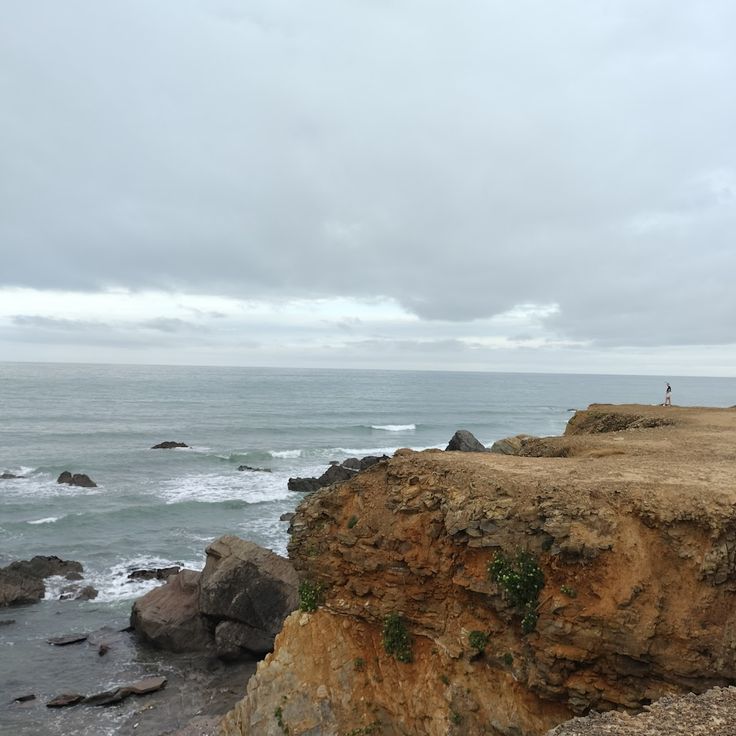
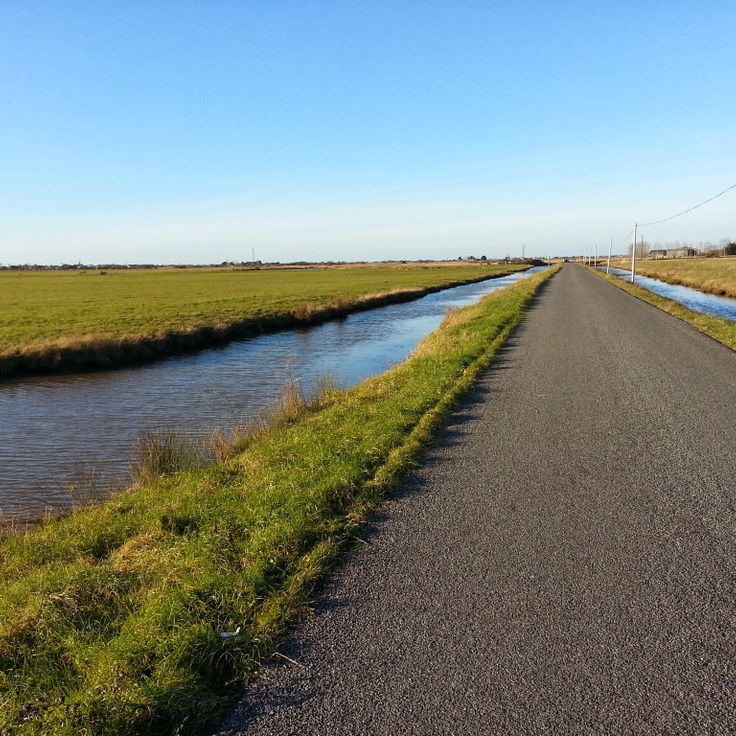
Vendée combines Atlantic coast, farmland, and marshes cut by channels. The scenery changes every mile you travel.
Vendée is a place where water, history, and nature come together unexpectedly. The region stretches from the Atlantic coast through farmland and large marshes where channels wind between grassy banks. Traveling through Vendée feels like changing worlds: from the beach or an island to the land where medieval ruins can be seen or the flat, watery marshland can be explored. The mix of coast, countryside, and wetlands changes how you see the area.
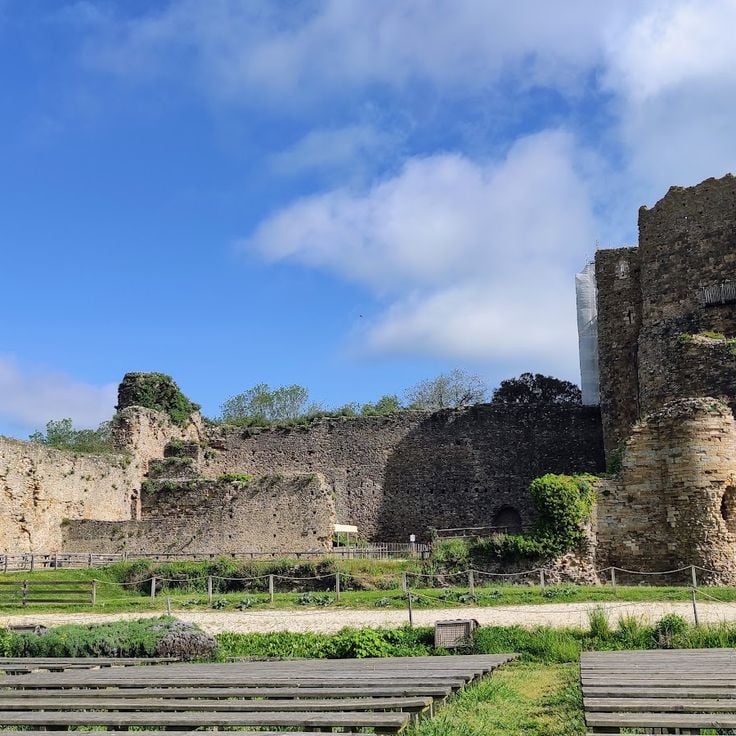
The department shows its past in its stones. Old medieval castles in ruins dot the farmland, telling stories from long ago. The medieval monasteries still stand and mark places where monks once lived and worked. On the coast, islands like Noirmoutier and Yeu seem far from the mainland, each with its own pace and character. Museums tell deeper stories, and walking along Vendée’s coast offers the best views of the sea. Nature reserves protect the marshes and animals, letting visitors walk or paddle through the waters.
Whether you come to see old buildings, walk on the beach, paddle in the marshes, or explore a medieval site, Vendée has something for everyone. The region does not show all its features at once, but it invites you to discover slowly: a castle here, some water there, a village hidden in the landscape. This variety and how its parts fit together make the area interesting for those who enjoy history, nature, or just exploring a place with some height changes.
Vendée combines Atlantic coast, farmland, and marshes cut by channels. The scenery changes every mile you travel.
Vendée is a place where water, history, and nature come together unexpectedly. The region stretches from the Atlantic coast through farmland and large marshes where channels wind between grassy banks. Traveling through Vendée feels like changing worlds: from the beach or an island to the land where medieval ruins can be seen or the flat, watery marshland can be explored. The mix of coast, countryside, and wetlands changes how you see the area.
The department shows its past in its stones. Old medieval castles in ruins dot the farmland, telling stories from long ago. The medieval monasteries still stand and mark places where monks once lived and worked. On the coast, islands like Noirmoutier and Yeu seem far from the mainland, each with its own pace and character. Museums tell deeper stories, and walking along Vendée’s coast offers the best views of the sea. Nature reserves protect the marshes and animals, letting visitors walk or paddle through the waters.
Whether you come to see old buildings, walk on the beach, paddle in the marshes, or explore a medieval site, Vendée has something for everyone. The region does not show all its features at once, but it invites you to discover slowly: a castle here, some water there, a village hidden in the landscape. This variety and how its parts fit together make the area interesting for those who enjoy history, nature, or just exploring a place with some height changes.
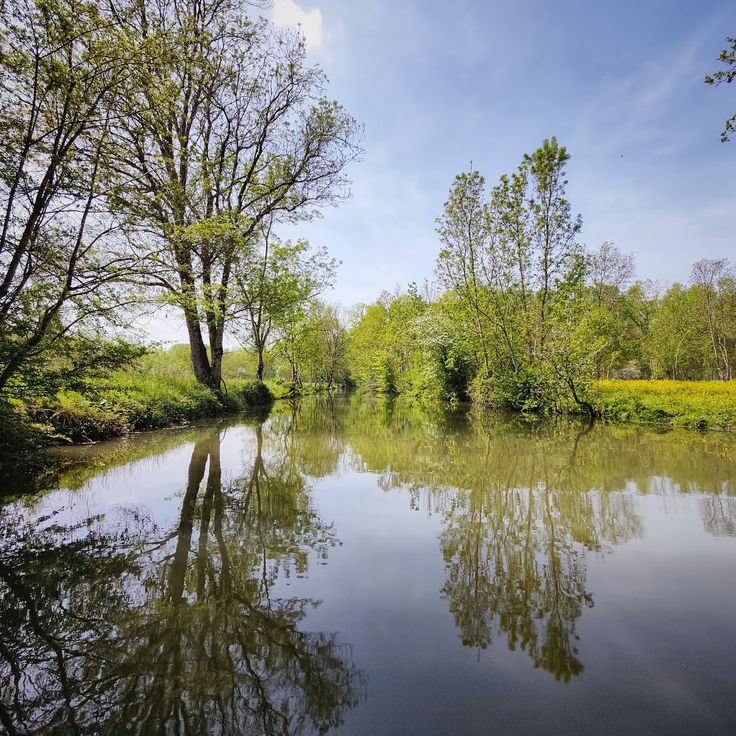
The Poitou Marshland is a network of canals bordered by centuries-old trees where visitors travel by flat-bottomed boat through meadows and natural floodplains. Water connects the green landscapes and creates a calm space for exploration. The trees provide shade over the channels, and the surrounding nature shifts with the seasons. This waterway system allows you to move through the countryside at a slow pace, observing wildlife and vegetation up close.
Puy du Fou is an outdoor park in Les Épesses dedicated to the history of France. On large open-air stages, actors reenact scenes from different periods: Roman battles, daily life in the Middle Ages, royal ceremonies. Visitors can also walk through reconstructed villages that show how people lived in the past. Everything takes place outside, among trees and fields, which gives the place a very different feeling from a museum.
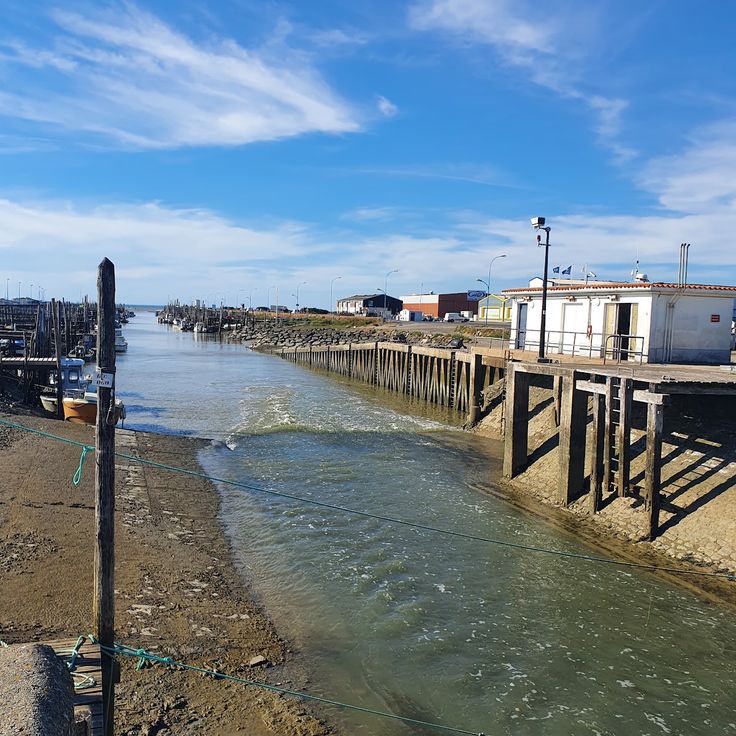
Port du Bec is a traditional oyster harbor with wooden docks built on stilts in the Bourgneuf Bay. At low tide, the boats rest on the mud. This place reflects the oyster farming that has been practiced in the Vendée for centuries. The harbor landscape changes constantly with the tides: water disappears and reveals mudflats, then returns again. At the port you see fishers at work and experience the rhythm of a real fishing village, where nature and human labor are deeply connected.
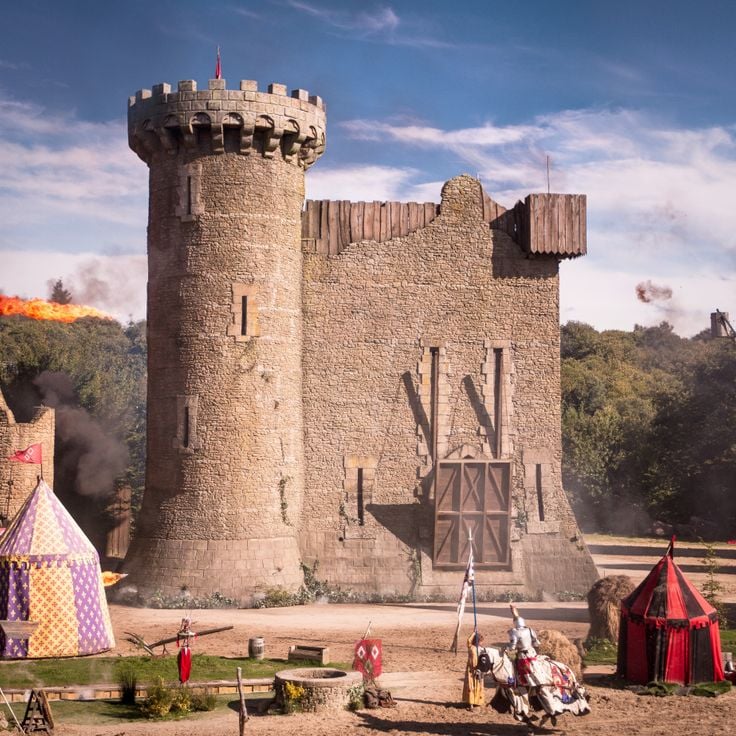
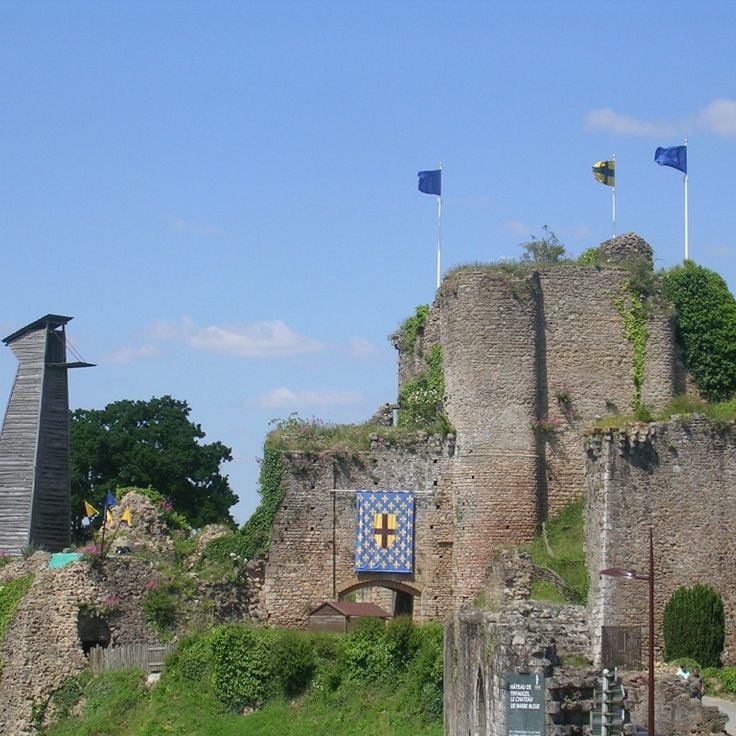
The Château de Tiffauges is a 15th-century fortress with towers and ramparts spread across multiple levels. This castle features demonstrations of medieval war machines and historical reenactments that bring medieval life to the present. It sits in Vendée, where you can explore castles, ancient abbeys, and waterways with boat channels.
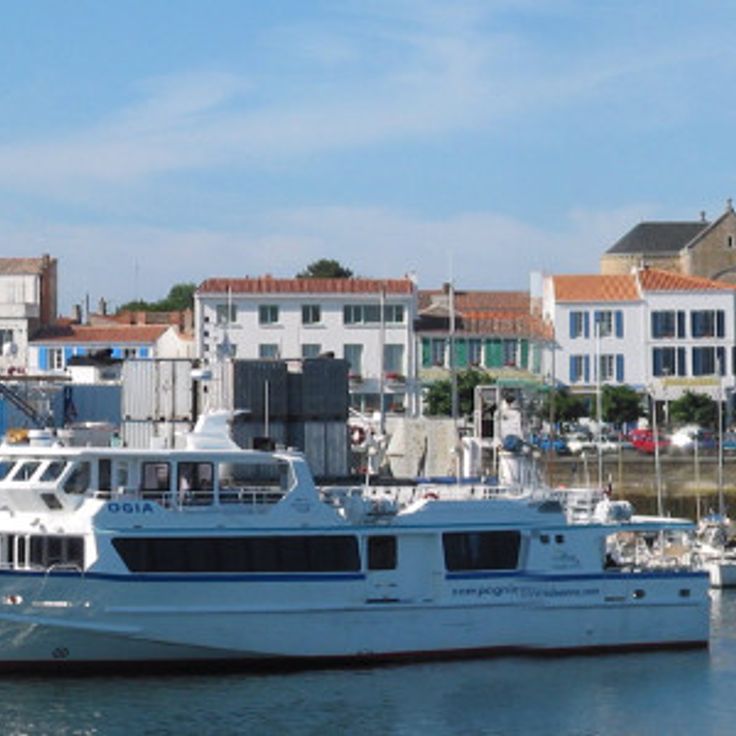
Île d'Yeu is a granite island off the Vendée coast with dramatic cliffs, hidden coves, and sandy beaches. The village of Port-Joinville is a working fishing harbor where colorful boats come and go daily. A medieval castle dating from the 14th century overlooks the coast. The island has walking paths along the rocky shoreline and quiet beaches for relaxation. It is easily reached by ferry from the Vendée mainland and draws visitors seeking the raw beauty of the Atlantic coast.
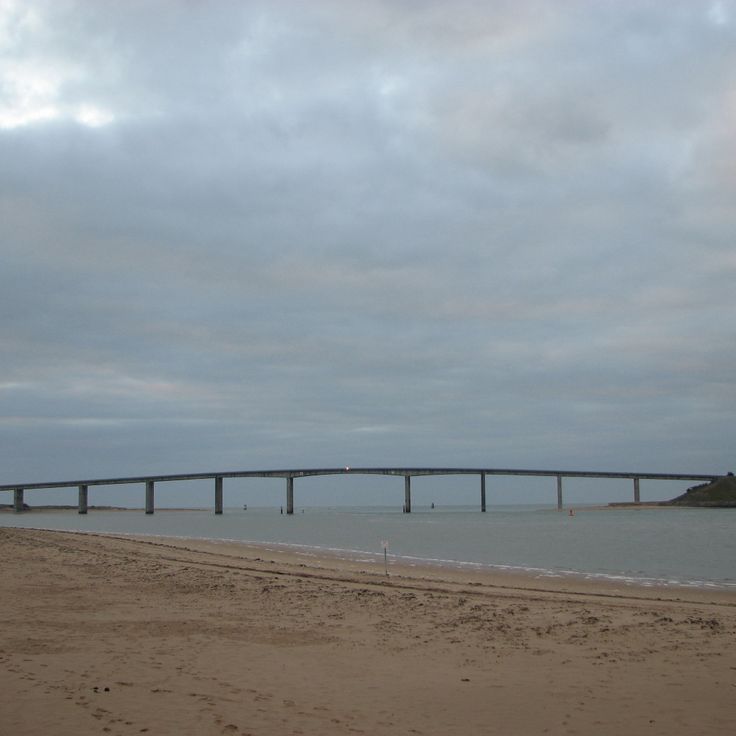
Noirmoutier Island lies off the coast of Vendée and is reached by the Gois passage or a bridge. You will find salt marshes, fishing ports, sandy beaches and groves of holm oaks. The island offers a blend of maritime culture and nature, where fishing and tourism coexist. Walks along the shores take you past colorful houses and traditional harbors.
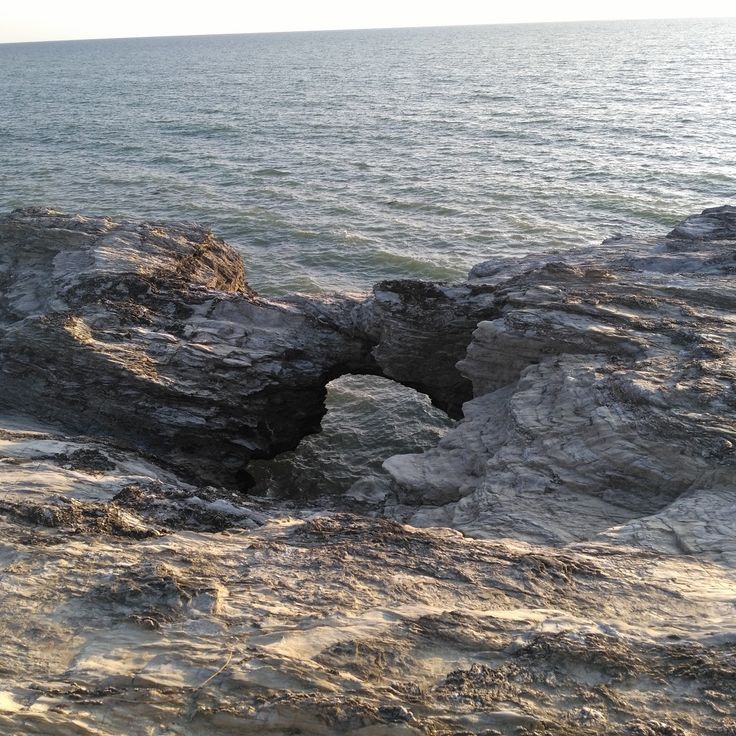
The Corniche Vendéenne is a 25-kilometer coastal road that winds between Saint-Gilles-Croix-de-Vie and Sables-d'Olonne along the Atlantic Ocean. As you drive, you see slate cliffs and small sandy beaches tucked into the rocks. The road shows you the changing landscape of Vendée, where rocky shoreline meets open water. You can stop and walk down to the coves to experience the setting firsthand. Small villages line the route and invite you to pause and explore.
The Historial de la Vendée is a museum in Les Lucs-sur-Boulogne that presents five historical periods. Visitors will find archaeological collections, everyday objects, models, and interactive reconstructions that tell the story of the region. The museum helps you understand the past of Vendée, from early settlements to more recent times. The displays are designed so that both adults and children can explore the history.
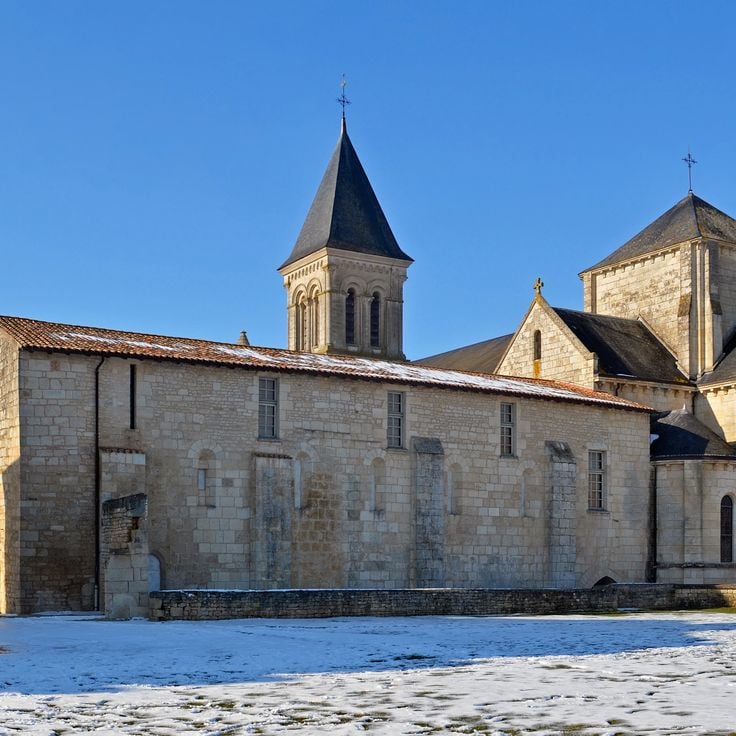
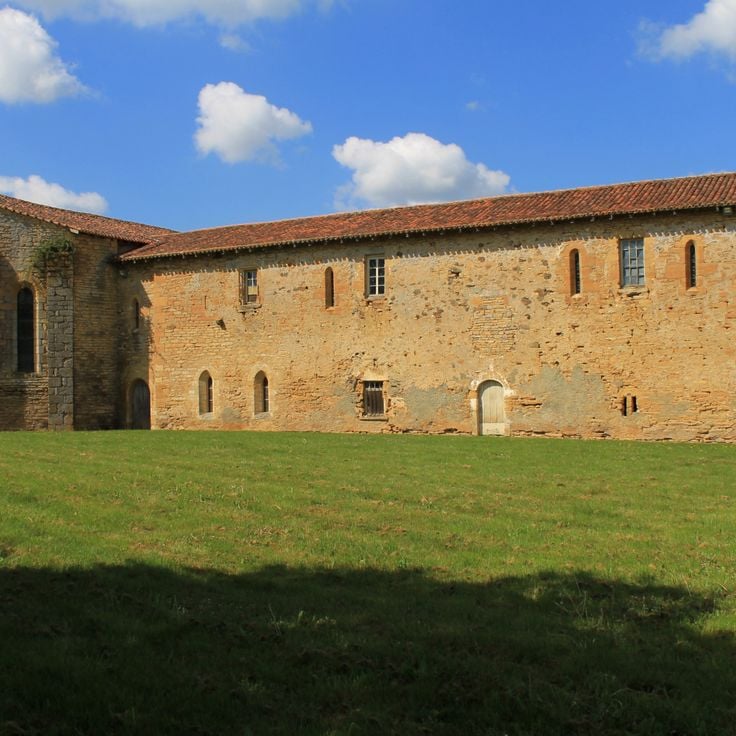
The Abbey of Nieul-sur-l'Autise is a monastery built in the 12th century during the time of Eleanor of Aquitaine. You can visit this abbey and explore its Romanesque architecture. The abbey includes a vaulted cloister, a chapter house, and convent buildings that have been restored. The structure shows how monks lived and worked in this religious community during the Middle Ages.
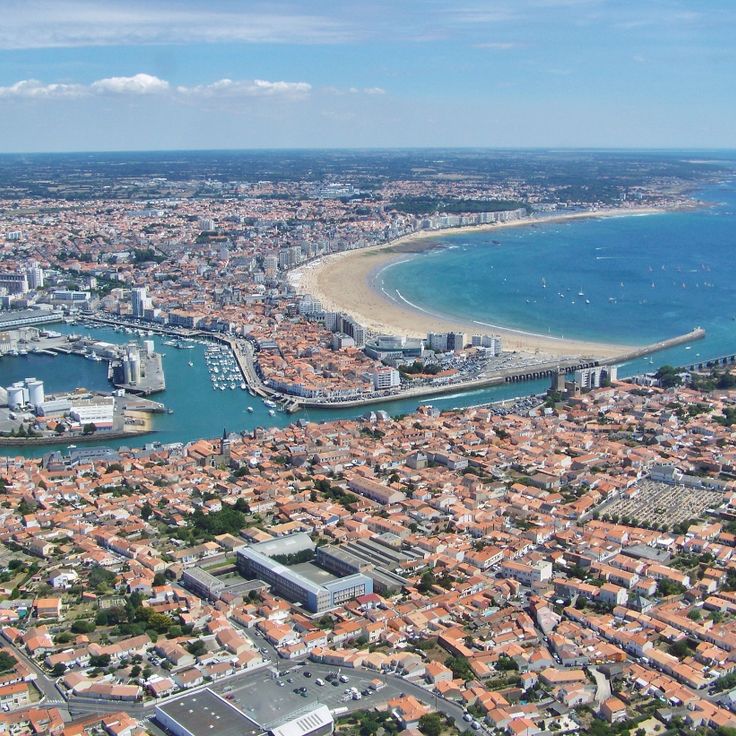
Les Sables-d'Olonne is a seaside town on the Atlantic coast of the Vendée. Its fishing port sees boats come in daily with their catch, and fishermen can be seen mending their nets along the docks. A wide sandy beach draws swimmers during the summer months. Along the seafront promenade, restaurants and small shops line the waterfront. Les Sables-d'Olonne brings together the working life of a fishing port with the easy pace of a beach town.
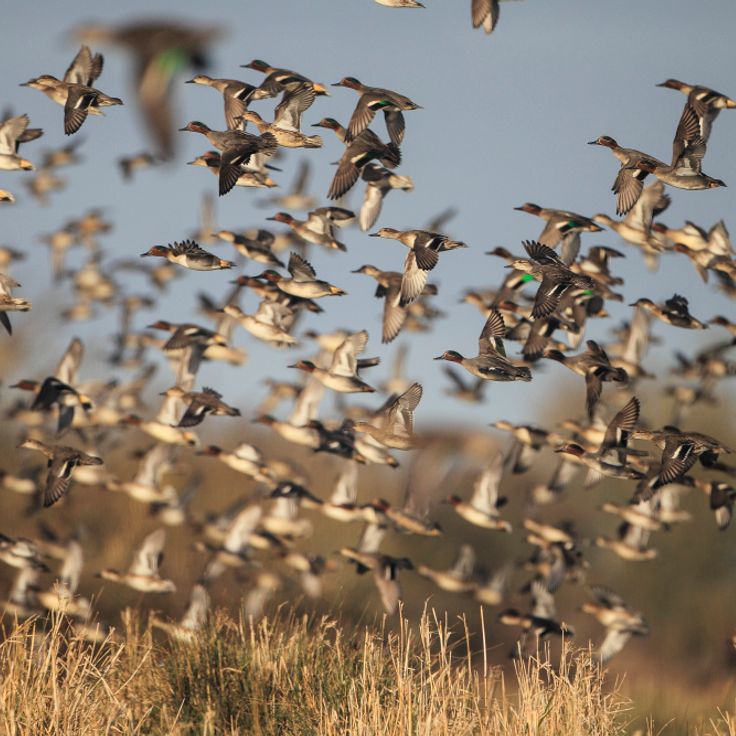
The Pointe de l'Aiguillon is a natural headland where the Lay and Sèvre Niortaise rivers meet before flowing into the Atlantic Ocean. This point serves as a regular stop for migrating birds. The headland marks an important spot along the Vendée coast where freshwater meets saltwater, creating a distinctive environment for observers and nature enthusiasts.
Pointe du Payré is a rocky headland on the coast of Vendée, rising steeply above the Veillon beach. The formation consists of limestone and clay cliffs and features walking paths along the sea. This site exemplifies the coastal diversity of Vendée, where rocky cliffs stand alongside sandy beaches, fishing ports, and charming seaside villages. Visitors can walk the clifftop trails and take in the geological formations and ocean views that characterize this stretch of the Atlantic coast.
This marsh covers about 45,000 hectares of salt marshes and channels between Vendée and Loire-Atlantique. It provides homes for many bird species. The Breton marsh shows a different side of Vendée: instead of cliffs and beaches, there is water, greenery, and a quiet landscape. You can travel along the channels in a boat or walk around the area watching the nature. Local people have lived with this water landscape for centuries, shaping it through their work. This place combines nature, history, and daily life for the people who live here.
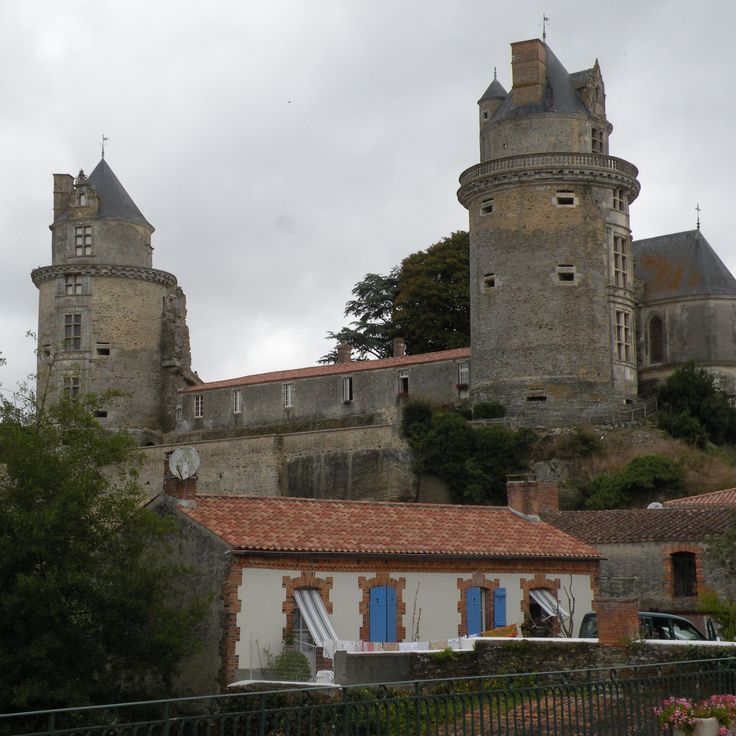
The Chateau of Apremont is a 16th-century military fortress built on a rocky promontory. This structure features a drawbridge and a staircase tower made of dressed stone. It represents the medieval defensive architecture that shaped the Vendée region and tells the story of fortified settlements in western France.
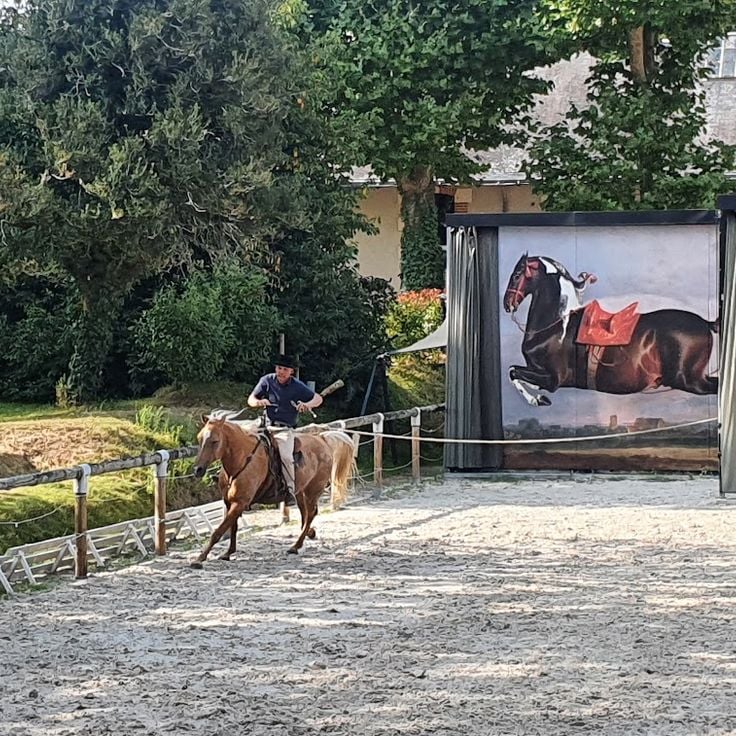
The Haras de la Vendée is an equestrian center in La Roche-sur-Yon that preserves the region's tradition of horsemanship and horse breeding. The facility includes a covered riding hall, outdoor arenas, and historic stables. Here, visitors can observe the daily life of a stud farm and watch skilled work related to horses, from training to animal care.
The Priory of Grammont shows how monks lived during the Middle Ages. This 12th-century monastery in Saint-Prouant preserves its original layout and structures. The church, cloister, and monastic buildings still stand and reveal how such communities organized their daily lives. Within Vendée's broader collection of medieval sites, this priory represents a significant example of religious architecture from this era.
La Cité des Oiseaux is a protected natural space with three ponds and observation posts. Here you can watch migratory and resident birds in their natural habitat. This place fits well with the varied landscape of Vendée, where water and green spaces blend together. The ponds offer a quiet refuge for different bird species. The observation posts let you see the animals up close without disturbing them.
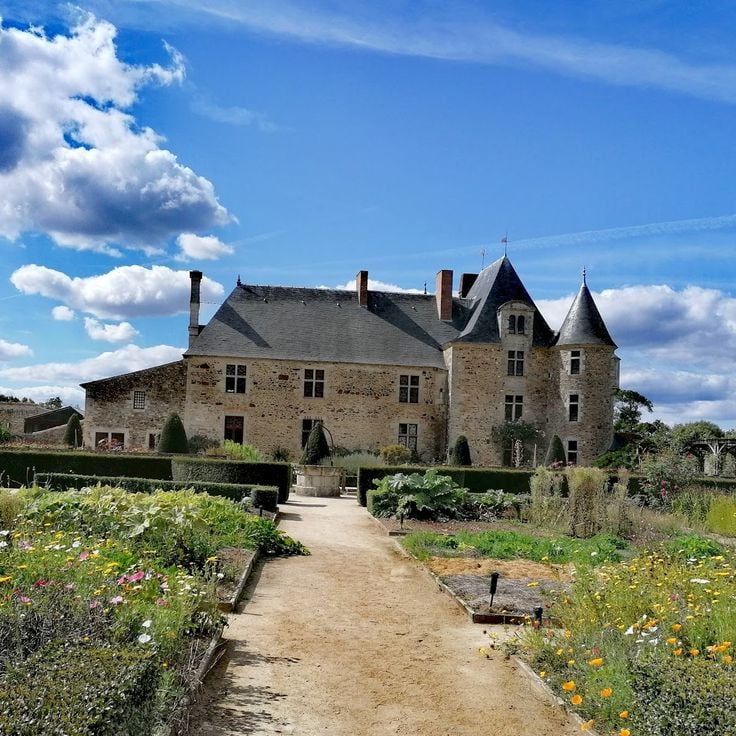
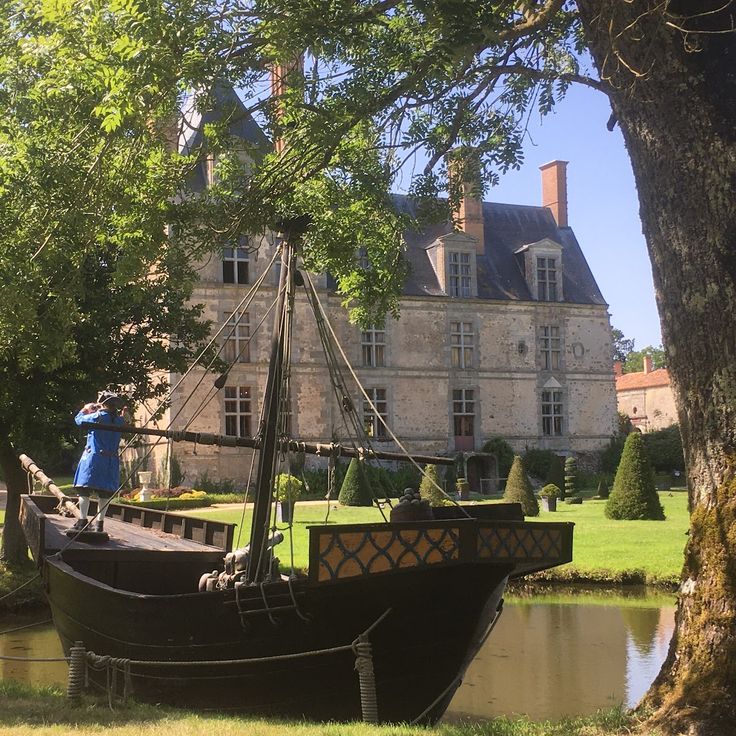
The Logis de la Chabotterie is an 18th-century manor house located in Montréverd. This building is important to the history of the Vendée Wars, as it was the site where General Charette was arrested. The manor is surrounded by formal French gardens arranged in classical patterns. Walking through the grounds, you see how wealthy families lived during this period. Inside, the rooms display objects and information about local history and the revolutionary conflicts that shaped this region.
The Château des Aventuriers in Avrillé brings together history and entertainment. This 16th-century castle stands within a park full of games and attractions. Visitors can explore puzzle paths and take part in fun activities. The building fits well within Vendée's mix of medieval castles and museums that tell the region's story.
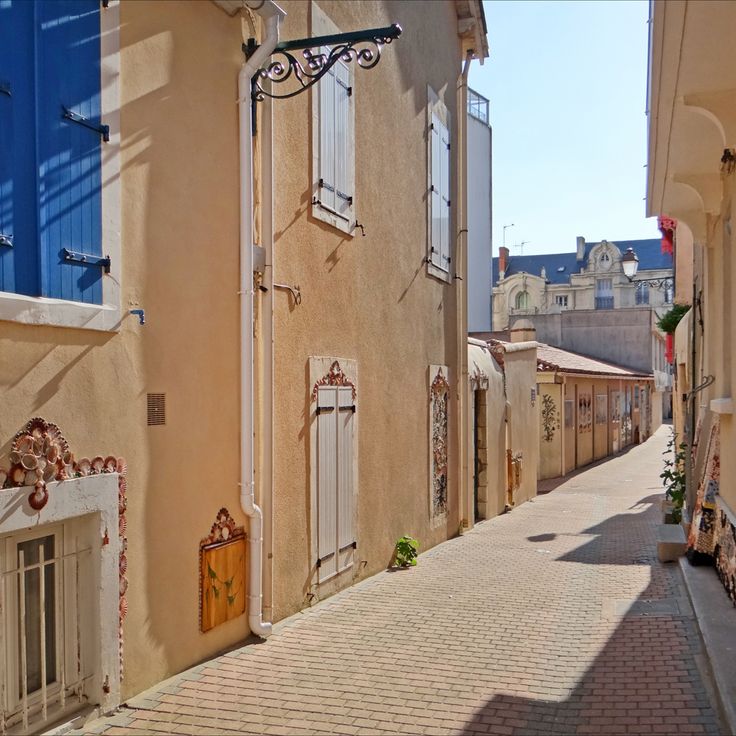
The Quartier de l'Île de Penotte is a residential neighborhood in Les Sables-d'Olonne where houses are decorated with mosaics made from seashells and marine materials found along the coast. Located near the seafront, this quarter shows how locals have transformed their surroundings into colorful art. Walking through its streets, you encounter walls and facades adorned with these handcrafted mosaics that reflect the maritime character of the area.
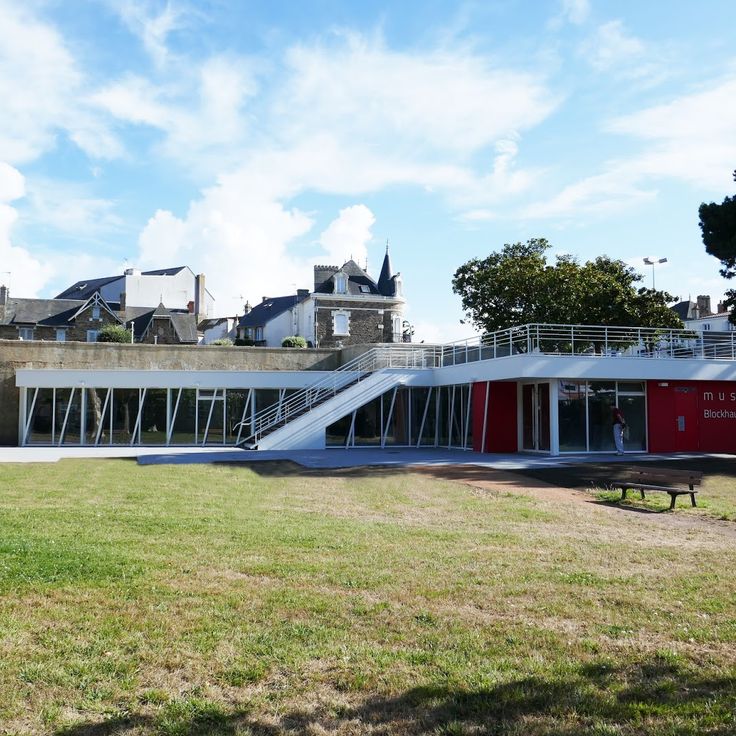
The Blockhaus Hospital Museum in Les Sables-d'Olonne occupies a former German bunker that functioned as an underground hospital during the occupation. The museum displays medical and military equipment from that era. The site tells the story of how this bunker served as both shelter and medical facility for the local population and soldiers. Through objects and documents, visitors discover how people survived and adapted to life within these concrete walls during World War II.
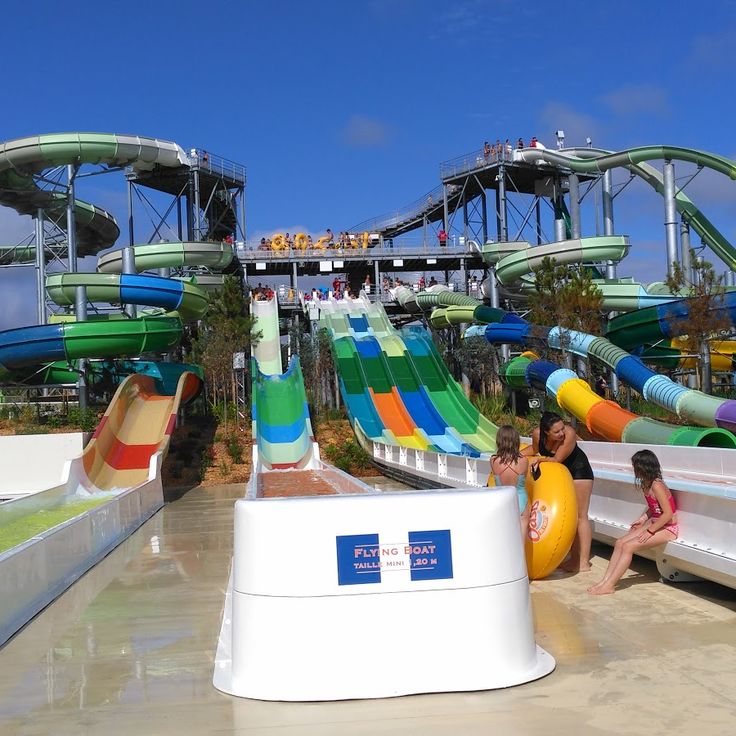
O'Gliss Park is a water park in Moutiers-les-Mauxfaits that welcomes families and visitors with pools, slides, and themed areas for water activities and relaxation. The park offers a place to cool off and have fun in a region otherwise known for its medieval castles, islands, and marshlands. You can spend a day enjoying the water before exploring the history and nature that surrounds the Vendée.
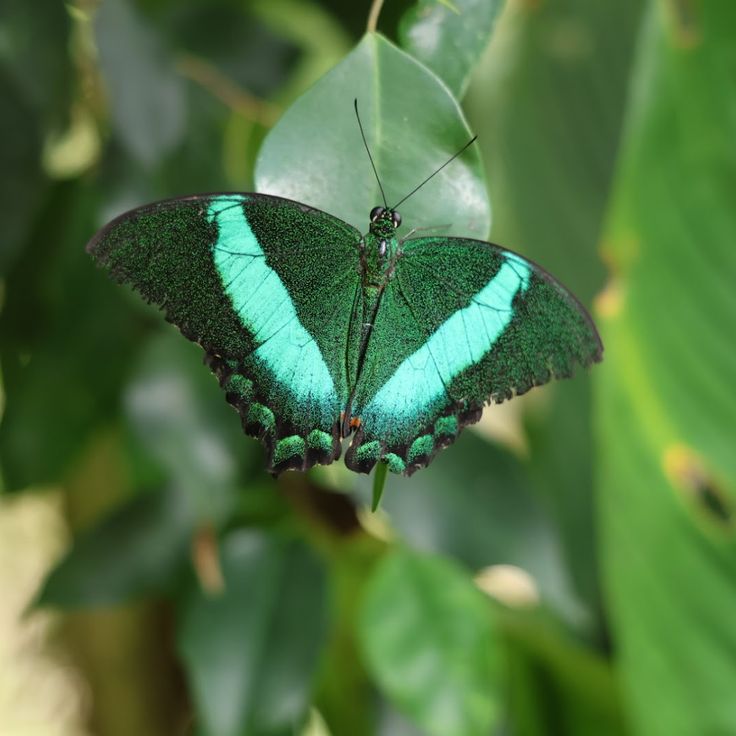
Île aux Papillons in La Guérinière is a butterfly conservatory housed in a heated greenhouse where specimens fly freely among tropical plants. The location allows visitors to watch these insects up close as they move through a controlled environment. This attraction adds to the Vendée's diverse offerings, where nature and learning come together.
The Castle of Talmont is a medieval fortress built in 1020 on a rocky headland. The castle features massive walls and defensive towers that rise above the sea. From this location, you can look out over the water and understand how this place once served to protect the coast. The structure stands on a cliff and offers views of the bay. It is one of the many medieval buildings in Vendée that tell the story of this coastal region's past.
The Musée Charles Milcendeau is a 19th-century artist's house in Soullans that displays painter Charles Milcendeau's collections. The interior walls are decorated with frescoes inspired by Spanish art. This museum offers a window into the life and work of an artist whose creations reflect local history and contribute to the cultural diversity of Vendée.
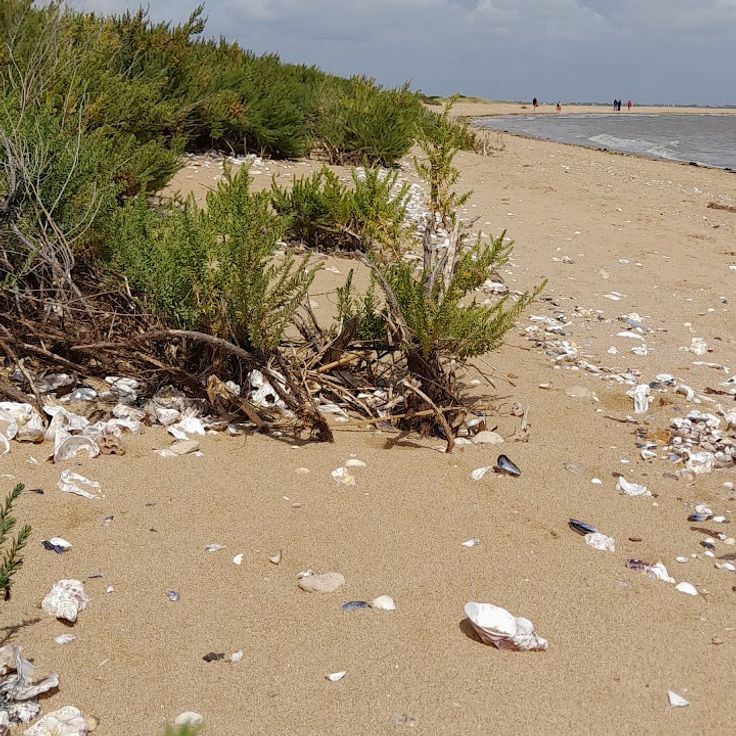
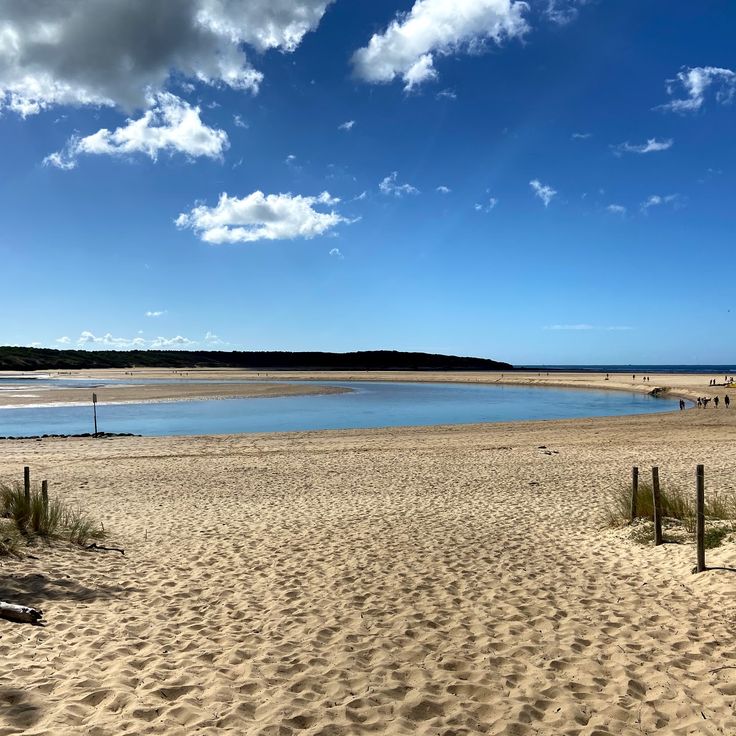
Plage du Veillon is a wide sandy beach with fine grain, located at the mouth of the Payré river. Surfers, sailors and beach buggy riders gather here to practice their sports on the water and sand. Dunes line the shore and create a natural barrier. This beach is part of the diverse coastal landscape of Vendée, where the Atlantic coast offers spaces for both relaxation and outdoor sports.
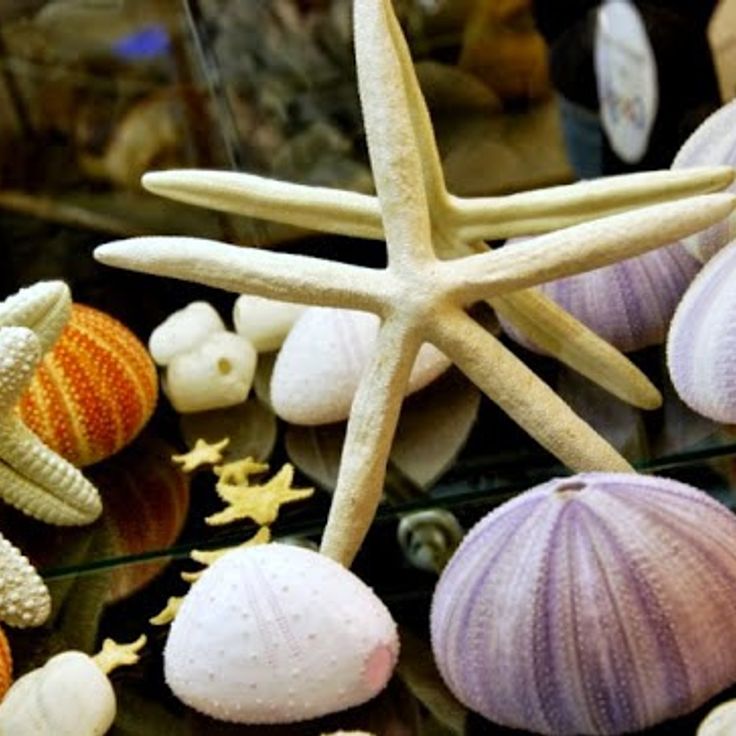
The Muséum du Coquillage in Les Sables-d'Olonne houses a large collection of shells and marine specimens from around the world. Organized in themed displays, the museum presents rare species and fossils that show the richness of ocean life.
Vendée Miniature in Brétignolles-sur-Mer features a 1:10 scale recreation of typical Vendée villages from the 1900s. The model displays show shops, homes, and monuments as they existed during that period. You can walk through these detailed miniature scenes and discover the craftsmanship and architecture that defined everyday life in the Vendée of that era.
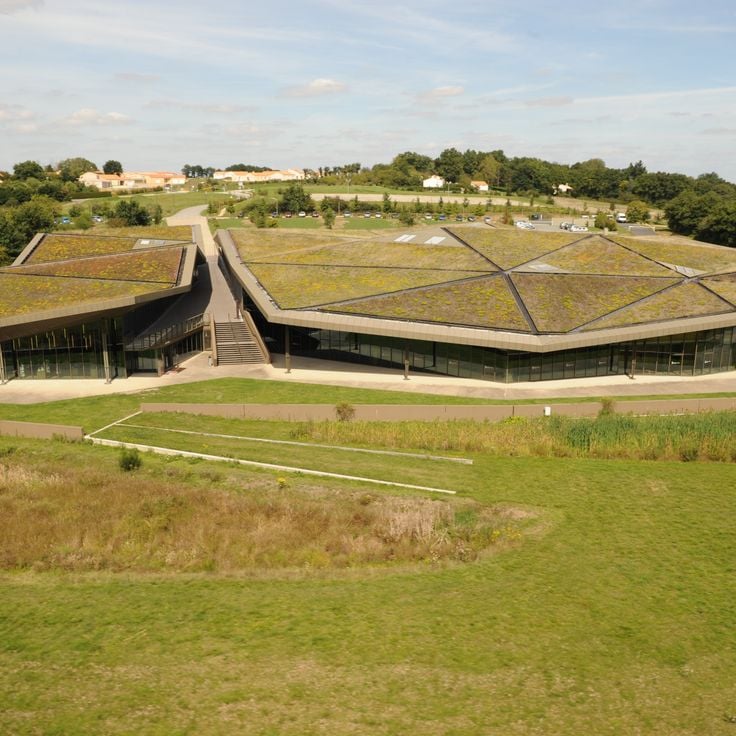
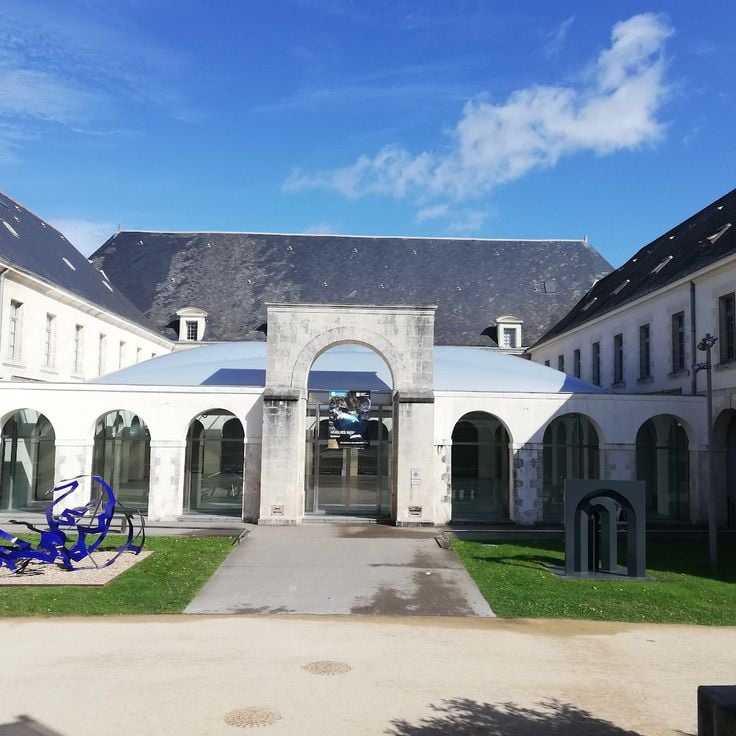
The MASC is an art center located in a 17th-century priory. The building presents rotating exhibitions and a permanent collection of contemporary artworks. This place brings together the region's history with modern artistic practice, offering visitors the chance to experience both historical architecture and current forms of artistic expression.
The Musée des Traditions Populaires is a museum in Les Sables-d'Olonne housed in a former school building from 1891. The exhibition rooms recreate daily life for people in the Olonnes region between 1900 and 1950. Here you will find personal objects, crafts, and memories from that era that offer a clear picture of how people worked, lived, and spent their leisure time. The museum documents local history and shows how life in this coastal village developed over several decades.
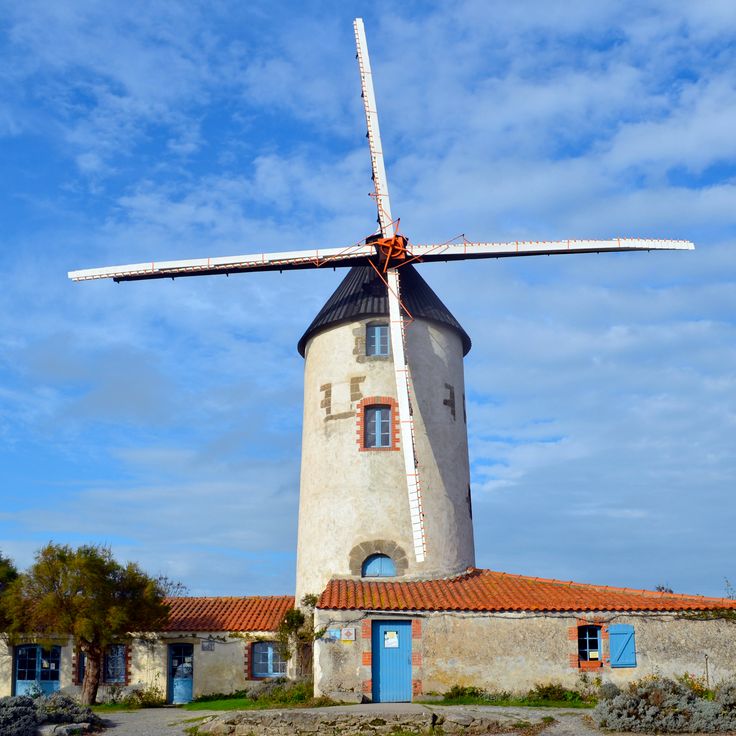
The Windmill of Rairé in Sallertaine is one of France's last surviving windmills. Built in the 16th century, it still operates using its original machinery. You can watch how grain is ground into flour, just as it has been for centuries. This mill shows how people in Vendée practiced traditional craftsmanship and offers insight into the daily life of past generations.
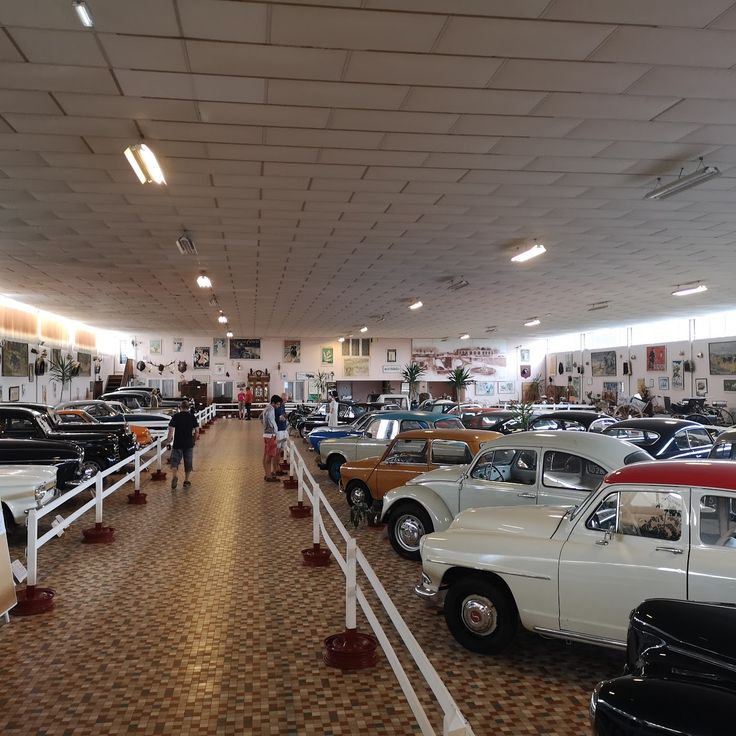
The Musée de l'Automobile in Talmont-Saint-Hilaire gathers around 200 vehicles from different periods. Old cars, rare models, and historical pieces show how automotive design and engineering changed over the decades. In a region like the Vendée, where history tends to show up in stone and water, this museum offers a different kind of story told through engines and bodywork.
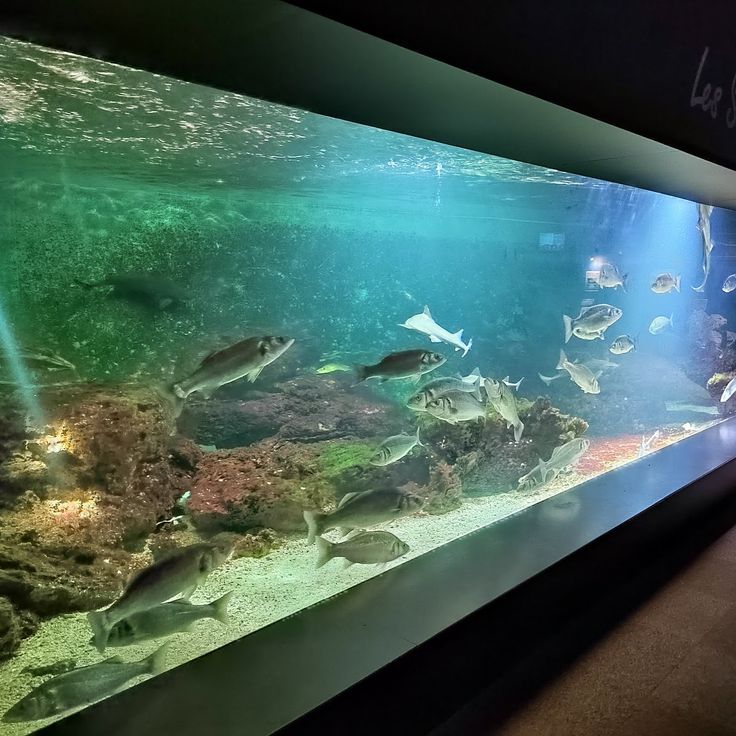
The Aquarium of Vendée is located in Talmont-Saint-Hilaire and showcases the diversity of marine life. In this seaside museum, visitors walk through transparent tunnels to observe fish, sea turtles, and other creatures living in the tanks. The exhibits feature tropical species and many others from different ocean regions. It is a place to learn about underwater life and how these animals live in their natural environments.
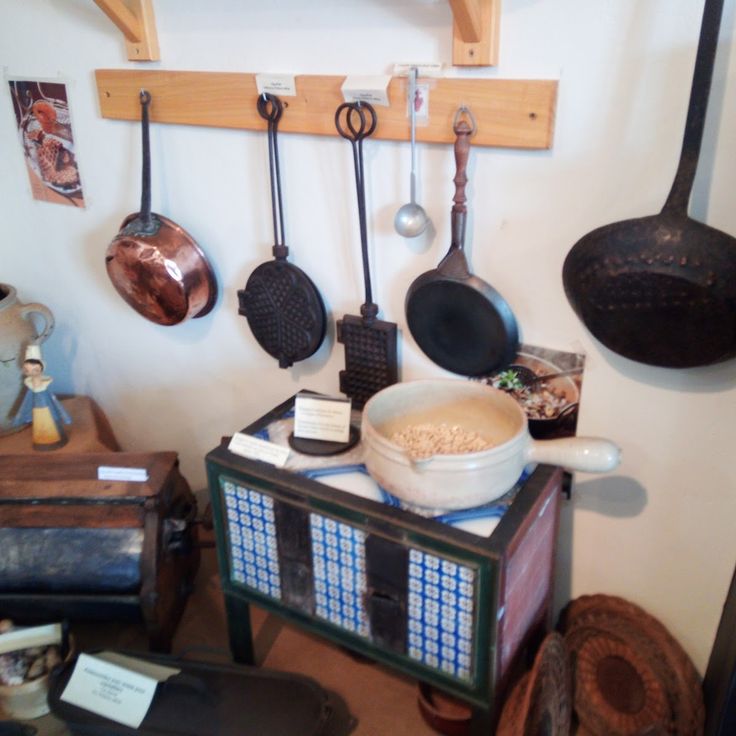
The Musée des Ustensiles de Cuisine in Saint-Denis-la-Chevasse holds more than 1600 cooking utensils and kitchen objects that trace the history of French cuisine and domestic life over the centuries. The museum displays tools, pots, pans, and other implements that show how cooking practices and kitchen work evolved from past generations to the present day. Visitors can explore how people prepared food and organized their kitchens throughout history.
The birthplace of Georges Clemenceau in Mouilleron-Saint-Germain is now a museum that documents his life and career. The rooms contain personal items and documents from a man who served as Prime Minister of France. The house gives visitors a sense of how this important historical figure grew up and worked. Twelve exhibition spaces allow you to follow the different phases of his life, from childhood through his political years.
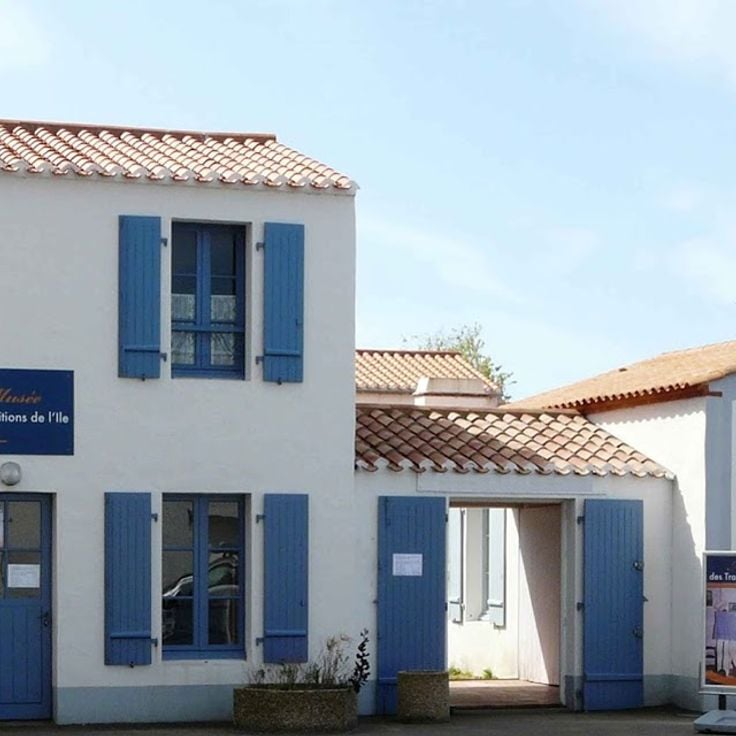
The Musée des Traditions de l'Île displays objects and documents that tell the story of life on the island of Noirmoutier over two centuries. The collection shows the work of fishermen, salt makers, and farmers who shaped the island's identity. You will see everyday tools, fishing equipment, and records that reveal how people lived and worked on this Atlantic island.
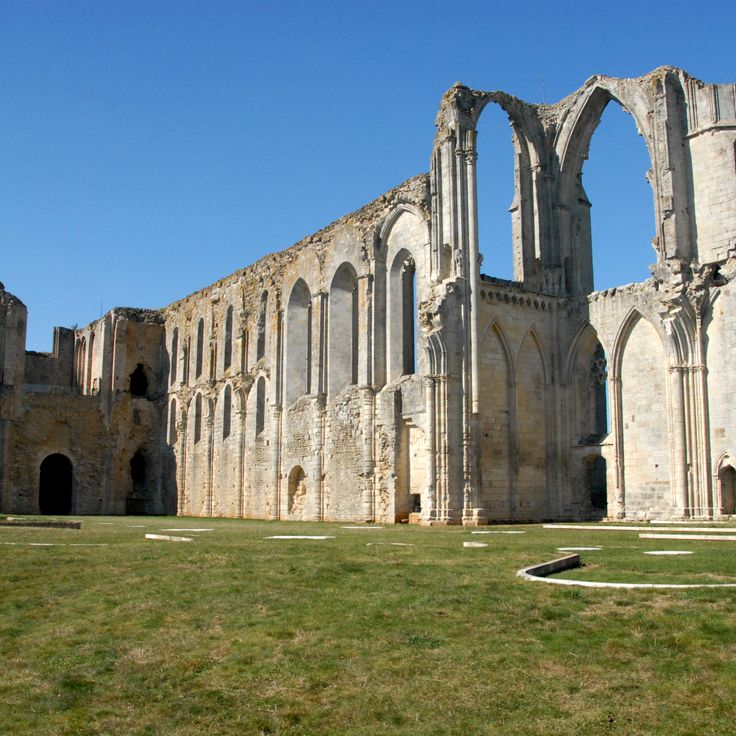
Abbaye de Maillezais is a former monastery founded in the 10th century that later became a cathedral in the 14th century. The site contains substantial ruins where you can walk among the old stone structures and see remains of a medieval water system. This abbey sits within the Vendée region, an area shaped by its religious and agricultural past, and the ruins help tell the story of monastic life and medieval engineering.
The Poitou Marshland is a network of canals bordered by centuries-old trees where visitors travel by flat-bottomed boat through meadows and natural floodplains. Water connects the green landscapes and creates a calm space for exploration. The trees provide shade over the channels, and the surrounding nature shifts with the seasons. This waterway system allows you to move through the countryside at a slow pace, observing wildlife and vegetation up close.
Puy du Fou is an outdoor park in Les Épesses dedicated to the history of France. On large open-air stages, actors reenact scenes from different periods: Roman battles, daily life in the Middle Ages, royal ceremonies. Visitors can also walk through reconstructed villages that show how people lived in the past. Everything takes place outside, among trees and fields, which gives the place a very different feeling from a museum.
Port du Bec is a traditional oyster harbor with wooden docks built on stilts in the Bourgneuf Bay. At low tide, the boats rest on the mud. This place reflects the oyster farming that has been practiced in the Vendée for centuries. The harbor landscape changes constantly with the tides: water disappears and reveals mudflats, then returns again. At the port you see fishers at work and experience the rhythm of a real fishing village, where nature and human labor are deeply connected.
The Château de Tiffauges is a 15th-century fortress with towers and ramparts spread across multiple levels. This castle features demonstrations of medieval war machines and historical reenactments that bring medieval life to the present. It sits in Vendée, where you can explore castles, ancient abbeys, and waterways with boat channels.
Île d'Yeu is a granite island off the Vendée coast with dramatic cliffs, hidden coves, and sandy beaches. The village of Port-Joinville is a working fishing harbor where colorful boats come and go daily. A medieval castle dating from the 14th century overlooks the coast. The island has walking paths along the rocky shoreline and quiet beaches for relaxation. It is easily reached by ferry from the Vendée mainland and draws visitors seeking the raw beauty of the Atlantic coast.
Noirmoutier Island lies off the coast of Vendée and is reached by the Gois passage or a bridge. You will find salt marshes, fishing ports, sandy beaches and groves of holm oaks. The island offers a blend of maritime culture and nature, where fishing and tourism coexist. Walks along the shores take you past colorful houses and traditional harbors.
The Corniche Vendéenne is a 25-kilometer coastal road that winds between Saint-Gilles-Croix-de-Vie and Sables-d'Olonne along the Atlantic Ocean. As you drive, you see slate cliffs and small sandy beaches tucked into the rocks. The road shows you the changing landscape of Vendée, where rocky shoreline meets open water. You can stop and walk down to the coves to experience the setting firsthand. Small villages line the route and invite you to pause and explore.
The Historial de la Vendée is a museum in Les Lucs-sur-Boulogne that presents five historical periods. Visitors will find archaeological collections, everyday objects, models, and interactive reconstructions that tell the story of the region. The museum helps you understand the past of Vendée, from early settlements to more recent times. The displays are designed so that both adults and children can explore the history.
The Abbey of Nieul-sur-l'Autise is a monastery built in the 12th century during the time of Eleanor of Aquitaine. You can visit this abbey and explore its Romanesque architecture. The abbey includes a vaulted cloister, a chapter house, and convent buildings that have been restored. The structure shows how monks lived and worked in this religious community during the Middle Ages.
Les Sables-d'Olonne is a seaside town on the Atlantic coast of the Vendée. Its fishing port sees boats come in daily with their catch, and fishermen can be seen mending their nets along the docks. A wide sandy beach draws swimmers during the summer months. Along the seafront promenade, restaurants and small shops line the waterfront. Les Sables-d'Olonne brings together the working life of a fishing port with the easy pace of a beach town.
The Pointe de l'Aiguillon is a natural headland where the Lay and Sèvre Niortaise rivers meet before flowing into the Atlantic Ocean. This point serves as a regular stop for migrating birds. The headland marks an important spot along the Vendée coast where freshwater meets saltwater, creating a distinctive environment for observers and nature enthusiasts.
Pointe du Payré is a rocky headland on the coast of Vendée, rising steeply above the Veillon beach. The formation consists of limestone and clay cliffs and features walking paths along the sea. This site exemplifies the coastal diversity of Vendée, where rocky cliffs stand alongside sandy beaches, fishing ports, and charming seaside villages. Visitors can walk the clifftop trails and take in the geological formations and ocean views that characterize this stretch of the Atlantic coast.
This marsh covers about 45,000 hectares of salt marshes and channels between Vendée and Loire-Atlantique. It provides homes for many bird species. The Breton marsh shows a different side of Vendée: instead of cliffs and beaches, there is water, greenery, and a quiet landscape. You can travel along the channels in a boat or walk around the area watching the nature. Local people have lived with this water landscape for centuries, shaping it through their work. This place combines nature, history, and daily life for the people who live here.
The Chateau of Apremont is a 16th-century military fortress built on a rocky promontory. This structure features a drawbridge and a staircase tower made of dressed stone. It represents the medieval defensive architecture that shaped the Vendée region and tells the story of fortified settlements in western France.
The Haras de la Vendée is an equestrian center in La Roche-sur-Yon that preserves the region's tradition of horsemanship and horse breeding. The facility includes a covered riding hall, outdoor arenas, and historic stables. Here, visitors can observe the daily life of a stud farm and watch skilled work related to horses, from training to animal care.
The Priory of Grammont shows how monks lived during the Middle Ages. This 12th-century monastery in Saint-Prouant preserves its original layout and structures. The church, cloister, and monastic buildings still stand and reveal how such communities organized their daily lives. Within Vendée's broader collection of medieval sites, this priory represents a significant example of religious architecture from this era.
La Cité des Oiseaux is a protected natural space with three ponds and observation posts. Here you can watch migratory and resident birds in their natural habitat. This place fits well with the varied landscape of Vendée, where water and green spaces blend together. The ponds offer a quiet refuge for different bird species. The observation posts let you see the animals up close without disturbing them.
The Logis de la Chabotterie is an 18th-century manor house located in Montréverd. This building is important to the history of the Vendée Wars, as it was the site where General Charette was arrested. The manor is surrounded by formal French gardens arranged in classical patterns. Walking through the grounds, you see how wealthy families lived during this period. Inside, the rooms display objects and information about local history and the revolutionary conflicts that shaped this region.
The Château des Aventuriers in Avrillé brings together history and entertainment. This 16th-century castle stands within a park full of games and attractions. Visitors can explore puzzle paths and take part in fun activities. The building fits well within Vendée's mix of medieval castles and museums that tell the region's story.
The Quartier de l'Île de Penotte is a residential neighborhood in Les Sables-d'Olonne where houses are decorated with mosaics made from seashells and marine materials found along the coast. Located near the seafront, this quarter shows how locals have transformed their surroundings into colorful art. Walking through its streets, you encounter walls and facades adorned with these handcrafted mosaics that reflect the maritime character of the area.
The Blockhaus Hospital Museum in Les Sables-d'Olonne occupies a former German bunker that functioned as an underground hospital during the occupation. The museum displays medical and military equipment from that era. The site tells the story of how this bunker served as both shelter and medical facility for the local population and soldiers. Through objects and documents, visitors discover how people survived and adapted to life within these concrete walls during World War II.
O'Gliss Park is a water park in Moutiers-les-Mauxfaits that welcomes families and visitors with pools, slides, and themed areas for water activities and relaxation. The park offers a place to cool off and have fun in a region otherwise known for its medieval castles, islands, and marshlands. You can spend a day enjoying the water before exploring the history and nature that surrounds the Vendée.
Île aux Papillons in La Guérinière is a butterfly conservatory housed in a heated greenhouse where specimens fly freely among tropical plants. The location allows visitors to watch these insects up close as they move through a controlled environment. This attraction adds to the Vendée's diverse offerings, where nature and learning come together.
The Castle of Talmont is a medieval fortress built in 1020 on a rocky headland. The castle features massive walls and defensive towers that rise above the sea. From this location, you can look out over the water and understand how this place once served to protect the coast. The structure stands on a cliff and offers views of the bay. It is one of the many medieval buildings in Vendée that tell the story of this coastal region's past.
The Musée Charles Milcendeau is a 19th-century artist's house in Soullans that displays painter Charles Milcendeau's collections. The interior walls are decorated with frescoes inspired by Spanish art. This museum offers a window into the life and work of an artist whose creations reflect local history and contribute to the cultural diversity of Vendée.
Plage du Veillon is a wide sandy beach with fine grain, located at the mouth of the Payré river. Surfers, sailors and beach buggy riders gather here to practice their sports on the water and sand. Dunes line the shore and create a natural barrier. This beach is part of the diverse coastal landscape of Vendée, where the Atlantic coast offers spaces for both relaxation and outdoor sports.
The Muséum du Coquillage in Les Sables-d'Olonne houses a large collection of shells and marine specimens from around the world. Organized in themed displays, the museum presents rare species and fossils that show the richness of ocean life.
Vendée Miniature in Brétignolles-sur-Mer features a 1:10 scale recreation of typical Vendée villages from the 1900s. The model displays show shops, homes, and monuments as they existed during that period. You can walk through these detailed miniature scenes and discover the craftsmanship and architecture that defined everyday life in the Vendée of that era.
The MASC is an art center located in a 17th-century priory. The building presents rotating exhibitions and a permanent collection of contemporary artworks. This place brings together the region's history with modern artistic practice, offering visitors the chance to experience both historical architecture and current forms of artistic expression.
The Musée des Traditions Populaires is a museum in Les Sables-d'Olonne housed in a former school building from 1891. The exhibition rooms recreate daily life for people in the Olonnes region between 1900 and 1950. Here you will find personal objects, crafts, and memories from that era that offer a clear picture of how people worked, lived, and spent their leisure time. The museum documents local history and shows how life in this coastal village developed over several decades.
The Windmill of Rairé in Sallertaine is one of France's last surviving windmills. Built in the 16th century, it still operates using its original machinery. You can watch how grain is ground into flour, just as it has been for centuries. This mill shows how people in Vendée practiced traditional craftsmanship and offers insight into the daily life of past generations.
The Musée de l'Automobile in Talmont-Saint-Hilaire gathers around 200 vehicles from different periods. Old cars, rare models, and historical pieces show how automotive design and engineering changed over the decades. In a region like the Vendée, where history tends to show up in stone and water, this museum offers a different kind of story told through engines and bodywork.
The Aquarium of Vendée is located in Talmont-Saint-Hilaire and showcases the diversity of marine life. In this seaside museum, visitors walk through transparent tunnels to observe fish, sea turtles, and other creatures living in the tanks. The exhibits feature tropical species and many others from different ocean regions. It is a place to learn about underwater life and how these animals live in their natural environments.
The Musée des Ustensiles de Cuisine in Saint-Denis-la-Chevasse holds more than 1600 cooking utensils and kitchen objects that trace the history of French cuisine and domestic life over the centuries. The museum displays tools, pots, pans, and other implements that show how cooking practices and kitchen work evolved from past generations to the present day. Visitors can explore how people prepared food and organized their kitchens throughout history.
The birthplace of Georges Clemenceau in Mouilleron-Saint-Germain is now a museum that documents his life and career. The rooms contain personal items and documents from a man who served as Prime Minister of France. The house gives visitors a sense of how this important historical figure grew up and worked. Twelve exhibition spaces allow you to follow the different phases of his life, from childhood through his political years.
The Musée des Traditions de l'Île displays objects and documents that tell the story of life on the island of Noirmoutier over two centuries. The collection shows the work of fishermen, salt makers, and farmers who shaped the island's identity. You will see everyday tools, fishing equipment, and records that reveal how people lived and worked on this Atlantic island.
Abbaye de Maillezais is a former monastery founded in the 10th century that later became a cathedral in the 14th century. The site contains substantial ruins where you can walk among the old stone structures and see remains of a medieval water system. This abbey sits within the Vendée region, an area shaped by its religious and agricultural past, and the ruins help tell the story of monastic life and medieval engineering.
The Poitou Marshland is a network of canals bordered by centuries-old trees where visitors travel by flat-bottomed boat through meadows and natural floodplains. Water connects the green landscapes and creates a calm space for exploration. The trees provide shade over the channels, and the surrounding nature shifts with the seasons. This waterway system allows you to move through the countryside at a slow pace, observing wildlife and vegetation up close.
Puy du Fou is an outdoor park in Les Épesses dedicated to the history of France. On large open-air stages, actors reenact scenes from different periods: Roman battles, daily life in the Middle Ages, royal ceremonies. Visitors can also walk through reconstructed villages that show how people lived in the past. Everything takes place outside, among trees and fields, which gives the place a very different feeling from a museum.
Port du Bec is a traditional oyster harbor with wooden docks built on stilts in the Bourgneuf Bay. At low tide, the boats rest on the mud. This place reflects the oyster farming that has been practiced in the Vendée for centuries. The harbor landscape changes constantly with the tides: water disappears and reveals mudflats, then returns again. At the port you see fishers at work and experience the rhythm of a real fishing village, where nature and human labor are deeply connected.
The Château de Tiffauges is a 15th-century fortress with towers and ramparts spread across multiple levels. This castle features demonstrations of medieval war machines and historical reenactments that bring medieval life to the present. It sits in Vendée, where you can explore castles, ancient abbeys, and waterways with boat channels.
Île d'Yeu is a granite island off the Vendée coast with dramatic cliffs, hidden coves, and sandy beaches. The village of Port-Joinville is a working fishing harbor where colorful boats come and go daily. A medieval castle dating from the 14th century overlooks the coast. The island has walking paths along the rocky shoreline and quiet beaches for relaxation. It is easily reached by ferry from the Vendée mainland and draws visitors seeking the raw beauty of the Atlantic coast.
Noirmoutier Island lies off the coast of Vendée and is reached by the Gois passage or a bridge. You will find salt marshes, fishing ports, sandy beaches and groves of holm oaks. The island offers a blend of maritime culture and nature, where fishing and tourism coexist. Walks along the shores take you past colorful houses and traditional harbors.
The Corniche Vendéenne is a 25-kilometer coastal road that winds between Saint-Gilles-Croix-de-Vie and Sables-d'Olonne along the Atlantic Ocean. As you drive, you see slate cliffs and small sandy beaches tucked into the rocks. The road shows you the changing landscape of Vendée, where rocky shoreline meets open water. You can stop and walk down to the coves to experience the setting firsthand. Small villages line the route and invite you to pause and explore.
The Historial de la Vendée is a museum in Les Lucs-sur-Boulogne that presents five historical periods. Visitors will find archaeological collections, everyday objects, models, and interactive reconstructions that tell the story of the region. The museum helps you understand the past of Vendée, from early settlements to more recent times. The displays are designed so that both adults and children can explore the history.
The Abbey of Nieul-sur-l'Autise is a monastery built in the 12th century during the time of Eleanor of Aquitaine. You can visit this abbey and explore its Romanesque architecture. The abbey includes a vaulted cloister, a chapter house, and convent buildings that have been restored. The structure shows how monks lived and worked in this religious community during the Middle Ages.
Les Sables-d'Olonne is a seaside town on the Atlantic coast of the Vendée. Its fishing port sees boats come in daily with their catch, and fishermen can be seen mending their nets along the docks. A wide sandy beach draws swimmers during the summer months. Along the seafront promenade, restaurants and small shops line the waterfront. Les Sables-d'Olonne brings together the working life of a fishing port with the easy pace of a beach town.
The Pointe de l'Aiguillon is a natural headland where the Lay and Sèvre Niortaise rivers meet before flowing into the Atlantic Ocean. This point serves as a regular stop for migrating birds. The headland marks an important spot along the Vendée coast where freshwater meets saltwater, creating a distinctive environment for observers and nature enthusiasts.
Pointe du Payré is a rocky headland on the coast of Vendée, rising steeply above the Veillon beach. The formation consists of limestone and clay cliffs and features walking paths along the sea. This site exemplifies the coastal diversity of Vendée, where rocky cliffs stand alongside sandy beaches, fishing ports, and charming seaside villages. Visitors can walk the clifftop trails and take in the geological formations and ocean views that characterize this stretch of the Atlantic coast.
This marsh covers about 45,000 hectares of salt marshes and channels between Vendée and Loire-Atlantique. It provides homes for many bird species. The Breton marsh shows a different side of Vendée: instead of cliffs and beaches, there is water, greenery, and a quiet landscape. You can travel along the channels in a boat or walk around the area watching the nature. Local people have lived with this water landscape for centuries, shaping it through their work. This place combines nature, history, and daily life for the people who live here.
The Chateau of Apremont is a 16th-century military fortress built on a rocky promontory. This structure features a drawbridge and a staircase tower made of dressed stone. It represents the medieval defensive architecture that shaped the Vendée region and tells the story of fortified settlements in western France.
The Haras de la Vendée is an equestrian center in La Roche-sur-Yon that preserves the region's tradition of horsemanship and horse breeding. The facility includes a covered riding hall, outdoor arenas, and historic stables. Here, visitors can observe the daily life of a stud farm and watch skilled work related to horses, from training to animal care.
The Priory of Grammont shows how monks lived during the Middle Ages. This 12th-century monastery in Saint-Prouant preserves its original layout and structures. The church, cloister, and monastic buildings still stand and reveal how such communities organized their daily lives. Within Vendée's broader collection of medieval sites, this priory represents a significant example of religious architecture from this era.
La Cité des Oiseaux is a protected natural space with three ponds and observation posts. Here you can watch migratory and resident birds in their natural habitat. This place fits well with the varied landscape of Vendée, where water and green spaces blend together. The ponds offer a quiet refuge for different bird species. The observation posts let you see the animals up close without disturbing them.
The Logis de la Chabotterie is an 18th-century manor house located in Montréverd. This building is important to the history of the Vendée Wars, as it was the site where General Charette was arrested. The manor is surrounded by formal French gardens arranged in classical patterns. Walking through the grounds, you see how wealthy families lived during this period. Inside, the rooms display objects and information about local history and the revolutionary conflicts that shaped this region.
The Château des Aventuriers in Avrillé brings together history and entertainment. This 16th-century castle stands within a park full of games and attractions. Visitors can explore puzzle paths and take part in fun activities. The building fits well within Vendée's mix of medieval castles and museums that tell the region's story.
The Quartier de l'Île de Penotte is a residential neighborhood in Les Sables-d'Olonne where houses are decorated with mosaics made from seashells and marine materials found along the coast. Located near the seafront, this quarter shows how locals have transformed their surroundings into colorful art. Walking through its streets, you encounter walls and facades adorned with these handcrafted mosaics that reflect the maritime character of the area.
The Blockhaus Hospital Museum in Les Sables-d'Olonne occupies a former German bunker that functioned as an underground hospital during the occupation. The museum displays medical and military equipment from that era. The site tells the story of how this bunker served as both shelter and medical facility for the local population and soldiers. Through objects and documents, visitors discover how people survived and adapted to life within these concrete walls during World War II.
O'Gliss Park is a water park in Moutiers-les-Mauxfaits that welcomes families and visitors with pools, slides, and themed areas for water activities and relaxation. The park offers a place to cool off and have fun in a region otherwise known for its medieval castles, islands, and marshlands. You can spend a day enjoying the water before exploring the history and nature that surrounds the Vendée.
Île aux Papillons in La Guérinière is a butterfly conservatory housed in a heated greenhouse where specimens fly freely among tropical plants. The location allows visitors to watch these insects up close as they move through a controlled environment. This attraction adds to the Vendée's diverse offerings, where nature and learning come together.
The Castle of Talmont is a medieval fortress built in 1020 on a rocky headland. The castle features massive walls and defensive towers that rise above the sea. From this location, you can look out over the water and understand how this place once served to protect the coast. The structure stands on a cliff and offers views of the bay. It is one of the many medieval buildings in Vendée that tell the story of this coastal region's past.
The Musée Charles Milcendeau is a 19th-century artist's house in Soullans that displays painter Charles Milcendeau's collections. The interior walls are decorated with frescoes inspired by Spanish art. This museum offers a window into the life and work of an artist whose creations reflect local history and contribute to the cultural diversity of Vendée.
Plage du Veillon is a wide sandy beach with fine grain, located at the mouth of the Payré river. Surfers, sailors and beach buggy riders gather here to practice their sports on the water and sand. Dunes line the shore and create a natural barrier. This beach is part of the diverse coastal landscape of Vendée, where the Atlantic coast offers spaces for both relaxation and outdoor sports.
The Muséum du Coquillage in Les Sables-d'Olonne houses a large collection of shells and marine specimens from around the world. Organized in themed displays, the museum presents rare species and fossils that show the richness of ocean life.
Vendée Miniature in Brétignolles-sur-Mer features a 1:10 scale recreation of typical Vendée villages from the 1900s. The model displays show shops, homes, and monuments as they existed during that period. You can walk through these detailed miniature scenes and discover the craftsmanship and architecture that defined everyday life in the Vendée of that era.
The MASC is an art center located in a 17th-century priory. The building presents rotating exhibitions and a permanent collection of contemporary artworks. This place brings together the region's history with modern artistic practice, offering visitors the chance to experience both historical architecture and current forms of artistic expression.
The Musée des Traditions Populaires is a museum in Les Sables-d'Olonne housed in a former school building from 1891. The exhibition rooms recreate daily life for people in the Olonnes region between 1900 and 1950. Here you will find personal objects, crafts, and memories from that era that offer a clear picture of how people worked, lived, and spent their leisure time. The museum documents local history and shows how life in this coastal village developed over several decades.
The Windmill of Rairé in Sallertaine is one of France's last surviving windmills. Built in the 16th century, it still operates using its original machinery. You can watch how grain is ground into flour, just as it has been for centuries. This mill shows how people in Vendée practiced traditional craftsmanship and offers insight into the daily life of past generations.
The Musée de l'Automobile in Talmont-Saint-Hilaire gathers around 200 vehicles from different periods. Old cars, rare models, and historical pieces show how automotive design and engineering changed over the decades. In a region like the Vendée, where history tends to show up in stone and water, this museum offers a different kind of story told through engines and bodywork.
The Aquarium of Vendée is located in Talmont-Saint-Hilaire and showcases the diversity of marine life. In this seaside museum, visitors walk through transparent tunnels to observe fish, sea turtles, and other creatures living in the tanks. The exhibits feature tropical species and many others from different ocean regions. It is a place to learn about underwater life and how these animals live in their natural environments.
The Musée des Ustensiles de Cuisine in Saint-Denis-la-Chevasse holds more than 1600 cooking utensils and kitchen objects that trace the history of French cuisine and domestic life over the centuries. The museum displays tools, pots, pans, and other implements that show how cooking practices and kitchen work evolved from past generations to the present day. Visitors can explore how people prepared food and organized their kitchens throughout history.
The birthplace of Georges Clemenceau in Mouilleron-Saint-Germain is now a museum that documents his life and career. The rooms contain personal items and documents from a man who served as Prime Minister of France. The house gives visitors a sense of how this important historical figure grew up and worked. Twelve exhibition spaces allow you to follow the different phases of his life, from childhood through his political years.
The Musée des Traditions de l'Île displays objects and documents that tell the story of life on the island of Noirmoutier over two centuries. The collection shows the work of fishermen, salt makers, and farmers who shaped the island's identity. You will see everyday tools, fishing equipment, and records that reveal how people lived and worked on this Atlantic island.
Abbaye de Maillezais is a former monastery founded in the 10th century that later became a cathedral in the 14th century. The site contains substantial ruins where you can walk among the old stone structures and see remains of a medieval water system. This abbey sits within the Vendée region, an area shaped by its religious and agricultural past, and the ruins help tell the story of monastic life and medieval engineering.
Visit outside the summer months if you want to enjoy the places without many people around. The coast roads become quieter after September, and you can better explore the small villages and marshes in peace.