See the monuments around you in AROpen chests in the app
Around Us is built for your phone — point your camera at the streets and discover the monuments and places around you in augmented reality.Around Us is built for your phone — chests unlock when you walk, explore and capture nearby places.
Montélimar: traditional nougat, medieval castles, historical buildings
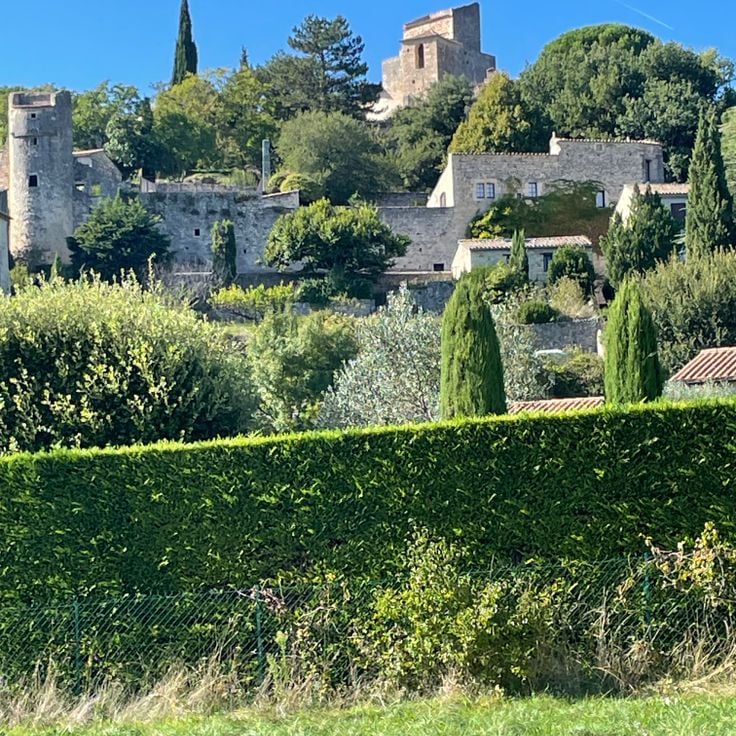
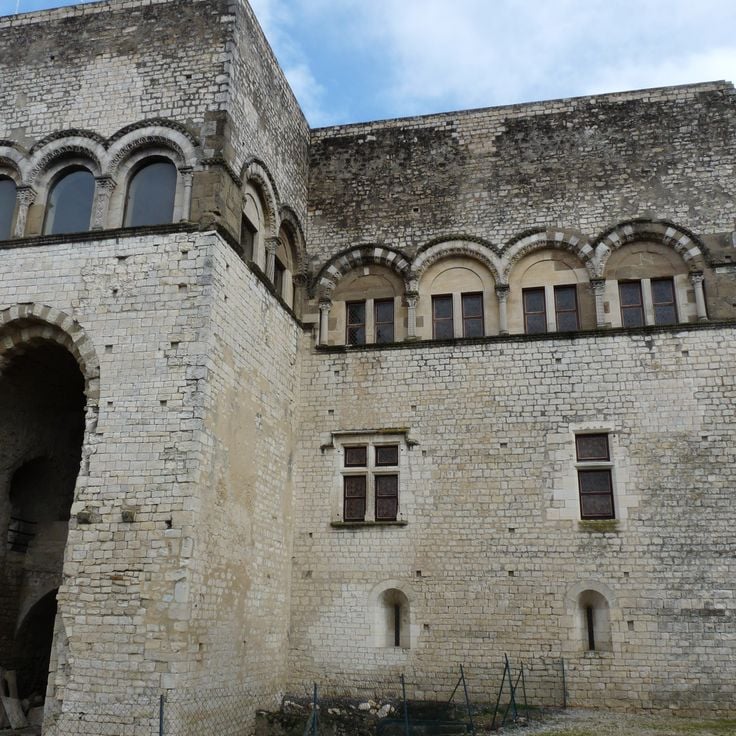
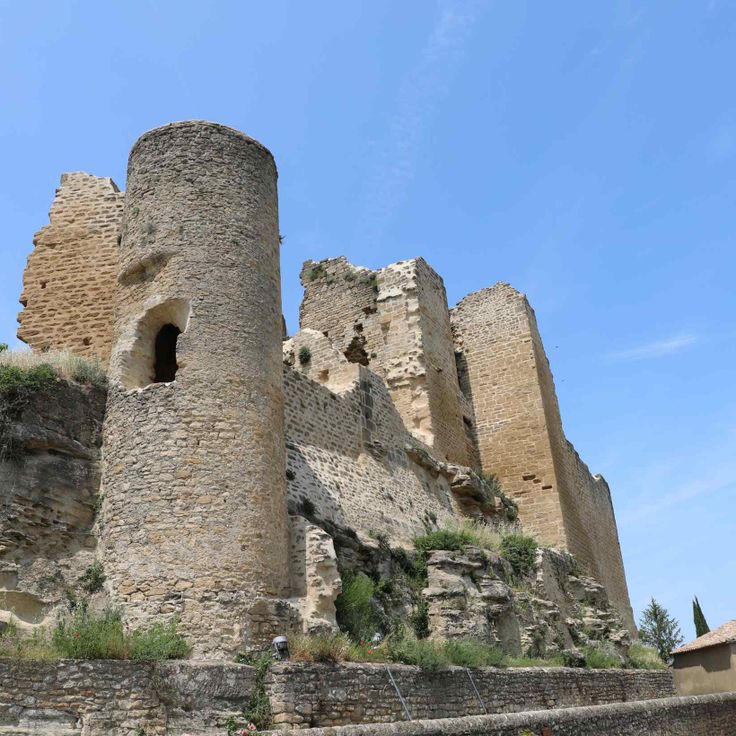
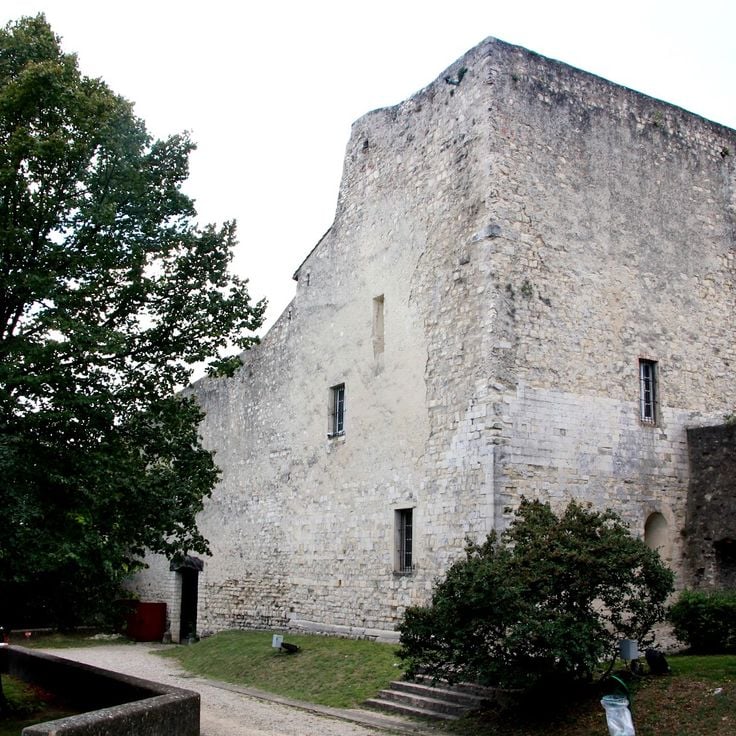
Montélimar is a town where old times mix with today. When walking down the streets, you see the Adhémar castle, a stronghold that has watched over the land for many years, and the Sainte-Croix church with its gothic style and a big wooden organ from Burgundy. The city parks are nice places to sit under very old trees and relax. Those interested in flying can visit the local museum about flight history.
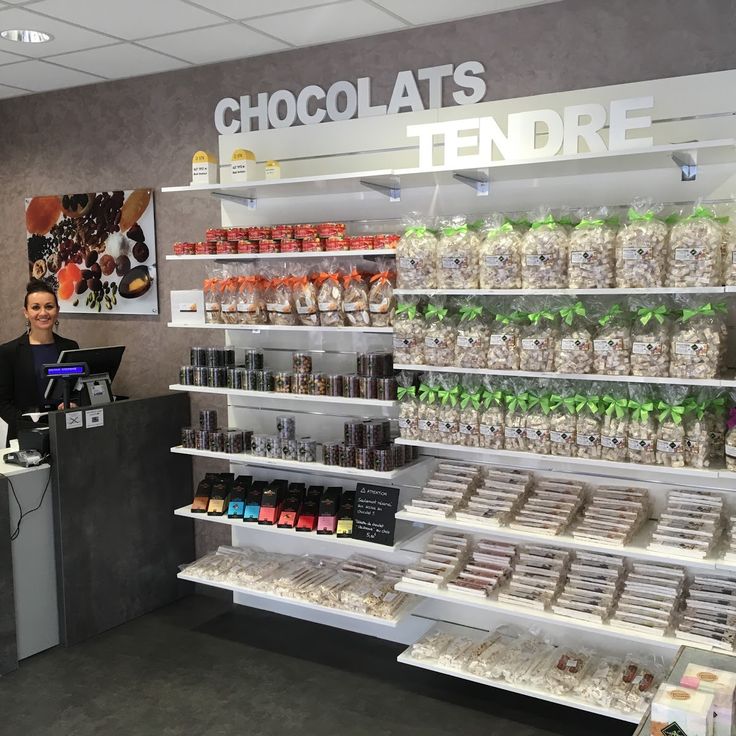
Montélimar is best known for its nougat factories. In the workshops in the town centre, you can watch the candy makers at work, making this sweet treat the same way as they have for many years: mixing honey and almonds right in front of you. These visits help you learn how this skill has been passed down. Of course, you can taste fresh-made nougat.
There are other castles nearby worth seeing. Grignan castle has stood over the village since the Middle Ages. It is famous for letters Madame de Sévigné wrote to her daughter. Other old houses from the Renaissance period tell stories about the lives of local nobles. Visiting these places helps you understand how people lived and ruled in those times.
Montélimar: traditional nougat, medieval castles, historical buildings
Montélimar is a town where old times mix with today. When walking down the streets, you see the Adhémar castle, a stronghold that has watched over the land for many years, and the Sainte-Croix church with its gothic style and a big wooden organ from Burgundy. The city parks are nice places to sit under very old trees and relax. Those interested in flying can visit the local museum about flight history.
Montélimar is best known for its nougat factories. In the workshops in the town centre, you can watch the candy makers at work, making this sweet treat the same way as they have for many years: mixing honey and almonds right in front of you. These visits help you learn how this skill has been passed down. Of course, you can taste fresh-made nougat.
There are other castles nearby worth seeing. Grignan castle has stood over the village since the Middle Ages. It is famous for letters Madame de Sévigné wrote to her daughter. Other old houses from the Renaissance period tell stories about the lives of local nobles. Visiting these places helps you understand how people lived and ruled in those times.
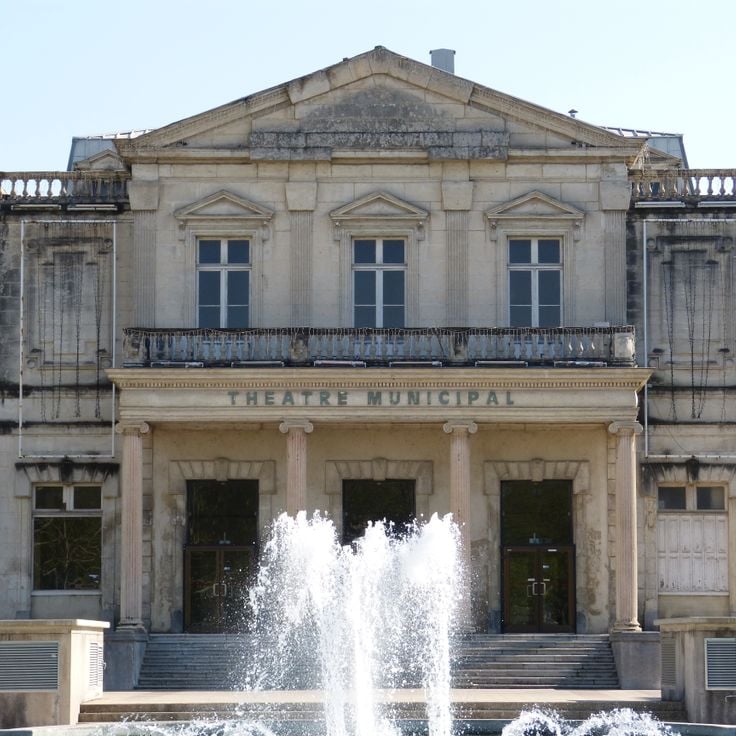
The Emile Loubet Theater is a historic building in the Belle Époque style that opened in 1885 in Montélimar. Its facade displays characteristic ornaments and balconies from that era. Inside is a renovated theater hall where performances continue to take place today. The building shapes the city's appearance and reflects Montélimar's cultural vitality in the late 1800s.
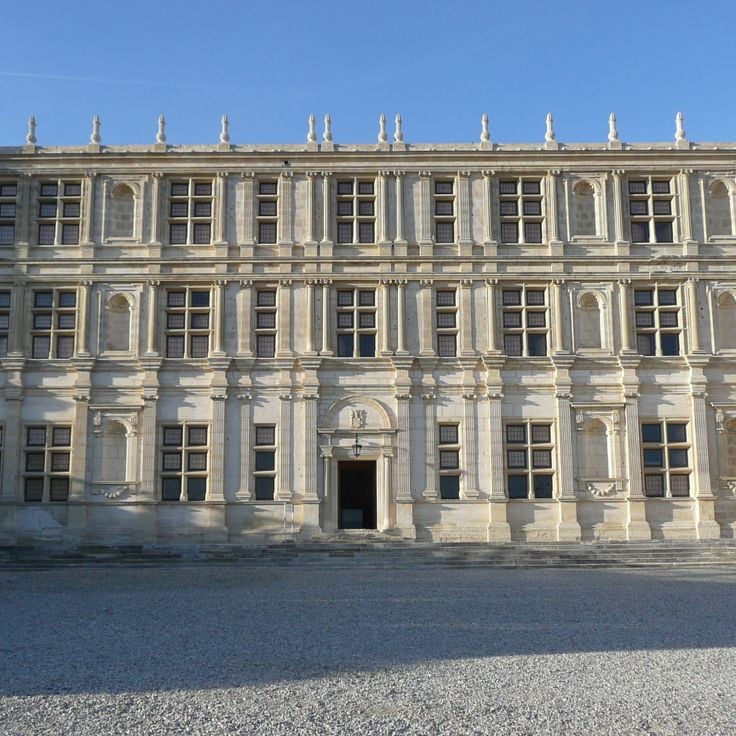
Grignan's castle overlooks the village from the 12th century onward. This Renaissance residence is known for the letters that Madame de Sévigné wrote to her daughter. The building shows architecture from different periods, as it was rebuilt and expanded over the centuries. Walking through the rooms, you can imagine how noble families lived and managed their estates here. The spaces are furnished with pieces and objects from various eras, telling the story of life in an aristocratic castle. From the terraces, you can see the village and the surrounding landscape with its fields and smaller settlements.
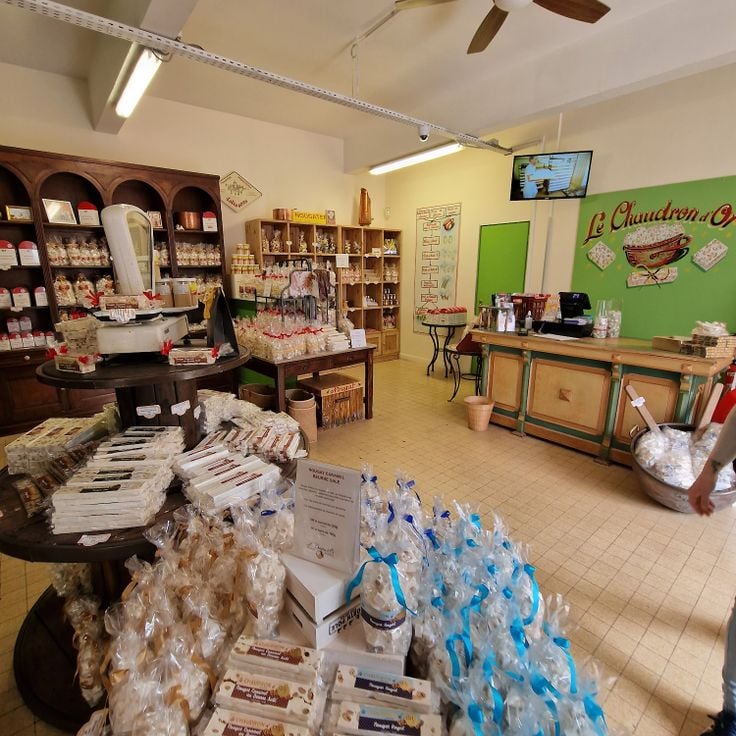
This traditional nougat workshop sits in the heart of Montélimar's town center, where craftspeople work using methods that have barely changed across generations. Visitors can watch honey and almonds being mixed to create the confection that made this city famous. The space shows how this sweet craft has survived and allows you to taste freshly made nougat while learning the techniques that earned Montélimar its reputation.
The Montélimar Castle is a medieval fortress built in the 12th century on a rocky outcrop. Over the centuries, it served as a residence for noble families and as a military garrison. Today, you can walk through its spaces and look out over the city from its walls, understanding how this stronghold shaped the history of the region.
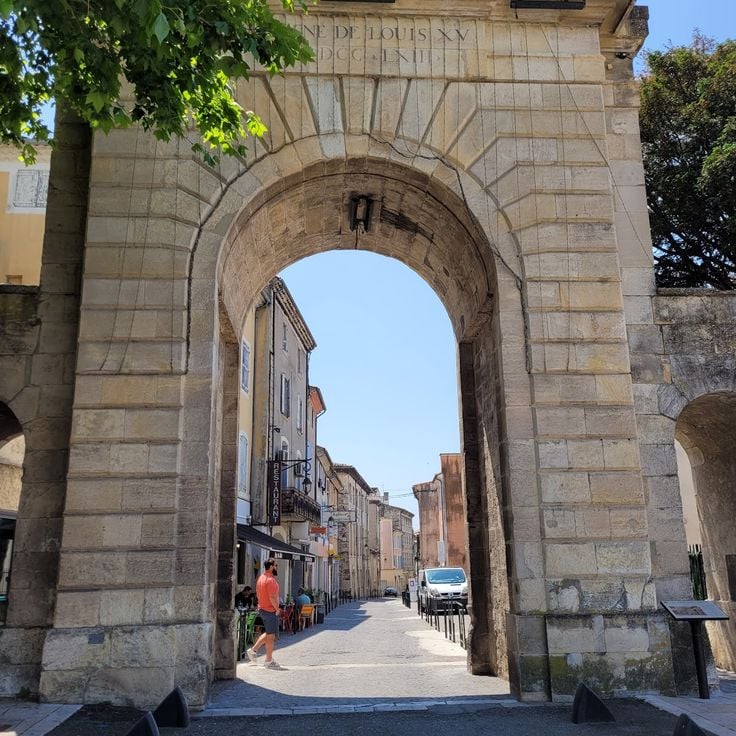
The Saint-Martin Gate is a medieval entrance to Montélimar that once formed part of the city's defensive walls. The structure displays characteristic medieval craftsmanship, featuring carefully cut stone arches. Today, the gate stands as evidence of Montélimar's historical importance, a place where medieval fortifications complement the town's reputation for traditional nougat production and historic castles. Walking through this gateway connects visitors to an earlier period when the city was surrounded by protective walls and served as a significant stopping point along trade routes.
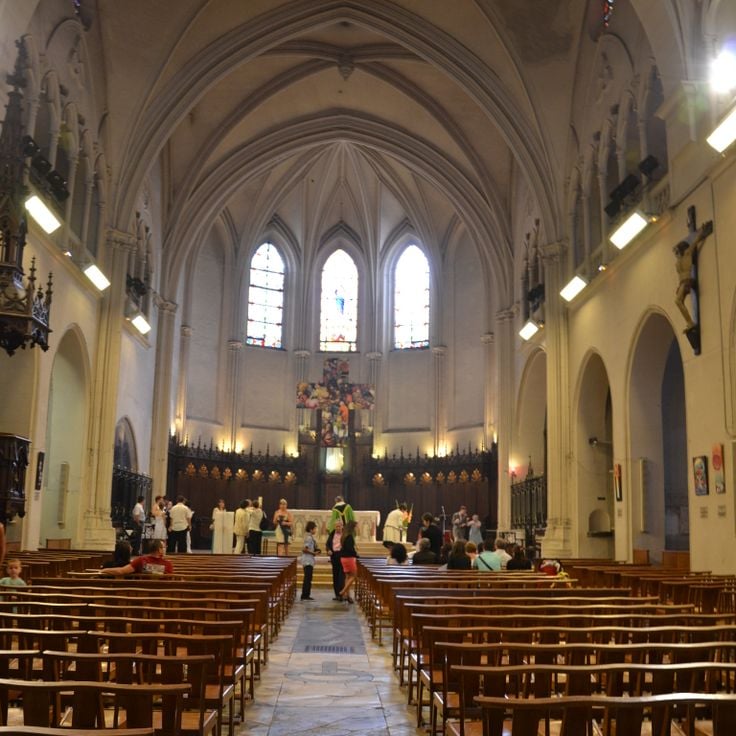
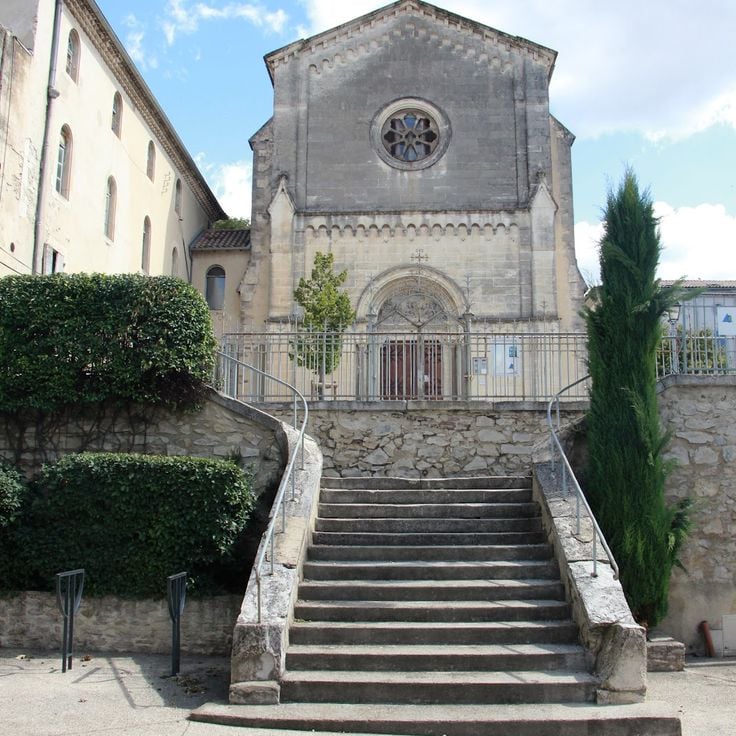
The Collégiale Sainte-Croix sits at the heart of Montélimar as a Gothic church built in the 14th century. Its most striking feature is the large organ with a case made from Burgundy oak. This instrument fills the interior space and shows the craftsmanship that once defined the church. Visitors can appreciate the Gothic architectural details and understand how important this place was to the religious life of the city.
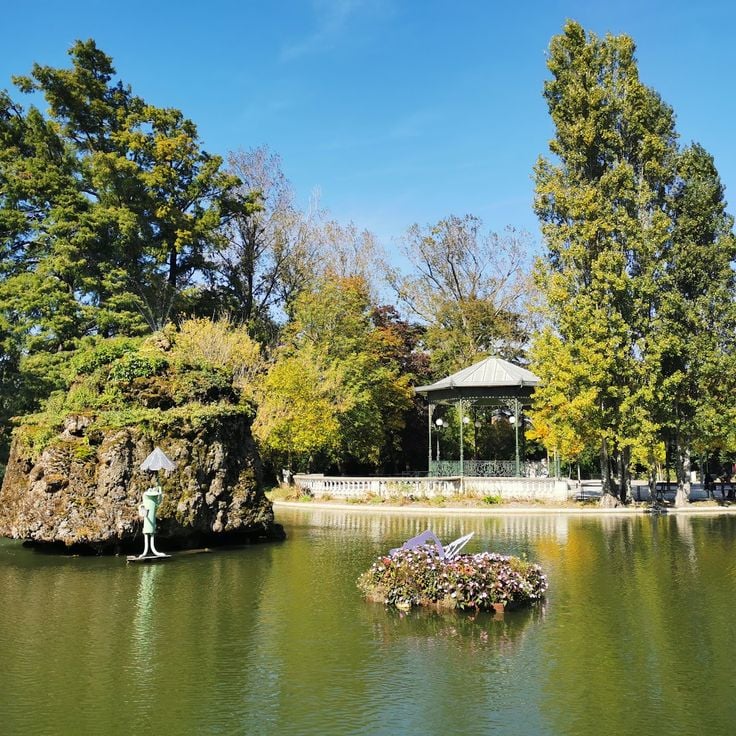
Montélimar's Public Garden is a green space where you can sit under century-old trees and walk along shaded paths. The garden has benches for resting, play areas for children, and a quiet atmosphere for a leisurely stroll through the town. It feels like a natural refuge from the busy streets outside.
The Hôtel de Chabrillan is an 18th-century residence in Montélimar that displays the classical architecture of its time. Its grand salon features period woodwork and decorations that are classified as historic monuments. This building shows how wealthy families lived and decorated their homes during the classical era. It reflects the luxury and taste of that period and is part of Montélimar's rich architectural heritage, where medieval castles and Renaissance estates define the region.
The Tower of Narbonne is a fortified tower in Montélimar dating from the 10th to 14th centuries. It once served as part of the defensive system of the Papal Castle and rises over 100 feet (30 meters) high. This tower reflects the medieval building techniques and the strategic importance that Montélimar held during the Middle Ages. When you visit, you can observe the thick walls and ancient construction methods up close.
At Le Chaudron d'Or in Montélimar, visitors watch craftspeople make nougat using traditional methods that have been passed down through generations. The confectioners blend honey and almonds right before your eyes, showing the exact process that has defined the town for centuries. This workshop offers a genuine look at how Montélimar's famous sweet is created and a chance to taste it fresh from their hands.
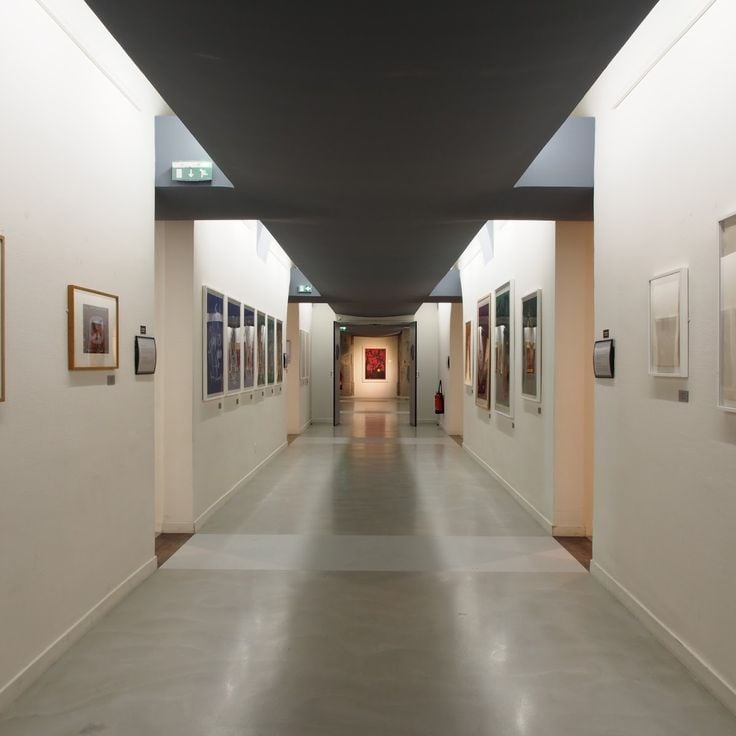
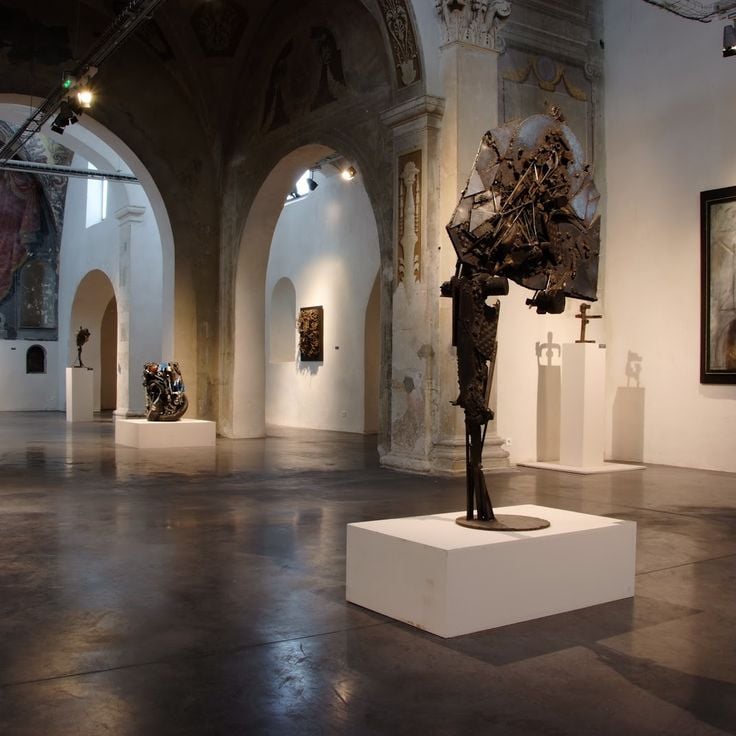
Montélimar's Contemporary Art Museum is located in a restored building in the city center and presents works by artists from the 20th and 21st centuries. The permanent collection showcases pieces from different periods of modern art, while rotating exhibitions feature contemporary artistic positions. The spaces invite visitors to explore modern and current artistic directions and learn about how art has developed over recent decades.
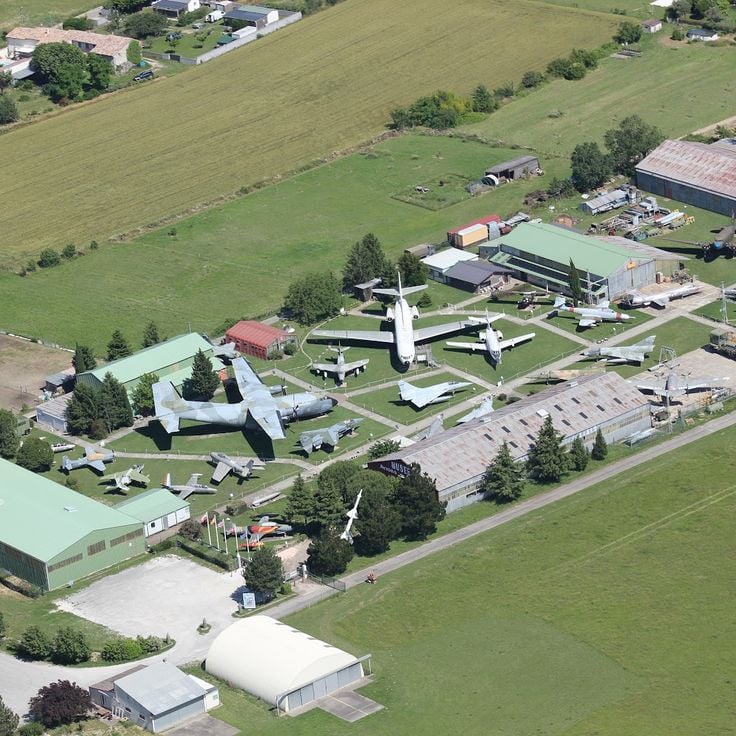
The European Fighter Aircraft Museum in Montélimar displays military aircraft spanning over a century of flight history. Inside the hangar, visitors can see various fighter jets, including French models such as Mirage and Mystère alongside Soviet MiG aircraft. The museum gives you a sense of how aircraft technology evolved over time. It appeals to anyone curious about aviation history and military engineering. The collection includes machines from different countries and periods, from early planes to modern combat jets.
The Chapelle des Carmes in Montélimar is a 17th-century building that combines Gothic forms with Renaissance elements. The chapel stands near the Château des Adhémar and is one of many historical structures that shape this town's character. When you walk through Montélimar, you encounter places like this that speak of the medieval past and show how history and everyday life interweave here.
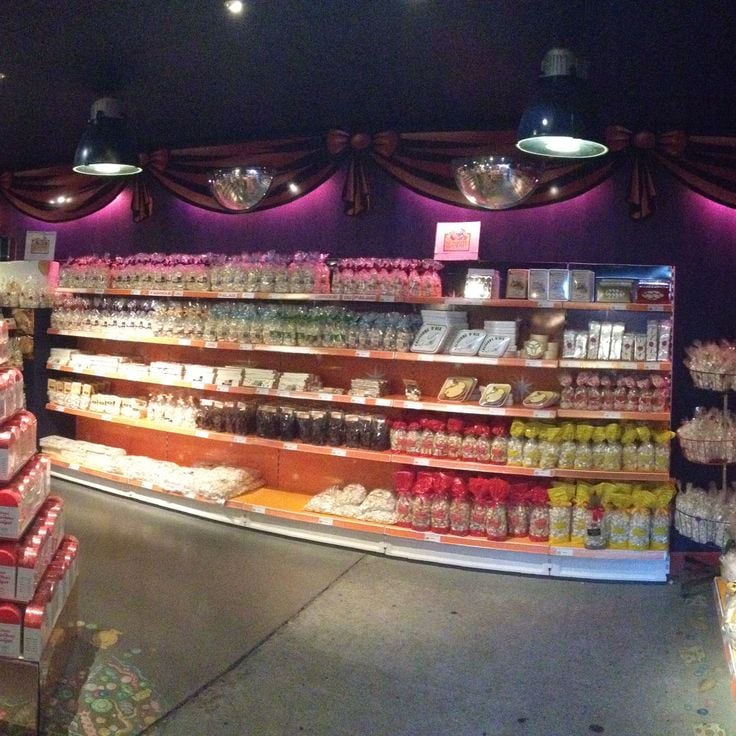
The Palais Des Bonbons du Nougat et des Souvenirs is a museum in Montélimar dedicated to the creation of traditional confectionery. In its demonstration rooms, visitors can watch artisans prepare nougat using methods that have remained largely unchanged over time, mixing honey and almonds before your eyes. The museum displays the history of French candy making and explains how this craft has been passed down through families and generations. You can taste freshly made nougat and learn about the skills that have made Montélimar famous for centuries.
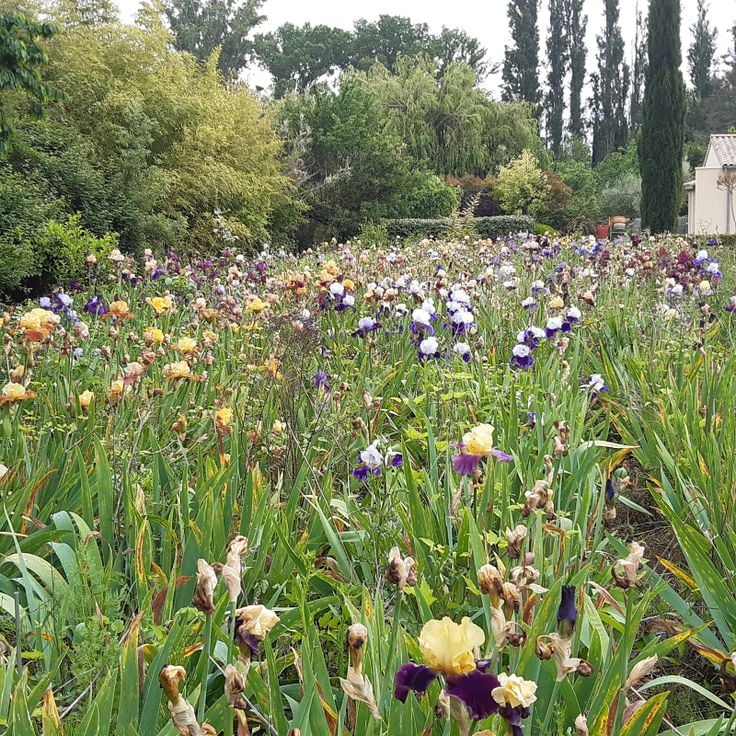
This iris garden in Montélimar displays over 300 varieties of iris that bloom in spring across 2000 square meters. Benches are placed throughout the space for visitors to sit and observe the flowers. The blooms show the range of these classic garden flowers, from soft white to deep purple. It is a quiet place to spend time outdoors and experience nature within a city known for its traditions and history.
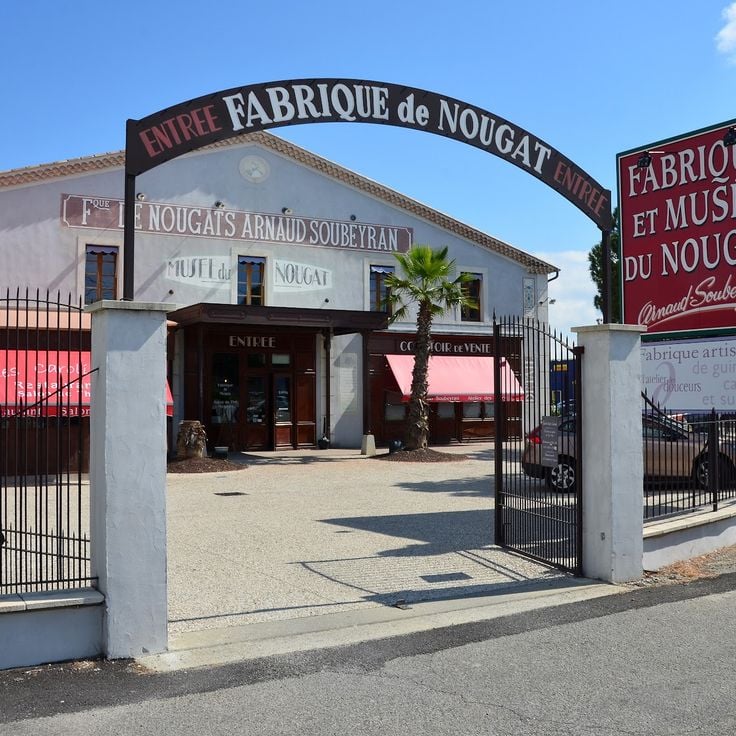
The Musée du Nougat Fabrique Arnaud Soubeyran in Montélimar offers a direct look at traditional nougat making. Every day, master confectioners prepare this sweet treat using methods that have changed very little over generations. Visitors stand in a gallery overlooking the workshop and watch craftspeople mix honey and almonds by hand, while knowledgeable guides explain the ingredients and techniques being used. The museum shows how this skill has been passed down through families in Montélimar, a town where nougat making remains central to local pride. You can taste the freshly made nougat after your visit.
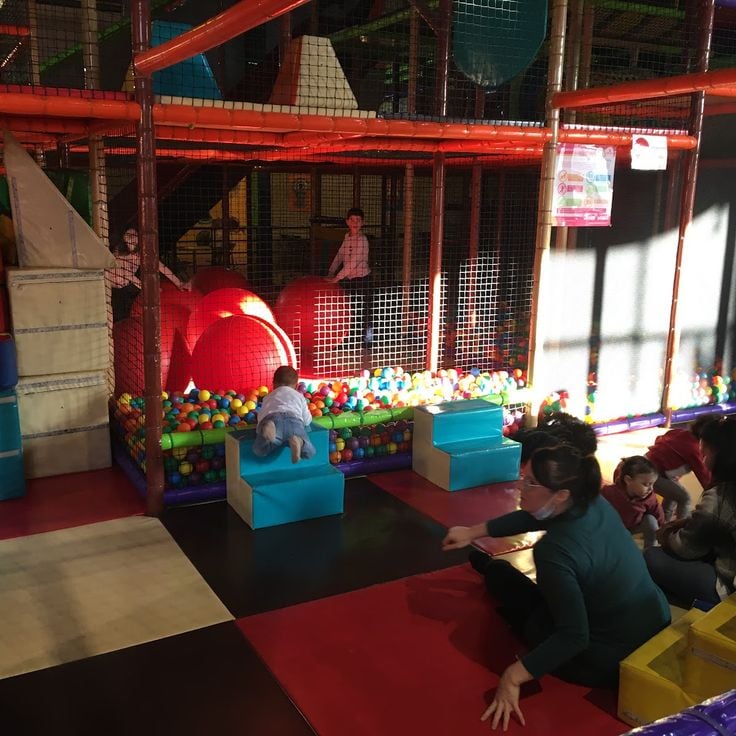
Badaboum Jeux Indoor in Montélimar is an indoor play center designed for children up to 12 years old. The facility spans 1000 square meters and features inflatable structures, slides, obstacle courses, and ball pools. Children can jump, climb, and play in a safe indoor environment. This is a place where kids can burn energy and have fun regardless of the weather outside.
The Centre d'Art Espace Chabrillan occupies a stately mansion from the 17th century in Montélimar. Inside this historic building, the center presents rotating exhibitions and a permanent collection of contemporary art. The venue brings together Montélimar's rich past with the modern art scene, offering visitors a space to explore contemporary artistic works within an elegant historical setting.
Mistral Kart is a go-kart center located in Montélimar. It offers an 800-meter track for adults and a 300-meter circuit for children. The facility is equipped with locker rooms and a rest area. This venue complements the cultural life of the city, which is known for its medieval castles, historic architecture, and traditional nougat production. While visitors typically explore the Adhémar castle or relax in the public gardens under century-old trees, Mistral Kart provides a chance for fast-paced fun and excitement.
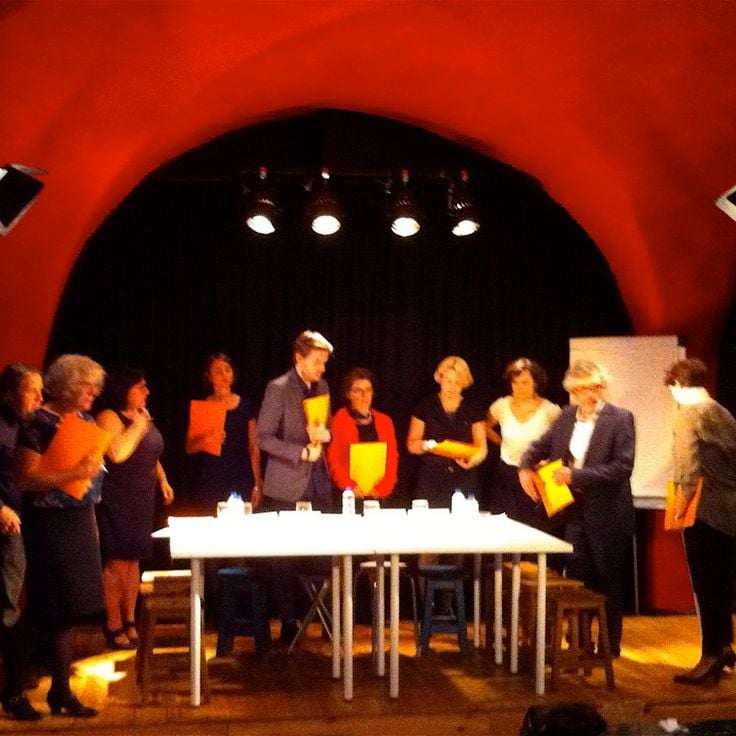
This small theater cafe in Montélimar hosts comedy, theater, and music performances throughout the year. Located near the historic center, it offers a place where locals and visitors gather for entertainment in a city known for its medieval castles and nougat workshops. The venue provides a window into the contemporary cultural life of Montélimar, complementing the town's rich historical heritage.
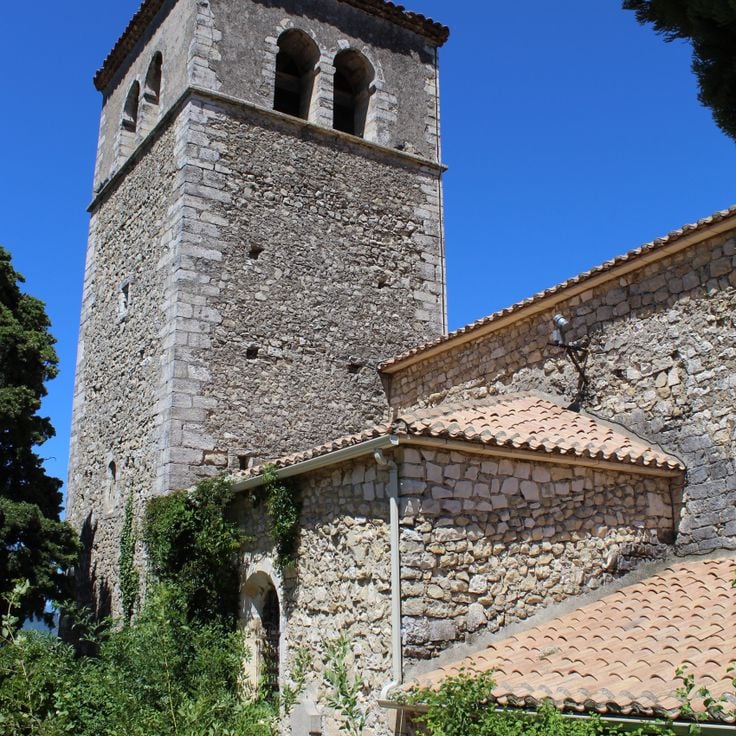
The Church of Sainte-Foy in Mirmande is a religious building from the 12th century that has been transformed into a cultural space. Inside, the nave and choir host temporary exhibitions and musical events. This building brings together the religious past of the region with modern cultural life, allowing visitors to experience history and contemporary art side by side.
The Transmission Museum of Montélimar displays the history of communication through a collection of military and civilian devices. Visitors can see radios, telephones, and telegraph equipment from the 20th century and understand how people spoke across great distances. The exhibition tells how communication technology developed and what role it played in daily life and warfare. This museum offers a glimpse into a time when radio sets and telegraphs connected people.
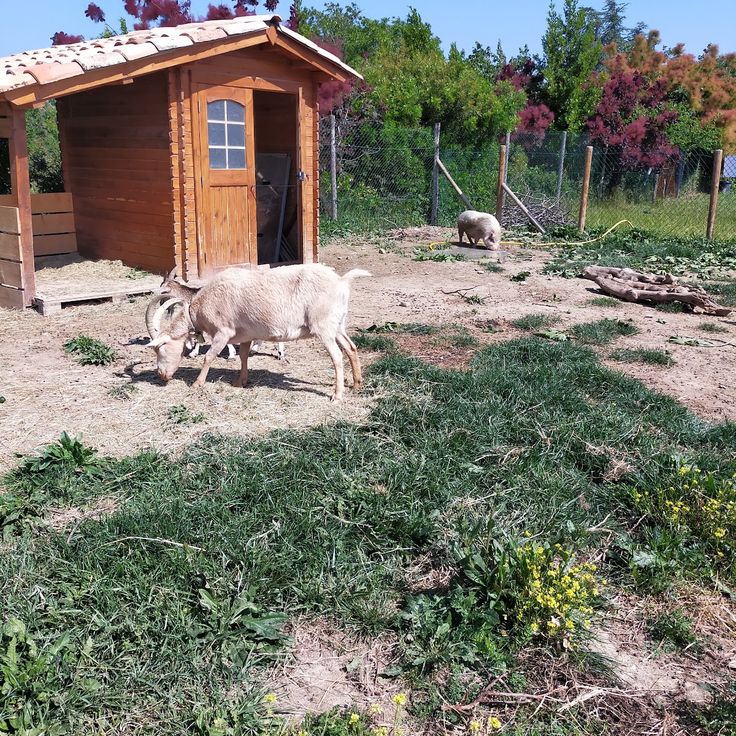
The small farm in Montélimar's public garden houses a collection of farm animals in spacious enclosures. Visitors can observe peacocks, sheep, and dwarf goats living in this green space within the city. The farm offers direct contact with rural life and shows how these animals are cared for. Children and adults can watch the animals up close and learn more about the agricultural traditions of this region.
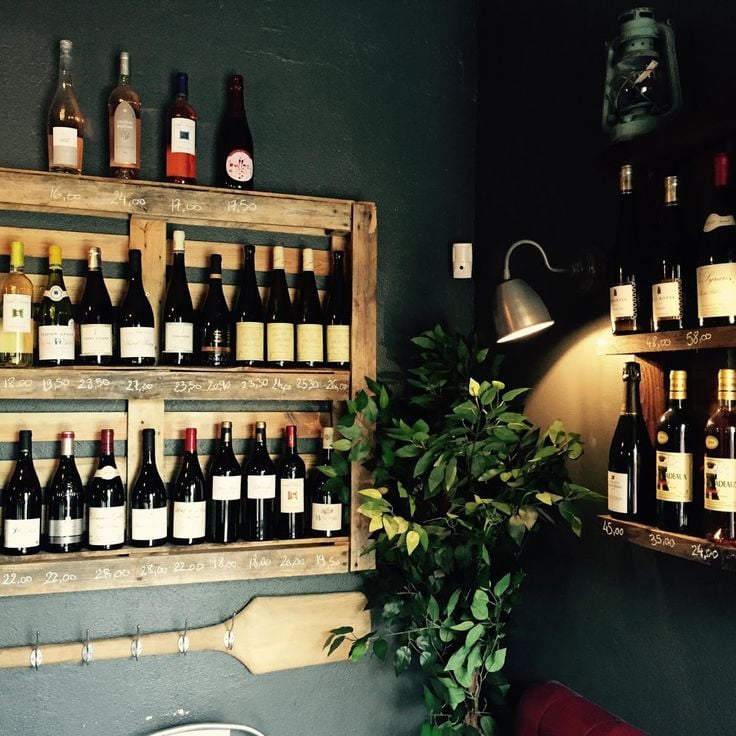
Bar La Fabrique in Montélimar is an independent brewery bar where craft beers are made on site. The bar offers a carefully chosen selection of local and regional wines. This drink establishment fits naturally into Montélimar's story, a town that values traditional craftsmanship just as much as its famous nougat workshops, which have preserved their methods for generations.
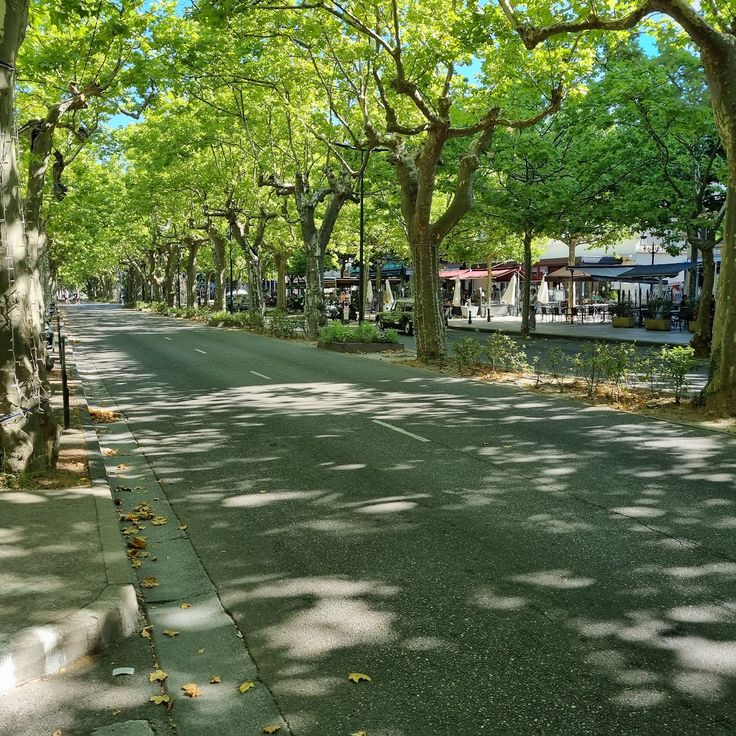
The Allées Provençales form the central avenue of Montélimar, a tree-lined street shaded by plane trees that serves as the heart of the town. Shops, cafés, and restaurants line this space, where locals and visitors move about and sit together. Pedestrians and cars share this avenue, giving it a working pulse that reflects daily life in Montélimar. The broad, tree-covered street connects the medieval history surrounding the town with its living present, where commerce and conversation happen side by side.
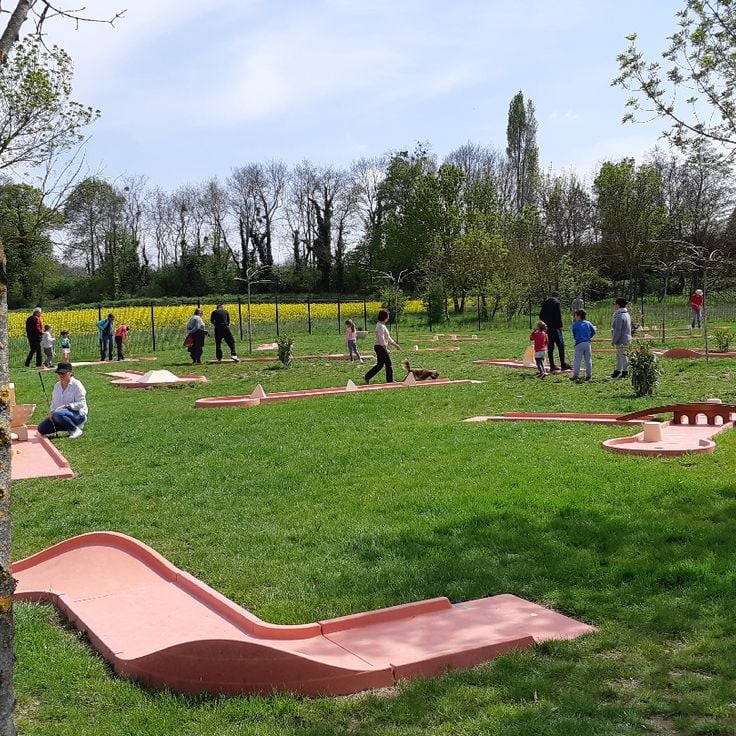
The mini-golf course in Saint-Gervais sits in a tree-lined park with an 18-hole layout featuring various obstacles on synthetic grass. This facility is part of the Montélimar region, where history and leisure coexist. While the town itself attracts visitors with medieval castles and traditional nougat workshops, this mini-golf offers a relaxed activity for families and travelers seeking a break from cultural sightseeing.
The Château de Poët-Laval is a fortress built in the 12th century that once belonged to the Knights Hospitaller. After damage during World War II, the monument was carefully restored. Today, visitors can walk through the stone walls and chambers that sheltered these warrior monks. The castle sits in the Montélimar region, where medieval life still echoes through the landscape, offering a window into how religious military orders lived and governed during the Middle Ages.
The Emile Loubet Theater is a historic building in the Belle Époque style that opened in 1885 in Montélimar. Its facade displays characteristic ornaments and balconies from that era. Inside is a renovated theater hall where performances continue to take place today. The building shapes the city's appearance and reflects Montélimar's cultural vitality in the late 1800s.
Grignan's castle overlooks the village from the 12th century onward. This Renaissance residence is known for the letters that Madame de Sévigné wrote to her daughter. The building shows architecture from different periods, as it was rebuilt and expanded over the centuries. Walking through the rooms, you can imagine how noble families lived and managed their estates here. The spaces are furnished with pieces and objects from various eras, telling the story of life in an aristocratic castle. From the terraces, you can see the village and the surrounding landscape with its fields and smaller settlements.
This traditional nougat workshop sits in the heart of Montélimar's town center, where craftspeople work using methods that have barely changed across generations. Visitors can watch honey and almonds being mixed to create the confection that made this city famous. The space shows how this sweet craft has survived and allows you to taste freshly made nougat while learning the techniques that earned Montélimar its reputation.
The Montélimar Castle is a medieval fortress built in the 12th century on a rocky outcrop. Over the centuries, it served as a residence for noble families and as a military garrison. Today, you can walk through its spaces and look out over the city from its walls, understanding how this stronghold shaped the history of the region.
The Saint-Martin Gate is a medieval entrance to Montélimar that once formed part of the city's defensive walls. The structure displays characteristic medieval craftsmanship, featuring carefully cut stone arches. Today, the gate stands as evidence of Montélimar's historical importance, a place where medieval fortifications complement the town's reputation for traditional nougat production and historic castles. Walking through this gateway connects visitors to an earlier period when the city was surrounded by protective walls and served as a significant stopping point along trade routes.
The Collégiale Sainte-Croix sits at the heart of Montélimar as a Gothic church built in the 14th century. Its most striking feature is the large organ with a case made from Burgundy oak. This instrument fills the interior space and shows the craftsmanship that once defined the church. Visitors can appreciate the Gothic architectural details and understand how important this place was to the religious life of the city.
Montélimar's Public Garden is a green space where you can sit under century-old trees and walk along shaded paths. The garden has benches for resting, play areas for children, and a quiet atmosphere for a leisurely stroll through the town. It feels like a natural refuge from the busy streets outside.
The Hôtel de Chabrillan is an 18th-century residence in Montélimar that displays the classical architecture of its time. Its grand salon features period woodwork and decorations that are classified as historic monuments. This building shows how wealthy families lived and decorated their homes during the classical era. It reflects the luxury and taste of that period and is part of Montélimar's rich architectural heritage, where medieval castles and Renaissance estates define the region.
The Tower of Narbonne is a fortified tower in Montélimar dating from the 10th to 14th centuries. It once served as part of the defensive system of the Papal Castle and rises over 100 feet (30 meters) high. This tower reflects the medieval building techniques and the strategic importance that Montélimar held during the Middle Ages. When you visit, you can observe the thick walls and ancient construction methods up close.
At Le Chaudron d'Or in Montélimar, visitors watch craftspeople make nougat using traditional methods that have been passed down through generations. The confectioners blend honey and almonds right before your eyes, showing the exact process that has defined the town for centuries. This workshop offers a genuine look at how Montélimar's famous sweet is created and a chance to taste it fresh from their hands.
Montélimar's Contemporary Art Museum is located in a restored building in the city center and presents works by artists from the 20th and 21st centuries. The permanent collection showcases pieces from different periods of modern art, while rotating exhibitions feature contemporary artistic positions. The spaces invite visitors to explore modern and current artistic directions and learn about how art has developed over recent decades.
The European Fighter Aircraft Museum in Montélimar displays military aircraft spanning over a century of flight history. Inside the hangar, visitors can see various fighter jets, including French models such as Mirage and Mystère alongside Soviet MiG aircraft. The museum gives you a sense of how aircraft technology evolved over time. It appeals to anyone curious about aviation history and military engineering. The collection includes machines from different countries and periods, from early planes to modern combat jets.
The Chapelle des Carmes in Montélimar is a 17th-century building that combines Gothic forms with Renaissance elements. The chapel stands near the Château des Adhémar and is one of many historical structures that shape this town's character. When you walk through Montélimar, you encounter places like this that speak of the medieval past and show how history and everyday life interweave here.
The Palais Des Bonbons du Nougat et des Souvenirs is a museum in Montélimar dedicated to the creation of traditional confectionery. In its demonstration rooms, visitors can watch artisans prepare nougat using methods that have remained largely unchanged over time, mixing honey and almonds before your eyes. The museum displays the history of French candy making and explains how this craft has been passed down through families and generations. You can taste freshly made nougat and learn about the skills that have made Montélimar famous for centuries.
This iris garden in Montélimar displays over 300 varieties of iris that bloom in spring across 2000 square meters. Benches are placed throughout the space for visitors to sit and observe the flowers. The blooms show the range of these classic garden flowers, from soft white to deep purple. It is a quiet place to spend time outdoors and experience nature within a city known for its traditions and history.
The Musée du Nougat Fabrique Arnaud Soubeyran in Montélimar offers a direct look at traditional nougat making. Every day, master confectioners prepare this sweet treat using methods that have changed very little over generations. Visitors stand in a gallery overlooking the workshop and watch craftspeople mix honey and almonds by hand, while knowledgeable guides explain the ingredients and techniques being used. The museum shows how this skill has been passed down through families in Montélimar, a town where nougat making remains central to local pride. You can taste the freshly made nougat after your visit.
Badaboum Jeux Indoor in Montélimar is an indoor play center designed for children up to 12 years old. The facility spans 1000 square meters and features inflatable structures, slides, obstacle courses, and ball pools. Children can jump, climb, and play in a safe indoor environment. This is a place where kids can burn energy and have fun regardless of the weather outside.
The Centre d'Art Espace Chabrillan occupies a stately mansion from the 17th century in Montélimar. Inside this historic building, the center presents rotating exhibitions and a permanent collection of contemporary art. The venue brings together Montélimar's rich past with the modern art scene, offering visitors a space to explore contemporary artistic works within an elegant historical setting.
Mistral Kart is a go-kart center located in Montélimar. It offers an 800-meter track for adults and a 300-meter circuit for children. The facility is equipped with locker rooms and a rest area. This venue complements the cultural life of the city, which is known for its medieval castles, historic architecture, and traditional nougat production. While visitors typically explore the Adhémar castle or relax in the public gardens under century-old trees, Mistral Kart provides a chance for fast-paced fun and excitement.
This small theater cafe in Montélimar hosts comedy, theater, and music performances throughout the year. Located near the historic center, it offers a place where locals and visitors gather for entertainment in a city known for its medieval castles and nougat workshops. The venue provides a window into the contemporary cultural life of Montélimar, complementing the town's rich historical heritage.
The Church of Sainte-Foy in Mirmande is a religious building from the 12th century that has been transformed into a cultural space. Inside, the nave and choir host temporary exhibitions and musical events. This building brings together the religious past of the region with modern cultural life, allowing visitors to experience history and contemporary art side by side.
The Transmission Museum of Montélimar displays the history of communication through a collection of military and civilian devices. Visitors can see radios, telephones, and telegraph equipment from the 20th century and understand how people spoke across great distances. The exhibition tells how communication technology developed and what role it played in daily life and warfare. This museum offers a glimpse into a time when radio sets and telegraphs connected people.
The small farm in Montélimar's public garden houses a collection of farm animals in spacious enclosures. Visitors can observe peacocks, sheep, and dwarf goats living in this green space within the city. The farm offers direct contact with rural life and shows how these animals are cared for. Children and adults can watch the animals up close and learn more about the agricultural traditions of this region.
Bar La Fabrique in Montélimar is an independent brewery bar where craft beers are made on site. The bar offers a carefully chosen selection of local and regional wines. This drink establishment fits naturally into Montélimar's story, a town that values traditional craftsmanship just as much as its famous nougat workshops, which have preserved their methods for generations.
The Allées Provençales form the central avenue of Montélimar, a tree-lined street shaded by plane trees that serves as the heart of the town. Shops, cafés, and restaurants line this space, where locals and visitors move about and sit together. Pedestrians and cars share this avenue, giving it a working pulse that reflects daily life in Montélimar. The broad, tree-covered street connects the medieval history surrounding the town with its living present, where commerce and conversation happen side by side.
The mini-golf course in Saint-Gervais sits in a tree-lined park with an 18-hole layout featuring various obstacles on synthetic grass. This facility is part of the Montélimar region, where history and leisure coexist. While the town itself attracts visitors with medieval castles and traditional nougat workshops, this mini-golf offers a relaxed activity for families and travelers seeking a break from cultural sightseeing.
The Château de Poët-Laval is a fortress built in the 12th century that once belonged to the Knights Hospitaller. After damage during World War II, the monument was carefully restored. Today, visitors can walk through the stone walls and chambers that sheltered these warrior monks. The castle sits in the Montélimar region, where medieval life still echoes through the landscape, offering a window into how religious military orders lived and governed during the Middle Ages.
The Emile Loubet Theater is a historic building in the Belle Époque style that opened in 1885 in Montélimar. Its facade displays characteristic ornaments and balconies from that era. Inside is a renovated theater hall where performances continue to take place today. The building shapes the city's appearance and reflects Montélimar's cultural vitality in the late 1800s.
Grignan's castle overlooks the village from the 12th century onward. This Renaissance residence is known for the letters that Madame de Sévigné wrote to her daughter. The building shows architecture from different periods, as it was rebuilt and expanded over the centuries. Walking through the rooms, you can imagine how noble families lived and managed their estates here. The spaces are furnished with pieces and objects from various eras, telling the story of life in an aristocratic castle. From the terraces, you can see the village and the surrounding landscape with its fields and smaller settlements.
This traditional nougat workshop sits in the heart of Montélimar's town center, where craftspeople work using methods that have barely changed across generations. Visitors can watch honey and almonds being mixed to create the confection that made this city famous. The space shows how this sweet craft has survived and allows you to taste freshly made nougat while learning the techniques that earned Montélimar its reputation.
The Montélimar Castle is a medieval fortress built in the 12th century on a rocky outcrop. Over the centuries, it served as a residence for noble families and as a military garrison. Today, you can walk through its spaces and look out over the city from its walls, understanding how this stronghold shaped the history of the region.
The Saint-Martin Gate is a medieval entrance to Montélimar that once formed part of the city's defensive walls. The structure displays characteristic medieval craftsmanship, featuring carefully cut stone arches. Today, the gate stands as evidence of Montélimar's historical importance, a place where medieval fortifications complement the town's reputation for traditional nougat production and historic castles. Walking through this gateway connects visitors to an earlier period when the city was surrounded by protective walls and served as a significant stopping point along trade routes.
The Collégiale Sainte-Croix sits at the heart of Montélimar as a Gothic church built in the 14th century. Its most striking feature is the large organ with a case made from Burgundy oak. This instrument fills the interior space and shows the craftsmanship that once defined the church. Visitors can appreciate the Gothic architectural details and understand how important this place was to the religious life of the city.
Montélimar's Public Garden is a green space where you can sit under century-old trees and walk along shaded paths. The garden has benches for resting, play areas for children, and a quiet atmosphere for a leisurely stroll through the town. It feels like a natural refuge from the busy streets outside.
The Hôtel de Chabrillan is an 18th-century residence in Montélimar that displays the classical architecture of its time. Its grand salon features period woodwork and decorations that are classified as historic monuments. This building shows how wealthy families lived and decorated their homes during the classical era. It reflects the luxury and taste of that period and is part of Montélimar's rich architectural heritage, where medieval castles and Renaissance estates define the region.
The Tower of Narbonne is a fortified tower in Montélimar dating from the 10th to 14th centuries. It once served as part of the defensive system of the Papal Castle and rises over 100 feet (30 meters) high. This tower reflects the medieval building techniques and the strategic importance that Montélimar held during the Middle Ages. When you visit, you can observe the thick walls and ancient construction methods up close.
At Le Chaudron d'Or in Montélimar, visitors watch craftspeople make nougat using traditional methods that have been passed down through generations. The confectioners blend honey and almonds right before your eyes, showing the exact process that has defined the town for centuries. This workshop offers a genuine look at how Montélimar's famous sweet is created and a chance to taste it fresh from their hands.
Montélimar's Contemporary Art Museum is located in a restored building in the city center and presents works by artists from the 20th and 21st centuries. The permanent collection showcases pieces from different periods of modern art, while rotating exhibitions feature contemporary artistic positions. The spaces invite visitors to explore modern and current artistic directions and learn about how art has developed over recent decades.
The European Fighter Aircraft Museum in Montélimar displays military aircraft spanning over a century of flight history. Inside the hangar, visitors can see various fighter jets, including French models such as Mirage and Mystère alongside Soviet MiG aircraft. The museum gives you a sense of how aircraft technology evolved over time. It appeals to anyone curious about aviation history and military engineering. The collection includes machines from different countries and periods, from early planes to modern combat jets.
The Chapelle des Carmes in Montélimar is a 17th-century building that combines Gothic forms with Renaissance elements. The chapel stands near the Château des Adhémar and is one of many historical structures that shape this town's character. When you walk through Montélimar, you encounter places like this that speak of the medieval past and show how history and everyday life interweave here.
The Palais Des Bonbons du Nougat et des Souvenirs is a museum in Montélimar dedicated to the creation of traditional confectionery. In its demonstration rooms, visitors can watch artisans prepare nougat using methods that have remained largely unchanged over time, mixing honey and almonds before your eyes. The museum displays the history of French candy making and explains how this craft has been passed down through families and generations. You can taste freshly made nougat and learn about the skills that have made Montélimar famous for centuries.
This iris garden in Montélimar displays over 300 varieties of iris that bloom in spring across 2000 square meters. Benches are placed throughout the space for visitors to sit and observe the flowers. The blooms show the range of these classic garden flowers, from soft white to deep purple. It is a quiet place to spend time outdoors and experience nature within a city known for its traditions and history.
The Musée du Nougat Fabrique Arnaud Soubeyran in Montélimar offers a direct look at traditional nougat making. Every day, master confectioners prepare this sweet treat using methods that have changed very little over generations. Visitors stand in a gallery overlooking the workshop and watch craftspeople mix honey and almonds by hand, while knowledgeable guides explain the ingredients and techniques being used. The museum shows how this skill has been passed down through families in Montélimar, a town where nougat making remains central to local pride. You can taste the freshly made nougat after your visit.
Badaboum Jeux Indoor in Montélimar is an indoor play center designed for children up to 12 years old. The facility spans 1000 square meters and features inflatable structures, slides, obstacle courses, and ball pools. Children can jump, climb, and play in a safe indoor environment. This is a place where kids can burn energy and have fun regardless of the weather outside.
The Centre d'Art Espace Chabrillan occupies a stately mansion from the 17th century in Montélimar. Inside this historic building, the center presents rotating exhibitions and a permanent collection of contemporary art. The venue brings together Montélimar's rich past with the modern art scene, offering visitors a space to explore contemporary artistic works within an elegant historical setting.
Mistral Kart is a go-kart center located in Montélimar. It offers an 800-meter track for adults and a 300-meter circuit for children. The facility is equipped with locker rooms and a rest area. This venue complements the cultural life of the city, which is known for its medieval castles, historic architecture, and traditional nougat production. While visitors typically explore the Adhémar castle or relax in the public gardens under century-old trees, Mistral Kart provides a chance for fast-paced fun and excitement.
This small theater cafe in Montélimar hosts comedy, theater, and music performances throughout the year. Located near the historic center, it offers a place where locals and visitors gather for entertainment in a city known for its medieval castles and nougat workshops. The venue provides a window into the contemporary cultural life of Montélimar, complementing the town's rich historical heritage.
The Church of Sainte-Foy in Mirmande is a religious building from the 12th century that has been transformed into a cultural space. Inside, the nave and choir host temporary exhibitions and musical events. This building brings together the religious past of the region with modern cultural life, allowing visitors to experience history and contemporary art side by side.
The Transmission Museum of Montélimar displays the history of communication through a collection of military and civilian devices. Visitors can see radios, telephones, and telegraph equipment from the 20th century and understand how people spoke across great distances. The exhibition tells how communication technology developed and what role it played in daily life and warfare. This museum offers a glimpse into a time when radio sets and telegraphs connected people.
The small farm in Montélimar's public garden houses a collection of farm animals in spacious enclosures. Visitors can observe peacocks, sheep, and dwarf goats living in this green space within the city. The farm offers direct contact with rural life and shows how these animals are cared for. Children and adults can watch the animals up close and learn more about the agricultural traditions of this region.
Bar La Fabrique in Montélimar is an independent brewery bar where craft beers are made on site. The bar offers a carefully chosen selection of local and regional wines. This drink establishment fits naturally into Montélimar's story, a town that values traditional craftsmanship just as much as its famous nougat workshops, which have preserved their methods for generations.
The Allées Provençales form the central avenue of Montélimar, a tree-lined street shaded by plane trees that serves as the heart of the town. Shops, cafés, and restaurants line this space, where locals and visitors move about and sit together. Pedestrians and cars share this avenue, giving it a working pulse that reflects daily life in Montélimar. The broad, tree-covered street connects the medieval history surrounding the town with its living present, where commerce and conversation happen side by side.
The mini-golf course in Saint-Gervais sits in a tree-lined park with an 18-hole layout featuring various obstacles on synthetic grass. This facility is part of the Montélimar region, where history and leisure coexist. While the town itself attracts visitors with medieval castles and traditional nougat workshops, this mini-golf offers a relaxed activity for families and travelers seeking a break from cultural sightseeing.
The Château de Poët-Laval is a fortress built in the 12th century that once belonged to the Knights Hospitaller. After damage during World War II, the monument was carefully restored. Today, visitors can walk through the stone walls and chambers that sheltered these warrior monks. The castle sits in the Montélimar region, where medieval life still echoes through the landscape, offering a window into how religious military orders lived and governed during the Middle Ages.