See the monuments around you in AROpen chests in the app
Around Us is built for your phone — point your camera at the streets and discover the monuments and places around you in augmented reality.Around Us is built for your phone — chests unlock when you walk, explore and capture nearby places.
Monuments and history of Havana: colonial architecture, military fortifications, baroque heritage
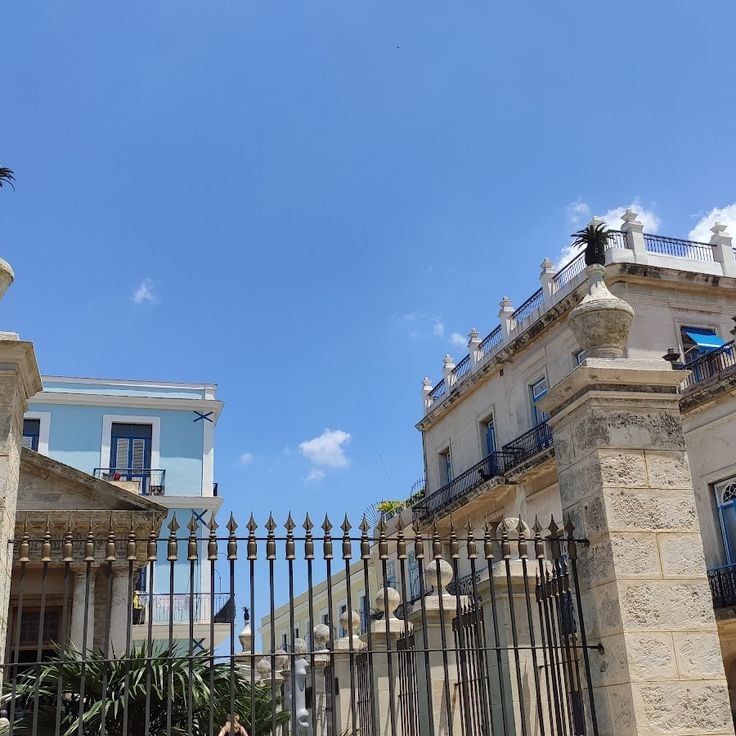
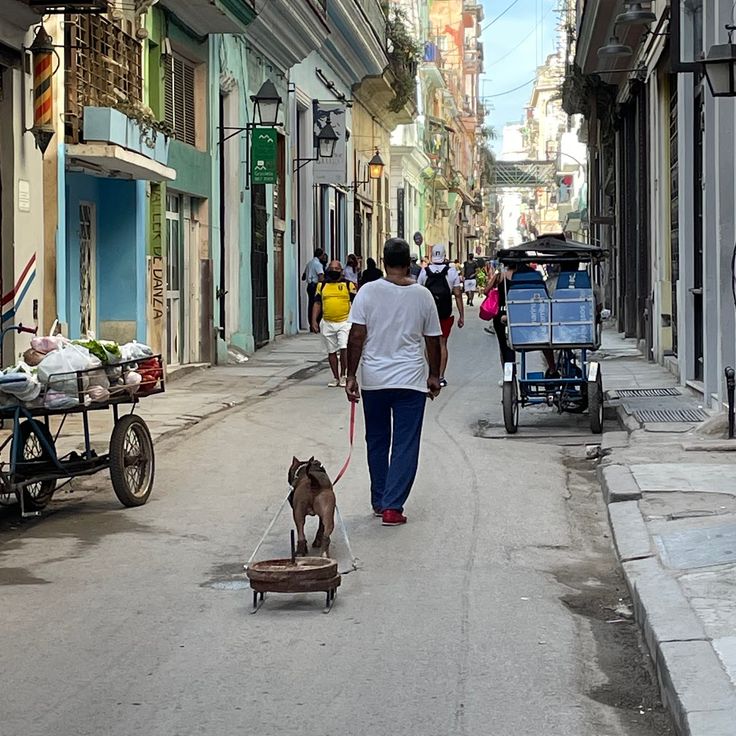
Walking through downtown Havana, you find a city shaped by four hundred years of stories. The streets are lined with buildings that show the time when Spain ruled. Big walls from the 1500s keep the port safe, while churches with detailed baroque designs sit next to simple, straight-lined neoclassical palaces. The paved squares make you want to stop and look at the coral stone facades in soft colors.
Havana has changed a lot over time. Buildings used for colonial government work or factories now hold museums, theaters, and art spaces. The Morro Castle has watched over the port since the 1500s with its thick walls. The San Cristobal Cathedral looks over the old part of town with its uneven towers. The Capitol from the 1900s stands tall with a large dome, and the Christ statue on the coast is made of pure white marble.
If you like walking and watching, Havana has nice walks to take. The Paseo del Prado features marble benches and iron street lamps. Places like El Templete, where the first mass was held, or the Colón Cemetery with its chapels and sculptures, tell stories about religious and family history. Art spaces like the Fabrica de Arte Cubano keep the city’s current creative work alive amid old buildings.
Monuments and history of Havana: colonial architecture, military fortifications, baroque heritage
Walking through downtown Havana, you find a city shaped by four hundred years of stories. The streets are lined with buildings that show the time when Spain ruled. Big walls from the 1500s keep the port safe, while churches with detailed baroque designs sit next to simple, straight-lined neoclassical palaces. The paved squares make you want to stop and look at the coral stone facades in soft colors.
Havana has changed a lot over time. Buildings used for colonial government work or factories now hold museums, theaters, and art spaces. The Morro Castle has watched over the port since the 1500s with its thick walls. The San Cristobal Cathedral looks over the old part of town with its uneven towers. The Capitol from the 1900s stands tall with a large dome, and the Christ statue on the coast is made of pure white marble.
If you like walking and watching, Havana has nice walks to take. The Paseo del Prado features marble benches and iron street lamps. Places like El Templete, where the first mass was held, or the Colón Cemetery with its chapels and sculptures, tell stories about religious and family history. Art spaces like the Fabrica de Arte Cubano keep the city’s current creative work alive amid old buildings.
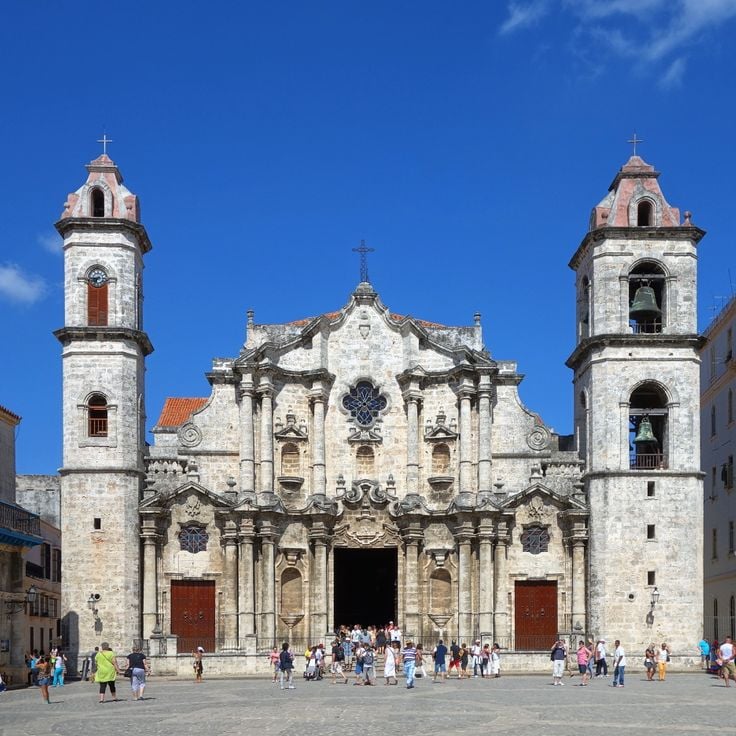
The San Cristobal Cathedral is a Baroque-style building constructed between 1748 and 1777 in the old center of Havana. Its two unequal towers and coral stone facade shape the appearance of the city. This structure shows how Spanish colonial architecture formed Havana and stands as a symbol of the city's religious history. Walking through its entrance, you notice how the stone details and tower proportions create a distinctive landmark in the historic district.
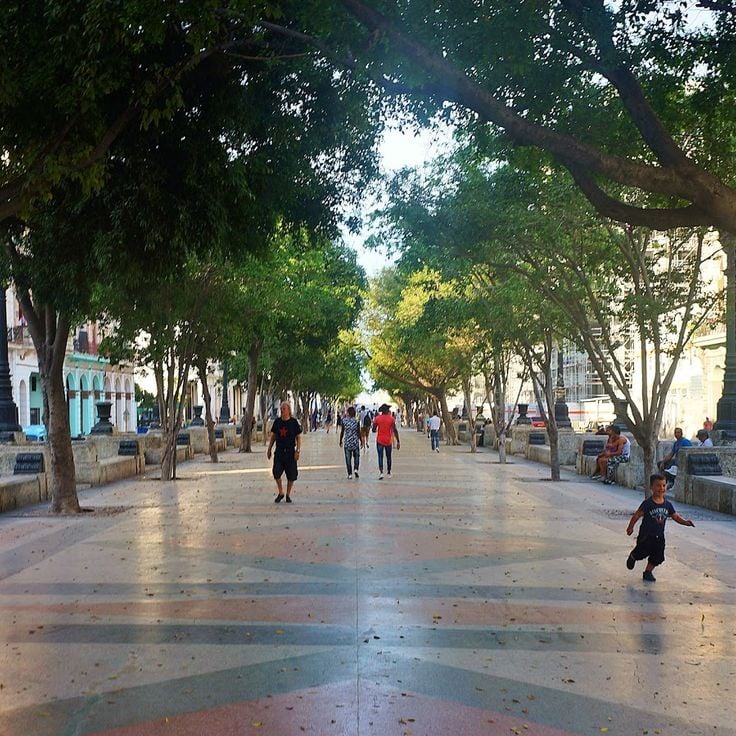
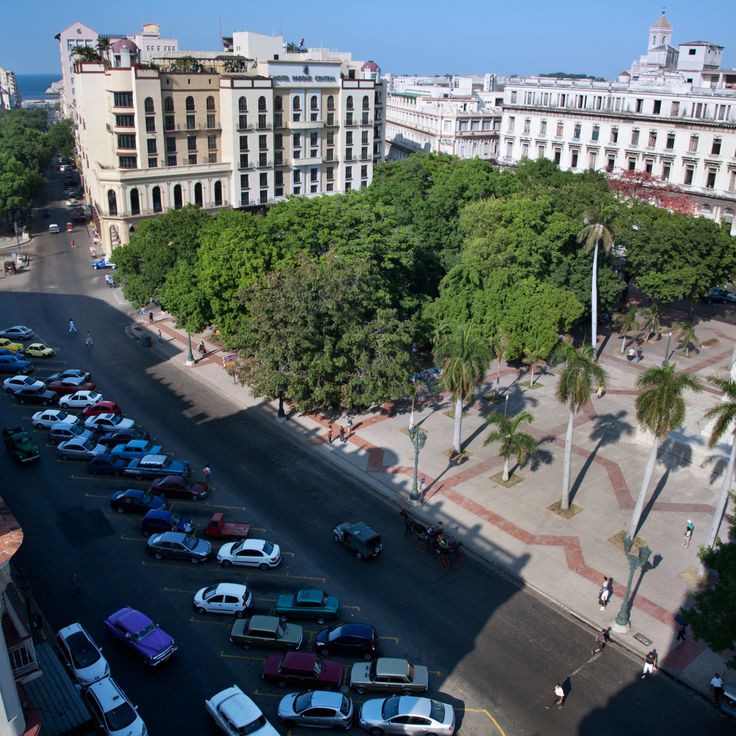
The Paseo del Prado is a central tree-lined avenue that runs through Havana's old town, shaping the city's character since the 18th century. Stone benches and wrought-iron lampposts line the boulevard, inviting people to stop and rest along the way. The promenade connects different sections of the historic center and allows walkers to observe the colonial buildings and coral stone facades that frame the street. This is a place where locals and visitors pass through daily, noticing the history written into the buildings around them.
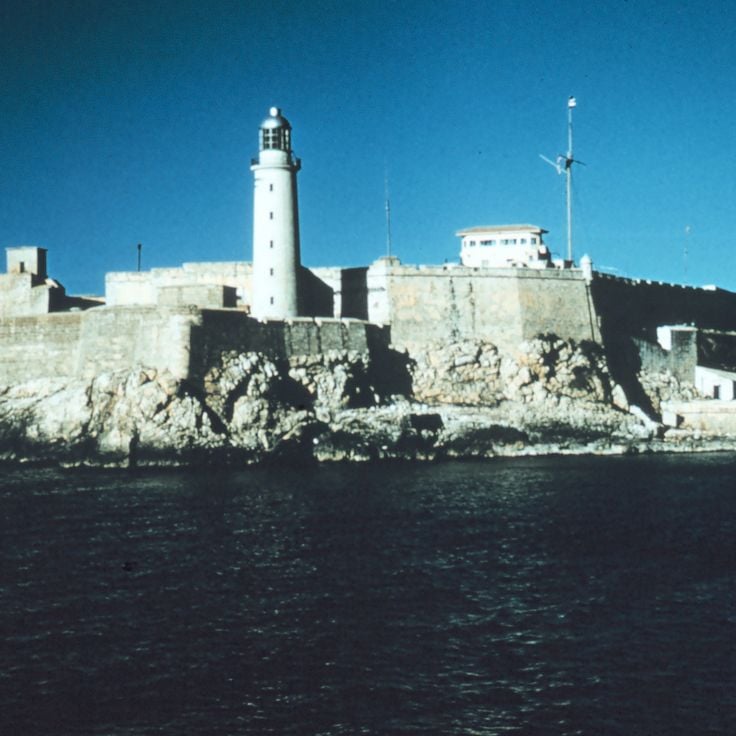
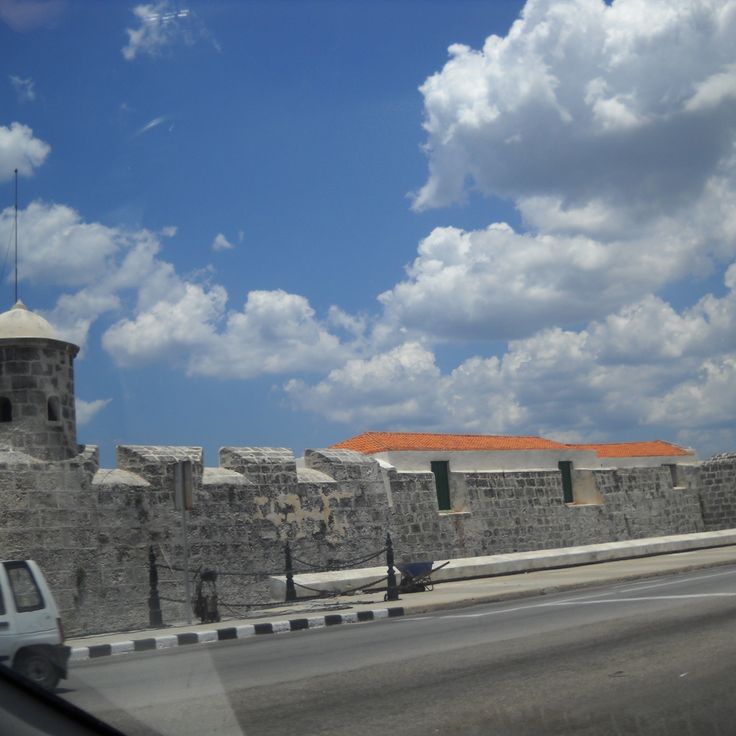
El Morro Castle is a military fortress built in 1589 on a rocky promontory that guards Havana's harbor entrance. With walls six meters thick, this stronghold reflects four centuries of Spanish colonial rule. A lighthouse added in 1845 still shines over the water today. Walking through the fortress, you can see the thick stone walls and gun emplacements that once defended the city from attacks by sea. From the ramparts, you look out over the old town and the harbor. El Morro Castle shows how crucial this location was for controlling the port and protecting the entire city.
The Fabrica de Arte Cubano stands in the heart of Havana's historic center, transforming a former oil processing factory into a vibrant space for contemporary art exhibitions, live concerts, and cultural events. Within these industrial walls, visitors encounter works by Cuban artists and experience how the city's creative energy flows through carefully restored spaces. This building bridges Havana's manufacturing past and its living artistic present, offering a window into how the city evolves while honoring the history embedded in its architecture.
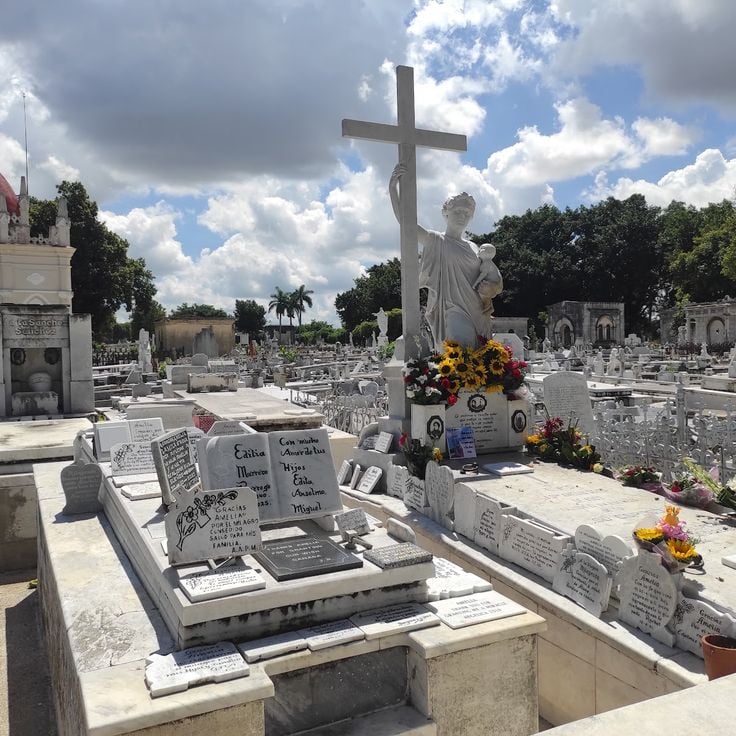
The Colón Cemetery in Havana's Vedado neighborhood was built in the 19th century and is one of the oldest burial grounds in Latin America. Walking through its wide alleys, you pass rows of family tombs, stone mausoleums, and carved statues. Many of the graves reflect the social history of Havana, with elaborate monuments built by wealthy families alongside simpler markers. The limestone entrance gate sets the tone for a place that feels more like a small city than a cemetery.
El Templete is a neoclassical building built in 1828 at the site where the first mass of Havana was celebrated in 1519 beneath a fig tree. This small chapel in the old city marks the symbolic birthplace of Havana. The building catches the eye with its simple, refined architecture featuring columns and a pediment. Inside are paintings that represent this historic moment. The plaza in front of it, Plaza de Armas, is a lively gathering place surrounded by colonial buildings. El Templete stands as a quiet witness to four centuries of history and remains a place of deep meaning for Havanans.
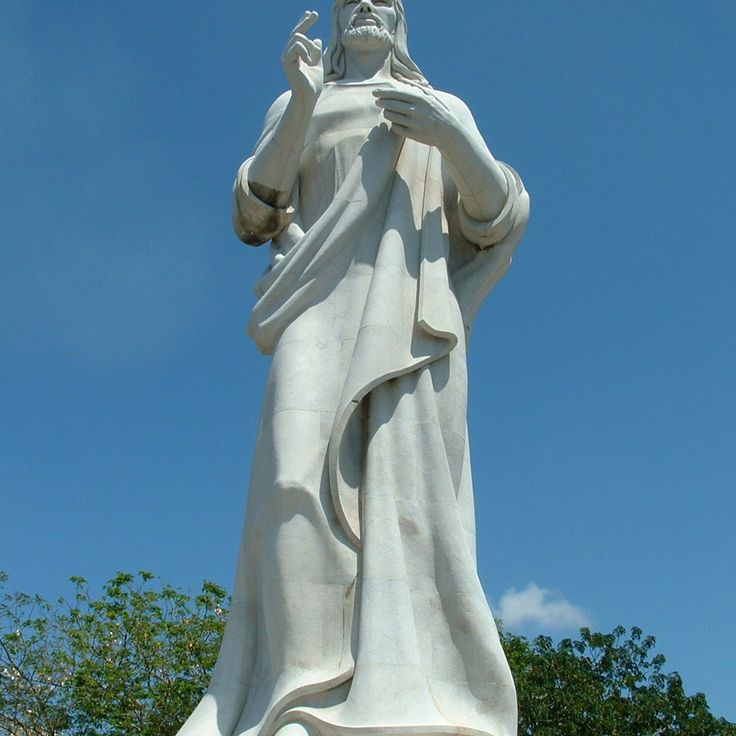
The Cristo de La Habana is a white marble statue that has overlooked the port of Havana since 1958. It stands as a reminder of the city's religious heritage and has become a defining feature of the coastline. From various points in the old city, you can see this figure rising above the water. It belongs to the collection of major works that shape Havana's skyline and shows how religious art has woven itself into the city's urban landscape.
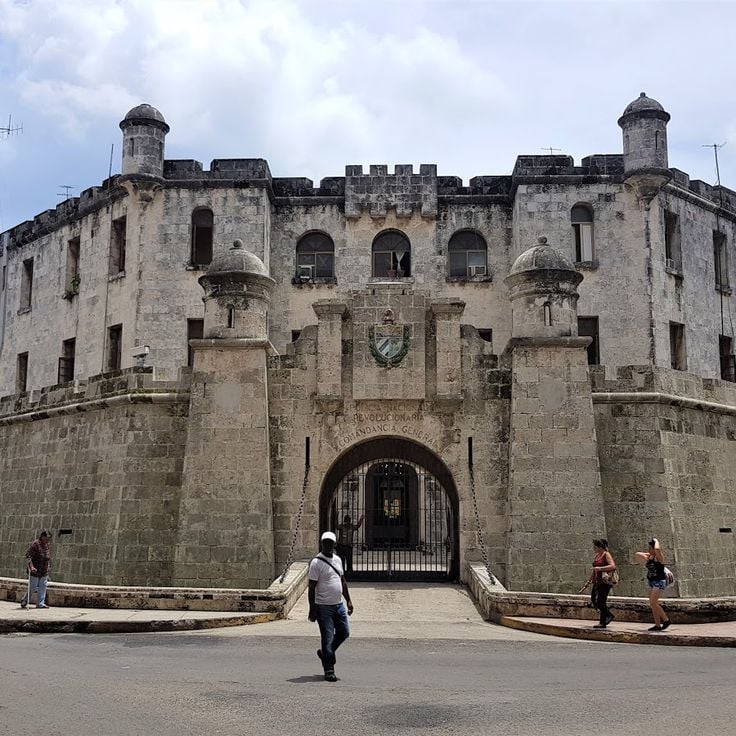
Castillo de la Real Fuerza is a military fortress built in the 16th century to protect Havana from sea attacks. Its thick walls and historic cannons show how Spain defended this colonial city. The fortress stands at the harbor and is one of the oldest structures in Havana. Walking through it, you see how people once guarded the port and the city. Today visitors can explore the fortress and learn how it shaped the history of this place.
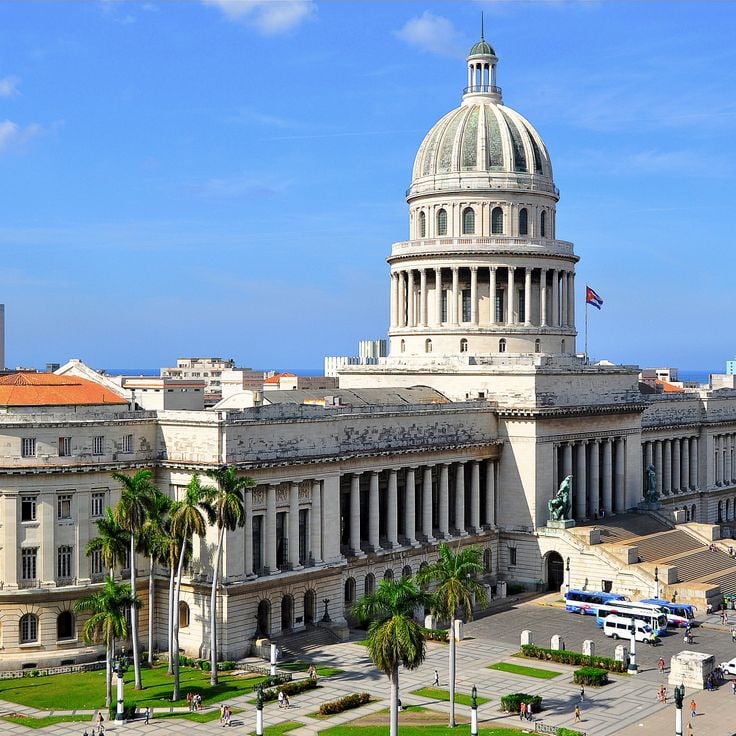
The Capitolio is a major building in Old Havana, constructed between 1926 and 1929. Its neoclassical style and prominent dome distinguish it from the surrounding colonial structures that dominate the historic center. The building once housed Cuba's government and represents the city's ambitions during the 20th century. Visitors can walk through its spacious interiors and observe how this structure reflects a pivotal moment in Havana's history, when new architectural styles were being introduced to the city.
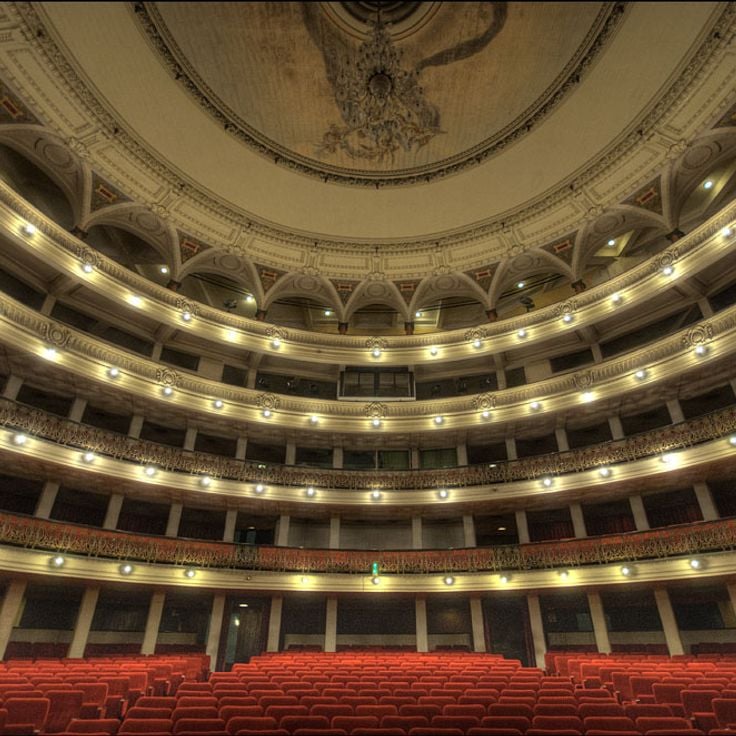
The Teatro Alicia Alonso is a Neobaro-que building opened in 1915 with about 1500 seats. White marble sculptures on its facade represent allegories of charity, education, music and theater. This theater stands in central Havana, where four centuries of history shape the architecture. Colonial buildings, baroque churches and neoclassical palaces line the streets. The theater demonstrates how the city keeps its cultural creation alive within historically charged spaces.
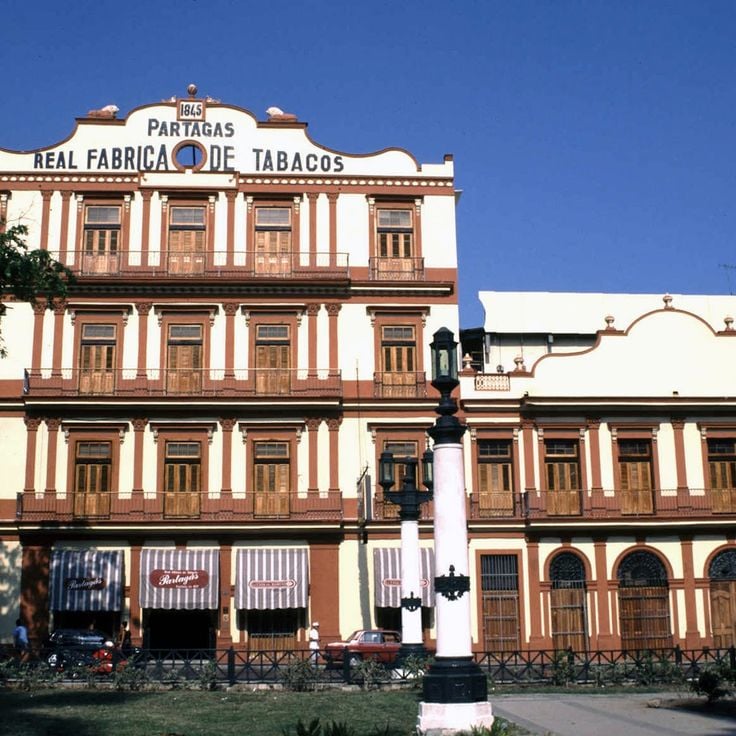
The H. Upmann cigar factory in Havana's old city has been part of the city's cigar heritage since 1844. The current building dates from 1944 and continues to blend traditional handcraft with mid-century architecture. Here visitors can watch cigars being rolled by hand, a craft passed down through generations. The factory sits in central Havana surrounded by the coral stone facades and pastel-colored buildings that define the neighborhood.
The Plaza de la Revolución is a large administrative square at the heart of Havana, surrounded by government buildings. The José Martí Memorial rises with its distinctive tower above the plaza, shaping the city's skyline. This place reflects Cuba's political history and provides insight into the country's administrative structures. The open expanse allows visitors to take in the architecture and historical significance of this central location.
Old Havana was founded in the 16th century and stands today as a living record of four centuries of colonial history. Narrow streets wind through this ancient quarter, where pastel-colored buildings with coral stone facades stand beside massive 16th-century fortifications. Paved plazas invite you to stop and look around, while balconied houses reflect the Spanish colonial era. Baroque churches and neoclassical palaces shape the cityscape. The fortress of El Morro overlooks the harbor, the Cathedral of San Cristobal dominates the old city core, and traces of Havana's religious and family history are found throughout the district.
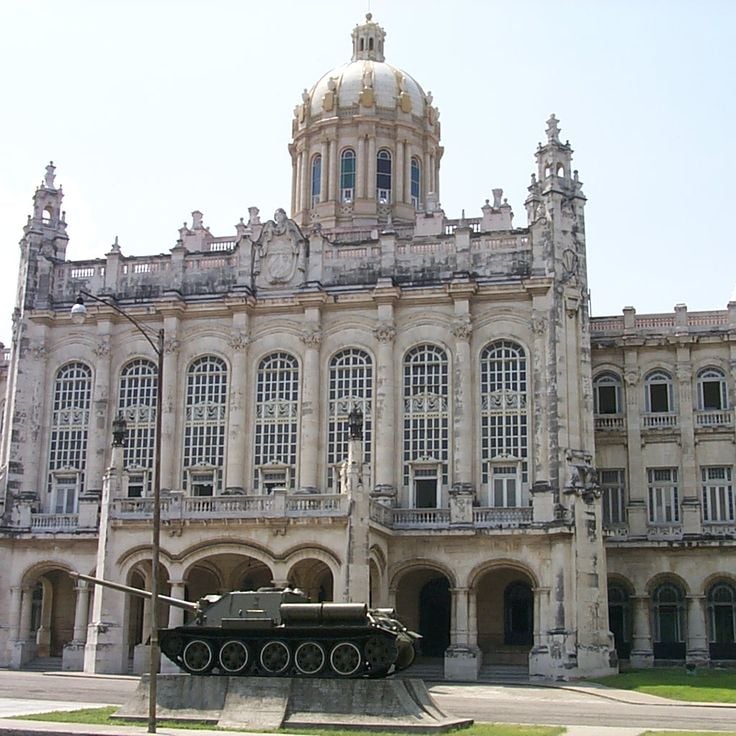
The Museo de la Revolución occupies what was once the presidential palace until 1959 and now displays the history of the Cuban Revolution through documents and objects from that period. The building itself reflects Havana's colonial past with its stone facades and architectural details that span several centuries. Inside, visitors move through rooms that provide insight into the events that transformed Cuba.
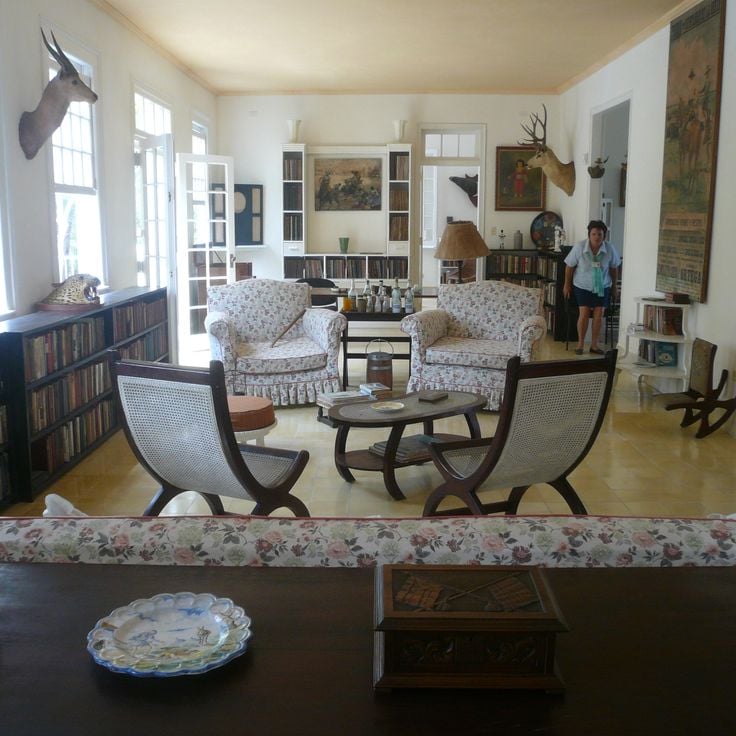
The Ernest Hemingway Museum occupies a colonial house in Havana's old town where the American writer lived from 1939 to 1960. The rooms contain original furnishings, books, documents, and personal objects arranged as they were left. Walking through the house gives you a sense of how Hemingway lived during his years on the island, surrounded by his collections and memories.
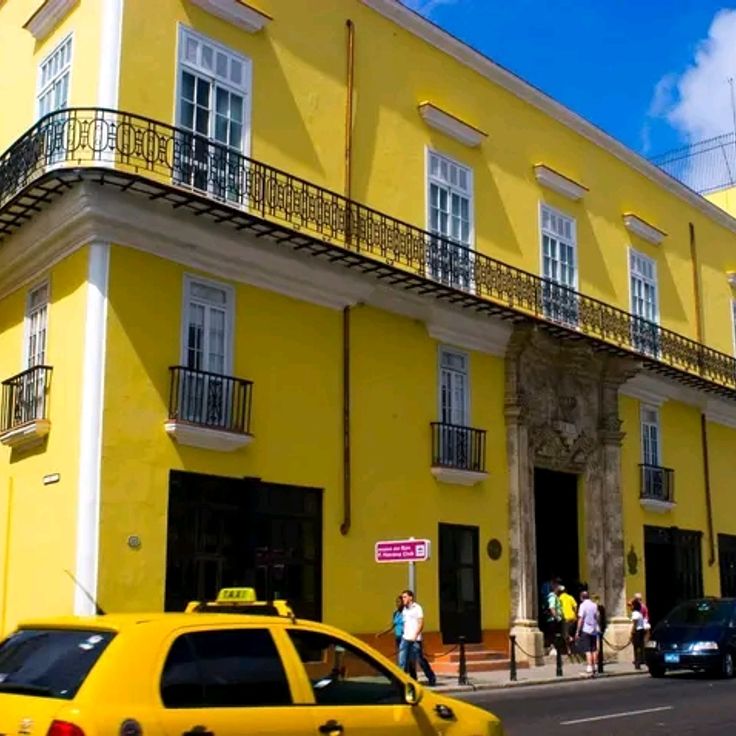
The Museo del Ron Havana Club documents rum production in Cuba. Inside, you discover old machines, oak barrels, and explanations of the distillation process. The museum sits in Old Havana, where colonial buildings and fortifications line the streets. A visit here connects you to rum tradition and the long history of the city.
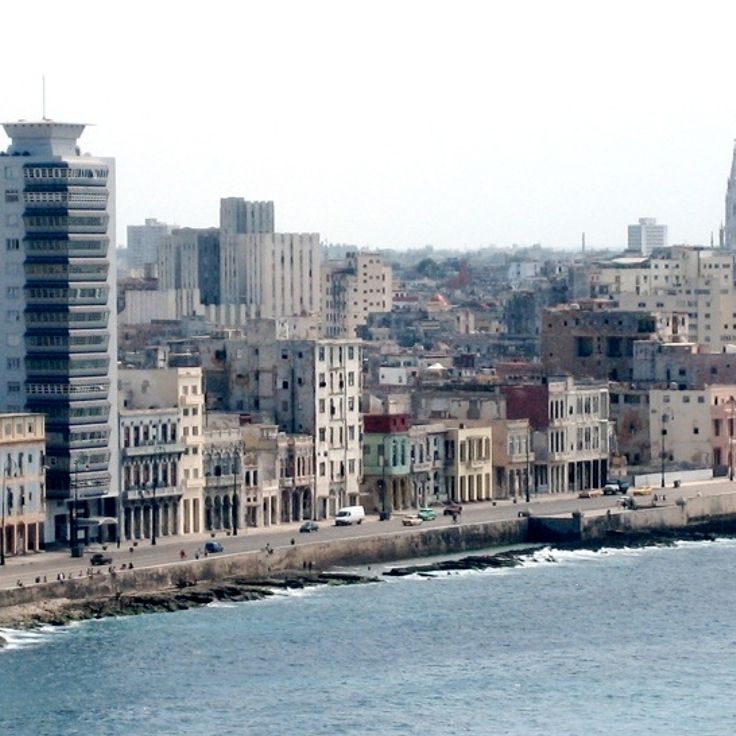
The Malecón is an 8-kilometer coastal avenue in Havana that has served as a seawall since 1901. The street runs along the ocean and is lined with colonial buildings from different periods. People stroll here to enjoy views of the sea and observe the faded facades of the buildings. This avenue connects the city's history to daily life and shows how Havana has evolved over the centuries.
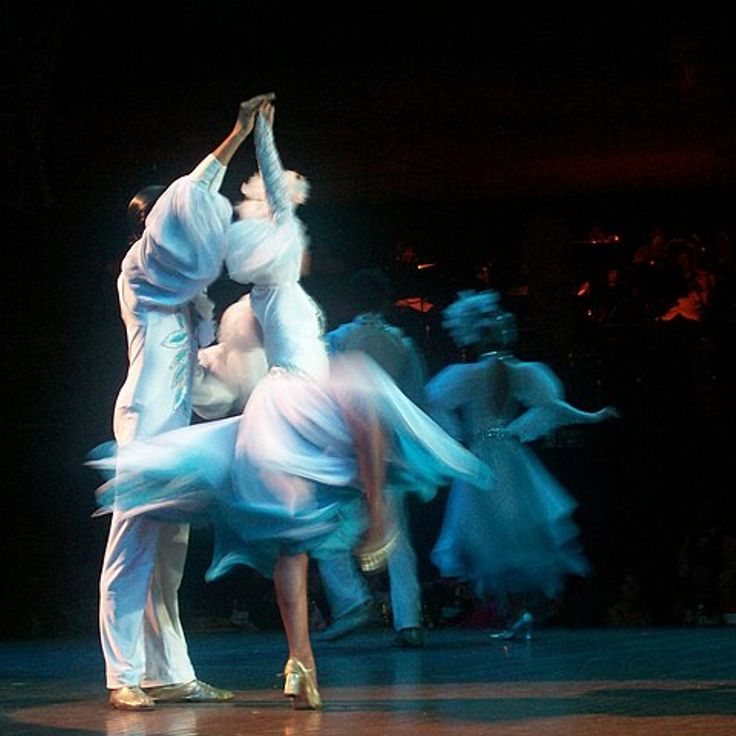
The Tropicana Cabaret in Havana is an open-air entertainment venue that has operated since 1939. It presents music and dance performances featuring approximately 200 Cuban dancers, singers, and musicians. This cabaret shows how Havana keeps its contemporary artistic creation alive within historical settings and preserves the living artistic tradition of the city.
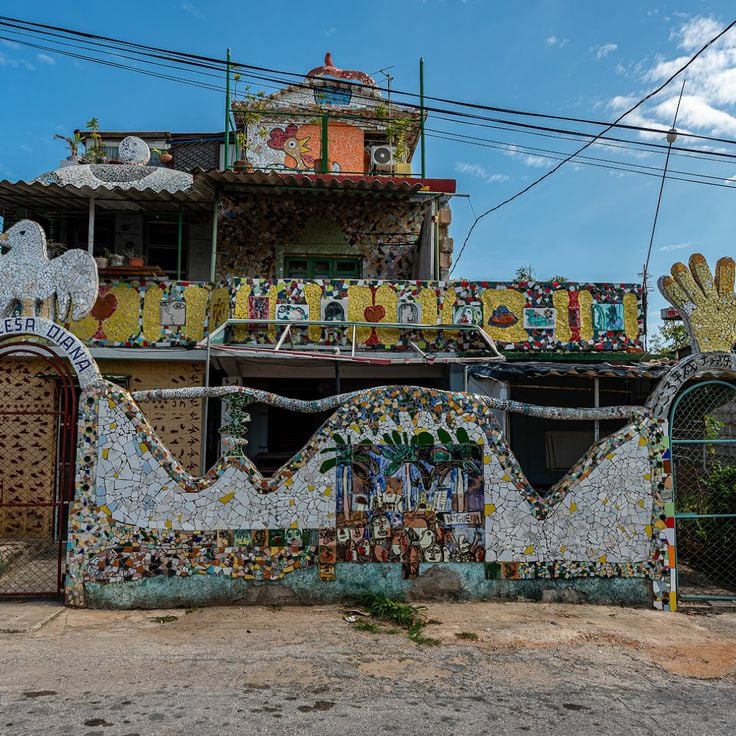
Fusterlandia is a neighborhood in Havana transformed by artist José Fuster since 1975 through the decoration of streets and houses with brightly colored ceramic mosaics. Buildings and public spaces are covered with shiny tiles that turn the neighborhood into a living art installation. Walking through Fusterlandia, you see facades, staircases, and walls entirely transformed by elaborate ceramic work. This place shows how one artist's vision can reshape an entire neighborhood and turn it into an open-air gallery where creativity is visible at every corner.
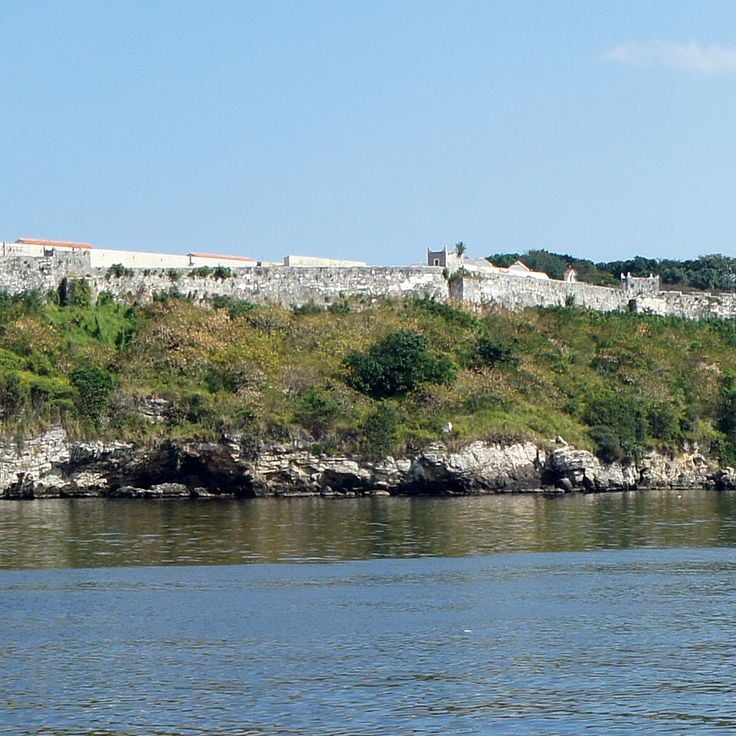
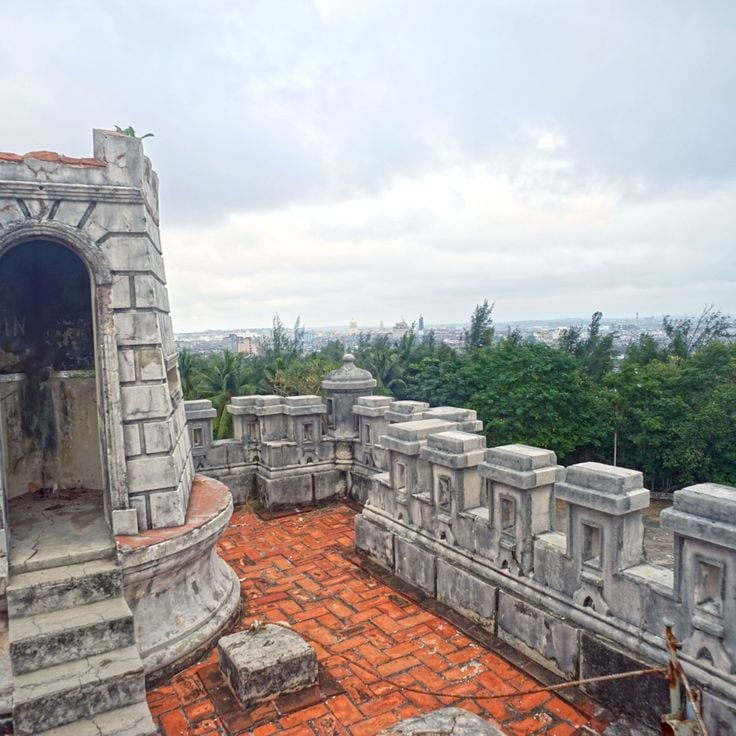
San Carlos de la Cabaña Fortress is a military fortification built in the 18th century on a hill east of Havana's harbor. Its thick stone walls and defensive moats show the strategic importance of this place during colonial times. The fortress overlooks the port and city, giving visitors the chance to walk through its structures and discover Havana's military defenses. Today, visitors can explore the rooms, see cannons and weapons, and look out over the city and sea from this elevated position.
Vedado is a twentieth-century neighborhood in Havana that blends different architectural styles. Tree-lined streets are flanked by buildings that combine colonial elements with Art Deco forms. Squares invite you to pause and wide avenues give the district a feeling distinct from the old town. This neighborhood shows how Havana developed beyond its colonial core, merging historical influences with more recent urban planning.
Miramar is a residential neighborhood of Havana developed during the 1950s. Wide tree-lined avenues run past large villas that blend modernist and neocolonial styles. Embassies and palaces occupy spacious grounds throughout the neighborhood. Quinta Avenida, Miramar's main street, cuts through the area with shaded and elegant paths, embodying Havana's most prosperous residential side. The architecture shows American design influence from that era, while the overall character remains open and calm.
Obispo Street is a pedestrian area in the historic center of Havana that connects Plaza de Armas to Parque Central. Walking through it, you pass through the heart of the old city, bordered by shops and stores. All along this promenade, you see buildings from the colonial period with colored facades made of coral stone. The street is lively and invites you to stroll, with cafes and boutiques that reflect city life. You can observe architecture from different periods: baroque churches, neoclassical palaces, and houses dating back to the 16th century. Obispo Street is part of the journey through four centuries of history that the old city of Havana tells.
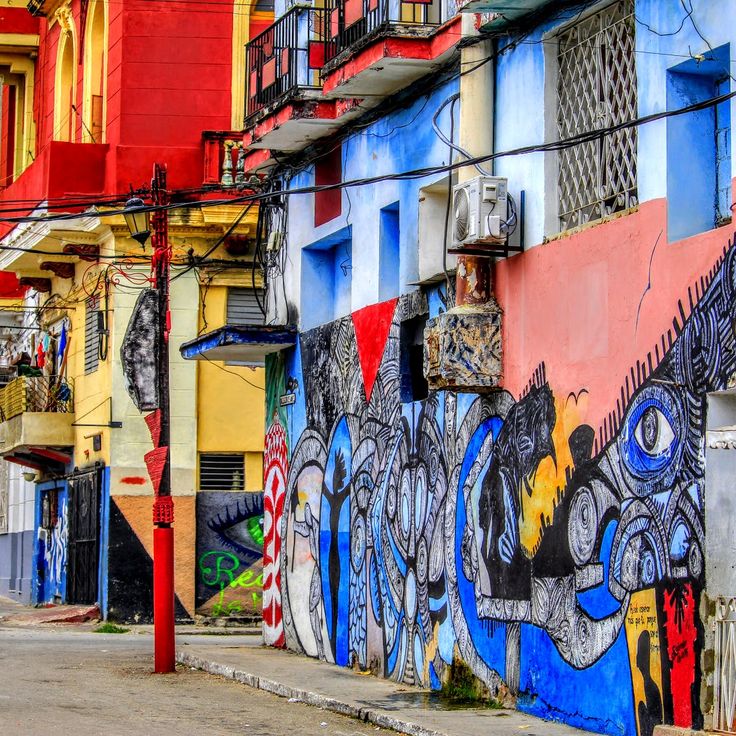
The Ruelle de Hamel is a narrow alley in Old Havana whose walls are covered with colorful murals and sculptures. These artworks tell the story of Afro-Cuban culture and display symbols of Yoruba religion as well as ritual objects. As you walk through this street, you see the creativity of local artists who have transformed this space into an open-air gallery. The colors and shapes reflect the spiritual and cultural roots that run deep in Havana. This alley shows how the city keeps its contemporary creation alive within historically charged spaces.
Saint-Francis of Assisi Square in Havana is a 16th-century port square surrounded by colonial buildings. An Italian marble fountain sits in the center of the paved plaza. The square sits directly on the waterfront and offers views of the historic harbor area. The stone buildings around it display Spanish colonial architecture with their characteristic facades and details. This place connects Havana's maritime past to the urban development that grew up around the port.
The Castillo de San Salvador de la Punta is a military fortress built in 1589 to defend the entrance to Havana's port. Stone walls and cannons remain in their original positions. This fortress ranks among the massive fortifications of the 16th century that shaped Havana. Facing the Castillo del Morro across the harbor entrance, it was part of a defense system that protected the Spanish colonial city for centuries. The thick walls and preserved cannons show how important this place was when it needed to repel pirates and invasions.
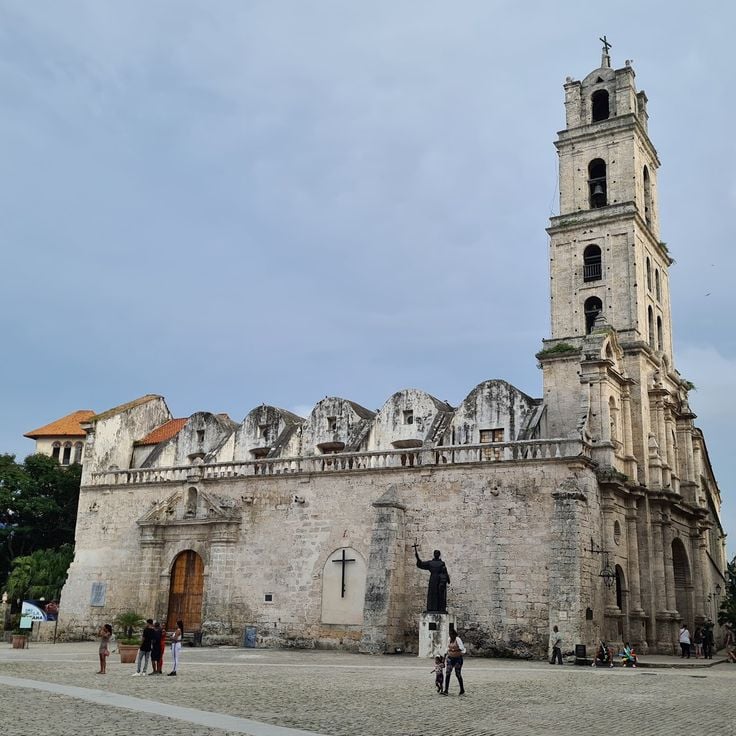
The Basilica of Saint Francis rises in the heart of Havana's old town as a religious building from the 17th century. Its bell tower stands above the surrounding streets and can be seen from many places throughout the city. Inside, visitors find a concert hall and exhibitions of sacred art that tell the story of the Franciscan order and the city itself. This basilica shows how faith and culture shaped Havana over the centuries.
Parque Central sits in the heart of La Habana Vieja as an open plaza with shaded pathways, benches, and fountains. This park is located near the Capitolio and the Grand Theater, connecting the city's historical spaces. It serves as a meeting place for residents and visitors seeking a quiet moment surrounded by colonial buildings and neoclassical facades. The vegetation provides shade on hot days, while fountains give structure to the space.
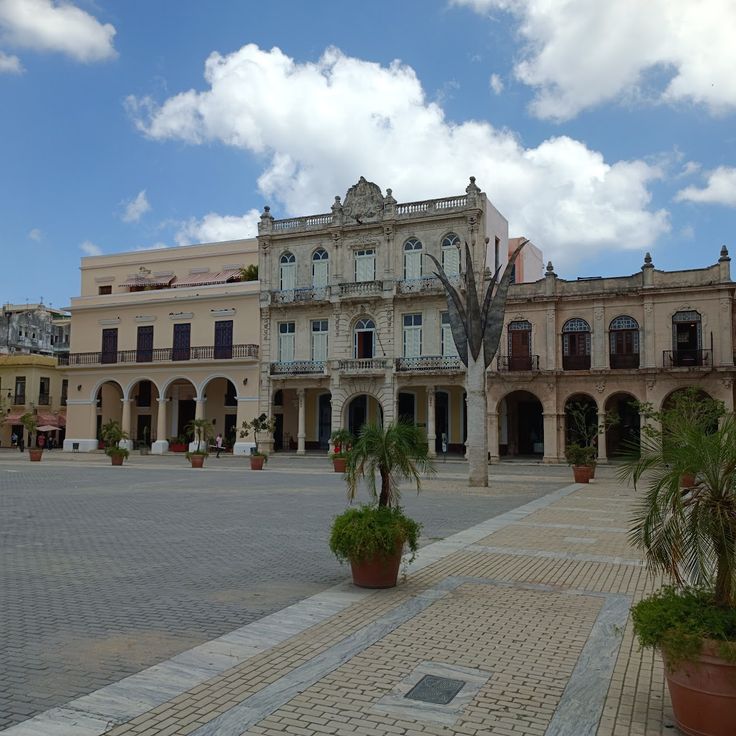
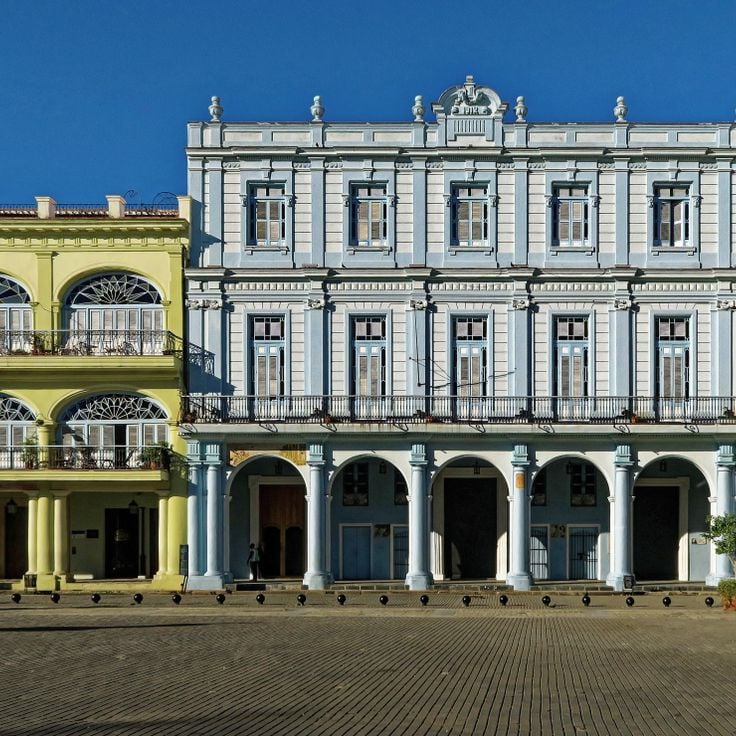
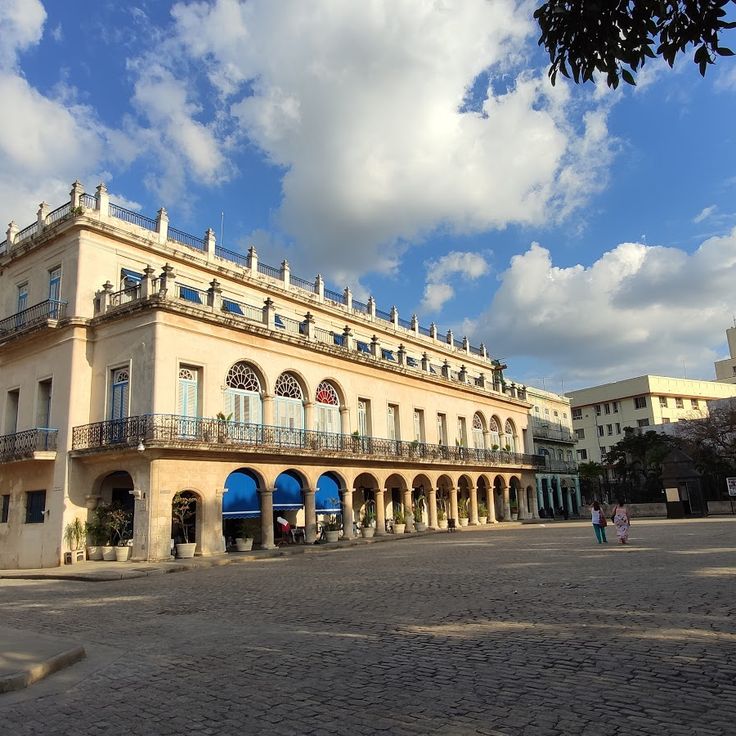
Old Square in Old Havana dates from the 16th century and shows Spanish colonial times through its coral stone buildings. Here you find the Palace of the Count of Casa Lombillo with its refined facade and restaurants where you can watch life unfold on this historic square. The square served as the administrative and commercial center of the original city. The cobblestones and surrounding buildings speak of centuries of urban life.
Castillo del Príncipe is a fortress built in the 18th century that sits on high ground overlooking La Havana. From this vantage point, it was designed to protect the city from attack by sea. The fortress features thick stone walls and defensive ditches typical of military architecture from that era. Today, visitors can walk through its structures and enjoy views across La Havana and its harbor from above. The building shows how important this port city was to the Spanish and how they defended their colonial holdings.
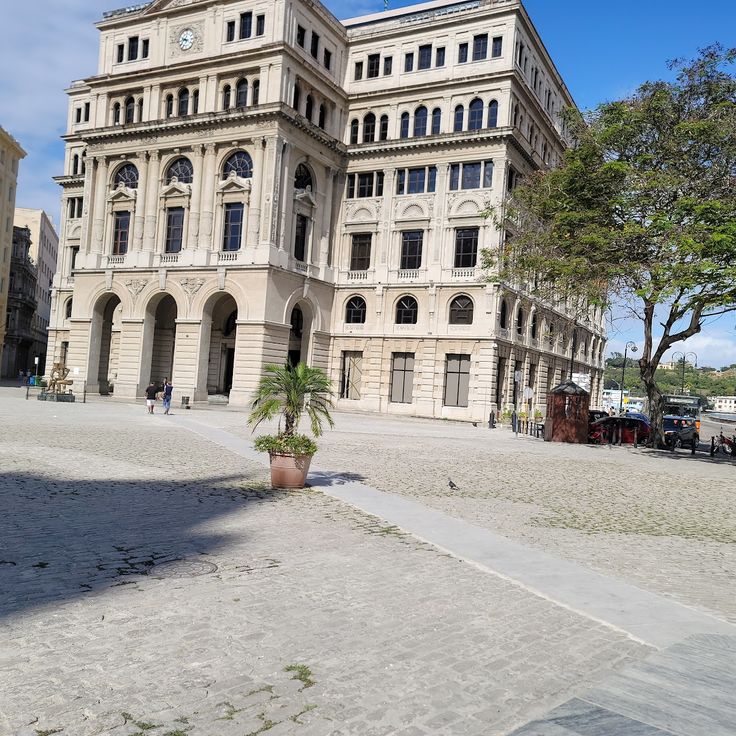
The Plaza de Armas in Havana is one of the city's oldest squares, dating to the 16th century. It is framed by two significant buildings: the Palace of the Captains General, an imposing colonial-era structure, and the Castillo de la Real Fuerza fortress, whose thick walls once protected the harbor. The paved square with its historic buildings offers a window into how the city looked during Spanish rule. Visitors walking here can experience colonial architecture firsthand and understand how this spot served as Havana's administrative and military center.
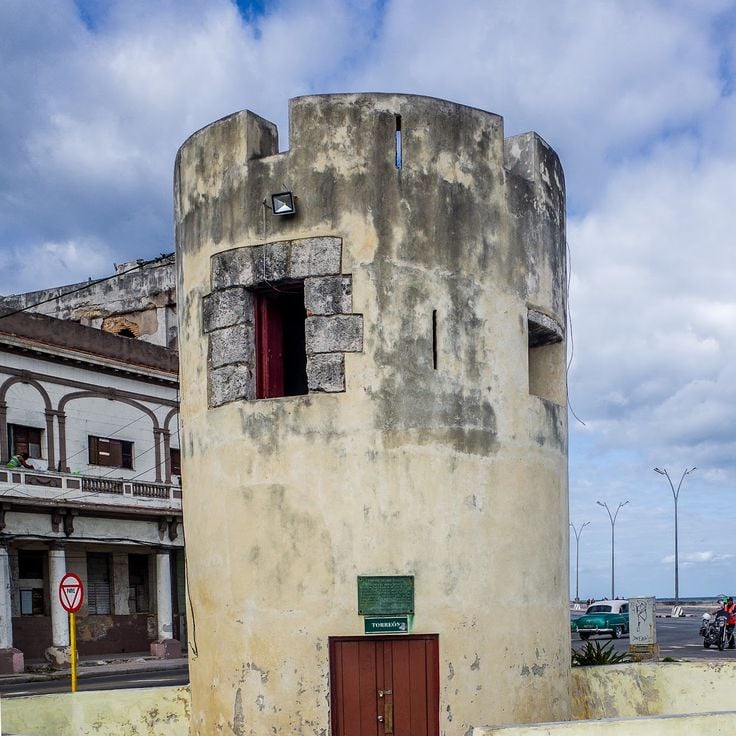
San Lázaro Tower is a military fortification built in the 16th century that stands guard over the entrance to Havana Bay. This fortress served as a watchtower where sentries could spot approaching enemy ships. The tower is part of the massive defenses that protected colonial Havana and shaped the city's history over four centuries. Today, it rises as a stone witness to Spanish colonial rule and Havana's importance as a major Caribbean port.
The San Cristobal Cathedral is a Baroque-style building constructed between 1748 and 1777 in the old center of Havana. Its two unequal towers and coral stone facade shape the appearance of the city. This structure shows how Spanish colonial architecture formed Havana and stands as a symbol of the city's religious history. Walking through its entrance, you notice how the stone details and tower proportions create a distinctive landmark in the historic district.
The Paseo del Prado is a central tree-lined avenue that runs through Havana's old town, shaping the city's character since the 18th century. Stone benches and wrought-iron lampposts line the boulevard, inviting people to stop and rest along the way. The promenade connects different sections of the historic center and allows walkers to observe the colonial buildings and coral stone facades that frame the street. This is a place where locals and visitors pass through daily, noticing the history written into the buildings around them.
El Morro Castle is a military fortress built in 1589 on a rocky promontory that guards Havana's harbor entrance. With walls six meters thick, this stronghold reflects four centuries of Spanish colonial rule. A lighthouse added in 1845 still shines over the water today. Walking through the fortress, you can see the thick stone walls and gun emplacements that once defended the city from attacks by sea. From the ramparts, you look out over the old town and the harbor. El Morro Castle shows how crucial this location was for controlling the port and protecting the entire city.
The Fabrica de Arte Cubano stands in the heart of Havana's historic center, transforming a former oil processing factory into a vibrant space for contemporary art exhibitions, live concerts, and cultural events. Within these industrial walls, visitors encounter works by Cuban artists and experience how the city's creative energy flows through carefully restored spaces. This building bridges Havana's manufacturing past and its living artistic present, offering a window into how the city evolves while honoring the history embedded in its architecture.
The Colón Cemetery in Havana's Vedado neighborhood was built in the 19th century and is one of the oldest burial grounds in Latin America. Walking through its wide alleys, you pass rows of family tombs, stone mausoleums, and carved statues. Many of the graves reflect the social history of Havana, with elaborate monuments built by wealthy families alongside simpler markers. The limestone entrance gate sets the tone for a place that feels more like a small city than a cemetery.
El Templete is a neoclassical building built in 1828 at the site where the first mass of Havana was celebrated in 1519 beneath a fig tree. This small chapel in the old city marks the symbolic birthplace of Havana. The building catches the eye with its simple, refined architecture featuring columns and a pediment. Inside are paintings that represent this historic moment. The plaza in front of it, Plaza de Armas, is a lively gathering place surrounded by colonial buildings. El Templete stands as a quiet witness to four centuries of history and remains a place of deep meaning for Havanans.
The Cristo de La Habana is a white marble statue that has overlooked the port of Havana since 1958. It stands as a reminder of the city's religious heritage and has become a defining feature of the coastline. From various points in the old city, you can see this figure rising above the water. It belongs to the collection of major works that shape Havana's skyline and shows how religious art has woven itself into the city's urban landscape.
Castillo de la Real Fuerza is a military fortress built in the 16th century to protect Havana from sea attacks. Its thick walls and historic cannons show how Spain defended this colonial city. The fortress stands at the harbor and is one of the oldest structures in Havana. Walking through it, you see how people once guarded the port and the city. Today visitors can explore the fortress and learn how it shaped the history of this place.
The Capitolio is a major building in Old Havana, constructed between 1926 and 1929. Its neoclassical style and prominent dome distinguish it from the surrounding colonial structures that dominate the historic center. The building once housed Cuba's government and represents the city's ambitions during the 20th century. Visitors can walk through its spacious interiors and observe how this structure reflects a pivotal moment in Havana's history, when new architectural styles were being introduced to the city.
The Teatro Alicia Alonso is a Neobaro-que building opened in 1915 with about 1500 seats. White marble sculptures on its facade represent allegories of charity, education, music and theater. This theater stands in central Havana, where four centuries of history shape the architecture. Colonial buildings, baroque churches and neoclassical palaces line the streets. The theater demonstrates how the city keeps its cultural creation alive within historically charged spaces.
The H. Upmann cigar factory in Havana's old city has been part of the city's cigar heritage since 1844. The current building dates from 1944 and continues to blend traditional handcraft with mid-century architecture. Here visitors can watch cigars being rolled by hand, a craft passed down through generations. The factory sits in central Havana surrounded by the coral stone facades and pastel-colored buildings that define the neighborhood.
The Plaza de la Revolución is a large administrative square at the heart of Havana, surrounded by government buildings. The José Martí Memorial rises with its distinctive tower above the plaza, shaping the city's skyline. This place reflects Cuba's political history and provides insight into the country's administrative structures. The open expanse allows visitors to take in the architecture and historical significance of this central location.
Old Havana was founded in the 16th century and stands today as a living record of four centuries of colonial history. Narrow streets wind through this ancient quarter, where pastel-colored buildings with coral stone facades stand beside massive 16th-century fortifications. Paved plazas invite you to stop and look around, while balconied houses reflect the Spanish colonial era. Baroque churches and neoclassical palaces shape the cityscape. The fortress of El Morro overlooks the harbor, the Cathedral of San Cristobal dominates the old city core, and traces of Havana's religious and family history are found throughout the district.
The Museo de la Revolución occupies what was once the presidential palace until 1959 and now displays the history of the Cuban Revolution through documents and objects from that period. The building itself reflects Havana's colonial past with its stone facades and architectural details that span several centuries. Inside, visitors move through rooms that provide insight into the events that transformed Cuba.
The Ernest Hemingway Museum occupies a colonial house in Havana's old town where the American writer lived from 1939 to 1960. The rooms contain original furnishings, books, documents, and personal objects arranged as they were left. Walking through the house gives you a sense of how Hemingway lived during his years on the island, surrounded by his collections and memories.
The Museo del Ron Havana Club documents rum production in Cuba. Inside, you discover old machines, oak barrels, and explanations of the distillation process. The museum sits in Old Havana, where colonial buildings and fortifications line the streets. A visit here connects you to rum tradition and the long history of the city.
The Malecón is an 8-kilometer coastal avenue in Havana that has served as a seawall since 1901. The street runs along the ocean and is lined with colonial buildings from different periods. People stroll here to enjoy views of the sea and observe the faded facades of the buildings. This avenue connects the city's history to daily life and shows how Havana has evolved over the centuries.
The Tropicana Cabaret in Havana is an open-air entertainment venue that has operated since 1939. It presents music and dance performances featuring approximately 200 Cuban dancers, singers, and musicians. This cabaret shows how Havana keeps its contemporary artistic creation alive within historical settings and preserves the living artistic tradition of the city.
Fusterlandia is a neighborhood in Havana transformed by artist José Fuster since 1975 through the decoration of streets and houses with brightly colored ceramic mosaics. Buildings and public spaces are covered with shiny tiles that turn the neighborhood into a living art installation. Walking through Fusterlandia, you see facades, staircases, and walls entirely transformed by elaborate ceramic work. This place shows how one artist's vision can reshape an entire neighborhood and turn it into an open-air gallery where creativity is visible at every corner.
San Carlos de la Cabaña Fortress is a military fortification built in the 18th century on a hill east of Havana's harbor. Its thick stone walls and defensive moats show the strategic importance of this place during colonial times. The fortress overlooks the port and city, giving visitors the chance to walk through its structures and discover Havana's military defenses. Today, visitors can explore the rooms, see cannons and weapons, and look out over the city and sea from this elevated position.
Vedado is a twentieth-century neighborhood in Havana that blends different architectural styles. Tree-lined streets are flanked by buildings that combine colonial elements with Art Deco forms. Squares invite you to pause and wide avenues give the district a feeling distinct from the old town. This neighborhood shows how Havana developed beyond its colonial core, merging historical influences with more recent urban planning.
Miramar is a residential neighborhood of Havana developed during the 1950s. Wide tree-lined avenues run past large villas that blend modernist and neocolonial styles. Embassies and palaces occupy spacious grounds throughout the neighborhood. Quinta Avenida, Miramar's main street, cuts through the area with shaded and elegant paths, embodying Havana's most prosperous residential side. The architecture shows American design influence from that era, while the overall character remains open and calm.
Obispo Street is a pedestrian area in the historic center of Havana that connects Plaza de Armas to Parque Central. Walking through it, you pass through the heart of the old city, bordered by shops and stores. All along this promenade, you see buildings from the colonial period with colored facades made of coral stone. The street is lively and invites you to stroll, with cafes and boutiques that reflect city life. You can observe architecture from different periods: baroque churches, neoclassical palaces, and houses dating back to the 16th century. Obispo Street is part of the journey through four centuries of history that the old city of Havana tells.
The Ruelle de Hamel is a narrow alley in Old Havana whose walls are covered with colorful murals and sculptures. These artworks tell the story of Afro-Cuban culture and display symbols of Yoruba religion as well as ritual objects. As you walk through this street, you see the creativity of local artists who have transformed this space into an open-air gallery. The colors and shapes reflect the spiritual and cultural roots that run deep in Havana. This alley shows how the city keeps its contemporary creation alive within historically charged spaces.
Saint-Francis of Assisi Square in Havana is a 16th-century port square surrounded by colonial buildings. An Italian marble fountain sits in the center of the paved plaza. The square sits directly on the waterfront and offers views of the historic harbor area. The stone buildings around it display Spanish colonial architecture with their characteristic facades and details. This place connects Havana's maritime past to the urban development that grew up around the port.
The Castillo de San Salvador de la Punta is a military fortress built in 1589 to defend the entrance to Havana's port. Stone walls and cannons remain in their original positions. This fortress ranks among the massive fortifications of the 16th century that shaped Havana. Facing the Castillo del Morro across the harbor entrance, it was part of a defense system that protected the Spanish colonial city for centuries. The thick walls and preserved cannons show how important this place was when it needed to repel pirates and invasions.
The Basilica of Saint Francis rises in the heart of Havana's old town as a religious building from the 17th century. Its bell tower stands above the surrounding streets and can be seen from many places throughout the city. Inside, visitors find a concert hall and exhibitions of sacred art that tell the story of the Franciscan order and the city itself. This basilica shows how faith and culture shaped Havana over the centuries.
Parque Central sits in the heart of La Habana Vieja as an open plaza with shaded pathways, benches, and fountains. This park is located near the Capitolio and the Grand Theater, connecting the city's historical spaces. It serves as a meeting place for residents and visitors seeking a quiet moment surrounded by colonial buildings and neoclassical facades. The vegetation provides shade on hot days, while fountains give structure to the space.
Old Square in Old Havana dates from the 16th century and shows Spanish colonial times through its coral stone buildings. Here you find the Palace of the Count of Casa Lombillo with its refined facade and restaurants where you can watch life unfold on this historic square. The square served as the administrative and commercial center of the original city. The cobblestones and surrounding buildings speak of centuries of urban life.
Castillo del Príncipe is a fortress built in the 18th century that sits on high ground overlooking La Havana. From this vantage point, it was designed to protect the city from attack by sea. The fortress features thick stone walls and defensive ditches typical of military architecture from that era. Today, visitors can walk through its structures and enjoy views across La Havana and its harbor from above. The building shows how important this port city was to the Spanish and how they defended their colonial holdings.
The Plaza de Armas in Havana is one of the city's oldest squares, dating to the 16th century. It is framed by two significant buildings: the Palace of the Captains General, an imposing colonial-era structure, and the Castillo de la Real Fuerza fortress, whose thick walls once protected the harbor. The paved square with its historic buildings offers a window into how the city looked during Spanish rule. Visitors walking here can experience colonial architecture firsthand and understand how this spot served as Havana's administrative and military center.
San Lázaro Tower is a military fortification built in the 16th century that stands guard over the entrance to Havana Bay. This fortress served as a watchtower where sentries could spot approaching enemy ships. The tower is part of the massive defenses that protected colonial Havana and shaped the city's history over four centuries. Today, it rises as a stone witness to Spanish colonial rule and Havana's importance as a major Caribbean port.
The San Cristobal Cathedral is a Baroque-style building constructed between 1748 and 1777 in the old center of Havana. Its two unequal towers and coral stone facade shape the appearance of the city. This structure shows how Spanish colonial architecture formed Havana and stands as a symbol of the city's religious history. Walking through its entrance, you notice how the stone details and tower proportions create a distinctive landmark in the historic district.
The Paseo del Prado is a central tree-lined avenue that runs through Havana's old town, shaping the city's character since the 18th century. Stone benches and wrought-iron lampposts line the boulevard, inviting people to stop and rest along the way. The promenade connects different sections of the historic center and allows walkers to observe the colonial buildings and coral stone facades that frame the street. This is a place where locals and visitors pass through daily, noticing the history written into the buildings around them.
El Morro Castle is a military fortress built in 1589 on a rocky promontory that guards Havana's harbor entrance. With walls six meters thick, this stronghold reflects four centuries of Spanish colonial rule. A lighthouse added in 1845 still shines over the water today. Walking through the fortress, you can see the thick stone walls and gun emplacements that once defended the city from attacks by sea. From the ramparts, you look out over the old town and the harbor. El Morro Castle shows how crucial this location was for controlling the port and protecting the entire city.
The Fabrica de Arte Cubano stands in the heart of Havana's historic center, transforming a former oil processing factory into a vibrant space for contemporary art exhibitions, live concerts, and cultural events. Within these industrial walls, visitors encounter works by Cuban artists and experience how the city's creative energy flows through carefully restored spaces. This building bridges Havana's manufacturing past and its living artistic present, offering a window into how the city evolves while honoring the history embedded in its architecture.
The Colón Cemetery in Havana's Vedado neighborhood was built in the 19th century and is one of the oldest burial grounds in Latin America. Walking through its wide alleys, you pass rows of family tombs, stone mausoleums, and carved statues. Many of the graves reflect the social history of Havana, with elaborate monuments built by wealthy families alongside simpler markers. The limestone entrance gate sets the tone for a place that feels more like a small city than a cemetery.
El Templete is a neoclassical building built in 1828 at the site where the first mass of Havana was celebrated in 1519 beneath a fig tree. This small chapel in the old city marks the symbolic birthplace of Havana. The building catches the eye with its simple, refined architecture featuring columns and a pediment. Inside are paintings that represent this historic moment. The plaza in front of it, Plaza de Armas, is a lively gathering place surrounded by colonial buildings. El Templete stands as a quiet witness to four centuries of history and remains a place of deep meaning for Havanans.
The Cristo de La Habana is a white marble statue that has overlooked the port of Havana since 1958. It stands as a reminder of the city's religious heritage and has become a defining feature of the coastline. From various points in the old city, you can see this figure rising above the water. It belongs to the collection of major works that shape Havana's skyline and shows how religious art has woven itself into the city's urban landscape.
Castillo de la Real Fuerza is a military fortress built in the 16th century to protect Havana from sea attacks. Its thick walls and historic cannons show how Spain defended this colonial city. The fortress stands at the harbor and is one of the oldest structures in Havana. Walking through it, you see how people once guarded the port and the city. Today visitors can explore the fortress and learn how it shaped the history of this place.
The Capitolio is a major building in Old Havana, constructed between 1926 and 1929. Its neoclassical style and prominent dome distinguish it from the surrounding colonial structures that dominate the historic center. The building once housed Cuba's government and represents the city's ambitions during the 20th century. Visitors can walk through its spacious interiors and observe how this structure reflects a pivotal moment in Havana's history, when new architectural styles were being introduced to the city.
The Teatro Alicia Alonso is a Neobaro-que building opened in 1915 with about 1500 seats. White marble sculptures on its facade represent allegories of charity, education, music and theater. This theater stands in central Havana, where four centuries of history shape the architecture. Colonial buildings, baroque churches and neoclassical palaces line the streets. The theater demonstrates how the city keeps its cultural creation alive within historically charged spaces.
The H. Upmann cigar factory in Havana's old city has been part of the city's cigar heritage since 1844. The current building dates from 1944 and continues to blend traditional handcraft with mid-century architecture. Here visitors can watch cigars being rolled by hand, a craft passed down through generations. The factory sits in central Havana surrounded by the coral stone facades and pastel-colored buildings that define the neighborhood.
The Plaza de la Revolución is a large administrative square at the heart of Havana, surrounded by government buildings. The José Martí Memorial rises with its distinctive tower above the plaza, shaping the city's skyline. This place reflects Cuba's political history and provides insight into the country's administrative structures. The open expanse allows visitors to take in the architecture and historical significance of this central location.
Old Havana was founded in the 16th century and stands today as a living record of four centuries of colonial history. Narrow streets wind through this ancient quarter, where pastel-colored buildings with coral stone facades stand beside massive 16th-century fortifications. Paved plazas invite you to stop and look around, while balconied houses reflect the Spanish colonial era. Baroque churches and neoclassical palaces shape the cityscape. The fortress of El Morro overlooks the harbor, the Cathedral of San Cristobal dominates the old city core, and traces of Havana's religious and family history are found throughout the district.
The Museo de la Revolución occupies what was once the presidential palace until 1959 and now displays the history of the Cuban Revolution through documents and objects from that period. The building itself reflects Havana's colonial past with its stone facades and architectural details that span several centuries. Inside, visitors move through rooms that provide insight into the events that transformed Cuba.
The Ernest Hemingway Museum occupies a colonial house in Havana's old town where the American writer lived from 1939 to 1960. The rooms contain original furnishings, books, documents, and personal objects arranged as they were left. Walking through the house gives you a sense of how Hemingway lived during his years on the island, surrounded by his collections and memories.
The Museo del Ron Havana Club documents rum production in Cuba. Inside, you discover old machines, oak barrels, and explanations of the distillation process. The museum sits in Old Havana, where colonial buildings and fortifications line the streets. A visit here connects you to rum tradition and the long history of the city.
The Malecón is an 8-kilometer coastal avenue in Havana that has served as a seawall since 1901. The street runs along the ocean and is lined with colonial buildings from different periods. People stroll here to enjoy views of the sea and observe the faded facades of the buildings. This avenue connects the city's history to daily life and shows how Havana has evolved over the centuries.
The Tropicana Cabaret in Havana is an open-air entertainment venue that has operated since 1939. It presents music and dance performances featuring approximately 200 Cuban dancers, singers, and musicians. This cabaret shows how Havana keeps its contemporary artistic creation alive within historical settings and preserves the living artistic tradition of the city.
Fusterlandia is a neighborhood in Havana transformed by artist José Fuster since 1975 through the decoration of streets and houses with brightly colored ceramic mosaics. Buildings and public spaces are covered with shiny tiles that turn the neighborhood into a living art installation. Walking through Fusterlandia, you see facades, staircases, and walls entirely transformed by elaborate ceramic work. This place shows how one artist's vision can reshape an entire neighborhood and turn it into an open-air gallery where creativity is visible at every corner.
San Carlos de la Cabaña Fortress is a military fortification built in the 18th century on a hill east of Havana's harbor. Its thick stone walls and defensive moats show the strategic importance of this place during colonial times. The fortress overlooks the port and city, giving visitors the chance to walk through its structures and discover Havana's military defenses. Today, visitors can explore the rooms, see cannons and weapons, and look out over the city and sea from this elevated position.
Vedado is a twentieth-century neighborhood in Havana that blends different architectural styles. Tree-lined streets are flanked by buildings that combine colonial elements with Art Deco forms. Squares invite you to pause and wide avenues give the district a feeling distinct from the old town. This neighborhood shows how Havana developed beyond its colonial core, merging historical influences with more recent urban planning.
Miramar is a residential neighborhood of Havana developed during the 1950s. Wide tree-lined avenues run past large villas that blend modernist and neocolonial styles. Embassies and palaces occupy spacious grounds throughout the neighborhood. Quinta Avenida, Miramar's main street, cuts through the area with shaded and elegant paths, embodying Havana's most prosperous residential side. The architecture shows American design influence from that era, while the overall character remains open and calm.
Obispo Street is a pedestrian area in the historic center of Havana that connects Plaza de Armas to Parque Central. Walking through it, you pass through the heart of the old city, bordered by shops and stores. All along this promenade, you see buildings from the colonial period with colored facades made of coral stone. The street is lively and invites you to stroll, with cafes and boutiques that reflect city life. You can observe architecture from different periods: baroque churches, neoclassical palaces, and houses dating back to the 16th century. Obispo Street is part of the journey through four centuries of history that the old city of Havana tells.
The Ruelle de Hamel is a narrow alley in Old Havana whose walls are covered with colorful murals and sculptures. These artworks tell the story of Afro-Cuban culture and display symbols of Yoruba religion as well as ritual objects. As you walk through this street, you see the creativity of local artists who have transformed this space into an open-air gallery. The colors and shapes reflect the spiritual and cultural roots that run deep in Havana. This alley shows how the city keeps its contemporary creation alive within historically charged spaces.
Saint-Francis of Assisi Square in Havana is a 16th-century port square surrounded by colonial buildings. An Italian marble fountain sits in the center of the paved plaza. The square sits directly on the waterfront and offers views of the historic harbor area. The stone buildings around it display Spanish colonial architecture with their characteristic facades and details. This place connects Havana's maritime past to the urban development that grew up around the port.
The Castillo de San Salvador de la Punta is a military fortress built in 1589 to defend the entrance to Havana's port. Stone walls and cannons remain in their original positions. This fortress ranks among the massive fortifications of the 16th century that shaped Havana. Facing the Castillo del Morro across the harbor entrance, it was part of a defense system that protected the Spanish colonial city for centuries. The thick walls and preserved cannons show how important this place was when it needed to repel pirates and invasions.
The Basilica of Saint Francis rises in the heart of Havana's old town as a religious building from the 17th century. Its bell tower stands above the surrounding streets and can be seen from many places throughout the city. Inside, visitors find a concert hall and exhibitions of sacred art that tell the story of the Franciscan order and the city itself. This basilica shows how faith and culture shaped Havana over the centuries.
Parque Central sits in the heart of La Habana Vieja as an open plaza with shaded pathways, benches, and fountains. This park is located near the Capitolio and the Grand Theater, connecting the city's historical spaces. It serves as a meeting place for residents and visitors seeking a quiet moment surrounded by colonial buildings and neoclassical facades. The vegetation provides shade on hot days, while fountains give structure to the space.
Old Square in Old Havana dates from the 16th century and shows Spanish colonial times through its coral stone buildings. Here you find the Palace of the Count of Casa Lombillo with its refined facade and restaurants where you can watch life unfold on this historic square. The square served as the administrative and commercial center of the original city. The cobblestones and surrounding buildings speak of centuries of urban life.
Castillo del Príncipe is a fortress built in the 18th century that sits on high ground overlooking La Havana. From this vantage point, it was designed to protect the city from attack by sea. The fortress features thick stone walls and defensive ditches typical of military architecture from that era. Today, visitors can walk through its structures and enjoy views across La Havana and its harbor from above. The building shows how important this port city was to the Spanish and how they defended their colonial holdings.
The Plaza de Armas in Havana is one of the city's oldest squares, dating to the 16th century. It is framed by two significant buildings: the Palace of the Captains General, an imposing colonial-era structure, and the Castillo de la Real Fuerza fortress, whose thick walls once protected the harbor. The paved square with its historic buildings offers a window into how the city looked during Spanish rule. Visitors walking here can experience colonial architecture firsthand and understand how this spot served as Havana's administrative and military center.
San Lázaro Tower is a military fortification built in the 16th century that stands guard over the entrance to Havana Bay. This fortress served as a watchtower where sentries could spot approaching enemy ships. The tower is part of the massive defenses that protected colonial Havana and shaped the city's history over four centuries. Today, it rises as a stone witness to Spanish colonial rule and Havana's importance as a major Caribbean port.