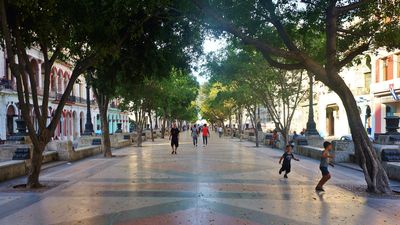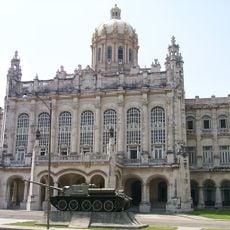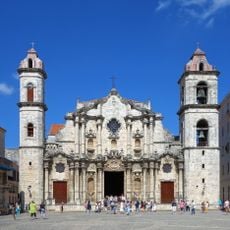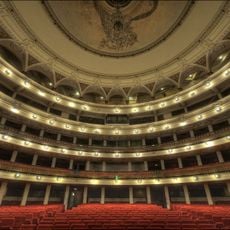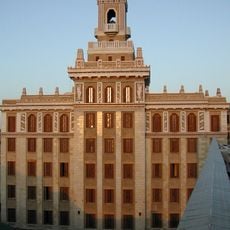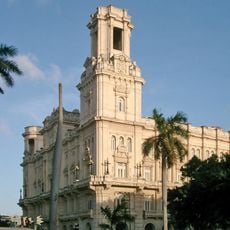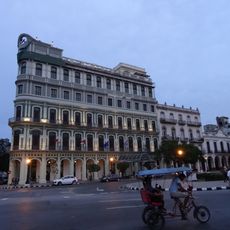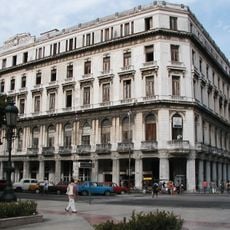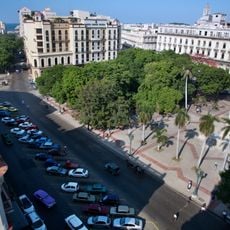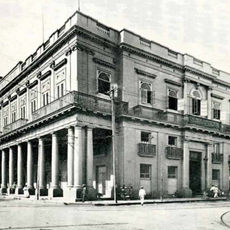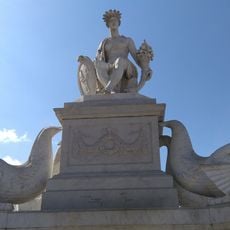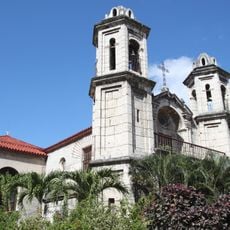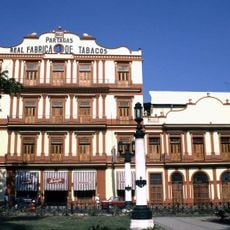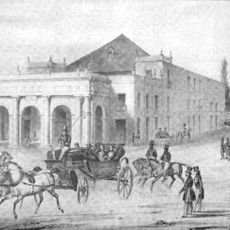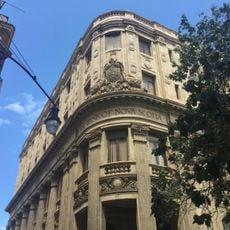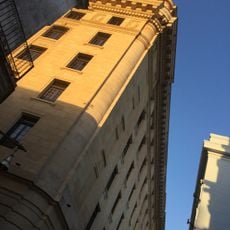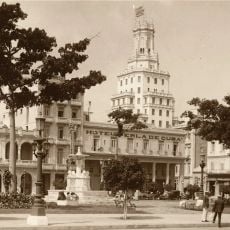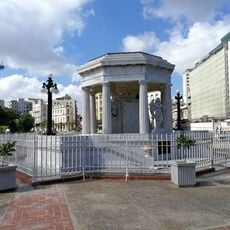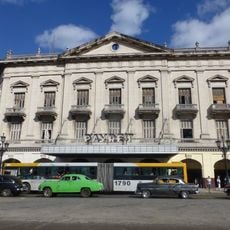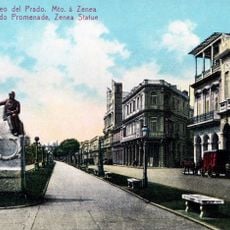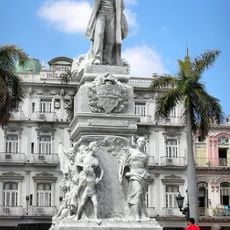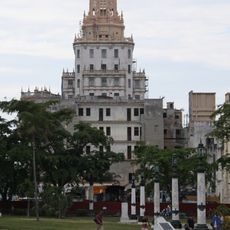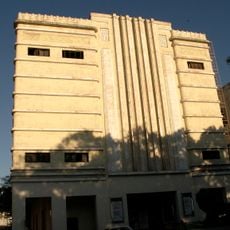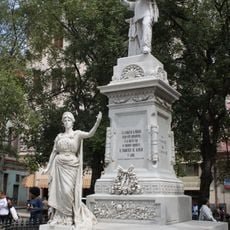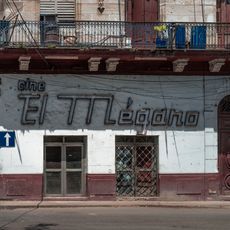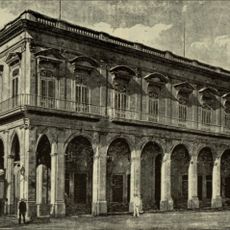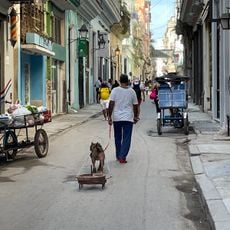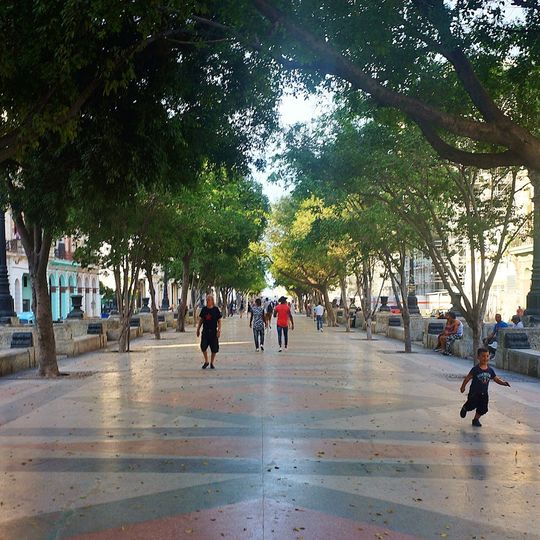
Prado y Colón Boulevard, Boulevard and promenade in Centro Habana, Cuba.
Prado y Colón Boulevard runs from the Malecon waterfront to Calle Máximo Gómez, creating a clear passage between two parts of Havana. Marble seating areas, bronze sculptures, and coral stone barriers line the route, giving it a refined European character.
The boulevard was redesigned in 1925 by French landscape architect Jean-Claude Nicolas Forestier as Havana's first European-style urban promenade. This transformation introduced new decorative features and modern structures that reshaped the city's appearance.
The National Ballet School of Cuba has its home here, drawing dancers and art enthusiasts to the area. This location reflects how the country invests in performing arts as part of everyday city life.
The boulevard serves as a clear dividing line between Centro Habana and Old Havana, making navigation through the city easier. The route features benches for resting and remains accessible for walking at a leisurely pace.
The bronze lions adorning the boulevard were cast in 1928 from metal salvaged from decommissioned cannons, a remarkable transformation of military materials into public art. These sculptures tell an uncommon story about Havana's modernization efforts under President Gerardo Machado.
The community of curious travelers
AroundUs brings together thousands of curated places, local tips, and hidden gems, enriched daily by 90,831 contributors worldwide.