The city combines its sports and industrial roots with natural and cultural spaces that everyone can enjoy.
Cincinnati's cultural sites include art and history museums, natural parks, historical buildings, and sports facilities. The city features a mix of Art Deco architecture, botanical gardens, and heritage sites along the Ohio River. Visitors can explore the Reds stadium, municipal zoo, historical bridges, and green spaces like Mount Airy Forest and Eden Park. The downtown area hosts cultural venues in notable buildings.
The city combines its sports and industrial roots with natural and cultural spaces that everyone can enjoy.
Cincinnati's cultural sites include art and history museums, natural parks, historical buildings, and sports facilities. The city features a mix of Art Deco architecture, botanical gardens, and heritage sites along the Ohio River. Visitors can explore the Reds stadium, municipal zoo, historical bridges, and green spaces like Mount Airy Forest and Eden Park. The downtown area hosts cultural venues in notable buildings.
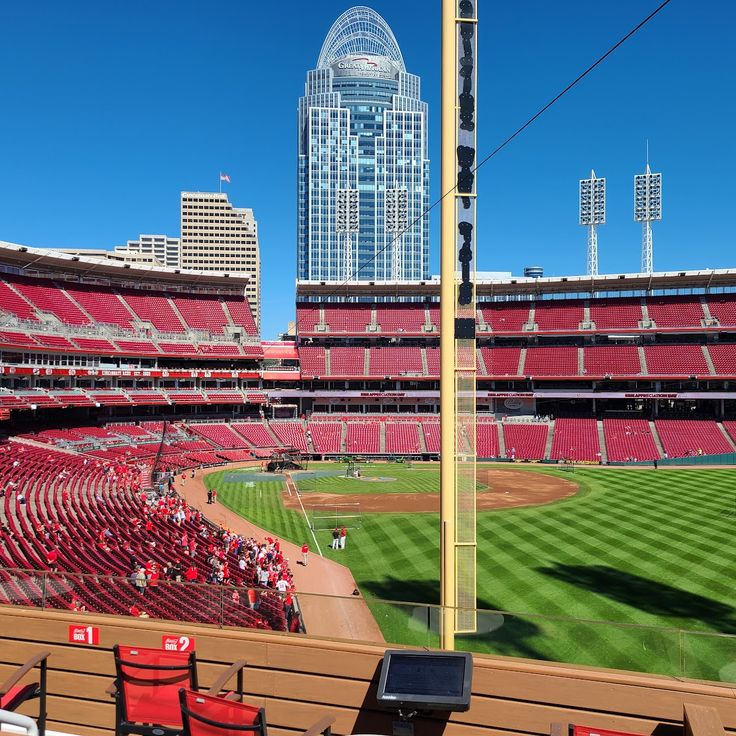
Great American Ball Park is Cincinnati's baseball stadium, home to the Cincinnati Reds. Built in 2003, it holds more than 42,000 spectators and sits along the Ohio River. The stadium represents the city's sports culture and complements Cincinnati's mix of museums, historical buildings, and green spaces that define its character.
The Cincinnati Zoo & Botanical Garden is a 30-hectare destination in Cincinnati that has operated since 1875. Visitors walk through spaces designed to recreate natural habitats, encountering over 500 animals and 3000 plant species. This zoo fits naturally into Cincinnati's collection of cultural sites and green spaces that define the city. It offers a balance of wildlife viewing, learning, and outdoor recreation.
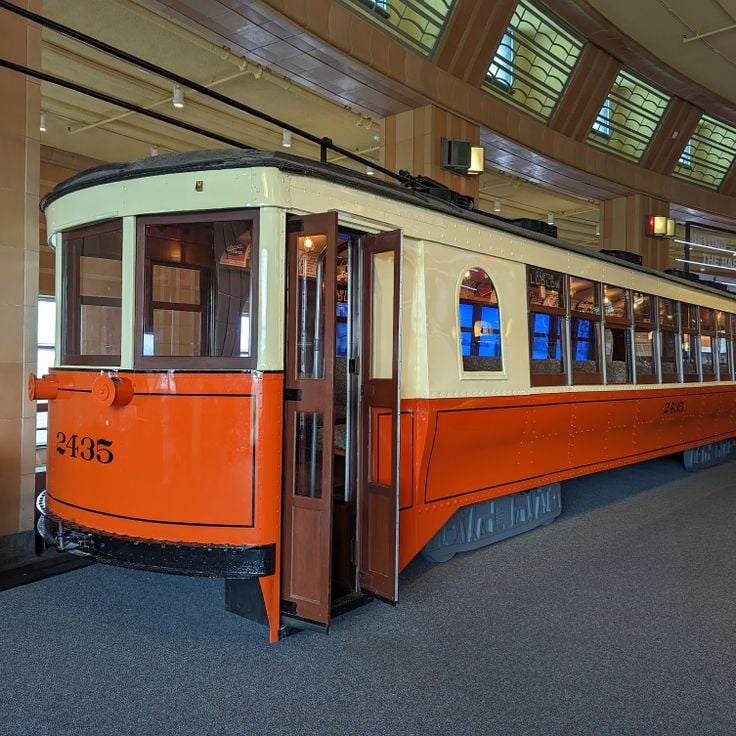
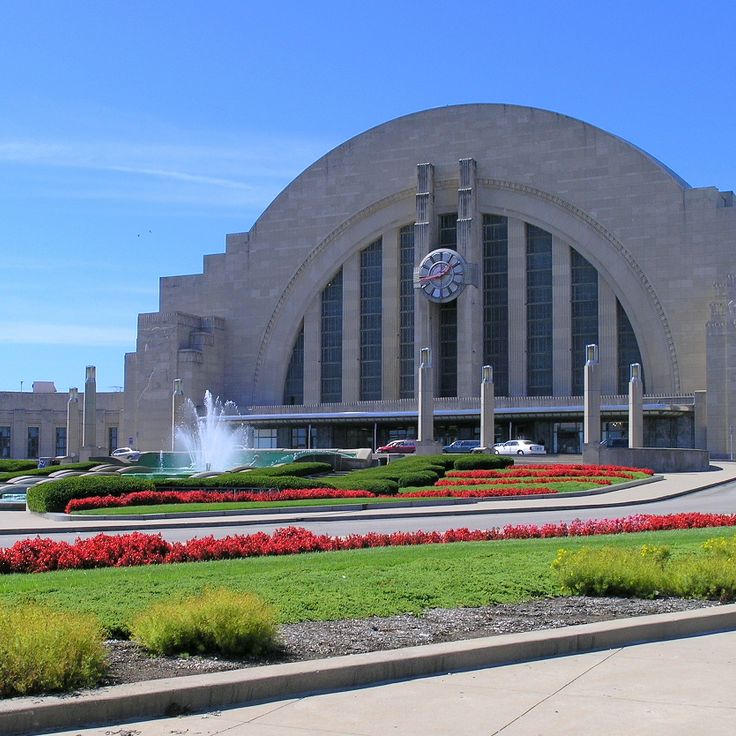
The Cincinnati Museum Center occupies a striking Art Deco building, the former Union Terminal. This cultural complex houses multiple museums, an IMAX cinema, and a research library. It serves as a central gathering place for learning about the region's art, history, and natural world. The building itself is part of Cincinnati's heritage, fitting seamlessly into the city's network of museums, parks, and historical landmarks.
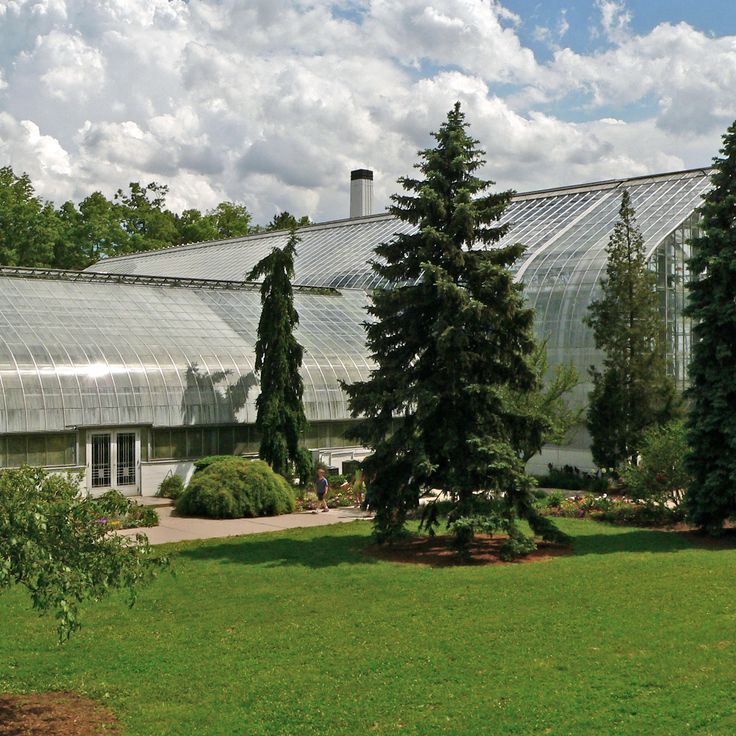
Krohn Conservatory is a striking 1933 Art Deco greenhouse that holds more than 3500 plant species, including palms, orchids, cacti, and tropical plants. As part of Cincinnati's cultural offerings, this venue lets visitors explore botanical diversity and connect with the city's garden spaces and natural heritage.
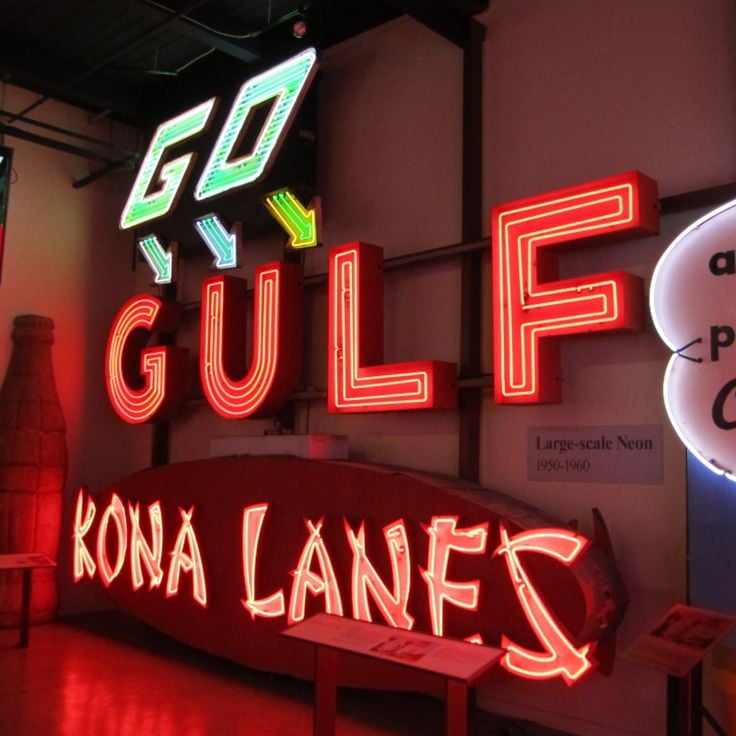
The American Sign Museum displays over 500 glowing vintage signs and advertisements that tell the story of American commerce and design. The collection traces how businesses and brands communicated with the public over more than a century, from early electric signs to mid-century classics. This museum fits naturally into Cincinnati's network of cultural sites, offering a window into the city's own industrial past and the everyday visual landscape that shaped American life.
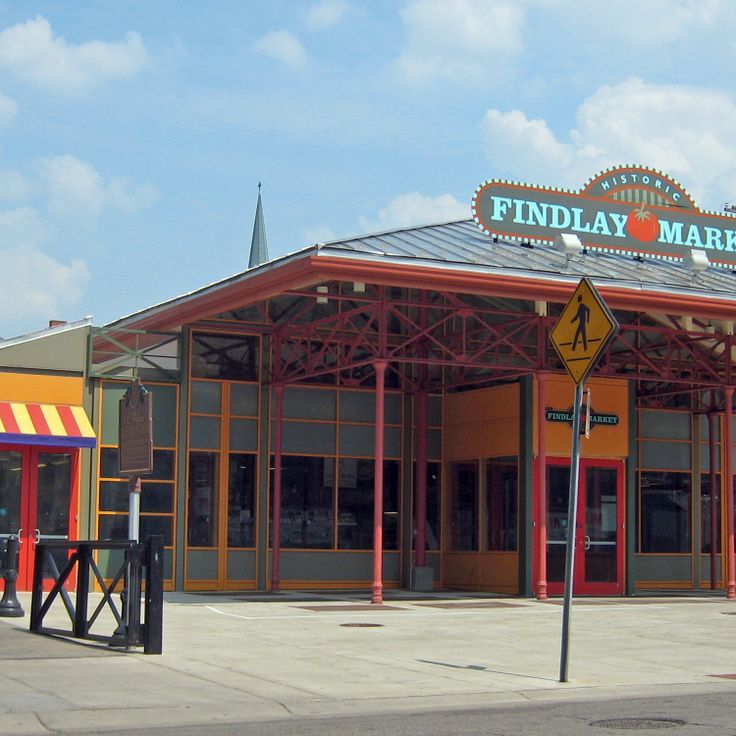
Findlay Market is an indoor market that has operated since 1852 and represents one of Cincinnati's cultural gathering places alongside its museums, parks, and historical buildings. Around 50 permanent merchants here sell fresh produce, meat, cheese, and local specialties. The market serves as a place where visitors and residents shop for ingredients and experience the local food tradition.
The Cincinnati Art Museum is a museum institution founded in 1881 and plays a key role in Cincinnati's collection of cultural sites. It displays over 67,000 works of art spanning 6,000 years of history through paintings, sculptures, and objects. As part of the city's cultural offerings, the Cincinnati Art Museum invites visitors to explore the history of art and culture.
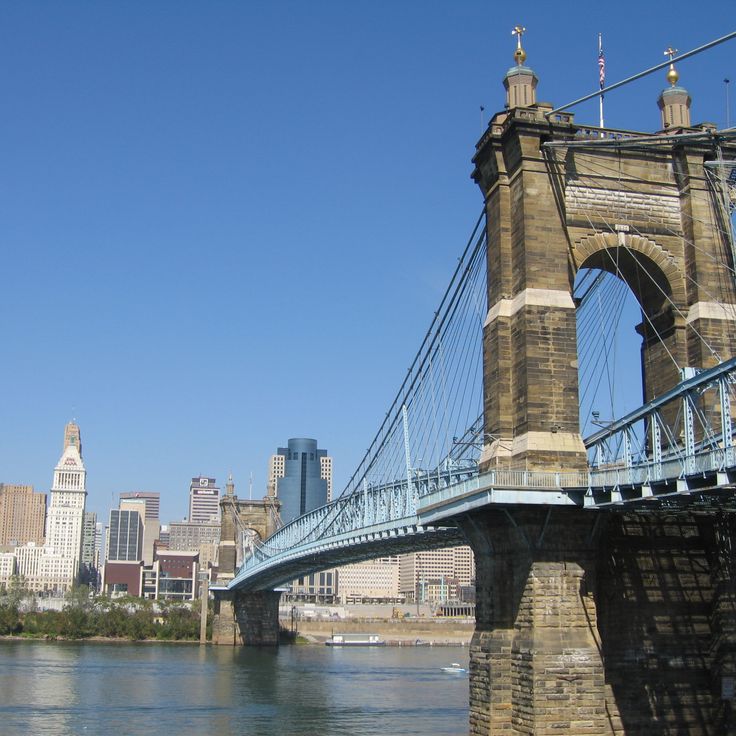
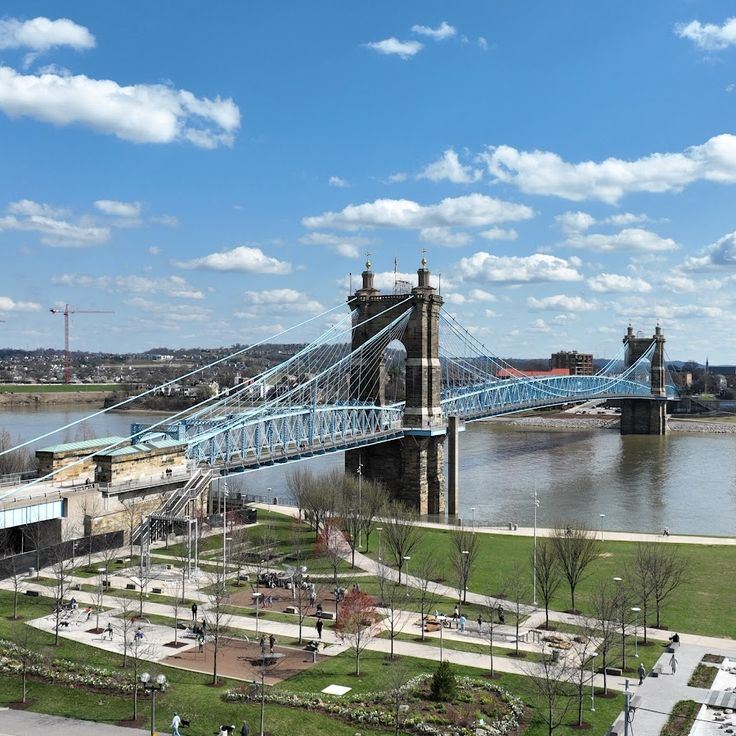
The Roebling Suspension Bridge connects Cincinnati with Covington and represents 19th-century engineering innovation. This bridge served as the prototype for the Brooklyn Bridge in New York. It spans the Ohio River and stands as an important architectural landmark of the city that visitors can see while exploring Cincinnati's cultural and historical sites.
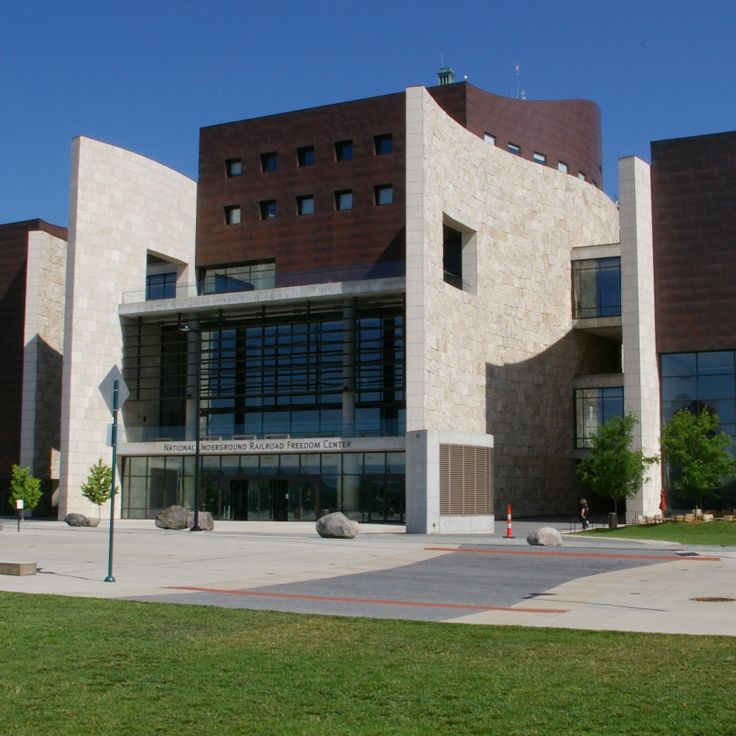
The National Underground Railroad Freedom Center is a museum in Cincinnati that explores the history of slavery, freedom, and resistance in the United States. It honors the escape network that helped enslaved people reach free states. As a cultural venue in the downtown area, this center allows visitors to learn about and reflect on a defining period of American history.
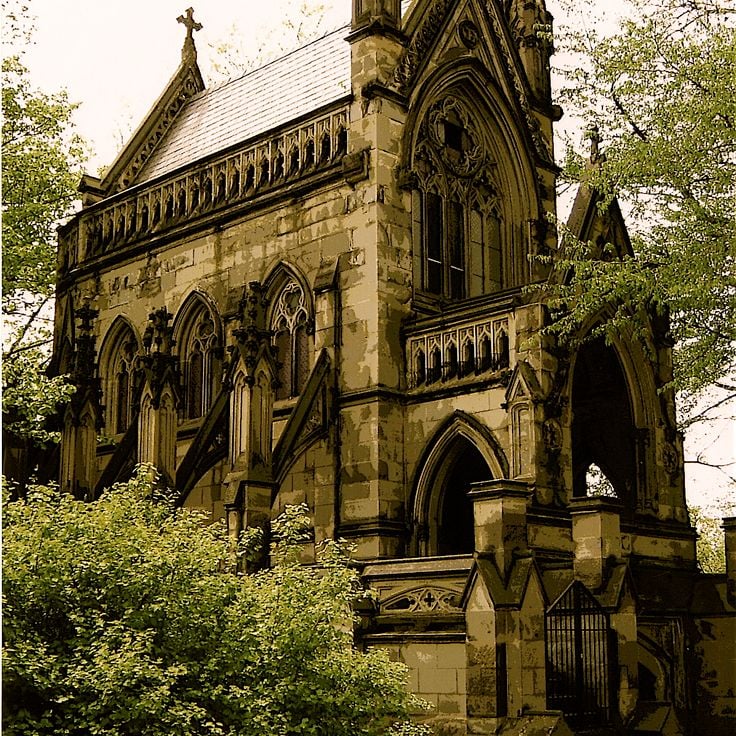
Spring Grove Cemetery & Arboretum stands as one of Cincinnati's green spaces where history and nature coexist. Founded in 1845, this 300-hectare site holds funerary monuments and buildings that reflect 19th-century architecture. Walking through the grounds, visitors encounter a collection of remarkable trees planted across the landscape, making it a place where you can observe both craftsmanship from the past and the natural environment.
Smale Riverfront Park is Cincinnati's invitation to spend time along the water. The park stretches along the Ohio River with green spaces, two children's playgrounds, water features, a bike path, and a riverside walkway. Visitors can stroll here, ride bikes, or simply watch the river flow by.
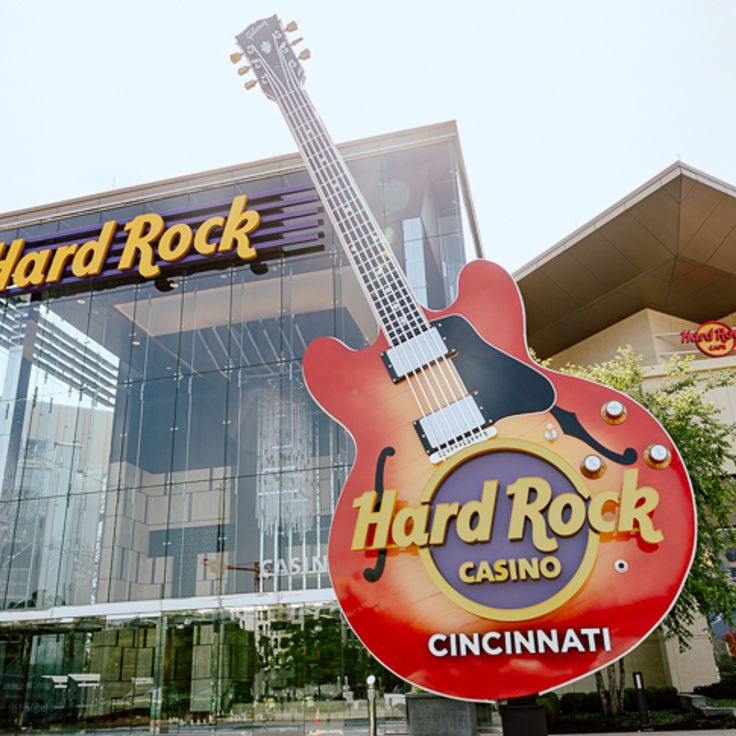
Hard Rock Casino Cincinnati is a gaming establishment where you can play slots and table games, enjoy meals at the restaurants, and catch musical performances. As part of Cincinnati's entertainment offerings, it joins the city's mix of museums, historical sites, and outdoor spaces that give the city its character.
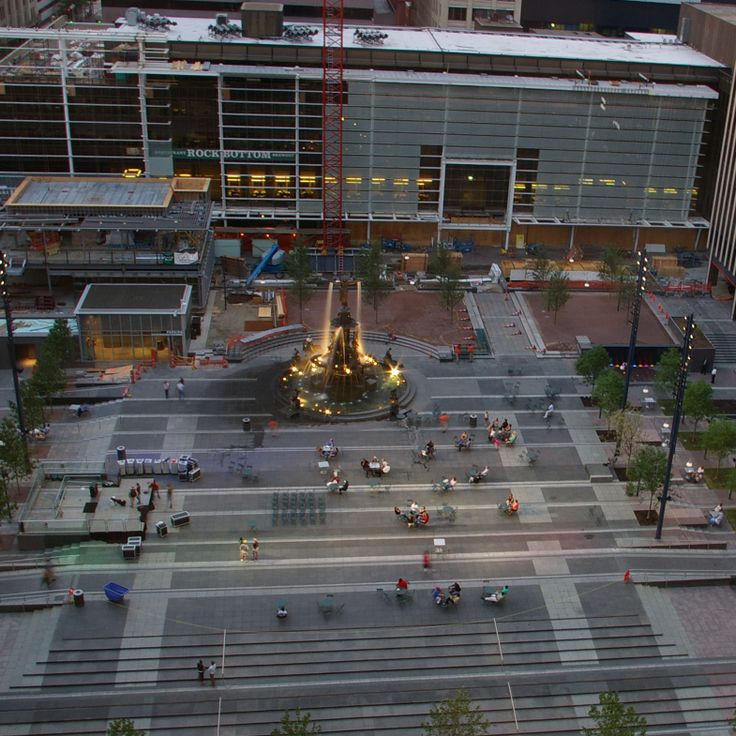
Fountain Square is a downtown public gathering space in Cincinnati, featuring a Renaissance-style ornamental fountain. Visitors can sit on benches and tables to watch the flow of people and city life. This square serves as a cultural meeting point in the heart of the city, complementing Cincinnati's array of museums, parks, and historical sites.
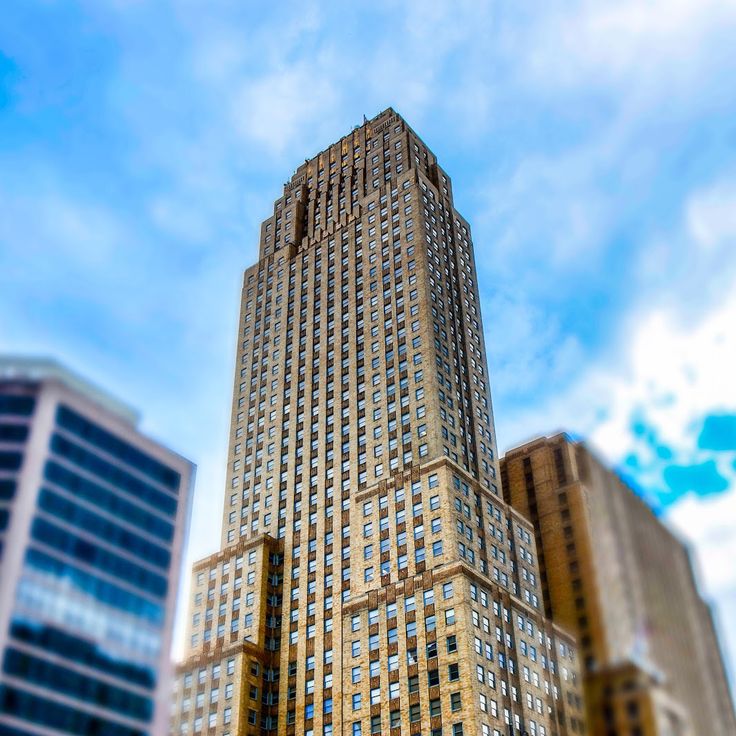
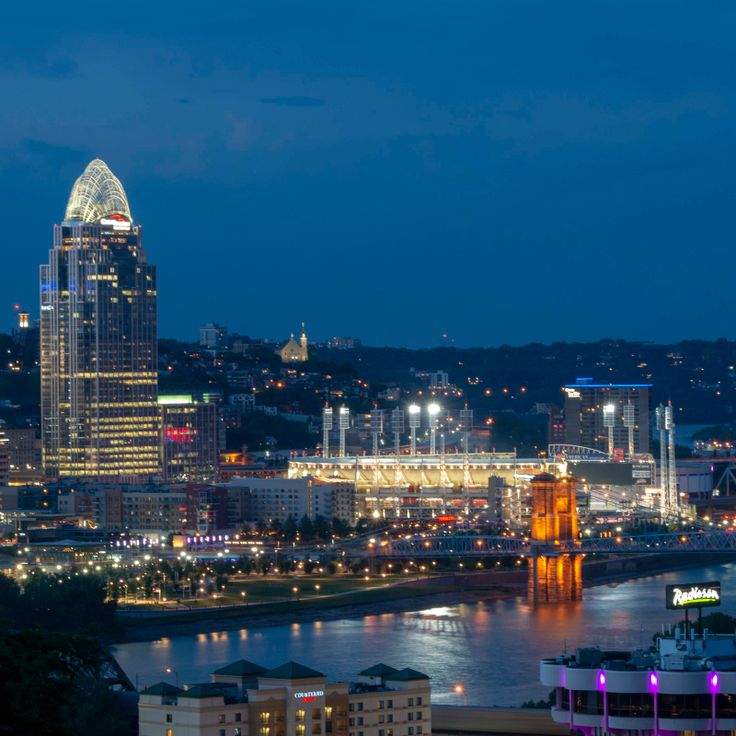
Carew Tower is a striking Art Deco office building constructed in 1930 that stands out in Cincinnati's cultural landscape. With its 49 floors, this structure offers visitors expansive views of the Ohio River and Kentucky beyond. The building exemplifies the architectural design of its era and shapes the city's skyline with its distinctive character.
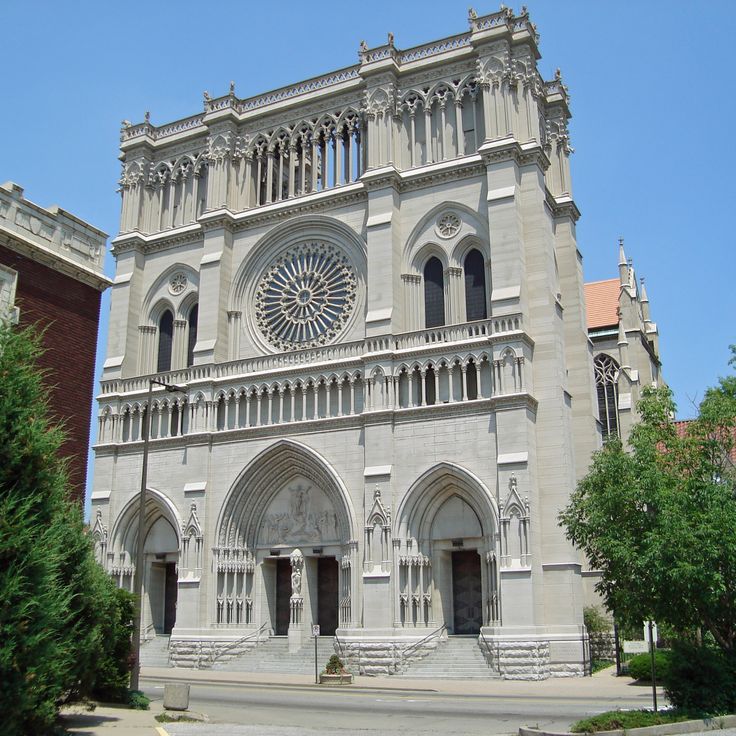
This cathedral is part of Cincinnati's cultural heritage and showcases Neo-Gothic architecture built between 1895 and 1910. The impressive structure features 82 stained glass windows, including a large 7-meter north rose window. You can visit this religious site and admire the skilled craftsmanship of its windows, which shape the interior light in artistic ways.
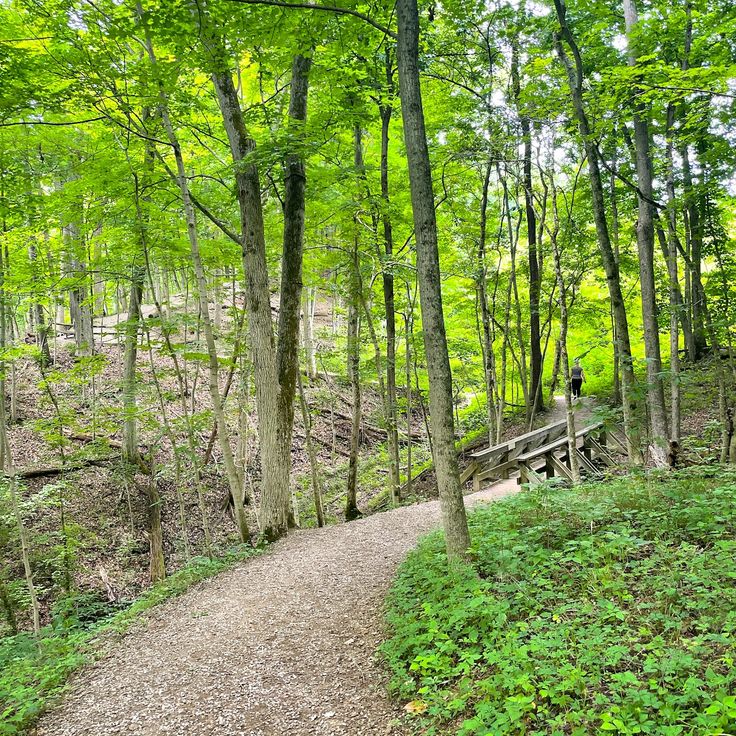
Mount Airy Forest is a municipal park of 570 hectares established in 1911 and part of Cincinnati's mix of cultural sites and green spaces. It offers hiking trails through natural landscapes, wildlife observation opportunities, and picnic areas for visitors seeking outdoor experiences along the Ohio River region.
The Cincinnati Nature Center is a 650-hectare nature reserve that contributes to Cincinnati's mix of cultural sites and green spaces. The reserve offers 32 kilometers of hiking trails through different habitats, an environmental education center, and wetlands. Visitors can walk through the landscape and learn about local plants and animals, adding to the city's range of outdoor destinations alongside its museums and historical sites.
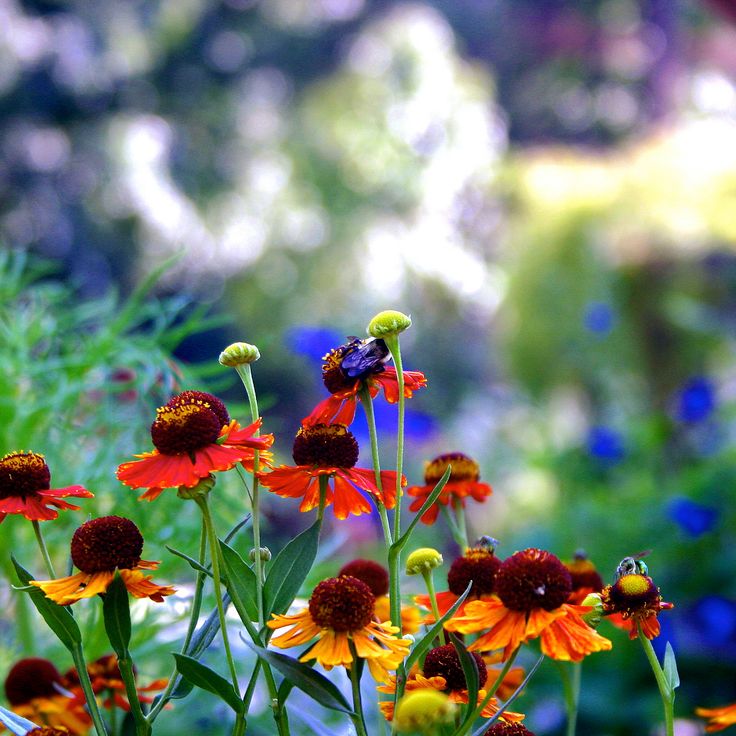
Ault Park is a 90-hectare municipal park in Cincinnati that reflects the city's connection to natural spaces and green areas. The park features flower gardens, an esplanade, and a pavilion with views of the Ohio River valley. Visitors can walk through the grounds and experience the landscape that surrounds Cincinnati.
Eden Park is this city's municipal park, home to the Cincinnati Art Museum, Mirror Lake, botanical gardens, and a lookout point overlooking the Ohio River. The park fits into Cincinnati's cultural landscape, offering visitors a place to experience art collections, natural water features, and carefully maintained gardens.
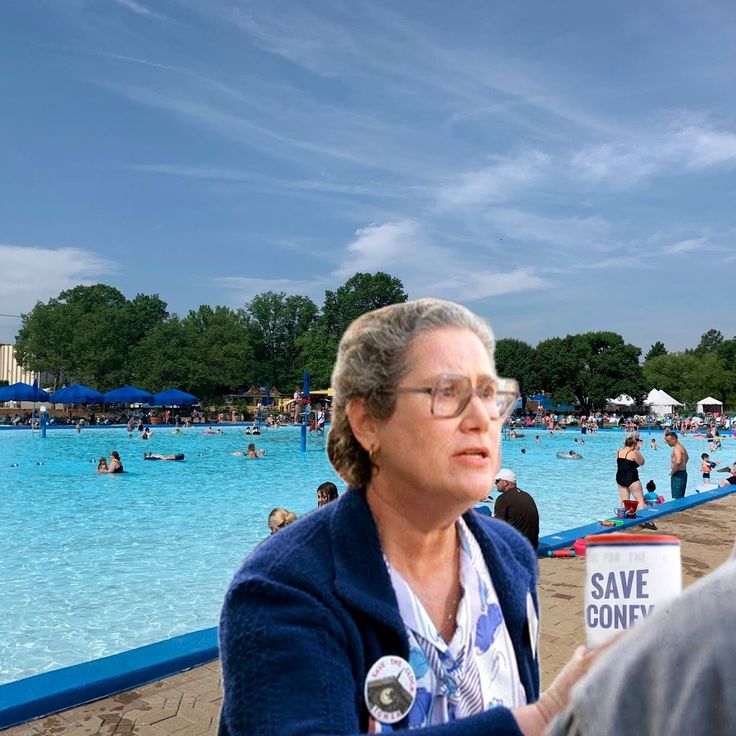
Coney Island Amusement Park is an amusement park in Cincinnati that complements the city's diverse cultural offerings. The park features an outdoor pool, classic rides, and picnic areas along the Ohio River. Visitors find a place for recreation and leisure that rounds out Cincinnati's mix of culture, nature, and entertainment.
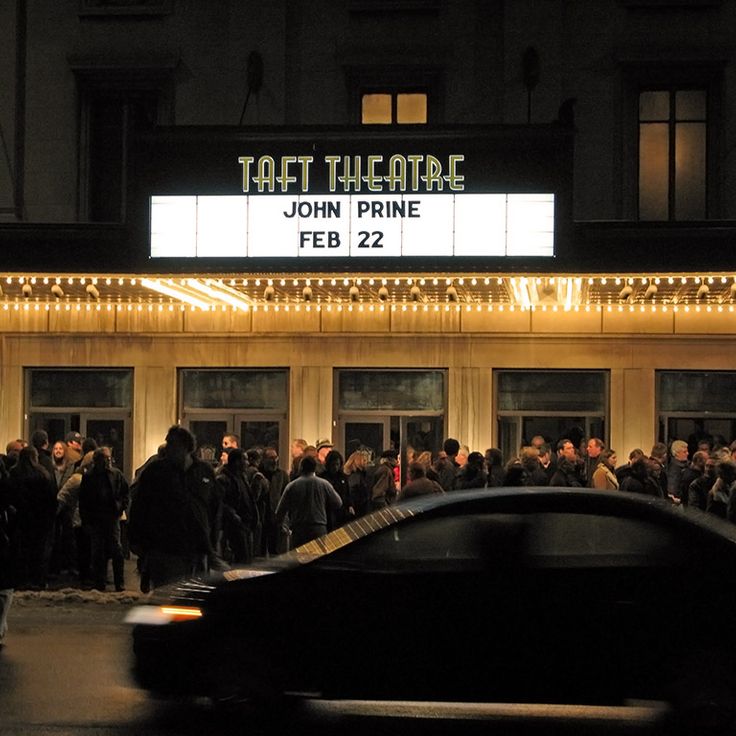
The Taft Theatre is a 1928 theater in downtown Cincinnati with 2500 seats that hosts music artists, comedy shows, and variety performances. As a key part of Cincinnati's cultural scene, this venue complements the city's museums, historical buildings, and green spaces like Eden Park and Mount Airy Forest, offering visitors a place to experience live entertainment in a building with distinctive Art Deco style.
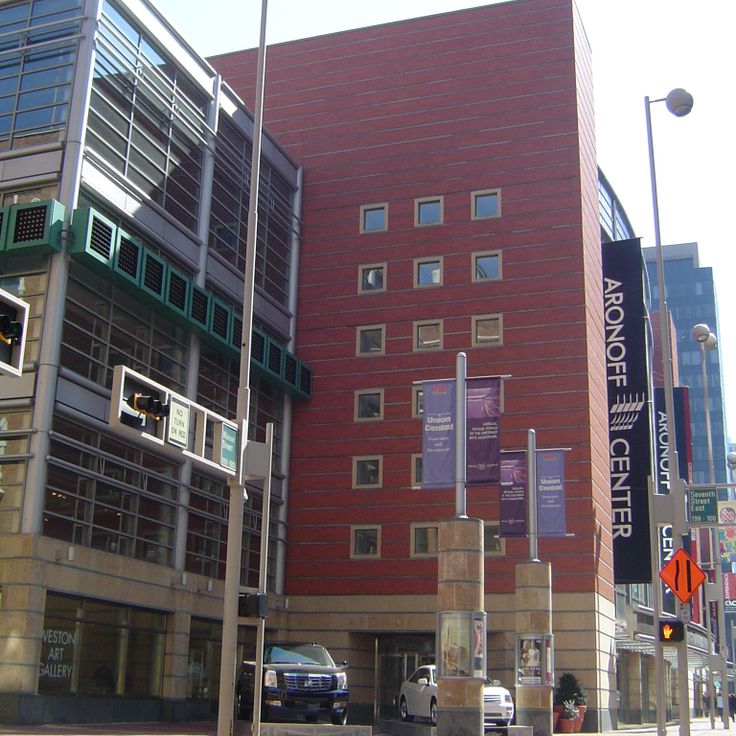
The Aronoff Center for the Arts is a three-hall cultural complex in downtown Cincinnati featuring musicals, contemporary dance shows, and theatrical productions. It is part of Cincinnati's array of cultural sites, which include art and history museums, historical buildings, and green spaces along the Ohio River.
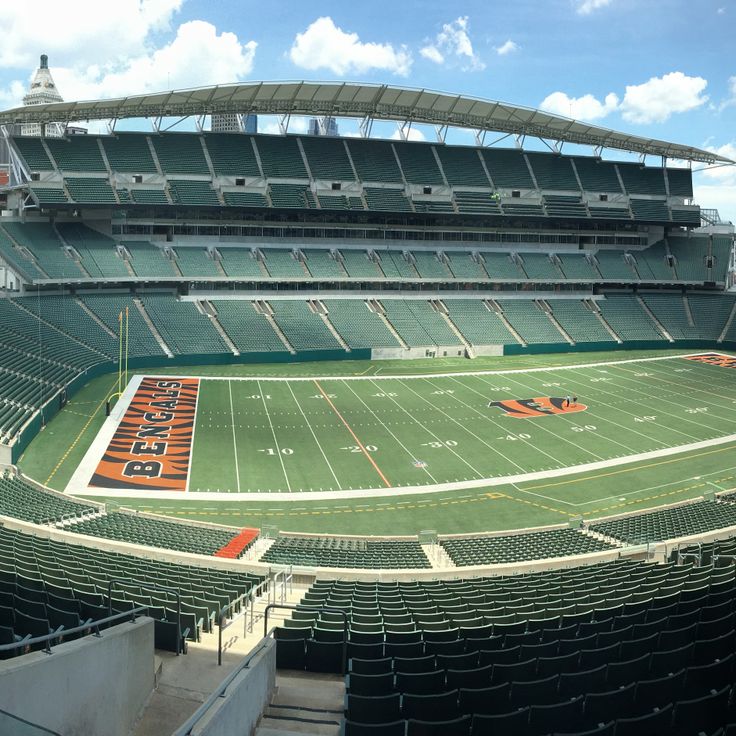
Paul Brown Stadium is the home of the Cincinnati Bengals and stands as a modern sports facility built in 2000. With 65,500 seats, it hosts American football games and offers views of the Ohio River. Within Cincinnati's collection of cultural sites and sports facilities, this stadium serves as a gathering place for fans and reflects the city's sporting tradition.
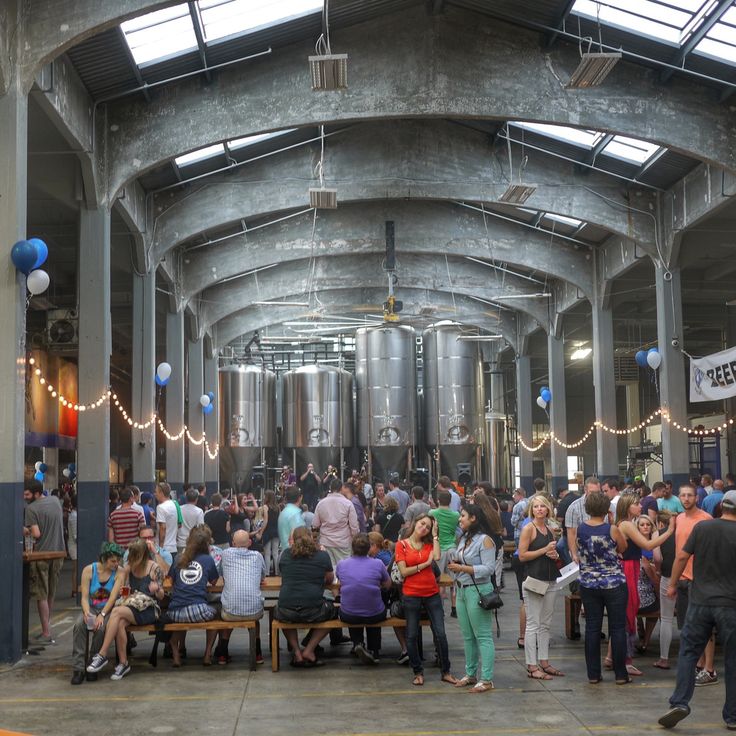
Rhinegeist Brewery is a craft beer maker that opened in 2013 within a former bottling plant in the Over-the-Rhine neighborhood. It fits naturally into Cincinnati's cultural landscape of museums, historic buildings, and green spaces. Visitors can taste handcrafted beers and join guided tours through the brewery. The building itself reflects the city's transformation from its industrial past to its modern creative spirit.
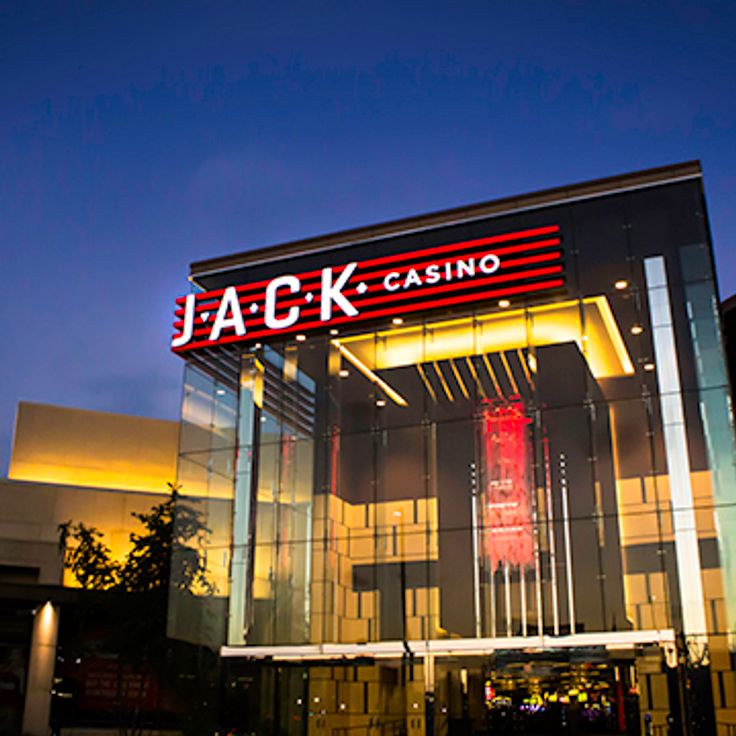
The JACK Cincinnati Casino is a gaming establishment in the center of Cincinnati with classic gaming tables, slot machines, a restaurant, and a bar. It fits into Cincinnati's diverse range of cultural venues, historical buildings, and green spaces along the Ohio River.
Devou Park is a large green space in Cincinnati offering mountain bike trails, a golf course, and picnic areas for outdoor recreation. It fits naturally into Cincinnati's mix of parks and cultural sites, giving visitors a place to spend time outdoors alongside exploring the city's art museums, historical buildings, and other attractions along the Ohio River.
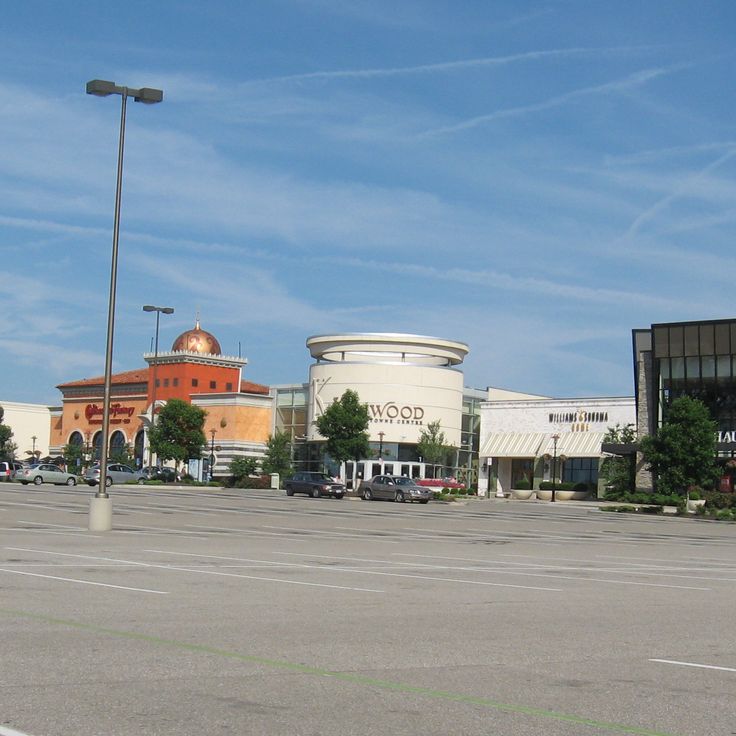
Kenwood Towne Centre is a two-level shopping destination in Cincinnati that houses over 180 stores and a variety of restaurants. It reflects the city's blend of cultural attractions alongside everyday modern conveniences, complementing Cincinnati's museums, historical sites, and natural spaces like Eden Park and Mount Airy Forest. The center provides ample parking and serves as a gathering place for both residents and visitors exploring what the city offers.
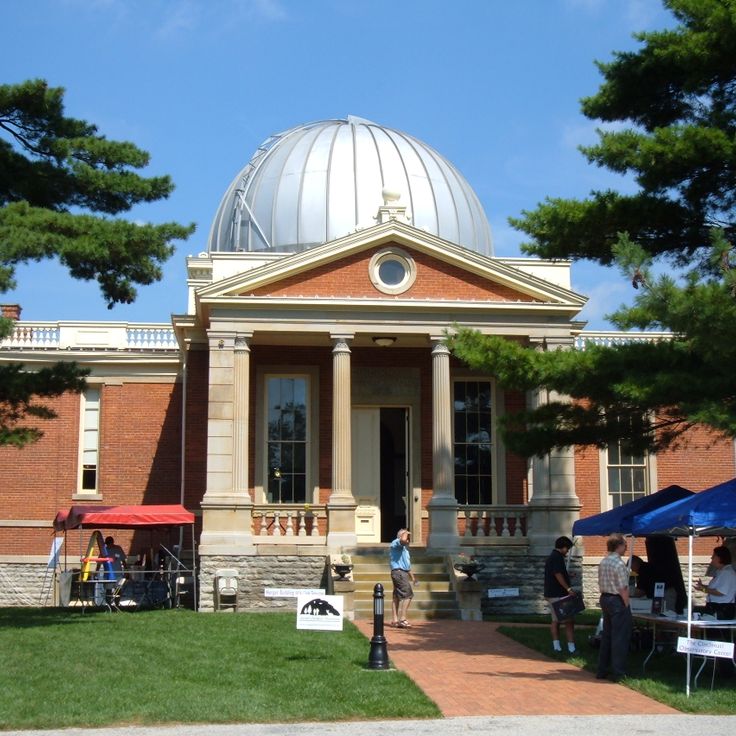
The Cincinnati Observatory was founded in 1843 as the first professional observatory in America. As part of Cincinnati's cultural sites that include art museums, history venues, and green spaces, this observatory gives visitors a chance to explore the city's scientific heritage. With its 1845 telescope, the observatory offers guided tours for those interested in astronomy and the night sky.
The Rookwood Ice Cream Parlor is an Art Deco-style establishment that adds to Cincinnati's collection of period architecture. Its walls are decorated with railway ceramic tiles, and the interior retains original 1930s design elements. The space shows how the city preserves its cultural and historical character.
Lindner Park and Nature Preserve is a 48-hectare natural area in Cincinnati where visitors can walk trails through woods and meadows. The park is home to local plant and animal species and offers a green escape within the city. It complements Cincinnati's network of parks and gardens, providing a place to experience the region's natural landscape alongside the city's cultural sites.
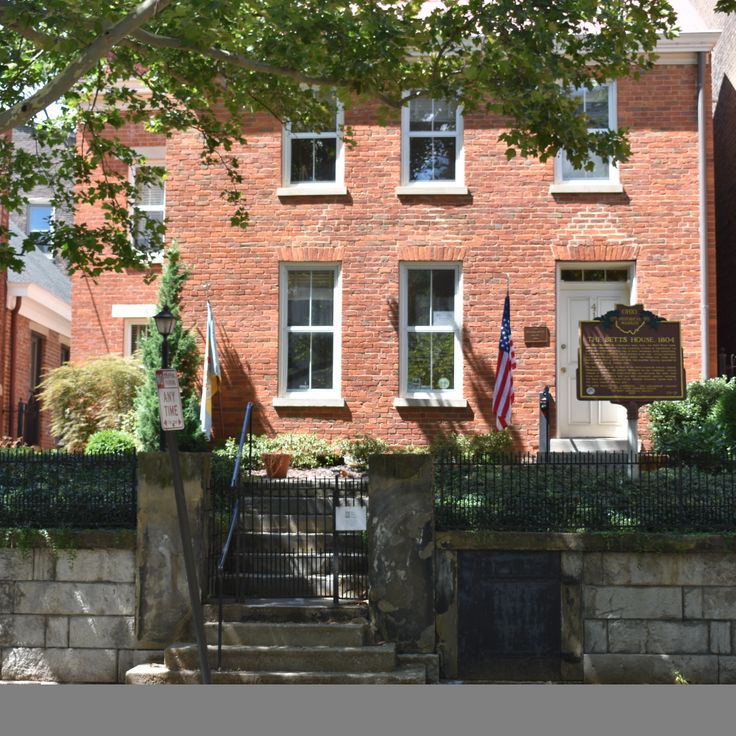
The Betts House is a brick house from 1804 and the first of its kind in Cincinnati. It displays the characteristic Federal architecture of the early 19th century. As part of Cincinnati's cultural offerings, this historic building fits into the city's collection of museums, parks, and heritage sites that tell the story of life along the Ohio River.
Great American Ball Park is Cincinnati's baseball stadium, home to the Cincinnati Reds. Built in 2003, it holds more than 42,000 spectators and sits along the Ohio River. The stadium represents the city's sports culture and complements Cincinnati's mix of museums, historical buildings, and green spaces that define its character.
The Cincinnati Zoo & Botanical Garden is a 30-hectare destination in Cincinnati that has operated since 1875. Visitors walk through spaces designed to recreate natural habitats, encountering over 500 animals and 3000 plant species. This zoo fits naturally into Cincinnati's collection of cultural sites and green spaces that define the city. It offers a balance of wildlife viewing, learning, and outdoor recreation.
The Cincinnati Museum Center occupies a striking Art Deco building, the former Union Terminal. This cultural complex houses multiple museums, an IMAX cinema, and a research library. It serves as a central gathering place for learning about the region's art, history, and natural world. The building itself is part of Cincinnati's heritage, fitting seamlessly into the city's network of museums, parks, and historical landmarks.
Krohn Conservatory is a striking 1933 Art Deco greenhouse that holds more than 3500 plant species, including palms, orchids, cacti, and tropical plants. As part of Cincinnati's cultural offerings, this venue lets visitors explore botanical diversity and connect with the city's garden spaces and natural heritage.
The American Sign Museum displays over 500 glowing vintage signs and advertisements that tell the story of American commerce and design. The collection traces how businesses and brands communicated with the public over more than a century, from early electric signs to mid-century classics. This museum fits naturally into Cincinnati's network of cultural sites, offering a window into the city's own industrial past and the everyday visual landscape that shaped American life.
Findlay Market is an indoor market that has operated since 1852 and represents one of Cincinnati's cultural gathering places alongside its museums, parks, and historical buildings. Around 50 permanent merchants here sell fresh produce, meat, cheese, and local specialties. The market serves as a place where visitors and residents shop for ingredients and experience the local food tradition.
The Cincinnati Art Museum is a museum institution founded in 1881 and plays a key role in Cincinnati's collection of cultural sites. It displays over 67,000 works of art spanning 6,000 years of history through paintings, sculptures, and objects. As part of the city's cultural offerings, the Cincinnati Art Museum invites visitors to explore the history of art and culture.
The Roebling Suspension Bridge connects Cincinnati with Covington and represents 19th-century engineering innovation. This bridge served as the prototype for the Brooklyn Bridge in New York. It spans the Ohio River and stands as an important architectural landmark of the city that visitors can see while exploring Cincinnati's cultural and historical sites.
The National Underground Railroad Freedom Center is a museum in Cincinnati that explores the history of slavery, freedom, and resistance in the United States. It honors the escape network that helped enslaved people reach free states. As a cultural venue in the downtown area, this center allows visitors to learn about and reflect on a defining period of American history.
Spring Grove Cemetery & Arboretum stands as one of Cincinnati's green spaces where history and nature coexist. Founded in 1845, this 300-hectare site holds funerary monuments and buildings that reflect 19th-century architecture. Walking through the grounds, visitors encounter a collection of remarkable trees planted across the landscape, making it a place where you can observe both craftsmanship from the past and the natural environment.
Smale Riverfront Park is Cincinnati's invitation to spend time along the water. The park stretches along the Ohio River with green spaces, two children's playgrounds, water features, a bike path, and a riverside walkway. Visitors can stroll here, ride bikes, or simply watch the river flow by.
Hard Rock Casino Cincinnati is a gaming establishment where you can play slots and table games, enjoy meals at the restaurants, and catch musical performances. As part of Cincinnati's entertainment offerings, it joins the city's mix of museums, historical sites, and outdoor spaces that give the city its character.
Fountain Square is a downtown public gathering space in Cincinnati, featuring a Renaissance-style ornamental fountain. Visitors can sit on benches and tables to watch the flow of people and city life. This square serves as a cultural meeting point in the heart of the city, complementing Cincinnati's array of museums, parks, and historical sites.
Carew Tower is a striking Art Deco office building constructed in 1930 that stands out in Cincinnati's cultural landscape. With its 49 floors, this structure offers visitors expansive views of the Ohio River and Kentucky beyond. The building exemplifies the architectural design of its era and shapes the city's skyline with its distinctive character.
This cathedral is part of Cincinnati's cultural heritage and showcases Neo-Gothic architecture built between 1895 and 1910. The impressive structure features 82 stained glass windows, including a large 7-meter north rose window. You can visit this religious site and admire the skilled craftsmanship of its windows, which shape the interior light in artistic ways.
Mount Airy Forest is a municipal park of 570 hectares established in 1911 and part of Cincinnati's mix of cultural sites and green spaces. It offers hiking trails through natural landscapes, wildlife observation opportunities, and picnic areas for visitors seeking outdoor experiences along the Ohio River region.
The Cincinnati Nature Center is a 650-hectare nature reserve that contributes to Cincinnati's mix of cultural sites and green spaces. The reserve offers 32 kilometers of hiking trails through different habitats, an environmental education center, and wetlands. Visitors can walk through the landscape and learn about local plants and animals, adding to the city's range of outdoor destinations alongside its museums and historical sites.
Ault Park is a 90-hectare municipal park in Cincinnati that reflects the city's connection to natural spaces and green areas. The park features flower gardens, an esplanade, and a pavilion with views of the Ohio River valley. Visitors can walk through the grounds and experience the landscape that surrounds Cincinnati.
Eden Park is this city's municipal park, home to the Cincinnati Art Museum, Mirror Lake, botanical gardens, and a lookout point overlooking the Ohio River. The park fits into Cincinnati's cultural landscape, offering visitors a place to experience art collections, natural water features, and carefully maintained gardens.
Coney Island Amusement Park is an amusement park in Cincinnati that complements the city's diverse cultural offerings. The park features an outdoor pool, classic rides, and picnic areas along the Ohio River. Visitors find a place for recreation and leisure that rounds out Cincinnati's mix of culture, nature, and entertainment.
The Taft Theatre is a 1928 theater in downtown Cincinnati with 2500 seats that hosts music artists, comedy shows, and variety performances. As a key part of Cincinnati's cultural scene, this venue complements the city's museums, historical buildings, and green spaces like Eden Park and Mount Airy Forest, offering visitors a place to experience live entertainment in a building with distinctive Art Deco style.
The Aronoff Center for the Arts is a three-hall cultural complex in downtown Cincinnati featuring musicals, contemporary dance shows, and theatrical productions. It is part of Cincinnati's array of cultural sites, which include art and history museums, historical buildings, and green spaces along the Ohio River.
Paul Brown Stadium is the home of the Cincinnati Bengals and stands as a modern sports facility built in 2000. With 65,500 seats, it hosts American football games and offers views of the Ohio River. Within Cincinnati's collection of cultural sites and sports facilities, this stadium serves as a gathering place for fans and reflects the city's sporting tradition.
Rhinegeist Brewery is a craft beer maker that opened in 2013 within a former bottling plant in the Over-the-Rhine neighborhood. It fits naturally into Cincinnati's cultural landscape of museums, historic buildings, and green spaces. Visitors can taste handcrafted beers and join guided tours through the brewery. The building itself reflects the city's transformation from its industrial past to its modern creative spirit.
The JACK Cincinnati Casino is a gaming establishment in the center of Cincinnati with classic gaming tables, slot machines, a restaurant, and a bar. It fits into Cincinnati's diverse range of cultural venues, historical buildings, and green spaces along the Ohio River.
Devou Park is a large green space in Cincinnati offering mountain bike trails, a golf course, and picnic areas for outdoor recreation. It fits naturally into Cincinnati's mix of parks and cultural sites, giving visitors a place to spend time outdoors alongside exploring the city's art museums, historical buildings, and other attractions along the Ohio River.
Kenwood Towne Centre is a two-level shopping destination in Cincinnati that houses over 180 stores and a variety of restaurants. It reflects the city's blend of cultural attractions alongside everyday modern conveniences, complementing Cincinnati's museums, historical sites, and natural spaces like Eden Park and Mount Airy Forest. The center provides ample parking and serves as a gathering place for both residents and visitors exploring what the city offers.
The Cincinnati Observatory was founded in 1843 as the first professional observatory in America. As part of Cincinnati's cultural sites that include art museums, history venues, and green spaces, this observatory gives visitors a chance to explore the city's scientific heritage. With its 1845 telescope, the observatory offers guided tours for those interested in astronomy and the night sky.
The Rookwood Ice Cream Parlor is an Art Deco-style establishment that adds to Cincinnati's collection of period architecture. Its walls are decorated with railway ceramic tiles, and the interior retains original 1930s design elements. The space shows how the city preserves its cultural and historical character.
Lindner Park and Nature Preserve is a 48-hectare natural area in Cincinnati where visitors can walk trails through woods and meadows. The park is home to local plant and animal species and offers a green escape within the city. It complements Cincinnati's network of parks and gardens, providing a place to experience the region's natural landscape alongside the city's cultural sites.
The Betts House is a brick house from 1804 and the first of its kind in Cincinnati. It displays the characteristic Federal architecture of the early 19th century. As part of Cincinnati's cultural offerings, this historic building fits into the city's collection of museums, parks, and heritage sites that tell the story of life along the Ohio River.
Great American Ball Park is Cincinnati's baseball stadium, home to the Cincinnati Reds. Built in 2003, it holds more than 42,000 spectators and sits along the Ohio River. The stadium represents the city's sports culture and complements Cincinnati's mix of museums, historical buildings, and green spaces that define its character.
The Cincinnati Zoo & Botanical Garden is a 30-hectare destination in Cincinnati that has operated since 1875. Visitors walk through spaces designed to recreate natural habitats, encountering over 500 animals and 3000 plant species. This zoo fits naturally into Cincinnati's collection of cultural sites and green spaces that define the city. It offers a balance of wildlife viewing, learning, and outdoor recreation.
The Cincinnati Museum Center occupies a striking Art Deco building, the former Union Terminal. This cultural complex houses multiple museums, an IMAX cinema, and a research library. It serves as a central gathering place for learning about the region's art, history, and natural world. The building itself is part of Cincinnati's heritage, fitting seamlessly into the city's network of museums, parks, and historical landmarks.
Krohn Conservatory is a striking 1933 Art Deco greenhouse that holds more than 3500 plant species, including palms, orchids, cacti, and tropical plants. As part of Cincinnati's cultural offerings, this venue lets visitors explore botanical diversity and connect with the city's garden spaces and natural heritage.
The American Sign Museum displays over 500 glowing vintage signs and advertisements that tell the story of American commerce and design. The collection traces how businesses and brands communicated with the public over more than a century, from early electric signs to mid-century classics. This museum fits naturally into Cincinnati's network of cultural sites, offering a window into the city's own industrial past and the everyday visual landscape that shaped American life.
Findlay Market is an indoor market that has operated since 1852 and represents one of Cincinnati's cultural gathering places alongside its museums, parks, and historical buildings. Around 50 permanent merchants here sell fresh produce, meat, cheese, and local specialties. The market serves as a place where visitors and residents shop for ingredients and experience the local food tradition.
The Cincinnati Art Museum is a museum institution founded in 1881 and plays a key role in Cincinnati's collection of cultural sites. It displays over 67,000 works of art spanning 6,000 years of history through paintings, sculptures, and objects. As part of the city's cultural offerings, the Cincinnati Art Museum invites visitors to explore the history of art and culture.
The Roebling Suspension Bridge connects Cincinnati with Covington and represents 19th-century engineering innovation. This bridge served as the prototype for the Brooklyn Bridge in New York. It spans the Ohio River and stands as an important architectural landmark of the city that visitors can see while exploring Cincinnati's cultural and historical sites.
The National Underground Railroad Freedom Center is a museum in Cincinnati that explores the history of slavery, freedom, and resistance in the United States. It honors the escape network that helped enslaved people reach free states. As a cultural venue in the downtown area, this center allows visitors to learn about and reflect on a defining period of American history.
Spring Grove Cemetery & Arboretum stands as one of Cincinnati's green spaces where history and nature coexist. Founded in 1845, this 300-hectare site holds funerary monuments and buildings that reflect 19th-century architecture. Walking through the grounds, visitors encounter a collection of remarkable trees planted across the landscape, making it a place where you can observe both craftsmanship from the past and the natural environment.
Smale Riverfront Park is Cincinnati's invitation to spend time along the water. The park stretches along the Ohio River with green spaces, two children's playgrounds, water features, a bike path, and a riverside walkway. Visitors can stroll here, ride bikes, or simply watch the river flow by.
Hard Rock Casino Cincinnati is a gaming establishment where you can play slots and table games, enjoy meals at the restaurants, and catch musical performances. As part of Cincinnati's entertainment offerings, it joins the city's mix of museums, historical sites, and outdoor spaces that give the city its character.
Fountain Square is a downtown public gathering space in Cincinnati, featuring a Renaissance-style ornamental fountain. Visitors can sit on benches and tables to watch the flow of people and city life. This square serves as a cultural meeting point in the heart of the city, complementing Cincinnati's array of museums, parks, and historical sites.
Carew Tower is a striking Art Deco office building constructed in 1930 that stands out in Cincinnati's cultural landscape. With its 49 floors, this structure offers visitors expansive views of the Ohio River and Kentucky beyond. The building exemplifies the architectural design of its era and shapes the city's skyline with its distinctive character.
This cathedral is part of Cincinnati's cultural heritage and showcases Neo-Gothic architecture built between 1895 and 1910. The impressive structure features 82 stained glass windows, including a large 7-meter north rose window. You can visit this religious site and admire the skilled craftsmanship of its windows, which shape the interior light in artistic ways.
Mount Airy Forest is a municipal park of 570 hectares established in 1911 and part of Cincinnati's mix of cultural sites and green spaces. It offers hiking trails through natural landscapes, wildlife observation opportunities, and picnic areas for visitors seeking outdoor experiences along the Ohio River region.
The Cincinnati Nature Center is a 650-hectare nature reserve that contributes to Cincinnati's mix of cultural sites and green spaces. The reserve offers 32 kilometers of hiking trails through different habitats, an environmental education center, and wetlands. Visitors can walk through the landscape and learn about local plants and animals, adding to the city's range of outdoor destinations alongside its museums and historical sites.
Ault Park is a 90-hectare municipal park in Cincinnati that reflects the city's connection to natural spaces and green areas. The park features flower gardens, an esplanade, and a pavilion with views of the Ohio River valley. Visitors can walk through the grounds and experience the landscape that surrounds Cincinnati.
Eden Park is this city's municipal park, home to the Cincinnati Art Museum, Mirror Lake, botanical gardens, and a lookout point overlooking the Ohio River. The park fits into Cincinnati's cultural landscape, offering visitors a place to experience art collections, natural water features, and carefully maintained gardens.
Coney Island Amusement Park is an amusement park in Cincinnati that complements the city's diverse cultural offerings. The park features an outdoor pool, classic rides, and picnic areas along the Ohio River. Visitors find a place for recreation and leisure that rounds out Cincinnati's mix of culture, nature, and entertainment.
The Taft Theatre is a 1928 theater in downtown Cincinnati with 2500 seats that hosts music artists, comedy shows, and variety performances. As a key part of Cincinnati's cultural scene, this venue complements the city's museums, historical buildings, and green spaces like Eden Park and Mount Airy Forest, offering visitors a place to experience live entertainment in a building with distinctive Art Deco style.
The Aronoff Center for the Arts is a three-hall cultural complex in downtown Cincinnati featuring musicals, contemporary dance shows, and theatrical productions. It is part of Cincinnati's array of cultural sites, which include art and history museums, historical buildings, and green spaces along the Ohio River.
Paul Brown Stadium is the home of the Cincinnati Bengals and stands as a modern sports facility built in 2000. With 65,500 seats, it hosts American football games and offers views of the Ohio River. Within Cincinnati's collection of cultural sites and sports facilities, this stadium serves as a gathering place for fans and reflects the city's sporting tradition.
Rhinegeist Brewery is a craft beer maker that opened in 2013 within a former bottling plant in the Over-the-Rhine neighborhood. It fits naturally into Cincinnati's cultural landscape of museums, historic buildings, and green spaces. Visitors can taste handcrafted beers and join guided tours through the brewery. The building itself reflects the city's transformation from its industrial past to its modern creative spirit.
The JACK Cincinnati Casino is a gaming establishment in the center of Cincinnati with classic gaming tables, slot machines, a restaurant, and a bar. It fits into Cincinnati's diverse range of cultural venues, historical buildings, and green spaces along the Ohio River.
Devou Park is a large green space in Cincinnati offering mountain bike trails, a golf course, and picnic areas for outdoor recreation. It fits naturally into Cincinnati's mix of parks and cultural sites, giving visitors a place to spend time outdoors alongside exploring the city's art museums, historical buildings, and other attractions along the Ohio River.
Kenwood Towne Centre is a two-level shopping destination in Cincinnati that houses over 180 stores and a variety of restaurants. It reflects the city's blend of cultural attractions alongside everyday modern conveniences, complementing Cincinnati's museums, historical sites, and natural spaces like Eden Park and Mount Airy Forest. The center provides ample parking and serves as a gathering place for both residents and visitors exploring what the city offers.
The Cincinnati Observatory was founded in 1843 as the first professional observatory in America. As part of Cincinnati's cultural sites that include art museums, history venues, and green spaces, this observatory gives visitors a chance to explore the city's scientific heritage. With its 1845 telescope, the observatory offers guided tours for those interested in astronomy and the night sky.
The Rookwood Ice Cream Parlor is an Art Deco-style establishment that adds to Cincinnati's collection of period architecture. Its walls are decorated with railway ceramic tiles, and the interior retains original 1930s design elements. The space shows how the city preserves its cultural and historical character.
Lindner Park and Nature Preserve is a 48-hectare natural area in Cincinnati where visitors can walk trails through woods and meadows. The park is home to local plant and animal species and offers a green escape within the city. It complements Cincinnati's network of parks and gardens, providing a place to experience the region's natural landscape alongside the city's cultural sites.
The Betts House is a brick house from 1804 and the first of its kind in Cincinnati. It displays the characteristic Federal architecture of the early 19th century. As part of Cincinnati's cultural offerings, this historic building fits into the city's collection of museums, parks, and heritage sites that tell the story of life along the Ohio River.
Finish your visit to Cincinnati by strolling at Fountain Square, the lively heart of downtown, where you can sit and watch the local scene. Evenings are especially nice there, with free concerts in summer. A small tip: bring cash, as not all small shops around accept credit cards.