Between medieval castles and art museums, Mayenne tells a story of ten centuries carved into stone and the land.
Mayenne holds medieval castles and fortresses that rise from gentle countryside, along with churches and museums that speak to centuries of history. You can explore military architecture from the 9th to the 18th century and discover art collections and archaeological sites that reflect the region's past. Nature plays an important role too: Mont des Avaloirs offers views across rolling hills, while the prehistoric caves of Saulges preserve traces of ancient human presence. Parks and gardens like Jardin de la Perrine and Garden of Le Bout du Monde invite walks and show how people have shaped these lands. Places such as Château de Sainte-Suzanne, Château de Lassay, and Basilica Notre-Dame d'Avesnières stand as witnesses to architecture and faith, while museums like the Robert Tatin Museum and Naïve Art Museum keep the region's creative heritage alive. Towns like Laval serve as centers where historic bridges, old baths, and public squares connect these stories together.
Between medieval castles and art museums, Mayenne tells a story of ten centuries carved into stone and the land.
Mayenne holds medieval castles and fortresses that rise from gentle countryside, along with churches and museums that speak to centuries of history. You can explore military architecture from the 9th to the 18th century and discover art collections and archaeological sites that reflect the region's past. Nature plays an important role too: Mont des Avaloirs offers views across rolling hills, while the prehistoric caves of Saulges preserve traces of ancient human presence. Parks and gardens like Jardin de la Perrine and Garden of Le Bout du Monde invite walks and show how people have shaped these lands. Places such as Château de Sainte-Suzanne, Château de Lassay, and Basilica Notre-Dame d'Avesnières stand as witnesses to architecture and faith, while museums like the Robert Tatin Museum and Naïve Art Museum keep the region's creative heritage alive. Towns like Laval serve as centers where historic bridges, old baths, and public squares connect these stories together.
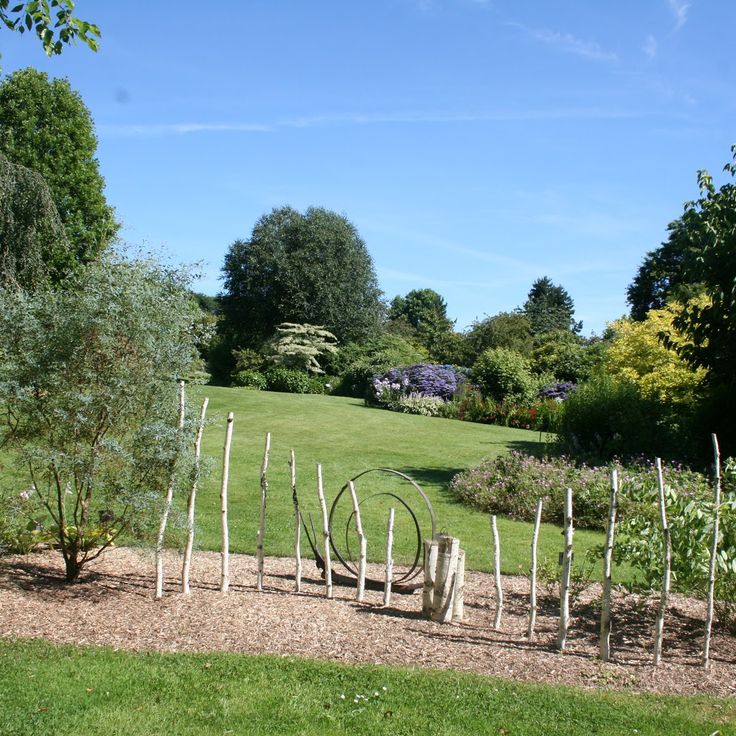
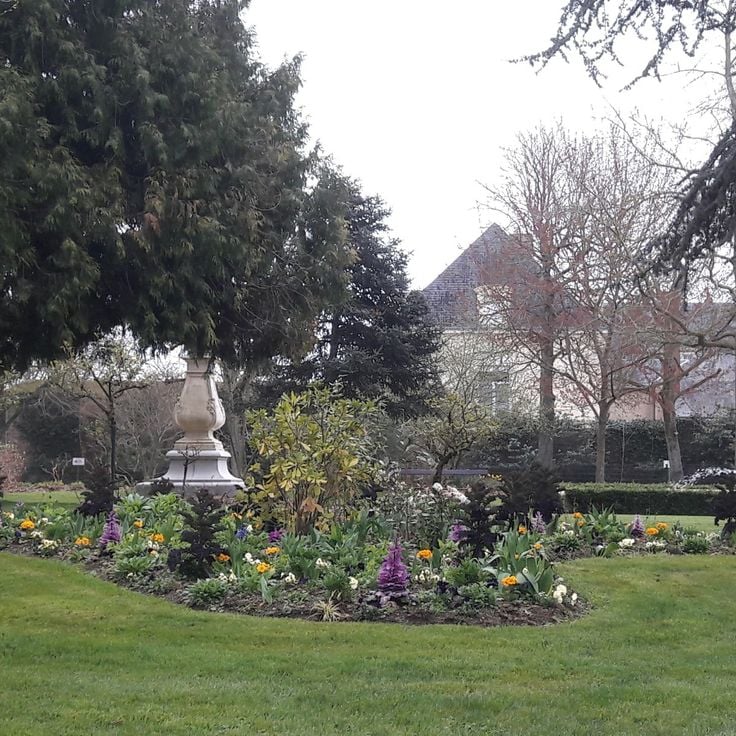
This 4-hectare municipal park in Laval forms part of Mayenne's collection of historical monuments and natural sites. The garden contains a rose collection and paths lined with hundred-year-old lime trees. The grounds feature rare plant species, a French formal garden section, and an orangery used for exhibitions.
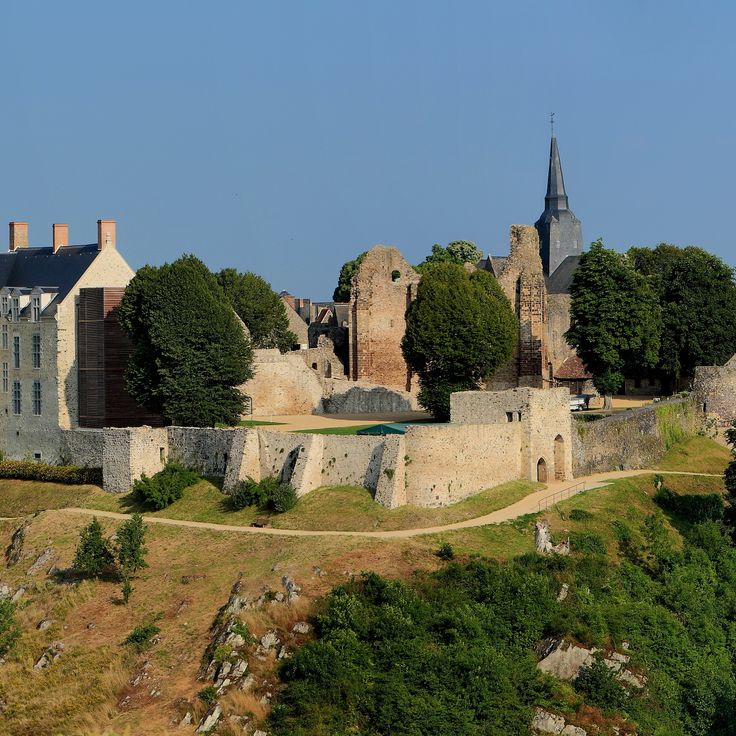
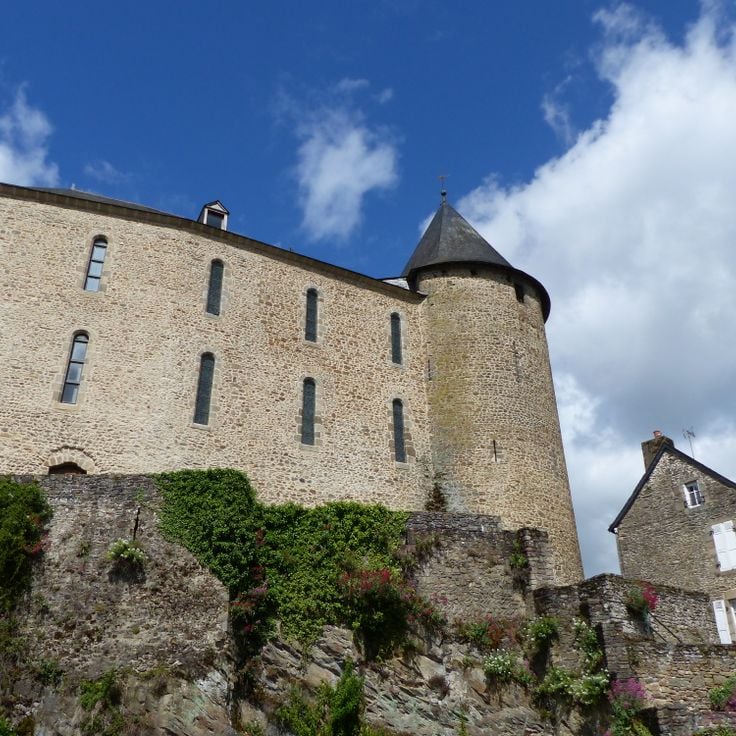
The Château de Sainte-Suzanne is an 11th-century castle with a central keep and fortified stone walls that look down upon the old houses and streets of the medieval town below. It is part of Mayenne's collection of historical monuments, which includes medieval castles, fortresses, religious buildings, and museums where visitors can see military and civil architecture spanning from the 9th to the 18th century.
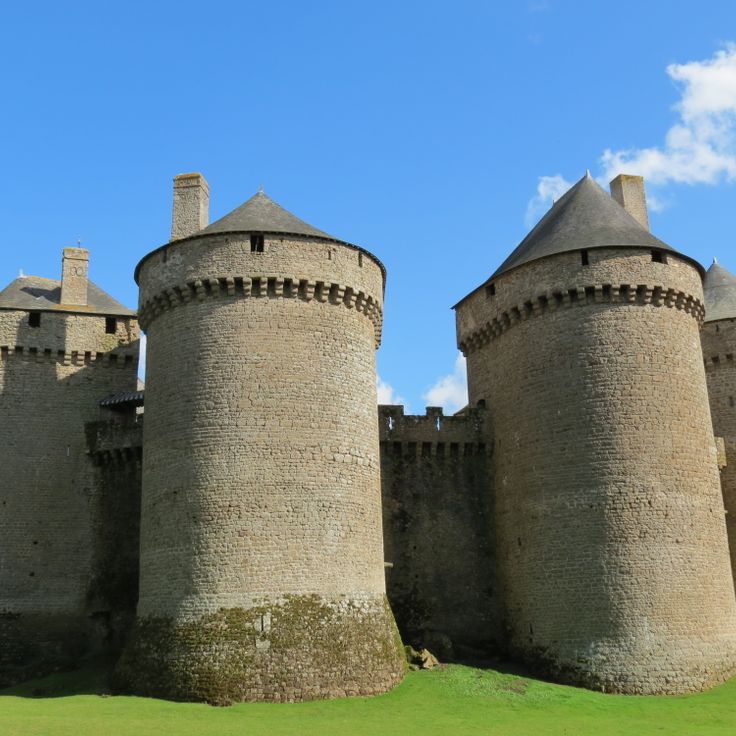
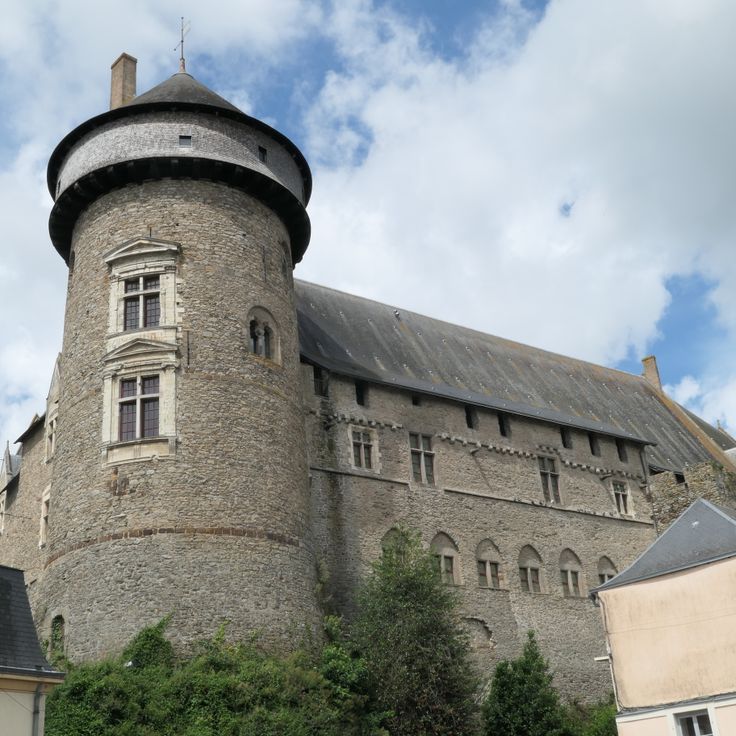
The Château de Lassay in Lassay-les-Châteaux is part of Mayenne's collection of historical monuments. Built in the 15th century, this castle still displays its original defensive structures. Eight circular towers form its perimeter, an entrance fortification protects the access point, and a functioning drawbridge can still be lowered. The castle represents the military and civil architecture that characterizes the region from the 9th to the 18th century.
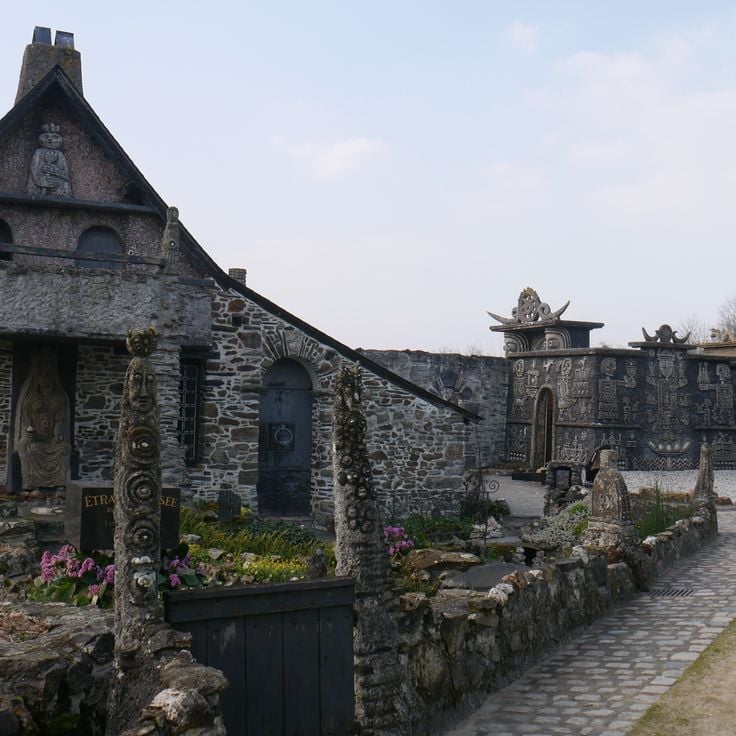
The Robert Tatin Museum is the former residence of the artist and now displays his large sculptures and paintings. His works show influences from different cultures and artistic traditions around the world. The museum is part of Mayenne's collection of historical and cultural sites, offering visitors insight into art and creativity spanning multiple periods and styles.
The Château de Laval is an 11th century fortress positioned on a rocky promontory above the Mayenne river. Its strong defensive walls and watchtowers reflect the military architecture of the medieval period. As one of Mayenne's significant historical monuments, this castle shows how fortifications were built and used during the Middle Ages, offering insight into the region's past from the 9th to the 18th century.
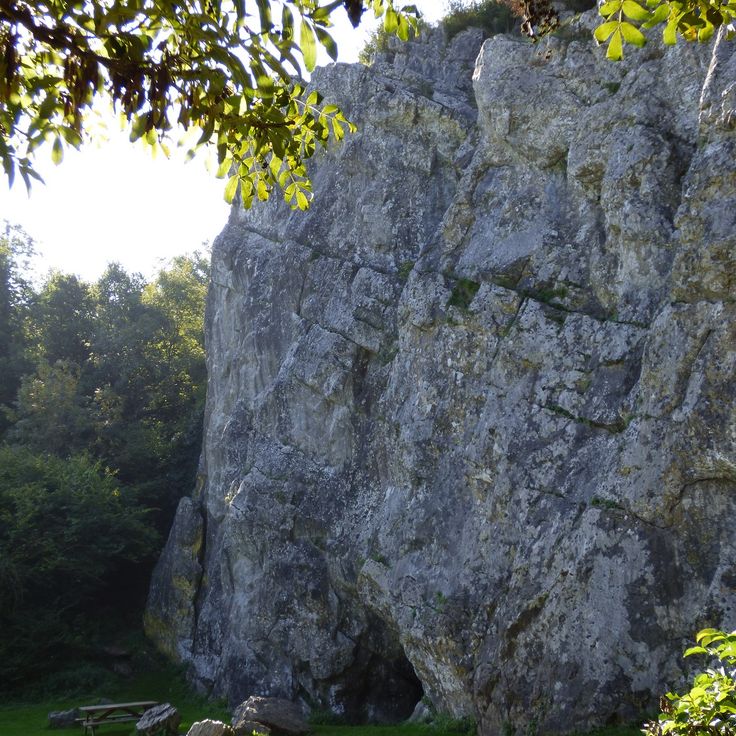
The Caves of Saulges are limestone formations that contain prehistoric art within their chambers, displaying animal drawings and engravings created by Paleolithic inhabitants. As part of Mayenne's collection of historical sites and natural areas, they offer visitors the chance to explore archaeological remains and understand the natural landscape that shaped human settlement in the region.
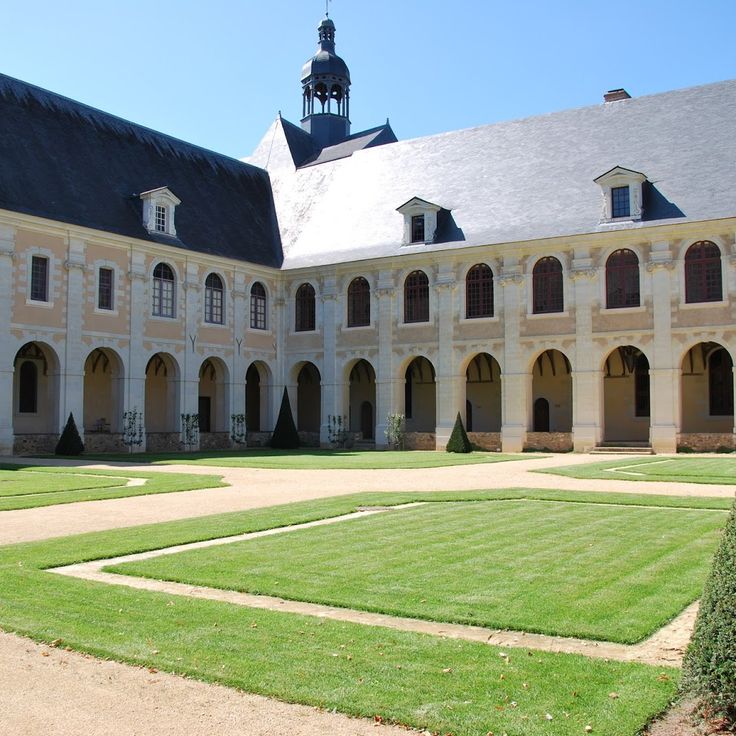
The Ursuline Convent is a former religious building from the 17th century located in Château-Gontier-sur-Mayenne. It belongs to Mayenne's religious structures, part of this collection of historical monuments and natural sites. The building now serves as an educational center for music and dance studies while maintaining its original architectural elements.
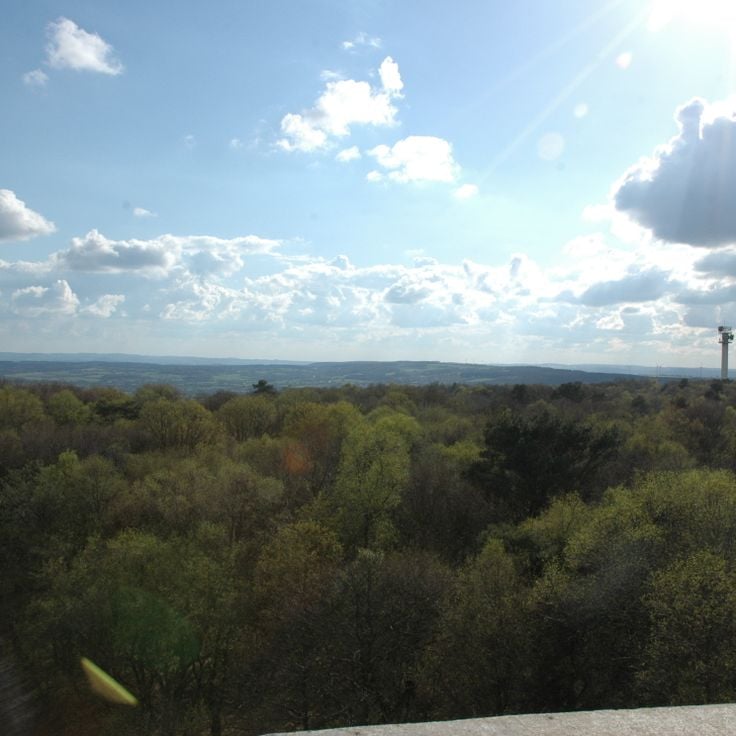
Mont des Avaloirs is the highest point in western France and part of Mayenne's natural sites. The mountain reaches 417 meters and features a 16 meter observation tower. From this tower, visitors can survey the regional landscape and explore the natural scenery typical of Mayenne.
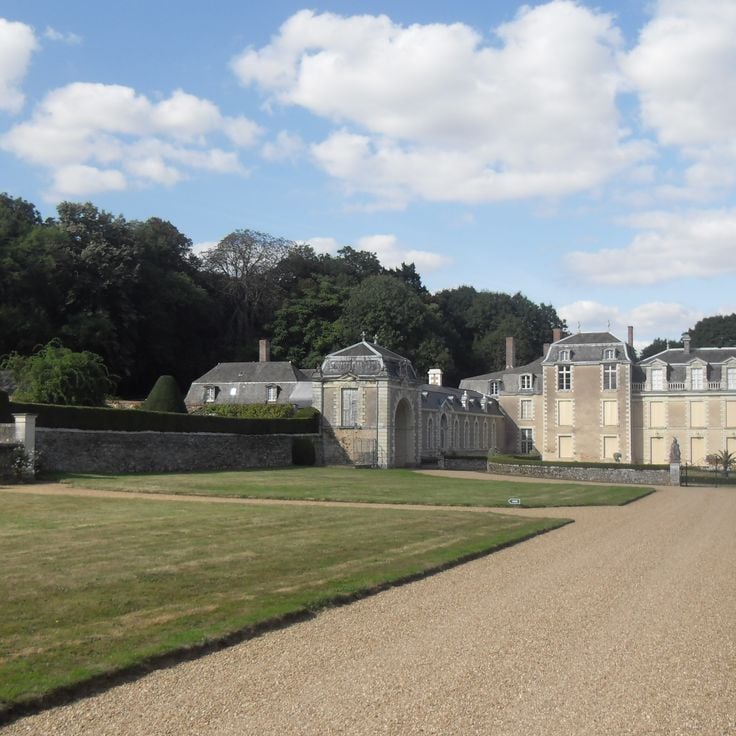
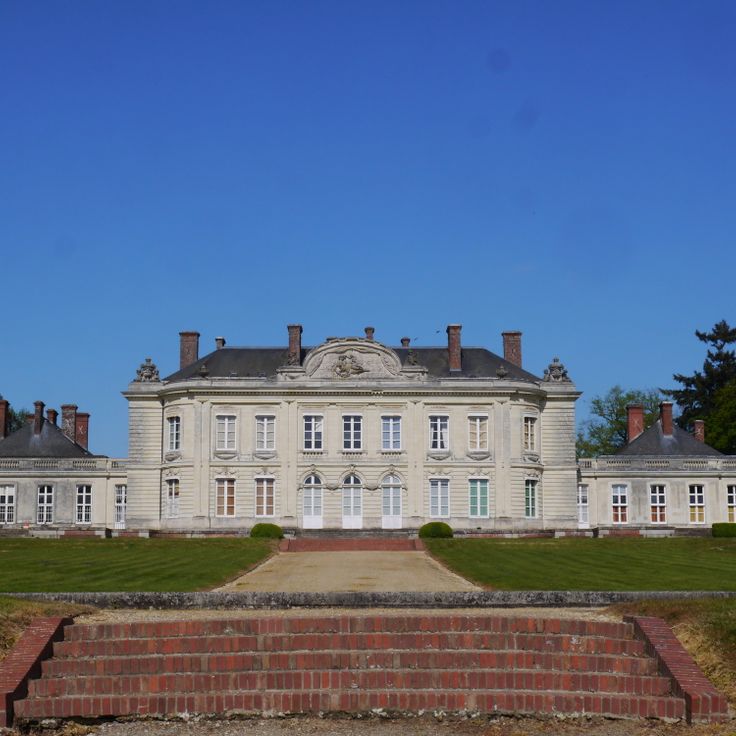
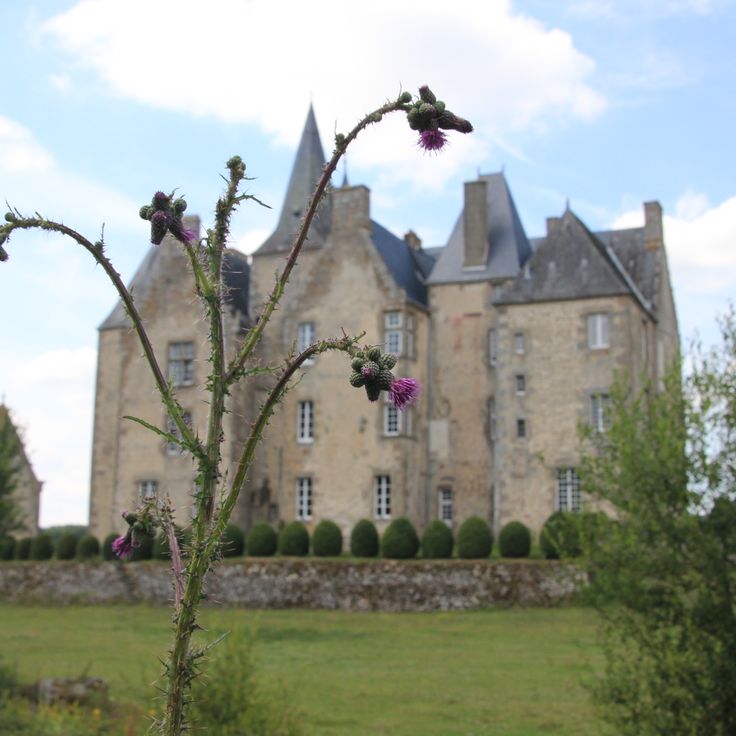
The Château de la Rongère is a 17th-century manor house in Saint-Sulpice and part of Mayenne's collection of historical sites and monuments. Located along the Mayenne River, this building is surrounded by geometric gardens that reflect the architectural style of its era. It represents the civil architecture found throughout the region from the 9th to the 18th century.
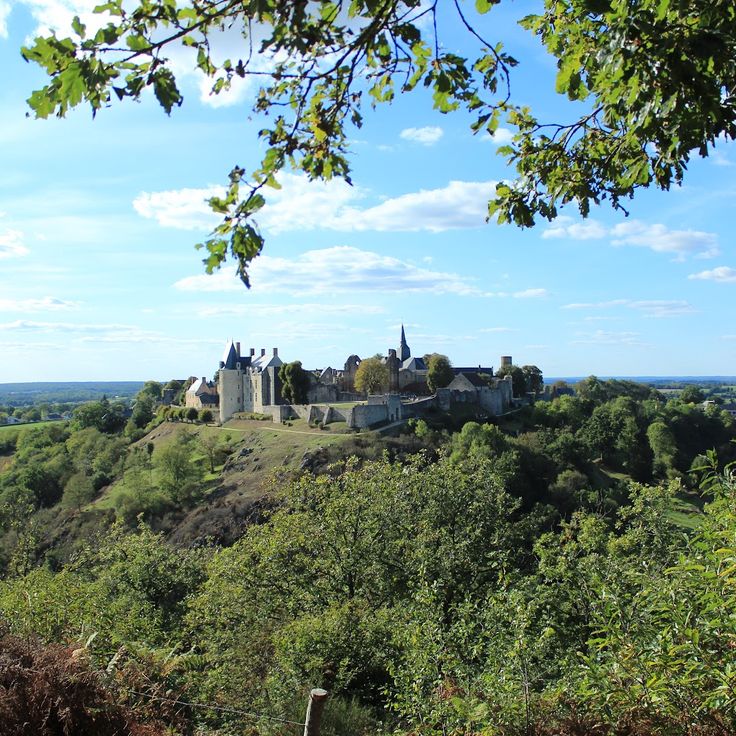
This natural hill in Sainte-Suzanne offers a view of the medieval village, its ramparts, and the surrounding countryside of Mayenne. It is part of the historic sites and natural spaces of the region, which range from medieval castles to prehistoric caves and parks.
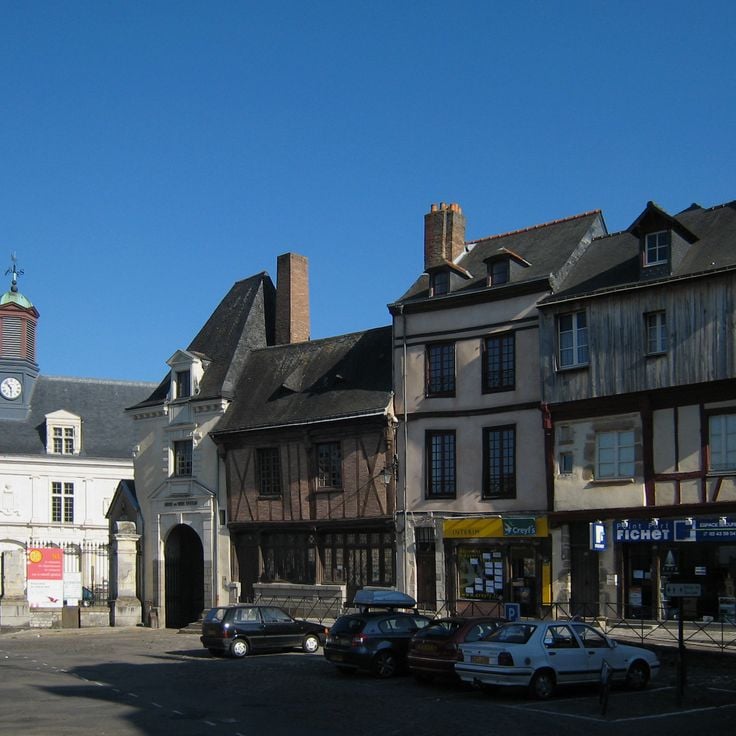
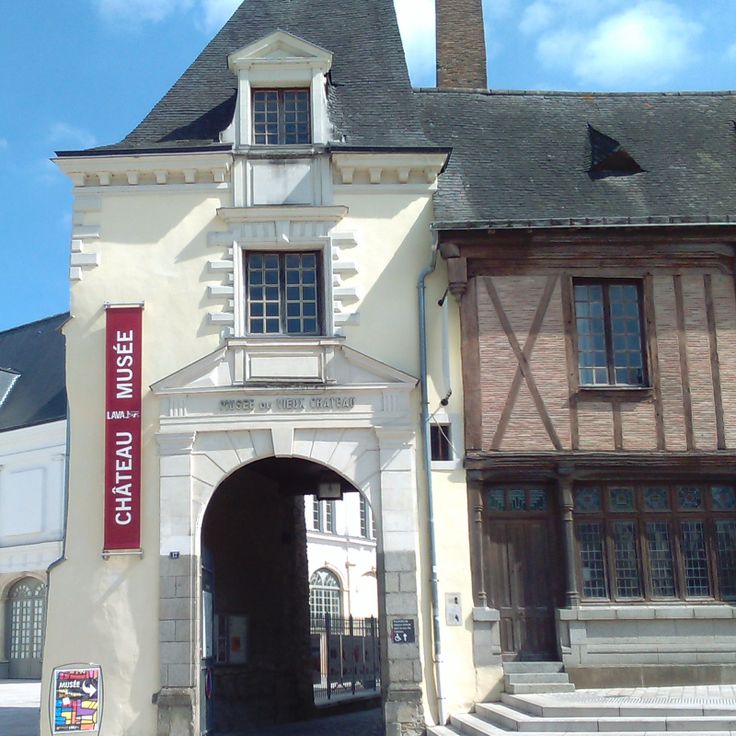
The Place de la Trémoille is the main square in the medieval center of Laval. It is bordered by the 16th-century Château-Neuf and the entrance of the 12th-century Old Castle. This square is part of Mayenne's historical sites, which include medieval castles, fortresses, and religious buildings spanning nine centuries, offering visitors a window into the region's architecture and history.
The Garden of Le Bout du Monde is a public green space in Château-Gontier-sur-Mayenne situated along the Mayenne river. It belongs to the natural areas featured in this collection of historical monuments and natural sites in the region. The garden features flower beds, century-old trees, and walking paths for visitors to explore. People come here to spend time in nature and enjoy the local landscape.
The Château de Craon is an 18th-century residence in Craon with ornately designed enfilade parlors, a large park spanning about 100 hectares, and geometrical gardens inspired by Le Nôtre's design principles. It displays the civil architecture and craftsmanship typical of its period. This château and its grounds exemplify the architectural heritage found throughout Mayenne, where visitors can also explore medieval castles, fortresses, religious buildings, and museums alongside natural sites.
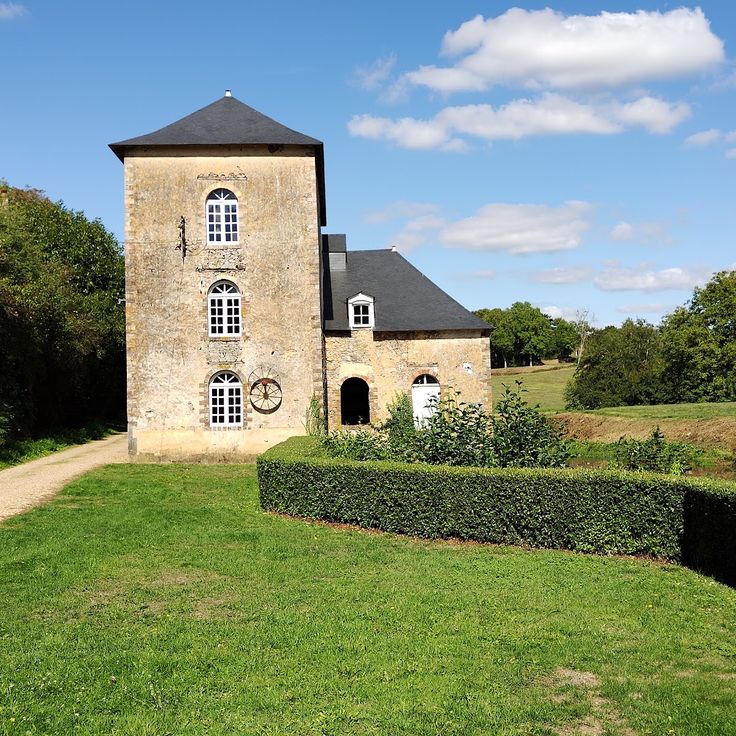
This 16th-century water mill in Chémeré-le-Roi is part of Mayenne's historical sites and still operates to produce flour. Visitors can observe the traditional mechanisms across its four floors that power the mill.
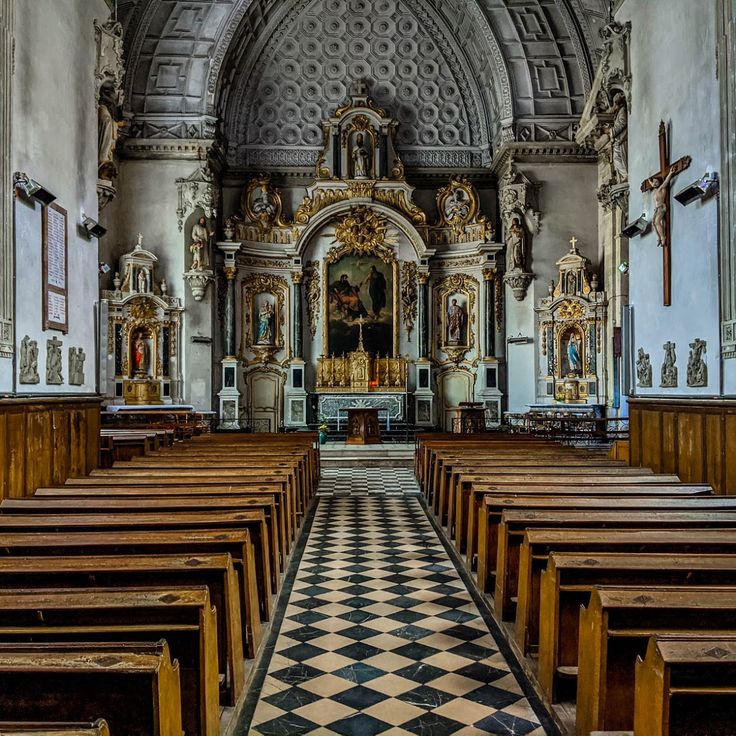
The Basilica Notre-Dame de l'Épine in Évron is a religious building that was constructed starting in the 11th century on the grounds of a Benedictine abbey. Its construction continued through the 16th century, incorporating Romanesque, Gothic, and classical architectural styles. As one of Mayenne's historical monuments, it represents the religious architecture that developed across several centuries in this region.
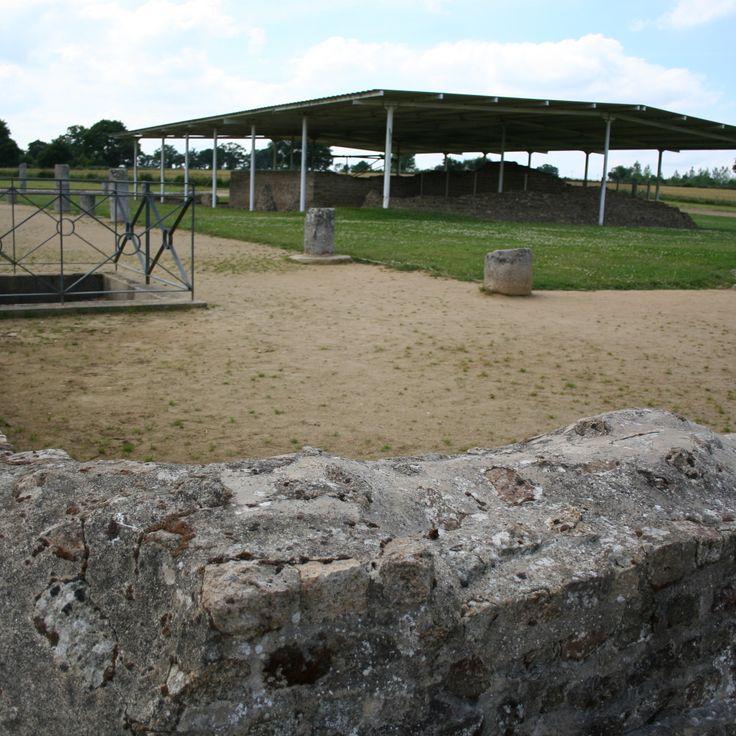
The Archaeological Site of Jublains preserves structures from the Gallo-Roman period and stands among Mayenne's historical monuments. Excavations have uncovered fortifications, baths, and a 3rd-century temple that reveal how people lived during this era. Visitors can walk through Roman construction techniques and daily life, exploring one of the region's major archaeological sites.
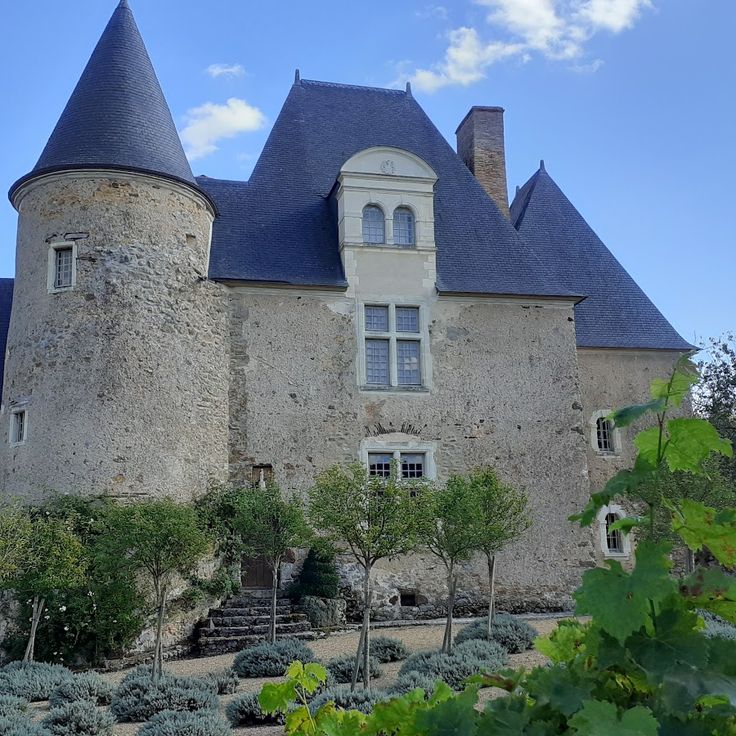
The Manor of Favry is a 15th-century lordly residence in Mayenne that represents the civil architecture of this region. The building was later converted into a guesthouse and sits within a wooded park of two hectares. It exemplifies the type of manor houses that visitors can explore in this collection of historical monuments and natural sites.
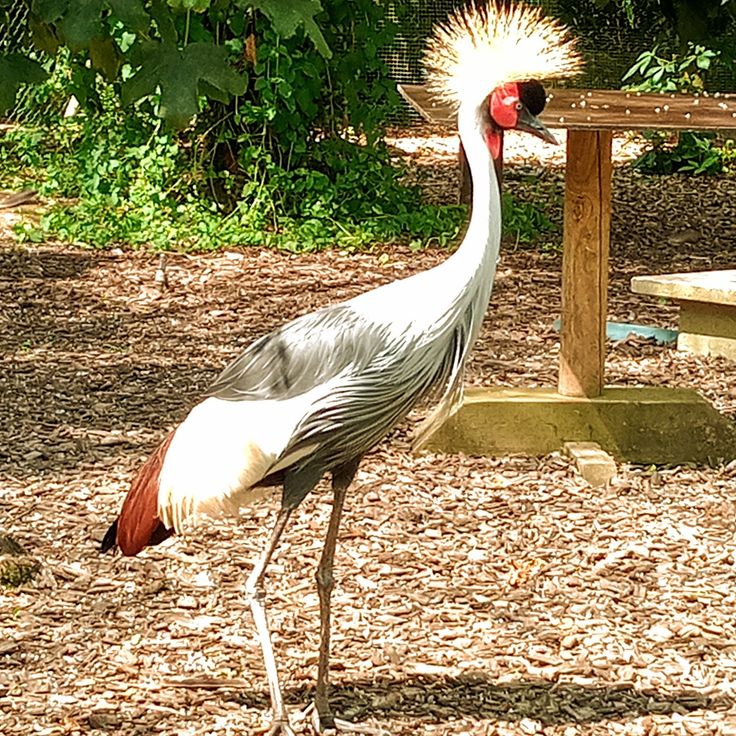
The Refuge de l'Arche is an animal park and rehabilitation center established in 1974, housing over 1500 animals from 150 different species. This site offers a place for visitors to observe animals and learn about their habitats, complementing the natural heritage of the Mayenne region where visitors can also explore natural sites such as the caves of Saulges and Mont des Avaloirs.
The Château de Bourgon is a 15th-century structure with water-filled moats, part of Mayenne's collection of historical monuments and natural sites. It offers guest rooms and hosts a schedule of classical music concerts. Here you can experience medieval architecture alongside the natural landscapes that define the region.
The Château des Arcis is a 17th-century monument with French-style gardens that serves as an exhibition venue for contemporary artists. It forms part of Mayenne's historical sites, which include medieval castles, fortresses, and religious buildings spanning from the 9th to 18th century, offering visitors insight into the region's civil and military architecture.
The Church of La Trinité is a 16th-century religious building in Château-Gontier-sur-Mayenne. It belongs among the historical sites of Mayenne and demonstrates religious architecture from the medieval and early modern periods. The church features a vaulted nave and medieval stained glass windows. Located in the heart of the city, it represents the religious construction that developed across the region between the 9th and 18th centuries.
The Basilica Notre-Dame de Pontmain is a religious monument from the collection of historical sites and natural areas in Mayenne. Built between 1873 and 1877 in the neo-Gothic style, it stands on the site of a Marian apparition. The basilica features stained glass windows and a crypt beneath the sanctuary. It represents 19th-century religious architecture in the region.
The Château of Mayenne Museum is a 9th-century medieval fortress that is part of Mayenne's collection of historical monuments. Its restored rooms display archaeological collections and ancient gaming pieces. The castle demonstrates military architecture from the 9th to 18th century and offers visitors insight into the region's past.
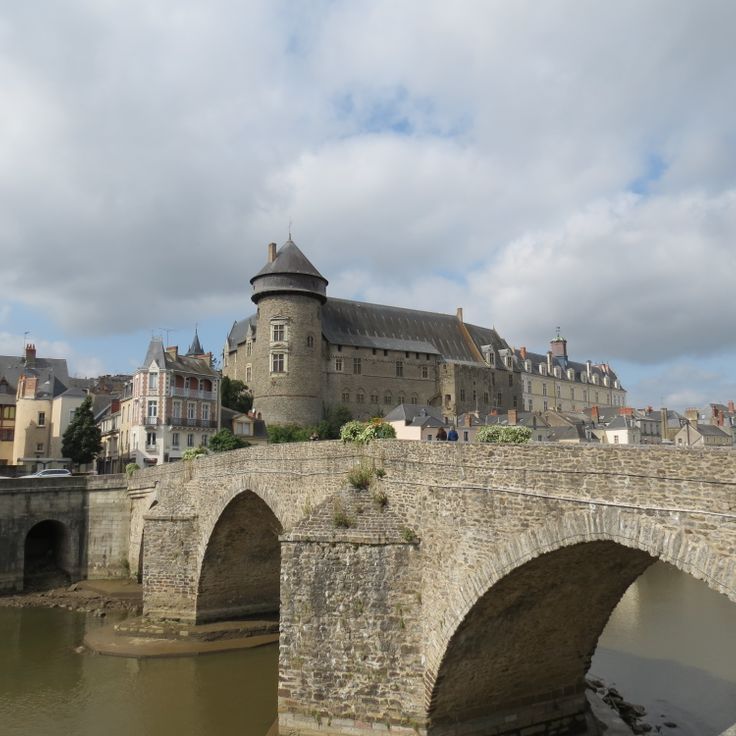
Built in the 11th century to connect the two banks of the Mayenne, this stone bridge is about 70 meters long and offers a view of Laval Castle. The Old Bridge is one of the historic sites in Mayenne, which includes medieval castles, fortresses, and religious buildings from the ninth to the eighteenth century.
The Naive Art Museum has been housed in the Old Castle since 1967 and displays over 500 works by self-taught painters from the 19th and 20th centuries. This museum fits within Mayenne's historical sites, which include medieval castles, fortresses, religious buildings, and museums, giving visitors access to art collections and architecture spanning several centuries.
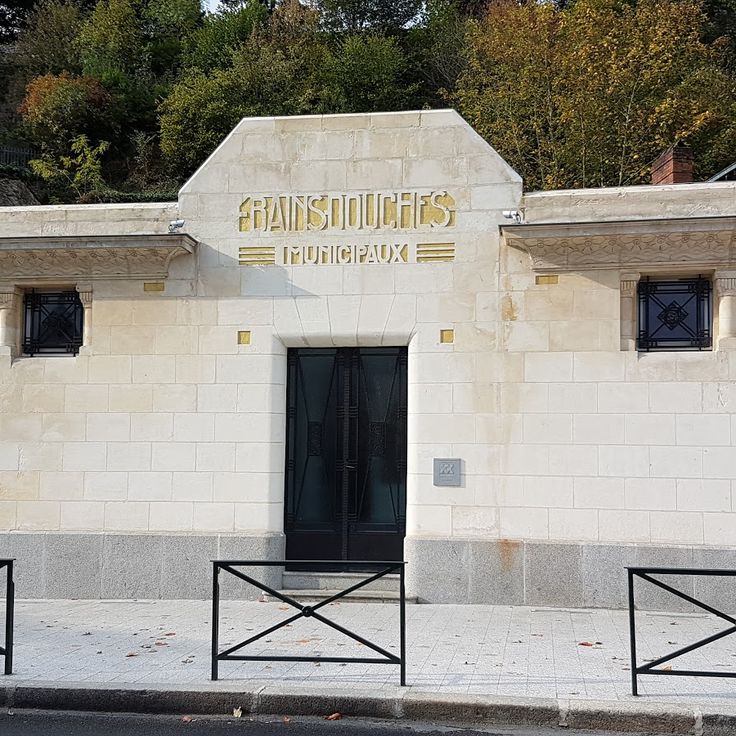
The Municipal Baths of Laval form part of Mayenne's historical architecture. This building was constructed in 1925 in the Art Deco style, displaying the hallmarks of that period. The facade features blue and gold mosaic decorations that catch the light and give the structure a distinctive character. As part of the architectural history of the early 20th century, the building offers insight into urban infrastructure and daily life of that era.
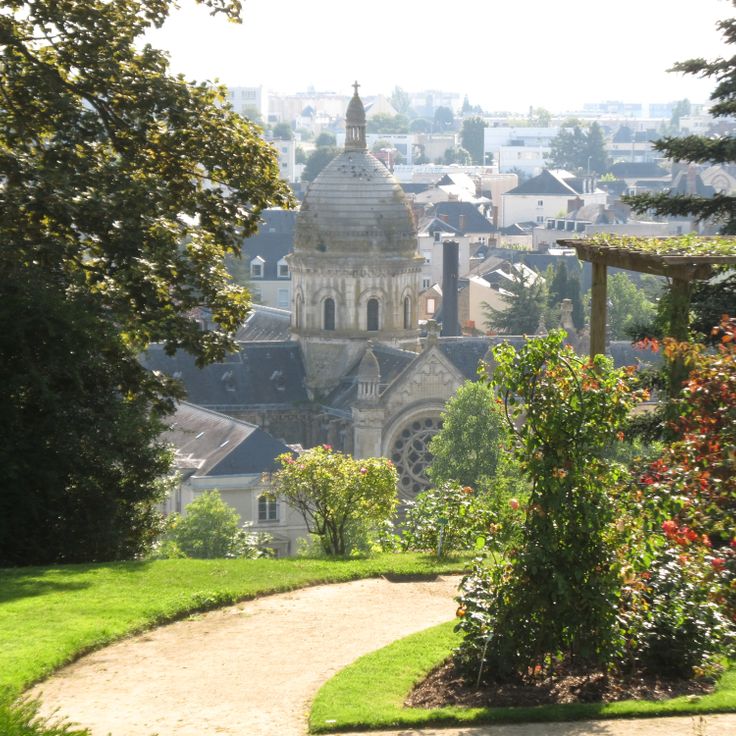
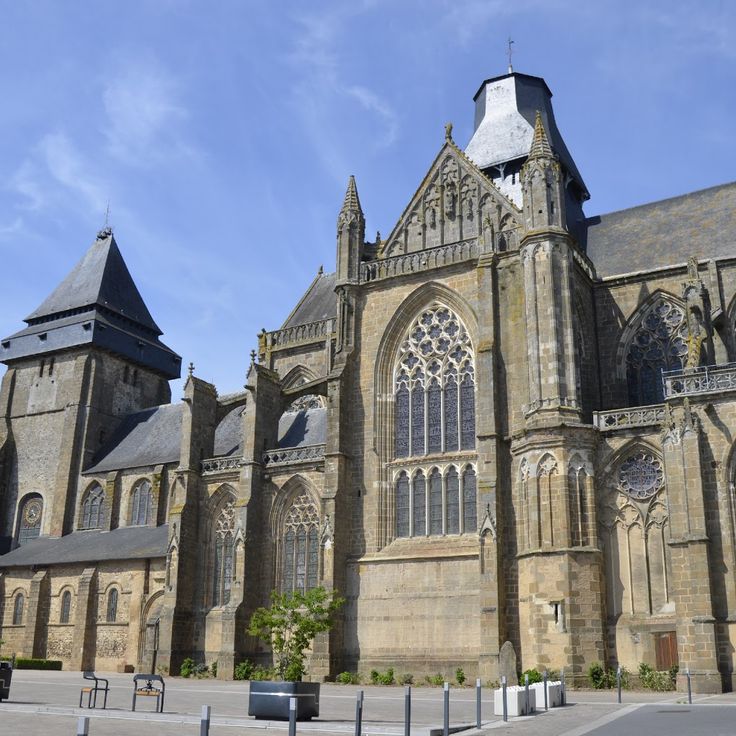
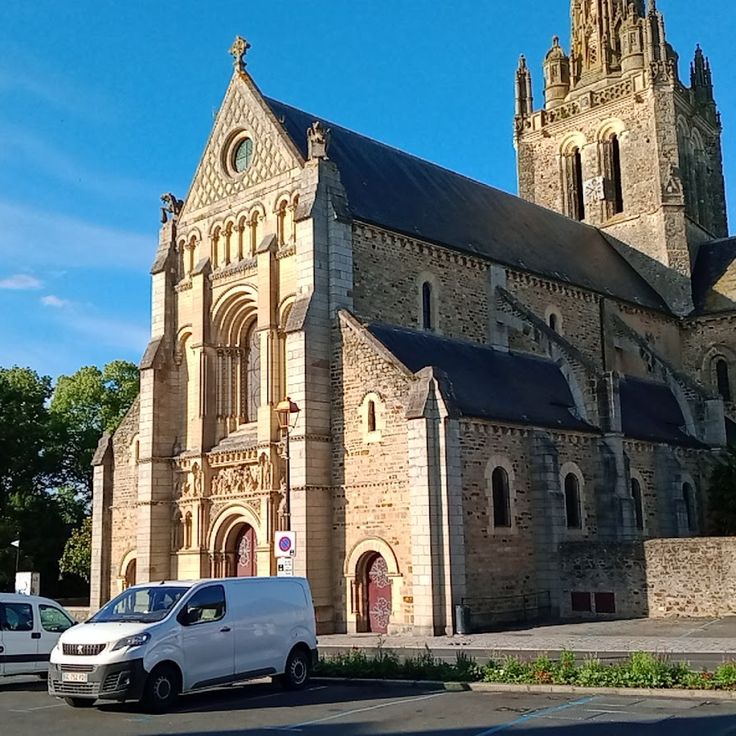
The Basilica Notre-Dame d'Avesnières is a religious monument originally built in the 11th century and rebuilt in the 16th century. Located in Laval, it stands as one of Mayenne's medieval religious buildings open to visitors seeking to explore the region's architectural heritage from the 9th to 18th centuries. Its 72-meter bell tower showcases a blend of Gothic and Renaissance elements.
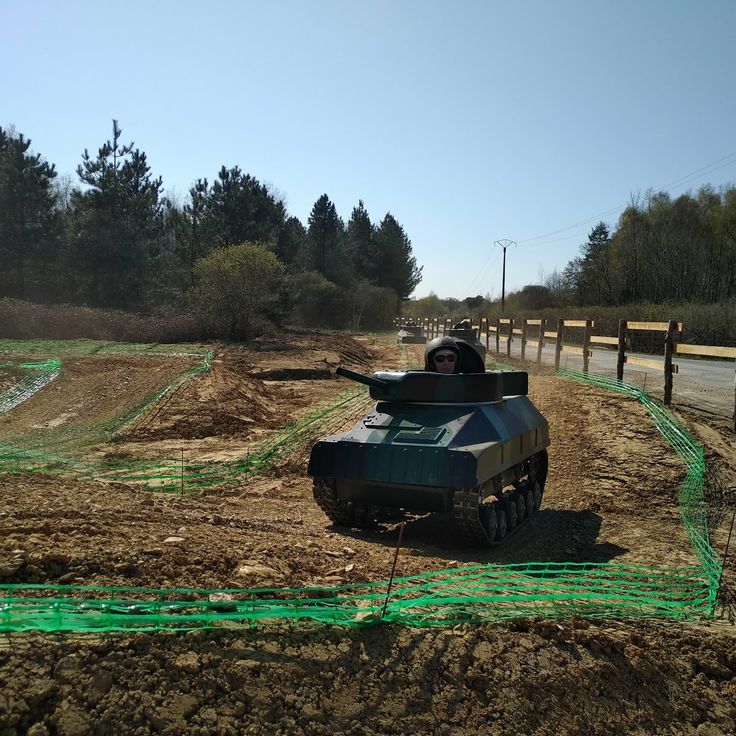
The Park of Bergault is a recreational center located in the Mayenne region. Visitors can drive mini-tanks on a dedicated course and play outdoor laser tag games. The site includes a picnic area for guests. The park adds to Mayenne's diverse offerings, which range from historical monuments like medieval castles and fortresses to natural landscapes and archaeological sites spanning from the 9th to the 18th century.
The Laval Science Museum offers visitors to this collection of historical and natural sites in Mayenne interactive experiences in physics, chemistry, and mathematics. The museum features permanent and temporary collections and organizes educational workshops for school groups to make scientific concepts come alive.
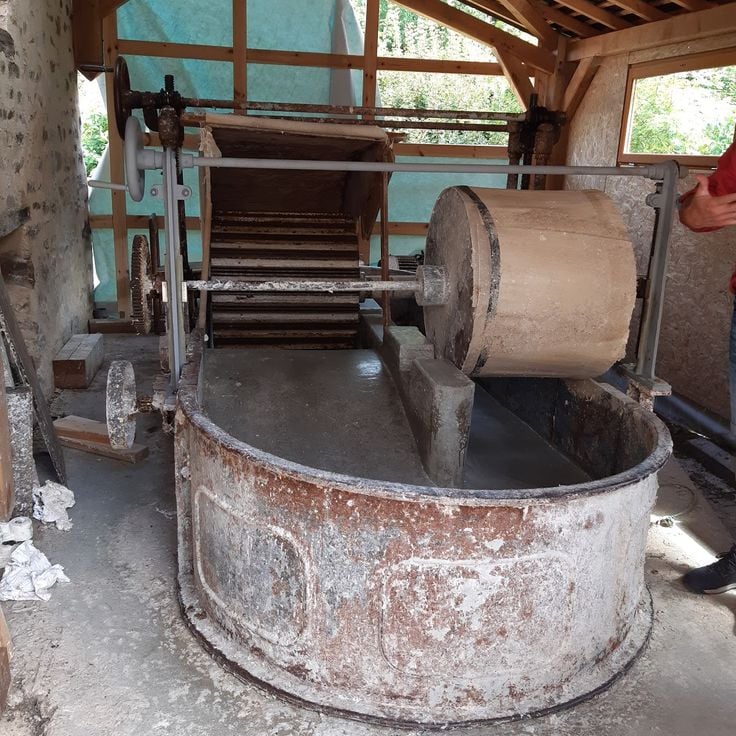
This historic mill is part of Mayenne's collection of historical sites and natural areas. The Paper Mill produces handmade paper using traditional methods from the 18th century. Visitors can watch the manufacturing process and see period machines still in operation.
The Gardens of Renaudies fit into Mayenne's collection of historical monuments and natural sites as a place where visitors walk through themed areas of plants and flowers. The park includes a traditional vegetable garden and a corn maze, with paths that allow exploration of different zones. Both local and exotic plants grow here, creating distinct sections to discover.
This 4-hectare municipal park in Laval forms part of Mayenne's collection of historical monuments and natural sites. The garden contains a rose collection and paths lined with hundred-year-old lime trees. The grounds feature rare plant species, a French formal garden section, and an orangery used for exhibitions.
The Château de Sainte-Suzanne is an 11th-century castle with a central keep and fortified stone walls that look down upon the old houses and streets of the medieval town below. It is part of Mayenne's collection of historical monuments, which includes medieval castles, fortresses, religious buildings, and museums where visitors can see military and civil architecture spanning from the 9th to the 18th century.
The Château de Lassay in Lassay-les-Châteaux is part of Mayenne's collection of historical monuments. Built in the 15th century, this castle still displays its original defensive structures. Eight circular towers form its perimeter, an entrance fortification protects the access point, and a functioning drawbridge can still be lowered. The castle represents the military and civil architecture that characterizes the region from the 9th to the 18th century.
The Robert Tatin Museum is the former residence of the artist and now displays his large sculptures and paintings. His works show influences from different cultures and artistic traditions around the world. The museum is part of Mayenne's collection of historical and cultural sites, offering visitors insight into art and creativity spanning multiple periods and styles.
The Château de Laval is an 11th century fortress positioned on a rocky promontory above the Mayenne river. Its strong defensive walls and watchtowers reflect the military architecture of the medieval period. As one of Mayenne's significant historical monuments, this castle shows how fortifications were built and used during the Middle Ages, offering insight into the region's past from the 9th to the 18th century.
The Caves of Saulges are limestone formations that contain prehistoric art within their chambers, displaying animal drawings and engravings created by Paleolithic inhabitants. As part of Mayenne's collection of historical sites and natural areas, they offer visitors the chance to explore archaeological remains and understand the natural landscape that shaped human settlement in the region.
The Ursuline Convent is a former religious building from the 17th century located in Château-Gontier-sur-Mayenne. It belongs to Mayenne's religious structures, part of this collection of historical monuments and natural sites. The building now serves as an educational center for music and dance studies while maintaining its original architectural elements.
Mont des Avaloirs is the highest point in western France and part of Mayenne's natural sites. The mountain reaches 417 meters and features a 16 meter observation tower. From this tower, visitors can survey the regional landscape and explore the natural scenery typical of Mayenne.
The Château de la Rongère is a 17th-century manor house in Saint-Sulpice and part of Mayenne's collection of historical sites and monuments. Located along the Mayenne River, this building is surrounded by geometric gardens that reflect the architectural style of its era. It represents the civil architecture found throughout the region from the 9th to the 18th century.
This natural hill in Sainte-Suzanne offers a view of the medieval village, its ramparts, and the surrounding countryside of Mayenne. It is part of the historic sites and natural spaces of the region, which range from medieval castles to prehistoric caves and parks.
The Place de la Trémoille is the main square in the medieval center of Laval. It is bordered by the 16th-century Château-Neuf and the entrance of the 12th-century Old Castle. This square is part of Mayenne's historical sites, which include medieval castles, fortresses, and religious buildings spanning nine centuries, offering visitors a window into the region's architecture and history.
The Garden of Le Bout du Monde is a public green space in Château-Gontier-sur-Mayenne situated along the Mayenne river. It belongs to the natural areas featured in this collection of historical monuments and natural sites in the region. The garden features flower beds, century-old trees, and walking paths for visitors to explore. People come here to spend time in nature and enjoy the local landscape.
The Château de Craon is an 18th-century residence in Craon with ornately designed enfilade parlors, a large park spanning about 100 hectares, and geometrical gardens inspired by Le Nôtre's design principles. It displays the civil architecture and craftsmanship typical of its period. This château and its grounds exemplify the architectural heritage found throughout Mayenne, where visitors can also explore medieval castles, fortresses, religious buildings, and museums alongside natural sites.
This 16th-century water mill in Chémeré-le-Roi is part of Mayenne's historical sites and still operates to produce flour. Visitors can observe the traditional mechanisms across its four floors that power the mill.
The Basilica Notre-Dame de l'Épine in Évron is a religious building that was constructed starting in the 11th century on the grounds of a Benedictine abbey. Its construction continued through the 16th century, incorporating Romanesque, Gothic, and classical architectural styles. As one of Mayenne's historical monuments, it represents the religious architecture that developed across several centuries in this region.
The Archaeological Site of Jublains preserves structures from the Gallo-Roman period and stands among Mayenne's historical monuments. Excavations have uncovered fortifications, baths, and a 3rd-century temple that reveal how people lived during this era. Visitors can walk through Roman construction techniques and daily life, exploring one of the region's major archaeological sites.
The Manor of Favry is a 15th-century lordly residence in Mayenne that represents the civil architecture of this region. The building was later converted into a guesthouse and sits within a wooded park of two hectares. It exemplifies the type of manor houses that visitors can explore in this collection of historical monuments and natural sites.
The Refuge de l'Arche is an animal park and rehabilitation center established in 1974, housing over 1500 animals from 150 different species. This site offers a place for visitors to observe animals and learn about their habitats, complementing the natural heritage of the Mayenne region where visitors can also explore natural sites such as the caves of Saulges and Mont des Avaloirs.
The Château de Bourgon is a 15th-century structure with water-filled moats, part of Mayenne's collection of historical monuments and natural sites. It offers guest rooms and hosts a schedule of classical music concerts. Here you can experience medieval architecture alongside the natural landscapes that define the region.
The Château des Arcis is a 17th-century monument with French-style gardens that serves as an exhibition venue for contemporary artists. It forms part of Mayenne's historical sites, which include medieval castles, fortresses, and religious buildings spanning from the 9th to 18th century, offering visitors insight into the region's civil and military architecture.
The Church of La Trinité is a 16th-century religious building in Château-Gontier-sur-Mayenne. It belongs among the historical sites of Mayenne and demonstrates religious architecture from the medieval and early modern periods. The church features a vaulted nave and medieval stained glass windows. Located in the heart of the city, it represents the religious construction that developed across the region between the 9th and 18th centuries.
The Basilica Notre-Dame de Pontmain is a religious monument from the collection of historical sites and natural areas in Mayenne. Built between 1873 and 1877 in the neo-Gothic style, it stands on the site of a Marian apparition. The basilica features stained glass windows and a crypt beneath the sanctuary. It represents 19th-century religious architecture in the region.
The Château of Mayenne Museum is a 9th-century medieval fortress that is part of Mayenne's collection of historical monuments. Its restored rooms display archaeological collections and ancient gaming pieces. The castle demonstrates military architecture from the 9th to 18th century and offers visitors insight into the region's past.
Built in the 11th century to connect the two banks of the Mayenne, this stone bridge is about 70 meters long and offers a view of Laval Castle. The Old Bridge is one of the historic sites in Mayenne, which includes medieval castles, fortresses, and religious buildings from the ninth to the eighteenth century.
The Naive Art Museum has been housed in the Old Castle since 1967 and displays over 500 works by self-taught painters from the 19th and 20th centuries. This museum fits within Mayenne's historical sites, which include medieval castles, fortresses, religious buildings, and museums, giving visitors access to art collections and architecture spanning several centuries.
The Municipal Baths of Laval form part of Mayenne's historical architecture. This building was constructed in 1925 in the Art Deco style, displaying the hallmarks of that period. The facade features blue and gold mosaic decorations that catch the light and give the structure a distinctive character. As part of the architectural history of the early 20th century, the building offers insight into urban infrastructure and daily life of that era.
The Basilica Notre-Dame d'Avesnières is a religious monument originally built in the 11th century and rebuilt in the 16th century. Located in Laval, it stands as one of Mayenne's medieval religious buildings open to visitors seeking to explore the region's architectural heritage from the 9th to 18th centuries. Its 72-meter bell tower showcases a blend of Gothic and Renaissance elements.
The Park of Bergault is a recreational center located in the Mayenne region. Visitors can drive mini-tanks on a dedicated course and play outdoor laser tag games. The site includes a picnic area for guests. The park adds to Mayenne's diverse offerings, which range from historical monuments like medieval castles and fortresses to natural landscapes and archaeological sites spanning from the 9th to the 18th century.
The Laval Science Museum offers visitors to this collection of historical and natural sites in Mayenne interactive experiences in physics, chemistry, and mathematics. The museum features permanent and temporary collections and organizes educational workshops for school groups to make scientific concepts come alive.
This historic mill is part of Mayenne's collection of historical sites and natural areas. The Paper Mill produces handmade paper using traditional methods from the 18th century. Visitors can watch the manufacturing process and see period machines still in operation.
The Gardens of Renaudies fit into Mayenne's collection of historical monuments and natural sites as a place where visitors walk through themed areas of plants and flowers. The park includes a traditional vegetable garden and a corn maze, with paths that allow exploration of different zones. Both local and exotic plants grow here, creating distinct sections to discover.
This 4-hectare municipal park in Laval forms part of Mayenne's collection of historical monuments and natural sites. The garden contains a rose collection and paths lined with hundred-year-old lime trees. The grounds feature rare plant species, a French formal garden section, and an orangery used for exhibitions.
The Château de Sainte-Suzanne is an 11th-century castle with a central keep and fortified stone walls that look down upon the old houses and streets of the medieval town below. It is part of Mayenne's collection of historical monuments, which includes medieval castles, fortresses, religious buildings, and museums where visitors can see military and civil architecture spanning from the 9th to the 18th century.
The Château de Lassay in Lassay-les-Châteaux is part of Mayenne's collection of historical monuments. Built in the 15th century, this castle still displays its original defensive structures. Eight circular towers form its perimeter, an entrance fortification protects the access point, and a functioning drawbridge can still be lowered. The castle represents the military and civil architecture that characterizes the region from the 9th to the 18th century.
The Robert Tatin Museum is the former residence of the artist and now displays his large sculptures and paintings. His works show influences from different cultures and artistic traditions around the world. The museum is part of Mayenne's collection of historical and cultural sites, offering visitors insight into art and creativity spanning multiple periods and styles.
The Château de Laval is an 11th century fortress positioned on a rocky promontory above the Mayenne river. Its strong defensive walls and watchtowers reflect the military architecture of the medieval period. As one of Mayenne's significant historical monuments, this castle shows how fortifications were built and used during the Middle Ages, offering insight into the region's past from the 9th to the 18th century.
The Caves of Saulges are limestone formations that contain prehistoric art within their chambers, displaying animal drawings and engravings created by Paleolithic inhabitants. As part of Mayenne's collection of historical sites and natural areas, they offer visitors the chance to explore archaeological remains and understand the natural landscape that shaped human settlement in the region.
The Ursuline Convent is a former religious building from the 17th century located in Château-Gontier-sur-Mayenne. It belongs to Mayenne's religious structures, part of this collection of historical monuments and natural sites. The building now serves as an educational center for music and dance studies while maintaining its original architectural elements.
Mont des Avaloirs is the highest point in western France and part of Mayenne's natural sites. The mountain reaches 417 meters and features a 16 meter observation tower. From this tower, visitors can survey the regional landscape and explore the natural scenery typical of Mayenne.
The Château de la Rongère is a 17th-century manor house in Saint-Sulpice and part of Mayenne's collection of historical sites and monuments. Located along the Mayenne River, this building is surrounded by geometric gardens that reflect the architectural style of its era. It represents the civil architecture found throughout the region from the 9th to the 18th century.
This natural hill in Sainte-Suzanne offers a view of the medieval village, its ramparts, and the surrounding countryside of Mayenne. It is part of the historic sites and natural spaces of the region, which range from medieval castles to prehistoric caves and parks.
The Place de la Trémoille is the main square in the medieval center of Laval. It is bordered by the 16th-century Château-Neuf and the entrance of the 12th-century Old Castle. This square is part of Mayenne's historical sites, which include medieval castles, fortresses, and religious buildings spanning nine centuries, offering visitors a window into the region's architecture and history.
The Garden of Le Bout du Monde is a public green space in Château-Gontier-sur-Mayenne situated along the Mayenne river. It belongs to the natural areas featured in this collection of historical monuments and natural sites in the region. The garden features flower beds, century-old trees, and walking paths for visitors to explore. People come here to spend time in nature and enjoy the local landscape.
The Château de Craon is an 18th-century residence in Craon with ornately designed enfilade parlors, a large park spanning about 100 hectares, and geometrical gardens inspired by Le Nôtre's design principles. It displays the civil architecture and craftsmanship typical of its period. This château and its grounds exemplify the architectural heritage found throughout Mayenne, where visitors can also explore medieval castles, fortresses, religious buildings, and museums alongside natural sites.
This 16th-century water mill in Chémeré-le-Roi is part of Mayenne's historical sites and still operates to produce flour. Visitors can observe the traditional mechanisms across its four floors that power the mill.
The Basilica Notre-Dame de l'Épine in Évron is a religious building that was constructed starting in the 11th century on the grounds of a Benedictine abbey. Its construction continued through the 16th century, incorporating Romanesque, Gothic, and classical architectural styles. As one of Mayenne's historical monuments, it represents the religious architecture that developed across several centuries in this region.
The Archaeological Site of Jublains preserves structures from the Gallo-Roman period and stands among Mayenne's historical monuments. Excavations have uncovered fortifications, baths, and a 3rd-century temple that reveal how people lived during this era. Visitors can walk through Roman construction techniques and daily life, exploring one of the region's major archaeological sites.
The Manor of Favry is a 15th-century lordly residence in Mayenne that represents the civil architecture of this region. The building was later converted into a guesthouse and sits within a wooded park of two hectares. It exemplifies the type of manor houses that visitors can explore in this collection of historical monuments and natural sites.
The Refuge de l'Arche is an animal park and rehabilitation center established in 1974, housing over 1500 animals from 150 different species. This site offers a place for visitors to observe animals and learn about their habitats, complementing the natural heritage of the Mayenne region where visitors can also explore natural sites such as the caves of Saulges and Mont des Avaloirs.
The Château de Bourgon is a 15th-century structure with water-filled moats, part of Mayenne's collection of historical monuments and natural sites. It offers guest rooms and hosts a schedule of classical music concerts. Here you can experience medieval architecture alongside the natural landscapes that define the region.
The Château des Arcis is a 17th-century monument with French-style gardens that serves as an exhibition venue for contemporary artists. It forms part of Mayenne's historical sites, which include medieval castles, fortresses, and religious buildings spanning from the 9th to 18th century, offering visitors insight into the region's civil and military architecture.
The Church of La Trinité is a 16th-century religious building in Château-Gontier-sur-Mayenne. It belongs among the historical sites of Mayenne and demonstrates religious architecture from the medieval and early modern periods. The church features a vaulted nave and medieval stained glass windows. Located in the heart of the city, it represents the religious construction that developed across the region between the 9th and 18th centuries.
The Basilica Notre-Dame de Pontmain is a religious monument from the collection of historical sites and natural areas in Mayenne. Built between 1873 and 1877 in the neo-Gothic style, it stands on the site of a Marian apparition. The basilica features stained glass windows and a crypt beneath the sanctuary. It represents 19th-century religious architecture in the region.
The Château of Mayenne Museum is a 9th-century medieval fortress that is part of Mayenne's collection of historical monuments. Its restored rooms display archaeological collections and ancient gaming pieces. The castle demonstrates military architecture from the 9th to 18th century and offers visitors insight into the region's past.
Built in the 11th century to connect the two banks of the Mayenne, this stone bridge is about 70 meters long and offers a view of Laval Castle. The Old Bridge is one of the historic sites in Mayenne, which includes medieval castles, fortresses, and religious buildings from the ninth to the eighteenth century.
The Naive Art Museum has been housed in the Old Castle since 1967 and displays over 500 works by self-taught painters from the 19th and 20th centuries. This museum fits within Mayenne's historical sites, which include medieval castles, fortresses, religious buildings, and museums, giving visitors access to art collections and architecture spanning several centuries.
The Municipal Baths of Laval form part of Mayenne's historical architecture. This building was constructed in 1925 in the Art Deco style, displaying the hallmarks of that period. The facade features blue and gold mosaic decorations that catch the light and give the structure a distinctive character. As part of the architectural history of the early 20th century, the building offers insight into urban infrastructure and daily life of that era.
The Basilica Notre-Dame d'Avesnières is a religious monument originally built in the 11th century and rebuilt in the 16th century. Located in Laval, it stands as one of Mayenne's medieval religious buildings open to visitors seeking to explore the region's architectural heritage from the 9th to 18th centuries. Its 72-meter bell tower showcases a blend of Gothic and Renaissance elements.
The Park of Bergault is a recreational center located in the Mayenne region. Visitors can drive mini-tanks on a dedicated course and play outdoor laser tag games. The site includes a picnic area for guests. The park adds to Mayenne's diverse offerings, which range from historical monuments like medieval castles and fortresses to natural landscapes and archaeological sites spanning from the 9th to the 18th century.
The Laval Science Museum offers visitors to this collection of historical and natural sites in Mayenne interactive experiences in physics, chemistry, and mathematics. The museum features permanent and temporary collections and organizes educational workshops for school groups to make scientific concepts come alive.
This historic mill is part of Mayenne's collection of historical sites and natural areas. The Paper Mill produces handmade paper using traditional methods from the 18th century. Visitors can watch the manufacturing process and see period machines still in operation.
The Gardens of Renaudies fit into Mayenne's collection of historical monuments and natural sites as a place where visitors walk through themed areas of plants and flowers. The park includes a traditional vegetable garden and a corn maze, with paths that allow exploration of different zones. Both local and exotic plants grow here, creating distinct sections to discover.
In Mayenne, each village keeps a piece of living history. The castles are not just ruins: they stand in the middle of the land, visible and present. The churches and basilicas mark the centers of towns, and you notice how people built around them. The Old Bridge in Laval, from the 11th century, still links the two sides and gives a good view of the castle. The local museums, like the one about self-taught painters, show that making art has always been part of this region. The prehistoric caves are not just holes: they tell the story of those who lived there. Visit this area at your own pace, without pressure. The small roads between villages are often as interesting as the main sites. Sit down in a village square and watch how local life unfolds around you.