See the monuments around you in AROpen chests in the app
Around Us is built for your phone — point your camera at the streets and discover the monuments and places around you in augmented reality.Around Us is built for your phone — chests unlock when you walk, explore and capture nearby places.
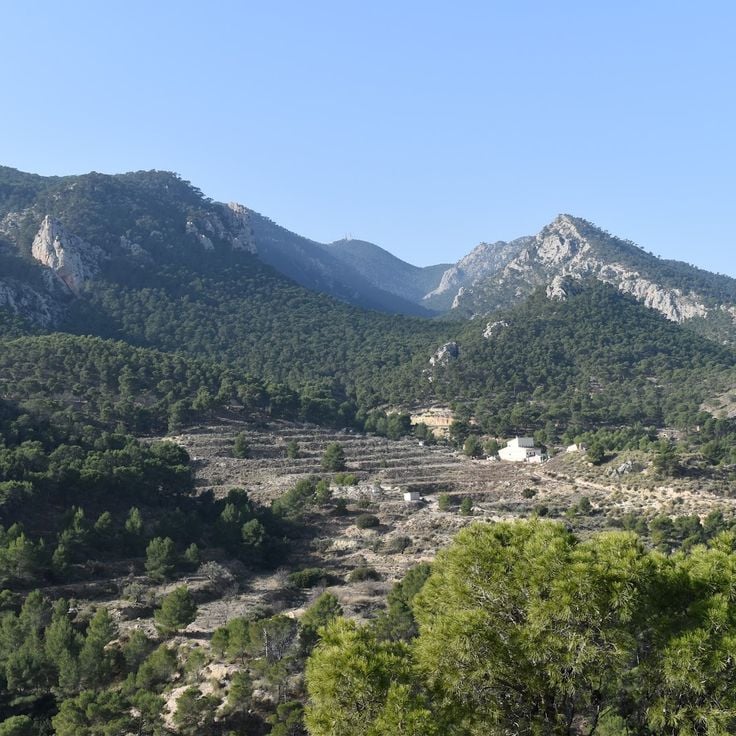
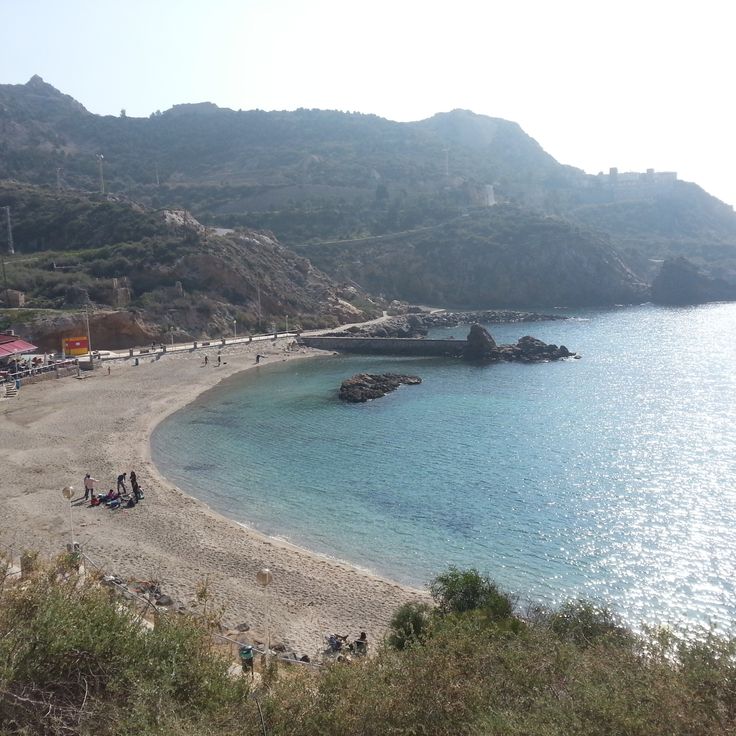
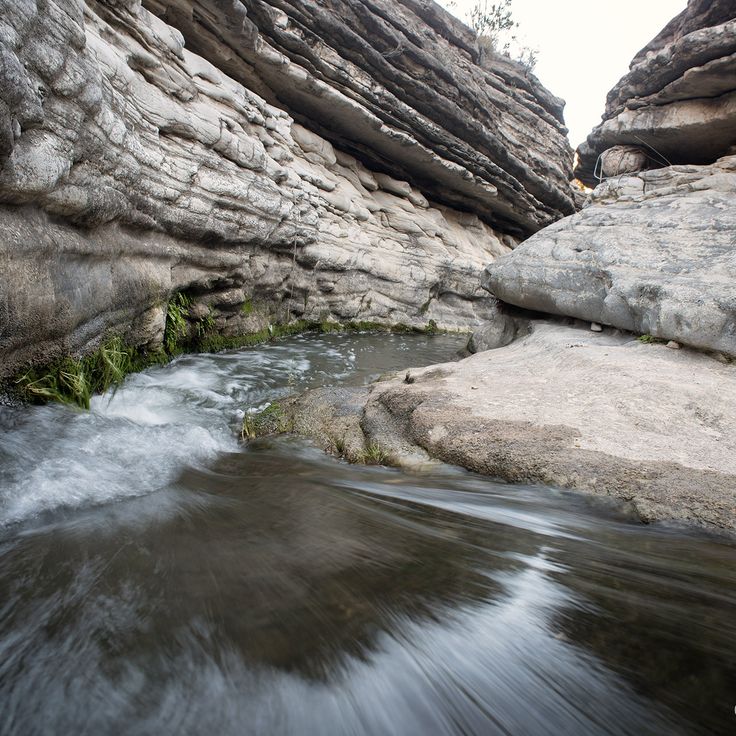
The Murcia region combines natural landscapes with historical sites from different periods. The Salto del Usero natural pool in Bullas, the beaches of Calblanque Natural Area, and the Almadenes gorge near Cieza demonstrate the geological variety of the region. The coast offers sheltered coves like Cala Cortina and remote beaches such as El Portús, while the Gredas de Bolnuevo erosion formations show the power of natural processes.
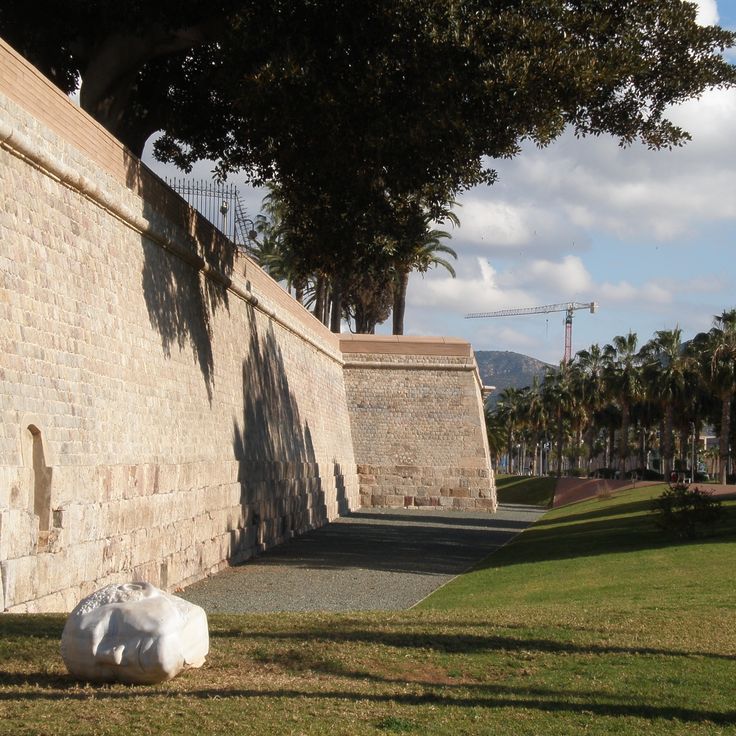
The historical architecture ranges from medieval fortifications to baroque cultural sites. Monteagudo Castle from the 11th century and Castillo de Lorca document the Moorish and Christian past. Coastal towers like Torre de Santa Elena and Torre del Cope date from the 16th century and served as defenses against pirates. The Santa Clara Monastery and Museo Salzillo in Murcia city preserve 18th-century religious art, while the Palacio de Guevara in Lorca represents baroque urban architecture.
The Murcia region combines natural landscapes with historical sites from different periods. The Salto del Usero natural pool in Bullas, the beaches of Calblanque Natural Area, and the Almadenes gorge near Cieza demonstrate the geological variety of the region. The coast offers sheltered coves like Cala Cortina and remote beaches such as El Portús, while the Gredas de Bolnuevo erosion formations show the power of natural processes.
The historical architecture ranges from medieval fortifications to baroque cultural sites. Monteagudo Castle from the 11th century and Castillo de Lorca document the Moorish and Christian past. Coastal towers like Torre de Santa Elena and Torre del Cope date from the 16th century and served as defenses against pirates. The Santa Clara Monastery and Museo Salzillo in Murcia city preserve 18th-century religious art, while the Palacio de Guevara in Lorca represents baroque urban architecture.
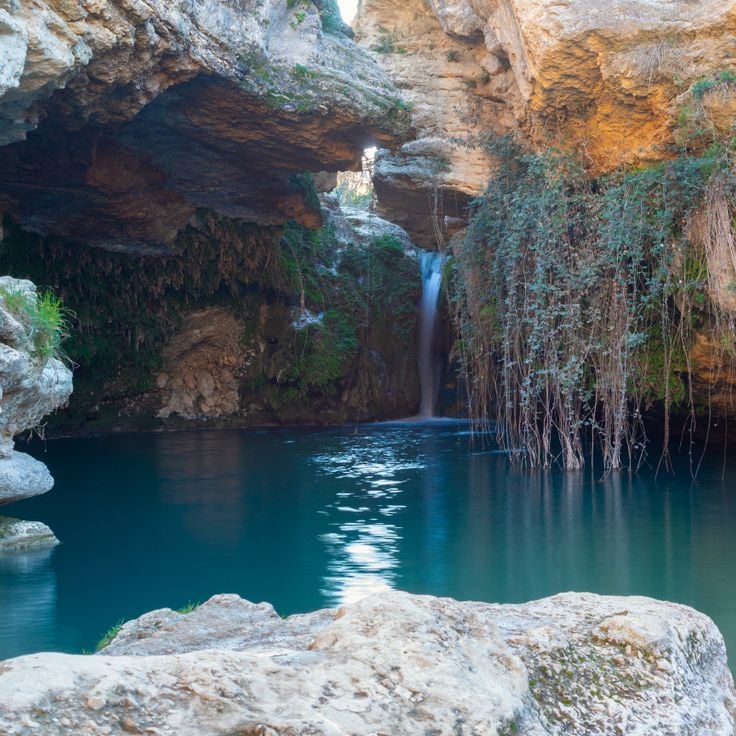
This waterfall feeds a natural pool between limestone rocks in the Mula River. Water drops from two different heights into the basin, creating a popular swimming spot in the municipality of Bullas. The surrounding area shows typical vegetation of the Murcia region, while the geological formations developed through thousands of years of erosion.
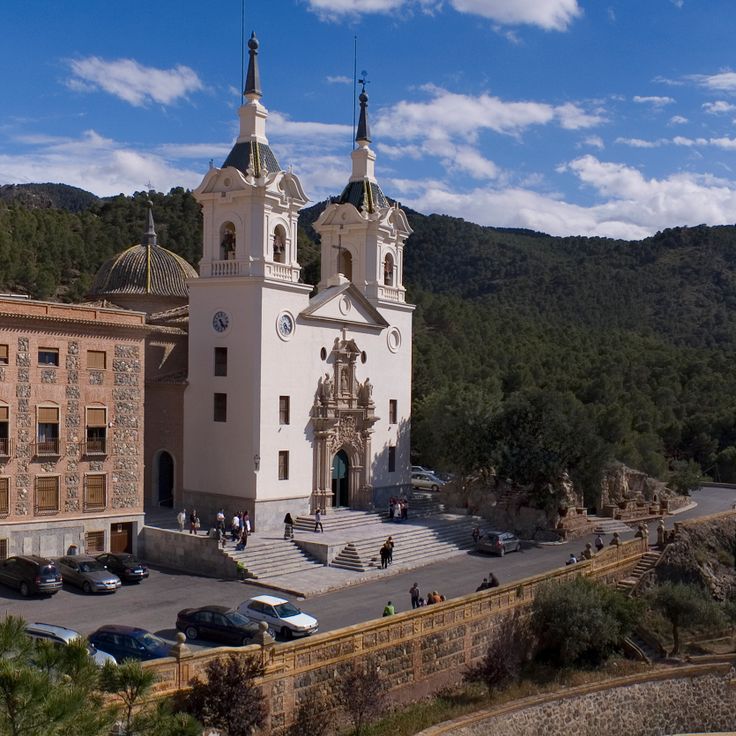
This 17th-century mountain monastery overlooks the Segura Valley in Murcia. The chapel houses a statue of Mary and religious artworks. As a regional pilgrimage site, Santuario de la Fuensanta connects the historical significance of the area with the natural setting of the surrounding mountains.
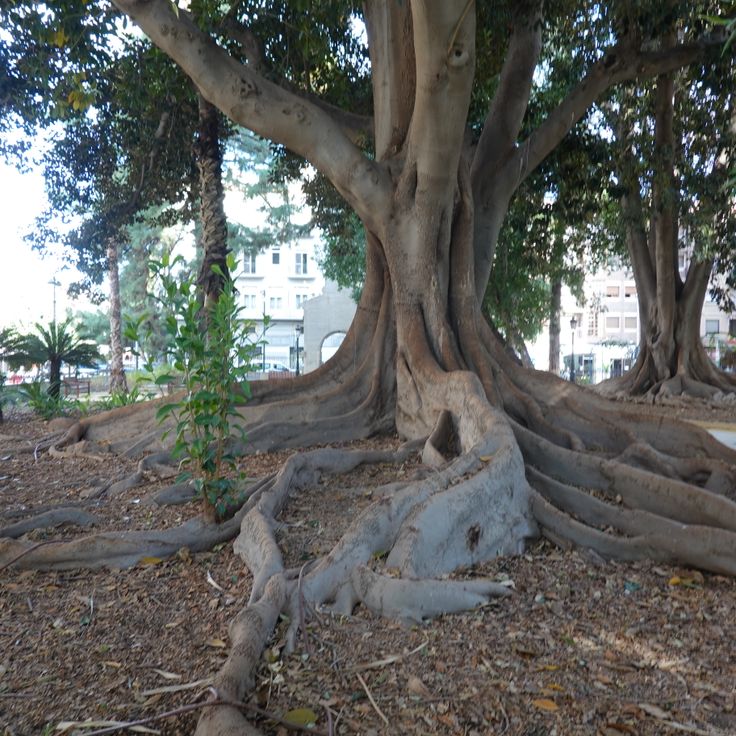
This historic park was established in 1786 and stands among Murcia's protected green spaces. Large ficus and plane trees define the landscape, while stone monuments and geometric flower beds provide structure throughout the grounds. The Floridablanca Garden offers a retreat within the urban area and combines classical garden design with regional vegetation.
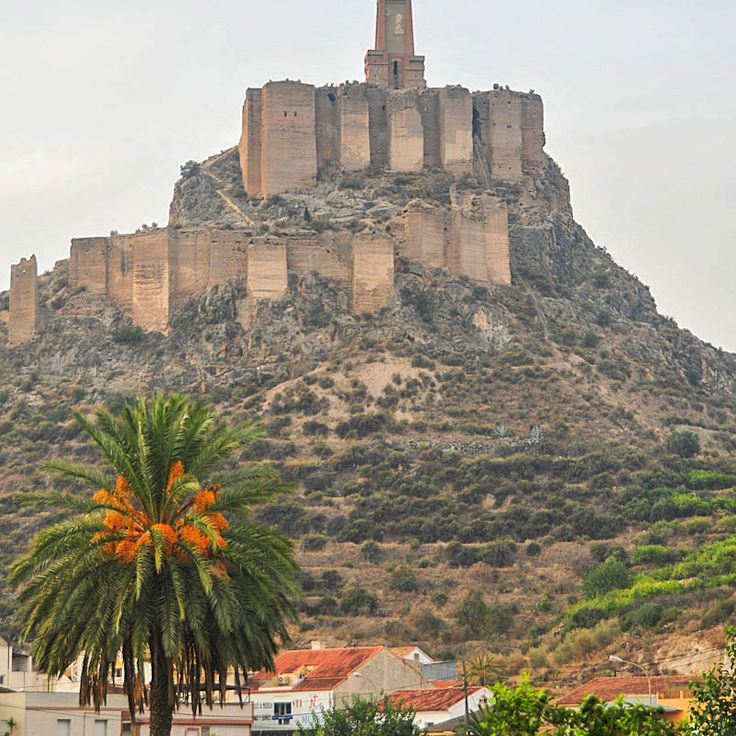
The fortress of Monteagudo sits atop a limestone rock above the town of the same name and dates from the Arabic period in the Murcia region. A 14-meter (46-foot) Christ statue marks the highest point of the site. The castle historically controlled access routes to the city of Murcia and the surrounding irrigation farmlands of the Huerta. The walls and towers reflect the military importance during Moorish rule and subsequent Christian reconquest. This fortress represents part of the medieval fortifications that mark the historical heritage of the region.
This museum in Murcia holds the primary collection of religious wood sculptures by Francisco Salzillo, including eight processional passion groups from the 18th century and detailed nativity scenes with over 500 figures depicting life in baroque Spain.
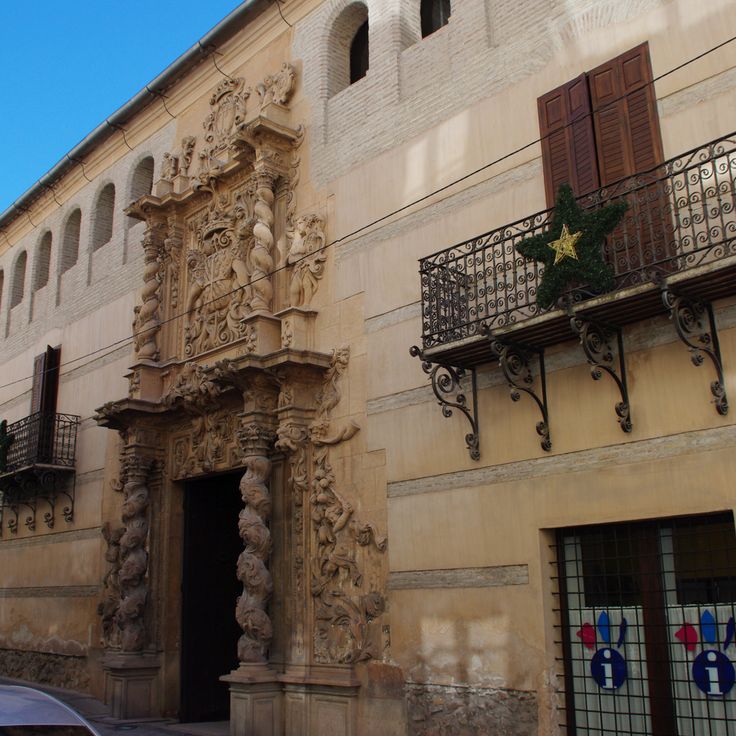
This baroque palace in Lorca dates from the 17th century and represents the historical architecture of the Murcia region. The stone facade features elaborate decorative elements. Inside, Spanish paintings and period furniture document the artistic style of the era and complement the region's medieval castles and monasteries.
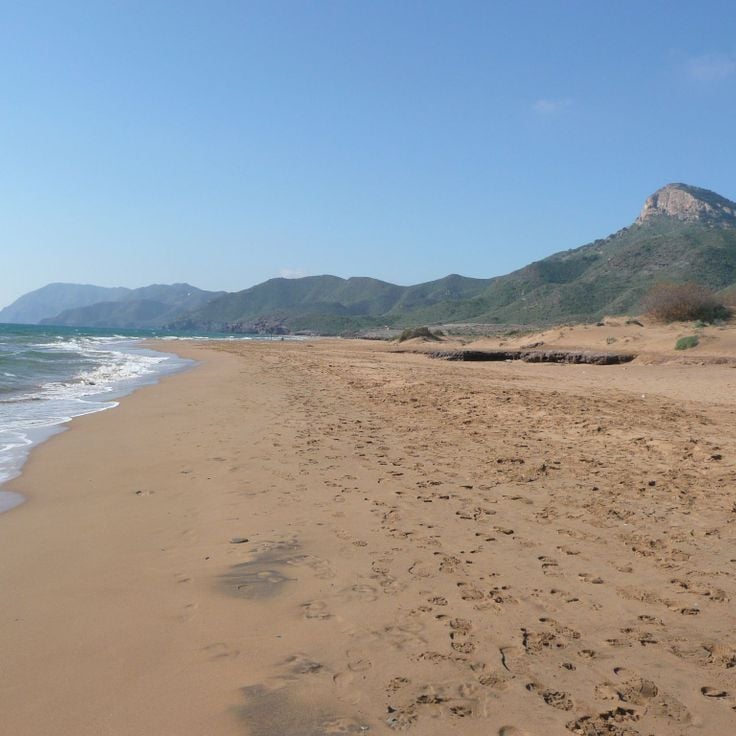
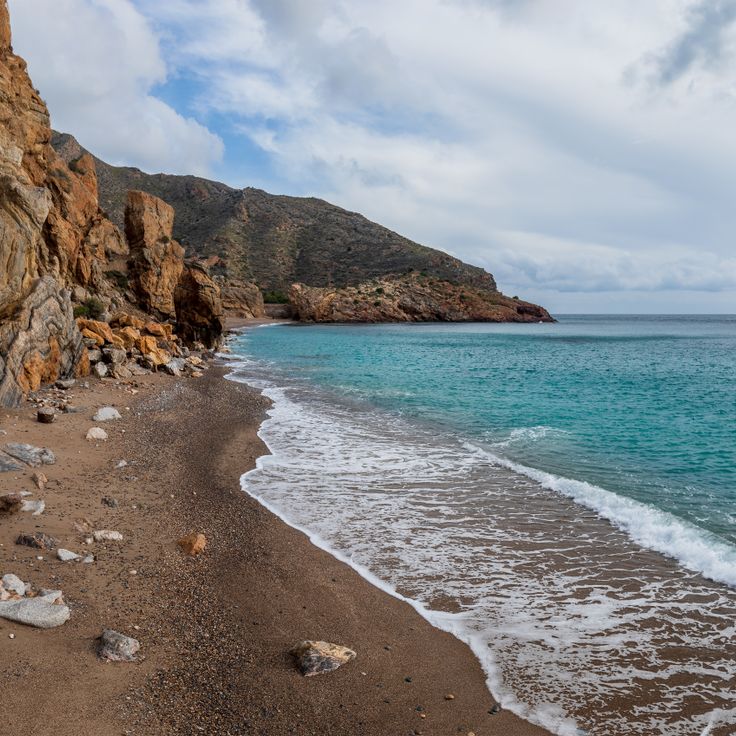
This beach lies within a nature reserve featuring sand beaches, rocky coves and coastal paths. The park protects native plant species and offers marked hiking trails, providing access to the natural coastal landscapes of the Murcia region.
This agricultural valley in the Murcia region extends along the Segura River and displays centuries-old irrigation canals still supplying citrus plantations today. Several medieval villages line the Ricote Valley and preserve the Moorish tradition of water management, connecting the region's natural and historical heritage.
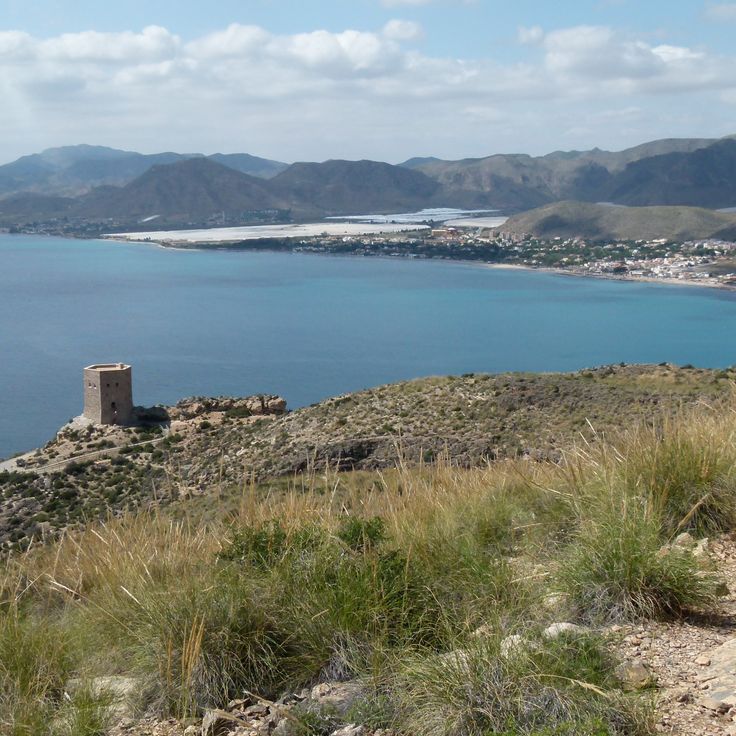
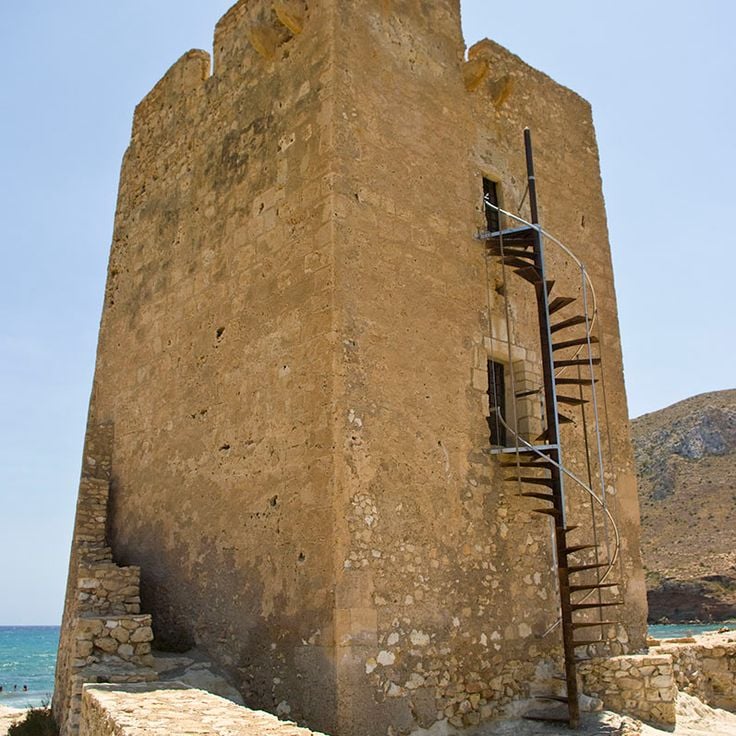
This 16th-century watchtower belongs to the Murcia region's historical defense system and served to monitor the coastline against raids. The Torre de Santa Elena stands in La Azohía and represents the military architecture used to protect coastal communities from attacks.
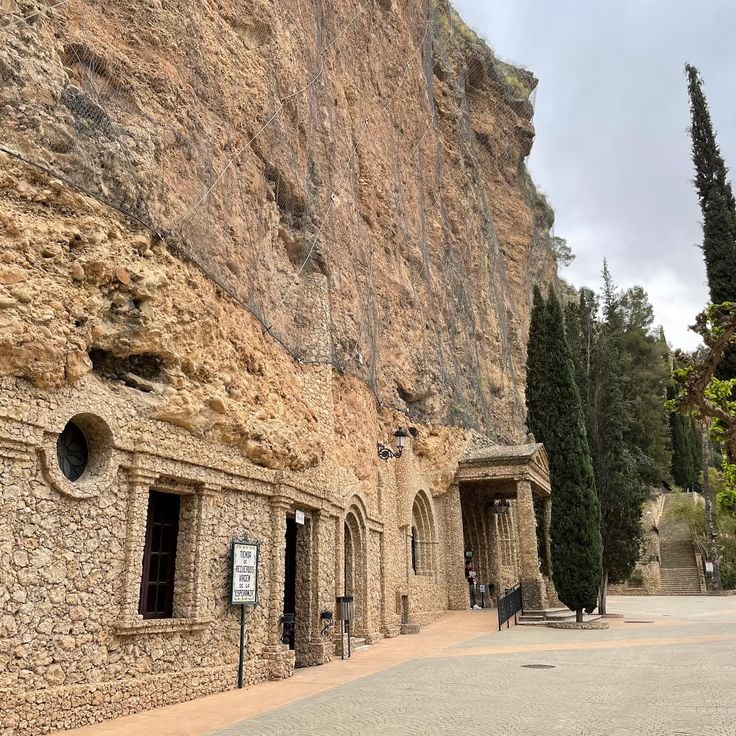
This sanctuary carved into rock overlooks the Segura River and combines religious architecture with the natural environment of the Murcia region. The construction integrated into the stone connects the building directly with the cliff face. The sanctuary stands among the region's historical sites, where medieval castles and monasteries document the area's past.
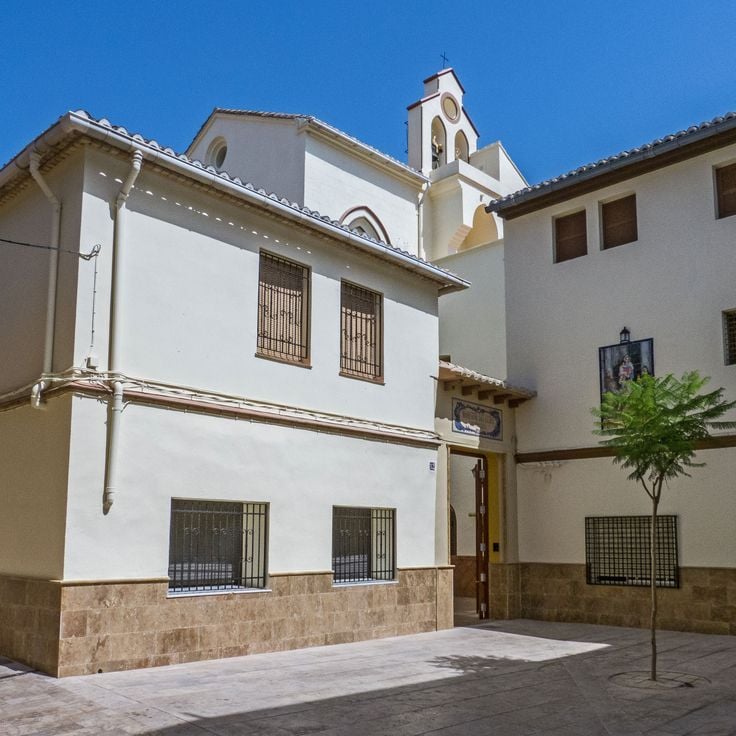
This monastery presents architectural influences from three distinct periods and fits into the historical sites of the Murcia region. The museum displays religious artworks and historical documents from the 13th century, providing insight into the monastic past and artistic development of the region. The complex combines medieval structures with later architectural additions.
This 16th-century defense tower stands on a rocky promontory above the Águilas coastline. The structure was built to protect against Mediterranean pirate raids and forms part of a network of coastal watchtowers across the Murcia region. From its elevated position, the Cope Tower commands views of the shoreline and demonstrates the strategic importance of the area during the early modern period.
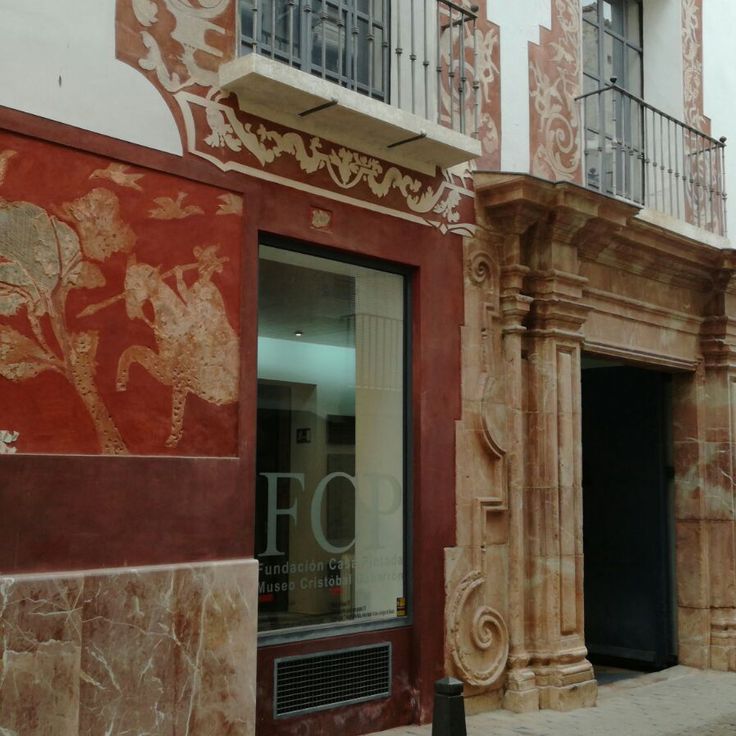
This museum combines contemporary artworks with the architecture of a renovated 16th-century building, adding to the presentation of Murcia's history that includes medieval castles, monasteries and coastal towers from the same era.
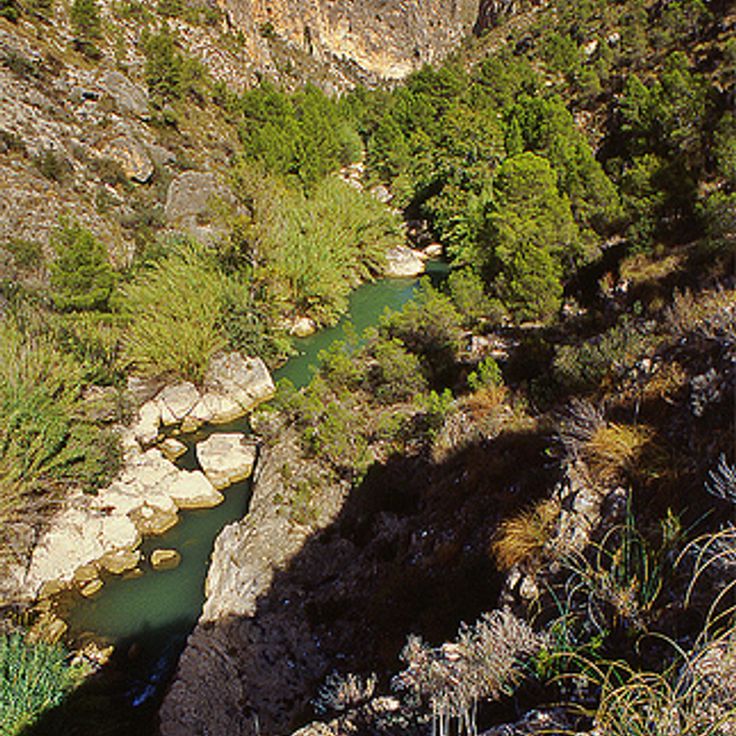
This gorge cuts through limestone walls that rise 100 meters (330 feet) above the river. Waterfalls descend between the rock faces, while several caves contain archaeological findings from the Stone Age. The canyon displays the geological formations of the Murcia region and documents human settlement since prehistoric times. Visitors can navigate the gorge by kayak or follow hiking trails along the upper rim.
This central square connects the natural and historical elements of the Murcia region with an urban gathering space. Plaza de las Flores emerged in the 19th century and presents flower stalls, restaurants and historical buildings that document the social life of the region's capital, complementing the medieval castles and monasteries found in the surrounding area.
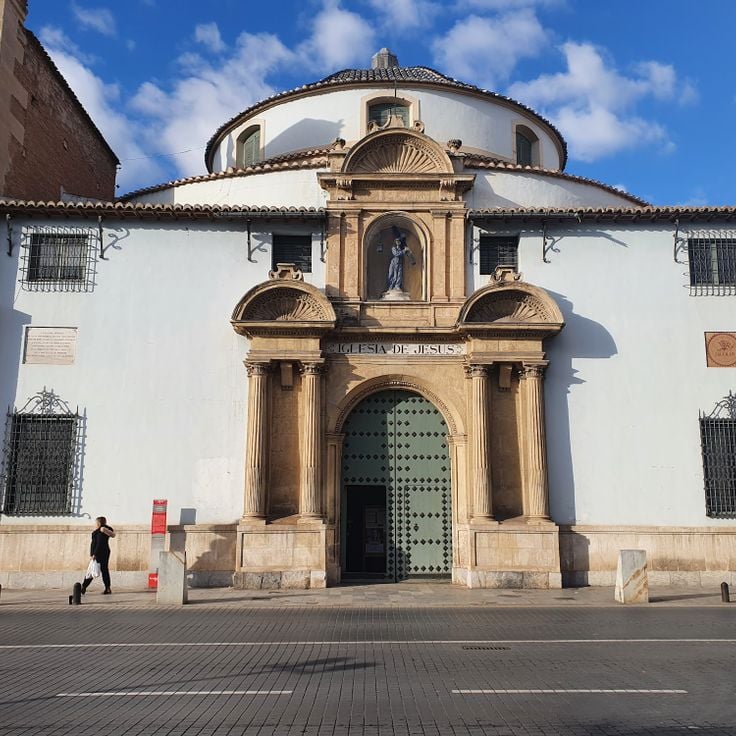
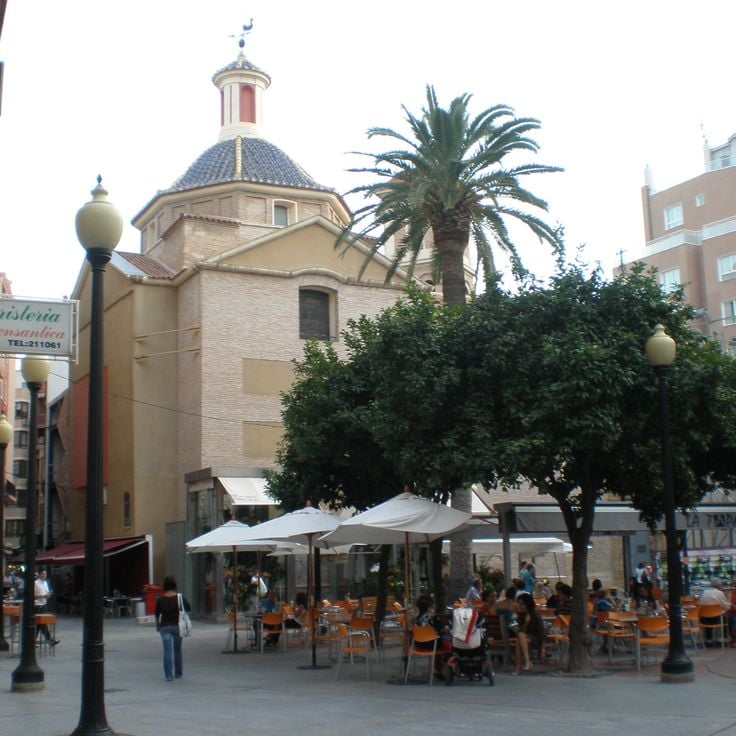
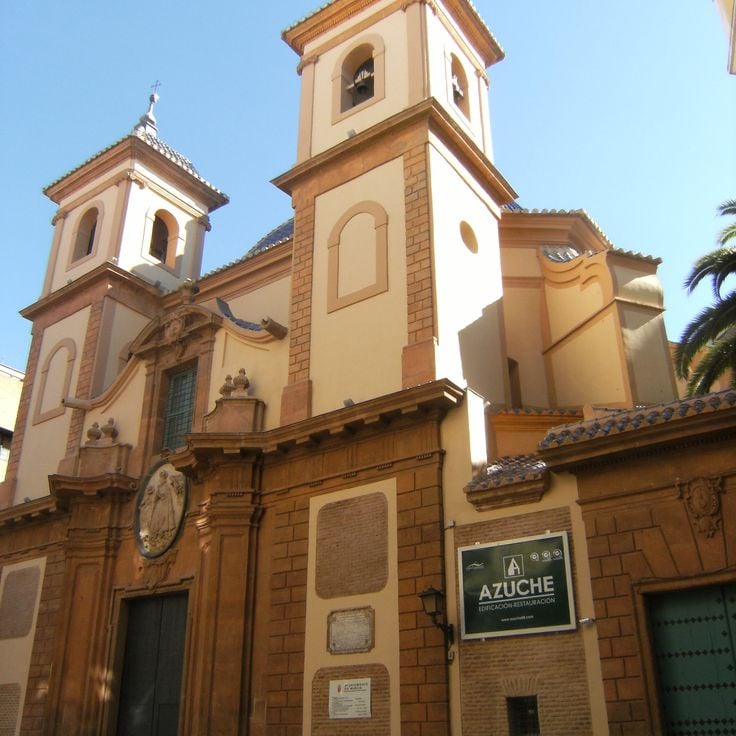
This 18th-century church demonstrates the baroque religious architecture of the Murcia region. The octagonal domed structure contains gilded altars and frescoes characteristic of Spanish baroque churches from this period. The design combines architectural elements with the decorative tradition that defines Murcia's historical heritage.
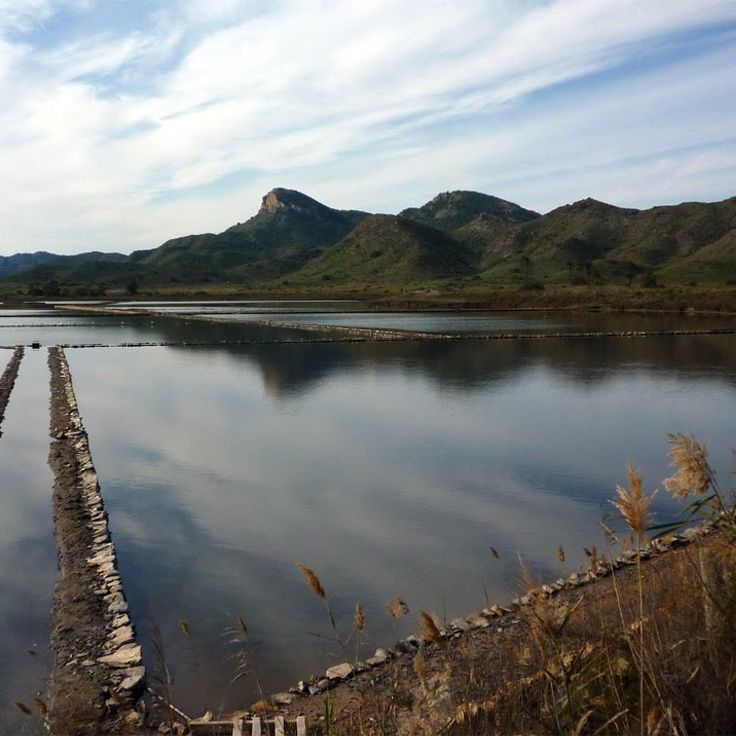
This coastal area represents one of the least developed stretches in the Murcia region, extending across sandy and rocky beaches framed by low mountains. The protected zone includes inland salt lakes and dune formations along the shore, offering trails with views of the Mediterranean.
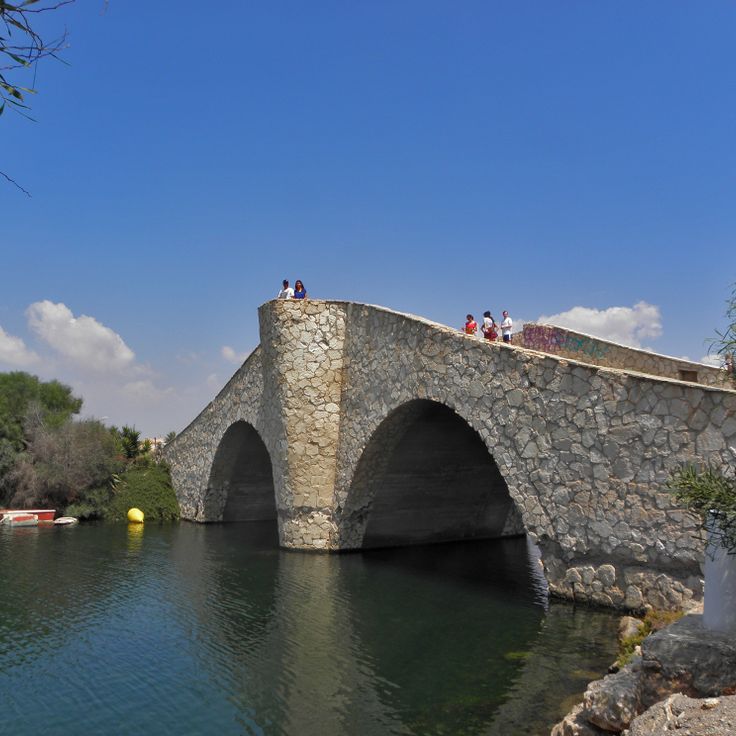
This bridge connects the La Manga peninsula and allows boats to pass between Mar Menor and the Mediterranean Sea. The steep approach ramp creates a visual effect that makes the incline appear more extreme than it actually is from certain angles. The structure is one of several engineering works along the narrow strip of land and contributes to water circulation between the two bodies of water.
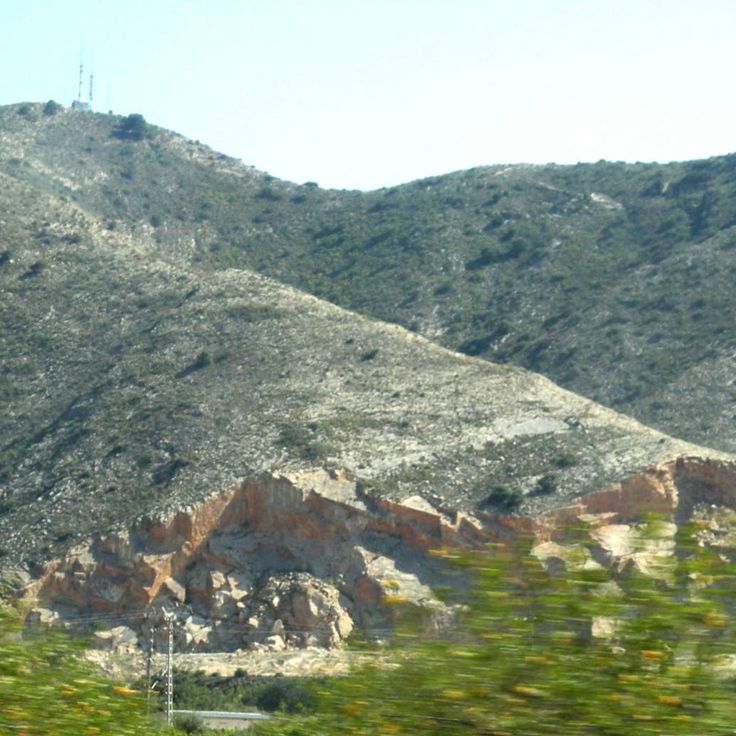
This 1,024-foot (312-meter) mountain in southeastern Murcia contains several caves with archaeological sites from the Paleolithic period, adding evidence of early human settlement to the region's natural and historical sites through limestone formations and Mediterranean vegetation.
This 250-meter sand beach sits in a protected bay near Cartagena, offering calm water for swimming. The rocks at both ends of the beach create natural pools and attract anglers who find fishing opportunities here. The beach represents one of the coastal stretches in the Murcia region, which combines natural areas with historical sites throughout the territory.
This gorge in the Murcia region offers trails through Mediterranean vegetation where visitors can observe mountain goats and birds of prey. The natural setting complements other landscapes in the region such as the Almadenes gorge and Calblanque beaches.
This beach sits in a natural bay between rocks near Cartagena and shows the coastal landscape of the Murcia region. The 1,300-foot (400-meter) bay provides changing rooms and a beach bar. The dark gravel-sand mix comes from the surrounding volcanic formations. The bay remains sheltered from most winds. Fishermen use the western section of the bay. A walking path connects the beach to nearby coastal sections.
This fortification from 1740 surrounds the old town of Cehegín. The wall extends 550 yards (500 meters) and includes four watchtowers that document the historical defense system of the Murcia region.
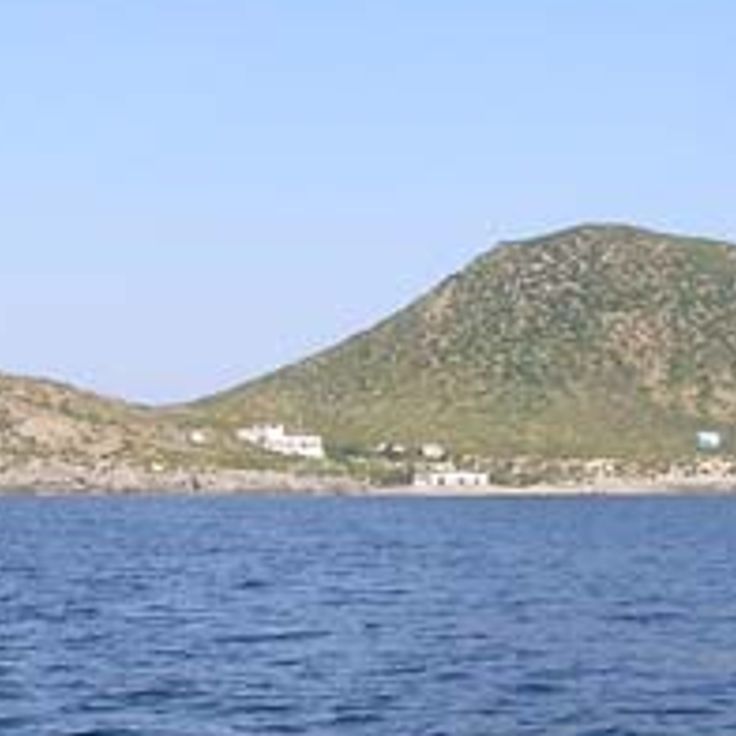
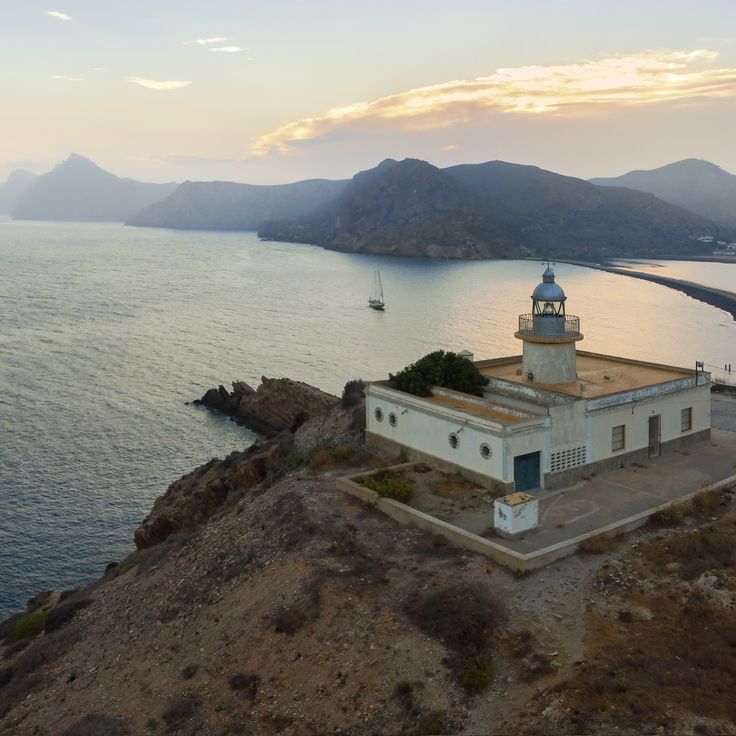
This island off La Manga features a 148-foot (45-meter) lighthouse and sits within a marine reserve. The surrounding coral reefs provide habitat for Mediterranean fish species. Isla Grosa forms part of the natural sites in the Murcia region and is accessible only by boat.
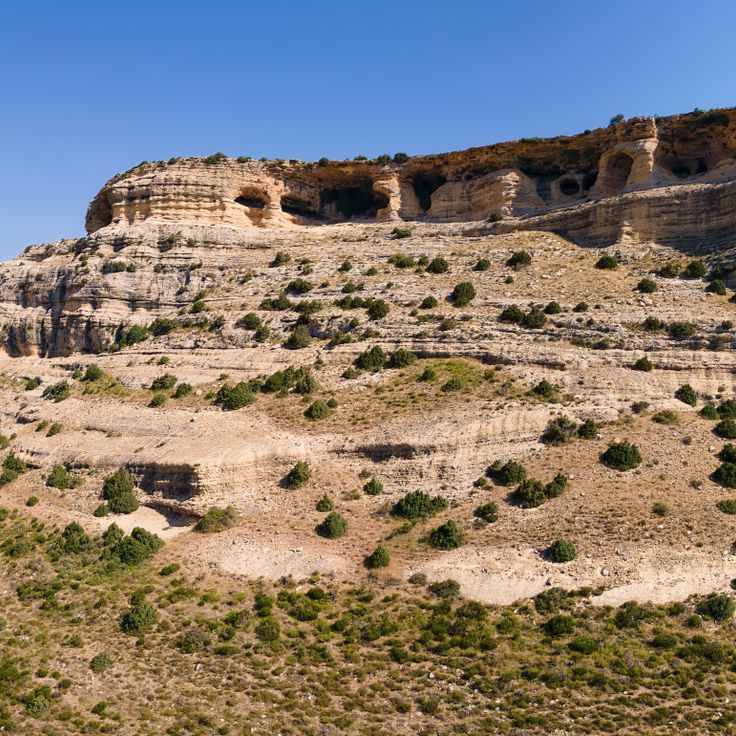
This limestone massif rises south of Murcia and provides climbing routes across multiple difficulty grades. The formation belongs to the natural areas of the region and draws mountaineers from across the Mediterranean. The pale rock faces stand above the surrounding plain and form a prominent feature of the local topography, with established routes serving both beginners and advanced climbers throughout the year.
This underground network in Moratalla extends the natural landscapes of the Murcia region with a geological element. The caves of Zaén contain Stone Age archaeological findings and rock formations created through natural processes over millennia. The system connects multiple cavities that provide insights into prehistoric human occupation and local geological development.
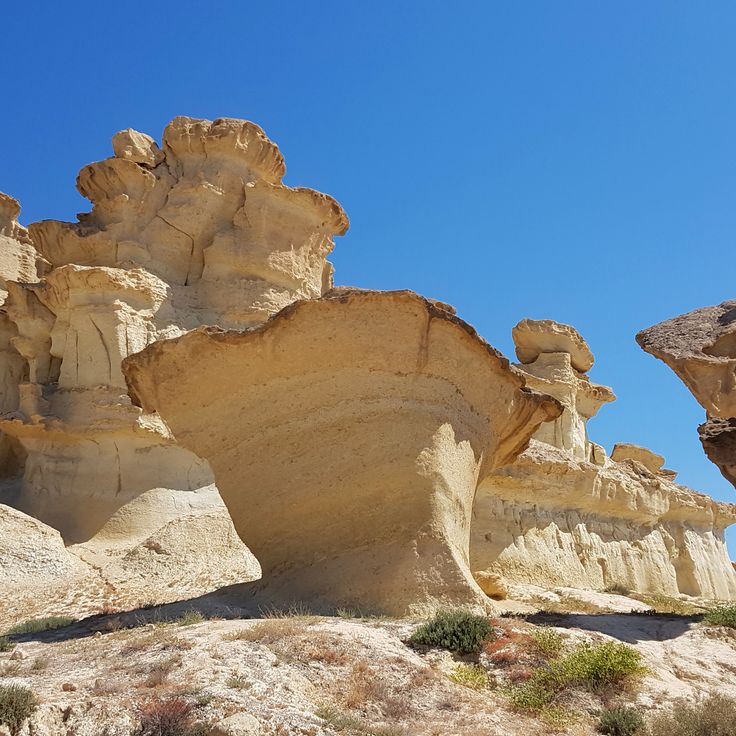
The Gredas de Bolnuevo are natural sandstone formations along the Mazarrón coast, shaped by wind and rain over millions of years. These geological structures demonstrate the erosive forces that form part of the natural landscape of the Murcia region, which also includes beaches, gorges and historical monuments across the area.
This 18th century church stands on a hilltop in Monteagudo and features baroque altars and a collection of religious artworks. The building complements the historical sites of the Murcia region, which include medieval castles, monasteries and 16th century coastal towers, and preserves the religious heritage of the area.
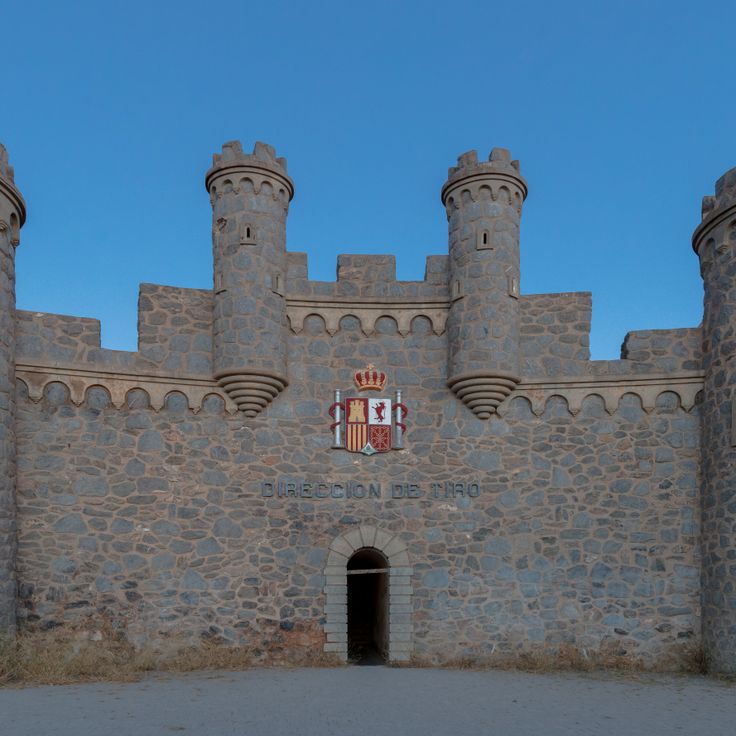
This coastal defense installation stands on a cliff at 820 feet (250 meters) above the Mediterranean and forms part of the historical fortifications across the Murcia region. Built in the early 20th century, the complex houses two long-range Vickers guns and observation posts that served to protect the coastline from naval threats.
This bay in La Unión shows the consequences of twentieth-century mining activity in the Murcia region. From 1957 to 1990, industrial waste from local mines was dumped along the shore, filling in much of the original coastline. Restoration efforts are now underway to recover the natural beach and marine environment.
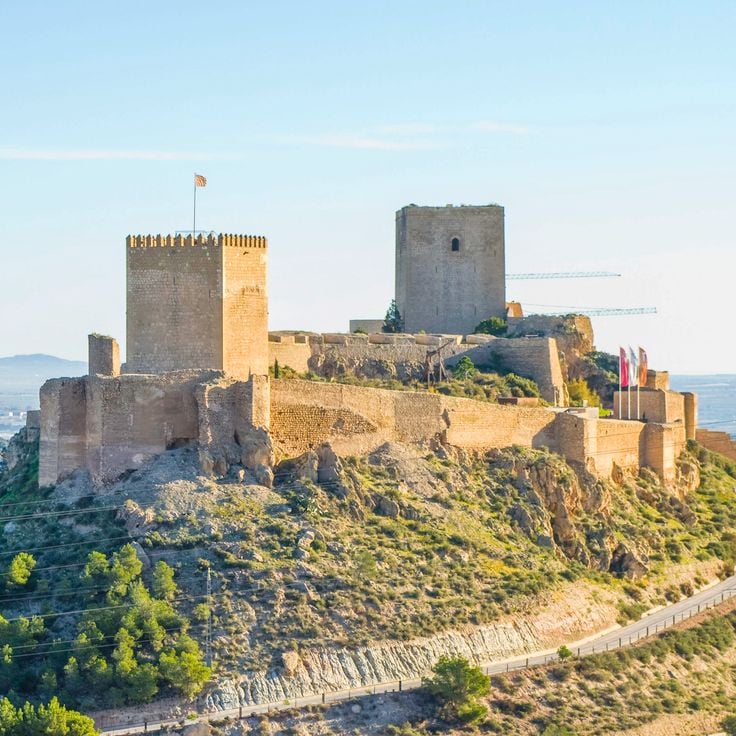
This medieval fortress extends 640 meters along a hilltop and marked the border between Christian and Muslim territories during the 13th century. The Castillo de Lorca documents the strategic importance of the Murcia region during the Reconquista and complements the historical sites that preserve the heritage of this era.
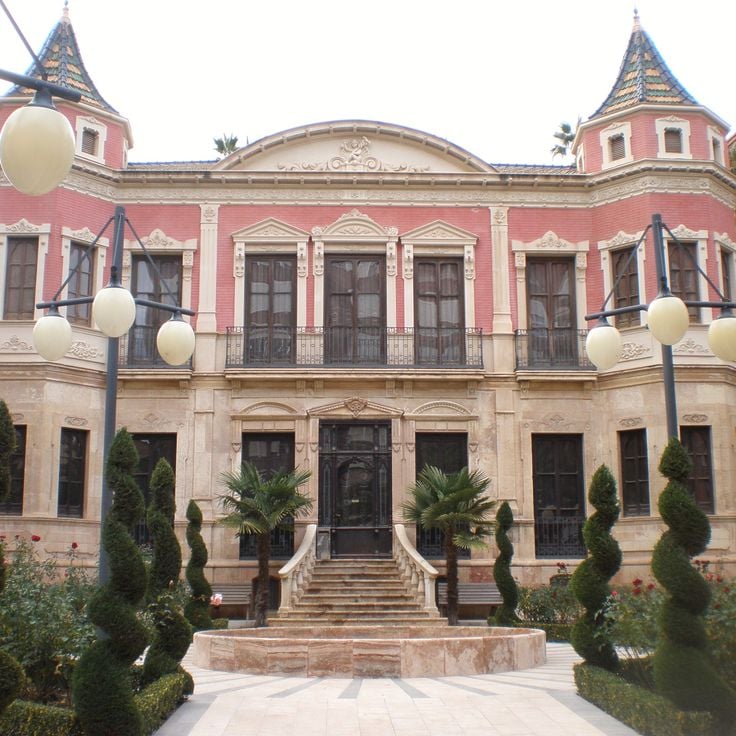
This town palace in Lorca was built in 1877 and shows how wealthy families in Murcia lived during the late 19th century. The building combines neoclassical and Neo-Renaissance elements in its facade and interior spaces. Period furniture from the time of construction, decorative ceiling paintings and a landscaped garden with Mediterranean and tropical plant species complete the estate.
This waterfall feeds a natural pool between limestone rocks in the Mula River. Water drops from two different heights into the basin, creating a popular swimming spot in the municipality of Bullas. The surrounding area shows typical vegetation of the Murcia region, while the geological formations developed through thousands of years of erosion.
This 17th-century mountain monastery overlooks the Segura Valley in Murcia. The chapel houses a statue of Mary and religious artworks. As a regional pilgrimage site, Santuario de la Fuensanta connects the historical significance of the area with the natural setting of the surrounding mountains.
This historic park was established in 1786 and stands among Murcia's protected green spaces. Large ficus and plane trees define the landscape, while stone monuments and geometric flower beds provide structure throughout the grounds. The Floridablanca Garden offers a retreat within the urban area and combines classical garden design with regional vegetation.
The fortress of Monteagudo sits atop a limestone rock above the town of the same name and dates from the Arabic period in the Murcia region. A 14-meter (46-foot) Christ statue marks the highest point of the site. The castle historically controlled access routes to the city of Murcia and the surrounding irrigation farmlands of the Huerta. The walls and towers reflect the military importance during Moorish rule and subsequent Christian reconquest. This fortress represents part of the medieval fortifications that mark the historical heritage of the region.
This museum in Murcia holds the primary collection of religious wood sculptures by Francisco Salzillo, including eight processional passion groups from the 18th century and detailed nativity scenes with over 500 figures depicting life in baroque Spain.
This baroque palace in Lorca dates from the 17th century and represents the historical architecture of the Murcia region. The stone facade features elaborate decorative elements. Inside, Spanish paintings and period furniture document the artistic style of the era and complement the region's medieval castles and monasteries.
This beach lies within a nature reserve featuring sand beaches, rocky coves and coastal paths. The park protects native plant species and offers marked hiking trails, providing access to the natural coastal landscapes of the Murcia region.
This agricultural valley in the Murcia region extends along the Segura River and displays centuries-old irrigation canals still supplying citrus plantations today. Several medieval villages line the Ricote Valley and preserve the Moorish tradition of water management, connecting the region's natural and historical heritage.
This 16th-century watchtower belongs to the Murcia region's historical defense system and served to monitor the coastline against raids. The Torre de Santa Elena stands in La Azohía and represents the military architecture used to protect coastal communities from attacks.
This sanctuary carved into rock overlooks the Segura River and combines religious architecture with the natural environment of the Murcia region. The construction integrated into the stone connects the building directly with the cliff face. The sanctuary stands among the region's historical sites, where medieval castles and monasteries document the area's past.
This monastery presents architectural influences from three distinct periods and fits into the historical sites of the Murcia region. The museum displays religious artworks and historical documents from the 13th century, providing insight into the monastic past and artistic development of the region. The complex combines medieval structures with later architectural additions.
This 16th-century defense tower stands on a rocky promontory above the Águilas coastline. The structure was built to protect against Mediterranean pirate raids and forms part of a network of coastal watchtowers across the Murcia region. From its elevated position, the Cope Tower commands views of the shoreline and demonstrates the strategic importance of the area during the early modern period.
This museum combines contemporary artworks with the architecture of a renovated 16th-century building, adding to the presentation of Murcia's history that includes medieval castles, monasteries and coastal towers from the same era.
This gorge cuts through limestone walls that rise 100 meters (330 feet) above the river. Waterfalls descend between the rock faces, while several caves contain archaeological findings from the Stone Age. The canyon displays the geological formations of the Murcia region and documents human settlement since prehistoric times. Visitors can navigate the gorge by kayak or follow hiking trails along the upper rim.
This central square connects the natural and historical elements of the Murcia region with an urban gathering space. Plaza de las Flores emerged in the 19th century and presents flower stalls, restaurants and historical buildings that document the social life of the region's capital, complementing the medieval castles and monasteries found in the surrounding area.
This 18th-century church demonstrates the baroque religious architecture of the Murcia region. The octagonal domed structure contains gilded altars and frescoes characteristic of Spanish baroque churches from this period. The design combines architectural elements with the decorative tradition that defines Murcia's historical heritage.
This coastal area represents one of the least developed stretches in the Murcia region, extending across sandy and rocky beaches framed by low mountains. The protected zone includes inland salt lakes and dune formations along the shore, offering trails with views of the Mediterranean.
This bridge connects the La Manga peninsula and allows boats to pass between Mar Menor and the Mediterranean Sea. The steep approach ramp creates a visual effect that makes the incline appear more extreme than it actually is from certain angles. The structure is one of several engineering works along the narrow strip of land and contributes to water circulation between the two bodies of water.
This 1,024-foot (312-meter) mountain in southeastern Murcia contains several caves with archaeological sites from the Paleolithic period, adding evidence of early human settlement to the region's natural and historical sites through limestone formations and Mediterranean vegetation.
This 250-meter sand beach sits in a protected bay near Cartagena, offering calm water for swimming. The rocks at both ends of the beach create natural pools and attract anglers who find fishing opportunities here. The beach represents one of the coastal stretches in the Murcia region, which combines natural areas with historical sites throughout the territory.
This gorge in the Murcia region offers trails through Mediterranean vegetation where visitors can observe mountain goats and birds of prey. The natural setting complements other landscapes in the region such as the Almadenes gorge and Calblanque beaches.
This beach sits in a natural bay between rocks near Cartagena and shows the coastal landscape of the Murcia region. The 1,300-foot (400-meter) bay provides changing rooms and a beach bar. The dark gravel-sand mix comes from the surrounding volcanic formations. The bay remains sheltered from most winds. Fishermen use the western section of the bay. A walking path connects the beach to nearby coastal sections.
This fortification from 1740 surrounds the old town of Cehegín. The wall extends 550 yards (500 meters) and includes four watchtowers that document the historical defense system of the Murcia region.
This island off La Manga features a 148-foot (45-meter) lighthouse and sits within a marine reserve. The surrounding coral reefs provide habitat for Mediterranean fish species. Isla Grosa forms part of the natural sites in the Murcia region and is accessible only by boat.
This limestone massif rises south of Murcia and provides climbing routes across multiple difficulty grades. The formation belongs to the natural areas of the region and draws mountaineers from across the Mediterranean. The pale rock faces stand above the surrounding plain and form a prominent feature of the local topography, with established routes serving both beginners and advanced climbers throughout the year.
This underground network in Moratalla extends the natural landscapes of the Murcia region with a geological element. The caves of Zaén contain Stone Age archaeological findings and rock formations created through natural processes over millennia. The system connects multiple cavities that provide insights into prehistoric human occupation and local geological development.
The Gredas de Bolnuevo are natural sandstone formations along the Mazarrón coast, shaped by wind and rain over millions of years. These geological structures demonstrate the erosive forces that form part of the natural landscape of the Murcia region, which also includes beaches, gorges and historical monuments across the area.
This 18th century church stands on a hilltop in Monteagudo and features baroque altars and a collection of religious artworks. The building complements the historical sites of the Murcia region, which include medieval castles, monasteries and 16th century coastal towers, and preserves the religious heritage of the area.
This coastal defense installation stands on a cliff at 820 feet (250 meters) above the Mediterranean and forms part of the historical fortifications across the Murcia region. Built in the early 20th century, the complex houses two long-range Vickers guns and observation posts that served to protect the coastline from naval threats.
This bay in La Unión shows the consequences of twentieth-century mining activity in the Murcia region. From 1957 to 1990, industrial waste from local mines was dumped along the shore, filling in much of the original coastline. Restoration efforts are now underway to recover the natural beach and marine environment.
This medieval fortress extends 640 meters along a hilltop and marked the border between Christian and Muslim territories during the 13th century. The Castillo de Lorca documents the strategic importance of the Murcia region during the Reconquista and complements the historical sites that preserve the heritage of this era.
This town palace in Lorca was built in 1877 and shows how wealthy families in Murcia lived during the late 19th century. The building combines neoclassical and Neo-Renaissance elements in its facade and interior spaces. Period furniture from the time of construction, decorative ceiling paintings and a landscaped garden with Mediterranean and tropical plant species complete the estate.
This waterfall feeds a natural pool between limestone rocks in the Mula River. Water drops from two different heights into the basin, creating a popular swimming spot in the municipality of Bullas. The surrounding area shows typical vegetation of the Murcia region, while the geological formations developed through thousands of years of erosion.
This 17th-century mountain monastery overlooks the Segura Valley in Murcia. The chapel houses a statue of Mary and religious artworks. As a regional pilgrimage site, Santuario de la Fuensanta connects the historical significance of the area with the natural setting of the surrounding mountains.
This historic park was established in 1786 and stands among Murcia's protected green spaces. Large ficus and plane trees define the landscape, while stone monuments and geometric flower beds provide structure throughout the grounds. The Floridablanca Garden offers a retreat within the urban area and combines classical garden design with regional vegetation.
The fortress of Monteagudo sits atop a limestone rock above the town of the same name and dates from the Arabic period in the Murcia region. A 14-meter (46-foot) Christ statue marks the highest point of the site. The castle historically controlled access routes to the city of Murcia and the surrounding irrigation farmlands of the Huerta. The walls and towers reflect the military importance during Moorish rule and subsequent Christian reconquest. This fortress represents part of the medieval fortifications that mark the historical heritage of the region.
This museum in Murcia holds the primary collection of religious wood sculptures by Francisco Salzillo, including eight processional passion groups from the 18th century and detailed nativity scenes with over 500 figures depicting life in baroque Spain.
This baroque palace in Lorca dates from the 17th century and represents the historical architecture of the Murcia region. The stone facade features elaborate decorative elements. Inside, Spanish paintings and period furniture document the artistic style of the era and complement the region's medieval castles and monasteries.
This beach lies within a nature reserve featuring sand beaches, rocky coves and coastal paths. The park protects native plant species and offers marked hiking trails, providing access to the natural coastal landscapes of the Murcia region.
This agricultural valley in the Murcia region extends along the Segura River and displays centuries-old irrigation canals still supplying citrus plantations today. Several medieval villages line the Ricote Valley and preserve the Moorish tradition of water management, connecting the region's natural and historical heritage.
This 16th-century watchtower belongs to the Murcia region's historical defense system and served to monitor the coastline against raids. The Torre de Santa Elena stands in La Azohía and represents the military architecture used to protect coastal communities from attacks.
This sanctuary carved into rock overlooks the Segura River and combines religious architecture with the natural environment of the Murcia region. The construction integrated into the stone connects the building directly with the cliff face. The sanctuary stands among the region's historical sites, where medieval castles and monasteries document the area's past.
This monastery presents architectural influences from three distinct periods and fits into the historical sites of the Murcia region. The museum displays religious artworks and historical documents from the 13th century, providing insight into the monastic past and artistic development of the region. The complex combines medieval structures with later architectural additions.
This 16th-century defense tower stands on a rocky promontory above the Águilas coastline. The structure was built to protect against Mediterranean pirate raids and forms part of a network of coastal watchtowers across the Murcia region. From its elevated position, the Cope Tower commands views of the shoreline and demonstrates the strategic importance of the area during the early modern period.
This museum combines contemporary artworks with the architecture of a renovated 16th-century building, adding to the presentation of Murcia's history that includes medieval castles, monasteries and coastal towers from the same era.
This gorge cuts through limestone walls that rise 100 meters (330 feet) above the river. Waterfalls descend between the rock faces, while several caves contain archaeological findings from the Stone Age. The canyon displays the geological formations of the Murcia region and documents human settlement since prehistoric times. Visitors can navigate the gorge by kayak or follow hiking trails along the upper rim.
This central square connects the natural and historical elements of the Murcia region with an urban gathering space. Plaza de las Flores emerged in the 19th century and presents flower stalls, restaurants and historical buildings that document the social life of the region's capital, complementing the medieval castles and monasteries found in the surrounding area.
This 18th-century church demonstrates the baroque religious architecture of the Murcia region. The octagonal domed structure contains gilded altars and frescoes characteristic of Spanish baroque churches from this period. The design combines architectural elements with the decorative tradition that defines Murcia's historical heritage.
This coastal area represents one of the least developed stretches in the Murcia region, extending across sandy and rocky beaches framed by low mountains. The protected zone includes inland salt lakes and dune formations along the shore, offering trails with views of the Mediterranean.
This bridge connects the La Manga peninsula and allows boats to pass between Mar Menor and the Mediterranean Sea. The steep approach ramp creates a visual effect that makes the incline appear more extreme than it actually is from certain angles. The structure is one of several engineering works along the narrow strip of land and contributes to water circulation between the two bodies of water.
This 1,024-foot (312-meter) mountain in southeastern Murcia contains several caves with archaeological sites from the Paleolithic period, adding evidence of early human settlement to the region's natural and historical sites through limestone formations and Mediterranean vegetation.
This 250-meter sand beach sits in a protected bay near Cartagena, offering calm water for swimming. The rocks at both ends of the beach create natural pools and attract anglers who find fishing opportunities here. The beach represents one of the coastal stretches in the Murcia region, which combines natural areas with historical sites throughout the territory.
This gorge in the Murcia region offers trails through Mediterranean vegetation where visitors can observe mountain goats and birds of prey. The natural setting complements other landscapes in the region such as the Almadenes gorge and Calblanque beaches.
This beach sits in a natural bay between rocks near Cartagena and shows the coastal landscape of the Murcia region. The 1,300-foot (400-meter) bay provides changing rooms and a beach bar. The dark gravel-sand mix comes from the surrounding volcanic formations. The bay remains sheltered from most winds. Fishermen use the western section of the bay. A walking path connects the beach to nearby coastal sections.
This fortification from 1740 surrounds the old town of Cehegín. The wall extends 550 yards (500 meters) and includes four watchtowers that document the historical defense system of the Murcia region.
This island off La Manga features a 148-foot (45-meter) lighthouse and sits within a marine reserve. The surrounding coral reefs provide habitat for Mediterranean fish species. Isla Grosa forms part of the natural sites in the Murcia region and is accessible only by boat.
This limestone massif rises south of Murcia and provides climbing routes across multiple difficulty grades. The formation belongs to the natural areas of the region and draws mountaineers from across the Mediterranean. The pale rock faces stand above the surrounding plain and form a prominent feature of the local topography, with established routes serving both beginners and advanced climbers throughout the year.
This underground network in Moratalla extends the natural landscapes of the Murcia region with a geological element. The caves of Zaén contain Stone Age archaeological findings and rock formations created through natural processes over millennia. The system connects multiple cavities that provide insights into prehistoric human occupation and local geological development.
The Gredas de Bolnuevo are natural sandstone formations along the Mazarrón coast, shaped by wind and rain over millions of years. These geological structures demonstrate the erosive forces that form part of the natural landscape of the Murcia region, which also includes beaches, gorges and historical monuments across the area.
This 18th century church stands on a hilltop in Monteagudo and features baroque altars and a collection of religious artworks. The building complements the historical sites of the Murcia region, which include medieval castles, monasteries and 16th century coastal towers, and preserves the religious heritage of the area.
This coastal defense installation stands on a cliff at 820 feet (250 meters) above the Mediterranean and forms part of the historical fortifications across the Murcia region. Built in the early 20th century, the complex houses two long-range Vickers guns and observation posts that served to protect the coastline from naval threats.
This bay in La Unión shows the consequences of twentieth-century mining activity in the Murcia region. From 1957 to 1990, industrial waste from local mines was dumped along the shore, filling in much of the original coastline. Restoration efforts are now underway to recover the natural beach and marine environment.
This medieval fortress extends 640 meters along a hilltop and marked the border between Christian and Muslim territories during the 13th century. The Castillo de Lorca documents the strategic importance of the Murcia region during the Reconquista and complements the historical sites that preserve the heritage of this era.
This town palace in Lorca was built in 1877 and shows how wealthy families in Murcia lived during the late 19th century. The building combines neoclassical and Neo-Renaissance elements in its facade and interior spaces. Period furniture from the time of construction, decorative ceiling paintings and a landscaped garden with Mediterranean and tropical plant species complete the estate.