See the monuments around you in AROpen chests in the app
Around Us is built for your phone — point your camera at the streets and discover the monuments and places around you in augmented reality.Around Us is built for your phone — chests unlock when you walk, explore and capture nearby places.
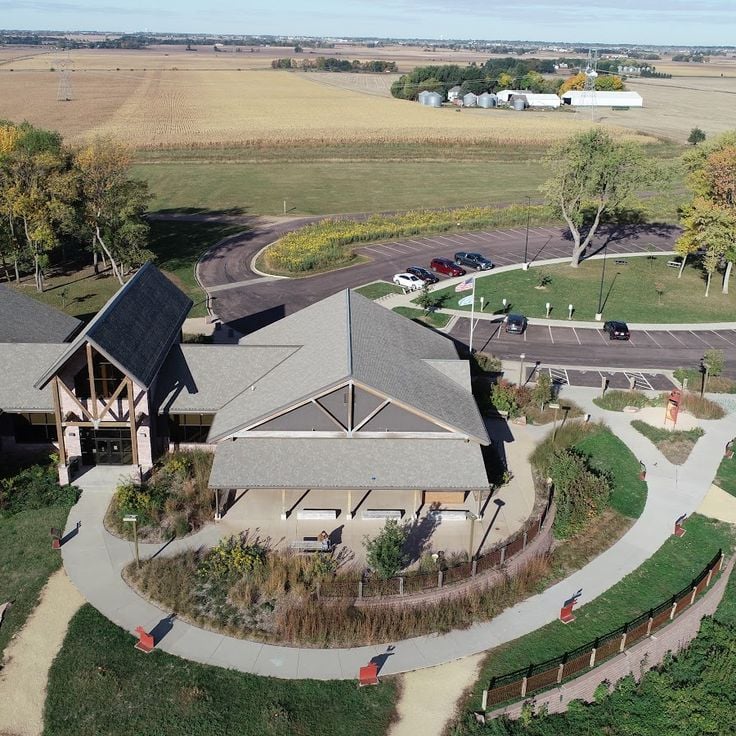
South Dakota holds natural spaces, historical sites, and cultural locations beyond Mount Rushmore. Visitors encounter waterfalls in Spearfish Canyon, underground cave systems like Jewel Cave, and geological formations at the Badlands Wilderness Area. Bear Butte and Spirit Mound Historic Prairie connect nature with Native American heritage, while places like the Akta Lakota Museum & Cultural Center and the Wounded Knee Museum offer perspectives on Lakota culture. Historical sites such as Fort Sisseton and the Ingalls Homestead show different chapters of settlement and daily life from past centuries.
Museums and galleries across the state present regional collections and art, including the Redlin Art Center and The Museum @ Black Hills Institute with paleontological finds. Natural areas like Smith Falls State Park, Sand Lake National Wildlife Refuge, and LaFramboise Island Nature Area invite birdwatching, hiking, and exploration. Landscapes range from prairie grasslands to petrified forests and rock formations at Devils Gulch, while parks and recreation areas like McCrory Gardens, Hitchcock Park, and several lakes provide space for outdoor activities.
South Dakota holds natural spaces, historical sites, and cultural locations beyond Mount Rushmore. Visitors encounter waterfalls in Spearfish Canyon, underground cave systems like Jewel Cave, and geological formations at the Badlands Wilderness Area. Bear Butte and Spirit Mound Historic Prairie connect nature with Native American heritage, while places like the Akta Lakota Museum & Cultural Center and the Wounded Knee Museum offer perspectives on Lakota culture. Historical sites such as Fort Sisseton and the Ingalls Homestead show different chapters of settlement and daily life from past centuries.
Museums and galleries across the state present regional collections and art, including the Redlin Art Center and The Museum @ Black Hills Institute with paleontological finds. Natural areas like Smith Falls State Park, Sand Lake National Wildlife Refuge, and LaFramboise Island Nature Area invite birdwatching, hiking, and exploration. Landscapes range from prairie grasslands to petrified forests and rock formations at Devils Gulch, while parks and recreation areas like McCrory Gardens, Hitchcock Park, and several lakes provide space for outdoor activities.
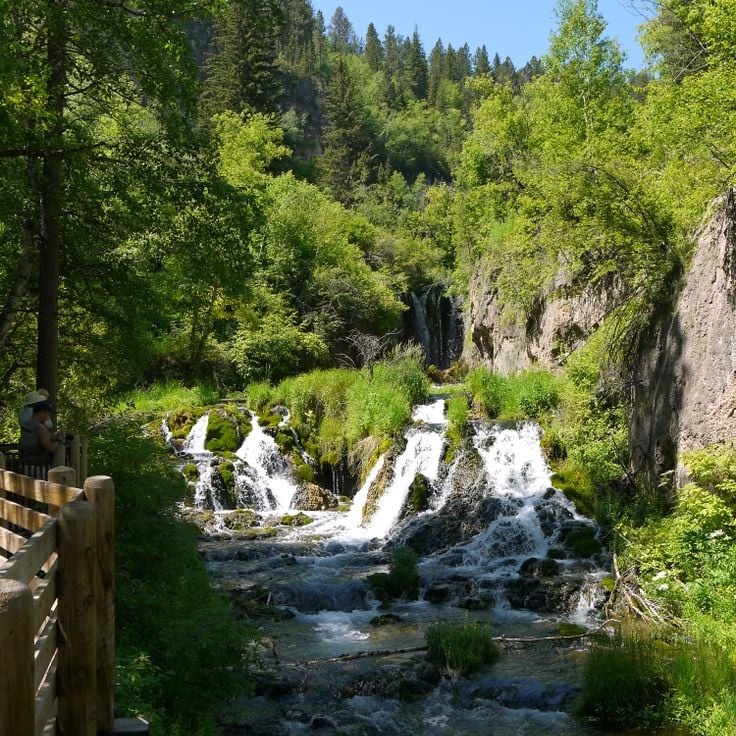
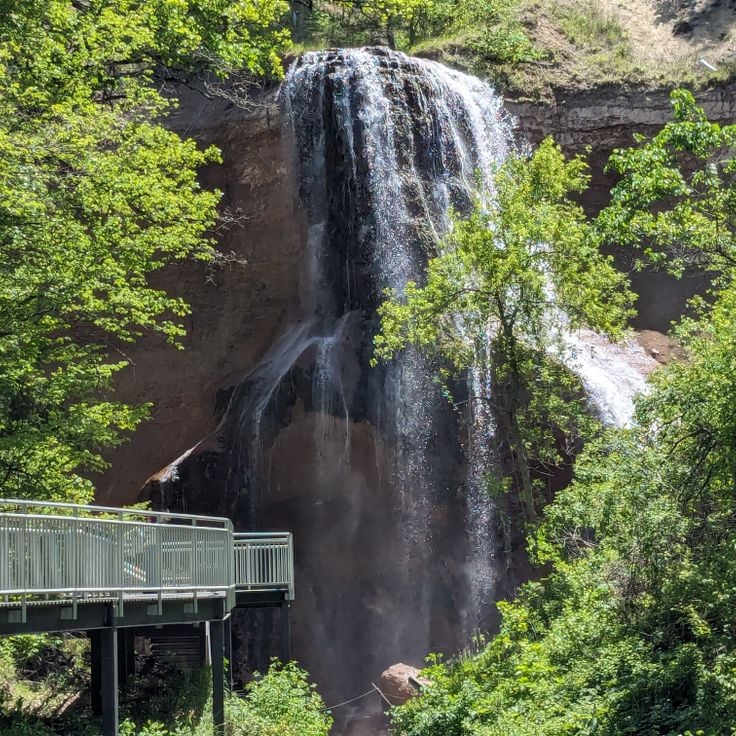
This waterfall in Spearfish Canyon is a natural site away from the most visited locations in South Dakota. The water drops in three stages over rock faces, surrounded by pine and deciduous trees that change with the seasons. Wooden walkways lead from the parking area to the waterfall. The path is paved and accessible for most visitors. Observation platforms allow a direct view of the water and the canyon. In summer the waterfall flows calmly, in spring it swells after snowmelt. The surroundings offer shade and cool air, especially on warm days. Many come for short walks or a picnic nearby.
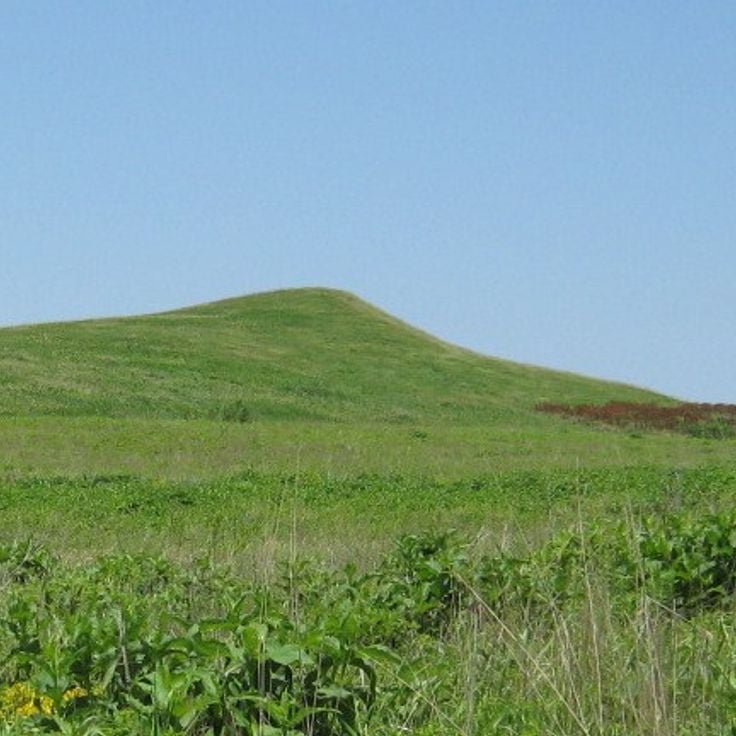
Spirit Mound Historic Prairie holds special meaning in the indigenous culture of South Dakota. This prairie hill rises above the flat farmland and is regarded as a sacred place by the tribes of the region. The grassland covers several hundred acres and shows what the plains looked like before settlement. Walking trails lead to the top of the hill, where you can see the surrounding farmland. The site plays a role in the oral traditions of several tribes and was documented as early as the 19th century. The prairie is home to wildflowers and grasses that have become rare in this form.
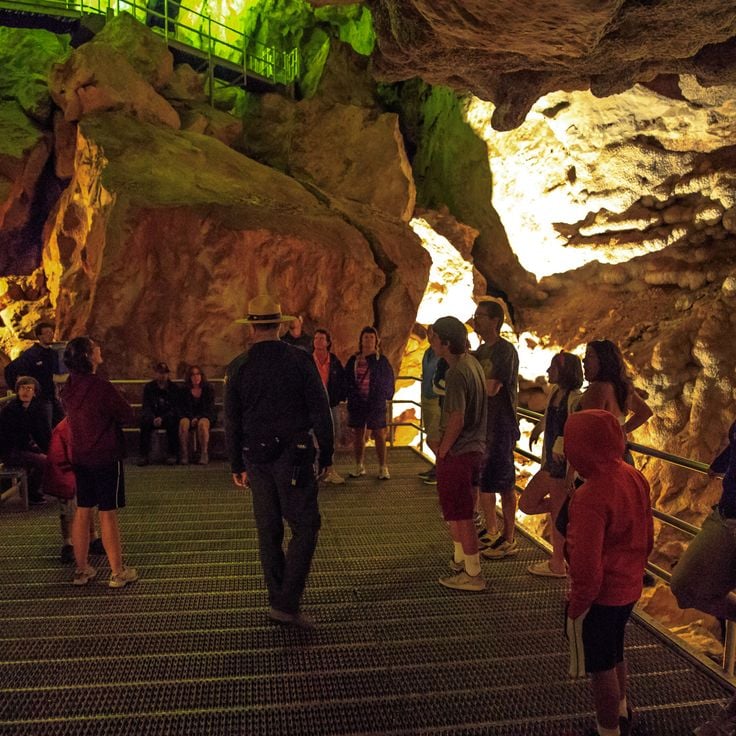
Jewel Cave is an underground limestone system in western South Dakota. The walls are covered with calcite crystals that glitter when light hits them. Passages contain rare hydromagnesite balloons, delicate formations that look like bubbles emerging from the rock. Rangers lead visitors through narrow passages and larger chambers. The temperature stays cool throughout the year. Some tours require crawling and squeezing through tight spaces. This cave is among the locations in South Dakota that reveal geological formations shaped over thousands of years.
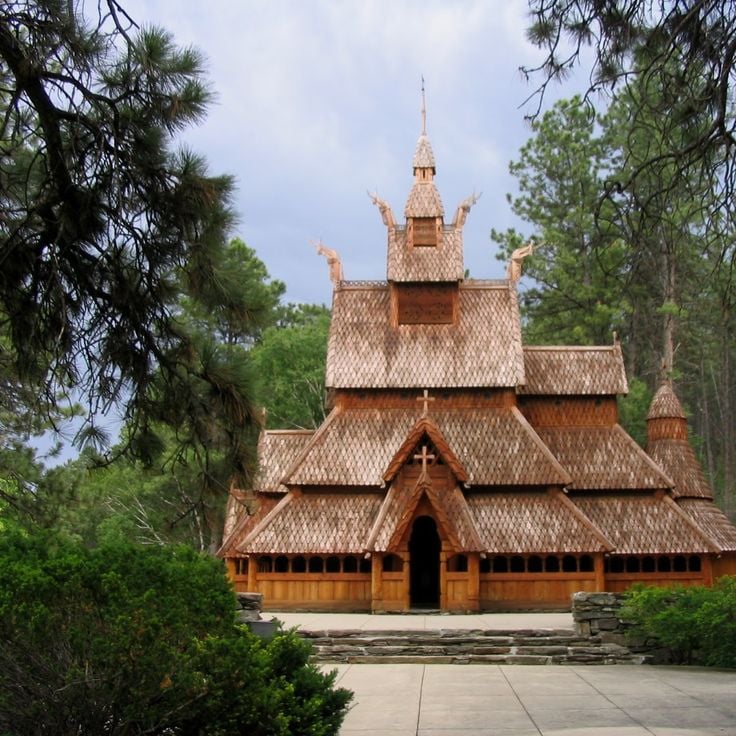
This wooden church was built in 1969 and follows the design of the Borgund stave church from 12th-century Norway. The chapel sits in a quiet valley near Rapid City and serves as a Lutheran house of worship. Dragon heads crown the gable peaks, and the doorways carry carved patterns that recall northern European building methods. Inside, you find a simple room framed by wooden beams and minimal ornament. A short walking path circles the surrounding garden, where panels explain the history of stave churches in Scandinavia. The chapel draws visitors interested in northern European building traditions or those seeking a calm place to pause.
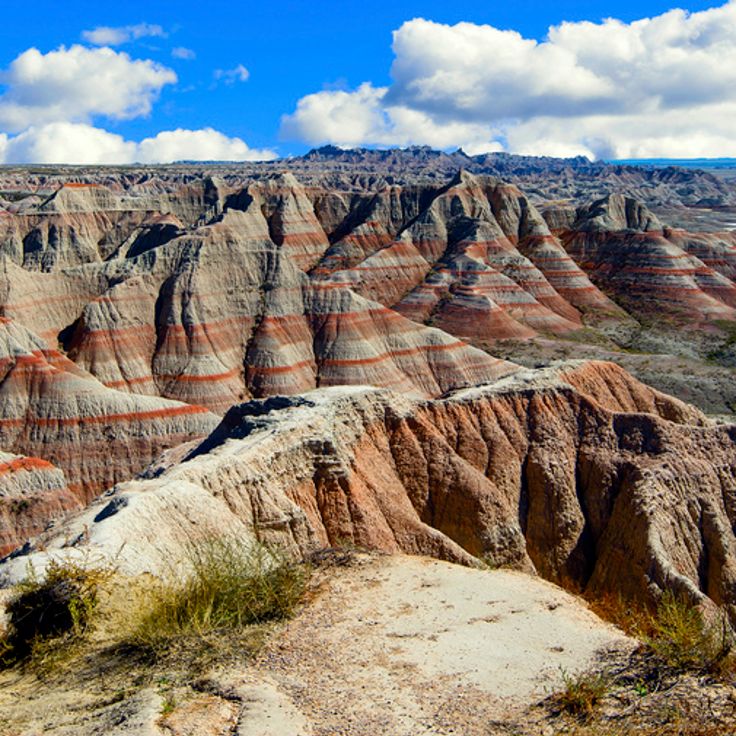
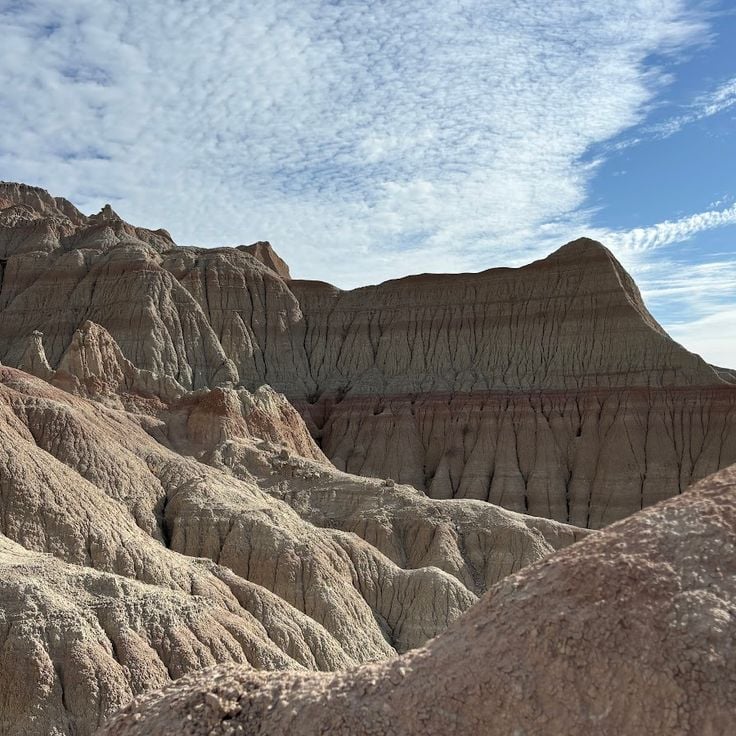
The Badlands Wilderness Area is a protected expanse where eroded rock formations, deep canyons, and steep cliffs shape the terrain. The geological structures formed over millions of years, with layers of sediment exposed by wind and water. Visitors walk through dry valleys and across open plateaus, where colors shift depending on the time of day and weather conditions. Vegetation remains sparse, adapted to the continental climate with hot summers and cold winters. Wildlife such as bison, pronghorn, and bighorn sheep inhabit the remote sections. This area provides access to routes through rough terrain and to viewpoints overlooking the rugged formations.
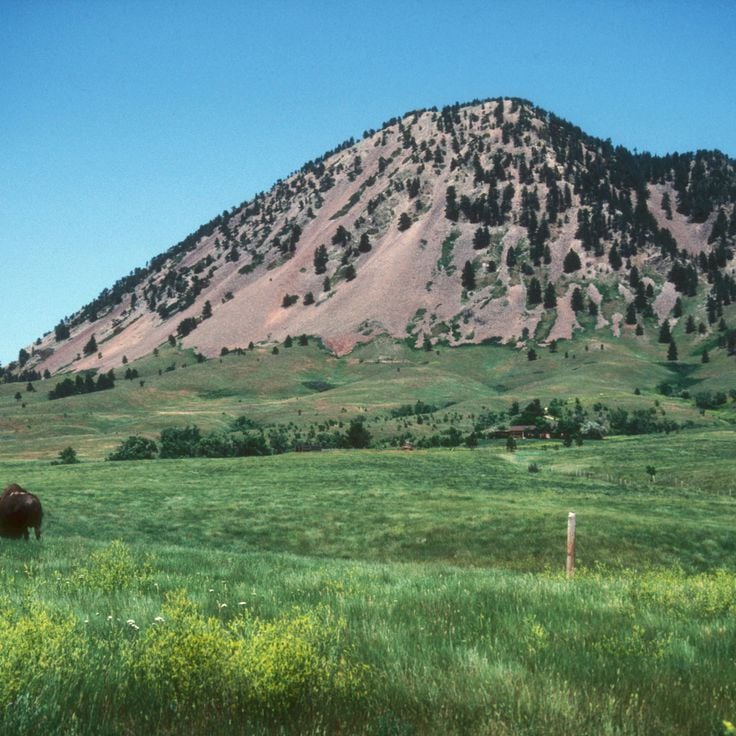
Bear Butte rises 4426 feet above the South Dakota plains and has served as a sacred site for the Lakota, Cheyenne, and other Great Plains tribes for centuries. The mountain remains a place of ceremony and spiritual retreat, where prayer cloths hang from trees and respect for ongoing religious practices is expected. A trail winds through pines and across rocky sections to the summit, where views stretch across the prairie in all directions. The climb takes several hours and requires proper preparation, as shade is limited and weather can shift quickly. At the base, a visitor center explains the geological formation and the cultural importance of this place to the indigenous peoples of the region.
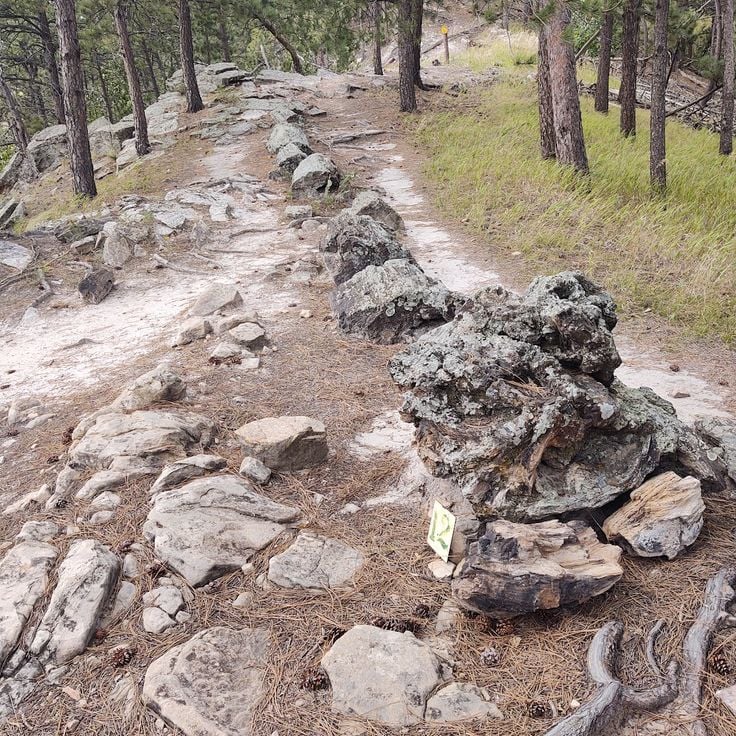
This forest near Custer holds mineralized tree remains from a time when volcanic activity turned organic material into stone. Visitors see fossilized trunks and fragments that show wood grain and cellular details preserved through mineral replacement. The deposits date from an era when southwest South Dakota had a tropical climate and forests were buried by tectonic events. Trails pass formations where silica replaced wood over millions of years. The site sits within a region of Black Hills geology and provides insight into ancient ecosystems through preserved plant material.
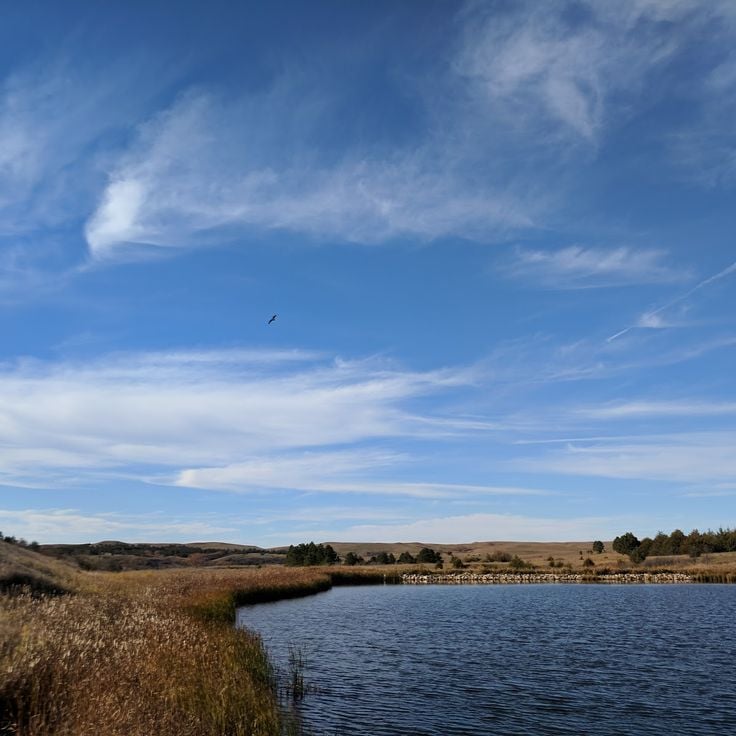
This recreation area near a lake holds native grassland, hiking trails, and wildlife habitats across rolling hills. Little Moreau Recreation Area spreads over prairie terrain where deer graze in open fields and birds nest among grasses. The paths wind through gentle slopes with views of the water. Visitors come to hike, watch birds, or experience the quiet of the prairie. The area shows the natural vegetation and animal life that once covered much of South Dakota, offering space for walks in a landscape that changes with the seasons.
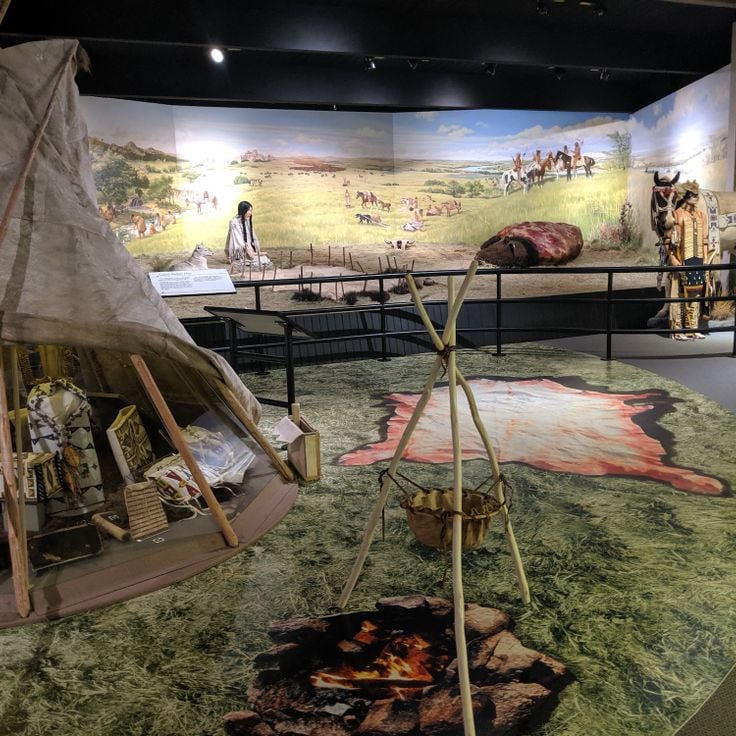
The Akta Lakota Museum & Cultural Center in South Dakota displays objects, photographs, and documents that tell the history of Northern Plains Indian tribes. The center focuses on Dakota culture. Visitors see clothing, tools, and ceremonial items. Exhibition rooms explain ways of life, traditions, and historical events of the region. This center serves as an educational site and preserves the cultural heritage of the Dakota and other Plains peoples.
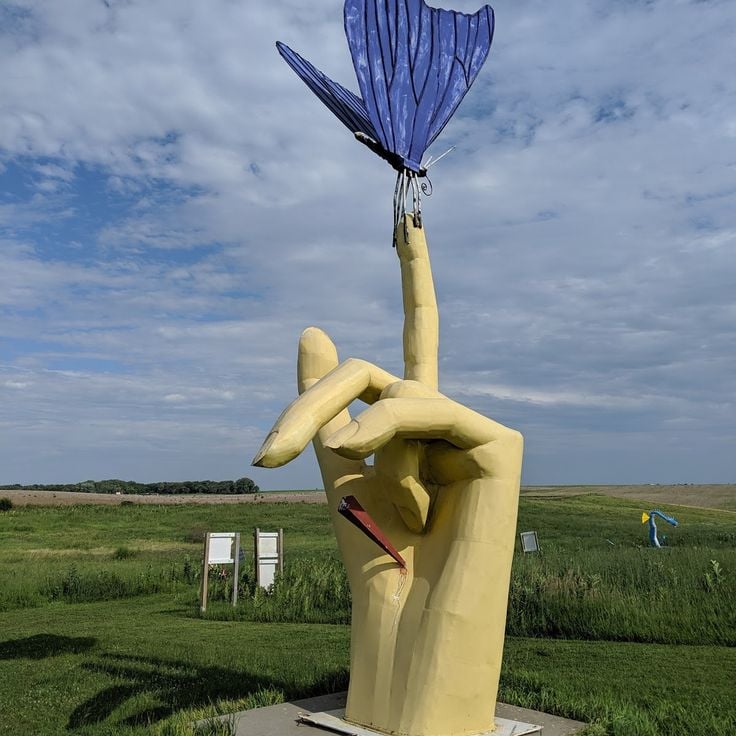
This park sits on open land south of Sioux Falls and gathers the work of one artist who shapes metal. Over 50 large sculptures stand outdoors, showing animals, human figures and abstract forms. A bull head rises above all other pieces at about 60 feet (18 meters) and can be seen from the road. The figures were welded together from scrap, old machine parts and industrial materials. Visitors walk among the works, touch them and look closely. The visit offers a view of handmade metal art and regional creativity in South Dakota.
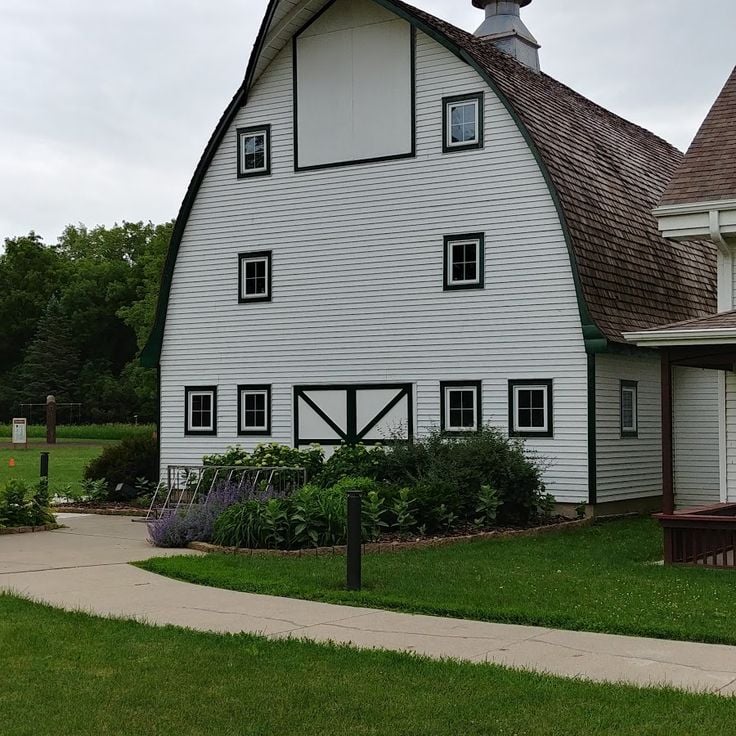
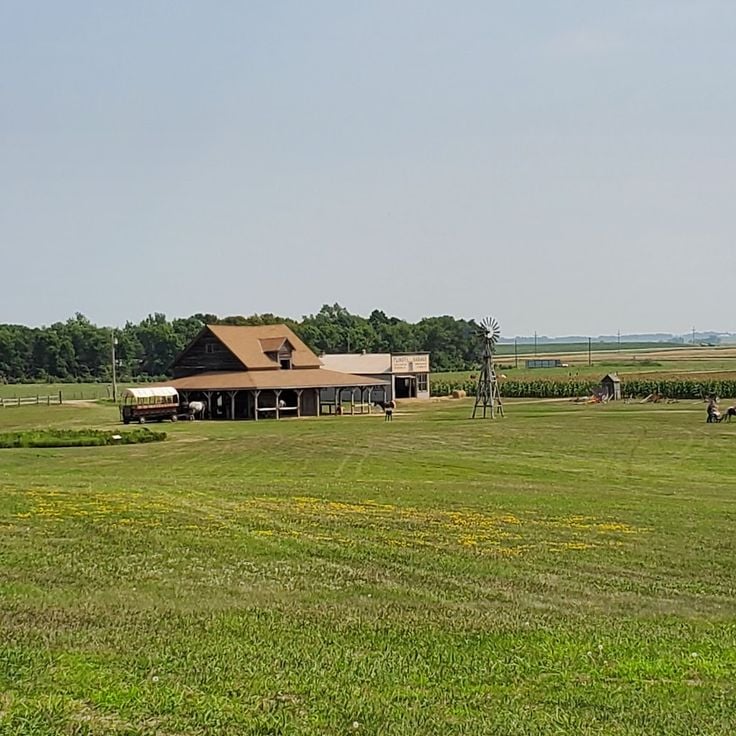
This homestead from 1872 presents restored buildings from pioneer days on extensive grounds in South Dakota. The site shows farming tools, living spaces, and everyday objects from the early settlement period. Trails lead through meadows and wooded areas where native animals such as deer and prairie dogs live. Visitors see how families worked the land and arranged their homes in the 19th century. The grounds combine historical education with nature observation and outdoor recreation.
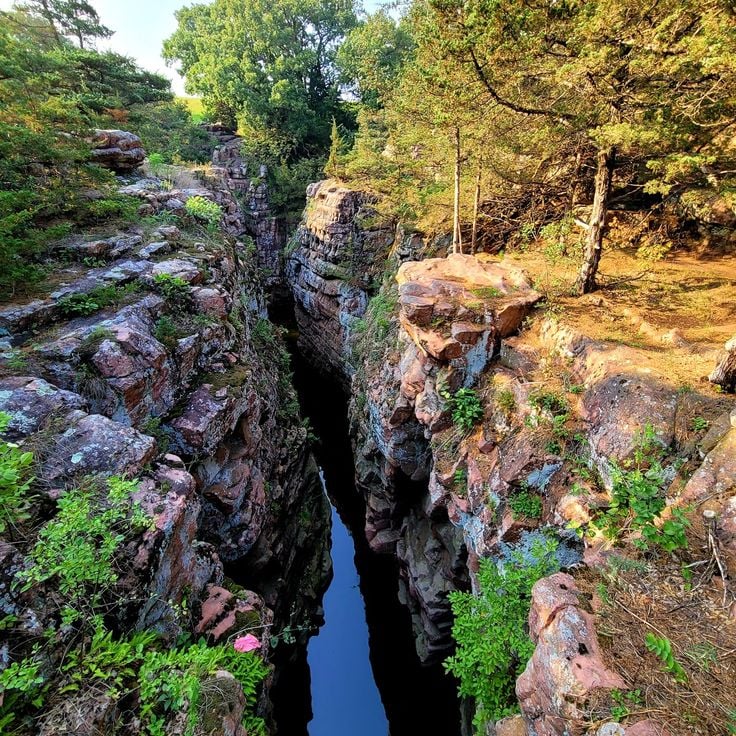
This natural ravine sits in Minnehaha and preserves one of the most repeated escape stories of the American West. According to local tradition, outlaw Jesse James jumped his horse across an 18-foot gap here in 1876 while fleeing from law enforcement. The rock walls rise steeply on both sides, forming a deep chasm that still draws visitors today. Walking trails follow the edge, allowing people to view the gap between the cliffs. Trees cover much of the surrounding terrain, and water often flows through the bottom of the gulch during wet seasons. Beyond the legend, this location offers a glimpse into regional geology, showing how natural erosion creates such formations. Devils Gulch represents one of those places in South Dakota where history and landscape come together.
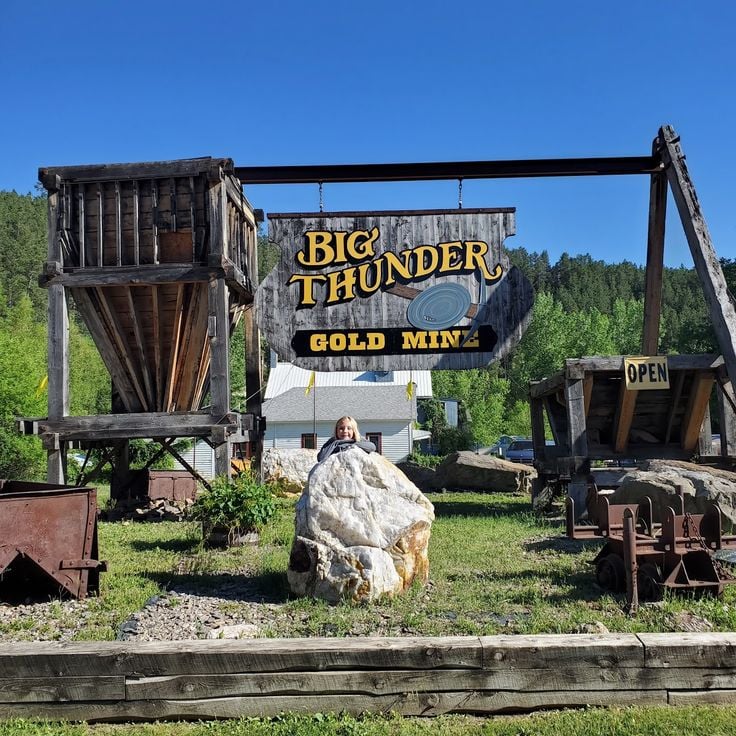
This historic mine in the Black Hills takes visitors through underground tunnels where original machinery from the 1880s still stands. Big Thunder Gold Mine shows the working conditions miners faced during South Dakota's gold rush. Visitors see tools, ore carts, and hoisting systems used to extract gold from the rock. The passages run cool and dark through the mountain, giving a sense of daily life below ground.
Hitchcock Park offers playgrounds, walking paths and sports fields among native trees near Lake Byron. This park sits in a rural area of South Dakota and serves as a retreat for families and nature lovers seeking shade and open space away from the well-known attractions. The paths wind through clusters of trees, past grassy clearings where children play and visitors walk or picnic. The lake lies only minutes away, adding options for outdoor activities, especially on warm days.
This botanical garden on the South Dakota State University campus covers about 25 acres and features plants native to the region, adapted to the climate of the Great Plains. McCrory Gardens displays beds of perennial flowers, rose gardens, and themed areas where visitors observe different design approaches for local gardening. Students and professionals use the space for research on plant breeding and adaptation. Paths lead through sections that present species from prairie and northern climates. The grounds combine research with public access and serve as a place for walks and educational programs about plants that thrive in South Dakota beyond the more widely recognized natural sites in the state.
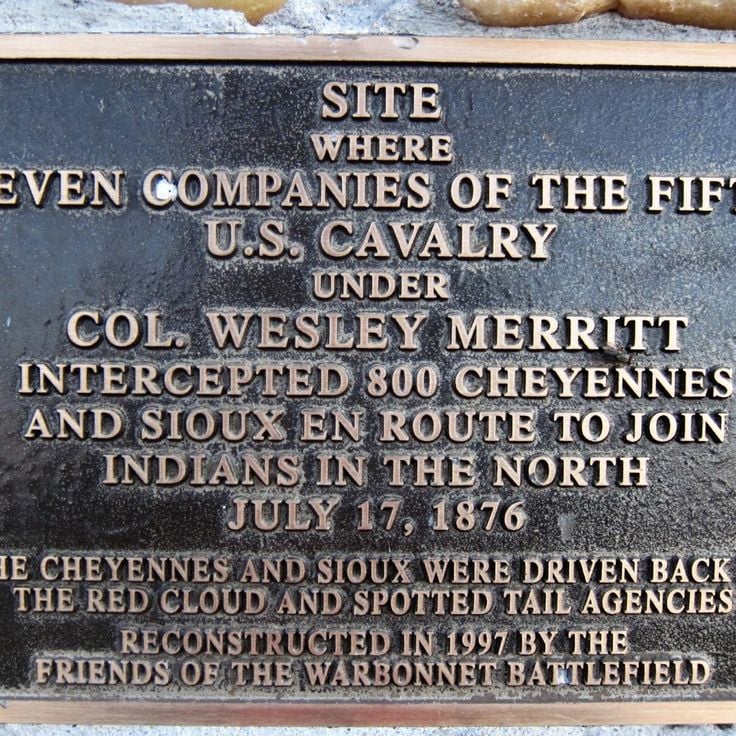
This stone monument stands at the site where talks took place between members of the U.S. Army and leaders from the Cheyenne River tribe in 1876. The monument recalls a chapter of negotiations during a time when many parties were grappling over land and future. The area around it is quiet, with open grassland stretching in all directions. Visitors who come here find a historical marker with information and a place to pause and reflect. The monument is part of South Dakota's collection of sites that offer insight into the history of encounters between different cultures.
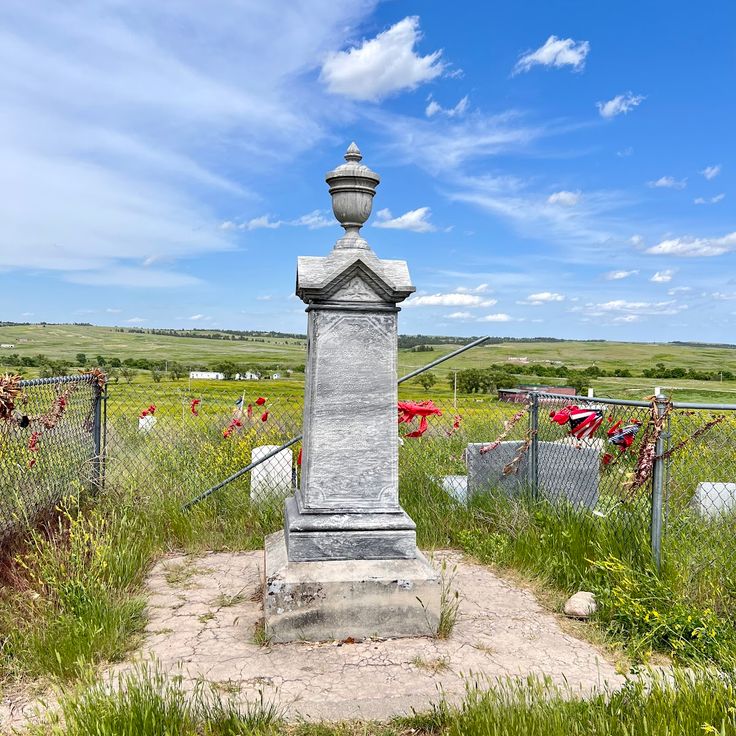
This museum documents the Wounded Knee Massacre of 1890 through photographs, objects, and historical records of the Lakota people. It preserves the memory of one of the most tragic events in Native American history. Visitors find personal belongings of the victims, contemporary accounts, and testimonies that help understand what happened on that winter day. The exhibition gives voice to the Lakota perspective on the events and their consequences for generations that followed.
This recreation area centers on Lake Cochrane, a spring-fed body of water surrounded by open grassland and low hills. The shore invites swimmers and boaters, while campsites sit under scattered trees. Families gather near the water, launching boats or relaxing on the sand. Trails wind through prairie grass, and birdsong fills the air during quiet mornings. Anglers cast lines from the shore or drift in boats, hoping to catch bass or walleye. The landscape feels open and uncrowded, with the water reflecting the wide South Dakota sky. Sunsets cast warm light across the lake, and evenings bring cool breezes.
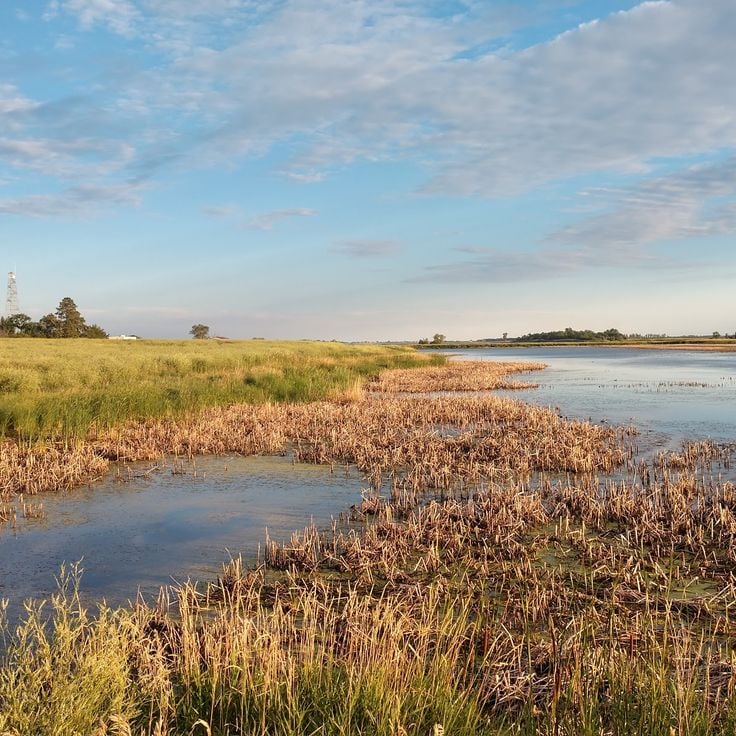
This refuge covers roughly 21,500 acres (87 square kilometers) and forms a network of wetlands, shallow lakes, and grasslands used by migratory birds during their journeys. The landscape changes with the seasons: in spring and fall, the water surfaces fill with flocks of ducks, geese, and other waterfowl that stop here to rest or nest. Several observation points along the trails allow visitors to watch the birds up close without disturbing them. Sand Lake National Wildlife Refuge shows a side of South Dakota less familiar than the large monuments – a quiet world of reeds, water, and open sky where the rhythm of wildlife sets the pace.
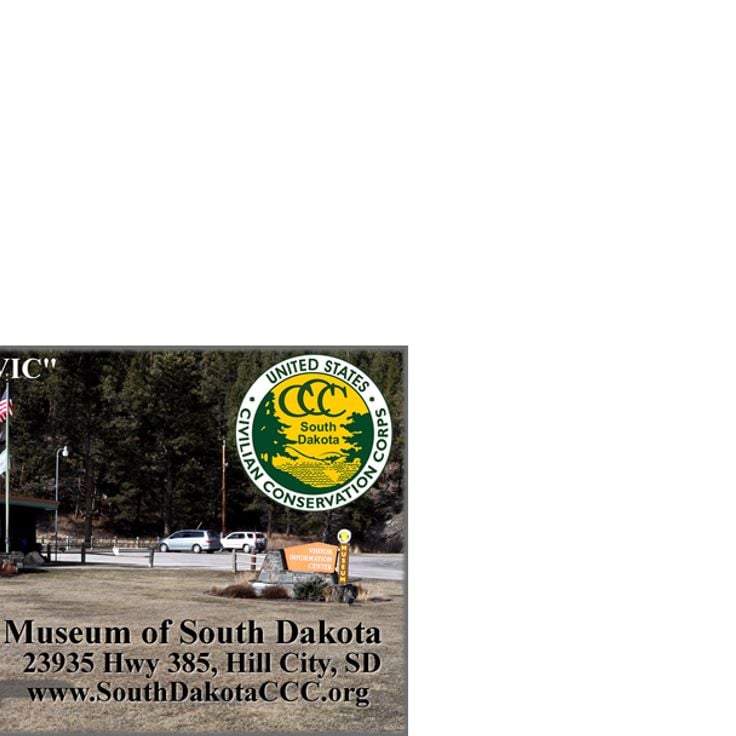
This museum preserves tools, photographs and documents from the years between 1933 and 1942, when young men in South Dakota found employment through a public work relief program. The displays show how these workers built roads, constructed bridges and maintained forests. The Civilian Conservation Corps Museum of South Dakota documents an era when thousands of young people gained work during the Great Depression while shaping the state's infrastructure. Visitors see hand tools, uniforms and personal items from the workers, along with images of the camps and construction sites in the Black Hills.
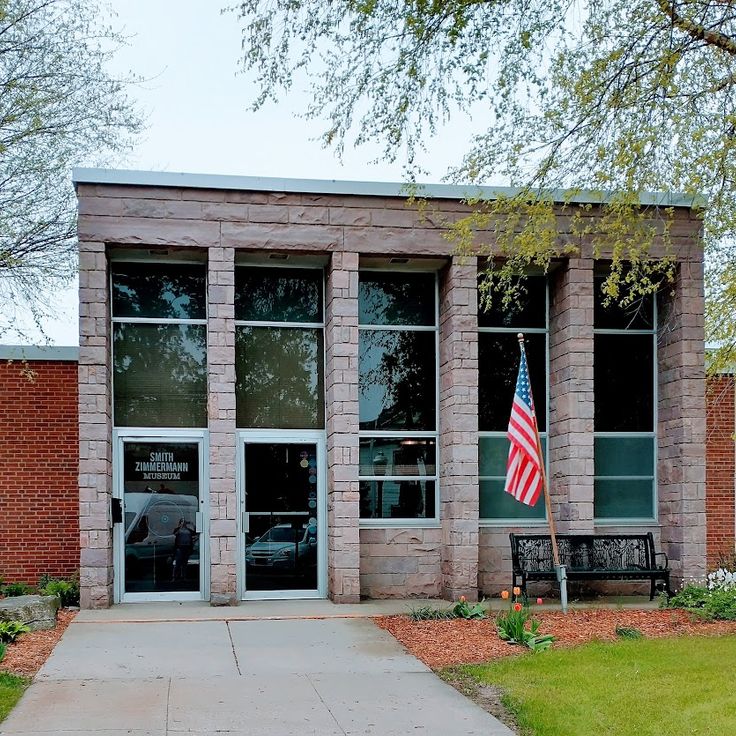
This museum displays farming equipment, household objects and photographs documenting the history of Madison since the 1880s. The collections show the daily life and work of early settlers in South Dakota. Visitors find handmade tools, wooden furniture and personal belongings from the pioneer era. The exhibits explain how families lived on the land, worked their fields and furnished their homes. Old images show the development of the town and surrounding farms over more than a century.
This park along the Big Sioux River preserves traces of the Oneota, an indigenous community that lived here for centuries. Trails lead visitors to sites where settlements once stood. The visitor center displays objects uncovered during excavations: pottery fragments, tools, and clues to daily life. Panels explain how people farmed, traded, and used the river. The landscape is flat and open, offering space and quiet. This park connects history with nature and invites reflection on earlier cultures. It forms part of South Dakota's broader collection of historical and natural sites that reveal the region's heritage beyond its most famous monuments.
This island in the Missouri River offers eight miles of trails through riverside woodlands and meadows where visitors watch white-tailed deer, wild turkeys, and dozens of bird species in their natural surroundings. LaFramboise Island Nature Area sits near the state capital of Pierre and makes nature accessible for anyone wanting to see more of South Dakota wildlife away from the main tourist routes. Paths wind through different types of vegetation where animals appear depending on the season. Early mornings and late afternoons give the best chances to spot deer grazing or turkeys moving along the forest edge. The island serves as a refuge for native species and a quiet place for walkers.
This fish hatchery from 1896 shows historical displays about fishery history in South Dakota and lets visitors see trout through underwater observation windows. The grounds preserve the original buildings of the facility, where working equipment and photographs from over a century of fish breeding are on display. At scheduled times, guests can watch trout feeding as the water in the pools moves and the fish come to the surface. Paths lead through the facility and connect different areas of the hatchery with informational signs.
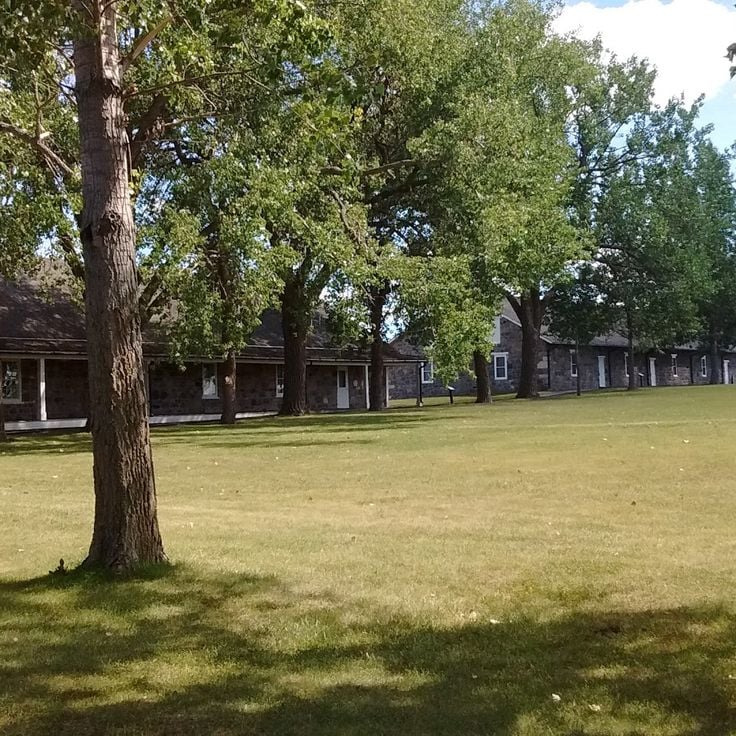
This fort from the 1860s stands in the prairies of Marshall, preserving fourteen buildings from the original military installation, including barracks, officers' quarters, and supply facilities. The parade ground stretches between the stone buildings, which now house exhibitions about soldier life during the Dakota Territory period. Visitors can walk through the restored rooms and see how the garrison operated in the nineteenth century, when it protected settlers and stagecoaches along the frontier routes. Fort Sisseton Historic State Park offers insights into South Dakota's military past through its preserved structures and historical presentations.
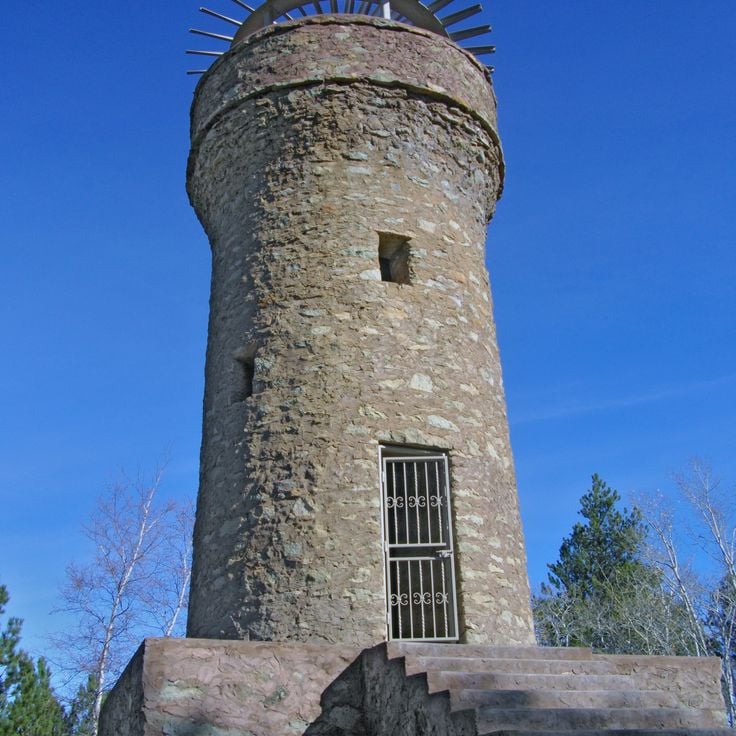
This stone tower has stood on Mount Roosevelt in the Black Hills since 1919. It rises 31 feet and honors the friendship between Theodore Roosevelt and Seth Bullock, a former sheriff and rancher in the region. The structure was built after Roosevelt's death and sits at one of the higher points in the area. From the top, visitors see the forested hills of South Dakota and, on clear days, parts of Wyoming and Montana. The tower belongs to the historical sites that recall early settlement and political history in the American West. A short trail leads to the entrance, and the platform gives a full view of the surrounding mountain terrain.
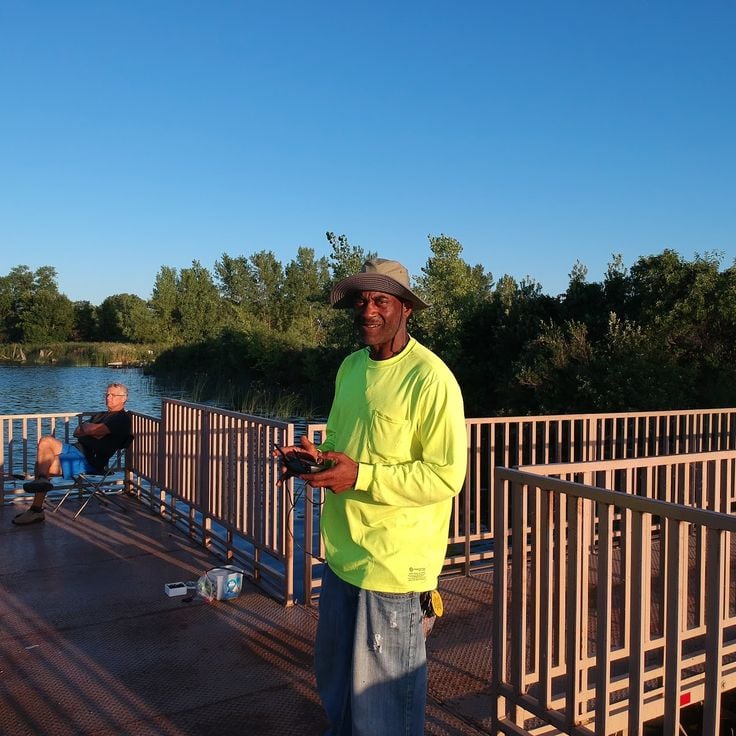
This elevated platform stands near the bank of the Vermillion River and belongs among the natural observation locations that South Dakota preserves. From here you can watch water birds moving through their habitat, native plants growing along the river, and seasonal fish migrations passing through the water. The spot serves as a quiet access point to the river's natural life, while the changing seasons bring different views of regional wildlife and vegetation throughout the year.
This trailhead in Badlands National Park leads to a steep path through eroded rock formations and prairie grasslands. The route runs between tall rock outcrops shaped by wind and weather. Visitors walk over dry slopes with visible rock layers in different shades. The trail shows typical features of the Badlands landscape, with its deep gullies and sharp peaks. From higher points, views extend across the rolling prairie to distant rock clusters. The path suits hikers who want to explore the region's characteristic erosion landscape.
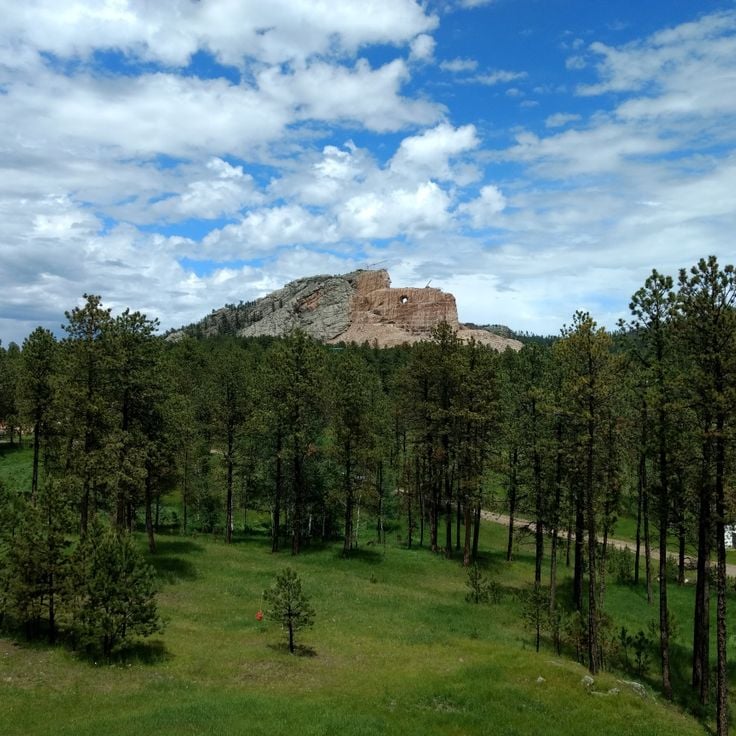
This mountain sculpture in progress depicts Lakota leader Crazy Horse on horseback and has been under construction since 1948. The work will stand over 560 feet tall and 640 feet long when finished. The memorial sits in the Black Hills and preserves Lakota history and culture. Visitors see the ongoing carving work, tour a museum holding Native American art and artifacts, and learn about Plains Indian traditions. The construction site remains open so people can follow the sculpture's progress. The grounds offer viewpoints over the surrounding forests and mountains.
This state park features the tallest waterfall in Nebraska (or perhaps South Dakota), where water from a forest stream drops over a rock edge into the Niobrara River. The waterfall stands 63 feet high and sits within a wooded canyon accessed by trails. The surroundings are green and damp, with mosses and ferns growing on the stones. In spring and early summer the flow is strongest, while later in the year it can thin to a trickle. The pool at the base is enclosed by trees. The walk there passes through forest and over wooden boardwalks. Birds and wildlife are seen in the area.
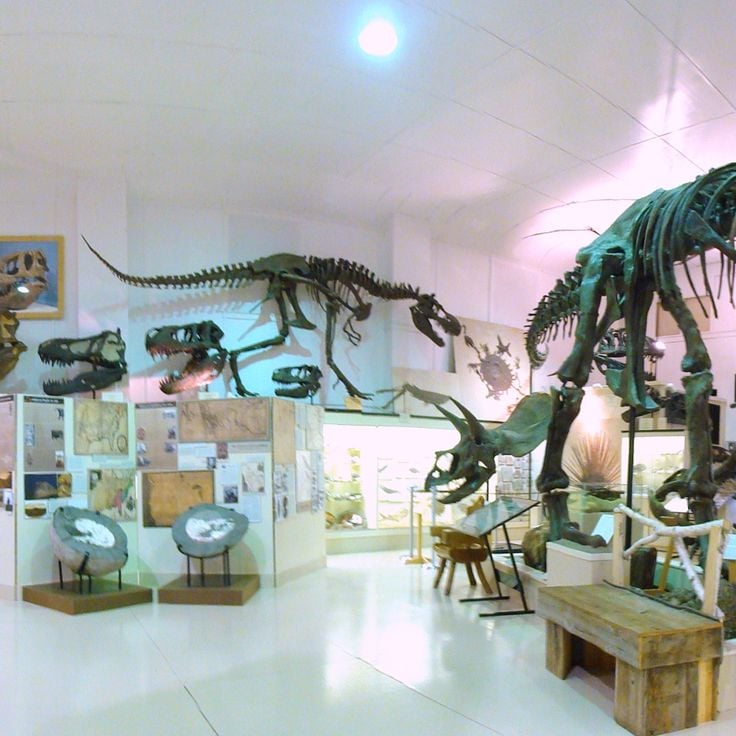
This museum preserves dinosaur skeletons, including Tyrannosaurus Rex, alongside minerals and fossils from the Black Hills region. It also displays geological finds and prepared bones recovered during excavations. The collection connects paleontology with the earth history of South Dakota and offers insight into ancient life forms that once moved through this area millions of years ago.
This park sits in dense forest where natural springs produce water tinted red by iron oxide. The coloring gave the area its name: indigenous tribes called it the Land Where the Waters Run Red, associating the place with spiritual stories and ancient events. Trails wind through the woods, passing small streams and wetlands where the red hue appears in pools and creek beds. The forest offers a quiet setting for walking and observing local plants and wildlife. Sica Hollow State Park provides a glimpse into both the natural history and cultural heritage of South Dakota, connecting visitors to the landscape that shaped tribal traditions and continues to support native ecosystems today.
The Redlin Art Center displays paintings by Terry Redlin, who portrayed wildlife and rural life across America. The collection brings together hundreds of his works under one roof. The center connects art with nature through an adjoining park where ponds, trees, and open paths invite visitors to walk. You will find paintings that capture scenes from forests, fields, and lakes, often with detailed views of birds, deer, and other animals. The gallery is free to enter and welcomes families and those interested in art. Beside the paintings, there are rooms with educational content about conservation and painting techniques. The park adds to the museum with walking paths and outdoor seating areas.
This historical farm was home to Laura Ingalls Wilder and her family in the 1880s. Visitors today find agricultural demonstrations that show how pioneer life unfolded in South Dakota. The grounds present how families in the 19th century worked the land, built their homes, and managed daily tasks on the prairie. Children can try old craft techniques and experience how people lived without modern tools. The homestead sits in the open country of Kingsbury County, where the sky feels large and wind moves through the grassland.
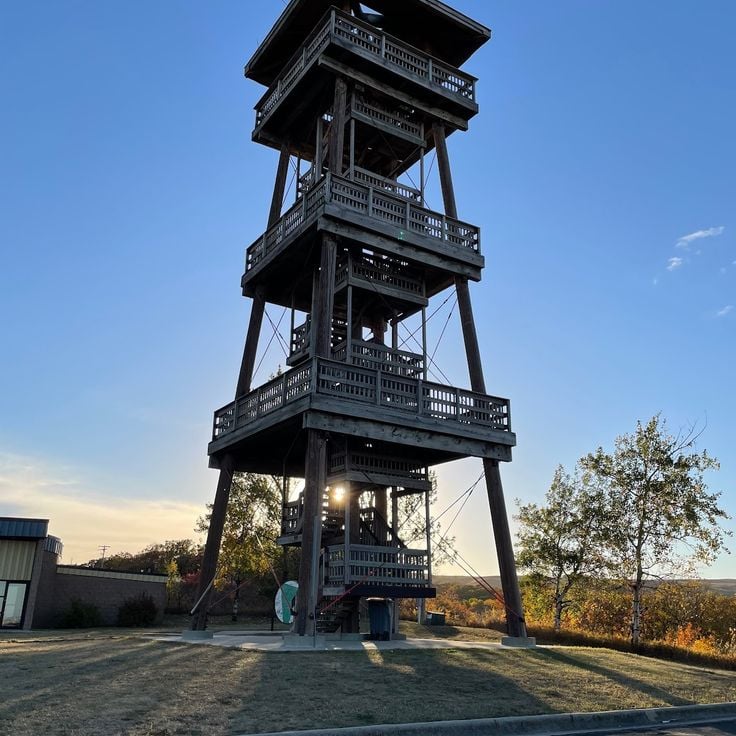
Nicollet Tower rises 75 feet above the Coteau des Prairies and offers views across three states from its observation platforms. Visitors can see into South Dakota, North Dakota, and Minnesota from this elevated point. The tower stands on one of the highest elevations in the region, allowing people to look out over open prairie and farmland that stretches toward the horizon. On clear days, the three-state view becomes visible. Stairs lead up to different levels, and the top platform provides the widest panorama of the flat terrain and scattered homesteads below.
This recreation area on Lake Oahe offers boat ramps, camping spots, and fishing access away from the better-known attractions of South Dakota. Prairie grass fields surround the grounds, where native wildlife roams freely. Visitors can launch watercraft, walk along the shore, or watch the wide landscape stretch toward the horizon. The lake provides a quiet place for outdoor activities and wildlife observation in a setting shaped by water and open plains.
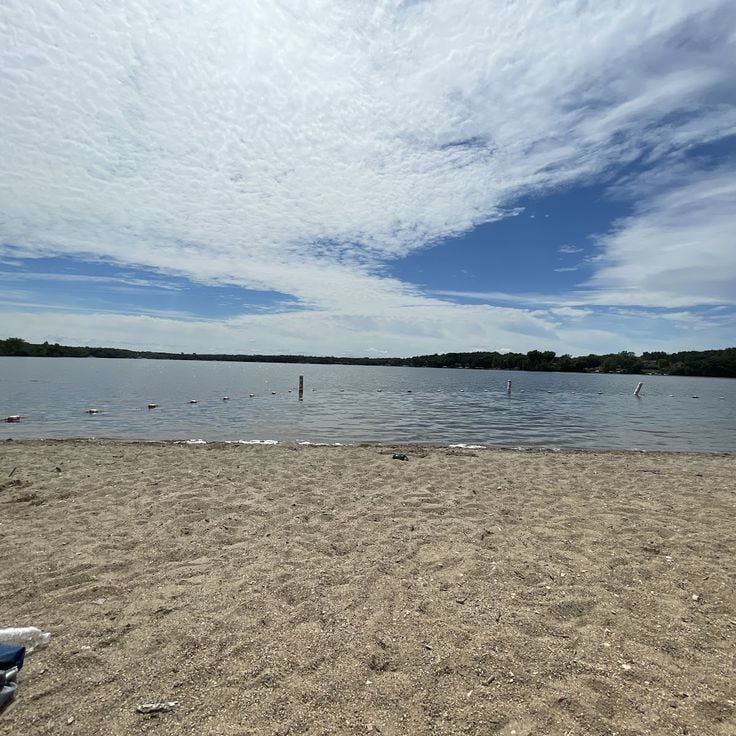
Pickerel Lake is a quiet freshwater lake set among low hills and scattered trees, where local families come to swim, camp, and fish. The lake stretches across several miles and offers sandy shores, shaded camping areas, and simple boat launches. Anglers come here for perch and northern pike. The surroundings are mostly flat with patches of woodland and open grass that invite easy walks. In summer, the campsites fill with tents and RVs, and you often hear the sound of paddles and children playing near the water. This location belongs to the natural spaces of South Dakota that sit away from major tourist sites, used mostly by residents for weekend getaways and outdoor time.
This natural area spreads across a landscape of Sioux quartzite rock formations, some of the oldest exposed stone in North America. Prairie grass hills cover the ground, while archaeological sites mark the locations of settlements that go back centuries. Trails wind between the rock outcrops, where visitors can observe the layered geology and evidence of earlier inhabitants. Gitchie Manitou State Preserve shows an example of the prairie vegetation that once covered much of the region.
Great Bear Ski Valley sits in the hills of Minnehaha and serves as a winter sports location within this collection of South Dakota places beyond the usual tourist routes. This ski and recreation area covers over 200 acres of land with varied slopes for skiers and snowboarders during the cold months. In winter, the valley fills with snow, and visitors use the runs and lifts to explore the terrain. During warmer months, the slopes turn into hiking trails that wind through forested areas and open hillsides. The tubing area draws families and groups looking for a different way to slide down the mountain. The valley functions as a local recreation spot for residents of the region and travelers seeking outdoor activity and natural settings in South Dakota.
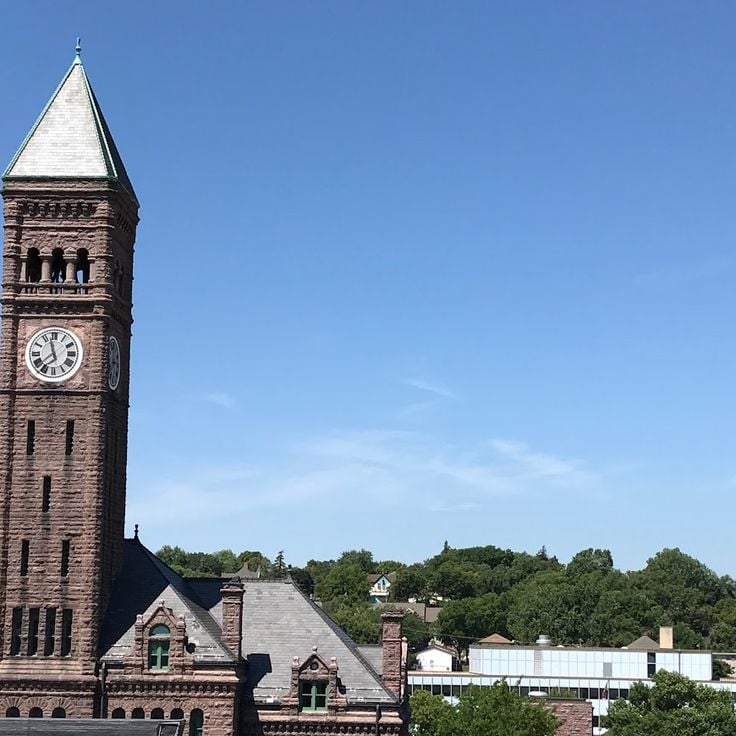
This courthouse built from pink quartzite in 1893 now displays collections about regional development, Native American history, and the lives of early settlers in South Dakota. Exhibits spread across three floors and include tools, clothing, photographs, and documents from different periods. The museum preserves objects from indigenous peoples such as beadwork, weapons, and everyday items. Rooms also hold furniture and personal belongings of early residents in the area.
This waterfall in Spearfish Canyon is a natural site away from the most visited locations in South Dakota. The water drops in three stages over rock faces, surrounded by pine and deciduous trees that change with the seasons. Wooden walkways lead from the parking area to the waterfall. The path is paved and accessible for most visitors. Observation platforms allow a direct view of the water and the canyon. In summer the waterfall flows calmly, in spring it swells after snowmelt. The surroundings offer shade and cool air, especially on warm days. Many come for short walks or a picnic nearby.
Spirit Mound Historic Prairie holds special meaning in the indigenous culture of South Dakota. This prairie hill rises above the flat farmland and is regarded as a sacred place by the tribes of the region. The grassland covers several hundred acres and shows what the plains looked like before settlement. Walking trails lead to the top of the hill, where you can see the surrounding farmland. The site plays a role in the oral traditions of several tribes and was documented as early as the 19th century. The prairie is home to wildflowers and grasses that have become rare in this form.
Jewel Cave is an underground limestone system in western South Dakota. The walls are covered with calcite crystals that glitter when light hits them. Passages contain rare hydromagnesite balloons, delicate formations that look like bubbles emerging from the rock. Rangers lead visitors through narrow passages and larger chambers. The temperature stays cool throughout the year. Some tours require crawling and squeezing through tight spaces. This cave is among the locations in South Dakota that reveal geological formations shaped over thousands of years.
This wooden church was built in 1969 and follows the design of the Borgund stave church from 12th-century Norway. The chapel sits in a quiet valley near Rapid City and serves as a Lutheran house of worship. Dragon heads crown the gable peaks, and the doorways carry carved patterns that recall northern European building methods. Inside, you find a simple room framed by wooden beams and minimal ornament. A short walking path circles the surrounding garden, where panels explain the history of stave churches in Scandinavia. The chapel draws visitors interested in northern European building traditions or those seeking a calm place to pause.
The Badlands Wilderness Area is a protected expanse where eroded rock formations, deep canyons, and steep cliffs shape the terrain. The geological structures formed over millions of years, with layers of sediment exposed by wind and water. Visitors walk through dry valleys and across open plateaus, where colors shift depending on the time of day and weather conditions. Vegetation remains sparse, adapted to the continental climate with hot summers and cold winters. Wildlife such as bison, pronghorn, and bighorn sheep inhabit the remote sections. This area provides access to routes through rough terrain and to viewpoints overlooking the rugged formations.
Bear Butte rises 4426 feet above the South Dakota plains and has served as a sacred site for the Lakota, Cheyenne, and other Great Plains tribes for centuries. The mountain remains a place of ceremony and spiritual retreat, where prayer cloths hang from trees and respect for ongoing religious practices is expected. A trail winds through pines and across rocky sections to the summit, where views stretch across the prairie in all directions. The climb takes several hours and requires proper preparation, as shade is limited and weather can shift quickly. At the base, a visitor center explains the geological formation and the cultural importance of this place to the indigenous peoples of the region.
This forest near Custer holds mineralized tree remains from a time when volcanic activity turned organic material into stone. Visitors see fossilized trunks and fragments that show wood grain and cellular details preserved through mineral replacement. The deposits date from an era when southwest South Dakota had a tropical climate and forests were buried by tectonic events. Trails pass formations where silica replaced wood over millions of years. The site sits within a region of Black Hills geology and provides insight into ancient ecosystems through preserved plant material.
This recreation area near a lake holds native grassland, hiking trails, and wildlife habitats across rolling hills. Little Moreau Recreation Area spreads over prairie terrain where deer graze in open fields and birds nest among grasses. The paths wind through gentle slopes with views of the water. Visitors come to hike, watch birds, or experience the quiet of the prairie. The area shows the natural vegetation and animal life that once covered much of South Dakota, offering space for walks in a landscape that changes with the seasons.
The Akta Lakota Museum & Cultural Center in South Dakota displays objects, photographs, and documents that tell the history of Northern Plains Indian tribes. The center focuses on Dakota culture. Visitors see clothing, tools, and ceremonial items. Exhibition rooms explain ways of life, traditions, and historical events of the region. This center serves as an educational site and preserves the cultural heritage of the Dakota and other Plains peoples.
This park sits on open land south of Sioux Falls and gathers the work of one artist who shapes metal. Over 50 large sculptures stand outdoors, showing animals, human figures and abstract forms. A bull head rises above all other pieces at about 60 feet (18 meters) and can be seen from the road. The figures were welded together from scrap, old machine parts and industrial materials. Visitors walk among the works, touch them and look closely. The visit offers a view of handmade metal art and regional creativity in South Dakota.
This homestead from 1872 presents restored buildings from pioneer days on extensive grounds in South Dakota. The site shows farming tools, living spaces, and everyday objects from the early settlement period. Trails lead through meadows and wooded areas where native animals such as deer and prairie dogs live. Visitors see how families worked the land and arranged their homes in the 19th century. The grounds combine historical education with nature observation and outdoor recreation.
This natural ravine sits in Minnehaha and preserves one of the most repeated escape stories of the American West. According to local tradition, outlaw Jesse James jumped his horse across an 18-foot gap here in 1876 while fleeing from law enforcement. The rock walls rise steeply on both sides, forming a deep chasm that still draws visitors today. Walking trails follow the edge, allowing people to view the gap between the cliffs. Trees cover much of the surrounding terrain, and water often flows through the bottom of the gulch during wet seasons. Beyond the legend, this location offers a glimpse into regional geology, showing how natural erosion creates such formations. Devils Gulch represents one of those places in South Dakota where history and landscape come together.
This historic mine in the Black Hills takes visitors through underground tunnels where original machinery from the 1880s still stands. Big Thunder Gold Mine shows the working conditions miners faced during South Dakota's gold rush. Visitors see tools, ore carts, and hoisting systems used to extract gold from the rock. The passages run cool and dark through the mountain, giving a sense of daily life below ground.
Hitchcock Park offers playgrounds, walking paths and sports fields among native trees near Lake Byron. This park sits in a rural area of South Dakota and serves as a retreat for families and nature lovers seeking shade and open space away from the well-known attractions. The paths wind through clusters of trees, past grassy clearings where children play and visitors walk or picnic. The lake lies only minutes away, adding options for outdoor activities, especially on warm days.
This botanical garden on the South Dakota State University campus covers about 25 acres and features plants native to the region, adapted to the climate of the Great Plains. McCrory Gardens displays beds of perennial flowers, rose gardens, and themed areas where visitors observe different design approaches for local gardening. Students and professionals use the space for research on plant breeding and adaptation. Paths lead through sections that present species from prairie and northern climates. The grounds combine research with public access and serve as a place for walks and educational programs about plants that thrive in South Dakota beyond the more widely recognized natural sites in the state.
This stone monument stands at the site where talks took place between members of the U.S. Army and leaders from the Cheyenne River tribe in 1876. The monument recalls a chapter of negotiations during a time when many parties were grappling over land and future. The area around it is quiet, with open grassland stretching in all directions. Visitors who come here find a historical marker with information and a place to pause and reflect. The monument is part of South Dakota's collection of sites that offer insight into the history of encounters between different cultures.
This museum documents the Wounded Knee Massacre of 1890 through photographs, objects, and historical records of the Lakota people. It preserves the memory of one of the most tragic events in Native American history. Visitors find personal belongings of the victims, contemporary accounts, and testimonies that help understand what happened on that winter day. The exhibition gives voice to the Lakota perspective on the events and their consequences for generations that followed.
This recreation area centers on Lake Cochrane, a spring-fed body of water surrounded by open grassland and low hills. The shore invites swimmers and boaters, while campsites sit under scattered trees. Families gather near the water, launching boats or relaxing on the sand. Trails wind through prairie grass, and birdsong fills the air during quiet mornings. Anglers cast lines from the shore or drift in boats, hoping to catch bass or walleye. The landscape feels open and uncrowded, with the water reflecting the wide South Dakota sky. Sunsets cast warm light across the lake, and evenings bring cool breezes.
This refuge covers roughly 21,500 acres (87 square kilometers) and forms a network of wetlands, shallow lakes, and grasslands used by migratory birds during their journeys. The landscape changes with the seasons: in spring and fall, the water surfaces fill with flocks of ducks, geese, and other waterfowl that stop here to rest or nest. Several observation points along the trails allow visitors to watch the birds up close without disturbing them. Sand Lake National Wildlife Refuge shows a side of South Dakota less familiar than the large monuments – a quiet world of reeds, water, and open sky where the rhythm of wildlife sets the pace.
This museum preserves tools, photographs and documents from the years between 1933 and 1942, when young men in South Dakota found employment through a public work relief program. The displays show how these workers built roads, constructed bridges and maintained forests. The Civilian Conservation Corps Museum of South Dakota documents an era when thousands of young people gained work during the Great Depression while shaping the state's infrastructure. Visitors see hand tools, uniforms and personal items from the workers, along with images of the camps and construction sites in the Black Hills.
This museum displays farming equipment, household objects and photographs documenting the history of Madison since the 1880s. The collections show the daily life and work of early settlers in South Dakota. Visitors find handmade tools, wooden furniture and personal belongings from the pioneer era. The exhibits explain how families lived on the land, worked their fields and furnished their homes. Old images show the development of the town and surrounding farms over more than a century.
This park along the Big Sioux River preserves traces of the Oneota, an indigenous community that lived here for centuries. Trails lead visitors to sites where settlements once stood. The visitor center displays objects uncovered during excavations: pottery fragments, tools, and clues to daily life. Panels explain how people farmed, traded, and used the river. The landscape is flat and open, offering space and quiet. This park connects history with nature and invites reflection on earlier cultures. It forms part of South Dakota's broader collection of historical and natural sites that reveal the region's heritage beyond its most famous monuments.
This island in the Missouri River offers eight miles of trails through riverside woodlands and meadows where visitors watch white-tailed deer, wild turkeys, and dozens of bird species in their natural surroundings. LaFramboise Island Nature Area sits near the state capital of Pierre and makes nature accessible for anyone wanting to see more of South Dakota wildlife away from the main tourist routes. Paths wind through different types of vegetation where animals appear depending on the season. Early mornings and late afternoons give the best chances to spot deer grazing or turkeys moving along the forest edge. The island serves as a refuge for native species and a quiet place for walkers.
This fish hatchery from 1896 shows historical displays about fishery history in South Dakota and lets visitors see trout through underwater observation windows. The grounds preserve the original buildings of the facility, where working equipment and photographs from over a century of fish breeding are on display. At scheduled times, guests can watch trout feeding as the water in the pools moves and the fish come to the surface. Paths lead through the facility and connect different areas of the hatchery with informational signs.
This fort from the 1860s stands in the prairies of Marshall, preserving fourteen buildings from the original military installation, including barracks, officers' quarters, and supply facilities. The parade ground stretches between the stone buildings, which now house exhibitions about soldier life during the Dakota Territory period. Visitors can walk through the restored rooms and see how the garrison operated in the nineteenth century, when it protected settlers and stagecoaches along the frontier routes. Fort Sisseton Historic State Park offers insights into South Dakota's military past through its preserved structures and historical presentations.
This stone tower has stood on Mount Roosevelt in the Black Hills since 1919. It rises 31 feet and honors the friendship between Theodore Roosevelt and Seth Bullock, a former sheriff and rancher in the region. The structure was built after Roosevelt's death and sits at one of the higher points in the area. From the top, visitors see the forested hills of South Dakota and, on clear days, parts of Wyoming and Montana. The tower belongs to the historical sites that recall early settlement and political history in the American West. A short trail leads to the entrance, and the platform gives a full view of the surrounding mountain terrain.
This elevated platform stands near the bank of the Vermillion River and belongs among the natural observation locations that South Dakota preserves. From here you can watch water birds moving through their habitat, native plants growing along the river, and seasonal fish migrations passing through the water. The spot serves as a quiet access point to the river's natural life, while the changing seasons bring different views of regional wildlife and vegetation throughout the year.
This trailhead in Badlands National Park leads to a steep path through eroded rock formations and prairie grasslands. The route runs between tall rock outcrops shaped by wind and weather. Visitors walk over dry slopes with visible rock layers in different shades. The trail shows typical features of the Badlands landscape, with its deep gullies and sharp peaks. From higher points, views extend across the rolling prairie to distant rock clusters. The path suits hikers who want to explore the region's characteristic erosion landscape.
This mountain sculpture in progress depicts Lakota leader Crazy Horse on horseback and has been under construction since 1948. The work will stand over 560 feet tall and 640 feet long when finished. The memorial sits in the Black Hills and preserves Lakota history and culture. Visitors see the ongoing carving work, tour a museum holding Native American art and artifacts, and learn about Plains Indian traditions. The construction site remains open so people can follow the sculpture's progress. The grounds offer viewpoints over the surrounding forests and mountains.
This state park features the tallest waterfall in Nebraska (or perhaps South Dakota), where water from a forest stream drops over a rock edge into the Niobrara River. The waterfall stands 63 feet high and sits within a wooded canyon accessed by trails. The surroundings are green and damp, with mosses and ferns growing on the stones. In spring and early summer the flow is strongest, while later in the year it can thin to a trickle. The pool at the base is enclosed by trees. The walk there passes through forest and over wooden boardwalks. Birds and wildlife are seen in the area.
This museum preserves dinosaur skeletons, including Tyrannosaurus Rex, alongside minerals and fossils from the Black Hills region. It also displays geological finds and prepared bones recovered during excavations. The collection connects paleontology with the earth history of South Dakota and offers insight into ancient life forms that once moved through this area millions of years ago.
This park sits in dense forest where natural springs produce water tinted red by iron oxide. The coloring gave the area its name: indigenous tribes called it the Land Where the Waters Run Red, associating the place with spiritual stories and ancient events. Trails wind through the woods, passing small streams and wetlands where the red hue appears in pools and creek beds. The forest offers a quiet setting for walking and observing local plants and wildlife. Sica Hollow State Park provides a glimpse into both the natural history and cultural heritage of South Dakota, connecting visitors to the landscape that shaped tribal traditions and continues to support native ecosystems today.
The Redlin Art Center displays paintings by Terry Redlin, who portrayed wildlife and rural life across America. The collection brings together hundreds of his works under one roof. The center connects art with nature through an adjoining park where ponds, trees, and open paths invite visitors to walk. You will find paintings that capture scenes from forests, fields, and lakes, often with detailed views of birds, deer, and other animals. The gallery is free to enter and welcomes families and those interested in art. Beside the paintings, there are rooms with educational content about conservation and painting techniques. The park adds to the museum with walking paths and outdoor seating areas.
This historical farm was home to Laura Ingalls Wilder and her family in the 1880s. Visitors today find agricultural demonstrations that show how pioneer life unfolded in South Dakota. The grounds present how families in the 19th century worked the land, built their homes, and managed daily tasks on the prairie. Children can try old craft techniques and experience how people lived without modern tools. The homestead sits in the open country of Kingsbury County, where the sky feels large and wind moves through the grassland.
Nicollet Tower rises 75 feet above the Coteau des Prairies and offers views across three states from its observation platforms. Visitors can see into South Dakota, North Dakota, and Minnesota from this elevated point. The tower stands on one of the highest elevations in the region, allowing people to look out over open prairie and farmland that stretches toward the horizon. On clear days, the three-state view becomes visible. Stairs lead up to different levels, and the top platform provides the widest panorama of the flat terrain and scattered homesteads below.
This recreation area on Lake Oahe offers boat ramps, camping spots, and fishing access away from the better-known attractions of South Dakota. Prairie grass fields surround the grounds, where native wildlife roams freely. Visitors can launch watercraft, walk along the shore, or watch the wide landscape stretch toward the horizon. The lake provides a quiet place for outdoor activities and wildlife observation in a setting shaped by water and open plains.
Pickerel Lake is a quiet freshwater lake set among low hills and scattered trees, where local families come to swim, camp, and fish. The lake stretches across several miles and offers sandy shores, shaded camping areas, and simple boat launches. Anglers come here for perch and northern pike. The surroundings are mostly flat with patches of woodland and open grass that invite easy walks. In summer, the campsites fill with tents and RVs, and you often hear the sound of paddles and children playing near the water. This location belongs to the natural spaces of South Dakota that sit away from major tourist sites, used mostly by residents for weekend getaways and outdoor time.
This natural area spreads across a landscape of Sioux quartzite rock formations, some of the oldest exposed stone in North America. Prairie grass hills cover the ground, while archaeological sites mark the locations of settlements that go back centuries. Trails wind between the rock outcrops, where visitors can observe the layered geology and evidence of earlier inhabitants. Gitchie Manitou State Preserve shows an example of the prairie vegetation that once covered much of the region.
Great Bear Ski Valley sits in the hills of Minnehaha and serves as a winter sports location within this collection of South Dakota places beyond the usual tourist routes. This ski and recreation area covers over 200 acres of land with varied slopes for skiers and snowboarders during the cold months. In winter, the valley fills with snow, and visitors use the runs and lifts to explore the terrain. During warmer months, the slopes turn into hiking trails that wind through forested areas and open hillsides. The tubing area draws families and groups looking for a different way to slide down the mountain. The valley functions as a local recreation spot for residents of the region and travelers seeking outdoor activity and natural settings in South Dakota.
This courthouse built from pink quartzite in 1893 now displays collections about regional development, Native American history, and the lives of early settlers in South Dakota. Exhibits spread across three floors and include tools, clothing, photographs, and documents from different periods. The museum preserves objects from indigenous peoples such as beadwork, weapons, and everyday items. Rooms also hold furniture and personal belongings of early residents in the area.
This waterfall in Spearfish Canyon is a natural site away from the most visited locations in South Dakota. The water drops in three stages over rock faces, surrounded by pine and deciduous trees that change with the seasons. Wooden walkways lead from the parking area to the waterfall. The path is paved and accessible for most visitors. Observation platforms allow a direct view of the water and the canyon. In summer the waterfall flows calmly, in spring it swells after snowmelt. The surroundings offer shade and cool air, especially on warm days. Many come for short walks or a picnic nearby.
Spirit Mound Historic Prairie holds special meaning in the indigenous culture of South Dakota. This prairie hill rises above the flat farmland and is regarded as a sacred place by the tribes of the region. The grassland covers several hundred acres and shows what the plains looked like before settlement. Walking trails lead to the top of the hill, where you can see the surrounding farmland. The site plays a role in the oral traditions of several tribes and was documented as early as the 19th century. The prairie is home to wildflowers and grasses that have become rare in this form.
Jewel Cave is an underground limestone system in western South Dakota. The walls are covered with calcite crystals that glitter when light hits them. Passages contain rare hydromagnesite balloons, delicate formations that look like bubbles emerging from the rock. Rangers lead visitors through narrow passages and larger chambers. The temperature stays cool throughout the year. Some tours require crawling and squeezing through tight spaces. This cave is among the locations in South Dakota that reveal geological formations shaped over thousands of years.
This wooden church was built in 1969 and follows the design of the Borgund stave church from 12th-century Norway. The chapel sits in a quiet valley near Rapid City and serves as a Lutheran house of worship. Dragon heads crown the gable peaks, and the doorways carry carved patterns that recall northern European building methods. Inside, you find a simple room framed by wooden beams and minimal ornament. A short walking path circles the surrounding garden, where panels explain the history of stave churches in Scandinavia. The chapel draws visitors interested in northern European building traditions or those seeking a calm place to pause.
The Badlands Wilderness Area is a protected expanse where eroded rock formations, deep canyons, and steep cliffs shape the terrain. The geological structures formed over millions of years, with layers of sediment exposed by wind and water. Visitors walk through dry valleys and across open plateaus, where colors shift depending on the time of day and weather conditions. Vegetation remains sparse, adapted to the continental climate with hot summers and cold winters. Wildlife such as bison, pronghorn, and bighorn sheep inhabit the remote sections. This area provides access to routes through rough terrain and to viewpoints overlooking the rugged formations.
Bear Butte rises 4426 feet above the South Dakota plains and has served as a sacred site for the Lakota, Cheyenne, and other Great Plains tribes for centuries. The mountain remains a place of ceremony and spiritual retreat, where prayer cloths hang from trees and respect for ongoing religious practices is expected. A trail winds through pines and across rocky sections to the summit, where views stretch across the prairie in all directions. The climb takes several hours and requires proper preparation, as shade is limited and weather can shift quickly. At the base, a visitor center explains the geological formation and the cultural importance of this place to the indigenous peoples of the region.
This forest near Custer holds mineralized tree remains from a time when volcanic activity turned organic material into stone. Visitors see fossilized trunks and fragments that show wood grain and cellular details preserved through mineral replacement. The deposits date from an era when southwest South Dakota had a tropical climate and forests were buried by tectonic events. Trails pass formations where silica replaced wood over millions of years. The site sits within a region of Black Hills geology and provides insight into ancient ecosystems through preserved plant material.
This recreation area near a lake holds native grassland, hiking trails, and wildlife habitats across rolling hills. Little Moreau Recreation Area spreads over prairie terrain where deer graze in open fields and birds nest among grasses. The paths wind through gentle slopes with views of the water. Visitors come to hike, watch birds, or experience the quiet of the prairie. The area shows the natural vegetation and animal life that once covered much of South Dakota, offering space for walks in a landscape that changes with the seasons.
The Akta Lakota Museum & Cultural Center in South Dakota displays objects, photographs, and documents that tell the history of Northern Plains Indian tribes. The center focuses on Dakota culture. Visitors see clothing, tools, and ceremonial items. Exhibition rooms explain ways of life, traditions, and historical events of the region. This center serves as an educational site and preserves the cultural heritage of the Dakota and other Plains peoples.
This park sits on open land south of Sioux Falls and gathers the work of one artist who shapes metal. Over 50 large sculptures stand outdoors, showing animals, human figures and abstract forms. A bull head rises above all other pieces at about 60 feet (18 meters) and can be seen from the road. The figures were welded together from scrap, old machine parts and industrial materials. Visitors walk among the works, touch them and look closely. The visit offers a view of handmade metal art and regional creativity in South Dakota.
This homestead from 1872 presents restored buildings from pioneer days on extensive grounds in South Dakota. The site shows farming tools, living spaces, and everyday objects from the early settlement period. Trails lead through meadows and wooded areas where native animals such as deer and prairie dogs live. Visitors see how families worked the land and arranged their homes in the 19th century. The grounds combine historical education with nature observation and outdoor recreation.
This natural ravine sits in Minnehaha and preserves one of the most repeated escape stories of the American West. According to local tradition, outlaw Jesse James jumped his horse across an 18-foot gap here in 1876 while fleeing from law enforcement. The rock walls rise steeply on both sides, forming a deep chasm that still draws visitors today. Walking trails follow the edge, allowing people to view the gap between the cliffs. Trees cover much of the surrounding terrain, and water often flows through the bottom of the gulch during wet seasons. Beyond the legend, this location offers a glimpse into regional geology, showing how natural erosion creates such formations. Devils Gulch represents one of those places in South Dakota where history and landscape come together.
This historic mine in the Black Hills takes visitors through underground tunnels where original machinery from the 1880s still stands. Big Thunder Gold Mine shows the working conditions miners faced during South Dakota's gold rush. Visitors see tools, ore carts, and hoisting systems used to extract gold from the rock. The passages run cool and dark through the mountain, giving a sense of daily life below ground.
Hitchcock Park offers playgrounds, walking paths and sports fields among native trees near Lake Byron. This park sits in a rural area of South Dakota and serves as a retreat for families and nature lovers seeking shade and open space away from the well-known attractions. The paths wind through clusters of trees, past grassy clearings where children play and visitors walk or picnic. The lake lies only minutes away, adding options for outdoor activities, especially on warm days.
This botanical garden on the South Dakota State University campus covers about 25 acres and features plants native to the region, adapted to the climate of the Great Plains. McCrory Gardens displays beds of perennial flowers, rose gardens, and themed areas where visitors observe different design approaches for local gardening. Students and professionals use the space for research on plant breeding and adaptation. Paths lead through sections that present species from prairie and northern climates. The grounds combine research with public access and serve as a place for walks and educational programs about plants that thrive in South Dakota beyond the more widely recognized natural sites in the state.
This stone monument stands at the site where talks took place between members of the U.S. Army and leaders from the Cheyenne River tribe in 1876. The monument recalls a chapter of negotiations during a time when many parties were grappling over land and future. The area around it is quiet, with open grassland stretching in all directions. Visitors who come here find a historical marker with information and a place to pause and reflect. The monument is part of South Dakota's collection of sites that offer insight into the history of encounters between different cultures.
This museum documents the Wounded Knee Massacre of 1890 through photographs, objects, and historical records of the Lakota people. It preserves the memory of one of the most tragic events in Native American history. Visitors find personal belongings of the victims, contemporary accounts, and testimonies that help understand what happened on that winter day. The exhibition gives voice to the Lakota perspective on the events and their consequences for generations that followed.
This recreation area centers on Lake Cochrane, a spring-fed body of water surrounded by open grassland and low hills. The shore invites swimmers and boaters, while campsites sit under scattered trees. Families gather near the water, launching boats or relaxing on the sand. Trails wind through prairie grass, and birdsong fills the air during quiet mornings. Anglers cast lines from the shore or drift in boats, hoping to catch bass or walleye. The landscape feels open and uncrowded, with the water reflecting the wide South Dakota sky. Sunsets cast warm light across the lake, and evenings bring cool breezes.
This refuge covers roughly 21,500 acres (87 square kilometers) and forms a network of wetlands, shallow lakes, and grasslands used by migratory birds during their journeys. The landscape changes with the seasons: in spring and fall, the water surfaces fill with flocks of ducks, geese, and other waterfowl that stop here to rest or nest. Several observation points along the trails allow visitors to watch the birds up close without disturbing them. Sand Lake National Wildlife Refuge shows a side of South Dakota less familiar than the large monuments – a quiet world of reeds, water, and open sky where the rhythm of wildlife sets the pace.
This museum preserves tools, photographs and documents from the years between 1933 and 1942, when young men in South Dakota found employment through a public work relief program. The displays show how these workers built roads, constructed bridges and maintained forests. The Civilian Conservation Corps Museum of South Dakota documents an era when thousands of young people gained work during the Great Depression while shaping the state's infrastructure. Visitors see hand tools, uniforms and personal items from the workers, along with images of the camps and construction sites in the Black Hills.
This museum displays farming equipment, household objects and photographs documenting the history of Madison since the 1880s. The collections show the daily life and work of early settlers in South Dakota. Visitors find handmade tools, wooden furniture and personal belongings from the pioneer era. The exhibits explain how families lived on the land, worked their fields and furnished their homes. Old images show the development of the town and surrounding farms over more than a century.
This park along the Big Sioux River preserves traces of the Oneota, an indigenous community that lived here for centuries. Trails lead visitors to sites where settlements once stood. The visitor center displays objects uncovered during excavations: pottery fragments, tools, and clues to daily life. Panels explain how people farmed, traded, and used the river. The landscape is flat and open, offering space and quiet. This park connects history with nature and invites reflection on earlier cultures. It forms part of South Dakota's broader collection of historical and natural sites that reveal the region's heritage beyond its most famous monuments.
This island in the Missouri River offers eight miles of trails through riverside woodlands and meadows where visitors watch white-tailed deer, wild turkeys, and dozens of bird species in their natural surroundings. LaFramboise Island Nature Area sits near the state capital of Pierre and makes nature accessible for anyone wanting to see more of South Dakota wildlife away from the main tourist routes. Paths wind through different types of vegetation where animals appear depending on the season. Early mornings and late afternoons give the best chances to spot deer grazing or turkeys moving along the forest edge. The island serves as a refuge for native species and a quiet place for walkers.
This fish hatchery from 1896 shows historical displays about fishery history in South Dakota and lets visitors see trout through underwater observation windows. The grounds preserve the original buildings of the facility, where working equipment and photographs from over a century of fish breeding are on display. At scheduled times, guests can watch trout feeding as the water in the pools moves and the fish come to the surface. Paths lead through the facility and connect different areas of the hatchery with informational signs.
This fort from the 1860s stands in the prairies of Marshall, preserving fourteen buildings from the original military installation, including barracks, officers' quarters, and supply facilities. The parade ground stretches between the stone buildings, which now house exhibitions about soldier life during the Dakota Territory period. Visitors can walk through the restored rooms and see how the garrison operated in the nineteenth century, when it protected settlers and stagecoaches along the frontier routes. Fort Sisseton Historic State Park offers insights into South Dakota's military past through its preserved structures and historical presentations.
This stone tower has stood on Mount Roosevelt in the Black Hills since 1919. It rises 31 feet and honors the friendship between Theodore Roosevelt and Seth Bullock, a former sheriff and rancher in the region. The structure was built after Roosevelt's death and sits at one of the higher points in the area. From the top, visitors see the forested hills of South Dakota and, on clear days, parts of Wyoming and Montana. The tower belongs to the historical sites that recall early settlement and political history in the American West. A short trail leads to the entrance, and the platform gives a full view of the surrounding mountain terrain.
This elevated platform stands near the bank of the Vermillion River and belongs among the natural observation locations that South Dakota preserves. From here you can watch water birds moving through their habitat, native plants growing along the river, and seasonal fish migrations passing through the water. The spot serves as a quiet access point to the river's natural life, while the changing seasons bring different views of regional wildlife and vegetation throughout the year.
This trailhead in Badlands National Park leads to a steep path through eroded rock formations and prairie grasslands. The route runs between tall rock outcrops shaped by wind and weather. Visitors walk over dry slopes with visible rock layers in different shades. The trail shows typical features of the Badlands landscape, with its deep gullies and sharp peaks. From higher points, views extend across the rolling prairie to distant rock clusters. The path suits hikers who want to explore the region's characteristic erosion landscape.
This mountain sculpture in progress depicts Lakota leader Crazy Horse on horseback and has been under construction since 1948. The work will stand over 560 feet tall and 640 feet long when finished. The memorial sits in the Black Hills and preserves Lakota history and culture. Visitors see the ongoing carving work, tour a museum holding Native American art and artifacts, and learn about Plains Indian traditions. The construction site remains open so people can follow the sculpture's progress. The grounds offer viewpoints over the surrounding forests and mountains.
This state park features the tallest waterfall in Nebraska (or perhaps South Dakota), where water from a forest stream drops over a rock edge into the Niobrara River. The waterfall stands 63 feet high and sits within a wooded canyon accessed by trails. The surroundings are green and damp, with mosses and ferns growing on the stones. In spring and early summer the flow is strongest, while later in the year it can thin to a trickle. The pool at the base is enclosed by trees. The walk there passes through forest and over wooden boardwalks. Birds and wildlife are seen in the area.
This museum preserves dinosaur skeletons, including Tyrannosaurus Rex, alongside minerals and fossils from the Black Hills region. It also displays geological finds and prepared bones recovered during excavations. The collection connects paleontology with the earth history of South Dakota and offers insight into ancient life forms that once moved through this area millions of years ago.
This park sits in dense forest where natural springs produce water tinted red by iron oxide. The coloring gave the area its name: indigenous tribes called it the Land Where the Waters Run Red, associating the place with spiritual stories and ancient events. Trails wind through the woods, passing small streams and wetlands where the red hue appears in pools and creek beds. The forest offers a quiet setting for walking and observing local plants and wildlife. Sica Hollow State Park provides a glimpse into both the natural history and cultural heritage of South Dakota, connecting visitors to the landscape that shaped tribal traditions and continues to support native ecosystems today.
The Redlin Art Center displays paintings by Terry Redlin, who portrayed wildlife and rural life across America. The collection brings together hundreds of his works under one roof. The center connects art with nature through an adjoining park where ponds, trees, and open paths invite visitors to walk. You will find paintings that capture scenes from forests, fields, and lakes, often with detailed views of birds, deer, and other animals. The gallery is free to enter and welcomes families and those interested in art. Beside the paintings, there are rooms with educational content about conservation and painting techniques. The park adds to the museum with walking paths and outdoor seating areas.
This historical farm was home to Laura Ingalls Wilder and her family in the 1880s. Visitors today find agricultural demonstrations that show how pioneer life unfolded in South Dakota. The grounds present how families in the 19th century worked the land, built their homes, and managed daily tasks on the prairie. Children can try old craft techniques and experience how people lived without modern tools. The homestead sits in the open country of Kingsbury County, where the sky feels large and wind moves through the grassland.
Nicollet Tower rises 75 feet above the Coteau des Prairies and offers views across three states from its observation platforms. Visitors can see into South Dakota, North Dakota, and Minnesota from this elevated point. The tower stands on one of the highest elevations in the region, allowing people to look out over open prairie and farmland that stretches toward the horizon. On clear days, the three-state view becomes visible. Stairs lead up to different levels, and the top platform provides the widest panorama of the flat terrain and scattered homesteads below.
This recreation area on Lake Oahe offers boat ramps, camping spots, and fishing access away from the better-known attractions of South Dakota. Prairie grass fields surround the grounds, where native wildlife roams freely. Visitors can launch watercraft, walk along the shore, or watch the wide landscape stretch toward the horizon. The lake provides a quiet place for outdoor activities and wildlife observation in a setting shaped by water and open plains.
Pickerel Lake is a quiet freshwater lake set among low hills and scattered trees, where local families come to swim, camp, and fish. The lake stretches across several miles and offers sandy shores, shaded camping areas, and simple boat launches. Anglers come here for perch and northern pike. The surroundings are mostly flat with patches of woodland and open grass that invite easy walks. In summer, the campsites fill with tents and RVs, and you often hear the sound of paddles and children playing near the water. This location belongs to the natural spaces of South Dakota that sit away from major tourist sites, used mostly by residents for weekend getaways and outdoor time.
This natural area spreads across a landscape of Sioux quartzite rock formations, some of the oldest exposed stone in North America. Prairie grass hills cover the ground, while archaeological sites mark the locations of settlements that go back centuries. Trails wind between the rock outcrops, where visitors can observe the layered geology and evidence of earlier inhabitants. Gitchie Manitou State Preserve shows an example of the prairie vegetation that once covered much of the region.
Great Bear Ski Valley sits in the hills of Minnehaha and serves as a winter sports location within this collection of South Dakota places beyond the usual tourist routes. This ski and recreation area covers over 200 acres of land with varied slopes for skiers and snowboarders during the cold months. In winter, the valley fills with snow, and visitors use the runs and lifts to explore the terrain. During warmer months, the slopes turn into hiking trails that wind through forested areas and open hillsides. The tubing area draws families and groups looking for a different way to slide down the mountain. The valley functions as a local recreation spot for residents of the region and travelers seeking outdoor activity and natural settings in South Dakota.
This courthouse built from pink quartzite in 1893 now displays collections about regional development, Native American history, and the lives of early settlers in South Dakota. Exhibits spread across three floors and include tools, clothing, photographs, and documents from different periods. The museum preserves objects from indigenous peoples such as beadwork, weapons, and everyday items. Rooms also hold furniture and personal belongings of early residents in the area.