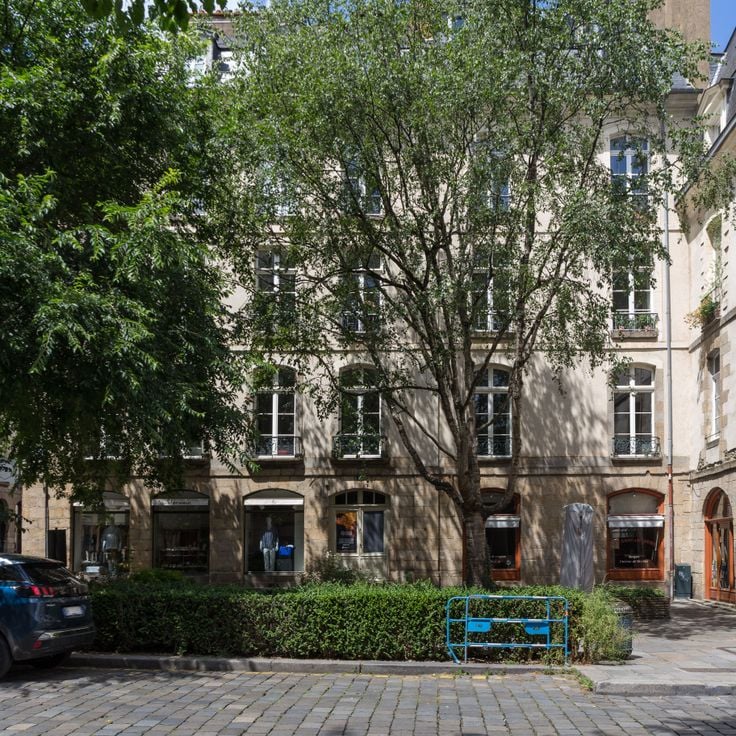
The old center of Rennes shows its medieval facades, hidden gardens, and lively markets under changing light. It is a place where history and modern life meet at every corner for photographers.
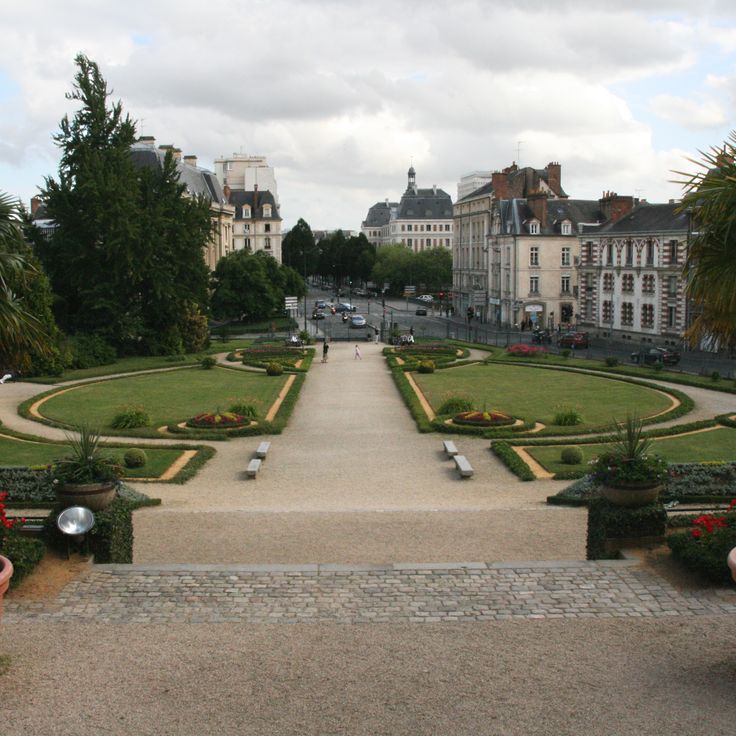
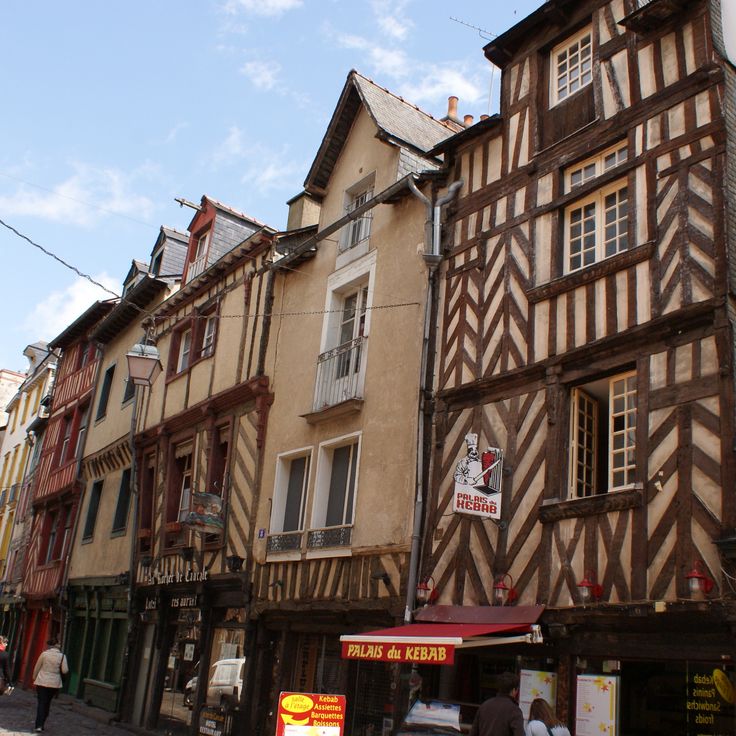
Rennes offers photographers a mix of places to explore in the old town and beyond. You will find medieval streets alongside modern buildings. Timber houses line rue de la Psalette, their wooden frames and angled roofs catching the light at different times of day. The rose garden at Parc du Thabor shows flowers in bloom during warmer months, while the Portes Mordelaises display old stone fortifications that once protected the city. For indoor subjects, the Martenot market hall and FRAC Bretagne gallery hold their own visual interest.
Smaller spaces reward those who wander. The Jardin Saint-Georges offers greenery and quiet corners. Saint-Yves Chapel and Église Toussaints show religious architecture from different eras. Narrow passages like the Passage des Carmélites and streets like Saint-Michel lead through the historic core. The Opera House and Museum of Dance stand as examples of buildings that mix function with style. Place Honoré Commeurec, Chapter Street, and Square de la Motte each have their own character and light.
For scenes with activity, the Place des Lices market brings crowds and color. The Pont Réan bridge and the Lock of Moulin du Comte show how the city relates to water. Later buildings like the Horizons Tower and Hôtel de Blossac add to the range of subjects. Visitors can also find the Museum of Fine Arts, Le Couvent des Jacobins, and Émile Zola High School, each offering something different to photograph.
The old center of Rennes shows its medieval facades, hidden gardens, and lively markets under changing light. It is a place where history and modern life meet at every corner for photographers.
Rennes offers photographers a mix of places to explore in the old town and beyond. You will find medieval streets alongside modern buildings. Timber houses line rue de la Psalette, their wooden frames and angled roofs catching the light at different times of day. The rose garden at Parc du Thabor shows flowers in bloom during warmer months, while the Portes Mordelaises display old stone fortifications that once protected the city. For indoor subjects, the Martenot market hall and FRAC Bretagne gallery hold their own visual interest.
Smaller spaces reward those who wander. The Jardin Saint-Georges offers greenery and quiet corners. Saint-Yves Chapel and Église Toussaints show religious architecture from different eras. Narrow passages like the Passage des Carmélites and streets like Saint-Michel lead through the historic core. The Opera House and Museum of Dance stand as examples of buildings that mix function with style. Place Honoré Commeurec, Chapter Street, and Square de la Motte each have their own character and light.
For scenes with activity, the Place des Lices market brings crowds and color. The Pont Réan bridge and the Lock of Moulin du Comte show how the city relates to water. Later buildings like the Horizons Tower and Hôtel de Blossac add to the range of subjects. Visitors can also find the Museum of Fine Arts, Le Couvent des Jacobins, and Émile Zola High School, each offering something different to photograph.
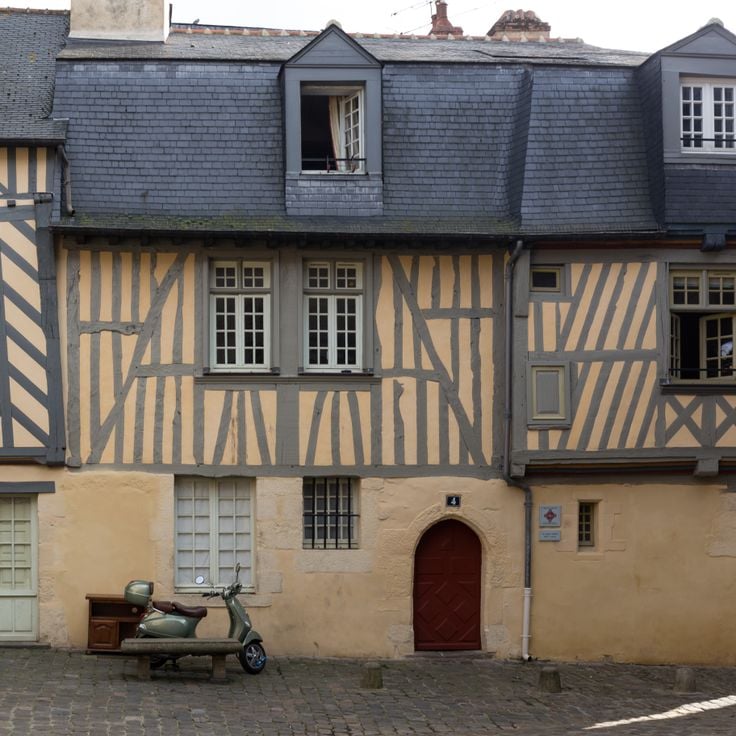
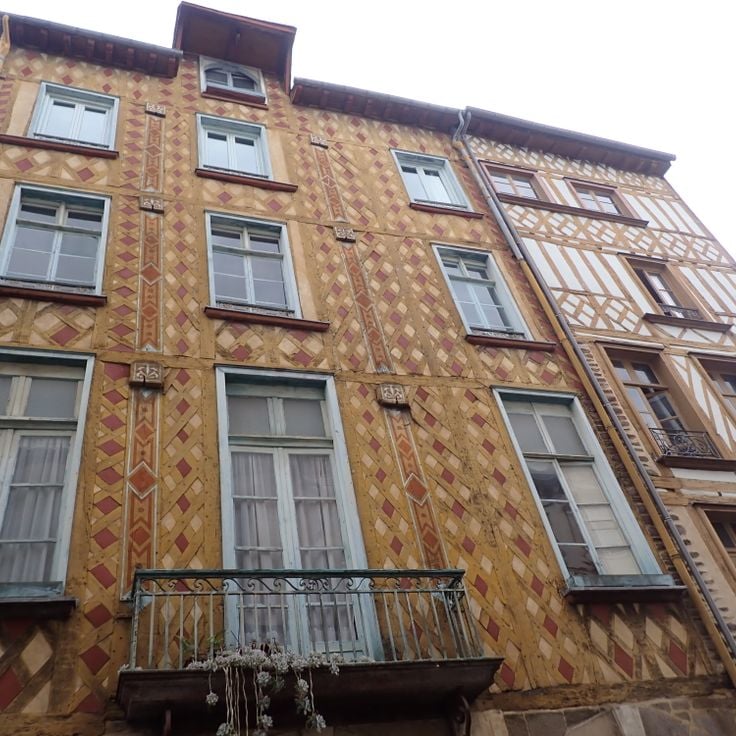
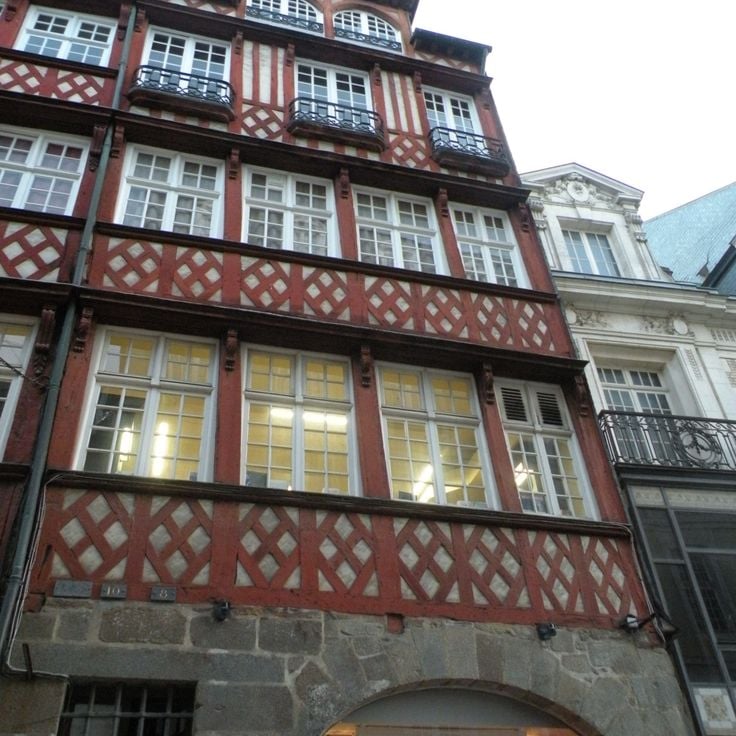
The Rue de la Psalette is a medieval street in Rennes that offers excellent photography subjects. The houses from the 16th century display exposed wooden beams and stone foundations that reflect the historical character of the location. This street is part of the photographic offerings of the old town, which range from medieval streets to modern architecture.
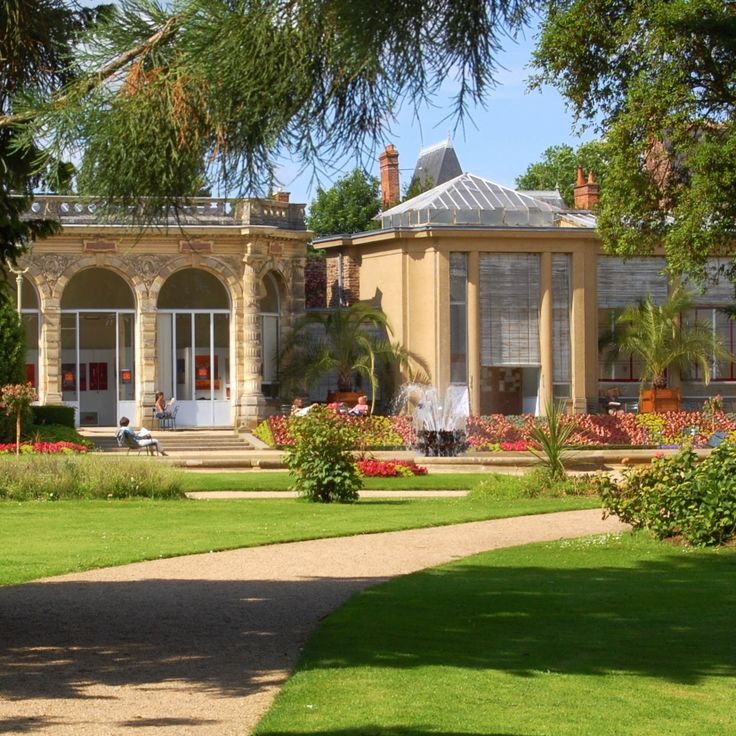
The rose garden at Parc du Thabor is a major photography location in Rennes old town and its surroundings. This garden displays over 2000 rose varieties arranged in geometric patterns with central fountains and stone pathways. The structured beds and flowering plants offer rich subjects for photographers looking to capture the beauty of this historic garden.
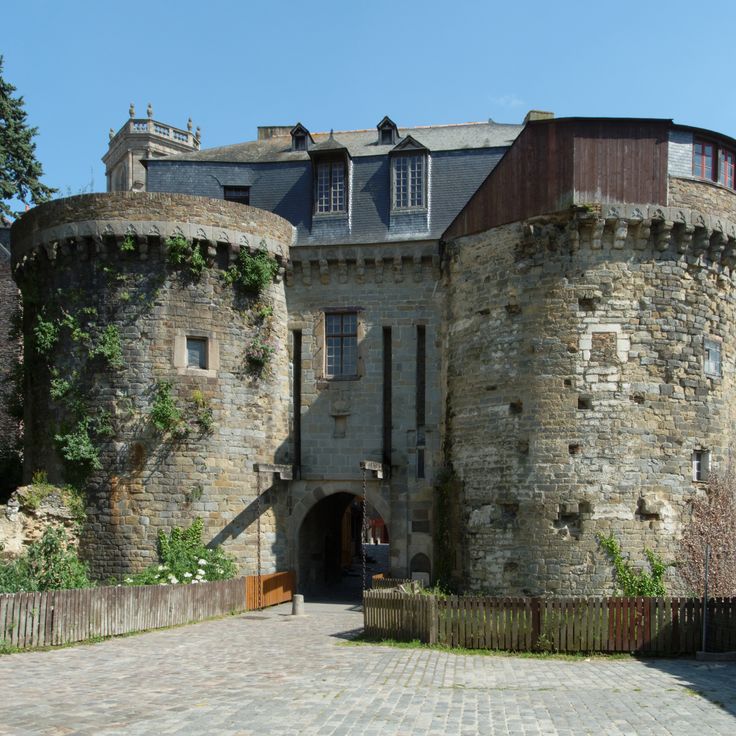
The Portes Mordelaises show the medieval defensive architecture of Rennes with their twin cylindrical towers built in the 15th century. These gates once served as the main entrance to the fortified city and remain one of the most visible reminders of that era. For photographers exploring Rennes' history, these gates provide a striking contrast to the timber houses on rue de la Psalette and the modern buildings throughout the city.
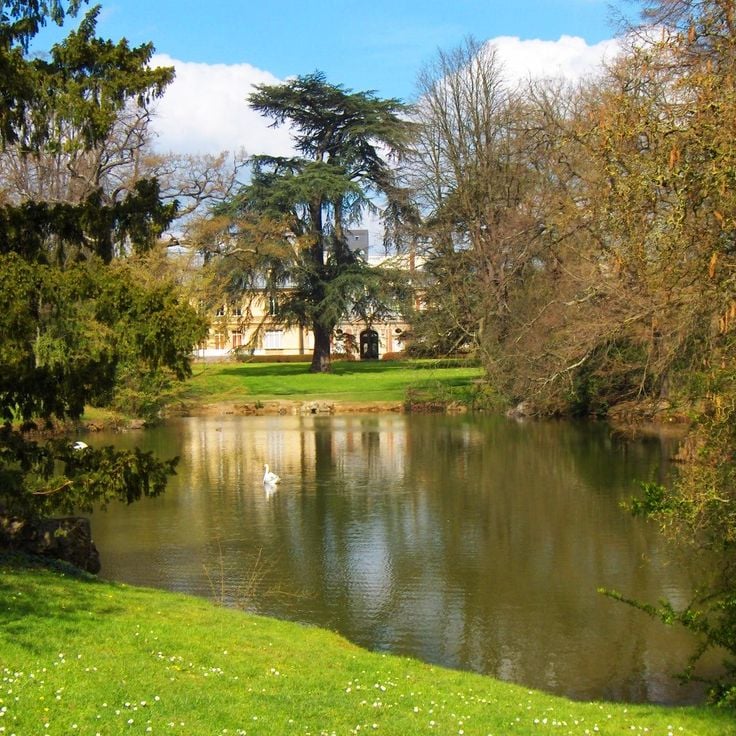
Jardin Saint-Georges features formal flowerbeds, mature trees, and stone benches near a former Benedictine abbey dating to 1152. For photographers exploring Rennes, this garden offers peaceful scenes that capture the city's historical character alongside its green spaces. The carefully maintained grounds and period architecture provide rich subjects for detail shots and broader compositions.
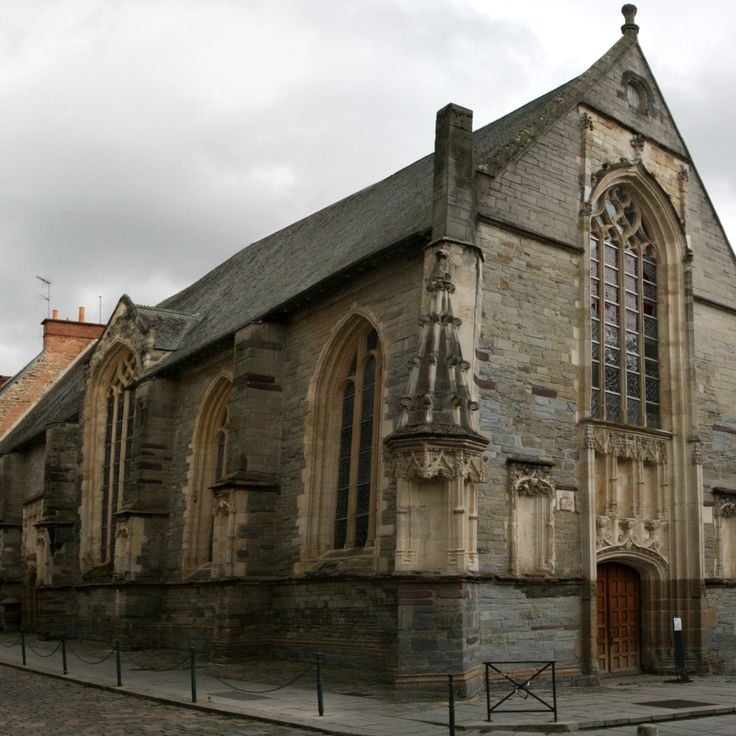
The Saint-Yves Chapel is a former religious building in Rennes that now functions as a tourist information center. Inside, you find gardens and a stone colonnade walkway. Photographers can capture the architecture of this place and document the quiet courtyards that contrast with the medieval streets in the old town.
Saint-Michel Street is a medieval passageway in Rennes old town, nicknamed Rue de la Soif for its many bars and restaurants housed in traditional timber-framed buildings. This street offers photographers an authentic slice of the city's history, with its distinctive half-timbered facades and the everyday activity that fills the narrow way. It sits alongside other photographic subjects in Rennes, from the rose garden at Parc du Thabor to the fortifications at Portes Mordelaises.
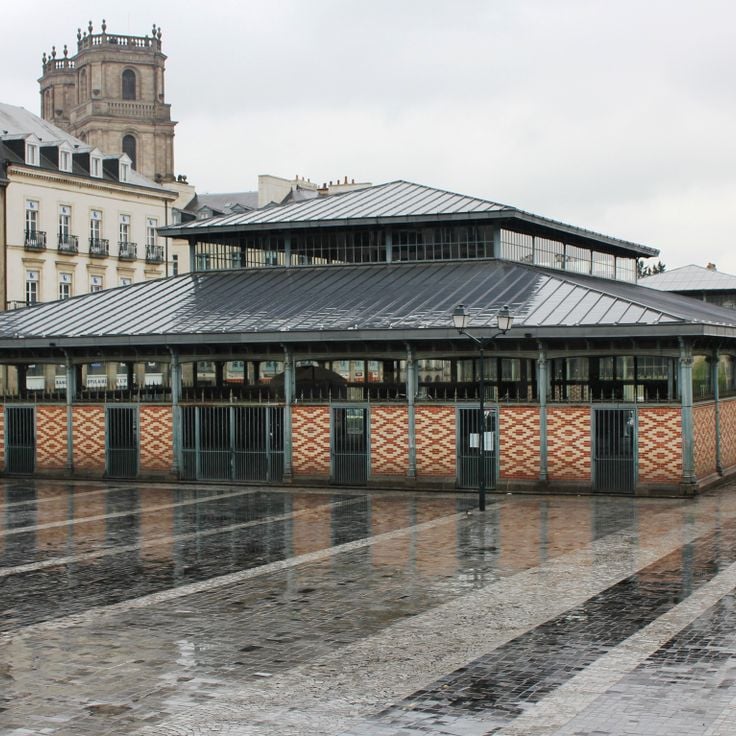
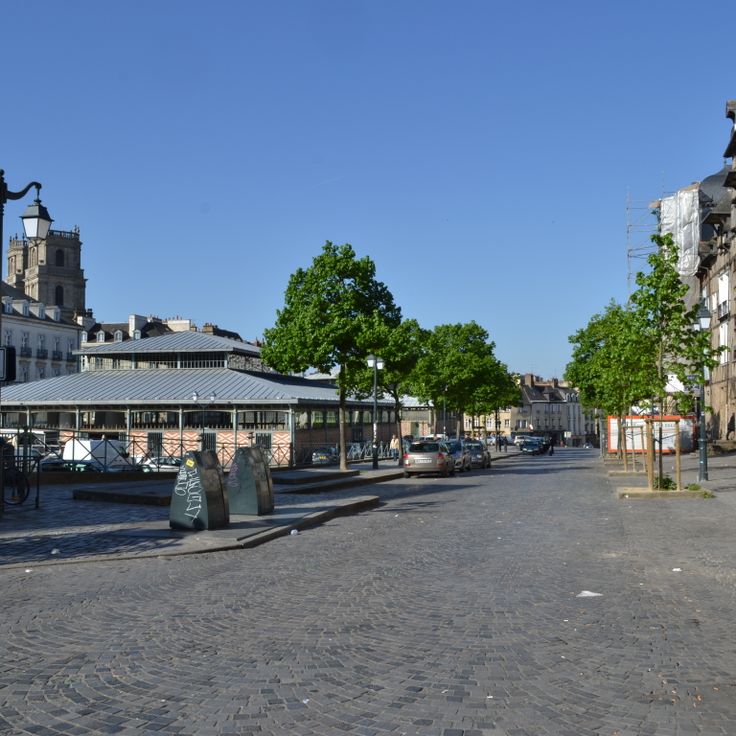
The Martenot Market Hall in Rennes old town offers photographers a chance to capture metal framework and glass panels alongside vendors selling regional products and fresh local food. This covered market shows how the city combines industrial architecture with everyday trading life. The space demonstrates how modern design supports traditional commerce in the city center.
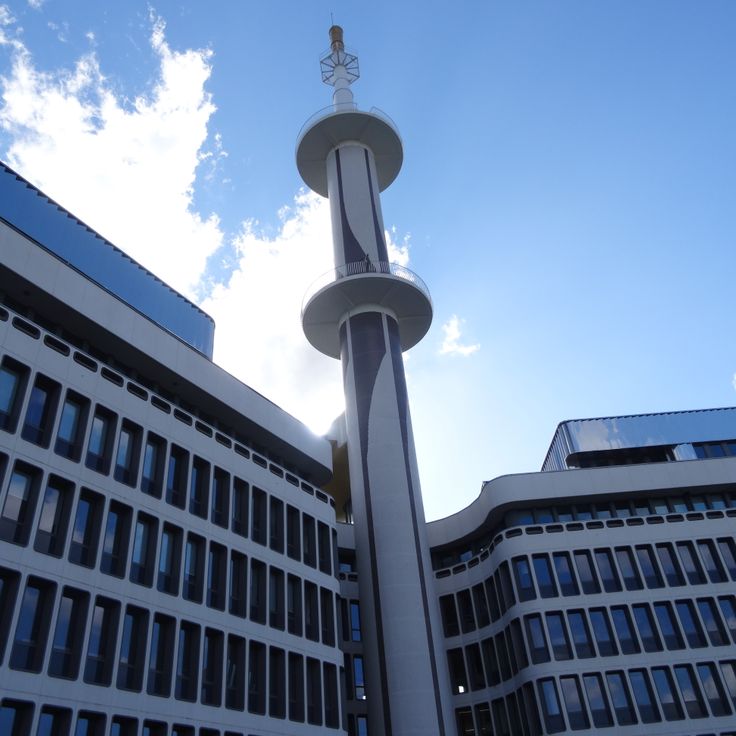
Horizons Tower is a modern office building that rises above the city center of Rennes, offering views of the urban landscape and the surrounding region from its upper floors. For photographers exploring the collection of locations in Rennes' old town and surroundings, this tower provides a distinct vantage point to capture the contrast between the medieval streets with timber houses and contemporary architecture.
This central promenade in Rennes offers photography subjects with concrete benches, grassy areas and art pieces by local and international artists. It represents the modern side of a city known for medieval streets and contemporary design. The Mail François Mitterrand complements other photo locations like the timber houses on rue de la Psalette and the architecture throughout the old town.
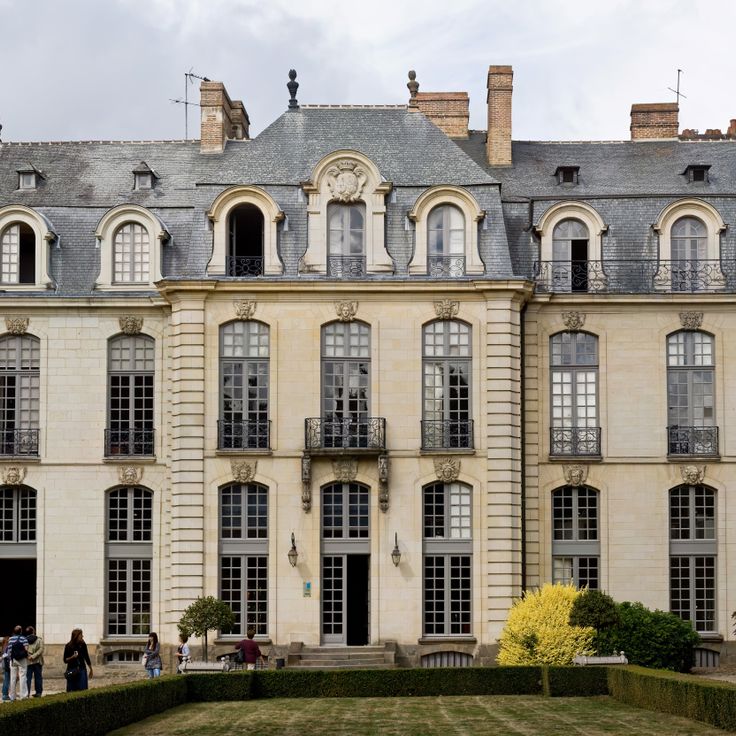
The Hôtel de Blossac is a mansion that offers photographers a chance to document the refined architecture and interior details of Rennes. The building displays period furniture, intricate woodwork, and ceiling frescoes throughout its rooms. A stone courtyard sits at its center, providing additional angles for capturing the city's historical craftsmanship.
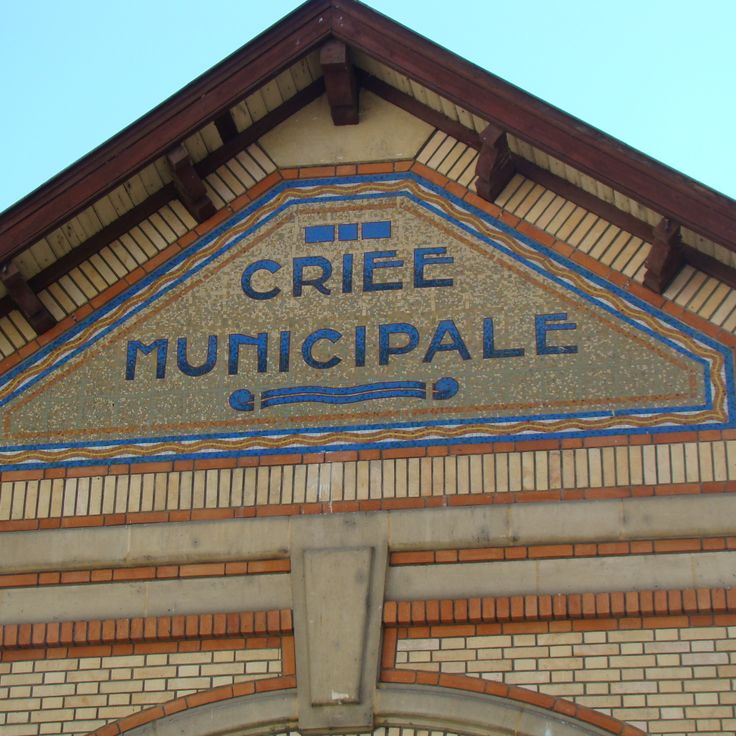
The La Criée Centre for Contemporary Arts is a former fish market in Rennes that hosts rotating art exhibitions and cultural events in its open gallery spaces throughout the year. As a photography location in the old town, this center blends contemporary art with the site's market heritage.
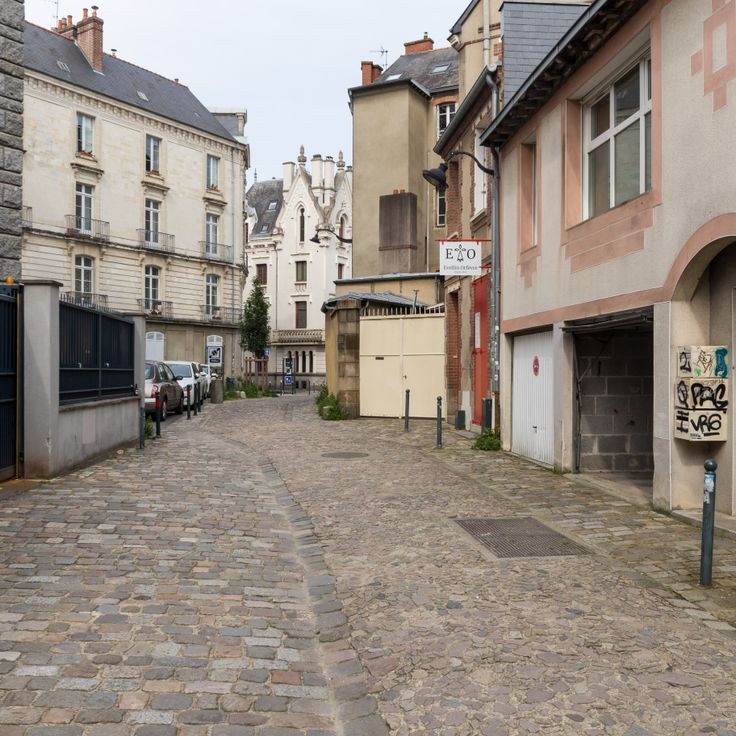
The Passage des Carmélites is a stone-paved street in the old town of Rennes that works well for photography. This passage connects small independent stores and cafes housed in 17th century buildings. It offers interesting subjects to photograph between the medieval streets and historical architecture found throughout the city.
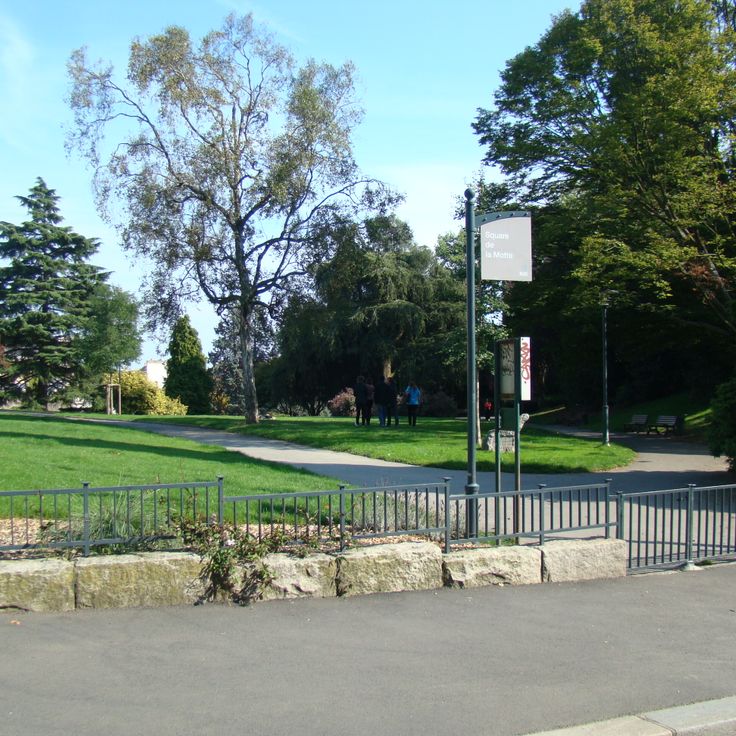
Square de la Motte is a public garden in Rennes that displays stone and metal sculptures by contemporary artists. Its design combines geometric patterns in the flowerbeds with mature trees, offering photographers interesting perspectives on the blend of nature and modern art within the historic old town.
The Parc Oberthür is a compact city park in Rennes with trees planted in the 19th century. It fits well within the collection of photography locations in the city, where photographers find subjects ranging from medieval streets to modern buildings. Curved paths lead past flower beds and benches, offering opportunities to capture the park's green character and the interplay of light through the trees.
The market at Place des Lices is a Saturday gathering where regional products and local specialties fill the stalls. This market is part of what makes Rennes a place for photographers to capture - from medieval streets to modern buildings. Farmers and craftspeople sell vegetables, fruits, flowers, cheese and items made by hand.
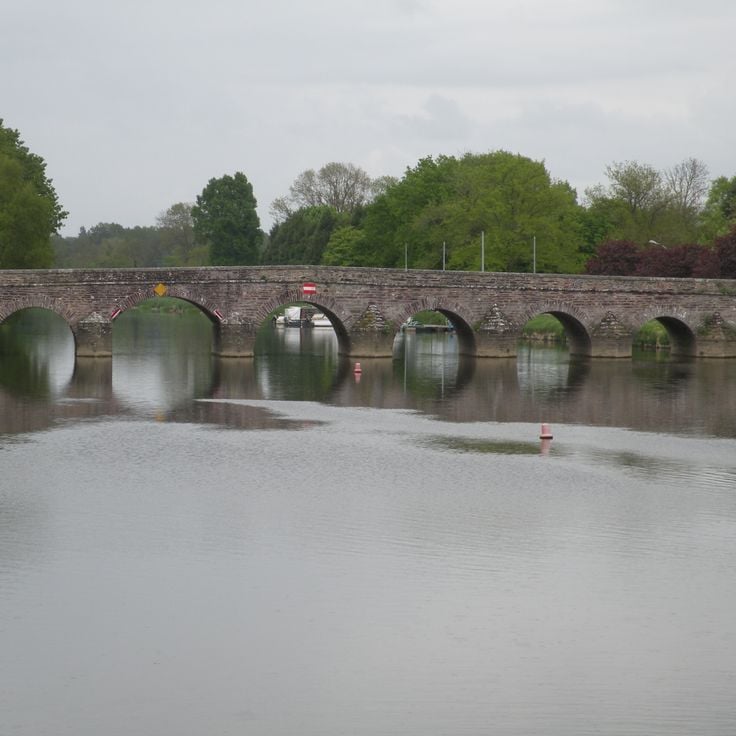
Pont Réan is an 18th century stone bridge that crosses the Vilaine river and offers photographic interest in Rennes old town. Its three arches span the banks beside a historical lock keeper house, creating layers of stone and water that reward careful framing.
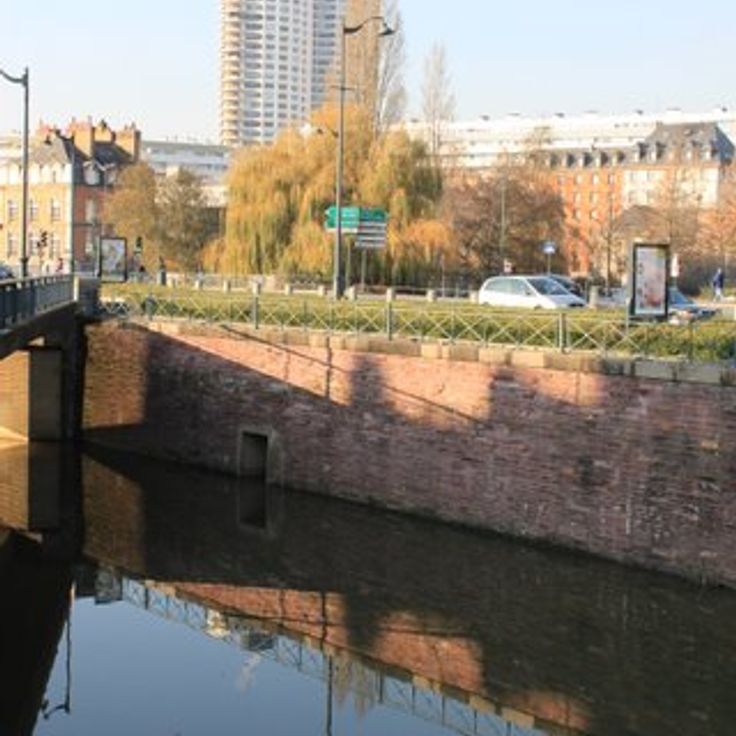
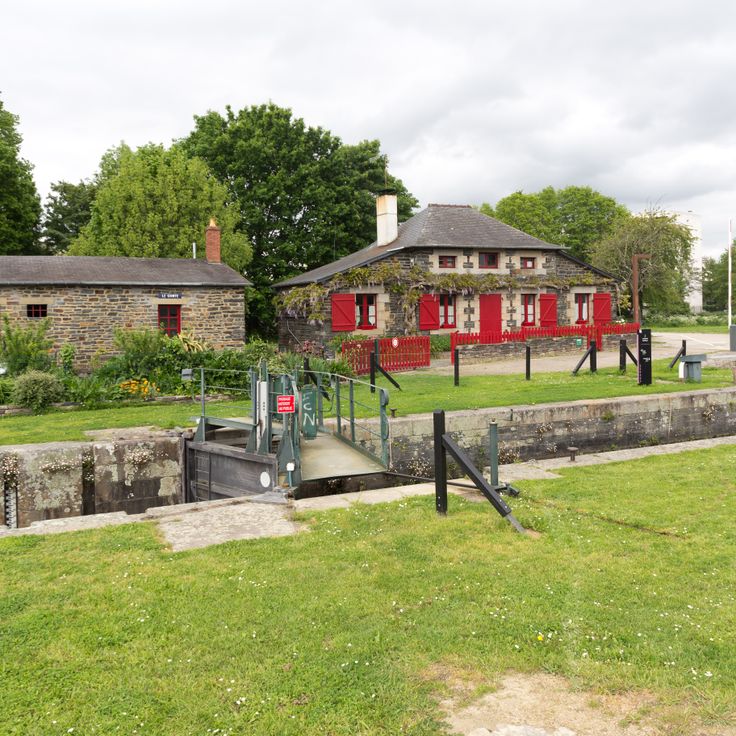
The lock of Moulin du Comte offers a photography location in Rennes old town and surroundings. The lock chamber regulates water levels between two sections of the waterway. Stone walls and metal gates form the structure, while trees line both banks, creating layers of texture and depth for photographers exploring the city's mix of medieval character and water-based infrastructure.
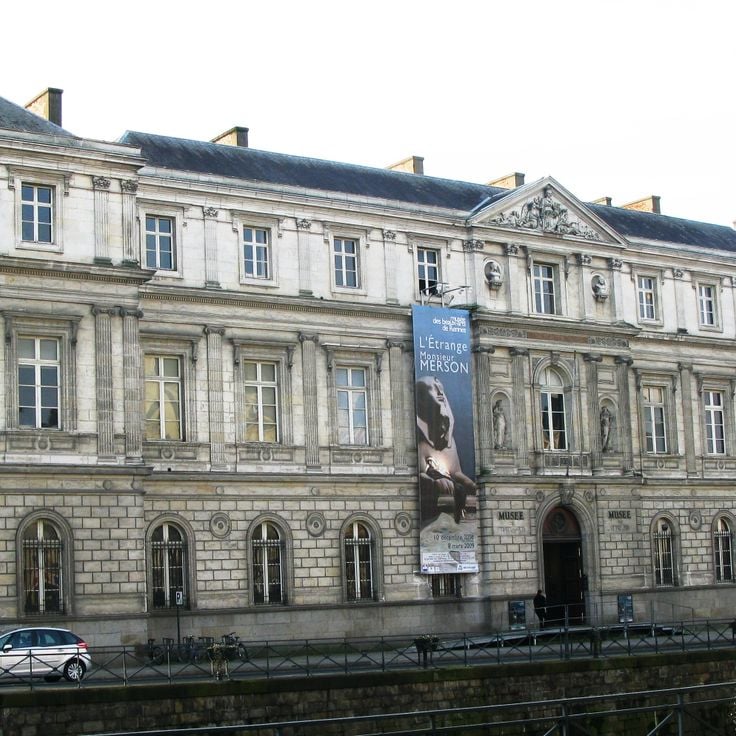
The Museum of Fine Arts of Rennes is located in a former university building and displays European paintings spanning six centuries, including works by Botticelli and Rubens. It serves as an important location for photographers seeking to capture the artistic side of the city and document the cultural wealth that Rennes offers alongside its medieval streets and modern architecture.
Chapter Street in Rennes old town features timber frame houses and brick buildings from the 18th century. The street offers photography opportunities with its historical facades and ground-floor shops that define daily life in the medieval city. It fits perfectly into exploring Rennes through photography, which ranges from medieval streets to modern architecture.
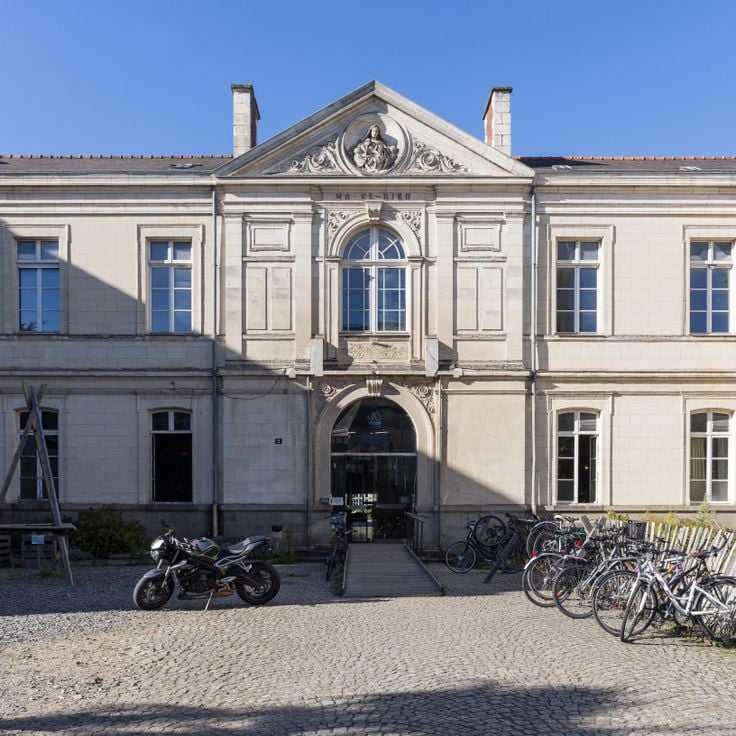
Émile Zola High School is a photography subject within Rennes' mix of medieval streets and modern buildings. Built in 1880, this school complex features stone walls and large windows. The courtyard holds a garden with old trees and geometric paths. It represents the architectural variety found across the city, alongside timber houses in rue de la Psalette and fortifications at Portes Mordelaises.
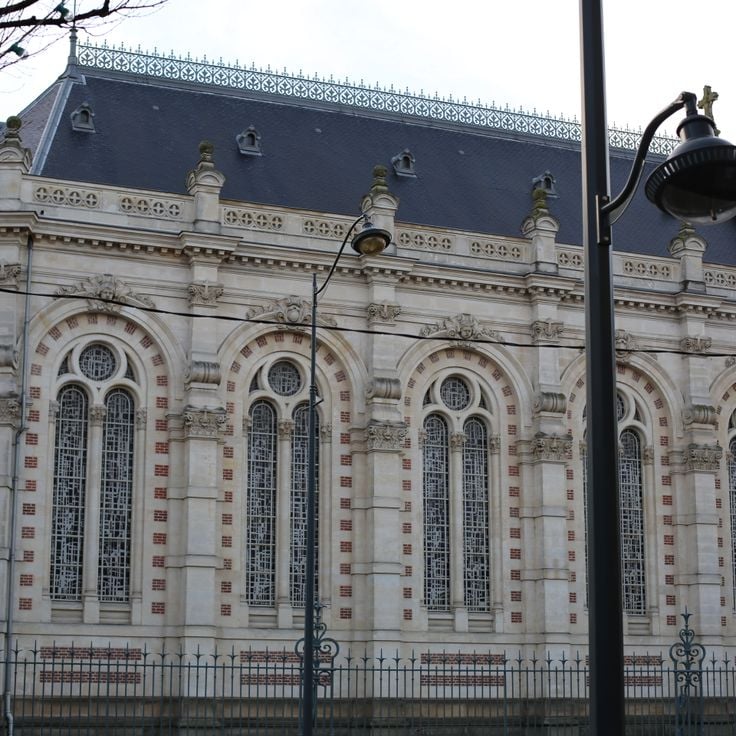
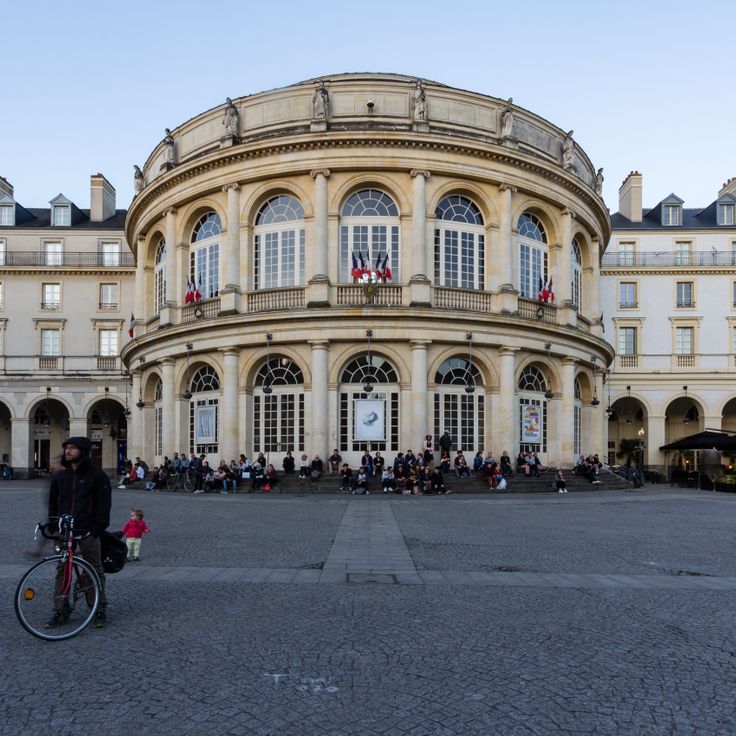
The Rennes Opera House is a 19th-century theater with a neoclassical stone facade, columns, and sculptures. Inside, you find gilded ornaments and red velvet seats. For photographers, this building offers compelling subjects from the elaborate exterior facade to the refined details within, fitting well into documentation of the architectural variety found in Rennes old town.
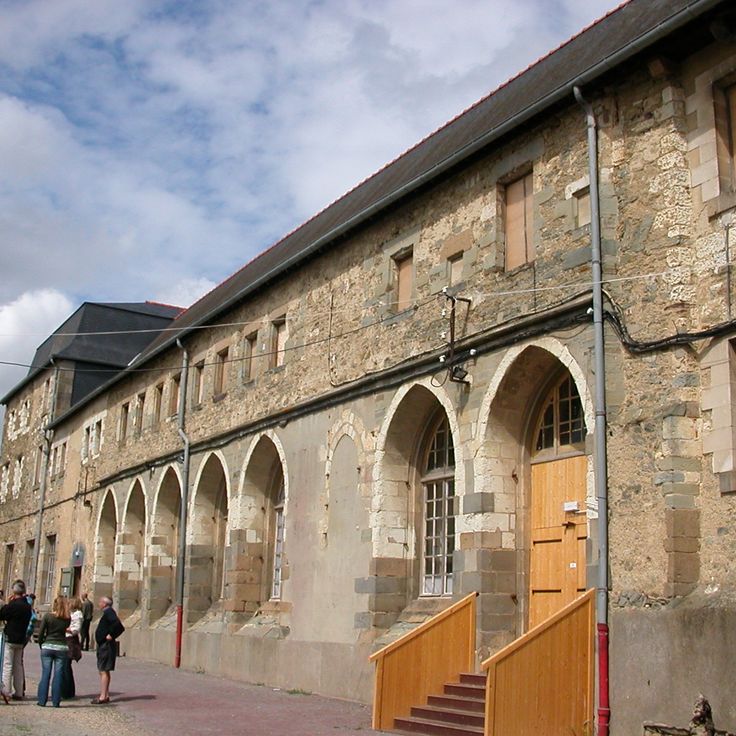
Le Couvent des Jacobins is a medieval Dominican monastery in Rennes featuring Gothic architecture with vaulted ceilings. For photographers exploring the mix of medieval streets and modern elements around the old town, this convent offers compelling contrasts between its historic Gothic features and the contemporary glass structures now used for events and meetings.
Place Honoré Commeurec serves as a photography location in Rennes' old town, featuring a stone-paved square framed by Breton timber-frame architecture. Cafes and shops fill the ground floors of the surrounding buildings, creating a lively streetscape that captures the character of this historic quarter. The square offers photographers the chance to document traditional architecture and the everyday rhythm of city life.
The Hôtel Dieu is a former hospital complex in Rennes with French classical architecture. The building features symmetrical wings and a central courtyard. Today, exhibition spaces and art galleries occupy the renovated rooms. As a photography location, the Hôtel Dieu offers compelling subjects of historical architecture and contemporary use in Rennes' old town.
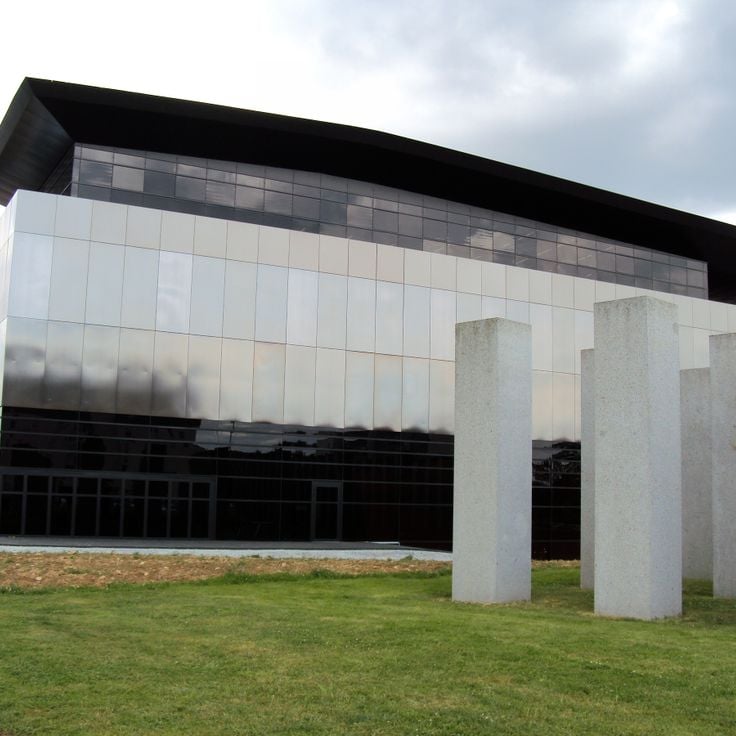
The Museum of Dance in Rennes is a modern cultural center that supports dance research and practice since 2009. As part of photography locations in the old town of Rennes and its surroundings, this building with its stages, galleries and dance studios offers compelling subjects for photographers seeking to document contemporary architecture.
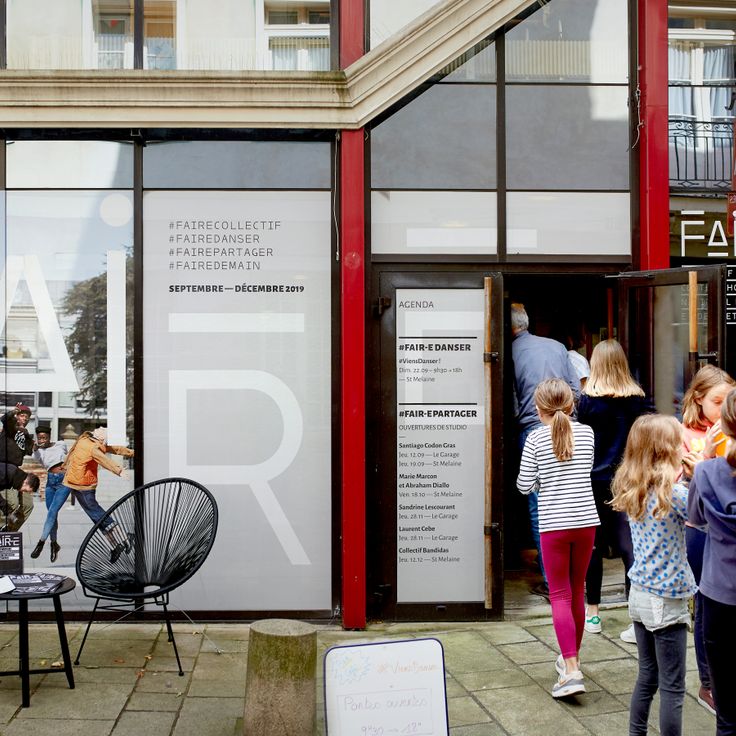
FRAC Bretagne is an art center in Rennes housed in a distinctive concrete building designed by architect Odile Decq. For photographers exploring the old town and surroundings, this venue offers examples of modern architecture. The center displays rotating exhibitions from a collection of around 5000 contemporary artworks.
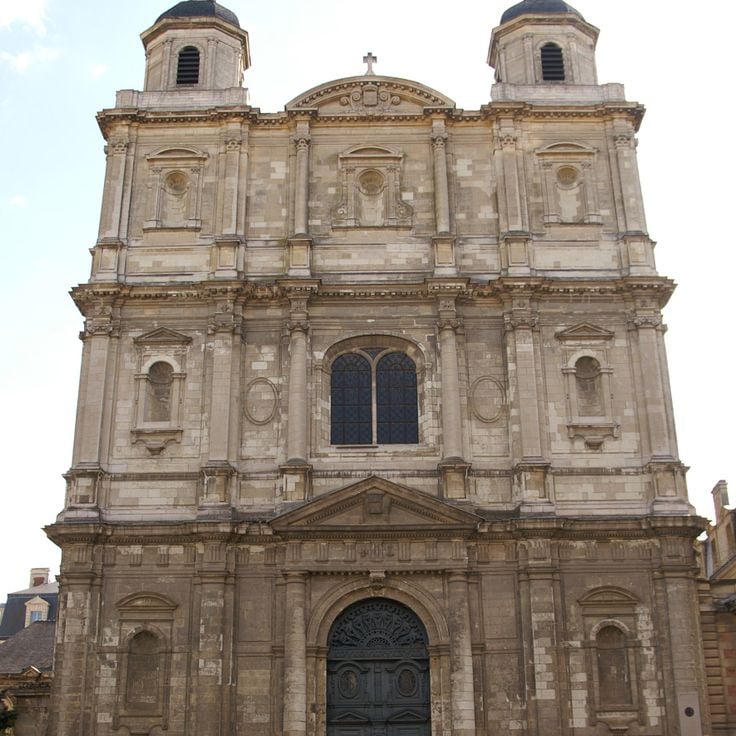
This 17th century church offers photographers subjects with its Gothic and Renaissance elements. For exploring photography locations in Rennes old town, the Église Toussaints displays stained glass windows and stonework from different periods, standing among the city's medieval streets and contemporary buildings.
Rue Saint-Georges in Rennes is a street lined with timber-framed houses from the 16th century. For photographers exploring the medieval streets of the old town, this location offers compelling views of historic wooden facades and the retail shops that occupy the ground floors.
Place du Calvaire is a key photography location in Rennes old town. The square dates from medieval times and features stone buildings, narrow alleys, and traditional Breton building elements like timber beams and slate tiles. Its historic architecture provides plenty of opportunities for photographers exploring the city's medieval character.
Mabilay is a concrete building from the 1970s with round windows and a circular structure. After renovation, it houses offices and a rooftop restaurant. For photographers exploring Rennes, this building offers an interesting contrast to the medieval architecture of the old town and shows the modern side of the city alongside historic timber houses and traditional markets.
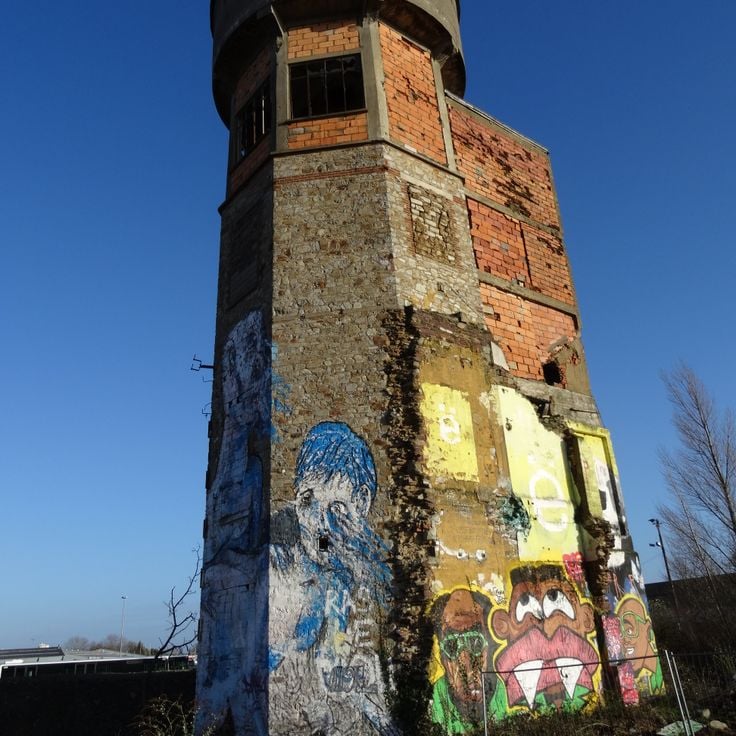
The Baud-Chardonnet Water Tower stands as a 45-meter industrial structure that announces the entrance to Rennes' eastern district. Built in the 19th century, this brick building reflects the engineering approach of its era. When night falls, colored lights illuminate the tower, creating visual interest for photographers documenting the city's architectural evolution alongside its medieval and contemporary buildings.
The Rue de la Psalette is a medieval street in Rennes that offers excellent photography subjects. The houses from the 16th century display exposed wooden beams and stone foundations that reflect the historical character of the location. This street is part of the photographic offerings of the old town, which range from medieval streets to modern architecture.
The rose garden at Parc du Thabor is a major photography location in Rennes old town and its surroundings. This garden displays over 2000 rose varieties arranged in geometric patterns with central fountains and stone pathways. The structured beds and flowering plants offer rich subjects for photographers looking to capture the beauty of this historic garden.
The Portes Mordelaises show the medieval defensive architecture of Rennes with their twin cylindrical towers built in the 15th century. These gates once served as the main entrance to the fortified city and remain one of the most visible reminders of that era. For photographers exploring Rennes' history, these gates provide a striking contrast to the timber houses on rue de la Psalette and the modern buildings throughout the city.
Jardin Saint-Georges features formal flowerbeds, mature trees, and stone benches near a former Benedictine abbey dating to 1152. For photographers exploring Rennes, this garden offers peaceful scenes that capture the city's historical character alongside its green spaces. The carefully maintained grounds and period architecture provide rich subjects for detail shots and broader compositions.
The Saint-Yves Chapel is a former religious building in Rennes that now functions as a tourist information center. Inside, you find gardens and a stone colonnade walkway. Photographers can capture the architecture of this place and document the quiet courtyards that contrast with the medieval streets in the old town.
Saint-Michel Street is a medieval passageway in Rennes old town, nicknamed Rue de la Soif for its many bars and restaurants housed in traditional timber-framed buildings. This street offers photographers an authentic slice of the city's history, with its distinctive half-timbered facades and the everyday activity that fills the narrow way. It sits alongside other photographic subjects in Rennes, from the rose garden at Parc du Thabor to the fortifications at Portes Mordelaises.
The Martenot Market Hall in Rennes old town offers photographers a chance to capture metal framework and glass panels alongside vendors selling regional products and fresh local food. This covered market shows how the city combines industrial architecture with everyday trading life. The space demonstrates how modern design supports traditional commerce in the city center.
Horizons Tower is a modern office building that rises above the city center of Rennes, offering views of the urban landscape and the surrounding region from its upper floors. For photographers exploring the collection of locations in Rennes' old town and surroundings, this tower provides a distinct vantage point to capture the contrast between the medieval streets with timber houses and contemporary architecture.
This central promenade in Rennes offers photography subjects with concrete benches, grassy areas and art pieces by local and international artists. It represents the modern side of a city known for medieval streets and contemporary design. The Mail François Mitterrand complements other photo locations like the timber houses on rue de la Psalette and the architecture throughout the old town.
The Hôtel de Blossac is a mansion that offers photographers a chance to document the refined architecture and interior details of Rennes. The building displays period furniture, intricate woodwork, and ceiling frescoes throughout its rooms. A stone courtyard sits at its center, providing additional angles for capturing the city's historical craftsmanship.
The La Criée Centre for Contemporary Arts is a former fish market in Rennes that hosts rotating art exhibitions and cultural events in its open gallery spaces throughout the year. As a photography location in the old town, this center blends contemporary art with the site's market heritage.
The Passage des Carmélites is a stone-paved street in the old town of Rennes that works well for photography. This passage connects small independent stores and cafes housed in 17th century buildings. It offers interesting subjects to photograph between the medieval streets and historical architecture found throughout the city.
Square de la Motte is a public garden in Rennes that displays stone and metal sculptures by contemporary artists. Its design combines geometric patterns in the flowerbeds with mature trees, offering photographers interesting perspectives on the blend of nature and modern art within the historic old town.
The Parc Oberthür is a compact city park in Rennes with trees planted in the 19th century. It fits well within the collection of photography locations in the city, where photographers find subjects ranging from medieval streets to modern buildings. Curved paths lead past flower beds and benches, offering opportunities to capture the park's green character and the interplay of light through the trees.
The market at Place des Lices is a Saturday gathering where regional products and local specialties fill the stalls. This market is part of what makes Rennes a place for photographers to capture - from medieval streets to modern buildings. Farmers and craftspeople sell vegetables, fruits, flowers, cheese and items made by hand.
Pont Réan is an 18th century stone bridge that crosses the Vilaine river and offers photographic interest in Rennes old town. Its three arches span the banks beside a historical lock keeper house, creating layers of stone and water that reward careful framing.
The lock of Moulin du Comte offers a photography location in Rennes old town and surroundings. The lock chamber regulates water levels between two sections of the waterway. Stone walls and metal gates form the structure, while trees line both banks, creating layers of texture and depth for photographers exploring the city's mix of medieval character and water-based infrastructure.
The Museum of Fine Arts of Rennes is located in a former university building and displays European paintings spanning six centuries, including works by Botticelli and Rubens. It serves as an important location for photographers seeking to capture the artistic side of the city and document the cultural wealth that Rennes offers alongside its medieval streets and modern architecture.
Chapter Street in Rennes old town features timber frame houses and brick buildings from the 18th century. The street offers photography opportunities with its historical facades and ground-floor shops that define daily life in the medieval city. It fits perfectly into exploring Rennes through photography, which ranges from medieval streets to modern architecture.
Émile Zola High School is a photography subject within Rennes' mix of medieval streets and modern buildings. Built in 1880, this school complex features stone walls and large windows. The courtyard holds a garden with old trees and geometric paths. It represents the architectural variety found across the city, alongside timber houses in rue de la Psalette and fortifications at Portes Mordelaises.
The Rennes Opera House is a 19th-century theater with a neoclassical stone facade, columns, and sculptures. Inside, you find gilded ornaments and red velvet seats. For photographers, this building offers compelling subjects from the elaborate exterior facade to the refined details within, fitting well into documentation of the architectural variety found in Rennes old town.
Le Couvent des Jacobins is a medieval Dominican monastery in Rennes featuring Gothic architecture with vaulted ceilings. For photographers exploring the mix of medieval streets and modern elements around the old town, this convent offers compelling contrasts between its historic Gothic features and the contemporary glass structures now used for events and meetings.
Place Honoré Commeurec serves as a photography location in Rennes' old town, featuring a stone-paved square framed by Breton timber-frame architecture. Cafes and shops fill the ground floors of the surrounding buildings, creating a lively streetscape that captures the character of this historic quarter. The square offers photographers the chance to document traditional architecture and the everyday rhythm of city life.
The Hôtel Dieu is a former hospital complex in Rennes with French classical architecture. The building features symmetrical wings and a central courtyard. Today, exhibition spaces and art galleries occupy the renovated rooms. As a photography location, the Hôtel Dieu offers compelling subjects of historical architecture and contemporary use in Rennes' old town.
The Museum of Dance in Rennes is a modern cultural center that supports dance research and practice since 2009. As part of photography locations in the old town of Rennes and its surroundings, this building with its stages, galleries and dance studios offers compelling subjects for photographers seeking to document contemporary architecture.
FRAC Bretagne is an art center in Rennes housed in a distinctive concrete building designed by architect Odile Decq. For photographers exploring the old town and surroundings, this venue offers examples of modern architecture. The center displays rotating exhibitions from a collection of around 5000 contemporary artworks.
This 17th century church offers photographers subjects with its Gothic and Renaissance elements. For exploring photography locations in Rennes old town, the Église Toussaints displays stained glass windows and stonework from different periods, standing among the city's medieval streets and contemporary buildings.
Rue Saint-Georges in Rennes is a street lined with timber-framed houses from the 16th century. For photographers exploring the medieval streets of the old town, this location offers compelling views of historic wooden facades and the retail shops that occupy the ground floors.
Place du Calvaire is a key photography location in Rennes old town. The square dates from medieval times and features stone buildings, narrow alleys, and traditional Breton building elements like timber beams and slate tiles. Its historic architecture provides plenty of opportunities for photographers exploring the city's medieval character.
Mabilay is a concrete building from the 1970s with round windows and a circular structure. After renovation, it houses offices and a rooftop restaurant. For photographers exploring Rennes, this building offers an interesting contrast to the medieval architecture of the old town and shows the modern side of the city alongside historic timber houses and traditional markets.
The Baud-Chardonnet Water Tower stands as a 45-meter industrial structure that announces the entrance to Rennes' eastern district. Built in the 19th century, this brick building reflects the engineering approach of its era. When night falls, colored lights illuminate the tower, creating visual interest for photographers documenting the city's architectural evolution alongside its medieval and contemporary buildings.
The Rue de la Psalette is a medieval street in Rennes that offers excellent photography subjects. The houses from the 16th century display exposed wooden beams and stone foundations that reflect the historical character of the location. This street is part of the photographic offerings of the old town, which range from medieval streets to modern architecture.
The rose garden at Parc du Thabor is a major photography location in Rennes old town and its surroundings. This garden displays over 2000 rose varieties arranged in geometric patterns with central fountains and stone pathways. The structured beds and flowering plants offer rich subjects for photographers looking to capture the beauty of this historic garden.
The Portes Mordelaises show the medieval defensive architecture of Rennes with their twin cylindrical towers built in the 15th century. These gates once served as the main entrance to the fortified city and remain one of the most visible reminders of that era. For photographers exploring Rennes' history, these gates provide a striking contrast to the timber houses on rue de la Psalette and the modern buildings throughout the city.
Jardin Saint-Georges features formal flowerbeds, mature trees, and stone benches near a former Benedictine abbey dating to 1152. For photographers exploring Rennes, this garden offers peaceful scenes that capture the city's historical character alongside its green spaces. The carefully maintained grounds and period architecture provide rich subjects for detail shots and broader compositions.
The Saint-Yves Chapel is a former religious building in Rennes that now functions as a tourist information center. Inside, you find gardens and a stone colonnade walkway. Photographers can capture the architecture of this place and document the quiet courtyards that contrast with the medieval streets in the old town.
Saint-Michel Street is a medieval passageway in Rennes old town, nicknamed Rue de la Soif for its many bars and restaurants housed in traditional timber-framed buildings. This street offers photographers an authentic slice of the city's history, with its distinctive half-timbered facades and the everyday activity that fills the narrow way. It sits alongside other photographic subjects in Rennes, from the rose garden at Parc du Thabor to the fortifications at Portes Mordelaises.
The Martenot Market Hall in Rennes old town offers photographers a chance to capture metal framework and glass panels alongside vendors selling regional products and fresh local food. This covered market shows how the city combines industrial architecture with everyday trading life. The space demonstrates how modern design supports traditional commerce in the city center.
Horizons Tower is a modern office building that rises above the city center of Rennes, offering views of the urban landscape and the surrounding region from its upper floors. For photographers exploring the collection of locations in Rennes' old town and surroundings, this tower provides a distinct vantage point to capture the contrast between the medieval streets with timber houses and contemporary architecture.
This central promenade in Rennes offers photography subjects with concrete benches, grassy areas and art pieces by local and international artists. It represents the modern side of a city known for medieval streets and contemporary design. The Mail François Mitterrand complements other photo locations like the timber houses on rue de la Psalette and the architecture throughout the old town.
The Hôtel de Blossac is a mansion that offers photographers a chance to document the refined architecture and interior details of Rennes. The building displays period furniture, intricate woodwork, and ceiling frescoes throughout its rooms. A stone courtyard sits at its center, providing additional angles for capturing the city's historical craftsmanship.
The La Criée Centre for Contemporary Arts is a former fish market in Rennes that hosts rotating art exhibitions and cultural events in its open gallery spaces throughout the year. As a photography location in the old town, this center blends contemporary art with the site's market heritage.
The Passage des Carmélites is a stone-paved street in the old town of Rennes that works well for photography. This passage connects small independent stores and cafes housed in 17th century buildings. It offers interesting subjects to photograph between the medieval streets and historical architecture found throughout the city.
Square de la Motte is a public garden in Rennes that displays stone and metal sculptures by contemporary artists. Its design combines geometric patterns in the flowerbeds with mature trees, offering photographers interesting perspectives on the blend of nature and modern art within the historic old town.
The Parc Oberthür is a compact city park in Rennes with trees planted in the 19th century. It fits well within the collection of photography locations in the city, where photographers find subjects ranging from medieval streets to modern buildings. Curved paths lead past flower beds and benches, offering opportunities to capture the park's green character and the interplay of light through the trees.
The market at Place des Lices is a Saturday gathering where regional products and local specialties fill the stalls. This market is part of what makes Rennes a place for photographers to capture - from medieval streets to modern buildings. Farmers and craftspeople sell vegetables, fruits, flowers, cheese and items made by hand.
Pont Réan is an 18th century stone bridge that crosses the Vilaine river and offers photographic interest in Rennes old town. Its three arches span the banks beside a historical lock keeper house, creating layers of stone and water that reward careful framing.
The lock of Moulin du Comte offers a photography location in Rennes old town and surroundings. The lock chamber regulates water levels between two sections of the waterway. Stone walls and metal gates form the structure, while trees line both banks, creating layers of texture and depth for photographers exploring the city's mix of medieval character and water-based infrastructure.
The Museum of Fine Arts of Rennes is located in a former university building and displays European paintings spanning six centuries, including works by Botticelli and Rubens. It serves as an important location for photographers seeking to capture the artistic side of the city and document the cultural wealth that Rennes offers alongside its medieval streets and modern architecture.
Chapter Street in Rennes old town features timber frame houses and brick buildings from the 18th century. The street offers photography opportunities with its historical facades and ground-floor shops that define daily life in the medieval city. It fits perfectly into exploring Rennes through photography, which ranges from medieval streets to modern architecture.
Émile Zola High School is a photography subject within Rennes' mix of medieval streets and modern buildings. Built in 1880, this school complex features stone walls and large windows. The courtyard holds a garden with old trees and geometric paths. It represents the architectural variety found across the city, alongside timber houses in rue de la Psalette and fortifications at Portes Mordelaises.
The Rennes Opera House is a 19th-century theater with a neoclassical stone facade, columns, and sculptures. Inside, you find gilded ornaments and red velvet seats. For photographers, this building offers compelling subjects from the elaborate exterior facade to the refined details within, fitting well into documentation of the architectural variety found in Rennes old town.
Le Couvent des Jacobins is a medieval Dominican monastery in Rennes featuring Gothic architecture with vaulted ceilings. For photographers exploring the mix of medieval streets and modern elements around the old town, this convent offers compelling contrasts between its historic Gothic features and the contemporary glass structures now used for events and meetings.
Place Honoré Commeurec serves as a photography location in Rennes' old town, featuring a stone-paved square framed by Breton timber-frame architecture. Cafes and shops fill the ground floors of the surrounding buildings, creating a lively streetscape that captures the character of this historic quarter. The square offers photographers the chance to document traditional architecture and the everyday rhythm of city life.
The Hôtel Dieu is a former hospital complex in Rennes with French classical architecture. The building features symmetrical wings and a central courtyard. Today, exhibition spaces and art galleries occupy the renovated rooms. As a photography location, the Hôtel Dieu offers compelling subjects of historical architecture and contemporary use in Rennes' old town.
The Museum of Dance in Rennes is a modern cultural center that supports dance research and practice since 2009. As part of photography locations in the old town of Rennes and its surroundings, this building with its stages, galleries and dance studios offers compelling subjects for photographers seeking to document contemporary architecture.
FRAC Bretagne is an art center in Rennes housed in a distinctive concrete building designed by architect Odile Decq. For photographers exploring the old town and surroundings, this venue offers examples of modern architecture. The center displays rotating exhibitions from a collection of around 5000 contemporary artworks.
This 17th century church offers photographers subjects with its Gothic and Renaissance elements. For exploring photography locations in Rennes old town, the Église Toussaints displays stained glass windows and stonework from different periods, standing among the city's medieval streets and contemporary buildings.
Rue Saint-Georges in Rennes is a street lined with timber-framed houses from the 16th century. For photographers exploring the medieval streets of the old town, this location offers compelling views of historic wooden facades and the retail shops that occupy the ground floors.
Place du Calvaire is a key photography location in Rennes old town. The square dates from medieval times and features stone buildings, narrow alleys, and traditional Breton building elements like timber beams and slate tiles. Its historic architecture provides plenty of opportunities for photographers exploring the city's medieval character.
Mabilay is a concrete building from the 1970s with round windows and a circular structure. After renovation, it houses offices and a rooftop restaurant. For photographers exploring Rennes, this building offers an interesting contrast to the medieval architecture of the old town and shows the modern side of the city alongside historic timber houses and traditional markets.
The Baud-Chardonnet Water Tower stands as a 45-meter industrial structure that announces the entrance to Rennes' eastern district. Built in the 19th century, this brick building reflects the engineering approach of its era. When night falls, colored lights illuminate the tower, creating visual interest for photographers documenting the city's architectural evolution alongside its medieval and contemporary buildings.
Rennes brings together centuries of history and architecture in a walkable area with your camera. Take your time to stroll through the streets and gardens: each corner offers a new view. Whether you shoot in the morning or in the evening, you will come back with images that show the city in a personal way.