The city shows its true faces through the buildings, markets, and gardens that tell its story.
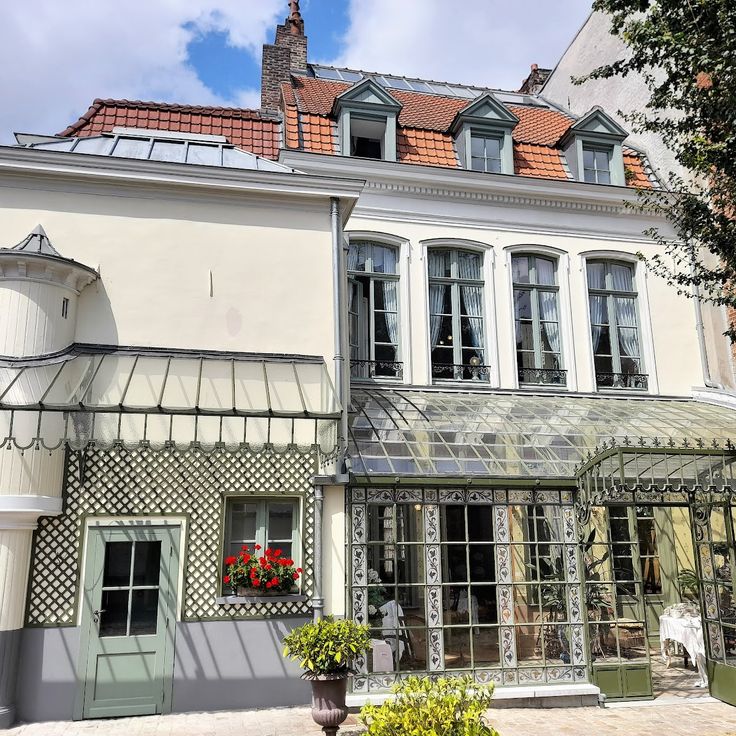
Lille offers photographers many locations beyond the main tourist paths. The city shows Art Nouveau buildings, Gothic structures, and former factories now used as cultural spaces. Green areas like the Jardin des Géants and Vauban Garden provide different views of the city. The Old Stock Exchange, the Maison Coilliot with its curved front, and Notre-Dame-de-la-Treille Cathedral display various architectural styles from different periods. In nearby towns you will find the LaM art museum in Villeneuve-d'Ascq and the Art Deco swimming pool museum in Roubaix.
Gare Saint Sauveur is a former train station that now hosts exhibitions and cultural events. Weekly markets like Wazemmes show the colorful rhythms of daily life. The Beffroi de Lille bell tower has shaped the skyline for centuries. Historical museums such as the Comtesse Hospital and the Natural History Museum reveal the region's past. The fortified Citadelle Lille-Citadelle stands as a remnant of Vauban's military engineering and offers wide views across the landscape. Each location tells a different story about how Lille developed over time.
The city shows its true faces through the buildings, markets, and gardens that tell its story.
Lille offers photographers many locations beyond the main tourist paths. The city shows Art Nouveau buildings, Gothic structures, and former factories now used as cultural spaces. Green areas like the Jardin des Géants and Vauban Garden provide different views of the city. The Old Stock Exchange, the Maison Coilliot with its curved front, and Notre-Dame-de-la-Treille Cathedral display various architectural styles from different periods. In nearby towns you will find the LaM art museum in Villeneuve-d'Ascq and the Art Deco swimming pool museum in Roubaix.
Gare Saint Sauveur is a former train station that now hosts exhibitions and cultural events. Weekly markets like Wazemmes show the colorful rhythms of daily life. The Beffroi de Lille bell tower has shaped the skyline for centuries. Historical museums such as the Comtesse Hospital and the Natural History Museum reveal the region's past. The fortified Citadelle Lille-Citadelle stands as a remnant of Vauban's military engineering and offers wide views across the landscape. Each location tells a different story about how Lille developed over time.
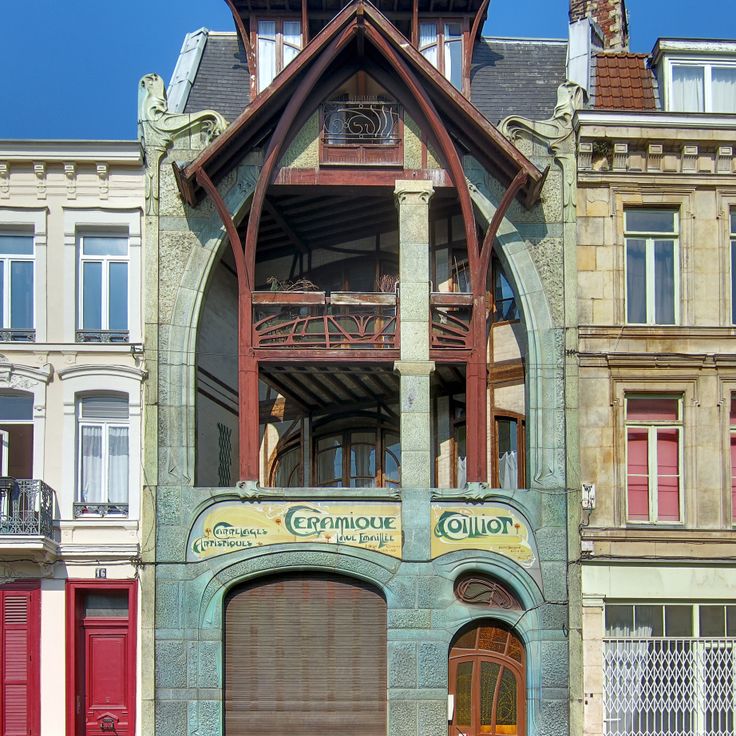
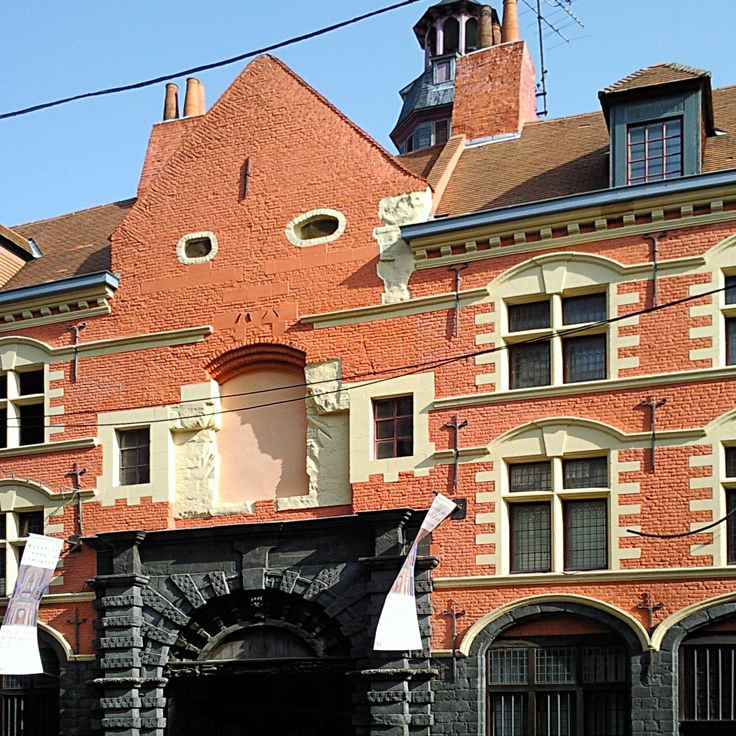
The Coilliot House is a residential building from 1898 in Lille. It shows the Art Nouveau style with ceramic decorations and curved shapes designed by architect Hector Guimard. The front has colorful tiles and flowing lines that mark this art style. For photographers, the building has interesting details: the colorful ceramic tiles, rounded window frames, and decorative elements that cover the facade. This place makes a good subject for exploring Lille's old architecture away from the main tourist spots.
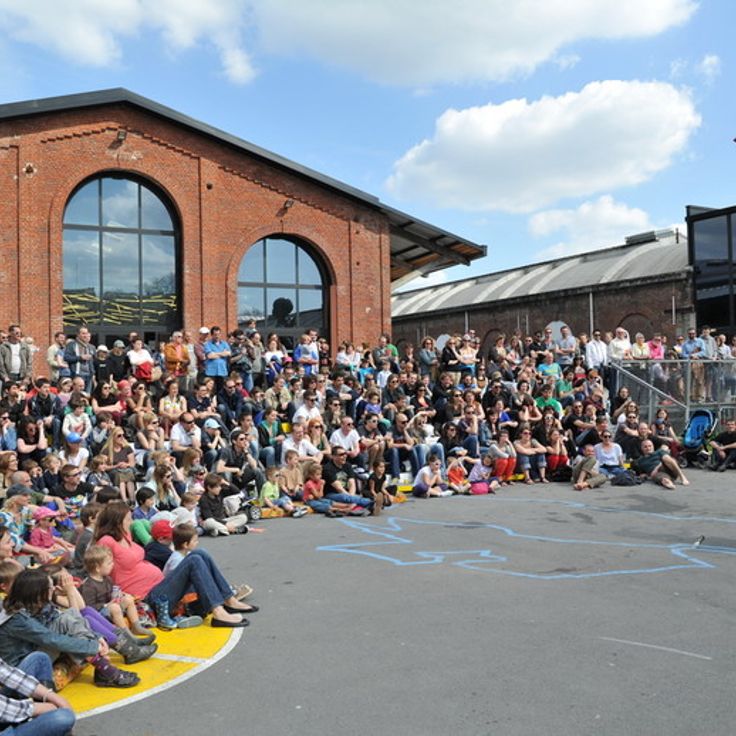
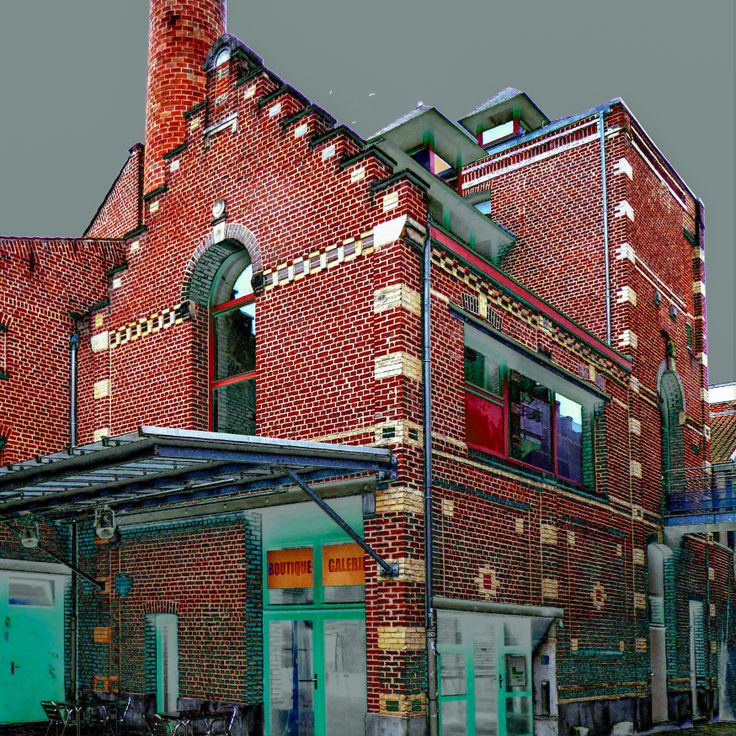
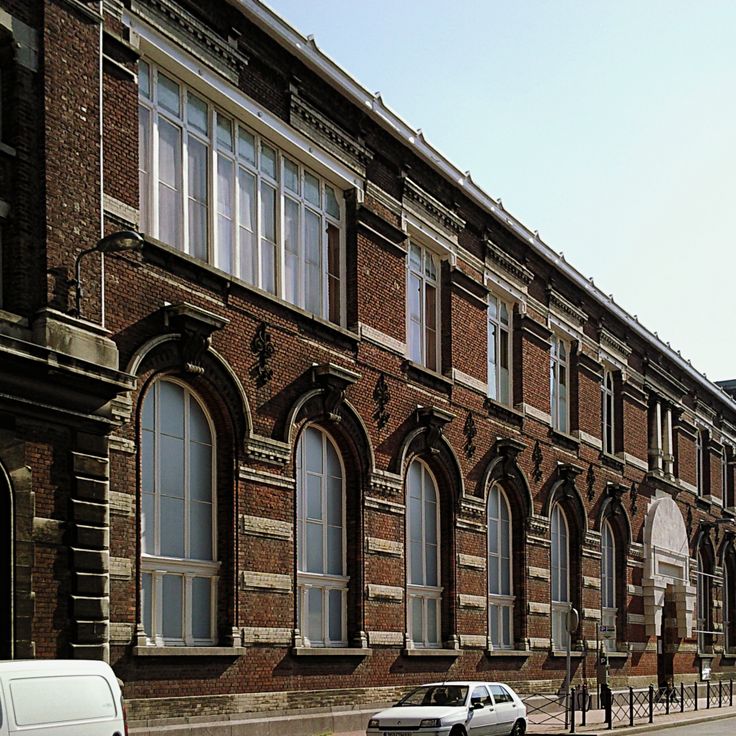
The Gare Saint Sauveur is a former train station built in 1865, now used as a cultural center in Lille. For photographers looking beyond the usual tourist spots, this place offers a strong contrast between old industrial architecture and contemporary life. Art exhibitions, film screenings, restaurants and outdoor spaces fill the building with activity. The brick structure shows how a historic site can take on a new role while keeping its original character.
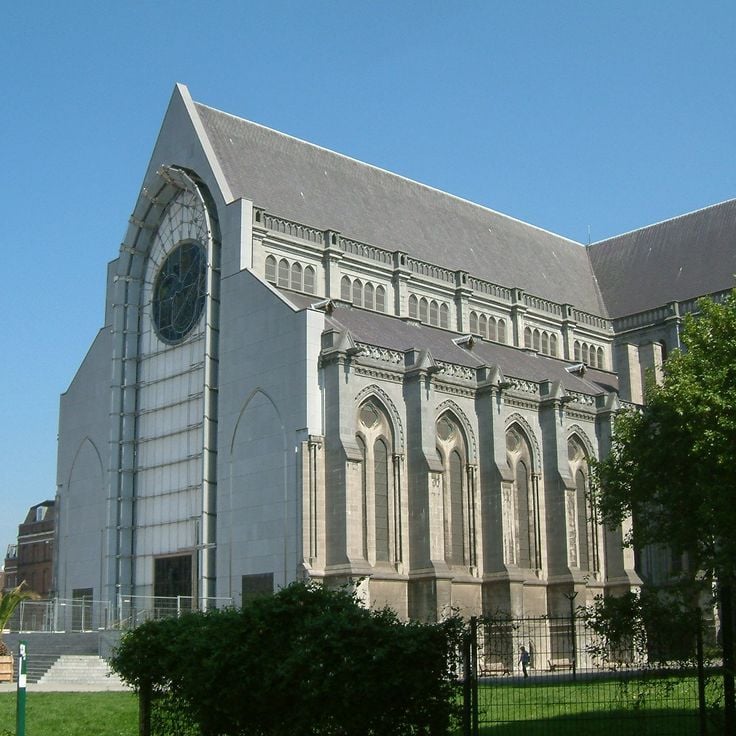
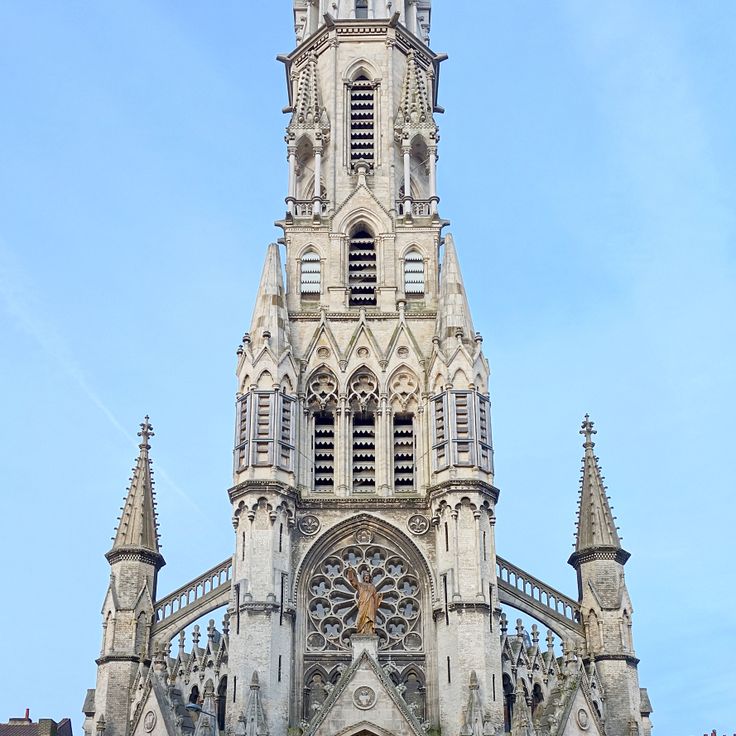
This cathedral combines Gothic and contemporary architecture, offering photographic interest through the contrast between historical and modern styles. The marble and glass facade was completed in 1999 and creates compelling interplay between old and new. Inside, colored stained glass windows filter light in ways that produce unusual photography opportunities away from Lille's main tourist sites.
The LaM - Lille Metropole Museum of Modern Art is a museum of contemporary art in Villeneuve-d'Ascq. It holds around 4500 art pieces, including works by Modigliani and Picasso. The building is in a large park where sculptures by international artists are displayed. For photographers looking for different spots in the Lille area, this museum offers several ideas: the modern design of the building, the artworks inside, and the outdoor sculptures among trees and open spaces. This mix of design and art makes it a different option from the main tourist sites.
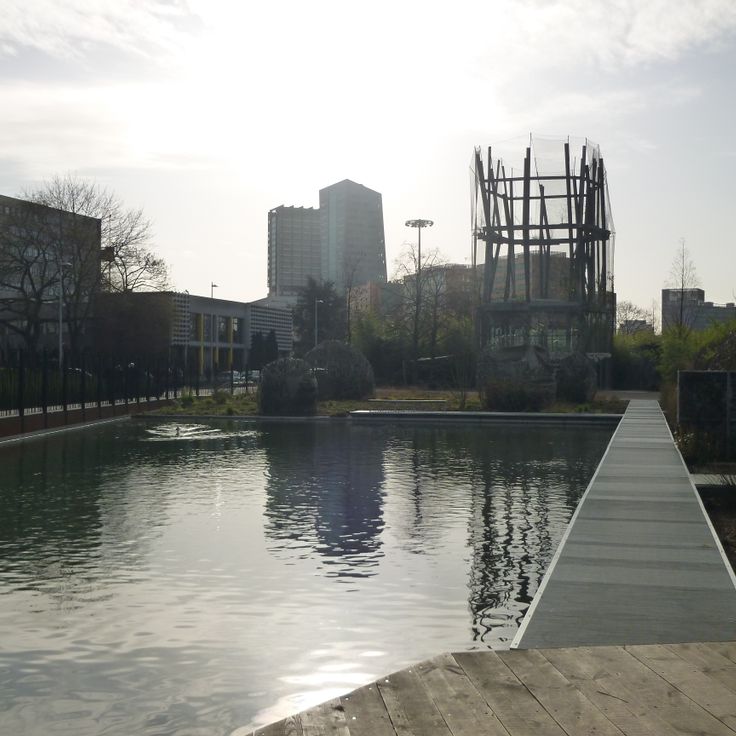
Jardin des Géants in Lille is a garden filled with large metal and stone sculptures placed among plants, trees, and flowerbeds in the heart of the city. For photographers seeking locations beyond the main tourist sites, this garden offers distinctive visual combinations. The interplay of artworks and nature creates layered compositions, with shifting light and shadow playing across the sculptures throughout the day.
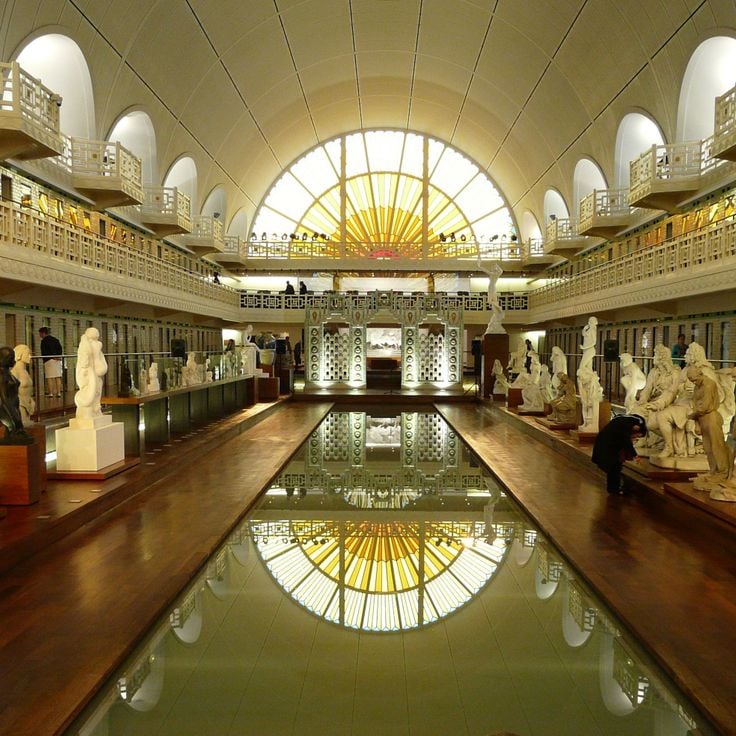
The Roubaix swimming pool, built in 1932, now works as an art museum inside an Art Deco building. The original tiles, the glass roof and the way natural light moves through the space make this a rewarding spot for photographers looking beyond the usual stops in Lille. The basin is still there, surrounded by sculptures and paintings, creating an unusual mix of public bath and gallery.
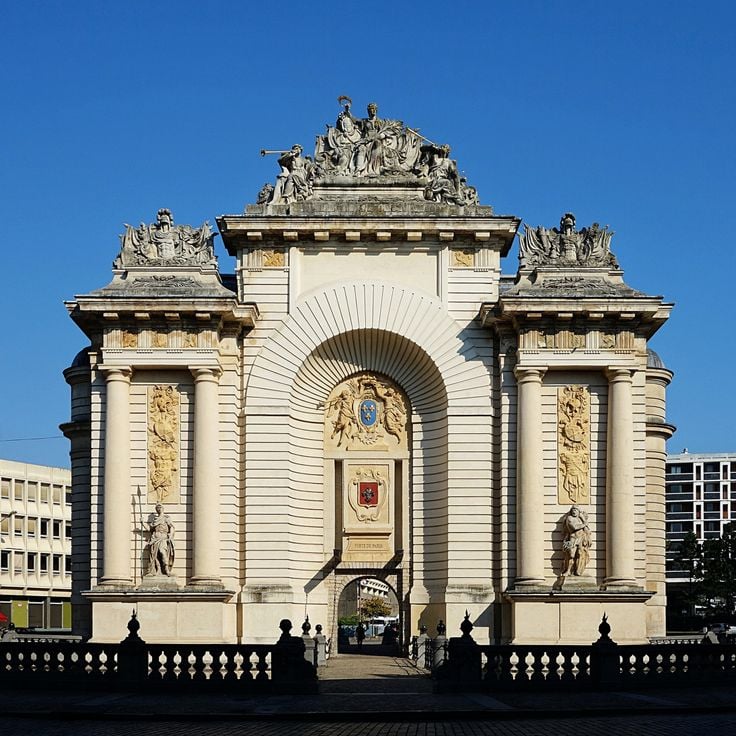
The Porte de Paris is a triumphal arch from 1692 that marks the old city entrance with decorated stone columns and military symbols on its facade. For photographers seeking uncommon locations in Lille, this monument stands as a historical building with architectural details that differ from main tourist sites. It offers interesting angles and compositions for those exploring the city away from crowded attractions.
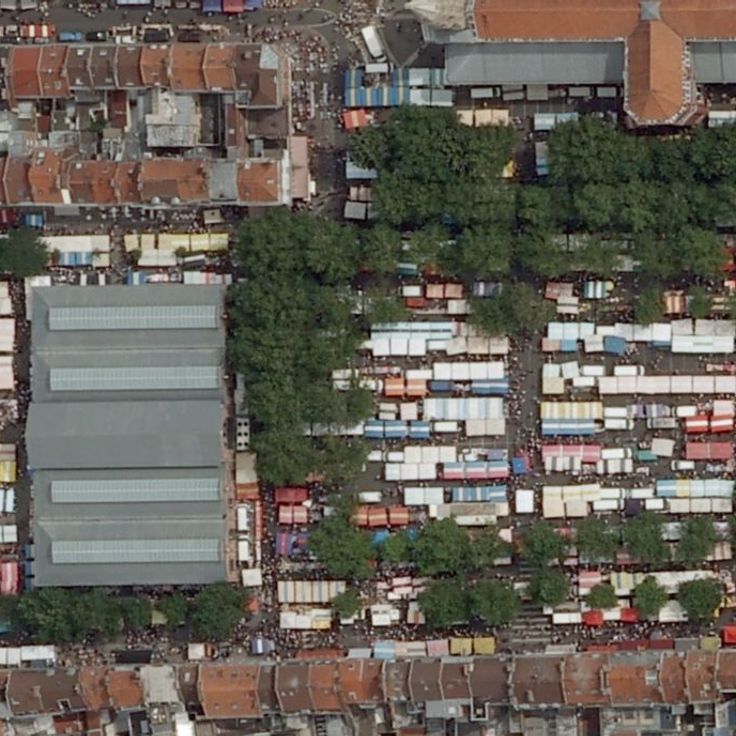
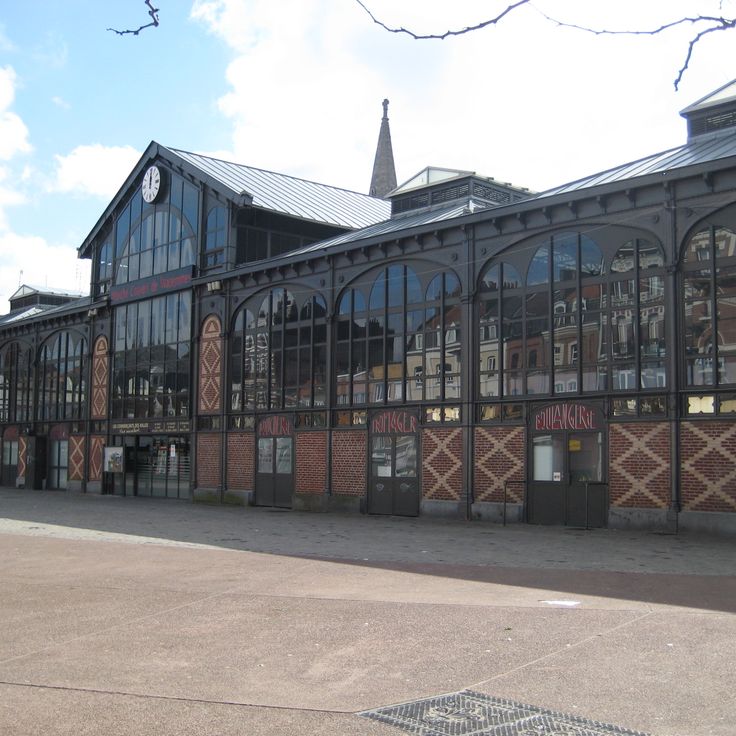
The Marché de Wazemmes sits in a working-class neighborhood in the southwest of Lille. The covered hall, built in 1869, has a metal frame that shapes the light in interesting ways depending on the time of day. Three times a week, vendors fill the stalls with fresh produce, flowers, and regional foods. For photographers, this market offers real scenes of everyday life far from the main tourist spots in the city.
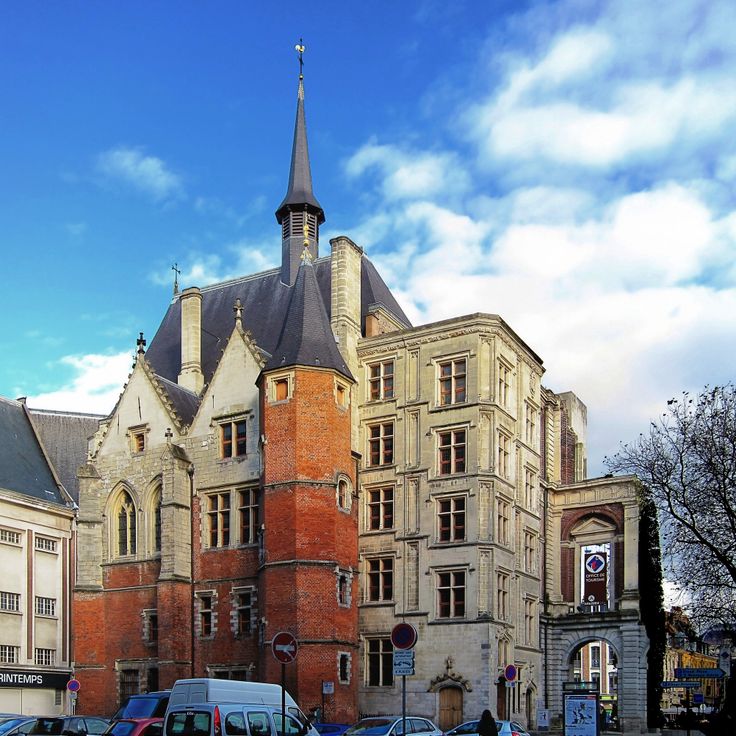
The Palace of Rihour is a 15th century Gothic structure that serves as a photography location in Lille for those exploring the city beyond main tourist routes. The building showcases carved stone details, French tapestries, and a historical council chamber furnished with period pieces. It represents the layered architectural history of a city that ranges from medieval monuments to converted industrial spaces and contemporary art venues.
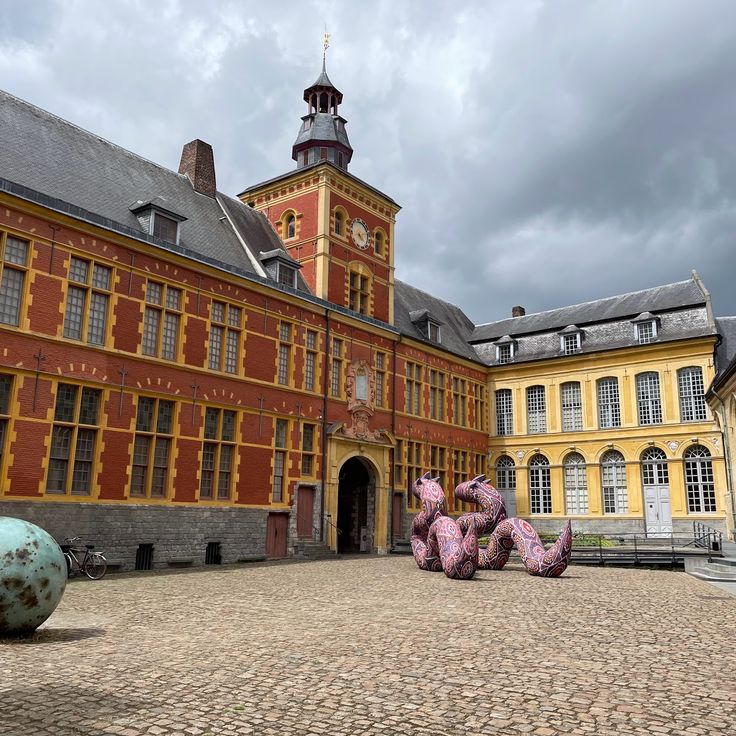
The Musée Hospice Comtesse is housed in a 15th-century hospital in the heart of Lille. The stone walls, Flemish furniture and medical objects tell the story of the city in a direct and tangible way. For photographers looking beyond the usual spots, the historic rooms and their contents offer uncommon views of daily life from past centuries.
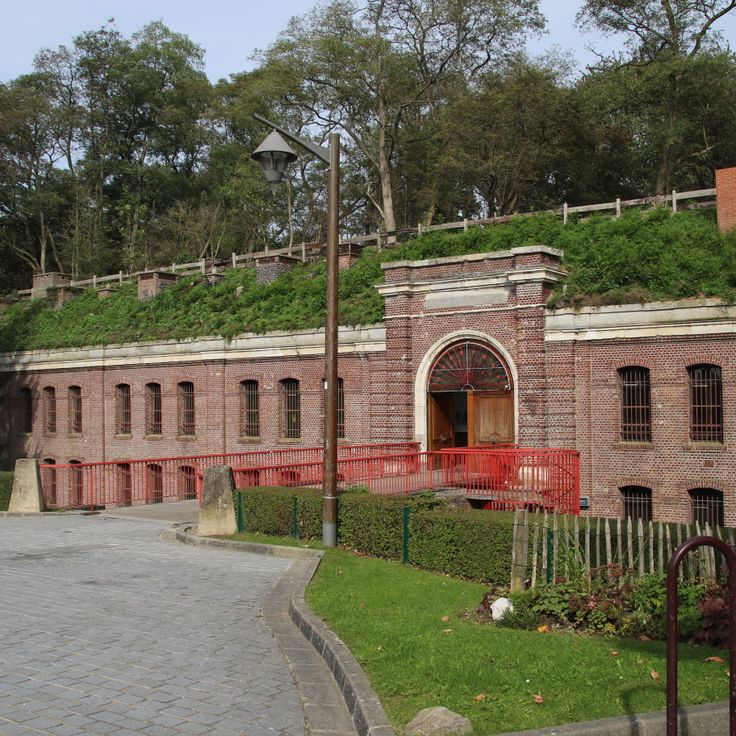
This fortress from 1880 in Mons-en-Baroeul is a rare place for photography in the Lille area. The underground tunnels, thick stone walls, and defensive positions from the First World War offer topics that are different from usual tourist spots.
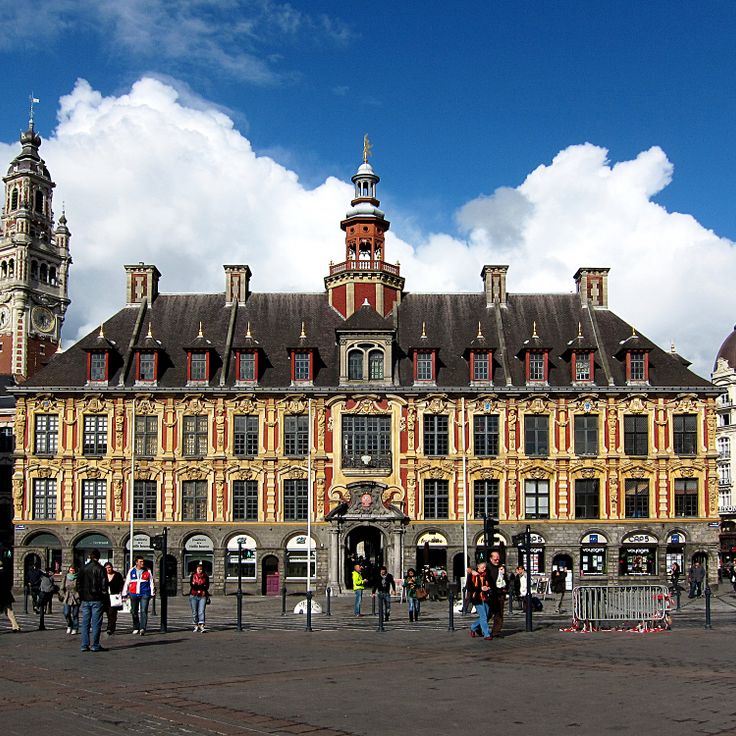
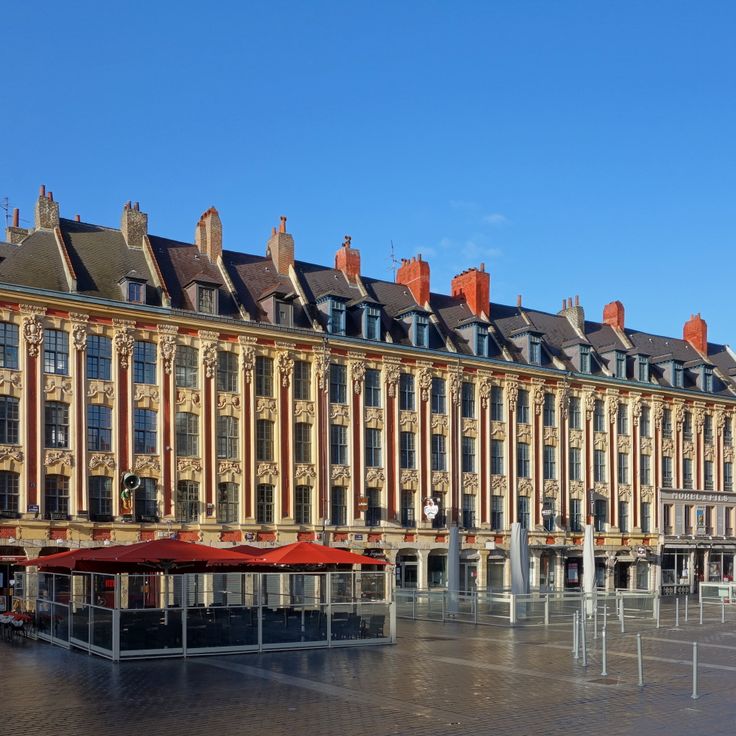
The Old Stock Exchange is a former commerce center built in 1652 that offers distinctive photography opportunities among Lille's less-visited locations. The inner courtyard hosts regular book markets and public chess tables, bringing daily life and historical layers together. This place captures both the architecture of a working past and the contemporary rhythms of a living space.
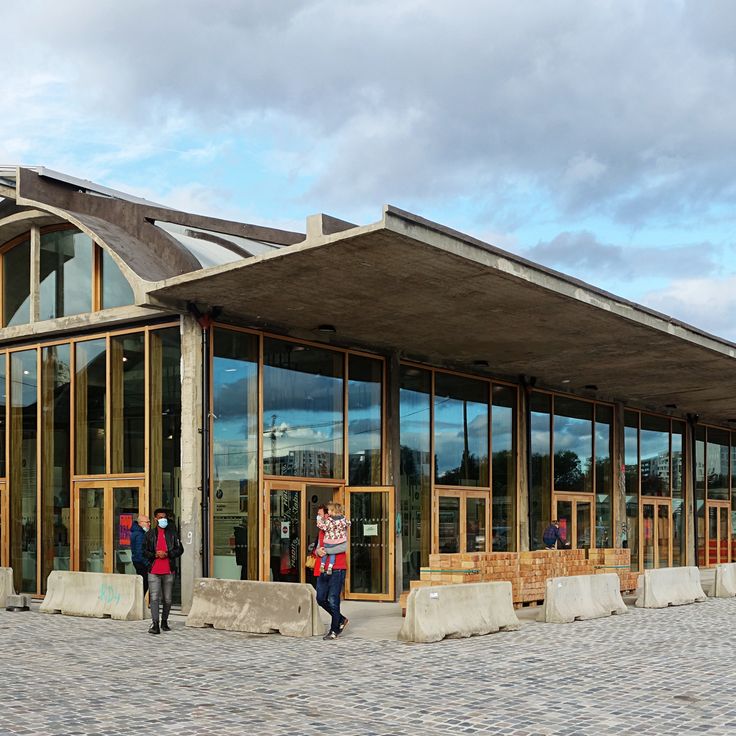
The Saint-So market is a former train station turned into a cultural space. The place hosts modern art exhibitions, vendors selling local foods, and live music shows. For photographers looking for spots away from common tourist routes, this site offers an interesting mix of industrial history and current artistic activity that shows how old factory areas in Lille have become places for culture.
The Halles de Wazemmes is a covered market in one of Lille's most animated neighborhoods. Built in 1869, the building features a metal frame structure that gives the interior an industrial feel. Inside, vendors sell fresh produce, regional specialties, and food from around the world. Light filters through the metal beams and falls across colorful displays in ways that draw photographers in. The market is woven into the daily life of the neighborhood, where people come to shop, talk, and start their day.
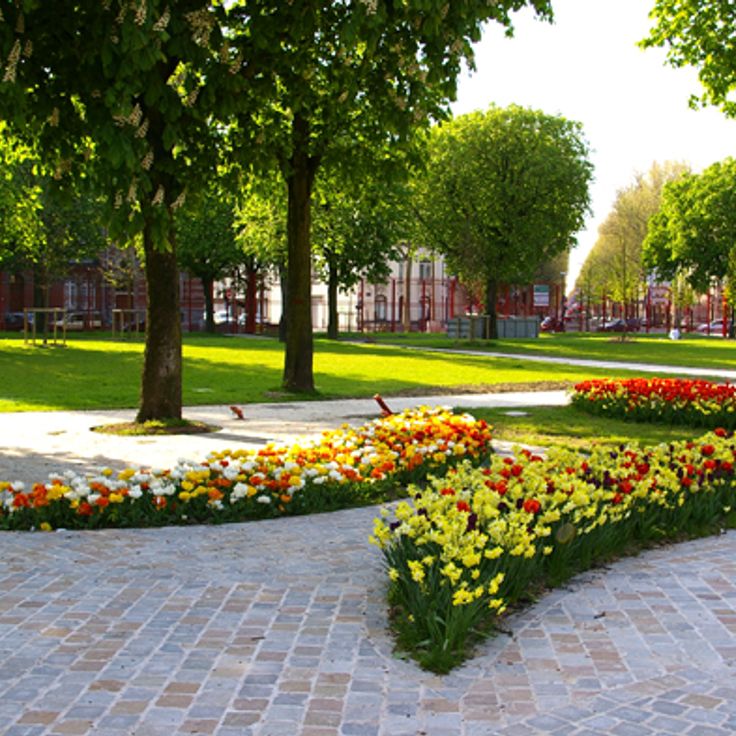
Parc Jean-Baptiste Lebas sits in the heart of Lille, away from the spots most visitors head to. The park is easy to recognize by its red metal gates, paved paths and wooden benches scattered across the grounds. Seasonal flowers line the walkways and change the look of the place throughout the year. In a city known for its Art Nouveau buildings and converted industrial sites, this park gives photographers a different angle on everyday life in Lille.
The Fine Arts Museum in Lille is housed in a 19th-century building displaying European paintings, ceramics collections, and contemporary art exhibitions across three floors. It offers a calm space for photography with historical rooms and artworks that stand apart from the city's typical tourist photography spots.
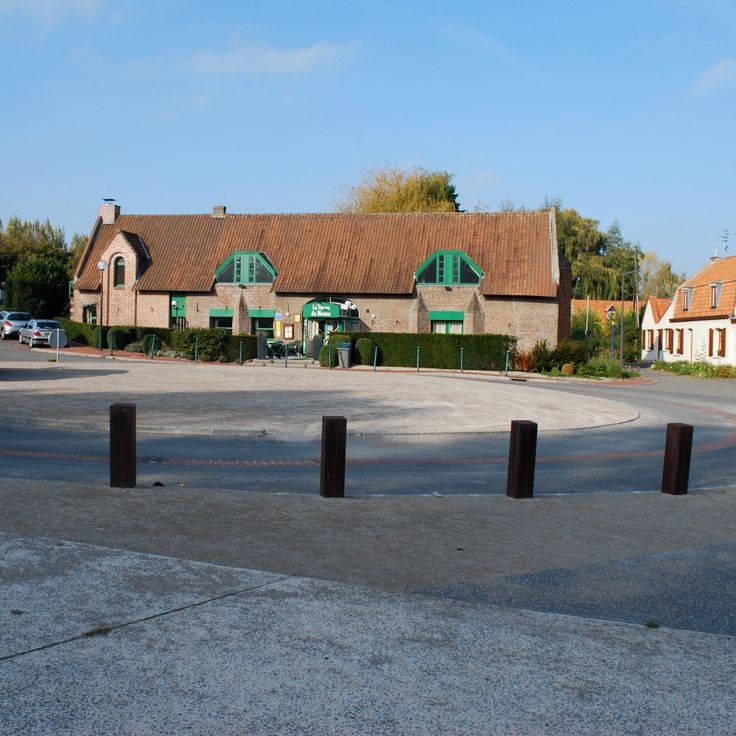
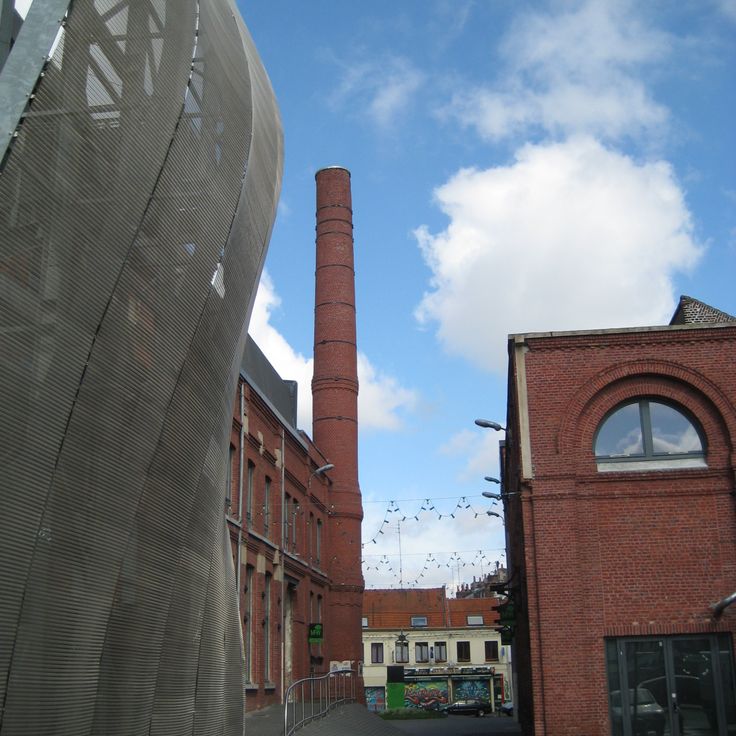
La Maison Folie Moulins is a former textile factory that now operates as an arts center. It represents the kind of converted industrial space that makes Lille interesting for photographers looking beyond typical tourist sites. The building houses exhibition spaces, performance halls, and studios where artists live and work. The mix of industrial architecture with contemporary cultural activity creates visual interest and tells the story of how the city has transformed its manufacturing heritage.
The Église Saint-Maurice is a 14th-century Gothic church in Lille that offers photographers a compelling subject away from main tourist routes. This church features stone vaults, expansive windows with stained glass, and a collection of religious paintings. The interplay of light through the colored glass and the intricate stone details make it an excellent location for photography of historical architecture.
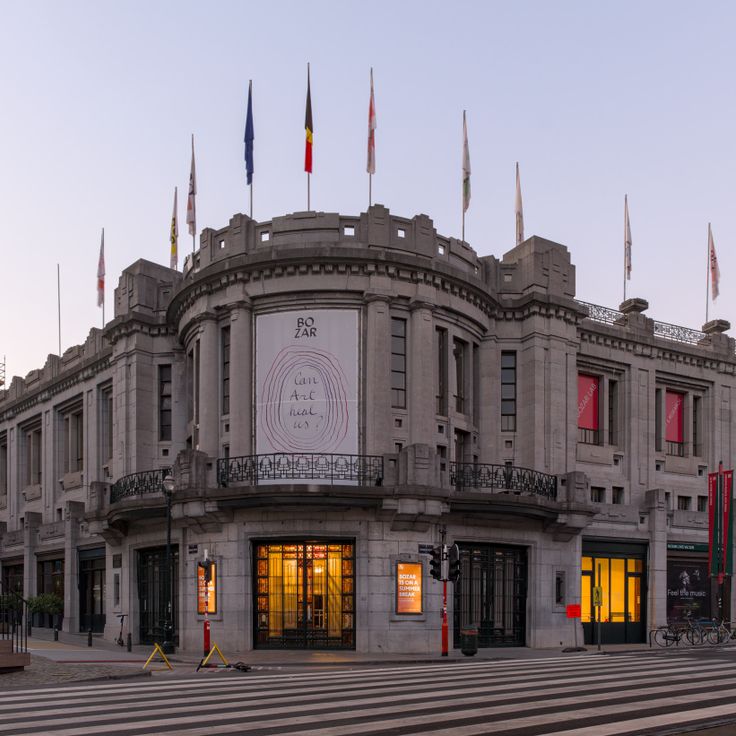
Le Nouveau Siècle is a concert venue in Lille with multiple performance spaces. Its modern architecture stands out for geometric patterns and large glass windows. For photographers seeking locations beyond typical tourist sites, this building offers chances to capture contemporary design. The facade's lines and forms create compelling shots, especially as light changes throughout the day.
This museum displays original furniture and personal objects in rooms that recreate the appearance of a 19th century bourgeois home. As a photography location for Instagram, the Maison Natale Charles de Gaulle in Lille offers historical interiors with authentic details that stand apart from typical tourist sites.
The Natural History Museum in Lille displays geological specimens, animal skeletons, preserved insects, and mineral collections spread across three floors with large windows. The building provides lighting through expansive glazing. For photographers seeking to capture scientific objects and historical collections, this museum offers an alternative to Lille's main tourist attractions.
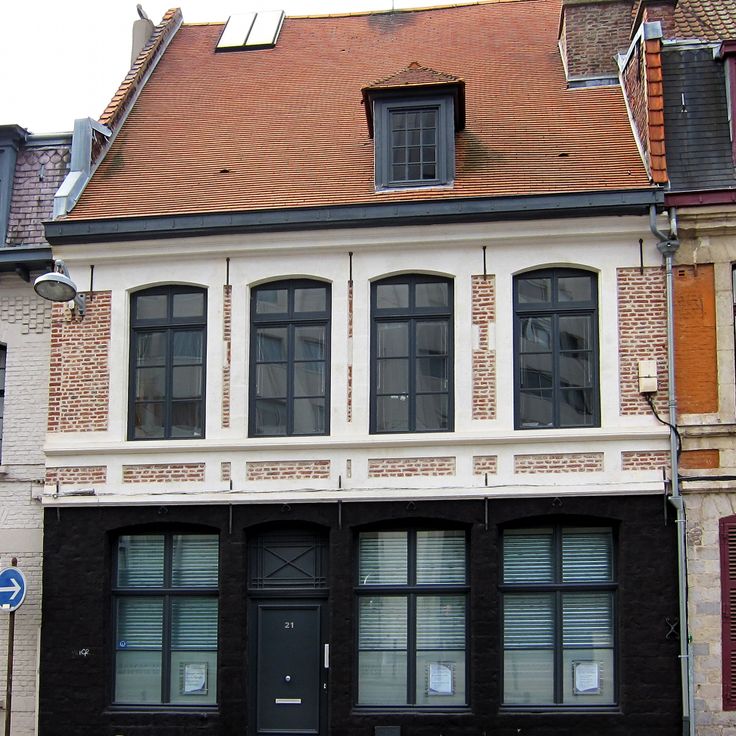
This row of houses in Lille displays architecture from the nineteenth century with red brick facades, stone ornaments, and decorative iron balconies overlooking a small garden. As one of the city's photography locations beyond main tourist sites, Beauregard Row offers subjects for those seeking street views that showcase historical craftsmanship. The combination of period details and green space makes this spot valuable for photographers exploring the layers of Lille's architectural heritage away from crowded areas.
Place Gilleson is a small square in Lille, lined with 19th-century stone buildings that still have their original wooden doors and decorative moldings around the windows. Far from the busy tourist spots, this square gives a genuine feel of what the city looked like in the past. Photographers who want to capture the everyday architectural character of Lille will find here quiet corners and period details that rarely appear in travel guides.
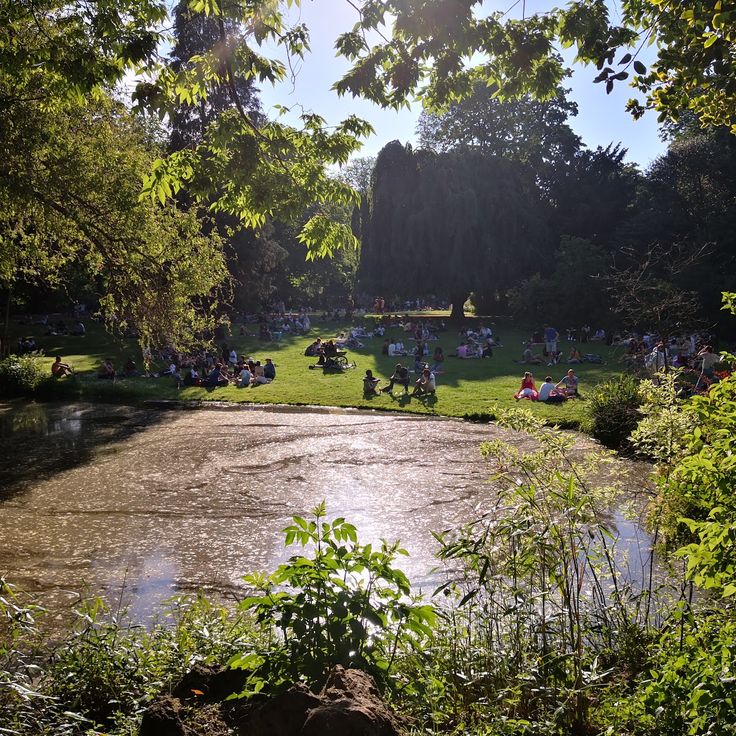
Vauban Garden features marble sculptures, stone bridges crossing small streams, and curved pathways winding through the grounds. The trees here were planted in the 1860s and continue to shape the character of the space. As a photography location in Lille away from main tourist sites, this garden offers compelling subjects with its historical elements and natural setting.
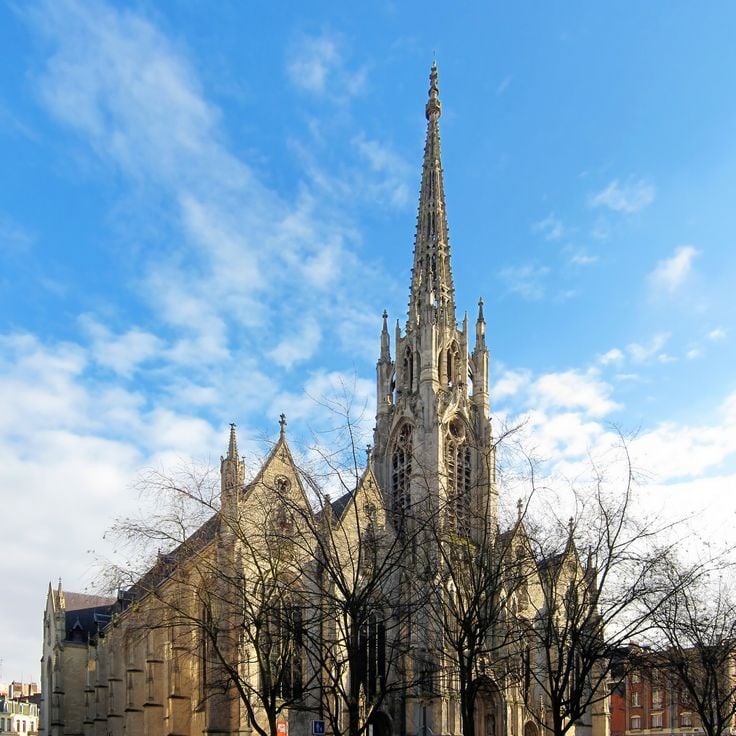
This church in Lille shows stone columns, colored windows, and several side chapels. The architecture combines Gothic and Roman styles, making it a subject for photographers looking for religious buildings away from main tourist spots. The interior with its stained glass and decorative details appeals to those seeking shots in historical buildings.
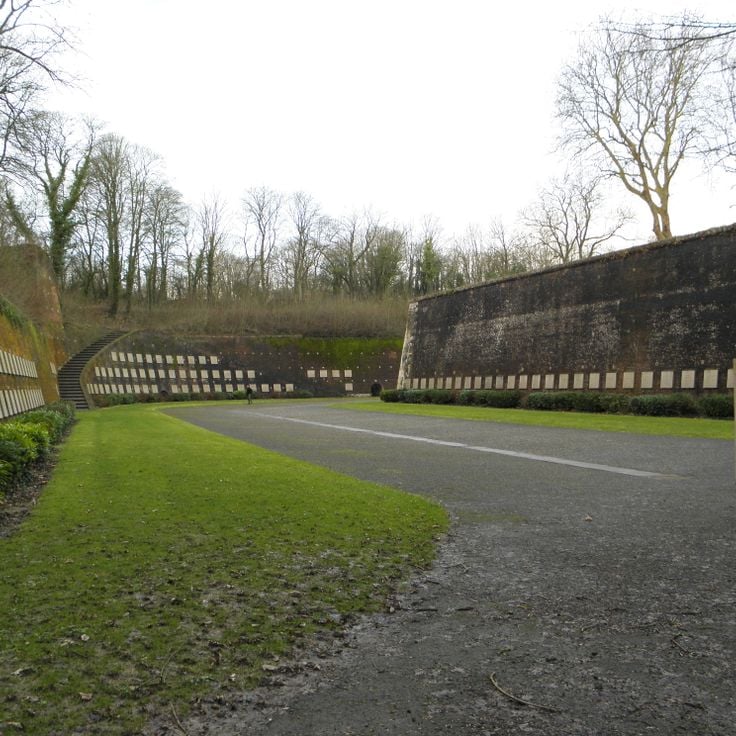
The Mur des Fusillés in Lille is a memorial wall honoring resistance fighters who were executed during World War II. Red bricks mark the spots where the shootings took place. For photographers looking beyond the usual spots in Lille, this wall offers a sober subject that connects history and remembrance in a direct and personal way.
The Maison Folie Wazemmes is a converted textile factory that now serves as an art center, fitting perfectly within Lille's collection of uncommon photography locations. The building retains industrial elements such as metal beams and brick walls that create compelling subjects for photographers. Its spaces show how the city has transformed old factories into cultural venues. Visitors encounter a blend of raw industrial design and contemporary art.
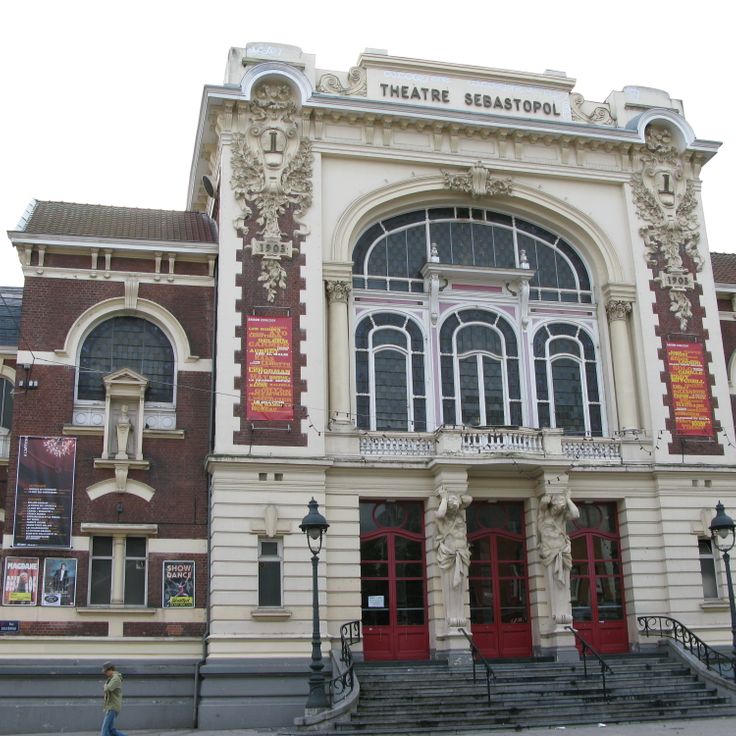
The Théâtre Sébastopol is a performing arts venue in Lille that offers photographers an interesting subject away from typical tourist destinations. Inside, you find red velvet seats and ornate ceiling decorations that reward close attention. The main hall seats around 1350 people and presents numerous angles for capturing the architectural details and refined interior design.
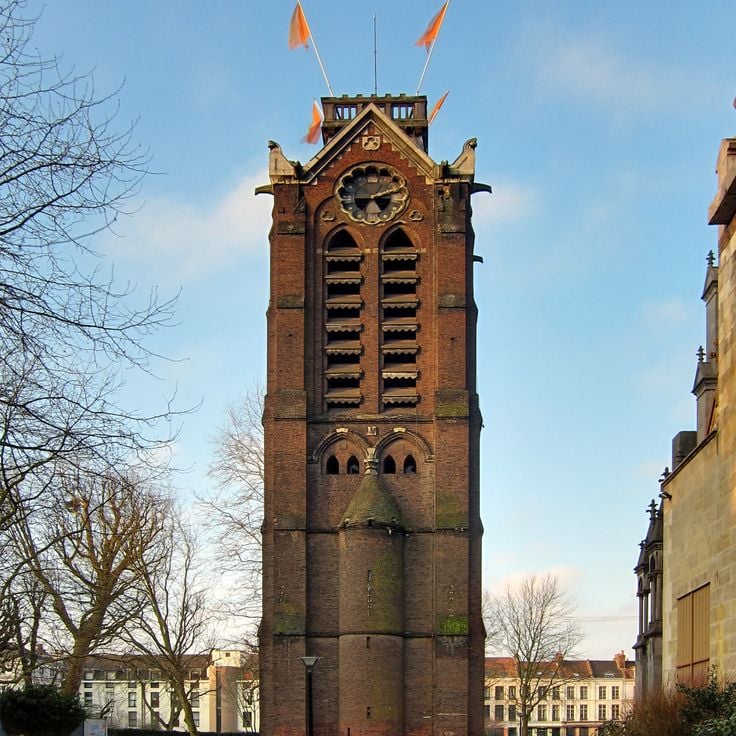
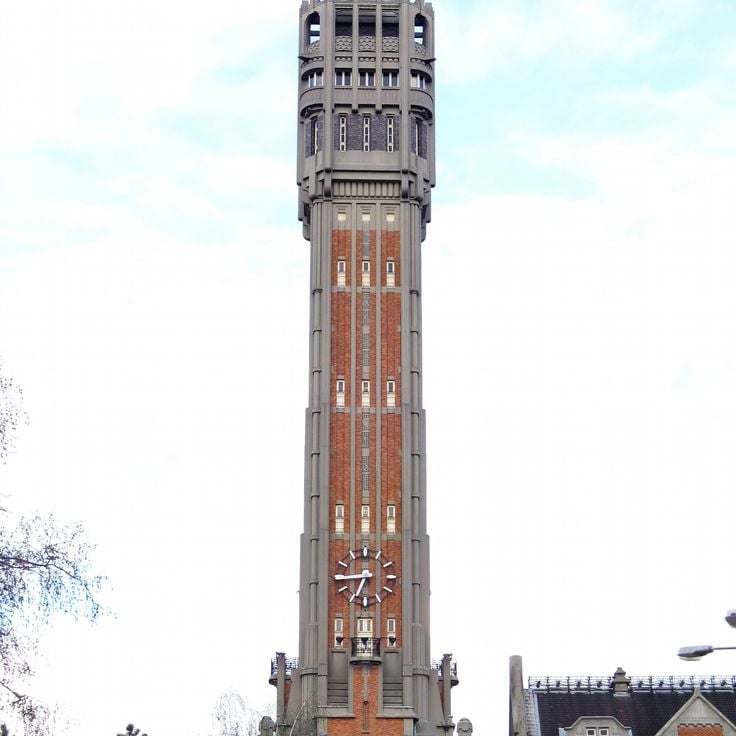
The Beffroi de Lille is a medieval bell tower that has marked the city's skyline for centuries. From its observation platform, visitors can see the rooftops of Lille and the flat countryside around it. At street level, the old stonework and the sheer height of the tower make for rewarding shots. This tower is one of those spots in Lille where photographers find angles that most visitors walk past without noticing.
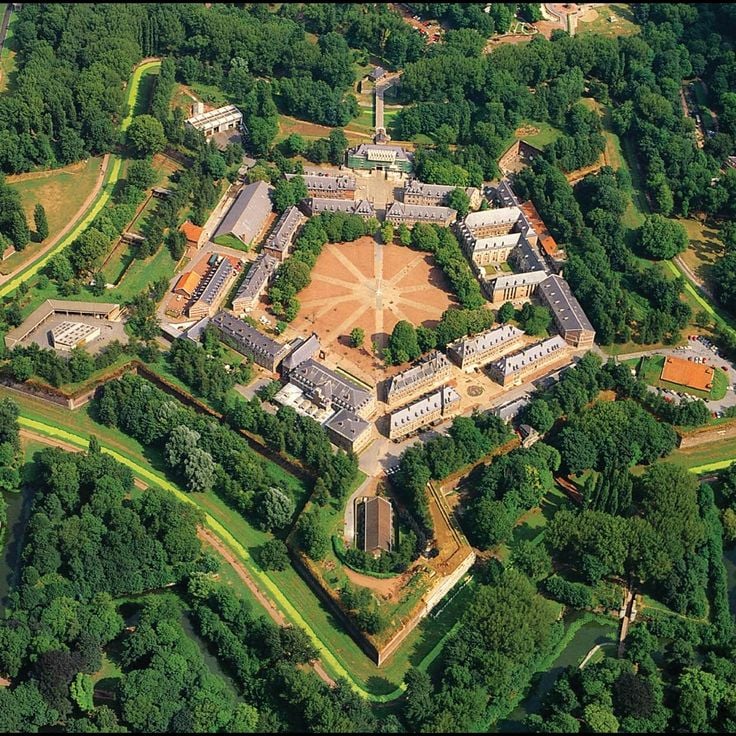
The Lille-Citadelle is a 17th century military fortress with a five-sided star shape, surrounded by walls, gardens and a moat. This historical fortification offers photographers uncommon perspectives away from Lille's main tourist routes. The geometric lines of the star bastion, green spaces and solid structures of the fortifications create interesting compositions for photography. The site blends military architecture with natural landscape and serves as one of the lesser-known photo locations in this city, which is also recognized for its Art Nouveau buildings and cultural venues set in former factories.
The Chapelle de la Comtesse is a Gothic chapel in Lille that showcases original wooden panels from the 15th century alongside religious artwork from the Middle Ages. For photographers exploring less visited sites across the city, this chapel offers compelling views of medieval craftsmanship and architectural details that tell the story of Lille's history beyond the main attractions.
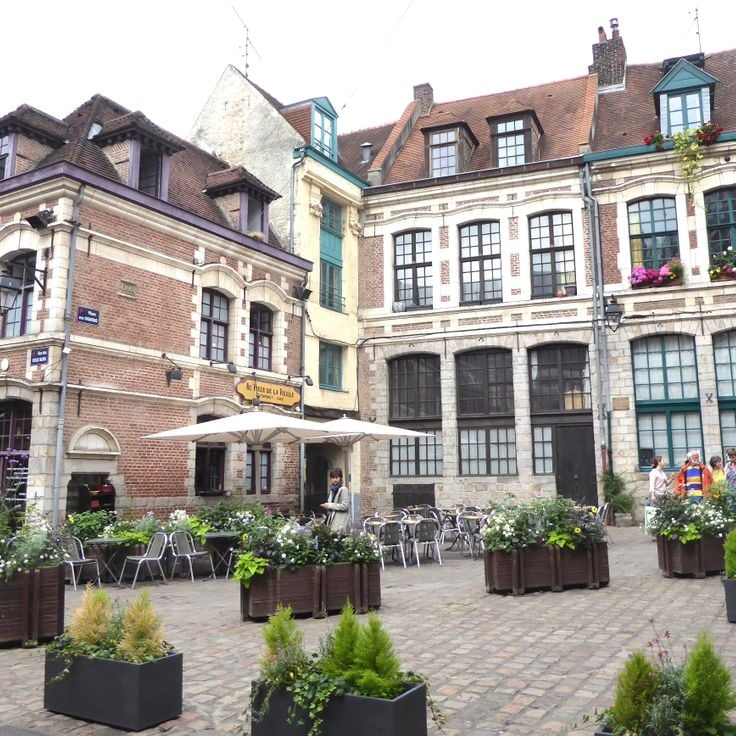
The Place aux Oignons is a small square tucked into the old heart of Lille, lined with red brick buildings from the 17th century. The Flemish style shows clearly in the stone details and the warm tones of the facades. For anyone photographing Lille beyond the usual spots, this square offers a quiet corner where the city's past is still very much present.
The Coilliot House is a residential building from 1898 in Lille. It shows the Art Nouveau style with ceramic decorations and curved shapes designed by architect Hector Guimard. The front has colorful tiles and flowing lines that mark this art style. For photographers, the building has interesting details: the colorful ceramic tiles, rounded window frames, and decorative elements that cover the facade. This place makes a good subject for exploring Lille's old architecture away from the main tourist spots.
The Gare Saint Sauveur is a former train station built in 1865, now used as a cultural center in Lille. For photographers looking beyond the usual tourist spots, this place offers a strong contrast between old industrial architecture and contemporary life. Art exhibitions, film screenings, restaurants and outdoor spaces fill the building with activity. The brick structure shows how a historic site can take on a new role while keeping its original character.
This cathedral combines Gothic and contemporary architecture, offering photographic interest through the contrast between historical and modern styles. The marble and glass facade was completed in 1999 and creates compelling interplay between old and new. Inside, colored stained glass windows filter light in ways that produce unusual photography opportunities away from Lille's main tourist sites.
The LaM - Lille Metropole Museum of Modern Art is a museum of contemporary art in Villeneuve-d'Ascq. It holds around 4500 art pieces, including works by Modigliani and Picasso. The building is in a large park where sculptures by international artists are displayed. For photographers looking for different spots in the Lille area, this museum offers several ideas: the modern design of the building, the artworks inside, and the outdoor sculptures among trees and open spaces. This mix of design and art makes it a different option from the main tourist sites.
Jardin des Géants in Lille is a garden filled with large metal and stone sculptures placed among plants, trees, and flowerbeds in the heart of the city. For photographers seeking locations beyond the main tourist sites, this garden offers distinctive visual combinations. The interplay of artworks and nature creates layered compositions, with shifting light and shadow playing across the sculptures throughout the day.
The Roubaix swimming pool, built in 1932, now works as an art museum inside an Art Deco building. The original tiles, the glass roof and the way natural light moves through the space make this a rewarding spot for photographers looking beyond the usual stops in Lille. The basin is still there, surrounded by sculptures and paintings, creating an unusual mix of public bath and gallery.
The Porte de Paris is a triumphal arch from 1692 that marks the old city entrance with decorated stone columns and military symbols on its facade. For photographers seeking uncommon locations in Lille, this monument stands as a historical building with architectural details that differ from main tourist sites. It offers interesting angles and compositions for those exploring the city away from crowded attractions.
The Marché de Wazemmes sits in a working-class neighborhood in the southwest of Lille. The covered hall, built in 1869, has a metal frame that shapes the light in interesting ways depending on the time of day. Three times a week, vendors fill the stalls with fresh produce, flowers, and regional foods. For photographers, this market offers real scenes of everyday life far from the main tourist spots in the city.
The Palace of Rihour is a 15th century Gothic structure that serves as a photography location in Lille for those exploring the city beyond main tourist routes. The building showcases carved stone details, French tapestries, and a historical council chamber furnished with period pieces. It represents the layered architectural history of a city that ranges from medieval monuments to converted industrial spaces and contemporary art venues.
The Musée Hospice Comtesse is housed in a 15th-century hospital in the heart of Lille. The stone walls, Flemish furniture and medical objects tell the story of the city in a direct and tangible way. For photographers looking beyond the usual spots, the historic rooms and their contents offer uncommon views of daily life from past centuries.
This fortress from 1880 in Mons-en-Baroeul is a rare place for photography in the Lille area. The underground tunnels, thick stone walls, and defensive positions from the First World War offer topics that are different from usual tourist spots.
The Old Stock Exchange is a former commerce center built in 1652 that offers distinctive photography opportunities among Lille's less-visited locations. The inner courtyard hosts regular book markets and public chess tables, bringing daily life and historical layers together. This place captures both the architecture of a working past and the contemporary rhythms of a living space.
The Saint-So market is a former train station turned into a cultural space. The place hosts modern art exhibitions, vendors selling local foods, and live music shows. For photographers looking for spots away from common tourist routes, this site offers an interesting mix of industrial history and current artistic activity that shows how old factory areas in Lille have become places for culture.
The Halles de Wazemmes is a covered market in one of Lille's most animated neighborhoods. Built in 1869, the building features a metal frame structure that gives the interior an industrial feel. Inside, vendors sell fresh produce, regional specialties, and food from around the world. Light filters through the metal beams and falls across colorful displays in ways that draw photographers in. The market is woven into the daily life of the neighborhood, where people come to shop, talk, and start their day.
Parc Jean-Baptiste Lebas sits in the heart of Lille, away from the spots most visitors head to. The park is easy to recognize by its red metal gates, paved paths and wooden benches scattered across the grounds. Seasonal flowers line the walkways and change the look of the place throughout the year. In a city known for its Art Nouveau buildings and converted industrial sites, this park gives photographers a different angle on everyday life in Lille.
The Fine Arts Museum in Lille is housed in a 19th-century building displaying European paintings, ceramics collections, and contemporary art exhibitions across three floors. It offers a calm space for photography with historical rooms and artworks that stand apart from the city's typical tourist photography spots.
La Maison Folie Moulins is a former textile factory that now operates as an arts center. It represents the kind of converted industrial space that makes Lille interesting for photographers looking beyond typical tourist sites. The building houses exhibition spaces, performance halls, and studios where artists live and work. The mix of industrial architecture with contemporary cultural activity creates visual interest and tells the story of how the city has transformed its manufacturing heritage.
The Église Saint-Maurice is a 14th-century Gothic church in Lille that offers photographers a compelling subject away from main tourist routes. This church features stone vaults, expansive windows with stained glass, and a collection of religious paintings. The interplay of light through the colored glass and the intricate stone details make it an excellent location for photography of historical architecture.
Le Nouveau Siècle is a concert venue in Lille with multiple performance spaces. Its modern architecture stands out for geometric patterns and large glass windows. For photographers seeking locations beyond typical tourist sites, this building offers chances to capture contemporary design. The facade's lines and forms create compelling shots, especially as light changes throughout the day.
This museum displays original furniture and personal objects in rooms that recreate the appearance of a 19th century bourgeois home. As a photography location for Instagram, the Maison Natale Charles de Gaulle in Lille offers historical interiors with authentic details that stand apart from typical tourist sites.
The Natural History Museum in Lille displays geological specimens, animal skeletons, preserved insects, and mineral collections spread across three floors with large windows. The building provides lighting through expansive glazing. For photographers seeking to capture scientific objects and historical collections, this museum offers an alternative to Lille's main tourist attractions.
This row of houses in Lille displays architecture from the nineteenth century with red brick facades, stone ornaments, and decorative iron balconies overlooking a small garden. As one of the city's photography locations beyond main tourist sites, Beauregard Row offers subjects for those seeking street views that showcase historical craftsmanship. The combination of period details and green space makes this spot valuable for photographers exploring the layers of Lille's architectural heritage away from crowded areas.
Place Gilleson is a small square in Lille, lined with 19th-century stone buildings that still have their original wooden doors and decorative moldings around the windows. Far from the busy tourist spots, this square gives a genuine feel of what the city looked like in the past. Photographers who want to capture the everyday architectural character of Lille will find here quiet corners and period details that rarely appear in travel guides.
Vauban Garden features marble sculptures, stone bridges crossing small streams, and curved pathways winding through the grounds. The trees here were planted in the 1860s and continue to shape the character of the space. As a photography location in Lille away from main tourist sites, this garden offers compelling subjects with its historical elements and natural setting.
This church in Lille shows stone columns, colored windows, and several side chapels. The architecture combines Gothic and Roman styles, making it a subject for photographers looking for religious buildings away from main tourist spots. The interior with its stained glass and decorative details appeals to those seeking shots in historical buildings.
The Mur des Fusillés in Lille is a memorial wall honoring resistance fighters who were executed during World War II. Red bricks mark the spots where the shootings took place. For photographers looking beyond the usual spots in Lille, this wall offers a sober subject that connects history and remembrance in a direct and personal way.
The Maison Folie Wazemmes is a converted textile factory that now serves as an art center, fitting perfectly within Lille's collection of uncommon photography locations. The building retains industrial elements such as metal beams and brick walls that create compelling subjects for photographers. Its spaces show how the city has transformed old factories into cultural venues. Visitors encounter a blend of raw industrial design and contemporary art.
The Théâtre Sébastopol is a performing arts venue in Lille that offers photographers an interesting subject away from typical tourist destinations. Inside, you find red velvet seats and ornate ceiling decorations that reward close attention. The main hall seats around 1350 people and presents numerous angles for capturing the architectural details and refined interior design.
The Beffroi de Lille is a medieval bell tower that has marked the city's skyline for centuries. From its observation platform, visitors can see the rooftops of Lille and the flat countryside around it. At street level, the old stonework and the sheer height of the tower make for rewarding shots. This tower is one of those spots in Lille where photographers find angles that most visitors walk past without noticing.
The Lille-Citadelle is a 17th century military fortress with a five-sided star shape, surrounded by walls, gardens and a moat. This historical fortification offers photographers uncommon perspectives away from Lille's main tourist routes. The geometric lines of the star bastion, green spaces and solid structures of the fortifications create interesting compositions for photography. The site blends military architecture with natural landscape and serves as one of the lesser-known photo locations in this city, which is also recognized for its Art Nouveau buildings and cultural venues set in former factories.
The Chapelle de la Comtesse is a Gothic chapel in Lille that showcases original wooden panels from the 15th century alongside religious artwork from the Middle Ages. For photographers exploring less visited sites across the city, this chapel offers compelling views of medieval craftsmanship and architectural details that tell the story of Lille's history beyond the main attractions.
The Place aux Oignons is a small square tucked into the old heart of Lille, lined with red brick buildings from the 17th century. The Flemish style shows clearly in the stone details and the warm tones of the facades. For anyone photographing Lille beyond the usual spots, this square offers a quiet corner where the city's past is still very much present.
The Coilliot House is a residential building from 1898 in Lille. It shows the Art Nouveau style with ceramic decorations and curved shapes designed by architect Hector Guimard. The front has colorful tiles and flowing lines that mark this art style. For photographers, the building has interesting details: the colorful ceramic tiles, rounded window frames, and decorative elements that cover the facade. This place makes a good subject for exploring Lille's old architecture away from the main tourist spots.
The Gare Saint Sauveur is a former train station built in 1865, now used as a cultural center in Lille. For photographers looking beyond the usual tourist spots, this place offers a strong contrast between old industrial architecture and contemporary life. Art exhibitions, film screenings, restaurants and outdoor spaces fill the building with activity. The brick structure shows how a historic site can take on a new role while keeping its original character.
This cathedral combines Gothic and contemporary architecture, offering photographic interest through the contrast between historical and modern styles. The marble and glass facade was completed in 1999 and creates compelling interplay between old and new. Inside, colored stained glass windows filter light in ways that produce unusual photography opportunities away from Lille's main tourist sites.
The LaM - Lille Metropole Museum of Modern Art is a museum of contemporary art in Villeneuve-d'Ascq. It holds around 4500 art pieces, including works by Modigliani and Picasso. The building is in a large park where sculptures by international artists are displayed. For photographers looking for different spots in the Lille area, this museum offers several ideas: the modern design of the building, the artworks inside, and the outdoor sculptures among trees and open spaces. This mix of design and art makes it a different option from the main tourist sites.
Jardin des Géants in Lille is a garden filled with large metal and stone sculptures placed among plants, trees, and flowerbeds in the heart of the city. For photographers seeking locations beyond the main tourist sites, this garden offers distinctive visual combinations. The interplay of artworks and nature creates layered compositions, with shifting light and shadow playing across the sculptures throughout the day.
The Roubaix swimming pool, built in 1932, now works as an art museum inside an Art Deco building. The original tiles, the glass roof and the way natural light moves through the space make this a rewarding spot for photographers looking beyond the usual stops in Lille. The basin is still there, surrounded by sculptures and paintings, creating an unusual mix of public bath and gallery.
The Porte de Paris is a triumphal arch from 1692 that marks the old city entrance with decorated stone columns and military symbols on its facade. For photographers seeking uncommon locations in Lille, this monument stands as a historical building with architectural details that differ from main tourist sites. It offers interesting angles and compositions for those exploring the city away from crowded attractions.
The Marché de Wazemmes sits in a working-class neighborhood in the southwest of Lille. The covered hall, built in 1869, has a metal frame that shapes the light in interesting ways depending on the time of day. Three times a week, vendors fill the stalls with fresh produce, flowers, and regional foods. For photographers, this market offers real scenes of everyday life far from the main tourist spots in the city.
The Palace of Rihour is a 15th century Gothic structure that serves as a photography location in Lille for those exploring the city beyond main tourist routes. The building showcases carved stone details, French tapestries, and a historical council chamber furnished with period pieces. It represents the layered architectural history of a city that ranges from medieval monuments to converted industrial spaces and contemporary art venues.
The Musée Hospice Comtesse is housed in a 15th-century hospital in the heart of Lille. The stone walls, Flemish furniture and medical objects tell the story of the city in a direct and tangible way. For photographers looking beyond the usual spots, the historic rooms and their contents offer uncommon views of daily life from past centuries.
This fortress from 1880 in Mons-en-Baroeul is a rare place for photography in the Lille area. The underground tunnels, thick stone walls, and defensive positions from the First World War offer topics that are different from usual tourist spots.
The Old Stock Exchange is a former commerce center built in 1652 that offers distinctive photography opportunities among Lille's less-visited locations. The inner courtyard hosts regular book markets and public chess tables, bringing daily life and historical layers together. This place captures both the architecture of a working past and the contemporary rhythms of a living space.
The Saint-So market is a former train station turned into a cultural space. The place hosts modern art exhibitions, vendors selling local foods, and live music shows. For photographers looking for spots away from common tourist routes, this site offers an interesting mix of industrial history and current artistic activity that shows how old factory areas in Lille have become places for culture.
The Halles de Wazemmes is a covered market in one of Lille's most animated neighborhoods. Built in 1869, the building features a metal frame structure that gives the interior an industrial feel. Inside, vendors sell fresh produce, regional specialties, and food from around the world. Light filters through the metal beams and falls across colorful displays in ways that draw photographers in. The market is woven into the daily life of the neighborhood, where people come to shop, talk, and start their day.
Parc Jean-Baptiste Lebas sits in the heart of Lille, away from the spots most visitors head to. The park is easy to recognize by its red metal gates, paved paths and wooden benches scattered across the grounds. Seasonal flowers line the walkways and change the look of the place throughout the year. In a city known for its Art Nouveau buildings and converted industrial sites, this park gives photographers a different angle on everyday life in Lille.
The Fine Arts Museum in Lille is housed in a 19th-century building displaying European paintings, ceramics collections, and contemporary art exhibitions across three floors. It offers a calm space for photography with historical rooms and artworks that stand apart from the city's typical tourist photography spots.
La Maison Folie Moulins is a former textile factory that now operates as an arts center. It represents the kind of converted industrial space that makes Lille interesting for photographers looking beyond typical tourist sites. The building houses exhibition spaces, performance halls, and studios where artists live and work. The mix of industrial architecture with contemporary cultural activity creates visual interest and tells the story of how the city has transformed its manufacturing heritage.
The Église Saint-Maurice is a 14th-century Gothic church in Lille that offers photographers a compelling subject away from main tourist routes. This church features stone vaults, expansive windows with stained glass, and a collection of religious paintings. The interplay of light through the colored glass and the intricate stone details make it an excellent location for photography of historical architecture.
Le Nouveau Siècle is a concert venue in Lille with multiple performance spaces. Its modern architecture stands out for geometric patterns and large glass windows. For photographers seeking locations beyond typical tourist sites, this building offers chances to capture contemporary design. The facade's lines and forms create compelling shots, especially as light changes throughout the day.
This museum displays original furniture and personal objects in rooms that recreate the appearance of a 19th century bourgeois home. As a photography location for Instagram, the Maison Natale Charles de Gaulle in Lille offers historical interiors with authentic details that stand apart from typical tourist sites.
The Natural History Museum in Lille displays geological specimens, animal skeletons, preserved insects, and mineral collections spread across three floors with large windows. The building provides lighting through expansive glazing. For photographers seeking to capture scientific objects and historical collections, this museum offers an alternative to Lille's main tourist attractions.
This row of houses in Lille displays architecture from the nineteenth century with red brick facades, stone ornaments, and decorative iron balconies overlooking a small garden. As one of the city's photography locations beyond main tourist sites, Beauregard Row offers subjects for those seeking street views that showcase historical craftsmanship. The combination of period details and green space makes this spot valuable for photographers exploring the layers of Lille's architectural heritage away from crowded areas.
Place Gilleson is a small square in Lille, lined with 19th-century stone buildings that still have their original wooden doors and decorative moldings around the windows. Far from the busy tourist spots, this square gives a genuine feel of what the city looked like in the past. Photographers who want to capture the everyday architectural character of Lille will find here quiet corners and period details that rarely appear in travel guides.
Vauban Garden features marble sculptures, stone bridges crossing small streams, and curved pathways winding through the grounds. The trees here were planted in the 1860s and continue to shape the character of the space. As a photography location in Lille away from main tourist sites, this garden offers compelling subjects with its historical elements and natural setting.
This church in Lille shows stone columns, colored windows, and several side chapels. The architecture combines Gothic and Roman styles, making it a subject for photographers looking for religious buildings away from main tourist spots. The interior with its stained glass and decorative details appeals to those seeking shots in historical buildings.
The Mur des Fusillés in Lille is a memorial wall honoring resistance fighters who were executed during World War II. Red bricks mark the spots where the shootings took place. For photographers looking beyond the usual spots in Lille, this wall offers a sober subject that connects history and remembrance in a direct and personal way.
The Maison Folie Wazemmes is a converted textile factory that now serves as an art center, fitting perfectly within Lille's collection of uncommon photography locations. The building retains industrial elements such as metal beams and brick walls that create compelling subjects for photographers. Its spaces show how the city has transformed old factories into cultural venues. Visitors encounter a blend of raw industrial design and contemporary art.
The Théâtre Sébastopol is a performing arts venue in Lille that offers photographers an interesting subject away from typical tourist destinations. Inside, you find red velvet seats and ornate ceiling decorations that reward close attention. The main hall seats around 1350 people and presents numerous angles for capturing the architectural details and refined interior design.
The Beffroi de Lille is a medieval bell tower that has marked the city's skyline for centuries. From its observation platform, visitors can see the rooftops of Lille and the flat countryside around it. At street level, the old stonework and the sheer height of the tower make for rewarding shots. This tower is one of those spots in Lille where photographers find angles that most visitors walk past without noticing.
The Lille-Citadelle is a 17th century military fortress with a five-sided star shape, surrounded by walls, gardens and a moat. This historical fortification offers photographers uncommon perspectives away from Lille's main tourist routes. The geometric lines of the star bastion, green spaces and solid structures of the fortifications create interesting compositions for photography. The site blends military architecture with natural landscape and serves as one of the lesser-known photo locations in this city, which is also recognized for its Art Nouveau buildings and cultural venues set in former factories.
The Chapelle de la Comtesse is a Gothic chapel in Lille that showcases original wooden panels from the 15th century alongside religious artwork from the Middle Ages. For photographers exploring less visited sites across the city, this chapel offers compelling views of medieval craftsmanship and architectural details that tell the story of Lille's history beyond the main attractions.
The Place aux Oignons is a small square tucked into the old heart of Lille, lined with red brick buildings from the 17th century. The Flemish style shows clearly in the stone details and the warm tones of the facades. For anyone photographing Lille beyond the usual spots, this square offers a quiet corner where the city's past is still very much present.
Visit Lille outside the busy tourist hours. The streets are less crowded in the late afternoon or early morning, which allows you to photograph the buildings and markets without many people. Bring a light tripod to capture the soft light on the brick facades at sunset.