See the monuments around you in AROpen chests in the app
Around Us is built for your phone — point your camera at the streets and discover the monuments and places around you in augmented reality.Around Us is built for your phone — chests unlock when you walk, explore and capture nearby places.
From King's Cross station to castles in Scotland, we show real places in England and Scotland that were used in the Harry Potter movies. Each tells a part of the magic that has captured the world.
The Harry Potter movies were shot in real places in England and Scotland. From the center of London to Scottish castles, along with old train stations and traditional markets, these locations form the scenes of the story. For fans, visiting these places is a chance to walk in the footsteps of the characters and see the famous scenes from the movies.
London is important in the filming. The King's Cross St. Pancras station is where Harry and his friends catch the Hogwarts Express. Leadenhall Market, with its cobbled streets and old arches, becomes Diagon Alley. The Millennium Bridge, St. Paul's Cathedral, and Piccadilly Circus also appear in the movies. Sometimes they are changed with effects but are still easy to recognize. Walking through these neighborhoods shows how the filmmakers used real buildings to show the magical world.
Outside London, other sites in Scotland and across England add more locations. These places show how the production team used real British buildings to create the Harry Potter world. Visiting these sites helps you see how real life and filming come together to tell a story that many people love.
From King's Cross station to castles in Scotland, we show real places in England and Scotland that were used in the Harry Potter movies. Each tells a part of the magic that has captured the world.
The Harry Potter movies were shot in real places in England and Scotland. From the center of London to Scottish castles, along with old train stations and traditional markets, these locations form the scenes of the story. For fans, visiting these places is a chance to walk in the footsteps of the characters and see the famous scenes from the movies.
London is important in the filming. The King's Cross St. Pancras station is where Harry and his friends catch the Hogwarts Express. Leadenhall Market, with its cobbled streets and old arches, becomes Diagon Alley. The Millennium Bridge, St. Paul's Cathedral, and Piccadilly Circus also appear in the movies. Sometimes they are changed with effects but are still easy to recognize. Walking through these neighborhoods shows how the filmmakers used real buildings to show the magical world.
Outside London, other sites in Scotland and across England add more locations. These places show how the production team used real British buildings to create the Harry Potter world. Visiting these sites helps you see how real life and filming come together to tell a story that many people love.
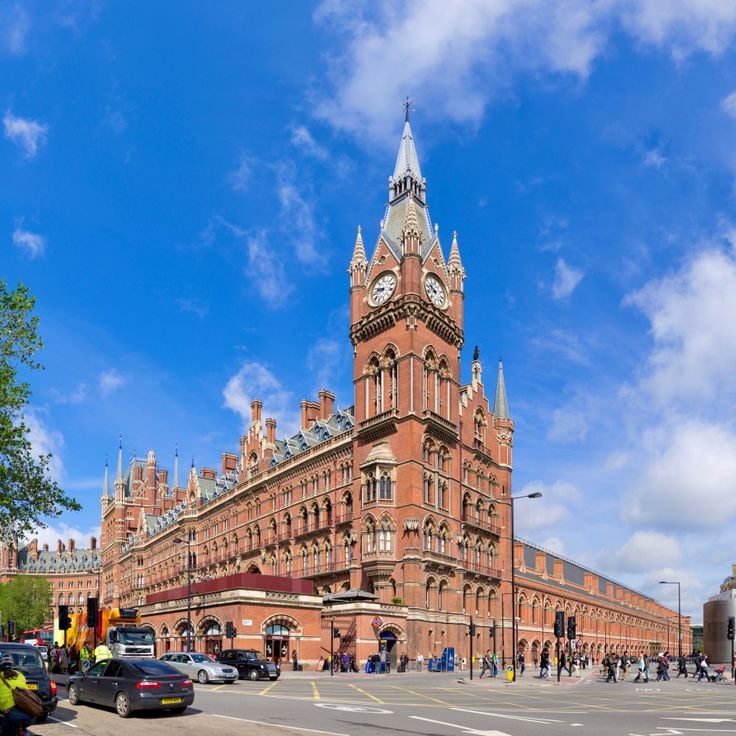
King's Cross St. Pancras is one of the main filming locations from the Harry Potter films. This historic London train station is where the famous Platform 9 3/4 scene was shot, showing Harry and his friends heading to the Hogwarts Express. The station displays typical Victorian architecture with its high vaults and brick walls. Fans can visit the same spot today and imagine the wizards pushing their trunks through the barrier and boarding the train.
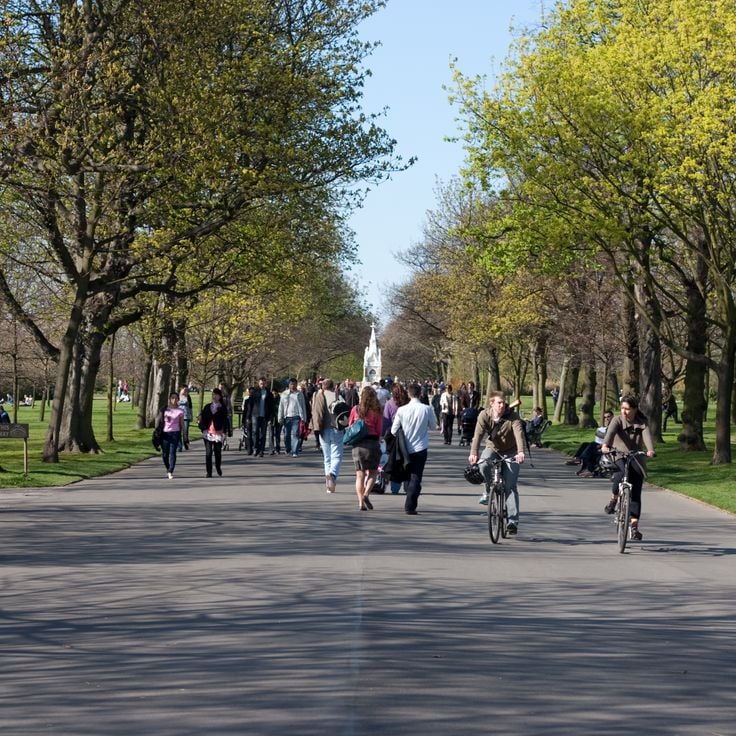
Regent's Park is a royal park in London where several outdoor scenes from the Harry Potter films were shot. This park offers green spaces and open areas that filmmakers used for different scenes. Visitors can walk along the same paths where cameras captured moments from the series. The park shows how real London locations were transformed into the cinematic world of the wizard.
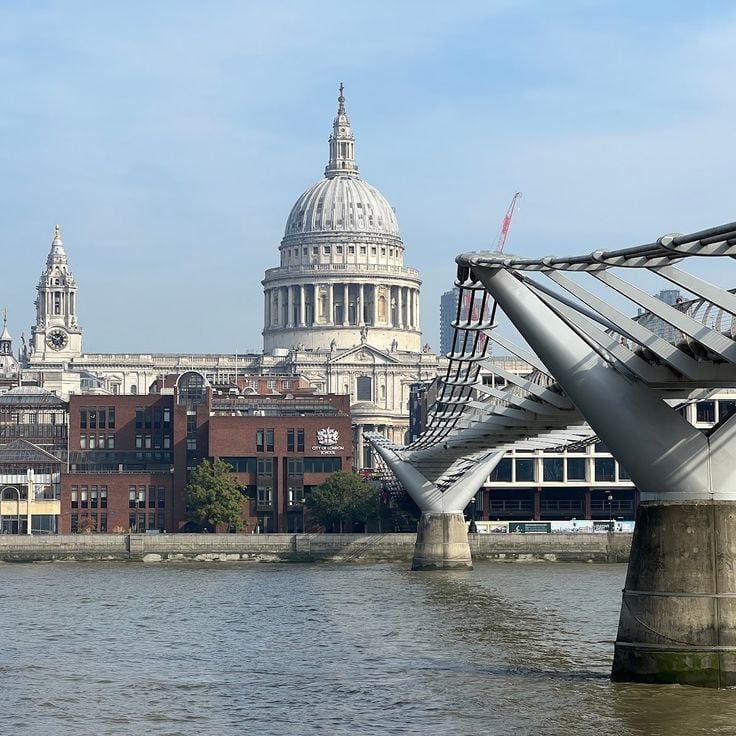
The Millennium Bridge is a pedestrian bridge in London that crosses the Thames. In the Harry Potter films, it appears in the scene where the Death Eaters attack. Visitors can see this location where the filmmakers combined real London architecture with special effects to bring the magical scenes to life.
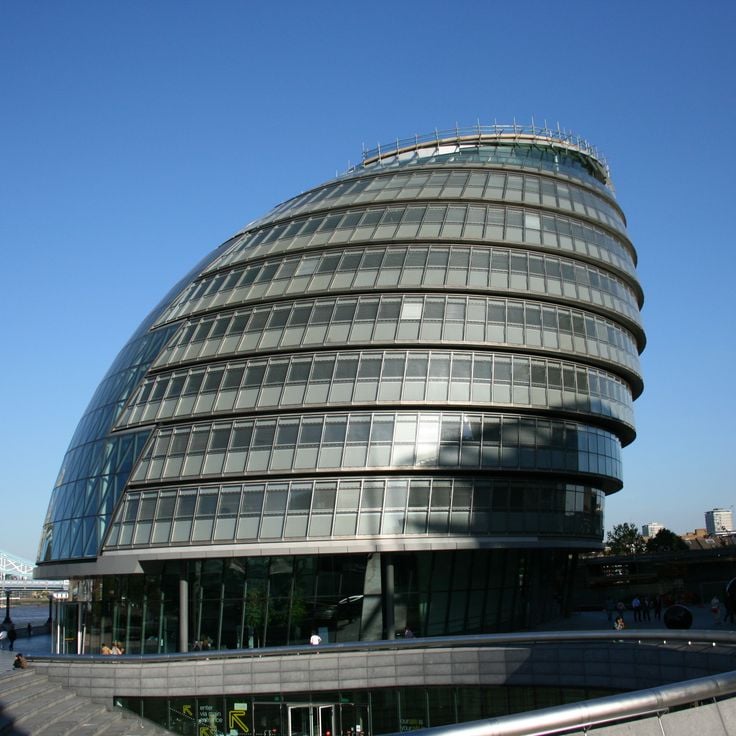
The Old Town Hall is a modern London city hall building used for filming in the Harry Potter movies. Its distinctive glass dome was used by filmmakers to bring contemporary London architecture into the magical world. Visitors can see this place where scenes were filmed that highlight London's role in the series.
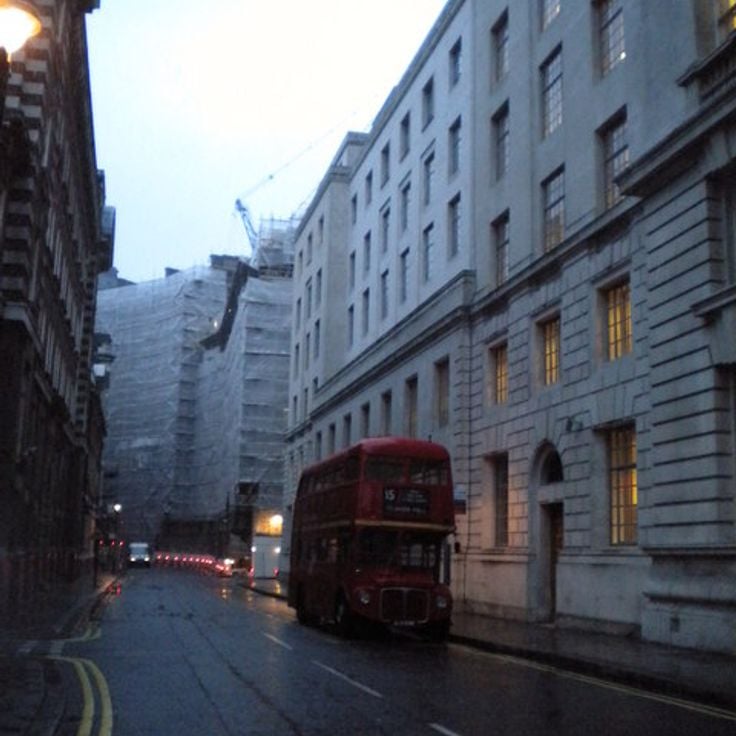
Great Scotland Yard is a historic street in London where the famous British police force is based. This street appears in the Harry Potter films and is part of the shooting locations that fans can visit to see where scenes from the series were filmed. The street connects real London architecture with the cinematic world of Harry Potter.
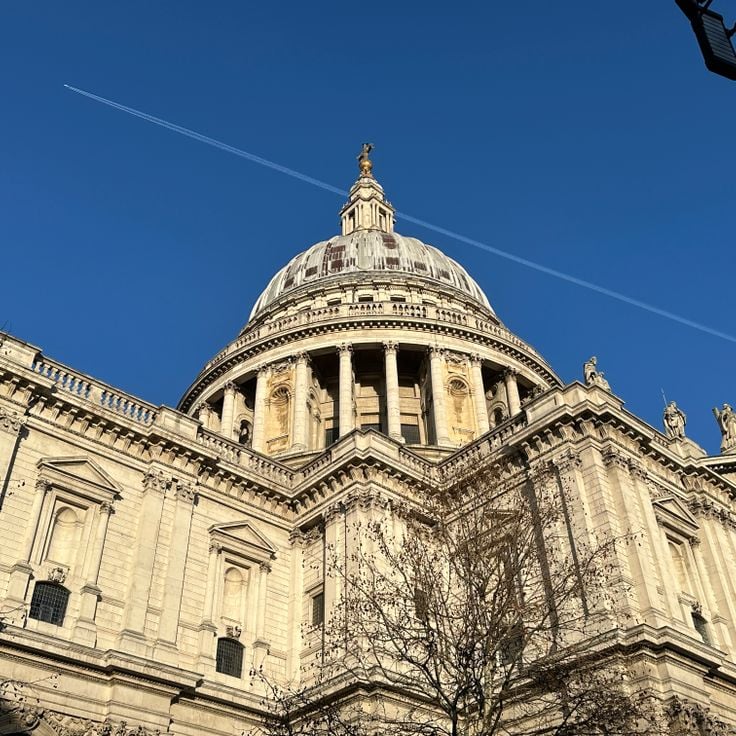
St. Paul's Cathedral is a grand building that rises above the Thames with its distinctive dome shaping London's skyline. It served as a filming location for the Harry Potter films. The cathedral offers a space of considerable architectural beauty where scenes were created and later transformed with special effects, yet remain recognizable to those familiar with the series.
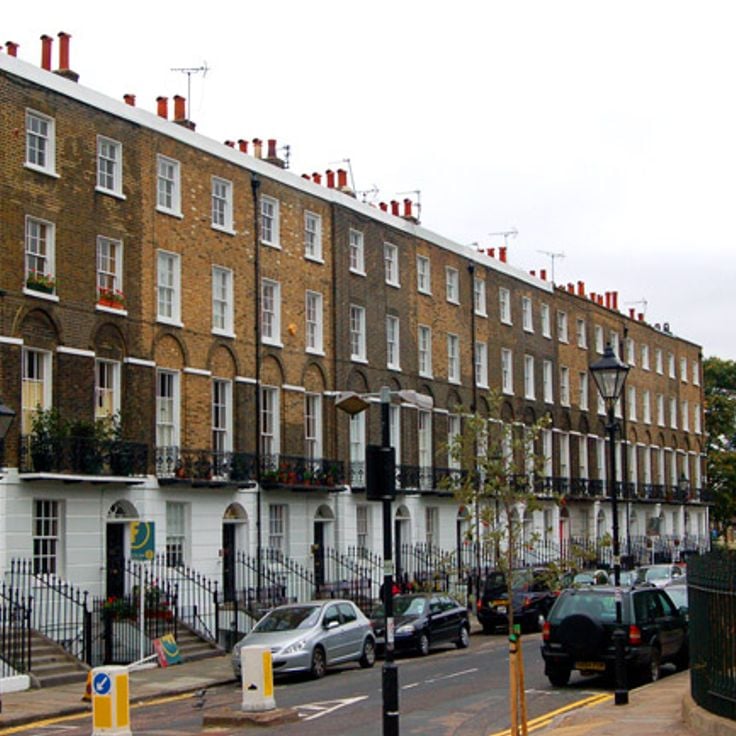
This square in northern London features typical 18th-century Georgian facades that line its perimeter. In the Harry Potter films, Claremont Square served as a filming location, and it remains a quiet residential area with classic British architecture. The symmetrical buildings and paved walkways give the space a sense of historical continuity, reflecting how London's neighborhoods developed over centuries.
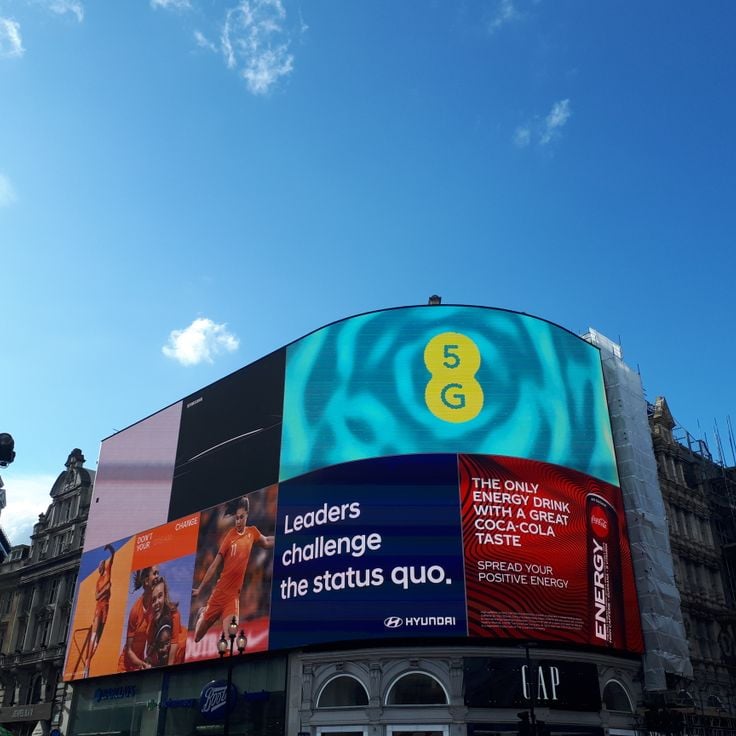
Piccadilly Circus is a busy square in the heart of London that appears in several Harry Potter film scenes. The square is known for its large glowing advertising screens and attracts visitors throughout the day. Fans can see the spots where filming took place, though they were changed with special effects in the movies. The square shows how filmmakers used modern London as a backdrop for the magical world of Harry Potter.
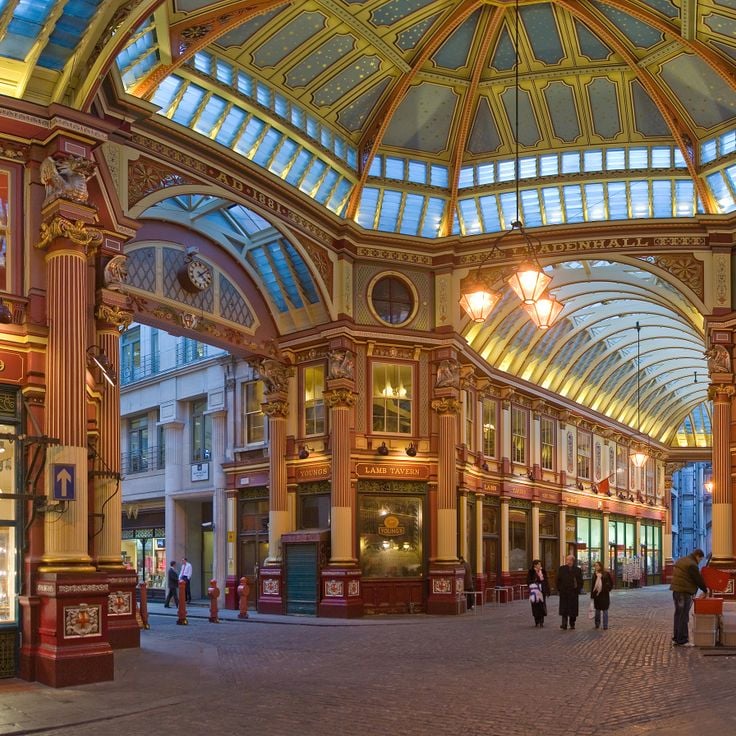
Leadenhall Market is a covered market in London featuring stone vaulted passages. In the Harry Potter films, this location was transformed into Diagon Alley, the hidden shopping street where wizards buy their magical supplies. The narrow lanes with their Victorian architecture give visitors a chance to walk where these famous scenes were filmed. Fans can explore the same passages that appear in the series.
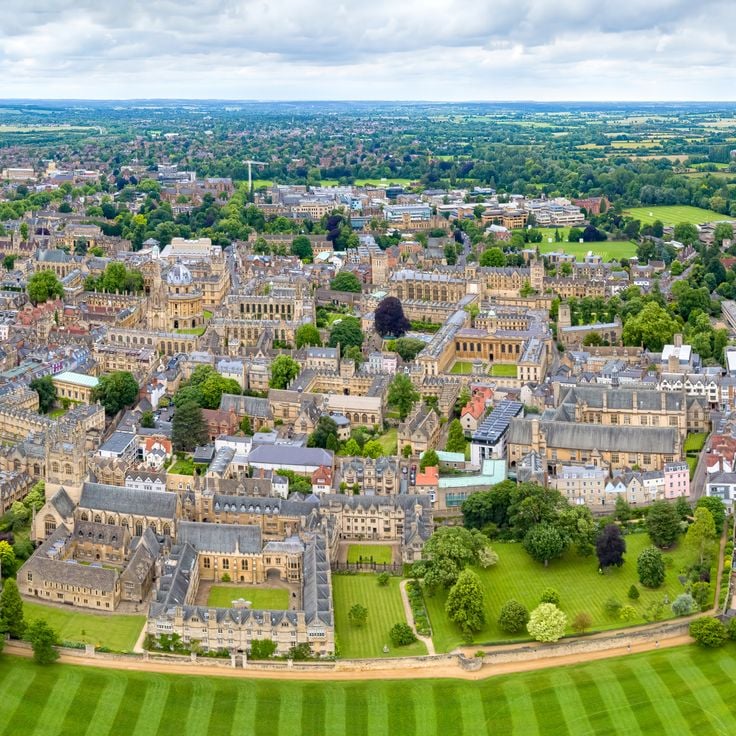
Oxford University played a key role in the filming of the Harry Potter series. Its historic colleges, with their Gothic halls and stone staircases, served as the backdrop for several scenes that fans will recognize right away. Walking through these buildings, visitors can see exactly how the filmmakers used real architecture to bring the world of Hogwarts to life.
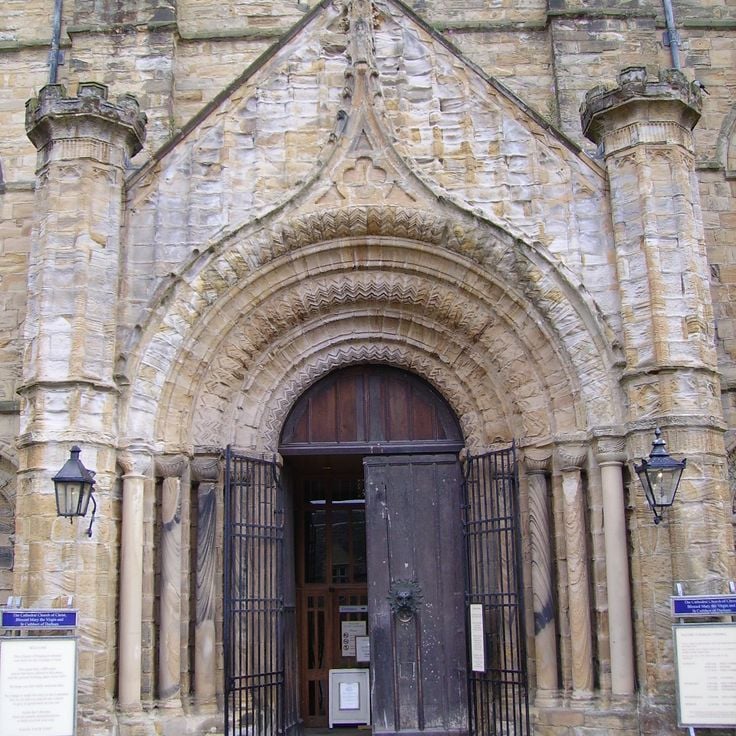
Durham Cathedral is a medieval structure perched on a hill overlooking the city. In the Harry Potter films, it serves as a visual backdrop showcasing English Gothic architecture. Visitors can see the imposing stone walls and historic structure that has drawn pilgrims and tourists for centuries. This building is part of the filming locations for the Harry Potter saga and allows fans to explore the real settings of the series.
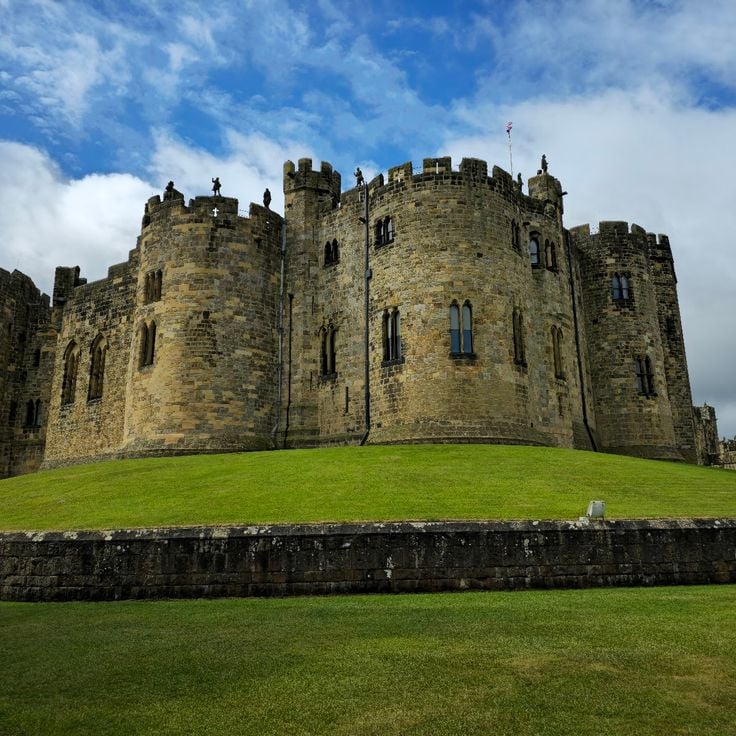
Alnwick Castle is a medieval fortress in Northumberland with massive stone towers. In the Harry Potter films, it serves as the exterior of Hogwarts School of Witchcraft and Wizardry. Visitors can explore the locations where scenes were filmed and see the real architecture that filmmakers used to bring the wizarding world to life.
Lacock Abbey is a medieval building in Wiltshire, England. Its stone corridors and cloisters were used as filming locations for several Harry Potter movies, standing in for parts of Hogwarts. Walking through the abbey, visitors can recognize rooms where scenes with Professor Quirrell and other characters were shot. The old stonework and low light give the place a feel that matches the films closely.
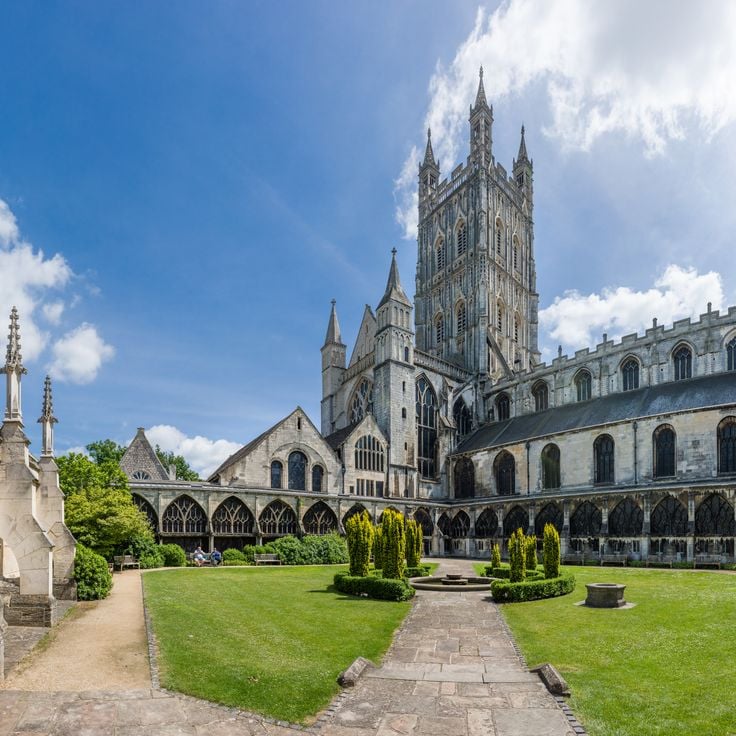
This Gothic building appeared in several Harry Potter films. Its vaulted cloisters and stone facades served as the backdrop for Hogwarts scenes. Visitors can see the real locations where filmmakers captured their magic.
Goathland Station is a small rural railway station in Yorkshire that became famous through the Harry Potter film series. Here, the iconic scene of the Hogwarts Express was filmed, showing Harry and his classmates boarding the train to travel to their magical school. The station retains its Victorian character and allows visitors to see the actual location where this memorable scene was shot.
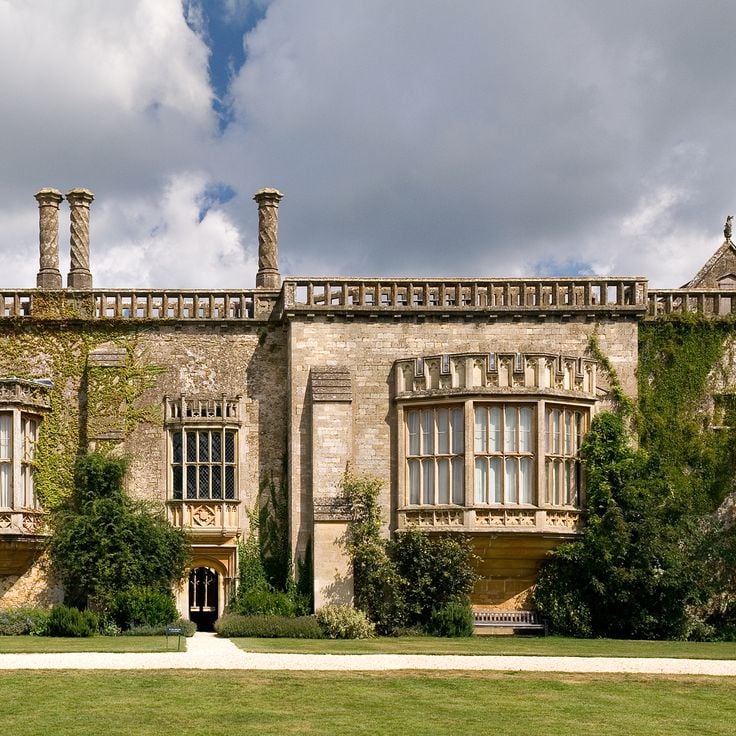
Hardwick Hall is an Elizabethan manor house that served as a filming location for the Harry Potter films. The building is characterized by its large windows and overlooks expansive grounds. This location shows how filmmakers used real English architecture to bring the magical world to life. Visitors can explore the manor and see where specific scenes were shot.
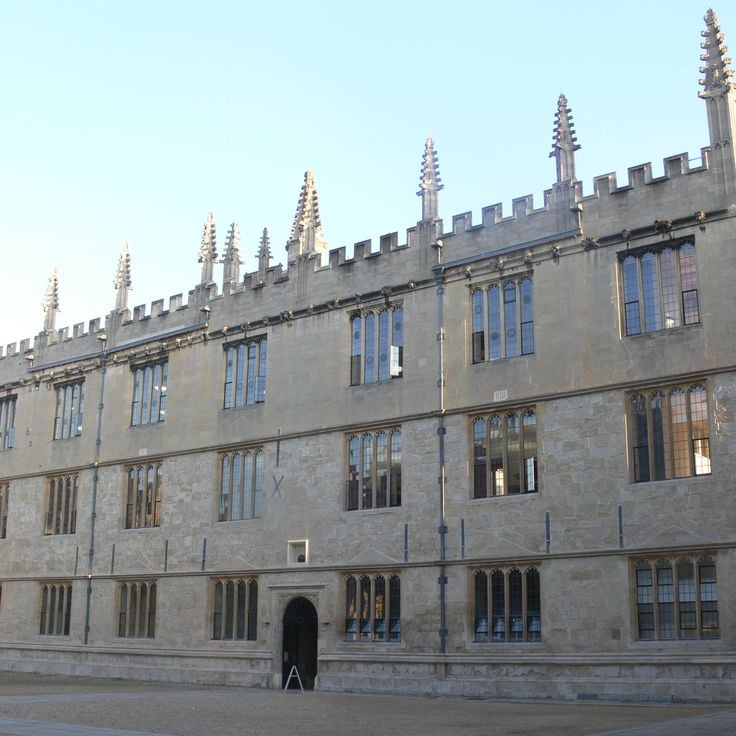
The Bodleian Library in Oxford was used for the Hogwarts library scenes in the Harry Potter films. Its vaulted ceilings and ancient reading rooms provided the perfect setting for these magical moments. Visitors can walk through the same spaces where the actors filmed their scenes.
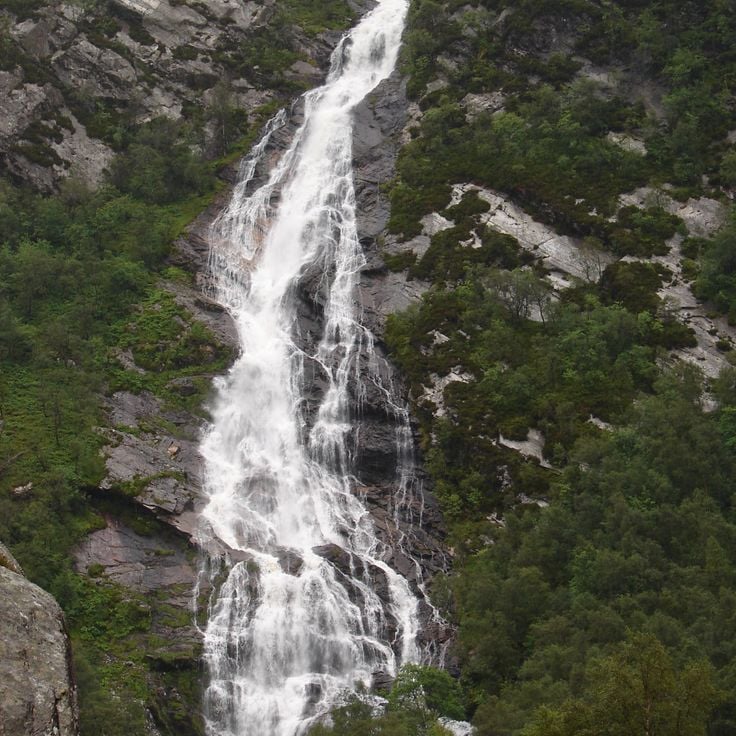
Steall Falls is a striking waterfall in the Scottish Highlands near Fort William. It appears in the Triwizard Tournament scene. These falls were chosen as a filming location for Harry Potter to capture the natural beauty and wild character of the Scottish landscape. Visitors can walk where the actual filming took place for this famous movie series.
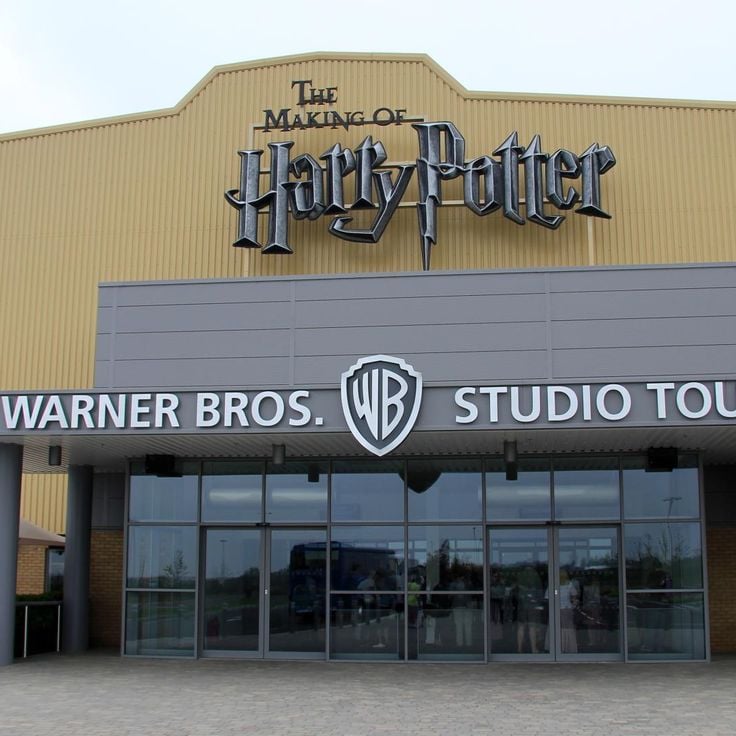
The Warner Bros. Studio Tour London is where all eight Harry Potter films were made. Visitors can walk through the real film sets, see the costumes and props used in the movies, and discover the special effects that brought the magical world to life. The studio shows how filmmakers turned the story of Harry Potter from books into cinema.
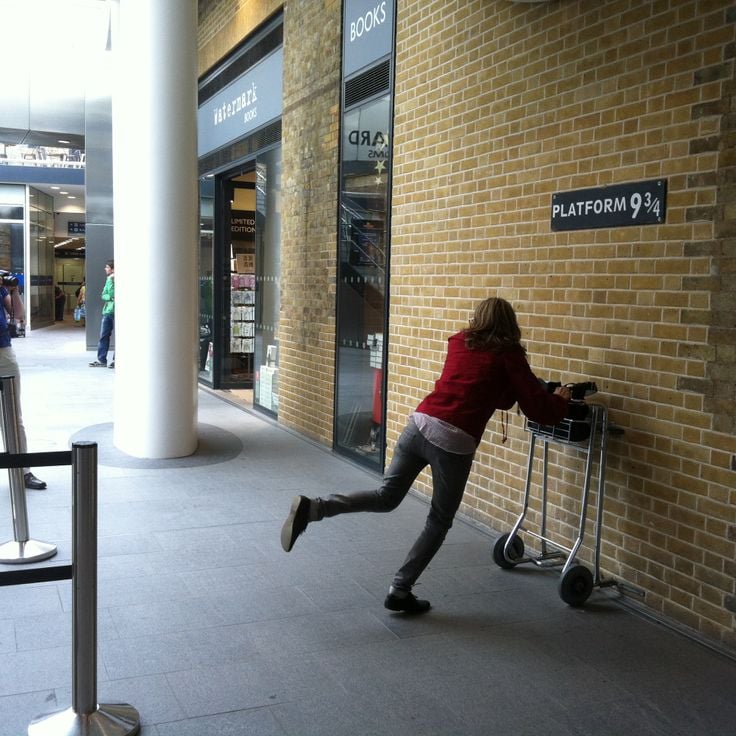
Platform Nine and Three Quarters was one of the central locations in the Harry Potter films. The scenes filmed here take place at King's Cross St. Pancras Station, a real railway station in central London. This is where Harry and his friends say goodbye to their families before boarding the Hogwarts Express. The platform itself is a place of magic and departure, where transitions between the Muggle world and the wizarding world happen. Visitors can still explore this historic station today and see the staircase that served as the filming location.
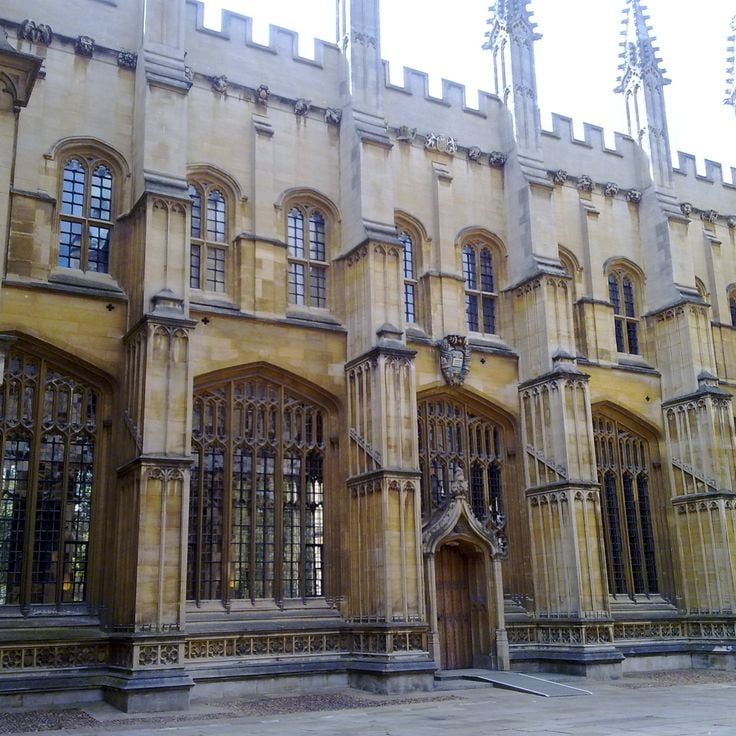
The Divinity School in Oxford is a historic room with impressive vaulted ceilings that served as Hogwarts' hospital wing in the films. This location shows how filmmakers used real architecture to bring the magical world to life. Visitors can see the exact room where memorable scenes were filmed.
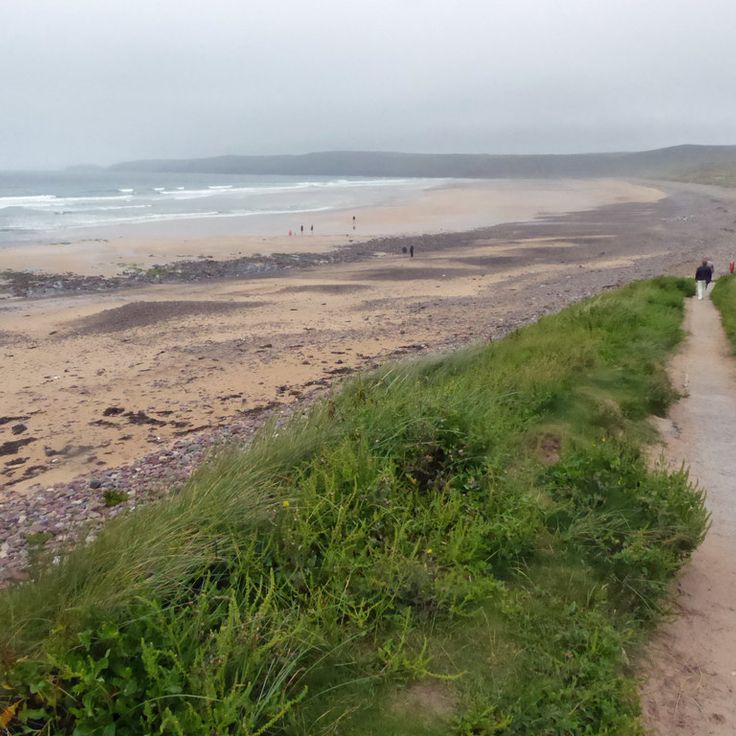
Freshwater West is a wide sandy beach in Pembrokeshire, Wales. This beach was used as the filming location for Shell Cottage in the last Harry Potter film. The rolling waves and open stretch of sand gave the filmmakers the right setting for this scene near the end of the story. Visitors today walk on the same sand where those scenes were shot.
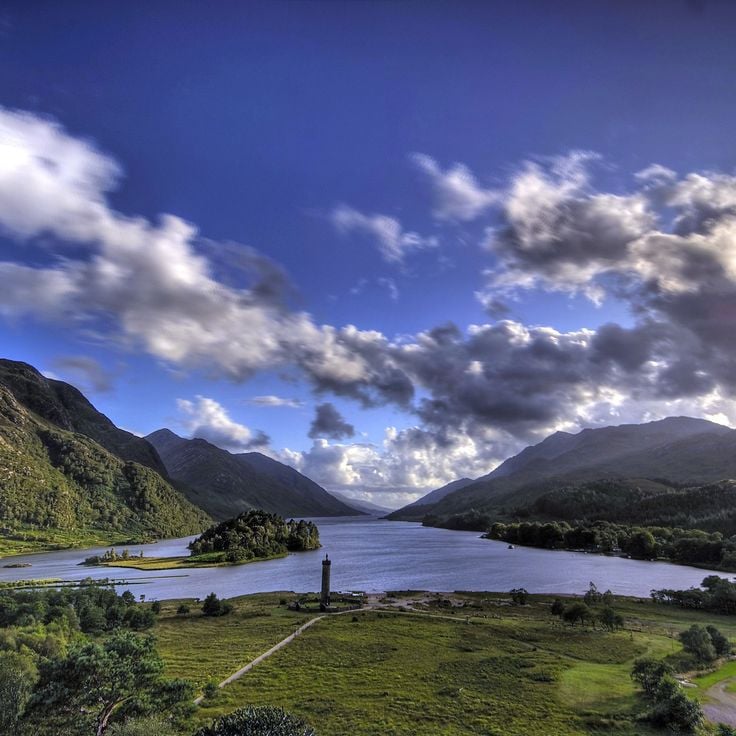
This lake in the Scottish Highlands appears in the Harry Potter films. The waters here provided the setting for a scene where Sirius Black flies overhead on a hippogriff. The lake sits surrounded by mountains in remote terrain that filmmakers chose to show the magical world. Visitors can walk through the locations where these scenes were filmed.
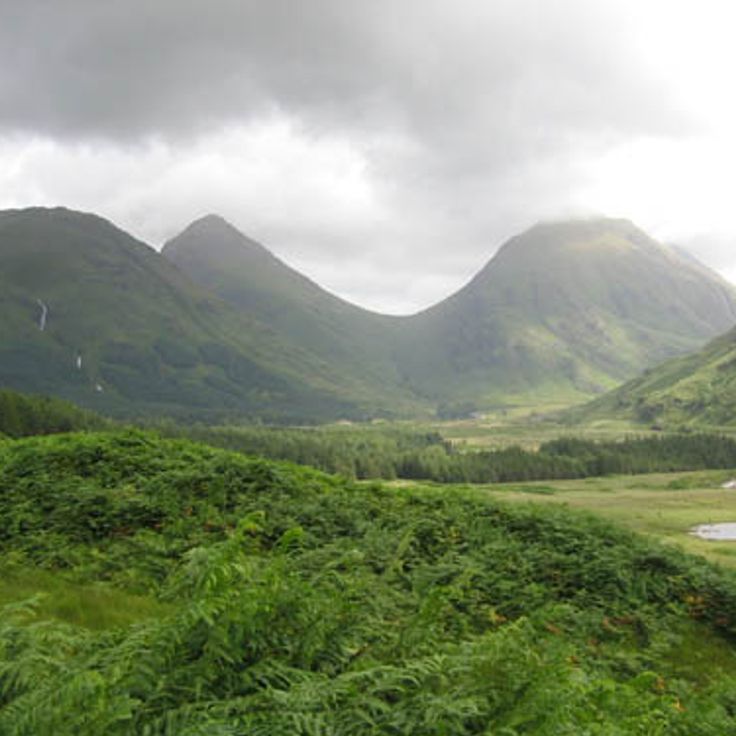
Glen Etive is a valley in the Scottish Highlands where Harry, Ron and Hermione camped in scenes from the Deathly Hallows films. This landscape with its mountains and open spaces served as the setting for moments when the characters were on the run. Visitors can walk through the same terrain where these scenes were filmed.
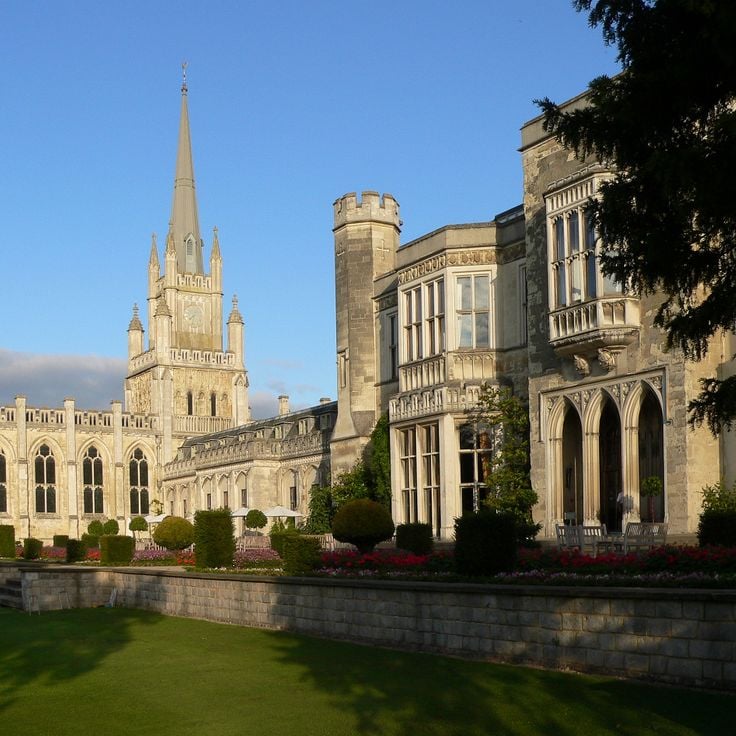
Ashridge Estate in Hertfordshire served as the filming location for the spectacular Quidditch World Cup in the Harry Potter films. This estate was chosen to portray the grand arena and the surrounding tent encampments for the international tournament. Visitors can explore the location where this significant scene was shot and see the expansive grounds and buildings that became part of the movie.
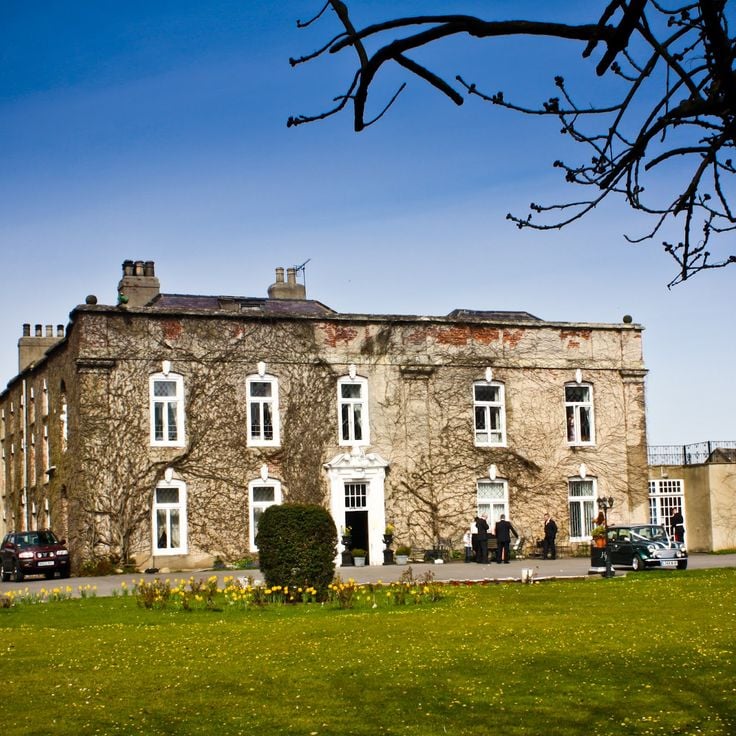
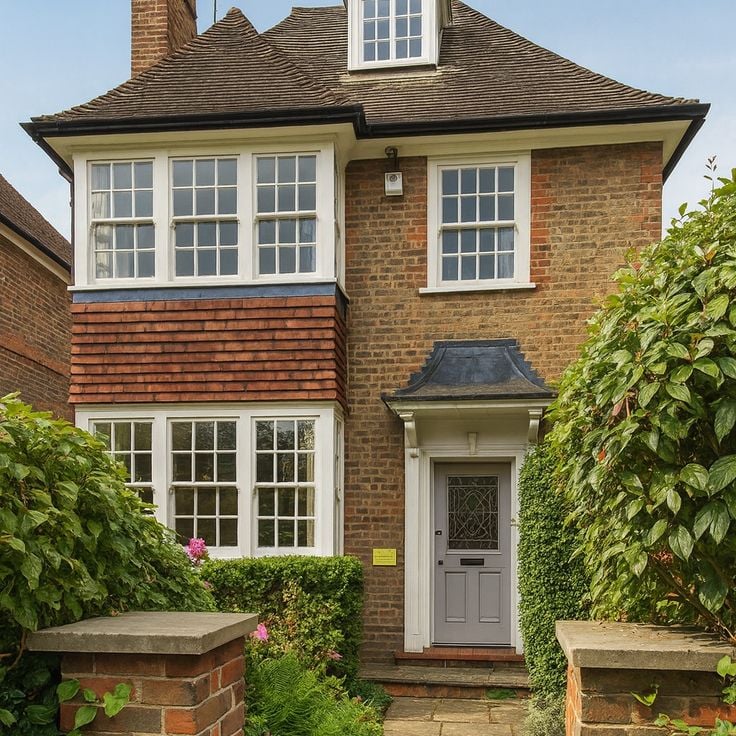
Hermione Granger's House is one of the filming locations used in the Harry Potter films in Britain. It shows where one of the main characters of the story lives. Visitors can see the real building and understand how filmmakers used authentic British houses to bring the magical world to life. This place connects the real locations with the story of the films.
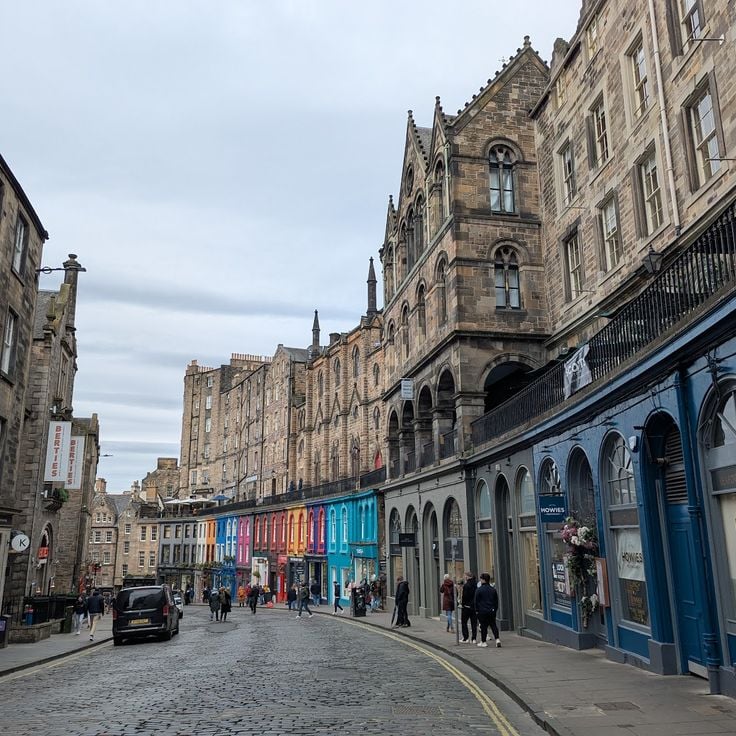
Victoria Street in Edinburgh's Old Town is a curved pedestrian street that served as inspiration for Diagon Alley in the Harry Potter films. The street with its colorful buildings and narrow passages shows how filmmakers used real British locations to create the magical world. Visitors can walk through the same spaces seen on screen and experience how this actual place was transformed into the fictional shopping street.
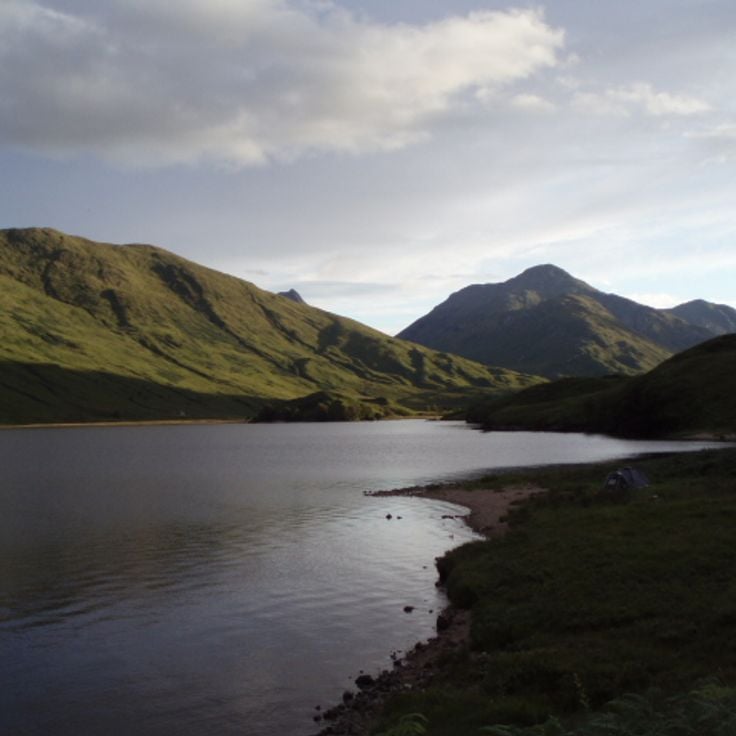
Loch Arkaig is a lake in the Scottish Highlands that served as a filming location for the Harry Potter movies. This lake was one of 19 real sites used across England and Scotland to create the films. Loch Arkaig shows the natural Scottish landscape that gave authenticity to the magical world on screen. Visitors can walk through the locations where scenes from the movies were filmed.
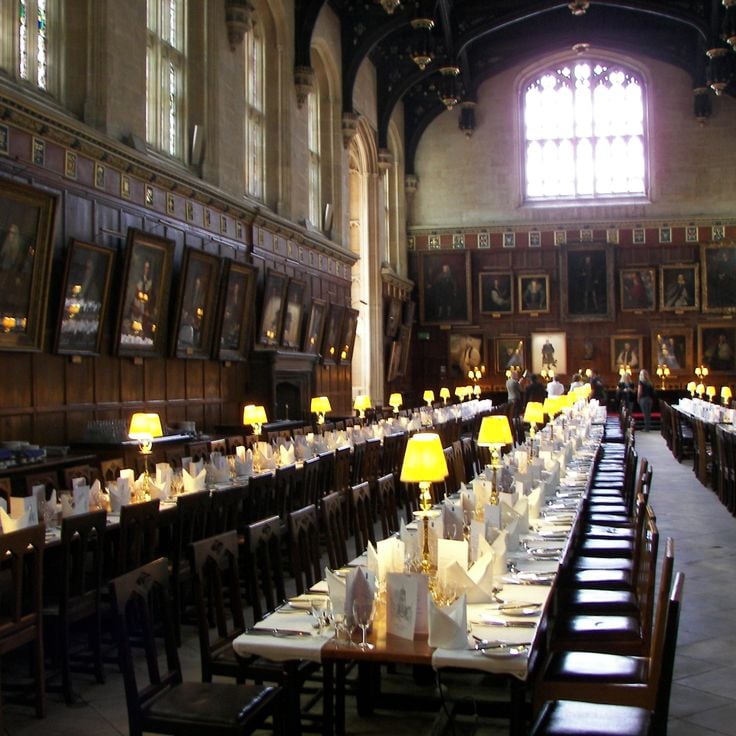
Christ Church College is a university college in Oxford that appears in multiple Harry Potter films. Its Gothic courtyards and cloisters served as filming locations for Hogwarts scenes. The college combines medieval architecture with centuries of tradition. Visitors can walk through the same corridors where the film crews worked and admire the beauty of the ancient stone walls and vaulted ceilings.
King's Cross St. Pancras is one of the main filming locations from the Harry Potter films. This historic London train station is where the famous Platform 9 3/4 scene was shot, showing Harry and his friends heading to the Hogwarts Express. The station displays typical Victorian architecture with its high vaults and brick walls. Fans can visit the same spot today and imagine the wizards pushing their trunks through the barrier and boarding the train.
Regent's Park is a royal park in London where several outdoor scenes from the Harry Potter films were shot. This park offers green spaces and open areas that filmmakers used for different scenes. Visitors can walk along the same paths where cameras captured moments from the series. The park shows how real London locations were transformed into the cinematic world of the wizard.
The Millennium Bridge is a pedestrian bridge in London that crosses the Thames. In the Harry Potter films, it appears in the scene where the Death Eaters attack. Visitors can see this location where the filmmakers combined real London architecture with special effects to bring the magical scenes to life.
The Old Town Hall is a modern London city hall building used for filming in the Harry Potter movies. Its distinctive glass dome was used by filmmakers to bring contemporary London architecture into the magical world. Visitors can see this place where scenes were filmed that highlight London's role in the series.
Great Scotland Yard is a historic street in London where the famous British police force is based. This street appears in the Harry Potter films and is part of the shooting locations that fans can visit to see where scenes from the series were filmed. The street connects real London architecture with the cinematic world of Harry Potter.
St. Paul's Cathedral is a grand building that rises above the Thames with its distinctive dome shaping London's skyline. It served as a filming location for the Harry Potter films. The cathedral offers a space of considerable architectural beauty where scenes were created and later transformed with special effects, yet remain recognizable to those familiar with the series.
This square in northern London features typical 18th-century Georgian facades that line its perimeter. In the Harry Potter films, Claremont Square served as a filming location, and it remains a quiet residential area with classic British architecture. The symmetrical buildings and paved walkways give the space a sense of historical continuity, reflecting how London's neighborhoods developed over centuries.
Piccadilly Circus is a busy square in the heart of London that appears in several Harry Potter film scenes. The square is known for its large glowing advertising screens and attracts visitors throughout the day. Fans can see the spots where filming took place, though they were changed with special effects in the movies. The square shows how filmmakers used modern London as a backdrop for the magical world of Harry Potter.
Leadenhall Market is a covered market in London featuring stone vaulted passages. In the Harry Potter films, this location was transformed into Diagon Alley, the hidden shopping street where wizards buy their magical supplies. The narrow lanes with their Victorian architecture give visitors a chance to walk where these famous scenes were filmed. Fans can explore the same passages that appear in the series.
Oxford University played a key role in the filming of the Harry Potter series. Its historic colleges, with their Gothic halls and stone staircases, served as the backdrop for several scenes that fans will recognize right away. Walking through these buildings, visitors can see exactly how the filmmakers used real architecture to bring the world of Hogwarts to life.
Durham Cathedral is a medieval structure perched on a hill overlooking the city. In the Harry Potter films, it serves as a visual backdrop showcasing English Gothic architecture. Visitors can see the imposing stone walls and historic structure that has drawn pilgrims and tourists for centuries. This building is part of the filming locations for the Harry Potter saga and allows fans to explore the real settings of the series.
Alnwick Castle is a medieval fortress in Northumberland with massive stone towers. In the Harry Potter films, it serves as the exterior of Hogwarts School of Witchcraft and Wizardry. Visitors can explore the locations where scenes were filmed and see the real architecture that filmmakers used to bring the wizarding world to life.
Lacock Abbey is a medieval building in Wiltshire, England. Its stone corridors and cloisters were used as filming locations for several Harry Potter movies, standing in for parts of Hogwarts. Walking through the abbey, visitors can recognize rooms where scenes with Professor Quirrell and other characters were shot. The old stonework and low light give the place a feel that matches the films closely.
This Gothic building appeared in several Harry Potter films. Its vaulted cloisters and stone facades served as the backdrop for Hogwarts scenes. Visitors can see the real locations where filmmakers captured their magic.
Goathland Station is a small rural railway station in Yorkshire that became famous through the Harry Potter film series. Here, the iconic scene of the Hogwarts Express was filmed, showing Harry and his classmates boarding the train to travel to their magical school. The station retains its Victorian character and allows visitors to see the actual location where this memorable scene was shot.
Hardwick Hall is an Elizabethan manor house that served as a filming location for the Harry Potter films. The building is characterized by its large windows and overlooks expansive grounds. This location shows how filmmakers used real English architecture to bring the magical world to life. Visitors can explore the manor and see where specific scenes were shot.
The Bodleian Library in Oxford was used for the Hogwarts library scenes in the Harry Potter films. Its vaulted ceilings and ancient reading rooms provided the perfect setting for these magical moments. Visitors can walk through the same spaces where the actors filmed their scenes.
Steall Falls is a striking waterfall in the Scottish Highlands near Fort William. It appears in the Triwizard Tournament scene. These falls were chosen as a filming location for Harry Potter to capture the natural beauty and wild character of the Scottish landscape. Visitors can walk where the actual filming took place for this famous movie series.
The Warner Bros. Studio Tour London is where all eight Harry Potter films were made. Visitors can walk through the real film sets, see the costumes and props used in the movies, and discover the special effects that brought the magical world to life. The studio shows how filmmakers turned the story of Harry Potter from books into cinema.
Platform Nine and Three Quarters was one of the central locations in the Harry Potter films. The scenes filmed here take place at King's Cross St. Pancras Station, a real railway station in central London. This is where Harry and his friends say goodbye to their families before boarding the Hogwarts Express. The platform itself is a place of magic and departure, where transitions between the Muggle world and the wizarding world happen. Visitors can still explore this historic station today and see the staircase that served as the filming location.
The Divinity School in Oxford is a historic room with impressive vaulted ceilings that served as Hogwarts' hospital wing in the films. This location shows how filmmakers used real architecture to bring the magical world to life. Visitors can see the exact room where memorable scenes were filmed.
Freshwater West is a wide sandy beach in Pembrokeshire, Wales. This beach was used as the filming location for Shell Cottage in the last Harry Potter film. The rolling waves and open stretch of sand gave the filmmakers the right setting for this scene near the end of the story. Visitors today walk on the same sand where those scenes were shot.
This lake in the Scottish Highlands appears in the Harry Potter films. The waters here provided the setting for a scene where Sirius Black flies overhead on a hippogriff. The lake sits surrounded by mountains in remote terrain that filmmakers chose to show the magical world. Visitors can walk through the locations where these scenes were filmed.
Glen Etive is a valley in the Scottish Highlands where Harry, Ron and Hermione camped in scenes from the Deathly Hallows films. This landscape with its mountains and open spaces served as the setting for moments when the characters were on the run. Visitors can walk through the same terrain where these scenes were filmed.
Ashridge Estate in Hertfordshire served as the filming location for the spectacular Quidditch World Cup in the Harry Potter films. This estate was chosen to portray the grand arena and the surrounding tent encampments for the international tournament. Visitors can explore the location where this significant scene was shot and see the expansive grounds and buildings that became part of the movie.
Hermione Granger's House is one of the filming locations used in the Harry Potter films in Britain. It shows where one of the main characters of the story lives. Visitors can see the real building and understand how filmmakers used authentic British houses to bring the magical world to life. This place connects the real locations with the story of the films.
Victoria Street in Edinburgh's Old Town is a curved pedestrian street that served as inspiration for Diagon Alley in the Harry Potter films. The street with its colorful buildings and narrow passages shows how filmmakers used real British locations to create the magical world. Visitors can walk through the same spaces seen on screen and experience how this actual place was transformed into the fictional shopping street.
Loch Arkaig is a lake in the Scottish Highlands that served as a filming location for the Harry Potter movies. This lake was one of 19 real sites used across England and Scotland to create the films. Loch Arkaig shows the natural Scottish landscape that gave authenticity to the magical world on screen. Visitors can walk through the locations where scenes from the movies were filmed.
Christ Church College is a university college in Oxford that appears in multiple Harry Potter films. Its Gothic courtyards and cloisters served as filming locations for Hogwarts scenes. The college combines medieval architecture with centuries of tradition. Visitors can walk through the same corridors where the film crews worked and admire the beauty of the ancient stone walls and vaulted ceilings.
King's Cross St. Pancras is one of the main filming locations from the Harry Potter films. This historic London train station is where the famous Platform 9 3/4 scene was shot, showing Harry and his friends heading to the Hogwarts Express. The station displays typical Victorian architecture with its high vaults and brick walls. Fans can visit the same spot today and imagine the wizards pushing their trunks through the barrier and boarding the train.
Regent's Park is a royal park in London where several outdoor scenes from the Harry Potter films were shot. This park offers green spaces and open areas that filmmakers used for different scenes. Visitors can walk along the same paths where cameras captured moments from the series. The park shows how real London locations were transformed into the cinematic world of the wizard.
The Millennium Bridge is a pedestrian bridge in London that crosses the Thames. In the Harry Potter films, it appears in the scene where the Death Eaters attack. Visitors can see this location where the filmmakers combined real London architecture with special effects to bring the magical scenes to life.
The Old Town Hall is a modern London city hall building used for filming in the Harry Potter movies. Its distinctive glass dome was used by filmmakers to bring contemporary London architecture into the magical world. Visitors can see this place where scenes were filmed that highlight London's role in the series.
Great Scotland Yard is a historic street in London where the famous British police force is based. This street appears in the Harry Potter films and is part of the shooting locations that fans can visit to see where scenes from the series were filmed. The street connects real London architecture with the cinematic world of Harry Potter.
St. Paul's Cathedral is a grand building that rises above the Thames with its distinctive dome shaping London's skyline. It served as a filming location for the Harry Potter films. The cathedral offers a space of considerable architectural beauty where scenes were created and later transformed with special effects, yet remain recognizable to those familiar with the series.
This square in northern London features typical 18th-century Georgian facades that line its perimeter. In the Harry Potter films, Claremont Square served as a filming location, and it remains a quiet residential area with classic British architecture. The symmetrical buildings and paved walkways give the space a sense of historical continuity, reflecting how London's neighborhoods developed over centuries.
Piccadilly Circus is a busy square in the heart of London that appears in several Harry Potter film scenes. The square is known for its large glowing advertising screens and attracts visitors throughout the day. Fans can see the spots where filming took place, though they were changed with special effects in the movies. The square shows how filmmakers used modern London as a backdrop for the magical world of Harry Potter.
Leadenhall Market is a covered market in London featuring stone vaulted passages. In the Harry Potter films, this location was transformed into Diagon Alley, the hidden shopping street where wizards buy their magical supplies. The narrow lanes with their Victorian architecture give visitors a chance to walk where these famous scenes were filmed. Fans can explore the same passages that appear in the series.
Oxford University played a key role in the filming of the Harry Potter series. Its historic colleges, with their Gothic halls and stone staircases, served as the backdrop for several scenes that fans will recognize right away. Walking through these buildings, visitors can see exactly how the filmmakers used real architecture to bring the world of Hogwarts to life.
Durham Cathedral is a medieval structure perched on a hill overlooking the city. In the Harry Potter films, it serves as a visual backdrop showcasing English Gothic architecture. Visitors can see the imposing stone walls and historic structure that has drawn pilgrims and tourists for centuries. This building is part of the filming locations for the Harry Potter saga and allows fans to explore the real settings of the series.
Alnwick Castle is a medieval fortress in Northumberland with massive stone towers. In the Harry Potter films, it serves as the exterior of Hogwarts School of Witchcraft and Wizardry. Visitors can explore the locations where scenes were filmed and see the real architecture that filmmakers used to bring the wizarding world to life.
Lacock Abbey is a medieval building in Wiltshire, England. Its stone corridors and cloisters were used as filming locations for several Harry Potter movies, standing in for parts of Hogwarts. Walking through the abbey, visitors can recognize rooms where scenes with Professor Quirrell and other characters were shot. The old stonework and low light give the place a feel that matches the films closely.
This Gothic building appeared in several Harry Potter films. Its vaulted cloisters and stone facades served as the backdrop for Hogwarts scenes. Visitors can see the real locations where filmmakers captured their magic.
Goathland Station is a small rural railway station in Yorkshire that became famous through the Harry Potter film series. Here, the iconic scene of the Hogwarts Express was filmed, showing Harry and his classmates boarding the train to travel to their magical school. The station retains its Victorian character and allows visitors to see the actual location where this memorable scene was shot.
Hardwick Hall is an Elizabethan manor house that served as a filming location for the Harry Potter films. The building is characterized by its large windows and overlooks expansive grounds. This location shows how filmmakers used real English architecture to bring the magical world to life. Visitors can explore the manor and see where specific scenes were shot.
The Bodleian Library in Oxford was used for the Hogwarts library scenes in the Harry Potter films. Its vaulted ceilings and ancient reading rooms provided the perfect setting for these magical moments. Visitors can walk through the same spaces where the actors filmed their scenes.
Steall Falls is a striking waterfall in the Scottish Highlands near Fort William. It appears in the Triwizard Tournament scene. These falls were chosen as a filming location for Harry Potter to capture the natural beauty and wild character of the Scottish landscape. Visitors can walk where the actual filming took place for this famous movie series.
The Warner Bros. Studio Tour London is where all eight Harry Potter films were made. Visitors can walk through the real film sets, see the costumes and props used in the movies, and discover the special effects that brought the magical world to life. The studio shows how filmmakers turned the story of Harry Potter from books into cinema.
Platform Nine and Three Quarters was one of the central locations in the Harry Potter films. The scenes filmed here take place at King's Cross St. Pancras Station, a real railway station in central London. This is where Harry and his friends say goodbye to their families before boarding the Hogwarts Express. The platform itself is a place of magic and departure, where transitions between the Muggle world and the wizarding world happen. Visitors can still explore this historic station today and see the staircase that served as the filming location.
The Divinity School in Oxford is a historic room with impressive vaulted ceilings that served as Hogwarts' hospital wing in the films. This location shows how filmmakers used real architecture to bring the magical world to life. Visitors can see the exact room where memorable scenes were filmed.
Freshwater West is a wide sandy beach in Pembrokeshire, Wales. This beach was used as the filming location for Shell Cottage in the last Harry Potter film. The rolling waves and open stretch of sand gave the filmmakers the right setting for this scene near the end of the story. Visitors today walk on the same sand where those scenes were shot.
This lake in the Scottish Highlands appears in the Harry Potter films. The waters here provided the setting for a scene where Sirius Black flies overhead on a hippogriff. The lake sits surrounded by mountains in remote terrain that filmmakers chose to show the magical world. Visitors can walk through the locations where these scenes were filmed.
Glen Etive is a valley in the Scottish Highlands where Harry, Ron and Hermione camped in scenes from the Deathly Hallows films. This landscape with its mountains and open spaces served as the setting for moments when the characters were on the run. Visitors can walk through the same terrain where these scenes were filmed.
Ashridge Estate in Hertfordshire served as the filming location for the spectacular Quidditch World Cup in the Harry Potter films. This estate was chosen to portray the grand arena and the surrounding tent encampments for the international tournament. Visitors can explore the location where this significant scene was shot and see the expansive grounds and buildings that became part of the movie.
Hermione Granger's House is one of the filming locations used in the Harry Potter films in Britain. It shows where one of the main characters of the story lives. Visitors can see the real building and understand how filmmakers used authentic British houses to bring the magical world to life. This place connects the real locations with the story of the films.
Victoria Street in Edinburgh's Old Town is a curved pedestrian street that served as inspiration for Diagon Alley in the Harry Potter films. The street with its colorful buildings and narrow passages shows how filmmakers used real British locations to create the magical world. Visitors can walk through the same spaces seen on screen and experience how this actual place was transformed into the fictional shopping street.
Loch Arkaig is a lake in the Scottish Highlands that served as a filming location for the Harry Potter movies. This lake was one of 19 real sites used across England and Scotland to create the films. Loch Arkaig shows the natural Scottish landscape that gave authenticity to the magical world on screen. Visitors can walk through the locations where scenes from the movies were filmed.
Christ Church College is a university college in Oxford that appears in multiple Harry Potter films. Its Gothic courtyards and cloisters served as filming locations for Hogwarts scenes. The college combines medieval architecture with centuries of tradition. Visitors can walk through the same corridors where the film crews worked and admire the beauty of the ancient stone walls and vaulted ceilings.
Walking through these filming locations offers another way to experience the story outside of cinemas and books. Each site holds a part of the magic, the feeling that comes when you recognize a staircase, a vault or a landscape seen in the movies. Take your time to get lost there, with your camera or just by watching, to feel for yourself what inspired the creators of this world.