See the monuments around you in AROpen chests in the app
Around Us is built for your phone — point your camera at the streets and discover the monuments and places around you in augmented reality.Around Us is built for your phone — chests unlock when you walk, explore and capture nearby places.
In the East and North regions, the homes of Voltaire, Victor Hugo, Charles de Gaulle, and Louis Pasteur open their doors and share how these figures shaped France's history from the places where they lived.
This collection brings together houses, castles, and museums that tell the story of writers, scientists, artists, and political figures from the Grand Est and northern France. From the 18th century to today, these sites have been home to people who have shaped French history, culture, and science. You will see their personal objects, manuscripts, and creations in the places where they lived and worked.
You can visit Charles de Gaulle's childhood home in Lille, Voltaire's castle in Ferney, or Victor Hugo's house in Villequier. In Reims, the Vergeur Museum keeps the memory of the local cultural life. Louis Pasteur's house in Dole shows what his childhood was like, while the house in Arbois displays his laboratory and research.
Each visit helps to understand how these men and women influenced their time. The furniture, libraries, workshops, and gardens tell stories of their daily life and work. These homes give a close look at paths that changed France and the world.
In the East and North regions, the homes of Voltaire, Victor Hugo, Charles de Gaulle, and Louis Pasteur open their doors and share how these figures shaped France's history from the places where they lived.
This collection brings together houses, castles, and museums that tell the story of writers, scientists, artists, and political figures from the Grand Est and northern France. From the 18th century to today, these sites have been home to people who have shaped French history, culture, and science. You will see their personal objects, manuscripts, and creations in the places where they lived and worked.
You can visit Charles de Gaulle's childhood home in Lille, Voltaire's castle in Ferney, or Victor Hugo's house in Villequier. In Reims, the Vergeur Museum keeps the memory of the local cultural life. Louis Pasteur's house in Dole shows what his childhood was like, while the house in Arbois displays his laboratory and research.
Each visit helps to understand how these men and women influenced their time. The furniture, libraries, workshops, and gardens tell stories of their daily life and work. These homes give a close look at paths that changed France and the world.
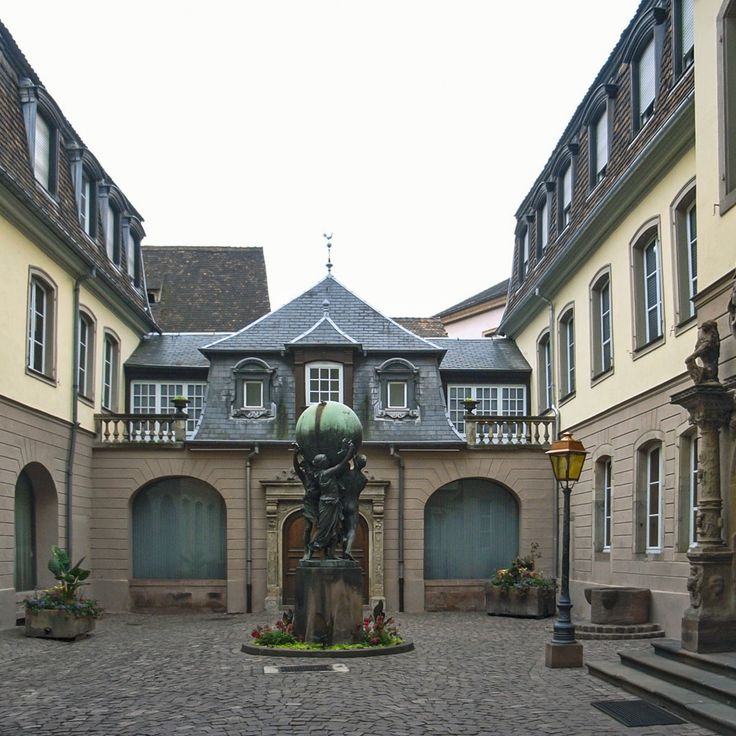
The Bartholdi Museum in Colmar is devoted to sculptor Auguste Bartholdi, creator of the Statue of Liberty. In this house, you can see his personal belongings, sketches, and models that show his life and artistic work. The rooms tell how he developed his ideas and created his major works. You will discover his furniture, his work spaces, and documents that reveal how he thought and worked. Walking through these rooms helps you understand who he was and what drove him to create some of the world's most important monuments.
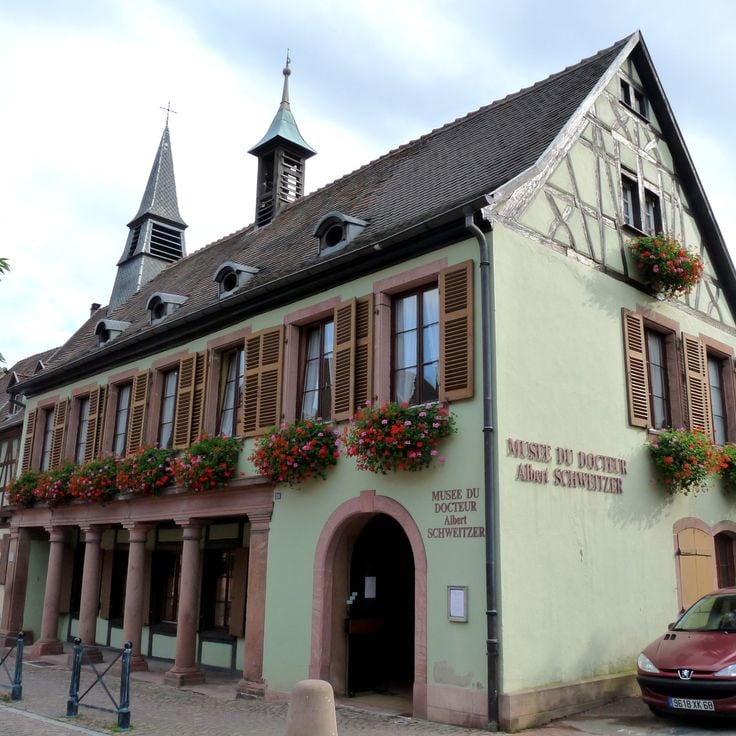
The Musée Albert Schweitzer occupies the house where doctor and musician Albert Schweitzer lived and worked. He won the Nobel Peace Prize for his humanitarian work. The rooms display his personal items, manuscripts, and memories from his life as a physician, musician, and thinker. Walking through this home, you understand how he balanced medicine, music, and humanitarian action. The spaces show the daily life of a man who dedicated himself to serving others across multiple continents.
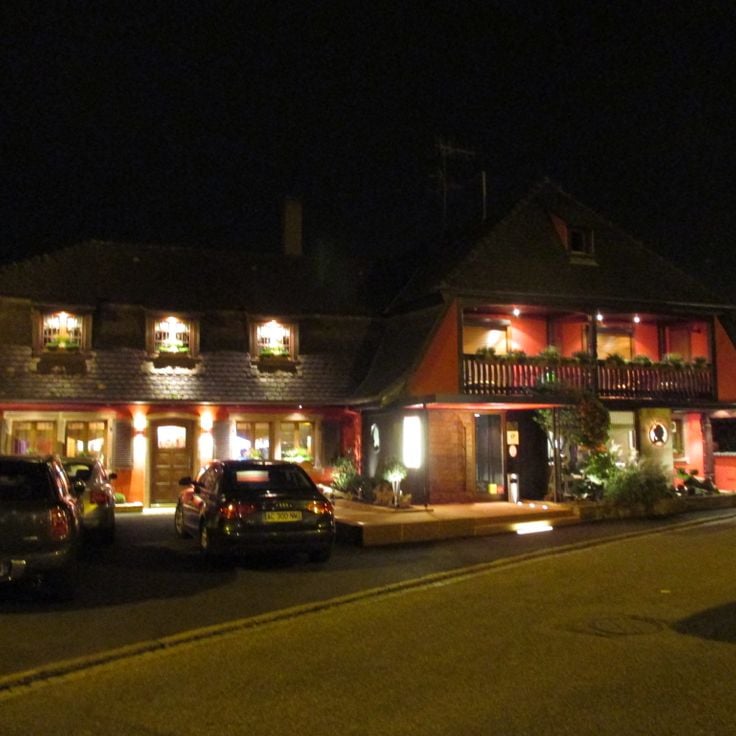
The Goethe Museum at the Auberge au Boeuf in Sessenheim preserves personal belongings and documents from the time of German poet Johann Wolfgang von Goethe. The museum shows the rooms and spaces where he lived and worked during his stays in Alsace. These objects reveal how his experiences shaped his writing and influenced German literature.
The Buffon Museum occupies the former residence of naturalist and writer Georges-Louis Leclerc de Buffon. Visitors discover his personal objects, manuscripts, and creations in different rooms. The spaces show how Buffon lived and worked while devoting himself to observing nature and writing. The museum offers a window into the life of a man who shaped French science and literature in the 18th century.
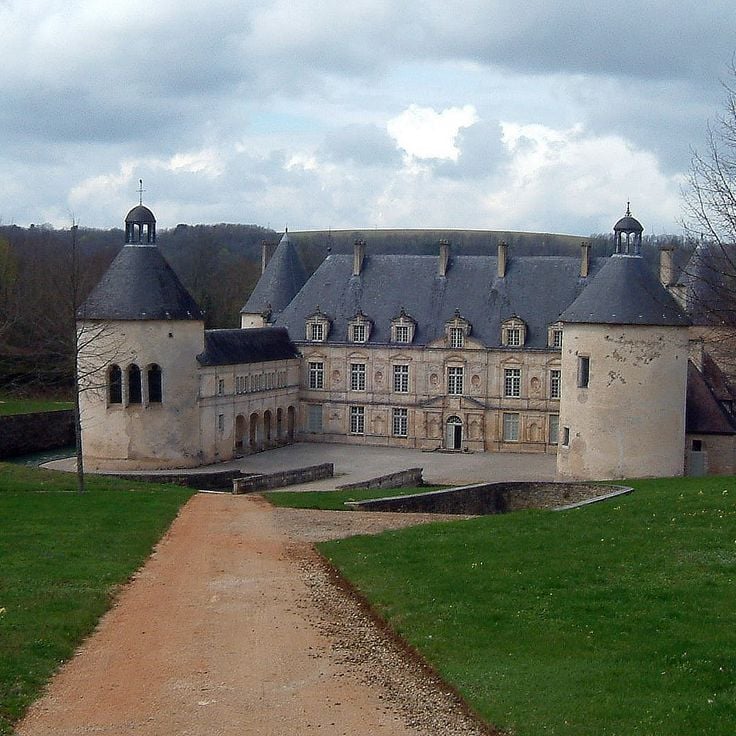
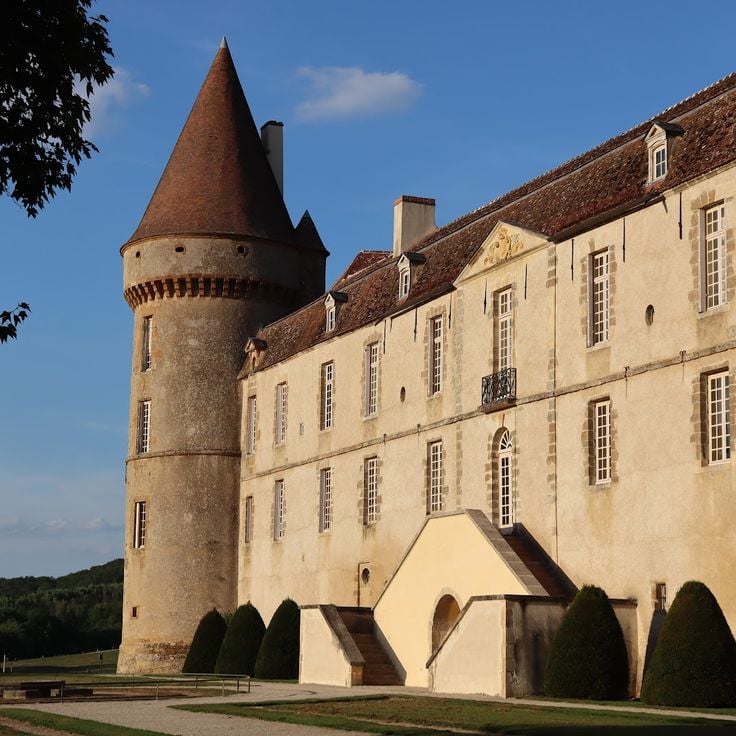
Château de Bussy-Rabutin is a 17th century castle in Burgundy where Roger de Bussy Rabutin, a military officer and writer, lived. The residence displays his personal collection with portrait galleries that document his life and connections. Visitors can walk through the rooms where Bussy Rabutin wrote and lived, along with art collections that reflect his work as both a writer and a soldier. The French gardens surrounding the castle show the owner's taste and interests.
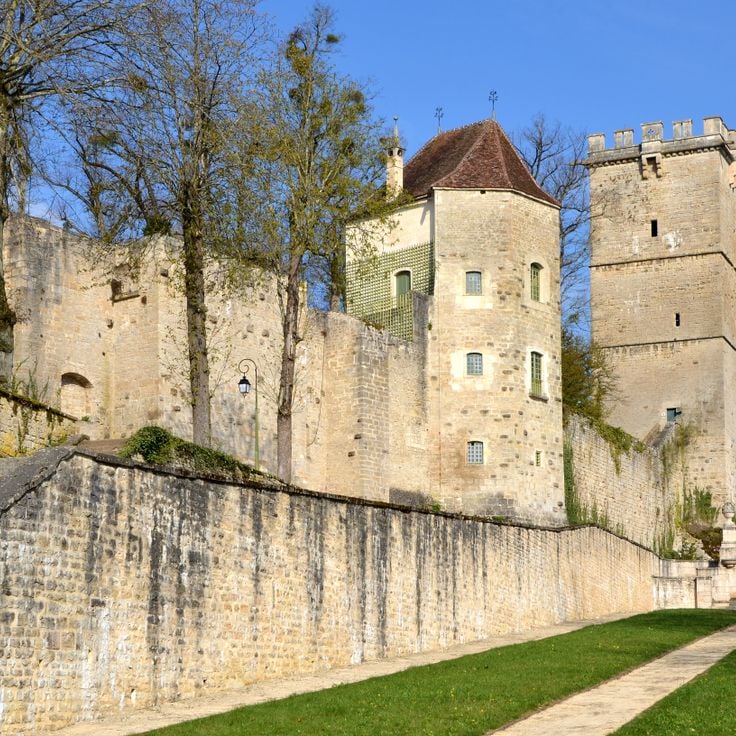
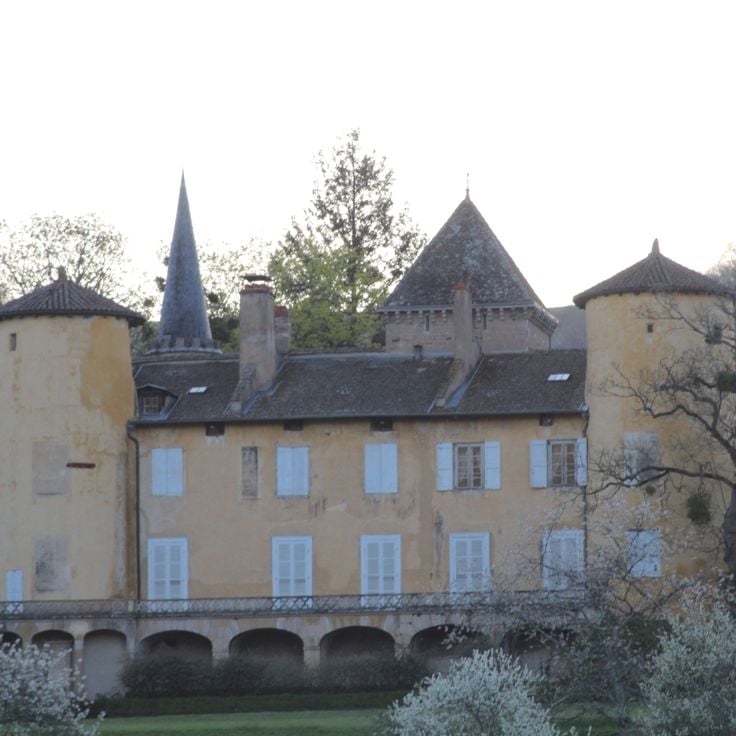
Bazoches Castle is a 12th-century fortress that was the residence of Marshal Sebastien Le Prestre de Vauban, the celebrated military engineer who designed French fortifications. The castle displays his personal objects, documents, and drawings, as well as the rooms where he lived and developed his projects. Visitors can discover how this important thinker spent his time and what ideas took shape within these walls.
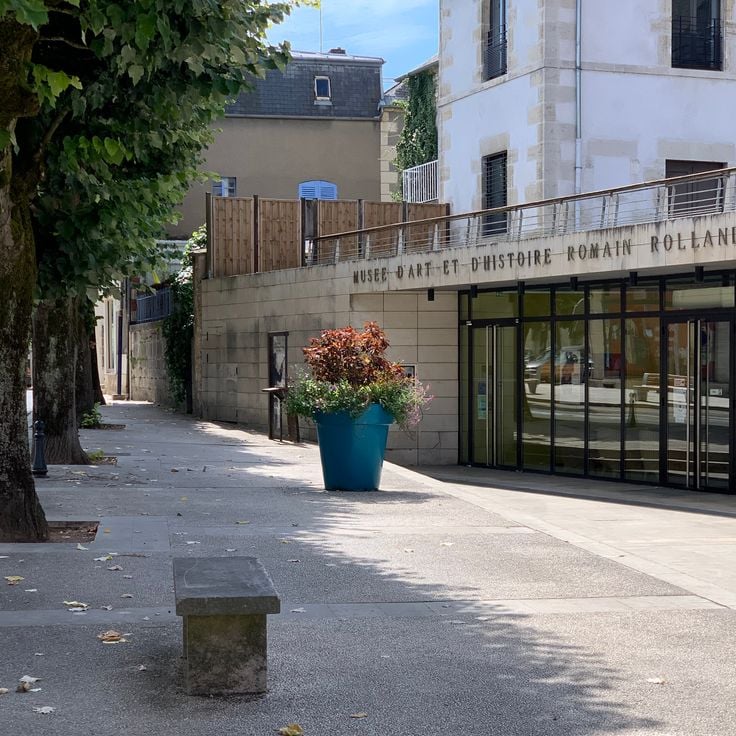
The birthplace of Romain Rolland in Clamecy is where this writer and essayist spent his childhood. Rolland received the Nobel Prize in Literature and shaped French culture through his works. In this house, you can explore the rooms where the writer grew up and learn more about his life. His family and the environment of Clamecy formed the man who would influence literature and pacifism.
Saint-Point Castle was the home of romantic poet Alphonse de Lamartine. He lived and wrote his works in the spaces that shaped his literary creation. The castle displays personal objects, manuscripts, and the setting where this major figure of French literature spent his daily life. The rooms, library, and gardens tell the story of his life and literary work.
Arthur Rimbaud's house in Charleville-Mézières shows the poet's life in his native city. You can see the rooms where this important writer grew up and wrote his first poems. The museum holds personal possessions, manuscripts and letters that document his path as a poet. The interior arrangement tells the story of young Rimbaud's daily life and the time when he developed his revolutionary writing.
Renoir's studio in Essoyes is where this impressionist painter lived and worked. The rooms show his workspace with brushes, paints, and canvases at various stages of completion. Furniture and personal objects document his daily life. Visitors discover where Renoir painted his later works after settling in the countryside. The garden and studio spaces reveal how he approached his craft.
La Boisserie was the residence of General Charles de Gaulle in Colombey-les-Deux-Églises. Here de Gaulle spent his years away from public life. The house displays his personal belongings, books, and furniture that shaped his daily life. Visitors can see the rooms where this important French statesman lived and worked. The place offers insight into de Gaulle's character beyond his public role.
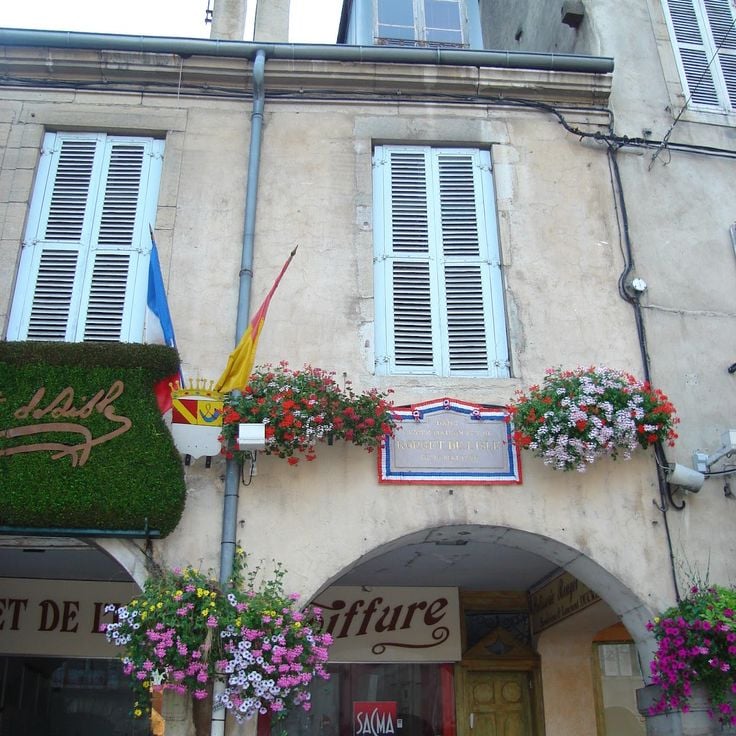
The birthplace of Claude-Joseph Rouget de Lisle in Lons-le-Saunier shows the life of the composer who wrote the Marseillaise. Visitors discover his personal belongings and daily life in these rooms. This house tells how this French musician grew up and began his first compositions.
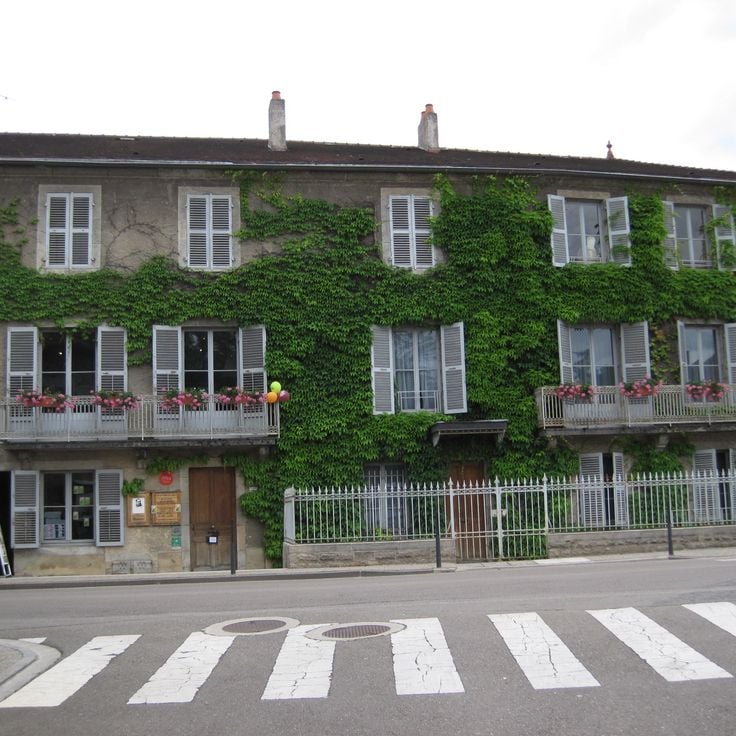
The Pasteur Birthplace Museum in Dole shows the young years of chemist and microbiologist Louis Pasteur. The house preserves its original furnishings and the authentic rooms where Pasteur grew up. You will see personal objects, documents, and information about his family. The exhibition explains how his childhood shaped this scholar. Visitors can discover the workshop where he began his career and learn about his early experiments and observations that marked his life.
The house of Louis Pasteur in Arbois displays the workspace of the renowned scientist. This is where Pasteur conducted his experiments and developed his research. The rooms preserve his laboratory equipment, scientific instruments, and personal belongings. Visitors discover the place where this French scholar worked on discoveries that transformed medicine and biology. The residence offers insight into Pasteur's daily life and his commitment to science.
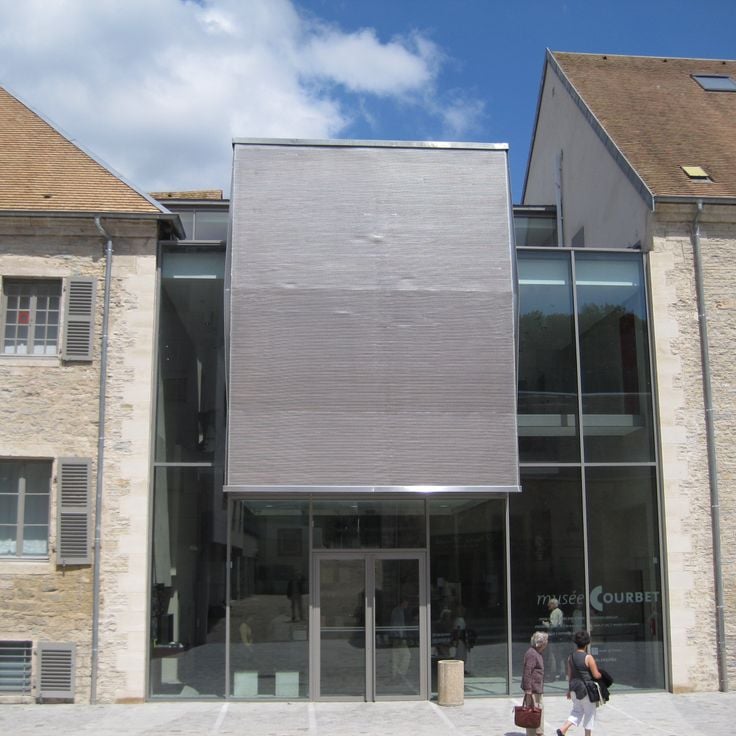
The Musée Courbet is located in Ornans in the birthplace of painter Gustave Courbet. The museum displays the artist's personal objects, his correspondence, and his paintings. The rooms show how Courbet lived and worked in the middle of the 19th century. His paintings depict the landscape of the region and its people. A visit allows you to discover the painter in his own surroundings and understand the influences that shaped his art.
The house of Robert Schuman in Scy-Chazelles is the home of a politician who played a key role in building Europe. Visitors discover here personal objects, documents and mementos that reflect his life path and convictions. The rooms show his daily life and his intense work for a united Europe. This house preserves the memory of a man whose ideas changed the 20th century.
The Raymond Poincaré House in Sampigny was home to a President of the French Republic who was also a mathematician and statesman. The rooms preserve personal objects and memories of this major historical figure. Visitors can see where Poincaré lived and worked, and discover his influence on France and his era.
Château Lyautey was the residence of Marshal Louis-Hubert Lyautey, a 20th-century French military officer and colonial administrator. The estate reveals the personal world of this man who shaped French colonial history. Visitors can explore the rooms where Lyautey lived and worked, and discover objects that reflect his life and career. The château offers insight into the daily life of an influential figure and the historical events of his era.
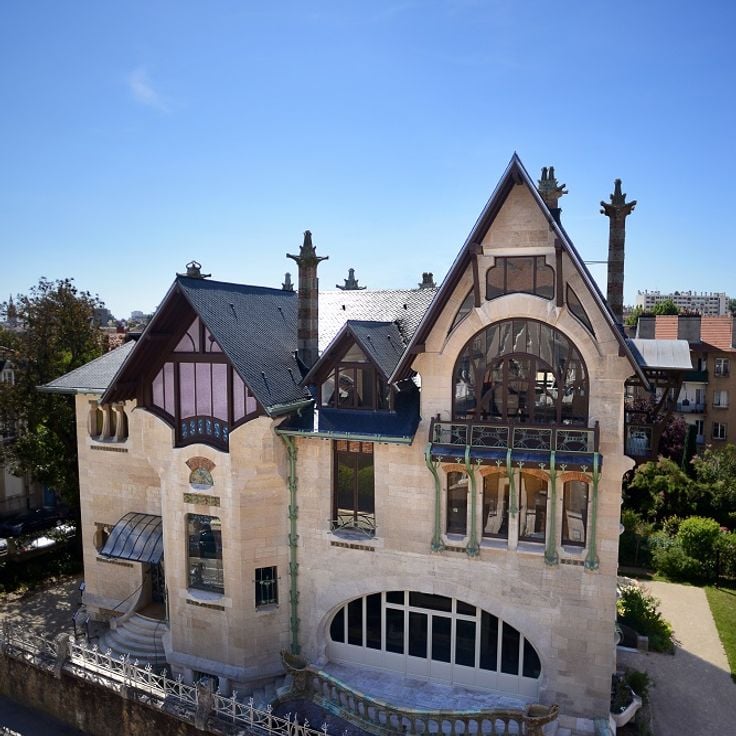
Villa Majorelle was the home of Louis Majorelle, a master glassworker and Art Nouveau furniture creator who shaped this artistic movement. Located in Nancy, this residence displays the artist's workspaces and personal objects that reflect his craft and creative process. The villa itself embodies his design philosophy, where living and working spaces were closely intertwined. Visitors can understand how Majorelle divided his time between creating furniture and developing new techniques.
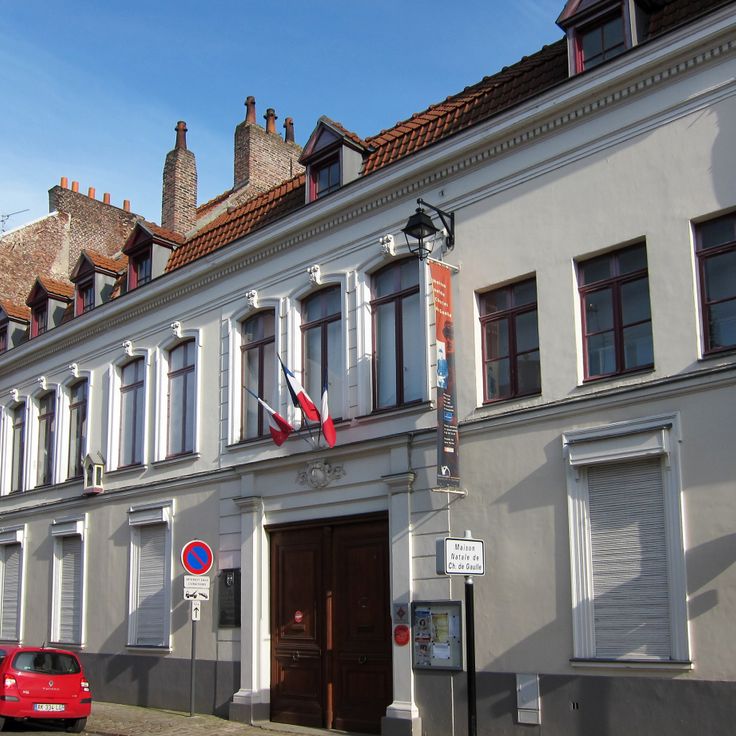
The birthplace of Charles de Gaulle in Lille preserves the home where one of France's greatest statesmen of the 20th century spent his childhood. The rooms contain furniture, personal objects, and documents from his early years. Visitors can walk through the spaces where de Gaulle grew up before becoming the political leader who guided France during World War II and shaped the Fifth Republic.
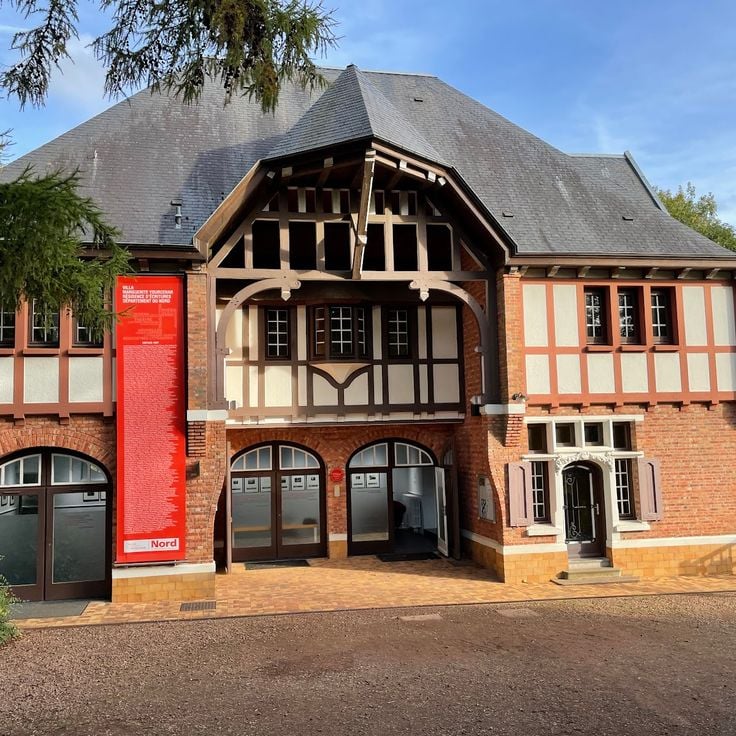
Villa du Mont-Noir was the home of novelist and essayist Marguerite Yourcenar, winner of the Prix Goncourt. In this house lived and worked one of the major French women writers of the 20th century. The villa preserves her personal belongings, her library, and her manuscripts, showing the daily life of a woman who shaped French literature.
The Maison-musée de Château-Thierry is the birthplace of the fabulist Jean de La Fontaine, whose Fables shaped French literature. In the rooms where La Fontaine grew up, visitors can discover personal objects, manuscripts, and furniture that reflect his daily life and work. The museum offers direct understanding of the time in which one of France's great writers lived and worked.
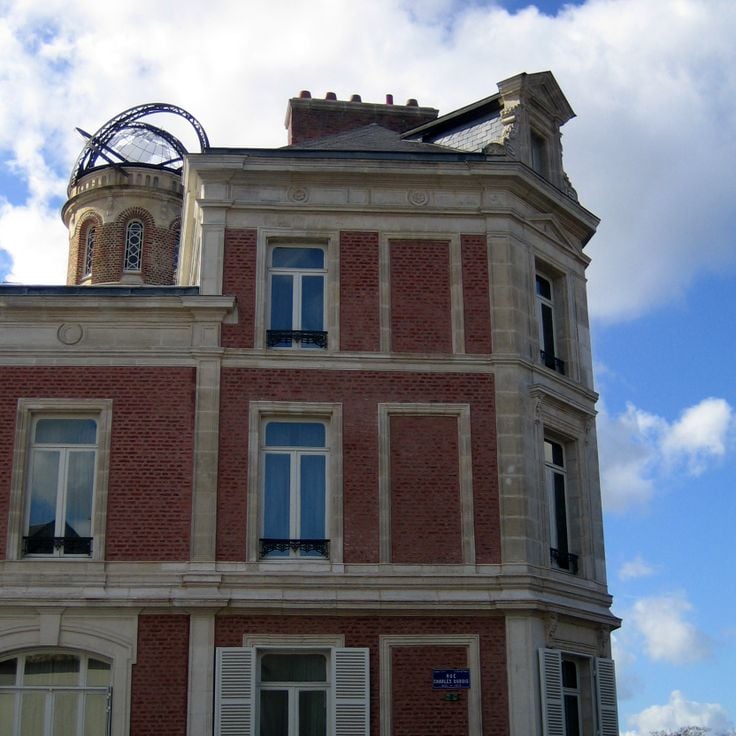
The Jules Verne Museum in Amiens is a house devoted to the life and work of writer Jules Verne, a pioneer of science fiction. The museum displays his personal belongings, manuscripts, and original editions of his works. In the rooms where Verne lived and worked, visitors can see his library, his desk, and his notebooks. The exhibition helps explain how Verne's childhood and experiences shaped his literary creations. His novels carried generations of readers to imaginary worlds.
The Bartholdi Museum in Colmar is devoted to sculptor Auguste Bartholdi, creator of the Statue of Liberty. In this house, you can see his personal belongings, sketches, and models that show his life and artistic work. The rooms tell how he developed his ideas and created his major works. You will discover his furniture, his work spaces, and documents that reveal how he thought and worked. Walking through these rooms helps you understand who he was and what drove him to create some of the world's most important monuments.
The Musée Albert Schweitzer occupies the house where doctor and musician Albert Schweitzer lived and worked. He won the Nobel Peace Prize for his humanitarian work. The rooms display his personal items, manuscripts, and memories from his life as a physician, musician, and thinker. Walking through this home, you understand how he balanced medicine, music, and humanitarian action. The spaces show the daily life of a man who dedicated himself to serving others across multiple continents.
The Goethe Museum at the Auberge au Boeuf in Sessenheim preserves personal belongings and documents from the time of German poet Johann Wolfgang von Goethe. The museum shows the rooms and spaces where he lived and worked during his stays in Alsace. These objects reveal how his experiences shaped his writing and influenced German literature.
The Buffon Museum occupies the former residence of naturalist and writer Georges-Louis Leclerc de Buffon. Visitors discover his personal objects, manuscripts, and creations in different rooms. The spaces show how Buffon lived and worked while devoting himself to observing nature and writing. The museum offers a window into the life of a man who shaped French science and literature in the 18th century.
Château de Bussy-Rabutin is a 17th century castle in Burgundy where Roger de Bussy Rabutin, a military officer and writer, lived. The residence displays his personal collection with portrait galleries that document his life and connections. Visitors can walk through the rooms where Bussy Rabutin wrote and lived, along with art collections that reflect his work as both a writer and a soldier. The French gardens surrounding the castle show the owner's taste and interests.
Bazoches Castle is a 12th-century fortress that was the residence of Marshal Sebastien Le Prestre de Vauban, the celebrated military engineer who designed French fortifications. The castle displays his personal objects, documents, and drawings, as well as the rooms where he lived and developed his projects. Visitors can discover how this important thinker spent his time and what ideas took shape within these walls.
The birthplace of Romain Rolland in Clamecy is where this writer and essayist spent his childhood. Rolland received the Nobel Prize in Literature and shaped French culture through his works. In this house, you can explore the rooms where the writer grew up and learn more about his life. His family and the environment of Clamecy formed the man who would influence literature and pacifism.
Saint-Point Castle was the home of romantic poet Alphonse de Lamartine. He lived and wrote his works in the spaces that shaped his literary creation. The castle displays personal objects, manuscripts, and the setting where this major figure of French literature spent his daily life. The rooms, library, and gardens tell the story of his life and literary work.
Arthur Rimbaud's house in Charleville-Mézières shows the poet's life in his native city. You can see the rooms where this important writer grew up and wrote his first poems. The museum holds personal possessions, manuscripts and letters that document his path as a poet. The interior arrangement tells the story of young Rimbaud's daily life and the time when he developed his revolutionary writing.
Renoir's studio in Essoyes is where this impressionist painter lived and worked. The rooms show his workspace with brushes, paints, and canvases at various stages of completion. Furniture and personal objects document his daily life. Visitors discover where Renoir painted his later works after settling in the countryside. The garden and studio spaces reveal how he approached his craft.
La Boisserie was the residence of General Charles de Gaulle in Colombey-les-Deux-Églises. Here de Gaulle spent his years away from public life. The house displays his personal belongings, books, and furniture that shaped his daily life. Visitors can see the rooms where this important French statesman lived and worked. The place offers insight into de Gaulle's character beyond his public role.
The birthplace of Claude-Joseph Rouget de Lisle in Lons-le-Saunier shows the life of the composer who wrote the Marseillaise. Visitors discover his personal belongings and daily life in these rooms. This house tells how this French musician grew up and began his first compositions.
The Pasteur Birthplace Museum in Dole shows the young years of chemist and microbiologist Louis Pasteur. The house preserves its original furnishings and the authentic rooms where Pasteur grew up. You will see personal objects, documents, and information about his family. The exhibition explains how his childhood shaped this scholar. Visitors can discover the workshop where he began his career and learn about his early experiments and observations that marked his life.
The house of Louis Pasteur in Arbois displays the workspace of the renowned scientist. This is where Pasteur conducted his experiments and developed his research. The rooms preserve his laboratory equipment, scientific instruments, and personal belongings. Visitors discover the place where this French scholar worked on discoveries that transformed medicine and biology. The residence offers insight into Pasteur's daily life and his commitment to science.
The Musée Courbet is located in Ornans in the birthplace of painter Gustave Courbet. The museum displays the artist's personal objects, his correspondence, and his paintings. The rooms show how Courbet lived and worked in the middle of the 19th century. His paintings depict the landscape of the region and its people. A visit allows you to discover the painter in his own surroundings and understand the influences that shaped his art.
The house of Robert Schuman in Scy-Chazelles is the home of a politician who played a key role in building Europe. Visitors discover here personal objects, documents and mementos that reflect his life path and convictions. The rooms show his daily life and his intense work for a united Europe. This house preserves the memory of a man whose ideas changed the 20th century.
The Raymond Poincaré House in Sampigny was home to a President of the French Republic who was also a mathematician and statesman. The rooms preserve personal objects and memories of this major historical figure. Visitors can see where Poincaré lived and worked, and discover his influence on France and his era.
Château Lyautey was the residence of Marshal Louis-Hubert Lyautey, a 20th-century French military officer and colonial administrator. The estate reveals the personal world of this man who shaped French colonial history. Visitors can explore the rooms where Lyautey lived and worked, and discover objects that reflect his life and career. The château offers insight into the daily life of an influential figure and the historical events of his era.
Villa Majorelle was the home of Louis Majorelle, a master glassworker and Art Nouveau furniture creator who shaped this artistic movement. Located in Nancy, this residence displays the artist's workspaces and personal objects that reflect his craft and creative process. The villa itself embodies his design philosophy, where living and working spaces were closely intertwined. Visitors can understand how Majorelle divided his time between creating furniture and developing new techniques.
The birthplace of Charles de Gaulle in Lille preserves the home where one of France's greatest statesmen of the 20th century spent his childhood. The rooms contain furniture, personal objects, and documents from his early years. Visitors can walk through the spaces where de Gaulle grew up before becoming the political leader who guided France during World War II and shaped the Fifth Republic.
Villa du Mont-Noir was the home of novelist and essayist Marguerite Yourcenar, winner of the Prix Goncourt. In this house lived and worked one of the major French women writers of the 20th century. The villa preserves her personal belongings, her library, and her manuscripts, showing the daily life of a woman who shaped French literature.
The Maison-musée de Château-Thierry is the birthplace of the fabulist Jean de La Fontaine, whose Fables shaped French literature. In the rooms where La Fontaine grew up, visitors can discover personal objects, manuscripts, and furniture that reflect his daily life and work. The museum offers direct understanding of the time in which one of France's great writers lived and worked.
The Jules Verne Museum in Amiens is a house devoted to the life and work of writer Jules Verne, a pioneer of science fiction. The museum displays his personal belongings, manuscripts, and original editions of his works. In the rooms where Verne lived and worked, visitors can see his library, his desk, and his notebooks. The exhibition helps explain how Verne's childhood and experiences shaped his literary creations. His novels carried generations of readers to imaginary worlds.
The Bartholdi Museum in Colmar is devoted to sculptor Auguste Bartholdi, creator of the Statue of Liberty. In this house, you can see his personal belongings, sketches, and models that show his life and artistic work. The rooms tell how he developed his ideas and created his major works. You will discover his furniture, his work spaces, and documents that reveal how he thought and worked. Walking through these rooms helps you understand who he was and what drove him to create some of the world's most important monuments.
The Musée Albert Schweitzer occupies the house where doctor and musician Albert Schweitzer lived and worked. He won the Nobel Peace Prize for his humanitarian work. The rooms display his personal items, manuscripts, and memories from his life as a physician, musician, and thinker. Walking through this home, you understand how he balanced medicine, music, and humanitarian action. The spaces show the daily life of a man who dedicated himself to serving others across multiple continents.
The Goethe Museum at the Auberge au Boeuf in Sessenheim preserves personal belongings and documents from the time of German poet Johann Wolfgang von Goethe. The museum shows the rooms and spaces where he lived and worked during his stays in Alsace. These objects reveal how his experiences shaped his writing and influenced German literature.
The Buffon Museum occupies the former residence of naturalist and writer Georges-Louis Leclerc de Buffon. Visitors discover his personal objects, manuscripts, and creations in different rooms. The spaces show how Buffon lived and worked while devoting himself to observing nature and writing. The museum offers a window into the life of a man who shaped French science and literature in the 18th century.
Château de Bussy-Rabutin is a 17th century castle in Burgundy where Roger de Bussy Rabutin, a military officer and writer, lived. The residence displays his personal collection with portrait galleries that document his life and connections. Visitors can walk through the rooms where Bussy Rabutin wrote and lived, along with art collections that reflect his work as both a writer and a soldier. The French gardens surrounding the castle show the owner's taste and interests.
Bazoches Castle is a 12th-century fortress that was the residence of Marshal Sebastien Le Prestre de Vauban, the celebrated military engineer who designed French fortifications. The castle displays his personal objects, documents, and drawings, as well as the rooms where he lived and developed his projects. Visitors can discover how this important thinker spent his time and what ideas took shape within these walls.
The birthplace of Romain Rolland in Clamecy is where this writer and essayist spent his childhood. Rolland received the Nobel Prize in Literature and shaped French culture through his works. In this house, you can explore the rooms where the writer grew up and learn more about his life. His family and the environment of Clamecy formed the man who would influence literature and pacifism.
Saint-Point Castle was the home of romantic poet Alphonse de Lamartine. He lived and wrote his works in the spaces that shaped his literary creation. The castle displays personal objects, manuscripts, and the setting where this major figure of French literature spent his daily life. The rooms, library, and gardens tell the story of his life and literary work.
Arthur Rimbaud's house in Charleville-Mézières shows the poet's life in his native city. You can see the rooms where this important writer grew up and wrote his first poems. The museum holds personal possessions, manuscripts and letters that document his path as a poet. The interior arrangement tells the story of young Rimbaud's daily life and the time when he developed his revolutionary writing.
Renoir's studio in Essoyes is where this impressionist painter lived and worked. The rooms show his workspace with brushes, paints, and canvases at various stages of completion. Furniture and personal objects document his daily life. Visitors discover where Renoir painted his later works after settling in the countryside. The garden and studio spaces reveal how he approached his craft.
La Boisserie was the residence of General Charles de Gaulle in Colombey-les-Deux-Églises. Here de Gaulle spent his years away from public life. The house displays his personal belongings, books, and furniture that shaped his daily life. Visitors can see the rooms where this important French statesman lived and worked. The place offers insight into de Gaulle's character beyond his public role.
The birthplace of Claude-Joseph Rouget de Lisle in Lons-le-Saunier shows the life of the composer who wrote the Marseillaise. Visitors discover his personal belongings and daily life in these rooms. This house tells how this French musician grew up and began his first compositions.
The Pasteur Birthplace Museum in Dole shows the young years of chemist and microbiologist Louis Pasteur. The house preserves its original furnishings and the authentic rooms where Pasteur grew up. You will see personal objects, documents, and information about his family. The exhibition explains how his childhood shaped this scholar. Visitors can discover the workshop where he began his career and learn about his early experiments and observations that marked his life.
The house of Louis Pasteur in Arbois displays the workspace of the renowned scientist. This is where Pasteur conducted his experiments and developed his research. The rooms preserve his laboratory equipment, scientific instruments, and personal belongings. Visitors discover the place where this French scholar worked on discoveries that transformed medicine and biology. The residence offers insight into Pasteur's daily life and his commitment to science.
The Musée Courbet is located in Ornans in the birthplace of painter Gustave Courbet. The museum displays the artist's personal objects, his correspondence, and his paintings. The rooms show how Courbet lived and worked in the middle of the 19th century. His paintings depict the landscape of the region and its people. A visit allows you to discover the painter in his own surroundings and understand the influences that shaped his art.
The house of Robert Schuman in Scy-Chazelles is the home of a politician who played a key role in building Europe. Visitors discover here personal objects, documents and mementos that reflect his life path and convictions. The rooms show his daily life and his intense work for a united Europe. This house preserves the memory of a man whose ideas changed the 20th century.
The Raymond Poincaré House in Sampigny was home to a President of the French Republic who was also a mathematician and statesman. The rooms preserve personal objects and memories of this major historical figure. Visitors can see where Poincaré lived and worked, and discover his influence on France and his era.
Château Lyautey was the residence of Marshal Louis-Hubert Lyautey, a 20th-century French military officer and colonial administrator. The estate reveals the personal world of this man who shaped French colonial history. Visitors can explore the rooms where Lyautey lived and worked, and discover objects that reflect his life and career. The château offers insight into the daily life of an influential figure and the historical events of his era.
Villa Majorelle was the home of Louis Majorelle, a master glassworker and Art Nouveau furniture creator who shaped this artistic movement. Located in Nancy, this residence displays the artist's workspaces and personal objects that reflect his craft and creative process. The villa itself embodies his design philosophy, where living and working spaces were closely intertwined. Visitors can understand how Majorelle divided his time between creating furniture and developing new techniques.
The birthplace of Charles de Gaulle in Lille preserves the home where one of France's greatest statesmen of the 20th century spent his childhood. The rooms contain furniture, personal objects, and documents from his early years. Visitors can walk through the spaces where de Gaulle grew up before becoming the political leader who guided France during World War II and shaped the Fifth Republic.
Villa du Mont-Noir was the home of novelist and essayist Marguerite Yourcenar, winner of the Prix Goncourt. In this house lived and worked one of the major French women writers of the 20th century. The villa preserves her personal belongings, her library, and her manuscripts, showing the daily life of a woman who shaped French literature.
The Maison-musée de Château-Thierry is the birthplace of the fabulist Jean de La Fontaine, whose Fables shaped French literature. In the rooms where La Fontaine grew up, visitors can discover personal objects, manuscripts, and furniture that reflect his daily life and work. The museum offers direct understanding of the time in which one of France's great writers lived and worked.
The Jules Verne Museum in Amiens is a house devoted to the life and work of writer Jules Verne, a pioneer of science fiction. The museum displays his personal belongings, manuscripts, and original editions of his works. In the rooms where Verne lived and worked, visitors can see his library, his desk, and his notebooks. The exhibition helps explain how Verne's childhood and experiences shaped his literary creations. His novels carried generations of readers to imaginary worlds.
Visiting these houses means walking in the footsteps of those who shaped our history. Each room, each object tells a part of their lives and work. Take your time to stop in these places: they will bring you closer to the women and men whose ideas still stay with us.