See the monuments around you in AROpen chests in the app
Around Us is built for your phone — point your camera at the streets and discover the monuments and places around you in augmented reality.Around Us is built for your phone — chests unlock when you walk, explore and capture nearby places.
Let us explore the places of innovation in artificial intelligence, from Silicon Valley to new technology hubs in Asia and Europe.
Artificial intelligence (AI) develops in specific places around the world. Silicon Valley in California remains the main center of this change, where companies like OpenAI, NVIDIA, and Google work on AI systems that shape our time. These research centers and campuses are part of a worldwide network that goes from the US coast to top universities like MIT and Stanford, then crosses the ocean to laboratories in London, Paris, and Munich. In Asia, cities like Beijing, Shanghai, and Singapore develop their own innovation areas, while Canada and Australia grow their presence in this field.
Each of these areas has a special role. The headquarters of large companies host teams that make AI helpers and the chips that run them. Universities like Tsinghua in China and Carnegie Mellon in the US train researchers and explore the limits of theory. Tech parks and special zones, like Data Center Alley in California, provide the heavy computing infrastructure needed to teach these systems. Startup hubs, such as Station F in Paris, support new companies as they grow.
Visiting these places shows how a technology born in labs changes into products used by billions. It also helps to see that this change is not by chance or from just one place. It is the result of ongoing global work between researchers, businesses, and groups, each adding to this ongoing story.
Let us explore the places of innovation in artificial intelligence, from Silicon Valley to new technology hubs in Asia and Europe.
Artificial intelligence (AI) develops in specific places around the world. Silicon Valley in California remains the main center of this change, where companies like OpenAI, NVIDIA, and Google work on AI systems that shape our time. These research centers and campuses are part of a worldwide network that goes from the US coast to top universities like MIT and Stanford, then crosses the ocean to laboratories in London, Paris, and Munich. In Asia, cities like Beijing, Shanghai, and Singapore develop their own innovation areas, while Canada and Australia grow their presence in this field.
Each of these areas has a special role. The headquarters of large companies host teams that make AI helpers and the chips that run them. Universities like Tsinghua in China and Carnegie Mellon in the US train researchers and explore the limits of theory. Tech parks and special zones, like Data Center Alley in California, provide the heavy computing infrastructure needed to teach these systems. Startup hubs, such as Station F in Paris, support new companies as they grow.
Visiting these places shows how a technology born in labs changes into products used by billions. It also helps to see that this change is not by chance or from just one place. It is the result of ongoing global work between researchers, businesses, and groups, each adding to this ongoing story.
The OpenAI headquarters in San Francisco is where some of today's most talked-about AI systems are built. This is the office where ChatGPT was developed, a tool now used by people all over the world. Researchers and engineers here focus on how machines can understand and generate language in ways that feel natural to users.
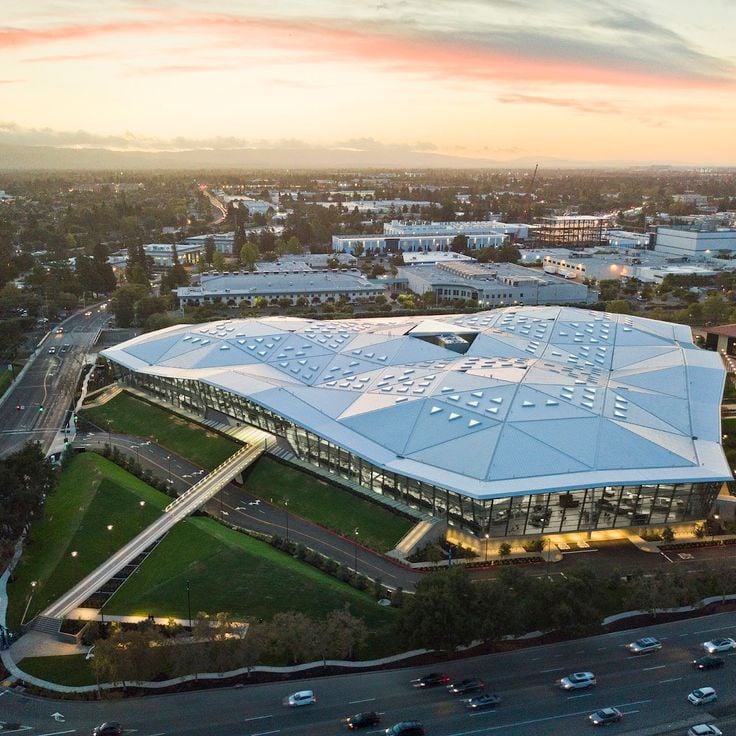
NVIDIA's headquarters in Santa Clara is where the chips that power most of the world's AI systems are designed. The company makes graphics processors that have become essential for training large language models and other machine learning programs. Visiting this campus means standing at the center of the hardware side of the AI story.
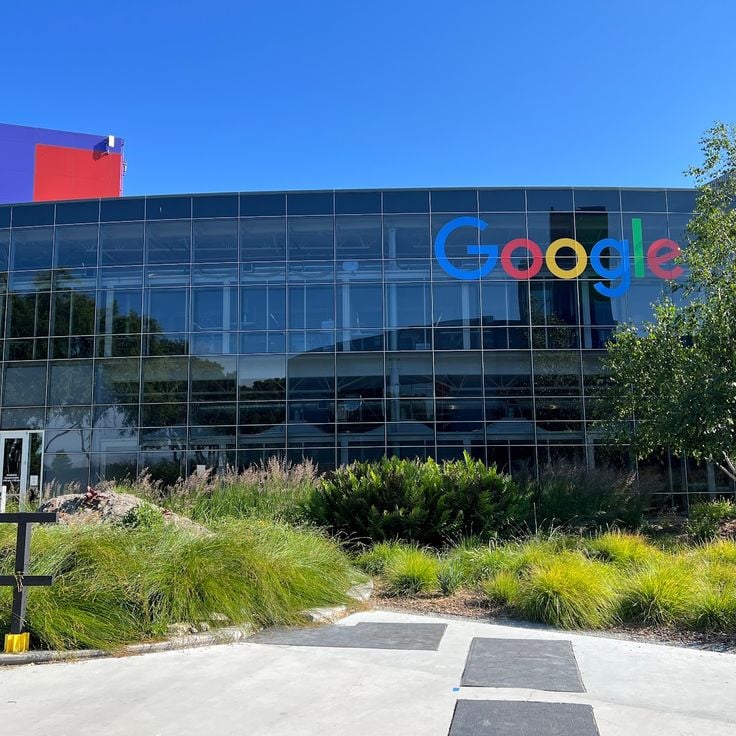
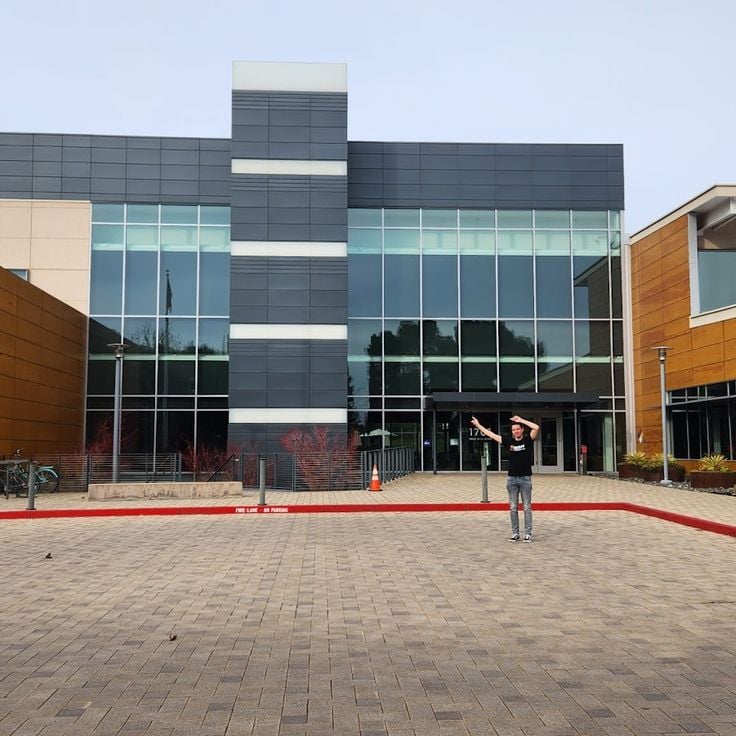
The Googleplex is Google's main campus in Mountain View, California. This is where the teams behind Gemini and DeepMind work, two of the most influential research projects in artificial intelligence today. Walking around the grounds, you notice bikes, open-air spaces, and buildings designed to feel less like a traditional office and more like a small town. The Googleplex is one of the places where decisions about AI development are made daily, shaping tools used by people around the world.
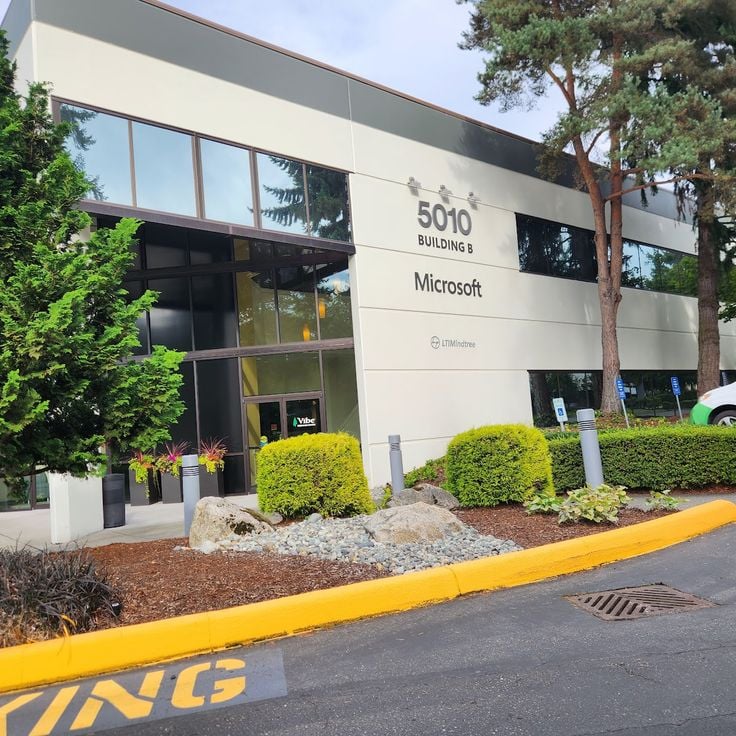
The Microsoft Campus in Redmond is the company's headquarters, home to the teams behind AI projects like Copilot and the close partnership with OpenAI. This is where tools used by people around the world every day are built and refined, making it one of the most active places in the current AI story.
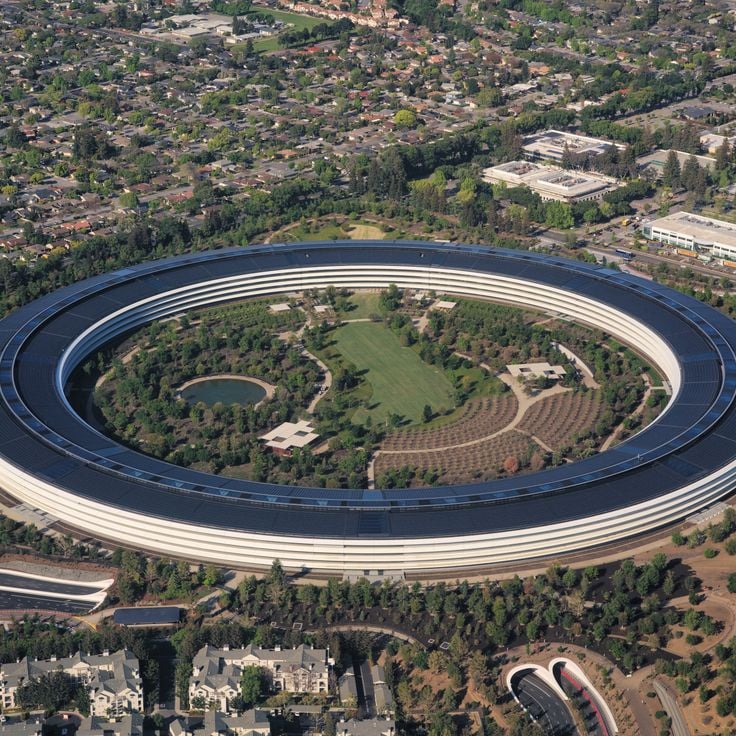
Apple Park is Apple's main campus in Cupertino, California. Its circular building houses teams working on embedded AI, meaning the kind of artificial intelligence that runs directly on iPhones, iPads and Macs without needing a connection to the cloud. Apple Park sits at the heart of Silicon Valley and is one of the places where the future of personal technology is being shaped.
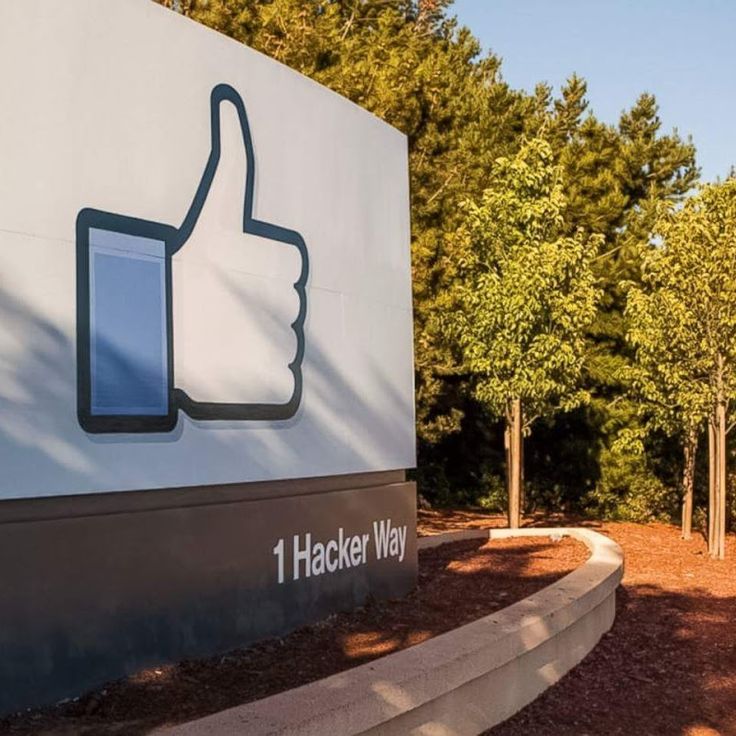
The Meta headquarters in Menlo Park is where one of the largest AI research teams in the world works on a daily basis. This is where Llama, Meta's open language model, is developed and made available to researchers and developers around the world. The campus reflects the day-to-day reality of a tech company that runs major social platforms while also working on the foundations of artificial intelligence.
Anthropic's headquarters in San Francisco is a research center focused on building AI systems that behave safely and predictably. This is where Claude was developed, an AI assistant designed from the ground up with safety and alignment as core priorities. The teams here work on making AI technology more reliable and less likely to cause harm.
The xAI headquarters in Palo Alto is the research lab that Elon Musk founded to build Grok, an AI system designed to answer a wide range of questions. The team works on developing an alternative to other large AI models, and this lab sits at the center of an ongoing debate about how AI should be shaped and who should control it.
The Stanford AI Lab, known as SAIL, is one of the oldest university research centers dedicated to artificial intelligence. Founded in the 1960s on the Stanford University campus in Palo Alto, it sits at the heart of Silicon Valley. Over the decades, researchers here have worked on robotics, language processing and machine learning, long before these fields became widely known. Walking through the campus, you get a clear sense of how closely academic work and industry are connected: students, professors and engineers from nearby tech companies cross paths every day.
Berkeley AI Research, known as BAIR, is part of the University of California at Berkeley and stands as one of the most active academic centers for artificial intelligence in the United States. Researchers here work on machine learning, robotics, computer vision, and natural language processing. The work coming out of BAIR regularly shapes how AI develops both in universities and in the tech industry.
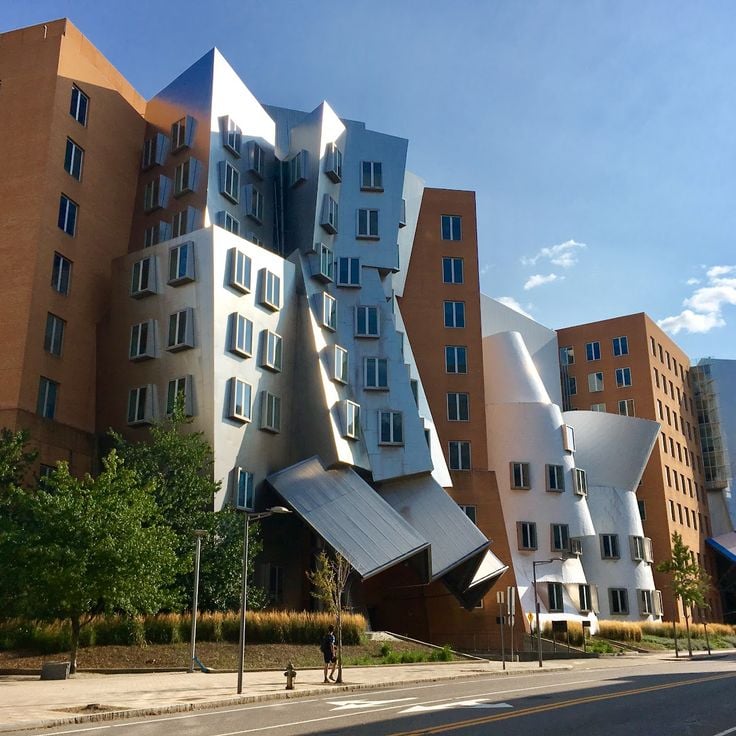
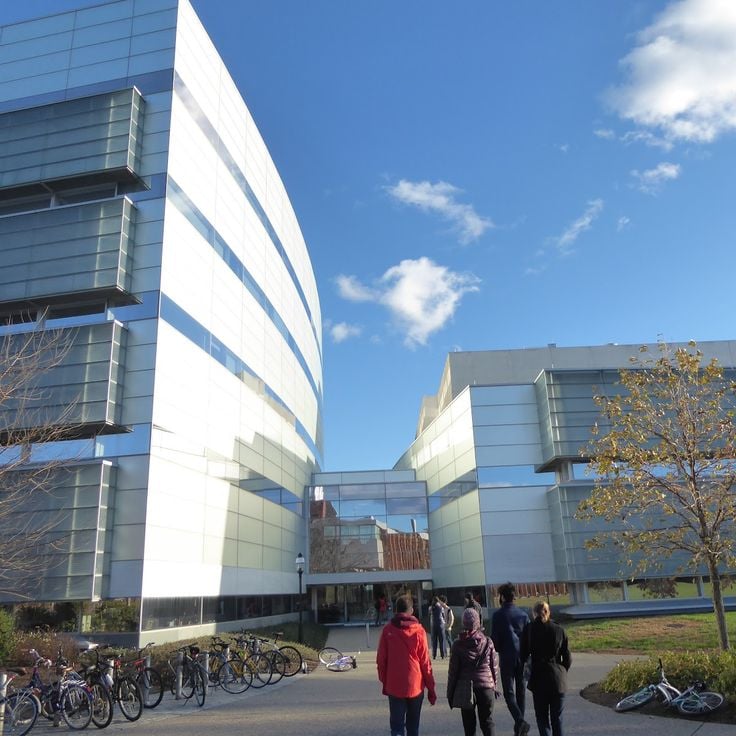
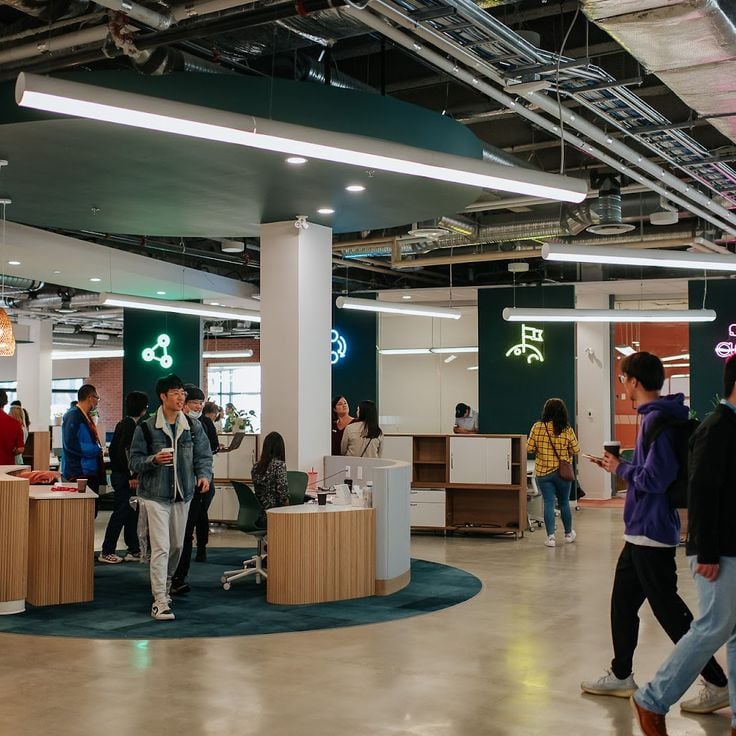
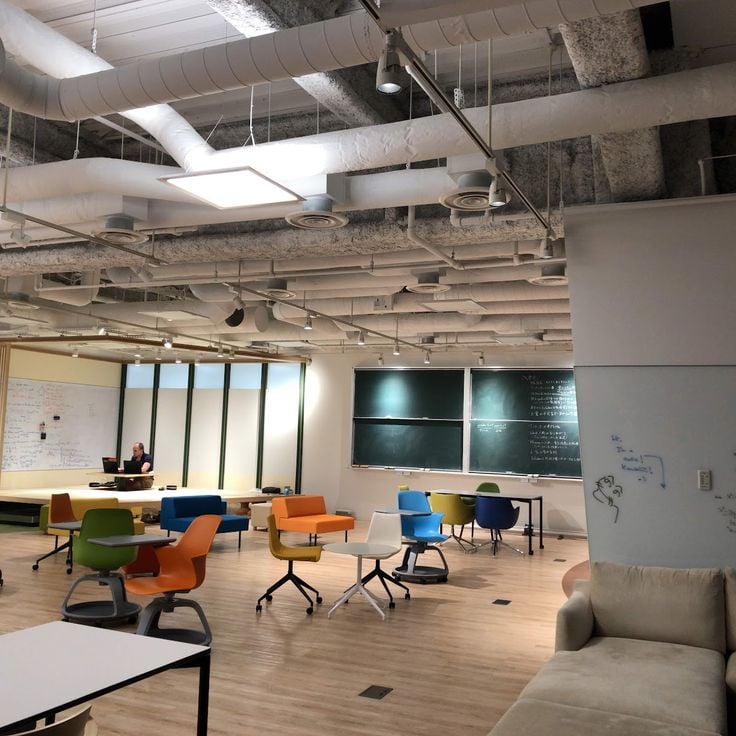
MIT CSAIL, located on the MIT campus in Cambridge, Massachusetts, is one of the most active computer science and AI research labs in the world. Researchers here work on robotics, machine learning, and the ways machines can interact with people. The work produced in these buildings regularly shapes the tools and systems that reach everyday users across the globe. Walking through this space gives a real sense of how ideas move from a researcher's notebook to products people use every day.
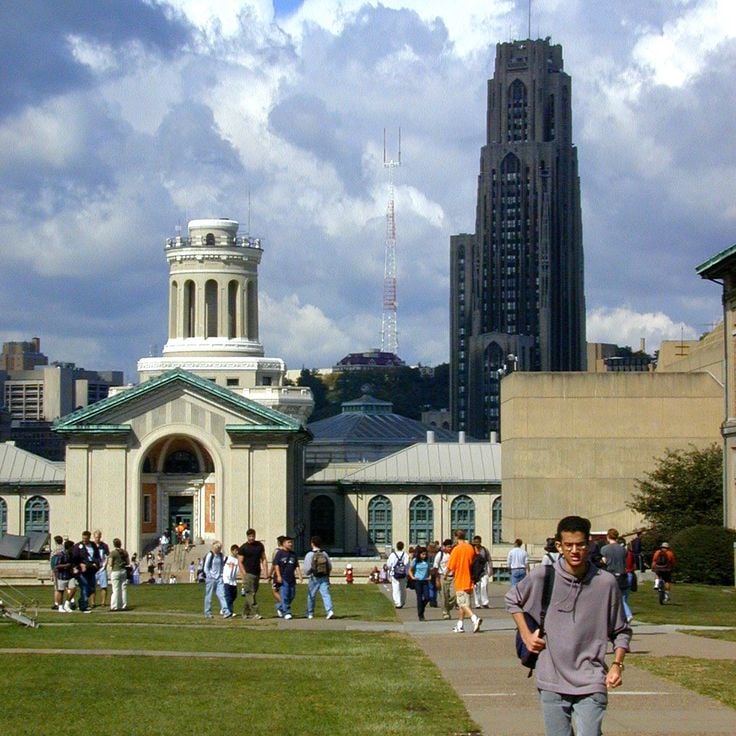
Carnegie Mellon University in Pittsburgh is one of the most respected places in the world for robotics and applied artificial intelligence research. On campus, researchers and students work on systems meant to function in real-world settings, from self-driving vehicles to speech recognition software. Walking through this campus, visitors quickly sense that AI is not treated as a distant idea here, but as a hands-on discipline with a long history behind it.
The Princeton AI Hub is a research center at Princeton University dedicated to artificial intelligence. Researchers here work on foundational questions about how AI systems learn and make decisions, away from the corporate campuses of Silicon Valley. Princeton brings a long tradition of academic rigor to the field, connecting theoretical work with real-world applications. Walking through this campus, you get a sense of how university research shapes the tools that millions of people use every day.
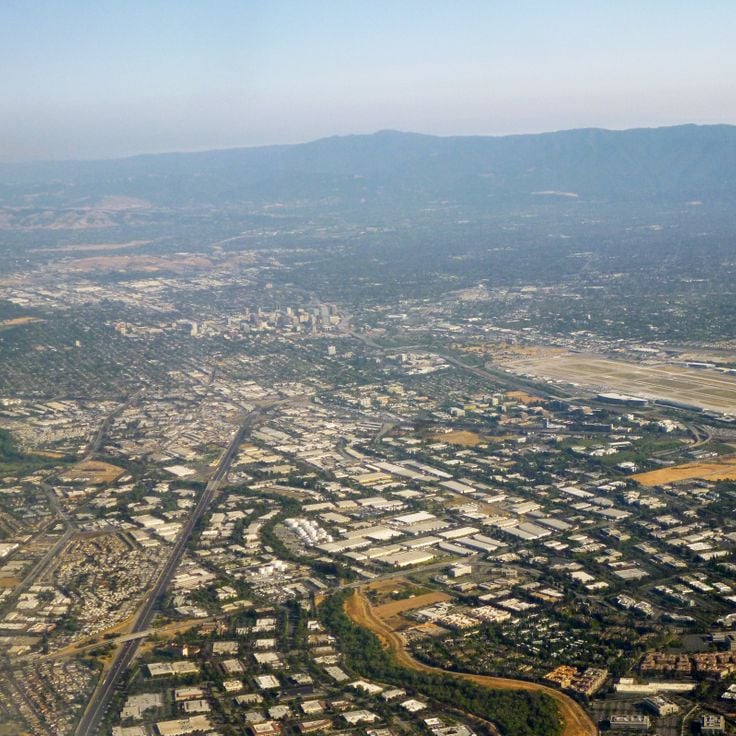
Silicon Valley, in northern California, is where much of today's AI development is rooted. Companies like OpenAI, Google, and NVIDIA have their offices and research teams here. Walking through the area, you see low-rise buildings, large corporate campuses, and people moving between meetings. It is not a traditional city center but a string of cities like Palo Alto, Mountain View, and Cupertino that together form one of the most influential technology regions in the world.
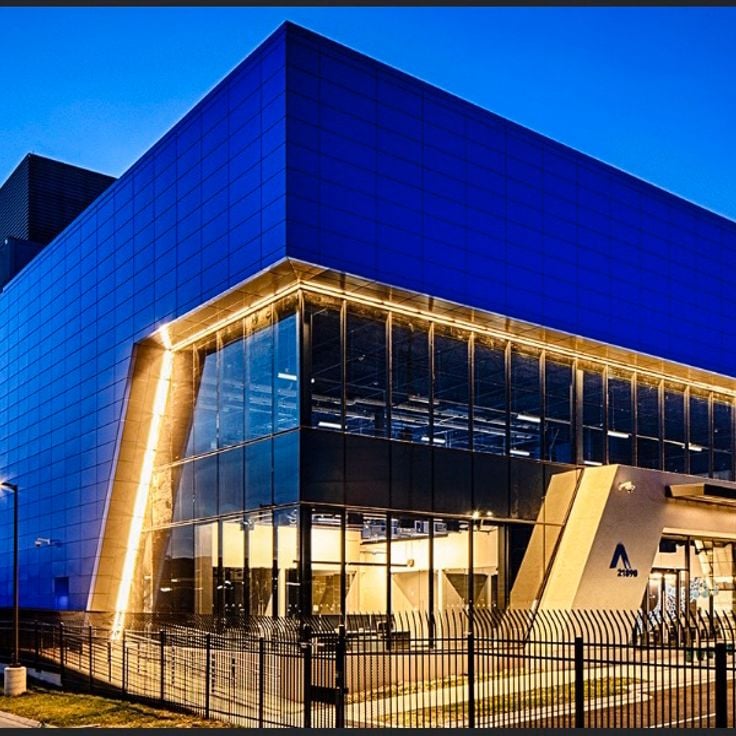
Data Center Alley is an area in Ashburn, Virginia, where a large number of data centers are concentrated in a small territory. These buildings store and process enormous amounts of data, including the data needed to train AI systems. Walking or driving through, you see few people but many secured buildings, cooling units and cables running in every direction, all operating around the clock. This corridor is a key part of the physical infrastructure that makes modern AI work.
DeepMind is an AI research lab based in London and owned by Google. Scientists here work on core questions in artificial intelligence, with a focus on reinforcement learning, a method where a system learns by trial and error. The lab is known for building programs that learned to play chess, Go, and other complex games at a level beyond human experts. This work has shaped how modern AI systems are developed around the world.
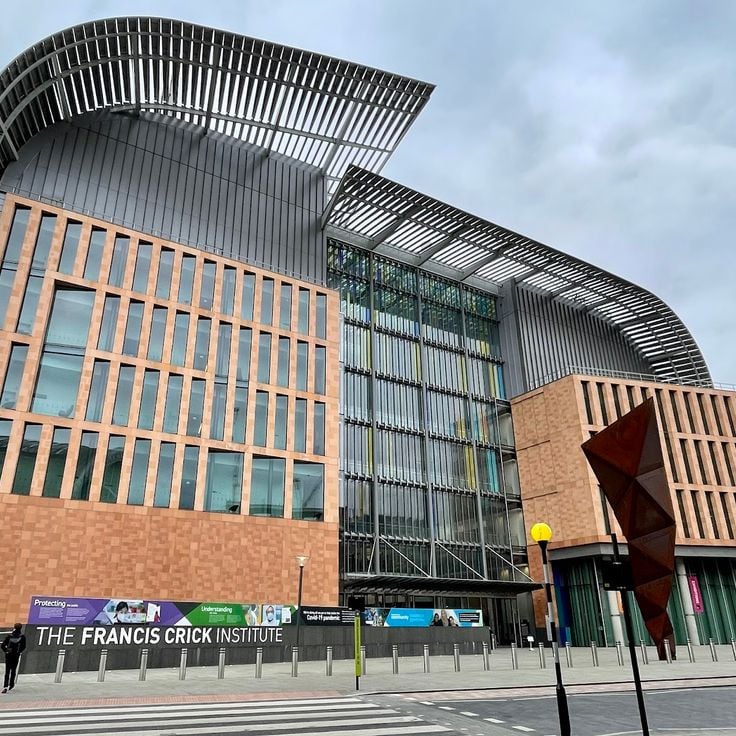
The Alan Turing Institute is the United Kingdom's national center for data science and artificial intelligence. Named after the mathematician whose work laid the foundations of modern computing, it brings together researchers from across Britain to study how AI systems are built and how they can be used responsibly. Based in London, it sits at the heart of a growing conversation about what artificial intelligence means for society.
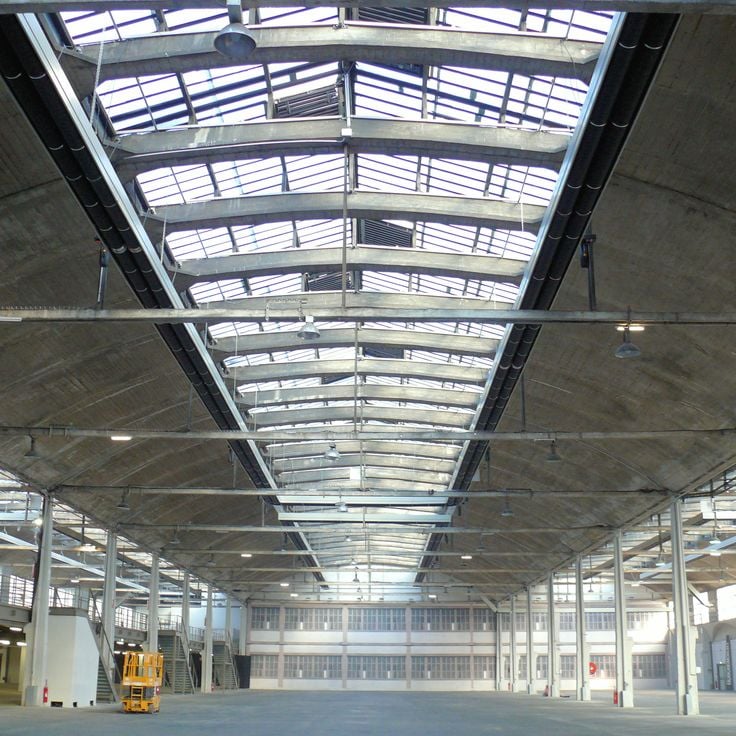
Station F is a large startup campus housed in a former railway freight hall in the 13th arrondissement of Paris. It brings together thousands of founders working on technology projects, many of them focused on artificial intelligence. Major companies like Facebook and Microsoft have set up offices here to support young teams. The place has an open, active feel: people meet, exchange ideas, and build companies side by side.
INRIA Saclay is a French public research institute located in Palaiseau, south of Paris. Scientists here focus on computer science and artificial intelligence, working on both theoretical questions and practical tools. The institute sits within the Plateau de Saclay, one of the largest concentrations of research institutions and engineering schools in France. Its teams develop algorithms and models that feed into fields ranging from medicine to robotics.
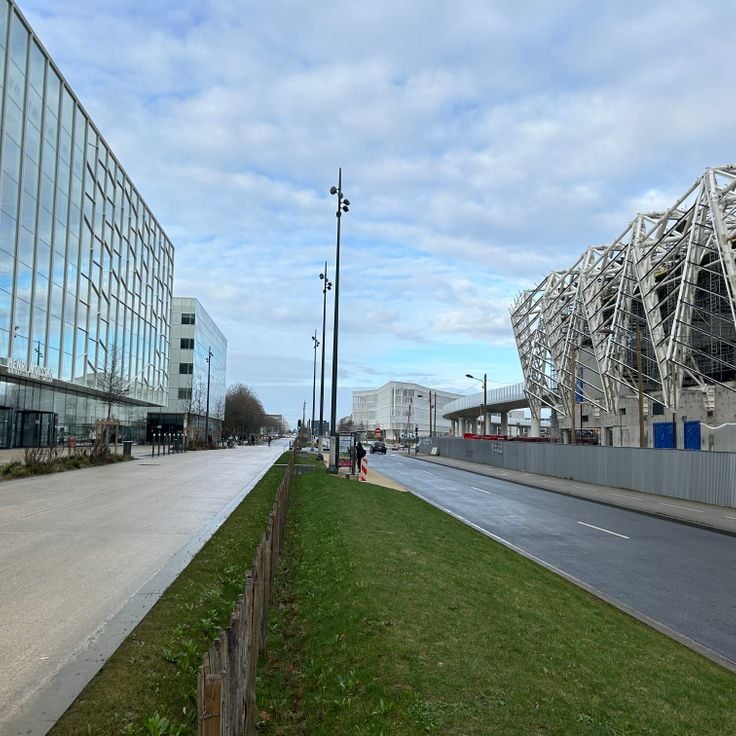
Paris-Saclay sits on a plateau south of Paris, near Palaiseau, and brings together some of France's leading universities, engineering schools, and research centers. The area has grown into one of the country's main hubs for AI research, where teams work on computer science, mathematics, and data systems. Walking through the campus, you get the feeling of a place built around study and research, with modern buildings spread across a quiet suburban setting far from the noise of the city.
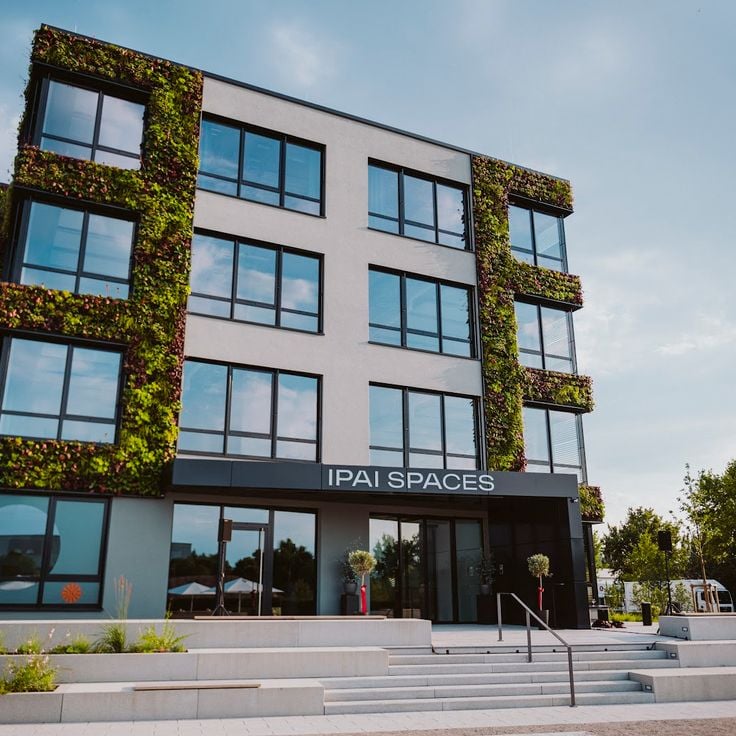
The Innovation Park Artificial Intelligence (IPAI) in Heilbronn is one of Europe's largest campuses dedicated to AI research and development. Companies, researchers, and startups work side by side here, turning ideas into tools that reach far beyond Germany. A visit gives a clear sense of how AI moves from theory to everyday use, in a place where that process happens in real time.
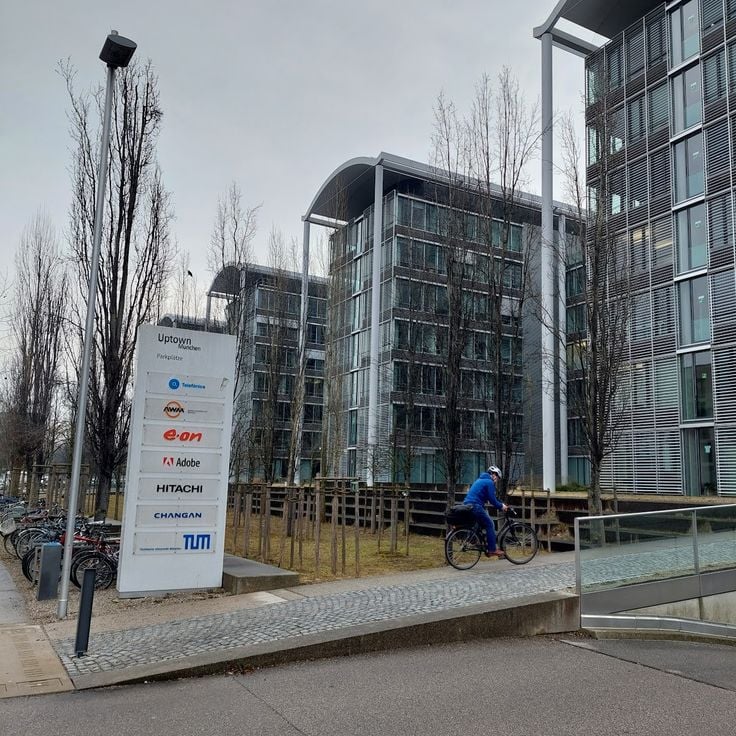
The TUM AI Center is the hub for artificial intelligence research at the Technical University of Munich. Researchers and students work there together on new approaches to understanding and developing AI. The center has close ties with German industry, which encourages a steady flow of ideas between academic work and real-world applications. This makes Munich one of the key places in Europe for AI development.
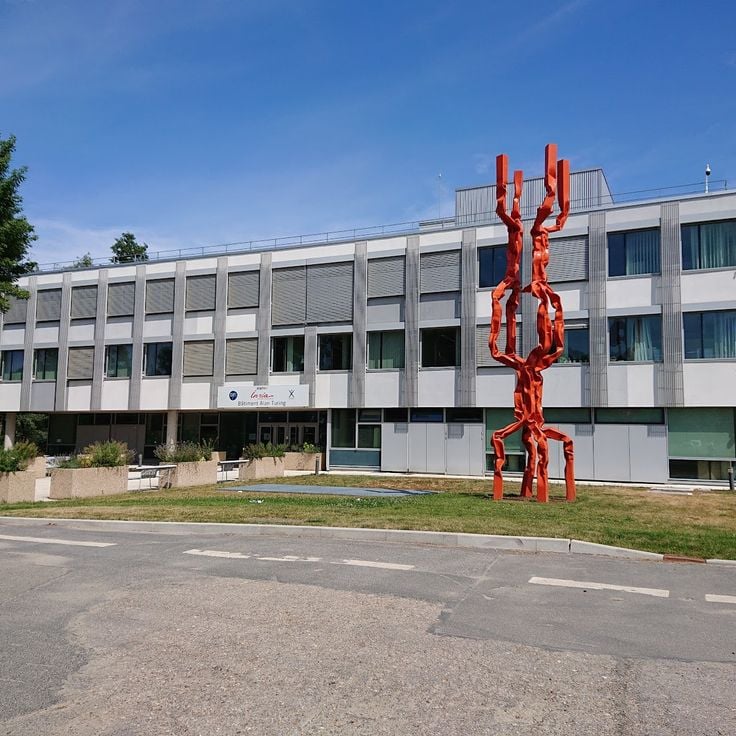
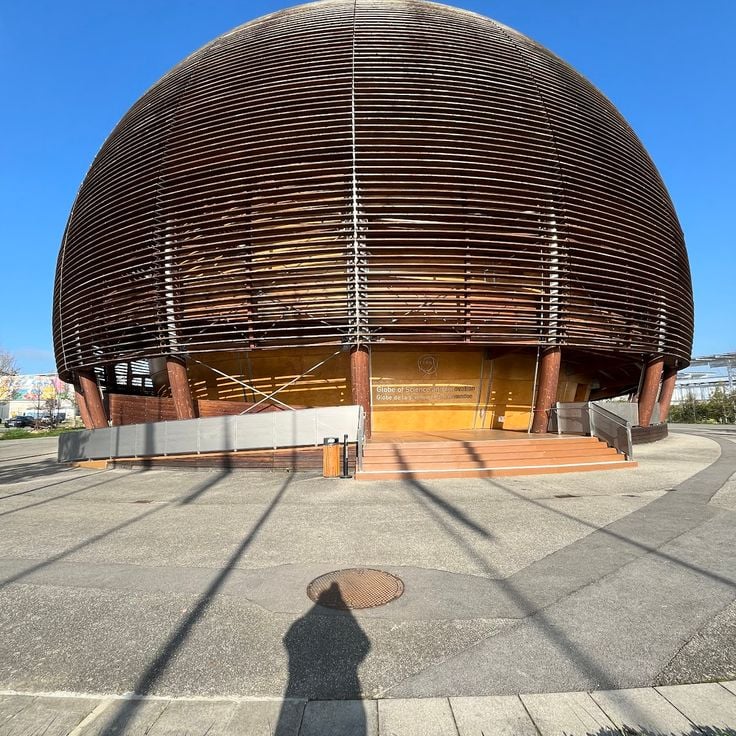
IdeaSquare at CERN is a working space in Geneva where students, researchers, and companies come together to test digital technologies and AI applications. It is not open to the general public, but it plays a real role in how research ideas become concrete projects. IdeaSquare shows how a place like CERN reaches well beyond particle physics, connecting science with practical innovation in a hands-on setting.
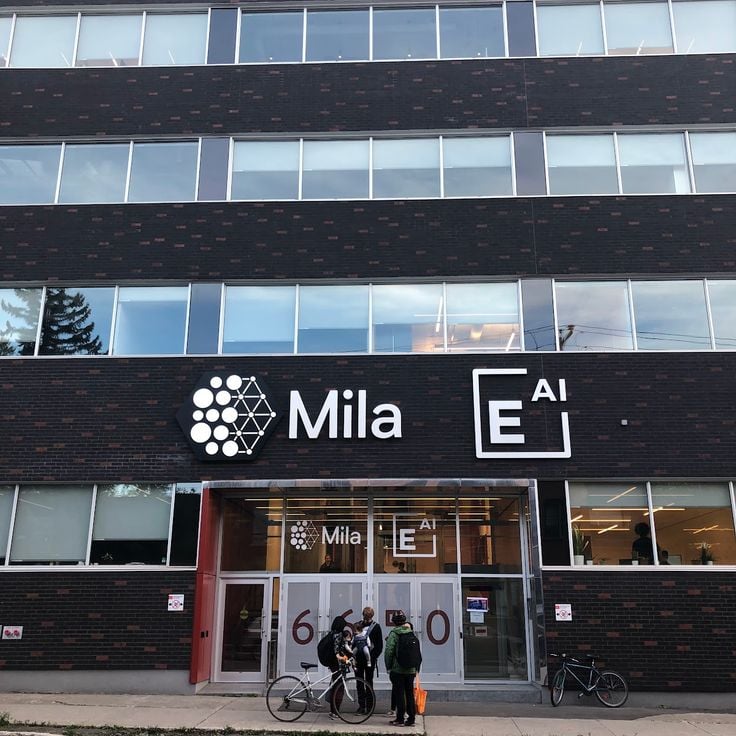
Mila in Montreal is a research institute founded by Yoshua Bengio, one of the most recognized figures in machine learning. Researchers and doctoral students work here on core questions in artificial intelligence, from new algorithm development to the theoretical foundations behind modern AI systems. The institute connects university research with an open exchange of ideas, which has helped make Montreal a respected hub in global AI research.
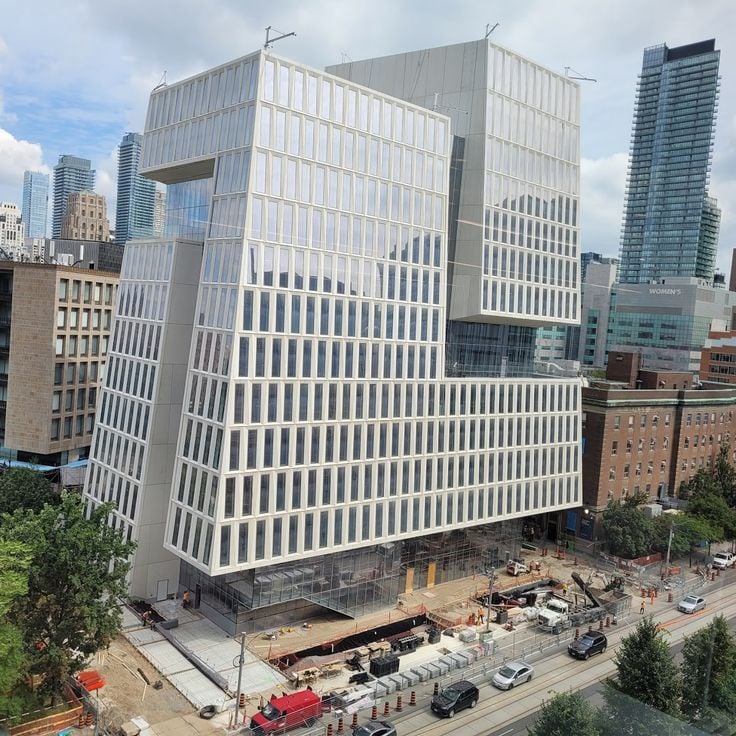
The Vector Institute in Toronto is one of Canada's leading centers for applied AI research. It brings together researchers from universities and companies who work side by side on the same questions, creating a direct link between theory and real-world applications. Visitors encounter teams working on machine learning projects that touch fields like healthcare and finance.
Amii in Edmonton is one of Canada's main centers for artificial intelligence research. Researchers and companies work side by side here, developing new methods and tools that feed into the broader global effort. Edmonton's strong university scene gives Amii a steady flow of talent and ideas. A visit here shows how Canada has built a real presence in AI research, not just through big names, but through steady, grounded work done day after day.
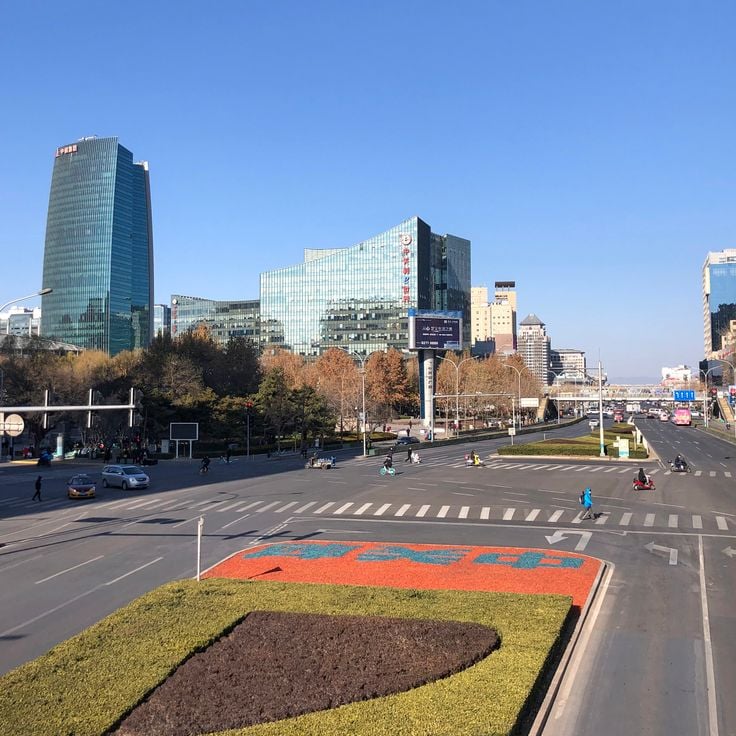
Zhongguancun is Beijing's best-known technology district, often compared to Silicon Valley. It is where major Chinese tech companies like Lenovo and Baidu got their start. The streets are lined with office towers, universities, and research centers, and you will find engineers, students, and founders going about their day. Walking through the area gives a clear sense of how research and business work side by side here, and how China is building its own path in the field of artificial intelligence.
Shenzhen High-Tech Park sits at the center of one of China's most active technology cities. Companies working on robotics, electronics and artificial intelligence share this urban work district, where engineers and researchers develop concrete products day after day. The park is not a closed-off campus but an open part of the city, shaped by the constant movement of people building hardware and software for global markets. Many of the components found inside AI systems around the world trace back to work done here.
The Shanghai AI Innovation Park is a neighborhood in Shanghai entirely dedicated to artificial intelligence companies and research labs. Researchers, engineers, and startups work side by side here on projects ranging from speech recognition to computer vision. The park reflects China's push to play a central role in global AI development. Walking through it, you get a sense of how quickly this field moves, with new offices and labs constantly opening their doors.
The RIKEN Center for AI in Tokyo is Japan's leading institution for fundamental research in artificial intelligence. Scientists here work on theoretical questions and real-world applications, contributing to a global network of research that shapes how AI develops. The center reflects Japan's commitment to staying at the forefront of this field.
AIST is Japan's national research institute in Tsukuba, focused on artificial intelligence for industrial use and on robotics. Scientists here work on systems designed to function in factories and in everyday settings. The institute connects fundamental research with practical applications, making it a key player in Japan's technological development.
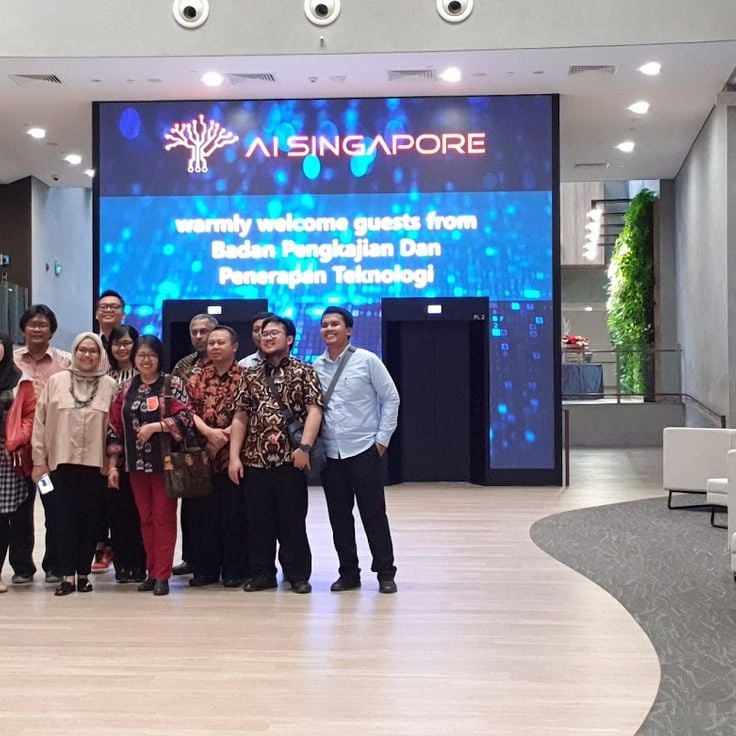
AI Singapore is the country's national program for artificial intelligence research and development. It brings together universities, research labs, and companies to work on AI projects suited to the region. Singapore set up this program to carve out its own place in global AI research, alongside the larger American and Chinese centers.
One-north is a research and technology district in the southwest of Singapore, where laboratories, startups, and tech companies work side by side. The streets are quiet, the buildings modern, and the people you meet are mostly engineers, researchers, and young entrepreneurs. This neighborhood is one of the places in Asia where artificial intelligence, biotechnology, and digital innovation come together and take shape in everyday work.
King Abdullah University of Science and Technology, known as KAUST, sits on the Red Sea coast in Thuwal and is one of the few research universities in Saudi Arabia focused entirely on science and technology. Researchers from around the world work on its campus, exploring artificial intelligence with the support of powerful supercomputers. KAUST is part of the global network of institutions shaping AI development, and it shows that this kind of research is no longer confined to the United States or Europe.
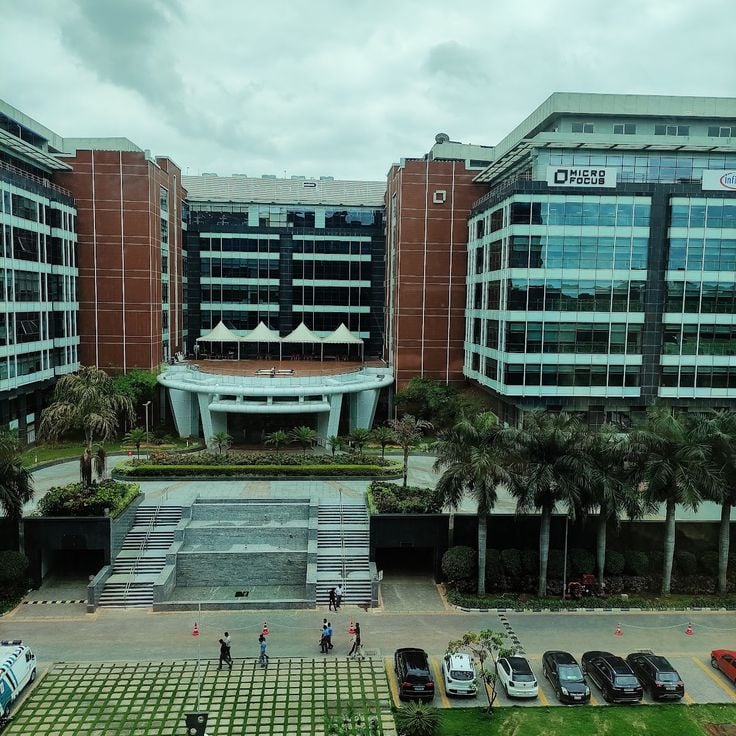
The Bangalore Tech Corridor is the backbone of India's technology industry. Along this urban stretch in Bangalore, companies and research centers have set up offices to work on software, artificial intelligence and digital services. The streets are lined with the campuses of major international firms alongside younger startups. The pace of daily life here is fast, and coffee shops and coworking spaces fill up quickly with people working on laptops. Walking through this corridor gives a clear sense of how India is building its own role in the global AI story.
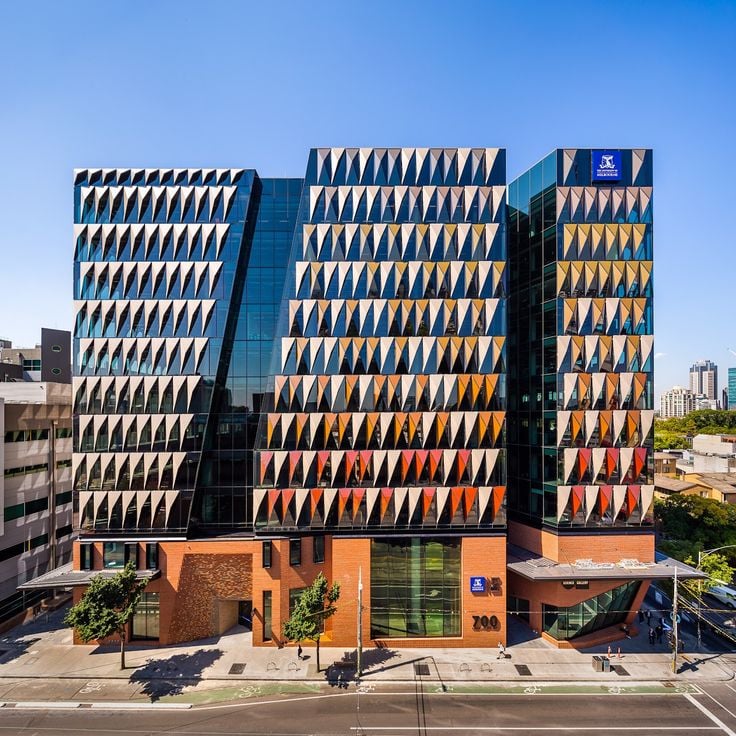
Melbourne Connect is a research and innovation hub in Melbourne where the University of Melbourne works alongside private technology companies. Researchers and businesses share the same space, focusing on artificial intelligence and digital technologies. The place reflects Australia's growing role in the global network of AI research and development.
The OpenAI headquarters in San Francisco is where some of today's most talked-about AI systems are built. This is the office where ChatGPT was developed, a tool now used by people all over the world. Researchers and engineers here focus on how machines can understand and generate language in ways that feel natural to users.
NVIDIA's headquarters in Santa Clara is where the chips that power most of the world's AI systems are designed. The company makes graphics processors that have become essential for training large language models and other machine learning programs. Visiting this campus means standing at the center of the hardware side of the AI story.
The Googleplex is Google's main campus in Mountain View, California. This is where the teams behind Gemini and DeepMind work, two of the most influential research projects in artificial intelligence today. Walking around the grounds, you notice bikes, open-air spaces, and buildings designed to feel less like a traditional office and more like a small town. The Googleplex is one of the places where decisions about AI development are made daily, shaping tools used by people around the world.
The Microsoft Campus in Redmond is the company's headquarters, home to the teams behind AI projects like Copilot and the close partnership with OpenAI. This is where tools used by people around the world every day are built and refined, making it one of the most active places in the current AI story.
Apple Park is Apple's main campus in Cupertino, California. Its circular building houses teams working on embedded AI, meaning the kind of artificial intelligence that runs directly on iPhones, iPads and Macs without needing a connection to the cloud. Apple Park sits at the heart of Silicon Valley and is one of the places where the future of personal technology is being shaped.
The Meta headquarters in Menlo Park is where one of the largest AI research teams in the world works on a daily basis. This is where Llama, Meta's open language model, is developed and made available to researchers and developers around the world. The campus reflects the day-to-day reality of a tech company that runs major social platforms while also working on the foundations of artificial intelligence.
Anthropic's headquarters in San Francisco is a research center focused on building AI systems that behave safely and predictably. This is where Claude was developed, an AI assistant designed from the ground up with safety and alignment as core priorities. The teams here work on making AI technology more reliable and less likely to cause harm.
The xAI headquarters in Palo Alto is the research lab that Elon Musk founded to build Grok, an AI system designed to answer a wide range of questions. The team works on developing an alternative to other large AI models, and this lab sits at the center of an ongoing debate about how AI should be shaped and who should control it.
The Stanford AI Lab, known as SAIL, is one of the oldest university research centers dedicated to artificial intelligence. Founded in the 1960s on the Stanford University campus in Palo Alto, it sits at the heart of Silicon Valley. Over the decades, researchers here have worked on robotics, language processing and machine learning, long before these fields became widely known. Walking through the campus, you get a clear sense of how closely academic work and industry are connected: students, professors and engineers from nearby tech companies cross paths every day.
Berkeley AI Research, known as BAIR, is part of the University of California at Berkeley and stands as one of the most active academic centers for artificial intelligence in the United States. Researchers here work on machine learning, robotics, computer vision, and natural language processing. The work coming out of BAIR regularly shapes how AI develops both in universities and in the tech industry.
MIT CSAIL, located on the MIT campus in Cambridge, Massachusetts, is one of the most active computer science and AI research labs in the world. Researchers here work on robotics, machine learning, and the ways machines can interact with people. The work produced in these buildings regularly shapes the tools and systems that reach everyday users across the globe. Walking through this space gives a real sense of how ideas move from a researcher's notebook to products people use every day.
Carnegie Mellon University in Pittsburgh is one of the most respected places in the world for robotics and applied artificial intelligence research. On campus, researchers and students work on systems meant to function in real-world settings, from self-driving vehicles to speech recognition software. Walking through this campus, visitors quickly sense that AI is not treated as a distant idea here, but as a hands-on discipline with a long history behind it.
The Princeton AI Hub is a research center at Princeton University dedicated to artificial intelligence. Researchers here work on foundational questions about how AI systems learn and make decisions, away from the corporate campuses of Silicon Valley. Princeton brings a long tradition of academic rigor to the field, connecting theoretical work with real-world applications. Walking through this campus, you get a sense of how university research shapes the tools that millions of people use every day.
Silicon Valley, in northern California, is where much of today's AI development is rooted. Companies like OpenAI, Google, and NVIDIA have their offices and research teams here. Walking through the area, you see low-rise buildings, large corporate campuses, and people moving between meetings. It is not a traditional city center but a string of cities like Palo Alto, Mountain View, and Cupertino that together form one of the most influential technology regions in the world.
Data Center Alley is an area in Ashburn, Virginia, where a large number of data centers are concentrated in a small territory. These buildings store and process enormous amounts of data, including the data needed to train AI systems. Walking or driving through, you see few people but many secured buildings, cooling units and cables running in every direction, all operating around the clock. This corridor is a key part of the physical infrastructure that makes modern AI work.
DeepMind is an AI research lab based in London and owned by Google. Scientists here work on core questions in artificial intelligence, with a focus on reinforcement learning, a method where a system learns by trial and error. The lab is known for building programs that learned to play chess, Go, and other complex games at a level beyond human experts. This work has shaped how modern AI systems are developed around the world.
The Alan Turing Institute is the United Kingdom's national center for data science and artificial intelligence. Named after the mathematician whose work laid the foundations of modern computing, it brings together researchers from across Britain to study how AI systems are built and how they can be used responsibly. Based in London, it sits at the heart of a growing conversation about what artificial intelligence means for society.
Station F is a large startup campus housed in a former railway freight hall in the 13th arrondissement of Paris. It brings together thousands of founders working on technology projects, many of them focused on artificial intelligence. Major companies like Facebook and Microsoft have set up offices here to support young teams. The place has an open, active feel: people meet, exchange ideas, and build companies side by side.
INRIA Saclay is a French public research institute located in Palaiseau, south of Paris. Scientists here focus on computer science and artificial intelligence, working on both theoretical questions and practical tools. The institute sits within the Plateau de Saclay, one of the largest concentrations of research institutions and engineering schools in France. Its teams develop algorithms and models that feed into fields ranging from medicine to robotics.
Paris-Saclay sits on a plateau south of Paris, near Palaiseau, and brings together some of France's leading universities, engineering schools, and research centers. The area has grown into one of the country's main hubs for AI research, where teams work on computer science, mathematics, and data systems. Walking through the campus, you get the feeling of a place built around study and research, with modern buildings spread across a quiet suburban setting far from the noise of the city.
The Innovation Park Artificial Intelligence (IPAI) in Heilbronn is one of Europe's largest campuses dedicated to AI research and development. Companies, researchers, and startups work side by side here, turning ideas into tools that reach far beyond Germany. A visit gives a clear sense of how AI moves from theory to everyday use, in a place where that process happens in real time.
The TUM AI Center is the hub for artificial intelligence research at the Technical University of Munich. Researchers and students work there together on new approaches to understanding and developing AI. The center has close ties with German industry, which encourages a steady flow of ideas between academic work and real-world applications. This makes Munich one of the key places in Europe for AI development.
IdeaSquare at CERN is a working space in Geneva where students, researchers, and companies come together to test digital technologies and AI applications. It is not open to the general public, but it plays a real role in how research ideas become concrete projects. IdeaSquare shows how a place like CERN reaches well beyond particle physics, connecting science with practical innovation in a hands-on setting.
Mila in Montreal is a research institute founded by Yoshua Bengio, one of the most recognized figures in machine learning. Researchers and doctoral students work here on core questions in artificial intelligence, from new algorithm development to the theoretical foundations behind modern AI systems. The institute connects university research with an open exchange of ideas, which has helped make Montreal a respected hub in global AI research.
The Vector Institute in Toronto is one of Canada's leading centers for applied AI research. It brings together researchers from universities and companies who work side by side on the same questions, creating a direct link between theory and real-world applications. Visitors encounter teams working on machine learning projects that touch fields like healthcare and finance.
Amii in Edmonton is one of Canada's main centers for artificial intelligence research. Researchers and companies work side by side here, developing new methods and tools that feed into the broader global effort. Edmonton's strong university scene gives Amii a steady flow of talent and ideas. A visit here shows how Canada has built a real presence in AI research, not just through big names, but through steady, grounded work done day after day.
Zhongguancun is Beijing's best-known technology district, often compared to Silicon Valley. It is where major Chinese tech companies like Lenovo and Baidu got their start. The streets are lined with office towers, universities, and research centers, and you will find engineers, students, and founders going about their day. Walking through the area gives a clear sense of how research and business work side by side here, and how China is building its own path in the field of artificial intelligence.
Shenzhen High-Tech Park sits at the center of one of China's most active technology cities. Companies working on robotics, electronics and artificial intelligence share this urban work district, where engineers and researchers develop concrete products day after day. The park is not a closed-off campus but an open part of the city, shaped by the constant movement of people building hardware and software for global markets. Many of the components found inside AI systems around the world trace back to work done here.
The Shanghai AI Innovation Park is a neighborhood in Shanghai entirely dedicated to artificial intelligence companies and research labs. Researchers, engineers, and startups work side by side here on projects ranging from speech recognition to computer vision. The park reflects China's push to play a central role in global AI development. Walking through it, you get a sense of how quickly this field moves, with new offices and labs constantly opening their doors.
The RIKEN Center for AI in Tokyo is Japan's leading institution for fundamental research in artificial intelligence. Scientists here work on theoretical questions and real-world applications, contributing to a global network of research that shapes how AI develops. The center reflects Japan's commitment to staying at the forefront of this field.
AIST is Japan's national research institute in Tsukuba, focused on artificial intelligence for industrial use and on robotics. Scientists here work on systems designed to function in factories and in everyday settings. The institute connects fundamental research with practical applications, making it a key player in Japan's technological development.
AI Singapore is the country's national program for artificial intelligence research and development. It brings together universities, research labs, and companies to work on AI projects suited to the region. Singapore set up this program to carve out its own place in global AI research, alongside the larger American and Chinese centers.
One-north is a research and technology district in the southwest of Singapore, where laboratories, startups, and tech companies work side by side. The streets are quiet, the buildings modern, and the people you meet are mostly engineers, researchers, and young entrepreneurs. This neighborhood is one of the places in Asia where artificial intelligence, biotechnology, and digital innovation come together and take shape in everyday work.
King Abdullah University of Science and Technology, known as KAUST, sits on the Red Sea coast in Thuwal and is one of the few research universities in Saudi Arabia focused entirely on science and technology. Researchers from around the world work on its campus, exploring artificial intelligence with the support of powerful supercomputers. KAUST is part of the global network of institutions shaping AI development, and it shows that this kind of research is no longer confined to the United States or Europe.
The Bangalore Tech Corridor is the backbone of India's technology industry. Along this urban stretch in Bangalore, companies and research centers have set up offices to work on software, artificial intelligence and digital services. The streets are lined with the campuses of major international firms alongside younger startups. The pace of daily life here is fast, and coffee shops and coworking spaces fill up quickly with people working on laptops. Walking through this corridor gives a clear sense of how India is building its own role in the global AI story.
Melbourne Connect is a research and innovation hub in Melbourne where the University of Melbourne works alongside private technology companies. Researchers and businesses share the same space, focusing on artificial intelligence and digital technologies. The place reflects Australia's growing role in the global network of AI research and development.
The OpenAI headquarters in San Francisco is where some of today's most talked-about AI systems are built. This is the office where ChatGPT was developed, a tool now used by people all over the world. Researchers and engineers here focus on how machines can understand and generate language in ways that feel natural to users.
NVIDIA's headquarters in Santa Clara is where the chips that power most of the world's AI systems are designed. The company makes graphics processors that have become essential for training large language models and other machine learning programs. Visiting this campus means standing at the center of the hardware side of the AI story.
The Googleplex is Google's main campus in Mountain View, California. This is where the teams behind Gemini and DeepMind work, two of the most influential research projects in artificial intelligence today. Walking around the grounds, you notice bikes, open-air spaces, and buildings designed to feel less like a traditional office and more like a small town. The Googleplex is one of the places where decisions about AI development are made daily, shaping tools used by people around the world.
The Microsoft Campus in Redmond is the company's headquarters, home to the teams behind AI projects like Copilot and the close partnership with OpenAI. This is where tools used by people around the world every day are built and refined, making it one of the most active places in the current AI story.
Apple Park is Apple's main campus in Cupertino, California. Its circular building houses teams working on embedded AI, meaning the kind of artificial intelligence that runs directly on iPhones, iPads and Macs without needing a connection to the cloud. Apple Park sits at the heart of Silicon Valley and is one of the places where the future of personal technology is being shaped.
The Meta headquarters in Menlo Park is where one of the largest AI research teams in the world works on a daily basis. This is where Llama, Meta's open language model, is developed and made available to researchers and developers around the world. The campus reflects the day-to-day reality of a tech company that runs major social platforms while also working on the foundations of artificial intelligence.
Anthropic's headquarters in San Francisco is a research center focused on building AI systems that behave safely and predictably. This is where Claude was developed, an AI assistant designed from the ground up with safety and alignment as core priorities. The teams here work on making AI technology more reliable and less likely to cause harm.
The xAI headquarters in Palo Alto is the research lab that Elon Musk founded to build Grok, an AI system designed to answer a wide range of questions. The team works on developing an alternative to other large AI models, and this lab sits at the center of an ongoing debate about how AI should be shaped and who should control it.
The Stanford AI Lab, known as SAIL, is one of the oldest university research centers dedicated to artificial intelligence. Founded in the 1960s on the Stanford University campus in Palo Alto, it sits at the heart of Silicon Valley. Over the decades, researchers here have worked on robotics, language processing and machine learning, long before these fields became widely known. Walking through the campus, you get a clear sense of how closely academic work and industry are connected: students, professors and engineers from nearby tech companies cross paths every day.
Berkeley AI Research, known as BAIR, is part of the University of California at Berkeley and stands as one of the most active academic centers for artificial intelligence in the United States. Researchers here work on machine learning, robotics, computer vision, and natural language processing. The work coming out of BAIR regularly shapes how AI develops both in universities and in the tech industry.
MIT CSAIL, located on the MIT campus in Cambridge, Massachusetts, is one of the most active computer science and AI research labs in the world. Researchers here work on robotics, machine learning, and the ways machines can interact with people. The work produced in these buildings regularly shapes the tools and systems that reach everyday users across the globe. Walking through this space gives a real sense of how ideas move from a researcher's notebook to products people use every day.
Carnegie Mellon University in Pittsburgh is one of the most respected places in the world for robotics and applied artificial intelligence research. On campus, researchers and students work on systems meant to function in real-world settings, from self-driving vehicles to speech recognition software. Walking through this campus, visitors quickly sense that AI is not treated as a distant idea here, but as a hands-on discipline with a long history behind it.
The Princeton AI Hub is a research center at Princeton University dedicated to artificial intelligence. Researchers here work on foundational questions about how AI systems learn and make decisions, away from the corporate campuses of Silicon Valley. Princeton brings a long tradition of academic rigor to the field, connecting theoretical work with real-world applications. Walking through this campus, you get a sense of how university research shapes the tools that millions of people use every day.
Silicon Valley, in northern California, is where much of today's AI development is rooted. Companies like OpenAI, Google, and NVIDIA have their offices and research teams here. Walking through the area, you see low-rise buildings, large corporate campuses, and people moving between meetings. It is not a traditional city center but a string of cities like Palo Alto, Mountain View, and Cupertino that together form one of the most influential technology regions in the world.
Data Center Alley is an area in Ashburn, Virginia, where a large number of data centers are concentrated in a small territory. These buildings store and process enormous amounts of data, including the data needed to train AI systems. Walking or driving through, you see few people but many secured buildings, cooling units and cables running in every direction, all operating around the clock. This corridor is a key part of the physical infrastructure that makes modern AI work.
DeepMind is an AI research lab based in London and owned by Google. Scientists here work on core questions in artificial intelligence, with a focus on reinforcement learning, a method where a system learns by trial and error. The lab is known for building programs that learned to play chess, Go, and other complex games at a level beyond human experts. This work has shaped how modern AI systems are developed around the world.
The Alan Turing Institute is the United Kingdom's national center for data science and artificial intelligence. Named after the mathematician whose work laid the foundations of modern computing, it brings together researchers from across Britain to study how AI systems are built and how they can be used responsibly. Based in London, it sits at the heart of a growing conversation about what artificial intelligence means for society.
Station F is a large startup campus housed in a former railway freight hall in the 13th arrondissement of Paris. It brings together thousands of founders working on technology projects, many of them focused on artificial intelligence. Major companies like Facebook and Microsoft have set up offices here to support young teams. The place has an open, active feel: people meet, exchange ideas, and build companies side by side.
INRIA Saclay is a French public research institute located in Palaiseau, south of Paris. Scientists here focus on computer science and artificial intelligence, working on both theoretical questions and practical tools. The institute sits within the Plateau de Saclay, one of the largest concentrations of research institutions and engineering schools in France. Its teams develop algorithms and models that feed into fields ranging from medicine to robotics.
Paris-Saclay sits on a plateau south of Paris, near Palaiseau, and brings together some of France's leading universities, engineering schools, and research centers. The area has grown into one of the country's main hubs for AI research, where teams work on computer science, mathematics, and data systems. Walking through the campus, you get the feeling of a place built around study and research, with modern buildings spread across a quiet suburban setting far from the noise of the city.
The Innovation Park Artificial Intelligence (IPAI) in Heilbronn is one of Europe's largest campuses dedicated to AI research and development. Companies, researchers, and startups work side by side here, turning ideas into tools that reach far beyond Germany. A visit gives a clear sense of how AI moves from theory to everyday use, in a place where that process happens in real time.
The TUM AI Center is the hub for artificial intelligence research at the Technical University of Munich. Researchers and students work there together on new approaches to understanding and developing AI. The center has close ties with German industry, which encourages a steady flow of ideas between academic work and real-world applications. This makes Munich one of the key places in Europe for AI development.
IdeaSquare at CERN is a working space in Geneva where students, researchers, and companies come together to test digital technologies and AI applications. It is not open to the general public, but it plays a real role in how research ideas become concrete projects. IdeaSquare shows how a place like CERN reaches well beyond particle physics, connecting science with practical innovation in a hands-on setting.
Mila in Montreal is a research institute founded by Yoshua Bengio, one of the most recognized figures in machine learning. Researchers and doctoral students work here on core questions in artificial intelligence, from new algorithm development to the theoretical foundations behind modern AI systems. The institute connects university research with an open exchange of ideas, which has helped make Montreal a respected hub in global AI research.
The Vector Institute in Toronto is one of Canada's leading centers for applied AI research. It brings together researchers from universities and companies who work side by side on the same questions, creating a direct link between theory and real-world applications. Visitors encounter teams working on machine learning projects that touch fields like healthcare and finance.
Amii in Edmonton is one of Canada's main centers for artificial intelligence research. Researchers and companies work side by side here, developing new methods and tools that feed into the broader global effort. Edmonton's strong university scene gives Amii a steady flow of talent and ideas. A visit here shows how Canada has built a real presence in AI research, not just through big names, but through steady, grounded work done day after day.
Zhongguancun is Beijing's best-known technology district, often compared to Silicon Valley. It is where major Chinese tech companies like Lenovo and Baidu got their start. The streets are lined with office towers, universities, and research centers, and you will find engineers, students, and founders going about their day. Walking through the area gives a clear sense of how research and business work side by side here, and how China is building its own path in the field of artificial intelligence.
Shenzhen High-Tech Park sits at the center of one of China's most active technology cities. Companies working on robotics, electronics and artificial intelligence share this urban work district, where engineers and researchers develop concrete products day after day. The park is not a closed-off campus but an open part of the city, shaped by the constant movement of people building hardware and software for global markets. Many of the components found inside AI systems around the world trace back to work done here.
The Shanghai AI Innovation Park is a neighborhood in Shanghai entirely dedicated to artificial intelligence companies and research labs. Researchers, engineers, and startups work side by side here on projects ranging from speech recognition to computer vision. The park reflects China's push to play a central role in global AI development. Walking through it, you get a sense of how quickly this field moves, with new offices and labs constantly opening their doors.
The RIKEN Center for AI in Tokyo is Japan's leading institution for fundamental research in artificial intelligence. Scientists here work on theoretical questions and real-world applications, contributing to a global network of research that shapes how AI develops. The center reflects Japan's commitment to staying at the forefront of this field.
AIST is Japan's national research institute in Tsukuba, focused on artificial intelligence for industrial use and on robotics. Scientists here work on systems designed to function in factories and in everyday settings. The institute connects fundamental research with practical applications, making it a key player in Japan's technological development.
AI Singapore is the country's national program for artificial intelligence research and development. It brings together universities, research labs, and companies to work on AI projects suited to the region. Singapore set up this program to carve out its own place in global AI research, alongside the larger American and Chinese centers.
One-north is a research and technology district in the southwest of Singapore, where laboratories, startups, and tech companies work side by side. The streets are quiet, the buildings modern, and the people you meet are mostly engineers, researchers, and young entrepreneurs. This neighborhood is one of the places in Asia where artificial intelligence, biotechnology, and digital innovation come together and take shape in everyday work.
King Abdullah University of Science and Technology, known as KAUST, sits on the Red Sea coast in Thuwal and is one of the few research universities in Saudi Arabia focused entirely on science and technology. Researchers from around the world work on its campus, exploring artificial intelligence with the support of powerful supercomputers. KAUST is part of the global network of institutions shaping AI development, and it shows that this kind of research is no longer confined to the United States or Europe.
The Bangalore Tech Corridor is the backbone of India's technology industry. Along this urban stretch in Bangalore, companies and research centers have set up offices to work on software, artificial intelligence and digital services. The streets are lined with the campuses of major international firms alongside younger startups. The pace of daily life here is fast, and coffee shops and coworking spaces fill up quickly with people working on laptops. Walking through this corridor gives a clear sense of how India is building its own role in the global AI story.
Melbourne Connect is a research and innovation hub in Melbourne where the University of Melbourne works alongside private technology companies. Researchers and businesses share the same space, focusing on artificial intelligence and digital technologies. The place reflects Australia's growing role in the global network of AI research and development.
Artificial intelligence clearly does not wait for tourists. If you plan a visit to these sites, understand that most labs are not open to the public. University campuses sometimes host events or open conferences. To really understand what goes on inside, look for academic presentations, public hackathons, and conferences that attract researchers from around the world. These moments allow you to hear directly from those building these systems and to see what discussions keep them going.