Collections
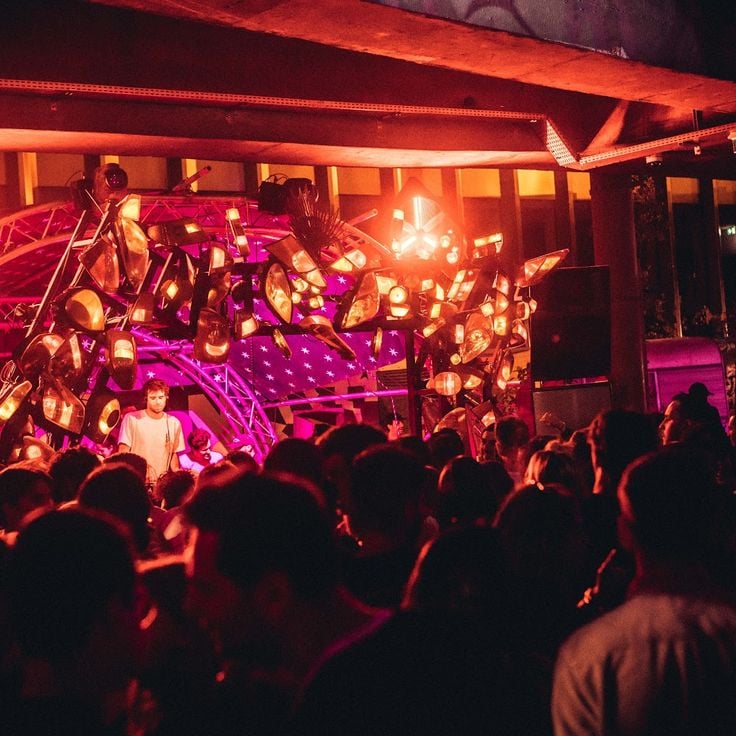
Bars, clubs and spaces in Paris: the guide to LGBT+ places
We offer a selection of places for living, socializing, and LGBT+ culture in Paris. This collection includes bars, clubs, restaurants, shops, and cultural spaces where the LGBT+ community finds and recognizes itself. Most of these places are in Le Marais, a historic neighborhood known for its queer...
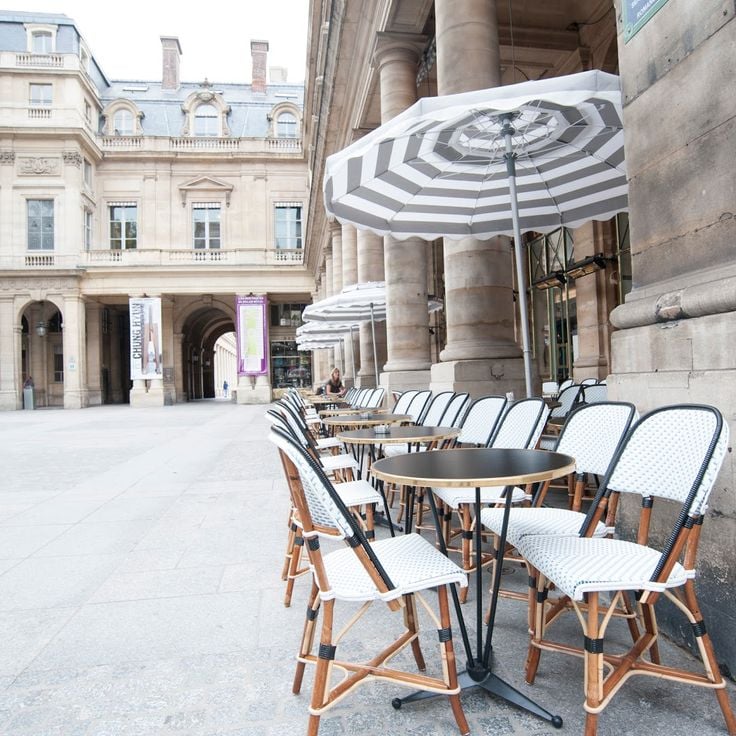
30 cafes in Paris: from literary salons to new counters
Here we offer a selection of Parisian cafes that tell the story of the city. Historic places where writers and artists once lived, neighborhood counters where the districts' hearts beat, and modern roasters along the Canal Saint-Martin. Each cafe is a part of Paris, a place where you can feel at...
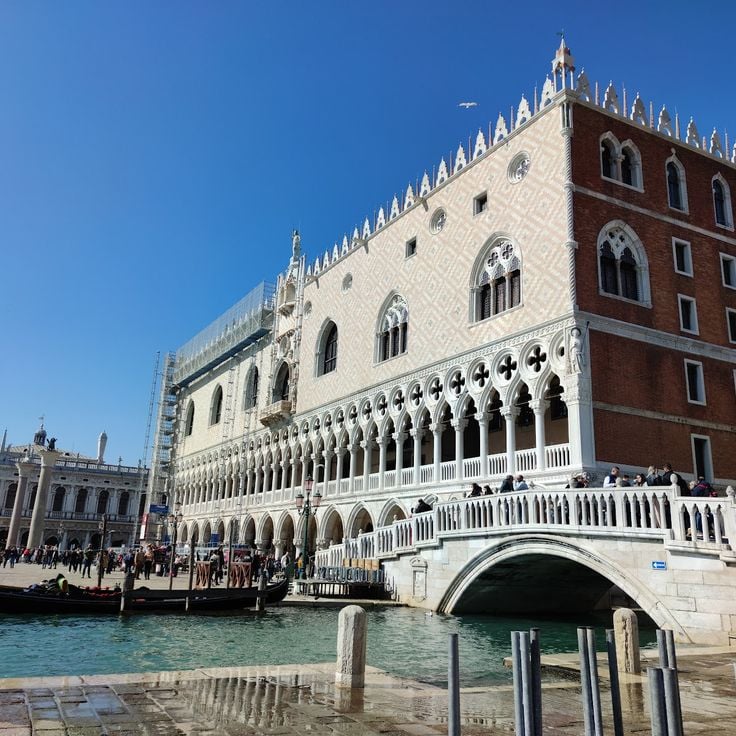
The secret places in Dan Brown's books: a treasure hunt across Europe and America
Here we present a selection of 30 important sites that appear in the novels of Dan Brown with Robert Langdon. These places, from the Da Vinci Code to Origin, are in Europe and the United States. They tell the stories of the author. You will see famous museums, old churches, public squares, and...
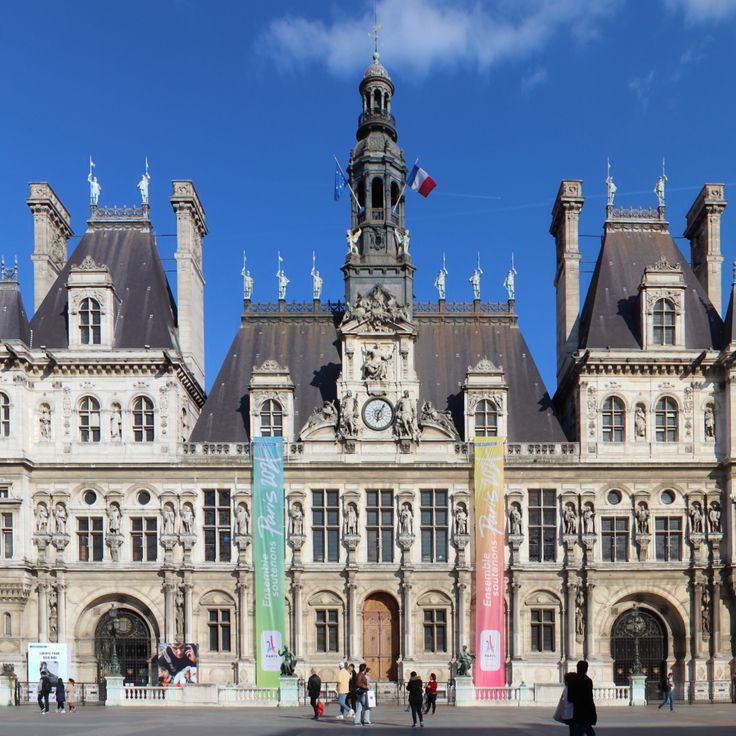
Town halls and city halls: a journey through French architecture
A selection of about twenty town halls and city halls across France, from north to south. This list brings together the most notable government buildings in the country, from major regional capitals to small towns with character. You will see facades from the 19th century, large architectural...
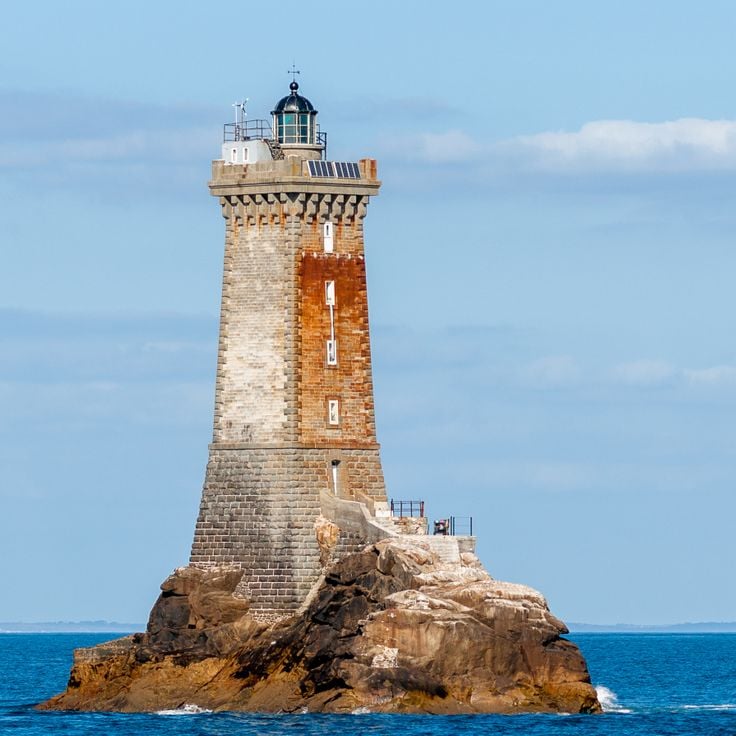
Following the path of Mélissa Da Costa's novels: these places that inspire you to leave everything behind
Here is a selection of about twenty real places mentioned and described in the novels of Mélissa Da Costa. These spots, often named explicitly in her works like All the Blue of the Sky, I Was Coming Back from Others, The Tomorrows, The Lining and Women at the End of the World, give readers the...
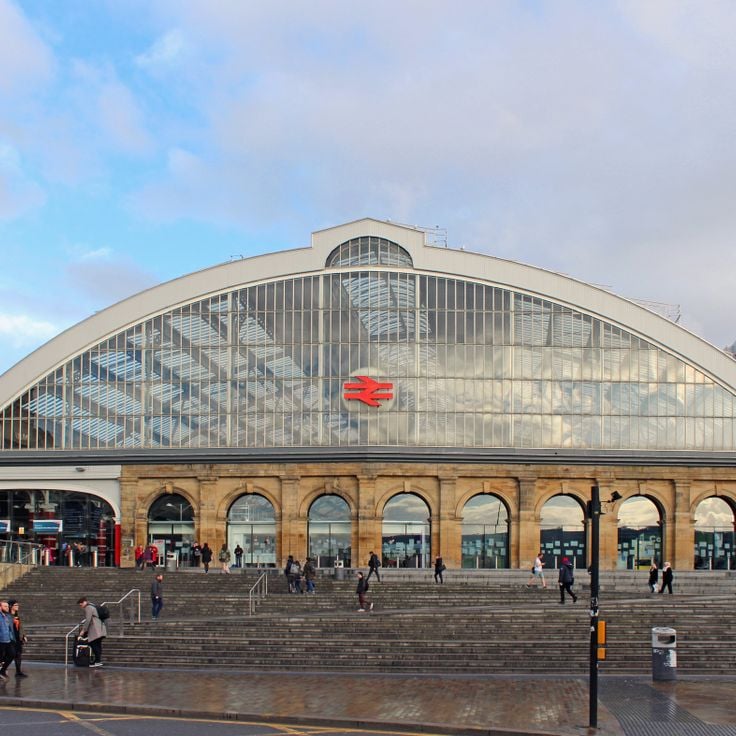
Around the World in 80 Days: follow Phileas Fogg's route step by step
Discover the real stops of Phileas Fogg's famous journey in the novel by Jules Verne. From London to New York, passing through Paris, Suez, India, Hong Kong, Shanghai, and Japan, this route crosses three continents and tells the story of a race against time around the world. See the historic train...
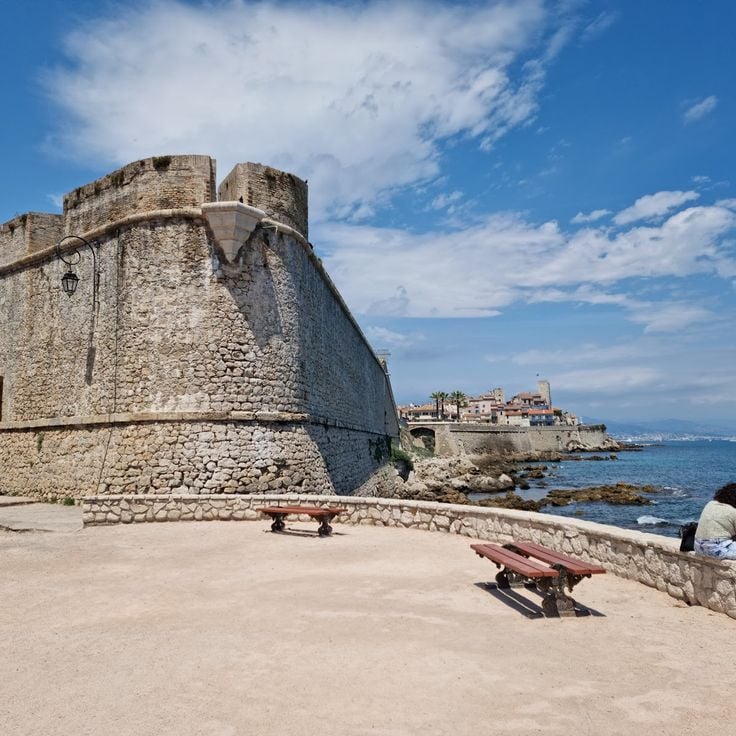
Following the trails of Guillaume Musso's novels: inspiring places between the French Riviera and New York
Discover this selection of real places that inspired or served as settings for Guillaume Musso's novels. These locations are mostly on the French Riviera, in Paris, and in the United States, three key regions in the author’s storytelling world. Some are explicitly mentioned in his plots, others are...
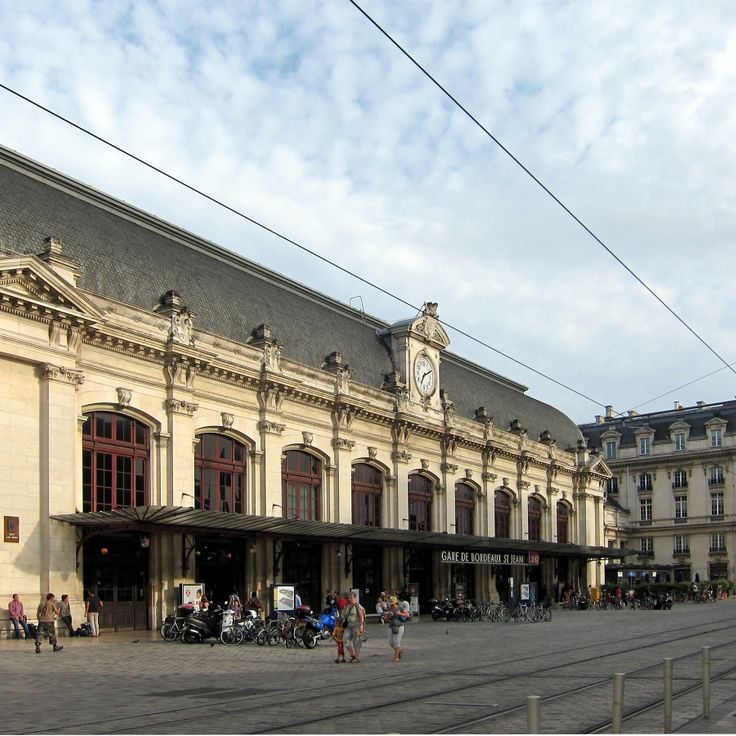
Following the trail of Virginie Grimaldi's novels: places like you have never seen before
Reading Virginie Grimaldi's novels is like traveling through real places that bring her stories to life. From Bordeaux, her hometown, to the coasts of Brittany, from the beaches of Bassin d'Arcachon to the streets of Paris, the author builds her stories around places she knows well. These locations...
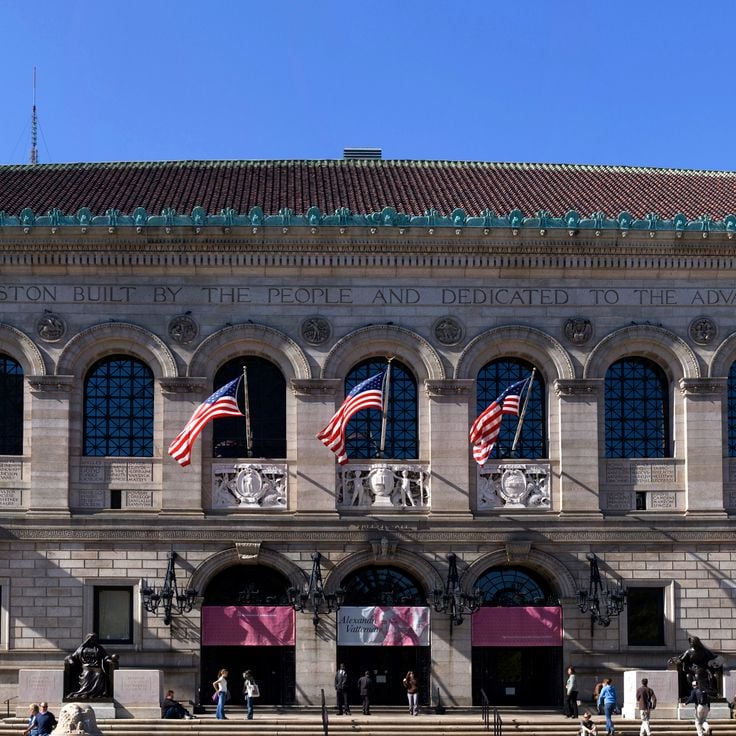
Following the trails of Joël Dicker's novels: the places that inspired his thrillers
Here is a list of real places that inspired the books of Joël Dicker. Follow the path of his criminal stories across Switzerland and the east coast of the United States. From the charming towns in New Hampshire to the neighborhoods in Geneva where the author grew up. This selection combines the true...
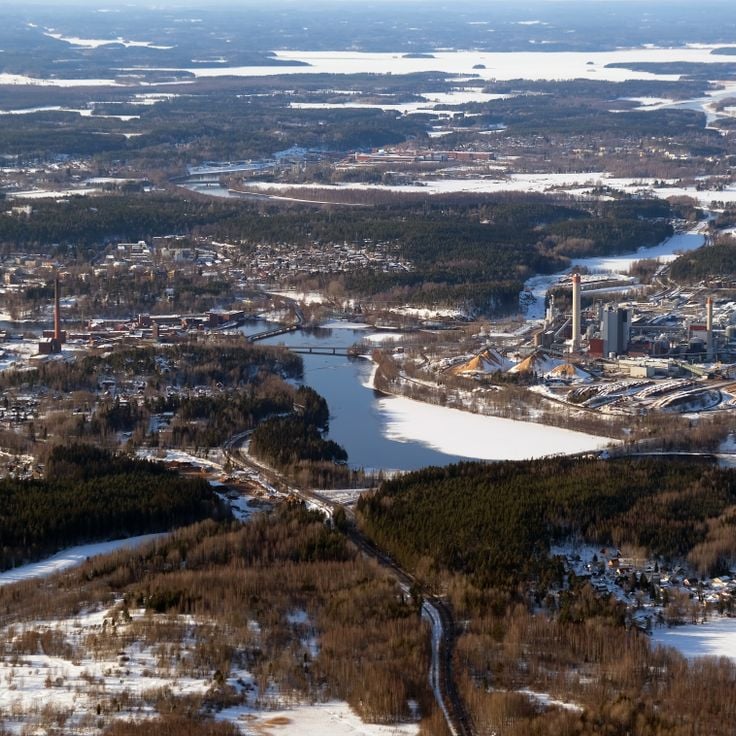
The least attractive towns in Europe and that is why we like them
Here, we suggest a selection of European towns that are rarely mentioned on common tourist routes. These places give a real look at Europe away from the usual pictures. They are good for travelers looking for unusual spots and experiences off the beaten path.
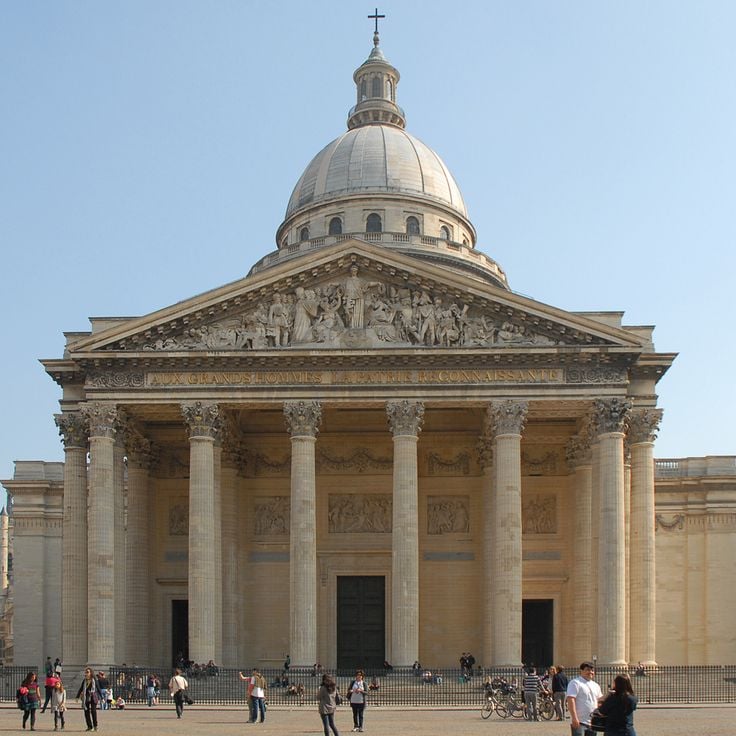
Where the great figures rest: the graves where you can pay your respects in France
Here is an article, like a tribute to about thirty famous French or foreign figures spread across the main cemeteries and monuments of France. These burial places have become important visits, allowing visitors to pay respects to major figures in literature, music, cinema, and French culture. The...
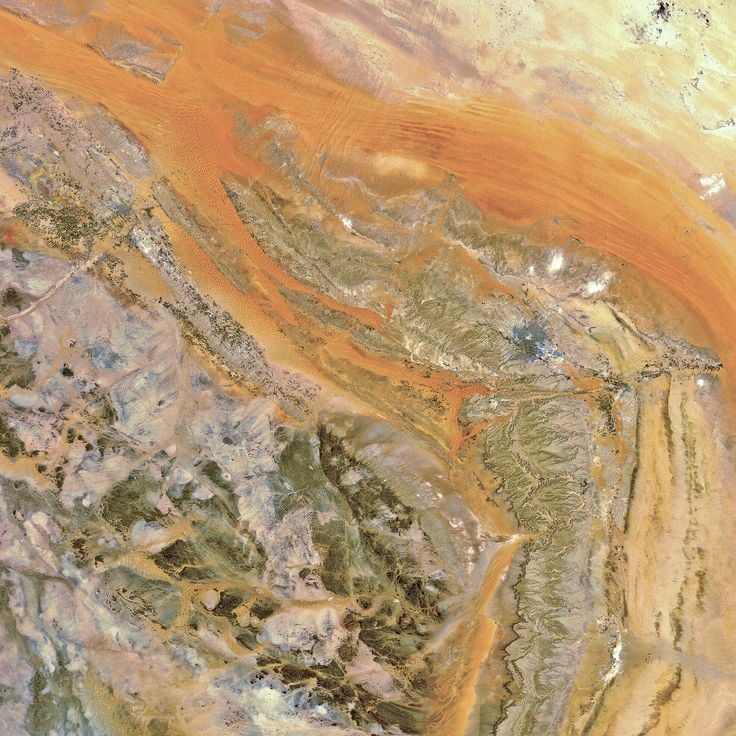
Key sites of the conflict in the Middle East: the tension map
Here is a list of important geographic sites in the Middle East related to recent tensions and military actions. This selection shows cities, straits, ports, capitals, and strategic areas often mentioned in news about regional conflicts. These places help to understand the complex geography of...

Straits, large ports and strategic maritime areas of the Near and Middle East
To better understand current issues, we present this list of important places in the Near and Middle East. It includes the most important waterways, bays, trade ports, and strategic islands. These sites are historically recorded and play a key role in global trade and international shipping. The...
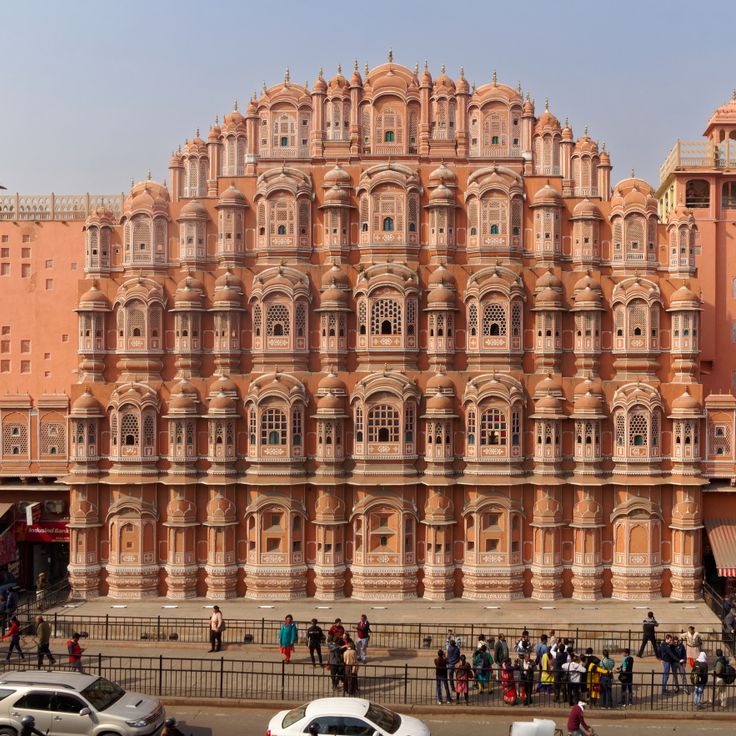
Royal India: the most impressive palaces of the maharajas
A collection of about twenty grand and historic palaces across India, showing the splendor and wealth of the princely times. These royal homes, mainly in Rajasthan but also in southern and central India, keep the elaborate architecture and cultural history of the Indian princely states.
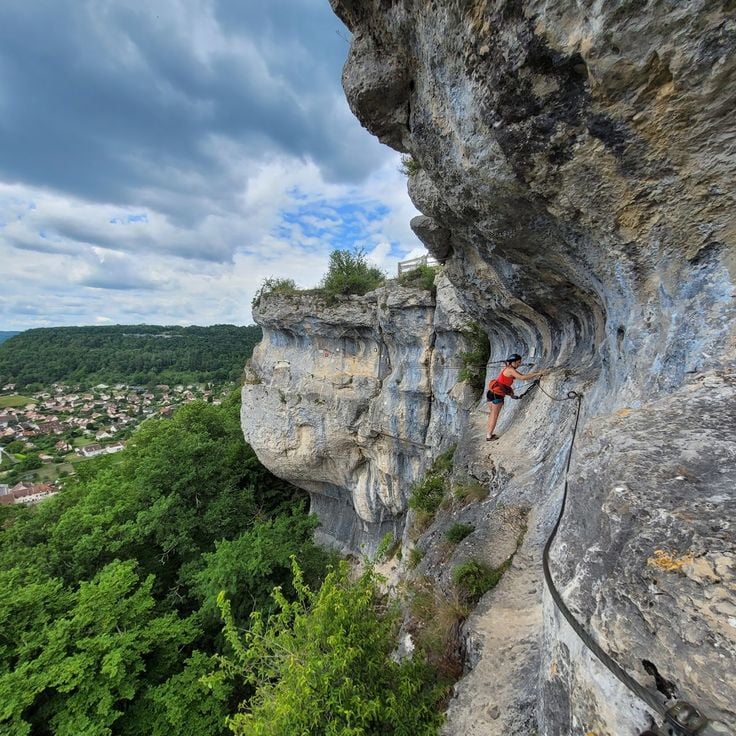
Via ferrata in France: the most striking routes, mountain range by mountain range
A selection of about twenty via ferratas spread across the main mountain ranges in France. These equipped climbing routes provide experiences accessible to many people, from the Northern Alps to the Pyrenees, passing through the Massif Central, Jura and Corsica. Each via ferrata has routes for...
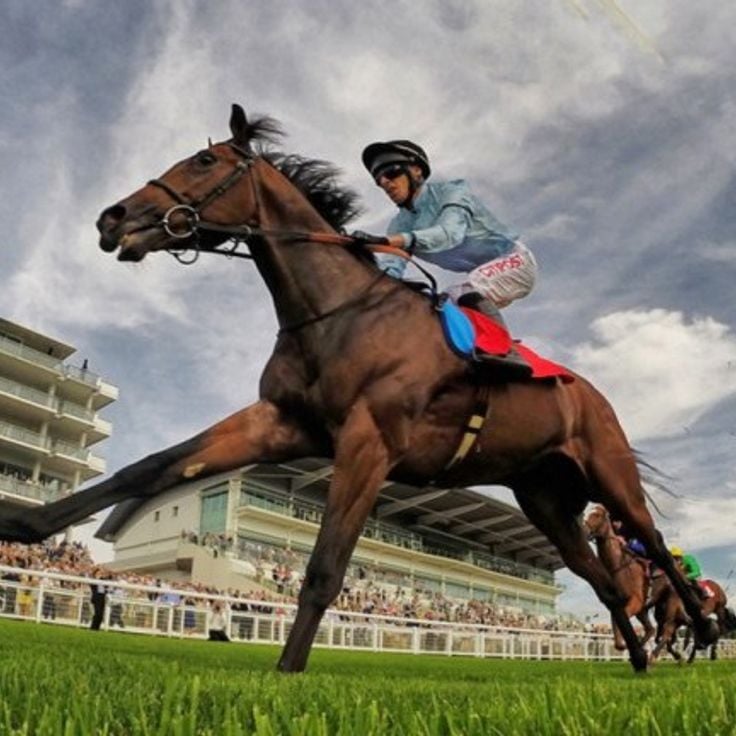
The most famous racecourses in the world: the legendary tracks of major races
A selection of the most famous and glamorous racecourses around the world. This collection includes the largest tracks, historic venues, and notable locations in international horse sports. From the well-known Paris racetrack to the major American racecourses and the famous sites in the Middle East...
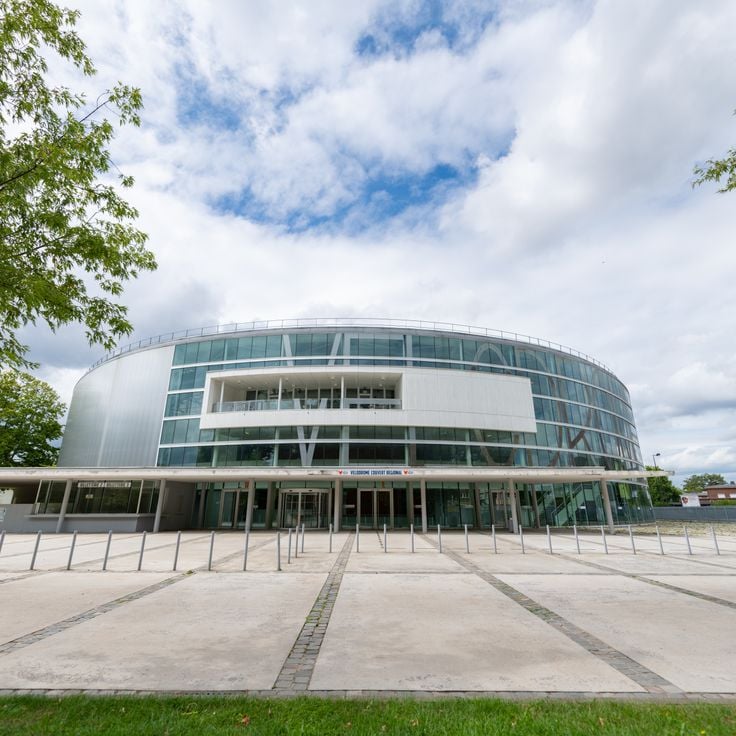
The largest velodromes in Europe: famous venues for cycling fans
A selection of about thirty major velodromes in Europe, including Olympic tracks, historic cycling venues, and modern facilities across 11 countries. This collection brings together well-known places where bike races on the track are held, from world-famous arenas to historic sites of the sport.
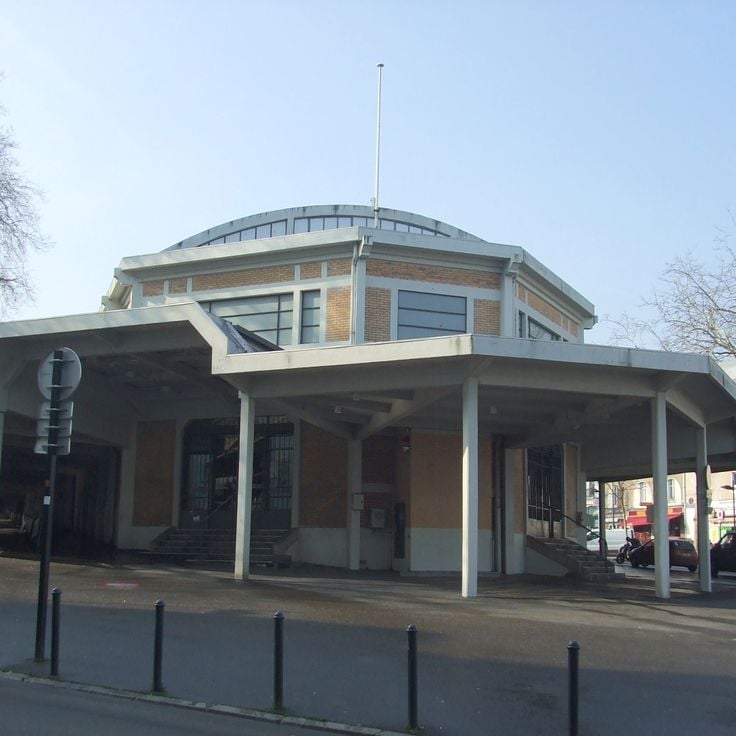
Covered markets and food halls: the best places in France, city by city
A selection of about thirty covered markets and famous halls across France. These places include historic markets, Baltard halls, farmers markets, and modern food halls. They are known for the quality of their products, their distinctive architecture, and their role in local life. From the Market of...
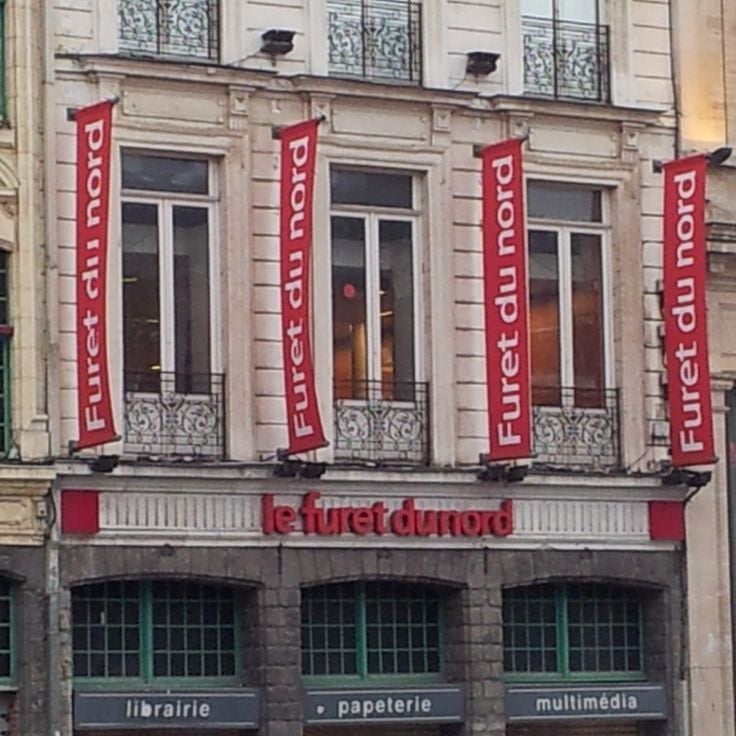
The most well-known independent bookstores in France: legendary addresses to discover
A selection of about thirty independent bookstores spread across France. These places of cultural life stand out because of their history, their unique architecture, their commitment to books and their presence locally or nationally. Each bookstore offers a selection of books and creates a space...
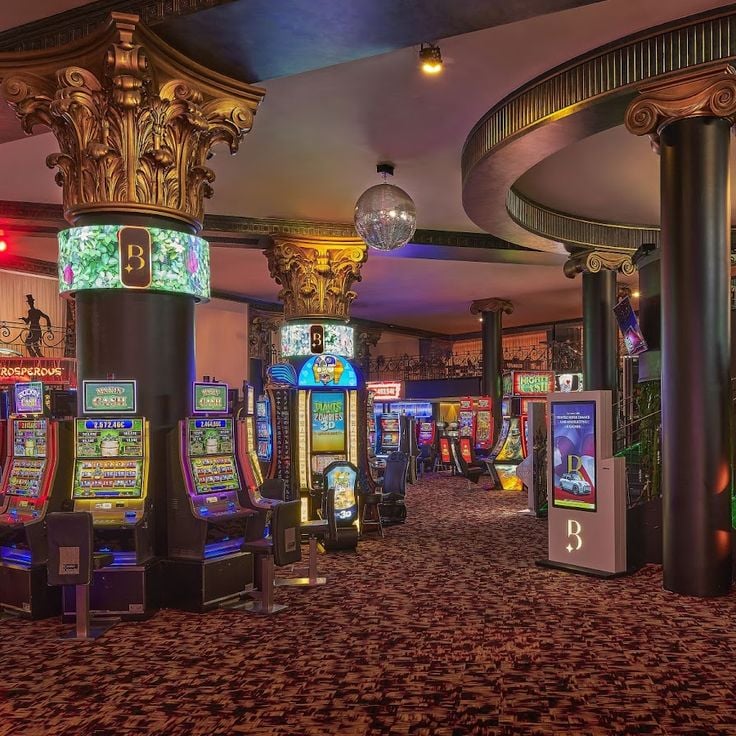
The big casinos of France and Monaco: the most famous gaming houses
A selection of about thirty famous casinos spread across France and Monaco. This collection includes well-known gaming houses located in seaside resorts, thermal towns, mountain resorts, and big cities. These places show the tradition of gambling in France and each offers a special experience based...