See the monuments around you in AROpen chests in the app
Around Us is built for your phone — point your camera at the streets and discover the monuments and places around you in augmented reality.Around Us is built for your phone — chests unlock when you walk, explore and capture nearby places.
Tourist sites in Odisha in India: temples, nature, cultural sites
Odisha, located on the east coast of India, has ancient temples, natural places and many beaches along the Bay of Bengal. This region, long ruled by Hindu and Buddhist dynasties, keeps special buildings, thick forests with tigers and elephants, and tribal communities still practicing their old customs.
It includes sites like the Jagannath Temple in Puri, a major pilgrimage spot; the Konark complex with its sun temple shaped like a chariot; and Buddhist caves in Udayagiri. There is also the Simlipal National Park, home to many wild animals, and villages like Raghurajpur where artisans still paint Pattachitra pictures.
Old beliefs, preserved nature, and lively making help travelers see what Odisha offers to those curious about a different India, away from common routes.
Tourist sites in Odisha in India: temples, nature, cultural sites
Odisha, located on the east coast of India, has ancient temples, natural places and many beaches along the Bay of Bengal. This region, long ruled by Hindu and Buddhist dynasties, keeps special buildings, thick forests with tigers and elephants, and tribal communities still practicing their old customs.
It includes sites like the Jagannath Temple in Puri, a major pilgrimage spot; the Konark complex with its sun temple shaped like a chariot; and Buddhist caves in Udayagiri. There is also the Simlipal National Park, home to many wild animals, and villages like Raghurajpur where artisans still paint Pattachitra pictures.
Old beliefs, preserved nature, and lively making help travelers see what Odisha offers to those curious about a different India, away from common routes.
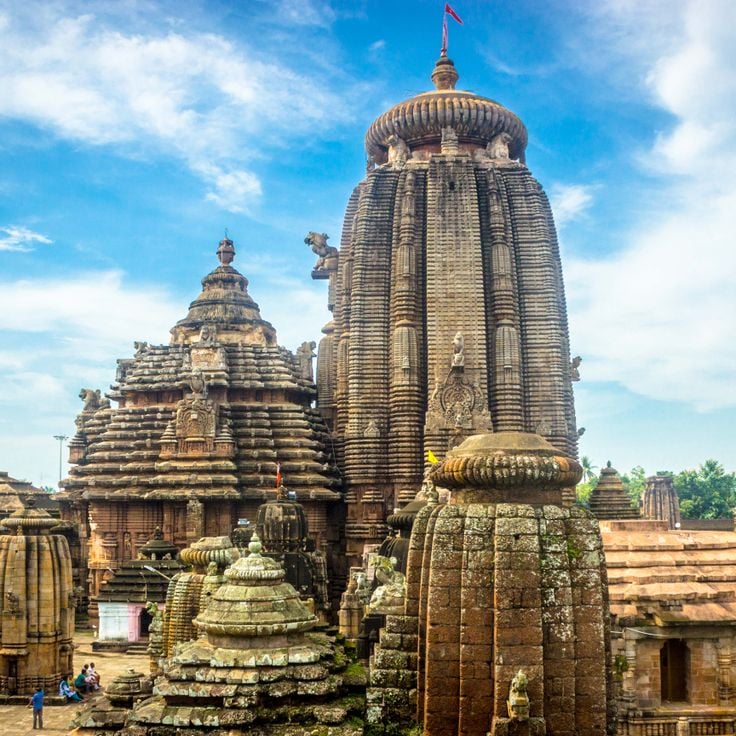
The Lingaraja Temple is a major Hindu shrine dedicated to Shiva in Bhubaneswar. This temple stands as one of the region's finest architectural achievements, with intricate stone carvings and a design that reflects centuries of craftsmanship. The temple draws pilgrims and visitors who wish to understand Hindu spirituality and tradition. Its presence in the city center makes it a focal point for understanding the spiritual heritage and artistic legacy of Odisha.
Chilika Lake is a large coastal lagoon in Puri and Khordha where thousands of migratory birds arrive every winter. The water shifts between freshwater from rivers and saltwater from the Bay of Bengal, creating a varied ecosystem. Visitors come here to see fishing eagles, flamingos, and many other bird species. The lake is also important for fishing, and villages around its edges show how local people depend on these waters.
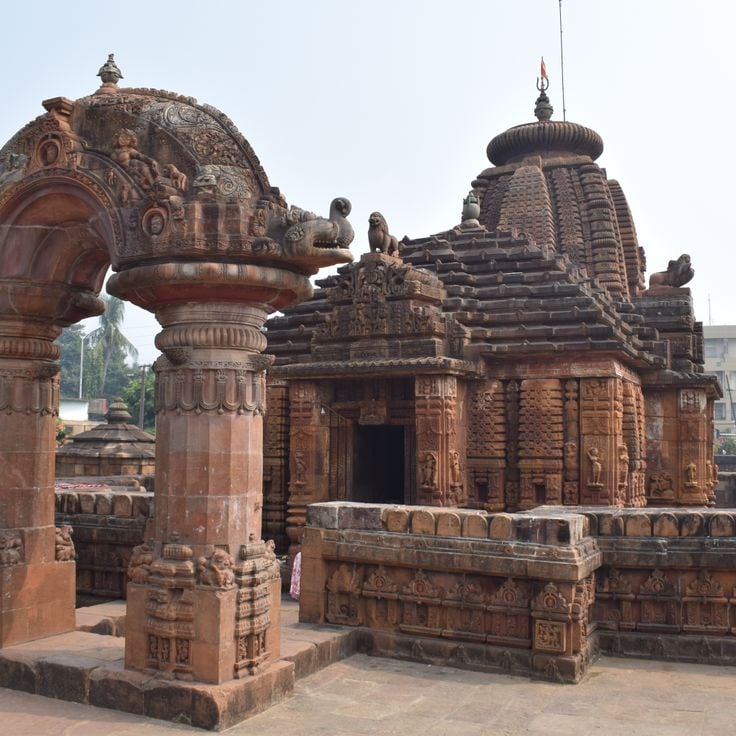
The Mukteshwar Temple in Bhubaneswar is an ancient shrine dedicated to Shiva. This temple reflects the religious importance of Shiva in Hindu tradition. Its architecture and the detailed carvings on its walls and pillars show the skill of the artisans who built it. The temple ranks among Odisha's important structures and represents the long history of Hinduism in this region on India's eastern coast.
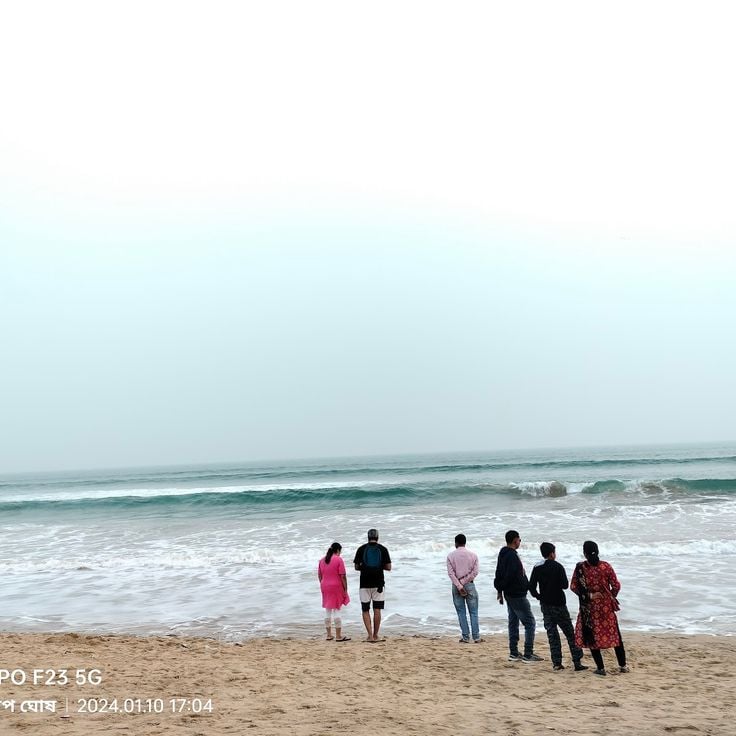
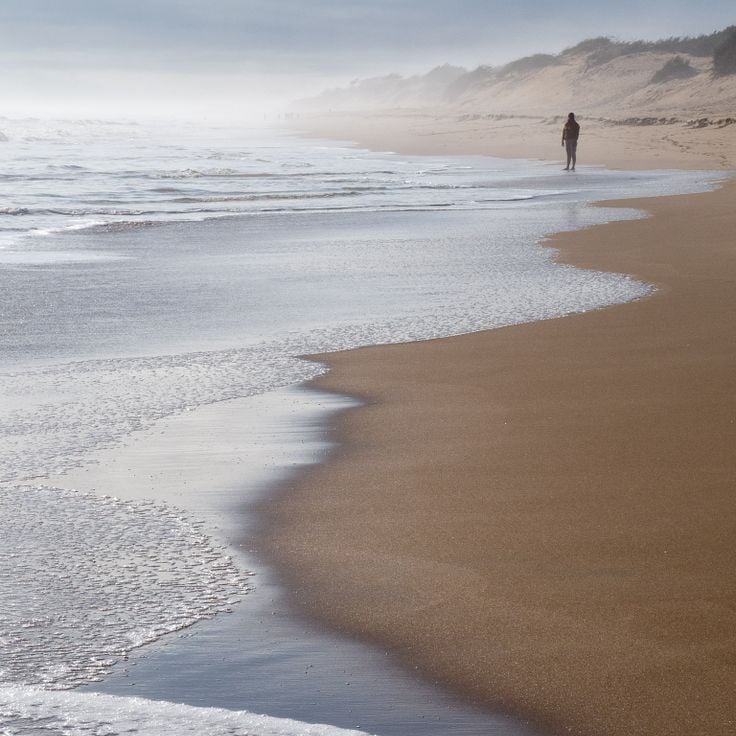
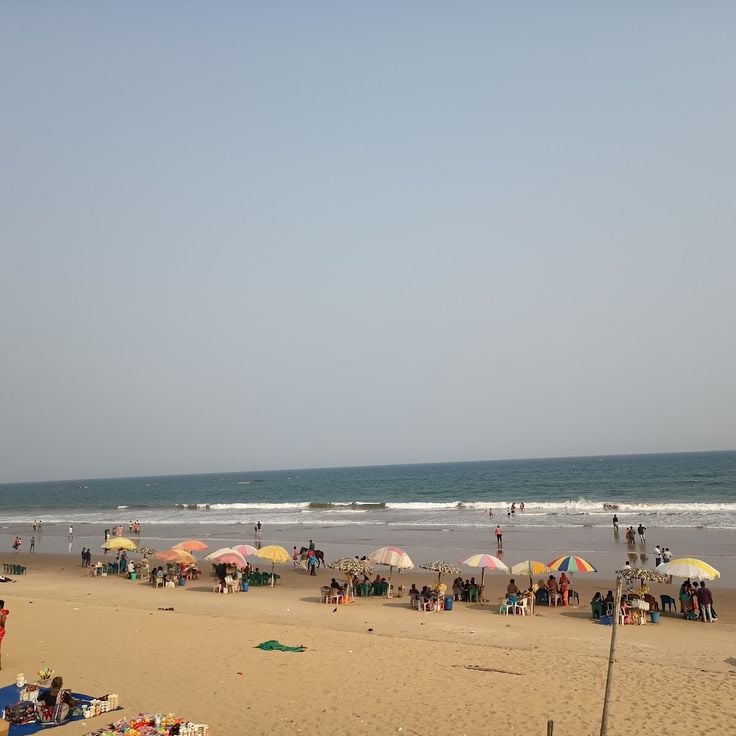
Puri Beach is a sacred shore along the Bay of Bengal where pilgrims and visitors gather daily. The wide sandy beach stretches far and wide, offering space for religious rituals and daily activities. In the morning, fishermen work with their boats, and in the evening, people come to watch the sunset. The water draws crowds who swim, pray, and walk along the shore. This beach is closely connected to the nearby Jagannath Temple and ranks among the most important pilgrimage sites in Odisha.
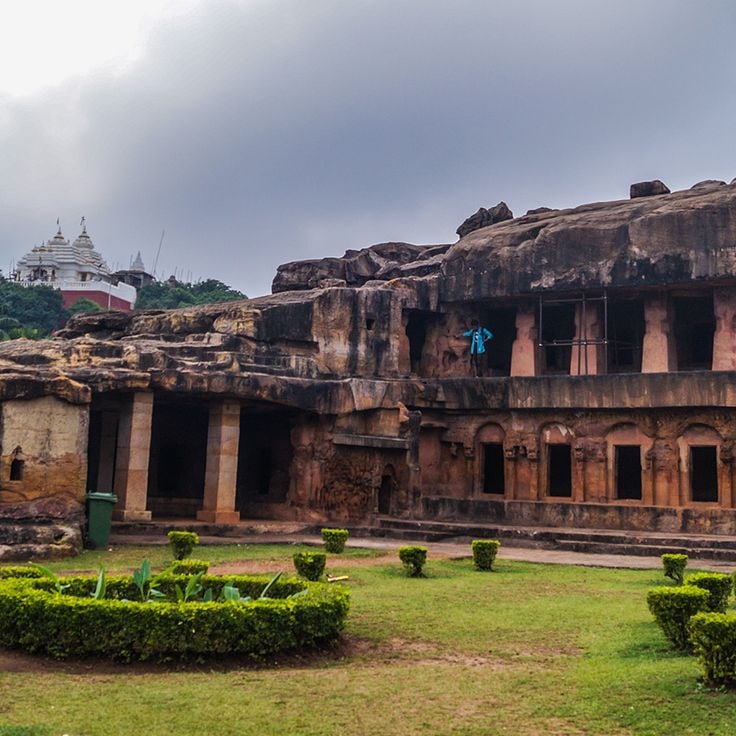
The Udayagiri and Khandagiri Caves are ancient rock-cut shelters dating back to the 2nd century, where Jain monks once lived and practiced their faith. These caves show how people carved out spaces in the stone for meditation and daily life. The walls bear sculptures and inscriptions that tell stories of this period. These sites are important to Odisha's Jain heritage and demonstrate how spiritual practice shaped the architecture of the region.
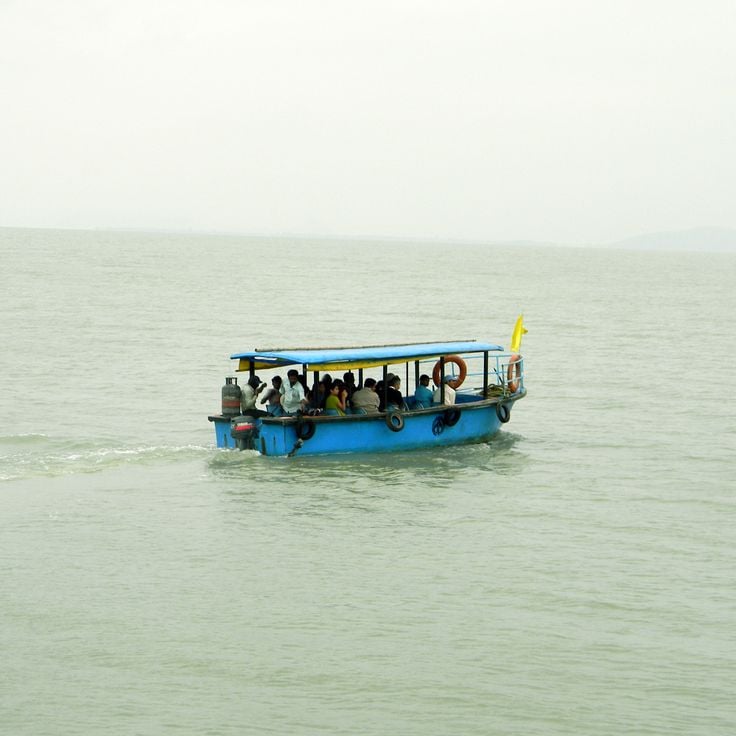
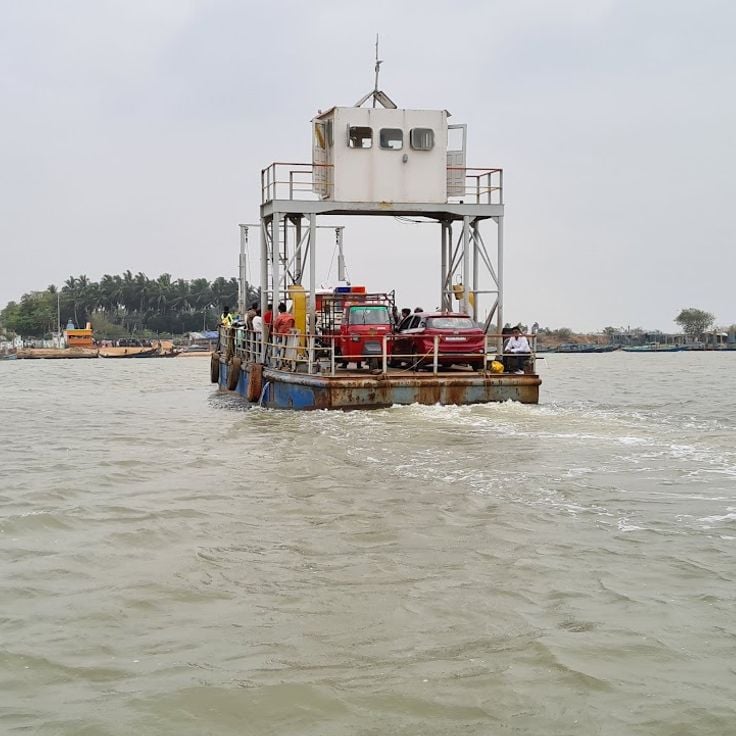
Satapada is a village on the shore of Chilika Lake in Odisha. The place is known as a viewing point for the rare Irrawaddy dolphins that live in the lake's waters. Visitors take boats out to see these animals in their natural habitat. The village offers insight into the daily life of fishermen and the distinctiveness of the lake, one of the largest brackish water lakes in India.
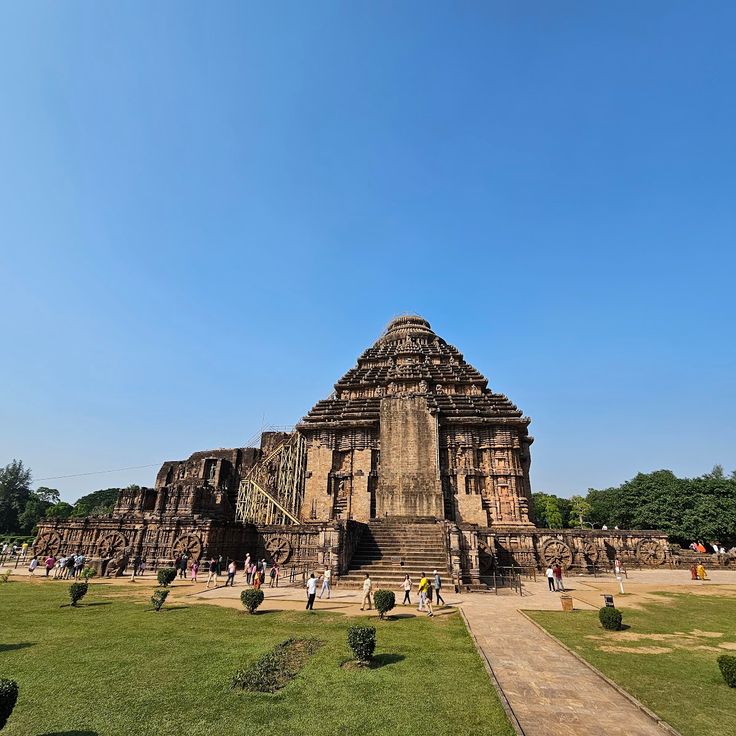
The Konark Sun Temple is a UNESCO World Heritage site dedicated to the sun god Surya. Built in the 13th century, the temple is designed in the shape of a massive chariot. Stone carvings show wheels, horses, and detailed sculptures that depict astronomy and mythology. This temple stands as one of Odisha's greatest architectural achievements and attracts visitors who want to witness the craftsmanship of that era.
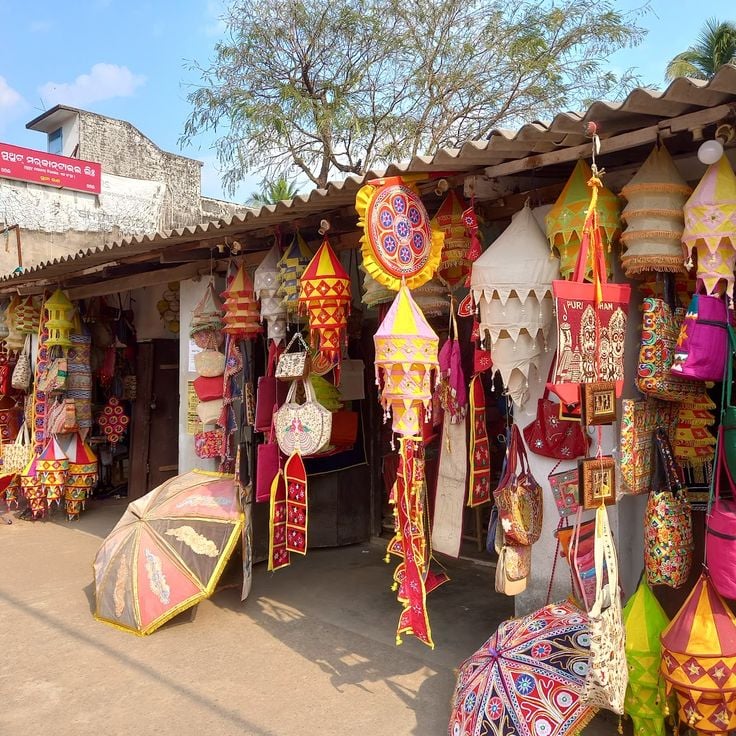
Pipili is a village known for its traditional textile appliques and hand-made colored fabrics. Artisans in this place have created vibrant cloths with sewn-on patterns for many generations. These textiles are used for religious processions, festivals, and everyday life in homes. The village preserves an ancient craft tradition where each family maintains its own techniques and designs. Visitors can watch the craftspeople at work and purchase finished pieces that reflect the cultural identity of this region.
Konark Beach stretches along the coast of the Bay of Bengal near the Sun Temple in Odisha. This sandy shore offers views of the sea and connects visitors to one of India's most important temples. The beach is a place for walking and observing daily life along the water. The waters here have shaped the region's history and continue to be part of local culture and travel routes.
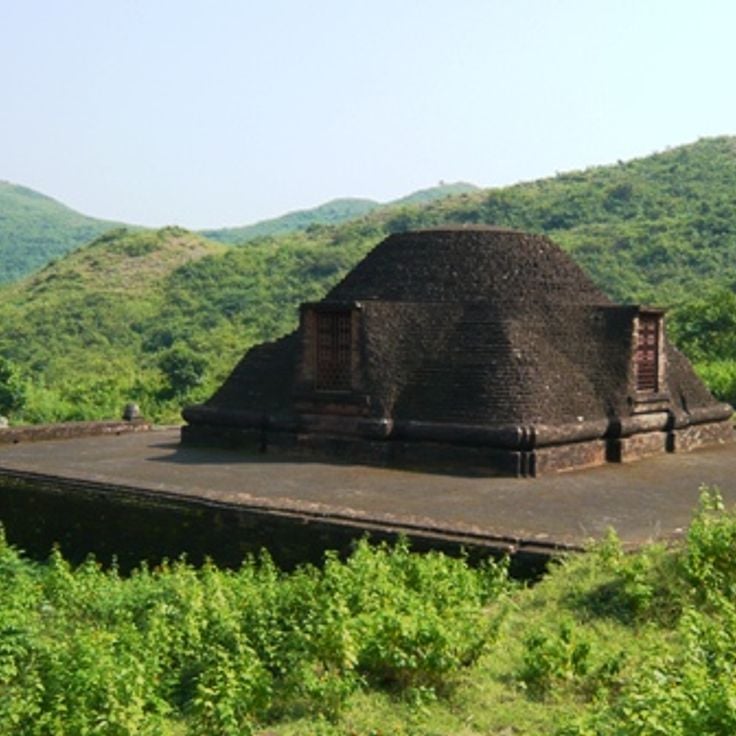
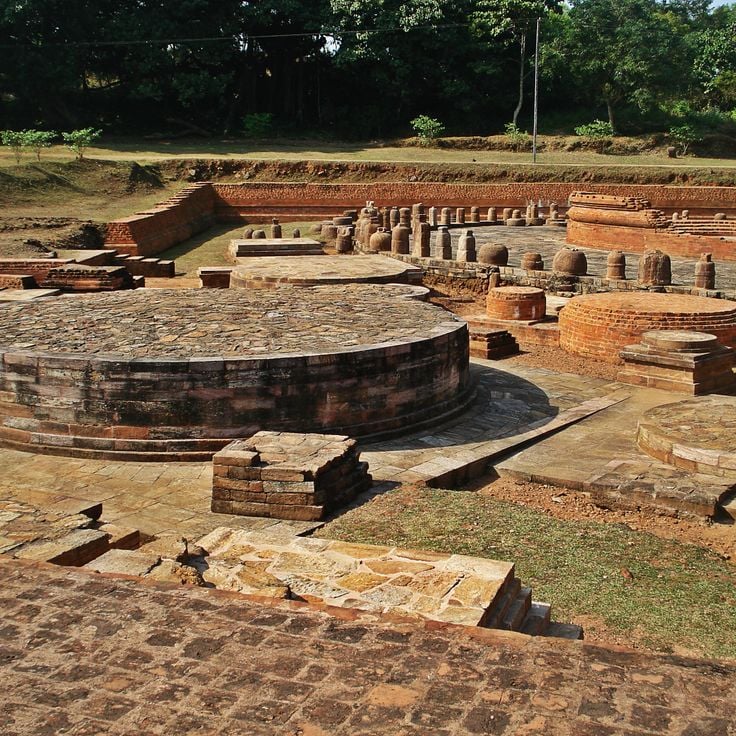
The Udayagiri Buddhist Complex near Cuttack represents one of Odisha's most significant Buddhist archaeological sites. This complex holds ancient monasteries, stupas, and elaborate stone carvings spanning centuries. The site reveals the depth of Buddhist faith in the region and how monastic communities lived and worshipped here. Visitors can see remains of buildings, religious sculptures, and intricate stonework demonstrating skilled craftsmanship. The location tells the story of a spiritual center that drew believers from distant places, reflecting how Buddhism flourished in eastern India.
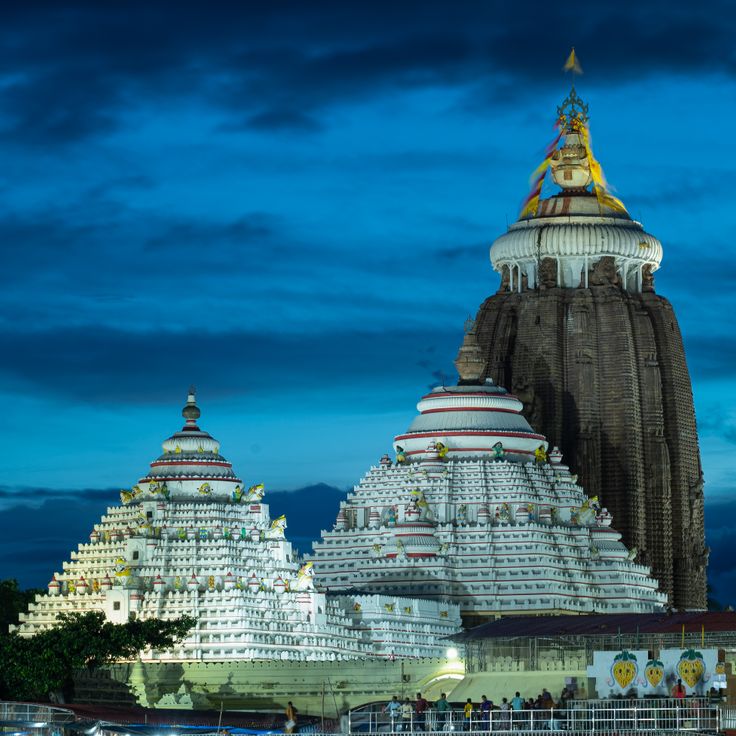
The Jagannath Temple stands at the heart of Puri and is one of India's most important Hindu pilgrimage destinations. Pilgrims travel from across the country to worship the god Jagannath within these walls. The temple has shaped the life of the city for centuries and remains a place where thousands of devotees gather daily to pray and participate in rituals. The temple's towering structures dominate the cityscape and reflect centuries of architectural tradition. This is a spiritual center where faith and daily life are deeply intertwined.
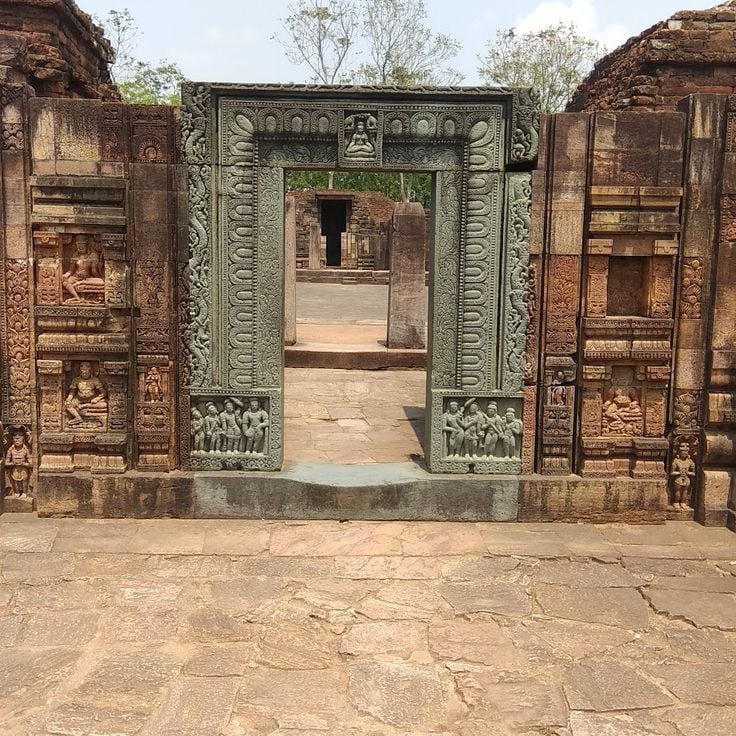
Ratnagiri in Cuttack is an archaeological site with the remains of ancient Buddhist monasteries and religious buildings. The ruins show how Buddhist communities lived and worshipped in this area for centuries. Walking through the site, you can see the foundations and fragments of structures that reveal how people organized their spiritual and daily lives.
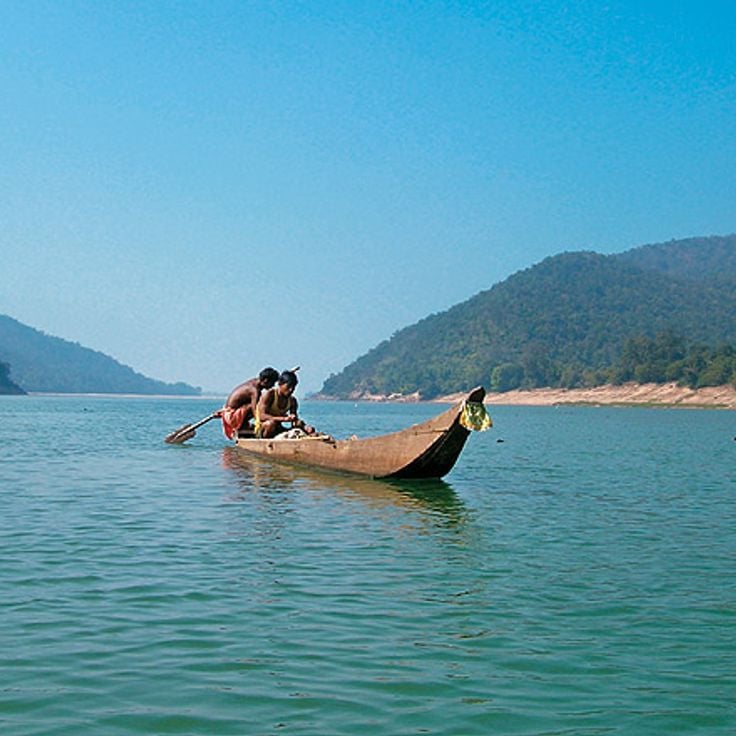
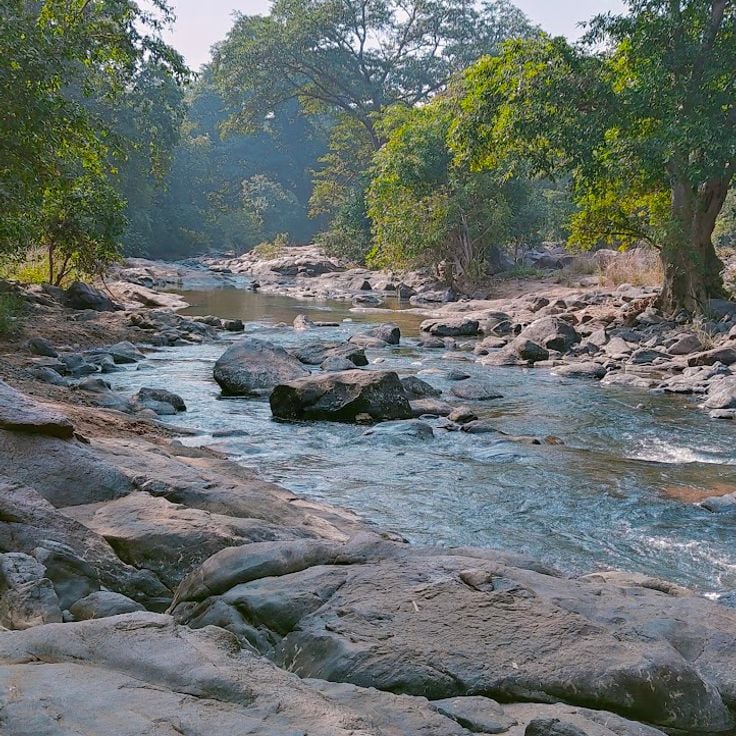
The Satkosia Gorge Sanctuary sits in the Nayagarh and Angul districts and protects a stretch of the Mahanadi River as it cuts through steep rock formations. Tigers, leopards, and various bird species make their homes here. The gorge features dramatic rock walls rising from the water and dense forests on the surrounding slopes. Boating through the sanctuary allows visitors to see the landscape and spot wildlife. The river gorge creates a narrow corridor where water and stone meet, forming a natural landscape that has remained largely unchanged.
Lalitgiri is an ancient Buddhist site with remains of monasteries, stupas and artifacts spanning several centuries. This location reflects the spiritual and artistic development of Buddhism in the Odisha region and contributes to understanding the rich past that shaped the eastern coast of India.
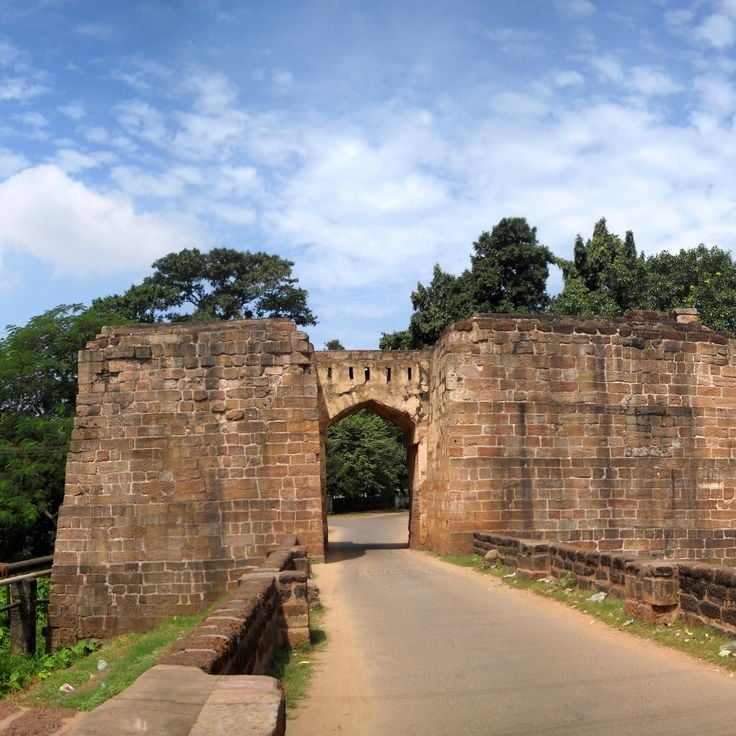
Barabati Fort in Cuttack was built between the 13th and 15th centuries as a center of power for the rulers of this region. Today you can see the remains of its defensive walls and structures spread across an island in the river. Walking through the fort, you notice how its location made it easy to control trade and movement. The stonework and layout show how people built fortifications in this part of India during the medieval period.
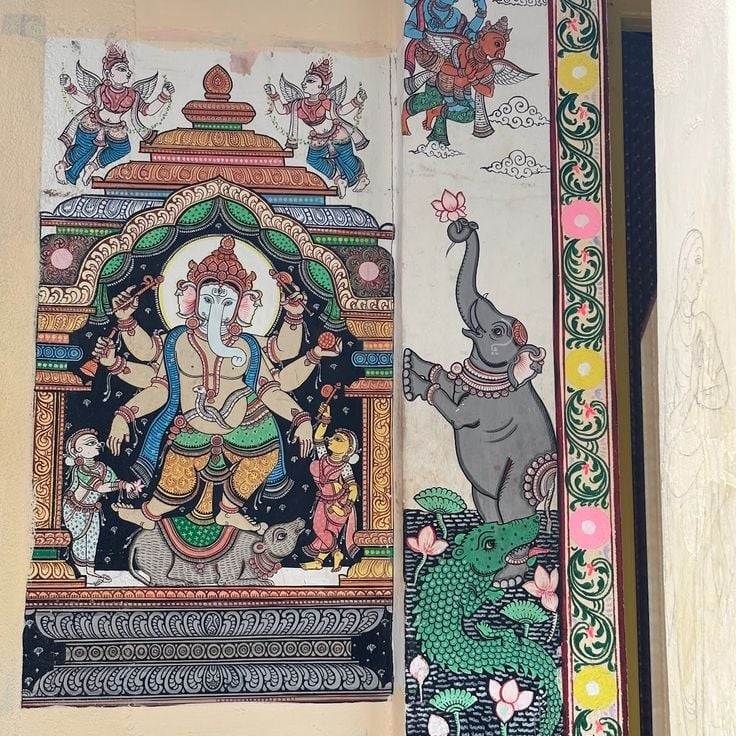
Raghurajpur Heritage Village is a traditional settlement in Khordha where artisans continue the centuries-old practice of Pattachitra painting. The village maintains the methods and skills passed down through families, with painters creating images using natural colors on palm leaves and cloth. Visitors can watch artists at work in their studios and learn about this craft tradition that forms an important part of Odisha's cultural heritage. The village offers insight into how local communities preserve their artistic practices while living their daily lives.
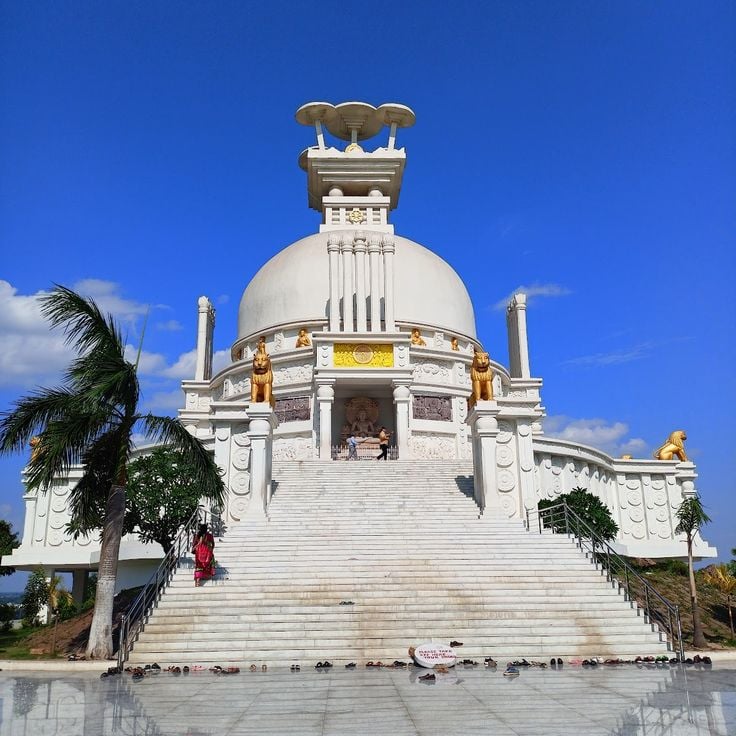
Dhauli Shanti Stupa is a white Buddhist sanctuary located on a hilltop in Khordha. The name means Peace Stupa and reflects the Buddhist message of peace. The site sits beside a river and was once the location of an important historical battle. Today, pilgrims come here to pray and meditate. The white dome is visible from far away and stands out in the landscape. For many visitors, this is a place for personal reflection and spiritual practice.
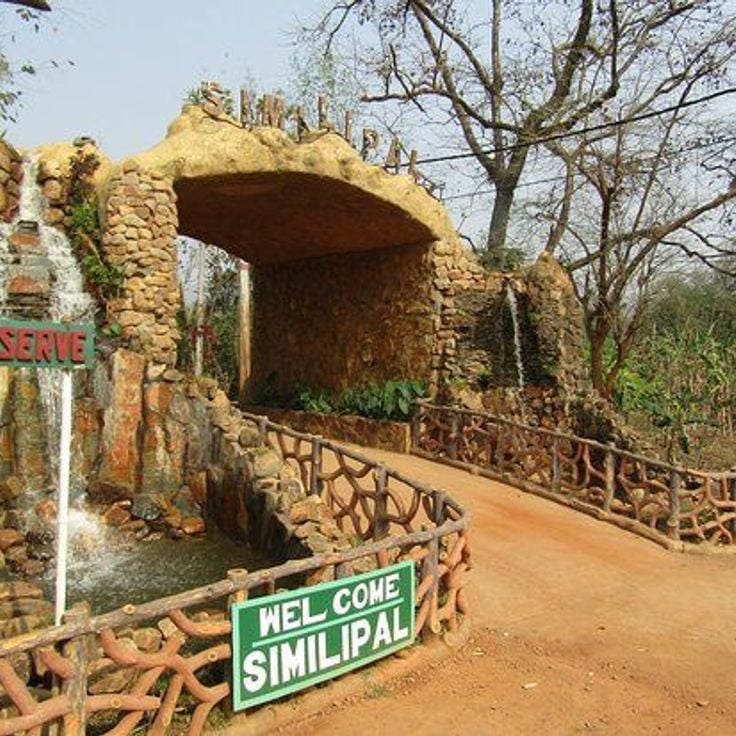
Similipal National Park is a large forest reserve in the Mayurbhanj region that protects a wide range of wildlife. Bengal tigers, elephants, wild bison, and many other animals live here in their natural habitat. The park features thick forests, numerous waterfalls, and streams that flow through the landscape. Visitors can explore the area on foot and experience the unspoiled forest environment.
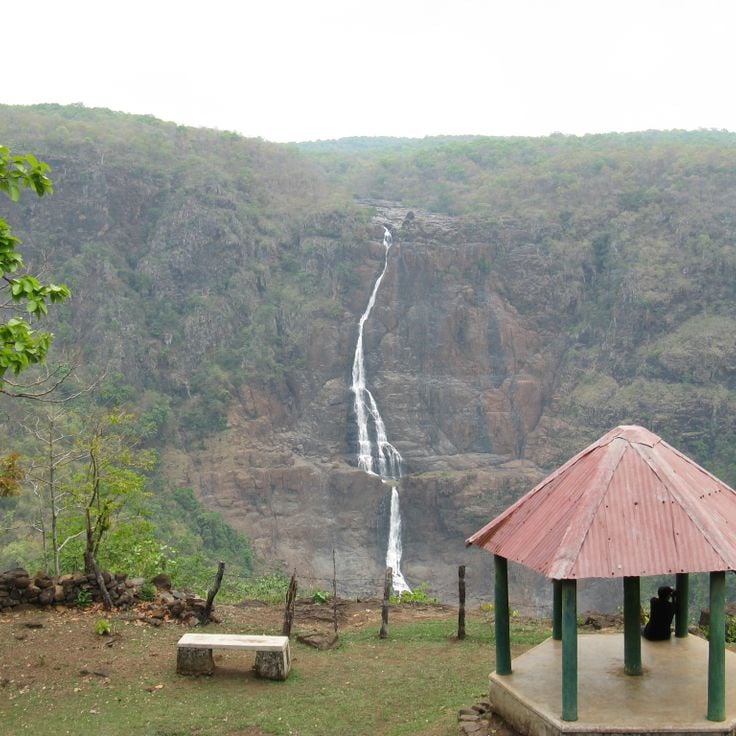
Barehipani Waterfall is located within Simlipal National Park, a major cascade surrounded by dense forest. The park sits in northeastern Odisha and is home to a variety of wildlife, including tigers and elephants. This waterfall draws visitors who want to experience the natural landscapes and forests that define this part of India's eastern coast.
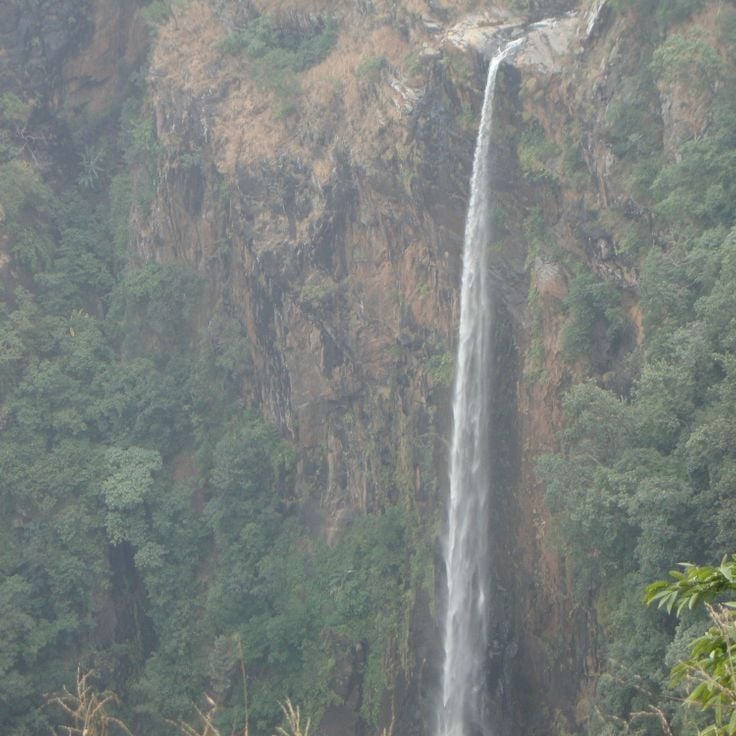
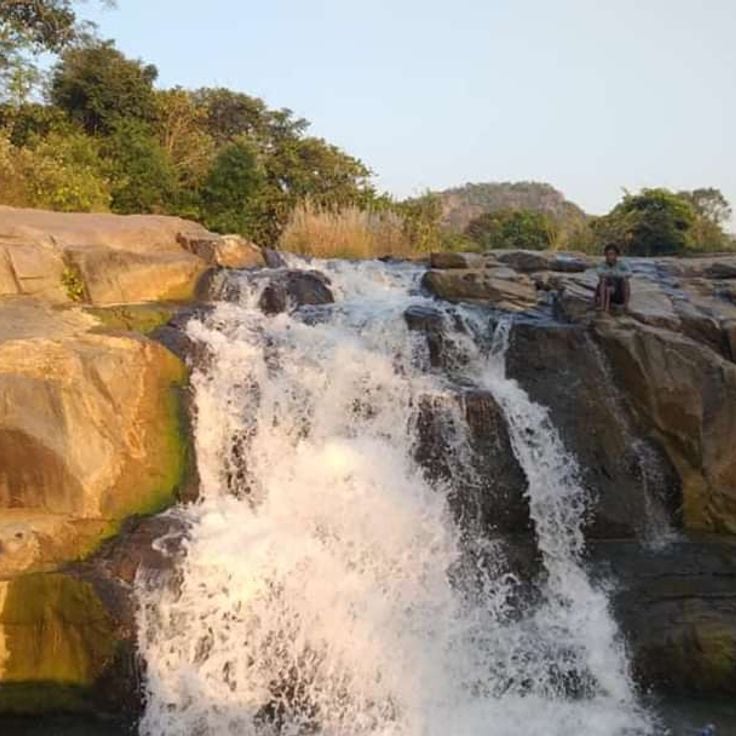
This waterfall in Similipal National Park flows over rocky steps surrounded by thick vegetation. The water tumbles down through a landscape shaped by nature and time. The place feels remote and wild, where dense forest meets the cascade. Visitors who make the trek here find a quiet corner of the park, away from busier areas, with water, stone, and green growth all around.
Koraput is a region in southeastern Odisha known for its hilly and mountainous landscapes. Tribal communities live in traditional villages throughout the area, maintaining their way of life as they have for generations. Dense forests and valleys shape the terrain here. Koraput offers visitors a chance to experience authentic village cultures and discover the rural side of Odisha away from the main tourist routes.
Tikarpada is a viewpoint area located in the border region between Nayagarh and Angul districts in Odisha. This location offers several vantage points from which visitors can observe the wildlife and landscapes of the sanctuary. The area sits within forested terrain and provides insight into the natural ecosystem of the region.
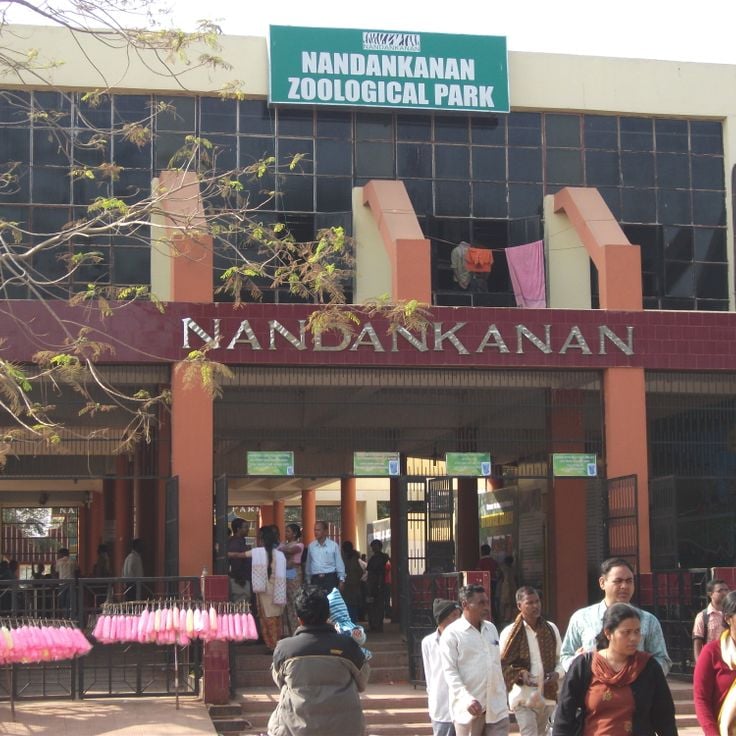
Nandankanan Zoological Park in Bhubaneswar is a major zoo that works to protect and care for many different animals. Visitors can see lions, tigers, leopards, and birds living in habitats that reflect their natural homes. The park also has a lake where crocodiles and turtles live. It is a place where families can learn about animals and the work being done to keep them safe.
Rayagada is a hill region in Odisha where tribal communities live in villages spread across the landscape. This area preserves cultural traditions that have been passed down through generations. The people here maintain their own customs, crafts, and ways of living. The terrain features green hills and natural forests that shape daily life. Rayagada offers a glimpse into a different side of Odisha, away from the major temples and pilgrimage sites.
Gopalpur Beach is a coastal resort on the Bay of Bengal with a wide sandy shore. The beach invites long walks and quiet moments by the water. The waves here are gentle, and the setting feels less crowded than other beaches in the region. Local people and visitors swim, rest, and watch the sunset over the sea. Small restaurants and guest houses line the beach area. Life moves at an easy pace, shaped by the rhythm of the tides.
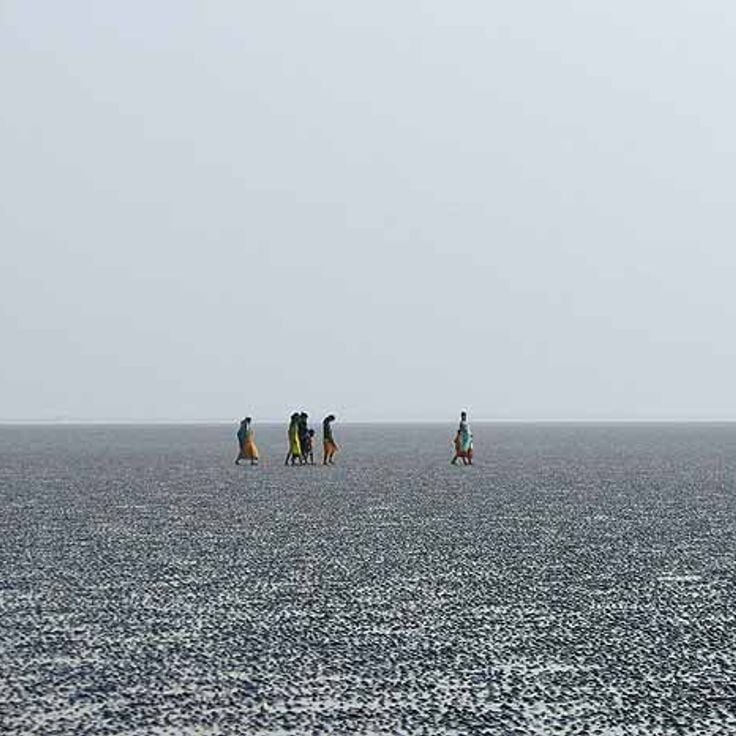
Chandipur Beach is located along Odisha's eastern coast and is known for its unusual tidal patterns. The sea recedes dramatically during low tide, exposing a wide expanse of sand that stretches far into the water. Visitors can walk out across the exposed seabed and experience the coastline from a different vantage point. This natural phenomenon makes the beach a distinctive destination where the relationship between land and sea shifts throughout the day.
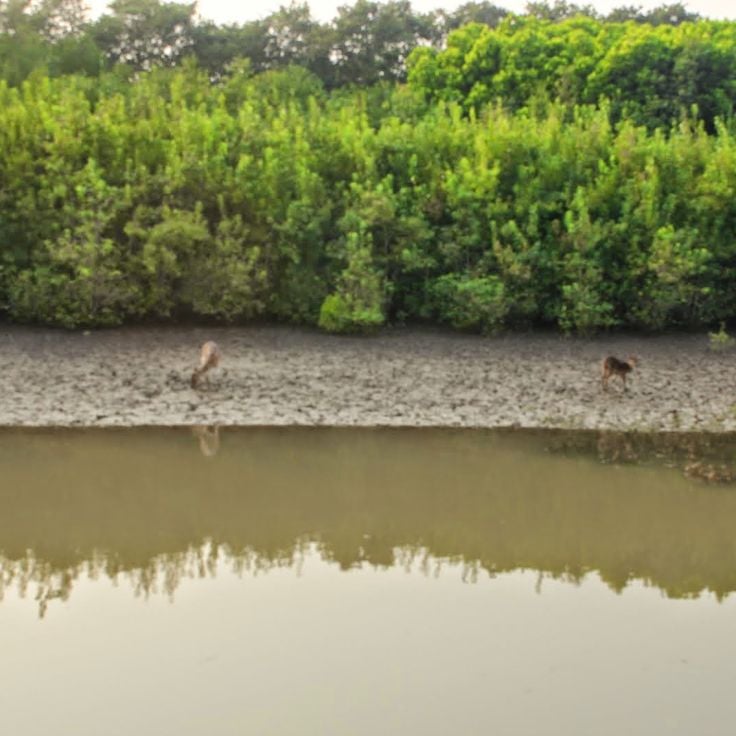
Bhitarkanika National Park is a protected coastal area in Odisha where mangrove forests create a home for crocodiles and other wildlife. The park shows what life looks like in these wetland environments, with animals and plants that have adapted to survive in the water and muddy terrain. Walking through this landscape, you see the interplay between land and water that defines this ecosystem.
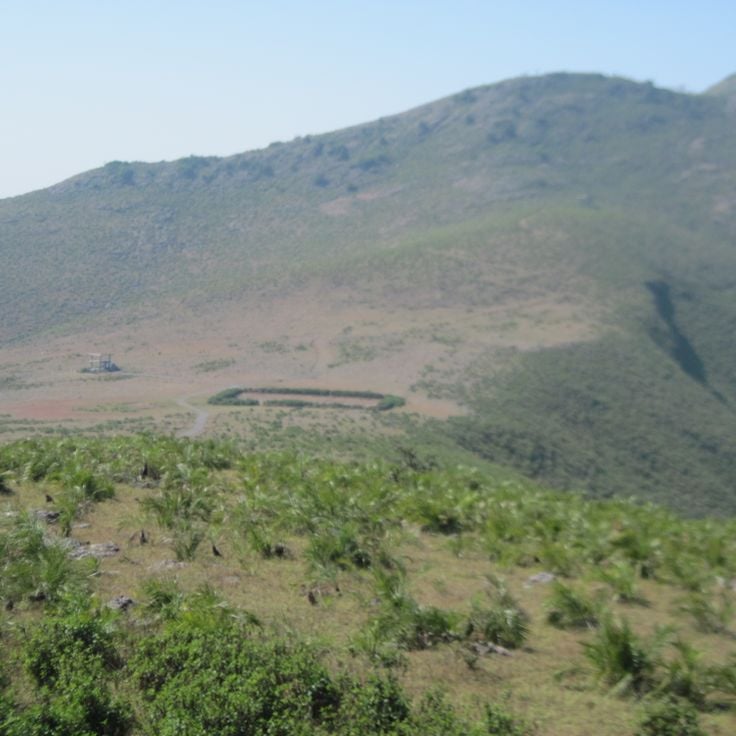
Deomali Peak stands as the highest point in Odisha. This mountain summit offers wide views across the region's landscape. The peak sits within dense forest and lies away from typical tourist routes. On clear days, you can see rolling hills and valleys stretching far below. The location draws hikers and nature enthusiasts seeking to experience Odisha's unspoiled terrain.
Taptapani is a natural hot spring located in Balangir where hot water flows naturally from the earth. The water contains minerals that have long been valued for their therapeutic qualities. Visitors come to this place to relax and soak in the warm waters. The surroundings are peaceful and provide an escape from daily routines. People use the natural pools formed by the hot springs for bathing and relaxation.
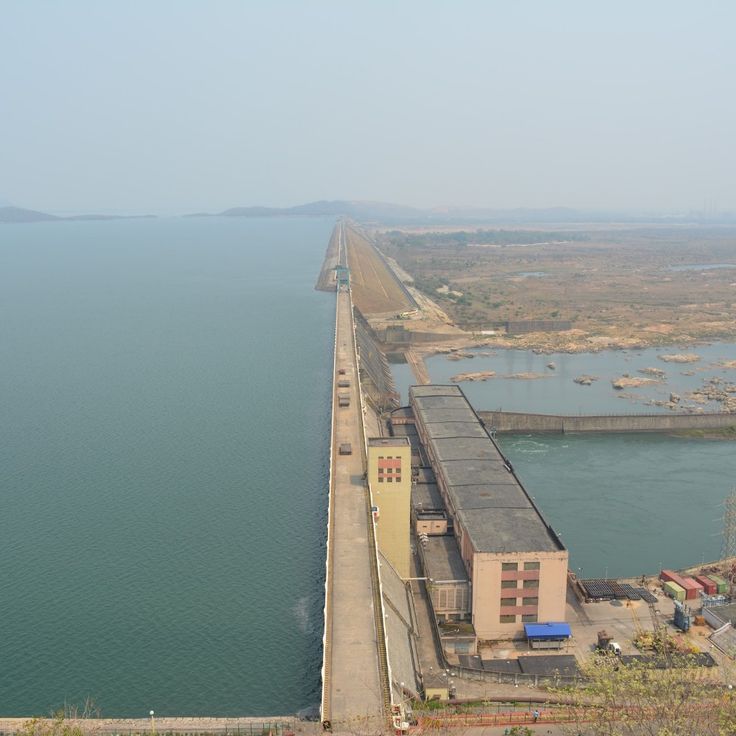
The Hirakud Dam in Sambalpur is a large dam built across the Mahanadi River, serving as a major infrastructure project and recreational area. The structure spans the landscape and creates a vast water body that shapes daily life in the region. Visitors come here to see the engineering work and enjoy the surroundings, experiencing how this dam connects the natural river with human activity in Odisha.
Sambalpur is a city in western Odisha known for its living textile craft tradition and local culture. The city is a center for making Sambalpuri fabrics, which feature geometric patterns and bright colors created through traditional weaving techniques. Artisans here continue practices passed down through families, working at their looms to produce cloth valued across India. Several temples stand in the city, reflecting the spiritual life of the community, and the Mahanadi River flows through Sambalpur, shaping daily activities and rhythms.
The Lingaraja Temple is a major Hindu shrine dedicated to Shiva in Bhubaneswar. This temple stands as one of the region's finest architectural achievements, with intricate stone carvings and a design that reflects centuries of craftsmanship. The temple draws pilgrims and visitors who wish to understand Hindu spirituality and tradition. Its presence in the city center makes it a focal point for understanding the spiritual heritage and artistic legacy of Odisha.
Chilika Lake is a large coastal lagoon in Puri and Khordha where thousands of migratory birds arrive every winter. The water shifts between freshwater from rivers and saltwater from the Bay of Bengal, creating a varied ecosystem. Visitors come here to see fishing eagles, flamingos, and many other bird species. The lake is also important for fishing, and villages around its edges show how local people depend on these waters.
The Mukteshwar Temple in Bhubaneswar is an ancient shrine dedicated to Shiva. This temple reflects the religious importance of Shiva in Hindu tradition. Its architecture and the detailed carvings on its walls and pillars show the skill of the artisans who built it. The temple ranks among Odisha's important structures and represents the long history of Hinduism in this region on India's eastern coast.
Puri Beach is a sacred shore along the Bay of Bengal where pilgrims and visitors gather daily. The wide sandy beach stretches far and wide, offering space for religious rituals and daily activities. In the morning, fishermen work with their boats, and in the evening, people come to watch the sunset. The water draws crowds who swim, pray, and walk along the shore. This beach is closely connected to the nearby Jagannath Temple and ranks among the most important pilgrimage sites in Odisha.
The Udayagiri and Khandagiri Caves are ancient rock-cut shelters dating back to the 2nd century, where Jain monks once lived and practiced their faith. These caves show how people carved out spaces in the stone for meditation and daily life. The walls bear sculptures and inscriptions that tell stories of this period. These sites are important to Odisha's Jain heritage and demonstrate how spiritual practice shaped the architecture of the region.
Satapada is a village on the shore of Chilika Lake in Odisha. The place is known as a viewing point for the rare Irrawaddy dolphins that live in the lake's waters. Visitors take boats out to see these animals in their natural habitat. The village offers insight into the daily life of fishermen and the distinctiveness of the lake, one of the largest brackish water lakes in India.
The Konark Sun Temple is a UNESCO World Heritage site dedicated to the sun god Surya. Built in the 13th century, the temple is designed in the shape of a massive chariot. Stone carvings show wheels, horses, and detailed sculptures that depict astronomy and mythology. This temple stands as one of Odisha's greatest architectural achievements and attracts visitors who want to witness the craftsmanship of that era.
Pipili is a village known for its traditional textile appliques and hand-made colored fabrics. Artisans in this place have created vibrant cloths with sewn-on patterns for many generations. These textiles are used for religious processions, festivals, and everyday life in homes. The village preserves an ancient craft tradition where each family maintains its own techniques and designs. Visitors can watch the craftspeople at work and purchase finished pieces that reflect the cultural identity of this region.
Konark Beach stretches along the coast of the Bay of Bengal near the Sun Temple in Odisha. This sandy shore offers views of the sea and connects visitors to one of India's most important temples. The beach is a place for walking and observing daily life along the water. The waters here have shaped the region's history and continue to be part of local culture and travel routes.
The Udayagiri Buddhist Complex near Cuttack represents one of Odisha's most significant Buddhist archaeological sites. This complex holds ancient monasteries, stupas, and elaborate stone carvings spanning centuries. The site reveals the depth of Buddhist faith in the region and how monastic communities lived and worshipped here. Visitors can see remains of buildings, religious sculptures, and intricate stonework demonstrating skilled craftsmanship. The location tells the story of a spiritual center that drew believers from distant places, reflecting how Buddhism flourished in eastern India.
The Jagannath Temple stands at the heart of Puri and is one of India's most important Hindu pilgrimage destinations. Pilgrims travel from across the country to worship the god Jagannath within these walls. The temple has shaped the life of the city for centuries and remains a place where thousands of devotees gather daily to pray and participate in rituals. The temple's towering structures dominate the cityscape and reflect centuries of architectural tradition. This is a spiritual center where faith and daily life are deeply intertwined.
Ratnagiri in Cuttack is an archaeological site with the remains of ancient Buddhist monasteries and religious buildings. The ruins show how Buddhist communities lived and worshipped in this area for centuries. Walking through the site, you can see the foundations and fragments of structures that reveal how people organized their spiritual and daily lives.
The Satkosia Gorge Sanctuary sits in the Nayagarh and Angul districts and protects a stretch of the Mahanadi River as it cuts through steep rock formations. Tigers, leopards, and various bird species make their homes here. The gorge features dramatic rock walls rising from the water and dense forests on the surrounding slopes. Boating through the sanctuary allows visitors to see the landscape and spot wildlife. The river gorge creates a narrow corridor where water and stone meet, forming a natural landscape that has remained largely unchanged.
Lalitgiri is an ancient Buddhist site with remains of monasteries, stupas and artifacts spanning several centuries. This location reflects the spiritual and artistic development of Buddhism in the Odisha region and contributes to understanding the rich past that shaped the eastern coast of India.
Barabati Fort in Cuttack was built between the 13th and 15th centuries as a center of power for the rulers of this region. Today you can see the remains of its defensive walls and structures spread across an island in the river. Walking through the fort, you notice how its location made it easy to control trade and movement. The stonework and layout show how people built fortifications in this part of India during the medieval period.
Raghurajpur Heritage Village is a traditional settlement in Khordha where artisans continue the centuries-old practice of Pattachitra painting. The village maintains the methods and skills passed down through families, with painters creating images using natural colors on palm leaves and cloth. Visitors can watch artists at work in their studios and learn about this craft tradition that forms an important part of Odisha's cultural heritage. The village offers insight into how local communities preserve their artistic practices while living their daily lives.
Dhauli Shanti Stupa is a white Buddhist sanctuary located on a hilltop in Khordha. The name means Peace Stupa and reflects the Buddhist message of peace. The site sits beside a river and was once the location of an important historical battle. Today, pilgrims come here to pray and meditate. The white dome is visible from far away and stands out in the landscape. For many visitors, this is a place for personal reflection and spiritual practice.
Similipal National Park is a large forest reserve in the Mayurbhanj region that protects a wide range of wildlife. Bengal tigers, elephants, wild bison, and many other animals live here in their natural habitat. The park features thick forests, numerous waterfalls, and streams that flow through the landscape. Visitors can explore the area on foot and experience the unspoiled forest environment.
Barehipani Waterfall is located within Simlipal National Park, a major cascade surrounded by dense forest. The park sits in northeastern Odisha and is home to a variety of wildlife, including tigers and elephants. This waterfall draws visitors who want to experience the natural landscapes and forests that define this part of India's eastern coast.
This waterfall in Similipal National Park flows over rocky steps surrounded by thick vegetation. The water tumbles down through a landscape shaped by nature and time. The place feels remote and wild, where dense forest meets the cascade. Visitors who make the trek here find a quiet corner of the park, away from busier areas, with water, stone, and green growth all around.
Koraput is a region in southeastern Odisha known for its hilly and mountainous landscapes. Tribal communities live in traditional villages throughout the area, maintaining their way of life as they have for generations. Dense forests and valleys shape the terrain here. Koraput offers visitors a chance to experience authentic village cultures and discover the rural side of Odisha away from the main tourist routes.
Tikarpada is a viewpoint area located in the border region between Nayagarh and Angul districts in Odisha. This location offers several vantage points from which visitors can observe the wildlife and landscapes of the sanctuary. The area sits within forested terrain and provides insight into the natural ecosystem of the region.
Nandankanan Zoological Park in Bhubaneswar is a major zoo that works to protect and care for many different animals. Visitors can see lions, tigers, leopards, and birds living in habitats that reflect their natural homes. The park also has a lake where crocodiles and turtles live. It is a place where families can learn about animals and the work being done to keep them safe.
Rayagada is a hill region in Odisha where tribal communities live in villages spread across the landscape. This area preserves cultural traditions that have been passed down through generations. The people here maintain their own customs, crafts, and ways of living. The terrain features green hills and natural forests that shape daily life. Rayagada offers a glimpse into a different side of Odisha, away from the major temples and pilgrimage sites.
Gopalpur Beach is a coastal resort on the Bay of Bengal with a wide sandy shore. The beach invites long walks and quiet moments by the water. The waves here are gentle, and the setting feels less crowded than other beaches in the region. Local people and visitors swim, rest, and watch the sunset over the sea. Small restaurants and guest houses line the beach area. Life moves at an easy pace, shaped by the rhythm of the tides.
Chandipur Beach is located along Odisha's eastern coast and is known for its unusual tidal patterns. The sea recedes dramatically during low tide, exposing a wide expanse of sand that stretches far into the water. Visitors can walk out across the exposed seabed and experience the coastline from a different vantage point. This natural phenomenon makes the beach a distinctive destination where the relationship between land and sea shifts throughout the day.
Bhitarkanika National Park is a protected coastal area in Odisha where mangrove forests create a home for crocodiles and other wildlife. The park shows what life looks like in these wetland environments, with animals and plants that have adapted to survive in the water and muddy terrain. Walking through this landscape, you see the interplay between land and water that defines this ecosystem.
Deomali Peak stands as the highest point in Odisha. This mountain summit offers wide views across the region's landscape. The peak sits within dense forest and lies away from typical tourist routes. On clear days, you can see rolling hills and valleys stretching far below. The location draws hikers and nature enthusiasts seeking to experience Odisha's unspoiled terrain.
Taptapani is a natural hot spring located in Balangir where hot water flows naturally from the earth. The water contains minerals that have long been valued for their therapeutic qualities. Visitors come to this place to relax and soak in the warm waters. The surroundings are peaceful and provide an escape from daily routines. People use the natural pools formed by the hot springs for bathing and relaxation.
The Hirakud Dam in Sambalpur is a large dam built across the Mahanadi River, serving as a major infrastructure project and recreational area. The structure spans the landscape and creates a vast water body that shapes daily life in the region. Visitors come here to see the engineering work and enjoy the surroundings, experiencing how this dam connects the natural river with human activity in Odisha.
Sambalpur is a city in western Odisha known for its living textile craft tradition and local culture. The city is a center for making Sambalpuri fabrics, which feature geometric patterns and bright colors created through traditional weaving techniques. Artisans here continue practices passed down through families, working at their looms to produce cloth valued across India. Several temples stand in the city, reflecting the spiritual life of the community, and the Mahanadi River flows through Sambalpur, shaping daily activities and rhythms.
The Lingaraja Temple is a major Hindu shrine dedicated to Shiva in Bhubaneswar. This temple stands as one of the region's finest architectural achievements, with intricate stone carvings and a design that reflects centuries of craftsmanship. The temple draws pilgrims and visitors who wish to understand Hindu spirituality and tradition. Its presence in the city center makes it a focal point for understanding the spiritual heritage and artistic legacy of Odisha.
Chilika Lake is a large coastal lagoon in Puri and Khordha where thousands of migratory birds arrive every winter. The water shifts between freshwater from rivers and saltwater from the Bay of Bengal, creating a varied ecosystem. Visitors come here to see fishing eagles, flamingos, and many other bird species. The lake is also important for fishing, and villages around its edges show how local people depend on these waters.
The Mukteshwar Temple in Bhubaneswar is an ancient shrine dedicated to Shiva. This temple reflects the religious importance of Shiva in Hindu tradition. Its architecture and the detailed carvings on its walls and pillars show the skill of the artisans who built it. The temple ranks among Odisha's important structures and represents the long history of Hinduism in this region on India's eastern coast.
Puri Beach is a sacred shore along the Bay of Bengal where pilgrims and visitors gather daily. The wide sandy beach stretches far and wide, offering space for religious rituals and daily activities. In the morning, fishermen work with their boats, and in the evening, people come to watch the sunset. The water draws crowds who swim, pray, and walk along the shore. This beach is closely connected to the nearby Jagannath Temple and ranks among the most important pilgrimage sites in Odisha.
The Udayagiri and Khandagiri Caves are ancient rock-cut shelters dating back to the 2nd century, where Jain monks once lived and practiced their faith. These caves show how people carved out spaces in the stone for meditation and daily life. The walls bear sculptures and inscriptions that tell stories of this period. These sites are important to Odisha's Jain heritage and demonstrate how spiritual practice shaped the architecture of the region.
Satapada is a village on the shore of Chilika Lake in Odisha. The place is known as a viewing point for the rare Irrawaddy dolphins that live in the lake's waters. Visitors take boats out to see these animals in their natural habitat. The village offers insight into the daily life of fishermen and the distinctiveness of the lake, one of the largest brackish water lakes in India.
The Konark Sun Temple is a UNESCO World Heritage site dedicated to the sun god Surya. Built in the 13th century, the temple is designed in the shape of a massive chariot. Stone carvings show wheels, horses, and detailed sculptures that depict astronomy and mythology. This temple stands as one of Odisha's greatest architectural achievements and attracts visitors who want to witness the craftsmanship of that era.
Pipili is a village known for its traditional textile appliques and hand-made colored fabrics. Artisans in this place have created vibrant cloths with sewn-on patterns for many generations. These textiles are used for religious processions, festivals, and everyday life in homes. The village preserves an ancient craft tradition where each family maintains its own techniques and designs. Visitors can watch the craftspeople at work and purchase finished pieces that reflect the cultural identity of this region.
Konark Beach stretches along the coast of the Bay of Bengal near the Sun Temple in Odisha. This sandy shore offers views of the sea and connects visitors to one of India's most important temples. The beach is a place for walking and observing daily life along the water. The waters here have shaped the region's history and continue to be part of local culture and travel routes.
The Udayagiri Buddhist Complex near Cuttack represents one of Odisha's most significant Buddhist archaeological sites. This complex holds ancient monasteries, stupas, and elaborate stone carvings spanning centuries. The site reveals the depth of Buddhist faith in the region and how monastic communities lived and worshipped here. Visitors can see remains of buildings, religious sculptures, and intricate stonework demonstrating skilled craftsmanship. The location tells the story of a spiritual center that drew believers from distant places, reflecting how Buddhism flourished in eastern India.
The Jagannath Temple stands at the heart of Puri and is one of India's most important Hindu pilgrimage destinations. Pilgrims travel from across the country to worship the god Jagannath within these walls. The temple has shaped the life of the city for centuries and remains a place where thousands of devotees gather daily to pray and participate in rituals. The temple's towering structures dominate the cityscape and reflect centuries of architectural tradition. This is a spiritual center where faith and daily life are deeply intertwined.
Ratnagiri in Cuttack is an archaeological site with the remains of ancient Buddhist monasteries and religious buildings. The ruins show how Buddhist communities lived and worshipped in this area for centuries. Walking through the site, you can see the foundations and fragments of structures that reveal how people organized their spiritual and daily lives.
The Satkosia Gorge Sanctuary sits in the Nayagarh and Angul districts and protects a stretch of the Mahanadi River as it cuts through steep rock formations. Tigers, leopards, and various bird species make their homes here. The gorge features dramatic rock walls rising from the water and dense forests on the surrounding slopes. Boating through the sanctuary allows visitors to see the landscape and spot wildlife. The river gorge creates a narrow corridor where water and stone meet, forming a natural landscape that has remained largely unchanged.
Lalitgiri is an ancient Buddhist site with remains of monasteries, stupas and artifacts spanning several centuries. This location reflects the spiritual and artistic development of Buddhism in the Odisha region and contributes to understanding the rich past that shaped the eastern coast of India.
Barabati Fort in Cuttack was built between the 13th and 15th centuries as a center of power for the rulers of this region. Today you can see the remains of its defensive walls and structures spread across an island in the river. Walking through the fort, you notice how its location made it easy to control trade and movement. The stonework and layout show how people built fortifications in this part of India during the medieval period.
Raghurajpur Heritage Village is a traditional settlement in Khordha where artisans continue the centuries-old practice of Pattachitra painting. The village maintains the methods and skills passed down through families, with painters creating images using natural colors on palm leaves and cloth. Visitors can watch artists at work in their studios and learn about this craft tradition that forms an important part of Odisha's cultural heritage. The village offers insight into how local communities preserve their artistic practices while living their daily lives.
Dhauli Shanti Stupa is a white Buddhist sanctuary located on a hilltop in Khordha. The name means Peace Stupa and reflects the Buddhist message of peace. The site sits beside a river and was once the location of an important historical battle. Today, pilgrims come here to pray and meditate. The white dome is visible from far away and stands out in the landscape. For many visitors, this is a place for personal reflection and spiritual practice.
Similipal National Park is a large forest reserve in the Mayurbhanj region that protects a wide range of wildlife. Bengal tigers, elephants, wild bison, and many other animals live here in their natural habitat. The park features thick forests, numerous waterfalls, and streams that flow through the landscape. Visitors can explore the area on foot and experience the unspoiled forest environment.
Barehipani Waterfall is located within Simlipal National Park, a major cascade surrounded by dense forest. The park sits in northeastern Odisha and is home to a variety of wildlife, including tigers and elephants. This waterfall draws visitors who want to experience the natural landscapes and forests that define this part of India's eastern coast.
This waterfall in Similipal National Park flows over rocky steps surrounded by thick vegetation. The water tumbles down through a landscape shaped by nature and time. The place feels remote and wild, where dense forest meets the cascade. Visitors who make the trek here find a quiet corner of the park, away from busier areas, with water, stone, and green growth all around.
Koraput is a region in southeastern Odisha known for its hilly and mountainous landscapes. Tribal communities live in traditional villages throughout the area, maintaining their way of life as they have for generations. Dense forests and valleys shape the terrain here. Koraput offers visitors a chance to experience authentic village cultures and discover the rural side of Odisha away from the main tourist routes.
Tikarpada is a viewpoint area located in the border region between Nayagarh and Angul districts in Odisha. This location offers several vantage points from which visitors can observe the wildlife and landscapes of the sanctuary. The area sits within forested terrain and provides insight into the natural ecosystem of the region.
Nandankanan Zoological Park in Bhubaneswar is a major zoo that works to protect and care for many different animals. Visitors can see lions, tigers, leopards, and birds living in habitats that reflect their natural homes. The park also has a lake where crocodiles and turtles live. It is a place where families can learn about animals and the work being done to keep them safe.
Rayagada is a hill region in Odisha where tribal communities live in villages spread across the landscape. This area preserves cultural traditions that have been passed down through generations. The people here maintain their own customs, crafts, and ways of living. The terrain features green hills and natural forests that shape daily life. Rayagada offers a glimpse into a different side of Odisha, away from the major temples and pilgrimage sites.
Gopalpur Beach is a coastal resort on the Bay of Bengal with a wide sandy shore. The beach invites long walks and quiet moments by the water. The waves here are gentle, and the setting feels less crowded than other beaches in the region. Local people and visitors swim, rest, and watch the sunset over the sea. Small restaurants and guest houses line the beach area. Life moves at an easy pace, shaped by the rhythm of the tides.
Chandipur Beach is located along Odisha's eastern coast and is known for its unusual tidal patterns. The sea recedes dramatically during low tide, exposing a wide expanse of sand that stretches far into the water. Visitors can walk out across the exposed seabed and experience the coastline from a different vantage point. This natural phenomenon makes the beach a distinctive destination where the relationship between land and sea shifts throughout the day.
Bhitarkanika National Park is a protected coastal area in Odisha where mangrove forests create a home for crocodiles and other wildlife. The park shows what life looks like in these wetland environments, with animals and plants that have adapted to survive in the water and muddy terrain. Walking through this landscape, you see the interplay between land and water that defines this ecosystem.
Deomali Peak stands as the highest point in Odisha. This mountain summit offers wide views across the region's landscape. The peak sits within dense forest and lies away from typical tourist routes. On clear days, you can see rolling hills and valleys stretching far below. The location draws hikers and nature enthusiasts seeking to experience Odisha's unspoiled terrain.
Taptapani is a natural hot spring located in Balangir where hot water flows naturally from the earth. The water contains minerals that have long been valued for their therapeutic qualities. Visitors come to this place to relax and soak in the warm waters. The surroundings are peaceful and provide an escape from daily routines. People use the natural pools formed by the hot springs for bathing and relaxation.
The Hirakud Dam in Sambalpur is a large dam built across the Mahanadi River, serving as a major infrastructure project and recreational area. The structure spans the landscape and creates a vast water body that shapes daily life in the region. Visitors come here to see the engineering work and enjoy the surroundings, experiencing how this dam connects the natural river with human activity in Odisha.
Sambalpur is a city in western Odisha known for its living textile craft tradition and local culture. The city is a center for making Sambalpuri fabrics, which feature geometric patterns and bright colors created through traditional weaving techniques. Artisans here continue practices passed down through families, working at their looms to produce cloth valued across India. Several temples stand in the city, reflecting the spiritual life of the community, and the Mahanadi River flows through Sambalpur, shaping daily activities and rhythms.