Shanti stupa, Temple in Bhubaneswar, India
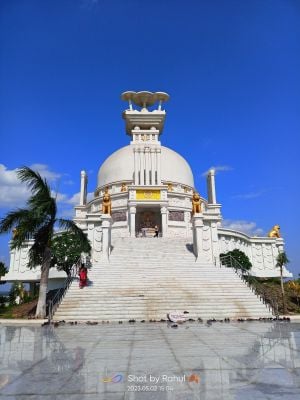
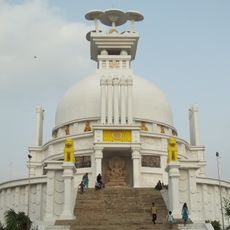
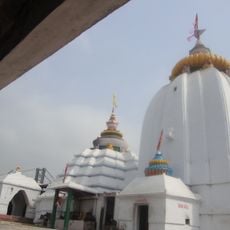
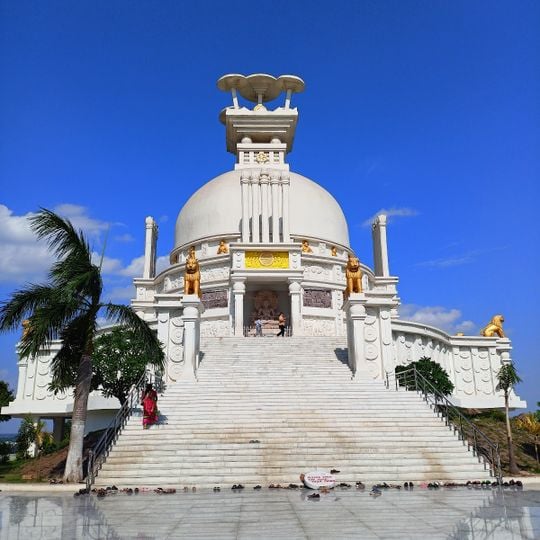
Shanti Stupa is a place of worship featuring a white dome-shaped structure built on Dhauli Giri Hills outside Bhubaneswar. The site includes multiple sculptures and artworks such as a large reclining Buddha statue, stone panels depicting scenes from Buddha's life, and a rock-carved elephant that complement the spiritual and historical setting.
The stupa was built in 1972 and became a symbol of peace in the region. The site is connected to the Kalinga War, an ancient battle that prompted Emperor Ashoka to renounce violence and embrace Buddhism and non-violence.
The Shanti Stupa displays Buddhist symbols and imagery throughout its structure. Stone panels depict scenes from Buddha's life, while the five umbrellas represent core Buddhist teachings that visitors can observe and contemplate. These visual elements connect the site to spiritual practice and help visitors understand its importance to followers of Buddhism.
The best time to visit is from October to March when the weather is mild and crowds are minimal. Early morning hours, particularly around sunrise, offer the most comfortable conditions and allow for peaceful visits with fewer visitors.
The site features ancient inscriptions known as Ashoka Edicts written in Brahmi script, an ancient writing system. These historical records document an ancient ruler's transformation and his messages of compassion, which visitors can observe and contemplate directly.
The community of curious travelers
AroundUs brings together thousands of curated places, local tips, and hidden gems, enriched daily by 90,779 contributors worldwide.