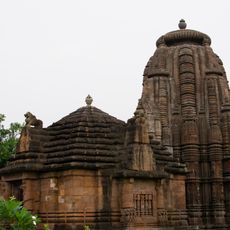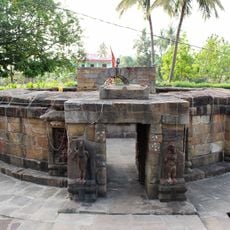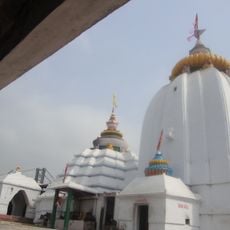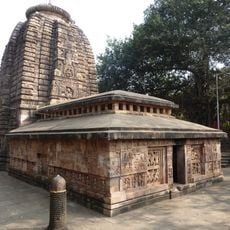
Dhauli, Buddhist sacred hill near Bhubaneswar, India
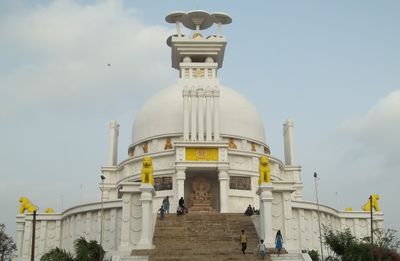
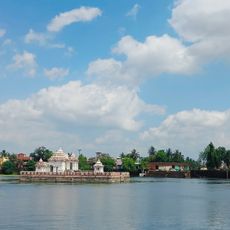
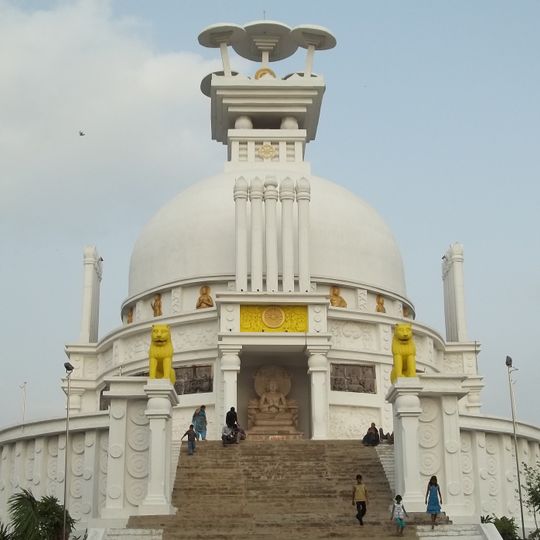
Dhauli is a hill and archaeological site in Khordha district that rises beside the Daya River and bears rock-cut inscriptions along with a white pagoda visible from great distances. The complex spreads across several terraces connected by stairways and paths, with stone reliefs and smaller shrines positioned along the edges.
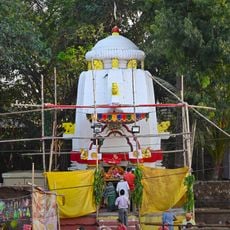
In the third century before Christ, Ashoka ordered inscriptions carved into the rock after the Kalinga War to announce his turn toward nonviolent principles. The pagoda was built in the 20th century by Japanese monks and now stands as a symbol of peace at this history-laden site.
The name Dhauli comes from the white stone visible on the slopes, while local visitors often arrive in the morning to experience the atmosphere at the base of the pagoda. Families from nearby areas use the grounds as a place for reflection and pause near the carved figures scattered along the pathways.
Visitors reach the hill via a paved road leading to a parking area from which steps ascend to the main terrace. The climb does not take long, and you should wear sturdy footwear as some sections can be uneven.
A large elephant carved from the rock gazes over the plain and is so weathered that only parts of its head remain clearly visible. Some visitors notice small niches in the stone where lamps may once have stood.
The community of curious travelers
AroundUs brings together thousands of curated places, local tips, and hidden gems, enriched daily by 91,865 contributors worldwide.