Church of the Holy Apostles, Historic church in Istanbul
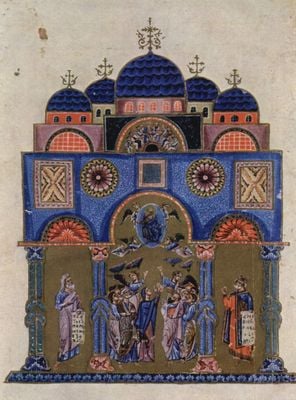
The Church of the Holy Apostles was a major religious building with five domes, thick marble walls, and a bronze roof that gleamed golden in sunlight. The structure followed a cross shape and occupied the Fourth Hill of Constantinople, where the Fatih Mosque stands today.
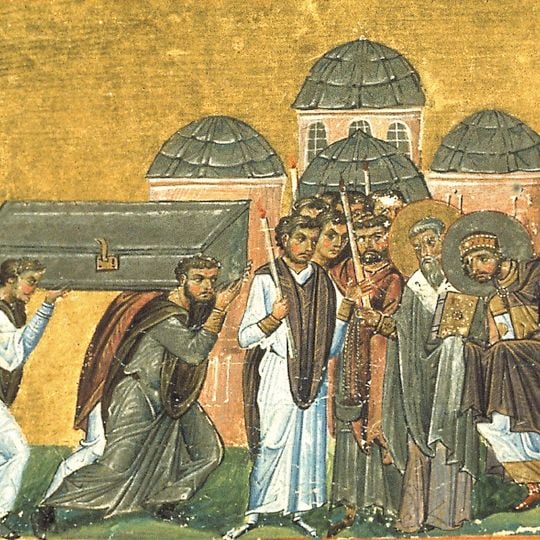
Roman Emperor Constantine the Great commissioned a circular mausoleum around 330 after founding Constantinople, which his successor enlarged with a basilica addition. Emperor Justinian I transformed it into a cross-shaped church in 550, where Byzantine emperors were buried until 1028.
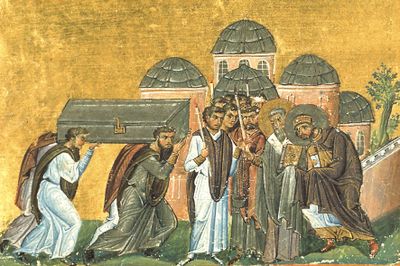
The church served as a pilgrimage destination because it housed sacred relics venerated by believers across the Byzantine world. Its name tied the building directly to the apostles whose remains were kept within.
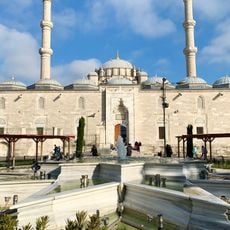
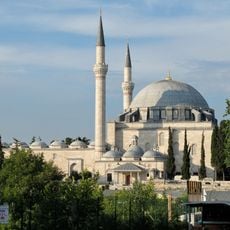
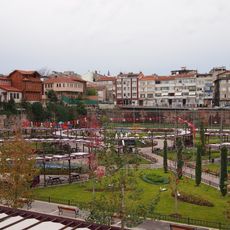
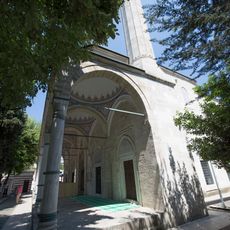
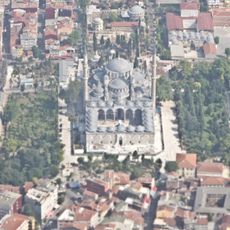
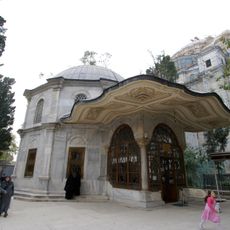
The site is now completely covered by the Fatih Mosque and its complex, so nothing remains of the original structure to view. Those curious about the building's story can find a few surviving objects like an ancient sarcophagus from the 4th or 5th century displayed in museums.
The building's design inspired the Basilica of Saint Mark in Venice, which was constructed in the 11th century following similar architectural plans. Following the Ottoman conquest in 1453, the site was transferred to Sultan Mehmed II, who demolished the church and erected his own mosque in its place.
The community of curious travelers
AroundUs brings together thousands of curated places, local tips, and hidden gems, enriched daily by 60,000 contributors worldwide.