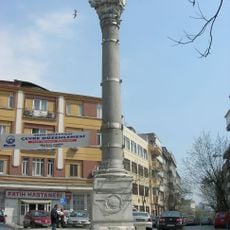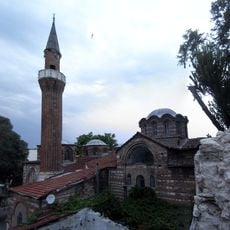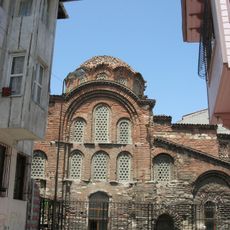
Aqueduct of Valens, Roman aqueduct in Fatih, Turkey
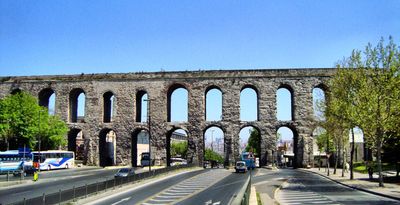
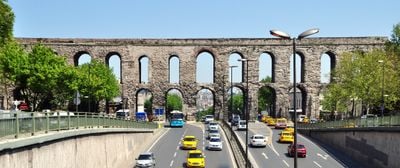
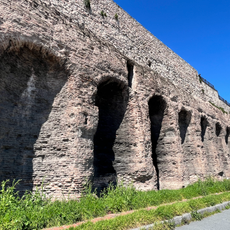
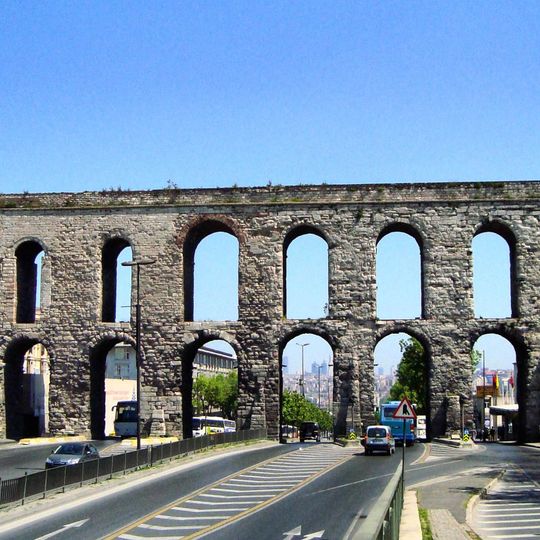
The Aqueduct of Valens is a stone and brick structure that spans across Atatürk Boulevard in Istanbul, composed of a series of connected arches. The structure displays Roman engineering techniques with multiple tiers of arcades that dominate the urban landscape.
The aqueduct was built in the late 4th century as a water supply system and served the city for centuries afterward. After its construction under Roman rule, it continued functioning through the Byzantine period and remained operational under Ottoman administration.
The aqueduct represents Roman engineering methods and served both Byzantine and Ottoman empires through an extensive network of underground cisterns.
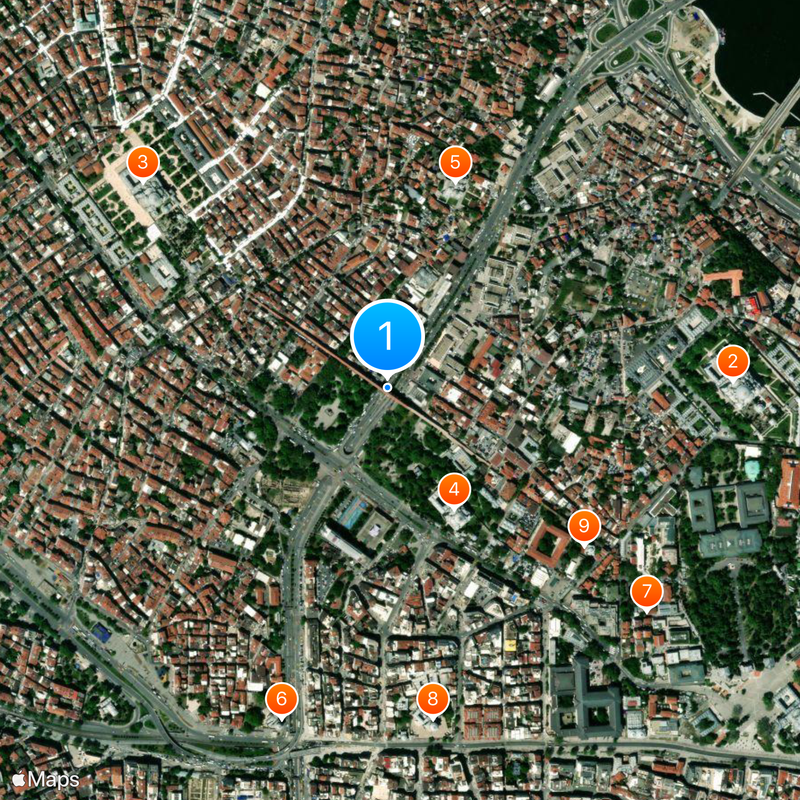
The structure sits near major transit hubs and is easy to reach using public transportation. The bazaar and the historic districts of the old city are all within walking distance.
The aqueduct originally carried water over a long distance and was later repurposed as a bridge for city traffic. Today it connects two parts of the city and shows how ancient structures can adapt to new purposes.
Location: Fatih
Location: Istanbul Province
Location: Istanbul
Architectural style: Byzantine architecture, Ottoman architecture
Made from material: stone
GPS coordinates: 41.01599,28.95557
Latest update: December 6, 2025 16:01
This collection shows the impressive water structures that people built in ancient times to transport water across long distances. Roman and Ottoman engineers constructed aqueducts that crossed rivers and valleys, standing up to 50 meters high. They were made of multiple layers of stone arches stacked elegantly on top of each other. These structures work on a simple principle: water flows downward from distant springs and rivers to cities, where it arrives ready for use. Throughout Europe, the Mediterranean region, and the Near East, you can still find remnants of these ancient systems today. The Pont du Gard in France and the aqueducts of Segovia in Spain showcase the craftsmanship of the time. In Turkey, you can see the Valens Aqueduct, which brought water to Istanbul. Italy has several examples, including the Aqueduct of Vanvitelli in Caserta and remains in Rome itself. These structures show how deeply ancient people understood how to use their environment. Each of these structures tells a story about how important water was to city life. They are not just technical achievements, but works you can still see and touch today. Many are preserved well enough that you can understand their original purpose.
Süleymaniye Mosque
699 m
Fatih Istanbul Mosque
643 m
Şehzade Mosque
279 m
Zeyrek Mosque
438 m
Pertevniyal Mosque
699 m
Kütüphane Troleybüs
691 m
Laleli Mosque
673 m
Kalenderhane Mosque
509 m
Column of Marcian
448 m
Molla Gürani Mosque
399 m
İstanbul Belediye Sarayı
291 m
Eski Imaret Mosque
634 m
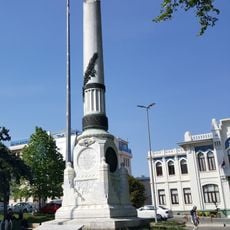
Aviation Martyrs' Monument
230 m
İskender Pasha Mosque, Fatih
650 m
Şeyh Süleyman Mosque
358 m
Zeyrek Sarnıcı
488 m
Burmalı Mosque
166 m
Şepsefa Hatun Mosque
466 m
Horhor Fountain
493 m
Piri Mehmed Pasha Mosque
513 m
Istanbul University Alfred Heilbronn Botanical Garden
705 m
Shaykh Ebu'l Vefa Mosque
358 m
Kemalpasha Mosque
482 m
Balaban Aga Mosque
601 m
Sanctus Angelus Monastery in Petra
438 m
Katip Şemseddin Camii
644 m
Emine Hanım Çeşmesi
333 m
Tomb of Mehmed the Conqueror
573 mVisited this place? Tap the stars to rate it and share your experience / photos with the community! Try now! You can cancel it anytime.
Discover hidden gems everywhere you go!
From secret cafés to breathtaking viewpoints, skip the crowded tourist spots and find places that match your style. Our app makes it easy with voice search, smart filtering, route optimization, and insider tips from travelers worldwide. Download now for the complete mobile experience.
A unique approach to discovering new places❞
— Le Figaro
All the places worth exploring❞
— France Info
A tailor-made excursion in just a few clicks❞
— 20 Minutes