Hsinchu Shrine, Former Shinto shrine in Taiwan
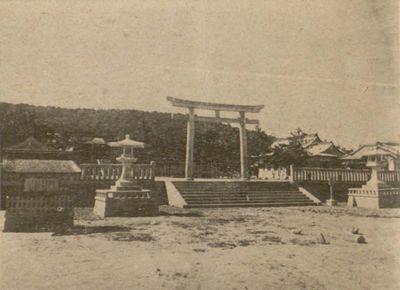
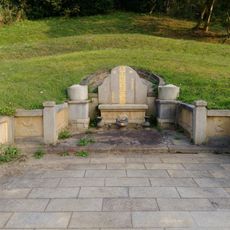
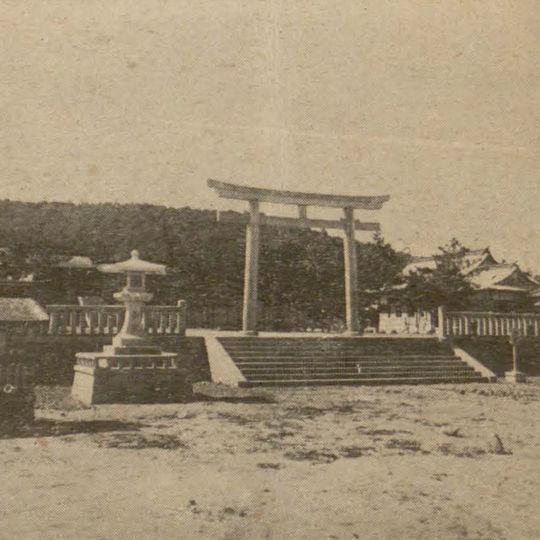
Hsinchu Shrine is a former Shinto place of worship in Shinchiku City featuring traditional Japanese architectural elements from the early 1900s. Today, only fragments remain including stone lanterns, gate foundations, and pathways that mark where the original buildings once stood.
Construction took place between 1915 and 1918, and the shrine gained prefectural status in 1920. After World War II ended and Japanese rule concluded, the site was abandoned and later repurposed as a community space.
The shrine served as a place where people honored Japanese deities brought to Taiwan during the colonial period. Visitors today can sense how the local community once gathered here for ceremonies and celebrations.
The site is now accessible only as ruins and requires sturdy footwear and caution due to uneven ground and potentially unstable structures. Visitors should be aware that the location is unmaintained, with moss-covered stones, overgrown vegetation, and loose debris present.
Stone lanterns and gate remnants remain for visitors to explore even though the main shrine buildings disappeared long ago. The location was later repurposed as a refugee center, showing how dramatically the function of this place transformed.
The community of curious travelers
AroundUs brings together thousands of curated places, local tips, and hidden gems, enriched daily by 91,138 contributors worldwide.