Madison Square and Madison Square Park, Urban park and square between Fifth Avenue and Broadway, Manhattan, United States
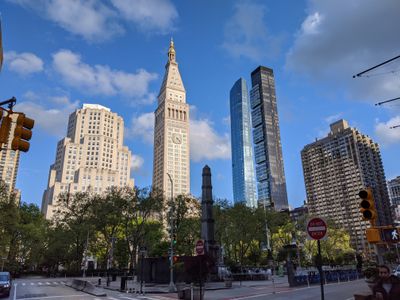
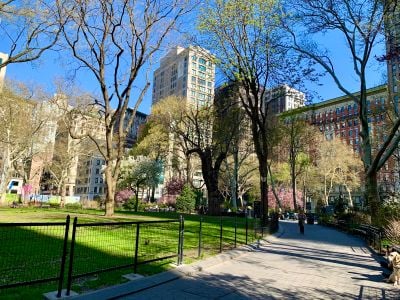
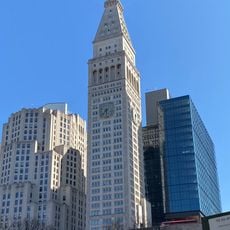
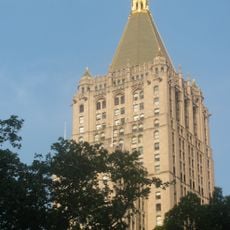
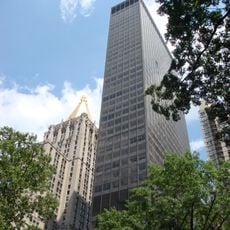
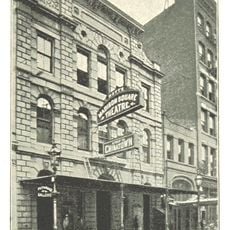
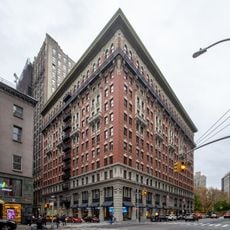
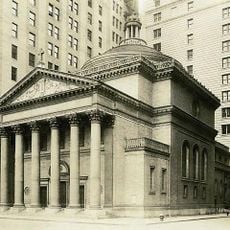
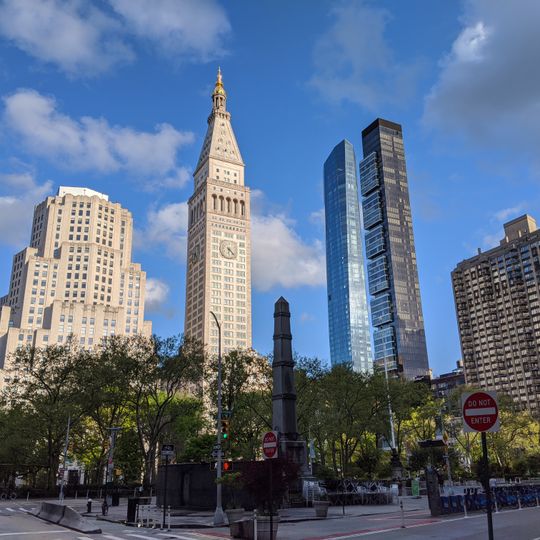
Madison Square and its park form a green space of about 6 acres with landscaped gardens, walking paths, and open areas surrounded by distinctive New York buildings. The layout combines maintained lawns with seating and plantings into a continuously usable public area.
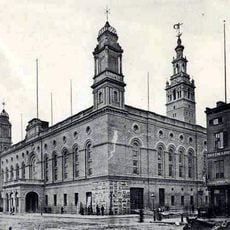
The land was designated public land in 1686 under Governor Thomas Dongan and served as a potter's field in the 1700s. An army arsenal stood here from 1811 to 1825, then the House of Refuge for juvenile offenders until a fire destroyed it in 1839. The tract was renamed for James Madison in 1814, and the 6.2-acre park opened on May 10, 1847.
The name comes indirectly from James Madison: the park and Madison Avenue take it from Madison Cottage, a roadhouse run by William "Corporal" Thompson from 1839, where travellers were advised not to sleep more than five to a bed. The cottage was razed in 1852. Among the park's monuments are John Quincy Adams Ward's 1893 sculpture of Roscoe Conkling and the 1923 Eternal Light Flagpole.
The area is easy to reach by subway with multiple line options at 23rd Street stations providing direct access from different parts of the city. The park itself has adequate pathways for easy navigation and open lawns plus seating for visitors.
The park's 1867 ornamental fountain and the 1923 Eternal Light Flagpole stand among monuments to William Seward, Roscoe Conkling, Chester A. Arthur, General William Worth and Admiral David Farragut. The Seward statue of 1876 was the first monument erected in New York City to honor a New Yorker.
The community of curious travelers
AroundUs brings together thousands of curated places, local tips, and hidden gems, enriched daily by 94,675 contributors worldwide.