Chesapeake and Ohio Canal, Historic canal system in Washington and Montgomery Counties, United States.
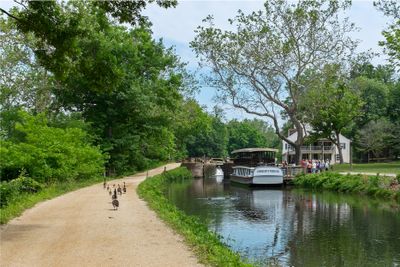
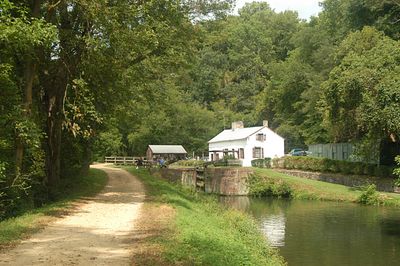
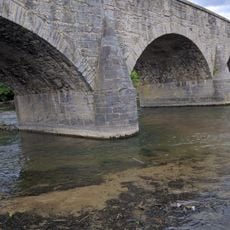
The Chesapeake and Ohio Canal is a historic waterway in Maryland and the District of Columbia that follows the Potomac River for almost 185 miles. The system includes dozens of locks and several stone aqueducts that manage the elevation difference between Georgetown and Cumberland.
Construction began in 1828 under President John Quincy Adams, who laid the cornerstone for the project. The waterway remained in operation until 1924 and served primarily to transport coal from the West Virginia mountains to Washington.
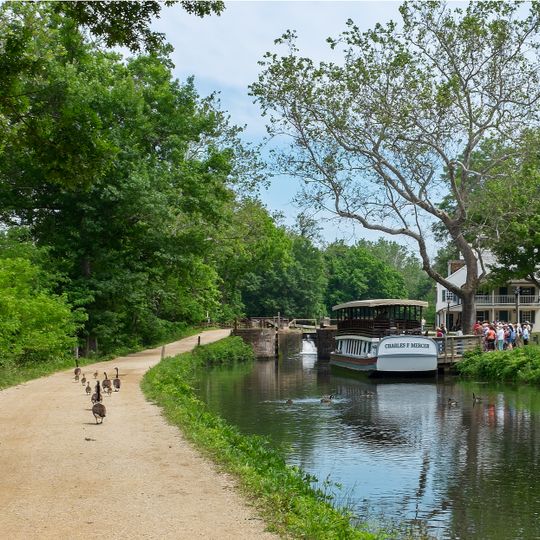
The waterway's name recalls the intended connection between Chesapeake Bay and the Ohio River, a link that was never completed. Today the preserved towpath serves as a meeting place for cyclists, hikers and runners who appreciate the quiet riverside setting.
The towpath can be walked or cycled along its entire length, with different sections offering varying levels of difficulty. The Great Falls Tavern Visitor Center in Maryland provides information and collects an entrance fee for access to that area.
The Paw Paw Tunnel stretches almost a kilometer through solid rock and was dug by hand to bypass a large river bend. This underground passage saved the construction of nearly six miles of additional canal along the twists of the Potomac.
The community of curious travelers
AroundUs brings together thousands of curated places, local tips, and hidden gems, enriched daily by 90,791 contributors worldwide.