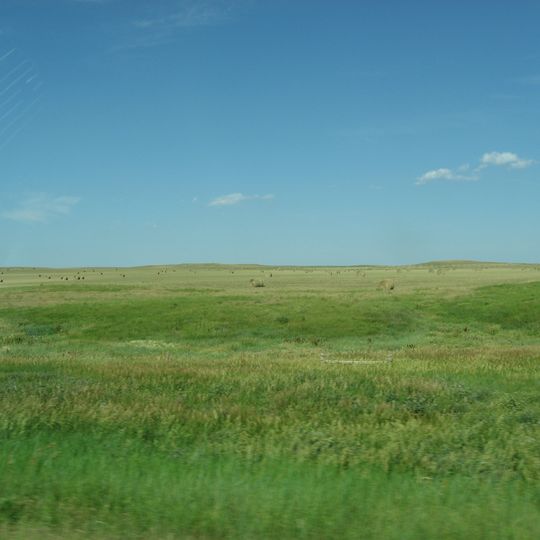
Cheyenne River Indian Reservation, Native American reservation in South Dakota, United States
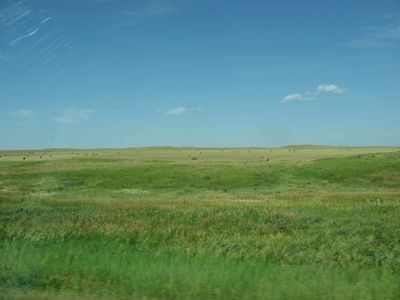
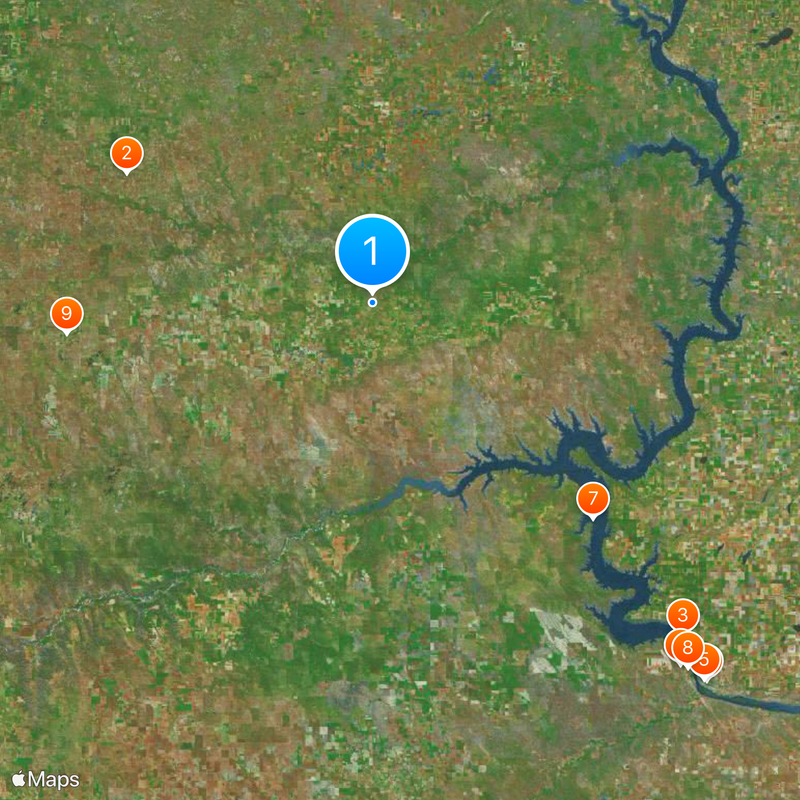
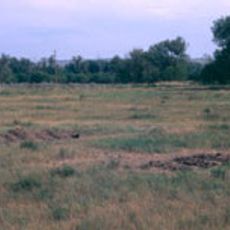
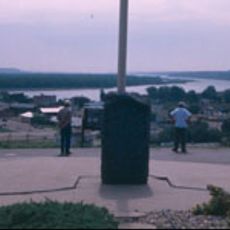
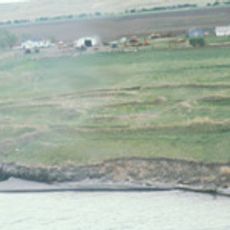
Cheyenne River Indian Reservation spans across several counties in eastern South Dakota with scattered trust lands throughout the region. The territory is home to four bands of the Lakota Nation and includes grasslands and river landscapes that define the area.
The reservation was established in 1889 when the U.S. government divided the Great Sioux Reservation following decades of conflict with Lakota peoples. This division marked a major turning point in the relationship between the federal government and the tribes of the region.
The reservation is home to the Cheyenne River Sioux, where Lakota language and traditional ceremonies remain central to community life. Visitors can sense the deep connection between the people and their ancestral lands.
The reservation is largely rural, best explored with a vehicle to cover distances between communities. Basic services and facilities are available in the main towns, though visitors should plan ahead for supplies and accommodations.
Hydroelectric projects on the Missouri River in the mid-20th century flooded portions of the original territory. This transformation of the landscape had lasting effects on traditional habitats and settlement patterns for the community.
The community of curious travelers
AroundUs brings together thousands of curated places, local tips, and hidden gems, enriched daily by 90,777 contributors worldwide.