The Palisades, Natural cliffs along Hudson River, United States.
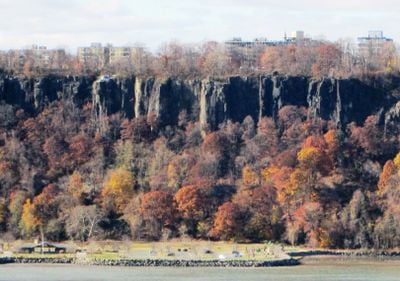
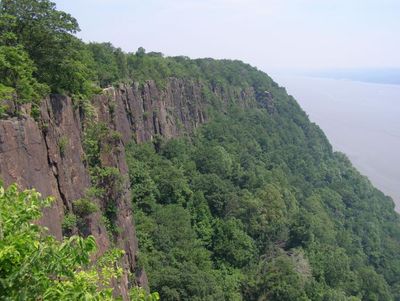
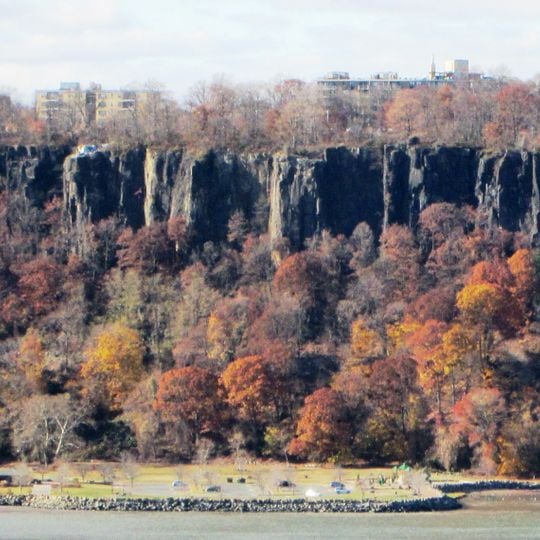
The Palisades form a long wall of dark basalt rock rising on the west side of the Hudson River, reaching over 500 feet in some places. The cliffs show clearly visible vertical cracks that give the rock a columnar appearance, standing out from the surrounding forested terrain.
Italian mariners charted these rocks on their maps in the 16th century after seeing the striking formation from the river. By the late 1800s, quarrying operations threatened the site until activists secured a protected zone that now forms the interstate park.
The name comes from the palisade-like appearance of the vertical basalt columns that caught the attention of early European explorers. Today, hikers follow trails along the ridge top, looking down at the river below, while rock climbers scale the bare walls in designated sections.
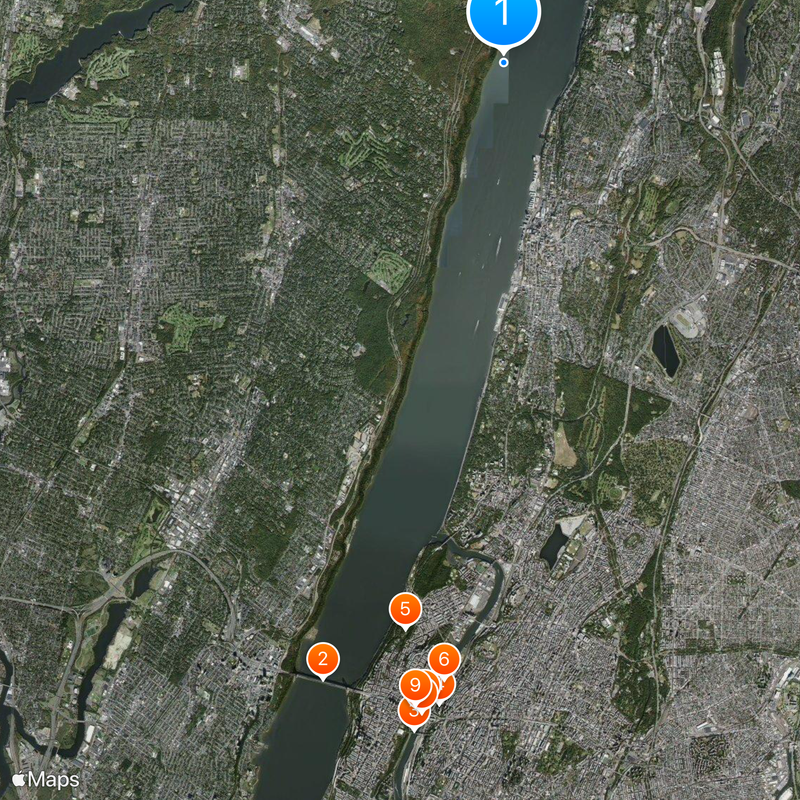
Several overlooks sit along the roads and trails that follow the ridge, with some spots offering direct views toward Manhattan. Most paths are easiest to walk in spring and autumn, when foliage changes or temperatures are milder.
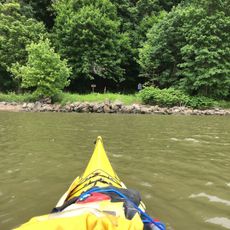
The columnar shape formed when molten rock cooled slowly and developed evenly spaced cracks running perpendicular to the cooling surface. In some places, you can see this structure best from below at the riverbank, where the rocks jut directly into the water.
The community of curious travelers
AroundUs brings together thousands of curated places, local tips, and hidden gems, enriched daily by 90,836 contributors worldwide.