Black Bottom, Former residential district in Detroit, United States
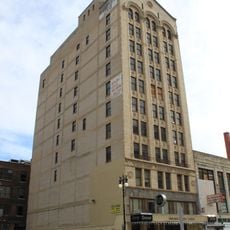
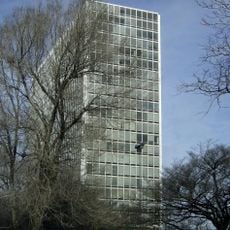
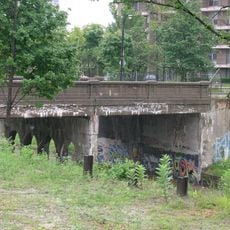
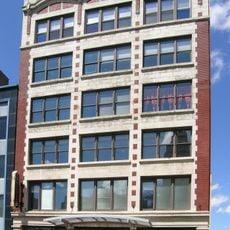
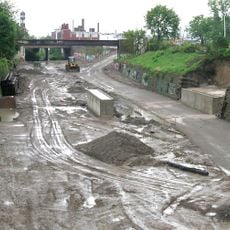
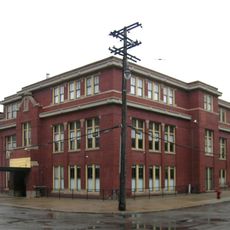
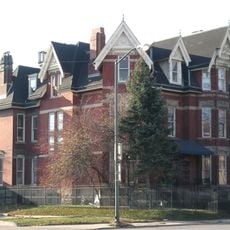
Black Bottom was an eastern residential neighborhood in Detroit bounded by Gratiot Avenue, Brush Street, the Detroit River, and the Grand Trunk railroad tracks. The district featured wooden frame houses and street-level businesses that formed the foundation of daily life.
French settlers named the area after its dark, fertile soil, which was later converted into a drainage system. The neighborhood subsequently developed into a significant center for the African American community before facing demolition in the 1950s.
From the 1930s through 1940s, the neighborhood served as a hub for African American-owned businesses, including music venues, restaurants, medical offices, and hotels. The New Bethel Baptist Church stood at the heart of community life and drew people from across the city.
The neighborhood was fully walkable and offered ten restaurants, eight grocery stores, seventeen physician offices, and six drugstores to serve residents' daily needs. All these services were locally available, making trips to other parts of the city unnecessary.
Nobel Peace Prize recipient Ralph Bunche and future Detroit mayor Coleman Young both came from this neighborhood and later shaped the city's future. These two figures demonstrate the deep influence this community held over Detroit's direction.
The community of curious travelers
AroundUs brings together thousands of curated places, local tips, and hidden gems, enriched daily by 92,777 contributors worldwide.