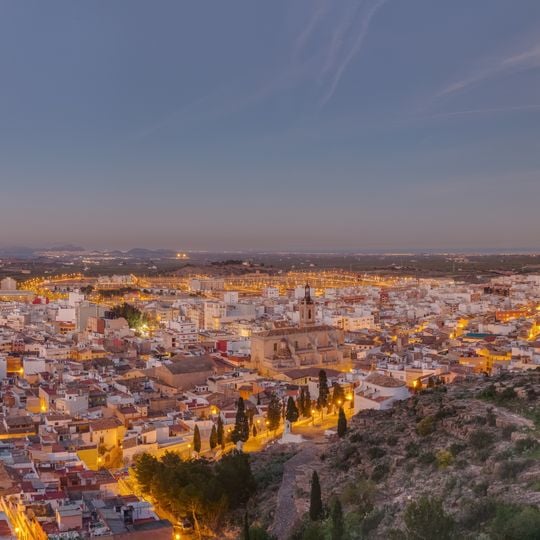
Sagunt, Mediterranean municipality in Camp de Morvedre, Spain
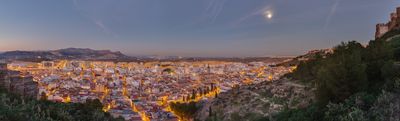
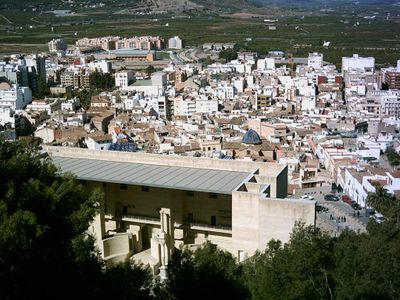
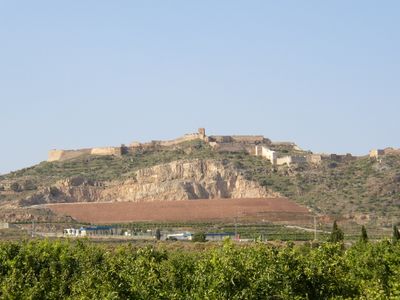
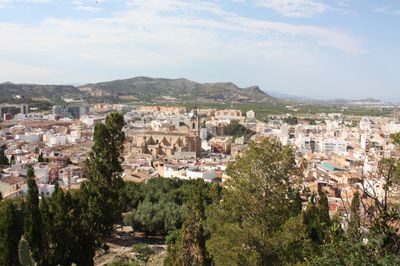
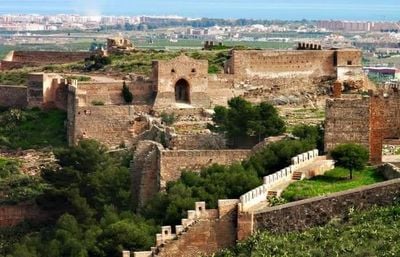
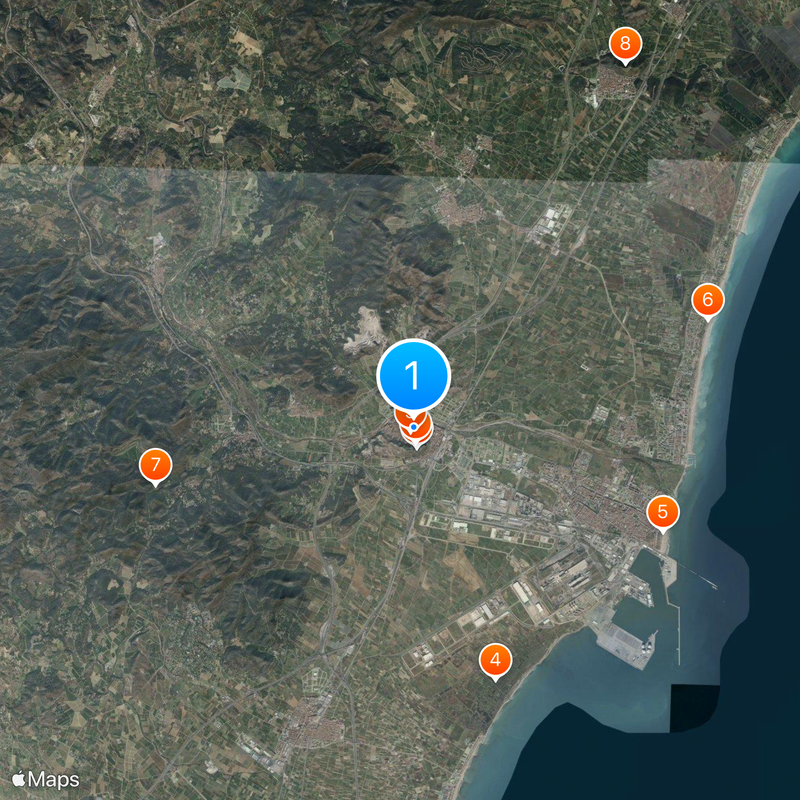
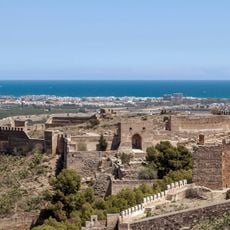
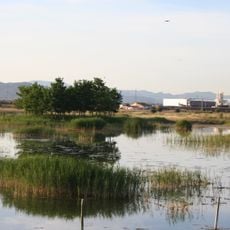
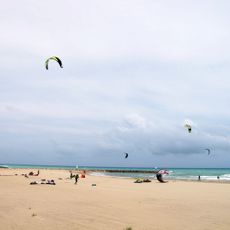
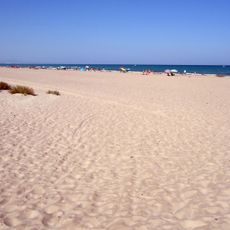
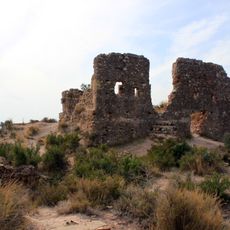
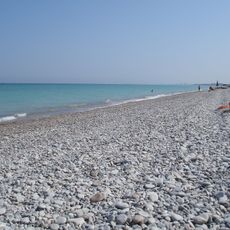
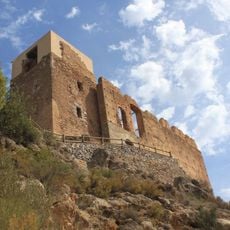
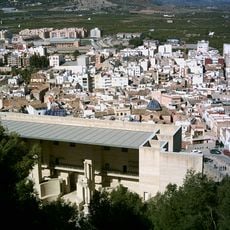
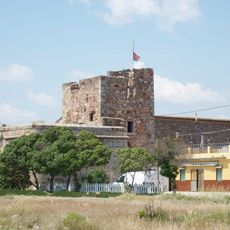
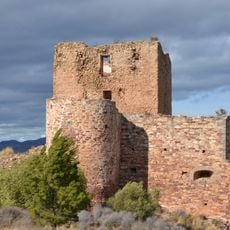
Sagunt is a coastal town in the province of Valencia, around 30 kilometers north of the capital, between the sea and the hills of Calderona and Espadán. The old town sits at the foot of a hill, on top of which a large fortress complex overlooks the modern neighborhoods and the plain stretching to the Mediterranean.
The Roman settlement of Saguntum came into the center of the conflict between Hannibal and Rome in 219 BC, when the Carthaginian general besieged the town and triggered the Second Punic War. After the Roman victory, the town remained an important base in Hispania and developed into one of the most important centers of the region.
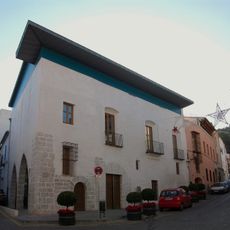
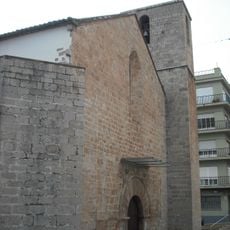
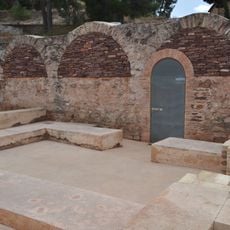
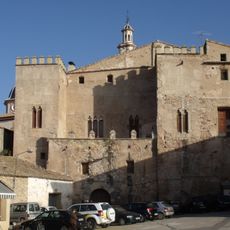
The name Sagunt comes from the Latin Saguntum, and the old town still shows traces of the different communities that lived here over many centuries. The Jewish quarter with its narrow lanes and stone arches is a particularly clear part of this past, through which visitors can still walk today.
The climb to the castle and theater involves steep paths and stairs, so comfortable shoes and steady footing are needed. Visiting the old town and the ancient sites is possible during the day, though midday in summer can become very hot.
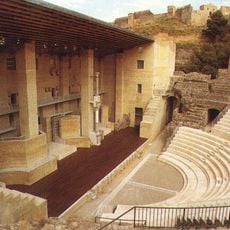
The Roman theater was declared a National Monument in the late 19th century as the first structure in Spain to receive this status, long before other ancient sites received this level of protection. The stage and stone seating rows lie directly on the hillside below the castle, so spectators then and now had a wide view over the plain.
The community of curious travelers
AroundUs brings together thousands of curated places, local tips, and hidden gems, enriched daily by 60,000 contributors worldwide.