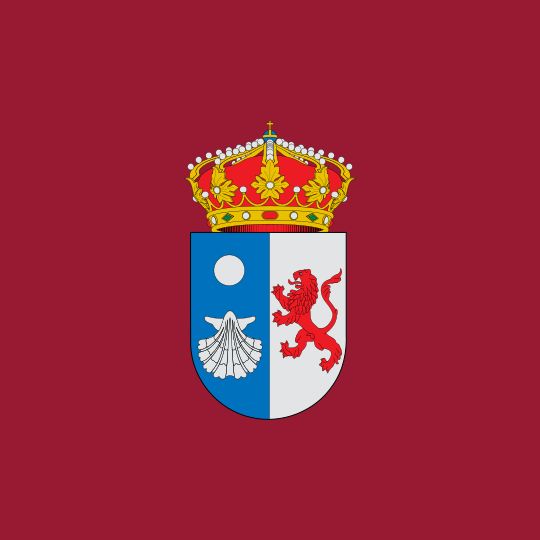
Cacabelos, municipality of Spain
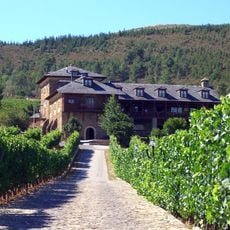
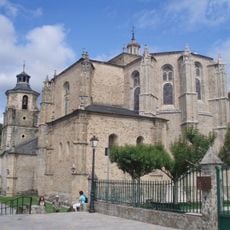
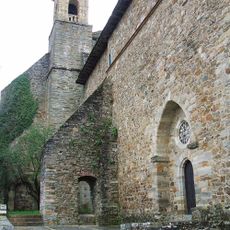
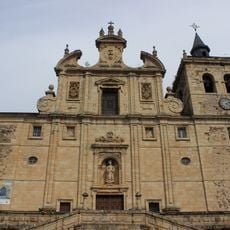
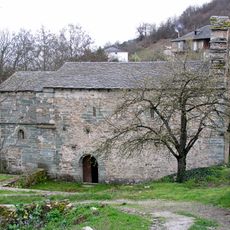
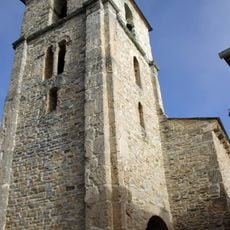
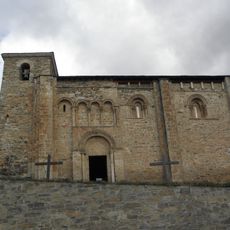
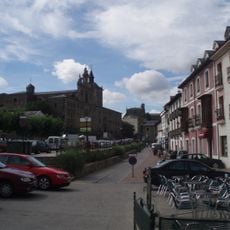
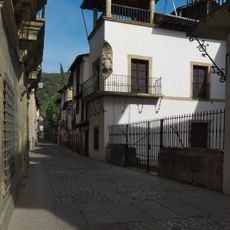
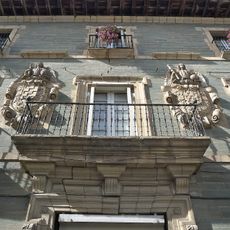
Cacabelos is a small municipality in León Province, Spain, located in a valley beside the Cúa River and surrounded by vineyards. The town consists of traditional stone houses with wooden balconies, narrow streets, and historic squares bordered by churches and centuries-old buildings.
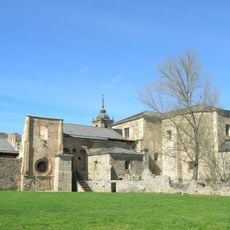
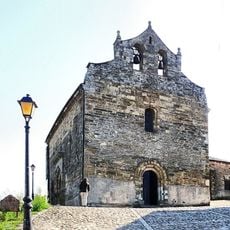
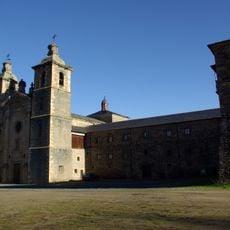
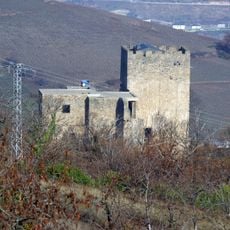
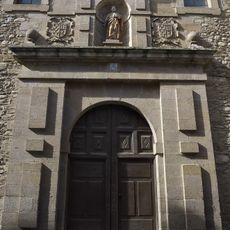
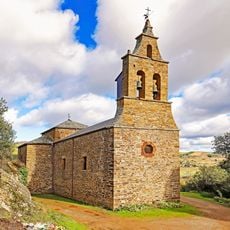
The area was inhabited in prehistoric times and later exploited by Romans for gold mining, who established a settlement nearby called Bergidum Flavium. During the Middle Ages, the town grew as a crucial rest stop for pilgrims traveling the Camino de Santiago, prompting the construction of churches and hospitals.
The town's character and layout were shaped by its role as a medieval pilgrimage stop on the Camino de Santiago, where travelers found shelter and care. This heritage remains visible today in how locals and visitors use the streets and squares, gathering in places built centuries ago to welcome those passing through.
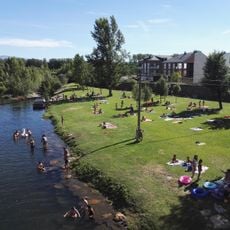
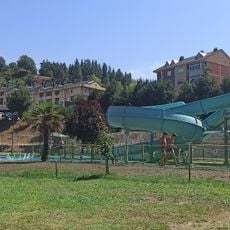
The town is easy to explore on foot, as most sites of interest cluster around the river area and the main Santa María street. Summer brings warm weather and opportunities for outdoor activities like swimming in the river or walking through the surrounding vineyards.
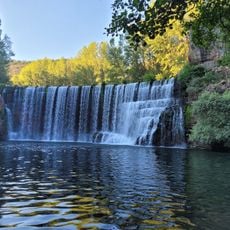
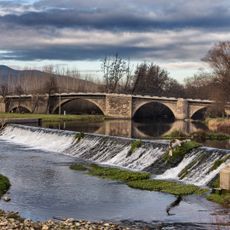
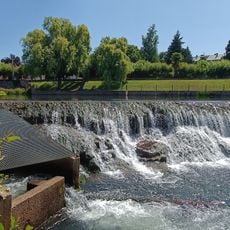
The Puente Mayor stands where an ancient Roman bridge once crossed the river, and below it lies one of the few natural river beaches in the region where visitors can swim during warm months. This blend of ancient infrastructure and present-day leisure creates an unusual meeting point between history and everyday life.
The community of curious travelers
AroundUs brings together thousands of curated places, local tips, and hidden gems, enriched daily by 90,847 contributors worldwide.