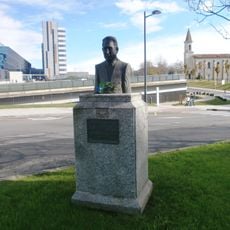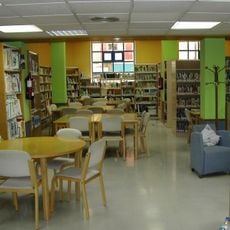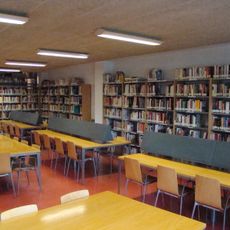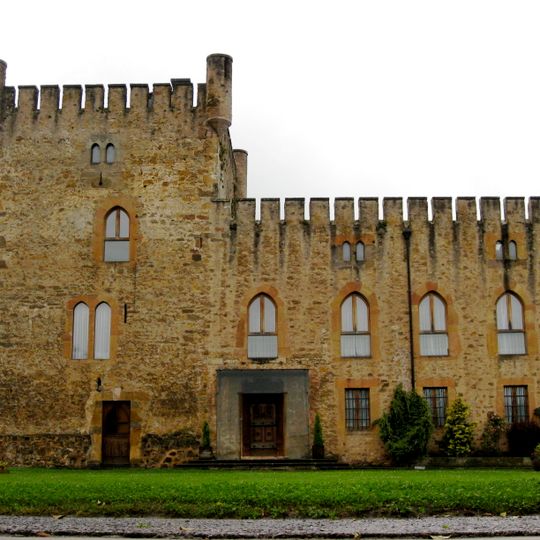
Llanera, municipality (concejo) in Asturias, Spain
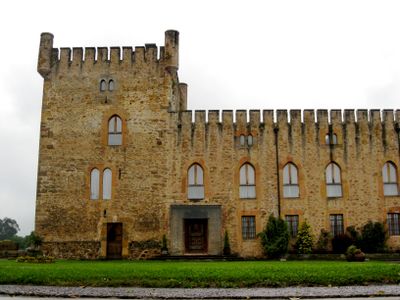
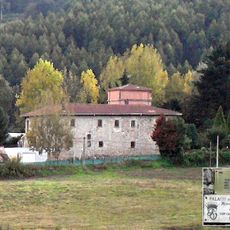
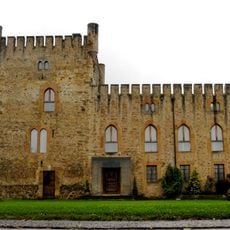
Llanera is a council in the province of Asturias, in northern Spain, made up of several small villages and parishes spread across a rural area. The landscape is a mix of green fields, traditional stone buildings, and newer industrial zones that have grown along the edges of the older rural cores.
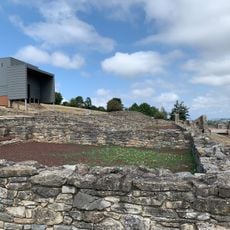
The area was settled in Roman times under the name Lucus Asturum, when it sat at the crossing of roads that connected major settlements across the region. Over the following centuries, the land shifted gradually from a farming community into a place where industry and rural traditions now exist side by side.
In Llanera, many people speak both Spanish and Asturian, a regional language you can hear in daily conversation and see on local signs. Every year, the Fiesta de los Exconxuraos brings together the villages of the council through music, traditional dances, and shared meals.
Llanera is close to Oviedo, Gijon, and Aviles, all of which are easy to reach by car or train and work well as a base for day trips. The council is divided into parishes, each centered on its own church and small community square, which makes moving from one area to another straightforward.
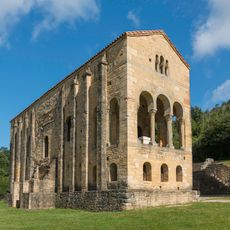
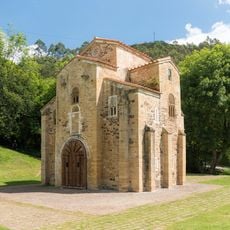
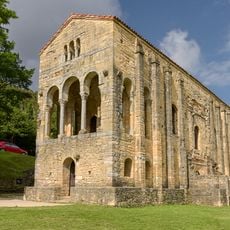
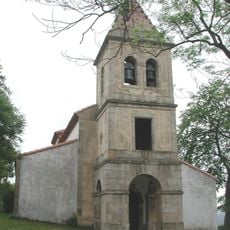
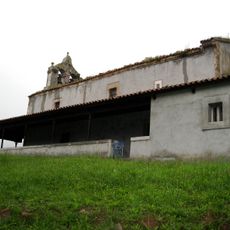
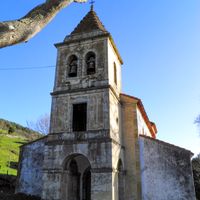
The parish of San Cucao, within Llanera, holds a small Romanesque church that is one of the oldest surviving buildings in the area, yet most visitors pass through without stopping. Not far from it, the route of an ancient Roman road can still be partially traced in the landscape, cutting across farmland that has been in use for centuries.
The community of curious travelers
AroundUs brings together thousands of curated places, local tips, and hidden gems, enriched daily by 91,065 contributors worldwide.