Sancti Petri, human settlement in Chiclana de la Frontera, Cádiz Province, Andalusia, Spain
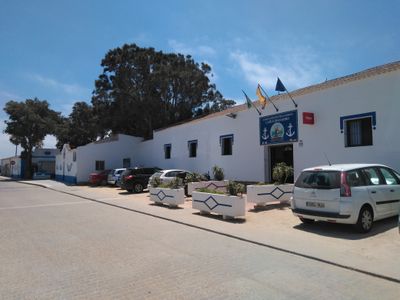
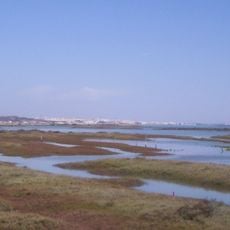
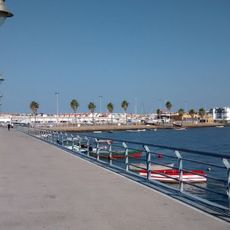
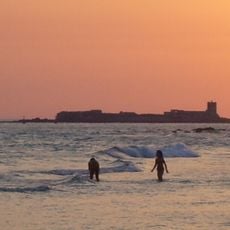
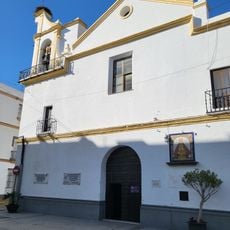
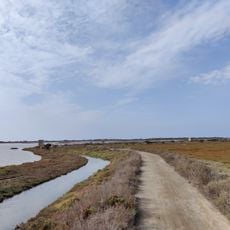
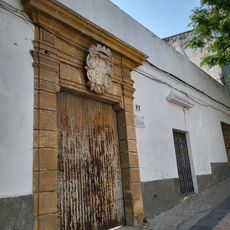
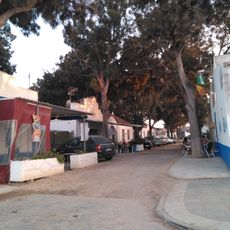
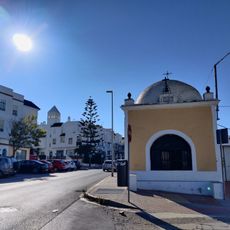
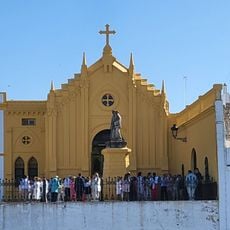
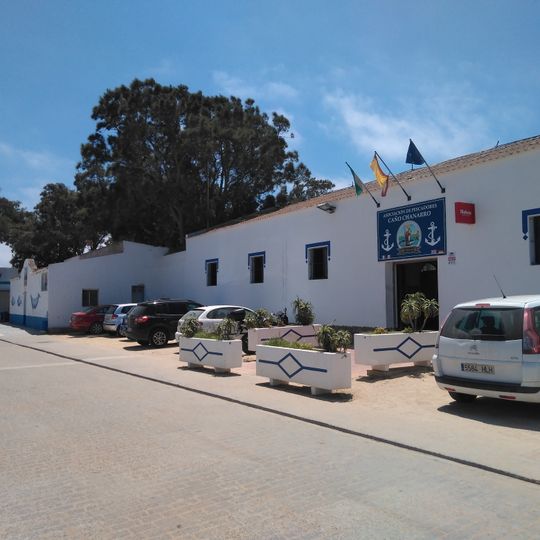
Sancti Petri is a small fishing village located near the coast in Chiclana de la Frontera in southern Spain. The settlement features narrow winding streets, modest houses, and a working port where boats remain tied to docks and fishing traditions continue to shape the character of the place.
Sancti Petri developed as a tuna fishing center for centuries, using traditional methods like almadrabas that dated back to the Islamic period. In the twentieth century a major fishing company invested in the village and brought growth, but declining fish stocks led to the company's closure in the 1970s and left the settlement largely abandoned for decades.
The name Sancti Petri comes from Latin meaning 'of Saint Peter,' honoring the patron of fishermen and sailors who watched over this coastal community. The village still reflects this deep connection to the sea through its working port, the boats tied along the water, and local traditions tied to fishing that remain part of daily life.
Walking is the best way to explore the village since streets are narrow and winding; the harbor and waterfront areas offer the clearest views of the fishing life. The area can be visited year-round, though summers bring more visitors and the port shows more activity with boats coming and going.
A Spanish film was partly filmed in Sancti Petri, documenting how the village looked and how people lived in earlier times, helping visitors understand the layers of its past. Local artists have painted murals showing tuna and scenes from the fishing era, keeping alive the memory of how the sea shaped the community and its rhythms.
The community of curious travelers
AroundUs brings together thousands of curated places, local tips, and hidden gems, enriched daily by 90,792 contributors worldwide.