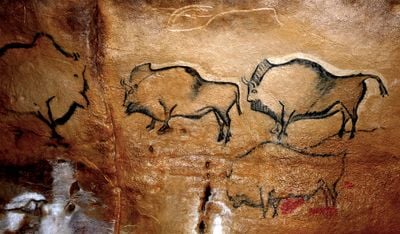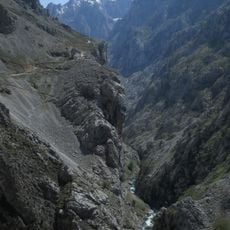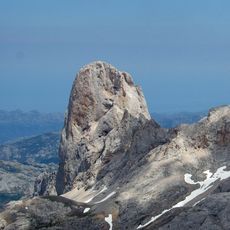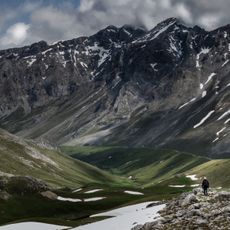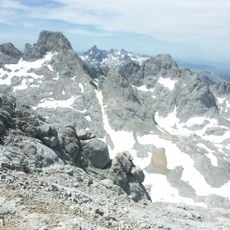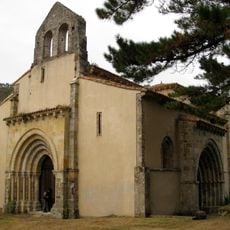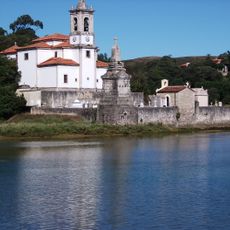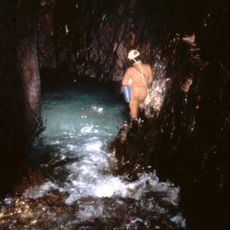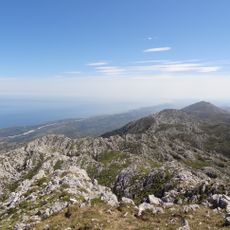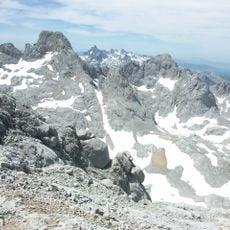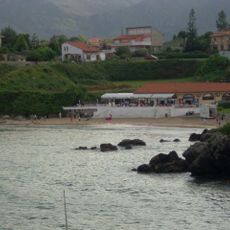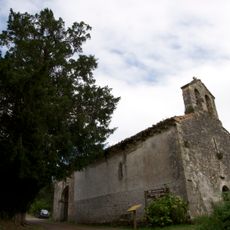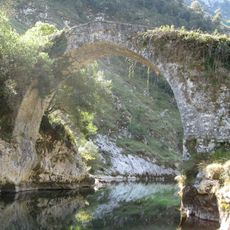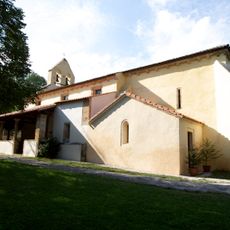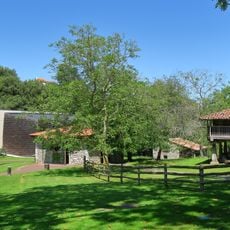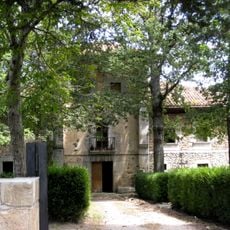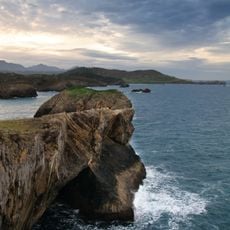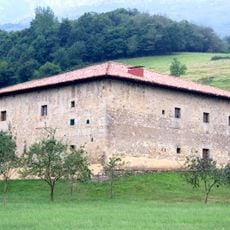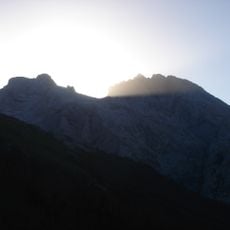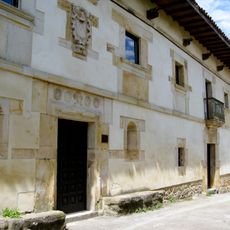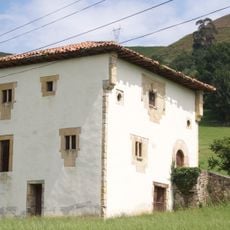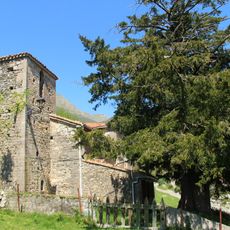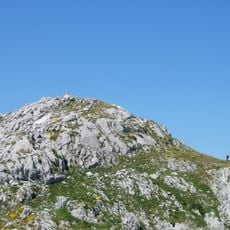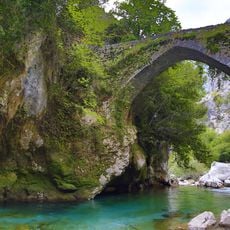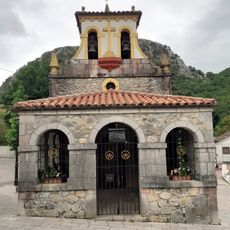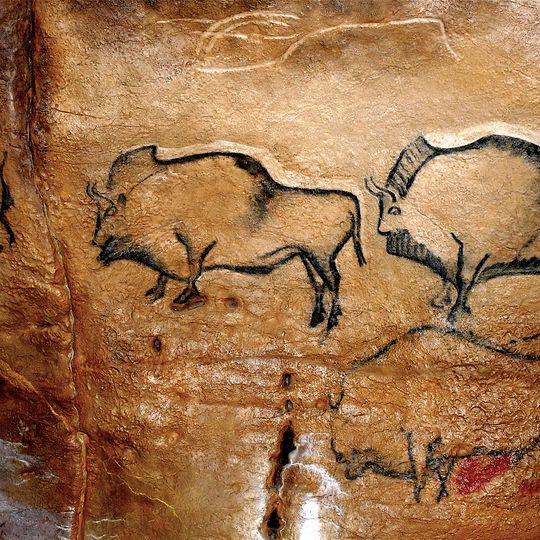
Cueva de La Covaciella, Paleolithic cave in Las Estazadas Gorge, Cabrales, Spain.
Cueva de La Covaciella is a Paleolithic cave in the Las Estazadas Gorge in Cabrales that extends westward through a 40-meter passage. The entrance opens into a large chamber divided by a natural formation of accumulated rocks within the stone.
Road construction workers discovered the cave in 1994 when an explosion revealed a previously unknown section containing prehistoric art. This chance discovery led to the recognition of an important monument from ancient times.
The cave walls display engravings and paintings of animals such as deer, horses, wild goats, and bison arranged in a sequence across the stone. These images show how people long ago saw and understood the animals they hunted and lived among.
The cave remains closed to visitors, but reproductions of the artwork can be viewed at Casa Bárcena in nearby Carreña. These copies provide a clear picture of what the original site contains while protecting the fragile cave.
Scientists used radiocarbon analysis to date the cave paintings to around 14,100 years ago. This confirms the artwork was created during the Magdalenian period, an era known for skilled hunters.
The community of curious travelers
AroundUs brings together thousands of curated places, local tips, and hidden gems, enriched daily by 91,816 contributors worldwide.