Convento de San Antonio de Padua, Toledo, cultural property in Toledo, Spain
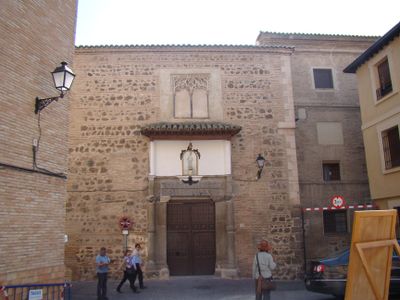
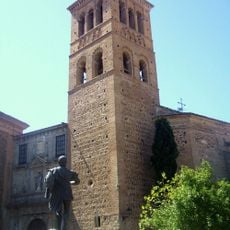
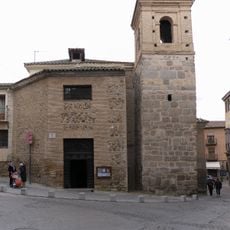
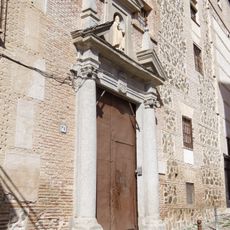
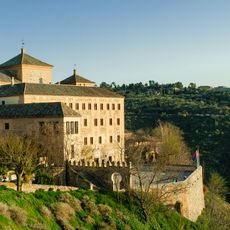
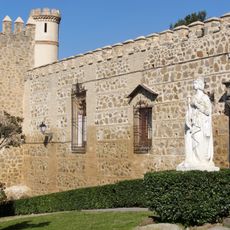
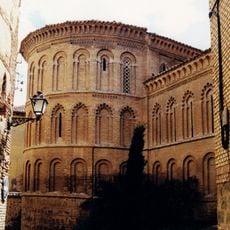
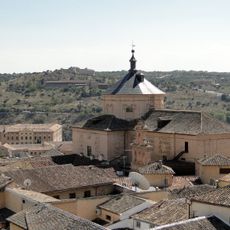
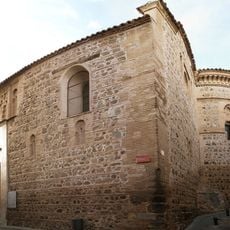
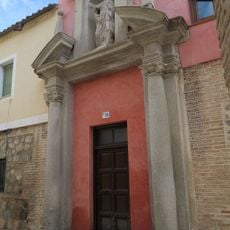
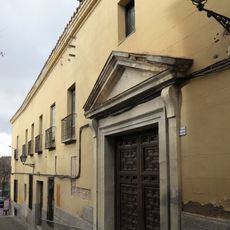
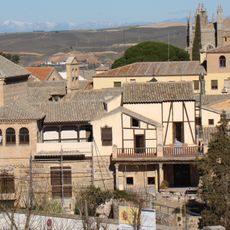
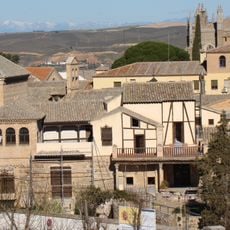
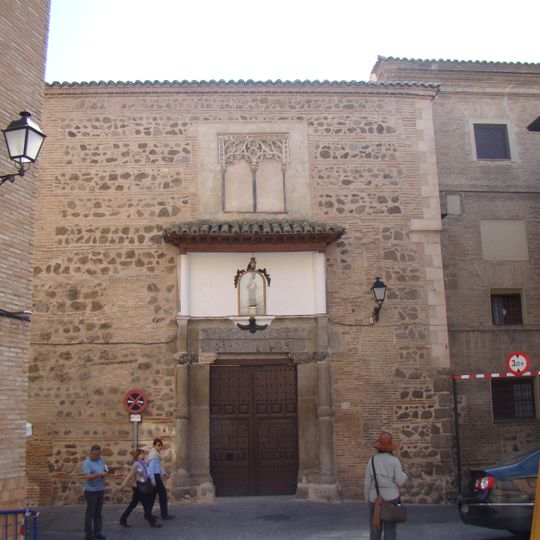
The Convento de San Antonio de Padua is a convent in Toledo that developed in the 16th century and displays a blend of different building styles. The complex consists of several interconnected buildings with two characteristic courtyards: the Patio de los Naranjos with its octagonal pillars and painted wooden ceilings, and the Patio del Cementerio with three levels of stone and wood construction.
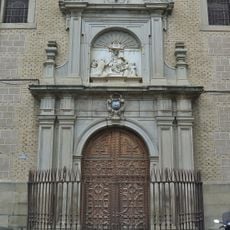
The convent began in 1514 as a women's beatery and expanded significantly in 1525 when the nuns purchased a confiscated palace belonging to Hernando de Ávalos, transforming it into the core of the complex. The convent church was designed by Juan Bautista Monegro in 1594 and completed by Juan Martínez de Encabo after his death, establishing the complex as a major example of Toledo's early modern architecture.
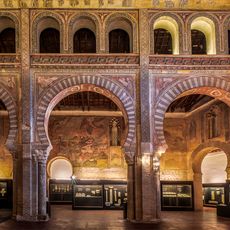
The convent was a center for women's religious life in Toledo for centuries, shaping the spiritual practices of the city. Today visitors can trace these daily activities through the hallways and courtyards, especially in the Patio de los Naranjos with its painted wooden ceilings and Gothic-Mudejar decorations.
The complex can only be visited by reservation and in organized groups, so advance booking is necessary. Comfortable walking shoes are recommended as you will navigate multiple levels, stairs, and different courtyards, particularly in the historic palace areas.
The building was originally a confiscated palace belonging to a noble family before becoming a religious community in 1525, representing a rare transformation of a secular structure into a spiritual one. This dual identity remains visible today in the architectural details, where Gothic elements from the palace stand alongside later monastic additions.
The community of curious travelers
AroundUs brings together thousands of curated places, local tips, and hidden gems, enriched daily by 60,000 contributors worldwide.